
Have you ever gone for a routine medical check-up, feeling perfectly fine, only to be told that your liver shows signs of “fatty changes”? It’s one of those moments when your heart skips a beat—you think, “But I don’t even drink that much alcohol!” You’re not alone. Many people discover they have fatty liver disease by accident, and the diagnosis often leaves them confused, anxious, and wondering what went wrong.
Here’s the surprising truth: fatty liver disease is now one of the most common liver conditions worldwide. In fact, it affects about 1 in 4 adults globally, and in some countries, it’s even more widespread. What’s more shocking? You don’t have to drink alcohol to get it.
So let’s pause for a moment. If you’re reading this, ask yourself:
- Do you often feel tired for no obvious reason?
- Have you gained weight around your belly over the years?
- Do you have high cholesterol, diabetes, or high blood pressure?
If you answered “yes” to any of these, you might be at higher risk of fatty liver disease—even if you feel otherwise healthy. But don’t panic. Understanding the condition is the first step toward taking back control of your health, and that’s exactly what we’re going to do in this article.
Read Also: Subtle Signs Your Liver Is Damaged (Before It’s Too Late)
What Exactly Is Fatty Liver Disease?

In simple terms, fatty liver disease happens when too much fat builds up in your liver cells. Your liver normally has a little fat, but when fat makes up more than 5–10% of the liver’s weight, doctors call it “fatty liver.”
There are two main types:
- Alcoholic fatty liver disease (AFLD): caused by heavy drinking.
- Non-alcoholic fatty liver disease (NAFLD): develops in people who drink little to no alcohol, often linked to obesity, type 2 diabetes, and metabolic syndrome.
Over time, fatty liver can progress. The stages include:
- Simple fatty liver (steatosis): fat in the liver but little or no damage.
- Non-alcoholic steatohepatitis (NASH): fat plus inflammation and liver cell damage.
- Fibrosis: scar tissue starts to form.
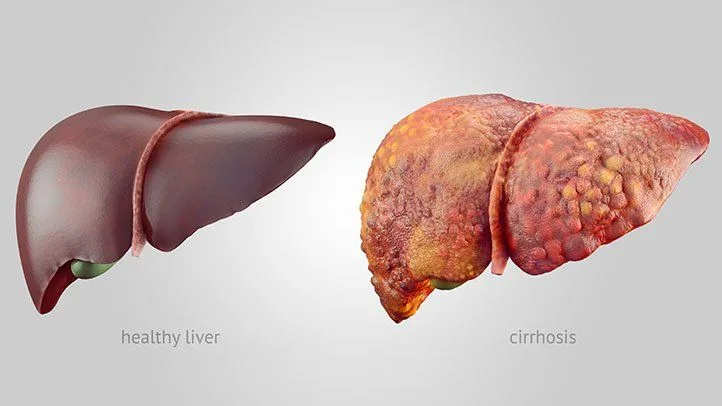
- Cirrhosis: severe scarring that can lead to liver failure or cancer.
The good news? With the right lifestyle changes, fatty liver—especially in the early stages—can often be reversed.
Why Should You Care About Fatty Liver Disease?
Because it’s sneaky. Most people don’t feel symptoms until the disease has progressed. That’s why it’s sometimes called a “silent” condition. When symptoms do appear, they may include:
- Constant fatigue
- Unexplained weight gain or difficulty losing weight
- Abdominal discomfort or bloating
- Yellowing of the skin or eyes (in advanced cases)
Here’s another eye-opener: fatty liver disease is closely tied to other health issues like heart disease, kidney problems, and even certain cancers. So taking care of your liver is really about taking care of your whole body.
Read Also: Early Signs of Iron Deficiency in Women: Symptoms, Causes, and What You Need to Know
What Puts You at Risk?
Several lifestyle and genetic factors can increase your chances of developing fatty liver disease. These include:
- Being overweight, especially with belly fat
- Type 2 diabetes or insulin resistance
- High cholesterol or triglycerides
- A diet high in processed foods, sugar, and unhealthy fats
- Sedentary lifestyle (sitting more than moving)
- Certain medications or genetic conditions
It’s not always about weight, though. Even people who look slim can have fatty liver if they eat poorly, rarely exercise, or have metabolic risk factors.h
Lifestyle Changes That Make a Difference

The best part about catching fatty liver early is that it’s often reversible with lifestyle adjustments. Here’s what really works:
1. Clean Up Your Diet
- Cut back on sugar and refined carbs. Sugary drinks, white bread, pastries, and candy are tough on your liver.
- Eat more whole foods. Think vegetables, fruits, whole grains, legumes, nuts, and seeds.
- Choose healthy fats. Olive oil, avocados, and fatty fish (like salmon or sardines) can actually help your liver.
- Limit alcohol. Even moderate drinking can worsen fatty liver.
2. Move Your Body Regularly
Exercise is one of the most powerful ways to reduce liver fat. Aim for at least:
- 150 minutes of moderate activity (like brisk walking, cycling, or dancing) each week, or
- 75 minutes of vigorous activity (like jogging or HIIT).
Strength training 2–3 times a week is also great for improving insulin sensitivity and reducing fat.
3. Watch Your Weight
Even a 5–10% weight loss can significantly reduce liver fat and inflammation. Focus on sustainable changes rather than crash diets.
4. Prioritize Sleep and Stress Management
Poor sleep and chronic stress can worsen insulin resistance and inflammation. Simple habits like keeping a consistent sleep schedule, practicing deep breathing, or even a short evening walk can help.
5. Stay Hydrated
Your liver loves water. Staying well-hydrated supports detoxification and helps regulate metabolism.
Can Supplements Help?
Some studies suggest that certain nutrients may support liver health, such as:
- Vitamin E: may reduce inflammation in some people with fatty liver (though it’s not for everyone).
- Omega-3 fatty acids: found in fish oil, may help lower liver fat and triglycerides.
- Coffee (yes, coffee!): moderate consumption has been linked to better liver health.
However, supplements should never replace lifestyle changes, and it’s always best to talk to your doctor before starting anything new.
Getting Checked: When to See a Doctor
Because fatty liver disease often has no obvious symptoms, screening is important if you’re at risk. Your doctor may recommend:
- Blood tests: to check liver enzymes.
- Ultrasound or MRI scans: to detect fat buildup.
- Fibroscan or biopsy: in more advanced or unclear cases.
Don’t ignore regular check-ups, especially if you already have diabetes, obesity, or high cholesterol.
Taking Care of Your Liver Is Taking Care of Your Life

Your liver is a powerhouse organ—it processes nutrients, detoxifies harmful substances, and keeps your metabolism running smoothly. Imagine it as your body’s hardworking filter. When it’s clogged with fat, everything else suffers.
The empowering truth is this: you can prevent, manage, and even reverse fatty liver disease. Every small choice you make—what you eat for breakfast, whether you take a 20-minute walk, how much sleep you get—adds up to either healing or harming your liver.
Don’t Wait to Take Action
If you’ve read this far, you probably care about your health—and that’s the first step toward change. Fatty liver disease may be common, but it’s not inevitable. By making mindful choices about diet, exercise, and overall lifestyle, you can protect your liver and feel more energetic, focused, and alive.
So, here’s your challenge: pick one habit from this article and start today. Maybe it’s swapping soda for water, going for a brisk walk after dinner, or adding more veggies to your plate. Your liver—and your future self—will thank you.
Remember, your health journey doesn’t need to be perfect. It just needs to start.
✨ Your turn: Have you or someone you know dealt with fatty liver disease? What lifestyle change made the biggest difference? Share your thoughts in the comments—I’d love to hear from you.


