Author: Anita Bentsil

  • Side Effects of Air Fresheners: Hidden Health Risks and Natural Local Alternatives for a Fresh-Smelling Home

    Side Effects of Air Fresheners: Hidden Health Risks and Natural Local Alternatives for a Fresh-Smelling Home

    Side Effects of Air Fresheners: What Most People Don’t Know

    A pleasant-smelling room feels comforting. That is why millions of people use sprays, plug-ins, scented candles, gels, and diffusers daily. But behind those “fresh” scents may be hidden chemicals linked to headaches, breathing problems, hormone disruption, and poor indoor air quality.

    Many commercial air fresheners do not actually clean the air. Instead, they mask odours by releasing chemical fragrances into the environment.

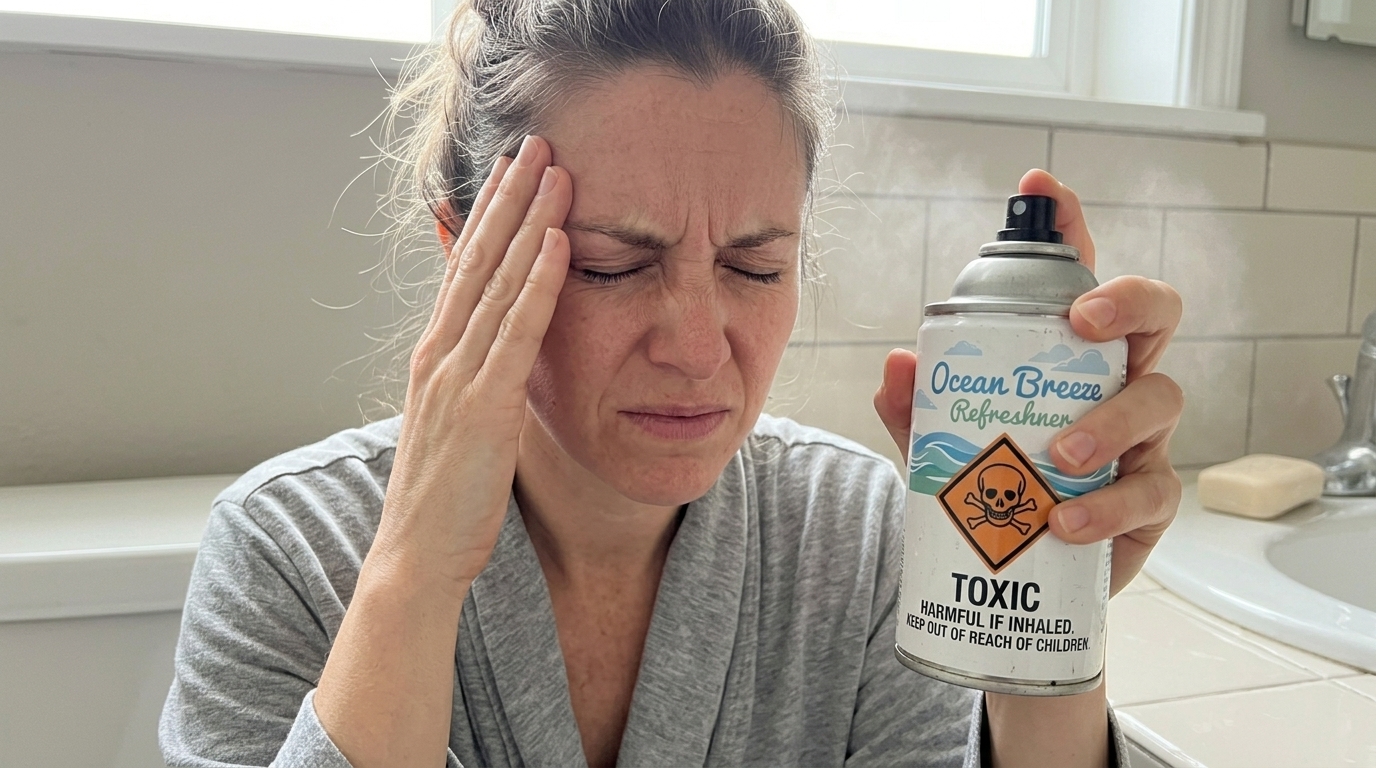
    If you have ever experienced sneezing, headaches, dizziness, or irritation after using an air freshener, your body may already be reacting to the chemicals inside it.

    ‎Follow the InfoHealthGh channel on WhatsApp: https://whatsapp.com/channel/0029Va7j1SgGE56e8pagc22u

    In this article, we will explore:

    • The hidden side effects of air fresheners
    • Chemicals commonly found in scented products
    • Scientific evidence about health concerns
    • Why some “natural” products may still be harmful
    • Safer and affordable local alternatives you can use at home

    What Chemicals Are Found in Air Fresheners?

    Many air fresheners release volatile organic compounds (VOCs)—chemicals that readily evaporate into the air. Although they are designed to make indoor spaces smell pleasant, they can contribute to indoor air pollution and may affect air quality, particularly in poorly ventilated rooms.

    Some of the most common chemicals found in air fresheners include:

    1. Phthalates
    Phthalates are used to help fragrances last longer. Research has linked exposure to certain phthalates with hormone disruption, reduced fertility, and developmental problems in children.

    2. Formaldehyde
    Formaldehyde is a known human carcinogen. Even at low levels, it can irritate the eyes, nose, throat, and respiratory system, especially with repeated exposure.

    3. Benzene
    Benzene is another chemical of concern. Long-term exposure has been associated with blood disorders, including an increased risk of certain cancers such as leukemia.

    4. Synthetic Fragrances
    The term “fragrance” on a product label may represent a proprietary blend of dozens—or even hundreds—of chemicals that manufacturers are not always required to disclose individually. Some of these ingredients may trigger allergies, headaches, or respiratory irritation in sensitive individuals.

    5. Aerosol Propellants
    Many spray air fresheners use propellants such as propane, butane, or isobutane. These compounds can increase indoor levels of VOCs and contribute to poor indoor air quality.

    Studies have found that many scented consumer products emit a mixture of VOCs, some of which are classified as hazardous air pollutants. The health risk depends on factors such as the specific chemicals released, their concentration, the amount of ventilation, and how frequently the products are used.se hazardous pollutants even when labelled “green” or “natural.”

    10 Side Effects of Air Fresheners

    1. Headaches and Migraines

    Artificial fragrances can trigger headaches in sensitive individuals. Strong scents may overstimulate the nervous system, especially in poorly ventilated rooms.

    Common symptoms include:

    • Dizziness
    • Brain fog
    • Nausea
    • Eye irritation

    2. Respiratory Problems

    Air fresheners can irritate the lungs and worsen:

    • Asthma
    • Allergies
    • Sinus issues
    • Chronic coughing

    Children and elderly individuals are especially vulnerable.

    People who already struggle with breathing conditions may notice symptoms immediately after exposure.

    3. Indoor Air Pollution

    Ironically, products marketed to “freshen” the air often pollute it.

    Studies suggest indoor air can sometimes be more polluted than outdoor air because of:

    • Scented sprays
    • Cleaning products
    • Candles
    • Poor ventilation

    4. Hormonal Disruption

    Certain chemicals, like phthalates, may interfere with the endocrine system.

    Researchers have linked long-term exposure to possible:

    • Reproductive issues
    • Hormonal imbalance
    • Developmental concerns in children

    5. Skin Irritation

    Some people experience:

    • Itching
    • Rashes
    • Redness
    • Allergic reactions

    This is especially common with direct contact from gel fresheners or scented oils.

    6. Eye, Nose, and Throat Irritation

    Strong fragrances may irritate sensitive tissues, leading to:

    • Watery eyes
    • Sore throat
    • Sneezing
    • Burning sensations

    7. Triggered Asthma Attacks

    Scented aerosols and plug-ins may trigger asthma attacks in susceptible individuals.

    Children exposed regularly to heavily fragranced environments may also face increased respiratory sensitivity over time.

    8. Poor Sleep Quality

    side effects of air fresheners
    Kidney damaging habits

    Strong artificial scents may overstimulate the brain rather than relax it.

    Some users report:

    • Restlessness
    • Difficulty sleeping
    • Nighttime headaches

    9. Effects on Pets

    Dogs, cats, and birds are often more sensitive to airborne chemicals than humans.

    Certain essential oils and fragrance compounds may irritate pets or cause breathing discomfort.

    10. They Only Mask Odors

    Most air fresheners do not remove the source of bad smells.

    If your home smells unpleasant, the real issue could be:

    • Mold
    • Dampness
    • Trash buildup
    • Poor ventilation
    • Dirty fabrics
    • Blocked drains

    Masking odours may delay fixing the actual problem.

    Read Also: What Is the Most Effective Way to Sustainably Lose 2Kg Monthly? (Methods That Actually Work)

    Are “Natural” Air Fresheners Always Safe?

    Not necessarily.

    Some products marketed as:

    • organic,
    • eco-friendly,
    • green,
    • or natural

    may still release VOCs or undisclosed fragrance chemicals.

    Even essential oils should be used carefully, especially around:

    • babies,
    • pets,
    • pregnant women,
    • or people with asthma.

    The safest approach is moderation and proper ventilation.

    15 Natural and Local Alternatives to Air Fresheners

    side effects of air fresheners

    Instead of masking odours with chemicals, these alternatives help freshen your home naturally.

    1. Open Your Windows

    Fresh air remains one of the most effective and free solutions.

    2. Baking Soda

    Absorbs odours naturally.

    Place small bowls in:

    • bathrooms
    • kitchens
    • refrigerators
    • shoe racks

    3. Boiled Citrus Peels

    Boil orange, lemon, or lime peels with cinnamon for a natural fragrance.

    4. Activated Charcoal

    Excellent for absorbing moisture and odours.

    5. Coffee Grounds

    Used coffee grounds can neutralize unpleasant smells naturally.

    6. Lemongrass

    A popular local option with a clean, refreshing scent.

    7. Neem Leaves

    Traditionally used in many homes for freshness and insect control.

    8. Scented Indoor Plants

    Plants can improve indoor air quality while adding natural fragrance.

    Examples include:

    • lavender
    • mint
    • basil
    • jasmine

    9. White Vinegar

    Helps absorb strong cooking odors.

    10. Simmer Pots

    Boil herbs, cloves, cinnamon, and fruit slices together.

    11. Proper Cleaning

    The best-smelling homes are usually the cleanest homes.

    Wash:

    • curtains
    • rugs
    • bedding
    • upholstery regularly

    12. Sun-Dry Fabrics

    Sunlight naturally removes musty smells from clothes and bedding.

    13. Natural Reed Diffusers

    Use diluted essential oils carefully in well-ventilated spaces.

    14. Improve Ventilation

    Use exhaust fans and keep airflow moving.

    15. Remove the Source of Odours

    Do not cover odours. Find the cause and fix it.

    Who Should Be Extra Careful Around Air Fresheners?

    The following groups may be more sensitive:

    • Children
    • Pregnant women
    • Asthmatics
    • Elderly individuals
    • People with allergies
    • Pets

    Reducing exposure can help create a healthier indoor environment.

    How to Choose a Safer Air Freshener

    Benefits of Parsley: Why This Simple Green Herb Deserves a Place in Your Daily Diet

    If you still want to use scented products:

    Choose products that:

    • disclose ingredients clearly
    • are phthalate-free
    • avoid aerosol sprays
    • contain fewer synthetic fragrances
    • are used occasionally instead of constantly

    Also:

    • keep rooms ventilated
    • avoid overuse
    • never spray directly onto fabrics or skin

    Final Thoughts

    A fresh-smelling home should not come at the cost of your health.

    Many commercial air fresheners contain chemicals that may contribute to headaches, respiratory irritation, indoor pollution, and hormone-related concerns.

    The good news is that you do not need harsh chemicals to make your home smell good.

    Simple local solutions like fresh air, citrus peels, lemongrass, baking soda, and proper cleaning can help create a naturally pleasant environment safely and affordably.

    Sometimes the healthiest home fragrance is simply a clean and well-ventilated home.

    Frequently Asked Questions (FAQs)

    Are air fresheners harmful to health?

    Some air fresheners contain VOCs, phthalates, and synthetic fragrances that may contribute to respiratory irritation, headaches, and indoor air pollution.

    Can air fresheners cause asthma?

    Yes. Scented sprays and plug-ins may trigger asthma symptoms in sensitive individuals.

    What is the safest alternative to air fresheners?

    Natural ventilation, baking soda, citrus peels, and proper cleaning are among the safest alternatives.

    Are plug-in air fresheners bad?

    Continuous exposure to plug-ins may increase indoor chemical exposure over time.

    How do I make my home smell fresh naturally?

    Open windows regularly, clean fabrics often, use citrus peels, indoor plants, baking soda, and improve ventilation.

  • How Long Does It Take to See Results From Working Out? (Realistic Timelines Explained)

    How Long Does It Take to See Results From Working Out? (Realistic Timelines Explained)

    If you have just started working out or you are thinking about it, you are probably asking yourself one question: “How long will it take before I see results?”

    The honest answer is this: results do not happen overnight, but they do happen with consistency and also if you train correctly and stay patient. Most people quit too early, not because their workouts are ineffective, but because they expect visible changes faster than human physiology allows.

    What may surprise you, however, is that your body and mind begin changing long before you see in the mirror.

    Health Goals for 2026: Why do People Give up on Goals they set.

    This guide breaks down realistic timelines for:

    • Strength training and muscle growth
    • Running and endurance fitness
    • General cardio conditioning
    • Regaining fitness after a break

    All timelines are based on exercise physiology principles and long-term training observations, not hype.

    How Long Does It Take to Get Fit?

    Before asking how long, you must define what “results” mean to you. To some people, results mean noticing a physical change in their appearance and to others, a change in their energy levels and generally their mood.

    Do you want to:

    • Feel stronger and more energetic?
    • Lose fat or change body shape?
    • Build visible muscle?
    • Improve endurance or cardiovascular health?

    Your results will depend entirely on whether your training style matches your goal. For example, running alone will not build upper-body muscle, just as lifting weights alone will not maximise cardiovascular endurance.

    It is also important to understand that fitness progress is highly individual. Genetics, age, training history, sleep, stress levels, and nutrition all influence how fast results appear. Comparing yourself to others often leads to frustration rather than progress.

    General Timeline (What Most People Experience)

    • 1–2 weeks: Improved mood, energy, and sleep
    • 4–6 weeks: Measurable strength or endurance gains
    • 8–12 weeks: Visible physical changes for most people

    If you have just started working out or planning to, then keep this in mind: the feeling of progress always comes before the look of progress.

    How Long Does It Take to Build Muscle?

    3 Proven Tips to Shed Fat Without Losing Muscle
    3 Proven Tips to Shed Fat Without Losing Muscle

    Building muscle is a slow, structured biological process. Despite what social media suggests, noticeable muscle growth takes months and not weeks. Even for the most favoured person, genetically, it takes time.

    Muscle Growth Timeline

    Weeks 1–4: Neural Adaptation Phase

    • Rapid strength improvements
    • Better muscle coordination
    • Minimal visible size increase

    These gains occur because your nervous system becomes more efficient at activating muscle fibres—not because the muscles have grown yet.

    Months 2–3: Visible Muscle Changes

    • Muscles begin to look fuller and firmer
    • Strength increases become noticeable
    • Clothing fit may start to change

    This is when true hypertrophy (muscle growth) begins, provided you apply progressive overload and eat adequately.

    Months 4–6: Solid Muscle Foundation

    • Clear increases in muscle size and strength
    • Improved endurance and training tolerance
    • More consistent physical definition

    Consistency becomes more important than intensity during this stage. Once you givve up or slow down youre going back to month 2 to 3.

    6+ Months: Long-Term Development

    • Significant physique changes
    • Slower but steady progress
    • Training must be more strategic to avoid plateaus

    At this point, results compound over time rather than appear rapidly.

    Key muscle-building requirements:

    • Progressive resistance training
    • Sufficient protein intake could be eggs, fish, and meat.
    • Quality sleep and recovery. At least 8 hours of sleep is recommended, and if possible, include supplements such as magnesium-rich foods in your diet.

    Read Also: Health and Fitness Goals for 2026: Why do People Give up on Goals they set.

    Running primarily improves cardiovascular efficiency, endurance, and metabolic health. Results appear faster than muscle growth but still follow predictable stages.

    Running Fitness Timeline

    Weeks 1–2

    • Improved mood and energy
    • Slight endurance improvements
    • Better sleep quality

    Your heart and lungs begin adapting almost immediately. Keep in mind to assume the right posture and not overload your body when engaging in that.

    Weeks 3–6

    • Increased running distance or pace
    • Reduced breathlessness
    • Stronger lower-body endurance

    This phase establishes your aerobic base. That is how efficiently your body uses oxygen during exercise. Think of it as building the “engine” that powers endurance. Without a strong aerobic base, it’s harder to progress to more intense or longer workouts.

    Months 2–3

    • Noticeable cardiovascular improvement
    • Possible fat loss and muscle toning
    • Faster recovery between runs

    Months 3–6

    • Comfortable long-distance running
    • Improved speed and efficiency
    • Higher motivation due to visible progress

    6+ Months

    • Advanced endurance and performance
    • Ability to train for races or long distances

    Structured programs dramatically improve long-term outcomes.

    Read Also: Unlock Your Manhood: How to Supercharge Testosterone Without Pills

    Cardio training improves heart health, lung capacity, stamina, and metabolic efficiency. Unlike muscle growth, cardiovascular adaptations happen relatively quickly.

    Cardio Fitness Timeline

    Weeks 1–2

    • Increased energy
    • Improved mood and sleep
    • Better circulation

    Weeks 3–6

    • Improved stamina and endurance
    • Ability to sustain higher intensity
    • Reduced fatigue during daily activities

    Months 2–3

    • Lower resting heart rate
    • Faster recovery after workouts
    • Noticeable fat loss (with proper diet)

    6+ Months

    • Strong cardiovascular efficiency
    • Reduced risk of heart disease and hypertension
    • Long-term fitness sustainability

    Read Also: 7 Surprising Everyday Habits That Trigger Joint Pain—and Natural Fixes You Can Start Today

    How Long Does It Take to Regain Fitness After a Break?

    If you previously trained but stopped due to injury, illness, or life demands, the good news is this:

    Fitness returns faster than it was built—if you are patient. This phenomenon is often referred to as muscle memory.

    What to Expect When Restarting

    • Short breaks (1–2 weeks): Minimal fitness loss
    • Moderate breaks (1–3 months): Partial detraining
    • Long breaks (6+ months): Return to near-baseline

    Most people regain strength and endurance within weeks, not months, when they restart gradually.

    Best practice:

    • Begin at ~50% of previous intensity
    • Increase load or duration gradually
    • Prioritise how your body feels over rigid schedules

    Rushing increases injury risk and delays progress.

    When Will You See Results From Working Out?

    • You will feel better within 1–2 weeks
    • You will perform better within 4–6 weeks
    • You will look different within 8–12 weeks
    • You will transform long-term with consistency

    No shortcut replaces patience, effort, and recovery. But if you keep showing up, your results are inevitable. Also, keep in mind that a lot of changes happen internally that you do not see. Your sugar levels stabilise as insulin sensitivity improves, including other hormones in your body that balance.

  • Your Daily Routine Is Either Making You or Breaking You – The Choice Is Yours.

    Your Daily Routine Is Either Making You or Breaking You – The Choice Is Yours.

    Have you ever wondered why some people achieve their goals effortlessly? Meanwhile, other people stay stuck in the same cycle, year after year. It’s not luck, it’s not intelligence it is routine. As John C. Maxwell wisely said, “You’ll never change your life until you change something you do daily.”.That simple truth holds the power to completely reshape your destiny. If you’re tired of drifting through days without direction, it’s time to transform your life with a daily routine. So what are you changing today. You are ready to change something by coming to this blog post. You are also ready to learn something new. That is a good first step.

    Kindly follow our whatsapp channel

    ‎Follow the InfoHealthGh channel on WhatsApp: https://whatsapp.com/channel/0029Va7j1SgGE56e8pagc22u

    Every major transformation begins with small, consistent steps. Think about it. You don’t build a skyscraper overnight. You lay one brick at a time, every single day, until it stands tall. The same principle applies to your life. Your daily habits are the bricks of your future success, and your routine is the blueprint that guides their placement. Without it, even your biggest dreams will remain sketches on paper.

    Stop sitting around and wasting time. You’re dreaming about some big breakthrough but not taking action?. You need to master steering your day. Be productive and yield results.

    So how can you transform your life with a daily routine that fuels success, focus, and fulfillment? Let’s break it down.

    Read Also: 5 Places You Should Stop Wasting Your Energy Before It Drains Your Spirit.

    1. Your Routine Defines Your Direction

    Whether you realize it or not, you already have a routine. The question is — does it serve you or sabotage you? Most people live on autopilot, reacting to the world instead of creating their own structure. You wake up late, rush through your morning, check social media, skip breakfast, and spend the rest of the day trying to catch up. Sound familiar?

    Now imagine the opposite: waking up with purpose, dedicating your first hour to movement, mindfulness, and goal-setting. Instead of reacting, you’re leading. You’re creating momentum. Your daily routine becomes your silent mentor, guiding your energy toward what truly matters.

    The direction of your life is hidden in the details of your day. Change those details, and everything else follows.

    2. Consistency Beats Intensity Every Time

    Here’s a secret high achievers know: consistency always beats bursts of effort. You don’t have to spend three hours at the gym once a week — just twenty minutes a day is enough. You don’t have to meditate for an hour every morning — even five minutes of stillness can reset your mind. What matters isn’t how much you do, but how often you do it.

    Your brain and body thrive on rhythm. When you repeat positive actions daily, they become automatic, freeing your mental energy for creativity and problem-solving. That’s why developing a daily routine isn’t about perfection — it’s about repetition. The magic happens when you stick with it long enough for discipline to turn into habit.

    Remember this: big results come from small, repeated efforts. That’s how you transform your life with a daily routine.

    3. Mornings Are Your Launchpad

    If your mornings are chaotic, your day will follow that pattern. If your mornings are intentional, your entire day shifts in your favor. That’s why successful people guard their mornings like treasure. Your first hour sets the tone for everything else.

    Try this formula: Move. Meditate. Map.

    • Move: Get your body active — stretch, walk, or exercise.
    • Meditate: Spend a few minutes in silence, gratitude, or prayer.
    • Map: Write down your top three priorities for the day.

    This simple morning ritual acts as a mental reset, centering you before the world’s noise begins. When you start your day with purpose, productivity follows naturally.

    Read Also: Stop Drifting : Do a Life Audit Before Life Audits You

    4. Discipline Creates Freedom

    At first, building a routine feels restrictive — like a schedule chaining you down. But here’s the truth: discipline doesn’t confine you; it frees you. Without structure, you’re a slave to distraction. With structure, you take command of your time, your focus, and your future.

    The most successful people — from athletes to entrepreneurs — follow disciplined routines because they know freedom is the reward of structure. When you know what to do and when to do it, you stop wasting energy on decision fatigue and procrastination. That’s when life starts feeling lighter, not heavier.

    5. Progress Is Hidden in the Ordinary

    Most people expect transformation to look dramatic — sudden breakthroughs, instant success, viral moments. But real change rarely looks that way. It’s hidden in the small, ordinary actions you repeat daily. This includes reading a few pages, saving a little money, and saying no to distractions. It also involves showing up even when you don’t feel like it. Over time, those small wins compound into massive results.

    Think of your daily routine as your personal training ground. Every repetition builds strength. Every habit builds identity. Eventually, success stops being something you chase — it becomes something you embody.

    6. Design Your Routine Around Your Values

    A powerful routine isn’t copied from someone else — it’s crafted around what matters most to you. Maybe it’s health, family, learning, or faith. Whatever your priorities, anchor your habits around them. That’s how your routine becomes meaningful, not mechanical.

    Ask yourself:

    • What are the top three things that matter most to me?
    • What small actions can I do daily to honor those values?

    When your habits align with your heart, motivation becomes effortless.

    Read Also: Seven (7) things they won’t tell you about growing up

    The Takeaway

    Your future isn’t waiting to be discovered — it’s waiting to be designed. And the design starts with what you do every single day. The secret of success, happiness, and fulfillment isn’t in grand gestures but in consistent actions. Change your routine, and you’ll change your life.

    Remember John C. Maxwell’s timeless words: “You’ll never change your life until you change something you do daily.” Start today. Start small. But start. Because success doesn’t come to those who wish — it comes to those who show up for themselves every day.

    So, if you’re ready for a real transformation, there’s only one path forward — transform your life with a daily routine.

    Would you like me to create a Pinterest or Instagram post caption + flier text to promote this blog next?

  • Ready to Level Up? Here’s the Brutal Truth: Nobody Cares. Work Harder

    Ready to Level Up? Here’s the Brutal Truth: Nobody Cares. Work Harder

    Introduction: Stop Waiting for Sympathy

    Life doesn’t pause because you’re tired, overwhelmed, or stuck. The world keeps spinning. Deadlines don’t extend themselves, bills don’t vanish, and dreams don’t magically come true. Yet, so many of us waste energy waiting for someone to understand, to notice, or to feel sorry for us. The hard truth? Nobody cares. Work harder.

    It’s not meant to sound cruel but it’s meant to wake you up. Because the moment you realize that no one’s coming to save you, you take back your power.

    ‎Follow the InfoHealthGh channel on WhatsApp: https://whatsapp.com/channel/0029Va7j1SgGE56e8pagc22u

    Read Also: Heavy Makeup Use; Four (4) health risks.

    Everyone’s Tired So What Will You Do About It?

    You’re not alone in feeling exhausted or unappreciated. Everyone’s fighting battles they don’t talk about. Life’s unfair for all of us in one way or another. But while some choose to stay stuck in their pain, others use it as fuel. They get up early, stay late, and put in the work no one claps for.

    They don’t seek validation or pity; they seek progress. And that’s where the transformation begins, in the grind no one sees. That’s where confidence is built, where dreams take root, and where resilience is born.

    When you stop seeking sympathy, you start earning self-respect.

    Read Also: The Bitter Truth: Sugary Drinks and Hair Loss in Men

    Results Over Excuses

    Nobody Cares. Work Harder

    Excuses don’t move you forward — results do. People will always have opinions, but none of them matter as much as your commitment to your own growth. The world doesn’t owe you understanding; it rewards effort.

    And when you stop waiting for applause and start performing for yourself, something inside you shifts. That’s the real meaning of the phrase: Nobody cares. Work harder.

    It’s not about being emotionless — it’s about being unstoppable. Be it in your work, relationship and finances aim to be unstoppable. Have a goal ahead of you and strive hard to achieve it. When you do, set a higher goal and keep going.

    Read Also: When to give someone a little space; Five (5) Signs

    Discipline Beats Motivation Every Time

    We live in a time where everyone wants recognition before results. But success doesn’t chase sympathy; it chases consistency.

    The late nights, the early mornings, the sacrifices no one sees — those are the bricks that build a better life. Working hard doesn’t mean you won’t face failure or frustration. It means you’ll keep showing up despite them.

    Because the world keeps moving whether you’re ready or not — and your only choice is to move with it or be left behind.

    💬 “Motivation gets you started. Discipline gets you across the finish line.”

    Read Also: Carrot Juice Health Benefits and How to Prepare It: A Personal Journey to Wellness

    Growth Happens Quietly

    Nobody Cares. Work Harder

    Maybe it feels unfair that no one notices your struggle or praises your effort. But that’s the point — growth happens quietly. Flowers don’t bloom under applause; they grow in silence.

    Your season will come, but not if you quit now. Keep showing up. Keep learning. Keep fighting for the life you want. Because if you stop every time it gets hard, you’ll never find out how far you could have gone.

    Every successful person you admire has faced moments of doubt, fear, and failure. They didn’t wait for someone to understand — they worked through it.

    Your Life. Your Choice.

    You get to decide whether life’s unfairness will make you bitter or better. Hard work isn’t glamorous, it’s often lonely, uncomfortable, and exhausting. But it’s also what separates dreamers from doers.

    No one’s going to hand you a better life. You’ve got to build it brick by brick, action by action.

    That’s how you earn pride not through pity, but through perseverance. I know the temptation to seek sympathy may be there because it feels good initially. However, it comes at the cost of your self-respect.

    Fuel Your Fire, Not Your Excuses

    Nobody Cares. Work Harder

    Stop waiting for motivation. Stop waiting for someone to cheer you on. Start moving even when it’s hard, even when no one notices, even when everything in you wants to quit.

    Because one day, all those unseen hours will speak for you. They’ll become the proof that you didn’t just wish for a better life you worked for it.

    You owe it to yourself to keep going. To silence the noise, block out the doubt, and focus on the grind.

    Your results will tell your story. Your growth will silence your critics. And your consistency will earn the respect you once begged for.

    ⚡ “The world doesn’t stop for your breakdowns. It keeps moving. So let it crush you or let it fuel you — your choice.”

    Nobody Cares. Work Harder

    Show Up and Go Harder

    Here’s the truth — and the challenge: Nobody cares. Work harder.
    Not because the world is heartless, but because greatness is built in solitude.

    Let that truth fuel you. Turn your pain into purpose, your frustration into focus, and your exhaustion into drive. You have everything it takes to win — if only you’re willing to do the work.

  • 5 Places You Should Stop Wasting Your Energy Before It Drains Your Spirit.

    5 Places You Should Stop Wasting Your Energy Before It Drains Your Spirit.

    Ever wondered why you feel emotionally exhausted even when your day wasn’t particularly stressful most espescially after spending time in a certain company? It’s not always about the workload but often about where your energy is going.
    You can’t control everything that happens in life, but you can control who and what gets your focus.

    If your peace is constantly being tested and your heart’s tolerance being pushed to the limit then it’s time for a hard reset. Here are five places you should stop wasting your energy and how reclaiming it can help you feel lighter, happier, and more in control of your life.

    1. People Who Don’t Support You

    Let’s get this straight not everyone around you is rooting for you. Some people like the idea of your success until it starts to outshine theirs. Others simply don’t care enough to show up when you need them most.

    When you keep investing energy in people who don’t clap for you, you’re planting seeds in dry soil. You’ll get nothing in return but disappointment. True supporters celebrate your wins and stand by you in losses. If someone constantly minimizes your efforts, dismisses your goals, or only shows up for gossip that’s your cue to step back. They add nothing valuable to your life and low key even the negative emotions they radiate offsets your inner peace.

    Save that energy for the ones who genuinely want to see you rise.

    ‎Follow the InfoHealthGh channel on WhatsApp: https://whatsapp.com/channel/0029Va7j1SgGE56e8pagc22u

    2. What Others Think About You

    Trying to control how people see you is like trying to catch smoke , absolutely pointless and exhausting. No matter what you do, someone will have an opinion, and often, those opinions are more about them than you.

    The problem with caring too much about others’ perceptions is that you start shrinking yourself just to fit into their comfort zones. You stop living authentically. You filter your words, hide your dreams, and constantly seek validation and that’s how you lose your sense of self.

    Here’s the truth: what others think about you isn’t your business.they probably worrying about what others think about them. Live boldly, Be kind, be genuine, and let your actions speak. The rest will take care of itself when you stop wasting your energy trying to please everyone.


    3. One-Sided Relationships

    This is a huge waste of your time and energy and you should avoid one-sided relationships as much as possible.

    Relationships whether friendships, romantic, or professional should be balanced. When you’re always giving and rarely receiving, it creates emotional fatigue. You become the listener, the problem-solver, the helper… but when you need support, suddenly everyone’s busy.

    Ask yourself: if I stopped reaching out, would this connection still exist? If the answer is no, you’re not in a relationship — you’re in an emotional transaction.

    It’s not cold-hearted to pull away from people who don’t reciprocate your effort Staying around only open a door for manipulation and emotonal blackmail into your life. It’s self-respect. The right relationships will recharge you, not drain you.

    Read Also: Stop Drifting : Do a Life Audit Before Life Audits You


    4. People Who Need You Only Occasionally

    We all know “convenience connections” — the people who vanish when things are fine but reappear when they’re in need. They remember your number only when it’s useful to them.

    The problem with always being available is that you train people to take you for granted. Eventually, your kindness becomes expected, not appreciated.

    You’re not being mean by setting boundaries; you’re protecting your emotional balance. Real relationships are built on consistency and care — not convenience. When you stop wasting your energy on people who only come around when they need something, you make room for genuine connections.

    Read Also: The Hard Truths Every Man Must Face to Build Himself Up


    5. Problems That Aren’t Yours

    Here’s a tough one — not every battle is yours to fight. Some people bring chaos everywhere they go, and if you’re not careful, you’ll end up fighting their wars while your own life stands still.

    Helping is noble, but overhelping is draining. You can advise, support, or listen — but you can’t live someone else’s life for them. When you carry others’ problems as your own, you rob them of the chance to learn and grow through their struggles.

    Learn to say: “I care, but I can’t carry this.” You’ll be surprised how freeing that is.

    Read Also: What’s Your True Temperament? Take This Quick Self-Test to Find Out!


    Your energy is your most valuable currency — once spent, it’s gone. Be mindful of how you invest it. Every time you stop using your energy on undeserving people or situations, you reclaim your power. You also regain your peace and clarity.

    Life feels lighter when you start saying no to the things that drain you and yes to the things that fuel your soul. Protect your energy fiercely — because you can’t pour from an empty cup.

  • 10 Foods Your Doctor Will Tell You to Avoid If You Have High Blood Pressure and Why

    10 Foods Your Doctor Will Tell You to Avoid If You Have High Blood Pressure and Why

    High blood pressure also known as hypertension is one of the world’s leading causes of heart disease and stroke. It silently damages your arteries, heart, and kidneys over time, often without warning signs. What you eat plays a crucial role in either controlling or worsening it. Doctors and nutrition experts agree that simple lifestyle changes, especially in your diet, can significantly lower your risk.

    Here’s a deep dive into 10 foods your doctor would tell you to avoid if you have high blood pressure and why. Understanding these triggers will help you make smarter meal choices and protect your heart for the long term.

    1. Salt and Sodium-Rich Foods

    When doctors talk about managing high blood pressure, the first word that comes up is salt. The reason? Salt contains sodium, a mineral that directly affects fluid balance in your body. Too much sodium causes your body to retain water, increasing the volume of blood flowing through your arteries and therefore, your blood pressure.

    The American Heart Association (AHA) recommends limiting sodium intake to less than 1,500 mg per day for people with hypertension. However, most processed and restaurant foods contain hidden salt levels far beyond that. Canned soups, packaged snacks, and fast food meals can contain an entire day’s worth of sodium in one serving.

    To protect your heart, avoid over-salting your meals, and instead use herbs, spices, garlic, and lemon juice to flavor your food naturally. Your doctor will likely remind you that cutting back on salt is one of the fastest ways to bring high blood pressure under control.

    Read Also: Heart rate vs. blood pressure; How they relate to your health.

    2. Processed Foods and Packaged Snacks

    Many people underestimate how much sodium, sugar, and saturated fats lurk inside processed foods. From instant noodles and sausages to chips and canned meats, processed foods are loaded with additives that increase shelf life but wreak havoc on your cardiovascular system.

    High consumption of processed foods is strongly linked to hypertension and heart disease. They often combine high salt, hidden sugar, and unhealthy oils, creating a triple threat. Replacing them with home-cooked meals made from fresh ingredients is one of the best lifestyle changes for controlling high blood pressure.

    Your doctor would also advise checking food labels carefully. Anything listing more than 200 mg of sodium per serving should be consumed in moderation or avoided altogether.

    ‎Follow the InfoHealthGh channel on WhatsApp: https://whatsapp.com/channel/0029Va7j1SgGE56e8pagc22u

    3. Sugary Drinks and Desserts

    Sugary Drinks and Hair Loss

    Excess sugar can be just as harmful as salt when it comes to high blood pressure. Sugary beverages like soda, sweetened teas, and energy drinks spike your insulin levels and promote weight gain, which contributes to hypertension. Studies show that people who consume high amounts of sugar particularly fructose, the main component of table sugar and high-fructose corn syrup are more likely to develop high blood pressure.

    The American Heart Association (AHA) suggests keeping sugar intake below 24 grams per day for women and 36 grams for men. Reducing sugary foods like pastries, cakes, and candy helps stabilize blood pressure and lowers your risk of heart disease.

    Instead of sugary drinks, go for water infused with fruit like lemon, cucumber, or berries. Small changes like this can make a big difference over time.

    4. Red Meat and Fatty Cuts

    While red meat is rich in protein and iron, eating too much of it especially fatty or processed varieties can increase your high blood pressure risk. Red meat contains saturated fats that raise LDL cholesterol levels, narrowing arteries and making the heart work harder. Over time, this can lead to heart disease and even stroke.

    Your doctor may recommend replacing red meat with lean meats such as skinless poultry or fish, which are lower in saturated fats. Try limiting red meat to occasional servings, and when you do eat it, choose grilled or baked methods instead of frying.

    Including whole grains, vegetables, and fruit alongside smaller portions of red meat creates a more balanced diet that supports heart health and helps control hypertension.

    5. Saturated Fats and Fried Foods

    Foods high in saturated fats — like fried chicken, butter, cheese, and pastries contribute to arterial plaque buildup. This buildup restricts blood flow, leading to high blood pressure and heart disease. People who consume large amounts of saturated fats are also more likely to develop obesity and insulin resistance, which aggravates hypertension.

    Replacing saturated fats with healthy fats from sources like olive oil, avocado, nuts, and seeds is an easy win for your heart. The American Heart Association (AHA) strongly encourages limiting saturated fats to less than 6% of your total daily calories.

    If you frequently eat fried or fast foods, cutting back can lower your high blood pressure readings within weeks. Talk to your doctor about crafting a heart-friendly meal plan that supports a long-term balanced diet.

    Read Also: Six (6) Common fruits and vegetables to lower blood pressure.

    6. Alcohol and High Blood Pressure

    Excessive alcohol consumption directly raises blood pressure and damages the lining of your arteries. Even moderate drinkers can experience spikes in high blood pressure if they drink regularly. Over time, alcohol weakens the heart muscle, reduces the effectiveness of medications, and increases your risk of stroke and heart disease.

    Your doctor will likely advise limiting alcohol to no more than one drink per day for women and two for men. Cutting down on alcohol also helps with weight management and sleep quality two factors that influence hypertension.

    If you enjoy social drinking, try mocktails made from fruit and sparkling water as a refreshing, low-calorie alternative.

    7. Caffeine and Energy Drinks

    For many, coffee is part of daily life. However, for people with high blood pressure, too much caffeine can temporarily increase blood pressure levels by constricting blood vessels. Energy drinks are especially risky because they combine caffeine with high sugar content, which can trigger severe spikes in hypertension.

    Moderation is key. Limiting caffeine to less than 300 mg per day (about two cups of coffee) can help you stay safe. The American Heart Association (AHA) notes that individuals sensitive to caffeine should monitor how their blood pressure reacts after consumption.

    Switching to herbal teas, water, or fruit smoothies can be a gentle yet energizing way to cut back on caffeine while maintaining focus and hydration.

    Read Also: Fatty Liver Disease: What You Need to Know and How to Take Care of Your Liver

    8. Sugary Condiments and Sauces

    Many people overlook condiments as hidden sources of salt, sugar, and sodium. Ketchup, barbecue sauce, soy sauce, and salad dressings can add hundreds of milligrams of sodium and several teaspoons of sugar to your meals without you realizing it.

    If you’re managing high blood pressure, read labels carefully and choose low-sodium or sugar-free options. Alternatively, make homemade condiments using fresh vegetables, herbs, and spices.

    Your doctor may suggest limiting condiments altogether if your diet already includes processed or packaged items high in salt and sugar. Making small tweaks here can go a long way toward maintaining a healthy, balanced diet.

    9. Processed Meats and Fast Foods

    Hot dogs, bacon, sausages, and deli meats fall under processed foods that are often preserved with sodium nitrates. These additives increase sodium levels drastically and raise your risk of hypertension and heart disease. Moreover, processed foods contain both salt and saturated fats, making them a double threat to your cardiovascular system.

    Switch to lean meats like chicken or turkey, and try baking or grilling instead of frying. Pairing lean meats with vegetables and whole grains supports a balanced diet that keeps high blood pressure in check.

    Doctors recommend minimizing fast-food consumption, as even one meal can exceed the daily limit for sodium, sugar, and unhealthy fats.

    Read Also: Chest Pains and Early Warning Signs of Heart Disease You Shouldn’t Ignore

    10. Sugary Breakfast Cereals and Baked Goods

    Starting your day with a bowl of sugary cereal, muffins, or pastries may seem harmless, but it sets off a chain reaction. The quick surge in blood sugar increases insulin, which can stiffen arteries and elevate high blood pressure over time. Many breakfast cereals also contain high levels of sodium and fructose, making them even more problematic.

    Opt instead for whole grains like oats or quinoa topped with fruit. These choices stabilize your energy levels, lower hypertension risk, and help maintain a balanced diet.

    Your doctor might recommend reducing sugar in the morning, as it’s one of the simplest lifestyle changes to start improving cardiovascular health.

    How These Foods Affect Your Body

    Each of these foods impacts high blood pressure in specific ways — through excess sodium, saturated fats, or sugar. Over time, these compounds harden and narrow arteries, increase blood volume, and make your heart pump harder. The result? A greater likelihood of complications such as heart disease, stroke, and kidney problems.

    By understanding what these foods do inside your body, you’re better equipped to take control. Contacting a doctor or a registered dietitian can help you design a meal plan tailored to your needs and medical history.

    Smarter Alternatives for a Balanced Diet

    Avoiding these foods doesn’t mean giving up flavor or satisfaction. A heart-healthy diet focuses on:

    • Vegetables: Eat a colorful variety daily — spinach, carrots, peppers, and broccoli provide fiber and potassium to help lower high blood pressure.
    • Fruits: Enjoy fresh fruits like bananas, oranges, and apples. Their antioxidants counter the effects of sodium and reduce hypertension.
    • Whole grains: Brown rice, oatmeal, and quinoa support a healthy weight and steady blood sugar levels.
    • Lean meats and fish: Opt for grilled lean meats, salmon, or sardines for protein and omega-3s.
    • Low-fat dairy: Milk and yogurt provide calcium, which helps regulate blood pressure.

    Maintaining a balanced diet built on these food groups, along with proper hydration and portion control, gives you a natural defense against high blood pressure.

    Lifestyle Changes That Support Healthy Blood Pressure

    Beyond what you eat, small lifestyle changes amplify the benefits of a healthy diet:

    1. Exercise regularly: Aim for at least 30 minutes of moderate activity most days.
    2. Maintain a healthy weight: Even modest weight loss can lower hypertension readings.
    3. Limit alcohol and caffeine: Keep both within safe limits recommended by your doctor.
    4. Manage stress: Meditation, sleep, and relaxation techniques are powerful tools.
    5. Avoid smoking: Nicotine constricts blood vessels and worsens high blood pressure.

    These habits, when combined with a well-planned meal plan, help your body naturally regulate blood flow and prevent long-term complications.

    When to Contact a Doctor

    If you have high blood pressure, contacting a doctor is essential before making drastic diet changes. Some medications interact with foods high in sodium, caffeine, or alcohol, so professional guidance ensures safety and success.

    Your doctor can help monitor your progress, adjust prescriptions, and design a plan that suits your medical condition and goals. Remember: self-diagnosing or ignoring symptoms of hypertension can lead to severe outcomes like heart disease or stroke. Early intervention saves lives.

    Final Thoughts

    Managing high blood pressure doesn’t mean giving up your favorite meals — it means making smarter choices. Limiting salt, sugar, saturated fats, alcohol, and processed foods protects your arteries and heart from long-term damage.

    With a little awareness and consistent effort, you can maintain normal blood pressure levels, enjoy a satisfying diet, and live a full, healthy life. Always remember: consult your doctor regularly, stick to your balanced diet, and embrace lifestyle changes that support your well-being.

  • 20 signs of a healthy relationship: Quick Test to Assess Your Relationship.

    20 signs of a healthy relationship: Quick Test to Assess Your Relationship.

    Building a lasting and fulfilling partnership takes effort, intention, and mutual commitment. Today’s world is full of complex interactions, recognizing the signs of a healthy relationship is essential for nurturing the connection you share.

    Read Also: 21 Brain-Boosting Foods That Sharpen Focus, Memory & Mental Clarity


    A truly strong bond isn’t just about grand gestures; it’s about the everyday moments and the fundamental ways you treat each other. If you’re wondering whether your relationship is on solid ground, here are 20 undeniable indicators that you and your partner are successfully building a robust, supportive, and healthy partnership. Take the Test Below !

    Healthy Relationship Self-Test

    Healthy Relationship Self-Test

    Answer each question honestly with Yes or No, then click Show Result to see your score and what it means.

    1. Conversations feel easy and natural.

    You don’t have to walk on eggshells or filter your thoughts excessively. Communication flows openly and honestly, making it one of the simplest yet strongest signs of a healthy relationship.

    2. You can disagree without fear of conflict.

    Disagreements are inevitable, but in a healthy relationship, they are constructive, not destructive. You know you can voice a differing opinion without the conversation escalating into a fight or fearing retaliation.

    3. Both of you make effort, not just one side.

    A relationship is a partnership. Effort must be balanced, demonstrating that both individuals are invested in its success and well-being.

    Read Also: How to Stop Sugar Cravings Naturally at Night: 7 Proven Strategies

    4. Trust grows stronger with time.

    Trust isn’t static; it’s continually built through reliability, honesty, and transparency. A strengthening sense of security is a powerful indicator of a thriving bond.

    5. Laughter is part of your daily bond.

    Sharing humor and moments of joy helps lighten the load of life and reinforces your emotional connection.

    6. You both feel comfortable being vulnerable.

    True intimacy requires the courage to be vulnerable. Feeling safe enough to share your fears, dreams, and imperfections is a crucial measure of your connection’s depth.
    Support, Respect, and Growth

    7. Respect is shown in words and actions.

    This extends beyond not insulting one another. It means actively listening, valuing your partner’s time, and honoring their choices, a core component of the signs of a healthy relationship.

    8. Goals are discussed and supported.

    You are each other’s biggest cheerleader. Whether for personal or joint ambitions, you discuss future plans and actively support the steps needed to achieve them.

    Read Also: The Role of Water in Weight Loss: What You Need to Know

    9. You lift each other during hard times.

    When the unexpected or difficult times hit, you act as a unified front, offering unwavering emotional and practical support.

    10. Space is given when needed, without guilt.

    You understand that individual time and interests are necessary. Requesting and taking space is understood as self-care, not a rejection of the other person.

    11. Mistakes are admitted and forgiven.

    No one is perfect. A healthy relationship allows for human error, followed by genuine apologies, accountability, and sincere forgiveness.

    12. Boundaries are clear and honored.

    Clear boundaries regarding emotional, physical, financial, or time commitments are set and consistently respected by both partners.

    13. Celebrations, big or small, are shared together.

    Sharing successes and milestones reinforces your bond and signifies that you celebrate each other’s happiness.

    14. There’s encouragement instead of criticism.

    Constructive feedback comes from a place of love and a desire to help the other person improve, not from a place of judgment or tearing them down. This is a fundamental way to spot the key signs of a healthy relationship.

    Read Also: What’s Your True Temperament? Take This Quick Self-Test to Find Out!

    15. You inspire each other to grow.

    Your partner brings out the best in you and motivates you to be a better version of yourself, not through pressure, but through inspiration.
    The Feeling of Security and Value

    16. Time together feels energizing, not exhausting.

    Spending time with your partner should refill your emotional cup, leaving you feeling refreshed and happy, rather than drained or anxious.

    17. Efforts are consistent, not occasional.

    The small, consistent efforts—the “how was your day” check-ins, the small acts of kindness—are the lifeblood of the relationship, not just occasional grand gestures.

    18. Gratitude is expressed regularly.

    You genuinely appreciate your partner and let them know it, regularly thanking them for their contributions and presence in your life.

    19. You feel seen, heard, and valued.

    This is a comprehensive measure of emotional security. You feel that your unique thoughts, feelings, and identity are fully recognized and appreciated by your partner.

    20. Love is shown in actions, not just words.

    While “I love you” is wonderful, true love is demonstrated through consistent, reliable, and thoughtful actions that prioritize the relationship and your partner’s well-being.

    Conclusion

    Recognizing these 20 signs of a healthy relationship provides a powerful roadmap for evaluating and improving your partnership. If you find your relationship exhibits a majority of these traits, congratulations—you are building a strong, enduring, and mutually beneficial foundation. If you see areas for improvement, use this list as a positive guide to spark honest conversations and intentional growth with your partner. A truly healthy relationship is a continuous journey, not a destination.

  • What’s Your True Temperament? Take This Quick Self-Test to Find Out!

    What’s Your True Temperament? Take This Quick Self-Test to Find Out!

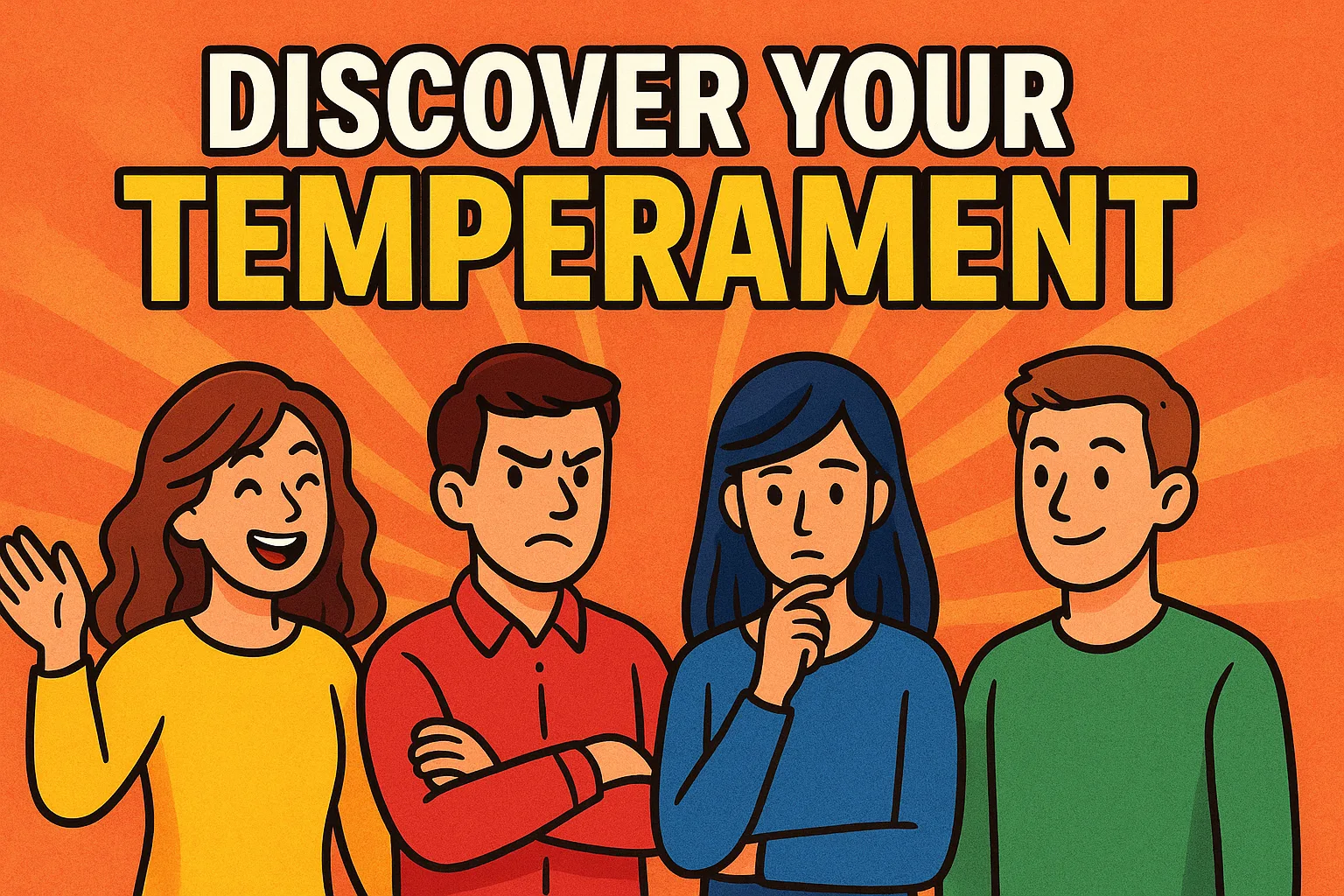
    Have you ever wondered why some people are naturally energetic while others remain calm no matter the situation? Or why certain friends thrive in leadership roles while others prefer deep reflection? The answer might lie in something ancient yet surprisingly accurate: the four temperaments. These personality blueprints, first described by Hippocrates and later echoed in biblical interpretations, still shape how we understand human behavior today. [TAKE THE TEMPERAMENT TEST BELOW.]

    Imagine unlocking the code to your own personality—knowing why you react to stress the way you do, what drives your motivation, and even how you connect with others. That’s the power of understanding temperaments. Whether you’re an extrovert who loves to be the life of the party or an introvert who thrives in peaceful settings, your temperament reveals the “why” behind your habits and choices.

    And here’s the best part: once you know your temperament, you can use that knowledge to strengthen relationships, manage emotions, and grow into the best version of yourself. So let’s dive into the fascinating world of temperaments and answer the big questions people often ask.

    What Are the 4 Types of Temperament?

    Traditionally, human personalities are grouped into four core temperaments:

    1. Sanguine – Lively, enthusiastic, and sociable. Sanguines love people, fun, and adventure.
    2. Choleric – Strong-willed, goal-driven, and natural leaders. Cholerics thrive on challenges and action.
    3. Melancholic – Thoughtful, analytical, and detail-oriented. Melancholics are deep thinkers with a sensitive nature.
    4. Phlegmatic – Calm, patient, and dependable. Phlegmatics value harmony and are natural peacemakers.

    Each temperament has its strengths and weaknesses, and most people are a blend of two or more.

    How Do I Know My Temperament Type?

    You can identify your temperament by observing your natural tendencies:

    • If you love being around people, get excited easily, and often act on impulse—you may be sanguine.
    • If you’re ambitious, decisive, and dislike being controlled—you’re likely choleric.
    • If you prefer routines, think deeply before acting, and notice details others miss—you may be melancholic.
    • If you remain calm under pressure, avoid conflict, and prefer stability—you may be phlegmatic.

    Many people also take a temperament test or personality quiz to confirm their type. These tests highlight your dominant traits and help you see how they play out in everyday life.

    This is just a test and cannot be used as definitive reflection of your temperament

    Self-Personalized Quiz

    Find Your Temperament: 12-Question Quick Test

    Rate how true each statement is for you. Your results will reveal your dominant temperament and your blend.

    0 / 12 answered
    ‎Follow the InfoHealthGh channel on WhatsApp: https://whatsapp.com/channel/0029Va7j1SgGE56e8pagc22u

    Read Also: Feeling Burnt Out? Take This Work-Related Stress Test

    How the Different Temperaments Relate to Each Other

    One of the coolest things about temperaments is seeing how they mix and match in real life. Friendships, marriages, or even work partnerships often work (or clash) because of these personality combos. Let’s break it down in a way that actually makes sense in everyday life.

    Sanguine + Choleric

    This duo is like fireworks—exciting, loud, and full of energy. The Sanguine brings the fun, while the Choleric brings the drive. Together, they can make things happen fast. The flip side? The Choleric might think the Sanguine is too “all over the place,” and the Sanguine might feel bossed around. But when they learn to respect each other, they’re unstoppable.

    Sanguine + Melancholic

    Talk about opposites attracting. The Sanguine is the “let’s go have fun” type, while the Melancholic is more of a “let’s think this through” kind of person. It actually balances out nicely—one adds excitement, the other adds depth. The challenge? Sanguine might see Melancholic as too serious, while Melancholic might think Sanguine never slows down. Still, it works when both appreciate what the other brings to the table.

    Sanguine + Phlegmatic

    This is a pretty chill combo. The Sanguine’s energy keeps life interesting, while the Phlegmatic’s calm nature keeps everything from spiraling out of control. They both love people and get along easily. Their weak spot? Neither loves making tough decisions, so things can drag when action is needed.

    Choleric + Melancholic

    These two are all about getting things done. The Choleric is the bold leader charging ahead, and the Melancholic is the detail-oriented planner making sure nothing falls apart. Together, they’re a powerhouse. But… the Choleric’s “let’s go now” can clash with the Melancholic’s “wait, let’s double-check.” If they find the middle ground, they can conquer just about anything.

    Choleric + Phlegmatic

    This pair is a classic balance. The Choleric brings fire and passion, while the Phlegmatic brings calm and peace. It works because one pushes forward and the other slows things down just enough. The tricky part? The Choleric might get frustrated that the Phlegmatic isn’t more assertive, while the Phlegmatic might feel steamrolled. Communication is key here.

    Melancholic + Phlegmatic

    This is the gentle, thoughtful combo. Both are steady, loyal, and prefer calm over chaos. The Melancholic brings ideas and standards, while the Phlegmatic brings patience and stability. Their downside? They can both be too passive, avoiding confrontation even when it’s needed. But if they learn to speak up, this is one of the most peaceful pairings around.

    👉 Bottom line: No temperament combo is “perfect” or “terrible.” Every mix has strengths and struggles. What makes relationships thrive is understanding each other and learning how to work with—not against—your differences.

    Check Your BMI Here : InfohealthGH BMI Calculator

    What Are the 4 Temperaments in the Bible?

    The Bible doesn’t explicitly list the four temperaments, but Christian thinkers through history have connected them with biblical characters and teachings and they are as follows:

    • Sanguine (Peter) – Outspoken, passionate, and quick to act.
    • Choleric (Paul) – Bold, determined, and strong leader.
    • Melancholic (Moses) – Deep, thoughtful, sometimes burdened with responsibility.
    • Phlegmatic (Abraham) – Patient, steady, and faithful.

    These connections show how temperaments reflect both strengths and struggles, reminding believers that God works through all personality types for His purpose.

    ✅ Takeaway: Whether you view them through psychology or scripture, temperaments offer timeless insight into who you are and how you relate to the world. Knowing yours is the first step to self-awareness, personal growth, and stronger relationships.