Category: Fitness

Achieve your fitness goals

  • Blocked Nose for a Month with Clear Mucus: Should You Be Concerned?

    Blocked Nose for a Month with Clear Mucus: Should You Be Concerned?

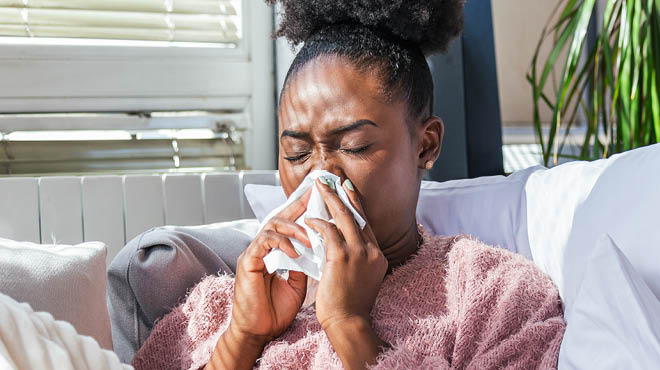
    Person holding a tissue to their face, experiencing a blocked nose for a month with clear mucus

    A blocked nose that lasts for a few days is usually nothing to worry about. But what if you have had a blocked nose for a month with clear mucus?

    You blow your nose repeatedly, yet the congestion returns within minutes. Sometimes, your left nostril opens while the right blocks, and then they switch. Furthermore, you might even feel clear fluid slowly dripping down the back of your throat. If this sounds familiar, you are certainly not alone.

    Although persistent nasal congestion is frustrating, it rarely means you have a bacterial infection. In fact, the problem is usually ongoing inflammation inside the nose rather than an excess of mucus.

    In this guide, we will explore the most likely causes, highlight what treatments actually work, and explain exactly when you should seek medical attention.

    Why Does My Nose Stay Blocked Even After Blowing It?

    Many people assume their nose is blocked because it is packed with mucus. In reality, that is often not the case.

    The inside of your nose contains structures called turbinates. These tissues help warm, humidify, and filter the air you breathe. During a cold or after exposure to an irritant, these tissues become swollen and inflamed. Consequently, even after you blow your nose, the swollen tissues continue to narrow your airway. This causes the blocked feeling to return almost immediately.

    If you only expel a small amount of clear liquid despite forceful blowing, swelling—not mucus—is likely the main culprit.

    Is It Normal for One Nostril to Block at a Time?

    Person holding a tissue to their face, experiencing a blocked nose for a month with clear mucus
    Person holding a tissue to their face, experiencing a blocked nose for a month with clear mucus

    Yes, it is entirely normal.

    The body naturally follows a process called the “nasal cycle.” During this cycle, one nostril becomes slightly more congested while the other opens wider. Every few hours, they switch sides.

    When the lining of your nose is inflamed, this normal cycle becomes highly noticeable. As a result, you may experience:

    • Your left nostril blocking while the right is open.
    • The opposite happening a few hours later.
    • A sensation where both nostrils rarely feel completely clear at the same time.

    This alternating pattern is a classic sign of prolonged nasal inflammation.

    5 Causes of a Blocked Nose for a Month with Clear Mucus

    If you are struggling with a constantly blocked nose, one of the following five conditions is likely responsible.

    1. Post-Viral Rhinitis

    This is one of the most common reasons for a long-term blocked nose. Even after a cold virus has completely cleared your system, inflammation inside your nasal passages can linger for several weeks. Symptoms typically include clear mucus, alternating blocked nostrils, and postnasal drip, but no fever.

    Side Effects of Air Fresheners: Hidden Health Risks and Natural Local Alternatives for a Fresh-Smelling Home

    2. Chronic Rhinitis

    Rhinitis simply translates to inflammation of the nasal lining. It often develops after viral infections or exposure to irritants like smoke, dust, strong perfumes, or air pollution. Unlike allergies, non-allergic chronic rhinitis occurs without itchy eyes or frequent sneezing.

    3. Allergic Rhinitis

    While allergies frequently cause clear mucus, they usually arrive with a specific set of extra symptoms. These include frequent sneezing, an itchy nose, and watery eyes. If your symptoms worsen around dust, pollen, or pets, allergies are likely the cause.

    4. Chronic Sinusitis

    Chronic sinus inflammation can easily cause prolonged congestion. However, people with this condition usually experience additional symptoms. Look out for facial pressure, a reduced sense of smell, and persistent discomfort around your cheeks or forehead.

    Cold remedies: What works, what doesn’t, what can’t hurt – Mayo Clinic

    5. Structural Problems

    Sometimes, persistent congestion results from physical issues inside the nose. Enlarged turbinates, a deviated nasal septum, or nasal polyps can physically block airflow. These conditions require an examination by a healthcare professional to be properly diagnosed.

    Why Does Clear Mucus Drip Down My Throat?

    Many people notice mucus running into the throat instead of coming out through the nostrils. Doctors refer to this as postnasal drip.

    Common signs of postnasal drip include:

    • Feeling fluid slowly trickling down your throat.
    • Frequently needing to clear your throat.
    • Spitting up clear phlegm.
    • A sensation that something is stuck behind your nose.

    While not everyone develops a cough, the constant dripping sensation can be highly irritating, especially at night.

    Do I Need Antibiotics?

    For most people experiencing a blocked nose for a month with clear mucus, antibiotics will not help.

    Antibiotics only destroy bacterial infections. Therefore, they are entirely useless against viral colds, post-viral inflammation, and both allergic and non-allergic rhinitis. Taking antibiotics unnecessarily exposes you to side effects and contributes to global antibiotic resistance.

    Your doctor will only consider antibiotics if you display signs of a bacterial sinus infection, such as thick yellow or green discharge paired with significant facial pain and a high fever.

    Effective Home Remedies for Persistent Congestion

    If ongoing inflammation is causing your symptoms, these simple home treatments can provide significant relief:

    • Saline Nasal Sprays: Saline helps wash away irritants, thin out secretions, and reduce dryness. Using a saline rinse once or twice daily can drastically improve your comfort.
    • Stay Hydrated: Drinking plenty of water keeps your mucus thin and easier to drain.
    • Avoid Forceful Blowing: Repeatedly blowing your nose hard will irritate the nasal lining and worsen the swelling. Instead, gently clear one nostril at a time.
    • Use Warm Steam: Inhaling steam from a warm shower temporarily opens up congested airways.
    • Elevate Your Head: Sleeping with an extra pillow keeps your head raised, improving nasal drainage throughout the night.

    When Should You See a Doctor?

    While home remedies are helpful, you should arrange a medical evaluation if:

    • Your nasal congestion lasts longer than three to four weeks.
    • Over-the-counter treatments provide zero relief.
    • You experience persistent and bothersome postnasal drip.
    • One side of your nose remains permanently blocked.
    • You frequently wake up at night unable to breathe through your nose.

    An ear, nose, and throat (ENT) specialist can examine your nasal passages and prescribe targeted treatments, such as a corticosteroid nasal spray.

    Seek Urgent Medical Care If You Develop:

    Get immediate medical attention if your blocked nose is accompanied by a high fever, swelling around the eyes, severe facial pain, vision changes, confusion, heavy nosebleeds, or difficulty breathing.

    Frequently Asked Questions

    Can a blocked nose really last for a month?

    Yes. After certain viral infections, inflammation inside the nasal passages can easily persist for four weeks or more, even after all your other cold symptoms have vanished.

    Why does my nose block again right after I blow it?

    Blowing removes fluid but does not reduce the swelling of your nasal tissues. Because inflammation is the root cause of the blockage, the congested feeling usually returns within minutes.

    Is postnasal drip dangerous?

    Usually, no. It is a very common symptom of rhinitis and sinus inflammation. However, if your postnasal drip persists for several weeks, you should have it evaluated by a doctor.

    Key Takeaways

    Having a blocked nose for a month with clear mucus is rarely a sign of a severe bacterial infection. Instead, swollen nasal tissues and lingering inflammation—not excess mucus—are usually responsible for your prolonged congestion and postnasal drip.

    While home remedies like saline rinses and proper hydration offer great relief, symptoms lasting four weeks or longer warrant a proper medical evaluation. Most importantly, skip the antibiotics unless a doctor specifically prescribes them for a confirmed bacterial issue.
  • 11 Hidden Signs of Low Testosterone Most Men Ignore (According to Urologist Dr Rena Malik)

    11 Hidden Signs of Low Testosterone Most Men Ignore (According to Urologist Dr Rena Malik)

    Testosterone Isn’t Just About Sex—It’s Your Body’s Master Regulator

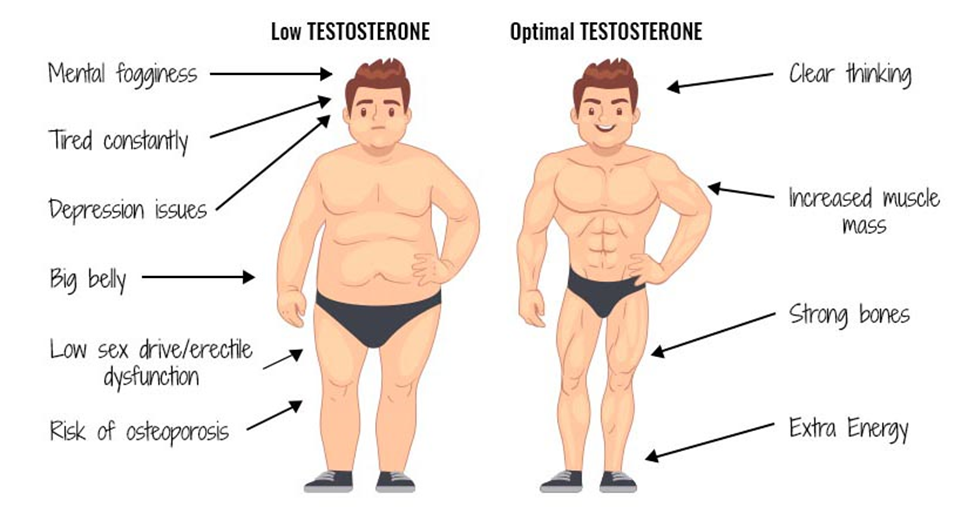
    low testosterone symptoms

    When most people hear the word testosterone, they immediately think about sex drive, muscle growth, or masculinity. But according to urologist and sexual medicine expert Dr Rena Malik, testosterone plays a much larger role in men’s health than many realise.

    In fact, testosterone acts as a master regulator that influences nearly every major system in the male body. From energy levels and mood to bone strength, cognitive performance, and metabolic health, this hormone helps keep countless processes functioning properly.

    The problem is that many men experience low testosterone without recognising the symptoms. Instead, they blame ageing, stress, poor sleep, or a busy lifestyle. As a result, testosterone deficiency often goes undiagnosed for years.

    Here are the hidden signs of low testosterone that every man should know.

    What Is Testosterone and Why Is It So Important?

    low testosterone symptoms

    Testosterone is the primary male sex hormone produced mainly in the testicles. While it is essential during puberty for developing male characteristics, its importance doesn’t disappear in adulthood.

    Healthy testosterone levels help maintain:

    • Muscle mass and strength
    • Bone density
    • Energy production
    • Mood stability
    • Cognitive performance
    • Red blood cell production
    • Healthy libido and sexual function
    • Body fat regulation

    When testosterone levels begin to decline, multiple systems throughout the body can be affected simultaneously.

    Who Is Most at Risk for Low Testosterone?

    A gradual decline in testosterone is a normal part of ageing. Research suggests testosterone levels decrease by approximately 1% per year after age 30.

    However, certain groups face a significantly higher risk:

    Men Over 45

    Studies indicate that nearly 38% of men over the age of 45 have testosterone levels that fall below the normal range.

    Men With Type 2 Diabetes

    Insulin resistance and hormonal imbalances often occur together. Around 40% of men with type 2 diabetes may experience low testosterone.

    Men Living With Obesity

    Approximately half of obese men may have low testosterone levels. Excess body fat, particularly abdominal fat, contributes significantly to hormonal disruption.

    Read Also: Five (5) Exercises not recommended for 30-plus year-olds.

    1. A Persistent Drop in Sex Drive

    One of the earliest and most recognised signs of low testosterone is a noticeable decline in libido.

    This isn’t about occasional fluctuations caused by stress, relationship issues, or exhaustion. Instead, it’s a persistent reduction in sexual interest that continues for weeks or months.

    Many men describe it as feeling disconnected from sexual desire in a way that feels unusual for them.

    2. Loss of Morning Erections

    Morning erections are often an overlooked indicator of hormonal health.

    While occasional changes are normal, a significant decline in spontaneous morning erections may signal falling testosterone levels.

    Dr. Malik notes that these changes can sometimes occur even before testosterone levels drop below the commonly used clinical threshold of 300 ng/dL.

    3. Constant Fatigue That Rest Doesn’t Fix

    low testosterone symptoms

    Everyone feels tired occasionally. Low testosterone fatigue is different.

    Men often describe it as a constant baseline exhaustion that doesn’t improve even after adequate sleep or rest.

    Common complaints include:

    • Low energy throughout the day
    • Difficulty completing routine tasks
    • Reduced exercise capacity
    • Feeling physically drained without a clear reason

    If you’re sleeping well but still feel chronically exhausted, testosterone deficiency may be worth investigating.

    4. Loss of Muscle Despite Regular Exercise

    3 Proven Tips to Shed Fat Without Losing Muscle
    3 Proven Tips to Shed Fat Without Losing Muscle

    Testosterone plays a critical role in muscle protein synthesis and recovery.

    When levels decline, men may notice:

    • Decreased muscle mass
    • Reduced strength
    • Slower recovery from workouts
    • Difficulty building muscle despite consistent training

    If your workouts remain consistent but your results continue moving backwards, hormonal changes may be contributing to the problem.

    5. Unexplained Weight Gain and Belly Fat

    One of the most frustrating symptoms of low testosterone is increased abdominal fat.

    Low testosterone creates a metabolic environment that promotes fat storage, particularly around the midsection.

    Read Also: Early Signs of Iron Deficiency in Women: Symptoms, Causes, and What You Need to Know

    The Vicious Cycle of Low Testosterone and Weight Gain

    Dr. Malik describes a dangerous cycle:

    1. Testosterone levels decrease.
    2. Insulin sensitivity worsens.
    3. Abdominal fat increases.
    4. Fat tissue produces more aromatase enzyme.
    5. Aromatase converts testosterone into estrogen.
    6. Testosterone levels drop even further.

    This cycle can make losing weight increasingly difficult over time.

    6. Depression, Irritability, and Mood Changes

    Low testosterone affects more than physical health—it also impacts emotional well-being.

    Research has shown that men with testosterone deficiency are significantly more likely to experience symptoms of depression.

    Common emotional symptoms include:

    • Persistent sadness
    • Increased irritability
    • Lack of motivation
    • Reduced enthusiasm for activities
    • Emotional flatness

    Because these symptoms overlap with mental health disorders, low testosterone is frequently overlooked as a contributing factor.

    7. Brain Fog and Difficulty Concentrating

    Have you ever walked into a room and forgotten why?

    Do conversations feel mentally exhausting?

    Many men with low testosterone report cognitive symptoms commonly referred to as “brain fog.”

    These may include:

    • Poor concentration
    • Memory lapses
    • Difficulty finding words
    • Reduced mental sharpness
    • Slower information processing

    Since testosterone influences brain function, declining levels can affect both focus and cognitive performance.

    8. Enlarged Breast Tissue (Gynecomastia)

    low testosterone symptoms

    When testosterone levels fall and estrogen levels become relatively higher, some men develop gynecomastia.

    Symptoms may include:

    • Enlarged breast tissue
    • Breast tenderness
    • Swelling around the nipples
    • A firm lump beneath the nipple area

    This condition can cause significant emotional distress and may indicate an underlying hormonal imbalance.

    9. Weak Bones and Increased Fracture Risk

    Most people associate osteoporosis with women, but men can develop it too.

    Testosterone helps maintain bone density throughout life.

    Chronically low testosterone may increase the risk of:

    • Osteopenia
    • Osteoporosis
    • Bone fractures
    • Hip fractures in older age

    Hip fractures are particularly concerning because they are associated with serious complications and increased mortality in elderly men.

    10. Unexplained Anaemia

    One lesser-known function of testosterone is stimulating red blood cell production.

    When testosterone levels fall, some men develop anaemia.

    Symptoms may include:

    • Dizziness
    • Shortness of breath
    • Weakness
    • Fatigue
    • Rapid heartbeat

    If anaemia cannot be explained by nutritional deficiencies or blood loss, hormonal testing may be appropriate.

    11. Thinning Body Hair and Hot Flashes

    Low testosterone can also produce physical signs that many men never connect to their hormones.

    These include:

    Reduced Facial and Body Hair

    Men may notice slower beard growth or thinning hair on the chest, arms, and legs.

    Hot Flashes and Night Sweats

    Although commonly associated with menopause, men with significantly low testosterone can also experience sudden feelings of heat and excessive sweating.

    How Is Low Testosterone Diagnosed?

    Recognising symptoms is only the first step.

    A proper diagnosis requires laboratory testing because symptoms alone cannot confirm testosterone deficiency.

    Why Two Tests Are Necessary

    Testosterone levels fluctuate throughout the day and are usually highest in the morning.

    For this reason, experts generally recommend:

    • Two separate early-morning testosterone tests
    • Testing on different days
    • Evaluating symptoms alongside laboratory results

    Additional Hormones That Should Be Checked

    A comprehensive evaluation often includes:

    • Free testosterone
    • SHBG (Sex Hormone Binding Globulin)
    • LH (Luteinizing Hormone)
    • FSH (Follicle-Stimulating Hormone)
    • Estradiol
    • Prolactin
    • TSH (Thyroid-Stimulating Hormone)

    These tests help identify the root cause of hormonal imbalances and guide appropriate treatment.

    When Should You Talk to a Doctor?

    If you recognise three or more of the symptoms discussed above, it may be time to schedule a medical evaluation.

    Many men assume these changes are simply part of getting older. However, persistent fatigue, depression, muscle loss, sexual dysfunction, and cognitive decline should not be ignored.

    Early diagnosis can help identify underlying health issues and potentially improve quality of life.

    Read Also: Ovulation Calculator for Ghanaian Women: Track Your Fertile Days Easily With Our Free Tool

    Final Thoughts

    Low testosterone is much more than a sexual health issue. It affects energy, mood, metabolism, cognition, bone strength, body composition, and overall vitality.

    Because symptoms often develop gradually, many men fail to recognise that a hormonal imbalance may be affecting their health.

    If you’ve been experiencing unexplained fatigue, brain fog, loss of motivation, increased belly fat, declining strength, or sexual changes, consider discussing testosterone testing with your healthcare provider.

    Understanding the signs early may help you take proactive steps toward better long-term health.

  • Side Effects of Air Fresheners: Hidden Health Risks and Natural Local Alternatives for a Fresh-Smelling Home

    Side Effects of Air Fresheners: Hidden Health Risks and Natural Local Alternatives for a Fresh-Smelling Home

    Side Effects of Air Fresheners: What Most People Don’t Know

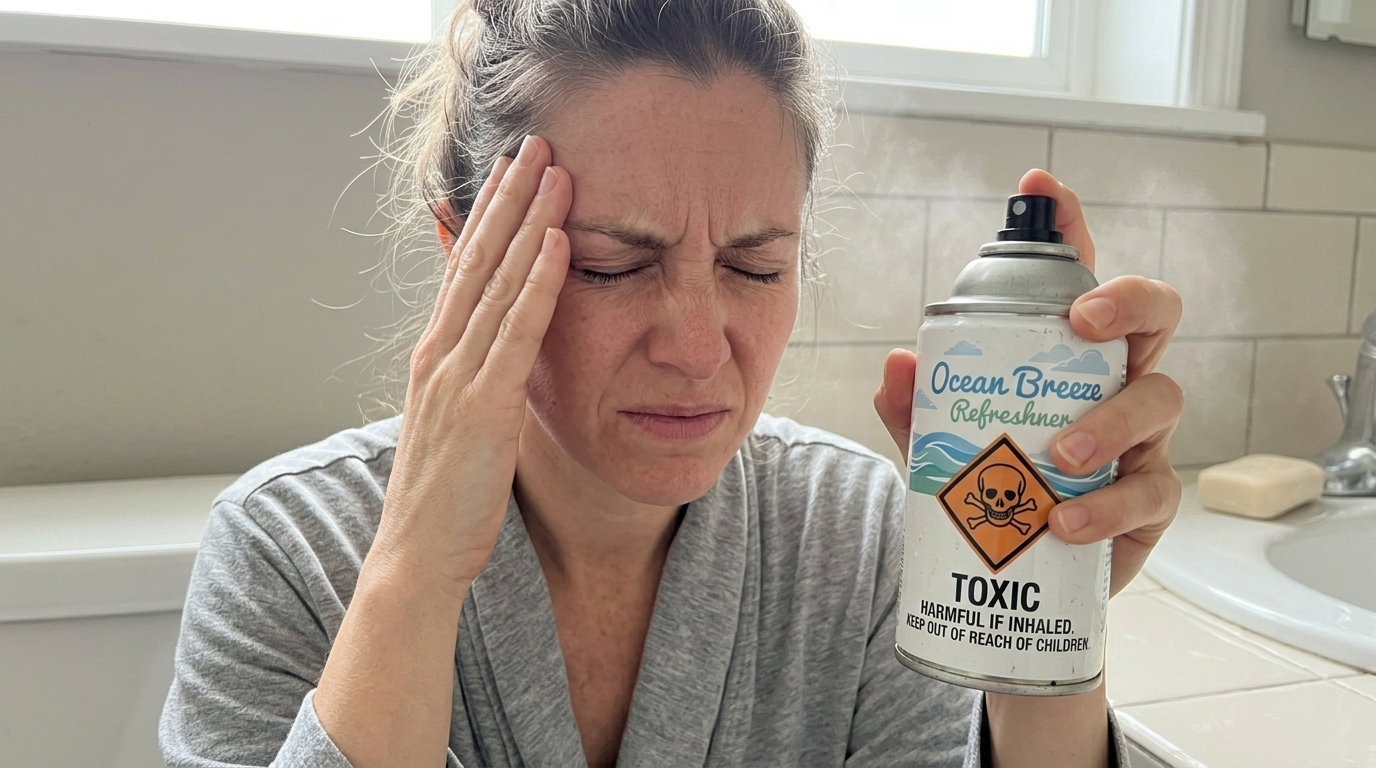
    A pleasant-smelling room feels comforting. That is why millions of people use sprays, plug-ins, scented candles, gels, and diffusers daily. But behind those “fresh” scents may be hidden chemicals linked to headaches, breathing problems, hormone disruption, and poor indoor air quality.

    Many commercial air fresheners do not actually clean the air. Instead, they mask odours by releasing chemical fragrances into the environment.

    If you have ever experienced sneezing, headaches, dizziness, or irritation after using an air freshener, your body may already be reacting to the chemicals inside it.

    ‎Follow the InfoHealthGh channel on WhatsApp: https://whatsapp.com/channel/0029Va7j1SgGE56e8pagc22u

    In this article, we will explore:

    • The hidden side effects of air fresheners
    • Chemicals commonly found in scented products
    • Scientific evidence about health concerns
    • Why some “natural” products may still be harmful
    • Safer and affordable local alternatives you can use at home

    What Chemicals Are Found in Air Fresheners?

    Many air fresheners release volatile organic compounds (VOCs)—chemicals that readily evaporate into the air. Although they are designed to make indoor spaces smell pleasant, they can contribute to indoor air pollution and may affect air quality, particularly in poorly ventilated rooms.

    Some of the most common chemicals found in air fresheners include:

    1. Phthalates
    Phthalates are used to help fragrances last longer. Research has linked exposure to certain phthalates with hormone disruption, reduced fertility, and developmental problems in children.

    2. Formaldehyde
    Formaldehyde is a known human carcinogen. Even at low levels, it can irritate the eyes, nose, throat, and respiratory system, especially with repeated exposure.

    3. Benzene
    Benzene is another chemical of concern. Long-term exposure has been associated with blood disorders, including an increased risk of certain cancers such as leukemia.

    4. Synthetic Fragrances
    The term “fragrance” on a product label may represent a proprietary blend of dozens—or even hundreds—of chemicals that manufacturers are not always required to disclose individually. Some of these ingredients may trigger allergies, headaches, or respiratory irritation in sensitive individuals.

    5. Aerosol Propellants
    Many spray air fresheners use propellants such as propane, butane, or isobutane. These compounds can increase indoor levels of VOCs and contribute to poor indoor air quality.

    Studies have found that many scented consumer products emit a mixture of VOCs, some of which are classified as hazardous air pollutants. The health risk depends on factors such as the specific chemicals released, their concentration, the amount of ventilation, and how frequently the products are used.se hazardous pollutants even when labelled “green” or “natural.”

    10 Side Effects of Air Fresheners

    1. Headaches and Migraines

    Artificial fragrances can trigger headaches in sensitive individuals. Strong scents may overstimulate the nervous system, especially in poorly ventilated rooms.

    Common symptoms include:

    • Dizziness
    • Brain fog
    • Nausea
    • Eye irritation

    2. Respiratory Problems

    Air fresheners can irritate the lungs and worsen:

    • Asthma
    • Allergies
    • Sinus issues
    • Chronic coughing

    Children and elderly individuals are especially vulnerable.

    People who already struggle with breathing conditions may notice symptoms immediately after exposure.

    3. Indoor Air Pollution

    Ironically, products marketed to “freshen” the air often pollute it.

    Studies suggest indoor air can sometimes be more polluted than outdoor air because of:

    • Scented sprays
    • Cleaning products
    • Candles
    • Poor ventilation

    4. Hormonal Disruption

    Certain chemicals, like phthalates, may interfere with the endocrine system.

    Researchers have linked long-term exposure to possible:

    • Reproductive issues
    • Hormonal imbalance
    • Developmental concerns in children

    5. Skin Irritation

    Some people experience:

    • Itching
    • Rashes
    • Redness
    • Allergic reactions

    This is especially common with direct contact from gel fresheners or scented oils.

    6. Eye, Nose, and Throat Irritation

    Strong fragrances may irritate sensitive tissues, leading to:

    • Watery eyes
    • Sore throat
    • Sneezing
    • Burning sensations

    7. Triggered Asthma Attacks

    Scented aerosols and plug-ins may trigger asthma attacks in susceptible individuals.

    Children exposed regularly to heavily fragranced environments may also face increased respiratory sensitivity over time.

    8. Poor Sleep Quality

    side effects of air fresheners
    Kidney damaging habits

    Strong artificial scents may overstimulate the brain rather than relax it.

    Some users report:

    • Restlessness
    • Difficulty sleeping
    • Nighttime headaches

    9. Effects on Pets

    Dogs, cats, and birds are often more sensitive to airborne chemicals than humans.

    Certain essential oils and fragrance compounds may irritate pets or cause breathing discomfort.

    10. They Only Mask Odors

    Most air fresheners do not remove the source of bad smells.

    If your home smells unpleasant, the real issue could be:

    • Mold
    • Dampness
    • Trash buildup
    • Poor ventilation
    • Dirty fabrics
    • Blocked drains

    Masking odours may delay fixing the actual problem.

    Read Also: What Is the Most Effective Way to Sustainably Lose 2Kg Monthly? (Methods That Actually Work)

    Are “Natural” Air Fresheners Always Safe?

    Not necessarily.

    Some products marketed as:

    • organic,
    • eco-friendly,
    • green,
    • or natural

    may still release VOCs or undisclosed fragrance chemicals.

    Even essential oils should be used carefully, especially around:

    • babies,
    • pets,
    • pregnant women,
    • or people with asthma.

    The safest approach is moderation and proper ventilation.

    15 Natural and Local Alternatives to Air Fresheners

    side effects of air fresheners

    Instead of masking odours with chemicals, these alternatives help freshen your home naturally.

    1. Open Your Windows

    Fresh air remains one of the most effective and free solutions.

    2. Baking Soda

    Absorbs odours naturally.

    Place small bowls in:

    • bathrooms
    • kitchens
    • refrigerators
    • shoe racks

    3. Boiled Citrus Peels

    Boil orange, lemon, or lime peels with cinnamon for a natural fragrance.

    4. Activated Charcoal

    Excellent for absorbing moisture and odours.

    5. Coffee Grounds

    Used coffee grounds can neutralize unpleasant smells naturally.

    6. Lemongrass

    A popular local option with a clean, refreshing scent.

    7. Neem Leaves

    Traditionally used in many homes for freshness and insect control.

    8. Scented Indoor Plants

    Plants can improve indoor air quality while adding natural fragrance.

    Examples include:

    • lavender
    • mint
    • basil
    • jasmine

    9. White Vinegar

    Helps absorb strong cooking odors.

    10. Simmer Pots

    Boil herbs, cloves, cinnamon, and fruit slices together.

    11. Proper Cleaning

    The best-smelling homes are usually the cleanest homes.

    Wash:

    • curtains
    • rugs
    • bedding
    • upholstery regularly

    12. Sun-Dry Fabrics

    Sunlight naturally removes musty smells from clothes and bedding.

    13. Natural Reed Diffusers

    Use diluted essential oils carefully in well-ventilated spaces.

    14. Improve Ventilation

    Use exhaust fans and keep airflow moving.

    15. Remove the Source of Odours

    Do not cover odours. Find the cause and fix it.

    Who Should Be Extra Careful Around Air Fresheners?

    The following groups may be more sensitive:

    • Children
    • Pregnant women
    • Asthmatics
    • Elderly individuals
    • People with allergies
    • Pets

    Reducing exposure can help create a healthier indoor environment.

    How to Choose a Safer Air Freshener

    Benefits of Parsley: Why This Simple Green Herb Deserves a Place in Your Daily Diet

    If you still want to use scented products:

    Choose products that:

    • disclose ingredients clearly
    • are phthalate-free
    • avoid aerosol sprays
    • contain fewer synthetic fragrances
    • are used occasionally instead of constantly

    Also:

    • keep rooms ventilated
    • avoid overuse
    • never spray directly onto fabrics or skin

    Final Thoughts

    A fresh-smelling home should not come at the cost of your health.

    Many commercial air fresheners contain chemicals that may contribute to headaches, respiratory irritation, indoor pollution, and hormone-related concerns.

    The good news is that you do not need harsh chemicals to make your home smell good.

    Simple local solutions like fresh air, citrus peels, lemongrass, baking soda, and proper cleaning can help create a naturally pleasant environment safely and affordably.

    Sometimes the healthiest home fragrance is simply a clean and well-ventilated home.

    Frequently Asked Questions (FAQs)

    Are air fresheners harmful to health?

    Some air fresheners contain VOCs, phthalates, and synthetic fragrances that may contribute to respiratory irritation, headaches, and indoor air pollution.

    Can air fresheners cause asthma?

    Yes. Scented sprays and plug-ins may trigger asthma symptoms in sensitive individuals.

    What is the safest alternative to air fresheners?

    Natural ventilation, baking soda, citrus peels, and proper cleaning are among the safest alternatives.

    Are plug-in air fresheners bad?

    Continuous exposure to plug-ins may increase indoor chemical exposure over time.

    How do I make my home smell fresh naturally?

    Open windows regularly, clean fabrics often, use citrus peels, indoor plants, baking soda, and improve ventilation.

  • What Is the Most Effective Way to Sustainably Lose 2Kg Monthly? (Methods That Actually Work)

    What Is the Most Effective Way to Sustainably Lose 2Kg Monthly? (Methods That Actually Work)

    Introduction: Why Fast Weight Loss Fails Long-Term

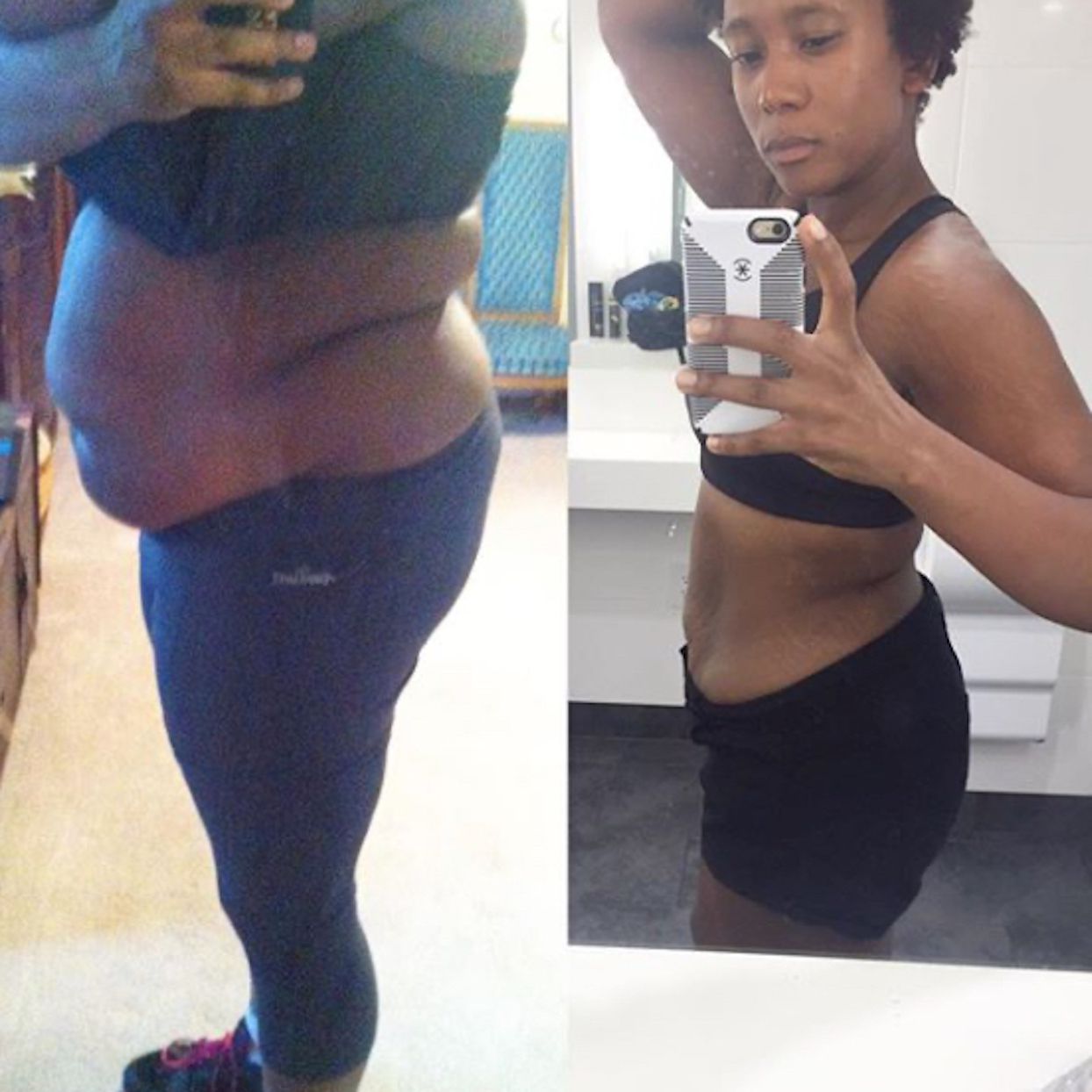
    My journey with weight loss didn’t start with sustainability in mind. Like many people, I initially focused on rapid results. I combined fasting with intense cardio routines and saw quick drops in weight. However, what followed was a frustrating cycle — I would regain the weight just as quickly once I stopped the extreme routines.

    That pattern repeated itself: lose weight fast, gain it back even faster.

    Over time, I realised that the real problem wasn’t effort — it was unsustainability. My body was being pushed into routines I could not maintain long-term, and that led to exhaustion, dehydration, and burnout.

    The turning point came when I shifted my focus from speed to consistency.

    Read Also: For 7 days, I skipped breakfast, and what happened shocked me!

    The Turning Point: Why I Changed My Approach

    "Bↄdze" and the Myth of Delayed Childbirth

    The change began when I started noticing physical warning signs. I often woke up tired, experienced joint pain, and struggled with fatigue when climbing stairs despite being tall and relatively active.

    There were also subtle but concerning symptoms like occasional dizziness when waking up and numbness in my legs after sitting for long periods.

    At the same time, I had a clear mental image of how I wanted to look. That vision — not perfection in the mirror — became my motivation to pursue a more sustainable approach.

    The System That Worked: My Sustainable Weight Loss Approach

    Instead of extreme routines, I built a system that fit my lifestyle and time constraints.

    1. Nutrition Approach: Simplicity Over Perfection

    I didn’t follow a complicated diet. My lifestyle didn’t allow for constant meal preparation or strict food exclusion.

    Instead, I focused on:

    • Moderate intermittent fasting (not extreme fasting)
    • Avoiding sugary drinks
    • Reducing deep-fried foods and fast foods like KFC
    • Limiting junk food overall
    • Using green tea at night to manage hunger
    • Drinking water before and after meals
    • Reducing portion sizes rather than over-restricting food types

    Later, I introduced calorie tracking using MyFitnessPal to ensure I stayed in a controlled deficit — about 600 calories below maintenance.

    2. Exercise Approach: Practical and Sustainable Movement

    My workouts were structured around what I could realistically maintain after work.

    • Evening cardio sessions
    • 1,000 jump ropes per session (when possible)
    • Stair climbing (10-step flight repeated ~100 times)
    • Weekly 6km walk from work to home (when schedule allowed)
    • Light weight training
    • 3–5 workout sessions per week

    The key was consistency, not intensity every day.

    3. Lifestyle Adjustments That Made the Difference

    Some of the most powerful changes had nothing to do with formal exercise:

    • Sleeping early to avoid midnight cravings
    • Avoiding late-night calls or activities that disrupted sleep
    • Managing social outings carefully, especially around alcohol consumption
    • Increasing daily movement when structured workouts weren’t possible

    These small adjustments helped reduce impulsive eating and cravings.

    Read Also: How to Stop Sugar Cravings Naturally at Night: 7 Proven Strategies

    The Results Beyond the Scale (Non-Scale Victories)

    How cutting out sugar accelerates weight loss and improves overall health
    How cutting out sugar accelerates weight loss and improves overall health

    The changes I experienced went far beyond weight loss:

    • Significant boost in confidence
    • Reduced cravings for unhealthy foods
    • Clothes started fitting loosely
    • Joint pain disappeared over time
    • No more numbness in legs after sitting
    • No more dizziness when waking up
    • Overall improvement in energy and comfort

    These were the changes that made the process feel real and sustainable.

    The Biggest Challenges I Faced

    My biggest mistakes came from being too aggressive:

    • Over-fasting, which often led to binge eating afterward
    • Poor sleep habits, which triggered late-night cravings
    • Social events involving alcohol, which disrupted progress

    These issues taught me that discipline without structure eventually breaks down.

    How I Fixed Those Problems

    Instead of pushing harder, I adjusted:

    • Reduced fasting duration
    • Focused on hydration before and after meals
    • Controlled portion sizes instead of extreme restriction
    • Used calorie tracking to maintain a consistent deficit (~600 calories below maintenance)

    This shift made weight loss predictable rather than chaotic.

    My Simple System for Losing 2Kg Per Month

    If I had to reduce everything into a simple framework:

    • Intermittent fasting (16:8, but flexible)
    • Cardio and light strength training 3–5 times weekly
    • At least 10,000 steps weekly (or as schedule allows)
    • Avoid sugary drinks, deep-fried foods, and alcohol
    • Maintain a consistent calorie deficit (not extreme)
    • Prioritise sleep to control cravings

    How to Lose Belly Fat with Common Ghanaian Ingredients

    What Most People Get Wrong About Weight Loss

    The biggest misconception is thinking weight loss is about short-term intensity.

    In reality, consistency beats perfection.

    If you are eating more calories than your body needs, you will not lose weight — no matter how many “fat-burning hacks” you try.

    Another major mistake is relying too heavily on online advice and trends instead of building something that fits your actual lifestyle.

    Finally, accountability matters. Having someone to check in with can make a huge difference, especially on days when motivation is low.

    Effective Way to Sustainably Lose 2Kg Monthly

    Final Thoughts

    Sustainable weight loss is not about suffering — it is about building a system you can live with.

    For me, losing weight became easier once I stopped trying to be perfect and started focusing on consistency, structure, and realistic habits.

    The goal was never just to lose weight quickly — it was to never have to restart the journey again.

    ‎Follow the InfoHealthGh channel on WhatsApp: https://whatsapp.com/channel/0029Va7j1SgGE56e8pagc22u
  • Is Potash(Kaun) in Beans and Wakye Slowly Damaging Your Liver and Kidneys?

    Is Potash(Kaun) in Beans and Wakye Slowly Damaging Your Liver and Kidneys?

    Introduction

    ‎Follow the InfoHealthGh channel on WhatsApp: https://whatsapp.com/channel/0029Va7j1SgGE56e8pagc22u

    Potash in beans health risks Ghana -For many Ghanaians, meals like beans and gari (gobɛ) or wakye are more than just food, they’re cultural staples and everyday comfort dishes. Whether bought from a trusted street vendor or prepared at home, these meals are affordable, filling, and widely loved.

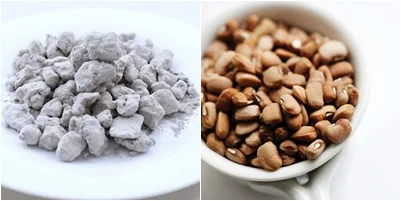
    However, there is a lesser-known aspect of how some of these meals are prepared that deserves closer attention. To speed up cooking and achieve a softer texture, some vendors and home cooks add a substance locally known as kaun or akanwu, commonly referred to as potash.

    While this practice is not new, increasing health awareness has raised important questions: Could frequent consumption of potash-treated foods have long-term effects on the body particularly the liver, kidneys, and digestive system?

    Read Also: Why Your Headache Keeps Coming Back — And When It Could Be Linked to Kidney Disease

    Understanding this issue is especially important in regions like Ghana, where beans are consumed multiple times per week.

    What Is Potash (Kaun/Akanwu)?

    potash in beans health risks Ghana

    Potash is a general term used to describe a group of potassium-based alkaline compounds, most commonly potassium carbonate. In traditional African cooking, it is valued for its ability to:

    • Soften tough foods quickly
    • Reduce cooking time significantly
    • Improve texture in legumes and vegetables

    Its effectiveness comes from its high alkalinity, which breaks down structural components of plant cells—specifically pectin and cellulose making foods like beans cook faster and become very soft.

    However, this same chemical property that makes potash useful in cooking also raises concerns when consumed regularly.

    How It’s Used in Ghanaian Cooking

    In Ghana, potash is commonly added during the boiling of beans, especially in the preparation of:

    • Gobɛ (beans and gari)
    • Wakye (rice and beans)
    • Certain vegetable dishes

    For food vendors, the appeal is clear:

    • Faster cooking means reduced fuel costs
    • Softer beans improve customer preference
    • Higher turnover increases profit margins

    But from a health perspective, this introduces an unregulated alkaline substance into daily meals, often without the consumer’s awareness.

    Read Also: Ten kidney-damaging Habits You Need to stop right now!

    Health Risks of Potash in Food

    1. High Alkalinity and Digestive Irritation

    Potash is strongly alkaline, meaning it can alter the natural acidic environment of the stomach. The stomach relies on acid (primarily hydrochloric acid) for proper digestion and defense against pathogens.

    When highly alkaline substances are consumed frequently:

    • The stomach lining may become irritated
    • Digestive processes may be disrupted
    • Symptoms like bloating, nausea, and abdominal discomfort may occur

    Over time, this imbalance could contribute to chronic digestive issues, especially in individuals with sensitive gastrointestinal systems.

    2. Elevated Sodium Content and Systemic Effects

    Some forms of potash contain significant amounts of sodium. High sodium intake is a well-established risk factor for:

    • Hypertension (high blood pressure)
    • Fluid retention
    • Increased cardiovascular strain

    Beyond the heart, excess sodium also places additional burden on the kidneys, which are responsible for filtering excess salts from the bloodstream.

    For individuals already consuming processed or salty foods, potash-treated meals may quietly increase total sodium intake beyond safe limits.

    3. Potential Liver Stress

    The liver plays a central role in detoxification and metabolic regulation. Although direct large-scale human studies on potash consumption are limited, experimental and observational findings suggest:

    • Chronic exposure to certain alkaline salts may induce biochemical stress in liver tissues
    • Elevated liver enzymes (a marker of liver strain) have been observed in some animal studies

    While occasional consumption is unlikely to cause harm, regular ingestion over time may contribute to cumulative liver stress, particularly in individuals with pre-existing liver conditions.

    Read More: Benefits of Parsley: Why This Simple Green Herb Deserves a Place in Your Daily Diet

    4. Kidney Stress and Electrolyte Imbalance

    The kidneys maintain the body’s delicate balance of electrolytes, including sodium and potassium. Excessive intake of potash may disrupt this balance, leading to:

    • Electrolyte imbalances
    • Increased risk of kidney strain
    • Possible contribution to kidney stone formation

    This is especially concerning for individuals with:

    • Chronic kidney disease
    • Hypertension
    • Diabetes

    In such cases, even moderate dietary imbalances can have amplified effects.

    5. Possible Nutrient Loss

    An often overlooked issue is that the high alkalinity of potash may also affect the nutritional quality of food. Some studies suggest that alkaline cooking conditions can:

    • Reduce certain water-soluble vitamins (like B vitamins)
    • Alter mineral availability

    This means that while beans are naturally nutrient-rich, improper preparation methods may reduce their overall health benefits.

    What This Means for Ghanaian Food Lovers

    Beans are an excellent source of:

    • Plant-based protein
    • Dietary fiber
    • Essential minerals like iron and magnesium

    The issue is not the beans themselves but how they are prepared.

    Here’s what to keep in mind:

    • Occasional consumption of potash-treated food is unlikely to cause immediate harm
    • Frequent consumption (multiple times weekly) may increase long-term health risks
    • Individuals with liver, kidney, or blood pressure conditions should be especially cautious

    Given how common street food consumption is in urban Ghana, awareness becomes critical.

    Safer Alternatives and Practical Tips

    You don’t have to give up your favorite meals, you just to be more intentional about preparation and sourcing.

    1. Soak Beans Before Cooking

    Soaking beans for 8–12 hours:

    • Reduces cooking time naturally
    • Improves digestibility
    • Preserves nutrients

    2. Use Natural Tenderizing Methods

    Instead of potash, consider:

    • Longer simmering at moderate heat
    • Pressure cooking (if available)

    3. Ask Questions When Buying Food

    When buying from vendors:

    • Politely ask if potash is used
    • Choose vendors who avoid chemical additives

    4. Limit Frequency

    If avoiding potash completely isn’t practical:

    • Reduce how often you consume such meals
    • Balance with fresh, minimally processed foods

    5. Stay Hydrated

    Adequate water intake helps the kidneys:

    • Flush out excess salts
    • Maintain electrolyte balance

    Conclusion

    potash in beans health risks Ghana

    Potash (kaun/akanwu) remains a part of traditional cooking practices across West Africa, valued for its efficiency and convenience. However, as dietary habits evolve and health awareness grows, it’s important to critically evaluate such practices.

    The evidence does not suggest that potash is immediately dangerous in small amounts. But habitual consumption—especially in frequently eaten foods like beans and wakye—may contribute to long-term stress on the digestive system, liver, and kidneys.

    Making informed choices doesn’t mean abandoning cultural foods. It simply means preparing and consuming them in ways that support long-term health.

    If you experience persistent digestive issues or have existing liver or kidney concerns, it’s advisable to consult a qualified healthcare professional.


    SEO Add-ons (for your blog)

    Focus Keyphrase:

    Alternative Keyphrases:

    • kaun in food side effects
    • akanwu health effects
    • is potash safe in cooking
    • wakye potash health risks

    Meta Description (Yoast-optimized):

  • How Long Does It Take to See Results From Working Out? (Realistic Timelines Explained)

    How Long Does It Take to See Results From Working Out? (Realistic Timelines Explained)

    If you have just started working out or you are thinking about it, you are probably asking yourself one question: “How long will it take before I see results?”

    The honest answer is this: results do not happen overnight, but they do happen with consistency and also if you train correctly and stay patient. Most people quit too early, not because their workouts are ineffective, but because they expect visible changes faster than human physiology allows.

    What may surprise you, however, is that your body and mind begin changing long before you see in the mirror.

    Health Goals for 2026: Why do People Give up on Goals they set.

    This guide breaks down realistic timelines for:

    • Strength training and muscle growth
    • Running and endurance fitness
    • General cardio conditioning
    • Regaining fitness after a break

    All timelines are based on exercise physiology principles and long-term training observations, not hype.

    How Long Does It Take to Get Fit?

    Before asking how long, you must define what “results” mean to you. To some people, results mean noticing a physical change in their appearance and to others, a change in their energy levels and generally their mood.

    Do you want to:

    • Feel stronger and more energetic?
    • Lose fat or change body shape?
    • Build visible muscle?
    • Improve endurance or cardiovascular health?

    Your results will depend entirely on whether your training style matches your goal. For example, running alone will not build upper-body muscle, just as lifting weights alone will not maximise cardiovascular endurance.

    It is also important to understand that fitness progress is highly individual. Genetics, age, training history, sleep, stress levels, and nutrition all influence how fast results appear. Comparing yourself to others often leads to frustration rather than progress.

    General Timeline (What Most People Experience)

    • 1–2 weeks: Improved mood, energy, and sleep
    • 4–6 weeks: Measurable strength or endurance gains
    • 8–12 weeks: Visible physical changes for most people

    If you have just started working out or planning to, then keep this in mind: the feeling of progress always comes before the look of progress.

    How Long Does It Take to Build Muscle?

    3 Proven Tips to Shed Fat Without Losing Muscle
    3 Proven Tips to Shed Fat Without Losing Muscle

    Building muscle is a slow, structured biological process. Despite what social media suggests, noticeable muscle growth takes months and not weeks. Even for the most favoured person, genetically, it takes time.

    Muscle Growth Timeline

    Weeks 1–4: Neural Adaptation Phase

    • Rapid strength improvements
    • Better muscle coordination
    • Minimal visible size increase

    These gains occur because your nervous system becomes more efficient at activating muscle fibres—not because the muscles have grown yet.

    Months 2–3: Visible Muscle Changes

    • Muscles begin to look fuller and firmer
    • Strength increases become noticeable
    • Clothing fit may start to change

    This is when true hypertrophy (muscle growth) begins, provided you apply progressive overload and eat adequately.

    Months 4–6: Solid Muscle Foundation

    • Clear increases in muscle size and strength
    • Improved endurance and training tolerance
    • More consistent physical definition

    Consistency becomes more important than intensity during this stage. Once you givve up or slow down youre going back to month 2 to 3.

    6+ Months: Long-Term Development

    • Significant physique changes
    • Slower but steady progress
    • Training must be more strategic to avoid plateaus

    At this point, results compound over time rather than appear rapidly.

    Key muscle-building requirements:

    • Progressive resistance training
    • Sufficient protein intake could be eggs, fish, and meat.
    • Quality sleep and recovery. At least 8 hours of sleep is recommended, and if possible, include supplements such as magnesium-rich foods in your diet.

    Read Also: Health and Fitness Goals for 2026: Why do People Give up on Goals they set.

    Running primarily improves cardiovascular efficiency, endurance, and metabolic health. Results appear faster than muscle growth but still follow predictable stages.

    Running Fitness Timeline

    Weeks 1–2

    • Improved mood and energy
    • Slight endurance improvements
    • Better sleep quality

    Your heart and lungs begin adapting almost immediately. Keep in mind to assume the right posture and not overload your body when engaging in that.

    Weeks 3–6

    • Increased running distance or pace
    • Reduced breathlessness
    • Stronger lower-body endurance

    This phase establishes your aerobic base. That is how efficiently your body uses oxygen during exercise. Think of it as building the “engine” that powers endurance. Without a strong aerobic base, it’s harder to progress to more intense or longer workouts.

    Months 2–3

    • Noticeable cardiovascular improvement
    • Possible fat loss and muscle toning
    • Faster recovery between runs

    Months 3–6

    • Comfortable long-distance running
    • Improved speed and efficiency
    • Higher motivation due to visible progress

    6+ Months

    • Advanced endurance and performance
    • Ability to train for races or long distances

    Structured programs dramatically improve long-term outcomes.

    Read Also: Unlock Your Manhood: How to Supercharge Testosterone Without Pills

    Cardio training improves heart health, lung capacity, stamina, and metabolic efficiency. Unlike muscle growth, cardiovascular adaptations happen relatively quickly.

    Cardio Fitness Timeline

    Weeks 1–2

    • Increased energy
    • Improved mood and sleep
    • Better circulation

    Weeks 3–6

    • Improved stamina and endurance
    • Ability to sustain higher intensity
    • Reduced fatigue during daily activities

    Months 2–3

    • Lower resting heart rate
    • Faster recovery after workouts
    • Noticeable fat loss (with proper diet)

    6+ Months

    • Strong cardiovascular efficiency
    • Reduced risk of heart disease and hypertension
    • Long-term fitness sustainability

    Read Also: 7 Surprising Everyday Habits That Trigger Joint Pain—and Natural Fixes You Can Start Today

    How Long Does It Take to Regain Fitness After a Break?

    If you previously trained but stopped due to injury, illness, or life demands, the good news is this:

    Fitness returns faster than it was built—if you are patient. This phenomenon is often referred to as muscle memory.

    What to Expect When Restarting

    • Short breaks (1–2 weeks): Minimal fitness loss
    • Moderate breaks (1–3 months): Partial detraining
    • Long breaks (6+ months): Return to near-baseline

    Most people regain strength and endurance within weeks, not months, when they restart gradually.

    Best practice:

    • Begin at ~50% of previous intensity
    • Increase load or duration gradually
    • Prioritise how your body feels over rigid schedules

    Rushing increases injury risk and delays progress.

    When Will You See Results From Working Out?

    • You will feel better within 1–2 weeks
    • You will perform better within 4–6 weeks
    • You will look different within 8–12 weeks
    • You will transform long-term with consistency

    No shortcut replaces patience, effort, and recovery. But if you keep showing up, your results are inevitable. Also, keep in mind that a lot of changes happen internally that you do not see. Your sugar levels stabilise as insulin sensitivity improves, including other hormones in your body that balance.

  • Health and Fitness Goals for 2026: Why do People Give up on Goals they set.

    Health and Fitness Goals for 2026: Why do People Give up on Goals they set.

    What are your health Goals for 2026? It’s the beginning of the year, and lots of people are going to troop into the gym for one purpose: To transform their bodies and improve their overall health.

    Statistically, a significant number of people who join a gym at the beginning of the year GIVE UP on their health Goals and stop their gym membership.

    Health and Fitness Goals for 2026

    By mid-February, attendance drops dramatically, with some studies suggesting that as many as 80% of new January members quit within five months. To see a significant transformation in your body, you need to be consistent for 8 to 12 weeks to see a complete transformation of your body. That’s just 3 months. So if you start today, expect to get much closer to your goals by March.

    In this post, we will explore why people give up on their health Goals within the first and second quarter of the year and look at some helpful tips to help you stay consistent.

    Read Also: Is Soursop Good for Fatty Liver? Benefits, Risks & Expert Insights

    Why do People Give up on Their Health and Fitness Goals for 2026?

    Health and Fitness Goals for 2026

    Giving up on your fitness goals often feels easy—almost harmless in the moment—but the consequences quietly add up over time. Most people don’t quit because they are incapable; they quit because they are unclear, unprepared, or unrealistic. When you don’t truly understand why you started, quitting becomes the most convenient option.

    1. No Proper Preparation
    One major reason people give up is jumping in too aggressively without conditioning the body or the mind. Sudden, intense workouts lead to extreme soreness, fatigue, and sometimes injury. That discomfort becomes an excuse to stop. Preparing yourself—by doing light workouts at home, stretching regularly, or easing into gym sessions—helps your body adapt and reduces the shock that often breaks consistency early on. Preparation is not weakness; it is strategy.

    2. Expecting Instant Results
    Many people walk into the gym expecting visible results within two weeks. When the scale does not move, or muscles don’t appear fast enough, frustration sets in. The truth is that fat loss, muscle growth, and conditioning take time. Progress often happens internally first—improved endurance, better sleep, increased strength—before it shows externally. Quitting early usually means stopping just before results would have started to appear.

    3. Failure to Break Goals into Smaller Tasks and Timelines
    Saying “I want to lose 20 kilos” or “I want a six-pack” without a clear roadmap can feel overwhelming. Big goals without structure lead to burnout. Smaller, measurable targets—such as working out three times a week, losing 1–2 kilos per month, or reducing sugar intake—create momentum. Each small win reinforces commitment and keeps motivation alive.

    4. Lack of Discipline (Especially With Food)
    Discipline is built long before you step into the gym. Your relationship with food plays a bigger role than most people realise. You cannot out-train a poor diet. If you lack control in the grocery store or supermarket, it will eventually show at home and in your results. Real discipline is choosing foods that align with your goals, even when no one is watching. This is where many people fail silently.

    Read Also: Exercising Safely with a Hernia: What to Avoid and What to Do Instead

    Tips to Keep Your Head in the Game and Not Give Up on Your Health and Fitness Goals for 2026

    Health and Fitness Goals for 2026

    1. Start With Workouts You Enjoy
    Enjoyment drives consistency. If you hate running, forcing yourself to run every day is a fast track to quitting. Choose activities you genuinely like—walking, cycling, skipping, dancing, or weight training. When exercise feels less like punishment and more like a routine, results follow naturally. This approach is far more sustainable for Health and Fitness Goals for 2026.

    2. Aim for Consistency, Not a Streak
    Chasing streaks can be dangerous. Once a streak is broken, many people feel defeated and quit altogether. Instead, focus on showing up regularly over time. Missing one workout is not failure; quitting completely is. Consistency over months will always beat short-lived perfection.

    3. Build a Strong Music Playlist
    Music is not just entertainment—it is a performance tool. Research shows that music distracts the brain from pain and fatigue, making workouts feel easier and more enjoyable. The right playlist can push you through tough sessions and improve overall endurance.

    4. Get an Accountability Group
    Working out alone requires high self-discipline. Having an accountability partner or group—friends, gym buddies, or even an online community—creates social pressure to stay consistent. When others expect you to show up, quitting becomes harder.

    5. Plan for Setbacks Before They Happen
    Setbacks are inevitable. Life will interfere—work stress, sickness, travel, or family responsibilities. Plan for these disruptions instead of pretending they won’t happen.

    • Monthly Reassessments: Every 30 days, review your progress and adjust your plan. If a goal feels too hard, scale it back rather than quitting.
    • The “Never Miss Twice” Rule: Missing one workout is a lapse. Missing two in a row is the start of a new habit of not exercising. Always focus on returning immediately.

    Read Also: 7 Surprising Everyday Habits That Trigger Joint Pain—and Natural Fixes You Can Start Today

    Conclusion

    Achieving lasting fitness results is not about motivation alone—it is about preparation, discipline, realistic expectations, and consistency. Most people don’t fail because they are weak; they fail because they underestimate the process and overestimate how quickly results should come. When you prepare properly, break goals into manageable steps, stay disciplined with food, and plan for setbacks, quitting becomes less likely.

    As you reflect on your Health and Fitness Goals for 2026, remember this: transformation does not require perfection—it requires persistence. Show up consistently, adjust when necessary, and commit to the long game. If you can stay consistent for just 8 to 12 weeks, you will already be far ahead of the majority who gave up too soon.

  • How Lack of Sleep is Ruining Your Mental Health

    How Lack of Sleep is Ruining Your Mental Health


    Lack of Sleep is Ruining Your Mental Health

    We often underestimate the important role that sleep plays in our mental health. We are so busy and caught up in the web of balancing work life, family and relationships that we do not realize that the Lack of Sleep is Ruining our Mental Health.

    The effects of not sleeping adequately does not only affect our health and stress level it also deteriorates our mental health in a subtle way that it could be too late to realize the irreversible damage caused.

    Read Also: How to deal with sore muscles after an intense workout.

    We have compiled four ways in which lack of sleep is ruining your mental health.

    Mood Swings and Irritability:

    Lack of Sleep is Ruining Your Mental Health

    Have you noticed how you get easily annoyed with something a colleague or partner says especially after a sleepless night? That feeling isn’t just in your head. It is because you haven’t had enough sleep.

    Sleep deprivation disrupts our emotional regulation, leading to increased irritability, mood swings, and even depression.

    When you don’t get enough sleep you put your brain in a situation that makes it difficult to process certain emotions effectively, making us more prone to snapping at loved ones or feeling overwhelmed by minor setbacks.

    It forces you into a position where you easily react impulsively to situations that require you to think extensively.

    Impaired Cognitive Function:

    Sleep is essential for cognitive function and memory consolidation. When you deprive your body of sleep, you are unable to concentrate on important tasks at hand, solve basic problems and ultimately make the right decisions.

    Sleep deprivation makes one forgetful and sometimes causes you to be less observant. You tend to become forgetful and easily distracted. This state of being is a recipe for disaster in both personal and professional settings.

    Chronic sleep deprivation can even contribute to long-term cognitive decline and an increased risk of neurodegenerative diseases like Alzheimer’s disease. How sleep deprivation can harm the brain

    Heightened Stress Response:

    Lack of sleep sends our stress hormones, such as cortisol, into overdrive. This heightened stress response not only exacerbates feelings of anxiety but also weakens our immune system, leaving us more susceptible to illness.

    Moreover, chronic stress due to sleep deprivation can contribute to the development of anxiety disorders and exacerbate existing mental health conditions. This is why people with diagnosed mental problems are often encouraged to get sufficient rest.

    Decreased Emotional Resilience:

    Adequate sleep is crucial for maintaining emotional resilience—the ability to bounce back from adversity. Without it, we’re more likely to perceive challenges as insurmountable obstacles, leading to feelings of helplessness and despair.

    Over time, this can spiral into a cycle of negativity, further compromising our mental health.

    Read Also: Increased Risk of Cancer Amongst Younger People

    It’s time to prioritize rest and make sleep a non-negotiable aspect of self-care.

    By recognizing the profound effects of lack of sleep and taking steps to improve our sleep hygiene, we can safeguard our mental well-being and lead happier, healthier lives. Remember, a good night’s sleep isn’t just a luxury—it’s a necessity for thriving in today’s demanding world.

    If this was educative kindly follow our Facebook page Info Health GH

  • Do you know the Benefits of Fluted pumpkin leave, also called Krobonko in Ghana?

    Do you know the Benefits of Fluted pumpkin leave, also called Krobonko in Ghana?

    If you’ve ever walked through a Ghanaian market or tasted a bowl of rich, green vegetable soup, you may have come across this amazing leafy vegetable without even knowing its full potential. Fluted pumpkin leaves—popularly known as Krobonko—are more than just an everyday ingredient. They are a nutritional powerhouse, a medicinal plant, and a wellness booster that many people underestimate.

    Benefits of Fluted pumpkin leave

    In Ghana and across West Africa, Krobonko is a staple ingredient in soups, stews, and herbal preparations. For generations, it has been used not only for its taste but for its incredible health benefits. Today, more people are beginning to appreciate the numerous Benefits of Fluted pumpkin leaves, and it’s easy to see why.

    In this article, we’ll break down the nutritional richness of this leafy vegetable and explore how adding Krobonko to your meals can improve your health in remarkable ways.

    Read Also: Foods You Should Avoid Reheating (They Can Turn Harmful)

    What Are Fluted Pumpkin Leaves (Krobonko)?

    Fluted pumpkin leaves come from the fluted pumpkin plant, scientifically known as Telfairia occidentalis. Although it’s widely cultivated in Nigeria, the plant is also grown and consumed in Ghana, where it’s called Krobonko. The leaves are dark green, slightly bitter, and tender when cooked. They are commonly used in soups like ebunuebunu, vegetable stews, and herbal teas.

    What makes Krobonko special is its unique nutritional profile. The leaves are loaded with:

    • Iron
    • Potassium
    • Calcium
    • Vitamins A, C, and E
    • Protein
    • Antioxidants

    This combination makes it one of the most nutrient-dense vegetables you can add to your diet.

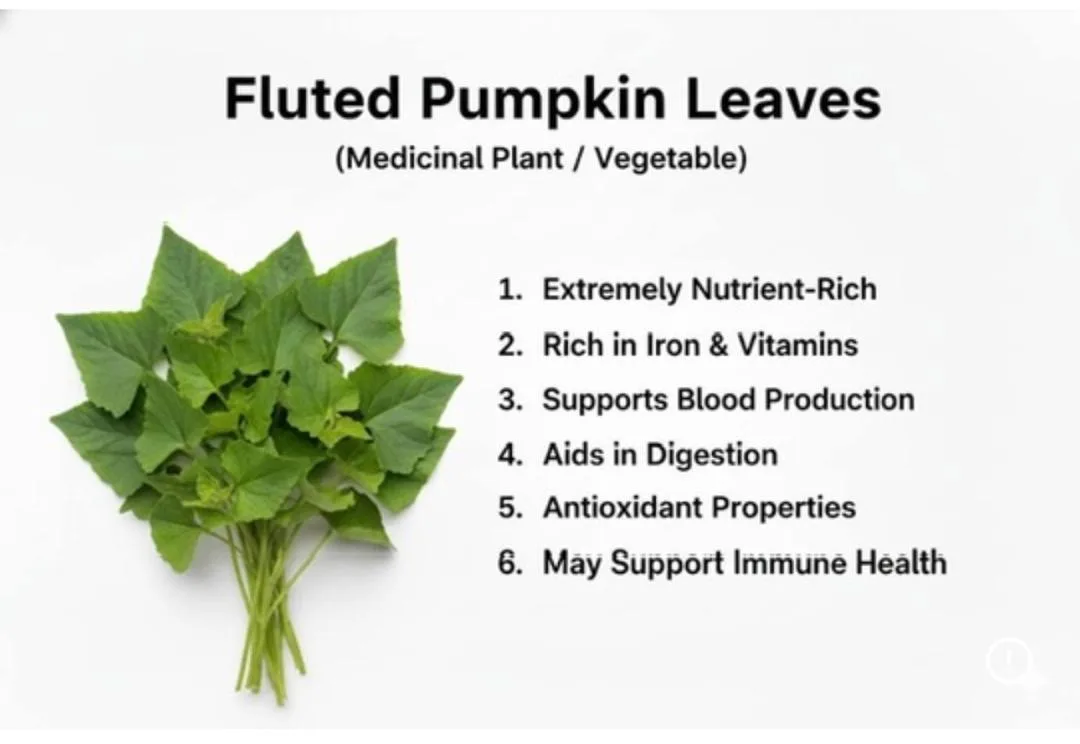
    1. Extremely Nutrient-Rich

    Benefits of Fluted pumpkin leave

    One of the biggest Benefits of Fluted pumpkin leaves is its exceptional nutrient density. A small serving provides a wide range of vitamins and minerals that the body needs daily.

    • Vitamin A supports vision and skin health.
    • Vitamin C boosts immunity and supports collagen production.
    • Iron aids in blood formation and prevents anaemia.
    • Calcium strengthens bones and teeth.
    • Potassium helps regulate blood pressure.

    Many vegetables lose their nutrients when cooked for long, but Krobonko retains most of its nutritional content even after boiling or steaming. It’s a great way to enhance the nutritional quality of any meal.

    2. Rich in Iron and Vitamins

    If you struggle with low iron levels, fatigue, or dizziness, Krobonko is one vegetable you should consider adding to your meals more often. This is why nursing mothers, pregnant women, and individuals managing anaemia are frequently encouraged to eat it.

    The natural iron content in the leaves helps support red blood cell formation and improve oxygen circulation throughout the body. The vitamins work together to support metabolism, protect cells from damage, and keep your system functioning optimally.

    It’s no surprise that one of the most celebrated Benefits of Fluted pumpkin leave is its ability to nourish and energize the body from within.

    Read Also: Ovulation Calculator for Ghanaian Women: Track Your Fertile Days Easily With Our Free Tool

    3. Supports Blood Production

    Traditional African medicine has long used Krobonko leaves to boost blood count. Scientific research now supports this practice.

    The leaf is known for its blood-building properties, making it effective for:

    • Treating mild anaemia
    • Recovering from blood loss
    • Strengthening overall vitality
    • Supporting women after childbirth

    Many people drink Krobonko juice—made by blending the fresh leaves with water—as a natural tonic for improved blood health.

    This makes the Benefits of Fluted pumpkin leaves especially important for children, women, and anyone who feels consistently weak or tired.

    4. Aids Digestion

    If your digestive system needs a reset, Krobonko may be exactly what you need. The leaves contain natural fibre that helps:

    • Promote healthy digestion
    • Prevent constipation
    • Cleanse the gut
    • Support healthy bowel movements

    Fibre is essential for maintaining a healthy digestive tract, and Krobonko provides a generous amount. Including it in your meals can help balance your digestive system while improving nutrient absorption.

    Benefits of Fluted pumpkin leave

    5. Powerful Antioxidant Properties

    Fluted pumpkin leaves are rich in antioxidants—substances that fight harmful free radicals in the body. Free radicals contribute to aging, chronic diseases, and cellular damage. By consuming foods with antioxidant compounds, you support your body’s ability to repair, protect, and rejuvenate itself.

    The antioxidants in Krobonko:

    • Reduce inflammation
    • Support liver health
    • Improve skin glow
    • Strengthen immunity
    • Enhance overall wellness

    This is one of the lesser-known Benefits of Fluted pumpkin leaves, but it’s also one of the most important for long-term health.

    Read Also: Top 5 Worst Sleeping Positions for Your Spine According to Experts (And How to Fix Them)

    6. Boosts the Immune System

    Your immune system is your first defence against infections—and Krobonko helps keep it strong. With its blend of vitamins, minerals, and antioxidants, these leaves serve as a natural immune booster.

    Regular consumption may help reduce your risk of:

    • Common colds
    • Infections
    • Fatigue
    • Inflammation

    This is why many herbal teas and home remedies for recovery include Krobonko as a key ingredient.

    The Benefits of Fluted pumpkin leaves for immunity are especially helpful for children, adults with weak immune systems, and people recovering from illness.

    How to Enjoy Krobonko (Fluted Pumpkin Leaves)

    You can enjoy Krobonko in many tasty and healthy ways:

    • Add it to soups like light soup or vegetable soups.
    • Blend it into smoothies or juices for a nutrient boost.
    • Stir it into stews, yam porridge, or palava sauce.
    • Steam lightly with spices for a simple side dish.

    Always wash thoroughly and cook lightly to preserve its nutrients.

    Read Also: Is Soursop Good for Fatty Liver? Benefits, Risks & Expert Insights

    Final Thoughts

    Krobonko, our beloved fluted pumpkin leaves offer more nutritional and medicinal value than most people realize. The numerous Benefits of Fluted pumpkin leaves make it a must-have ingredient in your kitchen, especially if you’re looking to improve your health naturally.

    From boosting blood production to strengthening your immunity, improving digestion, and providing essential vitamins, this humble vegetable is truly a gift from nature.

    So the next time you prepare a meal, remember to add some Krobonko and enjoy the incredible health benefits packed in every leaf.

  • Ovulation Calculator for Ghanaian Women: Track Your Fertile Days Easily With Our Free Tool

    Ovulation Calculator for Ghanaian Women: Track Your Fertile Days Easily With Our Free Tool

    Many Ghanaian women struggle to know the exact time they are most fertile, especially when their menstrual cycles change from month to month. Whether you’re trying to conceive or simply want to understand your body better, tracking ovulation is one of the most important habits for Ghana Women’s Health. In this guide, you’ll learn how ovulation works, how to calculate it naturally, and how to use our Ghana Ovulation Calculator—a simple tool designed to give you instant results.

    Ovulation & Fertility Tracker

    What Is Ovulation?

    Ovulation is the point in your menstrual cycle when your ovary releases a mature egg. This usually happens once every month and is the window where pregnancy is most likely to occur. After release, the egg survives for about 12–24 hours, waiting to be fertilized. Understanding this timing is the first step to taking control of your reproductive health.

    Read Also: Bↄdze and the Myth of Delayed Childbirth

    How to Calculate Your Ovulation Naturally

    Most women in Ghana have menstrual cycles between 26–32 days. To estimate your ovulation:

    • Count the first day of your period as Day 1
    • Ovulation usually occurs 14 days before your next period
    • Example:
      • If your cycle is 28 days → ovulation happens around Day 14
      • If your cycle is 30 days → ovulation happens around Day 16

    This method works best if your cycle is regular. If it’s not, using the calculator below gives a clearer estimate.

    Why Tracking Ovulation Matters

    Tracking ovulation is important for several reasons:

    • Cycles can be affected by stress, long working hours, diet, and lifestyle
    • Access to fertility specialists can be limited for many women
    • Knowing your fertile window helps with family planning
    • It empowers women with knowledge about their bodies

    This is why many consider tools like ours among the Best Ovulation Calculator options for Ghanaian women—simple, free, and accessible.

    Use Our Free Ovulation Calculator Below

    Our Ghana Ovulation Calculator makes it easy to know your most fertile days.
    Just enter the first day of your last period and your usual cycle length to get:

    • Estimated ovulation date
    • Fertile window (your highest chance of getting pregnant)
    • Expected next period

    👇 Scroll down and use the ovulation calculator below to get your instant results.

    Ovulation & Fertility Tracker

    How Accurate Is an Ovulation Calculator?

    An ovulation calculator gives an estimate, not a perfect prediction. Accuracy may vary if you have:

    • Irregular periods
    • Polycystic ovarian syndrome (PCOS)
    • Hormonal imbalance
    • Recent pregnancy or miscarriage
    • High stress levels

    However, it remains one of the simplest and most reliable tools to guide your timing, especially if combined with physical signs.

    Read Also: 10 Natural Ways to Sleep Better Without Pills

    Signs You’re Ovulating (Common Among Ghanaian Women)

    Here are common ovulation symptoms to look for:

    • Clear, stretchy discharge (egg-white consistency)
    • Mild lower abdominal pain or cramps
    • Increased sex drive
    • Breast tenderness
    • Slight rise in body temperature
    • Improved sense of smell or taste

    If you pay attention to these symptoms while using the calculator, your estimates become even more accurate.

    Tips to Increase Your Chances of Getting Pregnant

    If you’re trying to conceive, here are medically backed tips:

    • Track your period every month
    • Have intercourse every 2–3 days during your fertile window
    • Maintain a healthy weight
    • Reduce stress
    • Cut down on alcohol and smoking
    • Eat more fruits, vegetables, and water-rich foods
    • Take folic acid and basic prenatal vitamins

    These habits support fertility and overall Ghana Women’s Health.

    When to See a Doctor in Ghana

    Visit a hospital or specialist if:

    • You’ve been trying to conceive for 12 months without success
    • You have very irregular periods
    • You experience severe menstrual pain
    • You suspect hormonal issues
    • You are over 35 and have tried for 6 months

    Some trusted fertility centres and hospitals in Ghana include:

    • Korle-Bu Teaching Hospital
    • Komfo Anokye Teaching Hospital
    • Lister Hospital
    • Finney Hospital
    • Medifem Hospital

    Always consult a professional when unsure.

    Read Also: How to Lose Belly Fat with Common Ghanaian Ingredients

    Conclusion

    Understanding your fertile window can make a huge difference, whether you’re planning a pregnancy or simply tracking your cycle. Our free Ghana Ovulation Calculator is designed to help you track your ovulation quickly and accurately. Bookmark this page, check your cycle regularly, and encourage other women to use the ovulation calculator to take charge of their reproductive health.