Tag: Brain

  • 21 Brain-Boosting Foods That Sharpen Focus, Memory & Mental Clarity

    21 Brain-Boosting Foods That Sharpen Focus, Memory & Mental Clarity

    Introduction: Feed Your Brain Right

    Your brain is your control center—it runs everything from focus and memory to creativity and decision-making. But just like a high-performance engine, it needs the right fuel. The best foods for brain health provide the nutrients, fats, and antioxidants your mind needs to stay sharp, focused, and resilient. The 21 Brain-Boosting Foods That Sharpen Focus are not just limited to just fruits and vegetables but even some snacks can help improve brain function.

    In this post, we’ll explore 21 brain-boosting foods and how you can include them in your daily cognitive function diet to improve mental clarity, memory, and focus.


    1. Fatty Fish: The Omega-3 Powerhouse

    21 Brain-Boosting Foods That Sharpen Focus
    21 Brain-Boosting Foods That Sharpen Focus

    Fatty fish like salmon, mackerel, sardines, and trout are loaded with omega-3 rich foods essential for brain function. Omega-3 fatty acids (EPA and DHA) form the building blocks of brain cells and improve communication between neurons.

    Benefits:

    • Enhances focus and attention span.
    • Supports memory retention.
    • May reduce cognitive decline with age.

    Pro Tip: Aim for two servings of fatty fish per week.

    Sustain Energy & Mood: How Dehydration Impacts Brain Function


    2. Blueberries: Tiny Antioxidant Powerhouses

    Blueberries are among the most potent antioxidants for brain health. Their flavonoids improve communication between brain cells, delay brain aging, and boost memory.

    Benefits:

    • Protects against oxidative stress.
    • Improves learning and memory.
    • Supports long-term cognitive health.

    Add to your diet: Mix blueberries into yogurt, oatmeal, or smoothies.

    How to Stop Sugar Cravings Naturally at Night: 7 Proven Strategies


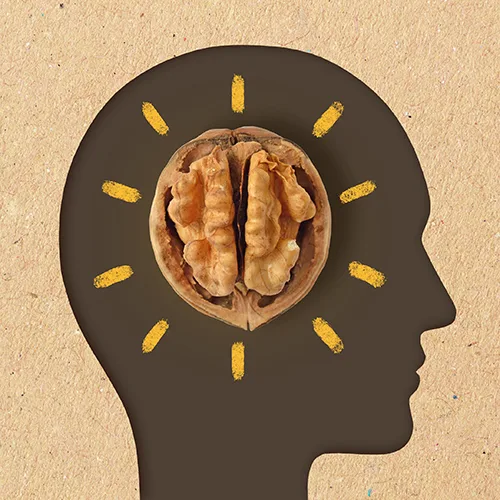
    3. Walnuts: The Ultimate Brain-Shaped Snack

    Man head silhouette with walnut – Walnuts are good for brain

    Walnuts are rich in DHA, vitamin E, and antioxidants, making them perfect for nuts and brain performance.

    Benefits:

    • Improves mental alertness.
    • Enhances processing speed.
    • Supports brain longevity.

    Tip: Snack on a handful daily or sprinkle on salads.

    6 Healthy Snacks to Eat While on Your Weight Loss Journey


    4. Avocados: Healthy Fats for Mental Flow

    Avocados provide healthy fats for brain function, supporting blood flow and oxygen delivery to the brain.

    Benefits:

    • Enhances concentration.
    • Reduces mental fatigue.
    • Supports memory formation.

    Eat it: Spread on toast or add to smoothies.


    5. Dark Chocolate: A Delicious Brain Booster

    Dark chocolate (70% cacao or higher) is rich in flavonoids, caffeine, and antioxidants.

    Benefits:

    • Boosts focus and motivation.
    • Enhances memory and blood flow.
    • Supports mood regulation.

    Tip: One small square a day is plenty.


    6. Broccoli: Green Power for Cognitive Function

    Broccoli is full of antioxidants and vitamin K, which are vital for Leafy greens and cognition.

    Benefits:

    • Protects brain cells.
    • Strengthens memory.
    • Supports neurotransmitter function.

    How to Boost Your Immune System Naturally (Ghanaian Food Edition)


    7. Eggs: The Choline Connection

    Eggs contain choline, a nutrient key for creating acetylcholine—a neurotransmitter that supports memory and learning.

    Benefits:

    • Boosts focus.
    • Enhances learning ability.
    • Supports brain cell structure.

    8. Pumpkin Seeds: Tiny But Mighty

    Pumpkin seeds are rich in zinc, magnesium, and copper—essential for your cognitive function diet.

    Benefits:

    • Improves memory.
    • Reduces anxiety.
    • Enhances reasoning.

    6 Healthy Snacks to Eat While on Your Weight Loss Journey


    9. Oranges: Vitamin C for Brain Defense

    A single orange gives your full daily dose of vitamin C—a top antioxidant for brain health.

    Benefits:

    • Protects against mental decline.
    • Strengthens brain immunity.

    10. Green Tea: Calm Focus in a Cup

    Green tea’s caffeine and L-theanine blend improve focus without jitters.

    Benefits:

    • Promotes alertness.
    • Calms the mind.
    • Protects brain cells.

    (Internal link: Add link to mindfulness or productivity tips post.)


    11. Turmeric: The Golden Spice for Brain Power

    Curcumin in turmeric boosts serotonin, dopamine, and memory.

    Benefits:

    • Reduces inflammation.
    • Improves mood.
    • Enhances neuroplasticity.

    12. Spinach: Leafy Green Brain Fuel

    Rich in folate and beta carotene, spinach enhances Leafy greens and cognition.

    Benefits:

    • Slows mental decline.
    • Enhances memory.
    • Boosts focus.

    13. Coffee: A Mental Ignition Switch

    Caffeine in coffee increases alertness and memory recall.

    Benefits:

    • Sharpens focus.
    • Elevates mood.
    • Improves performance.

    14. Whole Grains: Steady Energy for Mental Endurance

    Whole grains provide slow-release glucose—perfect for sustained mental energy.

    Benefits:

    • Prevents fatigue.
    • Stabilizes mood.
    • Improves focus.

    15. Beets: Brain Blood Flow Boosters

    Beets increase blood flow and oxygen to the brain.

    Benefits:

    • Boosts concentration.
    • Improves mental performance.

    16. Almonds: Snack Smart for Brain Power

    Almonds contain vitamin E and magnesium—excellent foods for mental clarity.

    Benefits:

    • Supports focus.
    • Protects against oxidative stress.

    17. Berries (All Kinds): Nature’s Brain Candy

    Berries are full of anthocyanins that protect brain cells.

    Benefits:

    • Enhances memory.
    • Improves coordination.
    • Reduces inflammation.

    18. Tomatoes: Lycopene for Cognitive Protection

    Tomatoes help prevent brain cell damage and boost memory.

    Benefits:

    • Prevents decline.
    • Supports mental performance.

    19. Water: The Overlooked Brain Fuel

    Hydration directly affects hydration and mental focus.

    Benefits:

    • Prevents brain fog.
    • Supports energy.

    Early Signs of Iron Deficiency in Women: Symptoms, Causes, and What You Need to Know


    20. Greek Yogurt: Protein and Probiotics for the Mind

    Greek yogurt supports gut health—which influences brain health.

    Benefits:

    • Enhances mood.
    • Supports focus.

    21. Dark Leafy Greens: Cognitive Champions

    Dark leafy greens like kale and chard provide vitamins for memory and overall cognition.

    Benefits:

    • Improves processing speed.
    • Protects against memory loss.

    Building Your Cognitive Function Diet

    To maximize brain power, combine these brain-boosting foods into daily meals. Focus on:

    • Regular intake of omega-3 rich foods.
    • Plenty of antioxidants for brain health.
    • Healthy fats for brain function (olive oil, avocado, nuts).
    • Staying hydrated and avoiding processed sugar.

    Mindful Eating for Weight Loss: How to Start


    Nourish to Flourish

    Your mind runs on what you eat. These focus-enhancing foods and foods that improve memory can transform how you think, learn, and perform. With the right brain power nutrition, you’ll boost creativity, clarity, and long-term mental resilience.


    ‎Follow the InfoHealthGh channel on WhatsApp: https://whatsapp.com/channel/0029Va7j1SgGE56e8pagc22u
  • The Surprising Link Between Gut Health and Anxiety: How Your Digestive System Affects Your Mind

    The Surprising Link Between Gut Health and Anxiety: How Your Digestive System Affects Your Mind

    In recent years, science has revealed sothing fascinating: your gut and your brain are more closely connected than we ever imagined. Researchers now refer to the gut as the “second brain” because of how strongly it influences mood, stress, and even mental health conditions like anxiety. This connection—known as the gut-brain axis—helps explain the surprising link between gut health and anxiety.

    If you’ve ever had “butterflies” in your stomach before a big event, or digestive issues when feeling stressed, you’ve already experienced this connection firsthand. But how deep does it go? Can improving gut health reduce anxiety? And what practical steps can you take to heal this brain-gut relationship? Let’s dive in.

    Read Also: Five (5) signs you have too much salt in your system.

    the surprising link between gut health and anxiety

    How Does Gut Health Relate to Anxiety?

    Your gut is home to trillions of microbes collectively known as the gut microbiome. These bacteria, fungi, and other microorganisms aren’t just responsible for digestion—they play a major role in producing neurotransmitters like serotonin, dopamine, and GABA, which regulate mood and anxiety levels.

    • Serotonin: About 90% of your body’s serotonin (the “feel-good” chemical) is produced in the gut. Imbalances in gut bacteria can interfere with its production, potentially worsening anxiety.
    • Inflammation: An unhealthy gut can lead to chronic inflammation, which has been linked to anxiety and depression.
    • Stress response: The gut communicates directly with the brain through the vagus nerve, influencing the body’s stress response system. A disrupted gut may send “danger signals” to the brain, triggering anxiety-like symptoms.

    In short, when your gut microbiome is imbalanced, your brain can feel the impact—leading to higher stress, mood swings, and anxiety.

    How to Heal the Brain-Gut Connection

    Fortunately, the brain-gut connection isn’t a one-way street. You can support both your gut and your mental health through lifestyle and dietary changes. Here are evidence-based strategies:

    1. Eat a Fiber-Rich, Plant-Based Diet
      • Whole grains, fruits, vegetables, legumes, and nuts feed the beneficial gut bacteria that help regulate mood.
      • Fermented foods like yogurt, kefir, sauerkraut, and kimchi provide probiotics that restore microbial balance.
    2. Consider Prebiotics and Probiotics
      • Probiotics add beneficial bacteria to your gut.
      • Prebiotics (found in garlic, onions, bananas, asparagus) feed those good bacteria.
      • Together, they improve the diversity and resilience of your gut microbiome.
    3. Manage Stress Levels
      • Practices like meditation, yoga, deep breathing, and mindfulness directly reduce stress signals that travel between gut and brain.
      • Chronic stress weakens gut health by altering its microbial balance, so stress management is vital.
    4. Exercise Regularly
      • Moderate activity improves digestion, lowers stress hormones, and supports microbial diversity—all of which reduce anxiety.
    5. Sleep Well
      • Poor sleep disrupts both gut microbiota and brain chemistry. Aim for 7–9 hours of quality rest.
    6. Limit Gut Disruptors
      • Minimize processed foods, excess sugar, alcohol, and unnecessary antibiotics, as these can wipe out healthy bacteria and promote imbalance.

    By consistently applying these steps, you can gradually heal the brain-gut connection and experience less anxiety over time.

    Read Also: How to Lose Belly Fat with Common Ghanaian Ingredients

    How Do You Know If Your Gut Is Clean?

    A “clean” gut doesn’t mean sterile—it means balanced. The goal isn’t to eliminate microbes but to ensure your gut microbiome is diverse and functioning properly. Signs of a healthy gut include:

    • Regular bowel movements (neither too frequent nor too infrequent)
    • Minimal bloating or gas
    • Clear skin (since gut imbalances often show up as acne or rashes)
    • Stable energy levels throughout the day
    • Improved mood and reduced anxiety
    • Stronger immunity (you don’t fall sick as easily)

    If you often feel bloated, fatigued, moody, or struggle with digestion, your gut may be imbalanced and in need of a reset.

    What Is the 7-Day Gut Reset?

    the surprising link between gut health and anxiety

    The 7-Day Gut Reset is a structured short-term plan designed to restore balance to your gut microbiome. While results vary, many people find it reduces bloating, improves digestion, and helps stabilize mood. Here’s a simplified outline:

    Day 1–2: Remove

    • Eliminate processed foods, sugar, fried foods, alcohol, and artificial additives.
    • Focus on hydration—drink at least 8–10 glasses of water daily.

    Day 3–4: Replace

    • Add gut-healing foods: leafy greens, berries, lean protein, bone broth, and omega-3-rich foods (like salmon or flaxseeds).
    • Include natural prebiotic foods (onions, garlic, leeks).

    Day 5–6: Reinoculate

    • Add probiotics through yogurt, kefir, kimchi, sauerkraut, or supplements.
    • Eat fiber-rich foods to “feed” the probiotics.

    Day 7: Restore

    • Support long-term balance with mindful eating, stress management, and sleep hygiene.
    • Practice mindful eating—slow down, chew thoroughly, and avoid late-night heavy meals.

    The 7-Day Gut Reset is not a “quick fix” but a kickstart toward healthier habits that improve both digestion and mood.

    Read Also: What Happens If You Inject Yourself With Water?

    Your gut is more than just a digestive organ—it’s a powerful partner in your mental well-being. The surprising link between gut health and anxiety shows us that healing the mind starts with nurturing the body. By eating nutrient-rich foods, managing stress, sleeping well, and supporting your gut microbiome, you can strengthen the gut-brain connection and reduce anxiety naturally.

    If you’ve been struggling with stress, mood swings, or digestive issues, consider starting with small changes—like adding more fiber, trying probiotics, or committing to mindful stress management. Over time, these steps don’t just improve gut health; they help create a calmer, clearer, and more resilient mind.