Tag: DIet

  • The Anti-Inflammatory Food Guide: What to Eat, What to Avoid, and How to Flush Inflammation Fast

    The Anti-Inflammatory Food Guide: What to Eat, What to Avoid, and How to Flush Inflammation Fast

    Picture this: You’re in the kitchen, sipping your morning coffee, and wondering why your joints feel stiff, your tummy is bloated, or maybe you’re just feeling “off.” Could it be inflammation? You’re not alone.

    Inflammation is your body’s natural defense—but when it sticks around too long, it starts acting like the annoying friend who never leaves. Luckily, with the right anti-inflammatory food guide, you can take back control. Let’s explore the foods that fuel inflammation, the ones that soothe it, and the most effective ways to flush it fast—all in a way that fits your real life.

    What Are the Worst Foods for Inflammation?

    Anti-inflammatory food guide

    Some everyday foods silently fan the fire of inflammation. Research clearly warns against these culprits:

    • Refined carbs like white bread, pastries, and rice—linked to inflammatory molecules that harm your body .
    • Added sugars and sugary drinks, which drive chronic inflammation and metabolic issues .
    • Processed meats and red meat, rich in saturated fats and linked to inflammatory markers .
    • Fried foods and trans fats, which contain harmful compounds and increase inflammation risk .
    • Excess omega‑6 oils (like corn, soybean, safflower) that tip your body into inflammatory mode (Arthritis Foundation).
    • Alcohol, which disturbs gut balance and escalates inflammation .

    To feel your best, this anti-inflammatory food guide starts with excluding these frequently overlooked triggers.

    Which Food Reduces Inflammation?

    Anti-inflammatory food guide

    Thankfully, nature offers a bounty of choices that soothe your body’s inflammation:

    • Leafy greens and colorful vegetables—spinach, kale, broccoli are rich in antioxidants .
    • Berries and deeply pigmented fruits (blueberries, grapes) packed with phenolic compounds (EatingWell).
    • Fatty fish like salmon and sardines—loaded with omega‑3s that lower inflammatory markers .
    • Nuts, seeds, and healthy oils (olive oil, walnuts, flaxseed) providing monounsaturated and omega‑3 fats .
    • Spices and herbs—turmeric, ginger, garlic, cinnamon offer potent anti-inflammatory benefits .
    • Green tea and coffee, both rich in antioxidants that combat inflammation .
    • Whole grains and legumes—high in fiber and aid gut health, reducing inflammation .

    Incorporating these into your meals is central to this comprehensive anti-inflammatory food guide.

    Is Egg Inflammatory?

    Good news—eggs aren’t inflammatory for most people. Containing high-quality protein and beneficial nutrients like choline, eggs fit well in anti-inflammatory diets. However, if you’re sensitive to dietary cholesterol or have an autoimmune condition, monitor your symptoms. For others, eggs serve as an excellent source of nutrition—just pair them with vegetables and healthy fats.

    Anti-inflammatory food guide

    Read Also: Chest Pain vs Heart Attack: Know the Difference

    What Is the Fastest Way to Flush Inflammation?

    You’ll see the best results when combining diet with these lifestyle strategies:

    1. Hydrate with water and herbal/green tea—flushes toxins and supports gut health .
    2. Opt for anti-inflammatory meals—think colorful salads, fish, nuts, and spices.
    3. Move your body daily—even light exercise lowers inflammation markers .
    4. Manage stress—meditation or walking reduce cortisol, which fuels inflammation .
    5. Sleep well (7–9 hrs)—sleep deficits raise inflammatory chemicals (Real Simple).

    Including this in your personal journey amplifies the power of this anti-inflammatory food guide.

    Sample Daily Anti-Inflammation Plan

    MealFoods
    BreakfastOatmeal with berries, walnuts, cinnamon; green tea
    SnackCarrot sticks with hummus
    LunchQuinoa salad with spinach, chickpeas, olive oil, turmeric Salmon
    SnackGreek yogurt with flaxseed or an apple + nut butter
    DinnerGrilled fish, steamed broccoli with garlic & ginger, sweet potato mash
    After-dinnerWarm turmeric ginger tea

    Beyond Food: Lifestyle Habits That Matter

    • Stay active: Walk, stretch, dance—30 mins daily improves gut and immune health.
    • Choose whole foods over ultra-processed: If it has 10+ ingredients, skip it .
    • Ditch smoking and limit alcohol—both worsen inflammation .
    • Prioritize quality sleep—your body repairs itself at night.
    • Manage stress wisely—mental calm supports physical calm.

    Read Also: Subtle Signs Your Liver Is Damaged (Before It’s Too Late)

    Conclusion

    This anti-inflammatory food guide is more than advice—it’s an invitation: invest in your health with daily choices that soothe, nourish, and empower your body. Replace the bad, embrace the good, and feel results in your joints, skin, energy, mood—and life.

    Start today: enjoy that berry oatmeal, sip green tea, skip the fries, and take a deep breath. Small changes add up to big impact.

  • How to Boost Your Immune System Naturally (Ghanaian Food Edition)

    How to Boost Your Immune System Naturally (Ghanaian Food Edition)

    If there’s one thing I’ve learned,, it’s that nature has blessed us with an abundance of immune-boosting foods—we just don’t always recognize their value.

    In a time where good health is everything, especially post-COVID, strengthening your immune system naturally is no longer just a lifestyle option—it’s a necessity. And the best part? You don’t need imported supplements or exotic ingredients.

    Your local Ghanaian diet holds many of the answers.Let’s explore how you can boost your immune system naturally every single day using everyday Ghanaian foods, backed by science and personal experience.

    ‎Follow the InfoHealthGh channel on WhatsApp: https://whatsapp.com/channel/0029Va7j1SgGE56e8pagc22u

    What Does the Immune System Really Need?

    Your immune system is your body’s natural defense mechanism, made up of cells, tissues, and organs that fight off viruses, bacteria, and infections. To function properly, it needs proper nourishment, regular rest, and reduced stress.

    A study published in Frontiers in Immunology (2018) emphasized that malnutrition and micronutrient deficiencies significantly weaken the immune response, making the body more susceptible to infections. That’s where these local, nutrient-rich Ghanaian foods come in.

    Read Also: How to Lose Belly Fat with Common Ghanaian Ingredients

    1. Kontomire (Cocoyam Leaves) -The Iron Powerhouse

    Kontomire stew is more than just a comfort food. Cocoyam leaves are rich in iron, vitamin A, vitamin C, and antioxidants, all vital for immune function. Vitamin C supports the production of white blood cells, while iron helps transport oxygen, keeping immune cells active.

    Whenever you are feeling run down and in need of a little boost, a bowl of hot yam and kontomire stew with boiled eggs will always brings you back to life so give it a try. That is what we call proper nutrition.

    🔬 Study Insight: The Journal of Food Science and Technology (2020) confirms that dark green leafy vegetables like cocoyam leaves are dense in antioxidants and immune-enhancing micronutrients.

    🥭 2. Mangoes and Oranges – The Vitamin C Boosters

    In Ghana, mango season is a blessing. Mangoes and oranges are loaded with vitamin C, a known immune-booster. Vitamin C helps prevent cell damage, supports wound healing, and enhances iron absorption. Make it a habit to snack on fresh mangoes or start your day with an orange or tangerine. They’re better than fizzy vitamin tablets—plus, they’re cheaper and fresher.

    3. Fresh Fish and Sardines – Rich in Zinc and Omega-3

    Boost Your Immune System Naturally

    Zinc is a mineral that plays a crucial role in maintaining the immune system. Our Ghanaian meals often feature tilapia, salmon (kpanla), mackerel, and even sardines—either fresh or canned. These fish are also rich in omega-3 fatty acids, which reduce inflammation and support immune cell function. We are bounded at the south by the Gulf of Guinea for a reason.

    Smoked mackerel in my groundnut soup isn’t just for flavor—it’s feeding my cells too.

    Read Also: Truth about Herbal Teas in Ghana: Do they really help you to lose weight?

    🍠 4. Sweet Potatoes and Plantain – Energy and Beta-Carotene

    Orange-fleshed sweet potatoes are a hidden immune-boosting gem. They’re high in beta-carotene, which the body converts into vitamin A, essential for healthy mucous membranes (your first line of immune defense).Ripe or unripe plantains also supply resistant starch and potassium.

    How to Boost Your Immune System Naturally Every Day

    I love roasted plantain (kelewele) with groundnuts—not just tasty, but an immune-friendly street meal.

    5. Garlic, Ginger, and Cloves – Natural Antimicrobials

    Ginger and garlic are traditional staples in Ghanaian kitchens. They contain antibacterial, antiviral, and anti-inflammatory properties.

    For centuries, our grandmothers used “nkyene tea” (ginger, garlic, and cloves brewed together) as a cure-all. Turns out, science agrees. Research in the Journal of Immunology Research supports garlic’s role in enhancing immune cell function.

    Try adding more of these spices to your soups, teas, and stews, especially during the rainy season where it is so easy to catch a cold

    6. Beans and Groundnuts – Protein for Immunity

    Protein helps build and repair body tissue, including immune cells. Our local black-eyed beans (adua) and groundnuts (nkate) are affordable and excellent plant-based protein sources.

    Beans stew with ripe plantain or waakye is not just filling; it’s fueling your immune system with amino acids and vital minerals like zinc and selenium.

    💧 7. Water – The Unsung Hero

    You can eat all the right foods, but if you’re not hydrated, your immune system can still underperform. Water helps flush out toxins, transport nutrients, and support every cell in your body.

    Start your day with a glass of warm water—add lemon for extra vitamin C if you like. Coconut water (if you can find it fresh) is also a great natural hydrator full of potassium and antioxidants.

    Read Also: 7 Warning Signs Your Body Is Low on Magnesium

    Fitness

    Bonus Tips Beyond Food

    Get enough sleep: Your body repairs and strengthens immune responses while you sleep.

    Reduce stress: Chronic stress weakens immunity. Try walking, praying, or breathing exercises.

    Sunlight/Vitamin D: Spend at least 20 minutes outdoors daily. The sun helps your body produce vitamin D, essential for immune defense.

    Final Thoughts: How to Boost Your Immune System Naturally Every Day

    Boosting your immune system doesn’t require foreign pills or complex superfoods. The answer may already be on your table.

    From kontomire stew to fresh mangoes, our Ghanaian diet offers an abundance of immune-enhancing options—if only we see their value.

    As someone who grew up eating “local,” I now appreciate these foods not just for taste, but for health. Start eating with intention, and you’ll find that your kitchen is your best pharmacy.

    Your health is your wealth. Eat well, stay strong, and protect your body—naturally.

  • Truth about Herbal Teas in Ghana: Do they really help you to lose weight?

    Truth about Herbal Teas in Ghana: Do they really help you to lose weight?

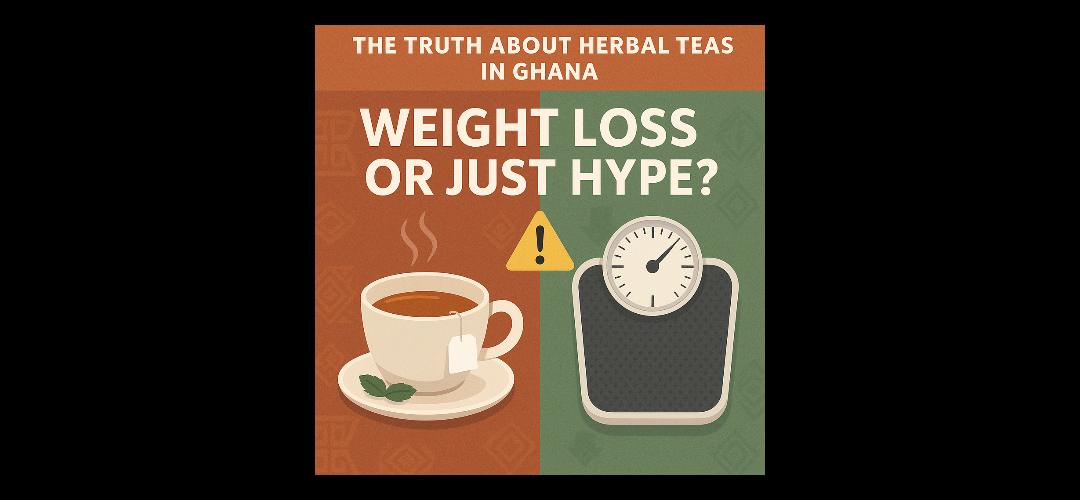
    Truth about Herbal Teas in Ghana: There are so many products out there in the market that promise to make you lose weight, and most of these herbal teas are dubbed “slimming tea” because that is what they claim to do. The truth is that using such products may reduce your weight in the short term, but they don’t make you burn fat. At best, they help condition your body into fat-burning mode by lowering sugar levels, hence insulin.

    Truth about Herbal Teas in Ghana
    Truth about Herbal Teas in Ghana:

    The truth is, if I’m not exaggerating, 90% of these products will make you visit the loo more than 20 times a day. You will notice a drop in your weight when you step on the scale and think it’s working, but what you don’t know is that you are actually losing water weight due to the frequent passing of watery stool.

    Some of these herbal teas contain ingredients like senna, a natural laxative, which can cause serious health problems, including dehydration, electrolyte imbalances and, in worst-case scenarios, life-threatening conditions.

    In the case of Ghana, there are so many vendors online with products they claim work wonders when taken. Most of these are in a tea that you have to dip in hot water and drink. These herbal teas have lots of positive reviews, or at least according to the vendors, but personally, I am yet to try one or meet someone who lost even a kilo from drinking them.

    Let’s uncover the Truth about Herbal Teas in Ghana and look at the role they play in weight loss.

    Read Also: Healthy Ghanaian Breakfasts to Lose Weight: Smart Choices for Sustainable Results

    What Are Herbal Teas and How Are They Marketed in Ghana?

    ‎Follow the InfoHealthGh channel on WhatsApp: https://whatsapp.com/channel/0029Va7j1SgGE56e8pagc22u

    Herbal teas are beverages made from the infusion or decoction of herbs, spices, or other plant materials in hot water. Unlike traditional teas (green, black, oolong), herbal teas do not typically contain actual tea leaves from the Camellia sinensis plant. In Ghana, the most popular slimming teas are sold as mixtures of local herbs, roots, or imported blends packaged to look professional and appealing.

    They are marketed aggressively online—on Facebook, Instagram, TikTok, and WhatsApp. Vendors promise quick weight loss, flatter stomachs, and detoxification within days. Unfortunately, most consumers take these claims at face value without questioning what’s actually in the product or how it works.

    The Most Common Ingredients Found in “Slimming Teas”

    Many of these teas share a common ingredient: senna. Senna is a natural laxative that stimulates bowel movements. It’s often promoted as a detoxifier, but in truth, it just makes you poop a lot—removing water and waste from your system. Other ingredients may include:

    • Dandelion root (diuretic – makes you urinate more)
    • Green tea extract (may have mild fat-burning effects)
    • Peppermint or ginger (used for digestion, not fat loss)
    • Lemongrass, guava leaves, or neem (local herbs with various traditional uses)

    While these may sound harmless or even healthy, their effects can be harsh if taken daily in large amounts.

    Do Herbal Teas Burn Fat or Just Flush Water Weight?

    Here’s the honest answer: they do not burn fat. The weight you lose after taking these teas is mostly water and waste from your digestive tract. That’s why you see a drop on the scale—it’s not real fat loss.
    True fat burning requires a calorie deficit—your body has to burn more calories than you consume. Herbal teas might suppress your appetite slightly or make you avoid food because you’re always in the toilet, but that’s not sustainable or healthy.

    Health Risks of Overusing Herbal Teas for Weight Loss

    Overreliance on slimming teas can lead to:

    • Dehydration: Constant diarrhoea or urination strips your body of water.
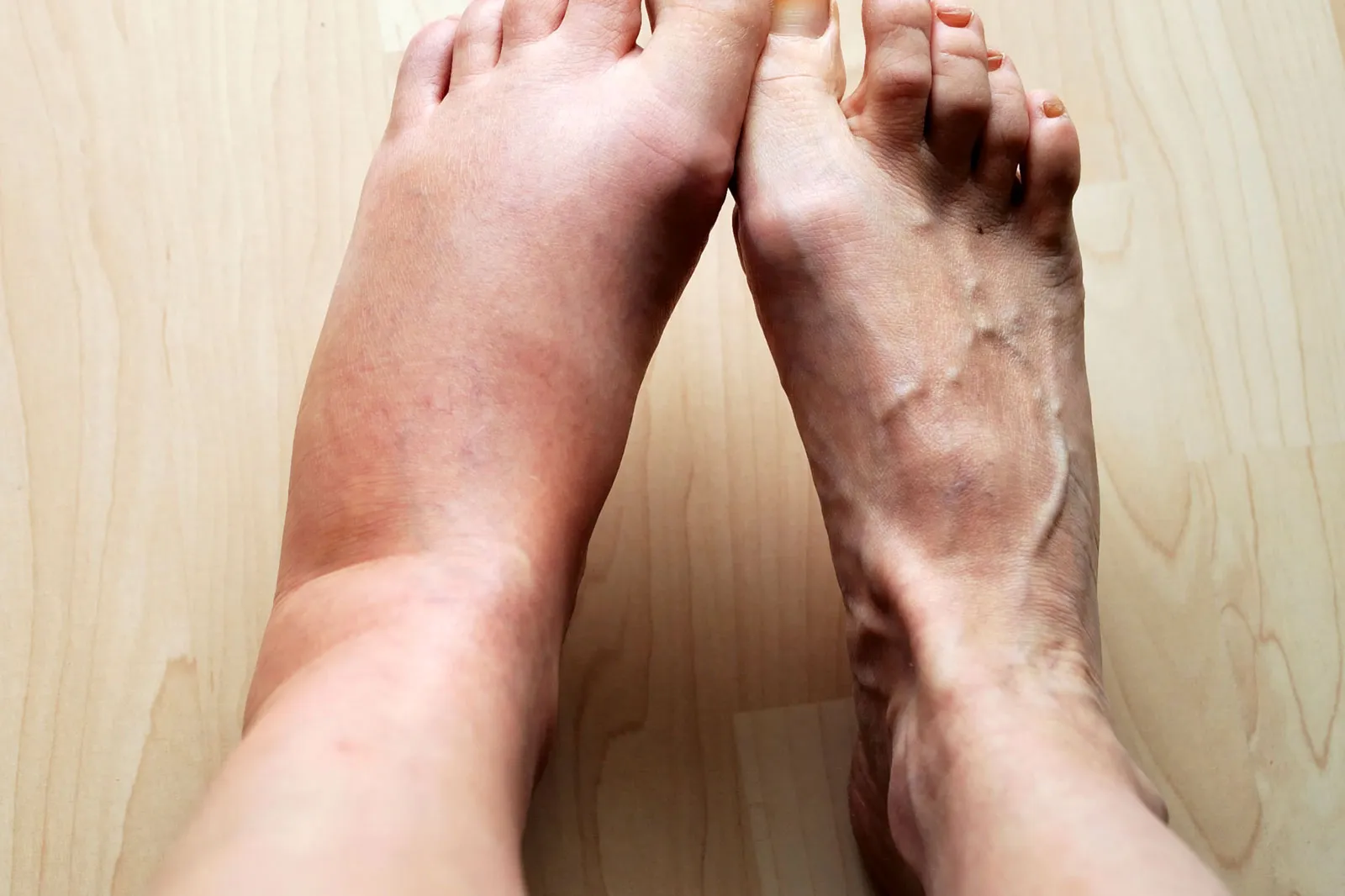
    • Electrolyte imbalance: Loss of sodium, potassium, and magnesium can lead to muscle cramps, weakness, or heart issues.
    • Dependence on laxatives: Your gut may become lazy and rely on laxatives to move waste.
    • Malabsorption: Constant flushing can reduce your body’s ability to absorb nutrients.

    Worst of all, many users don’t know what they’re consuming, since some products don’t disclose ingredients clearly or honestly.

    Why So Many People Still Buy Herbal Slimming Teas in Ghana

    Let’s face it—quick fixes sell. In a society where being slim is admired and weight loss is seen as a ticket to confidence, many people turn to easy solutions. Combine that with the high cost of gym memberships, lack of time for workouts, and poor nutrition education, and you’ll understand why slimming teas are so popular.

    Also, many people trust herbal products because they believe they’re “natural” and therefore safe. But remember, even poison ivy is natural—it doesn’t mean it’s good for you.

    What Actually Works for Sustainable Weight Loss?

    Here’s what truly helps when trying to lose weight—and no, it’s not magical or instant:

    • Balanced meals with whole foods (especially high in protein and fibre)
    • Regular physical activity (walking, skipping, dancing, or any consistent movement)
    • Portion control and reducing sugary and high-fat foods
    • Proper sleep and stress management
    • Professional guidance from a dietitian or healthcare provider if needed

    Supplements or herbal teas may support your efforts only if used wisely and combined with the above, not as a replacement. There are some home made remedies that could replace these herbal teas being marketed aggressively online. For example, soursop leaves are one of the herbal ingredients used traditionally, and recent research shows benefits related to inflammation, blood pressure, and immune support — see Soursop Leaves: The Magical Underrated Benefits

    Read Also: Gari vs Rice: Which is the better alternative when trying lose weight.

    Final Thoughts: Are Herbal Teas in Ghana Worth It for Weight Loss?

    Herbal teas in Ghana may offer temporary weight reduction, but not real fat loss. They often work by flushing out water from your system, which can make you feel lighter but may also harm your health if abused.

    Before you buy into the hype, ask yourself: “Do I want to lose water weight for a few days, or do I want to feel and look better long-term?”

    If it’s the latter, skip the detox gimmicks. Focus on eating better, moving more, and treating your body with care. That’s the truth herbal tea vendors won’t tell you—but now, you know.

    Follow My Facebook Page: Here

  • Healthy Ghanaian Breakfasts to Lose Weight: Smart Choices for Sustainable Results

    Healthy Ghanaian Breakfasts to Lose Weight: Smart Choices for Sustainable Results

    Ghanaian Breakfasts to Lose Weight—When it comes to losing weight, it is important to consider the kind of food you put into your system, especially breakfast. In Ghana, most of our staple local foods are full of carbs because they provide a lot of energy, which fits the traditionally active lifestyle of many people—dietary patterns and nutritional status of rural Ghanaian children” (Nutrition Journal, 2013).

    Many nutritionists all over the world would agree that cutting down carbs or, if possible, eliminating them from your diet is the surest and fastest way to lose weight. Unfortunately, the nature of our meals in Ghana makes it difficult, or rather expensive, to achieve your goal of cutting carbs from your diet.

    Read Also: How Cutting Out Sugar Speeds Up Weight Loss: The Science, Benefits, and Sustainable Tips for Beginners

    In this post, we will explore alternatives and also look at ways to incorporate carbs optimally in our diet and possibly look at how we could fit in activities like intermittent fasting to balance the impact of carb-reliant diets.

    Understanding Ghanaian Diets and Weight Loss

    Ghanaian foods are deeply rooted in tradition, culture, and nutrition. Meals like waakye, banku, fufu, kenkey, and yam are rich sources of carbohydrates. While these foods are nourishing, their high carb content can pose a challenge for individuals aiming for weight loss.

    However, you don’t have to abandon your culture to achieve your health goals. It’s about making informed, balanced choices. As a health blogger with a focus on practical, evidence-based advice, I aim to help you find sustainable methods without drastic diet overhauls.

    Healthy Ghanaian Breakfasts to Lose Weight

    Choosing the right breakfast is a crucial first step. Healthy Ghanaian Breakfasts to lose weight are those that are lower in refined carbs, higher in protein, and rich in fibre. Here are some excellent examples:

    1. Hausa Koko With Wheat Bread: Not the usual combination with Puff loaf or Kose because of the extra oil used to fire it, which is bad for your health. Hausa Koko is High in fibre. The Mille, which is the main ingredient in Hausa koko, is a rich source of dietary fibre. Fibre helps you feel full for longer, reducing the urge to snack unnecessarily.

    Additionally, it has a Low Glycemic Index, leading to gradual blood sugar increases rather than sharp spikes, which is essential for managing hunger and energy levels. It also contains magnesium, iron, and antioxidants, which are important for overall metabolic health. Remember to add a little sugar and milk, or avoid it if you can.

    2. Boiled Eggs with Avocado and a Small Portion of Sweet Potato:
    Aside from eggs being the most common source of protein in Ghana, this meal is high in protein and healthy fats, keeping you full longer and stabilising blood sugar levels. I would not recommend eating fried eggs because that extra oil adds to the calories you consume in a day.

    3. Tom Brown without Added Sugar:
    Tom brown (toasted cornmeal porridge) made lightly and without extra sugar can serve as a satisfying, moderate-carb breakfast. Tom brown is rich in fibre and also falls under Complex carbs which are digested more slowly than simple carbs (like sugar), meaning they cause a slower rise in blood sugar levels and keep you feeling full for longer — great for appetite control!

    4. Vegetable Omelette with a Side of Kelewele (small portion):
    A veggie omelette provides protein and fibre, while a small serving of spicy plantain (kelewele) gives a moderate energy boost without overloading on carbs.

    5. Smoothie Bowls:
    Using local fruits like pawpaw (papaya), watermelon, and adding chia seeds or groundnuts can make a nutrient-dense breakfast that’s perfect for weight management.

    6. Greek Yoghurt with Groundnuts and Small Fruit Slices:
    A high-protein option that helps curb cravings throughout the day. Take a walk into any supermarket near you and you will get some at an affordable price. This may not fall under a local dish, however, it is an excellent meal for people trying to lose weight.

    Tips to Optimise Weight Loss on a Ghanaian Diet

    • Practice Intermittent Fasting:
      Limiting your eating window (for example, eating between 12 p.m. and 8 p.m.) can help regulate calorie intake without feeling deprived.
    • Portion Control is Key:
      You don’t have to cut out fufu, kenkey, or yam completely. Reducing the portion size and pairing them with more vegetables and lean protein can make a huge difference.
    • Stay Hydrated:
      Drinking enough water helps regulate appetite and boosts metabolism especially in the morning first thing you need to do when you wake up from bed is to hydrate. As part of a morning wellness drinks to hydrate, some opt for herbal teas or leaf infusions. For instance, soursop leaves are used traditionally, and recent studies suggest they may have health benefits such as reducing inflammation and boosting immunity — see health benefits of soursop leaves.”
    • Prioritise Fibre and Protein:
      Meals rich in beans, lentils, green leafy vegetables, and eggs should be your best friends on this journey.

    As part of a morning wellness drink, some opt for herbal teas or leaf infusions. For instance, soursop leaves are used traditionally and recent studies suggest they may have health benefits such as reducing inflammation and boosting immunity — see Soursop Leaves: The Magical Underrated Benefits.”

    Losing weight while eating Ghanaian foods is not only possible but also sustainable with the right knowledge and practices. By choosing Healthy Ghanaian Breakfasts to lose weight, practising portion control, and staying consistent, you can enjoy your favourite local meals and still achieve your fitness goals.

    Remember, weight loss is a journey, not a race. Making small, smart changes over time leads to long-lasting results. Trust the process — your health is worth the effort!

  • Gari vs Rice: Which is the better alternative when trying lose weight.

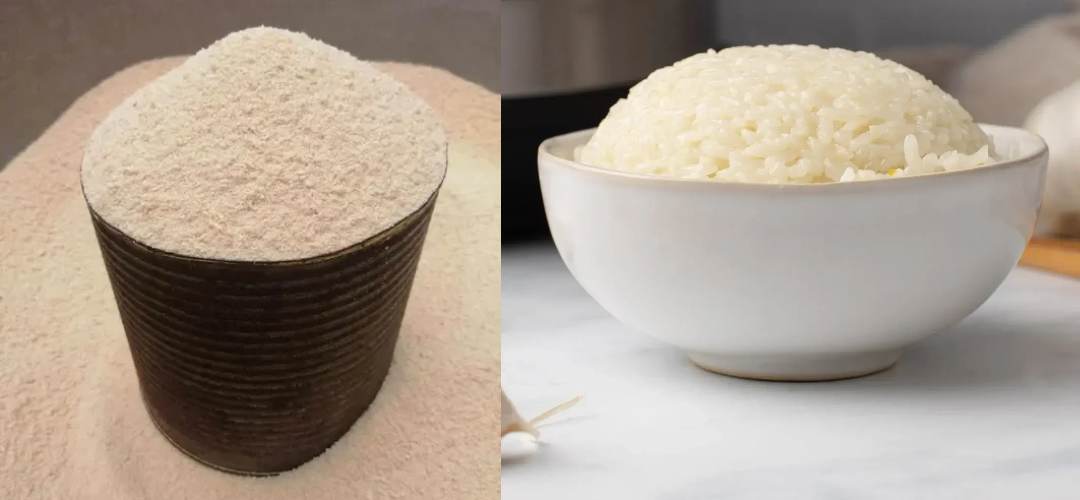
    Gari vs Rice: Which is the better alternative when trying lose weight.

    Gari vs Rice – Many health and nutrition experts all over the world recommend cutting carbs to lose weight. This is because excess carbs in your body are broken down into sugars. Excess sugar in your bloodstream causes a spike in Insulin, the hormone responsible for regulating blood sugar.

    Once your insulin level is high or you become Insulin Resistant, then your body cannot burn fat effectively for energy. To fully understand the effects of Gari and Rice, both of which are registered on the glycemic index, we will first have to understand what the glycemic index is, the effect such foods have on your body and weigh between the two dietary choices.

    Please spare a few minutes to follow any of my social media pages

    Read Also: Quick fat-blasting weight loss plan to lose weight by end of 2024.

    What is the Glycemic Index?

    Gari vs Rice: Which is the better alternative when trying lose weight.

    The Glycemic Index (GI) is a scale from 0 to 100 that ranks carbohydrates based on how quickly they raise blood sugar levels after eating. Foods with a high GI (70 and above) cause a rapid spike in blood sugar, while those with a low GI (55 or less) are digested more slowly, resulting in a gradual rise in blood sugar. This is important because frequent blood sugar spikes can lead to insulin resistance and eventually type 2 diabetes or obesity.

    Gari on the Glycemic Index

    Gari, made from fermented and roasted cassava, is a common staple in many West African countries. While it’s affordable and energy-dense, it is also high in carbohydrates and has a moderately high GI, typically ranging between 65 to 75, depending on how it’s processed and prepared.

    Moreover, Gari lacks significant amounts of protein or fiber, which are essential for slowing digestion and controlling blood sugar. Eating it with protein-rich accompaniments or fiber (like vegetables or legumes) may reduce its glycemic impact, but by itself, it still ranks relatively high in terms of how it affects blood sugar levels.

    Rice on the Glycemic Index

    Rice, particularly white rice, also has a high GI, typically ranging from 70 to 89 depending on the variety and how it is cooked. Brown rice, on the other hand, has a slightly lower GI, around 50 to 55, because it retains the bran and germ, which add fiber and slow down sugar absorption.

    However, in many diets, especially in Ghana and other parts of West Africa, white rice is more commonly consumed, and that version can significantly elevate blood sugar levels after eating—similar to or even worse than Gari in some cases.

    Read Also: How Cutting Out Sugar Speeds Up Weight Loss: The Science, Benefits, and Sustainable Tips for Beginners

    Gari Vs Rice: Which is Better?

    Gari vs Rice: Which is the better alternative when trying lose weight.

    When it comes to Gari Vs Rice, both are high-carb foods and not ideal choices if you’re on a low-carb or ketogenic diet. That said, if you must choose one based on glycemic impact and nutritional content, brown rice may be a better option than gari or white rice due to its lower GI and higher fiber content.

    However, if brown rice is unavailable and the choice is between Gari and white rice, it comes down to portion control and what it’s eaten with. Gari, when consumed in moderation and paired with protein and fiber-rich foods, may cause slightly less of a blood sugar spike than white rice, depending on preparation.

    Final Thoughts on Gari Vs Rice

    Both Gari and Rice are staples in many diets, but from a blood sugar and weight management perspective, neither is particularly favorable for low-carb eaters. Yet, if you must choose one, your decision should be guided by how each affects your body based on their glycemic index and what you pair them with.

    So in the Gari Vs Rice debate, there is no absolute winner, but with the right portions and dietary context, one may suit your nutritional goals better than the other.

  • The Okra & Water Trend: What Science Says About Its Health Benefits

    The Okra & Water Trend: What Science Says About Its Health Benefits

    The Okra and Water Trend: What Science Says About Its Health Benefits

    I remember scrolling through my social media feed one evening when I stumbled upon a post raving about the so-called “Okra and Water Trend.” The claims were fascinating—people swore by drinking okra-infused water first thing in the morning for better digestion, lower blood sugar levels, and even glowing skin. I grew up eating okra in stews and soups, but I had never considered soaking it in water overnight and drinking the slimy mixture the next day. Naturally, my curiosity got the best of me, and I had to find out if there was any science behind these health claims. So, let’s dive deep into the Okra and Water Trend and see what research has to say.

    Read Also: New Study Confirms cancer-causing chemicals in meats singed with burnt car tyres

    What is the Okra and Water Trend?

    Okra and Water Trend

    The Okra and Water Trend involves soaking sliced or whole okra pods in water overnight and drinking the infused water the next morning. Some variations suggest blending okra with water for a thicker consistency. The belief is that by doing this, you can extract the beneficial nutrients from the vegetable, making them easier for the body to absorb. Proponents claim this simple practice can regulate blood sugar levels, improve digestion, and promote heart health.

    The Nutritional Profile of Okra

    Before we examine the scientific evidence behind this trend, let’s take a look at what okra brings to the table nutritionally:

    • Rich in Fiber: Okra is packed with soluble fiber, which is known to aid digestion and regulate blood sugar levels.
    • Loaded with Antioxidants: It contains compounds like flavonoids, polyphenols, and vitamin C, which help reduce oxidative stress in the body.
    • High in Vitamins and Minerals: Okra is a good source of folate, magnesium, and vitamin K, all of which play important roles in maintaining good health.
    • Contains Mucilage: The slimy texture of okra comes from mucilage, a gel-like substance that is believed to support gut health and digestion.

    Does Science Support the Health Claims of the Okra and Water Trend?

    Okra and Water Trend

    1. Okra and Blood Sugar Control

    One of the most talked-about benefits of the Okra and Water Trend is its potential to regulate blood sugar levels. Several studies support this claim:

    • A 2011 study published in ISRN Pharmaceutics found that diabetic rats that consumed okra extract showed lower blood sugar levels compared to those that didn’t.
    • The soluble fiber in okra slows down digestion and sugar absorption, helping to prevent blood sugar spikes.
    • Another study in the Journal of Pharmacy and Bioallied Sciences suggested that okra seeds and peel might have an anti-diabetic effect due to their ability to enhance insulin sensitivity.

    While these findings are promising, more human studies are needed to confirm whether drinking okra water has the same effects as eating okra as part of a balanced diet.

    2. Okra and Digestive Health

    The mucilage found in okra is believed to have benefits for digestion. It acts as a natural lubricant for the intestines, which may help prevent constipation and promote healthy gut bacteria. Additionally, the fiber in okra supports regular bowel movements and overall gut health. While drinking okra water might provide some of these benefits, eating whole okra ensures you get the full spectrum of fiber and nutrients.

    3. Okra and Heart Health

    Okra contains antioxidants like polyphenols, which have been linked to reduced inflammation and better heart health. A study published in Nutrients found that polyphenols can help lower the risk of heart disease by reducing oxidative stress. Furthermore, the fiber in okra has been associated with lower cholesterol levels, which is beneficial for cardiovascular health. However, there’s limited research on whether okra water alone provides these benefits.

    Read Also: Five (5) Exercises not recommended for 30-plus year-olds.

    4. Okra and Weight Loss

    Many people trying to lose weight have embraced the Okra and Water Trend due to its low-calorie content and potential to increase satiety. Since okra is rich in fiber, it can help keep you full for longer, reducing unnecessary snacking. However, simply drinking okra-infused water without making other dietary adjustments is unlikely to result in significant weight loss.

    Should You Try the Okra and Water Trend?

    Based on the available scientific evidence, okra does offer several health benefits, but there’s no conclusive proof that drinking okra water is more effective than consuming the vegetable in its natural form. That said, if you enjoy the practice and find that it makes you feel good, there’s no harm in continuing. Just remember that a well-balanced diet and overall healthy lifestyle matter more than any single food trend.

    How to Make Okra Water

    If you’re interested in trying it out for yourself, here’s a simple way to make okra water:

    1. Take 2-3 fresh okra pods and wash them thoroughly.
    2. Slice them in half or cut them into small pieces.
    3. Soak the pieces in a glass of water overnight.
    4. In the morning, stir the water and drink it on an empty stomach.

    You can experiment with adding lemon or honey for flavor, but keep in mind that the consistency may be slightly slimy due to the mucilage.

    Final Thoughts

    The Okra and Water Trend is an interesting health craze with some scientific backing, particularly regarding blood sugar control and digestive health. However, the best way to reap okra’s full benefits is to include it in your meals rather than solely relying on okra water. If you enjoy the trend and feel it works for you, go ahead and make it part of your routine—but remember, no single food or drink can replace a well-rounded diet and healthy lifestyle.

    Follow My Facebook Page:Infohealthgh

  • 5 Side effects of Green Tea that’s not often discussed

    5 Side effects of Green Tea that’s not often discussed

    Many people incorporate green tea into their diets because of its many health benefits. Personally, I use it as part of my weight loss diet plan which has been very helpful in cutting down the calories. Whenever I crave for something before bed it is my go to snack which helps me stay full. Today’s post is about the Side effects of Green Tea that’s not often discussed

    PS: I won’t not recommend it for people who are very sensitive to caffeine because Green tea is rich in caffeine. 

    Everything that comes with advantages has some disadvantages and even though green tea is very helpful for your health. People don’t often discuss its side effect.

    It is important to know that green tea in itself is not bad, however too much of it will cause you to experience the following negative side effects.

    1. Liver problems

    Catechins, a class of polyphenolic compounds found in many fruits, vegetables, and plant-based beverages, are present in green tea. Although they are beneficial to the body in moderate amount too much of it will overwhelm your liver and cause problems.

    Side effects of Green Tea that’s not often discussed

    A 2017 review published in Liver International analyzed cases of liver injury associated with green tea extract supplements. It found that some individuals developed acute liver failure after high doses of green tea extracts.

    You can tell if a person is having liver problems if your skin begins to turn yellowish.

      2. Iron deficiency

      Green tea can contribute to iron deficiency due to the presence of polyphenols like tannins and catechins, which inhibit iron absorption. These compounds bind to non-heme iron (plant-based iron) in the digestive tract, forming insoluble complexes that the body cannot absorb effectively.

      The risk of iron deficiency from green tea increases with high consumption and drinking it alongside iron-rich meals. To minimize this effect, it is recommended to consume green tea between meals and pair iron-rich foods with vitamin C, which enhances iron absorption and counteracts the inhibitory effects of green tea polyphenols.

      Read Also: Six (6) Common fruits and vegetables to lower blood pressure.

      3. Pregnancy complications

      Drinking lots of green tea around conception can increase the risk of neural tube defects in babies.

      The catechins in green tea can interfere with the body’s ability to absorb folate. Folate is a critical vitamin that ensure proper neural tube development in the early stages of pregnancy.

      When neural tubes dont develop fully in babies the skull, scalp and brain do not develop properly, and the babies are born sometimes with a portion of the brain and skull missing.

      To be on the safe side avoid green tea when you are pregnant because you dont know exactly where other sources of catechins will be entering your body.

      Side effects of Green Tea that’s not often discussed

      4. Digestive issues.

      Too much green tea causes digestive issues for some individuals. These issues are primarily linked to its caffeine content and the presence of tannins, which can irritate the gastrointestinal tract. Here are the main concerns:

      1. Acid Reflux and Stomach Irritation: The caffeine in green tea can relax the lower esophageal sphincter, increasing the risk of acid reflux and heartburn. Additionally, tannins in green tea may irritate the stomach lining, leading to discomfort or nausea, particularly when consumed on an empty stomach.
      2. Diarrhea: Excessive consumption of green tea can have a laxative effect due to its caffeine content, potentially causing diarrhea in sensitive individuals.
      3. Reduced Nutrient Absorption: Tannins in green tea can bind to dietary minerals like iron and magnesium, reducing their absorption and contributing to deficiencies over time, especially in those with existing digestive disorders.
      Side effects of Green Tea that’s not often discussed

      5. Caffeine-related side effects

      There are so many caffeine related side effects that varies from individual to individual one of them being insomnia accompanied with some headaches.

      Other side effects are jitteriness, headaches, diarrhea, and even migraines in some rare cases.

      Read Also: Clear Nasal Congestion with Bay Leaves: The Power of Bay Leaves

      In conclusion, green tea is not harmful to your body per say but taking beyond the recommended amount will have these effects on your body. It is important to consult your doctor whenever you notice any of these negative changes.

      Kindly Follow My Social Media Pages:

      Facebook : @Infohealthgh

      Twitter: @Infhealth

    1. Weight Loss Success Stories: What worked and Didn’t

      Weight Loss Success Stories: What worked and Didn’t

      When it comes to losing weight, there is no one way fix it all solution for everyone. What works for you might be different from what works for me and viceversa. Just one month into my journey I had lost between 7 to 10kg of fat. One question I often got asked was “How did you do it?”

      Friends I shared my tips with often complained that it doesn’t work for them. My approach to burning fat is simple (Intermittent fasting and healthy eating plus 2 to 3 times workout in a week).

      Read Also: Healthy Fat Weight Loss with Intermittent Fasting and Exercise: My Journey

      If it worked for me then why didn’t it work for them? Well, the simple answer is Metabolism. We all have that friend in our circle who eats so much but never gains even a gram of weight. This is because they have higher metabolism. Metabolism is how your body burns available food in your system to produce energy. Sadly, you dont have such a body that is why you are reading this post.

      In today’s post I want to share with you the success stories of those who tried different approaches and how it worked for them. Hopefully one of them would work for your body type and metabolism rate.

      1. Using My Fitness Pal.

        This was shared by a reddit user who suggested using an app to count the calories you consume. The name of the app is My fitness app and it can be downloaded from the play store or app store.

        Basically, you are monitoring your food intake to ensure you are not eating more calories than you are actually burning. This is to ensure that you stay in a calorie deficit.

        In addition to counting your calories you can add weight exercise to see effective and faster results. The app isn’t just limited to dieting but can also track your step count and calories burnt engaging in physical activities when pared with a fitness band or watch.

        2. Using a Smaller Plate.

        It may sound very simple but using a smaller plate really helps to minimize the quantity of food you eat. A smaller plate when full tricks the brain to believe you are eating a huge amount of food.

        SO you end up feeling fuller when you actually didn’t eat much. This works the same way as limiting your calorie in take and staying in a deficit.

        3. Walking

        This is something i practiced myself and saw tremendous improvement in my weight loss. Walking is often underestimated but compared to running I would always recommend walking for the following reasons:

        1. You dont get tired easily even though your heart rate is high just like how it would be if you were running.
        2. Because you dont get or feel tired quickly you are able to go at it for a longer period of time (between 45 to 1 hour)
        3. You feel less sore compared to running and it puts less strain on your knees and joints.
        4. It is very therapeutic especially when done during the early morning hours.

        When walking try to hit an hour or two session and as much as possible try to make it very brisk. Aim for 6 to 7 km.

        4. Cutting out any sugary drinks; soda, juice, gatorade, etc.

        Sugary drinks cause blood sugar spikes, which can make you feel hungry soon after drinking them. This leads to cravings and might make you reach for snacks or more sugary drinks to keep your energy up.

        By cutting out these drinks, your body avoids these energy spikes and dips, helping you feel more balanced and making it easier to eat only when you’re actually hungry. Instead, drinking water, tea, or other low-calorie beverages can help keep you hydrated and satisfied without the extra calories.

        5.  Eating slower and drinking water in between bites.

        Eating slower improves your digestion and also makes you feel fuller even after eating less. This goes a long way to help you consume less calories and lose weight.

        A 2017 study out of Kyushu University in Japan found that people who take time to chew slowly have better digestion and feel fuller, faster. Researchers also found that, on average, slower eaters had a smaller waist circumference and lower body mass index.

        6. CICO – Calorie In, Calorie Out.

        The only ‘diet’ that works is CICO. Calories In, Calories Out. You have to burn more calories than you eat.

        You can achieve that with any diet you want. It’s possible to be calorie deficient with a vegan, vegetarian, pescatarian, keto, paleo, carbs only, bacon only, or fast food only diet. It’s also possible to have a calorie surplus with any of those diets.

        Count your calories with myFitnessPal. Most people eat more calories than they think they are. Find a balance between calorie restriction and exercise that keeps you at a calorie deficit and is sustainable over the long term (think years, not weeks).

        There is no secret solution to weight loss. CICO!

        You can read more on this Reddit Thread.

        Conclusion

        Celebrate your small wins and let them motivate you to push yourself until you reach your goals. This is something we often ignore but burning even 1 pound a week is work celebrating because they are others who have to work ten times harder to achieve that result.

        It is also important to note that adapting a certain lifestyle to lose weight will not be sustainable if you do not intend to keep it up. After a few weeks you are likely going to gain back the weight you lost in three folds. Such approaches may help you see results faster, but they are not sustainable.

        Follow My Social Media Pages

        Facebook : @Infohealthgh

        Twitter: @Infhealth

      1. 6 Healthy Snacks to Eat While on Your Weight Loss Journey

        6 Healthy Snacks to Eat While on Your Weight Loss Journey

        Healthy Snacks to Eat While on Your Weight Loss Journey

        Embarking on a weight loss journey doesn’t mean you have to give up snacking. In fact, finding the right snacks can help keep you on track by curbing cravings and preventing overeating at meals. I’ve personally found that having a variety of healthy, delicious snacks on hand makes the process not only easier but more enjoyable. Let me share some of my go-to snacks that have helped me stay focused on my goals while still indulging in something tasty.

        Read Also: Release Stress with the magical Ginger Lemon & Honey Tea: Benefits and Recipe.

        1. Greek Yogurt with Berries

        Greek yogurt has become a staple for me. It’s high in protein, which keeps me feeling full for longer, and when paired with a handful of fresh berries, it’s the perfect balance of sweet and satisfying. Berries like blueberries, raspberries, and strawberries are low in calories but packed with antioxidants and fiber. Sometimes, I’ll drizzle a bit of honey or sprinkle some chia seeds on top for extra flavor and nutrients.

        2. Nuts and Seeds

        Almonds, walnuts, and sunflower seeds are my all-time favorite snacks. They’re nutrient-dense, rich in healthy fats, and provide a satisfying crunch. However, it’s easy to go overboard, so I always portion out a small handful instead of eating directly from the bag. What I love most is that they’re easy to carry around, making them perfect for on-the-go snacking.

        3. Veggies with Hummus

        I never thought I’d be someone who craved veggies, but pairing them with a delicious dip like hummus has changed that. Carrot sticks, cucumber slices, and bell peppers dipped in hummus are not only refreshing but also full of fiber and protein. The hummus adds flavor and creaminess without a ton of calories. This snack is especially great for when I need something savory but don’t want to derail my progress.

        Read Also: Healthy Fat Weight Loss with Intermittent Fasting and Exercise: My Journey

        4. Apple Slices with Peanut Butter

        This is my go-to snack when I want something that feels a bit more indulgent. The combination of crisp apple slices and creamy peanut butter satisfies my sweet tooth and keeps me full. Peanut butter, though healthy, is calorie-dense, so I’m mindful of portion sizes. I usually stick to one or two tablespoons, which is just enough to complement the apple without overdoing it.

        5. Rice Cakes with Avocado

        I love rice cakes because they’re light and versatile. When I need something quick, I top them with mashed avocado, a sprinkle of salt, and a dash of red pepper flakes for a little kick. Avocado is full of heart-healthy fats, and this snack feels both filling and guilt-free. Sometimes, I’ll add a boiled egg or a slice of turkey for extra protein if I need more sustenance.

        6. Dark Chocolate

        Yes, chocolate can be part of a weight loss journey! In moderation, of course. I like to keep a small piece of dark chocolate (70% cocoa or higher) as an occasional treat. It’s rich and satisfying, so just a square or two is enough to curb my chocolate cravings without the sugar crash that comes with milk chocolate.

        Read Also: The Eight 8 Benefits of Drinking Boiled Cassava Leaves: A Hidden Superfood

        Final Thoughts

        What I’ve learned on my weight loss journey is that it’s not about depriving yourself but rather making smarter choices. These healthy snacks have helped me stay on track while still enjoying food. Whether I’m craving something sweet, salty, or savory, there’s always a nutritious option available that doesn’t make me feel like I’m missing out. I encourage you to experiment with different snacks to find what works best for your body and lifestyle.

        Engage with us on FACEBOOK

      2. Healthy Fat Weight Loss with Intermittent Fasting and Exercise: My Journey

        Healthy Fat Weight Loss with Intermittent Fasting and Exercise: My Journey

        Combining Intermittent Fasting and Exercise to Lose Weight Fast: My Personal Journey

        Losing weight has always felt like an uphill battle for me. I’d tried different diets, joined fitness challenges, and even cut out all my favorite foods, but nothing seemed to stick. It wasn’t until I discovered a powerful combination—intermittent fasting and exercise—that I started seeing real results, and more importantly, results that I could maintain.

        Let me walk you through my journey and how combining intermittent fasting with exercise helped me lose weight fast and keep it off in a healthy way.

        Read Also: The Health Benefits of Guava Leaves: My Journey into Nature’s Pharmacy

        What is Intermittent Fasting?

        healthy fat weight loss

        I know intermittent fasting can sound a bit intimidating at first—because it did to me, too. Essentially, it’s not a diet but more of an eating pattern where you cycle between periods of eating and fasting. There are various ways to do it, but I started with the 16:8 method, which means fasting for 16 hours and eating during an 8-hour window.

        What I loved about this approach is that it didn’t feel like I was depriving myself. I was still eating the foods I enjoyed, just within a specific time frame. This helped me cut down on unnecessary snacking and late-night eating, which had been my downfall for years. Plus, intermittent fasting is known to promote healthy fat weight loss because your body taps into fat stores for energy during the fasting period.

        Pairing Intermittent Fasting with Exercise

        When I added exercise into the mix, that’s when the magic really started to happen. I wasn’t hitting the gym every day or spending hours on the treadmill—just three to four days of focused workouts. I did a mix of strength training and cardio, which helped boost my metabolism and tone my body.

        Here’s the thing: when you combine intermittent fasting with exercise, your body becomes a fat-burning machine. Exercising in a fasted state, which I was initially skeptical about, actually worked wonders for me. When you work out while fasting, your body has no choice but to burn fat for fuel. This led to healthy fat weight loss without making me feel overly exhausted or starving all the time.

        Balancing Fasting and Energy Levels

        I’ll be honest—there were days when it was tough. Especially in the beginning, I would feel hungry or sluggish during my workouts. But after the first two weeks, my body started to adjust, and I found that I had more energy during my fasting periods than I did before I started. That’s when I knew I was on the right track.

        I also noticed that intermittent fasting made me more mindful of the food choices I was making during my eating window. I wasn’t just eating to fill the time—I was fueling my body with nutritious, wholesome meals that supported my workouts. This is a key component to achieving healthy fat weight loss—making sure that what you eat counts toward your goals.

        The Results

        After a couple of months, the results spoke for themselves. Not only did I shed the pounds, but I felt stronger, healthier, and more confident. My body was leaning out in all the right places, and I could finally see the definition in my muscles that I’d been working so hard to achieve.

        The best part? I didn’t feel like I was on a restrictive diet or stuck in a never-ending workout routine. Intermittent fasting and exercise became a part of my lifestyle, and it’s something that I still do today to maintain my weight and overall well-being.

        Tips for Getting Started

        healthy fat weight loss

        If you’re thinking about combining intermittent fasting and exercise to lose weight fast, here are a few tips from my personal experience:

        1. Start slow – Don’t jump into a strict fasting routine. Ease your body into it by shortening your eating window gradually.
        2. Choose workouts you enjoy – Whether it’s strength training, yoga, or running, pick something that makes you feel good, not something you dread.
        3. Listen to your body – Some days you might need to adjust your fasting window or switch up your exercise routine, and that’s okay. Flexibility is key.
        4. Focus on quality nutrition – Make sure your meals during your eating window are balanced and support your health goals. This is crucial for achieving healthy fat weight loss.

        Read Also: 7 Natural Teas to Help You Sleep Longer and Better at Night

        Final Thoughts

        Combining intermittent fasting and exercise truly changed the game for me. It wasn’t just about the weight loss, though I won’t deny how amazing it felt to watch the numbers on the scale go down. It was more about the shift in my mindset, how I approached food, and how I felt in my body. It wasn’t a quick fix but a sustainable approach to healthy fat weight loss that worked for me—and it can work for you, too.

        If you’re struggling with weight loss and nothing seems to be working, this might be the method that finally clicks. It’s worth giving it a try, and who knows? It could be the lifestyle change you’ve been looking for.

        Kindly Follow on my social media pages if you enjoyed this: