Tag: Health News

  • Popular Sweetener Erythritol Linked to Brain Blood-Barrier Damage and Stroke Risk — Is Your ‘Sugar-Free’ Diet Putting You at Risk?

    Popular Sweetener Erythritol Linked to Brain Blood-Barrier Damage and Stroke Risk — Is Your ‘Sugar-Free’ Diet Putting You at Risk?

    Introduction — The “Sweet” Truth Behind Popular Diet Foods

    Sweetener Erythritol Linked to Brain Blood-Barrier Damage and Stroke Risk

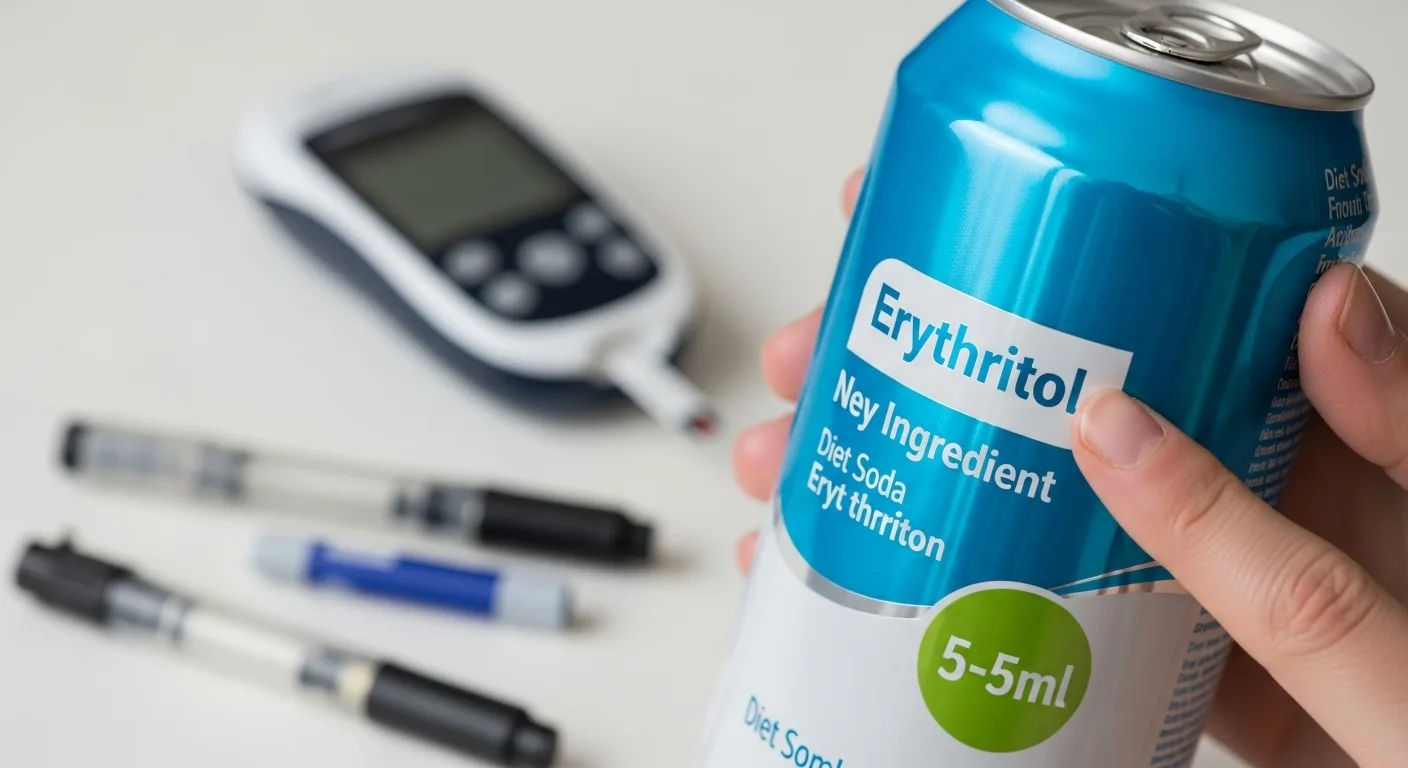
    Sugar substitutes like erythritol are everywhere — in diet sodas, sugar-free snacks, keto products, and “healthier” treats. But a recent study has reignited controversy about whether this seemingly safe sweetener may have hidden risks for brain and cardiovascular health.

    For years, erythritol has been marketed as a calorie-free alternative to sugar that doesn’t spike blood glucose — a boon for people trying to lose weight or manage diabetes. But new evidence is suggesting the story is not so simple.

    Read Also: How Long Does It Take to See Results From Working Out? (Realistic Timelines Explained)

    1. What Scientists Are Finding About Erythritol

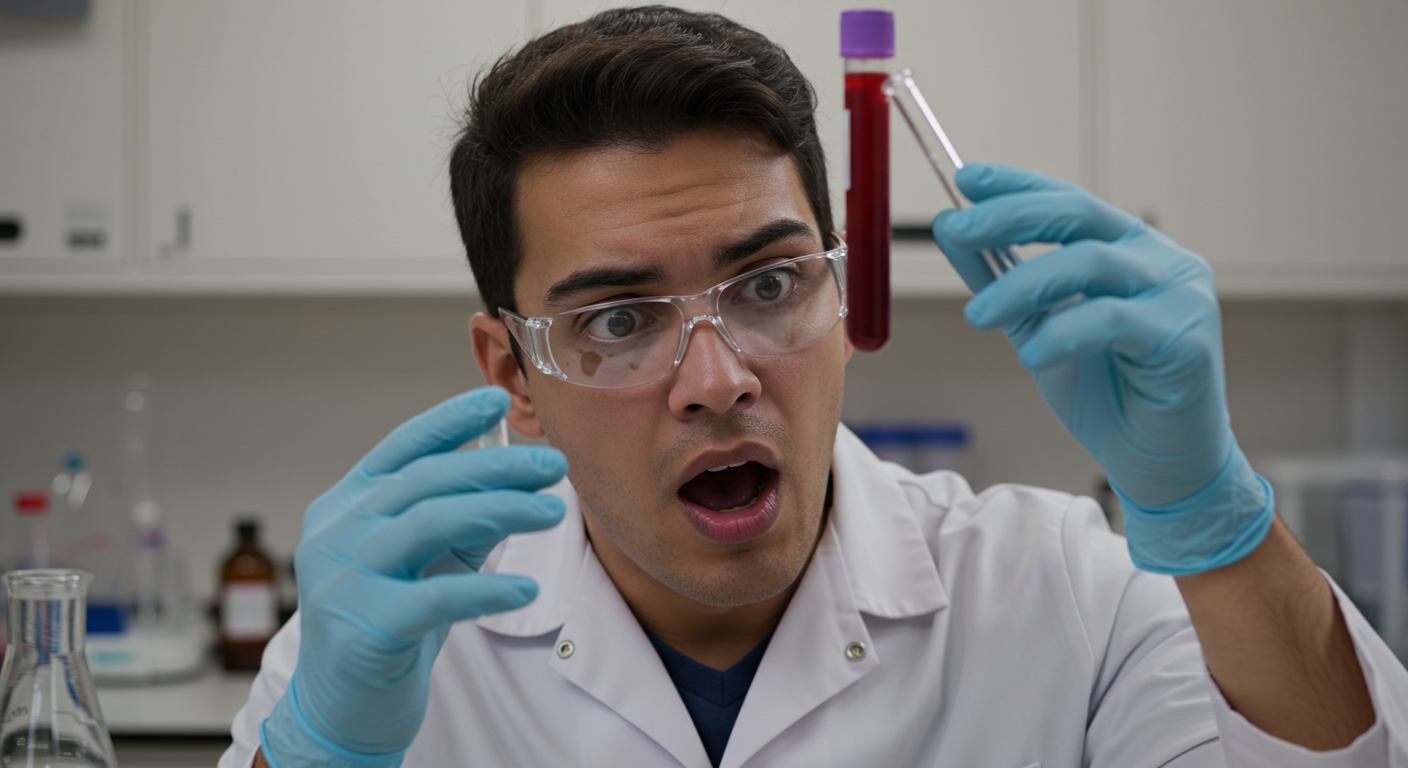
    Researchers at the University of Colorado recently published lab findings that erythritol may damage the cells that make up the brain’s protective blood-brain barrier — a critical defense that controls what enters and exits the brain.

    In these experiments, erythritol exposure caused:

    • Oxidative stress in blood vessel cells, which means harmful free radicals badly damaged the cells.
    • A disruption of nitric oxide production, which normally helps blood vessels relax.
    • Increased levels of endothelin-1, a molecule that tightens blood vessel walls and can reduce blood flow.

    These changes resemble factors known to raise the risk of ischemic stroke, where a blood vessel blockage cuts off oxygen to the brain.

    Read Also: Diet Coke vs Regular Coke: Which Is Healthier for Weight Loss, Blood Sugar, and Long-Term Health?

    2. Does This Mean Sweeteners Are Dangerous?

    Not automatically.

    • Many current findings come from cell-based laboratory studies, not large randomised clinical trials in humans. Scientists emphasise that lab work shows possible mechanisms, not definitive proof that erythritol causes strokes in people.
    • However, observational human studies have linked higher blood levels of erythritol to increased rates of cardiovascular events — like stroke and heart attack — in some populations.

    In one large multicenter observational study, people with the highest erythritol levels in their blood were more likely to suffer major adverse cardiac events compared to those with lower levels.

    3. What the Research Says About Stroke Risk Beyond Sweeteners

    Erythritol is not the only diet food ingredient under scrutiny. Earlier long-term cohort studies have shown that people who consume larger quantities of artificially-sweetened beverages tend to have higher risks of stroke and cardiovascular issues compared with those who drink fewer such products.

    While these studies cannot prove artificial sweeteners are the direct cause, they underscore a growing concern: replacing sugar with artificial options doesn’t automatically eliminate health risks.

    Read Also: How Lack of Sleep is Ruining Your Mental Health

    4. Practical Tips: What You Can Do

    Sweetener Erythritol Linked to Brain Blood-Barrier Damage and Stroke Risk

    Here’s how to make more informed choices based on current science:

    👉 1. Reconsider frequent consumption of zero-calorie sweetened drinks
    Even though these drinks may help with weight control, consistent intake may be linked to altered vascular health.

    👉 2. Choose natural, whole foods when possible
    Fresh fruits contain natural sugars paired with fibre and micronutrients — unlike processed diet foods.

    👉 3. Monitor your overall carbohydrate quality, not just sugar content
    Studies continue to show that balanced eating patterns (like Mediterranean-style diets) are associated with lower stroke and heart disease risk overall.

    👉 4. Talk with a healthcare professional
    If you have risk factors like heart disease, diabetes, or a family history of stroke, discuss what your sweetener choices mean for your health.

    5. The Bottom Line

    Erythritol and other artificial sweeteners may still have a place in dieting, especially for short-term sugar reduction or blood sugar management, but emerging research suggests these substitutes are not risk-free.

    Before assuming a “sugar-free” label means “safe,” consider the broader picture: quality, quantity, and individual health context matter most.

    Read Also: The Hidden Health Risk of Wearing Your Smartwatch 24/7: Cancer Concerns Explained

    Frequently Asked Questions About Erythritol and Stroke Risk

    Read Also: Health and Fitness Goals for 2026: Why do People Give up on Goals they set.

    ❓ Does erythritol increase the risk of stroke?

    Emerging research suggests a possible link between high blood levels of erythritol and an increased risk of stroke. Laboratory studies indicate erythritol may impair blood vessel function and increase oxidative stress. Additionally, some observational studies have found higher cardiovascular event rates among individuals with elevated erythritol levels.

    However, researchers caution that current evidence does not prove direct causation. More large-scale human trials are needed to confirm long-term stroke risk.

    ❓ How does erythritol affect the blood-brain barrier?

    Recent cell-based research suggests erythritol may damage endothelial cells that form the blood-brain barrier. Scientists observed:

    • Increased oxidative stress
    • Reduced nitric oxide production
    • Elevated endothelin-1 levels

    These changes may impair blood vessel dilation and circulation, potentially increasing the risk of ischemic stroke.

    ❓ Is erythritol safer than sugar?

    Erythritol does not raise blood sugar or insulin levels like regular sugar, making it popular for people with diabetes or those following low-carb diets.

    However, “safer” depends on context:

    • For blood sugar control → it may be beneficial
    • For long-term cardiovascular health → research is still ongoing

    Moderation remains key.

    ❓ Are diet drinks linked to stroke?

    Some large observational studies have found that people who frequently consume artificially sweetened beverages may have a higher risk of stroke and heart disease.

    It’s important to note these studies show association, not direct cause-and-effect. Lifestyle factors such as obesity, diabetes, and metabolic syndrome may also influence outcomes.

    Read Also: Onion Juice for Hair Growth: Evidence, How It Works, Step-by-Step Guide, Benefits & Risks

    ❓ Who should avoid erythritol?

    You may want to limit erythritol intake if you:

    • Have existing cardiovascular disease
    • Have a history of stroke
    • Have multiple metabolic risk factors
    • Frequently consume sugar-free processed foods

    People with sensitive digestive systems may also experience bloating or gastrointestinal discomfort from high intake.
  • WHO Sounds Alarm on Hepatitis D’s Cancer Risk as World Marks Hepatitis Day

    WHO Sounds Alarm on Hepatitis D’s Cancer Risk as World Marks Hepatitis Day

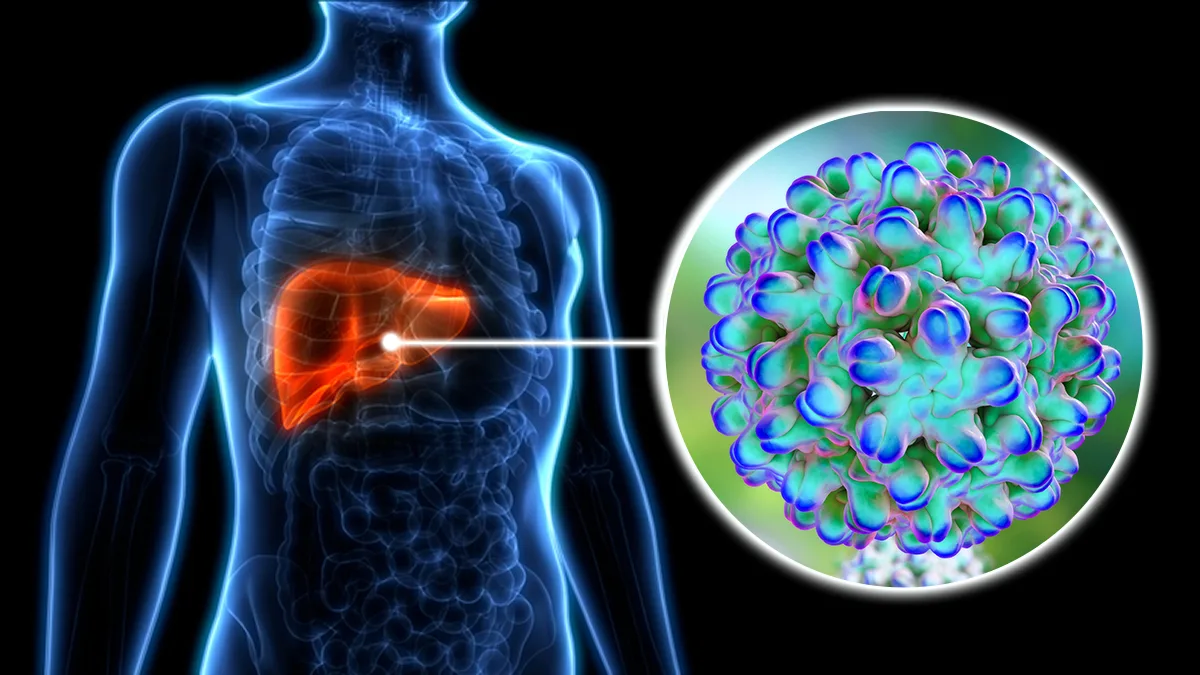
    Hepatitis D liver cancer risk is now drawing heightened global concern as the World Health Organisation (WHO) calls for urgent action to eliminate viral hepatitis and reduce deaths from liver diseases. The latest warning coincides with World Hepatitis Day, emphasising the pressing need for expanded testing, treatment access, and public awareness.

    “Every half-minute, a life is lost due to complications from hepatitis, yet we already have the knowledge and tools to reverse this trend,” stressed Dr. Tedros Adhanom Ghebreyesus, WHO Director-General.

    Read Also: The Hidden Health Risk of Wearing Your Smartwatch 24/7: Cancer Concerns Explained

    Viral Hepatitis: A Silent and Deadly Threat

    Five main types of viral hepatitis – A, B, C, D, and E – can cause liver inflammation, with types B, C, and D leading to chronic conditions that may result in cirrhosis or liver cancer. Despite the danger, millions of people remain unaware they are infected. More than 300 million individuals live with chronic hepatitis B, C, or D, with over 1.3 million fatalities recorded each year due to complications like liver cancer.

    Hepatitis D Officially Classified as Cancer-Causing

    A significant development in liver health came with the International Agency for Research on Cancer (IARC) designating hepatitis D as carcinogenic to humans. This new classification puts it on the same level as hepatitis B and C in terms of cancer risk. Hepatitis D only occurs in individuals already infected with hepatitis B and increases their risk of liver cancer by up to six times.

    In response, WHO has rolled out updated diagnostic guidelines for hepatitis B and D in 2024 and continues to assess innovative therapies for hepatitis D patients.

    Advances in Treatment and Prevention

    Effective medications already exist: hepatitis C can be cured within three months using oral treatments, while hepatitis B can be managed long-term with antiviral therapy. Promising therapies for hepatitis D are emerging, but full impact depends on integrating services like vaccination, screening, and harm reduction into national healthcare systems.

    Dr. Meg Doherty, WHO’s incoming Director of Science for Health, highlighted these developments, noting the urgent need to scale up coordinated care to curb liver-related deaths.

    Read Also: Plastic in Your Blood? Scientists Just Found It in Humans!

    Global Progress and Gaps

    Many low- and middle-income nations are making strides:

    • By 2025, 123 countries reported national strategies to combat hepatitis, up from 59.
    • The number of countries screening pregnant women for hepatitis B rose to 129, compared to 106 in 2024.
    • As of now, 147 nations have introduced the hepatitis B birth dose, compared to 138 in 2022.

    However, WHO’s 2024 Global Hepatitis Report reveals ongoing challenges:

    • Only 13% of people with hepatitis B and 36% with hepatitis C were diagnosed by 2022.
    • Just 3% of hepatitis B patients and 20% of those with hepatitis C received treatment—well below the 2025 goals of 60% diagnosed and 50% treated.
    • Service integration remains inconsistent: hepatitis programs are present in HIV services in 128 countries but are included in harm reduction centers in only 27.

    What Needs to Happen Next?

    Without accelerated efforts, the world risks missing WHO’s 2030 targets. Achieving these goals could prevent nearly 10 million new infections and save up to 2.8 million lives. WHO urges countries to invest in domestic programs, ensure medicine affordability, integrate hepatitis care with existing health services, and fight stigma.

    Strengthening Alliances for Action

    To drive momentum, WHO has joined forces with Rotary International and the World Hepatitis Alliance for this year’s campaign: “Hepatitis: Let’s Break It Down.” The initiative urges global stakeholders to tackle liver cancer head-on by addressing gaps in funding, testing, and stigma.

    Together, governments, civil society groups, and communities must act now to halt the growing burden of hepatitis and protect future generations.

  • President Mahama Launches ‘MahamaCares’ to Support Ghanaians with Chronic Illnesses

    President Mahama Launches ‘MahamaCares’ to Support Ghanaians with Chronic Illnesses

    President John Dramani Mahama has officially launched the Ghana Medical Trust Fund, popularly known as “MahamaCares,” a groundbreaking initiative aimed at providing financial assistance to individuals living with chronic diseases across the country. The launch event took place on Tuesday, April 29, at the University of Ghana Medical Centre (UGMC) in Accra.

    The fund is designed to cover the cost of care and medication for Non-Communicable Diseases (NCDs) not currently included under the National Health Insurance Scheme (NHIS), thereby complementing it by supporting critical aspects of these conditions. Targeted illnesses include cancer, diabetes, cardiovascular diseases, chronic kidney failure, stroke, and others. The initiative particularly aims to support specialist-level treatment for a wide range of chronic illnesses, including cancers, diabetes, cardiovascular diseases, chronic kidney failure, stroke, and others. 

    Weight Loss Success Stories: What worked and Didn’t

    In his address, President Mahama emphasized the fund’s role in promoting health equity, stating, “This is hope for a future where the quality of life is not determined by one’s ability to pay for essential treatment.”  He also shared personal experiences, noting that he had lost his father, mother, friends, and employees to chronic illnesses, underscoring the need for urgent national support systems. 

    Demonstrating personal commitment, President Mahama pledged to donate six months of his salary to the fund. He appealed to the corporate sector and other stakeholders to contribute to the fund to ensure that individuals battling chronic diseases can access the support they need. 

    Health Minister Kwabena Mintah Akandoh also announced his personal commitment by donating three months of his salary to the fund. He highlighted the inspiring response from the public, including a generous contribution from a pensioner, as evidence of the wide-reaching impact and public goodwill surrounding the initiative. 

    The Ghana Medical Trust Fund represents a significant step towards a more inclusive healthcare system in Ghana, aiming to alleviate the financial burden of chronic diseases and ensure that no Ghanaian is left behind due to financial constraints. 

    Photos from the Event

    H. E. John Dramani Mahama address at the Launch
  • Plastic in Your Blood? Scientists Just Found It in Humans!

    Plastic in Your Blood? Scientists Just Found It in Humans!

    The presence of microplastics in our environment has long been a concern, but new research has revealed something even more alarming—plastic is now circulating in our bloodstream. A groundbreaking study has provided the first direct evidence of microplastics in human blood, raising urgent questions about potential health risks and long-term consequences.

    What Are Microplastics and How Do They Enter the Bloodstream?

    Microplastics are tiny plastic particles, often less than five millimeters in size, that result from the breakdown of larger plastic waste or are intentionally manufactured for use in cosmetics, clothing, and packaging. These particles are now widespread in our food, water, and even the air we breathe.

    A 2022 study conducted by Dutch researchers at Vrije Universiteit Amsterdam found microplastics in nearly 80% of blood samples tested. The study, published in Environment International, detected polyethylene terephthalate (PET), polystyrene, and polyethylene—the same plastics used in water bottles, food packaging, and shopping bags (Leslie et al., 2022).

    How Do Microplastics Enter the Blood?

    • Consumption: Bottled water, seafood, and processed foods often contain microplastics.
    • Inhalation: Airborne microplastics from synthetic textiles and industrial pollution can be inhaled and absorbed into the bloodstream.
    • Skin Absorption: Though less common, certain personal care products contain microplastics that can penetrate the skin.

    Read Also: Link between Pork and Cancer: Can pork meat cause cancer

    Potential Health Risks of Plastic in the Blood

    While research is ongoing, scientists have raised serious concerns about the impact of microplastics on human health. Some of the key risks include:

    1. Inflammation and Cellular Damage

    Microplastics can trigger immune system responses, leading to chronic inflammation. A study in Frontiers in Endocrinology suggests that when immune cells attempt to break down plastic particles, they release harmful oxidative stress molecules, which can contribute to tissue damage and diseases like cancer.

    2. Hormonal Disruption

    Many plastics contain endocrine-disrupting chemicals (EDCs) such as bisphenol A (BPA) and phthalates, which interfere with hormone function. According to research in The Journal of Clinical Endocrinology & Metabolism, EDC exposure is linked to reproductive issues, obesity, and metabolic disorders (Gore et al., 2015).

    3. Cardiovascular and Neurological Effects

    Particles small enough to enter the bloodstream may travel to organs such as the heart and brain. A 2023 review in Environmental Science & Technology indicates that microplastics may contribute to heart disease, neurodegenerative disorders, and even cognitive decline (Yong et al., 2023).

    4. Potential Cancer Risks

    Although no direct link between microplastics and cancer in humans has been established, animal studies suggest that prolonged exposure to certain plastics may promote tumor growth. Researchers from Duke University found that nanoplastics can alter cell DNA, a hallmark of cancer development (Vethaak & Legler, 2021).

    Read Also: The Science Behind Déjà Vu: Unlocking the Mystery of the Mind

    How Can We Reduce Exposure to Microplastics?

    Plastic in Your Blood

    While microplastics are nearly impossible to avoid entirely, there are steps individuals can take to minimize exposure:

    • Drink Filtered Water: Studies show that bottled water contains twice as many microplastics as tap water (Mason et al., 2018). Use a high-quality filter to remove contaminants.
    • Limit Plastic Use: Reduce reliance on single-use plastics, especially food containers and utensils.
    • Choose Natural Fibers: Synthetic clothing sheds microplastics into the air and water. Opt for organic cotton, wool, or bamboo.
    • Ventilate Indoor Spaces: Airborne microplastics accumulate indoors. Regularly clean surfaces and improve ventilation.
    • Support Regulations: Advocate for stricter policies on plastic production and waste management to curb environmental pollution.

    The discovery of plastic in human blood is a wake-up call about the pervasiveness of microplastic pollution. While the full health implications are still being studied, early evidence suggests that prolonged exposure could have serious consequences. By staying informed, making conscious choices, and pushing for systemic change, we can reduce our risk and limit further damage to our health and environment.

  • New Study Confirms cancer-causing chemicals in meats singed with burnt car tyres

    New Study Confirms cancer-causing chemicals in meats singed with burnt car tyres

    A joint study by the African Centre of Excellence in Public Health and Toxicological Research (ACEPUTOR), University of Port Harcourt, Nigeria, and the Kwame Nkrumah University of Science and Technology (KNUST), Kumasi, has revealed alarming levels of cancer-causing chemicals in meats singed using tyres.

    Published in the journal Environmental Health Insights, the study found that meats singed with tyres contain high levels of polycyclic aromatic hydrocarbons (PAHs), particularly a harmful chemical called Benzo[a]pyrene, which is known to increase the risk of cancer.

    Read Also: 11 Inherited Traits That Come from Your African Mom and Dad

    Highest risk from tyre-singed meats

    Led by Prosper Manu Abdulai from ACEPUTOR, the research involved testing meats singed with tyres, firewood, and liquefied petroleum gas (LPG) in Ghana’s five largest cities: Kumasi, Accra, Koforidua, Tamale, and Ho.

    The researchers collected 180 samples of cattle and goat meat and found that meats singed with tyres contained the highest levels of PAHs, with some exceeding regulatory limits set by the European Food Safety Authority (EFSA).

    “We did a health risk assessment, and we realised that kids and adults who take this meat, whether singed with firewood or tyres, are at serious risk of getting cancer,” Abdulai warned.

    Children and older adults were identified as the most vulnerable groups exposed to these harmful substances.

    Recommendations for safer alternatives

    The study recommends the use of safer alternatives, such as LPG gas, for singeing meat. Among the tested fuel types, LPG demonstrated the lowest levels of PAHs, making it the preferred option for reducing the risk of exposure to these harmful chemicals.

    The researchers also emphasised the urgent need for stricter regulations to prevent the use of tyres for meat singeing. “The stakeholders should have something to do at the abattoirs so that all of them will use the LPG,” Abdulai urged.

    Study Links Childhood Maltreatment to Alcohol Abuse in Adults.

    Call for Action

    The study calls for:

    Stricter regulations: Authorities are urged to impose heavy penalties for using tyres in meat preparation to protect public health.

    Awareness campaigns: Educating stakeholders and the general public on the health risks associated with tyre-singed meats.

    Promoting LPG usage: Encouraging the adoption of LPG as a safer singeing alternative to traditional methods like firewood and tyres.

    A collaborative effort

    The KNUST co-author of the study, Prof. Caleb Kesse Firempong, highlighted the importance of collaborative research in addressing public health concerns and urged policymakers to act swiftly to mitigate the risks posed by PAHs.

    This ground-breaking study sheds light on a critical issue affecting public health and underscores the need for immediate interventions to safeguard consumers from exposure to dangerous chemicals in singed meats.

    Source: Graphic Online

  • 11 Inherited Traits That Come from Your African Mom and Dad

    11 Inherited Traits That Come from Your African Mom and Dad

    Have you ever looked in the mirror and realised you share a striking resemblance to your mom but then you bear your dad’s height? This is because you inherited such traits from either of your parents.

    The science behind inheriting certain trait from your african mom and dad can be a bit complicated because even your hairline, dimples and intelligence is affected by what your parents passed down to you genitically.

    According Heather Hampel, a genetics counselor at the city of Hope Cancer Center in Duarte, there are 20,000 genes that make up your body and half of this number comes from both parents.

    This doesn’t make your genes your destiny because only a small percentage of the genes are penetrant. For this small fraction, they will 100% of the time express itself, according to Hampel and Taylor Sabato.

    Which Genetic Traits are then Inherited from your mom and Dad?

    According to Sabato, you can inherit traits from your parents in several ways. One way is through a dominant gene. If you inherit a dominant gene, that trait will typically be expressed.

    For example, brown eyes are a dominant trait, so if one of your parents has brown eyes, you are likely to have brown eyes as well. Another way is through a recessive gene. For a recessive trait to appear, both parents must carry and pass on the recessive gene.

    Blue eyes, for instance, require both parents to carry the gene for blue eyes, even if their own eye color is not blue.

    The dominant inheritance occurs when a single gene variant from either your mom or dad determines whether you will express a specific trait. In contrast, recessive inheritance requires a gene variant from both parents for the trait to appear.

    Read Also: What is the recommended number of sit-ups you should do a day: The Classic Core Exercise Explained

    Up next, we will explore these traits That Come from Your African Mom and Dad below:

    1. Intelligence: Inherited from Mom

    Traits That Come from Your African Mom and Dad
    Traits That Come from Your African Mom and Dad

    Yes, intelligence is inherited and there has been countless research to confirm that it is inherited from the mother. This is because the gene responsible for intelligence is in the X chromosome and women carry two X chromosomes while men carry just one X chromosome.

    The reasonable conclusion to these facts is that women are twice as likely to pass on their intelligence to their offsprings.

    It is important however to note that only 40% of intelligence is hereditary according to work in the International Encyclopedia of the Social & Behavioral Sciences, with the other 60% impacted by environmental factors and nongenetic influence.

    2. Risk for Certain Cancer Types: Inherited from Both Parents.

    According to Heather Hampel, who is an internationally recognized cancer genetic counselor and researcher, if there is a single mistake in the genes from either side of your parents then you have a 50 -50 chance of inheriting that cancer gene or not inheriting it.

    One of the most common is Lynch syndrome, which involves a mutation in the MLH1, MSH2, MSH6, PMS2 or EPCAM genes. It may mean an elevated risk for colorectal cancer, endometrial cancer, ovarian cancer and other related cancers. The BRCA genes can increase risk for breast and ovarian cancer as well.

    Here’s the surprising part: you don’t need to have the organ to inherit the gene, says Hampel. For instance, you can inherit the ovarian cancer gene from your dad, just as you can inherit the breast cancer gene. Additionally, men with a BRCA1 or BRCA2 gene mutation face a higher risk of developing prostate cancer and other cancers.

    3. Sleeping Patterns: Inherited from Mother

    Traits That Come from Your African Mom and Dad

    If you are having difficulties sleeping, then its most likely that your mom had similar issues. Research in the November 2023 issue of the Journal of Child Psychology and Psychiatry showed a genetic predisposition to the development of insomnia in kids was associated with insomnia-like symptoms reported by their moms.

    4. Your ability to focus: Inherited from Mother.

    According to a study published in JAMA Psychiatry, children born to mothers with lower-than-normal serotonin levels were 1.5 to 2.5 times more likely to develop attention-deficit hyperactivity disorder (ADHD) later in life compared to those whose mothers had normal serotonin levels.

    Read Also: Seven (7) things they won’t tell you about growing up

    5. Your high cholesterol: Inherited from Both Parents

    You follow a low-fat diet and exercise regularly, yet your cholesterol remains high—what’s going on? According to Hampel, genetics could be the culprit. Certain genes inherited from both parents, such as those linked to familial hypercholesterolemia, can cause high cholesterol.

    This condition, affecting about 1 in 250 people, significantly raises the risk of early heart disease. It’s caused by mutations in the LDLR, APOB, and PCSK9 genes, which influence how your body regulates and removes cholesterol from the bloodstream, explains Hampel. Genetic testing is available to detect these mutations. If you’ve inherited high cholesterol, it’s important to consult your doctor about proactive steps to protect your heart health.

    6. Your diminishing hairline: Inherited from Mom…

    Traits That Come from Your African Mom and Dad
    Traits That Come from Your African Mom and Dad

    You might have heard that a man’s hair loss is inherited from his mother’s side, but a study published in PLoS Genetics suggests this may be a myth.

    The study, which analyzed over 55,000 men, identified 287 independent genetic signals linked to male-pattern hair loss. While 40 of these were found on the X chromosome and inherited from the maternal side, the majority were spread across DNA inherited from both parents.

    These finding challenges common assumptions about inherited traits and highlights how complex the genetic landscape is—including other Inherited Traits That Come from Your African Mom and Dad. Interestingly, some of the genes associated with hair loss are also linked to a higher risk of heart disease in men.

    7. Fertility: Inherited from Father

    According to a study published in Science, a woman’s fertility might be influenced by a gene inherited from her father. Normally, during the development of an egg cell, centrioles—a part of the cell—are eliminated as part of the natural process.

    However, if the centrioles are not eliminated, often due to a genetic dysfunction passed down from her dad, it can result in sterility, researchers explain.

    8. Chances of Hitting Puberty Early: Inherited from Dad

    Puberty, with its milestones like acne, voice changes, or starting your period, is a rite of passage—and, it turns out, partially an inherited trait.

    Both parents’ genetics influence when puberty begins, but starting early—before age 8 in girls and 9 in boys—may be linked to a gene inherited from your father, according to a study in the New England Journal of Medicine.

    Researchers identified a genetic mutation that causes premature puberty, meaning if you inherit it, you may experience these changes earlier than your peers.

    9. Your ability to lose or gain weight: Inherited from Both Parents

    Your body has two types of fat: brown fat, which boosts metabolism and helps maintain a healthy weight, and white fat, the “bad” fat linked to obesity and disease. While everyone has both types, the amount of brown fat you have—and your metabolic rate—might be inherited from your mom, according to a study published in Nature.

    On the other hand, your dad may influence how much white fat you store, particularly around your organs, as the same study found that fat storage is partially linked to genes passed down from fathers.

    But it’s not all about genetics, explains Sabato. “There isn’t one gene that determines weight loss ability. Environmental and genetic factors, as well as medical conditions like diabetes or polycystic ovarian syndrome (PCOS), play a role in weight management.” From a genetics perspective, multiple gene variants may increase the risk for conditions that affect weight regulation.

    10. Memory: Inherited from Mother

    A family history of Alzheimer’s disease has long been associated with a higher risk of developing the illness, but a new study published in Biological Psychiatry reveals that the genetic risk may primarily come from your mother.

    As the leading cause of dementia later in life, Alzheimer’s affects nearly 6 million people in the United States. Understanding the factors that contribute to your risk—including your mother’s medical history—can help you take proactive steps to protect your brain health, the researchers emphasized.

    Read Also: The Bitter Truth: Sugary Drinks and Hair Loss in Men

    11. Vision Problems: From Either or Both Parents

    Several vision-limiting conditions, such as Stargardt disease, Usher syndrome, and retinitis pigmentosa (RP), can be inherited from your parents.

    While there is currently no way to reverse the risks associated with inheriting gene variants linked to these conditions, consulting an ophthalmologist or genetic counselor can be helpful.

    Sabato recommends seeking guidance if these conditions run in your family or if you have been diagnosed with one of them.

  • Study Links Childhood Maltreatment to Alcohol Abuse in Adults.

    Study Links Childhood Maltreatment to Alcohol Abuse in Adults.

    Link Between Childhood Maltreatment and Alcohol Abuse: University of Queensland researchers conducted a study that revealed individuals maltreated as children are three times more likely to be admitted to the hospital for alcohol and substance use by the age of 40 compared to those who were not maltreated.

    The study, led by Dr. Claudia Bull, analyzed data from over 6,000 children born in Brisbane’s Mater Mother’s Hospital. This was between 1981 and 1983. The research tracked the participants from 6 months old to 40 years of age.

    Read Also: A new study establishes a link between sanitizers and brain development.

    Definition of Maltreatment and Association with Alcohol and Substance Use Disorders:

    Researchers at the University of Queensland have conducted a study to to establish a link between Childhood maltreatment and alcohol abuse
    Link Between Childhood maltreatment and Alcohol abuse in adults

    Maltreatment in this study was defined as physical abuse, sexual abuse, emotional abuse, or neglect reported to the Queensland Department of Families, Youth, and Community Care up to the age of 15.

    Children who experienced maltreatment were significantly more likely to be hospitalized for alcohol use disorder as adults. The percentage is 2.86 times more likely compared to those who were not maltreated. They were also 3.34 times more likely to be admitted for a substance use disorder.

    The study highlighted the importance of emotional abuse and neglect as risk factors for alcohol and substance use disorders, in addition to physical and sexual abuse, contrary to previous research that mainly focused on the latter.

    Consistency Across Subtypes of Abuse:

    Regardless of the type of abuse experienced—physical, sexual, or emotional—individuals were approximately three times more likely to suffer from alcohol and substance use disorders later in life.

    Addressing the root causes and consequences of child maltreatment presents an opportunity to prevent many people from suffering from alcohol and substance use disorders in their later lives.

    The research was funded by the Metro South Research Support Scheme and supported by the ALIVE National Centre for Mental Health Research Translation.

    You can find the research paper  Here

    1. A new study establishes a link between sanitizers and brain development.

      A new study establishes a link between sanitizers and brain development.

      Hand sanitizers and brain development: When the COVID-19 pandemic broke out and spread across borders, Items like nose masks and hand sanitizers became tools to prevent or minimize the spread.

      To date, they have become a part of our lives, replacing traditional hand-washing.

      A new study conducted by molecular biologist Erin Cohn and his colleagues suggests that certain common household items can cause damage to supporting cells present in the brain.

      These compounds are found in items like furniture, textiles, disinfectants, and glues.

      Also Read: Increased Risk of Cancer Amongst Younger People

      This new study was carried out based on human cell cultures and mice. The effect of such chemicals was found to be more prevalent in the early stages of brain development.

      Erin Cohn tested the effect of 1,823 compounds on a group of cells known as oligodendrocytes under laboratory conditions.

      He found out that these compounds either killed oligodendrocytes or stopped their maturation.

      The team’s observation confirmed a link between Hand sanitizers and brain development.

      What are oligodendrocytes?

      Oligodendrocytes are critical components for the central nervous system (CNS) functioning.

      Oligodendrocytes generate and maintain myelin, increasing the speed and efficiency of axonal signal conduction and contributing to the structure and maintenance of the ensheathed axons.

      Simply put they ensure that your brain signals move at the required speed.

      How do These Chemicals Find their way into The Brain?

      They enter the brain when you inhale or unknowingly ingest them.

      The team found some of these “brain-killing” compounds used in sanitizers, hand wipes, disinfectant sprays, and household products,

      Another class of toxic compounds found in basic household items was organophosphates.

      They are compounds usually found in textiles, electronics, and furniture. They act as flame retardants.

      Fat-soluble organophosphates can permeate through the skin and find their way into the brain.

      Experiment Carried Out on Mice

      The researchers gave lab mice an oral dose of three quaternary compounds and found out days later that detectable levels of these compounds were inside the brain tissue of the mice.

      The number of oligodendrocytes in the brain tissues of the mice had reduced after administring 10 daily doses of cetylpyridinium chloride.

      cetylpyridinium chloride is also a type of quaternary compound.

      “We found that oligodendrocytes – but not other brain cells – are surprisingly vulnerable to quaternary ammonium compounds and organophosphate flame retardants,” said Cohn.

      You can find the Publication In the journal Nature Neuroscience.

    2. Increased Risk of Cancer Amongst Younger People

      Increased Risk of Cancer Amongst Younger People

      During last year’s annual American Society of Clinical Oncology meeting, speakers warned of an increased rate of colorectal cancer cases among adults under 40 years.

      According to the experts, the number of cases is expected to double by 2030 and is likely to become the leading cause of cancer deaths for adults in the age bracket 20 to 49.

      Dr. Dimitra Lamprinaki, a researcher at Quadram Institute in Norwich stated that there has been an increase in early-onset colorectal cancer. Stressing that cases are often asymptomatic and younger people often ignore the early signs until it is too late to be removed.

      Read Also: How to deal with sore muscles after an intense workout.

      Possible cause of increased cancer rates among younger adults.

      1. Oral Sex

      Certain Viruses have been linked to contributing to a higher increase in cancer among people in the age bracket 40 to 49 years, mouth cancers being a major part of these cases.

      For example in the UK cases of mouth cancer have seen a rapid increase and half the reported cancer cases have been linked to human papillomavirus (HPV) which is a sexually transmitted virus contracted usually through oral sex.

      Multiple sexual partners make it even worse.

      A study in the journal Cancer highlighted deep kissing heightened the risk of HPV transmission.

      2. Poor Oral Hygiene and Vaping Among Younger People.

      Vaping hinders blood flow to the gums, increasing vulnerability to infections and impeding the healing process.

      The growth of a particular bacteria strain, Fusobacterium nucleatum (F. nucleatum), is promoted by these conditions. F. nucleatum has been linked to various cancers such as breast, colorectal, and head and neck cancers.

      Fusobacterium is described as a sticky bacteria that attaches to teeth and gums, facilitating the entry of other harmful bacteria.

      Poor oral hygiene allows these bacteria to multiply, enter the bloodstream, and potentially reach different organs.

      In early-stage tumors, these bacteria can interfere with chemotherapy and radiotherapy, promoting cancer growth and spread.

      Read Also: What happens if you eat onions every day?

      3. High Consumption of Processed Meat.

      Stomach cancer rates among individuals under 50 have experienced a significant rise, according to a report in the journal Nature.

      Helicobacter pylori (H. pylori), a bacteria residing in the stomach’s mucous layers, is a well-known risk factor for stomach cancer, contributing to approximately 40 percent of cases in the UK.

      The bacteria can lead to atrophic gastritis, a condition characterized by chronic inflammation and thinning of the stomach lining, which can progress to cancer.

      Research indicates that a diet high in processed meats like sausages, bacon, and hamburgers can increase the prevalence of H. pylori in the stomach.

      Lifestyle factors such as excessive consumption of red meat, alcohol, and smoking, combined with the presence of these bacteria, contribute to an elevated risk of stomach cancer.

      4. Consuming Ultra-processed foods.

      Researchers have found that certain species of E. Colli and F.nucleatum bacteria make cancer treatment-resistant. Studies conducted In the past also revealed that consuming ultra-processed foods messes up the stomach’s microbiome in a way that promotes these two bacterial growth.

      “Some bacteria enable gut cells to acquire stem cell-like properties which increases the chance of cancer formation at the cellular level,” says Dr Meera Patel, a researcher in the Colorectal & Peritoneal Oncology Lab at the University of Manchester.

      5. Excessive Alcohol Intake

      Testicular cancer has closely been linked to high alcohol intake according to researchers. Young men who consume more than 14 alcoholic beverages within a week are at a higher risk of testicular cancer.

      The cases of testicular cancer have been found to double yearly since the 1970s and it baffles the minds of cancer experts.