Category: Health News

Local and Global Health News

  • Popular Sweetener Erythritol Linked to Brain Blood-Barrier Damage and Stroke Risk — Is Your ‘Sugar-Free’ Diet Putting You at Risk?

    Popular Sweetener Erythritol Linked to Brain Blood-Barrier Damage and Stroke Risk — Is Your ‘Sugar-Free’ Diet Putting You at Risk?

    Introduction — The “Sweet” Truth Behind Popular Diet Foods

    Sweetener Erythritol Linked to Brain Blood-Barrier Damage and Stroke Risk

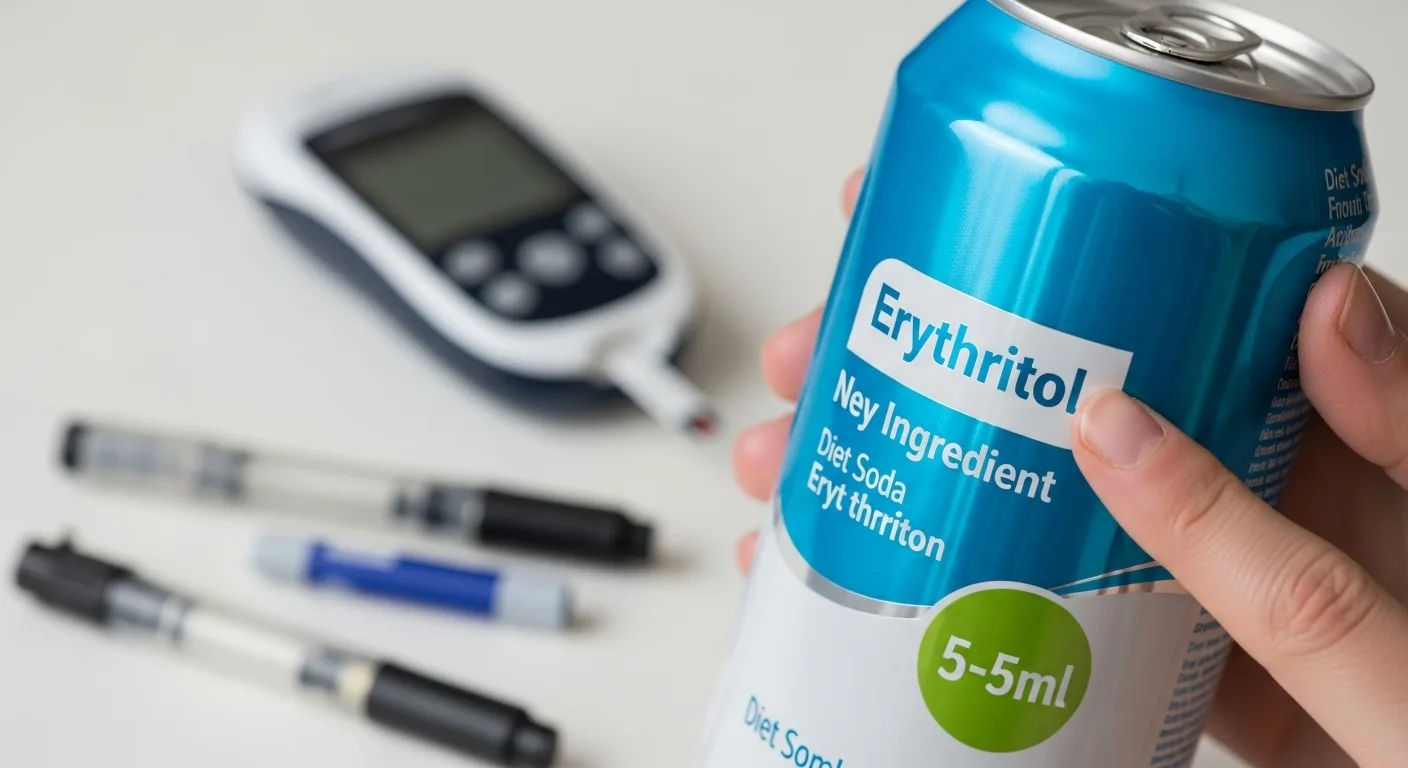
    Sugar substitutes like erythritol are everywhere — in diet sodas, sugar-free snacks, keto products, and “healthier” treats. But a recent study has reignited controversy about whether this seemingly safe sweetener may have hidden risks for brain and cardiovascular health.

    For years, erythritol has been marketed as a calorie-free alternative to sugar that doesn’t spike blood glucose — a boon for people trying to lose weight or manage diabetes. But new evidence is suggesting the story is not so simple.

    Read Also: How Long Does It Take to See Results From Working Out? (Realistic Timelines Explained)

    1. What Scientists Are Finding About Erythritol

    Researchers at the University of Colorado recently published lab findings that erythritol may damage the cells that make up the brain’s protective blood-brain barrier — a critical defense that controls what enters and exits the brain.

    In these experiments, erythritol exposure caused:

    • Oxidative stress in blood vessel cells, which means harmful free radicals badly damaged the cells.
    • A disruption of nitric oxide production, which normally helps blood vessels relax.
    • Increased levels of endothelin-1, a molecule that tightens blood vessel walls and can reduce blood flow.

    These changes resemble factors known to raise the risk of ischemic stroke, where a blood vessel blockage cuts off oxygen to the brain.

    Read Also: Diet Coke vs Regular Coke: Which Is Healthier for Weight Loss, Blood Sugar, and Long-Term Health?

    2. Does This Mean Sweeteners Are Dangerous?

    Not automatically.

    • Many current findings come from cell-based laboratory studies, not large randomised clinical trials in humans. Scientists emphasise that lab work shows possible mechanisms, not definitive proof that erythritol causes strokes in people.
    • However, observational human studies have linked higher blood levels of erythritol to increased rates of cardiovascular events — like stroke and heart attack — in some populations.

    In one large multicenter observational study, people with the highest erythritol levels in their blood were more likely to suffer major adverse cardiac events compared to those with lower levels.

    3. What the Research Says About Stroke Risk Beyond Sweeteners

    Erythritol is not the only diet food ingredient under scrutiny. Earlier long-term cohort studies have shown that people who consume larger quantities of artificially-sweetened beverages tend to have higher risks of stroke and cardiovascular issues compared with those who drink fewer such products.

    While these studies cannot prove artificial sweeteners are the direct cause, they underscore a growing concern: replacing sugar with artificial options doesn’t automatically eliminate health risks.

    Read Also: How Lack of Sleep is Ruining Your Mental Health

    4. Practical Tips: What You Can Do

    Sweetener Erythritol Linked to Brain Blood-Barrier Damage and Stroke Risk

    Here’s how to make more informed choices based on current science:

    👉 1. Reconsider frequent consumption of zero-calorie sweetened drinks
    Even though these drinks may help with weight control, consistent intake may be linked to altered vascular health.

    👉 2. Choose natural, whole foods when possible
    Fresh fruits contain natural sugars paired with fibre and micronutrients — unlike processed diet foods.

    👉 3. Monitor your overall carbohydrate quality, not just sugar content
    Studies continue to show that balanced eating patterns (like Mediterranean-style diets) are associated with lower stroke and heart disease risk overall.

    👉 4. Talk with a healthcare professional
    If you have risk factors like heart disease, diabetes, or a family history of stroke, discuss what your sweetener choices mean for your health.

    5. The Bottom Line

    Erythritol and other artificial sweeteners may still have a place in dieting, especially for short-term sugar reduction or blood sugar management, but emerging research suggests these substitutes are not risk-free.

    Before assuming a “sugar-free” label means “safe,” consider the broader picture: quality, quantity, and individual health context matter most.

    Read Also: The Hidden Health Risk of Wearing Your Smartwatch 24/7: Cancer Concerns Explained

    Frequently Asked Questions About Erythritol and Stroke Risk

    Read Also: Health and Fitness Goals for 2026: Why do People Give up on Goals they set.

    ❓ Does erythritol increase the risk of stroke?

    Emerging research suggests a possible link between high blood levels of erythritol and an increased risk of stroke. Laboratory studies indicate erythritol may impair blood vessel function and increase oxidative stress. Additionally, some observational studies have found higher cardiovascular event rates among individuals with elevated erythritol levels.

    However, researchers caution that current evidence does not prove direct causation. More large-scale human trials are needed to confirm long-term stroke risk.

    ❓ How does erythritol affect the blood-brain barrier?

    Recent cell-based research suggests erythritol may damage endothelial cells that form the blood-brain barrier. Scientists observed:

    • Increased oxidative stress
    • Reduced nitric oxide production
    • Elevated endothelin-1 levels

    These changes may impair blood vessel dilation and circulation, potentially increasing the risk of ischemic stroke.

    ❓ Is erythritol safer than sugar?

    Erythritol does not raise blood sugar or insulin levels like regular sugar, making it popular for people with diabetes or those following low-carb diets.

    However, “safer” depends on context:

    • For blood sugar control → it may be beneficial
    • For long-term cardiovascular health → research is still ongoing

    Moderation remains key.

    ❓ Are diet drinks linked to stroke?

    Some large observational studies have found that people who frequently consume artificially sweetened beverages may have a higher risk of stroke and heart disease.

    It’s important to note these studies show association, not direct cause-and-effect. Lifestyle factors such as obesity, diabetes, and metabolic syndrome may also influence outcomes.

    Read Also: Onion Juice for Hair Growth: Evidence, How It Works, Step-by-Step Guide, Benefits & Risks

    ❓ Who should avoid erythritol?

    You may want to limit erythritol intake if you:

    • Have existing cardiovascular disease
    • Have a history of stroke
    • Have multiple metabolic risk factors
    • Frequently consume sugar-free processed foods

    People with sensitive digestive systems may also experience bloating or gastrointestinal discomfort from high intake.
  • Seychelles Chikungunya Virus Outbreak 2026: CDC Level 2 Travel Advisory, Symptoms & Is It Safe to Travel?

    Seychelles Chikungunya Virus Outbreak 2026: CDC Level 2 Travel Advisory, Symptoms & Is It Safe to Travel?

    The picturesque island nation of Seychelles, known for its pristine beaches and luxury resorts, is currently facing a chikungunya virus outbreak that has prompted health authorities to issue travel guidance for visitors in early 2026.

    On February 5, 2026, the U.S. Centres for Disease Control and Prevention (CDC) announced a Level 2 Travel Health Advisory for Seychelles due to the ongoing chikungunya virus outbreak. This means travellers should “practice enhanced precautions” — especially regarding mosquito bite prevention — though travel is not restricted or banned.

    This advisory places Seychelles alongside other affected destinations with elevated chikungunya risks, including countries in South America and parts of Asia.

    Read Also: Hidden Gum Plastic: How Packaging May Contaminate Natural Chewing Gums

    What Is Chikungunya? A Quick Overview

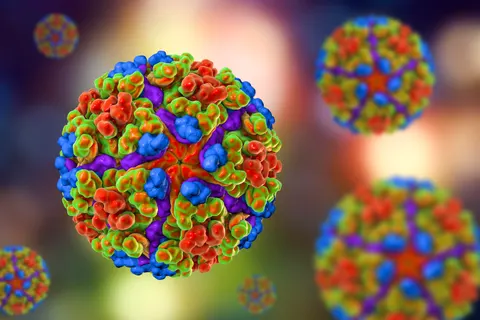
    Chikungunya is a mosquito-borne viral disease caused by the chikungunya virus (CHIKV) and transmitted primarily by Aedes aegypti and Aedes albopictus mosquitoes — the same mosquitoes that spread dengue and Zika.

    Key points about chikungunya:

    • It’s not spread directly from person to person; transmission occurs only through infected mosquito bites.
    • No specific antiviral treatment exists, and treatment focuses on supportive care for symptoms.
    • Vaccines exist but are not yet widely available or in global use.

    Common Symptoms

    Symptoms typically appear 3–7 days after an infected mosquito bite and can include:

    • High fever
    • Severe joint pain (which can be debilitating)
    • Headache
    • Muscle pain
    • Rash
    • Fatigue and nausea

    While most people recover fully within a week, joint pain and fatigue may last for weeks or months in some cases — especially in older adults or those with preexisting conditions.

    Why the Outbreak Matters for Travellers

    The CDC’s Level 2 advisory does not prohibit travel, but it signals that travellers should be well-informed and proactive about health precautions before and during a trip to the Seychelles.

    Important travel considerations:

    • The outbreak coincides with peak mosquito activity — increasing transmission risk.
    • Mosquito bites are most frequent during daylight hours when Aedes mosquitoes are active.
    • Tourism in Seychelles remains open, with visitors continuing to land at international airports and explore islands, beaches, and UNESCO World Heritage sites.

    Is It Safe to Travel to Seychelles Right Now?

    Yes — but you need to be cautious.
    A Level 2 advisory means health officials believe travellers can still go, but should take enhanced precautions to reduce risk.

    Who should reconsider or take extra care?

    • Pregnant women and individuals with weakened immune systems
    • Travellers with chronic health issues
    • Infants and older adults with higher vulnerability to complications

    WHO Sounds Alarm on Hepatitis D’s Cancer Risk as World Marks Hepatitis Day

    Top Tips to Reduce Risk of Infection

    Even in areas with outbreaks, you can significantly lower your risk by doing the following:

    🦟 Prevent Mosquito Bites

    • Use insect repellent with DEET, picaridin, or oil of lemon eucalyptus
    • Wear long-sleeved clothing and pants, especially at dawn and dusk
    • Stay in accommodations with screens or air conditioning

    🪤 Eliminate Breeding Sites

    • Avoid standing water where mosquitoes can lay eggs
    • Keep bathrooms, balconies, and outdoor areas dry and clean

    💉 Consider Vaccination

    Where available, ask a travel clinic about vaccines that protect against chikungunya before you depart — especially if you’re at higher risk.

    🧑‍⚕️ Seek Medical Care if Symptoms Appear

    If you begin to feel unwell during or after your trip, seek medical help as soon as possible — particularly if symptoms include high fever or joint pain.

    Ways to Protect Yourself from Contacting Monkey pox in Ghana

    Final Takeaway: Travel Smart and Stay Informed

    The 2026 Seychelles chikungunya virus outbreak has put a spotlight on travel health and mosquito-borne risk, but it does not require travellers to cancel plans outright. Classifying the situation as a Level 2 advisory means you can still enjoy the islands — as long as you take smart health precautions and understand the risks.

    Keeping informed with updates from authoritative health bodies like the CDC, WHO, and local Seychelles health authorities will help you make the safest travel decisions possible in a changing outbreak landscape.

  • Hidden Gum Plastic: How Packaging May Contaminate Natural Chewing Gums

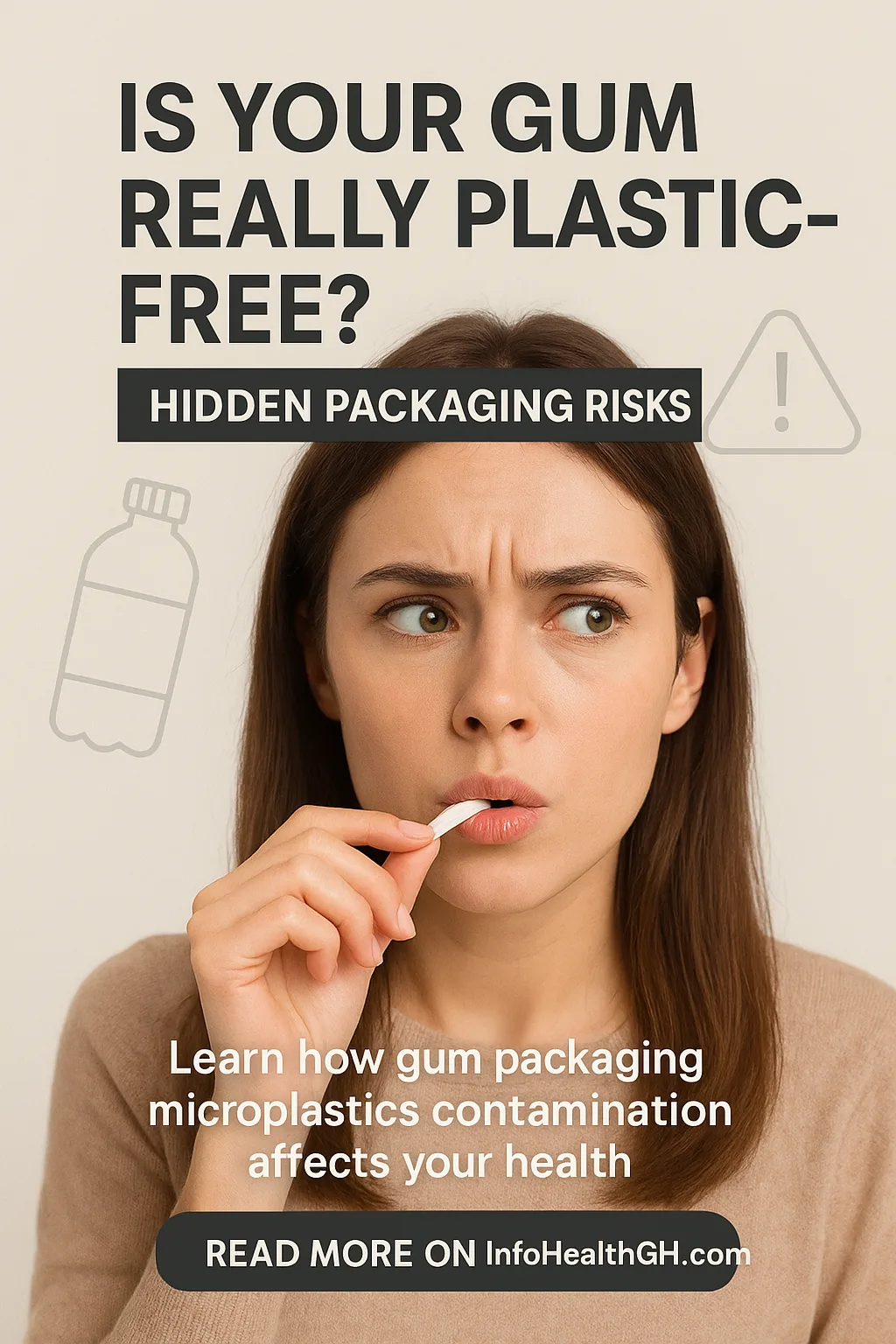
    Hidden Gum Plastic: How Packaging May Contaminate Natural Chewing Gums

    Chewing gum has always been marketed as a harmless treat—sometimes even as a “natural” alternative for fresh breath or stress relief. But a surprising new health concern is emerging gum packaging microplastics contamination.

    While many studies focus on microplastics in synthetic gum bases, recent evidence shows that even so-called natural gums may not be as clean as they seem. The culprit? Plastic packaging and production methods that introduce tiny, invisible particles into the gum before it ever reaches your mouth.

    What Are Microplastics and Why Should You Care?

    Microplastics are tiny fragments of plastic less than 5mm in size. They can come from broken-down plastic bottles, food wrappers, cosmetics, or even the friction of synthetic fibers in clothing. These particles are small enough to enter human tissues, and studies have already detected them in blood, lungs, brain tissue, and the placenta.

    Health experts warn that long-term exposure may trigger inflammation, oxidative stress, and hormonal disruption. While scientists are still studying the full effects on human health, one thing is clear: reducing unnecessary microplastic exposure is a smart move.

    Read Also: The Surprising Link Between Gut Health and Anxiety: How Your Digestive System Affects Your Mind

    How Natural Gum Becomes Contaminated

    When people choose natural chewing gums—often made from tree resins like chicle—they assume they are avoiding synthetic plastics. Unfortunately, gum packaging microplastics contamination can undo that healthy choice.

    Here’s how it happens:

    • Plastic Wrappers – Most gums, even natural brands, are wrapped in thin plastic or foil-plastic composites that can shed particles into the gum.
    • Production Lines – Industrial conveyor belts, packaging seals, and cutting machines often use plastics that come into direct contact with gum.
    • Storage & Transport – Heat and friction during shipping can accelerate microplastic release into the gum before it’s even opened.

    In other words, even before you start chewing, your “plastic-free” gum may already be carrying microscopic fragments.

    Read Also: How to Stop Sugar Cravings Naturally at Night: 7 Proven Strategies

    Why Packaging Contamination Matters More Than You Think

    Recent studies suggest that both synthetic and natural gums release microplastics when chewed—but the surprising part is that natural gums aren’t necessarily safer. In some cases, gum packaging microplastics contamination accounts for just as much exposure as the gum base itself.

    That means switching to natural gum won’t completely eliminate your risk unless the brand also commits to plastic-free packaging. Consumers who chew gum daily could be swallowing tens of thousands of particles each year—without realizing it.

    Read Also: Early Signs of Iron Deficiency in Women: Symptoms, Causes, and What You Need to Know

    What You Can Do to Minimize Microplastic Exposure

    If you enjoy chewing gum, here are practical steps you can take:

    1. Choose brands with eco-friendly packaging – Look for gums sold in compostable wrappers, paper boxes, or glass jars instead of plastic blister packs.
    2. Chew fewer pieces – Instead of multiple sticks a day, chew one piece for longer periods.
    3. Support sustainable brands – Some gum makers are actively shifting toward biodegradable bases and non-plastic packaging.
    4. Dispose responsibly – Never spit gum on the street; when littered, it hardens and becomes a long-term plastic pollutant.

    FAQs About Chewing Gum and Microplastics

    1. Is chewing natural gum safe from plastics?
    Not entirely. Even if the gum base is natural, plastic packaging can contaminate it.

    2. Do all gums release microplastics?
    Most studies suggest both synthetic and natural gums release microplastics, but the levels vary.

    3. How can I avoid gum packaging microplastics contamination?
    Opt for brands with paper or compostable packaging, and limit gum chewing frequency.

    4. Are microplastics in gum harmful?
    Definitive human studies are still ongoing, but evidence from lab studies suggests potential health risks over time.

    Chewing gum may seem like an innocent daily habit, but research shows it could be a hidden source of plastic exposure. Gum packaging microplastics contamination means that even natural gums may not be as clean as they appear.

    The good news? Consumers have power. By choosing eco-friendly brands, reducing gum use, and demanding safer packaging, you can lower your exposure while supporting sustainable change in the food industry.

  • WHO Sounds Alarm on Hepatitis D’s Cancer Risk as World Marks Hepatitis Day

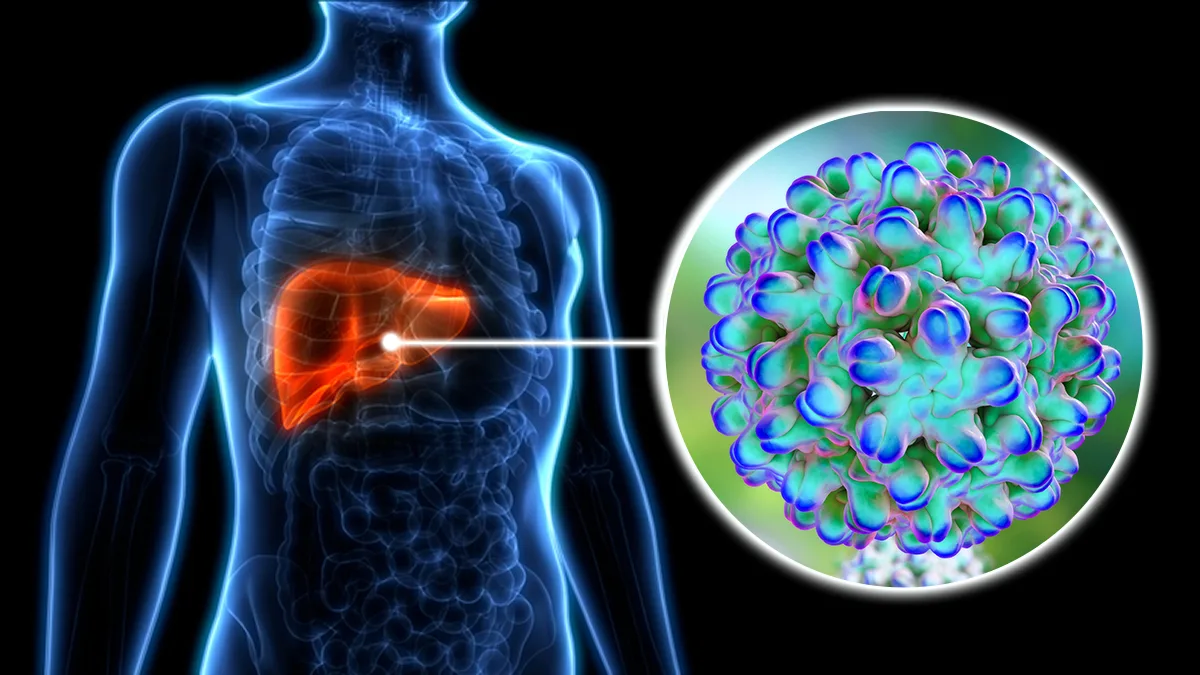
    WHO Sounds Alarm on Hepatitis D’s Cancer Risk as World Marks Hepatitis Day

    Hepatitis D liver cancer risk is now drawing heightened global concern as the World Health Organisation (WHO) calls for urgent action to eliminate viral hepatitis and reduce deaths from liver diseases. The latest warning coincides with World Hepatitis Day, emphasising the pressing need for expanded testing, treatment access, and public awareness.

    “Every half-minute, a life is lost due to complications from hepatitis, yet we already have the knowledge and tools to reverse this trend,” stressed Dr. Tedros Adhanom Ghebreyesus, WHO Director-General.

    Read Also: The Hidden Health Risk of Wearing Your Smartwatch 24/7: Cancer Concerns Explained

    Viral Hepatitis: A Silent and Deadly Threat

    Five main types of viral hepatitis – A, B, C, D, and E – can cause liver inflammation, with types B, C, and D leading to chronic conditions that may result in cirrhosis or liver cancer. Despite the danger, millions of people remain unaware they are infected. More than 300 million individuals live with chronic hepatitis B, C, or D, with over 1.3 million fatalities recorded each year due to complications like liver cancer.

    Hepatitis D Officially Classified as Cancer-Causing

    A significant development in liver health came with the International Agency for Research on Cancer (IARC) designating hepatitis D as carcinogenic to humans. This new classification puts it on the same level as hepatitis B and C in terms of cancer risk. Hepatitis D only occurs in individuals already infected with hepatitis B and increases their risk of liver cancer by up to six times.

    In response, WHO has rolled out updated diagnostic guidelines for hepatitis B and D in 2024 and continues to assess innovative therapies for hepatitis D patients.

    Advances in Treatment and Prevention

    Effective medications already exist: hepatitis C can be cured within three months using oral treatments, while hepatitis B can be managed long-term with antiviral therapy. Promising therapies for hepatitis D are emerging, but full impact depends on integrating services like vaccination, screening, and harm reduction into national healthcare systems.

    Dr. Meg Doherty, WHO’s incoming Director of Science for Health, highlighted these developments, noting the urgent need to scale up coordinated care to curb liver-related deaths.

    Read Also: Plastic in Your Blood? Scientists Just Found It in Humans!

    Global Progress and Gaps

    Many low- and middle-income nations are making strides:

    • By 2025, 123 countries reported national strategies to combat hepatitis, up from 59.
    • The number of countries screening pregnant women for hepatitis B rose to 129, compared to 106 in 2024.
    • As of now, 147 nations have introduced the hepatitis B birth dose, compared to 138 in 2022.

    However, WHO’s 2024 Global Hepatitis Report reveals ongoing challenges:

    • Only 13% of people with hepatitis B and 36% with hepatitis C were diagnosed by 2022.
    • Just 3% of hepatitis B patients and 20% of those with hepatitis C received treatment—well below the 2025 goals of 60% diagnosed and 50% treated.
    • Service integration remains inconsistent: hepatitis programs are present in HIV services in 128 countries but are included in harm reduction centers in only 27.

    What Needs to Happen Next?

    Without accelerated efforts, the world risks missing WHO’s 2030 targets. Achieving these goals could prevent nearly 10 million new infections and save up to 2.8 million lives. WHO urges countries to invest in domestic programs, ensure medicine affordability, integrate hepatitis care with existing health services, and fight stigma.

    Strengthening Alliances for Action

    To drive momentum, WHO has joined forces with Rotary International and the World Hepatitis Alliance for this year’s campaign: “Hepatitis: Let’s Break It Down.” The initiative urges global stakeholders to tackle liver cancer head-on by addressing gaps in funding, testing, and stigma.

    Together, governments, civil society groups, and communities must act now to halt the growing burden of hepatitis and protect future generations.

  • The Hidden Health Risk of Wearing Your Smartwatch 24/7: Cancer Concerns Explained

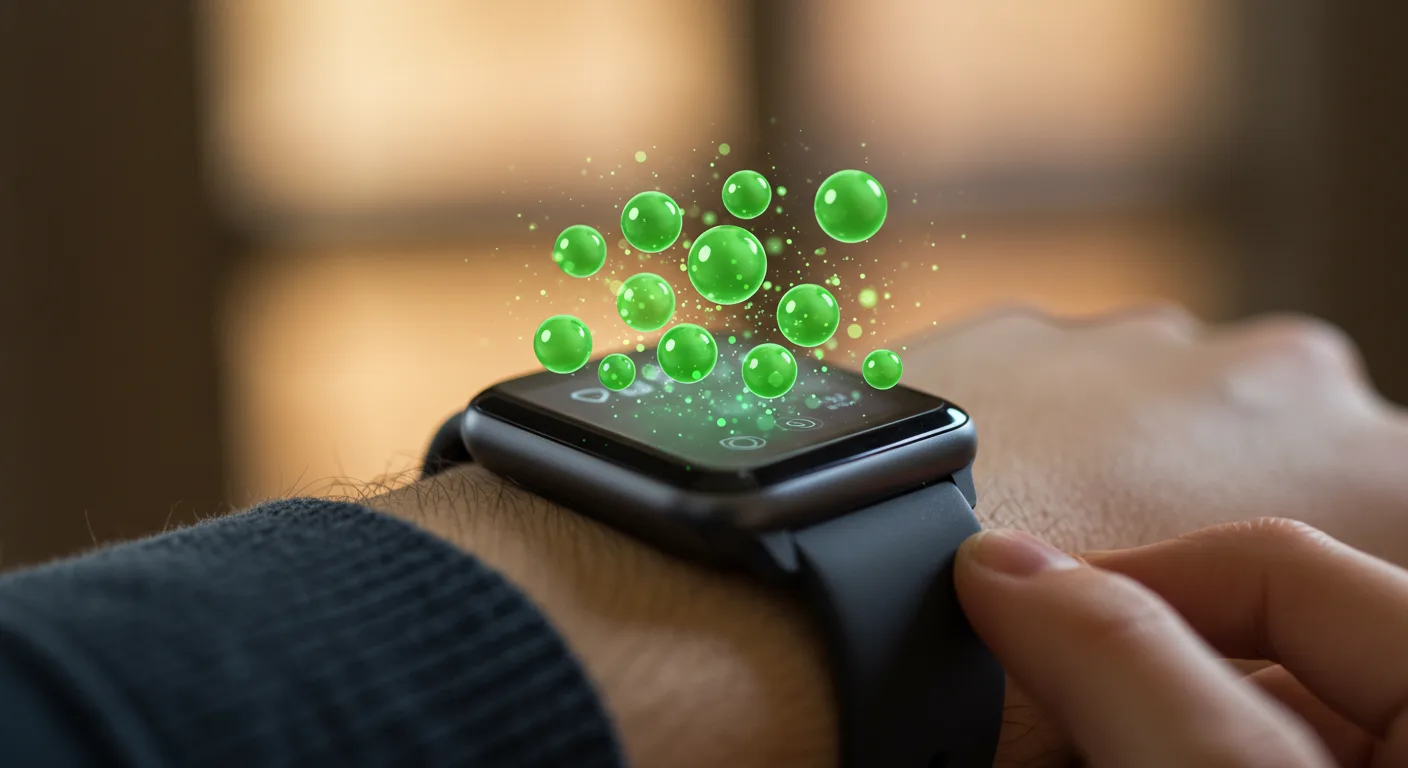
    The Hidden Health Risk of Wearing Your Smartwatch 24/7: Cancer Concerns Explained

    Hidden Health Risk of Wearing Your Smart Watch 24/7: An emerging trend in the 21st century is the rise in cancer risks and other illnesses. As time goes on, groundbreaking progress is being made to find cures for these diseases and to raise awareness about their potential causes. Interestingly, many of these causes have been linked to everyday items in our homes and environments—one of which is the smart watch. Believe it or not, your smart watch has been associated with potential health risks, including cancer.

    To make our lives more convenient and stay connected, smart watches have become almost inseparable from our daily routines. Aside from being a quick alternative to checking notifications without unlocking our phones, they’re equipped with sensors that help us track various health metrics. From stress levels to heart rate and sleep quality, it seems logical to keep them on at all times. However, the Hidden Health Risk of Wearing Your Smart Watch 24/7 is something we can no longer ignore. Let me explain why.

    Read Also: Smart Watches and Their Role in Fitness and Healthy Lifestyle


    How Your Smart Watch May Be Raising Your Risk of Cancer

    The smart device itself isn’t necessarily increasing your risk of cancer. In fact, there haven’t been enough studies to confirm that. However, the band that holds the smart device to your wrist may be the real culprit. According to a recent study, the materials used in many smartwatch bands contain chemicals that have been linked to infertility and cancer.

    These chemicals are known as perfluoroalkyl and polyfluoroalkyl substances (PFAS). PFAS are used in the manufacturing of many everyday items including fabric, non-stick pans, and even cosmetics. Research has connected PFAS to several health issues such as kidney disease, birth defects, and increased risk of prostate cancer.

    Often referred to as “forever chemicals,” PFAS do not break down in the environment or in the human body. Alarmingly, they’ve been found in fish, soil, air, and water.

    Read Also: How Your Smartphone is Secretly Damaging Your Brain.


    15 Out of 22 Smartwatches Tested Contained PFAS

    According to The New Paper, a Singaporean newspaper, the bands of 22 different smartwatches were tested for PFAS. Of those, 15 tested positive. This is especially concerning given how often we wear our smartwatches and how closely they remain in contact with our skin.

    While PFAS typically enter the body through ingestion or inhalation, studies now suggest that prolonged skin contact can also allow these chemicals to enter the bloodstream.

    The tested watches ranged in price from $89 to $799 and included major brands such as the Apple Watch. Interestingly, the more expensive models tended to contain higher levels of PFAS.

    In the U.S., about 21% of adults use smartwatches. In the UK, that figure is 35%. On average, users wear their devices for 11 hours per day. This means approximately 54 million people in the U.S. and 13 million in the UK could be exposed to these harmful chemicals daily. That’s the Hidden Health Risk of Wearing Your Smart Watch 24/7 in plain sight.


    How Exactly Is Your Smart Watch Introducing PFAS Into Your Body?

    Most smartwatches come with flexible rubber or silicone straps, which are often interchangeable. It is these silicone-like straps that are suspected to be the source of PFAS exposure.

    To ensure that the straps maintain their color and texture—despite constant exposure to sweat, skin oils, and environmental elements—manufacturers treat them with PFAS-based chemicals. While we traditionally think of PFAS as entering the body through ingestion or inhalation, research now shows that extended skin contact can allow these carcinogenic chemicals to absorb into the body.

    More studies are needed to fully understand the impact of PFAS absorbed through the skin, but early findings are concerning.

    You can read the published article here: Presence of Perfluorohexanoic Acid in Fluoroelastomer Watch Bands.

    Researchers at Notre Dame University conducted chemical analyses on the bands and checked for the presence of fluorine—a strong indicator of PFAS. In 15 of the 22 products (about 68%), fluorine was detected.

    Some watch bands disclosed the use of fluorine, but two that tested positive didn’t indicate any use of PFAS in their materials.

    Notably, bands costing more than $30 (£23) had higher concentrations of fluorine compared to those priced under $15 (£11). Researchers also looked for other PFAS chemicals beyond fluoroelastomers and found that all 22 bands tested contained traces of at least one type.

    The study suggested that these chemicals were likely introduced during the cleaning process in manufacturing.

    While it’s still unclear how much PFAS is absorbed through the skin, a 2022 German study found that after 115 days of applying PFAS-laden sunscreen, 1.6% of the chemical was absorbed into the skin. On the more extreme end, a 2024 British study on skin cell cultures showed that about 58% of PFAS applied was absorbed.

    The researchers concluded: “These limited studies suggest that dermal absorption of PFAS may represent a significant exposure route for short-chain PFAS when used in consumer products that are in contact with the skin.”

    Read Also: How Your Smartphone is Secretly Damaging Your Brain.


    Proceed With Caution

    While the science is still evolving, Dr. Alyssa Wicks, one of the lead researchers, advises consumers to be mindful. “If the consumer wishes to purchase a higher-priced band, we suggest that they read the materials list carefully.”

    The Hidden Health Risk of Wearing Your Smart Watch 24/7 may not be front and center in tech ads or product descriptions—but it’s a risk worth understanding. As we integrate more technology into our daily lives, let’s ensure we do so with informed caution.

    RELATED ARTICLES

    A new study establishes a link between sanitizers and brain development.

    Plastic in Your Blood? Scientists Just Found It in Humans!

  • Ways to Protect Yourself from Contacting Monkey pox in Ghana

    Ways to Protect Yourself from Contacting Monkey pox in Ghana

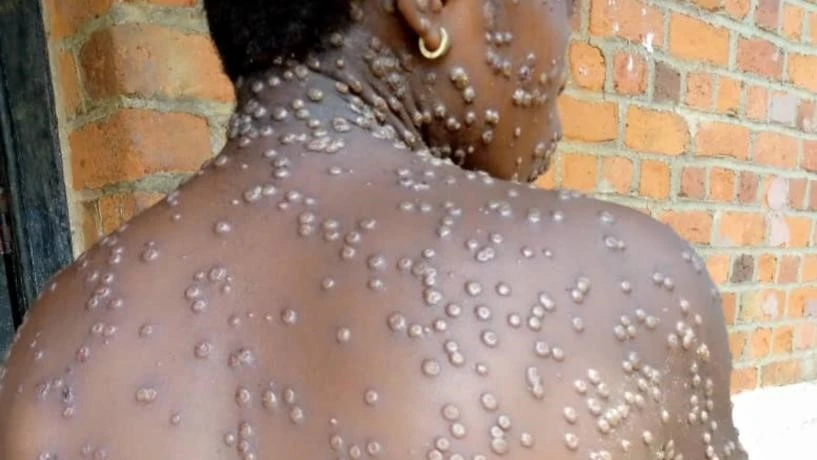
    Mpox also known as monkeypox is a re-emerging viral disease that has made its presence known in parts of Africa, including Ghana. Although the number of confirmed cases in Ghana remains low, the virus’s ability to spread through close contact makes it a public health concern. It’s important to take deliberate steps to protect yourself from contacting Mpox, especially as surveillance continues to detect isolated cases across the country.

    Read Also: Ghana Confirms Two Cases of Mpox in Accra: What You Need to Know

    What is Mpox?

    Ghana Confirms Two Cases of Mpox in Accra: What You Need to Know

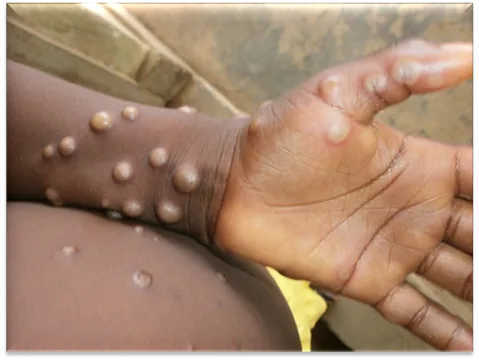
    Mpox is a zoonotic disease caused by the monkeypox virus, which is closely related to the virus that causes smallpox. It is less deadly than smallpox but can still cause serious illness. Mpox is transmitted from animals to humans and from person to person through direct contact with bodily fluids, lesions, or respiratory droplets.

    Symptoms of Mpox include:

    • Fever
    • Rash (that progresses through various stages)
    • Headache
    • Muscle aches
    • Swollen lymph nodes
    • Chills and fatigue

    The illness usually lasts between 2 to 4 weeks.

    ‎Follow the InfoHealthGh channel on WhatsApp: https://whatsapp.com/channel/0029Va7j1SgGE56e8pagc22u
    ‎Follow the InfoHealthGh channel on WhatsApp: https://whatsapp.com/channel/0029Va7j1SgGE56e8pagc22u

    Mpox Mortality Rate

    Mpox has two main strains: the Central African (Congo Basin) clade and the West African clade. The strain most commonly seen in West Africa, including Ghana, typically has a lower fatality rate — around 1% to 3%. However, the Congo Basin strain can have a mortality rate as high as 10%, particularly in children and immunocompromised individuals.

    Although no deaths have been reported in Ghana in recent cases, the global re-emergence of Mpox underscores the importance of awareness and preventive action.

    Current Situation in Ghana

    As of October 2024, Ghana reported two confirmed Mpox cases — a 15-year-old male from the Western North Region and his mother. Both were treated and recovered fully. Health authorities identified and are monitoring over 30 close contacts. The Ghana Health Service (GHS) has since heightened disease surveillance, particularly at border points and international airports.

    Read Also: Ministry of Health Launches Enhanced Mobile App for Health Training Admission Forms

    How to Protect Yourself from Contacting Mpox

    To protect yourself from contacting Mpox, here are proven strategies:

    1. Limit Close Contact with Infected Individuals

    Mpox spreads through direct physical contact. Avoid touching skin rashes, lesions, or bodily fluids of individuals showing symptoms. Do not share personal items such as clothing, towels, or bedding with anyone suspected of having Mpox.

    2. Practice Proper Hand Hygiene

    Wash your hands regularly with soap and water or use alcohol-based sanitizers, especially after being in public places or after contact with possibly contaminated surfaces.

    3. Avoid Wild Animals and Undercooked Meat

    Mpox can also be contracted from animals, particularly wild rodents and primates. Avoid hunting, handling, or eating bushmeat. Ensure all meat products are properly cooked.

    4. Disinfect Surfaces and Wear Protection

    If you live with or are caring for someone with Mpox, disinfect commonly touched surfaces and wear protective equipment like gloves and masks. Healthcare workers should use full PPE when attending to suspected cases.

    5. Stay Informed and Seek Early Medical Attention

    Public health authorities continue to monitor and respond to Mpox outbreaks. Stay up to date through official sources like the Ghana Health Service or WHO. If you notice symptoms, especially after exposure, report to a health facility immediately.

    Ghana may have only a few confirmed cases, but that doesn’t mean we should let our guard down. With a potential mortality rate of up to 3% for the West African strain, prevention remains better than cure. Staying informed, maintaining hygiene, and avoiding high-risk contact are your best defenses.

    By following these guidelines, you’re not only protecting yourself but also helping curb the spread of the virus in your community. Let’s all do our part to protect yourself from contacting Mpox and keep Ghana safe.

  • 📰 Health Minister Appeals to Striking Nurses and Midwives to Return to Work

    📰 Health Minister Appeals to Striking Nurses and Midwives to Return to Work

    Accra, Ghana – The Minister of Health, Hon. Kwabena Mintah Akandoh, has made a passionate plea to members of the Ghana Registered Nurses and Midwives Association (GRNMA) to end their ongoing industrial strike and resume duties in order to protect the health and well-being of Ghanaians.

    Health Minister Appeals to Striking Nurses and Midwives to Return to Work
    Health Minister Appeals to Striking Nurses and Midwives to Return to Work

    Speaking during a press briefing on Wednesday, the minister emphasized the crucial role nurses and midwives play in delivering healthcare across the country. “We understand the concerns raised by our health professionals, but I am appealing to their sense of duty and compassion for patients, especially vulnerable groups like pregnant women, children, and the elderly,” he said.

    Read Also: Ghana Confirms Two Cases of Mpox in Accra: What You Need to Know

    The strike, which began earlier this week, stems from grievances related to delayed implementation of negotiated conditions of service, including better allowances and improved working conditions. GRNMA leadership maintains that repeated engagements with government officials have failed to yield concrete results, leaving them with no choice but to withdraw their services.

    Hospitals and clinics nationwide have already reported disruptions to healthcare delivery, with some facilities forced to scale down operations due to the absence of key staff. Patients seeking care have been turned away in many districts, heightening public anxiety.

    Read Also: President Mahama Launches ‘MahamaCares’ to Support Ghanaians with Chronic Illnesses

    Health Minister Appeals to Striking Nurses and Midwives to Return to Work

    Hon. Akandoh assured the striking health workers that the government is actively working to resolve their issues through dialogue and collaboration with relevant agencies, including the Ministry of Finance and the Fair Wages and Salaries Commission. He reiterated the government’s commitment to honoring its obligations and urged the GRNMA to return to the negotiation table.

    “I am confident that with open dialogue and goodwill on both sides, we can reach a solution that satisfies everyone without compromising the health of our people,” the minister added.

    Meanwhile, health advocacy groups and civil society organizations have also called for a swift resolution to the impasse, stressing the need to avoid a public health crisis amid ongoing pressures on Ghana’s healthcare system.

  • Ghana Confirms Two Cases of Mpox in Accra: What You Need to Know

    Ghana Confirms Two Cases of Mpox in Accra: What You Need to Know

    On May 15, 2025, the Ghana Health Service (GHS) confirmed two cases of Mpox in the Accra Metropolitan Area. While this news has stirred concern among some residents, the Ministry of Health and the GHS have assured the public that swift containment measures are already in place to prevent further spread.

    What is Mpox?

    Mpox, formerly known as monkeypox, is a viral disease transmitted to humans through close contact with an infected person, animal, or contaminated materials. It presents with symptoms such as:

    • Fever
    • Rash
    • Headache
    • Muscle aches
    • Back pain
    • Swollen lymph nodes
    • Fatigue

    The infection, while uncomfortable, is typically self-limiting in most cases. However, early detection and prompt treatment are crucial in managing and controlling the spread.

    Steps Taken by the Ghana Health Service

    Following the confirmation of the two cases:

    • Contact tracing has begun to identify and monitor individuals who may have been exposed.
    • Enhanced surveillance is underway in both health facilities and communities to identify and investigate any additional suspected cases.
    • Public awareness campaigns are being intensified to educate citizens about the disease, its symptoms, how it spreads, and preventive measures.

    What You Can Do

    To protect yourself and others:

    • Practice good hand hygiene by washing with soap and water or using alcohol-based hand sanitizers.
    • Avoid close contact with anyone showing symptoms such as rashes or fever.
    • Report suspected cases to the nearest health facility for prompt diagnosis and care.
    • Stay informed through official updates from the Ghana Health Service or Ministry of Health.

    No Cause for Panic

    According to Prof. Samuel Kaba Akoriyea, the Acting Director-General of the Ghana Health Service, there is no need for widespread alarm. Ghana’s health systems are prepared and well-equipped to manage and contain the disease.

    This swift response highlights Ghana’s readiness and resilience in the face of public health challenges. While we remain vigilant, it’s important not to spread misinformation or stigma. Instead, let’s all play our part by staying informed and taking necessary precautions.

    Ghana Confirms Two Cases of Mpox in Accra: What You Need to Know

    For official updates and health advice, follow the Ghana Health Service on Facebook or visit their website.

    Stay safe, stay informed.

    — InfoHealthGH.com
    Your trusted source for health tips and news in Ghana.

  • President Mahama Launches ‘MahamaCares’ to Support Ghanaians with Chronic Illnesses

    President Mahama Launches ‘MahamaCares’ to Support Ghanaians with Chronic Illnesses

    President John Dramani Mahama has officially launched the Ghana Medical Trust Fund, popularly known as “MahamaCares,” a groundbreaking initiative aimed at providing financial assistance to individuals living with chronic diseases across the country. The launch event took place on Tuesday, April 29, at the University of Ghana Medical Centre (UGMC) in Accra.

    The fund is designed to cover the cost of care and medication for Non-Communicable Diseases (NCDs) not currently included under the National Health Insurance Scheme (NHIS), thereby complementing it by supporting critical aspects of these conditions. Targeted illnesses include cancer, diabetes, cardiovascular diseases, chronic kidney failure, stroke, and others. The initiative particularly aims to support specialist-level treatment for a wide range of chronic illnesses, including cancers, diabetes, cardiovascular diseases, chronic kidney failure, stroke, and others. 

    Weight Loss Success Stories: What worked and Didn’t

    In his address, President Mahama emphasized the fund’s role in promoting health equity, stating, “This is hope for a future where the quality of life is not determined by one’s ability to pay for essential treatment.”  He also shared personal experiences, noting that he had lost his father, mother, friends, and employees to chronic illnesses, underscoring the need for urgent national support systems. 

    Demonstrating personal commitment, President Mahama pledged to donate six months of his salary to the fund. He appealed to the corporate sector and other stakeholders to contribute to the fund to ensure that individuals battling chronic diseases can access the support they need. 

    Health Minister Kwabena Mintah Akandoh also announced his personal commitment by donating three months of his salary to the fund. He highlighted the inspiring response from the public, including a generous contribution from a pensioner, as evidence of the wide-reaching impact and public goodwill surrounding the initiative. 

    The Ghana Medical Trust Fund represents a significant step towards a more inclusive healthcare system in Ghana, aiming to alleviate the financial burden of chronic diseases and ensure that no Ghanaian is left behind due to financial constraints. 

    Photos from the Event

    H. E. John Dramani Mahama address at the Launch
  • Ministry of Health Launches Enhanced Mobile App for Health Training Admission Forms

    Ministry of Health Launches Enhanced Mobile App for Health Training Admission Forms

    Accra, Ghana – April 24, 2025

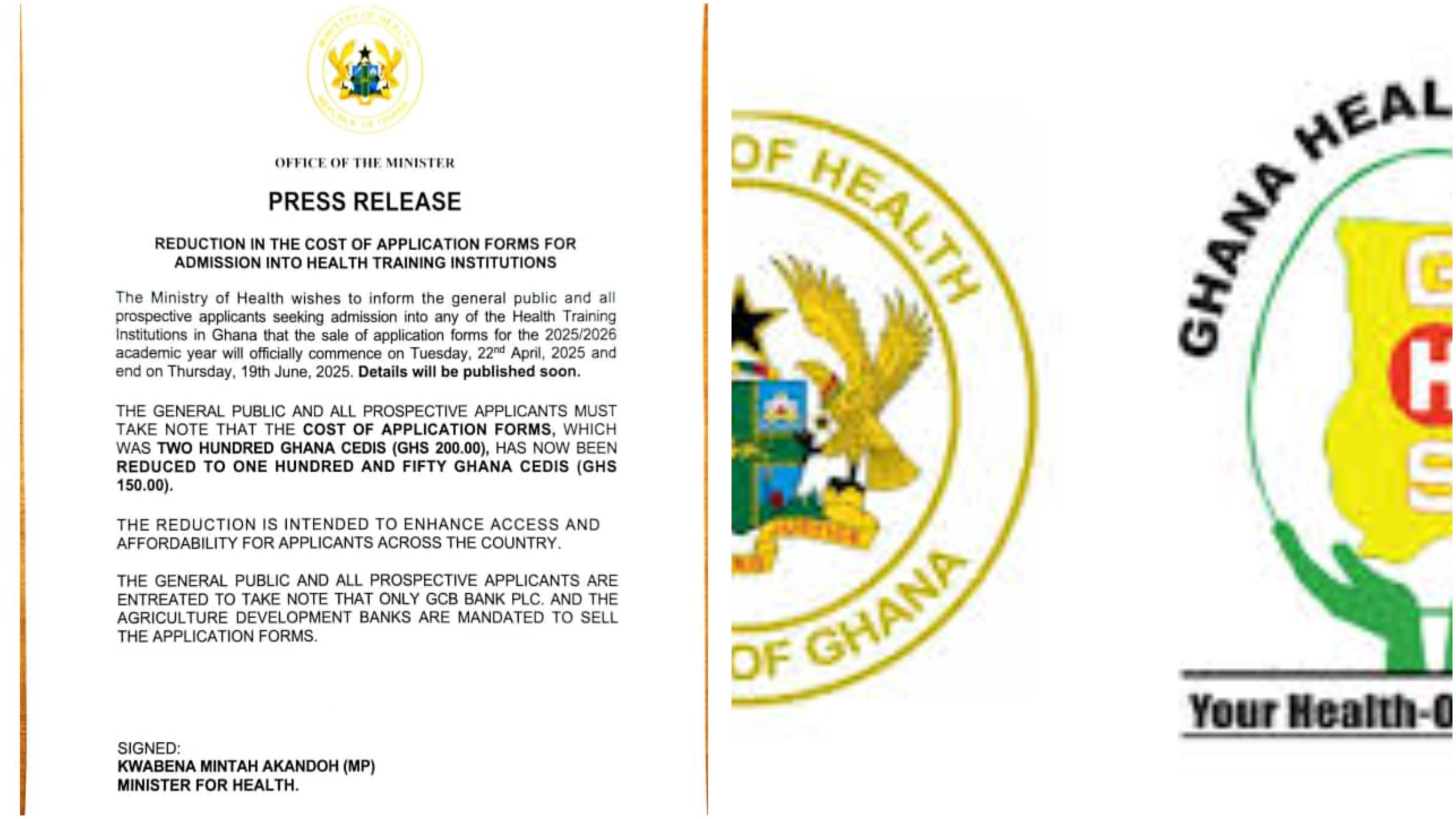
    In a bid to streamline the admission process for Health Training Institutions across Ghana, the Ministry of Health has announced the launch of a new and enhanced mobile application for the sale of admission forms.

    Read: The Sunday Reset Routine: 8 Ways to Organize Your Life for the Week Ahead.

    In a press release issued by the Ministry’s Public Relations Unit, the new digital initiative aims to improve accessibility, convenience, and transparency in the admission process. The mobile application is designed to ease the burden on prospective applicants by allowing them to purchase and apply for admission forms from the comfort of their homes, thereby eliminating the need to travel long distances.

    As part of the rollout of this new system, the Ministry has rescheduled the start date for the sale of admission forms. Originally set for April 22, 2025, the sale will now commence on May 5, 2025, and end on June 5, 2025.

    The Ministry highlighted that this innovation forms part of ongoing efforts to digitize public services and reduce the financial and logistical challenges associated with traditional methods of purchasing admission forms.

    Read Also : Ministry of Health Announces Reduction in the cost of Application Forms for admission into Health Training Institutions

    “We appreciate the cooperation of all as we work towards a more efficient and user-friendly admissions process,” the Ministry said in the release.

    Prospective applicants are encouraged to take advantage of this improved system as the Ministry continues to prioritize technology-driven solutions for public service delivery.

    Issued by:

    Public Relations Unit

    Ministry of Health

    Republic of Ghana

    Ministry of Health Launches Enhanced Mobile App
    Ministry of Health Launches Enhanced Mobile App