Tag: Heart Health

  • Understanding Broken Heart Syndrome: Temporary Heart Attack.

    Understanding Broken Heart Syndrome: Temporary Heart Attack.

    Understanding Broken Heart Syndrome– You rememebr the last time you heard some bad news that worked you up so much emotionally that you could literally feel your chest pounding and it almost felt like a heart attack? What if I told you that feeling could have literaly caused you a heart attack or a broken heart syndrome.

    Heartbreak is often portrayed as a metaphorical experience, symbolizing deep emotional pain. However, medical research has shown that intense emotional distress can lead to actual physical heart conditions. One such condition is Takotsubo cardiomyopathy, commonly known as “broken heart syndrome”. This phenomenon demonstrates the profound connection between our emotional and physical well-being.

    ‎Follow the InfoHealthGh channel on WhatsApp: https://whatsapp.com/channel/0029Va7j1SgGE56e8pagc22u

    Understanding Broken Heart Syndrome

    Broken heart syndrome is a temporary heart condition that mimics the symptoms of a heart attack. It is typically triggered by severe emotional or physical stress, such as the loss of a loved one, a serious accident, or even extreme joy. The syndrome leads to a sudden weakening of the heart’s left ventricle, causing it to balloon out at the apex. This distinctive shape resembles a Japanese octopus trap called a “takotsubo,” which is how the condition got its name.

    en.wikipedia.org

    Symptoms and Diagnosis

    Individuals with broken heart syndrome often experience sudden chest pain, shortness of breath, and electrocardiogram (ECG) changes similar to those of a heart attack. However, unlike a typical heart attack, there is no blockage in the coronary arteries. Diagnostic imaging reveals the characteristic ballooning of the left ventricle. Recognizing these differences is crucial for proper diagnosis and treatment.

    Case Studies Highlighting the Condition

    Several real-life cases illustrate the impact of broken heart syndrome:

    • Katelyn Jill’s Experience: At 32, Katelyn experienced sudden chest pain and sweating, initially mistaking it for a need to crack her back. Despite exhaustive tests showing no blockages, she suffered another episode a week later. Two years later, she was diagnosed with broken heart syndrome, highlighting how stress and depression can physically manifest in heart conditions. thesun.co.uk
    • Gene Hackman and Betsy Arakawa: The renowned actor and his wife were found deceased in their home. A pathologist theorized that one might have died from a broken heart after discovering the other dead, suggesting a stress-related reaction known as broken heart syndrome. pagesix.com

    Emotional Stress and Its Physiological Impact

    The exact mechanisms behind broken heart syndrome are not entirely understood. However, it is believed that a surge in stress hormones, particularly adrenaline, may temporarily damage the heart. This hormonal surge can lead to constriction of the coronary arteries or directly affect the heart muscle cells, resulting in the observed weakening of the left ventricle.

    ‎Follow the InfoHealthGh channel on WhatsApp: https://whatsapp.com/channel/0029Va7j1SgGE56e8pagc22u

    en.wikipedia.org

    A study published in the European Heart Journal found that patients exhibited increased activity in the amygdala—the brain’s fear and stress center—years before the cardiac event. This suggests a link between heightened stress responses and the development of broken heart syndrome.

    Treatment and Prognosis

    The prognosis for broken heart syndrome is generally favorable. Most patients recover fully within weeks, and the heart often returns to normal function without lasting damage. Treatment focuses on managing symptoms and addressing the underlying stressors. Medications such as beta-blockers may be prescribed to reduce the effects of adrenaline on the heart.

    It’s essential for individuals to seek immediate medical attention if they experience symptoms resembling a heart attack, as prompt diagnosis and management can prevent complications.

    The Mind-Heart Connection

    The existence of broken heart syndrome underscores the intricate link between emotional and physical health. Chronic stress, anxiety, and depression can have tangible effects on cardiovascular health. Understanding this connection emphasizes the importance of holistic approaches to health that consider both mental and physical well-being.

    Coping with Heartbreak and Stress

    To mitigate the risk of stress-induced heart conditions, consider the following strategies:

    • Stress Management: Engage in relaxation techniques such as meditation, yoga, or deep breathing exercises to manage stress levels.
    • Physical Activity: Regular exercise can improve mood and cardiovascular health.
    • Social Support: Maintaining connections with friends and family provides emotional support during challenging times.
    • Professional Help: Seeking counseling or therapy can be beneficial in processing intense emotions and developing coping mechanisms.

    Conclusion

    While the phrase “dying of a broken heart” is often used poetically, broken heart syndrome reveals that severe emotional distress can indeed have profound physical effects on the heart. Recognizing the symptoms and understanding the mind-heart connection are vital steps toward comprehensive health care. By addressing both emotional and physical aspects of well-being, individuals can navigate the challenges of heartbreak without compromising their heart health.
  • Chest Pains and Early Warning Signs of Heart Disease You Shouldn’t Ignore

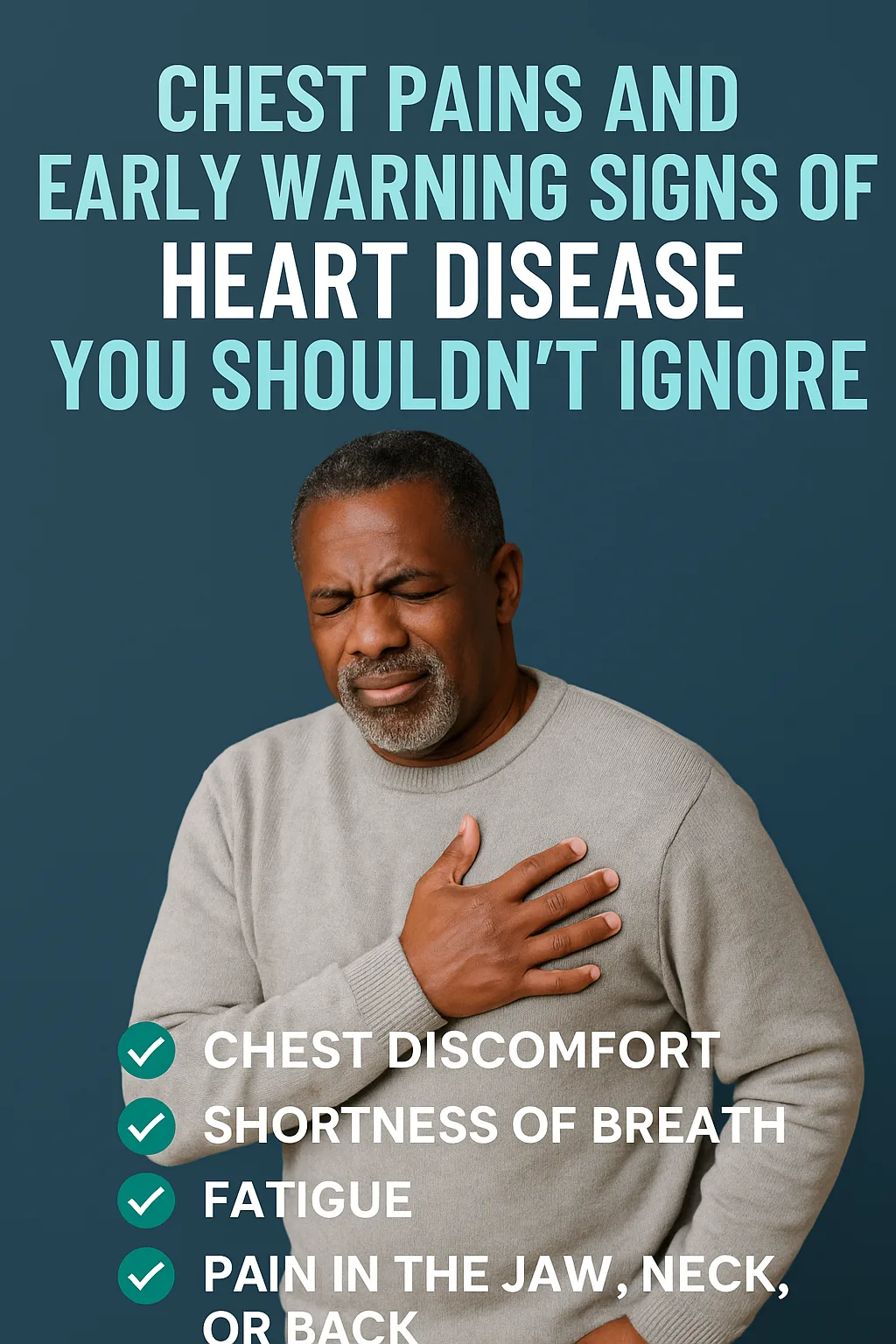
    Chest Pains and Early Warning Signs of Heart Disease You Shouldn’t Ignore

    Your heart is encased in your rib cage, and unlike your leg or eyes, which you could easily see and tell when something is wrong with you, it is difficult to tell when your heart is not functioning properly. However, there are early warning signs of heart disease, and these are signs you shouldn’t ignore.

    People often misinterpret heart disease or its onset as an alarming chest clutch followed by a dramatic fall, like in the movies. Sorry to disappoint, but that’s not entirely true. In this blog post, we will discuss chest pains, the early symptoms of heart disease, and what to do if you or a loved one experiences them.

    🩺 Tip: Knowing your body and reporting any discomfort or changes to a nearby health facility could save your life—especially if you are over 40 or have known risk factors like diabetes or high blood pressure.

    ✅ Does Every Chest Pain Relate to Heart Disease?

    No, not all chest pain is heart-related. But any chest discomfort should be evaluated by a doctor.

    Common non-cardiac causes of chest pain include:

    • Heartburn or GERD
    • Muscle strain
    • Anxiety and panic attacks
    • Respiratory infections
    • Shingles

    However, if the pain is accompanied by the following symptoms, it may be related to a heart condition:

    • Pressure or tightness in the chest
    • Pain spreading to the jaw, neck, shoulders, or left arm
    • Dizziness, fainting, or shortness of breath
    • Cold sweat
    early warning signs of heart disease

    🫀 What Are Some Common Heart Diseases?

    Heart disease, also called cardiovascular disease (CVD), includes several conditions affecting the heart and blood vessels. According to the World Health Organization (WHO), it is the leading cause of death globally.

    1. Coronary Artery Disease (CAD)

    Occurs when plaque builds up in the arteries supplying the heart, reducing blood flow.

    Symptoms: Chest pain (angina), breathlessness, fatigue, heart attack.

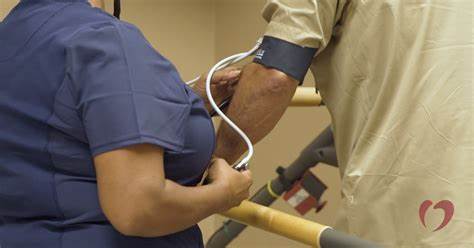
    Heart rate vs. blood pressure; How they relate to your health

    2. Heart Attack (Myocardial Infarction)

    Happens when blood supply to a section of the heart muscle is blocked.

    Symptoms: Intense chest pain, pressure, pain radiating to arm/jaw, nausea, sweating.

    3. Arrhythmias (Irregular Heartbeats)

    Abnormal rhythm of the heart—either too fast, too slow, or erratic.

    Symptoms: Fluttering, palpitations, fainting, anxiety.

    4. Heart Failure

    Occurs when the heart cannot pump blood efficiently to meet the body’s needs.

    Symptoms: Swelling in ankles/feet, breathlessness, fatigue, coughing.

    5. Valvular Heart Disease

    Involves damage to one or more of the heart’s valves.

    Symptoms: Chest tightness, irregular heartbeat, dizziness, fainting.

    6. Cardiomyopathy

    A disease of the heart muscle that reduces its ability to pump blood.

    Symptoms: Breathlessness, fatigue, palpitations, swelling of the legs.

    early warning signs of heart disease

    🚨 Early Warning Signs of Heart Disease You Shouldn’t Ignore

    Heart disease symptoms are not always obvious. Here are some early warning signs that should raise a red flag:

    • Chest discomfort or pressure
    • Shortness of breath
    • Unusual fatigue
    • Pain in the jaw, neck, shoulder, or arms (especially left side)
    • Dizziness or fainting spells
    • Swelling in the legs or abdomen
    • Persistent cough or wheezing (especially at night)
    • Heart palpitations or skipped beats

    ⚠️ Important: Women, older adults, and people with diabetes may experience atypical symptoms, such as nausea or fatigue, without classic chest pain.

    🔗 External reference: CDC – Heart Disease Facts

    🆘 What to Do If You or a Loved One Experiences Any of These Symptoms

    If you or someone around you is experiencing potential heart attack symptoms:

    Step-by-Step Emergency Response:

    1. Call emergency services immediately (e.g., 112 in Ghana, 911 in the US)
    2. Have the person sit or lie down in a calm position
    3. Chew one adult aspirin (unless allergic or advised otherwise)
    4. Do not drive to the hospital—wait for an ambulance
    5. Start CPR if the person loses consciousness and stops breathing (if trained)

    ❤️ Final Thoughts

    Heart disease can be silent but deadly. The good news is that most heart conditions are preventable and manageable if detected early.

    Here’s what you can do:

    • Exercise regularly
    • Eat a heart-friendly diet (low in salt, sugar, and trans fats)
    • Stop smoking
    • Manage stress
    • Get regular health checkups
    • Monitor your blood pressure and cholesterol levels

    🧠 Remember: It’s always better to get checked and be wrong than to ignore symptoms and risk your life.

    📚 References:

    1. World Health Organization. Cardiovascular Diseases (CVDs)
    2. Mayo Clinic. Heart Disease
    3. Centers for Disease Control and Prevention (CDC). Know the Signs and Symptoms of Heart Attack

    📝 Related Articles on InfoHealthGH:

    The Scientifically Proven Ways to Lower Bad Cholesterol


    What happens if you eat onions every day?

    Six (6) Common fruits and vegetables to lower blood pressure.

  • Six (6) Common fruits and vegetables to lower blood pressure.

    Six (6) Common fruits and vegetables to lower blood pressure.

    If you have heard the popular adage that you are what you eat, then you should know that what you eat ultimately dictates how you live – This includes your health, wellbeing and mental development.

    According to World Health Organization (WHO) and CDC, 80% of premature heart disease cases are preventable through diet, exercise, and lifestyle. Additionally, more than 80% of Type 2 diabetes cases can be linked to poor diet and lifestyle.

    The World Cancer Research Fund also estimates that about 30-50% of cancers could be prevented by a healthy diet, maintaining a healthy weight, and physical activity.

    This is evident that there are certain foods that affect our healths especially our circulatory system and also our blood pressure. On that note let’s delve into some common fruits and vegetables to lower blood pressure.

    Healthy Fat Weight Loss with Intermittent Fasting and Exercise: My Journey

    Common fruits and vegetables to lower blood pressure.

    1. Banana: 

    Potassium is an essential mineral that helps the body get rid of sodium, relaxes blood vessels, and lowers blood pressure. Just one medium-sized banana packs a powerful potassium punch: about 420 milligrams. Beans, tomatoes, mushrooms, and avocado are other potassium-rich foods that may also help lower blood pressure naturally.

    Potassium encourages blood vessels to relax and dilate, reducing the pressure within them. When blood vessels are more open, blood flows more easily, lowering blood pressure.

    2. Beetroot juice:

    Research, including some funded by British Heart Foundation, has suggested beetroot juice might help lower blood pressure. Beetroot juice can be a concentrated source of nitrates, and it’s thought that one of their effects is to lower blood pressure. 

    The nitrate in beetroot helps the body produce nitric oxide. Nitric oxide is a powerful vasodilator, meaning it helps relax and widen blood vessels, which allows blood to flow more easily and reduces blood pressure.

    Beetroot also contains potassium, an essential mineral that helps balance sodium levels and relax blood vessels, similar to its role in other high-potassium foods.

    3. Berries (Blueberries):

    fruits and vegetables to lower blood pressure
    fruits and vegetables to lower blood pressure

    Berries are beneficial for blood pressure regulation due to their high levels of antioxidants, fiber, and bioactive compounds. Here’s how they contribute to lowering blood pressure:

    1. Anthocyanins and Flavonoids: Berries, especially blueberries, strawberries, and blackberries, are rich in anthocyanins—a type of flavonoid that has been linked to improved blood vessel function. These compounds help relax and dilate blood vessels, reducing vascular resistance and aiding in blood flow, which lowers blood pressure.
    2. Antioxidants: Berries contain high levels of antioxidants, which help protect the lining of blood vessels from oxidative stress. This protective effect reduces inflammation, which is often linked to high blood pressure.
    3. Nitric Oxide Production: Some compounds in berries, such as polyphenols, may enhance nitric oxide production, which promotes vasodilation (relaxation and widening of blood vessels) and helps lower blood pressure.
    4. Potassium Content: Many berries are good sources of potassium, which helps balance sodium in the body. This helps the kidneys excrete excess sodium, reducing blood volume and, consequently, blood pressure.

    4. Garlic:

    Garlic is rich in Allicin which is able to prevent the production of angiotensin II the compound responsible for increasing your body’s blood pressure.

    Additionally, Allicin increases the production of nitric oxide and hydrogen sulphide, which help regulate blood pressure.

    5. Leafy greens:

    Spinach, lettuce, kale, and chard are all leafy greens that can help lower blood pressure. Most leafy greens are very high in potassium. Potassium is responsible for relaxing blood vessels which helps to lower blood pressure.

    The rich potassium in leafy greens helps to eliminate sodium which is another culprit of high blood pressure. Adding leafy greens to your diet is a reliable way of reserving the effects of high blood pressure with time aside reaping the other health benefits.

    6. Kiwifruit

    :A daily serving of kiwi can reduce systolic blood pressure, among other benefits, according to a 2022 randomized control trialTrusted Source.

    People who ate 2 kiwis per day before breakfast for 7 weeks had a reduction of 2.7 millimeters of mercury (mmHg) in systolic blood pressure compared to a control group.

    Kiwis are also rich in vitamin C. A 2020 meta-analysisTrusted Source suggests that vitamin C supplementation significantly reduced blood pressure in people with primary hypertension.

    Kiwis are easy to add to lunches or smoothies. One cup of kiwi, or 2–3 kiwifruits, makes up 1 serving.

    In conclusion, it is important to note that including a healthy eating habit to your lifestyle is one of the fastest way to lower blood pressure. This works hand in hand with reducing your stress levels. engaging in exercises and getting adequate quality sleep.

    In situations where no noticeable improvement is seen in your blood pressure, make it a point to consult a doctor.

    If you enjoyed this kindly engage with us on social media below:

    Facebook : @Infohealthgh

    Twitter: @Infhealth

    Read More: 6 Healthy Snacks to Eat While on Your Weight Loss Journey

  • Heart rate vs. blood pressure; How they relate to your health.

    Heart rate vs. blood pressure; How they relate to your health.

    Heart rate and blood pressure are indicators that measure how efficiently our bodies are functioning. These two can give you the idea that they are the same or related in a way because it has to deal with your heart.

    That is not entirely true.

    To some extent, they may be an indication of a common underlying health condition but that isn’t always the case. The fact that your heart rate is high doesn’t automatically translate into high blood pressure.

    Let’s delve into this: Heart rate vs. blood pressure

    Heart rate and blood pressure often increase or decrease together, but they don’t always rise and fall in sync. 

    For example, when faced with danger, both heart rate and blood pressure may increase at the same time. However, if your heart rate increases, it doesn’t necessarily mean your blood pressure will also increase. 

    If you’re dehydrated, bleeding, or have a severe infection, your blood pressure will usually decrease while your heart rate increases. 

    Read More: Heart Rate VS Blood Pressure

    In some cases, heart rate can directly affect blood pressure. For example, if your heart rate becomes dangerously high, like during an arrhythmia, your blood pressure will often drop. 

    This is because the heart rate is too high for the heart to pump blood effectively. On the other hand, if you experience shock, which is when your blood pressure is dangerously low, your heart rate will usually increase to try to compensate and provide blood flow to your body. 

    Read Also: How to deal with sore muscles after an intense workout.

    Blood pressure measures the force of blood against your artery walls, while heart rate measures how many times your heart beats per minute. When heart rate and blood pressure move in opposite directions, it may indicate an underlying issue. 

    For example, high heart rate and low blood pressure can occur temporarily when blood pools in the veins of your legs and gut. This means less blood travels to your heart muscles, so your heart doesn’t have much to pump out. As a result, your nervous system will automatically increase your heart rate. 

    Can you have low blood pressure and high heart rate?

    Heart rate vs. blood pressure: The fact that your heart rate is high doesn't automatically translate into high blood pressure.

    Yes, it’s common to experience low blood pressure and a high heart rate at the same time. This can be caused by several conditions, including Dehydration, Low blood sugar, Anxiety, and Changing positions.

    When blood pressure is low, the heart has to work harder to pump enough oxygen-rich blood to the body’s organs, which can lead to a higher heart rate. This is called hypotension and tachycardia, where hypotension is low blood pressure (below 90/60 mmHg) and tachycardia is a rapid heart rate (above 100 beats per minute).

    Read Also: Smart Watches and Their Role in Fitness and Healthy Lifestyle

    A combination of low blood pressure and a high heart rate can be dangerous and indicate that the body isn’t getting enough oxygen. This can put the body at risk for shock, which requires immediate medical attention. Signs of shock include cold and sweaty skin, rapid breathing, blue skin tone, and weak and rapid pulse.