
Tag: Intermittent Fasting

  • For 7 days, I skipped breakfast, and what happened shocked me!

    For 7 days, I skipped breakfast, and what happened shocked me!

    Skipping breakfast every day is part of my daily routine, but for some time now, I have been slacking until I locked in again. For 7 days, I skipped breakfast, and what happened shocked me. There are some benefits of skipping breakfast, and for me, it forms part of my intermittent fasting routine for weight loss. The results were great. I dropped by 10 Kg in the first three months.

    Skipping breakfast and losing weight isn’t just one of the benefits you will gain from skipping breakfast but there are some changes I noticed as well which we will discuss in this blog post.

    1. Feeling Lighter

    One of the first things I noticed was how light my body felt, especially in the mornings. Starting wasn’t easy, but the rewarding feeling after getting past the night cravings was worth it.

    When you skip breakfast, your body remains fasted, meaning insulin levels stay low. This encourages the body to shift toward fat oxidation (burning stored fat for energy instead of glucose).

    This metabolic switch is part of whatโ€™s known as Intermittent fasting, where the body transitions from using glycogen (stored carbs) to fat as its primary fuel source.

    Lower insulin levels also reduce water retention, which can make you feel less bloated and physically lighter.

    Read Also: Intermittent Fasting Meal Plan 16:8: A Comprehensive Guide to Getting Started

    2. Improved Mental Clarity

    The next thing I realised was that I felt more focused and mentally sharp in the mornings. I needed this to carry me throught the morning to midday.

    What happens is that during fasting, the body produces ketones, which are alternative energy molecules derived from fat. Ketones are known to be an efficient fuel for the brain.

    Fasting also increases levels of Norepinephrine, a hormone that enhances alertness and focus.

    Additionally, fasting may stimulate brain-derived neurotrophic factor (BDNF), a protein linked to improved brain function and neuroplasticity.

    3. Reduced Joint and Knee Pain

    This was unexpected. I noticed less discomfort in my knees and joints during movement.

    Fasting has been associated with reduced systemic inflammation, which is a key contributor to joint pain.

    Lower insulin and reduced intake of processed foods can decrease inflammatory markers in the body. Chronic inflammation is linked to conditions like Osteoarthritis, so even small reductions can improve how your joints feel.

    4. Increased Energy Levels

    Youโ€™d think skipping meals would make you tired, but I actually felt more energetic.

    When your body adapts to fasting, it becomes more efficient at switching between energy sources. This is called metabolic flexibility.

    Instead of experiencing energy crashes from blood sugar spikes and drops, your body maintains more stable energy by relying on fat stores.

    Also, fasting can increase adrenaline levels slightly, which helps keep energy levels up.

    5. Improved Gut Health

    My digestion felt smoother, and I experienced less bloating. Before embarking on this journey, I used to experience frequent diarrhoea, but all of that stopped.

    Skipping breakfast gives your digestive system a longer rest period, which can support gut repair processes.

    This aligns with the migrating motor complex (MMC)โ€”a natural cleansing wave in the digestive tract that occurs during fasting and helps clear out residual food and bacteria.

    Giving your gut time to rest may also positively influence your microbiome balance.

    6. Dropped a Few Pounds

    By the end of the week, I noticed a slight drop in weight.

    Weight loss from skipping breakfast typically comes from:

    • Reduced overall calorie intake
    • Increased fat burning due to lower insulin
    • Mild loss of water weight

    Over time, consistent fasting can contribute to fat loss, especially when combined with a calorie-controlled diet.

    However, itโ€™s important to note that sustainable weight loss depends on overall lifestyle and not just skipping breakfast.

    Read Also: Is it safe to combine HIIT training with Fasting to Lose Weight?

    7. Reduced Cravings for Junk and Sweets

    I found myself craving sugary snacks less than usual.

    Frequent eating, especially high-carb meals, can cause repeated spikes in blood sugar, leading to cravings when levels drop.

    By skipping breakfast, insulin levels remain more stable, which reduces the cycle of spikes and crashes.

    This helps regulate hunger hormones like Ghrelin, making you feel less driven to snack impulsively.

    ๐Ÿ’ฐ Bonus: I Saved Money

    Not eating breakfast daily naturally reduced how much I spent on food, simple but effective when you look at it in the long term

    โš Important Note: If you want to skip breakfast

    Skipping breakfast isnโ€™t for everyone.

    It may not be suitable for:

    • People with **Diabetes
    • Individuals with a history of eating disorders
    • Pregnant or breastfeeding women

    Also, what you eat during your eating window still matters. Skipping breakfast doesnโ€™t cancel out unhealthy food choices later in the day.

    Read Also: Healthy Fat Weight Loss with Intermittent Fasting and Exercise: My Journey

    CONCLUSION

    Skipping breakfast for 7 days helped me reset my routine and better understand how my body responds to fasting.

    While I experienced benefits like improved focus, reduced cravings, and feeling lighter, the key takeaway is this:

    Itโ€™s not just about skipping mealsโ€”itโ€™s about how your body adapts metabolically.

    If done correctly, intermittent fasting can be a powerful tool. But like any health strategy, it should be approached with awareness and balance.

    In my case, I limited taking my first meal to 12 pm and gradually improved it to 2 pm.
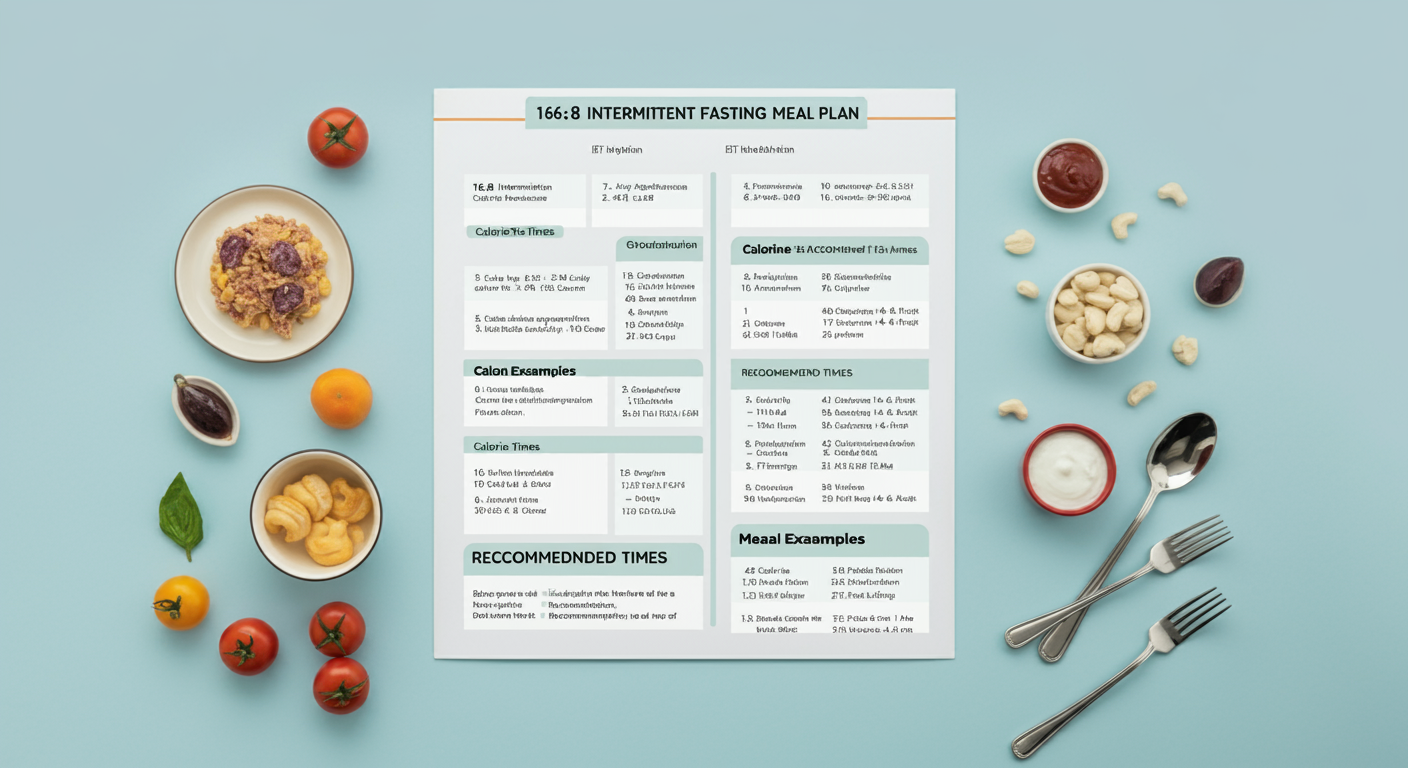
  • Intermittent Fasting Meal Plan 16:8: A Comprehensive Guide to Getting Started

    Intermittent Fasting Meal Plan 16:8: A Comprehensive Guide to Getting Started

    Intermittent fasting has become one of the most popular approaches to weight management and overall health improvement. Among its various methods, the intermittent fasting meal plan 16:8 stands out as a simple yet effective strategy that fits seamlessly into busy lifestyles. This blog explores what the 16:8 method entails, its benefits, and how to structure your meals during the eating window for optimal results.


    What Is the Intermittent Fasting Meal Plan 16:8?

    The 16:8 intermittent fasting method involves fasting for 16 hours each day and limiting your food consumption to an 8-hour window. Unlike traditional diets, it doesn’t restrict what you eat but rather when you eat, making it easier for many people to adopt.

    During the 16-hour fasting period, you abstain from consuming calories. However, water, black coffee, herbal teas, and other non-caloric beverages are allowed. Once the fasting period ends, you have 8 hours to consume your daily meals and snacks.

    For example, if you choose to eat between 12 PM and 8 PM, you’ll fast from 8 PM to 12 PM the following day.


    Benefits of the 16:8 Method

    The intermittent fasting meal plan 16:8 has gained traction due to its numerous potential benefits:

    1. Weight Loss: By reducing the hours you eat, this method naturally encourages a calorie deficit, aiding in weight loss.
    2. Improved Metabolic Health: Studies suggest intermittent fasting can help stabilize blood sugar levels, reduce insulin resistance, and promote fat burning.
    3. Simplicity: With no complicated rules or calorie counting required, this plan is straightforward and easy to follow.
    4. Enhanced Focus and Energy: Many individuals report increased mental clarity during fasting periods.

    Read Also: 4 Possible Reasons Why You Are Not Losing Weight.


    Crafting Your 16:8 Intermittent Fasting Meal Plan

    To maximize the benefits of the 16:8 plan, it’s essential to focus on nutrient-dense foods during your eating window. Here’s a sample intermittent fasting meal plan 16:8 to guide you:

    12 PM โ€“ First Meal (Break the Fast)

    • A balanced meal with protein, healthy fats, and complex carbohydrates.
    • Example: Grilled chicken breast, a quinoa salad with avocado, and a side of steamed broccoli.

    3 PM โ€“ Snack

    • A light snack to keep you satiated until dinner.
    • Example: Greek yogurt with fresh berries and a sprinkle of chia seeds.

    7 PM โ€“ Dinner

    • Another nutrient-rich meal to round out your daily intake.
    • Example: Baked salmon with roasted sweet potatoes and a side of sautรฉed spinach.

    During your eating window, it’s crucial to stay hydrated and avoid processed or high-sugar foods, as these can negate the health benefits of fasting.


    Tips for Success

    1. Start Gradually: If you’re new to fasting, ease into the 16:8 plan by gradually increasing your fasting period over a few days.
    2. Stay Consistent: Consistency is key for seeing results. Stick to your chosen eating and fasting windows daily.
    3. Listen to Your Body: If you’re feeling overly hungry or fatigued, adjust your meal sizes or consult a healthcare professional.

    Read Also: The major role sleep plays in weight loss.


    Is the 16:8 Plan Right for You?

    While the intermittent fasting meal plan 16:8 works for many people, itโ€™s not a one-size-fits-all solution. Pregnant women, individuals with certain medical conditions, or those with a history of eating disorders should consult a healthcare provider before starting any fasting regimen.


    Final Thoughts

    The intermittent fasting meal plan 16:8 is a sustainable and effective way to improve your health, shed excess weight, and simplify your eating habits. By focusing on whole, nutrient-dense foods during your eating window and staying hydrated throughout the day, you can unlock the full potential of this popular fasting method.

    If youโ€™re ready to embrace a healthier lifestyle, why not give the 16:8 plan a try? You might just find itโ€™s the perfect fit for your wellness journey.

    Follow My Social Media Pages

    Facebook : @Infohealthgh

    Twitter: @Infhealth

  • Healthy Fat Weight Loss with Intermittent Fasting and Exercise: My Journey

    Healthy Fat Weight Loss with Intermittent Fasting and Exercise: My Journey

    Combining Intermittent Fasting and Exercise to Lose Weight Fast: My Personal Journey

    Losing weight has always felt like an uphill battle for me. Iโ€™d tried different diets, joined fitness challenges, and even cut out all my favorite foods, but nothing seemed to stick. It wasnโ€™t until I discovered a powerful combinationโ€”intermittent fasting and exerciseโ€”that I started seeing real results, and more importantly, results that I could maintain.

    Let me walk you through my journey and how combining intermittent fasting with exercise helped me lose weight fast and keep it off in a healthy way.

    Read Also: The Health Benefits of Guava Leaves: My Journey into Natureโ€™s Pharmacy

    What is Intermittent Fasting?

    healthy fat weight loss

    I know intermittent fasting can sound a bit intimidating at firstโ€”because it did to me, too. Essentially, it’s not a diet but more of an eating pattern where you cycle between periods of eating and fasting. There are various ways to do it, but I started with the 16:8 method, which means fasting for 16 hours and eating during an 8-hour window.

    What I loved about this approach is that it didnโ€™t feel like I was depriving myself. I was still eating the foods I enjoyed, just within a specific time frame. This helped me cut down on unnecessary snacking and late-night eating, which had been my downfall for years. Plus, intermittent fasting is known to promote healthy fat weight loss because your body taps into fat stores for energy during the fasting period.

    Pairing Intermittent Fasting with Exercise

    When I added exercise into the mix, thatโ€™s when the magic really started to happen. I wasnโ€™t hitting the gym every day or spending hours on the treadmillโ€”just three to four days of focused workouts. I did a mix of strength training and cardio, which helped boost my metabolism and tone my body.

    Hereโ€™s the thing: when you combine intermittent fasting with exercise, your body becomes a fat-burning machine. Exercising in a fasted state, which I was initially skeptical about, actually worked wonders for me. When you work out while fasting, your body has no choice but to burn fat for fuel. This led to healthy fat weight loss without making me feel overly exhausted or starving all the time.

    Balancing Fasting and Energy Levels

    Iโ€™ll be honestโ€”there were days when it was tough. Especially in the beginning, I would feel hungry or sluggish during my workouts. But after the first two weeks, my body started to adjust, and I found that I had more energy during my fasting periods than I did before I started. Thatโ€™s when I knew I was on the right track.

    I also noticed that intermittent fasting made me more mindful of the food choices I was making during my eating window. I wasnโ€™t just eating to fill the timeโ€”I was fueling my body with nutritious, wholesome meals that supported my workouts. This is a key component to achieving healthy fat weight lossโ€”making sure that what you eat counts toward your goals.

    The Results

    After a couple of months, the results spoke for themselves. Not only did I shed the pounds, but I felt stronger, healthier, and more confident. My body was leaning out in all the right places, and I could finally see the definition in my muscles that Iโ€™d been working so hard to achieve.

    The best part? I didnโ€™t feel like I was on a restrictive diet or stuck in a never-ending workout routine. Intermittent fasting and exercise became a part of my lifestyle, and itโ€™s something that I still do today to maintain my weight and overall well-being.

    Tips for Getting Started

    healthy fat weight loss

    If youโ€™re thinking about combining intermittent fasting and exercise to lose weight fast, here are a few tips from my personal experience:

    1. Start slow โ€“ Donโ€™t jump into a strict fasting routine. Ease your body into it by shortening your eating window gradually.
    2. Choose workouts you enjoy โ€“ Whether itโ€™s strength training, yoga, or running, pick something that makes you feel good, not something you dread.
    3. Listen to your body โ€“ Some days you might need to adjust your fasting window or switch up your exercise routine, and thatโ€™s okay. Flexibility is key.
    4. Focus on quality nutrition โ€“ Make sure your meals during your eating window are balanced and support your health goals. This is crucial for achieving healthy fat weight loss.

    Read Also: 7 Natural Teas to Help You Sleep Longer and Better at Night

    Final Thoughts

    Combining intermittent fasting and exercise truly changed the game for me. It wasnโ€™t just about the weight loss, though I wonโ€™t deny how amazing it felt to watch the numbers on the scale go down. It was more about the shift in my mindset, how I approached food, and how I felt in my body. It wasnโ€™t a quick fix but a sustainable approach to healthy fat weight loss that worked for meโ€”and it can work for you, too.

    If youโ€™re struggling with weight loss and nothing seems to be working, this might be the method that finally clicks. Itโ€™s worth giving it a try, and who knows? It could be the lifestyle change youโ€™ve been looking for.

    Kindly Follow on my social media pages if you enjoyed this: