Tag: Skin Health

  • Best Facial Cleanser for Oily Acne-Prone Skin (Dermatologist-Backed Guide)

    Best Facial Cleanser for Oily Acne-Prone Skin (Dermatologist-Backed Guide)

    If you struggle with oily, acne-prone skin, choosing the right cleanser can feel frustrating. Many products promise to remove oil and prevent breakouts, yet they often leave the skin feeling tight, dry, and irritated.

    Ironically, this dryness can make acne worse.

    When the skin barrier is stripped of natural oils, it responds by producing even more sebum, which can clog pores and trigger new breakouts. This is why dermatologists increasingly recommend gentle, barrier-friendly cleansers rather than harsh oil-stripping ones.

    ‎Follow the InfoHealthGh channel on WhatsApp: https://whatsapp.com/channel/0029Va7j1SgGE56e8pagc22u

    In this guide, we’ll explore:

    • What dermatologists say about cleansing oily acne-prone skin
    • Ingredients proven to help reduce breakouts
    • Common cleansing mistakes that worsen acne
    • Some of the best gentle cleansers recommended by users and dermatologists

    By the end, you’ll understand how to choose the best facial cleanser for oily acne-prone skin without damaging your skin barrier.

    Read Also: Retinol and Tretoin Use – Your excessive skincare routine jeopardize your Pregnancy

    Understanding Oily Acne-Prone Skin

    Oily skin occurs when the sebaceous glands produce excessive amounts of sebum, the natural oil that protects and moisturizes the skin.

    Sebum itself is not harmful. In fact, it plays an important role in maintaining healthy skin. Problems arise when excess oil mixes with:

    • Dead skin cells
    • Dirt and pollutants
    • Acne-causing bacteria

    This mixture can clog pores and create the perfect environment for acne formation.

    The most common forms of acne associated with oily skin include:

    • Whiteheads
    • Blackheads
    • Inflamed pimples
    • Cystic acne

    Because oil production is naturally higher, people with oily skin often feel the need to cleanse frequently. However, over-cleansing or using harsh cleansers can actually worsen acne.

    Why Gentle Cleansers Are Better for Acne-Prone Skin

    For years, skincare marketing suggested that oily skin needed strong foaming cleansers that remove all oil. But modern dermatology research suggests otherwise.

    The skin barrier is made up of lipids, proteins, and natural moisturizing factors that protect against environmental damage and bacteria. When harsh cleansers remove too much oil, they damage this protective barrier.

    Once the barrier is compromised, several problems can occur:

    • Increased inflammation
    • Greater sensitivity
    • More oil production
    • Higher risk of breakouts

    A gentle cleanser removes excess oil and impurities without stripping the skin.

    Dermatologists typically recommend cleansers that are:

    • pH-balanced
    • Non-comedogenic
    • Fragrance-free (if sensitive)
    • Sulfate-free

    These formulas cleanse effectively while maintaining the skin’s natural balance.

    Read Also: Relieve Itchy Skin After Shower Naturally: Proven Remedies That Actually Work

    Key Ingredients to Look for in a Cleanser

    When searching for the best cleanser for oily acne-prone skin, it helps to understand which ingredients actually support skin health.

    Salicylic Acid

    Salicylic acid is one of the most widely recommended ingredients for acne-prone skin.

    It works by:

    • Penetrating deep into pores
    • Dissolving excess oil
    • Removing dead skin cells

    Because it is oil-soluble, salicylic acid can reach clogged pores more effectively than many other ingredients.

    However, it should be used carefully because excessive use can cause dryness.

    Niacinamide

    Niacinamide (vitamin B3) is another powerful ingredient commonly found in acne-friendly cleansers and serums.

    Research shows it can:

    • Reduce sebum production
    • Calm inflammation
    • Strengthen the skin barrier
    • Improve uneven skin tone

    It is particularly useful for people who experience both oiliness and redness.

    Ceramides

    Ceramides are lipids that naturally occur in the skin barrier.

    They help:

    • Retain moisture
    • Protect against environmental stress
    • Prevent dryness and irritation

    Cleansers containing ceramides can help maintain skin health while still removing excess oil.

    Hyaluronic Acid

    Hyaluronic acid is a humectant that attracts water to the skin.

    Even people with oily skin can experience dehydration, which can trigger more oil production.

    Hydrating ingredients like hyaluronic acid help maintain balance without clogging pores.

    Zinc

    Zinc has natural anti-inflammatory and oil-regulating properties.

    Some cleansers include zinc to help reduce shine and calm acne-prone skin.


    Best Facial Cleansers for Oily Acne-Prone Skin

    Based on dermatology recommendations and user experiences, the following cleansers are widely regarded as effective for oily, acne-prone skin.

    Cetaphil Gentle Skin Cleanser

    This cleanser is frequently recommended by dermatologists for sensitive or acne-prone skin.

    Why people like it

    • Soap-free formula
    • Non-irritating
    • Helps maintain the skin barrier

    Although it doesn’t produce heavy foam, many people with oily skin find it surprisingly effective at preventing irritation and breakouts. You can order this on Jumia Here: Shop Cetaphil Gentle Skin Cleanser – Sensitive Skin 500ml Online | Jumia Ghana


    Bioderma Sensibio Gel Cleanser

    This gentle gel cleanser is designed for sensitive skin but works well for acne-prone individuals.

    Key benefits

    • Respects the skin’s natural pH
    • Cleanses without stripping
    • Suitable for daily use

    It is often recommended for people whose skin reacts badly to strong foaming cleansers.


    CeraVe Hydrating Facial Cleanser

    Despite being marketed toward normal-to-dry skin, many people with oily skin prefer this formula because it prevents the tight, dry feeling associated with harsh cleansers.

    Key ingredients

    • Ceramides
    • Hyaluronic acid
    • Glycerin

    Maintaining hydration can help regulate oil production over time.


    Paula’s Choice Ultra Gentle Cleanser

    best facial cleanser for oily acne prone skin

    This cleanser is formulated specifically for sensitive and acne-prone skin.

    Benefits

    • Lightweight gel texture
    • Non-irritating ingredients
    • Supports the skin barrier

    It’s often used by people who also use active acne treatments.


    Aveeno Oat Cleanser

    Aveeno products often contain colloidal oatmeal, which has soothing and anti-inflammatory properties.

    Why it works

    • Helps calm irritated skin
    • Supports barrier repair
    • Suitable for sensitive acne-prone skin

    This can be especially helpful if you use strong acne treatments like retinoids.


    Kiehl’s Ultra Facial Cleanser

    This cleanser removes dirt and oil effectively without stripping the skin.

    Key advantages

    • Gentle foaming formula
    • Suitable for daily use
    • A small amount goes a long way

    Many users find that it cleans thoroughly while maintaining skin comfort.


    Read Also: How the Soap You Use Could Be Harming Your Skin — And What to Use Instead

    Should You Cleanse Your Face Twice a Day?

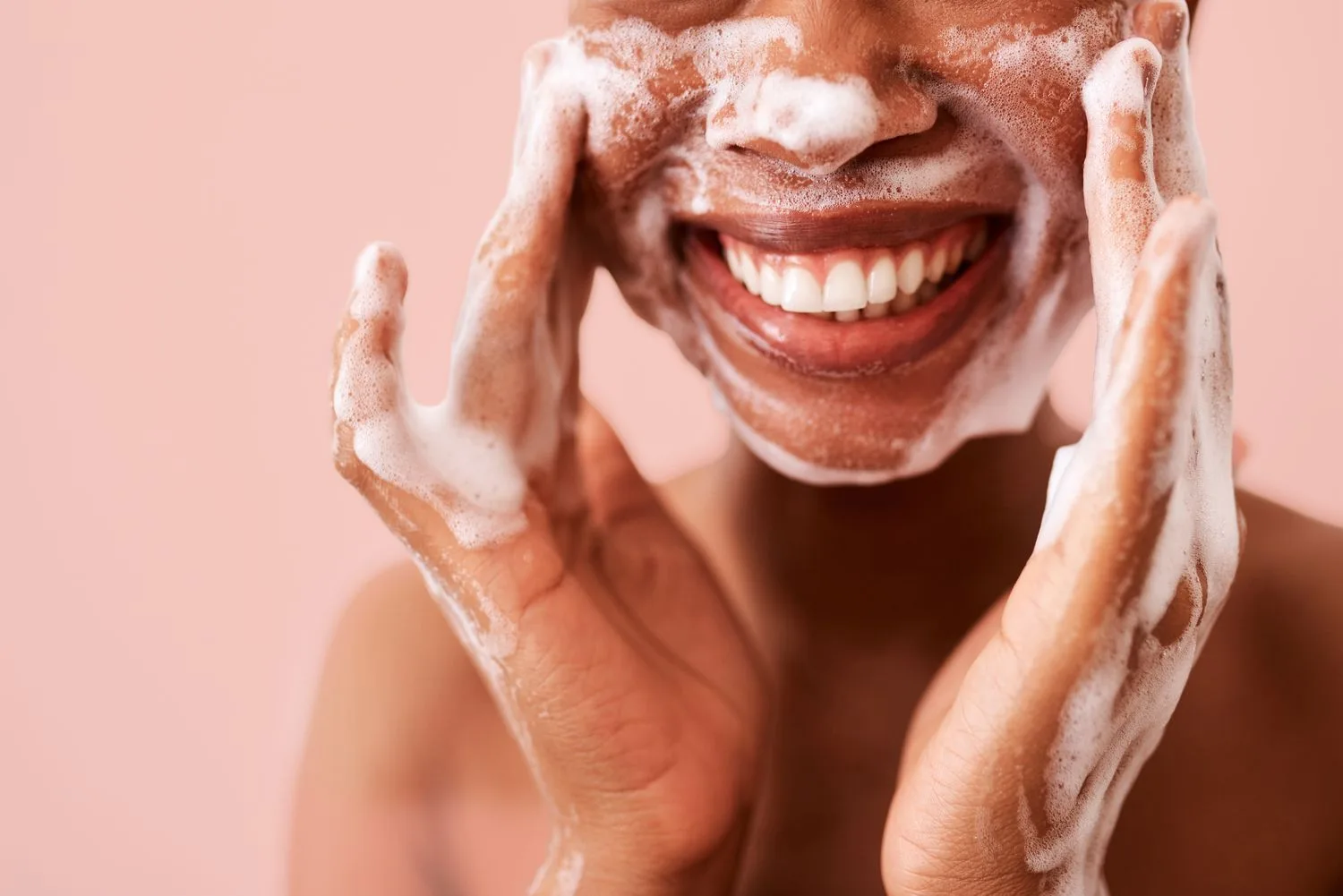
    Dermatologists generally recommend washing your face twice daily if you have oily or acne-prone skin.

    Morning cleansing removes:

    • Overnight oil buildup
    • Sweat
    • Bacteria from pillows

    Night cleansing removes:

    • Sunscreen
    • Pollution
    • Makeup
    • Excess sebum

    However, if your skin feels tight or irritated, try:

    • Using a smaller amount of cleanser
    • Cleansing for a shorter time (20–30 seconds)
    • Switching to a gentler formula

    Is Double Cleansing Helpful for Oily Skin?

    best facial cleanser for oily acne prone skin

    Double cleansing involves using two cleansers:

    1. An oil-based cleanser
    2. A water-based cleanser

    This method originated in Korean skincare routines and has become popular for removing sunscreen and makeup.

    For oily skin, double cleansing can help remove:

    • Excess sebum
    • Sunscreen residue
    • Pore-clogging impurities

    However, it’s not necessary for everyone. If you don’t wear heavy sunscreen or makeup, a single gentle cleanser may be enough.


    What to Apply After Cleansing

    Cleansing is only the first step in managing oily acne-prone skin.

    After washing your face, applying targeted skincare products can improve results.

    Niacinamide Serum

    Helps regulate oil production and calm redness.

    Hyaluronic Acid Serum

    Hydrates the skin without clogging pores.

    Azelaic Acid

    Helps treat acne and reduce dark spots.

    Adapalene (Differin)

    A topical retinoid that helps prevent clogged pores and future breakouts.

    Always follow these treatments with a lightweight moisturizer.


    Common Cleansing Mistakes That Make Acne Worse

    Many people unknowingly worsen their acne through poor cleansing habits.

    Over-washing the face

    Cleansing more than twice daily can irritate the skin.

    Using harsh scrubs

    Physical exfoliants can damage the skin barrier.

    Using very hot water

    Hot water strips natural oils and causes dryness.

    Skipping moisturizer

    Even oily skin needs hydration.

    Choosing alcohol-heavy cleansers

    These can trigger excessive oil production.


    Lifestyle Tips That Help Control Oily Skin

    Skincare products alone cannot fully control acne.

    Lifestyle factors also play an important role.

    Maintain a balanced diet

    Some studies suggest high glycemic foods may worsen acne.

    Manage stress

    Stress hormones can increase oil production.

    Wash pillowcases regularly

    Bacteria and oil can accumulate on bedding.

    Avoid touching your face frequently

    This spreads bacteria and dirt.


    Final Thoughts

    Finding the best facial cleanser for oily acne-prone skin often requires balancing oil control with skin barrier protection.

    While strong foaming cleansers may seem effective, they often cause irritation that worsens acne.

    Instead, look for gentle, non-comedogenic cleansers that remove oil without stripping the skin.

    Combining the right cleanser with hydrating ingredients and targeted acne treatments can dramatically improve skin health over time.

  • How to Get Rid of Stretch Marks Naturally and Medically: Effective Treatments That Work

    How to Get Rid of Stretch Marks Naturally and Medically: Effective Treatments That Work

    Stretch marks—medically known as striae—are a common skin condition that develops when the skin stretches rapidly due to changes such as pregnancy, puberty, rapid weight gain, or intense bodybuilding. These changes cause the collagen and elastin fibres in the skin to tear, leading to visible streaks on the surface.

    Stretch marks commonly appear on areas such as the abdomen, thighs, hips, breasts, buttocks, and upper arms. Although they may be cosmetically concerning, they are not harmful or painful. However, for many people, stretch marks can negatively affect self-confidence and body image.

    The good news is that while stretch marks are permanent scars, they often fade significantly over time and may become barely noticeable. With the right approach, their appearance can be reduced even further.

    How to Get Rid of Stretch Marks Naturally and Medically

    Read Also: How the Soap You Use Could Be Harming Your Skin — And What to Use Instead

    Medical Treatments for Stretch Marks

    In their early stages, stretch marks may appear red, purple, pink, or dark brown, depending on skin tone. Over time, they usually lighten and sink slightly beneath the skin’s surface.

    For individuals seeking faster or more noticeable results, medical treatments may help reduce their visibility.

    1. Retinoid Creams

    Topical retinoids derived from vitamin A—such as tretinoin—can help rebuild collagen and improve skin texture, particularly for stretch marks that are less than a few months old. Consistent use may reduce their appearance over time.

    Important note: Retinoid products may cause skin irritation and are not recommended during pregnancy or breastfeeding. Always consult a healthcare provider before use.

    2. Laser and Light Therapy

    Laser and light-based treatments work by stimulating collagen production and improving skin elasticity. Different techniques are available depending on skin type and stretch mark severity, and a dermatologist can recommend the most suitable option.

    3. Microneedling

    Microneedling uses fine needles to create micro-injuries in the skin, triggering natural collagen production. It is often preferred for darker skin tones because it carries a lower risk of pigmentation changes compared to laser treatments.
    (Source: Mayo Clinic)

    Read Also: Relieve Itchy Skin After Shower Naturally: Proven Remedies That Actually Work

    Natural Remedies to Reduce Stretch Marks

    If you prefer non-medical options, several natural remedies may help improve skin elasticity and gradually reduce the appearance of stretch marks.

    Aloe Vera

    How to Get Rid of Stretch Marks Naturally and Medically

    Aloe vera is widely known for its soothing and healing properties. It helps moisturise the skin and may support collagen production. Studies published in dermatology journals suggest that regular application of aloe vera gel can improve the appearance of stretch marks over time.

    Coconut Oil

    Rich in fatty acids and antioxidants, coconut oil deeply moisturises the skin and supports its natural barrier. While scientific evidence is limited, consistent use may improve skin elasticity and reduce dryness associated with stretch marks.

    Almond Oil

    Almond oil contains vitamin E and essential fatty acids that nourish the skin. Research published in the Journal of Cosmetic Dermatology suggests that regular application—especially during pregnancy—may help reduce the development and severity of stretch marks.

    Cocoa Butter

    Cocoa butter is commonly used to improve skin hydration and elasticity. Although research findings are mixed, some studies indicate it may help reduce stretch mark severity when used consistently.

    Hyaluronic Acid

    Hyaluronic acid occurs naturally in the skin and plays a key role in moisture retention and collagen support. Using creams or serums containing hyaluronic acid may help plump the skin and reduce the appearance of stretch marks, especially in their early stages.

    Read Also: Your Skin Reflects Your Health: What Acne, Dryness, and Discoloration Could Mean

    Key Takeaways

    • Stretch marks are harmless and extremely common.
    • Medical options such as retinoid creams, laser therapy, and microneedling can help reduce their appearance.
    • Natural remedies like aloe vera, cocoa butter, almond oil, and hyaluronic acid may improve skin elasticity over time.
    • Results vary depending on skin type, age of stretch marks, and consistency of treatment.

    If you are unsure which option is best for you, consult a qualified healthcare provider or dermatologist before starting any treatment.

    Understanding how to get rid of stretch marks naturally and medically allows you to make informed decisions that suit your skin, lifestyle, and personal preferences.

    Read Also: Retinol and Tretoin Use – Your excessive skincare routine jeopardize your Pregnancy

    ‎Follow the InfoHealthGh channel on WhatsApp: https://whatsapp.com/channel/0029Va7j1SgGE56e8pagc22u
  • 10 Common Sunscreen Mistakes (And How to Fix Them)

    10 Common Sunscreen Mistakes (And How to Fix Them)

    Sunscreen is one of the most powerful tools for preventing premature aging, skin cancer, and sunburn. Yet even the most health-conscious people make common sunscreen mistakes that reduce its effectiveness without realizing it. Dermatologists consistently warn that improper sunscreen use is leaving millions of people underprotected—even if they apply SPF daily. The good news? Each mistake has a simple solution that can dramatically improve your skin’s defense against UV damage.

    common sunscreen mistakes

    1. Applying Too Little Sunscreen

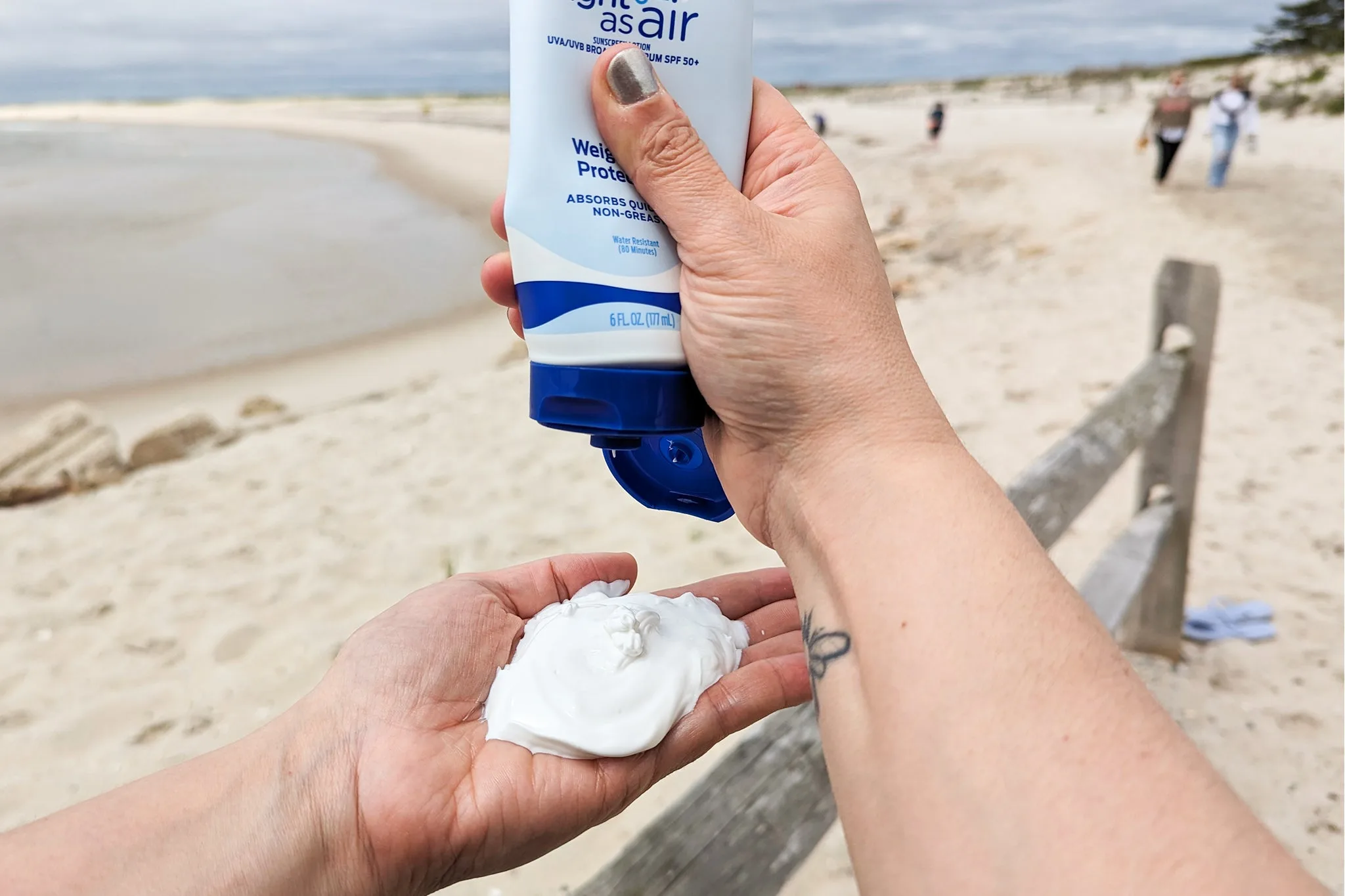
    Most people use less than half the recommended amount of sunscreen. According to the American Academy of Dermatology (AAD), you need about 1 ounce (a shot-glass full) for the body and at least 1 teaspoon for the face. Anything less reduces SPF protection drastically.

    Fix: Measure your sunscreen before applying and recheck how much you use. More is better when it comes to SPF coverage.

    ‎Follow the InfoHealthGh channel on WhatsApp: https://whatsapp.com/channel/0029Va7j1SgGE56e8pagc22u

    2. Forgetting to Reapply

    Sunscreen is not “one and done.” UV filters degrade after about two hours, faster if you swim or sweat. Failing to reapply leaves your skin as vulnerable as if you never put it on.

    Fix: Reapply every two hours, and immediately after swimming, sweating, or towel-drying—even if your sunscreen claims to be water resistant.

    common sunscreen mistakes

    3. Only Wearing Sunscreen on Sunny Days

    Up to 80% of UV rays penetrate through clouds and windows. UVA rays in particular are responsible for skin aging and pass through untreated glass. Skipping sunscreen on overcast or indoor days still puts you at risk.

    Fix: Make sunscreen a daily habit, regardless of weather or whether you’re indoors near windows.

    Read Also: Retinol and Tretoin Use – Your excessive skincare routine jeopardize your Pregnancy

    4. Missing Key Areas

    Dermatologists frequently see sun damage on ears, scalp, lips, eyelids, and the tops of feet—all areas people forget to cover. These are also common sites for skin cancer.

    Fix: Apply sunscreen evenly, including overlooked spots. Use SPF lip balm and spray or powder sunscreen for scalp protection.

    5. Using Expired Sunscreen

    Expired products lose stability, meaning the SPF value on the label no longer reflects reality. Using them creates a false sense of protection.

    Fix: Check the expiration date before each use. If none is listed, label the bottle with the purchase date and discard after three years—or sooner if it has changed in smell, texture, or consistency.

    common sunscreen mistakes

    6. Trusting Makeup or Moisturizer SPF Alone

    Cosmetics and moisturizers with SPF often don’t contain enough sunscreen to provide full protection. Worse, most people apply them too thinly to meet the advertised SPF rating.

    Fix: Treat SPF in makeup as a bonus, not a replacement. Always layer a broad-spectrum sunscreen (SPF 30 or higher) underneath.

    Read Also: Your Skin Reflects Your Health: What Acne, Dryness, and Discoloration Could Mean

    7. Applying Sunscreen Too Late

    Sunscreen takes about 15 minutes to bind properly to your skin. Applying it just before or after going outdoors leaves you exposed during the window when UV radiation is strongest.

    Fix: Apply sunscreen at least 15 minutes before stepping outside.

    8. Believing High SPF Means Unlimited Protection

    SPF 30 blocks about 97% of UVB rays, while SPF 50 blocks roughly 98%. The difference is marginal, and higher SPF does not last longer. Application technique matters far more.

    Fix: Choose SPF 30 or higher and apply correctly in sufficient amounts. Focus on reapplication instead of chasing higher numbers.

    Read Also: Relieve Itchy Skin After Shower Naturally: Proven Remedies That Actually Work

    9. Ignoring Sunscreen Ingredients

    Chemical filters like oxybenzone and avobenzone can degrade quickly in sunlight, while mineral sunscreens with zinc oxide and titanium dioxide tend to be more photostable and reef-safe. Choosing the wrong formula may mean less reliable coverage.

    Fix: Look for “broad-spectrum” on the label. If you have sensitive skin or care about reef safety, select mineral sunscreens.

    10. Not Complementing Sunscreen With Other Protection

    Sunscreen is essential but not bulletproof. Heat, visible light, and infrared radiation can also accelerate skin aging—a process dermatologists call heat aging. Relying only on SPF ignores these other stressors.

    Fix: Combine sunscreen with shade, wide-brimmed hats, sunglasses, and antioxidant skincare. Together, they provide more complete protection.

    Read Also: How the Soap You Use Could Be Harming Your Skin — And What to Use Instead

    Sunscreen works—when used correctly. By avoiding these common sunscreen mistakes, you maximize your skin’s defense against UV radiation and reduce long-term risks like wrinkles, dark spots, and skin cancer. The science is clear: consistent, proper sunscreen use is one of the simplest and most effective steps you can take for lifelong skin health.

  • Relieve Itchy Skin After Shower Naturally: Proven Remedies That Actually Work

    Relieve Itchy Skin After Shower Naturally: Proven Remedies That Actually Work

    Experiencing an itchy skin after bathing is something that is becoming pretty common these days and almost everyone, I have spoken to has experienced this before or still living with this nightmare. Let’s talk about ways to relieve itchy skin after shower naturally and additional tips to solve or make the situation better.

    Taking a shower these days is gradually becoming a fear you have to live with. If this is your situation then you are not alone. I have personally experienced this before and almost everything I tried on the internet didn’t work or even made matters worse. Some friends even suggested checking my water because the water distribution systems in Ghana isn’t always the best.

    Relieve itchy skin after shower naturally

    Many grown-ups also experience post-shower itchiness, and the solution isn’t always more lotion. In this guide, we’ll walk through why it happens, how to relieve itchy skin after shower naturally, and what habits you can adopt for long-term comfort.

    Read Also: Your Skin Reflects Your Health: What Acne, Dryness, and Discoloration Could Mean

    As a trusted voice on health and wellness, we’ve gathered expert-backed insights, peer-reviewed tips, and practical natural remedies that actually work — even in warm climates like Ghana where dryness and sweat can make skin irritation worse.

    🧐 Why Does Your Skin Itch After a Shower?

    Before we dive into natural solutions, it’s important to understand the “why.” Here are some common culprits:

    • Hot Water: Strips your skin of its natural oils.
    • Harsh Soaps & Body Washes: Contain chemicals that can dry out or irritate your skin.
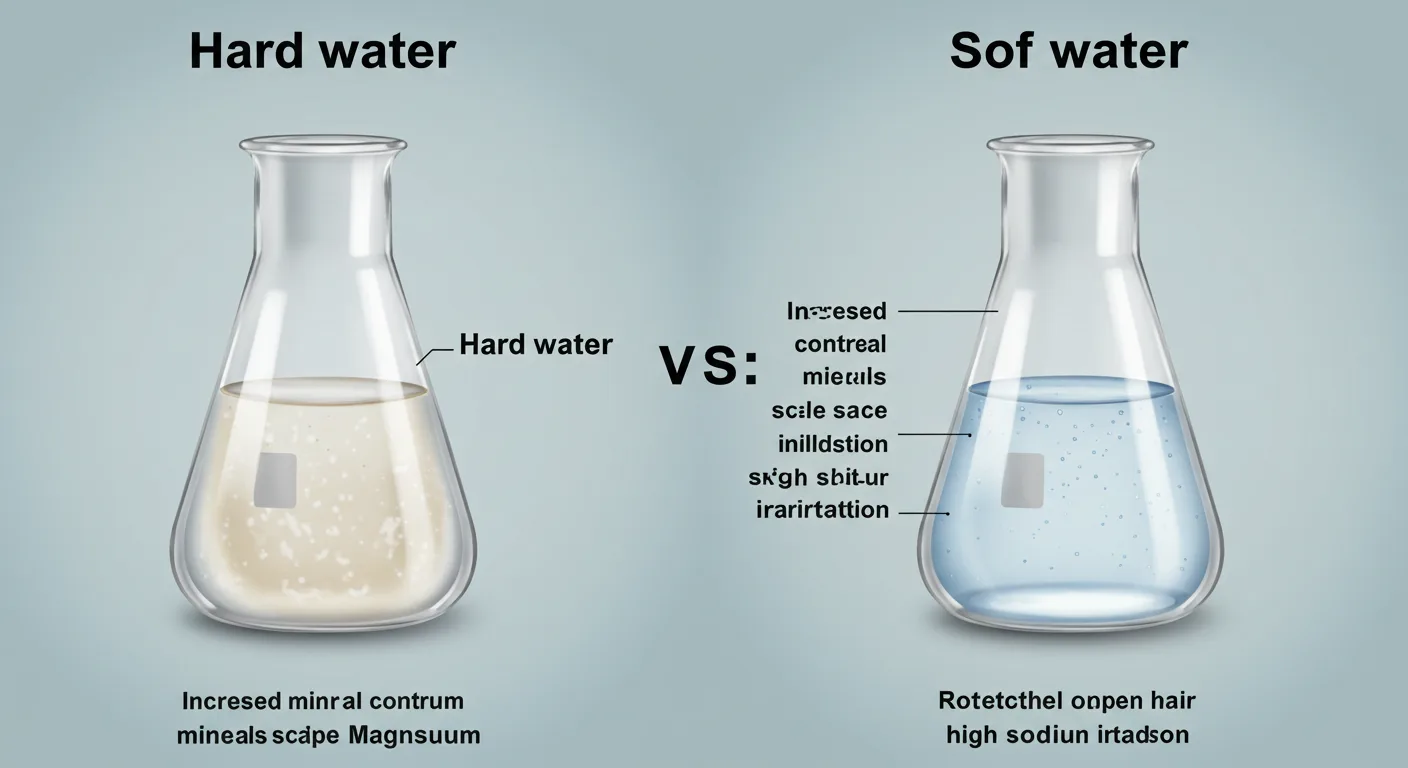
    • Hard Water Minerals: Excess calcium or magnesium in tap water can lead to irritation.
    • Towel Rubbing: Rough towels or excessive rubbing can damage sensitive skin.
    • Underlying Skin Conditions: Eczema, dermatitis, or aquagenic pruritus may be triggered by water exposure.

    🌿 How to Relieve Itchy Skin After Shower Naturally

    Ready to ditch the discomfort? Here are tried-and-tested remedies and preventative tips.

    1. Switch to Lukewarm Water

    Why it matters: Hot water might feel soothing, but it’s harsh on your skin. It strips away the skin’s natural oils that act as a protective barrier. When those oils are gone, your skin dries out quickly, triggering that tight, itchy feeling right after bathing. Over time, this can even lead to chronic dryness or inflammation.

    What to do instead: Aim for lukewarm—not cold—water. It’s warm enough to relax you but gentle enough to keep your skin’s moisture intact. Especially in warmer climates like Ghana, your skin already faces extra dryness from sun exposure and air conditioning, so lukewarm showers help balance hydration.

    Retinol and Tretoin Use – Your excessive skincare routine jeopardize your Pregnancy

    2. Oatmeal Rinse or Bath

    Relieve itchy skin after shower naturally

    Why it works: Colloidal oatmeal (finely ground oatmeal suspended in liquid) is a natural anti-inflammatory. It contains compounds like avenanthramides and beta-glucans that soothe skin irritation, reduce itching, and help skin retain moisture. Research shows that oatmeal is effective for conditions like eczema, dry skin, and post-shower irritation.

    How to use it:

    • Mix 1 cup of colloidal oatmeal in a warm bath and soak for 10–15 minutes.
    • Alternatively, brew oatmeal water and pour it over your skin before your final rinse.

    It’s gentle, affordable, and safe for all skin types—especially helpful for sensitive or reactive skin that flares up after bathing.

    3. Use a Natural Moisturizer Immediately

    Apply within 2 minutes of leaving the shower:

    • Coconut oil (anti-inflammatory and hydrating)
    • Shea butter (rich in fatty acids and antioxidants)
    • Aloe vera gel (cooling and healing)

    Make sure your moisturizer is fragrance-free and natural. Synthetic scents often worsen irritation.

    ‎Follow the InfoHealthGh channel on WhatsApp: https://whatsapp.com/channel/0029Va7j1SgGE56e8pagc22u

    4. Try Apple Cider Vinegar Spray

    Dilute 1 tablespoon of ACV in 1 cup of water and spritz lightly after your shower. It restores pH balance and can help reduce bacterial inflammation.

    5. Pat Dry with a Soft Cotton Towel

    Avoid aggressive rubbing. Dab your skin gently to remove moisture while preserving your skin’s barrier.

    ✅ Preventive Skincare Tips That Help Long-Term

    To keep itchy skin away, consistency is key.

    • Gentle Soap Choices: Opt for castile soap or those labeled “for sensitive skin.”
    • Moisturize Twice Daily: Once after showering and once before bed.
    • Stay Hydrated: Drink water consistently—your skin needs it from the inside out.
    • Humidify Your Space: If indoor air is dry, use a bowl of water near your bed or a humidifier.
    • Monitor Your Diet: Omega-3-rich foods like flaxseeds, salmon, and avocados help nourish skin.

    Updated From : Six Reasons Why Your Body Itches After Bathing (And How to Stop It)

  • Six Reasons Why Your Body Itches After Bathing (And How to Stop It)

    Six Reasons Why Your Body Itches After Bathing (And How to Stop It)

    “Itchy Skin After Shower? 6 Causes of Post-Bath Itching & How to Stop It”

    Do you experience itchy skin after showering? You’re not alone—many people deal with post-bath itching, but few understand why it happens. This frustrating sensation can range from mild dryness to intense irritation, making showers uncomfortable instead of relaxing.

    In this guide, we’ll break down the six most common causes of itchy skin after bathing, backed by dermatological research. Plus, we’ll share proven solutions to soothe your skin and prevent future irritation. Whether you’re dealing with dry skin after shower, aquagenic pruritus, or an allergic reaction to soap, we’ve got you covered.

    ‎Follow the InfoHealthGh channel on WhatsApp: https://whatsapp.com/channel/0029Va7j1SgGE56e8pagc22u

    Read Also: Your Skin Reflects Your Health: What Acne, Dryness, and Discoloration Could Mean

    1. Hot Water Strips Natural Oils (Dry Skin After Shower)

    One of the biggest culprits behind post-bath itching is hot water. While a steamy shower feels relaxing, it strips away your skin’s natural oils (sebum), leading to xerosis cutis (extremely dry skin). Studies show that water temperatures above 104°F (40°C) significantly worsen skin dryness .

    If you are a fun of hot waters like me then maybe it is time to get yourself a thermometer to regulate the temperature of your bathing water

    Read Also: Retinol and Tretoin Use – Your excessive skincare routine jeopardize your Pregnancy

    Symptoms of Dry Skin After Shower

    ✔ Tight, flaky skin
    ✔ Mild to severe itching
    ✔ Redness or cracks in extreme cases

    How to Fix It

    ✔ Use lukewarm water (98–104°F / 36–40°C)
    ✔ Limit showers to 5–10 minutes
    ✔ Apply moisturizer within 3 minutes (petroleum jelly or ceramide creams work best)

    2. Harsh Soaps & Body Washes (Contact Dermatitis)

    Many shower gels and soaps contain sulfates (SLS/SLES), fragrances, and alcohol, which strip moisture and trigger contact dermatitis. A 2023 study found that fragranced body washes increase post-shower itching by 40% in people with sensitive skin .

    Read Also: The Hidden Health Risk of Wearing Your Smartwatch 24/7: Cancer Concerns Explained

    Symptoms of Soap-Induced Itching

    ✔ Itching without a visible rash
    ✔ Burning or stinging sensation
    ✔ Worsening eczema or psoriasis

    How to Fix It

    ✔ Switch to fragrance-free, hypoallergenic cleansers (CeraVe, Vanicream)
    ✔ Avoid antibacterial soaps (they’re overly drying)
    ✔ Rinse thoroughly to remove soap residue

    3. Hard Water Worsens Itchy Skin After Shower

    6 Reasons Why You suffer from Post-Bath-Itching

    Why It Happens

    Hard water (high in calcium & magnesium) leaves a mineral residue on skin, clogging pores and worsening post-bath itching. Research shows that people living in hard water areas report 50% more skin dryness than those with soft water .

    Symptoms of Hard Water Irritation

    ✔ Rough, gritty feeling after showering
    ✔ Increased itchiness in hard water areas

    How to Fix It

    ✔ Install a showerhead water softener
    ✔ Use chelating body washes (like Eucerin pH5)
    ✔ Moisturize immediately after bathing

    Read Also: Ways to Protect Yourself from Contacting Monkey pox in Ghana

    4. Underlying Skin Conditions (Eczema & Psoriasis Flare-Ups)

    6 Reasons Why You suffer from Post-Bath-Itching

    Why It Happens

    If you have eczema (atopic dermatitis) or psoriasis, water exposure can trigger intense post-shower itching. A 2024 study found that 60% of eczema patients experience worsened itching after bathing .

    Symptoms of Eczema After Showering

    ✔ Red, scaly patches
    ✔ Burning sensation
    ✔ Flare-ups in dry climates

    How to Fix It

    ✔ Use eczema-friendly cleansers (Aveeno, Cetaphil)
    ✔ Apply prescription creams (steroids or calcineurin inhibitors)
    ✔ Try colloidal oatmeal baths for relief

    5. Aquagenic Pruritus (Rare Water Allergy)

    Read Also: Walking Barefooted: Why It Could Save Your Life

    Why It Happens

    Aquagenic pruritus is a rare condition where any water contact triggers severe itching without a rash. It’s linked to nerve hypersensitivity and sometimes blood disorders like polycythemia vera .

    Symptoms of Aquagenic Pruritus

    ✔ Burning, tingling after showering
    ✔ No visible rash
    ✔ Itching lasts up to 1 hour

    How to Fix It

    ✔ Try antihistamines (e.g., cetirizine)
    ✔ Use capsaicin cream
    ✔ Consult a dermatologist for UVB therapy

    6. Allergic Reaction to Laundry Detergents or Towels

    Why It Happens

    Scented detergents leave residue on towels, transferring irritants to your skin post-shower. A 2025 study found that fragranced laundry products worsen post-bath itching in 30% of people .

    Symptoms of Towel-Induced Itching

    ✔ Itching worsens after drying off
    ✔ Redness where towel touched skin

    How to Fix It

    ✔ Wash towels with fragrance-free detergent
    ✔ Use 100% cotton towels
    ✔ Pat dry instead of rubbing

    Read Also: How to Lose Belly Fat with Common Ghanaian Ingredients

    When to See a Doctor

    While itching after bathing may not be a call for concern, make sure to Seek medical help if your skin itch after shower includes:
    🔴 Rashes, swelling, or bleeding
    🔴 Lasts more than 2 weeks
    🔴 Linked to fatigue/weight loss (possible blood disorder)

    Final Prevention Tips for Post-Bath Itching

    ✅ Moisturize on damp skin (locks in hydration)
    ✅ Drink more water (dehydration worsens dryness)
    ✅ Use a humidifier in dry climates
    ✅ Avoid over-exfoliating (scrubs worsen irritation)

    By following these tips, you can stop itchy skin after showering for good!

    Would you like a printable checklist of these tips? Let me know in the comments! 🚿✨

    References & Studies

    • Journal of Dermatology (2024) – Hard water & skin dryness
    • Clinical & Experimental Allergy (2023) – Fragranced soaps & itching
    • Mayo Clinic – Aquagenic pruritus treatments
    • National Eczema Association – Showering with eczema
    • PMC Study (2025) – Laundry detergents & skin irritation
  • Your Skin Reflects Your Health: What Acne, Dryness, and Discoloration Could Mean

    Your Skin Reflects Your Health: What Acne, Dryness, and Discoloration Could Mean

    What Your Skin Is Telling You: Health Clues Behind Acne, Dryness, and Discoloration

    Your skin is your body’s largest organ—and often, it’s the first to signal that something deeper might be wrong. While many people view acne, dryness, or skin discoloration as surface-level issues, these symptoms can actually be your body’s way of waving a red flag. Your skin reflects your health, and the clues it gives shouldn’t be ignored.

    In this post, we’ll break down common skin issues like acne, dryness, and discoloration and explore what they could reveal about your internal health. You’ll learn when to see a doctor, how to make simple lifestyle changes, and how to read the signs your skin may be showing.

    Read Also: 5 Working Hacks to Shed Fat Fast: Skip if you can’t be disciplined and consistent.

    Why Skin Is a Window Into Your Health

    Your skin does more than cover your bones and organs—it acts as a messenger. It responds to what’s happening inside your body, from hormonal shifts to nutrient deficiencies and underlying diseases. In fact, many chronic conditions such as liver dysfunction, autoimmune disorders, or digestive issues often show early signs on the skin.

    Think of your skin as a mirror: your skin reflects your health in ways that go far beyond breakouts or dry patches. Understanding these messages could help you detect and address internal imbalances before they worsen.

    Acne – More Than Just a Teenage Problem

    Acne is one of the most common skin concerns worldwide. While it’s typically associated with adolescence, adults in their 20s, 30s, and even 50s can suffer from persistent breakouts.

    Here’s what your acne could be trying to tell you:

    • Hormonal Imbalance: Fluctuating hormones—often caused by stress, menstruation, or conditions like PCOS—can increase oil production and clog pores.
    • Poor Gut Health: An unhealthy gut microbiome can lead to systemic inflammation, contributing to skin conditions like acne and eczema.
    • Liver Overload: When your liver struggles to detoxify, your body may try to eliminate toxins through your skin, leading to breakouts.
    • Dietary Triggers: Diets high in sugar, dairy, or refined carbohydrates can spike insulin levels and trigger breakouts.

    If you’re treating acne with creams or spot treatments but seeing little improvement, it may be time to look inside. A blood panel or hormonal test can help uncover root causes.

    Dry Skin – A Sign of Dehydration or More?

    Dry, flaky skin can be caused by harsh weather or using the wrong soap—but if it’s chronic, it may be more than skin deep.

    Possible internal causes of dry skin include:

    • Dehydration: When your body lacks enough water, it prioritizes vital organs—leaving the skin dull and dry.
    • Essential Fatty Acid Deficiency: Omega-3 fatty acids help maintain skin moisture. A deficiency can lead to dry, irritated skin.
    • Hypothyroidism: Low thyroid hormone levels slow down metabolism, which can reduce skin cell turnover and moisture.
    • Eczema and Allergies: Dry, itchy patches may signal allergic reactions or poor gut health.

    To combat dryness, hydrate from the inside out, increase healthy fats in your diet (like avocados and fish), and consider checking your thyroid levels.

    Skin Discoloration – Clues From Pigmentation and Tone

    Skin discoloration can sometimes point to serious health conditions, especially when it’s persistent or comes on suddenly.

    Here are a few examples:

    • Yellowish Skin (Jaundice): Often linked to liver disease or gallbladder issues, jaundice causes the skin and eyes to turn yellow due to excess bilirubin.
    • Pale Skin: A possible sign of anemia or low vitamin B12, especially when combined with fatigue or dizziness.
    • Dark Patches (Hyperpigmentation): This could be related to insulin resistance, especially when the darkening appears in body folds (like the neck or underarms)—a condition known as acanthosis nigricans.
    • Vitiligo: A loss of pigmentation in patches, often tied to autoimmune issues where the body attacks its own pigment-producing cells.

    If you notice any unusual changes in your skin color or tone, it’s wise to consult a healthcare provider for a proper diagnosis.

    When to See a Doctor vs. When to Adjust Your Lifestyle

    Some skin issues can be improved with better lifestyle habits, while others may need medical intervention.

    See a doctor if:

    • Your skin suddenly changes color
    • You develop rashes that don’t go away
    • There’s bleeding, pain, or itching that persists
    • Your acne worsens despite treatment

    Try lifestyle changes if:

    Your Skin Reflects Your Health
    Your Skin Reflects Your Health
    • You’re chronically dehydrated
    • You consume high amounts of sugar, dairy, or processed food
    • You have poor sleep habits or high stress levels
    • Your skincare routine is inconsistent or uses harsh products

    By making small adjustments—drinking more water, getting quality sleep, managing stress—you can often see noticeable improvements in your skin over time.

    Quick Skin-Health Checklist

    Use this checklist to evaluate whether your skin might be signaling something more:

    1. Do you regularly experience unexplained breakouts?
    2. Is your skin constantly dry, no matter how much moisturizer you use?
    3. Have you noticed yellowing, paleness, or dark patches recently?
    4. Do you consume enough water daily?
    5. Are you eating whole, nutrient-rich foods?
    6. Do you feel tired or run-down alongside skin issues?
    7. Have you had digestive problems or allergies?
    8. Do your symptoms persist despite good skincare?

    If you answered “yes” to three or more, it may be time to explore what’s happening inside your body.

    Conclusion

    When it comes to skin issues, creams and cleansers are only part of the story. Your skin reflects your health, and understanding what it’s trying to say can help you make smarter decisions about your body and well-being.

    Rather than viewing acne, dryness, or discoloration as cosmetic concerns, treat them as important clues. The sooner you tune in to your body’s signals, the better your chances of preventing more serious health issues down the road.

    Take care of your skin by taking care of your whole self—inside and out.

    RELATED ARTICLES
    Retinol and Tretoin Use – Your excessive skincare routine jeopardize your Pregnancy
    Ways to Protect Yourself from Contacting Monkey pox in Ghana

    How Stress is Making You Grow and Look Older Than Your Age

  • How Stress is Making You Grow and Look Older Than Your Age

    How Stress is Making You Grow and Look Older Than Your Age

    Stress is Making You Grow and Look Older– Ever looked in the mirror and thought, Why do I look older than I actually am? The answer might not be in your skincare routine or genetics—it could be stress. Chronic stress doesn’t just make you feel exhausted; it accelerates aging, making you look and feel older than you should.

    Read Also: The major role sleep plays in weight loss.

    The Science Behind Stress and Aging

    Stress is your body’s natural response to challenges. In small doses, it helps you stay alert and focused. However, when stress becomes chronic—whether from work, relationships, financial struggles, or daily responsibilities—it starts to take a toll on your physical and mental well-being.

    Your body responds to stress by releasing cortisol, the so-called stress hormone. While cortisol is useful in short bursts, prolonged exposure can damage cells, break down collagen (which keeps your skin firm and youthful), and cause premature aging.

    1. Stress Wreaks Havoc on Your Skin

    Stress is Making You Grow and Look Older

    Your skin is one of the first places stress manifests. Have you ever noticed breakouts or dull skin after a stressful period? That’s because stress weakens the skin’s barrier, making it more prone to dryness, wrinkles, and acne.

    • Collagen Breakdown: Collagen is the protein that keeps your skin smooth and firm. Chronic stress increases inflammation, leading to collagen degradation and the appearance of fine lines and sagging skin.
    • Increased Oil Production: Stress triggers an overproduction of oil, leading to acne, clogged pores, and a tired-looking complexion.
    • Dark Circles and Eye Bags: Lack of sleep due to stress results in fluid retention and poor circulation, leading to puffy eyes and dark circles.

    2. Stress Causes Hair Thinning and Greying

    Your hair can also suffer due to chronic stress. High levels of cortisol disrupt the natural growth cycle, leading to excessive shedding, thinning, and even early greying.

    • Telogen Effluvium: This condition occurs when stress pushes hair follicles into a resting phase, causing noticeable hair loss.
    • Premature Greying: Stress affects melanocytes, the cells responsible for hair pigment, leading to early greying.

    3. Stress Makes You Gain Weight and Lose Muscle Tone

    Have you noticed how stress makes you crave sugary and high-calorie foods? That’s because stress hormones drive you to eat more, leading to weight gain, especially around the midsection. Stress also reduces muscle tone, making your body look less firm and youthful.

    • Belly Fat Accumulation: High cortisol levels encourage fat storage around the abdomen, increasing the risk of metabolic diseases.
    • Muscle Breakdown: Chronic stress decreases protein synthesis, leading to muscle loss and a weaker body structure.

    4. Stress Affects Your Posture and Energy Levels

    When you’re stressed, you may hunch over more, whether at your desk or while using your phone. Over time, poor posture can lead to back pain, a stooped stance, and an overall older appearance.

    • Slouched Posture: Makes you look tired and older.
    • Fatigue: Constant stress drains your energy, making you feel sluggish and affecting your overall vitality.

    5. Stress Accelerates Internal Aging

    Beyond what you see in the mirror, stress also accelerates aging at a cellular level. Studies show that chronic stress shortens telomeres—the protective caps on the ends of DNA strands. Shortened telomeres are linked to a shorter lifespan and increased risks of diseases like diabetes, heart disease, and dementia.

    Read Also: Your Toothpaste Might Be Slowly Poisoning You – Here’s Why

    How to Slow Down Stress-Induced Aging

    Stress is Making You Grow and Look Older

    The good news? You can reverse some of the damage stress has caused by making intentional lifestyle changes.

    • Prioritize Sleep: Aim for at least 7–9 hours of quality sleep each night to allow your body to repair itself.
    • Practice Mindfulness: Engage in meditation, deep breathing, or yoga to reduce stress levels.
    • Stay Active: Exercise releases endorphins, which counteract stress and keep you looking and feeling younger.
    • Eat a Healthy Diet: Focus on antioxidant-rich foods like fruits, vegetables, nuts, and fish to combat inflammation and promote skin health.
    • Stay Hydrated: Dehydration can make your skin look tired and aged, so drink plenty of water daily.
    • Take Breaks and Set Boundaries: Avoid burnout by setting limits at work and taking time for relaxation.
    • Laugh More: Laughter reduces stress hormones and helps you maintain a youthful glow.

    Aging is natural, but stress can make it happen faster than it should. If you’ve been feeling and looking older than your actual age, take a step back and evaluate how stress is affecting your life. By making small, consistent changes, you can slow down stress-induced aging and reclaim your youthful glow—inside and out.

    8 Ways That Stress Shows On Your Face: The Aging Effects Of Anxiety