Tag: Weight Loss

  • Quick fat-blasting weight loss plan to lose weight by end of 2026.

    Quick fat-blasting weight loss plan to lose weight by end of 2026.

    It is the beginning of a new year and few days left to end the month of January but lots of people people have given up on their weight loss goala alrey.

    You are not alone. Let’s discover a quick fat-blasting weight loss plan that promises to make you see and experience the positive change in your body.

    Losing weight comes with a lot of benefits. Aside from helping you prevent underlying health risks like heart attack, diabetes, and cancer, it also boosts your strength to live a quality life.

    You may have lost your way on the weight loss goal and journey you set for yourself but it’s not too late to turn things around.

    A lot of progress can be made if you turn things around now and by December, you should see a lot of difference.

    Here is a detailed fat-blasting weight loss plan to lose weight by the end of 2026

    1. Exercise: The Power of Movement

    Exercise is key in any fat-loss journey. Here’s a detailed look at the types of exercises you can incorporate into your routine to burn fat effectively:

    A. High-Intensity Interval Training (HIIT)

    Quick fat-blasting weight loss plan to lose weight by end of 2024.

    HIIT workouts alternate between intense bursts of activity and short rest periods. These short, intense sessions can elevate your heart rate, improve cardiovascular health, and burn more fat in less time. HIIT can include exercises like:

    • Sprints: Short bursts of running or cycling at maximum effort.
    • Burpees: Combining push-ups, squats, and jumps for a full-body workout.
    • Jumping jacks and mountain climbers: Great for burning calories quickly.

    HIIT sessions should last between 20 to 30 minutes, 3–4 times a week. Rest on non-HIIT days to allow your body to recover.

    B. Strength Training

    Building muscle is crucial for fat loss because muscle burns more calories at rest than fat. The more muscle mass you have, the higher your metabolism. Focus on compound exercises that engage multiple muscle groups:

    • Squats: Targets your legs, glutes, and core.
    • Deadlifts: Strengthens your back, glutes, and legs.
    • Push-ups and pull-ups: Work your chest, back, shoulders, and arms.
    • Lunges: A killer for your legs and glutes.

    Read Also: The major role sleep plays in weight loss.

    Perform strength training 2–3 times a week, focusing on progressively increasing weight or resistance to challenge your muscles.

    C. Low-Impact Cardio

    On your “off” days or when you need a break from intense workouts, low-impact cardio can help keep the fat-burning going. Opt for activities like:

    • Brisk walking or light jogging
    • Cycling
    • Swimming

    These exercises can be done for 30–45 minutes, 4–5 times a week, to help you stay active without over-stressing your body.


    2. Diet: Fuel Your Body Right

    Quick fat-blasting weight loss plan to lose weight by end of 2024.
    Quick fat-blasting weight loss plan to lose weight by end of 2024.

    Your diet will play the most crucial role in fat loss. The best approach is to focus on a balanced, whole-foods-based diet with controlled portions. Here’s a breakdown of what your daily meal plan should look like:

    A. Protein-Rich Foods

    Protein helps in muscle recovery and keeps you full for longer, reducing cravings. Aim to include:

    • Lean meats: Chicken breast, turkey, and lean beef.
    • Fish: Salmon, tuna, and other fatty fish rich in omega-3s.
    • Plant-based proteins: Lentils, chickpeas, tofu, and quinoa.
    • Eggs: A great source of high-quality protein and healthy fats.

    B. Healthy Fats

    Contrary to popular belief, fats can be your friend—when they’re the right kinds. Healthy fats can promote fat loss by keeping you full and stabilizing blood sugar levels. Include:

    • Avocados
    • Nuts and seeds: Almonds, chia seeds, flaxseeds.
    • Olive oil and coconut oil
    • Fatty fish: Salmon, sardines, and mackerel.

    C. Fiber-Rich Carbs

    Carbohydrates should be consumed in moderation, and it’s important to focus on high-fiber, nutrient-dense options. These help with digestion and keep you satiated. Opt for:

    • Vegetables: Leafy greens (spinach, kale), broccoli, cauliflower.
    • Whole grains: Brown rice, quinoa, oats.
    • Fruits: Berries, apples, and pears are low in sugar but high in fiber.

    D. Foods to Avoid

    Certain foods can sabotage your weight loss efforts. Here’s what to give up:

    • Sugary snacks and drinks: Soda, candy, baked goods, and processed sweets.
    • Refined carbs: White bread, pastries, and pasta.
    • Trans fats: Found in fried and processed foods like fast food, margarine, and packaged snacks.
    • Alcohol: Alcohol can add unnecessary calories and disrupt metabolism.

    Read Also: Five (5) “healthy” foods with surprisingly high sugar levels.


    3. Intermittent Fasting: A Strategic Tool

    Intermittent fasting (IF) has become a popular weight-loss strategy for good reason—it can help reduce calorie intake and improve fat burning. There are several methods, but two of the most effective for fat loss include:

    A. 16/8 Method

    This method involves fasting for 16 hours and eating during an 8-hour window. For example, you might eat from 12 PM to 8 PM and fast until the next day. This approach allows your body to enter a fat-burning state without the need for extreme calorie cutting.

    B. 5:2 Diet

    In this variation, you eat normally for five days and reduce your calorie intake to about 500–600 calories for two non-consecutive days of the week. This helps you maintain a calorie deficit while giving your body recovery days.

    When incorporating intermittent fasting, be mindful of what you eat during your feeding windows. Focus on nutrient-dense meals that align with your weight loss goals.


    4. Consistency and Patience: Keys to Success

    While this fat-blasting weight loss plan is designed to help you achieve your goals by the end of 2024, results will depend on consistency. Commit to the process, track your progress, and be patient. Consider these tips for staying on track:

    • Meal prep: Prepare your meals in advance to avoid impulsive eating.
    • Stay hydrated: Drink plenty of water throughout the day to support digestion and metabolism.
    • Get enough sleep: Aim for 7–8 hours of quality sleep per night to aid recovery and fat loss.
    • Track your progress: Keep a journal or use apps to monitor your weight, workouts, and meals.
  • Five (5) “healthy” foods with surprisingly high sugar levels.

    Five (5) “healthy” foods with surprisingly high sugar levels.

    We all know that too much sugar in the system is bad for the body even though the complete absence of sugar can have some serious adverse effects on your body– “healthy” foods with surprisingly high sugar

    It is almost impossible to do without sugar because it is found in almost everything we consume. Certain foods have zero sugar if you are looking to walk the sugar-free path. There are such alternatives worth exploring.

    As a way to cut down on our sugar levels to the optimum, we make certain food choices that we believe can help us achieve our goals.

    Unfortunately, we fail to realize that those other food choices we make to curb our sugar intake contain the same amount of sugar or even more.

    The notion that such foods are healthy has led to many abusing them thinking that they are making the right dietary choices.

    We will delve into such food options below and explore why taking too much of it could be bad for our bodies.

    Read Also: Seven 21st-Century Unhealthy Lifestyle Habits Killing You

    1. Fruit juice:

    first on the list of sugar-rich “healthy” food options is fruit juice. Just because it is fruit juice doesn’t mean its content is 100% made of fruits.

    Fruit juice is bad for you because it’s high in sugar and calories, and lacks fiber. The fibers present in most fruits end up lost during fruit juice processing.

    To make it taste addictively pleasant, manufacturers mix it with different forms of sugar and other ingredients including harmful preservatives.

     This can lead to weight gain, which can cause other health issues like high blood pressure, stroke, and diabetes. 

    Juice can also cause blood sugar spikes, which can be dangerous for people with diabetes or insulin resistance

    2. Honey:

    Honey is a concentrated carbohydrate solution that contains a variety of simple and complex sugars, including Fructose (The main sugar in honey, and the sweetest of all sugars), Glucose, and Sucrose.

    Honey may be a better alternative to sugar but take it in moderation as you would take normal sugar because Honey has a high glycemic index.

    This means it can cause blood sugar levels to spike and then drop rapidly. This can be problematic for people with diabetes or insulin resistance

    3. Ketchup:

    Asking for extra ketchup is something we are all guilty of but what you don’t know is 1 tablespoon of ketchup could contain 7% or more of your Daily Value (DV) of sugar.

    If you love ketchup and have 4–5 Tablespoons with a single meal, you could consume 35% or more of the DV for sugar from the ketchup alone. Each 100 grams of ketchup contains 20g of sugar.

    Read Also: The Scientifically Proven Ways to Lower Bad Cholesterol

    4. Chocolate Milk

    Many commercial chocolate milk products contain added sugars to enhance flavor. These added sugars contribute to the overall sugar content of the beverage.

    Even with unsweetened cocoa, the bitterness has to be countered with lots of sugar to give it the pleasant taste you desire.

    While chocolate milk does provide some nutritional benefits, such as calcium and protein, it’s essential to be mindful of its sugar content and consume it in moderation as part of a balanced diet.

    Opting for unsweetened or lower-sugar varieties, or making your own with unsweetened cocoa powder and a natural sweetener, can help reduce the negative effects associated with high-sugar chocolate milk.

    5. Vegetables (carrots, potatoes and corn)

    starchy vegetables that taste sweet, like beets and peas, contain the most sugar and carbohydrates. They are relatively not bad for your health.

    This is just to tell you that they contain some amount of sugar therefore you should be mindful of how much you consume in the name of eating healthy.

    Below is a table of vegetables and the amount of sugar in them:

    Vegetable and Percentage of Sugar (%)
    Beet: Up to 8% sugar
    Sweet corn: Up to 6.3% sugar
    Green pea: Up to 5.9% sugar
    Sweet potato: Up to 5.5% sugar
    Onion: Up to 4.7% sugar
    Carrot: Up to 4.7% sugar
    Red bell pepper: Up to 4.4% sugar
    Rutabaga: Up to 4% sugar
    Shiitake Mushrooms: Up to 3.8% sugar
    Turnip: Up to 3.8% sugar
    Red cabbage: Up to 3.8% sugar
    Canned pumpkin: Up to 3.3% sugar
    Winter squash: Up to 3.3% sugar
    Summer squash: Up to 2.6% sugar
    Tomato: 2.5% sugar
    “healthy” foods with surprisingly high sugar

    6. Cereals

    Cereals are made mainly with children in mind. Therefore they are made to taste very sweet. The addition of extra sugar to cereals also helps to preserve it and give it that fresh and crunchy taste even when added to milk.

    Eating too much-refined cereal can cause blood sugar levels to spike, which can lead to diabetes over time. Cereals also often have a high glycemic index (GI). This means the body breaks them down quickly, causing blood sugar levels to rise quickly

    Conclusion

    It is important to note that everything we consume is made up of some sugars. This is because our body needs it, however, too much of it is bad for one’s health.

    We often make the mistake of thinking some of the above-mentioned foods are healthy because they are low in sugar.

    Even though they are a better alternative to processed sugar you wouldn’t be completely safe if you abuse such foods.

    Kindly Follow our Whatsapp Channel: Info Health GH

    Read More on Health Tips Here: Health Tips

  • 4 Possible Reasons Why You Are Not Losing Weight.

    4 Possible Reasons Why You Are Not Losing Weight.

    We often hear about being consistent when it comes to weight loss and diet. But sometimes despite putting in all the effort and being consistent with our diet we still don’t see any progress being made.

    The absence of visible progress on the scale can be disheartening especially when you have put in every effort humanly possible.

    Nevertheless, various factors could explain this lack of advancement. This article delves into some of these reasons why you are struggling to lose weight:

    Key Takeaways

    • Losing weight requires a lot of consistency and patience
    • Consuming sufficient protein is key because it helps repair tissues and maintain muscle mass which directly affects metabolism.
    • Weight loss and sufficient sleep should go hand in hand.
    • Kindly Follow our Facebook Page : Info Health GH

    1 . Unrealistic Expectations:

    One common mistake people often make is expecting rapid weight loss at the outset of a weight loss journey.

    Weight loss doesn’t follow a straight path; encountering plateaus is normal. Patience is crucial during these periods. Many individuals abandon their efforts due to unmet expectations.

    4 Possible Reasons Why You are Not Losing Weight.
    4 Possible Reasons Why You are Not Losing Weight.

    When in a calorie deficit, the body adjusts by burning fewer calories at rest, leading to smaller fat cells that produce less hunger-regulating hormones while increasing hunger-stimulating hormones. These physiological responses can stall weight loss as the body aims to maintain its energy balance.

    2. Inadequate Protein Intake:

    4 Possible Reasons Why You are Not Losing Weight.

    Insufficient protein consumption may impede weight loss. Protein is vital for tissue repair and satiety.

    Without enough protein, the body may resort to breaking down muscle tissue for energy instead of burning fat, slowing metabolism and hindering weight loss.

    Five (5) Groups of Exercises not recommended for 30-plus year-olds.

    3. Inaccurate Calorie Tracking:

    Incorrect calorie tracking, particularly underestimating intake, is common, especially without precise food portion measurements.

    Accurate tracking is crucial to maintain a calorie deficit for effective weight loss.

    How Lack of Sleep is Ruining Your Mental Health

    4. Depriving Your Body of Sleep:

    4 Possible Reasons Why You are Not Losing Weight.

    Inadequate sleep disrupts hormones regulating hunger and metabolism. Insufficient sleep may elevate ghrelin, the hunger-stimulating hormone, and decrease leptin, the hunger-suppressing hormone, leading to overeating and weight loss challenges.

    Moreover, sleep deprivation can heighten stress levels, prompting cortisol release, which increases appetite and cravings for high-calorie, high-fat, and sugary foods.

  • Eight (8) popular spices to help you lose weight.

    Eight (8) popular spices to help you lose weight.

    When it comes to weight loss the first thing we think about is exercise and diet but there are certain spices to help you lose weight.

    Losing and maintaining a healthy weight involves making certain lifestyle and dietary changes.

    There are certain things you may add to your diet plan or take away from it that can help you shed the excess fat. This blog is bout spices that are helpful to lose weight.

    These flavorful additions not only enhance the taste of your meals but can also boost metabolism, curb cravings, and aid in weight loss. Let’s explore eight popular spices that can spice up your weight loss journey.

    1. Cinnamon:

    Cinnamon isn’t just a delicious addition to your morning coffee or oatmeal; it also boasts metabolism-boosting properties.

    This spice helps regulate blood sugar levels, which can prevent insulin spikes and curb cravings for sugary treats.

    Adding a dash of cinnamon to your meals can not only enhance flavor but also support your weight loss efforts.

    2. Cayenne Pepper:

    Another important spice to help you lose weight is Cayenne Pepper.

    If you like your food with a kick, cayenne pepper is your friend in the weight loss journey.

    The compound responsible for its heat, capsaicin, has been shown to increase metabolism and reduce appetite. Incorporating cayenne pepper into your diet can help you burn more calories and suppress hunger, making it easier to stick to your calorie goals.

    3. Turmeric:

    Known for its vibrant color and earthy flavor, turmeric contains curcumin, a compound with powerful anti-inflammatory properties. This spice may also aid in weight loss by regulating fat metabolism and reducing inflammation in the body.

    Adding turmeric to soups, stir-fries, or smoothies can not only add depth to your dishes but also support your weight loss efforts.

    Read Also: How to deal with sore muscles after an intense workout.

    4. Ginger:

    Ginger has long been used for its medicinal properties, including aiding digestion and reducing inflammation. This spicy root can also help with weight loss by increasing metabolism and suppressing appetite. Whether added to tea, stir-fries, or salad dressings, ginger adds a zingy flavor while supporting your weight loss goals.

    5. Black Pepper:

    Black pepper doesn’t just enhance the flavor of your meals; it also contains piperine, a compound that may aid in weight loss. Piperine has been shown to interfere with the formation of new fat cells and enhance the absorption of other nutrients. Sprinkling some black pepper onto your dishes can not only boost flavor but also support your weight loss journey.

    6. Cumin:

    Cumin is a staple spice in many cuisines and is known for its distinctive warm and nutty flavor. Studies suggest that cumin may help with weight loss by increasing metabolism and reducing body fat. Incorporating cumin into your cooking, whether in spice rubs, sauces, or soups, can add depth of flavor while promoting weight loss.

    7. Cardamom:

    Cardamom is not only prized for its aromatic and slightly sweet flavor but also for its potential weight loss benefits. This spice may help boost metabolism and improve digestion, making it easier for your body to burn calories efficiently. Adding cardamom to baked goods, smoothies, or savory dishes can add a unique flavor while supporting your weight loss efforts.

    8. Mustard Seeds:

    Mustard seeds are tiny powerhouses of flavor and nutrition. They contain compounds like allyl isothiocyanate, which may help rev up metabolism and promote fat burning. Incorporating mustard seeds into marinades, salad dressings, or roasted vegetables can add a spicy kick while aiding in weight loss.

    Read Also: The major role sleep plays in weight loss.

      Spices not only add flavor and depth to your meals but can also be valuable allies in your weight loss journey. From cinnamon to cayenne pepper, these eight popular spices offer a range of benefits, from boosting metabolism to suppressing appetite. By incorporating these flavorful additions into your cooking, you can enhance your meals while supporting your efforts to shed pounds. So why not spice up your weight loss journey today?

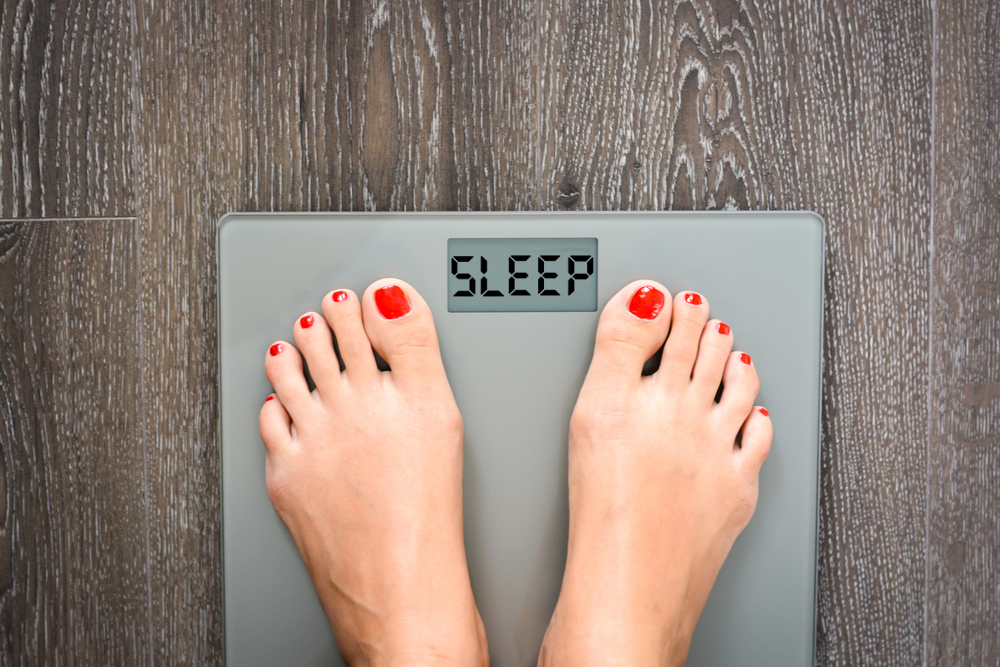
    1. The major role sleep plays in weight loss.

      The major role sleep plays in weight loss.

      role sleep plays in weight loss

      Are you struggling to shed those stubborn pounds despite your best efforts? Surprisingly, the culprit might not be your diet or exercise routine but rather your sleep habits. Sleep’s role in weight loss is often underestimated, yet it can profoundly impact your ability to shed unwanted weight. Let’s delve into how a lack of sleep could be sabotaging your weight loss goals.

      One of the key factors in successful weight loss is maintaining a healthy lifestyle, which includes getting an adequate amount of quality sleep each night. The importance of sleep in weight loss cannot be overstated.

      When you’re sleep-deprived, your body’s hunger-regulating hormones, ghrelin, and leptin, become imbalanced. This imbalance can lead to increased appetite and cravings for unhealthy, calorie-dense foods, making it harder to stick to your diet plan.

      Read Also: Relieve Lower Back Pain with these simple remedies

      Furthermore, insufficient sleep can disrupt your metabolism, slowing down the rate at which your body burns calories. This metabolic slowdown can hinder your weight loss progress, even if you’re following a calorie-controlled diet and exercising regularly. It’s essential to recognize the role sleep plays in weight loss and prioritize getting enough restful sleep each night to support your weight loss efforts.

      In addition to affecting your hormones and metabolism, a lack of sleep can also increase stress levels, further exacerbating weight gain.

      When you’re stressed, your body releases cortisol, a hormone that not only triggers cravings for unhealthy foods but also promotes fat storage, particularly around the abdominal area. By prioritizing quality sleep, you can help mitigate stress levels and reduce the likelihood of weight gain associated with chronic stress.

      In conclusion, sleep’s role in weight loss cannot be ignored. If you’re struggling to lose weight despite your best efforts, closely examine your sleep habits.

      Prioritizing quality sleep and ensuring you get enough rest each night can help support your weight loss journey and improve your overall health and well-being. So, don’t underestimate the importance of a good night’s sleep when it comes to achieving your weight loss goals.

      FACEBOOK