Category: Weight Loss

Tips to help you lose weight

  • Top Causes of Belly Fat After 30 (and How to Fight Back)

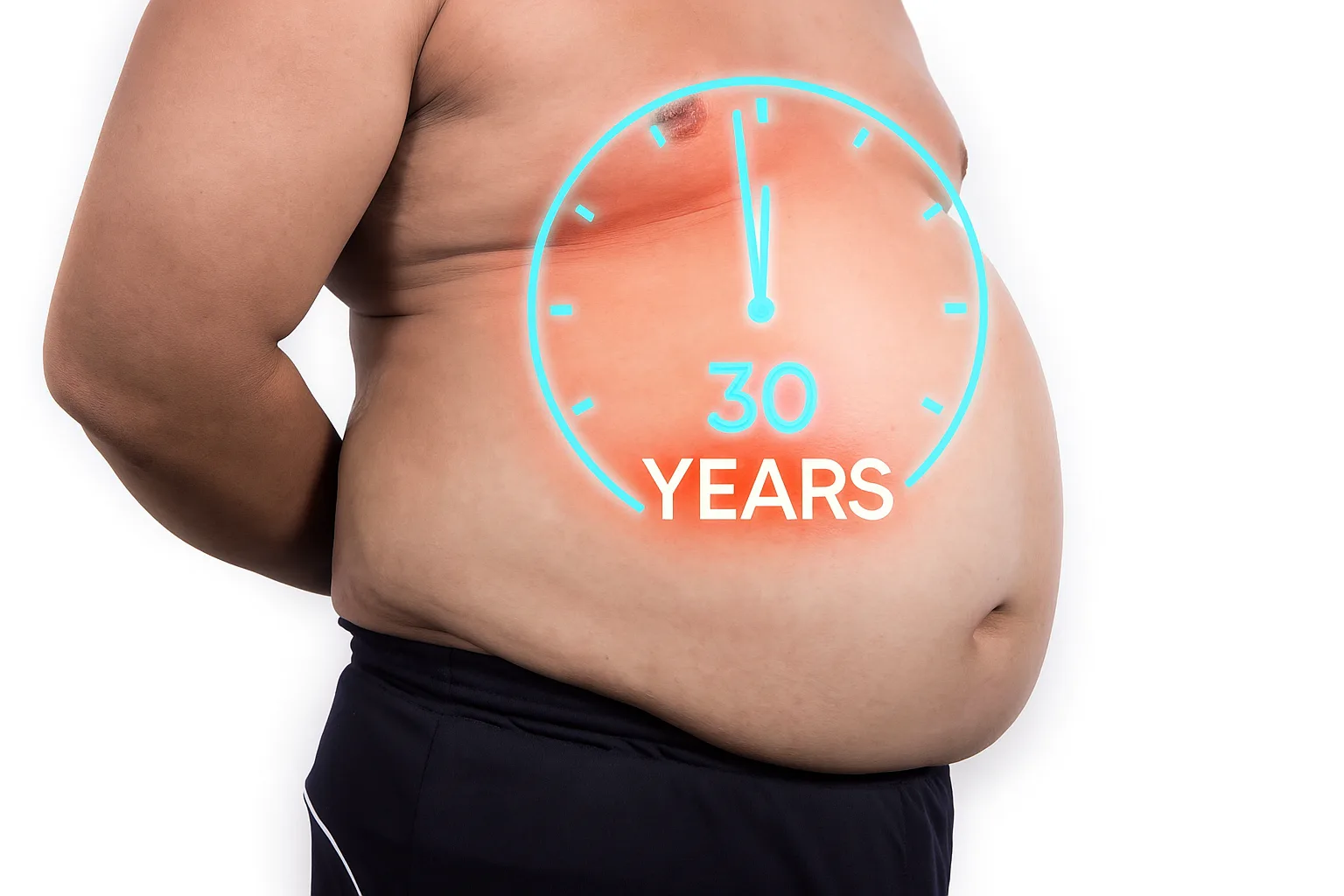
    Top Causes of Belly Fat After 30 (and How to Fight Back)

    7 Key Takeaways

    1. Hormones shift after 30 causing fat storage around the belly.
    2. Slower metabolism & muscle loss make fat loss harder.
    3. Stress & poor sleep increase cortisol and hunger hormones.
    4. Sedentary lifestyle and less movement accelerate belly fat.
    5. Unhealthy eating & alcohol contribute to visceral fat buildup.
    6. Genetics play a role, but lifestyle changes still matter.
    7. The best defense: strength training, balanced diet, stress management, and quality sleep.

    Introduction: Why Does Belly Fat Sneak Up After 30?

    You wake up one morning, glance in the mirror, and notice it—your waistline isn’t as flat as it used to be. Clothes fit differently, and that stubborn pouch around your midsection seems harder to get rid of than ever before. If this sounds familiar, you’re not alone. Belly fat after 30 is one of the most common health struggles people face, even if they were slim in their 20s.

    The truth is, your body changes with age. Hormones shift, metabolism slows, stress piles up, and life responsibilities often leave less time for exercise and healthy eating. This creates the perfect storm for extra fat to settle around the abdomen. But here’s the good news: while it may be more challenging, it’s absolutely possible to reverse the trend with the right strategies.

    In this article, we’ll break down the top causes of belly fat after 30—from hormonal changes and stress to sleep and lifestyle habits. More importantly, we’ll explore practical, science-backed solutions you can start applying today to take control of your health and reclaim your waistline.

    Read Also: The Role of Water in Weight Loss: What You Need to Know

    Why Belly Fat After 30 Is Different

    Before diving into the causes, let’s clarify why belly fat after 30 feels so different. Belly fat isn’t just a cosmetic concern—it’s linked to visceral fat, the type of fat that surrounds your internal organs. Unlike subcutaneous fat (just under the skin), visceral fat is metabolically active and can increase your risk of type 2 diabetes, heart disease, and inflammation.

    That’s why addressing belly fat isn’t just about looking good—it’s about protecting your long-term health.

    Top Causes of Belly Fat After 30

    1. Hormonal Shifts and Imbalances

    One of the biggest culprits is hormonal change. After 30, both men and women experience shifts in hormones that affect fat storage.

    • In women: Declining estrogen levels in the years leading to menopause cause fat to redistribute from hips and thighs to the abdomen.
    • In men: Testosterone levels naturally drop, reducing muscle mass and slowing metabolism, which makes it easier to gain fat in the belly.

    FIX:

    Include foods that support estrogen balance, such as flaxseeds and leafy greens. For men focus on Strength training as this can help preserve testosterone levels and muscle mass. Also, avoid processed foods and added sugars that disrupt hormonal balance.

    2. Slower Metabolism

    After age 30, metabolism slows by about 1–2% per decade due to loss of muscle mass and changes in energy needs. This means you burn fewer calories at rest than you used to.

    How to Fight Back:

    Prioritize strength training to preserve and build lean muscle. Additionally, add small amounts of high-intensity interval training (HIIT) for calorie burn. Focus on protein-rich foods to maintain satiety and muscle repair.

    3. Stress and Cortisol Overload

    Life after 30 often comes with more responsibilities—career pressures, financial stress, family obligations. Chronic stress raises cortisol levels, a hormone strongly linked to fat accumulation in the abdominal area.

    How to Fight Back:

    • Practice stress-reducing activities like meditation, deep breathing, or walking in nature.
    • Limit caffeine and alcohol, which elevate cortisol.
    • Ensure downtime and sleep to regulate stress hormones.

    4. Poor Sleep Habits

    Kidney damaging habits

    Lack of quality sleep is a hidden cause of belly fat. Studies show that adults who get fewer than 7 hours of sleep per night are more likely to accumulate visceral fat. Sleep deprivation also disrupts hunger hormones (ghrelin and leptin), making you crave unhealthy foods.

    How to Fight Back:

    • Aim for 7–9 hours of quality sleep.
    • Establish a consistent bedtime routine (dim lights, no screens 1 hour before bed).
    • Avoid heavy meals and caffeine close to bedtime.

    5. Sedentary Lifestyle

    Sitting for long hours—whether at a desk job or watching TV—slows calorie burn and reduces fat metabolism. Without consistent movement, belly fat builds up quickly.

    How to Fight Back:

    • Take a 5-minute walk every hour if you sit at work.
    • Use standing desks or walk during phone calls.
    • Add daily movement beyond the gym (house chores, cycling, stairs).

    6. Unhealthy Eating Patterns

    Processed foods, sugary snacks, late-night meals, and oversized portions—all contribute to belly fat. After 30, your body doesn’t tolerate junk food as well as it once did, and insulin resistance becomes more likely.

    How to Fight Back:

    • Focus on whole foods: lean proteins, vegetables, whole grains, and healthy fats.
    • Cut back on refined carbs and added sugars.
    • Try intermittent fasting (16:8) if it fits your lifestyle—it can help reduce visceral fat.

    Read Also: 5 Working Hacks to Shed Fat Fast: Skip if you can’t be disciplined and consistent.

    7. Alcohol Consumption

    Alcohol, especially beer and cocktails, adds empty calories and promotes fat storage in the abdominal area. The term “beer belly” isn’t just a myth—it’s physiology.

    How to Fight Back:

    • Limit alcohol to moderate levels (1 drink/day for women, 2 for men).
    • Choose lower-calorie options like wine or spirits mixed with soda water.
    • Have alcohol-free days each week.

    8. Age-Related Muscle Loss

    Muscle naturally declines after 30, which reduces calorie-burning capacity. Less muscle = slower metabolism = more belly fat.

    How to Fight Back:

    • Lift weights at least 2–3 times per week.
    • Include bodyweight exercises (push-ups, squats, planks).
    • Don’t neglect protein intake—muscles need fuel to grow.

    9. Genetics and Family History

    If belly fat runs in your family, you may be genetically predisposed to carry fat in your midsection. While you can’t change genetics, you can change how you manage lifestyle risk factors.

    How to Fight Back:

    • Be proactive about lifestyle habits early.
    • Monitor waist circumference as a health marker.
    • Focus on habits you can control—exercise, diet, sleep, and stress.

    10. Decline in Physical Activity with Age

    After 30, many people become busier with work and family, leaving less time for physical activity. The gradual decline in energy expenditure plays a huge role in belly fat.

    How to Fight Back:

    • Schedule workouts as appointments.
    • Incorporate movement into daily life.
    • Start with small, consistent habits instead of extreme changes.

    Foods That Help Fight Belly Fat After 30

    Supercharge Testosterone Without Pills
    • Lean protein: chicken, fish, legumes
    • Fiber-rich foods: oats, beans, vegetables
    • Healthy fats: avocados, nuts, olive oil
    • Anti-inflammatory foods: turmeric, green tea, berries
    • Hydrating foods: cucumbers, watermelon

    Lifestyle Strategies That Work

    1. Combine cardio + strength training
    2. Manage stress & sleep consistently
    3. Eat balanced meals and practice mindful eating
    4. Stay hydrated (water helps reduce bloating and appetite)
    5. Track progress using waist circumference, not just the scale

    Conclusion

    Belly fat after 30 may feel like an unavoidable reality, but science shows it’s not inevitable. By addressing hormonal changes, lifestyle habits, stress, and nutrition, you can prevent and reduce abdominal fat. Remember, small daily choices add up—choose movement, eat whole foods, prioritize rest, and manage stress.

    With consistency, not only can you reclaim your waistline, but you’ll also reduce your risk of chronic diseases and feel more energetic in your 30s, 40s, and beyond.
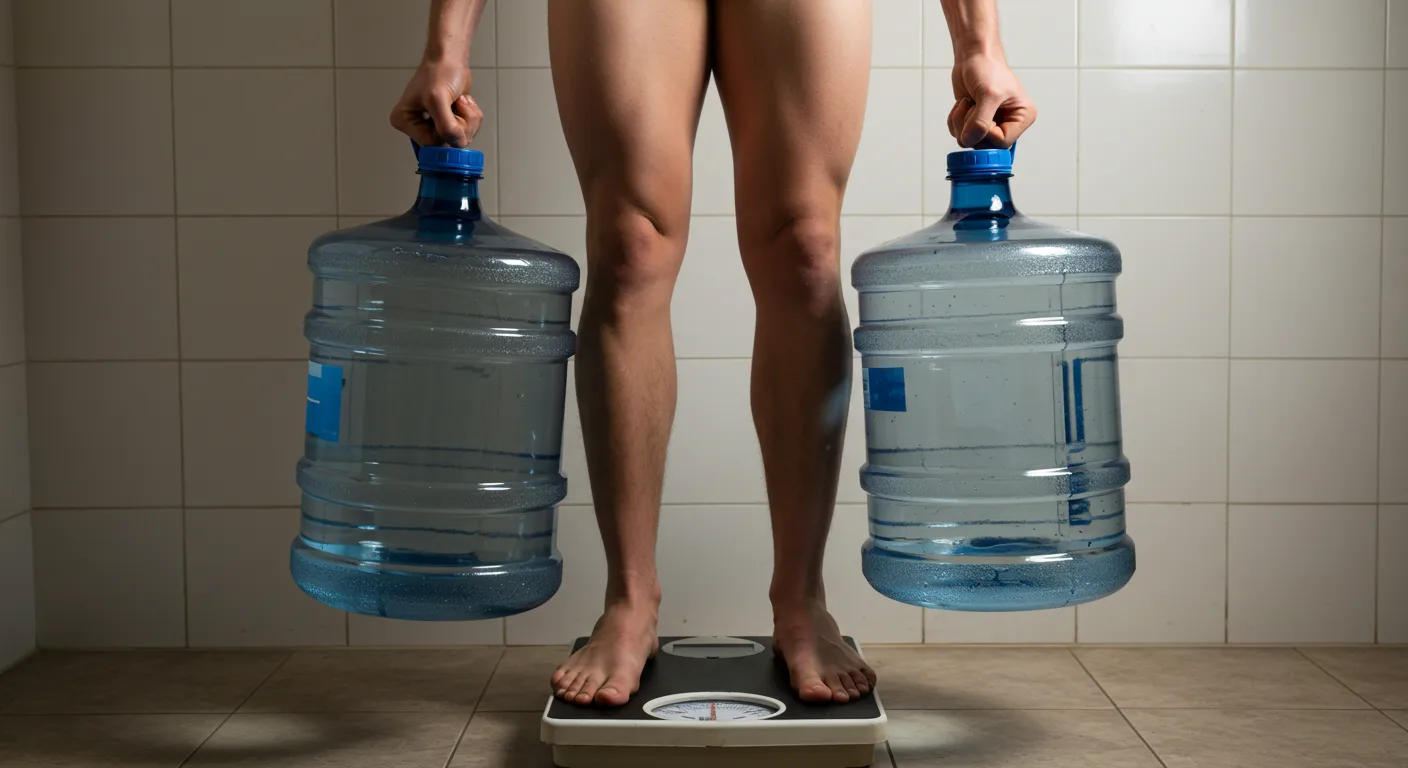
  • The Role of Water in Weight Loss: What You Need to Know

    The Role of Water in Weight Loss: What You Need to Know

    Losing weight comes very easy to some people while others struggle to shed even a single pound of fat. This is because we are different in our own way and what works for you might not necessarily work for someone else. What I know is that the two things that all success stories have in common are diet and exercis. However there is one often-overlooked factor that can make a big difference — water. The role of water in weight loss is powerful, yet many underestimate just how much impact staying hydrated can have.

    From boosting metabolism to improving exercise performance, water can help with weight loss in a variety of ways that go beyond simply quenching your thirst. In today’s blog post, Infohealthgh– Ghana’s Biggest Health Blog will delve into The role of water in weight loss

    How does water help weight loss?

    role of water in weight loss
    role of water in weight loss

    Water supports weight loss in several important ways and these are just a few of them:

    1. Boosts metabolism – Drinking water can stimulate your body to break down fat and slightly increase calorie burning through a process called thermogenesis. Even small boosts add up over time.
    2. Reduces appetite – Sometimes, feelings of hunger are actually signs of dehydration. Having a glass of water before meals can help you feel fuller and naturally reduce calorie intake.
    3. Improves digestion and detoxification – Adequate hydration helps flush out waste, supports healthy digestion, and keeps your system running efficiently.
    4. Enhances workouts – Being well-hydrated improves exercise capacity, which means you’ll be able to train harder, longer, and more effectively burn calories.

    Evidently, I would always recommend drinking plenty of water as part weight loss regimens .It may not be as pleasant and as popping a bottle of soda However, it directly influences multiple pathways related to fat loss and energy balance.

    Can lack of water affect weight loss?

    Now that we have established the important role that water plays in losing weight, let us look at how a lack of it in your weight loss journey could significantly slow down your progress.

    • Your metabolism will slow down, making it harder to burn calories efficiently.
    • You may mistake thirst for hunger, leading to overeating. This is very common because thirst can feel like hunger sometimes.
    • Exercise performance declines, meaning you burn fewer calories during workouts.

    In short, not drinking enough water will put unnecessary roadblocks on your weight loss journey.

    How much water do you need daily to lose weight?

    There’s no universal “one-size-fits-all” number since water needs depend on age, weight, activity level, and climate so feel free to drink as much as you can if all health conditions are right. If you dont know how to incorporate regular hydration into your lifestyle practical approach to follow and stay disciplined:

    • 8–10 cups (about 2–2.5 liters) per day for most adults.
    • More if you exercise regularly or live in a hot environment.

    You are able to tell if your body is getting enough water or not so here is a useful tip to follow. Check your urine color: pale yellow usually means you’re well-hydrated, while darker shades may signal dehydration.

    What is the 30/30/30 rule for weight loss?

    Since we are discussing weight loss on Ghana’s biggest health blog we might as well chip in the 30/30/30 rule. Dont’ get it twisted as it is simply a guideline designed to support fat loss and energy control:

    • 30 grams of protein within 30 minutes of waking up
    • 30 minutes of exercise in the morning

    Adding water to this strategy can further improve results. For example, drinking a glass of water right after waking up helps kickstart your metabolism, rehydrates your body, and supports fat breakdown when paired with protein and movement.

    Conclusion

    The role of water in weight loss goes far beyond just filling your stomach. By boosting metabolism, reducing cravings, enhancing workouts, and supporting digestion, hydration is one of the simplest yet most effective tools in your wellness toolkit. Incorporating more water into your daily routine might be the easiest first step you can take toward lasting weight loss.

  • How to Stop Sugar Cravings Naturally at Night: 7 Proven Strategies

    How to Stop Sugar Cravings Naturally at Night: 7 Proven Strategies

    🍭 Sugar Craving Self-Test

    Why You Want Sugar at Night

    You promised yourself to eat healthy by cutting down on sugar as much as possible to stay fit and avoid certain chronic diseases. Still, that challenge looks impossible because you keep craving sugary foods and keep falling into temptation like a lustful desire. If you deep down wish to stop Sugar Cravings Naturally, then this blog post is for you.

    You’re not alone. Nighttime sugar cravings are a common struggle, especially for those trying to lose weight or manage blood sugar. But there’s more going on than just a lack of willpower.

    The science shows it’s part biology, part habit. And yes, you can fight back — naturally.

    Let’s break it down.

    Why Sugar Cravings Hit at Night

    1. Blood Sugar Dips

    During the day, especially after a carb-heavy lunch or dinner, your blood sugar can spike and then crash. That dip can trigger your body to crave fast fuel — sugar.

    2. Emotional Eating

    Stress, boredom, and exhaustion often creep in during the evening. Your brain associates sugary foods with comfort and pleasure. It’s your internal reward system asking for a dopamine hit. Surprisingly after taking in that needed dose of sugar you feel great.

    3. Unbalanced Meals

    Not enough protein or fibre throughout the day? You’re setting yourself up for cravings later on. If your meals don’t keep you full, your body will demand a quick fix.

    4. Sleep Deprivation

    Lack of sleep increases ghrelin (the hunger hormone) and decreases leptin (the satiety hormone). The result: intense sugar cravings late at night when you should be winding down.

    7 Natural Ways to Stop Sugar Cravings at Night

    Here are seven proven, natural strategies to kick late-night sugar cravings without relying on willpower alone.

    1. Prioritise Protein Early in the Day

    A high-protein breakfast (think eggs, Greek yogurt, protein smoothie) can help regulate your blood sugar and reduce cravings later. Protein keeps you full longer and stabilizes hunger hormones.

    Try this:
    Breakfast idea – 2 eggs + avocado + a slice of whole grain toast. Or a protein smoothie with chia seeds and spinach.

    Studies show that people who eat a protein-rich breakfast reduce nighttime snacking by up to 60%.

    2. Get Enough Magnesium

    Magnesium plays a key role in regulating blood sugar and calming the nervous system. If you're low on magnesium, your body may crave chocolate — a common source.

    Food sources:

    • Pumpkin seeds
    • Spinach
    • Dark chocolate (80%+)
    • Almonds

    Or: Consider a magnesium glycinate supplement before bed (check with your doctor first).

    🧠 Bonus: Magnesium can also help you sleep better, which further reduces cravings.

    3. Herbal Teas as a Craving Stopper

    A warm mug of cinnamon tea, peppermint tea, or licorice root tea can help soothe sugar cravings. They calm your stomach, signal the end of eating, and give your brain a sense of “treat.”

    Pro tip:
    Use a sweet-tasting herbal tea (like rooibos or cinnamon vanilla) — it feels indulgent without any sugar.

    4. Eat a Fibre-Rich Dinner

    Fibre slows digestion and keeps you full into the night. Think roasted veggies, legumes, and whole grains.

    Meal idea:
    Grilled chicken + roasted sweet potato + sautéed greens + lentils.

    High-fibre diets are linked to better blood sugar control and fewer nighttime food urges.

    5. Create a “Cut-Off” Ritual

    Your brain needs closure. Set a specific time (e.g., 8 PM) as your food cut-off, and reinforce it with a ritual: make herbal tea, brush your teeth, stretch, journal.

    This tells your body: “We’re done eating for the day.”

    Structure builds discipline. Ritual builds habit.

    6. Distract + Delay the Urge

    When the craving hits, pause. Cravings are like waves — they rise and fade. Distract yourself for 10 minutes:

    • Go for a walk
    • Read
    • Call a friend
    • Do a 2-minute breathwork video

    Often, the urge will pass without giving in.

    📽️ Try this calming 2-minute video: Box Breathing for Craving Control

    7. Keep Sweet but Healthy Alternatives Handy

    When you do want something sweet, have better options ready:

    • Frozen banana slices with peanut butter
    • A few dates and almonds
    • Plain Greek yogurt with cinnamon
    • Dark chocolate square (80%+)

    This way, you’re still satisfying your sweet tooth — but without the sugar bomb.

    Bonus Tip: Go Deeper on Sugar Detox

    Want to make bigger progress? Check out our full guide on Cutting Sugar for Weight Loss — it walks you through a sustainable plan to reset your sugar tolerance, improve energy, and shed stubborn pounds.

    Build a Better Nighttime Routine

    Stop Sugar Cravings Naturally

    Sugar cravings at night aren’t just about discipline. They’re the result of a daily pattern — how you eat, sleep, and handle stress.

    To stop cravings naturally, focus on:

    • Stable blood sugar
    • Better sleep
    • Whole, balanced meals
    • Healthy habits and boundaries

    You don’t have to be perfect. You just need to be consistent. Build your routine, stock smart snacks, and stay hydrated. Your cravings will start to fade.

    And remember — this is about more than just saying no to cookies. It’s about reclaiming control over your health, one night at a time.

    Suggested Night Routine to Curb Cravings:

    1. Eat dinner by 7 PM
    2. Sip cinnamon tea
    3. Brush teeth
    4. 10-minute stretch or meditation
    5. Lights out by 10:30 PM

    🔗 Share this post with someone who needs to kick the sugar habit — and let us know which tip works best for you!

    Want personalised help cutting sugar or crafting your routine? Drop your questions in the comments 👇

  • 5 Working Hacks to Shed Fat Fast: Skip if you can’t be disciplined and consistent.

    5 Working Hacks to Shed Fat Fast: Skip if you can’t be disciplined and consistent.

    Losing weight can be a lot of work simply because it requires a lot of discipline and hard work additionally you need to be very consistent, I know this because I have been there before.

    Last year I decided to shed off a few pounds so I first of all got myself weighing scale at home to monitor my progress and keep myself accountable. I also decided to make some dietary changes to what I eat I also incorporated intermittent fasting and a lot of walking including intensive cardio.

    Why did I decide to do this first of all I wanted to change the way I look and also be able to live a more healthy lifestyle and what I can tell you as someone who has lost 12 kg in the past few months to get to my ideal weight it is that it was the best decision of my life

    When I meet people who in the past have tried to lose weight and have not been successful talk about how difficult it is Yes I sometimes give you them but frankly speaking, it is something that is not impossible to achieve I decided to make them big changes in my life and to do that I needed to start small by changing something assemble as my weight.

    In this blog post I want to share with you certain tips that have been very helpful to me in my weight loss journey. The most important thing you need to learn here is to be very consistent with what I will share with you.

    Read Also: How to Lose Belly Fat with Common Ghanaian Ingredients

    Let me share some tips on how to shed weight fast.

    1 Fix your relationship with food

    This is first on the list because it is the most important. “You are what you eat”. This is a saying that has become quite popular bcause what you allow into your system determines how you would eventually look and feel.

    When it comes to food, it can be very tempting and just like anything tempting you need discipline to avoid some, choose better options and moderate the quantity you consume. This is what I mean by fixing your relationship with food. You should be in control of the food and not the other way around.

    Useful tips to fix relationship with food:

    1. Keep unhealthy food away from your fridge and home
    2. Have someone check up on what you eat and be accountable to them
    3. Maintain a Good sleeping Schedule
    4. Take in a lot of water before meals and after meals to feel fuller for longer

    2 Intermittent fasting is the sure way to Go.

    Working Hacks to Shed Fat Fast

    When we were kids we were told that breakfast is the most important meal of the day. well, that’s not true.

    studies have shown that skipping meals especially breakfast as part of an intermittent fasting diet, have been known to help regulate hormones like insulin which plays a very key role in weight loss.

    High Insulin Levels means 0 fat burn. Lower insulin levels means 100% fat burn.

    3 Cut out Sugar as best as you can.

    How cutting out sugar accelerates weight loss and improves overall health
    Working Hacks to Shed Fat Fast

    Just like the previous point, sugar in the form of the liquid drinks, food or highly processed forms are bad for you if you are planning on losing weight. This is because they spike your insulin levels aside the other health complications that come with it.

    One of the first things you will notice that should encourage you to stay on track on your weight loss journey is that your face will begin to look slimmer. You will notice a lot of fat loss happening on your face and people are going to ask you if you are ok because your face is giving slim vibes.

    Read Also: Truth about Herbal Teas in Ghana: Do they really help you to lose weight?

    4. Exercise Consistently

    Yes exercising helps a lot with weight loss. Keep in mind that exercise does not make you burn fat rather it puts your body in a condition where it is able to use the FATS that is stored in it for fuel.

    You can combine weight training and cardio exercises to lose weight faster that is if you are following a proper diet cutting down on sugar, and making the right dietary choices. Do not expect to lose any significant weight if you are exercising, but not watching what you eat the two goes hand in hand

    If you’re going to combine strength training and cardio, make sure the weights training or the strength training comes first before the cardio. Doing strength training increases your muscle mass and when your muscle mass increases your basic metabolic rates which is the rate at which your body burns fuel when at rest increases. Meaning the more muscles you have, the higher you burn calories even when at rest. Follow the weight training with cardio to maximize fat burning.

    Walking is also another form of exercise that is often underrated. By walking you burn a lot of fats without even noticing or running out of breath. This is very helpful if you are new to intensive workouts or have joint problems.

    5. Good Quality Sleep

    Natural Teas to Help You Sleep Longer and Better at Night
    Working Hacks to Shed Fat Fast

    I cannot stress this enough, but getting quality sleep at least 7 to 9 hours each night helps your body to replenish and repair itself. Also getting sleep helps your body to regulate certain hormones that affect weight loss and weight gain. One of these popular hormones is cortisol, the stress hormone.

    When cortisol is high your body tends to store more fat around the midsection which is your stomach area.

    Stress is your body’s way of preparing for impending danger hence it tries to reserve fuel for a flight or fight response. This is what you see as a pot belly, but we don’t want any of that so we need to control our stress levels by making sure that we get quality sleep to repair worn out tissues from exercises and also to reduce the stress hormone.

    Additionally sleeping on time helps you to avoid those midnight cravings. You can fall on herbal tea if you must stay up late and can’t avoid the late night cravings. Besides adjusting diet and exercise, some people turn to herbal remedies. Soursop leaf tea has been studied for its antioxidant and anti‐inflammatory properties which may support weight loss — see Soursop Leaves: The Magical Underrated Benefits for more detail.

    In conclusion, I would like to say that following all the steps and not being consistent would be a waste of your time because to achieve results and to make a difference you need to be consistent.

    Forget about cheat days or cheat meals, those things are only going to make you backslide into making bad unhealthy choices. The way you gained weight did not happen overnight the same way you shouldn’t expect to lose weight overnight.

    It will require a lot of hard work, determination and discipline. Keep in mind that repairing your relationship with food is the most important way to lose weight.

    Follow my page on Facebook Here: infohealth

    .

  • How to Lose Belly Fat with Common Ghanaian Ingredients

    How to Lose Belly Fat with Common Ghanaian Ingredients

    Belly Fat Loss Ghana: Let’s face it, belly fat has become the unwanted guest that refuses to leave. It sneaks up on you after the third bowl of fufu or that late-night waakye binge. Before you know it, you’re avoiding tight and skin showing clothes and side glances from your aunties at Sunday service, not like it helps to hide it.

    Belly fat is by far the devil of everyone, old, young, male and female. It is very easy to let in but hard to send away. Most times it succeeds in taking away your confidence and beauty leading you to have a low self-esteem. To get rid of it quickly, people resort to drugs and surgeries for fast result however these methods are either risky or expensive.

    But the good news? You don’t need imported shakes or expensive gym memberships to beat the bulge. The answer lies in your kitchen. Yes, the same kitchen where your mum makes her legendary light soup. Ghanaian ingredients can help you trim that belly in a natural, affordable, and delicious way.

    Here are some belly-fat-blasting champions you probably already have in your kitchen:

    1. Lemon Water in the Morning

    Start your day with warm lemon water. It boosts metabolism, helps digestion, and acts as a natural detox. Plus, it tricks your body into thinking you’re already on top of your life (even if your WhatsApp messages say otherwise).

    Tip: Squeeze half a lemon into warm water and drink on an empty stomach every morning.

    2. Ginger (Akakaduro)

    This spicy root doesn’t just bring the fire to your soups; it also helps burn belly fat by increasing thermogenesis (that’s a fancy way of saying it makes your body burn more calories). It also keeps your digestive system in check.

    Use it in: Herbal teas, smoothies, or grating it fresh into your meals.

    3. Garlic

    Garlic is a powerhouse. Studies have shown it helps regulate fat cells and improves metabolism. Your breath might not win any awards, but your waistline will thank you.

    Pro tip: Mix crushed garlic with lemon juice and take a spoon daily before breakfast. Just warn your significant other in advance.

    4. Cayenne Pepper (Meko Shito)

    belly fat loss Ghana

    Cayenne pepper boosts your metabolism and reduces appetite. Plus, it adds an exciting kick to any dish. For a spice that is able to suppress hunger, you should know that you will consume lesser calories. — who said dieting had to be bland?

    How to use: Sprinkle a bit in soups, stews, or even try it in tea (if you’re brave).

    5. Avocado (Pears)

    belly fat loss Ghana

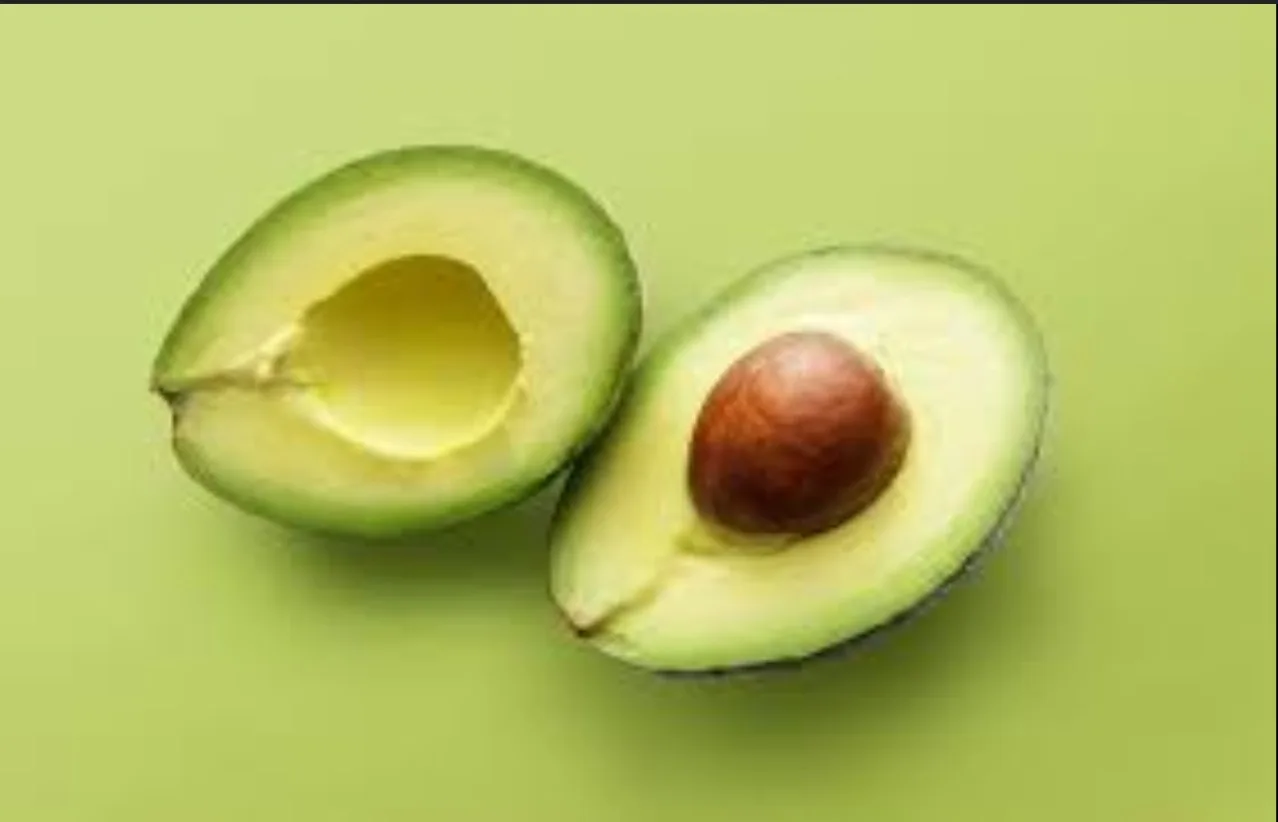
    Avocados are fatty — but it’s the good fat that helps burn the bad fat. They’re rich in monounsaturated fats and fiber, both of which help reduce belly fat plus it is tasty and refreshing.

    Eat as: A few slices of avocado on waakye or gari and beans is a perfect starter pack for the day not to forget the perfect and healthy snack bites, avocado sandwich with a glass of milk or juice. These are a few mouth watering but healthy options, just don’t go overboard — portion control still matters!

    6. Green Tea with Moringa or Lemon Grass

    belly fat loss Ghana

    Green tea is known worldwide for its fat-burning properties. Boost it with local herbs like moringa or lemon grass to increase antioxidant power and add a Ghanaian twist. It may be bitter to swallow but definitely works wonders on your body.

    Drink: 1-2 cups daily. No sugar — we’re trying to lose belly fat, remember?

    Read Also: Healthy Ghanaian Breakfasts to Lose Weight: Smart Choices for Sustainable Results

    7. Kontomire (Cocoyam Leaves)

    Rich in fiber, iron, and antioxidants, kontomire is great for digestion and fullness. The fiber helps control hunger, so you’re not tempted by the 11 p.m. meat pie.

    Eat in: Stews, soups, or add to smoothies (yes, really).

    Small Changes, Big Results

    As a food lover, you do not have to do away with food and have strict and unpalatable diet. That is not a happy life. Such an extreme measure may develop in depression and lack of appetite. Therefore you don’t need to starve or say goodbye to all your favorite foods. Just make smarter choices. Reduce white rice portions, swap sugar for honey, drink more water, and walk a little more (even if it’s just to buy kelewele).

    Losing belly fat isn’t about punishment; it’s about creating a lifestyle you can maintain — with foods you actually like. And in Ghana, that’s easier than you think. With smart decisions a good but healthy life is possible.

    So the next time you reach for that jollof, maybe go easy on the oil and heavy on the veggies. Your waistline will thank you — and so will your church outfit.

    Ready to start your belly-fat-loss journey with Ghanaian flavor? Share this with a friend who needs to drop the “after-waakye belly” too!

  • Truth about Herbal Teas in Ghana: Do they really help you to lose weight?

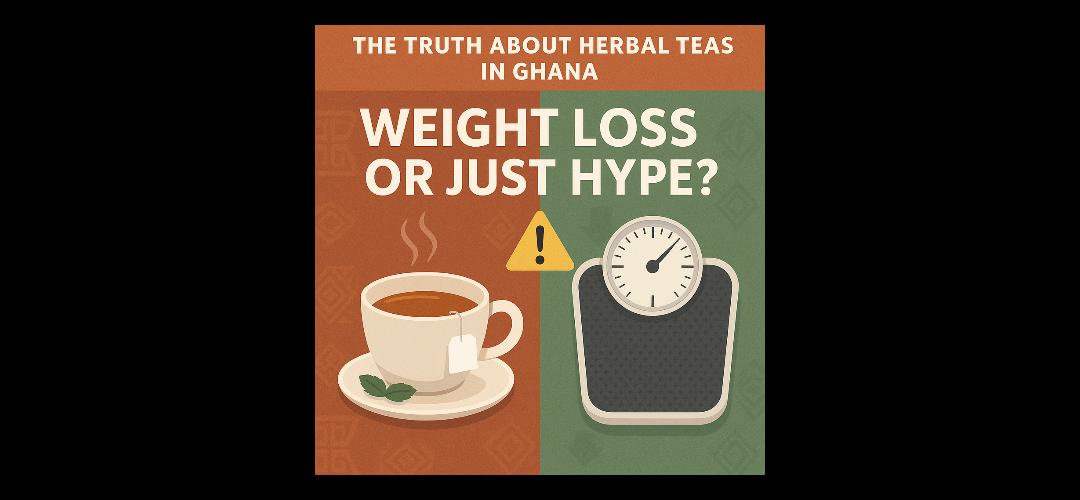
    Truth about Herbal Teas in Ghana: Do they really help you to lose weight?

    Truth about Herbal Teas in Ghana: There are so many products out there in the market that promise to make you lose weight, and most of these herbal teas are dubbed “slimming tea” because that is what they claim to do. The truth is that using such products may reduce your weight in the short term, but they don’t make you burn fat. At best, they help condition your body into fat-burning mode by lowering sugar levels, hence insulin.

    Truth about Herbal Teas in Ghana
    Truth about Herbal Teas in Ghana:

    The truth is, if I’m not exaggerating, 90% of these products will make you visit the loo more than 20 times a day. You will notice a drop in your weight when you step on the scale and think it’s working, but what you don’t know is that you are actually losing water weight due to the frequent passing of watery stool.

    Some of these herbal teas contain ingredients like senna, a natural laxative, which can cause serious health problems, including dehydration, electrolyte imbalances and, in worst-case scenarios, life-threatening conditions.

    In the case of Ghana, there are so many vendors online with products they claim work wonders when taken. Most of these are in a tea that you have to dip in hot water and drink. These herbal teas have lots of positive reviews, or at least according to the vendors, but personally, I am yet to try one or meet someone who lost even a kilo from drinking them.

    Let’s uncover the Truth about Herbal Teas in Ghana and look at the role they play in weight loss.

    Read Also: Healthy Ghanaian Breakfasts to Lose Weight: Smart Choices for Sustainable Results

    What Are Herbal Teas and How Are They Marketed in Ghana?

    ‎Follow the InfoHealthGh channel on WhatsApp: https://whatsapp.com/channel/0029Va7j1SgGE56e8pagc22u

    Herbal teas are beverages made from the infusion or decoction of herbs, spices, or other plant materials in hot water. Unlike traditional teas (green, black, oolong), herbal teas do not typically contain actual tea leaves from the Camellia sinensis plant. In Ghana, the most popular slimming teas are sold as mixtures of local herbs, roots, or imported blends packaged to look professional and appealing.

    They are marketed aggressively online—on Facebook, Instagram, TikTok, and WhatsApp. Vendors promise quick weight loss, flatter stomachs, and detoxification within days. Unfortunately, most consumers take these claims at face value without questioning what’s actually in the product or how it works.

    The Most Common Ingredients Found in “Slimming Teas”

    Many of these teas share a common ingredient: senna. Senna is a natural laxative that stimulates bowel movements. It’s often promoted as a detoxifier, but in truth, it just makes you poop a lot—removing water and waste from your system. Other ingredients may include:

    • Dandelion root (diuretic – makes you urinate more)
    • Green tea extract (may have mild fat-burning effects)
    • Peppermint or ginger (used for digestion, not fat loss)
    • Lemongrass, guava leaves, or neem (local herbs with various traditional uses)

    While these may sound harmless or even healthy, their effects can be harsh if taken daily in large amounts.

    Do Herbal Teas Burn Fat or Just Flush Water Weight?

    Here’s the honest answer: they do not burn fat. The weight you lose after taking these teas is mostly water and waste from your digestive tract. That’s why you see a drop on the scale—it’s not real fat loss.

    True fat burning requires a calorie deficit—your body has to burn more calories than you consume. Herbal teas might suppress your appetite slightly or make you avoid food because you’re always in the toilet, but that’s not sustainable or healthy.

    Health Risks of Overusing Herbal Teas for Weight Loss

    Overreliance on slimming teas can lead to:

    • Dehydration: Constant diarrhoea or urination strips your body of water.
    • Electrolyte imbalance: Loss of sodium, potassium, and magnesium can lead to muscle cramps, weakness, or heart issues.
    • Dependence on laxatives: Your gut may become lazy and rely on laxatives to move waste.
    • Malabsorption: Constant flushing can reduce your body’s ability to absorb nutrients.

    Worst of all, many users don’t know what they’re consuming, since some products don’t disclose ingredients clearly or honestly.

    Why So Many People Still Buy Herbal Slimming Teas in Ghana

    Let’s face it—quick fixes sell. In a society where being slim is admired and weight loss is seen as a ticket to confidence, many people turn to easy solutions. Combine that with the high cost of gym memberships, lack of time for workouts, and poor nutrition education, and you’ll understand why slimming teas are so popular.

    Also, many people trust herbal products because they believe they’re “natural” and therefore safe. But remember, even poison ivy is natural—it doesn’t mean it’s good for you.

    What Actually Works for Sustainable Weight Loss?

    Here’s what truly helps when trying to lose weight—and no, it’s not magical or instant:

    • Balanced meals with whole foods (especially high in protein and fibre)
    • Regular physical activity (walking, skipping, dancing, or any consistent movement)
    • Portion control and reducing sugary and high-fat foods
    • Proper sleep and stress management
    • Professional guidance from a dietitian or healthcare provider if needed

    Supplements or herbal teas may support your efforts only if used wisely and combined with the above, not as a replacement. There are some home made remedies that could replace these herbal teas being marketed aggressively online. For example, soursop leaves are one of the herbal ingredients used traditionally, and recent research shows benefits related to inflammation, blood pressure, and immune support — see Soursop Leaves: The Magical Underrated Benefits

    Read Also: Gari vs Rice: Which is the better alternative when trying lose weight.

    Final Thoughts: Are Herbal Teas in Ghana Worth It for Weight Loss?

    Herbal teas in Ghana may offer temporary weight reduction, but not real fat loss. They often work by flushing out water from your system, which can make you feel lighter but may also harm your health if abused.

    Before you buy into the hype, ask yourself: “Do I want to lose water weight for a few days, or do I want to feel and look better long-term?”

    If it’s the latter, skip the detox gimmicks. Focus on eating better, moving more, and treating your body with care. That’s the truth herbal tea vendors won’t tell you—but now, you know.

    Follow My Facebook Page: Here

  • Healthy Ghanaian Breakfasts to Lose Weight: Smart Choices for Sustainable Results

    Healthy Ghanaian Breakfasts to Lose Weight: Smart Choices for Sustainable Results

    Ghanaian Breakfasts to Lose Weight—When it comes to losing weight, it is important to consider the kind of food you put into your system, especially breakfast. In Ghana, most of our staple local foods are full of carbs because they provide a lot of energy, which fits the traditionally active lifestyle of many people—dietary patterns and nutritional status of rural Ghanaian children” (Nutrition Journal, 2013).

    Many nutritionists all over the world would agree that cutting down carbs or, if possible, eliminating them from your diet is the surest and fastest way to lose weight. Unfortunately, the nature of our meals in Ghana makes it difficult, or rather expensive, to achieve your goal of cutting carbs from your diet.

    Read Also: How Cutting Out Sugar Speeds Up Weight Loss: The Science, Benefits, and Sustainable Tips for Beginners

    In this post, we will explore alternatives and also look at ways to incorporate carbs optimally in our diet and possibly look at how we could fit in activities like intermittent fasting to balance the impact of carb-reliant diets.

    Understanding Ghanaian Diets and Weight Loss

    Ghanaian foods are deeply rooted in tradition, culture, and nutrition. Meals like waakye, banku, fufu, kenkey, and yam are rich sources of carbohydrates. While these foods are nourishing, their high carb content can pose a challenge for individuals aiming for weight loss.

    However, you don’t have to abandon your culture to achieve your health goals. It’s about making informed, balanced choices. As a health blogger with a focus on practical, evidence-based advice, I aim to help you find sustainable methods without drastic diet overhauls.

    Healthy Ghanaian Breakfasts to Lose Weight

    Choosing the right breakfast is a crucial first step. Healthy Ghanaian Breakfasts to lose weight are those that are lower in refined carbs, higher in protein, and rich in fibre. Here are some excellent examples:

    1. Hausa Koko With Wheat Bread: Not the usual combination with Puff loaf or Kose because of the extra oil used to fire it, which is bad for your health. Hausa Koko is High in fibre. The Mille, which is the main ingredient in Hausa koko, is a rich source of dietary fibre. Fibre helps you feel full for longer, reducing the urge to snack unnecessarily.

    Additionally, it has a Low Glycemic Index, leading to gradual blood sugar increases rather than sharp spikes, which is essential for managing hunger and energy levels. It also contains magnesium, iron, and antioxidants, which are important for overall metabolic health. Remember to add a little sugar and milk, or avoid it if you can.

    2. Boiled Eggs with Avocado and a Small Portion of Sweet Potato:
    Aside from eggs being the most common source of protein in Ghana, this meal is high in protein and healthy fats, keeping you full longer and stabilising blood sugar levels. I would not recommend eating fried eggs because that extra oil adds to the calories you consume in a day.

    3. Tom Brown without Added Sugar:
    Tom brown (toasted cornmeal porridge) made lightly and without extra sugar can serve as a satisfying, moderate-carb breakfast. Tom brown is rich in fibre and also falls under Complex carbs which are digested more slowly than simple carbs (like sugar), meaning they cause a slower rise in blood sugar levels and keep you feeling full for longer — great for appetite control!

    4. Vegetable Omelette with a Side of Kelewele (small portion):
    A veggie omelette provides protein and fibre, while a small serving of spicy plantain (kelewele) gives a moderate energy boost without overloading on carbs.

    5. Smoothie Bowls:
    Using local fruits like pawpaw (papaya), watermelon, and adding chia seeds or groundnuts can make a nutrient-dense breakfast that’s perfect for weight management.

    6. Greek Yoghurt with Groundnuts and Small Fruit Slices:
    A high-protein option that helps curb cravings throughout the day. Take a walk into any supermarket near you and you will get some at an affordable price. This may not fall under a local dish, however, it is an excellent meal for people trying to lose weight.

    Tips to Optimise Weight Loss on a Ghanaian Diet

    • Practice Intermittent Fasting:
      Limiting your eating window (for example, eating between 12 p.m. and 8 p.m.) can help regulate calorie intake without feeling deprived.
    • Portion Control is Key:
      You don’t have to cut out fufu, kenkey, or yam completely. Reducing the portion size and pairing them with more vegetables and lean protein can make a huge difference.
    • Stay Hydrated:
      Drinking enough water helps regulate appetite and boosts metabolism especially in the morning first thing you need to do when you wake up from bed is to hydrate. As part of a morning wellness drinks to hydrate, some opt for herbal teas or leaf infusions. For instance, soursop leaves are used traditionally, and recent studies suggest they may have health benefits such as reducing inflammation and boosting immunity — see health benefits of soursop leaves.”
    • Prioritise Fibre and Protein:
      Meals rich in beans, lentils, green leafy vegetables, and eggs should be your best friends on this journey.

    As part of a morning wellness drink, some opt for herbal teas or leaf infusions. For instance, soursop leaves are used traditionally and recent studies suggest they may have health benefits such as reducing inflammation and boosting immunity — see Soursop Leaves: The Magical Underrated Benefits.”

    Losing weight while eating Ghanaian foods is not only possible but also sustainable with the right knowledge and practices. By choosing Healthy Ghanaian Breakfasts to lose weight, practising portion control, and staying consistent, you can enjoy your favourite local meals and still achieve your fitness goals.

    Remember, weight loss is a journey, not a race. Making small, smart changes over time leads to long-lasting results. Trust the process — your health is worth the effort!

  • Gari vs Rice: Which is the better alternative when trying lose weight.

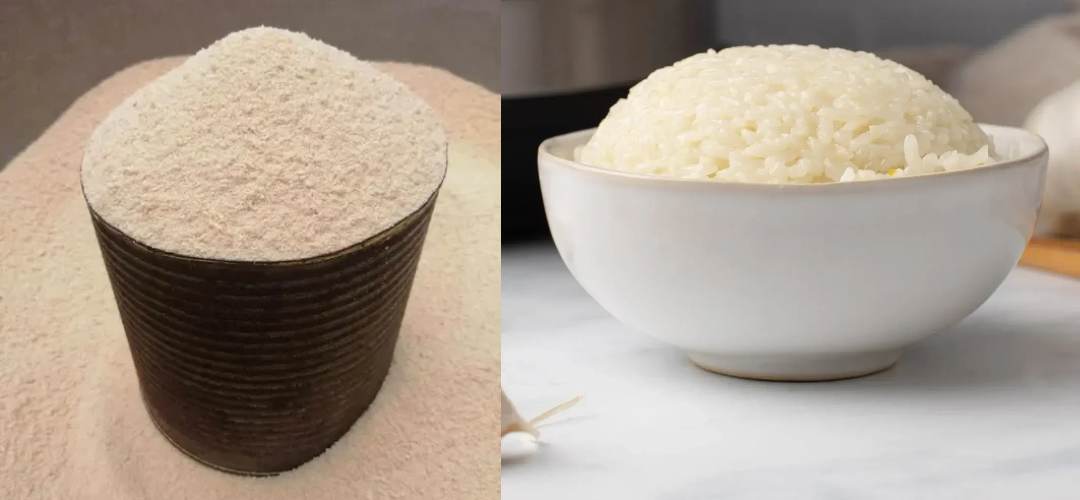
    Gari vs Rice: Which is the better alternative when trying lose weight.

    Gari vs Rice – Many health and nutrition experts all over the world recommend cutting carbs to lose weight. This is because excess carbs in your body are broken down into sugars. Excess sugar in your bloodstream causes a spike in Insulin, the hormone responsible for regulating blood sugar.

    Once your insulin level is high or you become Insulin Resistant, then your body cannot burn fat effectively for energy. To fully understand the effects of Gari and Rice, both of which are registered on the glycemic index, we will first have to understand what the glycemic index is, the effect such foods have on your body and weigh between the two dietary choices.

    Please spare a few minutes to follow any of my social media pages

    Read Also: Quick fat-blasting weight loss plan to lose weight by end of 2024.

    What is the Glycemic Index?

    Gari vs Rice: Which is the better alternative when trying lose weight.

    The Glycemic Index (GI) is a scale from 0 to 100 that ranks carbohydrates based on how quickly they raise blood sugar levels after eating. Foods with a high GI (70 and above) cause a rapid spike in blood sugar, while those with a low GI (55 or less) are digested more slowly, resulting in a gradual rise in blood sugar. This is important because frequent blood sugar spikes can lead to insulin resistance and eventually type 2 diabetes or obesity.

    Gari on the Glycemic Index

    Gari, made from fermented and roasted cassava, is a common staple in many West African countries. While it’s affordable and energy-dense, it is also high in carbohydrates and has a moderately high GI, typically ranging between 65 to 75, depending on how it’s processed and prepared.

    Moreover, Gari lacks significant amounts of protein or fiber, which are essential for slowing digestion and controlling blood sugar. Eating it with protein-rich accompaniments or fiber (like vegetables or legumes) may reduce its glycemic impact, but by itself, it still ranks relatively high in terms of how it affects blood sugar levels.

    Rice on the Glycemic Index

    Rice, particularly white rice, also has a high GI, typically ranging from 70 to 89 depending on the variety and how it is cooked. Brown rice, on the other hand, has a slightly lower GI, around 50 to 55, because it retains the bran and germ, which add fiber and slow down sugar absorption.

    However, in many diets, especially in Ghana and other parts of West Africa, white rice is more commonly consumed, and that version can significantly elevate blood sugar levels after eating—similar to or even worse than Gari in some cases.

    Read Also: How Cutting Out Sugar Speeds Up Weight Loss: The Science, Benefits, and Sustainable Tips for Beginners

    Gari Vs Rice: Which is Better?

    Gari vs Rice: Which is the better alternative when trying lose weight.

    When it comes to Gari Vs Rice, both are high-carb foods and not ideal choices if you’re on a low-carb or ketogenic diet. That said, if you must choose one based on glycemic impact and nutritional content, brown rice may be a better option than gari or white rice due to its lower GI and higher fiber content.

    However, if brown rice is unavailable and the choice is between Gari and white rice, it comes down to portion control and what it’s eaten with. Gari, when consumed in moderation and paired with protein and fiber-rich foods, may cause slightly less of a blood sugar spike than white rice, depending on preparation.

    Final Thoughts on Gari Vs Rice

    Both Gari and Rice are staples in many diets, but from a blood sugar and weight management perspective, neither is particularly favorable for low-carb eaters. Yet, if you must choose one, your decision should be guided by how each affects your body based on their glycemic index and what you pair them with.

    So in the Gari Vs Rice debate, there is no absolute winner, but with the right portions and dietary context, one may suit your nutritional goals better than the other.

  • 3 Proven Tips to Shed Fat Without Losing Muscle

    3 Proven Tips to Shed Fat Without Losing Muscle

    3 Proven Tips to Shed Fat Without Losing Muscle -When embarking on a fat-loss journey, many fear losing hard-earned muscle along with the extra pounds. The good news? With the right strategies, you can minimize muscle loss and emerge leaner while retaining your strength. Below are three science-backed tips to help you lose fat without sacrificing muscle.

    1. Fight for Your Strength in the Gym

    3 Proven Tips to Shed Fat Without Losing Muscle
    3 Proven Tips to Shed Fat Without Losing Muscle

    Maintaining strength is critical for preserving muscle mass while cutting fat. It’s natural to experience some strength loss during a calorie deficit, especially if you’re not a beginner. However, many people make the mistake of lifting lighter weights as they diet, believing they’re too fatigued to keep up their usual intensity. Don’t fall into this trap.

    Instead, strive to lift as heavy as you can during every workout. This sends a clear message to your body: your muscles are still needed. By pushing yourself to fight for every rep and resisting the urge to lazily drop the weight on the bar, you’ll retain more muscle mass throughout your fat-loss phase.

    Research shows that maintaining strength training intensity is key to muscle preservation during calorie deficits. Learn more here.

    2. Match Your Calorie Deficit to Your Starting Point

    3 Proven Tips to Shed Fat Without Losing Muscle

    The size of your calorie deficit is another key factor in preserving muscle mass. Here’s the trick: the leaner you are, the smaller your deficit should be.

    Why? If you’re overweight or obese, your body has ample fat reserves to draw energy from, which allows for a more aggressive calorie reduction without putting your muscles at risk. However, leaner individuals don’t have the same luxury. Cutting calories too drastically can force your body to break down muscle tissue to meet its energy demands.

    For those who are already lean, aim to reduce your caloric intake by no more than 15–20% below your maintenance level to start. This slower approach allows for sustainable fat loss while preserving muscle mass. In contrast, if you’re starting at a higher body fat percentage, you can afford a more aggressive calorie cut without jeopardizing muscle.

    Evidence supports that a moderate calorie deficit optimizes fat loss while minimizing muscle loss, especially in lean individuals. Read the study here.

    3. Prioritize Protein Intake

    3 Proven Tips to Shed Fat Without Losing Muscle

    Dieting without adequate protein is a recipe for muscle loss. Protein is your best ally in maintaining muscle mass during a fat-loss phase.

    Research suggests that consuming at least 0.73 grams of protein per pound of body weight daily is ideal for muscle preservation. For example, if you weigh 150 pounds, you should aim for at least 110 grams of protein each day.

    High-protein foods not only help protect your muscle mass but also keep you feeling fuller for longer—a major win when hunger strikes during a calorie deficit. Sources like lean meats, eggs, fish, dairy, tofu, and legumes can help you hit your protein targets while supporting your fat-loss goals.

    Check out the evidence supporting high protein intake for muscle preservation here.

    Read Also: 5 Ultimate Stretches You Should Do Every Morning

    Final Thought

    Losing fat without sacrificing muscle isn’t about quick fixes—it’s about strategic, sustainable efforts. By prioritizing strength training, customizing your calorie deficit to your body composition, and focusing on protein intake, you can successfully shed fat while keeping your hard-earned muscle intact.

    Every fat-loss journey is unique, but these three proven tips will help set you up for success. Stick to the plan, stay consistent, and watch your body transform—stronger and leaner than ever.

    Are you ready to start your journey? Share your progress and tips below—because fitness is better when we inspire each other!

  • How Cutting Out Sugar Speeds Up Weight Loss: The Science, Benefits, and Sustainable Tips for Beginners

    How Cutting Out Sugar Speeds Up Weight Loss: The Science, Benefits, and Sustainable Tips for Beginners

    How cutting out sugar accelerates weight loss and improves overall health: – Losing weight requires a lot of discipline and consistency. It doesn’t come easy to some people because we all have different body types and different metabolic rates.

    One thing I often hear people complain about is the fact that they have done everything right yet cannot shed even a pound of fat. Upon listening carefully, the culprit in most situations is added sugar.

    Yes, your body needs sugar to function but excess of it will lead to obesity.

    Obesity, often resulting from excessive sugar consumption, is linked to numerous health problems, including heart disease, diabetes, and certain cancers, adding to the strain on our organs and affecting mobility. 

    Going forward we will discuss the science of sugar and weight gain, how cutting sugar impacts your metabolism and appetite and explore practical strategies for reducing added sugar.

    Read Also: 6 Healthy Snacks to Eat While on Your Weight Loss Journey

    The science of sugar and weight gain

    How cutting out sugar accelerates weight loss and improves overall health
    How cutting out sugar accelerates weight loss and improves overall health

    According to Dr. Juan Gallegos, a liver expert at the University of Utah Hospital, When you eat foods containing high amounts of sugar and it ends up in your bloodstream, the pancreas which is an organ responsible for controlling your sugar secretes insulin.

    The insulin in your bloodstream tries to store the excess sugar in certain cells like the liver, muscle and other cells so the body can use that sugar as energy.

    The problem if that sugar or glucose is not used up by the body, it is pushed by the body into fat cells or adipocytes.

    Additionally, sugar and sugary foods have low nutritional value but high calories. You will eat so much to be full and relatively would have consumed so much calories which you aren’t necessarily going to burn off.

    How cutting sugar impacts metabolism and appetite.

    Have you wondered how you eat so much yet do not feel full? That is another negative effect of sugar on your body because your body’s hormone, Leptin for controlling satiety is misfiring.

    Leptin plays a key role in regulating appetite. It signals the brain to eat, stop eating, and adjust metabolism speed. However, when doctors categorize you as having obesity and insulin resistance, your body resists leptin’s message that you are full.

    Properly managing your sugar and glucose levels can restore leptin regulation in the body, and removing added sugars is essential for achieving this.

    Practical strategies for reducing sugar

    Did you know? That cooking rice and freezing it before eating it cold reduce its glycemic index? When rice freezes below 4 degrees Celsius, the digestible starch converts to resistant starch, which is healthier for your body and helps control blood sugar levels.

    1. Sniffing cinnamon, Vanilla, cherry, almond, strawberry or banana before your meal can trick your mind into thinking your meal is 5 – 25% sweeter.

    How cutting out sugar accelerates weight loss and improves overall health

    This is backed by research conducted by experimental psychologist Qian Janice Wang, Ph.D.

    According to Dr Wang, when we smell something, the brain forms expectations, especially if the smell is strongly associated with sweetness.

    2. Roast Vegetables with Olive Oil before Eating.

    How cutting out sugar accelerates weight loss and improves overall health

    Skip steaming or sautéing vegetables and using dressings or sauces (which often have added sugars) to boost their flavour. Instead, toss them with a drizzle of olive oil and roast them in a 450°F oven.

    Sung Eun Choi, PhD, RDN, a sensory scientist, dietitian, and associate professor in the Department of Family, Nutrition, and Exercise Sciences at Queens College, New York, says roasting enhances their natural sugars, giving them a sweeter, more intense flavour.

    3. Avoid Stocking Sugary Foods and Drinks in your fridge.

    How cutting out sugar accelerates weight loss and improves overall health
    How cutting out sugar accelerates weight loss and improves overall health

    Having such things in your fridge can be a cool and nice idea for when visitors drop by or to avoid running to the shop, but packing your fridge with them will only tempt you to consume them at your convenience—until you realize you have diabetes.

    Even a bad idea when you stock up on processed fruit juice deceiving yourself that they are healthier options than soda. Because of this mindset you have you are most definitely going to abuse it. Replace soda and fruit juices in your fridge with actual fruits and veggies.

    4. Stay Hydrated. Sometimes, feeling thirsty is mistaken for hunger or cravings for sugary foods. Always ensure to drink enough water whenever you feel hungry first before eating anything else. This can be a practical way of reducing your sugar and calorie intake.

    For more Knowledge on Real-life success stories read this: Weight Loss Success Stories: What worked and Didn’t

    5. Practice Intermittent Fasting: Intermittent fasting is one of the ways to fix your blood sugar levels. This is because it repairs your insulin sensitivity (The Ability of your body to release insulin to regulate sugar levels). There are different types of fasting but the most recommended is the 16:8 approach. Where you can only eat within an 18-hour window and fast for 16 hours. Consult your doctor first before you embark on intermittent fasting or any type of fasting.

    In conclusion, Sugar is one of the reasons people struggle to lose weight and yet easily ignored. By following these practical ways of reducing your sugar levels you are bound to shed off those pounds.

    Remember to be patient because your body will need some time to fix itself once you start.

    Sources:

    How Sugar Converts to Fat – Health, University of UTAH

    What Happens to Your Body When You Cut Out Sugar – Eatingwell.com