Category: Fitness

Achieve your fitness goals

  • Is Eating After 7PM Really Bad? What Science Says About Late-Night Meals

    Is Eating After 7PM Really Bad? What Science Says About Late-Night Meals

    Letโ€™s face facts hereโ€”many of us, including me have reached for a snack at 8PM, or even 10PM. Whether itโ€™s a piece of bread during your favorite show or reheated jollof rice after a long day, eating late has become part of modern life and something we are all guilty of. But with countless health advice flying around everywhereโ€”especially the popular rule that says โ€œDonโ€™t eat after 7PMโ€โ€”you may wonder:
    Is it actually bad to eat late at night?

    Letโ€™s talk about this in this blog post and look at it from the science perspective.

    The Anti-Inflammatory Food Guide: What to Eat, What to Avoid, and How to Flush Inflammation Fast

    The Myth: Why 7PM Became the โ€œDeadlineโ€

    The idea behind the 7PM eating cutoff often comes from traditional weight-loss advice. The logic is that eating late leads to fat gain because your metabolism slows down at night.

    While that may sound reasonable, it’s not that simple. The truth is, your body still processes food at nightโ€”it doesnโ€™t just shut down after sunset.

    In fact, what and how much you eat matters far more than when you eat.

    Is Eating After 7PM Bad for You?

    ๐Ÿฝ๏ธ What Science Says: Timing vs. Total Calories

    Studies show that late-night eating can be linked to weight gain, but mainly because people who eat late often:

    • Consume more total calories in a day
    • Make less healthy food choices (e.g., chips over salads)
    • Have irregular sleep schedules, which disrupt metabolism

    ๐Ÿ‘‰ So itโ€™s not just the timeโ€”itโ€™s the pattern.
    Eating late occasionally doesnโ€™t ruin your health. But habitually snacking at night in an unstructured way might lead to weight gain and poor sleep.

    How to Strengthen and Heal Your Lungs Naturally: Foods, Drinks, and Breathing Tips

    ๐ŸŒ™ How Late-Night Meals Affect Sleep

    Late-night eating can negatively affect your sleep, especially if the meal is heavy or spicy. Hereโ€™s how:

    • Digestive interference: Eating right before bed can delay digestion, causing discomfort, bloating, or acid reflux.
    • Hormone disruption: Late meals may affect melatonin production, your bodyโ€™s sleep hormone.
    • Sleep quality: Poor digestion can prevent deep sleep, making you feel groggy in the morning.

    ๐Ÿ’ก Tip: If you must eat after 7PM, go for something light and easy to digestโ€”like fruit, yogurt, or a boiled egg.

    ๐Ÿ”ฅ Does Eating Late Slow Your Metabolism?

    One of the most common claims is that late-night eating slows metabolism. However, the evidence is mixed:

    • Some small studies suggest late eating may reduce calorie-burning overnight.
    • Others find no significant impact on metabolism as long as total calorie intake is controlled.

    In reality, your circadian rhythm (body clock) does affect how your body handles food. Eating too close to bedtime might throw off your metabolism slightly, but the effect is modestโ€”unless itโ€™s a frequent habit.

    โš–๏ธ Does Eating After 7PM Lead to Weight Gain?

    Yesโ€”but not always directly.

    Weight gain typically results when:

    • You’re eating extra meals or snacks on top of your daily calorie needs.
    • Youโ€™re choosing high-sugar, high-fat foods late at night.
    • Your meal timing is inconsistent, affecting hunger hormones and impulse control.

    ๐Ÿ“Œ Example:
    A banana at 8PM won’t cause weight gain. But a full meal of fried rice and meat at 10PM on top of dinner might tip your calorie balance.

    Read Also: 6 Healthy Snacks to Eat While on Your Weight Loss Journey

    ๐Ÿง‚ What You Eat Matters More Than When

    Hereโ€™s a breakdown of better vs. worse late-night food options:

    Best Choices (Light & Healthy)Worst Choices (Heavy & Processed)
    Greek yogurt with honeyIce cream, pastries
    Herbal tea & nutsChips, pizza
    Banana or apple with peanut butterSugary cereal, fried snacks

    Avoiding refined carbs and heavy fats late at night can help your digestion, blood sugar, and even sleep quality.

    โฐ Should You Set a Cutoff Time?

    If having a time limit like โ€œ7PMโ€ helps you personally create better boundaries and routines, go for it.

    But remember:
    Thereโ€™s no magic clock that turns food into fat after 7PM.

    Instead, focus on:

    • Eating balanced meals earlier in the day
    • Keeping portions moderate at night
    • Listening to your hunger cues, not just the clock

    ๐Ÿงƒ What to Do If Youโ€™re Genuinely Hungry After 7PM

    Sometimes youโ€™ve had a long day and missed dinner. Or maybe youโ€™re just still hungry. In those cases:

    • Drink water firstโ€”thirst is often mistaken for hunger
    • Choose something light & protein-rich
    • Avoid heavy meals within 2 hours of bedtime

    ๐Ÿต A great late-night snack might be a slice of whole wheat bread with avocado, or a small bowl of oats.

    โœ… Key Takeaways

    • Eating after 7PM isnโ€™t inherently badโ€”context matters.
    • Focus on what you eat, how much, and how often, not just when.
    • Late-night meals may disrupt sleep and digestion, especially if heavy.
    • Try to stop eating 2โ€“3 hours before bed for best results.
    • Your daily eating pattern and calorie intake determine weight gainโ€”not the clock.
    โ€ŽFollow the InfoHealthGh channel on WhatsApp: https://whatsapp.com/channel/0029Va7j1SgGE56e8pagc22u

    Build a Healthy Eating Routine, Not Food Rules

    Instead of obsessing over a strict โ€œno eating after 7โ€ rule, try building habits that suit your lifestyle. Some people eat dinner at 8PM and stay lean and healthy. Others do better with early meals. Itโ€™s not one-size-fits-all.

    Listen to your body, eat mindfully, and create a routine that supports your goalsโ€”whether thatโ€™s weight loss, better sleep, or just feeling good.
  • How to Strengthen and Heal Your Lungs Naturally: Foods, Drinks, and Breathing Tips

    How to Strengthen and Heal Your Lungs Naturally: Foods, Drinks, and Breathing Tips

    Do you ever find yourself winded climbing stairs? Or that deep sigh after a full day at work feels more like a gasping gulp? Youโ€™re not alone. For many of usโ€”especially those over 30 juggling busy livesโ€”lung health can slip under the radar until we suddenly feel it slipping away. Fortunately, whether you’re recovering from illness or simply want your lungs to work at their best, there are proven ways how to strengthen lungs naturally that actually fit into a real lifestyle.

    In this post, we’ll dive into everyday strategies you can start using today to heal weak lungs, get them working super efficiently, and give them the nourishment they truly need.

    โ€ŽFollow the InfoHealthGh channel on WhatsApp: https://whatsapp.com/channel/0029Va7j1SgGE56e8pagc22u

    Read Also: Fatty Liver Diet: How to Reverse Fatty Liver Naturally and Reclaim Your Health

    1. What Heals Lungs Faster?

    How to strengthen lungs naturally

    Embrace Antioxidant-Rich Foods

    Your lungs do heavy lifting every dayโ€”filtering air, fighting pollution, and repairing tissue. Antioxidants from colorful fruits and leafy greens help reduce inflammation and support recovery. Foods high in vitamins C and Eโ€”like oranges, bell peppers, strawberries, spinach, and broccoliโ€”are great natural helpers.

    Real-life tip: I keep a bowl of carrots, red peppers, and oranges on my kitchen counter. When I snack between Zoom calls, I just grab oneโ€”easy and nutritious.

    Stay Hydrated Every Hour

    Hydration is critical for lung function. The lining of your airways is made up of mucus that traps particles and keeps the lungs lubricated. Drink water consistentlyโ€”aim for 8โ€“10 glasses a day, or herbal teas if plain water bores you.

    Schedule Recovery Breathing Time

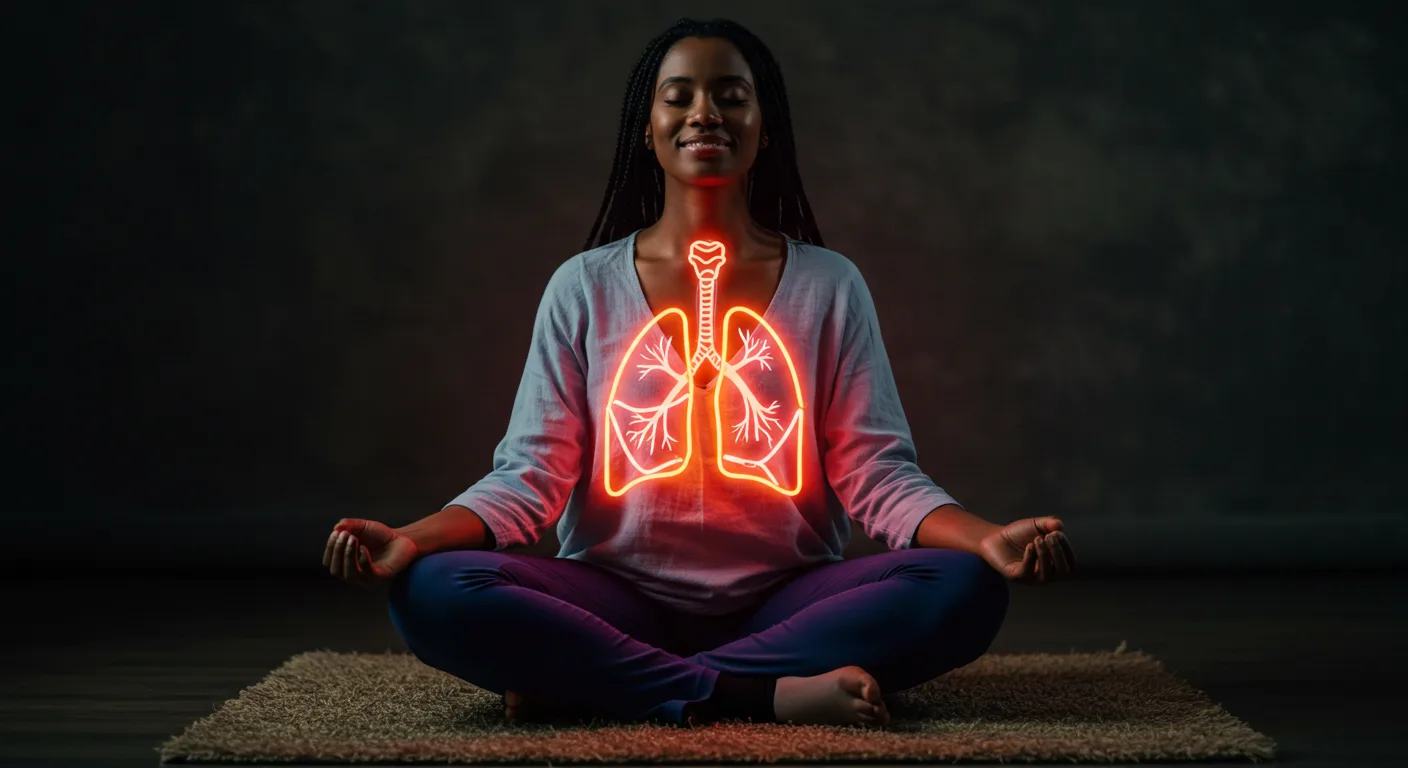
    You donโ€™t need fancy equipmentโ€”just your breath. Controlled deep breathing stimulates the diaphragm, increasing oxygen exchange and lung volume.

    How to start: Sit upright, inhale slowly through your nose for a count of 4, hold for 2, exhale through pursed lips for 6. Repeat 5โ€“10 times, twice daily. You’ll feel calmer, deeper breaths, and your lungs getting some extra TLC.

    2. How to Repair Weak Lungs?

    How to strengthen lungs naturally

    Gradual Cardio Builds Strength

    Whether it’s walking, cycling, or swimmingโ€”aim for 20โ€“30 minutes of moderate activity most days. The increased breathing effort strengthens your lung capacity over time.

    Personal insight: After my flu last year, I began with 10-minute walks, gradually adding stretching and gentle jogging. Before I knew it, I had twice the stamina on my morning strolls.

    Reduce Inflammation with Turmeric & Ginger

    Anti-inflammatory spices like turmeric and ginger help soothe lung tissue, especially after infections or seasonal allergies. Turmericโ€™s curcumin compound has been studied for its ability to reduce respiratory inflammation.

    Try adding turmeric to soups or ginger in your tea.

    Avoid Irritants and Toxins

    Indoor air quality matters just as much as going smoke-free. Dust, chemicals, or pet dander can worsen lung weakness. Open windows, use an air purifier if you can, and keep fragrant cleaning products out of your kitchen or laundry area.

    Read Also: Why Am I Always Tired? 10 Hidden Health Causes You Might Be Ignoring

    3. How Do I Make My Lungs Super Strong?

    How to strengthen lungs naturally

    Functional Exercises for Breath Support

    Strengthening your core (abs, lower back) gives your diaphragm better support during deep breaths. Planks, gentle Pilates moves, and yoga strengthen these muscles. A stronger core equals stronger lungs.

    Practice Pursed-Lip and Diaphragmatic Breathing

    These techniques help control breathing and enhance oxygen intake:

    • Pursed-lip: Inhale through your nose, exhale slowly through pursed lipsโ€”this releases stale air and makes inhaling easier.
    • Diaphragmatic breathing: Lie down, place a hand on your belly, and breathe so your belly rises more than your chestโ€”this activates deeper lungs.

    Clear the Air: No Smoking, No Matter What

    If you’re a smoker, quitting is hands-down the single most effective lifestyle change you can make. Your lungs begin healing within weeks. If you’re around smokers often, respectfully ask them toโ€”at leastโ€”avoid smoking indoors.

    4. What Can I Drink to Improve My Lungs?

    Green Tea & Herbal Brews

    Green tea is full of antioxidants like catechins, which have been shown to reduce inflammation. Herbal teasโ€”like peppermint, chamomile, or eucalyptusโ€”can help open airways and soothe your respiratory passages.

    Warm Honey, Lemon & Ginger Drink

    How to strengthen lungs naturally

    This homemade tonic has been a staple in my home during the rainy season. Honey coats the throat, ginger brings anti-inflammatory benefits, and lemon provides vitamin Cโ€”together, they support clear breathing and comfort.

    Fresh Smoothies

    Blend spinach (rich in vitamin C and chlorophyll) with berries, pineapple, and yogurt for a lung-loving drink. Youโ€™re hydrating while packing in natural antioxidants, fiber, and probiotics.

    Read Also: What Your Tongue Reveals About Your Health

    Bonus Daily Habits to Strengthen Lungs Naturally

    Beyond foods and exercise, these lifestyle tips are essential:

    • Maintain a healthy weight: Extra pounds make breathing harder.
    • Sleep upright or with gentle elevation: Helps air move more easily, especially if youโ€™re recovering from sickness.
    • Practice good posture: Slouching compresses your lungs.
    • Mind stress levels: Cortisol spikes can worsen breathing; practice mindfulness or journaling to stay calm.

    So, how do you strengthen lungs naturally? Itโ€™s about repairing first, then building stamina with every breath. Treat your lungs daily by eating smart, breathing deliberately, and moving gently. These habits add upโ€”and soon, youโ€™ll feel less breathless, more energized, and walking around confident in every inhale and exhale.

    The real secret? Consistency. Just a few minutes of mindful breathing, plus lung-nourishing meals and regular movement, can turn a tired, weak set of lungs into resilient, capable companions well beyond your 30s.

    Take Action Today

    1. Drink that ginger-lemon tea.
    2. Try a 5-minute breathing session now.
    3. Take a short walk after your next meal.
  • 7 Warning Signs Your Body Is Low on Magnesium

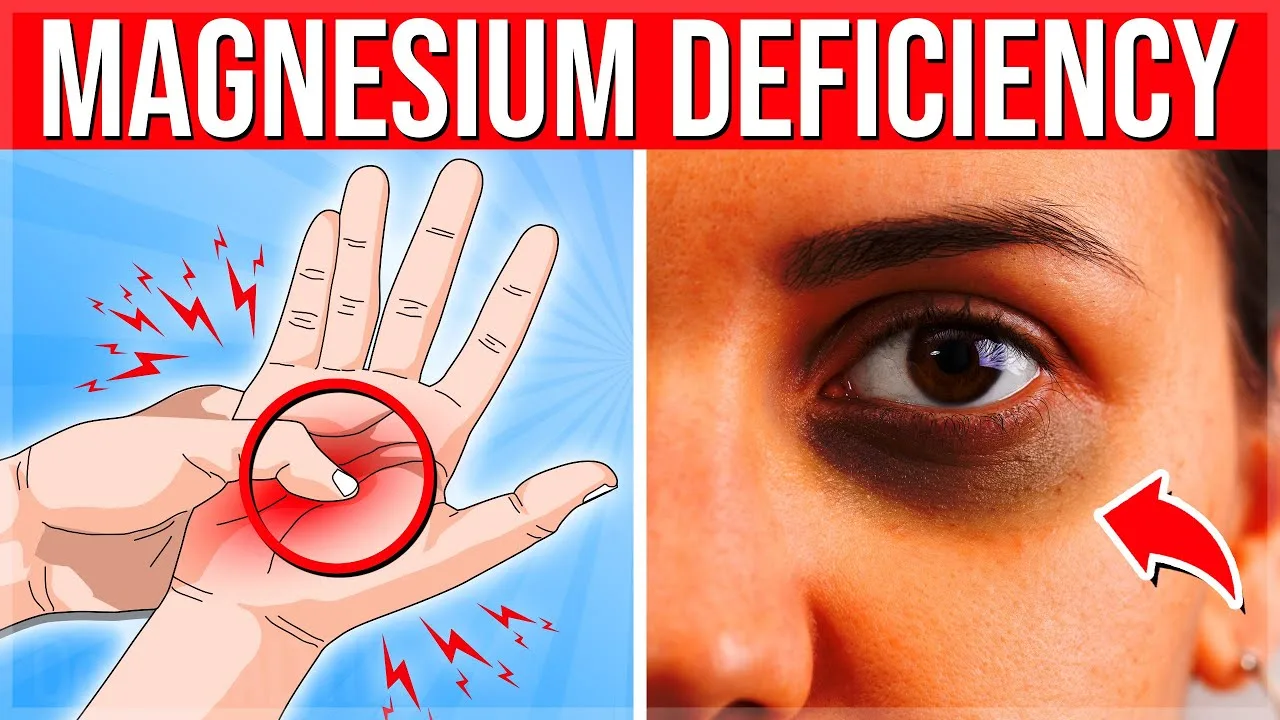
    7 Warning Signs Your Body Is Low on Magnesium

    Magnesium is an essential mineral responsible for over 300 biochemical reactions in the human body, including nerve function, muscle contraction, blood pressure regulation, and energy production. Yet, many people don’t realize when they’re deficient until symptoms escalate. Recognizing the signs your body is low on magnesium can help you take proactive steps before more serious health issues arise.

    โ€ŽFollow the InfoHealthGh channel on WhatsApp: https://whatsapp.com/channel/0029Va7j1SgGE56e8pagc22u

    According to the World Health Organization (WHO), itโ€™s estimated that nearly 75% of adults do not meet the recommended daily intake of magnesium. This makes deficiency a global health concern. Letโ€™s explore seven key warning signs, supported by research, that show your magnesium levels are too low.

    Read Also: Six Reasons Why Your Body Itches After Bathing (And How to Stop It)


    1. Muscle Cramps and Spasms

    One of the earliest and most common signs your body is low on magnesium is the occurrence of involuntary muscle cramps, twitches, or spasms. Magnesium plays a vital role in muscle relaxation. When deficient, nerve cells become overstimulated, which can lead to sudden, uncontrollable muscle contractions.

    In a study published in the Journal of the American Geriatrics Society, magnesium supplementation was found to reduce the frequency of nighttime leg cramps in older adults. This confirms the mineralโ€™s role in neuromuscular control and comfort.


    2. Fatigue and Weakness

    Feeling unusually tired, weak, or low on energy despite proper sleep could also signal magnesium deficiency. Magnesium is required for ATP (adenosine triphosphate) production, the main source of energy in cells. A lack of magnesium impairs this energy production process, leading to chronic fatigue or even muscle weakness, medically referred to as myasthenia.

    Signs Your Body Is Low on Magnesium

    Truth about Herbal Teas in Ghana: Do they really help you to lose weight?


    3. Mental Health Issues

    Magnesium directly influences brain function and mood regulation. Research suggests that low magnesium levels may contribute to mental health disorders, including anxiety, irritability, and depression.

    A randomized controlled trial published in PLOS ONE in 2017 found that daily magnesium supplementation significantly reduced symptoms of depression and anxiety in participants after just six weeks, especially among those with mild to moderate depression.

    This link underscores the importance of magnesium not only for physical but also emotional health.


    4. Irregular Heartbeat (Arrhythmia)

    Magnesium is crucial for maintaining a regular heartbeat. It helps transport calcium and potassium into heart cells, which is essential for healthy electrical signals. A deficiency can cause arrhythmiaโ€”a condition where the heart beats too fast, too slow, or irregularly.

    Understanding Broken Heart Syndrome: Temporary Heart Attack.


    5. Tingling, Numbness, or Neurological Symptoms

    Nerve function relies heavily on magnesium. A deficiency may result in tingling, numbness, and even seizures in extreme cases. These symptoms are caused by disrupted neurotransmitter activity and heightened nerve excitability.


    6. Osteoporosis and Bone Health Issues

    Magnesium supports bone health by influencing bone density and aiding the metabolism of calcium and vitamin Dโ€”two other key nutrients for strong bones. Low magnesium levels may lead to bone loss and increase the risk of osteoporosis.

    According to research published in the journal Biological Trace Element Research, women with osteoporosis were found to have significantly lower serum magnesium levels than those with healthy bones. Chronic deficiency can also weaken the bone matrix, making fractures more likely.

    Signs Your Body Is Low on Magnesium

    10 Effective Strategies for Alleviating Back Pain


    7. High Blood Pressure

    Although sodium usually gets the blame, low magnesium may also be a contributing factor to elevated blood pressure. Magnesium helps relax blood vessels, allowing for smoother blood flow and reduced pressure on arterial walls.

    A large meta-analysis published in Hypertension journal in 2016 concluded that magnesium supplementation resulted in a significant reduction in both systolic and diastolic blood pressure in hypertensive adults. The study further emphasized the need for adequate magnesium intake as part of a heart-healthy lifestyle.


    How to Know for Sure

    While these symptoms are strong indicators, the only definitive way to diagnose magnesium deficiency is through a blood test. However, serum magnesium levels may not always reflect actual magnesium status, as only about 1% of magnesium is found in the blood. Doctors may also assess red blood cell magnesium or conduct a magnesium retention test for better accuracy.


    How to Boost Magnesium Levels Naturally

    If you’re noticing any signs your body is low on magnesium, consider increasing your intake through diet. Foods rich in magnesium include:

    • Leafy green vegetables (spinach, kale)
    • Nuts and seeds (almonds, pumpkin seeds)
    • Whole grains (brown rice, quinoa)
    • Legumes (black beans, lentils)
    • Dark chocolate
    • Avocados

    For people with a significant deficiency, magnesium supplements may be recommended under the supervision of a healthcare provider.

    15 incredible facts about your body you didnโ€™t know


    Conclusion

    The signs your body is low on magnesium can be subtle but impactful, affecting everything from mood and energy levels to heart rhythm and bone health. Thankfully, magnesium deficiency is both preventable and treatable. By staying aware of these warning signs and making small changes to your diet or routine, you can maintain a healthier and more balanced life.

    If you suspect a deficiency, consult a healthcare professional for proper testing and guidance. Donโ€™t wait until these symptoms become seriousโ€”your health is worth the attention.


    Would you like me to design a Pinterest infographic for this post next?

  • Understanding Broken Heart Syndrome: Temporary Heart Attack.

    Understanding Broken Heart Syndrome: Temporary Heart Attack.

    Understanding Broken Heart Syndrome– You rememebr the last time you heard some bad news that worked you up so much emotionally that you could literally feel your chest pounding and it almost felt like a heart attack? What if I told you that feeling could have literaly caused you a heart attack or a broken heart syndrome.

    Heartbreak is often portrayed as a metaphorical experience, symbolizing deep emotional pain. However, medical research has shown that intense emotional distress can lead to actual physical heart conditions. One such condition is Takotsubo cardiomyopathy, commonly known as “broken heart syndrome”. This phenomenon demonstrates the profound connection between our emotional and physical well-being.

    โ€ŽFollow the InfoHealthGh channel on WhatsApp: https://whatsapp.com/channel/0029Va7j1SgGE56e8pagc22u

    Understanding Broken Heart Syndrome

    Broken heart syndrome is a temporary heart condition that mimics the symptoms of a heart attack. It is typically triggered by severe emotional or physical stress, such as the loss of a loved one, a serious accident, or even extreme joy. The syndrome leads to a sudden weakening of the heart’s left ventricle, causing it to balloon out at the apex. This distinctive shape resembles a Japanese octopus trap called a “takotsubo,” which is how the condition got its name.

    en.wikipedia.org

    Symptoms and Diagnosis

    Individuals with broken heart syndrome often experience sudden chest pain, shortness of breath, and electrocardiogram (ECG) changes similar to those of a heart attack. However, unlike a typical heart attack, there is no blockage in the coronary arteries. Diagnostic imaging reveals the characteristic ballooning of the left ventricle. Recognizing these differences is crucial for proper diagnosis and treatment.

    Case Studies Highlighting the Condition

    Several real-life cases illustrate the impact of broken heart syndrome:

    • Katelyn Jill’s Experience: At 32, Katelyn experienced sudden chest pain and sweating, initially mistaking it for a need to crack her back. Despite exhaustive tests showing no blockages, she suffered another episode a week later. Two years later, she was diagnosed with broken heart syndrome, highlighting how stress and depression can physically manifest in heart conditions. thesun.co.uk
    • Gene Hackman and Betsy Arakawa: The renowned actor and his wife were found deceased in their home. A pathologist theorized that one might have died from a broken heart after discovering the other dead, suggesting a stress-related reaction known as broken heart syndrome. pagesix.com

    Emotional Stress and Its Physiological Impact

    The exact mechanisms behind broken heart syndrome are not entirely understood. However, it is believed that a surge in stress hormones, particularly adrenaline, may temporarily damage the heart. This hormonal surge can lead to constriction of the coronary arteries or directly affect the heart muscle cells, resulting in the observed weakening of the left ventricle.

    โ€ŽFollow the InfoHealthGh channel on WhatsApp: https://whatsapp.com/channel/0029Va7j1SgGE56e8pagc22u

    en.wikipedia.org

    A study published in the European Heart Journal found that patients exhibited increased activity in the amygdalaโ€”the brain’s fear and stress centerโ€”years before the cardiac event. This suggests a link between heightened stress responses and the development of broken heart syndrome.

    Treatment and Prognosis

    The prognosis for broken heart syndrome is generally favorable. Most patients recover fully within weeks, and the heart often returns to normal function without lasting damage. Treatment focuses on managing symptoms and addressing the underlying stressors. Medications such as beta-blockers may be prescribed to reduce the effects of adrenaline on the heart.

    It’s essential for individuals to seek immediate medical attention if they experience symptoms resembling a heart attack, as prompt diagnosis and management can prevent complications.

    The Mind-Heart Connection

    The existence of broken heart syndrome underscores the intricate link between emotional and physical health. Chronic stress, anxiety, and depression can have tangible effects on cardiovascular health. Understanding this connection emphasizes the importance of holistic approaches to health that consider both mental and physical well-being.

    Coping with Heartbreak and Stress

    To mitigate the risk of stress-induced heart conditions, consider the following strategies:

    • Stress Management: Engage in relaxation techniques such as meditation, yoga, or deep breathing exercises to manage stress levels.
    • Physical Activity: Regular exercise can improve mood and cardiovascular health.
    • Social Support: Maintaining connections with friends and family provides emotional support during challenging times.
    • Professional Help: Seeking counseling or therapy can be beneficial in processing intense emotions and developing coping mechanisms.

    Conclusion

    While the phrase “dying of a broken heart” is often used poetically, broken heart syndrome reveals that severe emotional distress can indeed have profound physical effects on the heart. Recognizing the symptoms and understanding the mind-heart connection are vital steps toward comprehensive health care. By addressing both emotional and physical aspects of well-being, individuals can navigate the challenges of heartbreak without compromising their heart health.

  • Video: How to protect your data on your pen drive

    Video: How to protect your data on your pen drive

    Watch The Video Tutorials Below

    protect your data on your pen drive

    The use of pen drives has become one of the fastest and most convenient ways to transfer files from one computer to the other.

    This means that at any given time it Is storing information or data that might be personal. In the event of losing your pen drive, your personal information is rendered unsafe or lost.

    Personally, I canโ€™t count the number of times Iโ€™ve lost a pen drive or lent it out and forgotten who I gave it to.

    I take some consolation from the fact that the pen drive is locked. The feature that allows you to set a lock on your pen drive is called Windows Bitlocker.

    How Does it Work?

    The device encryption has been on the latest versions of Windows from Windows 10 upwards. This feature will only work with the drives if it is plugged into Windows 10 and 11.

    For older OS it will just show us an unrecognizable drive. This is still a win in my opinion because your data is still protected.


    Is Device Encryption 100% Safe?

    The answer is not entirely. There are ways to bypass it but can only be done by a seasoned hacker. Your standard colleague at work or even experts in your IT department cannot get around drive encryption.

    The type of encryption used to lock your Pendrive is called Advanced Encryption Standard Encryption Algorithm (AES) which makes it virtually uncrackable.

    So good luck to anyone trying to access your locked Pendrive.

    How to protect your data on your pen drive by setting up encryption.

    Without wasting time let me take you step by step through the process of setting up BitLocker encryption.

    Step 1.- Plug in Your Pendrive

    Step 1 Plug in Drive
    Step 1 Plug in Drive

    Step 2.- Type in The Search Bar โ€œManage BitLockerโ€ or locate it in the Control Panel

    Step 3. Look for your removable drive in the bit locker window. Click on the Drop-Down Arrow and you should see โ€œTurn on Bitlockerโ€ Just beside the drive

    A should pop up will ask you to wait for a while followed by a window that asks you to set a password

    Step 3 Manage Bitlocker
    Step 3 Manage Bitlocker

    Step 4: Follow the settings exactly as shown in the image below to set up a password.

    Set Password on drive
    Step 4

    Step 5: Choose an option to back up your password if you lose it. If you donโ€™t have donโ€™t have a Microsoft account then it’s better to choose the print option.

    Set Password on drive
    Step 4
    Step 5 Choose a backup option for your drive
    Step 5 Choose a backup option for your drive

    Step 6: Bitlocker allows you to choose to encrypt the entire drive or lock just a portion of the drive occupied by your files. For added security, go in for the option to back up the entire drive. It takes time but itโ€™s worth it. Click Next

    Dtep 6 Choose areas of your drive to backup
    Dtep 6 Choose areas of your drive to backup

    Step 7 : Choose the Compatibility Mode. I recommend this option because not everyone has the latest versions of Windows. You may need to use your drive on an older version. Click Next After

    Step 7 Choose in Compatibility Mode
    Step 7 Choose in Compatibility Mode

    Step 8: Click on Start Encryption: The Encryption process takes time so leave your PC on and step out to grab a coffee.

    Step 8 Start Encryption
    Step 8 Start Encryption


    Protect Data on Pendrive
    Step 9 Encryption Process Starts

    In Conclusion, BitLocker adds security to your Pen drive and will help protect your data. Additionally, anyone who tries to steal your pen drive for themselves would have wasted their time.

    Setting a password on your drive is something I would always recommend.

    Read Some Health Tips Here:  Infohealth GH

  • Six Reasons Why Your Body Itches After Bathing (And How to Stop It)

    Six Reasons Why Your Body Itches After Bathing (And How to Stop It)

    “Itchy Skin After Shower? 6 Causes of Post-Bath Itching & How to Stop It”

    Do you experience itchy skin after showering? Youโ€™re not aloneโ€”many people deal with post-bath itching, but few understand why it happens. This frustrating sensation can range from mild dryness to intense irritation, making showers uncomfortable instead of relaxing.

    In this guide, weโ€™ll break down the six most common causes of itchy skin after bathing, backed by dermatological research. Plus, weโ€™ll share proven solutions to soothe your skin and prevent future irritation. Whether youโ€™re dealing with dry skin after shower, aquagenic pruritus, or an allergic reaction to soap, weโ€™ve got you covered.

    โ€ŽFollow the InfoHealthGh channel on WhatsApp: https://whatsapp.com/channel/0029Va7j1SgGE56e8pagc22u

    Read Also: Your Skin Reflects Your Health: What Acne, Dryness, and Discoloration Could Mean

    1. Hot Water Strips Natural Oils (Dry Skin After Shower)

    One of the biggest culprits behind post-bath itching is hot water. While a steamy shower feels relaxing, it strips away your skinโ€™s natural oils (sebum), leading to xerosis cutis (extremely dry skin). Studies show that water temperatures above 104ยฐF (40ยฐC) significantly worsen skin dryness .

    If you are a fun of hot waters like me then maybe it is time to get yourself a thermometer to regulate the temperature of your bathing water

    Read Also: Retinol and Tretoin Use โ€“ Your excessive skincare routine jeopardize your Pregnancy

    Symptoms of Dry Skin After Shower

    โœ” Tight, flaky skin
    โœ” Mild to severe itching
    โœ” Redness or cracks in extreme cases

    How to Fix It

    โœ” Use lukewarm water (98โ€“104ยฐF / 36โ€“40ยฐC)
    โœ” Limit showers to 5โ€“10 minutes
    โœ” Apply moisturizer within 3 minutes (petroleum jelly or ceramide creams work best)

    2. Harsh Soaps & Body Washes (Contact Dermatitis)

    Many shower gels and soaps contain sulfates (SLS/SLES), fragrances, and alcohol, which strip moisture and trigger contact dermatitis. A 2023 study found that fragranced body washes increase post-shower itching by 40% in people with sensitive skin .

    Read Also: The Hidden Health Risk of Wearing Your Smartwatch 24/7: Cancer Concerns Explained

    Symptoms of Soap-Induced Itching

    โœ” Itching without a visible rash
    โœ” Burning or stinging sensation
    โœ” Worsening eczema or psoriasis

    How to Fix It

    โœ” Switch to fragrance-free, hypoallergenic cleansers (CeraVe, Vanicream)
    โœ” Avoid antibacterial soaps (theyโ€™re overly drying)
    โœ” Rinse thoroughly to remove soap residue

    3. Hard Water Worsens Itchy Skin After Shower

    6 Reasons Why You suffer from Post-Bath-Itching

    Why It Happens

    Hard water (high in calcium & magnesium) leaves a mineral residue on skin, clogging pores and worsening post-bath itching. Research shows that people living in hard water areas report 50% more skin dryness than those with soft water .

    Symptoms of Hard Water Irritation

    โœ” Rough, gritty feeling after showering
    โœ” Increased itchiness in hard water areas

    How to Fix It

    โœ” Install a showerhead water softener
    โœ” Use chelating body washes (like Eucerin pH5)
    โœ” Moisturize immediately after bathing

    Read Also: Ways to Protect Yourself from Contacting Monkey pox in Ghana

    4. Underlying Skin Conditions (Eczema & Psoriasis Flare-Ups)

    6 Reasons Why You suffer from Post-Bath-Itching

    Why It Happens

    If you have eczema (atopic dermatitis) or psoriasis, water exposure can trigger intense post-shower itching. A 2024 study found that 60% of eczema patients experience worsened itching after bathing .

    Symptoms of Eczema After Showering

    โœ” Red, scaly patches
    โœ” Burning sensation
    โœ” Flare-ups in dry climates

    How to Fix It

    โœ” Use eczema-friendly cleansers (Aveeno, Cetaphil)
    โœ” Apply prescription creams (steroids or calcineurin inhibitors)
    โœ” Try colloidal oatmeal baths for relief

    5. Aquagenic Pruritus (Rare Water Allergy)

    Read Also: Walking Barefooted: Why It Could Save Your Life

    Why It Happens

    Aquagenic pruritus is a rare condition where any water contact triggers severe itching without a rash. Itโ€™s linked to nerve hypersensitivity and sometimes blood disorders like polycythemia vera .

    Symptoms of Aquagenic Pruritus

    โœ” Burning, tingling after showering
    โœ” No visible rash
    โœ” Itching lasts up to 1 hour

    How to Fix It

    โœ” Try antihistamines (e.g., cetirizine)
    โœ” Use capsaicin cream
    โœ” Consult a dermatologist for UVB therapy

    6. Allergic Reaction to Laundry Detergents or Towels

    Why It Happens

    Scented detergents leave residue on towels, transferring irritants to your skin post-shower. A 2025 study found that fragranced laundry products worsen post-bath itching in 30% of people .

    Symptoms of Towel-Induced Itching

    โœ” Itching worsens after drying off
    โœ” Redness where towel touched skin

    How to Fix It

    โœ” Wash towels with fragrance-free detergent
    โœ” Use 100% cotton towels
    โœ” Pat dry instead of rubbing

    Read Also: How to Lose Belly Fat with Common Ghanaian Ingredients

    When to See a Doctor

    While itching after bathing may not be a call for concern, make sure to Seek medical help if your skin itch after shower includes:
    ๐Ÿ”ด Rashes, swelling, or bleeding
    ๐Ÿ”ด Lasts more than 2 weeks
    ๐Ÿ”ด Linked to fatigue/weight loss (possible blood disorder)

    Final Prevention Tips for Post-Bath Itching

    โœ… Moisturize on damp skin (locks in hydration)
    โœ… Drink more water (dehydration worsens dryness)
    โœ… Use a humidifier in dry climates
    โœ… Avoid over-exfoliating (scrubs worsen irritation)

    By following these tips, you can stop itchy skin after showering for good!

    Would you like a printable checklist of these tips? Let me know in the comments! ๐Ÿšฟโœจ

    References & Studies

    • Journal of Dermatology (2024) โ€“ Hard water & skin dryness
    • Clinical & Experimental Allergy (2023) โ€“ Fragranced soaps & itching
    • Mayo Clinic โ€“ Aquagenic pruritus treatments
    • National Eczema Association โ€“ Showering with eczema
    • PMC Study (2025) โ€“ Laundry detergents & skin irritation
  • Doctors Wonโ€™t Tell You This, But Sitting is Worse Than Smoking!

    Doctors Wonโ€™t Tell You This, But Sitting is Worse Than Smoking!

    In Summary

    โœ… Sitting is worse than smoking โ€“ Prolonged sitting increases the risk of early death, just like smoking.

    โœ… Higher risk of heart disease โ€“ Sitting too long increases cardiovascular disease risk by 147% (American Heart Association).

    โœ… Reduces metabolism โ€“ Leads to weight gain, insulin resistance, and slower digestion.

    โœ… Can shorten life expectancy โ€“ Cutting sitting time to under 3 hours per day could add 2 years to your life (BMJ Open study).

    โœ… Increases risk of diabetes โ€“ Long sitting hours contribute to insulin resistance and type 2 diabetes (Diabetologia study).

    โœ… Raises cholesterol & blood pressure โ€“ Sitting slows blood circulation, leading to fatty buildup in arteries.

    โœ… Linked to cancer โ€“ Higher risks of colon, lung, and endometrial cancers due to prolonged inactivity.

    โœ… Weaker muscles & bones โ€“ Sitting too much causes muscle atrophy and increases osteoporosis risk.

    Read Also: Increased Risk of Cancer Amongst Younger People

    In todayโ€™s modern world, most of us spend hours sittingโ€”whether at work, during our daily commute, or while watching TV. But what if we told you that your chair might be harming you more than cigarettes? Research now shows that prolonged sitting is worse than smoking when it comes to long-term health risks. From slowing down metabolism to increasing the risk of heart disease and reducing life expectancy, the dangers of a sedentary lifestyle cannot be ignored.

    The Science Behind โ€œSitting is Worse Than Smokingโ€

    A groundbreaking study conducted by Dr. James Levine, a researcher at the Mayo Clinic, coined the phrase โ€œsitting is the new smoking.โ€ According to his research, sitting for extended periods has been linked to obesity, diabetes, cardiovascular diseases, and even premature death. In fact, a 2018 study published in The American Journal of Epidemiology found that individuals who sat for more than six hours a day had a 19% higher risk of dying earlier compared to those who sat for fewer than three hours a day.

    How Sitting Affects Your Metabolism

    When you sit for prolonged periods, your body enters a state of low energy expenditure. This can lead to:

    • Reduced calorie burning โ€“ Compared to standing or walking, sitting burns far fewer calories, leading to weight gain over time.
    • Insulin resistance โ€“ Studies have shown that sitting for too long can make cells more resistant to insulin, increasing the risk of type 2 diabetes.
    • Slower digestion โ€“ Sitting after meals slows down digestion, leading to bloating, heartburn, and even gastrointestinal issues.

    A study published in Diabetologia (2016) found that breaking up long sitting periods with short bursts of movement significantly improved blood sugar levels and insulin sensitivity. This means that simply standing or walking for a few minutes every hour can help counteract some of the harmful effects of sitting.

    Sitting and Heart Health: A Dangerous Connection

    One of the most alarming consequences of prolonged sitting is its impact on heart health. Research from the American Heart Association suggests that excessive sitting is linked to a 147% increase in the risk of cardiovascular diseases. This happens because:

    • Blood flow slows down โ€“ When we sit, circulation decreases, leading to a buildup of fatty acids in the blood vessels.
    • Increased risk of high blood pressure โ€“ Lack of movement can cause blood pressure to rise, straining the heart over time.
    • Higher cholesterol levels โ€“ Prolonged sitting has been associated with lower levels of good (HDL) cholesterol and higher levels of bad (LDL) cholesterol.

    A long-term study published in Circulation (2011) followed over 8,000 adults and found that those who sat for more than four hours a day watching TV had a 50% higher risk of heart-related diseases compared to those who sat for less than two hours.

    Read Also: A new study establishes a link between sanitizers and brain development.

    How Sitting Reduces Life Expectancy

    A study published in BMJ Open (2012) found that reducing sitting time to fewer than three hours per day could add two years to a personโ€™s life expectancy. Sitting too much has been linked to:

    • Increased risk of cancer โ€“ Studies have found that prolonged sitting increases the risk of colon, endometrial, and lung cancer.
    • Weaker muscles and bones โ€“ Sitting for long periods leads to muscle atrophy and weaker bones, increasing the risk of osteoporosis and falls in older adults.
    • Higher risk of early death โ€“ A study in The Lancet (2016) concluded that those who sit for over eight hours a day without regular physical activity have a mortality risk similar to that of smokers.

    Breaking the Cycle: What Can You Do?

    If you spend most of your day sitting, donโ€™t worryโ€”there are simple ways to counteract its harmful effects:

    1. Take movement breaks โ€“ Stand up and stretch every 30 minutes.
    2. Use a standing desk โ€“ If possible, switch between sitting and standing throughout the day.
    3. Walk more โ€“ Aim for at least 10,000 steps per day to improve circulation and metabolism.
    4. Do desk exercises โ€“ Simple leg lifts, seated marches, or stretching can keep blood flowing.
    5. Replace sitting activities โ€“ Swap some of your TV time for a walk or an active hobby like dancing or yoga.

    Final Thoughts

    Itโ€™s time to rethink our daily habits. The evidence is clear: sitting is worse than smoking when it comes to long-term health risks. While we canโ€™t eliminate sitting completely, making small changes like moving more throughout the day can have a significant impact on our well-being. Remember, every step counts. As you go through your day today, remember that reducing sedentary time could add years to your life. Donโ€™t let your chair take away your healthโ€”get moving.

  • The Science Behind Dรฉjร  Vu: Unlocking the Mystery of the Mind

    The Science Behind Dรฉjร  Vu: Unlocking the Mystery of the Mind

    Introduction

    Have you ever walked into a place you’ve never been before and felt an uncanny sense of familiarity? Or perhaps you’ve had a conversation with someone and suddenly felt like you’ve experienced the exact moment before. This mysterious phenomenon is called dรฉjร  vu, a French term meaning “already seen.”

    Science Behind Dรฉjร  Vu
    Science Behind Dรฉjร  Vu

    While it may feel eerie or supernatural, dรฉjร  vu has a basis in neuroscience and psychology. Scientists have spent years attempting to unravel the cause of this sensation, and while no single explanation has been definitively proven, several compelling theories offer insight into why it happens.

    In this blog post, we will explore the science behind dรฉjร  vu, examining how memory, brain function, and perception work together to create this fascinating experience.

    What Is Dรฉjร  Vu?

    Dรฉjร  vu is a psychological phenomenon in which a person experiences a strong feeling that they have encountered a particular situation before, even when they logically know they havenโ€™t. This experience is usually fleeting, lasting only a few seconds, and occurs randomly. Despite being widely reported, dรฉjร  vu remains one of the least understood cognitive experiences, making it a subject of great interest for neuroscientists and psychologists alike.

    Research suggests that 60-80% of people experience dรฉjร  vu at some point in their lives. It is more commonly reported by young adults, particularly between the ages of 15 and 25. While dรฉjร  vu is generally harmless, it has been linked to specific neurological conditions such as epilepsy, indicating that it may have roots in the brain’s memory and perception systems.

    Science Behind Dรฉjร  Vu
    Science Behind Dรฉjร  Vu

    Read Also: The Okra & Water Trend: What Science Says About Its Health Benefits

    Scientific Theories Explaining Dรฉjร  Vu

    Scientists have developed multiple theories to explain why dรฉjร  vu occurs. While no single explanation has been universally accepted, several compelling hypotheses offer valuable insights.

    1. Memory Processing Error (Dual Processing Theory)

    One of the most widely accepted theories about dรฉjร  vu suggests that it results from a temporary glitch in the brainโ€™s memory system. The brain processes information through two primary pathways:

    • Familiarity (Recognition Memory): This system helps us recognize places, people, and experiences without remembering specific details.
    • Recollection (Explicit Memory): This system retrieves detailed memories of past experiences.

    In a dรฉjร  vu experience, the brain mistakenly triggers the familiarity system before the recollection system catches up. This causes the brain to recognize a situation as familiar, even though no actual memory is associated with it.

    2. Temporal Lobe Activity and the Brainโ€™s Role

    The temporal lobe, particularly the hippocampus and medial temporal cortex, plays a crucial role in memory formation and retrieval. Neuroscientific studies have found that dรฉjร  vu is closely related to abnormal electrical activity in these areas.

    People with temporal lobe epilepsy often experience dรฉjร  vu as part of their seizure episodes. Researchers believe that similar, but much milder, electrical misfirings could happen in the brains of people without epilepsy, leading to brief dรฉjร  vu experiences.

    Brain imaging studies have also shown that dรฉjร  vu involves prefrontal cortex activity, which suggests that the brain may be checking memories for consistency and mistakenly flagging a new experience as a past memory.

    3. Hologram Theory: Partial Memory Recall

    The hologram theory of memory suggests that our brain stores memories in a fragmented, non-linear way. Even a small piece of a memory can be enough to recreate the sensation of familiarity.

    For example, imagine visiting a new cafรฉ that smells like your childhood home or has furniture similar to a place you once visited. Your brain might retrieve a partial memory and incorrectly associate it with your present experience, creating the illusion that you have been in the cafรฉ before when you actually havenโ€™t.

    Science Behind Dรฉjร  Vu

    4. Delayed Neural Transmission (Processing Delay Theory)

    Another theory suggests that dรฉjร  vu occurs when the brain processes incoming information at slightly different speeds. Normally, information from our senses (sight, sound, touch, etc.) is processed simultaneously. However, if one part of the brain processes the data a fraction of a second slower than another, the brain might interpret the second transmission as a memory instead of real-time information.

    For example, if one eye sends visual information to the brain slightly before the other, the brain may register the second transmission as something familiar rather than new.

    5. Dream Theory: Forgotten Memories Resurfacing

    Some researchers propose that dรฉjร  vu is connected to forgotten dreams. Our brains process vast amounts of information, and sometimes, dreams are stored in memory without us consciously remembering them. If a real-life situation closely resembles a forgotten dream, the brain might mistake it for a memory, creating a strong sense of familiarity.

    Read Also: New Study Confirms cancer-causing chemicals in meats singed with burnt car tyres

    How Often Does Dรฉjร  Vu Happen?

    The frequency of dรฉjร  vu varies from person to person. Studies suggest that younger individuals, particularly those who travel frequently, experience it more often. This could be because younger brains are still developing memory networks, and frequent exposure to new environments increases the likelihood of partial memory triggers.

    Interestingly, dรฉjร  vu tends to decrease with age. This may be due to a decline in neural flexibility, meaning older adults have fewer gaps or glitches in their memory systems.

    Can Dรฉjร  Vu Be a Sign of a Medical Condition?

    In most cases, dรฉjร  vu is a harmless, everyday phenomenon. However, suppose someone experiences it frequently, especially in combination with symptoms like blackouts, loss of awareness, or confusion. In that case, it may be a sign of an underlying neurological issue, such as temporal lobe epilepsy.

    Science Behind Dรฉjร  Vu

    If dรฉjร  vu is accompanied by:

    • Frequent migraines
    • Unusual visual disturbances
    • Loss of consciousness

    Itโ€™s advisable to consult a doctor to rule out any serious conditions.

    The Future of Dรฉjร  Vu Research

    While dรฉjร  vu remains a scientific mystery, advancements in neuroscience and brain imaging are helping researchers understand it better. Future studies may provide deeper insights into how memory is processed and why these brief glitches occur. Understanding dรฉjร  vu could also have broader implications for treating memory disorders like Alzheimerโ€™s disease or understanding how the brain distinguishes real memories from false ones.

    Conclusion

    Dรฉjร  vu is one of the most intriguing cognitive phenomena, bridging the gap between memory, perception, and consciousness. While multiple theories attempt to explain it, the most widely accepted explanations involve memory processing errors, brain electrical activity, and fragmented memory recall. Although it often remains a fleeting experience, dรฉjร  vu offers a glimpse into the brainโ€™s complex mechanisms for recognizing and storing information.

    So, the next time you experience dรฉjร  vu, you can appreciate it as a fascinating quirk of your brain rather than an eerie premonition or glitch in the matrix. The science behind dรฉjร  vu may still be unfolding, but one thing is certain: the human brain is an incredibly intricate and mysterious organ.

    If you enjoyed this, kindly engage with us on social media below:

    Facebook: @Infohealthgh

    Twitter: @Infhealth

  • The Okra & Water Trend: What Science Says About Its Health Benefits

    The Okra & Water Trend: What Science Says About Its Health Benefits

    The Okra and Water Trend: What Science Says About Its Health Benefits

    I remember scrolling through my social media feed one evening when I stumbled upon a post raving about the so-called “Okra and Water Trend.” The claims were fascinatingโ€”people swore by drinking okra-infused water first thing in the morning for better digestion, lower blood sugar levels, and even glowing skin. I grew up eating okra in stews and soups, but I had never considered soaking it in water overnight and drinking the slimy mixture the next day. Naturally, my curiosity got the best of me, and I had to find out if there was any science behind these health claims. So, letโ€™s dive deep into the Okra and Water Trend and see what research has to say.

    Read Also: New Study Confirms cancer-causing chemicals in meats singed with burnt car tyres

    What is the Okra and Water Trend?

    Okra and Water Trend

    The Okra and Water Trend involves soaking sliced or whole okra pods in water overnight and drinking the infused water the next morning. Some variations suggest blending okra with water for a thicker consistency. The belief is that by doing this, you can extract the beneficial nutrients from the vegetable, making them easier for the body to absorb. Proponents claim this simple practice can regulate blood sugar levels, improve digestion, and promote heart health.

    The Nutritional Profile of Okra

    Before we examine the scientific evidence behind this trend, letโ€™s take a look at what okra brings to the table nutritionally:

    • Rich in Fiber: Okra is packed with soluble fiber, which is known to aid digestion and regulate blood sugar levels.
    • Loaded with Antioxidants: It contains compounds like flavonoids, polyphenols, and vitamin C, which help reduce oxidative stress in the body.
    • High in Vitamins and Minerals: Okra is a good source of folate, magnesium, and vitamin K, all of which play important roles in maintaining good health.
    • Contains Mucilage: The slimy texture of okra comes from mucilage, a gel-like substance that is believed to support gut health and digestion.

    Does Science Support the Health Claims of the Okra and Water Trend?

    Okra and Water Trend

    1. Okra and Blood Sugar Control

    One of the most talked-about benefits of the Okra and Water Trend is its potential to regulate blood sugar levels. Several studies support this claim:

    • A 2011 study published in ISRN Pharmaceutics found that diabetic rats that consumed okra extract showed lower blood sugar levels compared to those that didnโ€™t.
    • The soluble fiber in okra slows down digestion and sugar absorption, helping to prevent blood sugar spikes.
    • Another study in the Journal of Pharmacy and Bioallied Sciences suggested that okra seeds and peel might have an anti-diabetic effect due to their ability to enhance insulin sensitivity.

    While these findings are promising, more human studies are needed to confirm whether drinking okra water has the same effects as eating okra as part of a balanced diet.

    2. Okra and Digestive Health

    The mucilage found in okra is believed to have benefits for digestion. It acts as a natural lubricant for the intestines, which may help prevent constipation and promote healthy gut bacteria. Additionally, the fiber in okra supports regular bowel movements and overall gut health. While drinking okra water might provide some of these benefits, eating whole okra ensures you get the full spectrum of fiber and nutrients.

    3. Okra and Heart Health

    Okra contains antioxidants like polyphenols, which have been linked to reduced inflammation and better heart health. A study published in Nutrients found that polyphenols can help lower the risk of heart disease by reducing oxidative stress. Furthermore, the fiber in okra has been associated with lower cholesterol levels, which is beneficial for cardiovascular health. However, thereโ€™s limited research on whether okra water alone provides these benefits.

    Read Also: Five (5) Exercises not recommended for 30-plus year-olds.

    4. Okra and Weight Loss

    Many people trying to lose weight have embraced the Okra and Water Trend due to its low-calorie content and potential to increase satiety. Since okra is rich in fiber, it can help keep you full for longer, reducing unnecessary snacking. However, simply drinking okra-infused water without making other dietary adjustments is unlikely to result in significant weight loss.

    Should You Try the Okra and Water Trend?

    Based on the available scientific evidence, okra does offer several health benefits, but thereโ€™s no conclusive proof that drinking okra water is more effective than consuming the vegetable in its natural form. That said, if you enjoy the practice and find that it makes you feel good, thereโ€™s no harm in continuing. Just remember that a well-balanced diet and overall healthy lifestyle matter more than any single food trend.

    How to Make Okra Water

    If youโ€™re interested in trying it out for yourself, hereโ€™s a simple way to make okra water:

    1. Take 2-3 fresh okra pods and wash them thoroughly.
    2. Slice them in half or cut them into small pieces.
    3. Soak the pieces in a glass of water overnight.
    4. In the morning, stir the water and drink it on an empty stomach.

    You can experiment with adding lemon or honey for flavor, but keep in mind that the consistency may be slightly slimy due to the mucilage.

    Final Thoughts

    The Okra and Water Trend is an interesting health craze with some scientific backing, particularly regarding blood sugar control and digestive health. However, the best way to reap okraโ€™s full benefits is to include it in your meals rather than solely relying on okra water. If you enjoy the trend and feel it works for you, go ahead and make it part of your routineโ€”but remember, no single food or drink can replace a well-rounded diet and healthy lifestyle.

    Follow My Facebook Page:Infohealthgh

  • SImple Trick to Lock and Hide Files on Your Windows PC Without 3rd Party Software

    SImple Trick to Lock and Hide Files on Your Windows PC Without 3rd Party Software

    Trick to Lock and Hide Files on Your PC– Download the Txt File: New Text Document

    Download

    Locking and securing files on your shared Windows PC has never been this easier. Follow this Tutorial to the end to do this for your self.

    Requirements:

    1. Windows PC
    2. Notepad

    Open Notepad and paste this code or Click Download Below:

    Replace YourPassword with your desired password.

    Save as locker.bat and double-click it

    .A Private folder will appearโ€”store your files there and. Run locker.bat again, type Y, and the folder disappears.

    Run locker.bat, enter the password, and it unlocks.

    1. Watch the Full Video Here

    Kindly Subscribe to My Channel Here: ThePlanetofTech

    Read Also: SImple Trick to Lock and Hide Files on Your Windows PC Without 3rd Party Software

    5G in Ghana: Which 3 Cities Have It as of November 2024?

    Stop These 5 Battery-Damaging Habits to Prolong Battery Health.

    Five (5) Possible Ways Hackers Can Use Your Bluetooth to Hack Your Phone.

    Seven (7) of my favorite Windows 10/11 shortcuts to navigate your PC quickly.