I used to think morning stretches were only necessary for athletes or fitness enthusiasts. But after months of waking up feeling stiff and sluggish, I decided to give it a try—and the results were life-changing. Stretching in the morning doesn’t just loosen tight muscles; it also improves circulation, boosts energy, and sets the tone for a productive day. Whether you’re easing into a workout or simply want to feel more limber, there are a few stretches you should do every morning to kick-start your body and mind.
Morning stretches are particularly effective because your muscles are at their tightest after hours of inactivity. Taking just 5-10 minutes to stretch can make a world of difference in how your body feels throughout the day.
Here are five must-try stretches that are simple, quick, and effective.
1. Cat-Cow Stretch
This gentle flow between two yoga poses helps awaken your spine and improve flexibility. Start on your hands and knees, alternating between arching your back (Cow) and rounding it upward (Cat). This movement relieves neck and lower back tension, making it one of the best stretches you should do every morning.
2. Standing Forward Fold
Stand tall, then hinge at your hips to fold forward, letting your arms dangle toward the ground. This stretch targets your hamstrings, calves, and lower back. It’s perfect for relieving stiffness and encouraging blood flow to the upper body. It might not be easy on your first try but put in some effort and with consistency, you will see results.
3. Side Body Stretch
While standing or sitting, raise one arm overhead and lean to the opposite side. Hold for 20-30 seconds, then switch sides. This simple stretch lengthens your obliques and helps you feel taller and more aligned—ideal for counteracting the compression caused by sleeping in one position.
4. Seated Spinal Twist
Sit cross-legged or on the edge of your bed, place one hand on your opposite knee, and twist gently to look over your shoulder. This movement improves spinal mobility and supports a healthy back. A seated spinal twist is a perfect addition to the stretches you should do every morning, especially if you spend long hours sitting during the day.
5. Downward Dog
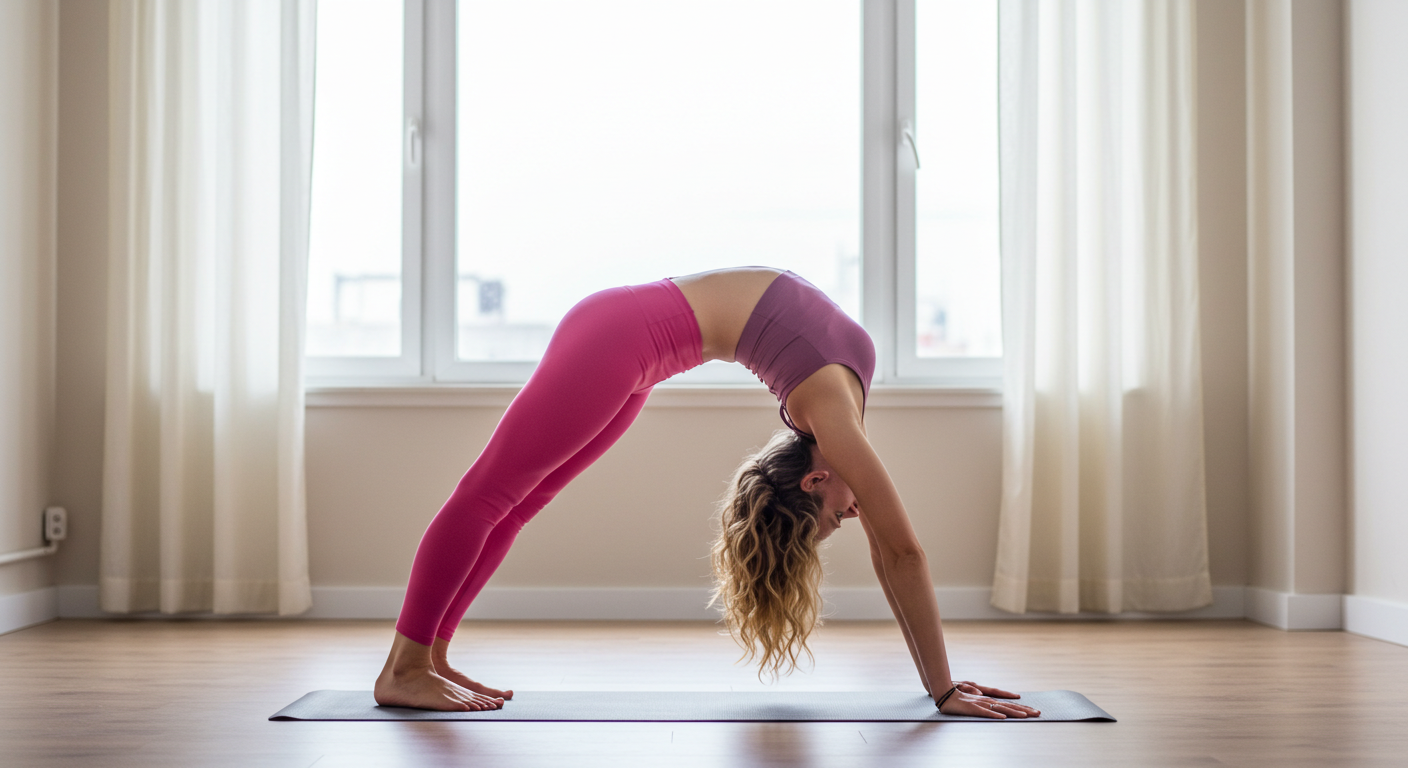
This classic yoga pose stretches your shoulders, hamstrings, and calves while strengthening your core. Push your hips up and back from a plank position to create an inverted “V” shape. Hold the pose for 30 seconds to feel a full-body stretch and increased circulation.
Why These Stretches Work
Each stretch targets common tightness areas, such as the lower back, hamstrings, and shoulders. Regularly incorporating them into your morning routine reduces stiffness, enhances your range of motion, and prepares your body for the day ahead.
Final Thoughts
Adding these stretches you should do every morning to your routine is a small but impactful habit. The physical and mental benefits are undeniable—you’ll feel more relaxed, energized, and ready to tackle whatever comes your way. So, tomorrow morning, take a few minutes to try these stretches. Your body will thank you!
What is the recommended number of sit-ups you should do in one day?
Sit-ups are one of the most well-known exercises for core strength. Whether you were introduced to them in gym class or inspired by iconic training montages, you’ve likely tried a few sets yourself. Their simplicity and convenience make them a go-to choice for many fitness enthusiasts. But how many sit-ups should you really be doing, and are they the best exercise for your abs? Let’s break it down.
Setting Daily Sit-up Goals
Everyone’s fitness journey is unique, so the ideal number of daily sit-ups varies. However, 40 sit-ups per day is a realistic target for most people, according to fitness experts like Ebenezer Samuel, C.S.C.S. This might seem modest, but it’s about maintaining proper form rather than chasing high numbers.
Focusing on slow, controlled movements—especially on the way down—can maximize results. Rushing through dozens or even hundreds of reps often sacrifices form and can lead to injury or diminished effectiveness. As Kurt Ellis, C.S.C.S., notes, overdoing it can result in overuse injuries and movement compensations that undermine your efforts.
What is the recommended number of sit-ups you should do a day?
To get the most out of situps, technique is key. Here’s how to perform them correctly:
Start Position: Lie on your back with knees bent and feet flat on the ground. Place your hands by your sides or across your chest to avoid straining your neck.
Engage Your Core: As you exhale, lift your upper body toward your knees in a controlled motion.
Lower Down Slowly: Inhale and return to the starting position with control, avoiding sudden drops.
Tips for Proper Execution:
Avoid pulling on your neck.
Keep elbows wide if hands are behind your head.
Focus on curling one spinal segment at a time.
Don’t rush—quality over quantity matters.
The Benefits of Situps
Situps are a classic for a reason—they’re effective! Beyond sculpting your abs, they improve posture and strengthen muscles essential for everyday tasks like bending and lifting. They primarily target the rectus abdominis (your six-pack muscles), which are crucial for spinal flexion.
However, sit-ups have limitations. They don’t fully engage other core muscles like the obliques or transverse abdominis, which are key for rotational and lateral stability. For a balanced core workout, include exercises that work your entire midsection.
Should You Do Sit-ups Daily?
While situps can be part of your daily routine, they shouldn’t dominate your workout plan. Over-reliance on situps may lead to repetitive strain. Instead, try varying your approach. Alternate between low-, moderate-, and high-rep days to challenge your muscles differently.
For a more effective core routine, supplement sit-ups with other movements like hollow rocks or plank shoulder taps. These exercises engage your abs in lengthened positions and incorporate anti-rotation mechanics, helping you build a stronger, more balanced core.
Beyond Sit-ups: A Holistic Approach to Core Training
Sit-ups target specific aspects of your abs, but they’re just one piece of the puzzle. To develop a strong, functional core, focus on a mix of exercises that address spinal stability, rotation, and anti-extension. Incorporating variety into your routine ensures better results and reduces the risk of overtraining.
For example:
Pair situps with planks for endurance.
Add side planks or Russian twists for oblique activation.
Include dynamic moves like hollow rocks to build strength in lengthened positions.
By broadening your exercise repertoire, you’ll unlock your core’s full potential and see better progress over time.
Final Thoughts
Sit-ups remain a cornerstone of core workouts for a reason—they’re simple and effective when done correctly. However, balance is crucial. Don’t rely solely on sit-ups for your fitness goals; integrate a variety of core exercises to develop strength, stability, and endurance. Whether you’re chasing visible abs or building functional strength, a well-rounded approach will deliver the best results.
Combining Intermittent Fasting and Exercise to Lose Weight Fast: My Personal Journey
Losing weight has always felt like an uphill battle for me. I’d tried different diets, joined fitness challenges, and even cut out all my favorite foods, but nothing seemed to stick. It wasn’t until I discovered a powerful combination—intermittent fasting and exercise—that I started seeing real results, and more importantly, results that I could maintain.
Let me walk you through my journey and how combining intermittent fasting with exercise helped me lose weight fast and keep it off in a healthy way.
I know intermittent fasting can sound a bit intimidating at first—because it did to me, too. Essentially, it’s not a diet but more of an eating pattern where you cycle between periods of eating and fasting. There are various ways to do it, but I started with the 16:8 method, which means fasting for 16 hours and eating during an 8-hour window.
What I loved about this approach is that it didn’t feel like I was depriving myself. I was still eating the foods I enjoyed, just within a specific time frame. This helped me cut down on unnecessary snacking and late-night eating, which had been my downfall for years. Plus, intermittent fasting is known to promote healthy fat weight loss because your body taps into fat stores for energy during the fasting period.
Pairing Intermittent Fasting with Exercise
When I added exercise into the mix, that’s when the magic really started to happen. I wasn’t hitting the gym every day or spending hours on the treadmill—just three to four days of focused workouts. I did a mix of strength training and cardio, which helped boost my metabolism and tone my body.
Here’s the thing: when you combine intermittent fasting with exercise, your body becomes a fat-burning machine. Exercising in a fasted state, which I was initially skeptical about, actually worked wonders for me. When you work out while fasting, your body has no choice but to burn fat for fuel. This led to healthy fat weight loss without making me feel overly exhausted or starving all the time.
Balancing Fasting and Energy Levels
I’ll be honest—there were days when it was tough. Especially in the beginning, I would feel hungry or sluggish during my workouts. But after the first two weeks, my body started to adjust, and I found that I had more energy during my fasting periods than I did before I started. That’s when I knew I was on the right track.
I also noticed that intermittent fasting made me more mindful of the food choices I was making during my eating window. I wasn’t just eating to fill the time—I was fueling my body with nutritious, wholesome meals that supported my workouts. This is a key component to achieving healthy fat weight loss—making sure that what you eat counts toward your goals.
The Results
After a couple of months, the results spoke for themselves. Not only did I shed the pounds, but I felt stronger, healthier, and more confident. My body was leaning out in all the right places, and I could finally see the definition in my muscles that I’d been working so hard to achieve.
The best part? I didn’t feel like I was on a restrictive diet or stuck in a never-ending workout routine. Intermittent fasting and exercise became a part of my lifestyle, and it’s something that I still do today to maintain my weight and overall well-being.
Tips for Getting Started
healthy fat weight loss
If you’re thinking about combining intermittent fasting and exercise to lose weight fast, here are a few tips from my personal experience:
Start slow – Don’t jump into a strict fasting routine. Ease your body into it by shortening your eating window gradually.
Choose workouts you enjoy – Whether it’s strength training, yoga, or running, pick something that makes you feel good, not something you dread.
Listen to your body – Some days you might need to adjust your fasting window or switch up your exercise routine, and that’s okay. Flexibility is key.
Focus on quality nutrition – Make sure your meals during your eating window are balanced and support your health goals. This is crucial for achieving healthy fat weight loss.
Combining intermittent fasting and exercise truly changed the game for me. It wasn’t just about the weight loss, though I won’t deny how amazing it felt to watch the numbers on the scale go down. It was more about the shift in my mindset, how I approached food, and how I felt in my body. It wasn’t a quick fix but a sustainable approach to healthy fat weight loss that worked for me—and it can work for you, too.
If you’re struggling with weight loss and nothing seems to be working, this might be the method that finally clicks. It’s worth giving it a try, and who knows? It could be the lifestyle change you’ve been looking for.
Kindly Follow on my social media pages if you enjoyed this:
I used to toss and turn for hours at night, chasing sleep like a dream that was always out of reach. Over time, I realized that what I consumed before bed significantly impacted my sleep quality. That’s when I discovered the soothing world of natural teas to help me Sleep Longer and Better. Unlike the quick fixes that over-the-counter pills offer, these herbal teas nourish the body and mind, gently inviting you into a deep, restorative slumber.
Chamomile: The Classic Bedtime Companion
Chamomile tea is perhaps the most famous bedtime brew—and for good reason. It’s been used for centuries to promote relaxation and alleviate anxiety. I remember when I first sipped on a warm cup of chamomile, the floral aroma alone seemed to calm my racing mind. A study published in the Journal of Advanced Nursing found that drinking chamomile tea led to significant improvements in sleep quality among participants who had trouble sleeping. Rich in apigenin, a compound that binds to brain receptors promoting relaxation, chamomile tea feels like a cozy blanket for your nervous system.
Magnolia Bark: Ancient Sleep Tonic
Magnolia bark is another gem, especially if stress is what’s keeping you awake. I was skeptical at first—I mean, who drinks bark tea? But after reading about its history in traditional Chinese medicine as a remedy for anxiety, I gave it a try. Magnolia bark contains honokiol and magnolol, compounds that may increase sleep duration and reduce nighttime waking. A study in Phytotherapy Research confirmed these effects, noting improvements in sleep latency and overall sleep quality. For me, it’s like a subtle but effective nudge toward peace at night.
You wouldn’t think to boil a banana and call it tea, but banana tea, made by simmering a whole banana (peel included), is surprisingly effective. Rich in potassium and magnesium, it helps relax muscles and soothe the nervous system. I found that a cup of banana tea an hour before bed significantly reduced leg cramps, a sneaky culprit behind my sleepless nights. While there isn’t as much formal research on this tea, its natural calming effect makes it a simple and sweet sleep aid worth trying.
Passionflower: Nature’s Stress Reliever
Passionflower tea was a game-changer for me on particularly stressful days. Known for its calming properties, it boosts levels of gamma-aminobutyric acid (GABA) in the brain, which reduces brain activity and makes it easier to drift off. In a study from Phytomedicine, participants who consumed passionflower tea reported improved sleep quality compared to those who didn’t. It’s a tea that quiets the mind, especially if racing thoughts tend to follow you to bed. Read More
Lemon Balm: Citrus Calm
Lemon balm tea is perfect if you want something light yet effective. The citrusy aroma immediately puts me in a relaxed mood.
Additionally, studies have shown that lemon balm can reduce symptoms of insomnia and anxiety, promoting longer and better sleep. The Mediterranean Journal of Nutrition and Metabolism also highlighted its ability to improve sleep quality, making it a favorite in my nightly routine.
Lavender isn’t just a relaxing scent for your pillow; it’s also a great tea for winding down. The calming properties of lavender are well documented, and drinking it as a tea can be even more effective. I often sip on it when I’m feeling overwhelmed. One study published in the Journal of Evidence-Based Integrative Medicine found that lavender tea can improve sleep quality, especially for those with mild insomnia. The soothing floral notes make each sip feel like a little act of self-care.
Valerian Root: The Sleep Powerhouse
Valarian Roots: Teas to Help You Sleep Longer
If you’re struggling with serious insomnia, valerian root tea might be your best bet. This pungent-smelling root is powerful, though it’s an acquired taste. Research published in The American Journal of Medicine shows valerian root can significantly improve sleep latency, allowing you to fall asleep faster and stay asleep longer. For me, valerian was like that final puzzle piece, helping me achieve deep, uninterrupted sleep. Read More
Conclusion: A Natural Path to Better Sleep
Finding the right natural tea for sleep is a personal journey, but with so many options, there’s something for everyone. These teas don’t just help you fall asleep—they improve the quality of your sleep, making your mornings brighter and your nights more peaceful. Give them a try, and you might find yourself drifting off more easily than you ever thought possible.
Health Benefits of Guava Leaves: I still remember the first time my grandmother handed me a warm cup of guava leaf tea. I had a terrible cold, and she swore by its healing powers. Skeptical but curious, I took a sip, and I must admit, I felt better by the end of the day. As I grew older, I became more interested in natural remedies, and that experience with guava leaves stuck with me. Now, after learning more about its numerous benefits, guava leaves are a regular part of my wellness routine.
When we think of guava, we often imagine the sweet, tropical fruit bursting with flavor. But what many people don’t realize is that the leaves of the guava plant are a hidden gem of health benefits. These unassuming leaves contain antioxidants, anti-inflammatory agents, and antibacterial compounds that can help with various health issues.
Research shows that guava leaves are rich in flavonoids, especially quercetin, which has strong anti-inflammatory properties. This is why guava leaves have been used in traditional medicine to treat illnesses like diarrhea, infections, and even diabetes. Let me take you on a journey through the many health benefits of these leaves and how to safely prepare and consume them.
1. Improves Digestion
One of the most common uses for guava leaves is as a digestive aid. Whether it’s indigestion, diarrhea, or a bloated stomach, guava leaf tea can help soothe the digestive system. The antibacterial properties of the leaves help neutralize harmful bacteria in the gut, preventing diarrhea and promoting healthy bowel movements.
Personally, I’ve found it particularly helpful after a heavy meal. It helps reduce bloating and makes me feel lighter.
2. Helps Control Blood Sugar Levels
For those managing diabetes or pre-diabetes, guava leaves can be a natural way to help control blood sugar. The compounds in guava leaves slow down the absorption of sugar in the blood, which helps prevent spikes in glucose levels. Scientific studies have shown that guava leaf extract can lower blood sugar levels and improve insulin resistance.
I recommended this remedy to a family friend who was struggling to control her blood sugar levels. She found it incredibly helpful, although I always remind people to consult their doctor before adding any new treatment to their routine.
3. Promotes Healthy Skin
Guava leaves are packed with antioxidants that combat free radicals, the culprits behind aging and skin damage. The antibacterial properties also help prevent and reduce acne. Applying guava leaf extract or tea to the skin can reduce inflammation, clear up acne, and improve the overall texture of your skin.
I’ve tried this myself, using cooled guava leaf tea as a toner, and it leaves my skin feeling fresh and clean.
4. Aids in Weight Loss
One of the surprising benefits I learned about is how guava leaves can aid in weight loss. The leaves inhibit the conversion of complex carbohydrates into sugars, which the body tends to store as fat. Drinking guava leaf tea regularly can help with weight management by promoting fat burning and preventing excess weight gain.
Guava leaf tea is incredibly easy to prepare, and I enjoy making it in the mornings or after meals. Here’s how you can do it:
Ingredients:
Fresh or dried guava leaves (about 10-15 leaves)
1 liter of water
Honey or lemon (optional)
Instructions:
Wash the guava leaves thoroughly to remove any dirt or debris.
Bring the water to a boil.
Add the guava leaves to the boiling water.
Let the leaves simmer in the water for about 10-15 minutes.
Strain the tea into a cup, and if you like, add honey or lemon for extra flavor.
Drink the tea once or twice daily for best results.
Safe Dosage and Precautions
As with any natural remedy, it’s important to use guava leaves in moderation. Drinking one to two cups of guava leaf tea per day is considered safe for most people. However, it’s always a good idea to start slowly, especially if you’ve never tried it before.
For those who are pregnant or breastfeeding, it’s recommended to consult a healthcare provider before using guava leaves. Similarly, if you have underlying health conditions or are taking medication, make sure to discuss with your doctor before incorporating guava leaves into your health regimen.
My Personal Takeaway
Over the years, guava leaves have become a staple in my natural remedy toolkit. From helping with digestion to promoting glowing skin, the benefits are endless. However, the most important lesson I’ve learned is that nature often holds the answers we need for a healthier life. Whether you’re looking to improve your gut health, manage your blood sugar, or just enjoy a soothing cup of tea, guava leaves might just be the herbal treasure you’ve been looking for.
So next time you see a guava tree, remember: the fruit isn’t the only part worth appreciating!
It is very hard to identify the signs that point to a loved one who is closer to a mental breakdown in our world today. This is because the mental state of an adult in the 21st century is deplorable compared to an adult in the 19th or 18th century.
Our fast-paced world we live in makes it difficult to pay attention to other people’s behaviour or even notice a change in their behaviours.
The pressure we face in society today’s world can sometimes lead to a mental breakdown—a period of intense mental distress that can affect a person’s ability to function. Recognizing the signs of a looming mental breakdown in someone close to you is crucial, as early intervention can make a significant difference. Here are six key indicators that someone might be on the verge of a mental breakdown.
Changes in behavior are one of the most visible signs that someone is dealing with hard times It might appear as them no longer wanting to partake in social activities they once did, more irritational behavior than normal, or a possible increase of mood swings. If your friend of normally outgoing and shows isolated behavior or a peaceful and calm person responds/aggressively, it is time to consider. These changes typically imply that something is internally wrong with the person and they might not have a way to deal with their feelings.
2. Sleep Disturbances
Sleep is a crucial component of mental health. When someone is on the verge of a breakdown, their sleep patterns often change. This could mean they’re struggling with insomnia, unable to fall or stay asleep, or experiencing the opposite—sleeping excessively. They might also report frequent nightmares or waking up feeling exhausted despite getting enough hours of sleep. Sleep disturbances can be both a cause and a symptom of mental distress, creating a vicious cycle that exacerbates the person’s condition.
3. Physical Symptoms Without Clear Medical Cause
Mental health issues often manifest physically. A person on the brink of a mental breakdown might experience a range of unexplained physical symptoms, such as frequent headaches, stomachaches, or chronic pain. They may also show signs of fatigue, even if they haven’t been exerting themselves physically. These symptoms can often be misleading, as they might be mistaken for a purely physical illness. However, when these physical issues occur alongside emotional and behavioral changes, it could indicate that the person’s mental health is deteriorating.
4. Overwhelming Feelings of Hopelessness or Helplessness
A common sign that someone is nearing a mental breakdown is a pervasive sense of hopelessness or helplessness. They may express feelings that nothing they do will make a difference or that their situation is beyond repair. This mindset can lead to a loss of interest in daily activities, neglect of personal responsibilities, and, in severe cases, thoughts of self-harm or suicide. It’s vital to take these expressions seriously and encourage the person to seek professional help immediately.
5. Inability to Focus or Make Decisions
When someone is overwhelmed by stress and emotional turmoil, it can become increasingly difficult for them to concentrate or make decisions, even about simple matters. They might find themselves easily distracted, forgetting things frequently, or taking an unusually long time to make choices. This cognitive fog can be frustrating and further diminish their sense of control over their lives, deepening their emotional distress. If you notice someone close to you struggling in this way, it could be a sign that they’re approaching a breaking point.
Turning to substances like alcohol, and drugs, or engaging in other risky behaviors is a common but dangerous coping mechanism for those nearing a mental breakdown. These behaviors can provide temporary relief from their distress but ultimately lead to more significant problems, including addiction, legal issues, and further mental deterioration. If someone close to you suddenly starts drinking heavily, using drugs, or engaging in risky behaviors, it’s a red flag that they may be struggling to cope with their mental health.
Recognizing the signs of an impending mental breakdown in someone close to you is the first step toward helping them get the support they need. Mental health struggles are deeply personal and can be challenging to navigate, but early intervention can prevent the situation from worsening. If you notice any of these signs in someone you care about, it’s crucial to approach them with empathy and encourage them to seek professional help. Your support could make all the difference in their journey toward recovery.
HIIT training and Intermittent fasting have become two of the most popular and effective ways of losing weight.
These two approaches have been endorsed by medical practitioners and scientists worldwide, and it shouldn’t be dangerous if all things are equal.
The two methods work in weight loss when you are consistent therefore it makes sense to try to combine the two to lose the maximum weight in the shortest possible time.
This blog post presents the facts and tries to conclude whether it is a good idea to combine the two. But before concluding let us first of all understand what HIIT training and intermittent fasting are and delve into their benefits and impacts on our body.
High-Intensity Interval Training (HIIT) is a workout approach that combines short bursts of intense exercise with brief recovery periods.
During a HIIT session, you alternate between pushing your body to its limits and allowing it to recover. This dynamic method elevates your heart rate, enhances endurance, and positively impacts metabolism.
HIIT can be a quick sprint to raise your heart level instantly or if you are engaging in other types of workouts it should be intense.
To reduce issues such as muscle cramps or strain, starting with a mild warm-up is best to set the body in the mood.
Let’s go into detail, about the benefits of HIIT training.
What are The benefits of HIIT Training?
To understand what the benefits of this type of exercise gives your body we have to appreciate how HIIT training impacts your body.
During High-Intensity Interval Training (HIIT), your body relies on both aerobic and anaerobic energy systems. Let’s break it down:
Aerobic System: In the initial phase of HIIT, your aerobic system kicks in. It uses oxygen to break down stored carbohydrates (glycogen) and fats to produce energy. The body utilizes much oxygen for this process, and it’s why you can sustain moderate-intensity exercise for longer periods.
Anaerobic System: In the anaerobic state which is where your body switches to the anaerobic system, your body stops relying on oxygen and starts using stored ATP (adenosine triphosphate) and creatine phosphate.
It’s a rapid but limited source of energy, which is why you can’t sustain high-intensity efforts for long. Lactic acid buildup occurs during anaerobic metabolism, leading to muscle fatigue this is when many experience cramping and soreness during their workouts.
EPOC (Excess Post-Exercise Oxygen Consumption): The incredible thing about HIIT training is that even when you are done, the body still burns calories at an elevated state. This is what we call EPOC.
This phenomenon, known as EPOC, occurs because your body needs to restore oxygen levels, clear lactic acid, and repair tissues.
Overall Benefits of HIIT Training:
Improved Cardiovascular Fitness:
HIIT elevates your heart rate during intense intervals, enhancing cardiovascular endurance.
It improves oxygen uptake and overall heart health.
Efficient Calorie Burn:
HIIT burns more calories in a shorter time compared to steady-state cardio.
The intense bursts increase metabolic rate, leading to post-workout calorie expenditure.
Fat Loss and Muscle Preservation:
HIIT promotes fat loss while preserving lean muscle mass.
It triggers the release of growth hormones, aiding muscle development.
Time-Efficient Workouts:
HIIT sessions are brief (usually 20-30 minutes), making them ideal for busy schedules.
You achieve significant results with less time investment.
Intermittent fasting (IF) is an eating pattern that cycles between periods of fasting and eating. Unlike a specific diet, intermittent fasting doesn’t dictate which foods to eat but focuses on when to eat them.
One method that is popularly adopted in intermittent fasting is the 16/8 Method also known as the Leangains Protocol. For this method, you only eat in an 8-hour window and fast for 16 hours straight.
There is also the Eat-Stop-Eat method where you fast 24 hours straight once or twice a week. This is best for those whose bodies have become accustomed to fasting for longer periods.
This is an alternative to check yourself on a strict diet because it is also a form of fasting. you set a target to eat a certain amount of calories most of the days
What are The Benefits of Intermittent Fasting?
Fasting comes with lots of benefits. It is a way by which your body cleanses itself. Additionally, you stand to benefit from the following you include fasting in your lifestyle.
Insulin Levels: fasting increases insulin sensitivity, that is the ability for insulin to react quickly to elevated blood sugar levels. It also decreases the insulin level in your body.
Human Growth Hormone (HGH): Fasting can lead to an increase in HGH levels. Studies have shown fasting can increase HGH secretion by 300% to 1200%. Insulin and HGH have an inverse relationship, meaning when one is high, the other is low.
Cellular Repair: When you fast, your body experiences a lack of nutrients and energy. This nutrient deprivation triggers autophagy, as the body shifts to a state of conservation and recycling to maintain essential functions.
Can I combine HIIT workouts and Fasting?
Yes, you can but you must be guided. these two approaches are both effective in losing weight and building a healthy body.
Should you decide to combine the two, you should be careful not to overstress your body. You can vary the intensity from low to high and better understand your body.
Fasting and HIIT workouts both take energy from your body if you overdo them, you risk going into shock or passing out.
While fasting, your body may break down muscle tissue for energy, especially if your protein intake is insufficient. HIIT, which is demanding on the muscles, could exacerbate this effect if not managed properly. Rapid loss of muscle mass could also affect your kidneys.
Conclusion
High-intensity interval Training (HIIT) and intermittent fasting are both powerful tools for enhancing fitness and health. When done correctly, HIIT can significantly improve cardiovascular fitness, burn calories efficiently, and promote fat loss while preserving muscle. Similarly, intermittent fasting can help regulate insulin levels, increase human growth hormone (HGH) secretion, and trigger cellular repair processes like autophagy.
Combining these two approaches can amplify their benefits, but it’s crucial to do so with caution. Proper hydration, balanced nutrition, and careful monitoring of your body’s responses are essential to avoid potential risks such as energy deficiency, dehydration, hypoglycemia, and impaired recovery.
By understanding the mechanisms and benefits of both HIIT and intermittent fasting, and by approaching their combination mindfully, you can achieve significant health and fitness gains while minimizing the associated risks. Always consult with a healthcare professional before starting any new fitness or dietary regimen, especially if you have underlying health conditions.
Heart rate and blood pressure are indicators that measure how efficiently our bodies are functioning. These two can give you the idea that they are the same or related in a way because it has to deal with your heart.
That is not entirely true.
To some extent, they may be an indication of a common underlying health condition but that isn’t always the case. The fact that your heart rate is high doesn’t automatically translate into high blood pressure.
Let’s delve into this: Heart rate vs. blood pressure
Heart rate and blood pressure often increase or decrease together, but they don’t always rise and fall in sync.
For example, when faced with danger, both heart rate and blood pressure may increase at the same time. However, if your heart rate increases, it doesn’t necessarily mean your blood pressure will also increase.
If you’re dehydrated, bleeding, or have a severe infection, your blood pressure will usually decrease while your heart rate increases.
In some cases, heart rate can directly affect blood pressure. For example, if your heart rate becomes dangerously high, like during an arrhythmia, your blood pressure will often drop.
This is because the heart rate is too high for the heart to pump blood effectively. On the other hand, if you experience shock, which is when your blood pressure is dangerously low, your heart rate will usually increase to try to compensate and provide blood flow to your body.
Blood pressure measures the force of blood against your artery walls, while heart rate measures how many times your heart beats per minute. When heart rate and blood pressure move in opposite directions, it may indicate an underlying issue.
For example, high heart rate and low blood pressure can occur temporarily when blood pools in the veins of your legs and gut. This means less blood travels to your heart muscles, so your heart doesn’t have much to pump out. As a result, your nervous system will automatically increase your heart rate.
Can you have low blood pressure and high heart rate?
Yes, it’s common to experience low blood pressure and a high heart rate at the same time. This can be caused by several conditions, including Dehydration, Low blood sugar, Anxiety, and Changing positions.
When blood pressure is low, the heart has to work harder to pump enough oxygen-rich blood to the body’s organs, which can lead to a higher heart rate. This is called hypotension and tachycardia, where hypotension is low blood pressure (below 90/60 mmHg) and tachycardia is a rapid heart rate (above 100 beats per minute).
A combination of low blood pressure and a high heart rate can be dangerous and indicate that the body isn’t getting enough oxygen. This can put the body at risk for shock, which requires immediate medical attention. Signs of shock include cold and sweaty skin, rapid breathing, blue skin tone, and weak and rapid pulse.
What Role Do Smart Watches Play in Fitness and Healthy Lifestyle: Recently I bought a smartwatch just to experience the hype that comes with it.
I’ve not been a fan of it because I don’t see why reading notifications from a tiny screen made sense.
Was I disappointed? No. This is because Smart Watches of today aren’t just limited to reading notifications and answering calls.
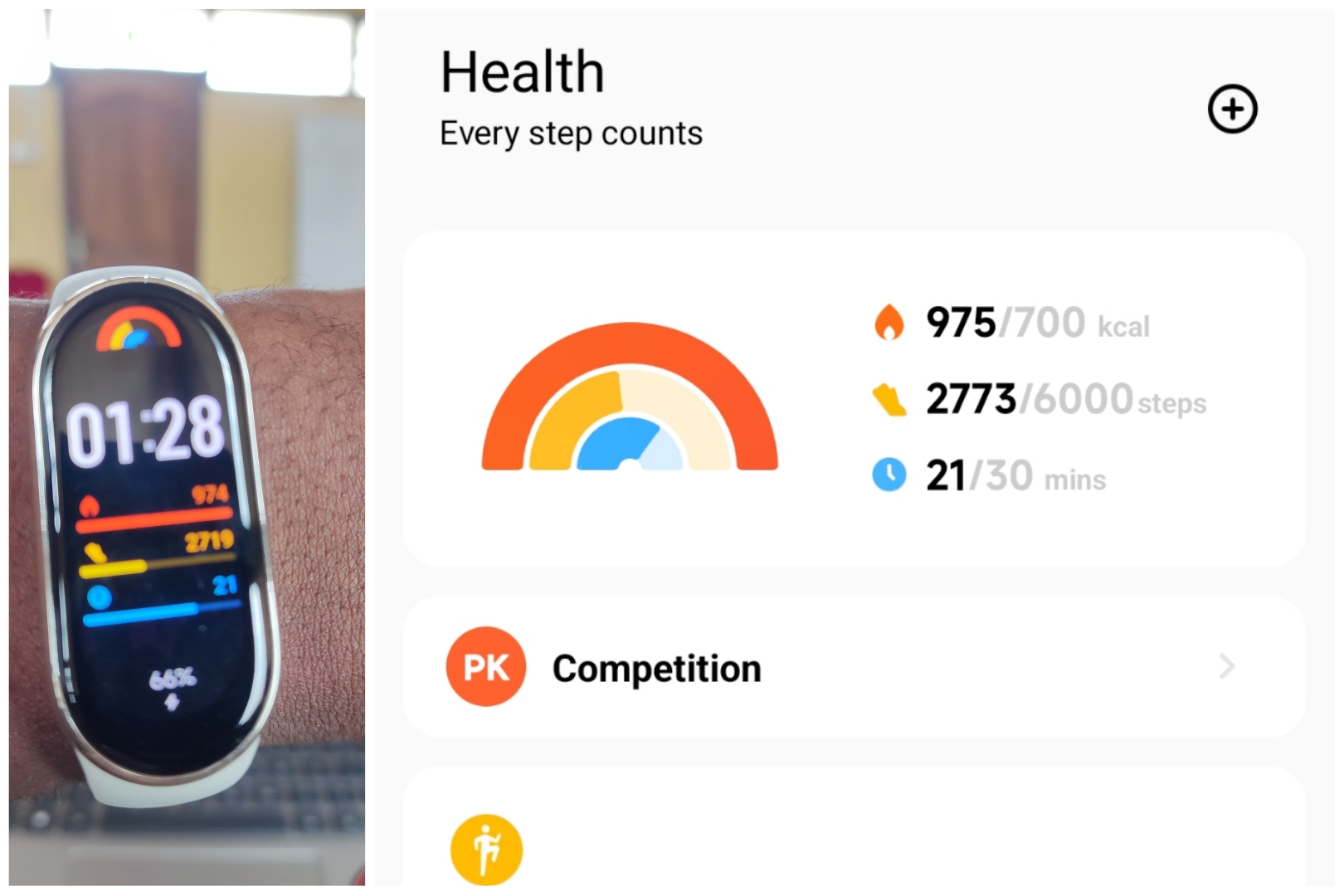
It would surprise you to know that these small devices pack a ton of useful features. I am currently testing the Mi Fitness band 8 which has been instrumental in my weight loss and fitness journey.
So Do You Need A Smart Watch?
That all depends on you. If you have the money to spare then it’s worth getting one. Ever since I started experimenting with my fitness band I have become more conscious of certain health metrics I would often ignore.
I am pushed to ensure I get quality sleep because the band can track that. Most bands have that functionality.
Also, the pedometer built inside pushed me to achieve my daily step count target because I got to monitor it in real time.
The feature to monitor heart rate and its corresponding calories burned is another useful feature that you can take advantage of to ensure your workouts are efficient.
The above-mentioned features and more are present in most smart watches today so it doesn’t matter the brand. The accuracies of the metrics may be different. Some are more accurate than others.
Just go with a trusted brand you are comfortable with.
What Role Do Smart Watches Play in Fitness and Healthy Lifestyle
Now that we have a fair idea of how using a smartwatch can help you to achieve your desired fitness results, let’s delve deep into the useful features you will benefit from a smartwatch.
1. Activity Tracking: Smartwatches serve as personal fitness trackers, monitoring various metrics such as steps taken, distance traveled, and calories burned. This real-time feedback helps users stay accountable and motivated to reach their daily activity goals.
2. Heart Rate Monitoring: Many smartwatches have heart rate sensors, allowing users to monitor their heart rate continuously throughout the day and during workouts. This feature is invaluable for gauging cardiovascular health and optimizing workout intensity.
3. Workout Guidance: Smartwatches offer many workout modes tailored to different activities, from running and cycling to swimming and yoga. These devices provide real-time coaching and feedback to help users maintain proper form, optimize performance, and avoid injury.
4. Sleep Tracking: Quality sleep is crucial for overall health and well-being. Smartwatches with sleep-tracking capabilities monitor sleep patterns, including duration, stages, and quality. By analyzing this data, users can identify factors affecting their sleep and make necessary adjustments to improve sleep hygiene.
5. Stress Management: Some advanced smartwatches feature stress-tracking functionalities, utilizing heart rate variability (HRV) data to assess stress levels throughout the day. Users can learn to manage stress more effectively and promote mental well-being through guided breathing exercises and mindfulness prompts.
6. Nutritional Insights: Integrating with companion mobile apps, smartwatches enable users to track their dietary intake and hydration levels. By logging meals and water intake, users gain insights into their nutritional habits and can make informed decisions to support their fitness and health goals.
7. Motivational Features: Gamification elements such as badges, challenges, and leaderboards add an element of fun and competition to fitness tracking. Smartwatches celebrate milestones, encourage progress, and foster a sense of community among users, motivating them to stay active and committed to their goals.
8. Integration with Ecosystems: Smartwatches seamlessly integrate with other health and fitness ecosystems, including fitness apps, health platforms, and wearable accessories. This interoperability enables users to consolidate data from various sources, gain deeper insights into their health metrics, and make holistic lifestyle changes.
9. Remote Health Monitoring: With advancements in sensor technology, smartwatches are increasingly capable of monitoring vital signs and detecting anomalies indicative of health issues. This remote health monitoring functionality allows users to proactively manage their health and seek medical attention when necessary.
10. Lifestyle Integration: Beyond fitness tracking, smartwatches offer a range of lifestyle features such as notifications, music control, navigation, and contactless payments. By seamlessly integrating these functionalities into daily life, smartwatches empower users to stay connected, organized, and focused on their well-being.
The decision to use a smartwatch depends on you and depends on your budget.
Some people can organize themselves to the point that they do not need one.
I have adapted to it because it’s a new thing for me and I want to get abreast with technology. It has undeniably helped, and I would recommend anyone who struggles to motivate themselves or keep themselves accountable to their fitness journey to try and track these health metrics.
Currently, it serves me best when tracking my sleep duration.