Category: Lifestyle

Fashion โ€ข Beauty โ€ข Self-improvement โ€ข Education , Lifestyle

  • How Stress is Making You Grow and Look Older Than Your Age

    How Stress is Making You Grow and Look Older Than Your Age

    Stress is Making You Grow and Look Older– Ever looked in the mirror and thought, Why do I look older than I actually am? The answer might not be in your skincare routine or geneticsโ€”it could be stress. Chronic stress doesnโ€™t just make you feel exhausted; it accelerates aging, making you look and feel older than you should.

    Read Also: The major role sleep plays in weight loss.

    The Science Behind Stress and Aging

    Stress is your bodyโ€™s natural response to challenges. In small doses, it helps you stay alert and focused. However, when stress becomes chronicโ€”whether from work, relationships, financial struggles, or daily responsibilitiesโ€”it starts to take a toll on your physical and mental well-being.

    Your body responds to stress by releasing cortisol, the so-called stress hormone. While cortisol is useful in short bursts, prolonged exposure can damage cells, break down collagen (which keeps your skin firm and youthful), and cause premature aging.

    1. Stress Wreaks Havoc on Your Skin

    Stress is Making You Grow and Look Older

    Your skin is one of the first places stress manifests. Have you ever noticed breakouts or dull skin after a stressful period? Thatโ€™s because stress weakens the skinโ€™s barrier, making it more prone to dryness, wrinkles, and acne.

    • Collagen Breakdown: Collagen is the protein that keeps your skin smooth and firm. Chronic stress increases inflammation, leading to collagen degradation and the appearance of fine lines and sagging skin.
    • Increased Oil Production: Stress triggers an overproduction of oil, leading to acne, clogged pores, and a tired-looking complexion.
    • Dark Circles and Eye Bags: Lack of sleep due to stress results in fluid retention and poor circulation, leading to puffy eyes and dark circles.

    2. Stress Causes Hair Thinning and Greying

    Your hair can also suffer due to chronic stress. High levels of cortisol disrupt the natural growth cycle, leading to excessive shedding, thinning, and even early greying.

    • Telogen Effluvium: This condition occurs when stress pushes hair follicles into a resting phase, causing noticeable hair loss.
    • Premature Greying: Stress affects melanocytes, the cells responsible for hair pigment, leading to early greying.

    3. Stress Makes You Gain Weight and Lose Muscle Tone

    Have you noticed how stress makes you crave sugary and high-calorie foods? Thatโ€™s because stress hormones drive you to eat more, leading to weight gain, especially around the midsection. Stress also reduces muscle tone, making your body look less firm and youthful.

    • Belly Fat Accumulation: High cortisol levels encourage fat storage around the abdomen, increasing the risk of metabolic diseases.
    • Muscle Breakdown: Chronic stress decreases protein synthesis, leading to muscle loss and a weaker body structure.

    4. Stress Affects Your Posture and Energy Levels

    When you’re stressed, you may hunch over more, whether at your desk or while using your phone. Over time, poor posture can lead to back pain, a stooped stance, and an overall older appearance.

    • Slouched Posture: Makes you look tired and older.
    • Fatigue: Constant stress drains your energy, making you feel sluggish and affecting your overall vitality.

    5. Stress Accelerates Internal Aging

    Beyond what you see in the mirror, stress also accelerates aging at a cellular level. Studies show that chronic stress shortens telomeresโ€”the protective caps on the ends of DNA strands. Shortened telomeres are linked to a shorter lifespan and increased risks of diseases like diabetes, heart disease, and dementia.

    Read Also: Your Toothpaste Might Be Slowly Poisoning You โ€“ Hereโ€™s Why

    How to Slow Down Stress-Induced Aging

    Stress is Making You Grow and Look Older

    The good news? You can reverse some of the damage stress has caused by making intentional lifestyle changes.

    • Prioritize Sleep: Aim for at least 7โ€“9 hours of quality sleep each night to allow your body to repair itself.
    • Practice Mindfulness: Engage in meditation, deep breathing, or yoga to reduce stress levels.
    • Stay Active: Exercise releases endorphins, which counteract stress and keep you looking and feeling younger.
    • Eat a Healthy Diet: Focus on antioxidant-rich foods like fruits, vegetables, nuts, and fish to combat inflammation and promote skin health.
    • Stay Hydrated: Dehydration can make your skin look tired and aged, so drink plenty of water daily.
    • Take Breaks and Set Boundaries: Avoid burnout by setting limits at work and taking time for relaxation.
    • Laugh More: Laughter reduces stress hormones and helps you maintain a youthful glow.

    Aging is natural, but stress can make it happen faster than it should. If youโ€™ve been feeling and looking older than your actual age, take a step back and evaluate how stress is affecting your life. By making small, consistent changes, you can slow down stress-induced aging and reclaim your youthful glowโ€”inside and out.

    8 Ways That Stress Shows On Your Face: The Aging Effects Of Anxiety

  • Functional Foods: How to Incorporate Them into Your Diet for Optimal Health

    Functional Foods: How to Incorporate Them into Your Diet for Optimal Health

    What Are Functional Foods?

    Functional foods are foods that offer health benefits beyond basic nutrition. They contain bioactive compounds, vitamins, minerals, and other nutrients that promote overall well-being and may help reduce the risk of chronic diseases. These foods can be naturally occurring, such as fruits and vegetables, or fortified with additional nutrients, like calcium-enriched orange juice.

    Health Benefits of Functional Foods

    Functional foods contribute to better health in multiple ways. Some of their key benefits include:

    1. Boosting Immunity โ€“ Foods like garlic, ginger, and yogurt contain antioxidants and probiotics that enhance immune function.
    2. Supporting Heart Health โ€“ Omega-3-rich foods such as salmon, flaxseeds, and walnuts help lower cholesterol and reduce the risk of heart disease.
    3. Improving Gut Health โ€“ Probiotics and prebiotics found in fermented foods like kimchi, kefir, and yogurt promote a balanced gut microbiome.
    4. Enhancing Brain Function โ€“ Foods like blueberries, dark chocolate, and fatty fish contain nutrients that improve cognitive function and memory.
    5. Regulating Blood Sugar Levels โ€“ High-fiber foods like whole grains, legumes, and leafy greens help maintain stable blood sugar levels and support metabolic health.
    6. Reducing Inflammation โ€“ Turmeric, green tea, and nuts contain anti-inflammatory compounds that help prevent chronic conditions like arthritis and diabetes.

    Read Also: The Science Behind Dรฉjร  Vu: Unlocking the Mystery of the Mind

    How to Incorporate Functional Foods into Your Diet

    Adding functional foods to your meals is simple and can be done in various creative ways. Hereโ€™s how you can seamlessly integrate them into your diet:

    1. Start Your Day with a Nutrient-Packed Breakfast

    • Smoothies: Blend spinach, bananas, Greek yogurt, and chia seeds for a nutritious start.
    • Oatmeal: Add flaxseeds, nuts, and berries to boost fiber and antioxidants.
    • Eggs: Pair with avocado and whole-grain toast for a balanced meal rich in healthy fats and protein.

    2. Choose Functional Foods for Snacks

    • Nuts and Seeds: Almonds, walnuts, and sunflower seeds provide healthy fats and antioxidants.
    • Greek Yogurt with Honey: Rich in probiotics, this snack supports digestion and gut health.
    • Dark Chocolate (70% Cocoa or Higher): Contains flavonoids that improve heart health.

    3. Incorporate Functional Foods into Lunch and Dinner

    Functional Foods
    • Salads: Toss in leafy greens, quinoa, nuts, and seeds for added nutrients.
    • Soups and Stews: Include beans, lentils, and turmeric to enhance fiber and anti-inflammatory benefits.
    • Grilled Fish: Choose salmon or mackerel for their high omega-3 content.

    4. Replace Processed Foods with Whole, Functional Foods

    • Swap white rice for quinoa or brown rice to increase fiber intake.
    • Replace sugary drinks with green tea or infused water for antioxidant benefits.
    • Choose whole-grain bread over refined white bread for improved digestion and heart health.

    5. Use Herbs and Spices for Added Health Benefits

    • Add turmeric to curries or golden milk for its anti-inflammatory properties.
    • Use garlic and ginger in cooking to boost immune function.
    • Sprinkle cinnamon over oatmeal or coffee to help regulate blood sugar levels.

    Read Also: The Okra & Water Trend: What Science Says About Its Health Benefits

    Conclusion

    Incorporating functional foods into your daily diet is an effective way to support overall health and prevent chronic diseases. Whether through small changes like adding flaxseeds to your breakfast or replacing processed snacks with nutrient-rich alternatives, these simple adjustments can have a lasting impact on your well-being. Start making conscious food choices today and experience the benefits of functional foods for a healthier future.

    Follow My Facebook Page: infohealthgh

  • According to Health Experts, Here Are a Number of Ways to Manage Stress

    According to Health Experts, Here Are a Number of Ways to Manage Stress

    Ways to Manage Stress– Stress is an inevitable part of life. Whether it stems from work, relationships, financial struggles, or health concerns, stress can take a significant toll on our physical and mental well-being. While short-term stress can be a motivating factor, chronic stress has been linked to various health issues, including high blood pressure, heart disease, anxiety, and weakened immunity.

    Fortunately, health experts emphasize that managing stress effectively can reduce its negative impact and improve overall well-being. Below are research-backed strategies to help you handle stress and maintain a balanced, healthy life.

    1. Practice Mindfulness and Meditation

    Mindfulness and meditation have gained widespread recognition for their ability to reduce stress. A study published in JAMA Internal Medicine found that mindfulness meditation programs significantly reduced anxiety, depression, and stress in participants.

    • How to practice mindfulness: Focus on the present moment without judgment. This can be done through deep breathing, guided meditation, or simply observing your thoughts.
    • Benefits: Lowers cortisol (the stress hormone), improves emotional regulation, and enhances overall mental clarity.

    2. Exercise Regularly

    Ways to Manage Stress
    Ways to Manage Stress

    Physical activity is one of the most effective ways of managing stress. Exercise releases endorphins, which are natural mood boosters, and helps lower cortisol levels.

    • Best exercises for stress relief:
      • Aerobic exercises (running, swimming, cycling)
      • Yoga (combines physical movement with breath control and relaxation)
      • Strength training (helps build resilience and mental toughness)

    A study published in the American Journal of Psychiatry found that even 30 minutes of moderate exercise five times a week significantly reduces stress and anxiety symptoms.

    3. Maintain a Healthy Diet

    Ways to Manage Stress
    Ways to Manage Stress

    What you eat plays a crucial role in how your body responds to stress. Foods high in sugar and processed carbohydrates can cause spikes in blood sugar, leading to mood swings and increased anxiety.

    • Stress-reducing foods:
      • Fatty fish (rich in omega-3 fatty acids, which reduce inflammation)
      • Dark chocolate (contains antioxidants that lower stress hormones)
      • Nuts and seeds (provide magnesium, a mineral linked to reduced stress)
      • Herbal teas (chamomile and green tea have calming effects)

    According to a study in Psychosomatic Medicine, omega-3-rich foods can reduce the bodyโ€™s stress response and improve mood.

    4. Prioritize Sleep

    Ways to Manage Stress
    Ways to Manage Stress

    Poor sleep increases stress levels and affects overall health. Chronic sleep deprivation can elevate cortisol levels and lead to fatigue, irritability, and reduced cognitive function.

    • Tips for better sleep:
      • Stick to a consistent sleep schedule.
      • Avoid screens (TV, phones, tablets) at least an hour before bedtime.
      • Create a relaxing bedtime routine (reading, meditation, or light stretching).

    The National Sleep Foundation recommends 7โ€“9 hours of quality sleep per night for adults to help with managing stress and overall health.

    5. Practice Deep Breathing and Relaxation Techniques

    Deep breathing exercises help activate the parasympathetic nervous system, which counteracts the bodyโ€™s stress response.

    • Techniques to try:
      • 4-7-8 breathing: Inhale for 4 seconds, hold for 7 seconds, and exhale for 8 seconds.
      • Progressive muscle relaxation: Tense and relax different muscle groups to release physical tension.

    Studies in the Journal of Behavioral Medicine show that deep breathing can reduce blood pressure and heart rate, helping the body enter a relaxed state.

    6. Stay Connected and Seek Support

    Social support plays a crucial role in stress management. Talking to friends, family, or a therapist can provide emotional support and a fresh perspective on stressful situations.

    • Ways to stay connected:
      • Join a support group or engage in community activities.
      • Schedule regular catch-ups with loved ones.
      • Consider professional counseling if stress becomes overwhelming.

    Research from Harvard Medical School shows that strong social connections can lower cortisol levels and improve resilience to stress.

    Read Also: Increased Risk of Cancer Amongst Younger People

    7. Manage Time Effectively

    Feeling overwhelmed by responsibilities is a common stressor. Poor time management can lead to frustration, anxiety, and burnout.

    • Time management tips:
      • Prioritize tasks using the Eisenhower Matrix (urgent vs. important tasks).
      • Break big projects into smaller, manageable steps.
      • Use productivity tools (to-do lists, calendar apps, or time-blocking techniques).

    A study in the Journal of Applied Psychology found that individuals who practiced effective time management reported lower stress levels and higher job satisfaction.

    8. Engage in Hobbies and Leisure Activities

    Taking time for enjoyable activities is essential for relaxation and mental health. Engaging in hobbies reduces stress and provides a sense of accomplishment.

    • Relaxing hobbies to try:
      • Painting, drawing, or writing
      • Gardening or spending time in nature
      • Playing a musical instrument
      • Cooking or baking

    A study in The Journal of Positive Psychology found that people who regularly engage in hobbies experience higher levels of positive emotions and lower levels of stress.

    9. Limit Caffeine and Alcohol Consumption

    While caffeine can provide a temporary energy boost, excessive consumption can lead to heightened stress and anxiety. Similarly, alcohol may seem like a stress reliever, but it can disrupt sleep and increase cortisol levels over time.

    • Healthier alternatives:
      • Herbal teas or decaffeinated coffee
      • Water or natural fruit juices
      • Adaptogenic herbs like ashwagandha, known to help reduce stress

    The Journal of Clinical Nutrition reported that excessive caffeine intake can interfere with the bodyโ€™s ability to regulate stress hormones effectively.

    Read Also: How Your Smartphone is Secretly Damaging Your Brain.

    10. Adopt a Positive Mindset

    Cultivating a positive mindset can significantly affect how you respond to stress. Practicing gratitude and reframing negative thoughts can shift your perspective.

    • Ways to foster positivity:
      • Keep a gratitude journal and list things youโ€™re thankful for daily.
      • Replace negative thoughts with constructive ones.
      • Surround yourself with supportive and optimistic people.

    A study from The Journal of Behavioral Medicine found that individuals who practiced gratitude had lower stress levels and better overall mental health.

    Coclusion

    Stress is unavoidable, but how we respond to it makes all the difference. By implementing these expert-backed strategies, you can develop resilience and maintain a healthier, more balanced life. Remember, managing stress is an ongoing process that requires consistent effort and self-awareness. Whether itโ€™s through mindfulness, exercise, healthy eating, or social support, finding what works best for you will lead to a happier and healthier life.

    By taking proactive steps to reduce stress, you are investing in your long-term well-being and improving your quality of life. Start small, be consistent, and prioritize your mental and physical health every day.

  • How Your Smartphone is Secretly Damaging Your Brain.

    How Your Smartphone is Secretly Damaging Your Brain.

    In todayโ€™s digital age, smartphones have become an essential part of our daily lives. We rely on them for communication, work, entertainment, and even education. However, while these devices offer convenience, they also come with hidden dangers that can severely impact our brain health. From the effects of blue light and radiation to the constant bombardment of notifications, your smartphone is secretly damaging your brain in ways you may not even realize.

    The worst part is that these negative effects can be so subtle that you often wouldn’t notice it. For children, it is even worse and hinders their cognitive development. Let us delve into the effects and tips that helped me to break this cycle.

    1. The Effects of Blue Light on Your Brain

    One of the biggest culprits behind smartphone-induced brain damage is blue light exposure. Smartphones emit a significant amount of blue light, which interferes with the bodyโ€™s natural sleep-wake cycle. The brain produces melatonin, a hormone responsible for regulating sleep, but excessive blue light exposure, especially at night, suppresses melatonin production.

    A study by Harvard Medical School found that blue light exposure before bedtime reduces melatonin production by 50%, leading to difficulty falling asleep and poor sleep quality. Chronic sleep deprivation has been linked to cognitive decline, memory problems, and an increased risk of neurodegenerative diseases like Alzheimerโ€™s. If you find yourself scrolling through your phone late at night, you might unknowingly be sabotaging your brainโ€™s ability to function optimally.

    Read Also: Clear Nasal Congestion with Bay Leaves: The Power of Bay Leaves

    2. Radiation and Its Impact on Brain Health

    Another concerning factor is the radiation emitted by smartphones. While the debate on the long-term effects of smartphone radiation is ongoing, several studies have raised alarms about potential health risks. Smartphones emit electromagnetic radiation (EMR), and while the levels are considered safe by regulatory bodies, prolonged exposure may have negative consequences.

    A study published in the International Journal of Environmental Research and Public Health highlighted that long-term exposure to EMR from smartphones could lead to changes in brain activity and even increase the risk of certain types of brain tumors. Additionally, some researchers suggest that smartphone radiation could contribute to oxidative stress in the brain, which accelerates aging and cognitive decline.

    3. Constant Notifications and Mental Health Decline

    Do you ever feel anxious when your phone vibrates or hear a notification sound? Youโ€™re not alone. The constant influx of messages, emails, and social media updates triggers the brainโ€™s reward system, releasing dopamineโ€”the same chemical associated with addiction.

    Frequent interruptions from notifications significantly reduce attention span and increase stress levels. When your brain is constantly switching tasks due to smartphone notifications, it struggles to focus, leading to decreased productivity and mental fatigue. Additionally, excessive smartphone use has been linked to increased anxiety, depression, and feelings of social isolation.

    How I Broke the Habit and Noticed a Change

    During my school days, I was glued to my smartphone. From late-night social media scrolling to constantly checking messages, my phone controlled my life. I struggled with sleep issues, found it difficult to concentrate on my studies, and often felt mentally drained.

    One day, I decided to make a change. I started by setting strict screen time limits, especially before bed. I also began using blue light filters on my devices and made a conscious effort to engage in real-world activities like reading, exercising, and spending time with family and friends. Over time, I noticed significant improvementsโ€”better sleep, increased focus, and an overall sense of mental clarity. The transition was challenging, but it was one of the best decisions I ever made for my brain health.

    READ ALSO: Six (6) Signs a Loved One Is On The verge of a Mental Breakdown.

    Ways to Reduce Smartphone-Related Brain Damage

    If you suspect that your smartphone is secretly damaging your brain, itโ€™s time to take action. Here are some practical steps to reduce the negative impact:

    1. Limit Screen Time Before Bed

    Reduce blue light exposure by avoiding screens at least an hour before bedtime. Consider using a blue light filter or wearing blue light-blocking glasses. These days most smartphones come in built with features that you can enable to reduce blue light.

    2. Turn Off Unnecessary Notifications

    Reduce digital distractions by turning off non-essential notifications. This will help you stay focused and minimize stress.

    3. Use Airplane Mode When Not in Use

    Reduce exposure to smartphone radiation by switching to airplane mode when you donโ€™t need your phone, especially when sleeping.

    4. Take Regular Breaks

    Follow the 20-20-20 rule: every 20 minutes, look away from your screen for 20 seconds and focus on something 20 feet away.

    5. Engage in Offline Activities

    Replace excessive screen time with activities that promote brain health, such as reading, exercising, or spending time with loved ones.

    READ ALSO = The Health Benefits of Guava Leaves: My Journey into Natureโ€™s Pharmacy

    Conclusion

    While smartphones are undeniably useful, they come with hidden dangers that can significantly impact brain health. From blue light-induced sleep disturbances to radiation exposure and constant digital interruptions, your smartphone is secretly damaging your brain. The good news is that by adopting healthier smartphone habits, you can protect your mental well-being and improve cognitive function. If I could break the habit and see noticeable changes, so can you. Itโ€™s time to take control and use technology in a way that benefits, rather than harms, your brain.

  • The Power of Gratitude: A 30-Day Challenge

    The Power of Gratitude: A 30-Day Challenge

    The Power of Gratitude: A 30-Day Challenge to Transform Your Life– In the hustle and bustle of modern life, itโ€™s easy to get caught up in the negatives โ€“ the deadlines, the stress, and the constant comparisons. But what if the key to feeling happier and more fulfilled is simpler than we think? Enter gratitude โ€“ a practice that, when nurtured consistently, can transform your outlook, improve your relationships, and even enhance your health.

    Gratitude isnโ€™t just about saying โ€œthank youโ€ now and then. Itโ€™s a mindset shift that trains you to focus on whatโ€™s going right in your life. And the best part? Itโ€™s accessible to everyone. Whether youโ€™re navigating a rough patch or simply want to enhance your well-being, embarking on a 30-day gratitude challenge can lead to profound changes.

    Why Gratitude Works

    Science backs the benefits of gratitude. Studies show that people who regularly practice gratitude experience lower levels of stress and depression, stronger immune systems, and better sleep. Gratitude rewires your brain, fostering positive thought patterns that help you better handle adversity. It creates a feedback loop โ€“ the more grateful you are, the more you notice the good in your life.

    In relationships, expressing gratitude can deepen bonds. A heartfelt โ€œthank youโ€ to a partner, friend, or colleague fosters trust and mutual appreciation. Over time, this simple act can strengthen connections and nurture empathy, creating a ripple effect in your social circle.

    The 30-Day Gratitude Challenge

    If youโ€™re ready to cultivate gratitude in your life, a structured 30-day challenge is a great place to start. Each day will involve a simple, yet powerful exercise designed to shift your perspective. The key is consistency โ€“ just a few minutes a day can lead to lasting change.

    Week 1: Awareness and Reflection
    Focus on becoming aware of the positives already present in your life.

    • Day 1: Write down three things youโ€™re grateful for.
    • Day 2: Reflect on a past challenge and note how it helped you grow.
    • Day 3: Express gratitude for your body โ€“ appreciate its strength and resilience.
    • Day 4: Notice and appreciate small moments, like a sunrise or a kind gesture.
    • Day 5: Write a thank-you note to someone whoโ€™s made a difference in your life.
    • Day 6: Share a compliment or words of appreciation with a friend or colleague.
    • Day 7: Reflect on the week and write about how gratitude has shifted your mood.

    Read Also: 5 Ultimate Stretches You Should Do Every Morning

    Week 2: Gratitude in Action
    This week is about bringing gratitude into your daily interactions.

    • Day 8: Say โ€œthank youโ€ more often and mean it.
    • Day 9: Perform a random act of kindness.
    • Day 10: List five things you love about your home or living space.
    • Day 11: Be grateful for nature โ€“ walk and take in your surroundings.
    • Day 12: Celebrate your small wins and progress.
    • Day 13: Text or call someone just to say you appreciate them.
    • Day 14: End the week with a gratitude meditation โ€“ focus on abundance.
    The Power of Gratitude

    Week 3: Deepening the Practice
    Here, the focus shifts to internal growth and self-compassion.

    • Day 15: Reflect on three personal strengths youโ€™re grateful for.
    • Day 16: Appreciate a mistake โ€“ acknowledge the lessons learned.
    • Day 17: Find gratitude in a difficult situation by reframing it.
    • Day 18: Write about a skill or talent youโ€™re proud of.
    • Day 19: Thank yourself โ€“ write a letter of appreciation to yourself.
    • Day 20: Practice gratitude for the present moment.
    • Day 21: Journal about how gratitude is impacting your mindset.

    Week 4: Spreading Gratitude
    Gratitude grows when shared with others.

    • Day 22: Surprise someone with a small gift or gesture.
    • Day 23: Offer words of encouragement to a stranger or colleague.
    • Day 24: Reflect on the people whoโ€™ve shaped your life.
    • Day 25: Share your gratitude practice with friends or family.
    • Day 26: Volunteer or contribute to a cause.
    • Day 27: Express appreciation for your job or professional growth.
    • Day 28: Write down 10 things youโ€™re grateful for right now.

    Final Days: Cementing the Habit

    • Day 29: Create a gratitude jar โ€“ add a note each day moving forward.
    • Day 30: Reflect on the journey and write a letter to your future self.

    The Results

    By the end of the 30 days, you may notice a shift โ€“ not just in how you see the world, but in how you feel. Lifeโ€™s imperfections wonโ€™t vanish, but your resilience and ability to find joy in the small things will strengthen. Gratitude becomes more than a habit โ€“ itโ€™s a way of living that enriches every aspect of your life.

    So why not start today? One moment of gratitude could lead to a lifetime of abundance.

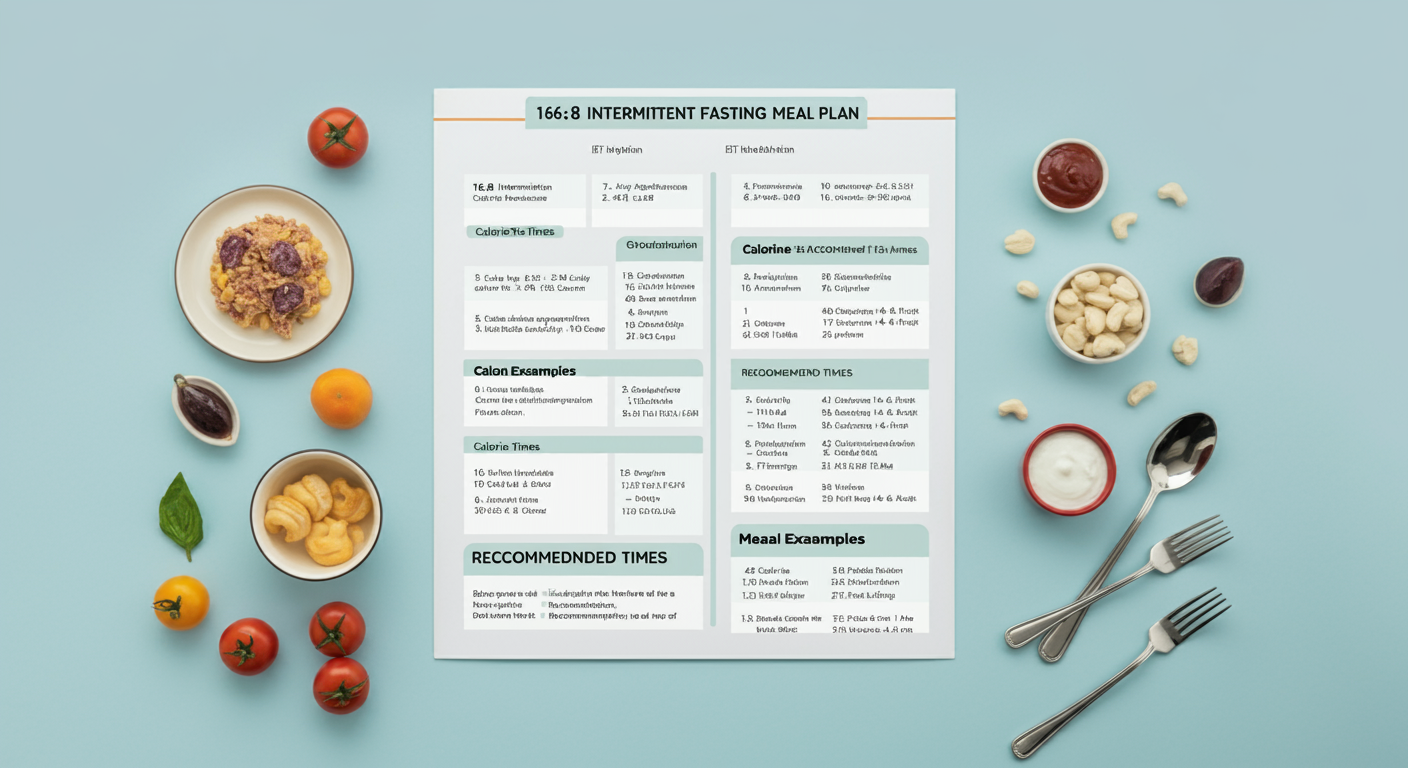
  • Intermittent Fasting Meal Plan 16:8: A Comprehensive Guide to Getting Started

    Intermittent Fasting Meal Plan 16:8: A Comprehensive Guide to Getting Started

    Intermittent fasting has become one of the most popular approaches to weight management and overall health improvement. Among its various methods, the intermittent fasting meal plan 16:8 stands out as a simple yet effective strategy that fits seamlessly into busy lifestyles. This blog explores what the 16:8 method entails, its benefits, and how to structure your meals during the eating window for optimal results.


    What Is the Intermittent Fasting Meal Plan 16:8?

    The 16:8 intermittent fasting method involves fasting for 16 hours each day and limiting your food consumption to an 8-hour window. Unlike traditional diets, it doesn’t restrict what you eat but rather when you eat, making it easier for many people to adopt.

    During the 16-hour fasting period, you abstain from consuming calories. However, water, black coffee, herbal teas, and other non-caloric beverages are allowed. Once the fasting period ends, you have 8 hours to consume your daily meals and snacks.

    For example, if you choose to eat between 12 PM and 8 PM, you’ll fast from 8 PM to 12 PM the following day.


    Benefits of the 16:8 Method

    The intermittent fasting meal plan 16:8 has gained traction due to its numerous potential benefits:

    1. Weight Loss: By reducing the hours you eat, this method naturally encourages a calorie deficit, aiding in weight loss.
    2. Improved Metabolic Health: Studies suggest intermittent fasting can help stabilize blood sugar levels, reduce insulin resistance, and promote fat burning.
    3. Simplicity: With no complicated rules or calorie counting required, this plan is straightforward and easy to follow.
    4. Enhanced Focus and Energy: Many individuals report increased mental clarity during fasting periods.

    Read Also: 4 Possible Reasons Why You Are Not Losing Weight.


    Crafting Your 16:8 Intermittent Fasting Meal Plan

    To maximize the benefits of the 16:8 plan, it’s essential to focus on nutrient-dense foods during your eating window. Here’s a sample intermittent fasting meal plan 16:8 to guide you:

    12 PM โ€“ First Meal (Break the Fast)

    • A balanced meal with protein, healthy fats, and complex carbohydrates.
    • Example: Grilled chicken breast, a quinoa salad with avocado, and a side of steamed broccoli.

    3 PM โ€“ Snack

    • A light snack to keep you satiated until dinner.
    • Example: Greek yogurt with fresh berries and a sprinkle of chia seeds.

    7 PM โ€“ Dinner

    • Another nutrient-rich meal to round out your daily intake.
    • Example: Baked salmon with roasted sweet potatoes and a side of sautรฉed spinach.

    During your eating window, it’s crucial to stay hydrated and avoid processed or high-sugar foods, as these can negate the health benefits of fasting.


    Tips for Success

    1. Start Gradually: If you’re new to fasting, ease into the 16:8 plan by gradually increasing your fasting period over a few days.
    2. Stay Consistent: Consistency is key for seeing results. Stick to your chosen eating and fasting windows daily.
    3. Listen to Your Body: If you’re feeling overly hungry or fatigued, adjust your meal sizes or consult a healthcare professional.

    Read Also: The major role sleep plays in weight loss.


    Is the 16:8 Plan Right for You?

    While the intermittent fasting meal plan 16:8 works for many people, itโ€™s not a one-size-fits-all solution. Pregnant women, individuals with certain medical conditions, or those with a history of eating disorders should consult a healthcare provider before starting any fasting regimen.


    Final Thoughts

    The intermittent fasting meal plan 16:8 is a sustainable and effective way to improve your health, shed excess weight, and simplify your eating habits. By focusing on whole, nutrient-dense foods during your eating window and staying hydrated throughout the day, you can unlock the full potential of this popular fasting method.

    If youโ€™re ready to embrace a healthier lifestyle, why not give the 16:8 plan a try? You might just find itโ€™s the perfect fit for your wellness journey.

    Follow My Social Media Pages

    Facebook : @Infohealthgh

    Twitter: @Infhealth

  • Push the Reset Button in your Life: ReStart Right.

    Push the Reset Button in your Life: ReStart Right.

    Healthy Fat Weight Loss with Intermittent Fasting and Exercise: My Journey
    Push the Reset Button in your Life and Restart Right

    Part of growing is making mistakes that will change your life and a change in your life is accompanied by picking up valuable lessons along the way or messing up.

    Believe it or not some choices we make will come at a cost which will be hard to pay and in such times we often end up losing focus on the things that matter the most. Like our goals, dreams and relationships with those who matter the most.

    We have all found ourselves at a crossroads not knowing where to turn to or questioning every decision we make thereafter, it is only reasonable to blame ourselves, but we cannot shoulder it all.

    Some external factors can alter the course of our lives. Even unresolved childhood traumatic experiences can add to your predicament.

    Sometimes things are just not your fault so take it easy and donโ€™t beat yourself up because this post is about how you can push the reset button in your life and start afresh but this time youโ€™ll start right, I promise.

    Read Also: 11 Inherited Traits That Come from Your African Mom and Dad

    Why and When do You need to Restart Right?

    Knowing why and when to restart or push the reset button in your life comes as a feeling. There are times when the feelings of regret will overshadow your sense of contentment. In such times thereโ€™s little or no desire to feel grateful for the positive things in your life. This is the first indicator that you need to take a pause and analyze yourself.

    Secondly, a persistent feeling of hopelessness. This comes in two folds. The first one is the actual loss of hope and the second is, losing the desire to find hope in messy situations.

    If you find yourself in this situation then it only means you are losing control even over the smallest things in your life, including your emotions and drive. When this feeling is accompanied by resentment especially when things donโ€™t go your way then more than ever you need to reset your life.

    Another interesting sign that points to the need to reset your life is when you feel more and more attracted to things that are physically, mentally and emotionally unhealthy to you. That feeling of attraction to the unhealthy is only fueled by your desperation and need to fill a void.

    Read Also: 7 Natural Teas to Help You Sleep Longer and Better at Night

    That being said how do you now Push the Reset Button in your Life and Restart Right?

    The first thing to do is to start prioritizing your happiness. No matter your race, income or class in society happiness is a feeling that every human hopes for. We want to be happy because it is the very purpose of our existence and itโ€™s a feeling that is linked to our sense of purpose that is the reason why we feel happy when we have achieved something good.

    Reclaiming your life and setting yourself up on the right course in life is gradual but you need to start by taking control over your life.

    1. Fix your relationship with your past.

    Push the Reset Button in your Life and Restart Right
    Push the Reset Button in your Life and Restart Right

    I am not asking you to forget about the past, but it is important that going into the future you do not encounter the surprises over unresolved past issues. This includes wrong decisions and certain bad relationships you may have cultivated which added no value to your life.

    If you must seek forgiveness from someone then do that. If you have to forgive then do so even if they do not ask for it because resetting will serve you better than. It will serve them.

    Understand that certain losses couldnโ€™t have been prevented and those that could have been were meant to happen to shape you into who you are and who youโ€™re about to become.

    Many times we feel desperate because of our past And being desperate makes us vulnerable to making even more mistakes. So breathe. Take a chill pill and let go of things that would hold you back. This is how you can fix your relationship with the past. ๏ฟผ

    2. Define and differentiate the things you can control and those you canโ€™t.

    Push the Reset Button in your Life and Restart Right
    Push the Reset Button in your Life and Restart Right

      Take a sheet of paper and write down the things that you can control as a human and the things that you cannot control. Cancel out those which you canโ€™t control because thatโ€™s not your business.

      But for those that you can control rank them from the smallest to the highest. Here are some guided examples of things that you can control.

      1. Your emotions
      2. Your looks
      3. Your diet
      4. Your finances *
      5. Your confidence
      6. Your stress
      7. Etc

      Youโ€™ll be the best person to know them all. Now once you rank them from easiest to hardest youโ€™re on the right path. Each step empowers you to be able to complete the next one before you know it. You have mastered the ability to control your life.

      3. Record your progress and celebrate yourself.

        You need to record your process because it will remind you of where you came from. This will help you not to give up along the way and to make sure that you carry it through to the very end.

        If at some point in the future, you forget how far youโ€™ve come it is always helpful to look at the growth you have made from the point you started up to where you are now.

        Celebrate yourself because if you donโ€™t, no one is going to do that for you. ๏ฟผ

        4. Identify healthy and unhealthy habits and replace the bad ones.

          Take your time to identify habits that arenโ€™t making you productive or bringing you lasting happiness. Alcohol, drugs and sex may bring you some sort of happiness but it doesnโ€™t last and whatโ€™s worse is that it only widens the void in your heart thatโ€™s leading you to engage in such habits. Also, itโ€™s important to keep in mind that moderation is key.

          In my experience, healthy habits are those which make you productive and bring you a sense of fulfilment. Sometimes even the smallest things like laying your bed, de-cluttering your space and repainting your room can inspire you to pursue healthy habits. Replace the time you spend scrolling through social media endlessly with reading a self-help book.

          Read Also: Healthy Fat Weight Loss with Intermittent Fasting and Exercise: My Journey

          5. Take time to reflect and practice Gratitude.

          Push the Reset Button in your Life and Restart Right
          Push the Reset Button in your Life and Restart Right

            Regardless of your religion, faith or belief gratitude is one most important things that you need to practice. By practising gratitude, you get to acknowledge the positive things in your life and by doing that you pay little or no attention to the negative things. You become what you feed your thoughts.

            Whenever you wake up in the morning, take time to count your blessings. Spend time in nature and wonder how everything around you exists for a purpose just like yourself. Make that call to that person who checks up on you often and appreciates them as well. This is another way to practice gratitude and reset your life.

            6. Plan your life and make room for errors.

              By doing all this, make sure that you put this in a comprehensive plan for your life and follow it. Be it your finances, your time or energy. You should always have a plan however, make room for errors because you cannot always control everything.

              Keep in mind that some plans will fail but that is fine. That makes you a human being.

              In conclusion, life has a lot to teach us so do not be in a hurry, and remember to take things gradually.

              Start with the little things you can control because that is how youโ€™ll be able to control the bigger things.

              It may be difficult at times and it will not always make sense, but it is part of being human. Try and surround yourself with people who bring out the best in you. Anyone who repetitively reminds you of your past or brings you pain, that person should be out of your life.

              Do not feel apologetic and once in a while, be selfish with your feelings prioritizing your needs first before others.

              Many problems that we face in life are a result of trying to impress people who do not even care about us so make the effort to Push the Reset Button in your Life and Restart Right.

              Kindly Follow My Social Media Pages:

              Facebook : @Infohealthgh

              Twitter: @Infhealth

            1. Reasons why you are waking up from bed with body pains Why and How to Fix It”

              Reasons why you are waking up from bed with body pains Why and How to Fix It”

              Have you ever woken up in the morning and instantly felt pains all over your body like you just completed a 20Km marathon? You are not alone because waking up with body pains affect one in five people according to the american sleep foundation.

              You can easily finger where the body pains are coming from when you know you were involved in strenuous physical activities. Unfortunately, this can even happen to you when there hasn’t been any intensive physical activity the previous day.

              Personally, I am not new to this and i can confirm that it is not a pleasant experience especially when you have a busy schedule ahead of you that requires your energy and focus.

              In today’s post we are going to discuss why this happens and what you can do to fix this situation without breaking the bank.

              Common Reasons Youโ€™re Waking Up with Body Pains

              1. Poor Sleeping Posture

              Not adopting a proper sleeping position can cause severe body pains in the mornings and this is one of the things we often get wrong when it comes to sleep quality.

              Sleeping with a poor posture exerts excessive pressure on some specific parts of the body. In a situation where the spine is not properly aligned, there is tension formed in the muscle which can sometimes lead to an irritation of the nerves. This is one of the reasons why you wake up with pains in the neck, shoulders, lower back and hips.

              For instance, sleeping on your stomach forces your neck to twist to one side, straining neck muscles, while sleeping on your side with no support between your knees can put stress on the hip joint

              Reasons Youโ€™re Waking Up with Body Pains

              Read Also: Healthy Fat Weight Loss with Intermittent Fasting and Exercise: My Journey

              Tips for Good Sleeping Posture:

              • Maintaining the natural curve of your spine and keeping your ears, shoulders, and hips aligned is the ideal sleep position.
              • Keep in mind that sleeping on your back or side is better than sleeping on your stomach

              2. Unsuitable Mattress or Pillow

              Getting a good quality and suitable mattress is the second step to correcting your morning body pains. Be sure not to go in for a too soft mattress, too hard or too old mattress because that contributes significantly to your body pains.

              Too old mattress means it has sagged and lost its firmness which will cause your body to sink into uneven positions. This puts a lot of stress on your spine and joints. This effect is similar for a mattress that maybe too soft.

              A mattress that is too hard creates pressure points on sensitive areas like the shoulders, hips, and tailbone, causing discomfort and pain during sleep. Additionally, Excessive pressure on joints from a hard mattress can contribute to joint pain, especially for people with existing joint conditions.

              Reasons Youโ€™re Waking Up with Body Pains
              Reasons Youโ€™re Waking Up with Body Pains

              Also, a pillow that’s too soft or too firm often leads to neck pain. For example, if you sleep on your side with a soft pillow that doesn’t provide enough support under your neck, your head has to extend sideways to meet the pillow and in the opposite direction your neck will not align with your spine if the pillow is too hard and elevated.

              Helpful Tips:

              • It is important to go in for a firm mattress with a soft surface. You can even cover your mattress with Natural Talalay Latex.
              • Replace old mattress as soon as possible to minimize risks of developing chronic body pains.

              3. Muscle Tension and Stress

              We often ignore the effects our mental health and wellbeing has on our physical health and sleep quality, but it is very important. According to the American Psychological Association, Muscle tension is almost a reflex reaction to stress, that is the bodyโ€™s way of guarding against injury and pain.

              Reasons Youโ€™re Waking Up with Body Pains
              Reasons Youโ€™re Waking Up with Body Pains

              When stressed, your muscles tend to tighten up and not fully relax, resulting in discomfort and disrupted sleep patterns. It is also one of the reasons why you wake up in the morning with body pains and the one you are most likely to ignore.

              4. Physical Activity (or Lack of It) Before Bed

              Working out on a normal day pushes your muscles and joints to their limit which is healthy because then your body builds a resistance over time. So, it is perfectly normal to experience body pains that should go away over few hours if you had done an intensive workout the previous days.

              There is a type of body pain one feels also when they lack any form of physical activity. Because of the lack of activity, there is a high possibility to accumulate fat which adds up to your weight and strains your joints over time.

              Tip: If you are one who frequently experiences body pains then this might be the best time to start working out or being more active.

              Read Also: Six (6) Common fruits and vegetables to lower blood pressure.

              Dehydration and Nutrient Deficiencies

              signs of early diabetes

              Proper hydration and adequate mineral intake are fundamental to maintaining healthy muscle function. Water, along with essential minerals like magnesium and potassium, ensures your muscles contract and relax smoothly.

              A lack of these vital components can lead to muscle cramps, fatigue, and impaired performance.

              In conclusion, the source of your body pains whenever you wake up may not be as a result of one thing but could be because of many other factors. It is important however to note that while these points may not instantly solve all your body ache problems, it will go a long way to help you live a healthy life.

              The reasons Youโ€™re Waking Up with Body Pain might not even be directly related to your bed, pillow or sleep posture but could only be a symptom for an underlying health condition.

              Read More Health Tips

            2. Release Stress with the magical Ginger Lemon & Honey Tea: Benefits and Recipe.

              Release Stress with the magical Ginger Lemon & Honey Tea: Benefits and Recipe.

              The Power of Ginger Lemon Honey Tea: Health Benefits and Easy Recipes

              Over the years, I’ve found myself turning to natural remedies to maintain my health, especially when the seasons change or I feel a cold coming on. One of my go-to remedies is a warm cup of ginger lemon honey tea. Itโ€™s soothing, delicious, and packed with benefits. Iโ€™m not the only one in my circle who swears by it; my family and friends have all found this simple drink to be a game-changer. Let me share why ginger lemon tea is worth a try, along with some easy recipes.

              Read Also: Healthy Fat Weight Loss with Intermittent Fasting and Exercise: My Journey

              The Health Benefits of Ginger Lemon Honey Tea

              1. Immune System Booster
              Whenever I feel a bit run down, a steaming mug of ginger lemon honey tea is my first defense. Ginger is known for its anti-inflammatory properties, helping to ward off illness. Lemon adds a hefty dose of vitamin C, which is great for boosting immunity, while honey soothes sore throats and adds a natural sweetness. A friend of mine, Rachel, shared that she drinks this tea every time she feels a tickle in her throat, and it helps keep colds at bay. She says, “Since I started drinking ginger lemon tea, I rarely get sick during the colder months.”

              2. Digestive Aid
              If youโ€™ve ever felt bloated or had an upset stomach, ginger lemon tea could be just the thing. Ginger is well-known for aiding digestion and easing nausea, making it perfect for a post-meal beverage. My cousin Emma once had a rough time with indigestion after dinner, and after trying a cup of ginger lemon honey tea, she said it worked like magic. “Itโ€™s so soothing,” she said, “I felt relief almost immediately.”

              3. Natural Stress Relief
              In our fast-paced lives, finding ways to unwind can be tough. Ginger lemon tea offers a moment of calm, especially with the added comfort of honey. Honey isnโ€™t just a natural sweetenerโ€”it has calming properties that can help relax your mind and body. My mom, who is always juggling multiple tasks, swears by this tea as a way to unwind after a long day. “Itโ€™s like a little hug in a mug,” she often says, “I feel the stress melt away with every sip.”

              Read Also: 7 Natural Teas to Help You Sleep Longer and Better at Night

              Simple Recipes for Ginger Lemon Honey Tea

              Now that you know the benefits, let me share how easy it is to whip up this tea at home. Thereโ€™s no complicated processโ€”just simple, wholesome ingredients you likely already have in your kitchen.

              Basic Recipe:

              • Ingredients:
              • 1-inch piece of fresh ginger, sliced or grated
              • 1/2 a lemon, juiced
              • 1 tablespoon of honey (more or less to taste)
              • 2 cups of water
              • Instructions:
              1. Boil the water and add the ginger. Let it simmer for about 5-10 minutes, depending on how strong you like the ginger flavor.
              2. Remove from heat and strain out the ginger.
              3. Add the fresh lemon juice and honey. Stir well.
              4. Pour into your favorite mug and enjoy the warmth.

              Turmeric Twist:

              For an extra anti-inflammatory boost, you can add a pinch of turmeric to your ginger lemon tea. It gives the tea a golden glow and enhances its healing powers.

              Iced Ginger Lemon Honey Tea:

              For those hot summer days, you can make an iced version! Brew the tea as you would normally, let it cool, and pour it over ice. My friend John prefers this version during warmer weather, saying, “Itโ€™s refreshing and still has all the great benefits.”

              When to Enjoy Ginger Lemon Honey Tea

              The beauty of ginger lemon tea is that it can be enjoyed any time of day. I personally like to have it first thing in the morning to kickstart my digestion and give my immune system a boost. However, itโ€™s also perfect as a night-time drink to help wind down and relax. My sister, who struggles with occasional insomnia, drinks it before bed and finds it helps her sleep better.

              Final Thoughts

              Ginger lemon honey tea has been a staple in my home for years, and for good reason. Itโ€™s easy to make, has incredible health benefits, and, most importantly, tastes amazing. Whether you’re trying to strengthen your immune system, soothe your digestion, or simply relax, a cup of ginger lemon tea might be just what you need. I hope these easy recipes and testimonials from my family and friends inspire you to give it a try.

              Do you have a favorite version of ginger lemon honey tea? Let me know in the commentsโ€”Iโ€™d love to hear your thoughts!

              Follow on : FACEBOOK

            3. Carrot Juice Health Benefits and How to Prepare It: A Personal Journey to Wellness

              Carrot Juice Health Benefits and How to Prepare It: A Personal Journey to Wellness

              Carrot Juice Health Benefits

              Thereโ€™s something magical about carrot juice, a simple yet vibrant elixir. My own journey with this golden-orange drink started a few years ago, when I was searching for a natural way to boost my health and well-being. Little did I know, I was about to discover not only a powerful health tonic but also a beverage that would become a staple in my daily routine.

              Let me take you through the benefits of carrot juice and show you how easy it is to make this delicious drink at home. By the end of this, I promise youโ€™ll want to sip on some of this goodness too!

              Read Also: The Health Benefits of Guava Leaves: My Journey into Natureโ€™s Pharmacy

              The Unexpected Introduction to Carrot Juice

              It all began when a friend, who always seemed to be glowing with vitality, introduced me to carrot juice. We were catching up over lunch one afternoon, and while I sipped on my usual iced tea, she was holding a bright orange drink that looked incredibly refreshing. I asked her about it, and she raved about how carrot juice had transformed her energy levels, skin, and overall health.

              At first, I was skeptical. How could something as humble as carrot juice offer such benefits? But her enthusiasm piqued my curiosity, so I decided to give it a try. Fast forward to today, and carrot juice is now a beloved part of my health regimen, providing me with countless benefits that I didnโ€™t anticipate.

              A Nutritional Powerhouse

              Carrots are often referred to as a “superfood,” and for good reason. Packed with vitamins, minerals, and antioxidants, these orange veggies offer a wide array of health benefits. When you drink carrot juice, you’re not just consuming a drink โ€“ you’re taking in a concentrated dose of goodness.

              Here are some key nutrients found in carrot juice:

              • Beta-Carotene: This powerful antioxidant, which gives carrots their vibrant orange color, converts into vitamin A in the body. Vitamin A is crucial for maintaining healthy vision, boosting the immune system, and promoting skin health.
              • Vitamin K: Helps with blood clotting and bone health.
              • Potassium: This essential mineral helps regulate blood pressure and supports heart health.
              • Vitamin B6: Important for brain health and supporting metabolism.
              • Antioxidants: Carrots are loaded with antioxidants that fight inflammation and protect the body from harmful free radicals.

              Health Benefits of Carrot Juice

              Now, letโ€™s dive into the specific health benefits Iโ€™ve personally experienced from carrot juice, as well as some others that have been backed by science.

              1. Boosts Eye Health

              Growing up, my parents would always tell me, “Eat your carrots, they’re good for your eyes!” Turns out, they were right. Carrot juice is rich in beta-carotene, which helps protect your eyes from age-related conditions like cataracts and macular degeneration. After a few months of regularly drinking carrot juice, I noticed a significant improvement in my night vision. I felt like my eyes werenโ€™t straining as much, especially after long hours working on the computer.

              2. Enhances Skin Glow

              Carrot Juice Health Benefits
              Carrot Juice Health Benefits

              One of the first changes I noticed after incorporating carrot juice into my diet was a new radiance to my skin. Carrot juice is high in vitamin A and antioxidants that help fight skin aging and damage caused by free radicals. It felt as if I had a natural glow, and even some of the blemishes I had struggled with for years started to fade. It wasnโ€™t a miracle cure, but consistent intake over time definitely helped me achieve clearer and brighter skin.

              3. Boosts Immunity

              Living in a fast-paced world, catching the occasional cold seemed almost inevitable. But once I started drinking carrot juice regularly, I noticed that I was falling sick less often. Carrot juice’s high concentration of vitamin C, along with antioxidants, supports a healthy immune system, giving your body the strength to fight off infections.

              4. Supports Digestive Health

              As someone who occasionally struggles with digestive issues, I was delighted to find that carrot juice was gentle on my stomach and helped improve my digestion. The natural fibers in carrots help regulate bowel movements, and the alkaline nature of carrot juice can balance out excess acidity in the stomach. Drinking carrot juice in the morning became a ritual that kept my gut happy.

              5. Promotes Heart Health

              Heart disease runs in my family, so Iโ€™m always on the lookout for natural ways to maintain heart health. Carrot juice contains potassium and antioxidants, which help reduce high blood pressure and lower cholesterol levels. These benefits, combined with its ability to reduce oxidative stress, can have a positive effect on overall cardiovascular health. While carrot juice isnโ€™t a magic solution, I like to think of it as one step towards keeping my heart healthy.

              Read Also: 5 Benefits of Rinsing Your Face with Cold Water in the Morning

              How to Prepare Carrot Juice at Home

              If youโ€™re ready to experience the benefits of carrot juice for yourself, itโ€™s time to make it at home! Donโ€™t worry, itโ€™s a lot easier than you think.

              Hereโ€™s how I prepare my favorite carrot juice recipe:

              Ingredients:

              • 5-6 medium-sized carrots (preferably organic)
              • 1 small apple (optional for sweetness)
              • A small piece of ginger (optional for a spicy kick)
              • Half a lemon (for a refreshing tang)
              • Water (if needed for blending)

              Instructions:

              1. Wash and Peel: Begin by thoroughly washing the carrots. If theyโ€™re organic, you can skip the peeling step, but I prefer to peel them to get a smoother juice.
              2. Chop: Cut the carrots into smaller chunks to make blending easier. If youโ€™re using an apple and ginger, chop those as well.
              3. Juicing Option 1 โ€“ Using a Juicer: If you have a juicer, simply feed the carrots, apple, and ginger through the machine. The juicer will separate the pulp from the juice, giving you a smooth drink.
              4. Juicing Option 2 โ€“ Using a Blender: If you donโ€™t have a juicer, donโ€™t worry! You can still make carrot juice with a blender. Add the chopped carrots, apple, and ginger to the blender, along with a little water to help with blending. Blend until smooth.
              5. Strain (Optional): Once blended, pour the mixture through a fine-mesh sieve or cheesecloth to remove the pulp. This step is optional, but it will give you a more traditional juice texture.
              6. Add Lemon Juice: Finally, squeeze in the juice of half a lemon for extra freshness and a vitamin C boost.
              7. Serve and Enjoy: Pour the juice into a glass, add a few ice cubes if desired, and enjoy immediately. Carrot juice is best consumed fresh to retain all its nutrients!

              Final Thoughts: A Simple Habit, Big Benefits

              Incorporating carrot juice into my routine was a small step that made a huge impact on my health. From clearer skin to better digestion and enhanced immunity, the benefits were undeniable. Plus, the vibrant color and refreshing taste make it a pleasure to drink.

              If youโ€™re looking for a natural way to boost your health, why not give carrot juice a try? Itโ€™s a simple, affordable, and delicious habit that could bring significant benefits to your overall well-being. Who knows, it might just become your new favorite wellness drink, just like it did for me!

              So, go ahead โ€“ grab some fresh carrots, dust off your juicer (or blender), and start reaping the rewards of this powerful orange elixir!