Tag: Fitness

  • What is the recommended number of sit-ups you should do a day: The Classic Core Exercise Explained

    What is the recommended number of sit-ups you should do a day: The Classic Core Exercise Explained

    Wondering what is the recommended number of sit-ups you should do a day? Discover expert advice, proper form tips, and how to optimize.

    What is the recommended number of sit-ups you should do in one day?

    Sit-ups are one of the most well-known exercises for core strength. Whether you were introduced to them in gym class or inspired by iconic training montages, you’ve likely tried a few sets yourself. Their simplicity and convenience make them a go-to choice for many fitness enthusiasts. But how many sit-ups should you really be doing, and are they the best exercise for your abs? Let’s break it down.

    Setting Daily Sit-up Goals

    Everyone’s fitness journey is unique, so the ideal number of daily sit-ups varies. However, 40 sit-ups per day is a realistic target for most people, according to fitness experts like Ebenezer Samuel, C.S.C.S. This might seem modest, but it’s about maintaining proper form rather than chasing high numbers.

    Focusing on slow, controlled movements—especially on the way down—can maximize results. Rushing through dozens or even hundreds of reps often sacrifices form and can lead to injury or diminished effectiveness. As Kurt Ellis, C.S.C.S., notes, overdoing it can result in overuse injuries and movement compensations that undermine your efforts.

    READ MORE ABOUT FITNESS

    Perfecting Your Sit-up Form

    Wondering what is the recommended number of sit-ups you should do a day? Discover expert advice, proper form tips, and how to optimize.
    What is the recommended number of sit-ups you should do a day?

    To get the most out of situps, technique is key. Here’s how to perform them correctly:

    1. Start Position: Lie on your back with knees bent and feet flat on the ground. Place your hands by your sides or across your chest to avoid straining your neck.
    2. Engage Your Core: As you exhale, lift your upper body toward your knees in a controlled motion.
    3. Lower Down Slowly: Inhale and return to the starting position with control, avoiding sudden drops.

    Tips for Proper Execution:

    • Avoid pulling on your neck.
    • Keep elbows wide if hands are behind your head.
    • Focus on curling one spinal segment at a time.
    • Don’t rush—quality over quantity matters.

    The Benefits of Situps

    Situps are a classic for a reason—they’re effective! Beyond sculpting your abs, they improve posture and strengthen muscles essential for everyday tasks like bending and lifting. They primarily target the rectus abdominis (your six-pack muscles), which are crucial for spinal flexion.

    However, sit-ups have limitations. They don’t fully engage other core muscles like the obliques or transverse abdominis, which are key for rotational and lateral stability. For a balanced core workout, include exercises that work your entire midsection.

    Should You Do Sit-ups Daily?

    While situps can be part of your daily routine, they shouldn’t dominate your workout plan. Over-reliance on situps may lead to repetitive strain. Instead, try varying your approach. Alternate between low-, moderate-, and high-rep days to challenge your muscles differently.

    For a more effective core routine, supplement sit-ups with other movements like hollow rocks or plank shoulder taps. These exercises engage your abs in lengthened positions and incorporate anti-rotation mechanics, helping you build a stronger, more balanced core.

    How to deal with sore muscles after an intense workout. – Info Health GH

    Beyond Sit-ups: A Holistic Approach to Core Training

    Wondering what is the recommended number of sit-ups you should do a day? Discover expert advice, proper form tips, and how to optimize.

    Sit-ups target specific aspects of your abs, but they’re just one piece of the puzzle. To develop a strong, functional core, focus on a mix of exercises that address spinal stability, rotation, and anti-extension. Incorporating variety into your routine ensures better results and reduces the risk of overtraining.

    For example:

    • Pair situps with planks for endurance.
    • Add side planks or Russian twists for oblique activation.
    • Include dynamic moves like hollow rocks to build strength in lengthened positions.

    By broadening your exercise repertoire, you’ll unlock your core’s full potential and see better progress over time.

    Final Thoughts

    Sit-ups remain a cornerstone of core workouts for a reason—they’re simple and effective when done correctly. However, balance is crucial. Don’t rely solely on sit-ups for your fitness goals; integrate a variety of core exercises to develop strength, stability, and endurance. Whether you’re chasing visible abs or building functional strength, a well-rounded approach will deliver the best results.

    Source: MSN Health

  • Weight Loss Success Stories: What worked and Didn’t

    Weight Loss Success Stories: What worked and Didn’t

    When it comes to losing weight, there is no one way fix it all solution for everyone. What works for you might be different from what works for me and viceversa. Just one month into my journey I had lost between 7 to 10kg of fat. One question I often got asked was “How did you do it?”

    Friends I shared my tips with often complained that it doesn’t work for them. My approach to burning fat is simple (Intermittent fasting and healthy eating plus 2 to 3 times workout in a week).

    Read Also: Healthy Fat Weight Loss with Intermittent Fasting and Exercise: My Journey

    If it worked for me then why didn’t it work for them? Well, the simple answer is Metabolism. We all have that friend in our circle who eats so much but never gains even a gram of weight. This is because they have higher metabolism. Metabolism is how your body burns available food in your system to produce energy. Sadly, you dont have such a body that is why you are reading this post.

    In today’s post I want to share with you the success stories of those who tried different approaches and how it worked for them. Hopefully one of them would work for your body type and metabolism rate.

    1. Using My Fitness Pal.

      This was shared by a reddit user who suggested using an app to count the calories you consume. The name of the app is My fitness app and it can be downloaded from the play store or app store.

      Basically, you are monitoring your food intake to ensure you are not eating more calories than you are actually burning. This is to ensure that you stay in a calorie deficit.

      In addition to counting your calories you can add weight exercise to see effective and faster results. The app isn’t just limited to dieting but can also track your step count and calories burnt engaging in physical activities when pared with a fitness band or watch.

      2. Using a Smaller Plate.

      It may sound very simple but using a smaller plate really helps to minimize the quantity of food you eat. A smaller plate when full tricks the brain to believe you are eating a huge amount of food.

      SO you end up feeling fuller when you actually didn’t eat much. This works the same way as limiting your calorie in take and staying in a deficit.

      3. Walking

      This is something i practiced myself and saw tremendous improvement in my weight loss. Walking is often underestimated but compared to running I would always recommend walking for the following reasons:

      1. You dont get tired easily even though your heart rate is high just like how it would be if you were running.
      2. Because you dont get or feel tired quickly you are able to go at it for a longer period of time (between 45 to 1 hour)
      3. You feel less sore compared to running and it puts less strain on your knees and joints.
      4. It is very therapeutic especially when done during the early morning hours.

      When walking try to hit an hour or two session and as much as possible try to make it very brisk. Aim for 6 to 7 km.

      4. Cutting out any sugary drinks; soda, juice, gatorade, etc.

      Sugary drinks cause blood sugar spikes, which can make you feel hungry soon after drinking them. This leads to cravings and might make you reach for snacks or more sugary drinks to keep your energy up.

      By cutting out these drinks, your body avoids these energy spikes and dips, helping you feel more balanced and making it easier to eat only when you’re actually hungry. Instead, drinking water, tea, or other low-calorie beverages can help keep you hydrated and satisfied without the extra calories.

      5.  Eating slower and drinking water in between bites.

      Eating slower improves your digestion and also makes you feel fuller even after eating less. This goes a long way to help you consume less calories and lose weight.

      A 2017 study out of Kyushu University in Japan found that people who take time to chew slowly have better digestion and feel fuller, faster. Researchers also found that, on average, slower eaters had a smaller waist circumference and lower body mass index.

      6. CICO – Calorie In, Calorie Out.

      The only ‘diet’ that works is CICO. Calories In, Calories Out. You have to burn more calories than you eat.

      You can achieve that with any diet you want. It’s possible to be calorie deficient with a vegan, vegetarian, pescatarian, keto, paleo, carbs only, bacon only, or fast food only diet. It’s also possible to have a calorie surplus with any of those diets.

      Count your calories with myFitnessPal. Most people eat more calories than they think they are. Find a balance between calorie restriction and exercise that keeps you at a calorie deficit and is sustainable over the long term (think years, not weeks).

      There is no secret solution to weight loss. CICO!

      You can read more on this Reddit Thread.

      Conclusion

      Celebrate your small wins and let them motivate you to push yourself until you reach your goals. This is something we often ignore but burning even 1 pound a week is work celebrating because they are others who have to work ten times harder to achieve that result.

      It is also important to note that adapting a certain lifestyle to lose weight will not be sustainable if you do not intend to keep it up. After a few weeks you are likely going to gain back the weight you lost in three folds. Such approaches may help you see results faster, but they are not sustainable.

      Follow My Social Media Pages

      Facebook : @Infohealthgh

      Twitter: @Infhealth

    1. Smart Watches and Their Role in Fitness and Healthy Lifestyle

      Smart Watches and Their Role in Fitness and Healthy Lifestyle

      What Role Do Smart Watches Play in Fitness and Healthy Lifestyle: Recently I bought a smartwatch just to experience the hype that comes with it.

      I’ve not been a fan of it because I don’t see why reading notifications from a tiny screen made sense.

      Was I disappointed? No. This is because Smart Watches of today aren’t just limited to reading notifications and answering calls.

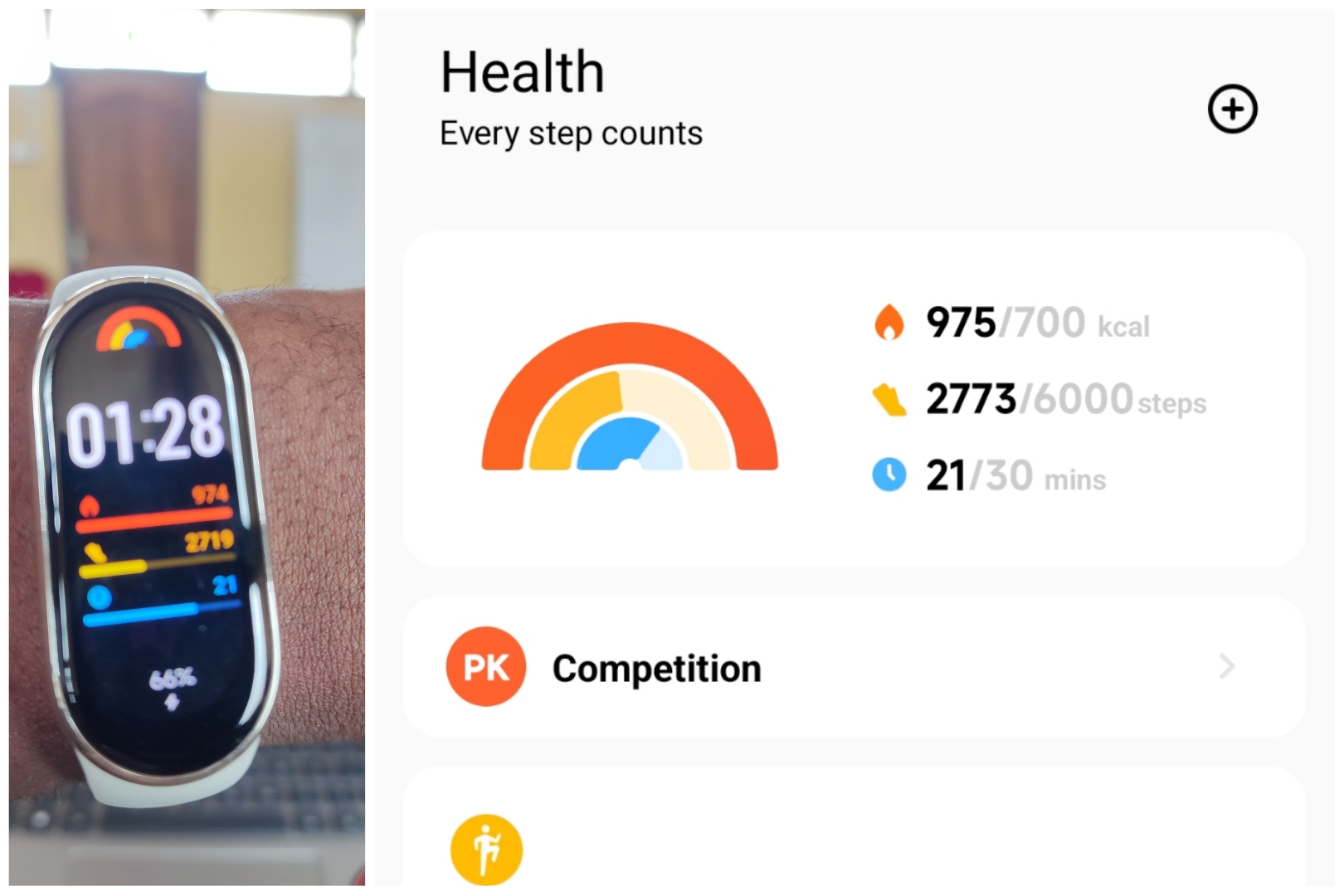
      It would surprise you to know that these small devices pack a ton of useful features. I am currently testing the Mi Fitness band 8 which has been instrumental in my weight loss and fitness journey.

      So Do You Need A Smart Watch?

      That all depends on you. If you have the money to spare then it’s worth getting one. Ever since I started experimenting with my fitness band I have become more conscious of certain health metrics I would often ignore.

      I am pushed to ensure I get quality sleep because the band can track that. Most bands have that functionality.

      Also, the pedometer built inside pushed me to achieve my daily step count target because I got to monitor it in real time.

      The feature to monitor heart rate and its corresponding calories burned is another useful feature that you can take advantage of to ensure your workouts are efficient.

      The above-mentioned features and more are present in most smart watches today so it doesn’t matter the brand. The accuracies of the metrics may be different. Some are more accurate than others.

      Just go with a trusted brand you are comfortable with.

      What Role Do Smart Watches Play in Fitness and Healthy Lifestyle

      signs of early diabetes

      Now that we have a fair idea of how using a smartwatch can help you to achieve your desired fitness results, let’s delve deep into the useful features you will benefit from a smartwatch.

      1. Activity Tracking: Smartwatches serve as personal fitness trackers, monitoring various metrics such as steps taken, distance traveled, and calories burned. This real-time feedback helps users stay accountable and motivated to reach their daily activity goals.

      Read Also: 10 Effective Strategies for Alleviating Back Pain

      2. Heart Rate Monitoring: Many smartwatches have heart rate sensors, allowing users to monitor their heart rate continuously throughout the day and during workouts. This feature is invaluable for gauging cardiovascular health and optimizing workout intensity.

      3. Workout Guidance: Smartwatches offer many workout modes tailored to different activities, from running and cycling to swimming and yoga. These devices provide real-time coaching and feedback to help users maintain proper form, optimize performance, and avoid injury.

      4. Sleep Tracking: Quality sleep is crucial for overall health and well-being. Smartwatches with sleep-tracking capabilities monitor sleep patterns, including duration, stages, and quality. By analyzing this data, users can identify factors affecting their sleep and make necessary adjustments to improve sleep hygiene.

      5. Stress Management: Some advanced smartwatches feature stress-tracking functionalities, utilizing heart rate variability (HRV) data to assess stress levels throughout the day. Users can learn to manage stress more effectively and promote mental well-being through guided breathing exercises and mindfulness prompts.

      Read Also: The Scientifically Proven Ways to Lower Bad Cholesterol

      6. Nutritional Insights: Integrating with companion mobile apps, smartwatches enable users to track their dietary intake and hydration levels. By logging meals and water intake, users gain insights into their nutritional habits and can make informed decisions to support their fitness and health goals.

      7. Motivational Features: Gamification elements such as badges, challenges, and leaderboards add an element of fun and competition to fitness tracking. Smartwatches celebrate milestones, encourage progress, and foster a sense of community among users, motivating them to stay active and committed to their goals.

      8. Integration with Ecosystems: Smartwatches seamlessly integrate with other health and fitness ecosystems, including fitness apps, health platforms, and wearable accessories. This interoperability enables users to consolidate data from various sources, gain deeper insights into their health metrics, and make holistic lifestyle changes.

      9. Remote Health Monitoring: With advancements in sensor technology, smartwatches are increasingly capable of monitoring vital signs and detecting anomalies indicative of health issues. This remote health monitoring functionality allows users to proactively manage their health and seek medical attention when necessary.

      10. Lifestyle Integration: Beyond fitness tracking, smartwatches offer a range of lifestyle features such as notifications, music control, navigation, and contactless payments. By seamlessly integrating these functionalities into daily life, smartwatches empower users to stay connected, organized, and focused on their well-being.

      The decision to use a smartwatch depends on you and depends on your budget.

      Some people can organize themselves to the point that they do not need one.

      I have adapted to it because it’s a new thing for me and I want to get abreast with technology. It has undeniably helped, and I would recommend anyone who struggles to motivate themselves or keep themselves accountable to their fitness journey to try and track these health metrics.

      Currently, it serves me best when tracking my sleep duration.

    2. 10 Effective Strategies for Alleviating Back Pain

      10 Effective Strategies for Alleviating Back Pain

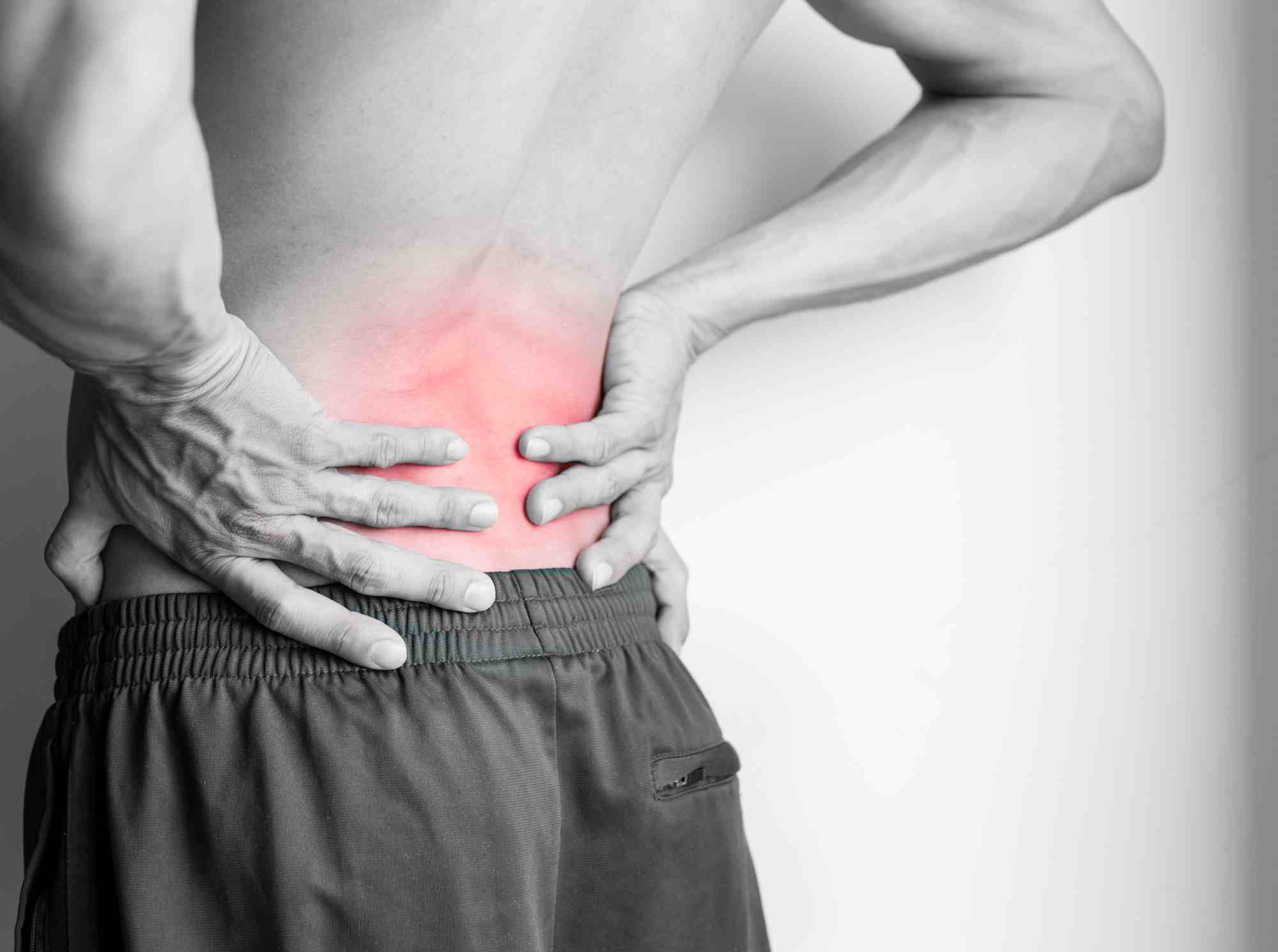
      Strategies for Alleviating Back Pain: – Back pain is a prevalent issue in modern society, largely due to sedentary work environments and lifestyle changes. With one in ten individuals reporting back pain, it’s an ailment many are familiar with.

      Back pain is something that we are bound to experience at one point in life or something likely to stay with us for a very long time.

      A doctor’s appointment is much recommended however, some strategies can help to alleviate the lower back pain you feel and possibly help you to prevent it.

      Read Also:

      First Week of Pregnancy Signs: The Ultimate Guide for Young Women

      Adopting certain practices is crucial for a life free from pain.

      1. Maintain a Healthy Weight:

      Strategies for Alleviating Back Pain

      Excess weight is a primary contributor to lower back pain, as it strains the back muscles and can lead to conditions like hyperlordosis.

      Your bones are also stressed after a long period of time. Staying within a healthy weight range is vital for reducing back issues. Weight loss is often the most effective step towards alleviating back pain.

      2. Regular Stretching:

      Incorporating spinal stretches into your routine is a key component of back pain relief strategies.

      Exercises such as the knee-to-chest stretch can elongate the lower back and ease tension. Trunk rotation stretches also target the pelvic, abdominal, and lower back muscles, offering relief.

      3. Evaluate Your Mattress:

      An unsupportive mattress can lead to backaches. Waiting until your mattress completely flattens is the surest way to mess up your back so you must invest money and time when selecting an appropriate mattress.

      On average we humans spend about 33 years in bed. It is therefore important that you prioritize your comfort.

      A pillow beneath your knees can maintain proper spinal alignment and prevent discomfort. Adopting a sleeping posture that supports your back is important, especially if you’re prone to pain.

      4. Consider Medication:

      For acute back pain, over-the-counter painkillers and home remedies may suffice. However, chronic pain often necessitates prescribed medications like muscle relaxants, NSAIDs, or certain antidepressants in conjunction with topical treatments.

      5. Home Remedies:

      Simple home practices can lessen pain intensity. Properly fitting shoes, adequate rest, and avoiding heavy lifting are beneficial. Topical applications like arnica and the use of heat or cold packs can also provide relief.

      6. Nutritional Supplements:

      There are some Supplements such as glucosamine, chondroitin, and omega-3 fatty acids have shown promise in reducing back pain.

      Read Also: Eight (8) popular spices to help you lose weight.

      7. Thermal Therapy:

      Strategies for Alleviating Back Pain – Thermal Therapy

      Applying ice packs wrapped in a towel can decrease inflammation and numb the pain temporarily. Conversely, heat therapy with hot water bottles or heated cloths can soothe stiff muscles. It’s important to use moderate temperatures to avoid skin damage.

      8. Yoga:

      Yoga promotes relaxation and activity for both mind and body. It fosters bodily awareness and can mitigate stress-related discomfort.

      9. Acupuncture:

      This therapy involves inserting fine needles into specific points to restore energy balance and alleviate pain. Acupuncture is recognized as a safe and effective treatment for both acute and chronic back pain, though multiple sessions may be required for full relief.

      10. Professional Consultation:

      If home remedies fail to provide lasting relief, consulting a therapist is advisable. A professional can diagnose the issue and recommend appropriate medication and therapy. Delaying medical consultation can exacerbate the problem and reduce mobility.

      11. Ergonomic Seating:

      Given the time many spend seated, choosing an ergonomic chair is essential for spinal health and comfort.

      Remember, these strategies are general suggestions and should not replace professional medical advice. If you’re experiencing persistent back pain, it’s important to consult with a healthcare provider for a personalized treatment plan.

      Follow My Facebook Page

    3. How to deal with sore muscles after an intense workout.

      How to deal with sore muscles after an intense workout.

      We have all had to experience sore muscles after an intense workout. The soreness seems to be amplified especially in the morning, leaving you either stuck in bed or disorganized throughout your daily routine.

      What do you do in such a situation and why does it even happen? It is often assumed that continuing your intense workout routine despite the sore muscles is a better way to deal with it but how true is that?

      In this post, we will explore Why we experience sore muscles after an intense workout, what implications it has on your body, and how to deal with it.

      WHY DO I EXPERIENCE SORE MUSCLES AFTER AN INTENSE WORKOUT?

      When you engage in strenuous physical activity, especially if it’s an exercise routine that your body isn’t accustomed to, you subject your muscles to stress and strain beyond their usual level of exertion. This leads to microscopic damage to the muscle fibers and connective tissues.

      Dr. William O. Roberts, a professor in the Department of Family Medicine and Community Health at the University of Minnesota, explains: “DOMS is thought to be a result of microscopic damage to muscle fibers, most likely due to eccentric exercise, which is when the muscle lengthens as it contracts. This type of loading is common in strength training but also occurs in endurance exercises like running downhill.”

      During exercise, particularly during eccentric movements (lengthening of the muscle under tension), such as the lowering phase of a squat or the extension phase of a bicep curl, your muscle fibers develop small tears. This damage triggers an inflammatory response as your body works to repair and rebuild these fibers. This inflammation is a normal part of the muscle repair process.

      What are the Implications of prolonged sore muscles after every intense Workout?

      Experiencing prolonged sore muscles after an intense workout routine has a positive side and a negative side to it. the positive side to having sore muscles are as follows.

      • Increased Muscle Strength and Size: Intense workouts that lead to muscle soreness may stimulate muscle growth and strength gains over time as the muscles adapt to the stress.
      • Improved Endurance: Endurance athletes often experience soreness after intense training sessions, which can lead to adaptations that improve their ability to sustain prolonged activity.
      • Mental Toughness: Regularly pushing through discomfort and soreness can help build mental resilience and discipline, which are valuable attributes in achieving fitness goals.

      READ ALSO: The major role sleep plays in weight loss.

      The negative side to prolonged sore muscles are :

      • Risk of Overtraining: Prolonged soreness after every workout may indicate that the body isn’t fully recovering between sessions. Overtraining can lead to decreased performance, increased risk of injury, and other negative health outcomes.
      • Impaired Daily Functioning: Severe muscle soreness can interfere with daily activities, making it difficult to move comfortably, sit, stand, or perform tasks effectively.
      • Increased Risk of Injury: Sore muscles are more susceptible to injury, especially if proper recovery protocols are not followed. Continuing to train intensely without adequate rest can lead to overuse injuries.
      • Psychological Burnout: Constant soreness without adequate recovery may lead to mental fatigue, demotivation, and burnout, diminishing the enjoyment and sustainability of an exercise routine.

      Persistent pain could also be a sign of an underlying health issue such as insufficient nutrition and hydration or a lack of sleep and rest.

      DEALING WITH SORE MUSCLES AFTER EVERY INTENSE WORKOUT

      To alleviate muscle soreness after an intense workout, there are several strategies you can implement to promote recovery and reduce discomfort. Here’s a detailed guide:

      Rest and Recovery:

      • Allow your body sufficient time to rest and recover between intense workouts. Overtraining can exacerbate muscle soreness and increase the risk of injury.
      • Aim for 7-9 hours of quality sleep per night to support muscle repair and overall recovery.

      Hydration:

      • Drink plenty of water before, during, and after exercise to stay hydrated. Proper hydration supports optimal muscle function and aids in the removal of metabolic waste products from the muscles.
      • Consider electrolyte-replenishing drinks or coconut water to replace lost electrolytes during intense workouts.

      Nutrition:

      • Consume a balanced diet rich in protein, carbohydrates, and healthy fats to support muscle repair and recovery.
      • Include high-quality protein sources such as lean meats, fish, eggs, dairy, legumes, and plant-based protein sources to provide essential amino acids necessary for muscle repair.
      • Eat carbohydrate-rich foods to replenish glycogen stores and provide energy for muscle recovery and repair.
      • Incorporate anti-inflammatory foods such as fruits, vegetables, nuts, seeds, and fatty fish to help reduce inflammation and promote recovery.

      Active Recovery:

      • Engage in light, low-impact activities such as walking, swimming, cycling, or yoga to promote blood flow and aid in the removal of metabolic waste products from the muscles.
      • Active recovery can help alleviate muscle soreness by stimulating circulation and promoting muscle relaxation.

      Stretching and Mobility Exercises:

      • Perform gentle stretching exercises targeting the muscles worked during your workout. Focus on static stretches held for 15-30 seconds to improve flexibility and reduce muscle tension.
      • Incorporate dynamic mobility exercises such as arm circles, leg swings, and hip circles to increase blood flow and range of motion in the joints.

      Foam Rolling and Self-Massage:

      • Use a foam roller or massage roller to perform self-myofascial release (SMR) on tight or sore muscles. Roll slowly and deliberately over tender areas, pausing for 20-30 seconds on trigger points.
      • Foam rolling helps break up adhesions in the muscle fascia, improves circulation, and reduces muscle stiffness and soreness.

      Cold Therapy:

      • Apply cold packs or ice baths to sore muscles to reduce inflammation and numb pain. Cold therapy constricts blood vessels, which can help alleviate swelling and discomfort.
      • Limit cold therapy sessions to 10-20 minutes at a time to avoid tissue damage, and always use a barrier (such as a towel) between the ice pack and your skin to prevent frostbite.

      Warm-Up and Cool-Down:

      • Prioritize a thorough warm-up before your workout to prepare your muscles for activity and reduce the risk of injury. Incorporate dynamic stretches and light aerobic exercises to increase blood flow and elevate muscle temperature.
      • After your workout, cool down with gentle cardiovascular exercise and static stretching to gradually lower your heart rate and promote muscle relaxation.

      READ MORE ABOUT FITNESS