Tag: Ghana Health Blog

  • Health and Fitness Goals for 2026: Why do People Give up on Goals they set.

    Health and Fitness Goals for 2026: Why do People Give up on Goals they set.

    What are your health Goals for 2026? It’s the beginning of the year, and lots of people are going to troop into the gym for one purpose: To transform their bodies and improve their overall health.

    Statistically, a significant number of people who join a gym at the beginning of the year GIVE UP on their health Goals and stop their gym membership.

    Health and Fitness Goals for 2026

    By mid-February, attendance drops dramatically, with some studies suggesting that as many as 80% of new January members quit within five months. To see a significant transformation in your body, you need to be consistent for 8 to 12 weeks to see a complete transformation of your body. That’s just 3 months. So if you start today, expect to get much closer to your goals by March.

    In this post, we will explore why people give up on their health Goals within the first and second quarter of the year and look at some helpful tips to help you stay consistent.

    Read Also: Is Soursop Good for Fatty Liver? Benefits, Risks & Expert Insights

    Why do People Give up on Their Health and Fitness Goals for 2026?

    Health and Fitness Goals for 2026

    Giving up on your fitness goals often feels easy—almost harmless in the moment—but the consequences quietly add up over time. Most people don’t quit because they are incapable; they quit because they are unclear, unprepared, or unrealistic. When you don’t truly understand why you started, quitting becomes the most convenient option.

    1. No Proper Preparation
    One major reason people give up is jumping in too aggressively without conditioning the body or the mind. Sudden, intense workouts lead to extreme soreness, fatigue, and sometimes injury. That discomfort becomes an excuse to stop. Preparing yourself—by doing light workouts at home, stretching regularly, or easing into gym sessions—helps your body adapt and reduces the shock that often breaks consistency early on. Preparation is not weakness; it is strategy.

    2. Expecting Instant Results
    Many people walk into the gym expecting visible results within two weeks. When the scale does not move, or muscles don’t appear fast enough, frustration sets in. The truth is that fat loss, muscle growth, and conditioning take time. Progress often happens internally first—improved endurance, better sleep, increased strength—before it shows externally. Quitting early usually means stopping just before results would have started to appear.

    3. Failure to Break Goals into Smaller Tasks and Timelines
    Saying “I want to lose 20 kilos” or “I want a six-pack” without a clear roadmap can feel overwhelming. Big goals without structure lead to burnout. Smaller, measurable targets—such as working out three times a week, losing 1–2 kilos per month, or reducing sugar intake—create momentum. Each small win reinforces commitment and keeps motivation alive.

    4. Lack of Discipline (Especially With Food)
    Discipline is built long before you step into the gym. Your relationship with food plays a bigger role than most people realise. You cannot out-train a poor diet. If you lack control in the grocery store or supermarket, it will eventually show at home and in your results. Real discipline is choosing foods that align with your goals, even when no one is watching. This is where many people fail silently.

    Read Also: Exercising Safely with a Hernia: What to Avoid and What to Do Instead

    Tips to Keep Your Head in the Game and Not Give Up on Your Health and Fitness Goals for 2026

    Health and Fitness Goals for 2026

    1. Start With Workouts You Enjoy
    Enjoyment drives consistency. If you hate running, forcing yourself to run every day is a fast track to quitting. Choose activities you genuinely like—walking, cycling, skipping, dancing, or weight training. When exercise feels less like punishment and more like a routine, results follow naturally. This approach is far more sustainable for Health and Fitness Goals for 2026.

    2. Aim for Consistency, Not a Streak
    Chasing streaks can be dangerous. Once a streak is broken, many people feel defeated and quit altogether. Instead, focus on showing up regularly over time. Missing one workout is not failure; quitting completely is. Consistency over months will always beat short-lived perfection.

    3. Build a Strong Music Playlist
    Music is not just entertainment—it is a performance tool. Research shows that music distracts the brain from pain and fatigue, making workouts feel easier and more enjoyable. The right playlist can push you through tough sessions and improve overall endurance.

    4. Get an Accountability Group
    Working out alone requires high self-discipline. Having an accountability partner or group—friends, gym buddies, or even an online community—creates social pressure to stay consistent. When others expect you to show up, quitting becomes harder.

    5. Plan for Setbacks Before They Happen
    Setbacks are inevitable. Life will interfere—work stress, sickness, travel, or family responsibilities. Plan for these disruptions instead of pretending they won’t happen.

    • Monthly Reassessments: Every 30 days, review your progress and adjust your plan. If a goal feels too hard, scale it back rather than quitting.
    • The “Never Miss Twice” Rule: Missing one workout is a lapse. Missing two in a row is the start of a new habit of not exercising. Always focus on returning immediately.

    Read Also: 7 Surprising Everyday Habits That Trigger Joint Pain—and Natural Fixes You Can Start Today

    Conclusion

    Achieving lasting fitness results is not about motivation alone—it is about preparation, discipline, realistic expectations, and consistency. Most people don’t fail because they are weak; they fail because they underestimate the process and overestimate how quickly results should come. When you prepare properly, break goals into manageable steps, stay disciplined with food, and plan for setbacks, quitting becomes less likely.

    As you reflect on your Health and Fitness Goals for 2026, remember this: transformation does not require perfection—it requires persistence. Show up consistently, adjust when necessary, and commit to the long game. If you can stay consistent for just 8 to 12 weeks, you will already be far ahead of the majority who gave up too soon.

  • Benefits of Parsley: Why This Simple Green Herb Deserves a Place in Your Daily Diet

    Benefits of Parsley: Why This Simple Green Herb Deserves a Place in Your Daily Diet

    Parsley is often treated as nothing more than a decorative garnish, casually sprinkled on meals and pushed aside on the plate. Yet behind its bright green leaves lies a medicinal herb with remarkable health-boosting potential. What many people overlook is that parsley has been valued for centuries not just for flavor, but for its ability to support hydration, digestion, immunity, and overall wellness.

    In traditional medicine and modern nutrition alike, parsley is increasingly recognized as a functional food. Its high water content, rich vitamin profile, and powerful antioxidants make it far more than a culinary accessory. Whether consumed fresh, blended into smoothies, or infused as tea, parsley quietly delivers a range of physiological benefits that support the body from the inside out.

    Understanding the Benefits of parsley can change the way you view this humble herb. Instead of ignoring it, you may start seeking ways to intentionally include parsley in your meals, knowing that each bite contributes meaningfully to your health. Below, we explore the key benefits highlighted in the image and explain why parsley deserves consistent attention in a healthy diet.

    1. Extremely Hydrating

    One of the most underrated qualities of parsley is its exceptional hydration capacity. Parsley contains a high percentage of water, which helps replenish body fluids and supports cellular function. Proper hydration is essential for circulation, temperature regulation, digestion, and detoxification, and parsley contributes naturally to these processes.

    Consuming water-rich foods like parsley can be especially helpful for individuals who struggle to drink enough fluids throughout the day. Adding parsley to soups, salads, or juices provides hydration while also delivering nutrients. This hydration effect supports kidney function and helps the body flush out metabolic waste more efficiently.

    Among the many Benefits of parsley, its ability to assist hydration makes it particularly useful in warm climates, after physical activity, or during periods of illness when fluid balance is critical.

    2. Rich in Vitamins K and C

    Parsley is an excellent natural source of vitamins K and C, two essential nutrients with powerful roles in human health. Vitamin K is crucial for proper blood clotting and plays a significant role in maintaining strong, healthy bones. Without adequate vitamin K, the risk of bone weakness and excessive bleeding increases.

    Vitamin C, on the other hand, is well known for its immune-boosting properties. It helps the body fight infections, supports wound healing, and enhances iron absorption from plant-based foods. Parsley delivers vitamin C in a natural, bioavailable form that supports immune resilience and skin health.

    When discussing the Benefits of parsley, its vitamin density stands out as one of its strongest attributes. Even small servings can meaningfully contribute to daily micronutrient needs.

    3. Contains Powerful Antioxidants

    Parsley contains a variety of antioxidants that help protect the body from oxidative stress. Oxidative stress occurs when free radicals damage cells, contributing to aging and the development of chronic diseases. Antioxidants neutralize these free radicals, reducing inflammation and cellular damage.

    Regular intake of antioxidant-rich herbs like parsley supports long-term health by protecting tissues, organs, and blood vessels. This protective effect is particularly valuable in modern lifestyles where pollution, processed foods, and stress increase oxidative burden.

    The Benefits of parsley include this silent protective role, helping the body maintain balance and resilience at the cellular level over time.

    4. Reduces Inflammation

    Chronic inflammation is linked to many health conditions, including heart disease, arthritis, and metabolic disorders. Parsley contains bioactive compounds that help reduce inflammatory responses in the body. By calming inflammation, parsley supports joint health, cardiovascular function, and overall comfort.

    Anti-inflammatory food guide

    Incorporating parsley into meals may help reduce mild inflammatory symptoms such as bloating, joint stiffness, or digestive discomfort. While it is not a replacement for medical treatment, parsley can serve as a supportive dietary element in inflammation management.

    One of the notable Benefits of parsley is its natural anti-inflammatory action, making it a valuable addition to diets focused on long-term wellness and disease prevention.

    Read Also: Ovulation Calculator for Ghanaian Women: Track Your Fertile Days Easily With Our Free Tool

    5. Supports Digestive Health

    Parsley has long been associated with digestive support. It helps stimulate digestion, reduce gas, and promote smoother bowel movements. The herb supports the production of digestive enzymes and bile, both of which are essential for breaking down food efficiently.

    For individuals experiencing occasional bloating or indigestion, parsley can offer gentle relief. It is commonly consumed after meals in some cultures specifically to aid digestion and freshen the breath, reflecting its dual internal and external benefits.

    Supporting digestion is among the core Benefits of parsley, particularly when consumed regularly in fresh form.

    6. Promotes Bone Health

    Bone health depends on a steady supply of nutrients that support bone density and strength. Parsley’s high vitamin K content directly contributes to bone mineralization and helps prevent calcium loss from bones. This is especially important as people age and become more susceptible to fractures and bone weakening.

    Including parsley in meals is a simple way to support skeletal health without relying solely on supplements. When combined with a balanced diet and physical activity, parsley contributes to long-term bone integrity and mobility.

    How to Incorporate Parsley Into Your Diet

    Parsley is versatile and easy to include in everyday meals. It can be chopped fresh into salads, stews, and sauces, blended into green smoothies, or brewed into herbal tea. Fresh parsley offers the highest nutritional value, so minimal cooking is recommended when possible.

    Consistency is key. Rather than using parsley occasionally as a garnish, treat it as a functional ingredient. Even small daily amounts can deliver cumulative health benefits over time.

    Final Thoughts

    Parsley may appear simple, but its health-supporting properties are anything but ordinary. From hydration and vitamin support to antioxidant protection and digestive health, parsley delivers wide-ranging benefits in a compact, affordable form. Recognizing and applying the Benefits of parsley can transform how you approach this common herb, turning it into a deliberate tool for better health rather than an afterthought on the plate.

    By making parsley a regular part of your diet, you embrace a natural, accessible way to support overall wellness—one green leaf at a time.

    Read : Top 5 Worst Sleeping Positions for Your Spine According to Experts (And How to Fix Them)

  • Foods You Should Avoid Reheating (They Can Turn Harmful)

    Foods You Should Avoid Reheating (They Can Turn Harmful)

    When it comes to what you put in your mouth as food, it is essential to ensure that it is wholesome because there is a thin line between poison and food. Reheating food might look like something normal. In fact, it is. However, there are certain foods that you should avoid reheating.

    Our world is fast-paced, and there is little time to do the very things that are of the utmost importance to us. It makes sense to reheat certain foods as a matter of convenience. Because we won’t always get time to prepare a fresh meal whenever we want to eat. Personally, I like to prepare my stews and soups over the weekend to serve me throughout the week. I do this because it is easy and fits well into my schedule.

    For many of us, this is our routine, and it isn’t bad at all. However, there are some factors we need to consider and precautionary measures necessary to be taken. On that note, let us delve into

    ‎Follow the InfoHealthGh channel on WhatsApp: https://whatsapp.com/channel/0029Va7j1SgGE56e8pagc22u

    Foods You Should Avoid Reheating

    1. Rice

    I know you didn’t expect this, but heating rice improperly, especially when it retains too much moisture, can cause Bacillus cereus, a bacterium that survives cooking and grows when rice sits out too long.

    Maybe you cooked more than you could eat and thought it best to heat it and leave it on the kitchen counter, and continue tomorrow. This is a bad idea because Bacillus cereus thrives best in temperatures ranging from 20–40 °C (room temperature to warm conditions).

    Read Also: The Anti-Inflammatory Food Guide: What to Eat, What to Avoid, and How to Flush Inflammation Fast

    These bacterial pores multiply so fast that leaving the rice to cool just for a few hours poses such risks, even if you freeze it after. You might think refrigeration might be the solution; unfortunately, it only slows growth, but inadequate cooling or reheating can still pose risks. You know your rice is contaminated when you experience Severe vomiting, Diarrhoea, and “Fried Rice Syndrome”

    The best thing you can do is to eat what you cook hot. This is how Bacillus cereus looks under a microscope.

    2. Chicken

    Chicken is one of those foods that tastes even better the next day, but reheating it carelessly can turn it into a digestive nightmare. This isn’t to scare you — it’s simply the reality of how chicken behaves when it cools and gets reheated over and over again.

    Chicken contains dense proteins that change structure when exposed to fluctuating temperatures. When you heat it, cool it, and heat it again, these proteins harden in a way that makes the chicken difficult to digest. This explains why sometimes after eating leftover chicken, you feel bloated, uncomfortable, or strangely full even when you didn’t eat much.

    The more concerning issue, however, is bacteria growth. Maybe you cooked chicken in the evening, ate some, and left the rest on the table because you were tired. By the time you wake up, bacteria such as Salmonella or Campylobacter may have already multiplied. And no — reheating to “very hot” doesn’t always fix the problem. Some toxins remain active even after heating.

    Read Also: 21 Brain-Boosting Foods That Sharpen Focus, Memory & Mental Clarity

    If you experience stomach cramps, diarrhoea, or nausea after eating reheated chicken, your body is simply reacting to the changes the chicken has undergone or the bacteria it picked up while cooling.

    The safest approach? Eat your chicken fresh or refrigerate it immediately after cooling. And if you must reheat it, do it only once and make sure it’s steaming hot all the way through.

    3. Eggs

    This one surprises a lot of people because eggs are widely considered safe, simple, and harmless. But reheating eggs , especially boiled or fried eggs can introduce more problems than you might imagine.

    Eggs are rich in delicate proteins that react quickly to heat. When eggs are reheated, these proteins can break down into compounds that are harder for the stomach to handle. This is why leftover egg stew or that boiled egg you try to warm up in the microwave can sometimes result in bloating or a strange discomfort in your stomach.

    The bigger issue is bacteria growth. Once eggs are cooked and left out, their moisture content and nutrient richness make them a perfect environment for bacteria to multiply. By the time you reheat it, the damage might already be done — and no amount of extra microwaving will reverse bacterial toxins.

    If you’ve ever had reheated eggs and ended up with a sour stomach or loose stool shortly after, now you know why. The safest option is to eat eggs fresh and avoid reheating them entirely.

    4. Kontomire (Spinach)

    If you are Ghanaian, kontomire is a household favourite. Whether it’s stew, yams and kontomire, or abom, it’s part of our culture. But reheating kontomire repeatedly is something you should avoid, and here’s why.

    Read Also: 10 Foods Your Doctor Will Tell You to Avoid If You Have High Blood Pressure and Why

    Leafy greens such as spinach and kontomire contain naturally occurring compounds called nitrates. These compounds are harmless in their fresh state, but when exposed to heat multiple times, they convert into nitrites, and then into nitrosamine substances linked to harmful health effects over long-term exposure.

    To put it simply, that kontomire stew you keep warming every day may not be as harmless as you think.

    A second issue is oxidation. Kontomire is often cooked with palm oil, tomatoes, and spices. Reheating these oils repeatedly causes them to break down into free radicals, which stress your body at the cellular level.

    You might not notice anything immediately, but over time, this can contribute to inflammation and digestive discomfort.

    If you want to enjoy kontomire safely, cook what you can finish, or store it properly and warm it only once. Also, you can portion the stew into smaller sizes and keep it in the freezer such that you only heat the small quantity you need and finish it.

    5. Potatoes

    Potatoes may seem harmless. After all, they’re just carbs, right? But they behave differently from other foods when they cool down and are reheated.

    Cooked potatoes left at room temperature for too long can develop Clostridium botulinum, the same bacteria responsible for botulism. Even though rare, it’s something worth paying attention to because the effects are severe.

    This usually happens when you cook potatoes, leave them to cool on the stove, forget about them, and then warm them the next day. Even if you don’t get sick immediately, some people experience nausea, vomiting, or dizziness after reheating poorly stored potatoes.

    Potatoes also lose their texture and nutritional quality when reheated, becoming mushy, heavy, or oddly sweet.

    To be safe, refrigerate potatoes shortly after cooking and avoid reheating them multiple times.

    6. Oily Stews (Palm Oil Stew, Shito, and Groundnut Soup)

    Now, this one hits home because most Ghanaian households love their stews. But reheating oily stews over and over again is something we rarely think twice about — even though it comes with hidden risks.

    When oils such as palm oil, vegetable oil, or groundnut paste are reheated repeatedly, they oxidise and form harmful compounds known as free radicals. These compounds place unnecessary stress on your organs and can affect your digestive system.

    Read Also: 10 Best Foods to Boost Nitric Oxide Naturally for Better Circulation & Heart Health

    If you’ve ever noticed that reheated stew tastes slightly more acidic or gives you mild heartburn, it is often because the oil has changed composition after multiple heat cycles.

    This doesn’t mean you shouldn’t enjoy your stews; it simply means you should warm only what you need and avoid heating the entire pot every time.

    7. Fish (Especially Oily Fish Like Mackerel, Tuna, or Salmon)

    Functional Foods

    Fish is a fantastic source of healthy fats and proteins, but reheating oily fish too many times destroys its quality and introduces problems most people never think about.

    Oily fish contain omega-3 fatty acids — healthy when fresh, but when reheated repeatedly, these fats break down into oxidised compounds that may trigger inflammation.

    If you’ve ever eaten reheated fish and felt a headache, bloating, or slight nausea afterwards, it’s not in your head. It’s your body responding to the altered fats.

    Fish is also extremely sensitive to bacteria, especially when left out after cooking. Reheating might make it hot, but it won’t eliminate the toxins that form when it has been stored poorly.

    For best results, store fish properly, and if you must reheat it, do it only once.

    Now you know the Foods You Should Avoid Reheating. This isn’t meant to scare you away from eating your favourite meals, but to enlighten you to take precautions when preserving them or handling them. Infohealthgh, being Ghana’s biggest health and lifestyle blog, will keep you updated with more health tips.

    Kindly Join My WhatsApp channel if you enjoyed this post.

    ‎Follow the InfoHealthGh channel on WhatsApp: https://whatsapp.com/channel/0029Va7j1SgGE56e8pagc22u

  • How to Choose a Reliable Health Insurance in Ghana for Your Children

    How to Choose a Reliable Health Insurance in Ghana for Your Children

    Introduction

    how to pick reliable health insurance for your children in Ghana

    Nothing is scarier as a parent than watching your child fall sick. You wonder if they can access quality health care. More importantly, you worry about your financial position to cater for their healthcare needs. A reliable health insurance should shoulder this headache, and that is what this blog post is about: how to pick reliable health insurance for your children in Ghana

    In Ghana, the National Health Insurance Authority (NHIA)’s National Health Insurance Scheme (NHIS) provides a strong foundation for many families. However, relying solely on it means going uncovered when specialized care is needed.

    Read Also: WHO Sounds Alarm on Hepatitis D’s Cancer Risk as World Marks Hepatitis Day

    This guide will walk you through how to choose a reliable health insurance plan for your children. It will cover public basics and identify trustworthy private options. You will also receive a step-by-step checklist to choose with confidence.

    1. Start with the NHIS: the baseline for every child

    For children under 18, the NHIS allows free registration if linked to a parent or guardian who is a member. The scheme covers outpatient visits, hospitalization, maternity care, dental and eye services, and many common childhood illnesses.

    However, the NHIS does not cover everything: You will not have access to advanced diagnostics (CT/MRI), dialysis, many cancer treatments and branded expensive drugs be excluded.
    By securing the NHIS for your child, you ensure the first layer of protection is in place.

    Find Out More about NHIS Coverage and Benefits

    2. Define what makes a health insurance plan “reliable”

    When it comes to children, a reliable plan delivers when you need it most. Key criteria include:

    • Hospital/Clinic Network: Is there access to pediatric specialists and hospitals close by?
    • Clear Benefits Scope: Does the plan cover consultations, lab tests, immunisations, emergency treatment, and medicines?
    • Claims & Payment Efficiency: Can you rely on fast claims processing, or does the insurer delay payments?
    • Affordability & Co-payments: Are the premiums reasonable and predictable?
    • Good Customer Service: Is the insurer responsive when you call for support or inquiries?

    If a plan fails in one of these areas, it may not be dependable when your child needs serious care.

    3. Watch for common gaps parents must know

    Even with NHIS membership or a private plan, some treatments might still involve out-of-pocket payments. These often include:

    • Complex surgeries, organ transplants or treatment of rare cancers
    • Long-term dialysis and advanced renal care
    • Unlisted medicines and brand-name drugs
    • Some private hospital services. Specialist fees may also apply.
      Being aware of these gaps allows you to consider whether a top-up is needed or budget accordingly.

    4. Private & complementary insurance options in Ghana

    Here is a list of leading insurers and groups in Ghana that offer family or health-focused plans. Use this table to explore options further and request product brochures.

    Insurance CompanyWhat They Offer for Families/Children
    Metropolitan Health Insurance Ghana Ltd.Family health packages and multiple benefit tiers.
    Star Health Insurance (Star Health Insurance Company)Dedicated private health insurance company with individual & group plans.
    Acacia Health Insurance LimitedLicensed health insurer; active in Accra with family health plans.
    Enterprise Group / Enterprise LifeLife & family products; some include health riders and income protection.
    StarLife AssuranceFamily protection products; plans may include child health benefits.
    Allianz GhanaGlobal insurer with Ghana operations; offers group/employee medical plans.
    SIC Life / SIC GeneralMajor Ghana insurer; check their family/medical-benefit add-ons.
    Hollard GhanaActive in Ghana market; family and employee health plans available.
    Sagicor / GLICO etc.Large insurers offering health riders or group medical options; check child benefits.

    Read Also: Health Benefits of Pawpaw Leaves: The Magical Leaves You’ve Been Missing Out On

    QUESTIONS YOU NEED TO ASK YOURSELF BEFORE CHOOSING AN INSURANCE FOR YOUR CHILD:

    Request from each insurer the following information:

    1. Ask for a list of accredited hospitals and clinics in their network.
    2. Request a benefit summary for child health, including consultations, immunisations, and emergencies.
    3. Inquire about waiting periods or exclusions.
    4. Get details on premium and co-pay costs.

    5. A practical 7-step checklist for deciding

    1. Confirm your child’s NHIS status — make sure their membership is active and renewed annually.
    2. Define your needs — how often your child visits clinics, whether specialist care may be required, proximity to private hospitals.
    3. Short-list 2–3 insurers — preferably one dedicated health insurer and one life/general insurer with health riders.
    4. Check the hospital network — ensure your usual paediatrician or children’s hospital is in-network.
    5. Read the exclusions/waiting periods — know what illnesses are excluded. Check how long the waiting periods are. Verify whether pre-existing conditions are covered.
    6. Compare real costs — total annual premium + typical co-pays vs potential out-of-pocket expenses you face.
    7. Check reliability/reputation — talk to other customers, read reviews, ask about claims turnaround times.
      By following these steps, you reduce the risk. You avoid choosing a plan that looks good on paper but fails when needed.
    how to pick reliable health insurance for your children in Ghana

    Read Also: Hidden Gum Plastic: How Packaging May Contaminate Natural Chewing Gums

    6. Smart money moves for children’s coverage

    • Always keep the NHIS card active for each child — it covers many common illnesses and emergencies.
    • Use a private plan as a top-up, not a standalone, unless your budget allows full coverage.
    • For newborns, check how they are covered via the mother’s card, plus how/when to register them directly under NHIS or via the insurer’s child plan.
    • Periodically review your child’s health plan — as children grow, their health needs and risk change (e.g., injuries, specialist dental, childhood diseases, sports accidents).

    Conclusion

    Protecting your child’s health doesn’t have to be stressful — it starts with the right steps. Secure the NHIS baseline, then choose a private or complementary plan with a proven network, clear benefits, reliable claims and good customer service. The most expensive plan is not always the best. The most reliable plan is the one that truly works when your child needs care.
    Review your child’s NHIS status. Compare 2–3 family health plans. Pick the one that gives you peace of mind for a healthy future.

  • Truth about Herbal Teas in Ghana: Do they really help you to lose weight?

    Truth about Herbal Teas in Ghana: Do they really help you to lose weight?

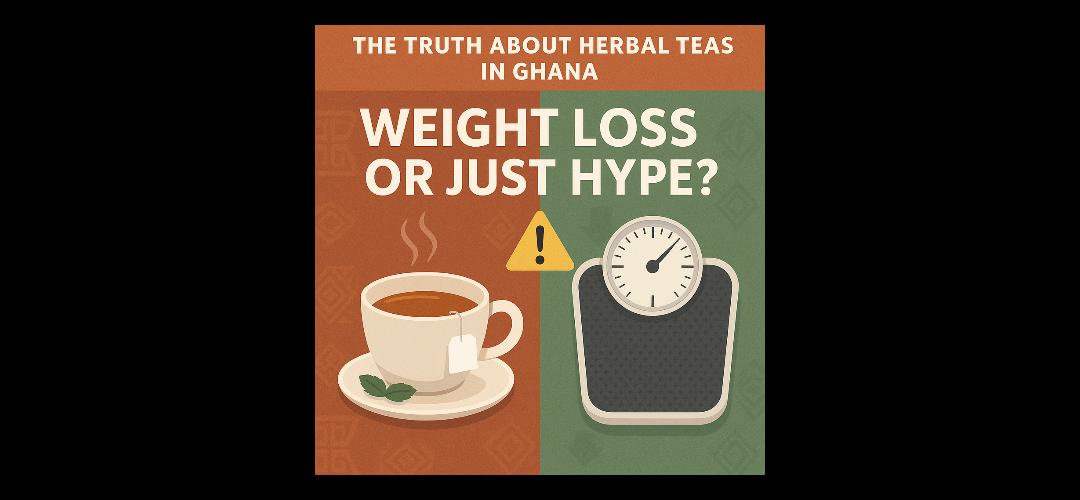
    Truth about Herbal Teas in Ghana: There are so many products out there in the market that promise to make you lose weight, and most of these herbal teas are dubbed “slimming tea” because that is what they claim to do. The truth is that using such products may reduce your weight in the short term, but they don’t make you burn fat. At best, they help condition your body into fat-burning mode by lowering sugar levels, hence insulin.

    Truth about Herbal Teas in Ghana
    Truth about Herbal Teas in Ghana:

    The truth is, if I’m not exaggerating, 90% of these products will make you visit the loo more than 20 times a day. You will notice a drop in your weight when you step on the scale and think it’s working, but what you don’t know is that you are actually losing water weight due to the frequent passing of watery stool.

    Some of these herbal teas contain ingredients like senna, a natural laxative, which can cause serious health problems, including dehydration, electrolyte imbalances and, in worst-case scenarios, life-threatening conditions.

    In the case of Ghana, there are so many vendors online with products they claim work wonders when taken. Most of these are in a tea that you have to dip in hot water and drink. These herbal teas have lots of positive reviews, or at least according to the vendors, but personally, I am yet to try one or meet someone who lost even a kilo from drinking them.

    Let’s uncover the Truth about Herbal Teas in Ghana and look at the role they play in weight loss.

    Read Also: Healthy Ghanaian Breakfasts to Lose Weight: Smart Choices for Sustainable Results

    What Are Herbal Teas and How Are They Marketed in Ghana?

    ‎Follow the InfoHealthGh channel on WhatsApp: https://whatsapp.com/channel/0029Va7j1SgGE56e8pagc22u

    Herbal teas are beverages made from the infusion or decoction of herbs, spices, or other plant materials in hot water. Unlike traditional teas (green, black, oolong), herbal teas do not typically contain actual tea leaves from the Camellia sinensis plant. In Ghana, the most popular slimming teas are sold as mixtures of local herbs, roots, or imported blends packaged to look professional and appealing.

    They are marketed aggressively online—on Facebook, Instagram, TikTok, and WhatsApp. Vendors promise quick weight loss, flatter stomachs, and detoxification within days. Unfortunately, most consumers take these claims at face value without questioning what’s actually in the product or how it works.

    The Most Common Ingredients Found in “Slimming Teas”

    Many of these teas share a common ingredient: senna. Senna is a natural laxative that stimulates bowel movements. It’s often promoted as a detoxifier, but in truth, it just makes you poop a lot—removing water and waste from your system. Other ingredients may include:

    • Dandelion root (diuretic – makes you urinate more)
    • Green tea extract (may have mild fat-burning effects)
    • Peppermint or ginger (used for digestion, not fat loss)
    • Lemongrass, guava leaves, or neem (local herbs with various traditional uses)

    While these may sound harmless or even healthy, their effects can be harsh if taken daily in large amounts.

    Do Herbal Teas Burn Fat or Just Flush Water Weight?

    Here’s the honest answer: they do not burn fat. The weight you lose after taking these teas is mostly water and waste from your digestive tract. That’s why you see a drop on the scale—it’s not real fat loss.

    True fat burning requires a calorie deficit—your body has to burn more calories than you consume. Herbal teas might suppress your appetite slightly or make you avoid food because you’re always in the toilet, but that’s not sustainable or healthy.

    Health Risks of Overusing Herbal Teas for Weight Loss

    Overreliance on slimming teas can lead to:

    • Dehydration: Constant diarrhoea or urination strips your body of water.
    • Electrolyte imbalance: Loss of sodium, potassium, and magnesium can lead to muscle cramps, weakness, or heart issues.
    • Dependence on laxatives: Your gut may become lazy and rely on laxatives to move waste.
    • Malabsorption: Constant flushing can reduce your body’s ability to absorb nutrients.

    Worst of all, many users don’t know what they’re consuming, since some products don’t disclose ingredients clearly or honestly.

    Why So Many People Still Buy Herbal Slimming Teas in Ghana

    Let’s face it—quick fixes sell. In a society where being slim is admired and weight loss is seen as a ticket to confidence, many people turn to easy solutions. Combine that with the high cost of gym memberships, lack of time for workouts, and poor nutrition education, and you’ll understand why slimming teas are so popular.

    Also, many people trust herbal products because they believe they’re “natural” and therefore safe. But remember, even poison ivy is natural—it doesn’t mean it’s good for you.

    What Actually Works for Sustainable Weight Loss?

    Here’s what truly helps when trying to lose weight—and no, it’s not magical or instant:

    • Balanced meals with whole foods (especially high in protein and fibre)
    • Regular physical activity (walking, skipping, dancing, or any consistent movement)
    • Portion control and reducing sugary and high-fat foods
    • Proper sleep and stress management
    • Professional guidance from a dietitian or healthcare provider if needed

    Supplements or herbal teas may support your efforts only if used wisely and combined with the above, not as a replacement. There are some home made remedies that could replace these herbal teas being marketed aggressively online. For example, soursop leaves are one of the herbal ingredients used traditionally, and recent research shows benefits related to inflammation, blood pressure, and immune support — see Soursop Leaves: The Magical Underrated Benefits

    Read Also: Gari vs Rice: Which is the better alternative when trying lose weight.

    Final Thoughts: Are Herbal Teas in Ghana Worth It for Weight Loss?

    Herbal teas in Ghana may offer temporary weight reduction, but not real fat loss. They often work by flushing out water from your system, which can make you feel lighter but may also harm your health if abused.

    Before you buy into the hype, ask yourself: “Do I want to lose water weight for a few days, or do I want to feel and look better long-term?”

    If it’s the latter, skip the detox gimmicks. Focus on eating better, moving more, and treating your body with care. That’s the truth herbal tea vendors won’t tell you—but now, you know.

    Follow My Facebook Page: Here