Tag: Health Tips

  • 12 Fascinating Facts About the Human Eye (Backed by Science)

    12 Fascinating Facts About the Human Eye (Backed by Science)

    The human eye is one of the most advanced and delicate organs in the body. It allows us to interpret the world through light, colour, movement, and depth. But beyond basic vision, the eye is part of a highly sophisticated system that works closely with the brain to create the images we see every day.

    From detecting millions of colours to processing images in milliseconds, the eye performs tasks that rival even the most advanced cameras. Yet, many people take their eyesight for granted—until problems arise.

    In this article, we’ll explore 12 fascinating facts about the human eye, backed by science, while also explaining how your eyes work and how to keep them healthy.

    Read Also: Top 5 Worst Sleeping Positions for Your Spine According to Experts (And How to Fix Them)

    1. The Human Eye Can See Millions of Colours

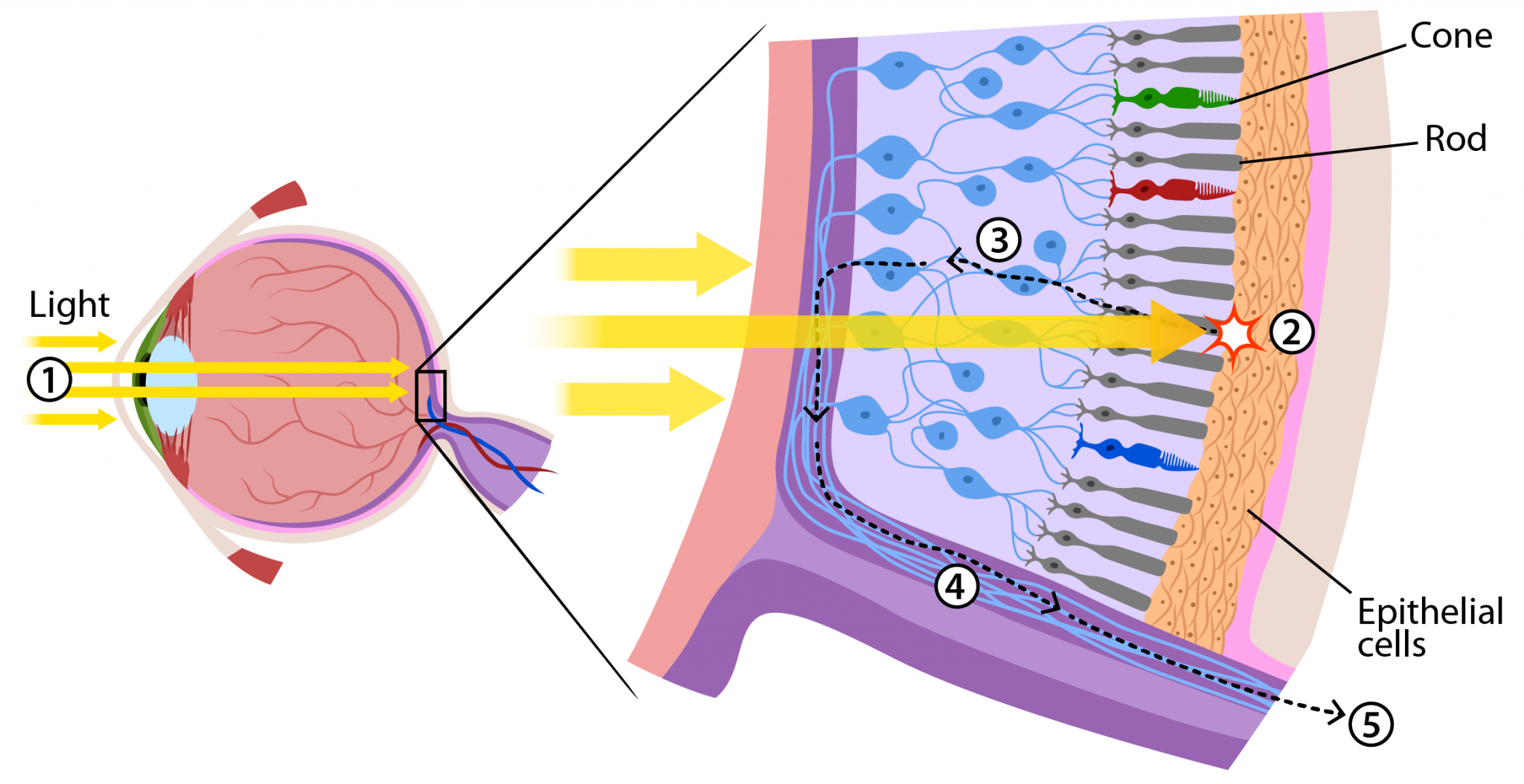
    The human eye can distinguish approximately 10 million different colours. This incredible ability comes from specialised photoreceptor cells in the retina known as cones.

    There are three types of cones:

    • Red-sensitive cones
    • Green-sensitive cones
    • Blue-sensitive cones

    These cells work together to interpret different wavelengths of light, allowing you to perceive a vast spectrum of colours.

    Some individuals, particularly women, may even have a fourth type of cone—a condition known as tetrachromacy—which allows them to see even more colour variations than the average person.

    Read Also: Your Daily Routine Is Either Making You or Breaking You – The Choice Is Yours.

    ‎Follow the InfoHealthGh channel on WhatsApp: https://whatsapp.com/channel/0029Va7j1SgGE56e8pagc22u

    2. Vision Is Mostly Controlled by the Brain

    Many people assume that the eyes do all the work when it comes to seeing. In reality, the eyes simply capture light and send signals to the brain.

    The visual cortex, located in the occipital lobe, processes these signals and turns them into recognisable images.

    This explains why:

    • You can recognise faces instantly
    • Your brain fills in missing visual information
    • Optical illusions can trick your perception

    In essence, your eyes are like cameras—but your brain is the true “viewer.”

    3. The Eye Processes Information Extremely Fast

    The human visual system can process images in as little as 13 milliseconds.

    To put this into perspective:

    • A blink takes about 100–150 milliseconds
    • Your eye processes images nearly 10 times faster than a blink

    This speed is essential for:

    • Detecting danger
    • Coordinating movement
    • Tracking fast-moving objects

    4. Rod Cells Help You See in the Dark

    The retina contains two main types of photoreceptors:

    • Rods (for low light)
    • Cones (for color and detail)

    Rods are highly sensitive to light but do not detect color. This is why your night vision appears in shades of grey.

    Interestingly, rods are more concentrated around the edges of your retina. That’s why you can sometimes see faint objects better out of the corner of your eye in the dark.

    Read Also: Is Potash(Kaun) in Beans and Wakye Slowly Damaging Your Liver and Kidneys?

    5. Every Eye Has a Blind Spot

    Each eye has a natural blind spot where the optic nerve exits the retina. This area contains no photoreceptor cells, meaning it cannot detect light.

    However, you don’t notice this blind spot because your brain automatically fills in the missing information using surrounding visual data.

    This phenomenon demonstrates just how powerful and adaptive your brain is.

    6. Tears Are Complex and Essential for Eye Health

    Tears are not just water—they are made up of three layers:

    • Oil layer (prevents evaporation)
    • Water layer (hydrates and nourishes)
    • Mucus layer (helps spread tears evenly)

    Tears serve several important functions:

    • Protecting against infections
    • Washing away debris
    • Keeping the eye surface smooth

    There are even different types of tears:

    • Basal tears (constant lubrication)
    • Reflex tears (response to irritants)
    • Emotional tears (linked to feelings)

    7. Your Iris Is Unique Like a Fingerprint

    The iris is the colored part of your eye, and its pattern is completely unique to you.

    No two people have identical iris patterns—not even identical twins.

    Because of this uniqueness, iris recognition technology is widely used in:

    • Security systems
    • Smartphones
    • Border control systems

    8. Your Eyes Are Always Moving

    Even when you’re staring at a fixed object, your eyes are constantly making tiny movements called microsaccades.

    These movements:

    • Prevent visual fading
    • Enhance detail perception
    • Help maintain focus

    Without microsaccades, your vision would actually fade when looking at a stationary object.

    9. Babies Don’t Produce Tears Immediately

    Newborn babies cry, but they often don’t produce visible tears until they are a few weeks old.

    This is because their tear glands are not fully developed at birth.

    As the glands mature, tear production increases, allowing proper lubrication and protection of the eyes.

    Read Also: Is Soursop Good for Fatty Liver? Benefits, Risks & Expert Insights

    10. The Cornea Gets Oxygen Directly from the Air

    The cornea is the transparent front layer of the eye. Unlike most tissues in the body, it has no blood vessels.

    Instead, it receives oxygen directly from the air.

    This is why:

    • Proper blinking is essential
    • Contact lenses must allow oxygen flow
    • Extended lens use can cause discomfort

    11. You Blink Thousands of Times a Day

    On average, a person blinks 15–20 times per minute. That adds up to over 20,000 blinks per day.

    Blinking helps:

    • Spread tears evenly
    • Remove dust and particles
    • Prevent dryness

    Interestingly, screen use (phones, laptops) reduces blinking rate, which can lead to dry eyes and discomfort.

    12. Your Brain Flips Images Automatically

    When light enters your eye, the image formed on the retina is actually upside down.

    However, your brain automatically flips the image so you perceive it correctly.

    This process happens instantly and unconsciously, showing just how advanced your visual system is.

    How to Keep Your Eyes Healthy

    Understanding these facts is important—but protecting your vision is even more critical.

    Eat Eye-Friendly Foods

    Include:

    • Carrots (rich in vitamin A)
    • Leafy greens (lutein and zeaxanthin)
    • Fish (omega-3 fatty acids)

    Follow the 20-20-20 Rule

    Every 20 minutes:

    • Look at something 20 feet away
    • For at least 20 seconds

    This reduces eye strain from screens.

    Protect Your Eyes from UV Light

    Wear sunglasses when outdoors to prevent long-term damage.

    Stay Hydrated

    Proper hydration supports tear production and prevents dry eyes.

    Get Regular Eye Checkups

    Early detection of problems like glaucoma or refractive errors can prevent vision loss.

    Read Also: Soursop Leaves: The Magical Underrated Benefits.

    Conclusion

    The human eye is a remarkable organ that combines biology, physics, and neuroscience into one seamless system. From detecting millions of colours to working closely with the brain to interpret images, your eyes are constantly performing complex tasks without you even realising it.

    By understanding how your eyes work and taking steps to protect them, you can maintain healthy vision for years to come.

  • 10 Best Foods to Boost Nitric Oxide Naturally for Better Circulation & Heart Health

    10 Best Foods to Boost Nitric Oxide Naturally for Better Circulation & Heart Health

    What Is Nitric Oxide and Why Does It Matter

    Nitric oxide (NO) is a molecule your body produces to help blood vessels relax and widen. This simple chemical reaction has powerful effects, improving circulation, lowering blood pressure, and enhancing exercise performance.

    Your body makes nitric oxide (NO) in two main ways. The first method involves the L-arginine pathway. In this process, an enzyme called nitric oxide synthase (NOS) converts the amino acid L-arginine into NO. The second is the nitrate pathway. Nitrates from foods like leafy greens are turned into nitrites by bacteria in your mouth. These nitrites are then converted into NO in your stomach or bloodstream. Exercise and nasal breathing also boost NO production by helping your blood vessels relax and improving overall circulation.

    Read Also: Why Your Headache Keeps Coming Back — And When It Could Be Linked to Kidney Disease

    As we age, nitric oxide levels naturally decline, leading to stiffer arteries and reduced oxygen delivery. Nitric oxide helps with blood circulation. A deficiency can expose your body to high blood pressure and erectile dysfunction. Other detrimental effects include lowered concentration and even memory loss.

    Before you start panicking, there is good news. You can boost nitric oxide naturally through certain foods that support your body’s own production process.

    Here are the 10 best foods to boost nitric oxide and keep your heart and blood flow in top shape.

    1. Beets

    Beets are one of the most potent natural sources of nitric oxide. They’re rich in nitrates, which convert into nitric oxide in your body. There have been studies conducted to establish the link between drinking beet juice and improved workout performance. The results are exceptional.

    What are the benefits of consuming beet?

    • Improves blood flow and oxygen delivery
    • Lowers blood pressure
    • Enhances stamina and endurance during workouts

    2. Garlic

    Garlic contains compounds like allicin that activate nitric oxide synthase, the enzyme responsible for producing nitric oxide. To see the maximum results, it is recommended that you consume it raw as a dressing, sauce or roasted veggies.

    Benefits:

    • Supports healthy blood pressure
    • Improves artery flexibility
    • Boosts immune health

    Read Also: Medical and Natural Remedies to Get Rid of Stretch Marks.

    3. Lean Meats & CoQ10-Rich Foods

    Beef, chicken, and fatty fish contain Coenzyme Q10 (CoQ10), a compound that supports nitric oxide preservation and mitochondrial energy. Choose grass-fed or wild-caught sources for cleaner nutrition.

    Benefits:

    • Helps maintain nitric oxide levels
    • Supports heart function and energy metabolism
    • Reduces oxidative stress in blood vessels

    4. Dark Chocolate

    Dark chocolate (70% cocoa or higher) contains flavanols that stimulate nitric oxide production in the endothelium (the lining of blood vessels).

    Benefits:

    • Enhances blood flow to the heart and brain
    • Supports cognitive function
    • Satisfies sweet cravings healthily

    A small square or two per day is enough, but remember to keep it in moderation.

    Read Also: Increased Risk of Cancer Amongst Younger People

    5. Leafy Greens

    Spinach, kale, arugula, and Swiss chard are packed with nitrates, magnesium, and antioxidants that boost nitric oxide naturally.

    Benefits:

    • Promotes healthy circulation
    • Helps maintain balanced blood pressure
    • Supports energy and oxygen use during exercise

    These greens are most potent when eaten raw or lightly steamed.

    6. Citrus Fruits

    Oranges, lemons, and grapefruits are rich in vitamin C, which protects nitric oxide molecules from breakdown.

    Benefits:

    • Prolongs nitric oxide activity in the body
    • Strengthens capillary walls
    • Enhances skin and immune health

    Try citrus water or a fresh fruit salad to get your daily dose.

    7. Pomegranate

    Pomegranates increase nitric oxide by reducing oxidative stress and protecting NO from damage. This fruit is not just for boosting nitric oxide levels; it also promotes heart health, has anti-inflammatory properties, and may protect against certain cancers and age-related cognitive decline.

    Benefits:

    • Improves artery flexibility
    • Supports blood flow to the heart and muscles
    • Boosts recovery after exercise

    Enjoy fresh pomegranate seeds or pure juice (without added sugar).

    8. Nuts & Seeds

    Almonds, walnuts, flaxseeds, and chia seeds are high in arginine, an amino acid your body uses to create nitric oxide. Next time you prepare a bowl of salad, oatmeal, or smoothies, make sure to sprinkle some of these seeds on it to boost your health and well being.

    9. Watermelon

    Watermelon contains L-citrulline, a precursor that converts to arginine, fueling nitric oxide production.

    Benefits:

    • Enhances blood vessel function
    • Supports athletic endurance
    • Helps maintain healthy blood pressure

    Fresh watermelon juice is a great pre- or post-workout drink.

    Read Also: How to deal with sore muscles after an intense workout.

    10. Red Wine (in Moderation)

    Red wine’s polyphenols, particularly resveratrol, stimulate nitric oxide synthesis and protect against arterial damage. Remember to take in moderation because too much alcohol will definitely kill you.

    Benefits of Taking Red Wine in Moderation:

    • Promotes circulation and vascular health
    • May support longevity when consumed moderately
    • Adds antioxidants that protect the heart

    Limit to one glass per day for women, two for men — moderation is key.

    Summary: Boost Nitric Oxide Naturally for Lasting Health

    Nitric oxide is essential for circulation, heart health, and energy. These foods help your body produce it naturally with no supplements required.

    By eating a variety of nitrate-rich vegetables, antioxidant-dense fruits, and healthy fats, you can improve blood flow, lower blood pressure, and enhance exercise performance safely and effectively.

    Start adding these foods to your meals today for better circulation, heart health, and energy.

    ‎Follow the InfoHealthGh channel on WhatsApp: https://whatsapp.com/channel/0029Va7j1SgGE56e8pagc22u
  • Why Your Headache Keeps Coming Back — And When It Could Be Linked to Kidney Disease

    Why Your Headache Keeps Coming Back — And When It Could Be Linked to Kidney Disease

    why your headaches keep coming back

    We often experience headaches and mostly ignore them. We might just link them to stress or lack of sleep. But have you asked yourself, What if that is your body’s way of telling you something is wrong? In most cases, chronic headaches are connected to very concerning underlying conditions like kidney disease, heart problems, and even digestive issues.

    There is somewhat of some good news, which is that you are not the only one experiencing this. In fact, 1 in 25 adults suffers from chronic headaches. Info Health GH will explore why your headaches keep coming back. They will also examine how it could be linked to your kidneys.

    ‎Follow the InfoHealthGh channel on WhatsApp: https://whatsapp.com/channel/0029Va7j1SgGE56e8pagc22u

    Why Do Headaches Keep Coming Back?

    A headache that keeps returning can have several triggers, ranging from lifestyle habits to hidden medical issues. Some of the most common reasons include:

    Read Also: Early Signs of Iron Deficiency in Women: Symptoms, Causes, and What You Need to Know

    1. Dehydration:
    When your body lacks enough water, your brain temporarily contracts, triggering pain signals. In hot Ghanaian weather, not drinking enough fluids is one of the biggest culprits behind recurring headaches.

    2. Eye Strain and Screen Time:
    Spending hours on your phone, laptop, or TV can put pressure on your eyes. It can also strain your neck muscles. This tension often builds up and causes chronic headaches, especially if you’re not taking breaks.

    3. Stress and Poor Sleep:
    Mental stress tightens the muscles around your head and neck. Combine that with a lack of proper rest, and you have a perfect recipe for frequent headaches.

    4. Caffeine or Medication Overuse:
    Too much caffeine or frequent use of painkillers can actually cause rebound headaches. This means the more you rely on medication, the more likely the headache will come back.

    5. High Blood Pressure:
    Persistent headaches can sometimes signal high blood pressure, a condition that’s also linked to kidney problems.

    While these are common causes, sometimes the pain is linked to something deeper happening inside your body, like your kidneys.

    Read Also: Soursop Leaves: The Magical Underrated Benefits.

    How Are Headaches Linked to Kidney Disease?

    why your headaches keep coming back

    Most people are surprised to learn that kidney disease can cause headaches. The kidneys play a crucial role in filtering waste and balancing fluids in the body. When they’re not working properly, waste products and toxins begin to build up in your blood, which can affect your overall health—including your brain.

    Here’s how kidney disease and its onset trigger headaches:

    1. High Blood Pressure from Poor Kidney Function:
    Damaged kidneys can struggle to regulate blood pressure. When your blood pressure rises too high, it can lead to persistent headaches, dizziness, or even blurred vision.

    2. Toxin Buildup and Poor Blood Flow:
    When waste products aren’t efficiently removed from your body, they can affect your nervous system and cause fatigue, nausea, and head pain.

    3. Electrolyte Imbalance:
    The kidneys help balance important minerals like sodium, potassium, and calcium. When these levels are off, nerve function is affected, which can result in constant or severe headaches.

    Read Also: Feeling Burnt Out? Take This Work-Related Stress Test

    Other Warning Signs of Kidney Disease

    If your headache keeps coming back and you’re experiencing any of these symptoms, it’s a good idea to see a doctor and ask for kidney function tests:

    • Swelling in your face, hands, or feet
    • Fatigue or unusual tiredness
    • Foamy or dark urine
    • Frequent urination, especially at night
    • Loss of appetite or nausea
    • Itchy or dry skin

    These symptoms don’t always mean you have kidney disease, but they are important red flags that shouldn’t be ignored.

    When to See a Doctor

    A headache that doesn’t go away even after rest, hydration, and pain relief could be a sign of an underlying issue. Visit a healthcare provider if your headaches are becoming more frequent, more painful, or come with other symptoms like blurred vision or swelling.

    Ask for simple blood and urine tests. They can quickly show if your kidneys are under stress or if your blood pressure is too high.

    How to Prevent Headaches and Support Your Kidneys

    Small lifestyle changes can make a big difference in both headache prevention and kidney health.

    • Stay hydrated: Drink at least 6–8 glasses of water daily, and increase your intake if you live in hot areas or sweat a lot.
    • Eat balanced meals: Limit processed foods and salt, and include fruits and vegetables rich in potassium and antioxidants.
    • Get enough sleep: Aim for at least 7 hours of quality rest each night.
    • Limit painkillers and caffeine: Overuse can harm both your kidneys and your headache pattern.
    • Check your blood pressure regularly: High blood pressure silently damages the kidneys over time.

    Read Also: Why Am I Always Tired? 10 Hidden Health Causes You Might Be Ignoring

    Final Thoughts

    A headache that keeps coming back may seem like a small issue. However, it can sometimes point to something more serious, such as kidney disease. Listen to your body, make healthy choices, and don’t ignore persistent pain. Early testing and care can make all the difference in protecting your kidneys—and your overall well-being.

    Would you like me to create a Pinterest or Facebook flier for this article too (something minimal and eye-catching to boost clicks)?

  • Is Soursop Good for Fatty Liver? Benefits, Risks & Expert Insights

    Is Soursop Good for Fatty Liver? Benefits, Risks & Expert Insights

    Fatty liver disease is becoming more common in Ghana, largely due to rising cases of obesity, diabetes, and poor diet habits. As people seek natural ways to protect their liver, one tropical fruit often mentioned is soursop known locally as Aluguntugui. But is soursop really good for fatty liver? Let’s explore the science, benefits, and risks behind this popular fruit.

    Read Also: Soursop Leaves: The Magical Underrated Benefits.

    🍈 What is Soursop?

    Is Soursop Good for Fatty Liver

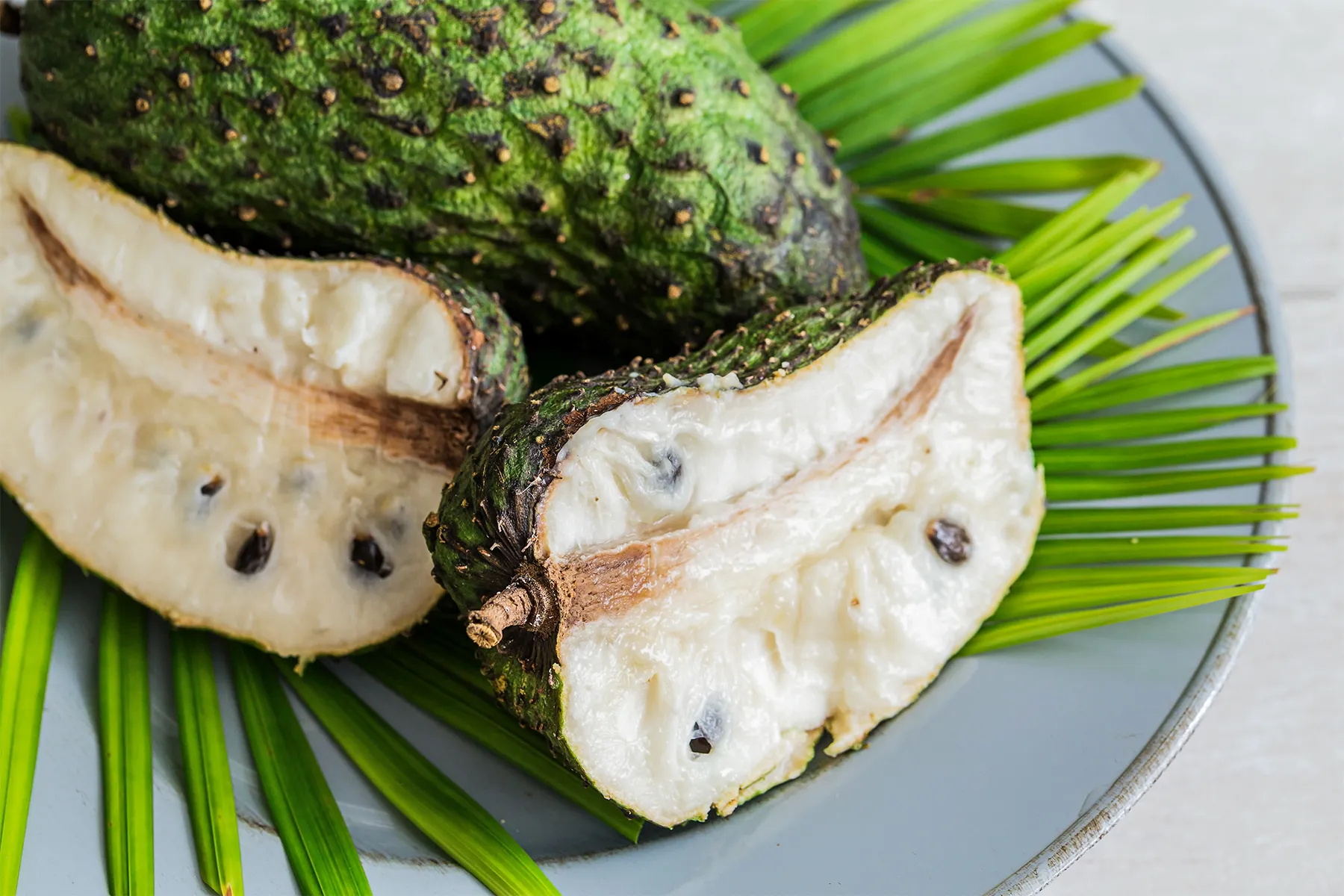
    Soursop (Annona muricata) is a tropical fruit native to West Africa, the Caribbean, and parts of South America. It’s easily recognized by its green spiky skin, soft white flesh, and sweet-sour flavor. Ghanaians enjoy it fresh, in smoothies, or as juice — but beyond taste, soursop is rich in nutrients that support overall health.

    Nutritional highlights of soursop include:

    • Vitamin C (a strong antioxidant)
    • B vitamins (for metabolism and energy)
    • Potassium and magnesium (for heart and liver function)
    • Dietary fiber (for digestion and detoxification)

    These nutrients contribute to its growing reputation as a natural liver cleanser and part of fatty liver natural remedies.

    🌿 Benefits of Soursop for Fatty Liver

    Studies suggest that soursop may offer several benefits for people with fatty liver. Here’s how it helps:

    1. Rich in Antioxidants

    Soursop is packed with antioxidants like vitamin C, phenols, and acetogenins that fight oxidative stress — one of the main causes of liver damage.
    These compounds help neutralise harmful free radicals and may reduce liver inflammation over time.

    2. Reduces Lipid (Fat) Accumulation

    Animal studies have shown that extracts of soursop leaves and pulp can lower cholesterol and triglyceride levels.
    This means soursop could help prevent excess fat buildup in the liver — a major problem in both alcoholic and non-alcoholic fatty liver disease.

    3. Supports Blood Sugar Regulation

    People with fatty liver often struggle with insulin resistance. Soursop’s natural compounds may improve glucose metabolism, helping to balance blood sugar levels and reduce further liver strain.

    4. Promotes Liver Protection

    In some studies, soursop leaf extract has shown protective effects against toxins that damage liver cells. The bioactive compounds appear to strengthen liver enzymes and support the body’s natural detox functions.

    In summary: Soursop for fatty liver may work through a combination of antioxidant defense, fat regulation, and glucose control — all essential in managing liver health.

    Read Also: 5 Working Hacks to Shed Fat Fast: Skip if you can’t be disciplined and consistent.

    ⚠️ Risks and Side Effects

    Is Soursop Good for Fatty Liver

    While soursop has many benefits, overuse or unregulated consumption can be risky.

    Potential side effects include:

    • Liver and kidney toxicity: Large doses of soursop leaf extract have been linked to liver or kidney damage in some studies.
    • Neurological risks: Some research suggests that long-term consumption of soursop, especially from leaves or seeds, may affect nerve function and lead to symptoms similar to Parkinson’s disease.
    • Low blood pressure: Soursop may reduce blood pressure, which could be dangerous for people already taking hypertension medication.

    👉 Important: Always consult a doctor before using soursop for fatty liver or any medical condition. Natural doesn’t always mean harmless.

    ☕ How to Use Soursop Safely

    If you want to enjoy soursop as part of a liver-friendly lifestyle, moderation is key.

    Safe ways to consume soursop:

    • Fresh fruit: Eat ripe soursop 2–3 times per week as part of a balanced diet.
    • Soursop tea for liver health: Use a few dried leaves to make mild tea once a day. Avoid boiling for too long or drinking in excess.
    • Soursop juice: Prepare natural juice without added sugar. Drink occasionally, not daily.

    Who should avoid soursop:

    • Pregnant or breastfeeding women
    • People with kidney or liver problems
    • Those on blood pressure or diabetes medication

    These groups should seek professional medical advice before using soursop or related supplements.

    🔬 Scientific Research on Soursop and Liver Health

    Recent studies provide some support for soursop’s liver benefits — though most are based on animal experiments, not human trials.

    • A 2019 study found that Annona muricata leaf extract reduced liver fat and improved enzyme function in rats with fatty liver disease.
    • Another 2021 study showed that soursop’s antioxidant compounds could protect liver cells from chemical-induced damage.
    • However, human research remains limited, and long-term safety data are still lacking.

    In short, soursop shows promising potential, but more scientific evidence is needed before it can be recommended as a proven treatment for fatty liver.

    Read Also: Truth about Herbal Teas in Ghana: Do they really help you to lose weight?

    ✅ Conclusion: A Balanced View

    So, is soursop good for fatty liver?
    Yes — in moderation, soursop may support liver health due to its antioxidants, fat-lowering effects, and protective properties. However, it should not replace medical treatment or lifestyle changes such as weight control, regular exercise, and reducing alcohol or sugar intake.

    For anyone considering soursop for fatty liver, the safest approach is to:

    • Eat it as part of a balanced diet
    • Avoid excessive leaf or seed use
    • Consult a healthcare professional before starting any soursop-based remedy

    Your liver is vital treat it with care and informed choices.

  • Hidden Gum Plastic: How Packaging May Contaminate Natural Chewing Gums

    Hidden Gum Plastic: How Packaging May Contaminate Natural Chewing Gums

    Chewing gum has always been marketed as a harmless treat—sometimes even as a “natural” alternative for fresh breath or stress relief. But a surprising new health concern is emerging gum packaging microplastics contamination.

    While many studies focus on microplastics in synthetic gum bases, recent evidence shows that even so-called natural gums may not be as clean as they seem. The culprit? Plastic packaging and production methods that introduce tiny, invisible particles into the gum before it ever reaches your mouth.

    What Are Microplastics and Why Should You Care?

    Microplastics are tiny fragments of plastic less than 5mm in size. They can come from broken-down plastic bottles, food wrappers, cosmetics, or even the friction of synthetic fibers in clothing. These particles are small enough to enter human tissues, and studies have already detected them in blood, lungs, brain tissue, and the placenta.

    Health experts warn that long-term exposure may trigger inflammation, oxidative stress, and hormonal disruption. While scientists are still studying the full effects on human health, one thing is clear: reducing unnecessary microplastic exposure is a smart move.

    Read Also: The Surprising Link Between Gut Health and Anxiety: How Your Digestive System Affects Your Mind

    How Natural Gum Becomes Contaminated

    When people choose natural chewing gums—often made from tree resins like chicle—they assume they are avoiding synthetic plastics. Unfortunately, gum packaging microplastics contamination can undo that healthy choice.

    Here’s how it happens:

    • Plastic Wrappers – Most gums, even natural brands, are wrapped in thin plastic or foil-plastic composites that can shed particles into the gum.
    • Production Lines – Industrial conveyor belts, packaging seals, and cutting machines often use plastics that come into direct contact with gum.
    • Storage & Transport – Heat and friction during shipping can accelerate microplastic release into the gum before it’s even opened.

    In other words, even before you start chewing, your “plastic-free” gum may already be carrying microscopic fragments.

    Read Also: How to Stop Sugar Cravings Naturally at Night: 7 Proven Strategies

    Why Packaging Contamination Matters More Than You Think

    Recent studies suggest that both synthetic and natural gums release microplastics when chewed—but the surprising part is that natural gums aren’t necessarily safer. In some cases, gum packaging microplastics contamination accounts for just as much exposure as the gum base itself.

    That means switching to natural gum won’t completely eliminate your risk unless the brand also commits to plastic-free packaging. Consumers who chew gum daily could be swallowing tens of thousands of particles each year—without realizing it.

    Read Also: Early Signs of Iron Deficiency in Women: Symptoms, Causes, and What You Need to Know

    What You Can Do to Minimize Microplastic Exposure

    If you enjoy chewing gum, here are practical steps you can take:

    1. Choose brands with eco-friendly packaging – Look for gums sold in compostable wrappers, paper boxes, or glass jars instead of plastic blister packs.
    2. Chew fewer pieces – Instead of multiple sticks a day, chew one piece for longer periods.
    3. Support sustainable brands – Some gum makers are actively shifting toward biodegradable bases and non-plastic packaging.
    4. Dispose responsibly – Never spit gum on the street; when littered, it hardens and becomes a long-term plastic pollutant.

    FAQs About Chewing Gum and Microplastics

    1. Is chewing natural gum safe from plastics?
    Not entirely. Even if the gum base is natural, plastic packaging can contaminate it.

    2. Do all gums release microplastics?
    Most studies suggest both synthetic and natural gums release microplastics, but the levels vary.

    3. How can I avoid gum packaging microplastics contamination?
    Opt for brands with paper or compostable packaging, and limit gum chewing frequency.

    4. Are microplastics in gum harmful?
    Definitive human studies are still ongoing, but evidence from lab studies suggests potential health risks over time.

    Chewing gum may seem like an innocent daily habit, but research shows it could be a hidden source of plastic exposure. Gum packaging microplastics contamination means that even natural gums may not be as clean as they appear.

    The good news? Consumers have power. By choosing eco-friendly brands, reducing gum use, and demanding safer packaging, you can lower your exposure while supporting sustainable change in the food industry.

  • Early Signs of Iron Deficiency in Women: Symptoms, Causes, and What You Need to Know

    Early Signs of Iron Deficiency in Women: Symptoms, Causes, and What You Need to Know

    Iron is one of the most essential minerals in the body, especially for women. From supporting healthy blood production to ensuring that oxygen is efficiently transported throughout the body, iron plays a critical role in overall health and well-being. Yet, iron deficiency is one of the most common nutritional deficiencies in women worldwide. Recognising the early signs of iron deficiency in women is vital for preventing more serious health problems like iron-deficiency anaemia.

    Early Signs of Iron Deficiency in Women

    In this post, we will walk you through the common signs and symptoms, answer key health questions (such as whether anaemia can cause vertigo, swelling, or even diarrhoea), and highlight why maintaining healthy iron levels is crucial for women.

    Read Also: How to Stop Sugar Cravings Naturally at Night: 7 Proven Strategies

    Why Women Are More Prone to Iron Deficiency

    Women are at a higher risk of iron deficiency than men due to several factors:

    • Menstruation – Monthly blood loss can significantly deplete iron stores, especially if periods are heavy.
    • Pregnancy – The body needs more iron to support both the mother and the developing baby.
    • Dietary gaps – Women who avoid red meat or follow vegetarian/vegan diets may not get enough absorbable iron.
    • Postpartum demands – After childbirth, iron needs remain high to replenish lost stores.

    This makes it even more important for women to know the early signs of low iron levels.

    How Do You Know If You Have Low Iron as a Woman?

    Early Signs of Iron Deficiency in Women

    The early signs can sometimes be subtle and easily mistaken for stress or fatigue. However, these symptoms should not be ignored:

    1. Persistent Fatigue and Weakness – Feeling constantly drained, even after rest, is a hallmark symptom.
    2. Pale or Sallow Skin – A noticeable paleness, especially in the face, lips, and inside of the eyelids, can indicate reduced haemoglobin.
    3. Shortness of Breath – You may feel winded during simple activities like climbing stairs.
    4. Unusual Cravings (Pica) – Craving ice, dirt, or chalk can be linked to iron deficiency.
    5. Hair Loss and Brittle Nails – Iron deficiency can weaken hair and nails.
    6. Headaches and Dizziness – Reduced oxygen delivery to the brain can trigger frequent headaches.
    7. Cold Hands and Feet – Poor circulation is another red flag.

    👉 If you are experiencing several of these symptoms, it’s important to speak with a healthcare provider for a simple blood test to check your iron levels.

    Can Anaemia Cause Vertigo?

    Early Signs of Iron Deficiency in Women

    Yes. Iron-deficiency anemia can cause dizziness and vertigo. This happens because when hemoglobin levels drop, less oxygen reaches the brain. The brain responds to this lack of oxygen by making you feel lightheaded, dizzy, or in some cases, like the room is spinning. Women with low iron often report:

    • Frequent dizzy spells
    • Difficulty concentrating
    • Feeling faint after standing up quickly

    This is one of the most overlooked but significant early signs.

    Can Anaemia Cause Swelling?

    Yes, but indirectly. Iron-deficiency anaemia can sometimes lead to swelling in the hands, ankles, or feet. This swelling is known as oedema and can happen when low oxygen levels strain the heart, causing fluid buildup. Additionally, iron deficiency may cause swelling or soreness of the tongue (glossitis) and cracks at the corners of the mouth.

    While swelling is not the most common symptom, it can still occur in women with more advanced iron deficiency.

    Can Low Iron Cause Diarrhoea?

    This is less straightforward. Iron deficiency itself does not directly cause diarrhea. However, there are two important links:

    1. Underlying conditions – Some medical conditions that cause diarrhoea (such as celiac disease, Crohn’s disease, or heavy intestinal infections) can also impair iron absorption, leading to deficiency.
    2. Iron supplements – When women start taking iron pills to treat a deficiency, some may experience digestive side effects, including constipation, nausea, or diarrhoea.

    So while iron deficiency isn’t typically the cause of diarrhoea, the relationship is often indirect. If diarrhoea persists alongside other deficiency symptoms, it’s worth seeking medical advice.

    Read Also: Feeling Burnt Out? Take This Work-Related Stress Test

    Why Iron Is So Important for Women

    Iron does much more than just prevent fatigue. Here’s why maintaining healthy levels is critical for women:

    • Supports Reproductive Health – Adequate iron reduces the risk of complications during pregnancy and postpartum.
    • Boosts Energy and Performance – Women with normal iron levels tend to have better focus, higher stamina, and improved mood.
    • Protects the Brain – Oxygen-rich blood nourishes the brain, reducing the risk of memory and concentration issues.
    • Strengthens Immunity – Iron is necessary for the immune system to fight off infections effectively.

    When to See a Doctor

    Early Signs of Iron Deficiency in Women

    If you suspect iron deficiency, don’t just rely on self-diagnosis. See your healthcare provider if you:

    • Feel persistently tired despite resting
    • Notice unusual dizziness or vertigo
    • Experience swelling in your extremities
    • Develop unexplained headaches or paleness

    A simple ferritin test or hemoglobin test can confirm whether your iron stores are low.

    Recognising the early signs of iron deficiency in women can make all the difference in preventing long-term complications. From fatigue and dizziness to swelling and digestive issues, these symptoms should not be ignored. While anaemia can indeed cause vertigo and sometimes swelling, low iron rarely causes diarrhoea on its own.

    For women, keeping iron levels balanced is not just about avoiding tiredness—it’s about supporting reproductive health, brain function, and overall vitality. If you notice several of these signs, the best step forward is to consult your doctor and get tested.

  • How the Soap You Use Could Be Harming Your Skin — And What to Use Instead

    How the Soap You Use Could Be Harming Your Skin — And What to Use Instead

    Growing up, I had a skin condition that caused my body to itch whenever I took my bath. This was something I dealt with well into my adulthood, and oftentimes, people would suggest changing the soap I used. So, for as long as I can remember, I had been digging through the internet to find the best soap for healthy skin.

    I did come across some soaps that did wonders for me, and by wonders, I mean less to zero itching. It turned out the problem was a result of two things, the soap I used and the way I bath. So the effect of your choice of soap cannot be underestimated as far as your skin is concerned.

    When it comes to skincare, many people focus on serums, moisturisers, or expensive creams—yet overlook a basic essential: soap. The truth is, using the best soap for healthy skin can be the key to maintaining a radiant, clear complexion. On the other hand, the wrong soap can disrupt your skin’s natural barrier, cause dryness, irritation, and even trigger long-term skin issues.

    Let’s dive into how your soap affects your skin and how to choose the right one based on science and expert recommendations.

    ‎Follow the InfoHealthGh channel on WhatsApp: https://whatsapp.com/channel/0029Va7j1SgGE56e8pagc22u

    Read Also: Relieve Itchy Skin After Shower Naturally: Proven Remedies That Actually Work

    Why Your Soap Choice Matters

    Your skin is your body’s largest organ and your first line of defence against bacteria, pollutants, and environmental damage. The skin also has a natural layer of oils and a delicate balance of bacteria (called the microbiome) that help protect it.

    When you use soap daily—especially those loaded with harsh chemicals or fragrances- you risk stripping away these natural defences. As someone who experimented with lots of soaps just to find what worked for me, I can assure you there are certain soaps that are on the market that would harm your skin so badly. At times, you even wonder if they passed proper accreditation. The bad disruptions you may experience are as follows:

    • Dryness or flakiness
    • Increased sensitivity
    • Breakouts or acne
    • Eczema and dermatitis flares

    That’s why understanding the soap and skin health connection is crucial for anyone serious about skincare.

    Read Also: Your Skin Reflects Your Health: What Acne, Dryness, and Discoloration Could Mean

    🧪 The pH Factor: What Science Says About Soap and Your Skin

    Your skin has a slightly acidic pH of around 5.5, which helps it maintain moisture and ward off harmful microbes. However, many commercial soaps are alkaline (with a pH of 9 or 10). These high-pH soaps can damage your skin’s acid mantle—its natural barrier—leading to irritation and dryness.

    Using a pH-balanced soap helps preserve your skin’s natural barrier and supports long-term skin health. If you’ve been dealing with unexplained irritation, itchiness, or dullness, your soap’s pH level might be to blame.

    Hidden Dangers in Commercial Soaps

    Some store-bought soaps contain ingredients that can harm your skin over time. Here are a few to watch out for:

    1. Fragrances and Dyes

    They may smell nice, but synthetic fragrances are one of the most common skin allergens. Artificial dyes can also trigger skin irritation and allergic reactions, especially for those with sensitive skin.

    2. Sulfates (SLS and SLES)

    These are harsh detergents that make soap lather but are known to strip natural oils from your skin. This is especially problematic for those with dry or sensitive skin.

    3. Parabens and Preservatives

    Though often used to extend shelf life, parabens have raised health concerns due to their potential hormone-disrupting properties. While the science isn’t settled, many prefer to avoid them altogether.

    4. Triclosan in Antibacterial Soaps

    Once popular, antibacterial soap risks are now well-documented. Triclosan can kill good bacteria, contribute to antibiotic resistance, and even interfere with hormone function.

    Natural vs. Commercial Soaps: Which One Wins?

    The battle between natural vs. commercial soaps is heating up—and for good reason.

    ✅ Natural Soaps

    • Made with plant-based oils (like coconut, olive, or shea butter)
    • Often contain glycerin, a natural moisturizer
    • Gentle and biodegradable
    • Usually free from artificial chemicals and fragrances

    Natural soaps are generally a safer bet for those seeking the best soap for healthy skin—especially if you want to avoid irritation and promote hydration.

    ❌ Commercial Soaps

    • May contain synthetic ingredients, preservatives, and fragrances
    • Often remove glycerin during manufacturing (making the soap less moisturizing)
    • Can dry out or irritate skin with regular use

    Read Also: Ways to Protect Yourself from Contacting Monkey pox in Ghana

    Choosing the Best Soap for Your Skin Type

    Selecting the right soap depends on your skin’s specific needs. Here’s a quick guide:

    1. Soap for Dry Skin

    Look for soaps rich in oils and natural moisturizers. Ingredients like shea butter, coconut oil, olive oil, and glycerin are especially beneficial. Avoid anything labeled “antibacterial” or containing alcohol.

    2. Soap for Sensitive Skin

    Choose fragrance-free and dye-free options. Go for hypoallergenic and pH-balanced soap designed specifically for delicate skin. Goat milk soaps are also a good choice due to their soothing properties.

    3. Soap for Oily or Acne-Prone Skin

    Use soaps with tea tree oil, charcoal, or salicylic acid. These ingredients help control excess oil without over-drying the skin. However, use sparingly to avoid damaging your skin barrier.

    4. Soap for Combination Skin

    Opt for a mild, balanced soap that doesn’t over-cleanse. Glycerin-based soaps or those with natural exfoliants like oatmeal can help keep your skin smooth without irritation.

    Soap and Your Daily Routine: Less Is More

    Even if you’re using the right soap, overwashing can still harm your skin. Here are a few practical tips:

    • Limit face washing to twice a day—morning and night
    • Use lukewarm water instead of hot, which strips oils faster
    • Pat dry with a soft towel, don’t rub
    • Moisturize immediately after washing to lock in hydration

    These small steps make a big difference, especially when paired with the best soap for healthy skin.

    Read Also: Your Toothpaste Might Be Slowly Poisoning You – Here’s Why

    Your Skin Deserves Better

    Your skin reflects your overall health and well-being. Choosing the right soap is not just about staying clean—it’s about protecting, nourishing, and respecting your skin. Ditch the harsh, overly perfumed commercial bars and switch to a gentle, pH-balanced or natural formula that suits your skin type.

    Whether you’re struggling with dry skin, sensitive skin, or frequent breakouts, the fix might be as simple as changing your soap. Don’t let this everyday essential be the silent saboteur of your skin’s health.

    Start by checking your soap’s ingredients today. Your future self (and your skin) will thank you.

  • How to Strengthen and Heal Your Lungs Naturally: Foods, Drinks, and Breathing Tips

    How to Strengthen and Heal Your Lungs Naturally: Foods, Drinks, and Breathing Tips

    Do you ever find yourself winded climbing stairs? Or that deep sigh after a full day at work feels more like a gasping gulp? You’re not alone. For many of us—especially those over 30 juggling busy lives—lung health can slip under the radar until we suddenly feel it slipping away. Fortunately, whether you’re recovering from illness or simply want your lungs to work at their best, there are proven ways how to strengthen lungs naturally that actually fit into a real lifestyle.

    In this post, we’ll dive into everyday strategies you can start using today to heal weak lungs, get them working super efficiently, and give them the nourishment they truly need.

    ‎Follow the InfoHealthGh channel on WhatsApp: https://whatsapp.com/channel/0029Va7j1SgGE56e8pagc22u

    Read Also: Fatty Liver Diet: How to Reverse Fatty Liver Naturally and Reclaim Your Health

    1. What Heals Lungs Faster?

    How to strengthen lungs naturally

    Embrace Antioxidant-Rich Foods

    Your lungs do heavy lifting every day—filtering air, fighting pollution, and repairing tissue. Antioxidants from colorful fruits and leafy greens help reduce inflammation and support recovery. Foods high in vitamins C and E—like oranges, bell peppers, strawberries, spinach, and broccoli—are great natural helpers.

    Real-life tip: I keep a bowl of carrots, red peppers, and oranges on my kitchen counter. When I snack between Zoom calls, I just grab one—easy and nutritious.

    Stay Hydrated Every Hour

    Hydration is critical for lung function. The lining of your airways is made up of mucus that traps particles and keeps the lungs lubricated. Drink water consistently—aim for 8–10 glasses a day, or herbal teas if plain water bores you.

    Schedule Recovery Breathing Time

    You don’t need fancy equipment—just your breath. Controlled deep breathing stimulates the diaphragm, increasing oxygen exchange and lung volume.

    How to start: Sit upright, inhale slowly through your nose for a count of 4, hold for 2, exhale through pursed lips for 6. Repeat 5–10 times, twice daily. You’ll feel calmer, deeper breaths, and your lungs getting some extra TLC.

    2. How to Repair Weak Lungs?

    How to strengthen lungs naturally

    Gradual Cardio Builds Strength

    Whether it’s walking, cycling, or swimming—aim for 20–30 minutes of moderate activity most days. The increased breathing effort strengthens your lung capacity over time.

    Personal insight: After my flu last year, I began with 10-minute walks, gradually adding stretching and gentle jogging. Before I knew it, I had twice the stamina on my morning strolls.

    Reduce Inflammation with Turmeric & Ginger

    Anti-inflammatory spices like turmeric and ginger help soothe lung tissue, especially after infections or seasonal allergies. Turmeric’s curcumin compound has been studied for its ability to reduce respiratory inflammation.

    Try adding turmeric to soups or ginger in your tea.

    Avoid Irritants and Toxins

    Indoor air quality matters just as much as going smoke-free. Dust, chemicals, or pet dander can worsen lung weakness. Open windows, use an air purifier if you can, and keep fragrant cleaning products out of your kitchen or laundry area.

    Read Also: Why Am I Always Tired? 10 Hidden Health Causes You Might Be Ignoring

    3. How Do I Make My Lungs Super Strong?

    How to strengthen lungs naturally

    Functional Exercises for Breath Support

    Strengthening your core (abs, lower back) gives your diaphragm better support during deep breaths. Planks, gentle Pilates moves, and yoga strengthen these muscles. A stronger core equals stronger lungs.

    Practice Pursed-Lip and Diaphragmatic Breathing

    These techniques help control breathing and enhance oxygen intake:

    • Pursed-lip: Inhale through your nose, exhale slowly through pursed lips—this releases stale air and makes inhaling easier.
    • Diaphragmatic breathing: Lie down, place a hand on your belly, and breathe so your belly rises more than your chest—this activates deeper lungs.

    Clear the Air: No Smoking, No Matter What

    If you’re a smoker, quitting is hands-down the single most effective lifestyle change you can make. Your lungs begin healing within weeks. If you’re around smokers often, respectfully ask them to—at least—avoid smoking indoors.

    4. What Can I Drink to Improve My Lungs?

    Green Tea & Herbal Brews

    Green tea is full of antioxidants like catechins, which have been shown to reduce inflammation. Herbal teas—like peppermint, chamomile, or eucalyptus—can help open airways and soothe your respiratory passages.

    Warm Honey, Lemon & Ginger Drink

    How to strengthen lungs naturally

    This homemade tonic has been a staple in my home during the rainy season. Honey coats the throat, ginger brings anti-inflammatory benefits, and lemon provides vitamin C—together, they support clear breathing and comfort.

    Fresh Smoothies

    Blend spinach (rich in vitamin C and chlorophyll) with berries, pineapple, and yogurt for a lung-loving drink. You’re hydrating while packing in natural antioxidants, fiber, and probiotics.

    Read Also: What Your Tongue Reveals About Your Health

    Bonus Daily Habits to Strengthen Lungs Naturally

    Beyond foods and exercise, these lifestyle tips are essential:

    • Maintain a healthy weight: Extra pounds make breathing harder.
    • Sleep upright or with gentle elevation: Helps air move more easily, especially if you’re recovering from sickness.
    • Practice good posture: Slouching compresses your lungs.
    • Mind stress levels: Cortisol spikes can worsen breathing; practice mindfulness or journaling to stay calm.

    So, how do you strengthen lungs naturally? It’s about repairing first, then building stamina with every breath. Treat your lungs daily by eating smart, breathing deliberately, and moving gently. These habits add up—and soon, you’ll feel less breathless, more energized, and walking around confident in every inhale and exhale.

    The real secret? Consistency. Just a few minutes of mindful breathing, plus lung-nourishing meals and regular movement, can turn a tired, weak set of lungs into resilient, capable companions well beyond your 30s.

    Take Action Today

    1. Drink that ginger-lemon tea.
    2. Try a 5-minute breathing session now.
    3. Take a short walk after your next meal.
  • Why Am I Always Tired? 10 Hidden Health Causes You Might Be Ignoring

    Why Am I Always Tired? 10 Hidden Health Causes You Might Be Ignoring

    Have you ever woken up feeling just as tired as when you went to bed? Or found yourself yawning all day, even after a weekend of rest? You’re not alone. One of the most searched health concerns today is, “Why am I always tired?” Fatigue can creep into your life quietly, turning daily tasks into major hurdles. And while lack of sleep is the obvious suspect, persistent tiredness may be a sign of deeper health issues.

    If you’re constantly asking yourself “why am I always tired,” it’s time to go beyond sleep and explore the hidden health causes that could be draining your energy.

    Read Also: Five (5) signs you have too much salt in your system.

    1. Iron Deficiency (Anemia)

    Iron helps carry oxygen through your bloodstream. When your iron levels are low, your muscles and tissues don’t get enough oxygen to function efficiently, leading to chronic fatigue.

    Signs: Pale skin, shortness of breath, cold hands and feet, dizziness.
    Fix: Add iron-rich foods like beans, spinach, and red meat to your diet. A blood test can confirm deficiency, and iron supplements may be recommended.

    Please follow My Whatsapp Channel if You’d Like to Read More Health Related Stuff

    ‎Follow the InfoHealthGh channel on WhatsApp: https://whatsapp.com/channel/0029Va7j1SgGE56e8pagc22u

    2. Vitamin B12 Deficiency

    B12 plays a key role in producing red blood cells and maintaining a healthy nervous system. A lack of it can lead to extreme fatigue, weakness, and even memory problems.

    Why am I always tired

    Signs: Tingling in the hands/feet, pale tongue, mood swings.
    Fix: Include eggs, dairy, meat, or fortified cereals in your meals. Vegans may need supplements or B12 injections.

    Read Also: Healthy Fat Weight Loss with Intermittent Fasting and Exercise: My Journey

    3. Thyroid Problems

    An underactive thyroid (hypothyroidism) slows down your metabolism, making you feel sluggish, cold, and tired—no matter how much rest you get.

    Signs: Weight gain, dry skin, depression, and feeling cold all the time.
    Fix: A thyroid blood test will confirm the issue. Treatment usually involves hormone replacement therapy.

    4. Dehydration

    Even mild dehydration can make you feel drained, foggy-headed, and irritable. Your body needs water to transport nutrients and eliminate waste effectively.

    Signs: Headaches, dry mouth, dark urine, light-headedness.
    Fix: Aim for 6–8 glasses of water per day. Add coconut water or natural fruit-infused water for variety.

    Read Also: How to Boost Your Immune System Naturally (Ghanaian Food Edition)

    5. Hidden Infections

    Sometimes fatigue is your body’s way of fighting a hidden infection. Conditions like urinary tract infections (UTIs), hepatitis, or even dental infections can cause chronic tiredness without other noticeable symptoms.

    Fix: If you’ve been feeling unwell for a while without a clear reason, it’s worth seeing a doctor for a full checkup.

    ‎Follow the InfoHealthGh channel on WhatsApp: https://whatsapp.com/channel/0029Va7j1SgGE56e8pagc22u
    https://whatsapp.com/channel/0029Va7j1SgGE56e8pagc22u

    6. Poor Sleep Quality

    You might be spending 7–8 hours in bed, but if the quality of your sleep is poor, you’ll still wake up tired. Sleep apnea, frequent wake-ups, or even scrolling your phone late at night can prevent deep, restful sleep.

    Why am I always tired
    Why am I always tired

    Fix: Maintain a consistent bedtime, reduce screen time before bed, and avoid caffeine late in the day. If snoring or gasping is involved, consult a sleep specialist.

    7. Depression or Anxiety

    Mental health conditions can manifest as physical symptoms—including fatigue. The emotional toll of stress, anxiety, or depression often shows up as low energy, difficulty concentrating, or even body aches.

    Fix: If you suspect your fatigue is emotional or mental, seek help. Therapy, lifestyle changes, and support can make a huge difference.

    Read Also: What Your Tongue Reveals About Your Health

    8. Uncontrolled Blood Sugar

    Frequent spikes and drops in blood sugar levels can leave you feeling exhausted. Diabetics and even people with insulin resistance often experience unexplained fatigue.

    Signs: Frequent urination, intense hunger, blurry vision.
    Fix: Eat balanced meals with complex carbs, protein, and fiber. Get your blood sugar tested if fatigue is ongoing.

    9. Lack of Physical Activity

    Ironically, not moving your body enough can make you feel more tired. Exercise boosts energy levels by improving circulation and releasing endorphins.

    Fix: Start with light activity—like walking for 20 minutes a day—and gradually build up. It helps more than you might expect.

    10. Food Intolerance or Poor Nutrition

    What you eat directly affects your energy. Consuming highly processed foods, excessive sugar, or foods your body is intolerant to (like gluten or dairy for some) can leave you feeling bloated, sluggish, and sleepy.

    Fix: Track your meals and note when fatigue worsens. Switch to whole, nutrient-rich foods and consult a nutritionist if needed.

    When to See a Doctor

    If your tiredness persists for weeks and interferes with your daily life, it’s more than just a “lazy phase.” Chronic fatigue could be a symptom of an underlying health condition that requires medical attention.

    Practical Tips to Reclaim Your Energy

    • Hydrate early in the day and regularly.
    • Eat breakfast with protein and fiber.
    • Move your body—even short walks help.
    • Prioritize sleep—get into a bedtime routine.
    • Limit screen time before bed.
    • Watch your stress levels—journal, meditate, or talk to someone.
    • Listen to your body—it’s always giving clues.

    If you’ve been silently asking “why am I always tired” and brushing it off, maybe it’s time to listen to your body more carefully. Fatigue is not something to ignore—it’s a signal. Whether it’s a deficiency, hormone imbalance, stress, or poor lifestyle choices, uncovering the root cause can help you restore your energy, health, and zest for life.

    Stop normalizing constant tiredness. You deserve to feel alive, alert, and well. Take the first step today.

  • What Your Tongue Reveals About Your Health

    What Your Tongue Reveals About Your Health

    Your tongue is one of the most important part of your body. The average tongue is involved in thousands of actions a day, for some even more. It may not look the same all the time but it is important to know What your tongue says about your health.

    When was the last time you stuck your tongue out in front of a mirror and really looked at it? Probably not recently. But here’s the truth—your tongue can serve as a powerful indicator of your overall health. From its colour to texture and even how it feels in your mouth, your tongue may be sending subtle (or not-so-subtle) signals about what’s going on inside your body.

    I never fully appreciated the importance of checking your tongue in the mirror until I read about it some years ago. That was when I learned that the tongue is actually a mirror of your internal health.

    Medical experts agree: paying attention to changes in your tongue can help identify nutritional deficiencies, infections, and systemic illnesses before they worsen.

    Let’s break down what your tongue says about your health based on observable signs and scientific findings.

    Read Also: The major role sleep plays in weight loss.

    👅 What a Healthy Tongue Looks Like

    A healthy tongue is usually pinkish-red, slightly moist, and covered with small nodules called papillae that give it a slightly rough texture. It should not have significant discoloration, bumps, or pain.

    When your tongue deviates from this description, it might be trying to tell you something important.

    Tongue Colors and What They Mean

    What your tongue says about your health

    1. Pinkish-Red
    ✅ The Gold Standard – This is the ideal tongue color, indicating good circulation, hydration, and overall wellness.

    2. Bright Red
    🔴 A bright red tongue may signal a deficiency in folic acid, vitamin B12, or iron, all crucial for immune function and energy. This condition is sometimes referred to as a “glossy tongue.”

    3. Reddish-Purple
    ⚠️ This can indicate inflammation or infection, and may even hint at poor blood circulation or issues like high cholesterol.

    4. Pale Pink
    Often a sign of anemia or a weakened immune system. You may also feel more tired or cold than usual if this is your tongue color.

    5. White Coating
    A white, patchy coating can result from oral thrush, a fungal infection common in those with weakened immunity, diabetes, or after antibiotic use. It can also be a sign of dehydration or poor oral hygiene.Oral candidiasis (thrush) is common in individuals with suppressed immune systems, according to the Journal of Oral Microbiology (2010).

    6. Yellow
    Typically caused by bacterial overgrowth, smoking, or dry mouth. It’s often temporary but can also be an early sign of jaundice.

    What your tongue says about your health

    7. Black or Dark Brown
    Referred to as “black hairy tongue,” this alarming look is usually due to a build-up of dead skin cells, smoking, or antibiotic use. While harmless, it’s unhygienic and can cause bad breath.

    8. Blue or Purplish
    This may point to poor oxygen circulation, potentially from lung or heart problems. It’s a sign that should never be ignored.

    9. Gray
    Sometimes linked to eczema or digestive disorders. Although rare, it’s worth discussing with a healthcare provider.

    What your tongue says about your health

    Read Also: Heavy Makeup Use; Four (4) health risks.

    Texture and Other Warning Signs

    Beyond color, the texture and feel of your tongue are equally revealing.

    Smooth, Shiny Tongue

    This could indicate atrophic glossitis, where papillae are lost. It often points to nutrient deficiencies—particularly iron, folic acid, or B12.

    Bumps or Sores

    Occasional bumps are normal, especially after biting your tongue or eating spicy food. But persistent painful sores, especially those that don’t heal within two weeks, could signal infections or even oral cancer. Always get them checked.

    Cracked Corners of the Mouth

    Though technically outside the tongue, angular cheilitis is often a sign of vitamin B2 (riboflavin) deficiency. It may occur alongside a smooth or red tongue.

    Swollen or Enlarged Tongue

    A swollen tongue may point to allergies, hormonal imbalance, or even uncontrolled diabetes. You may notice speech or breathing difficulty along with this symptom.

    Fissures (Deep Grooves)

    Some people naturally have a fissured tongue, but food can get trapped in these grooves, leading to irritation or infection. It requires excellent oral hygiene to avoid complications.

    Burning Sensation or Soreness

    This could be caused by dry mouth, acid reflux, or a reaction to medications. It may also be seen in burning mouth syndrome, often affecting menopausal women.

    Changes in Taste

    Loss of taste or a metallic taste can result from zinc deficiency, viral infections, or even stress. A study in Clinical Oral Investigations linked taste changes with systemic health disorders like diabetes and kidney disease.

    Read Also: Relieve Lower Back Pain with these simple remedies

    Why You Should Pay Attention

    Ignoring your tongue’s changes could mean missing the early signs of serious conditions. As part of a holistic approach to health, your tongue offers a visible, daily snapshot of what’s happening inside your body.

    If you’re noticing recurring changes and wondering what your tongue says about your health, here’s your reminder: don’t self-diagnose everything on Google. Consult a healthcare provider—especially if symptoms are persistent, painful, or accompanied by other signs like fever, weight loss, or fatigue.

    ✅ Tips for a Healthy Tongue

    • Stay hydrated – Water helps keep bacteria in check.
    • Brush your tongue daily – Don’t just focus on teeth.
    • Eat a balanced diet – Include vitamin-rich foods like leafy greens, eggs, legumes, and lean meats.
    • Avoid smoking and excessive alcohol – Both can severely alter tongue health.
    • Visit your dentist – Regular oral checks can catch issues early.

    Your tongue does more than help you taste jollof or banku—it speaks volumes about your health. Recognizing the early signs of nutrient deficiencies, infections, or systemic illnesses can empower you to seek treatment early.

    So, the next time you feel off, take a moment and check your tongue. It might just be whispering to you the clues your body has been trying to share.

    If you’ve ever wondered what your tongue says about your health, now you know—it says more than you think.