
Tag: Healthy Eating

  • 7 Warning Signs Your Body Is Low on Magnesium

    7 Warning Signs Your Body Is Low on Magnesium

    Magnesium is an essential mineral responsible for over 300 biochemical reactions in the human body, including nerve function, muscle contraction, blood pressure regulation, and energy production. Yet, many people don’t realize when they’re deficient until symptoms escalate. Recognizing the signs your body is low on magnesium can help you take proactive steps before more serious health issues arise.

    ‎Follow the InfoHealthGh channel on WhatsApp: https://whatsapp.com/channel/0029Va7j1SgGE56e8pagc22u

    According to the World Health Organization (WHO), it’s estimated that nearly 75% of adults do not meet the recommended daily intake of magnesium. This makes deficiency a global health concern. Let’s explore seven key warning signs, supported by research, that show your magnesium levels are too low.

    Read Also: Six Reasons Why Your Body Itches After Bathing (And How to Stop It)


    1. Muscle Cramps and Spasms

    One of the earliest and most common signs your body is low on magnesium is the occurrence of involuntary muscle cramps, twitches, or spasms. Magnesium plays a vital role in muscle relaxation. When deficient, nerve cells become overstimulated, which can lead to sudden, uncontrollable muscle contractions.

    In a study published in the Journal of the American Geriatrics Society, magnesium supplementation was found to reduce the frequency of nighttime leg cramps in older adults. This confirms the mineral’s role in neuromuscular control and comfort.


    2. Fatigue and Weakness

    Feeling unusually tired, weak, or low on energy despite proper sleep could also signal magnesium deficiency. Magnesium is required for ATP (adenosine triphosphate) production, the main source of energy in cells. A lack of magnesium impairs this energy production process, leading to chronic fatigue or even muscle weakness, medically referred to as myasthenia.

    Signs Your Body Is Low on Magnesium

    Truth about Herbal Teas in Ghana: Do they really help you to lose weight?


    3. Mental Health Issues

    Magnesium directly influences brain function and mood regulation. Research suggests that low magnesium levels may contribute to mental health disorders, including anxiety, irritability, and depression.

    A randomized controlled trial published in PLOS ONE in 2017 found that daily magnesium supplementation significantly reduced symptoms of depression and anxiety in participants after just six weeks, especially among those with mild to moderate depression.

    This link underscores the importance of magnesium not only for physical but also emotional health.


    4. Irregular Heartbeat (Arrhythmia)

    Magnesium is crucial for maintaining a regular heartbeat. It helps transport calcium and potassium into heart cells, which is essential for healthy electrical signals. A deficiency can cause arrhythmia—a condition where the heart beats too fast, too slow, or irregularly.

    Understanding Broken Heart Syndrome: Temporary Heart Attack.


    5. Tingling, Numbness, or Neurological Symptoms

    Nerve function relies heavily on magnesium. A deficiency may result in tingling, numbness, and even seizures in extreme cases. These symptoms are caused by disrupted neurotransmitter activity and heightened nerve excitability.


    6. Osteoporosis and Bone Health Issues

    Magnesium supports bone health by influencing bone density and aiding the metabolism of calcium and vitamin D—two other key nutrients for strong bones. Low magnesium levels may lead to bone loss and increase the risk of osteoporosis.

    According to research published in the journal Biological Trace Element Research, women with osteoporosis were found to have significantly lower serum magnesium levels than those with healthy bones. Chronic deficiency can also weaken the bone matrix, making fractures more likely.

    Signs Your Body Is Low on Magnesium

    10 Effective Strategies for Alleviating Back Pain


    7. High Blood Pressure

    Although sodium usually gets the blame, low magnesium may also be a contributing factor to elevated blood pressure. Magnesium helps relax blood vessels, allowing for smoother blood flow and reduced pressure on arterial walls.

    A large meta-analysis published in Hypertension journal in 2016 concluded that magnesium supplementation resulted in a significant reduction in both systolic and diastolic blood pressure in hypertensive adults. The study further emphasized the need for adequate magnesium intake as part of a heart-healthy lifestyle.


    How to Know for Sure

    While these symptoms are strong indicators, the only definitive way to diagnose magnesium deficiency is through a blood test. However, serum magnesium levels may not always reflect actual magnesium status, as only about 1% of magnesium is found in the blood. Doctors may also assess red blood cell magnesium or conduct a magnesium retention test for better accuracy.


    How to Boost Magnesium Levels Naturally

    If you’re noticing any signs your body is low on magnesium, consider increasing your intake through diet. Foods rich in magnesium include:

    • Leafy green vegetables (spinach, kale)
    • Nuts and seeds (almonds, pumpkin seeds)
    • Whole grains (brown rice, quinoa)
    • Legumes (black beans, lentils)
    • Dark chocolate
    • Avocados

    For people with a significant deficiency, magnesium supplements may be recommended under the supervision of a healthcare provider.

    15 incredible facts about your body you didn’t know


    Conclusion

    The signs your body is low on magnesium can be subtle but impactful, affecting everything from mood and energy levels to heart rhythm and bone health. Thankfully, magnesium deficiency is both preventable and treatable. By staying aware of these warning signs and making small changes to your diet or routine, you can maintain a healthier and more balanced life.

    If you suspect a deficiency, consult a healthcare professional for proper testing and guidance. Don’t wait until these symptoms become serious—your health is worth the attention.


    Would you like me to design a Pinterest infographic for this post next?
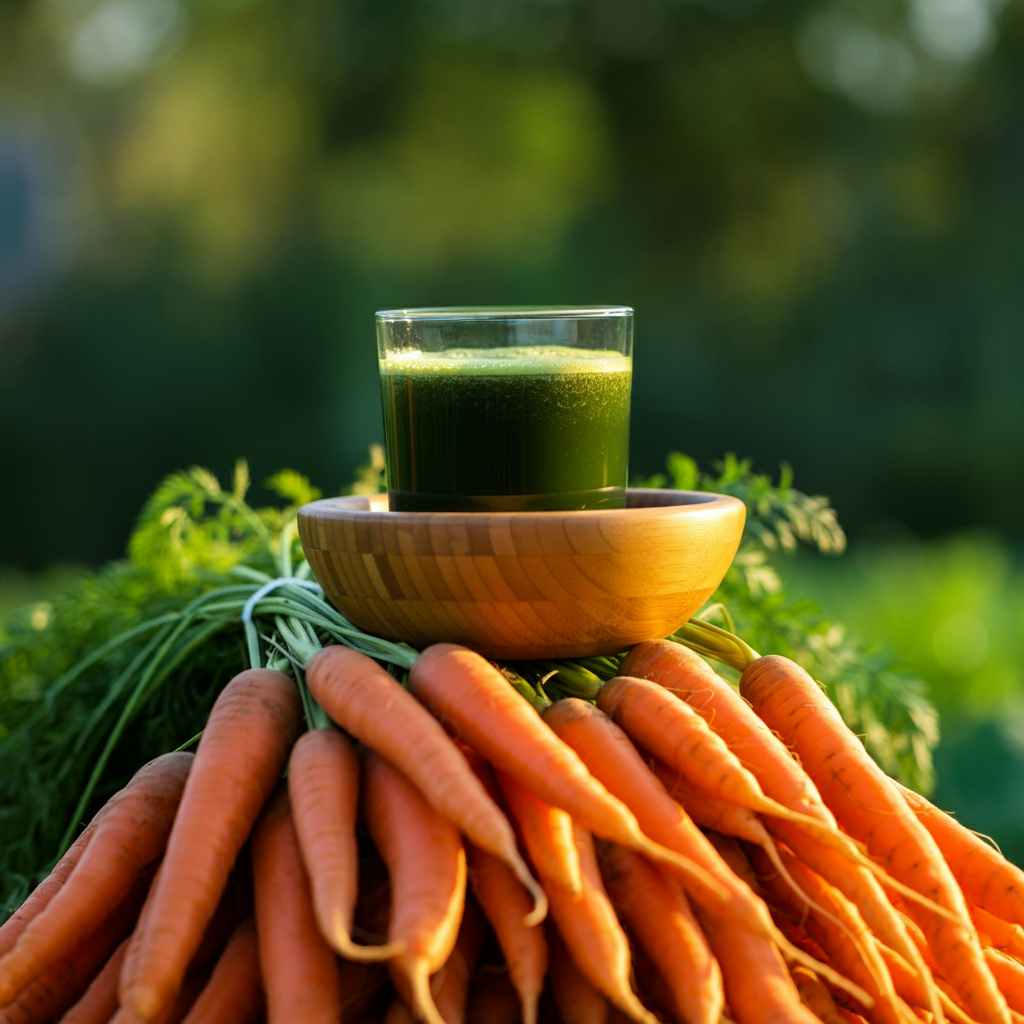
  • Carrot Juice Health Benefits and How to Prepare It: A Personal Journey to Wellness

    Carrot Juice Health Benefits and How to Prepare It: A Personal Journey to Wellness

    Carrot Juice Health Benefits

    There’s something magical about carrot juice, a simple yet vibrant elixir. My own journey with this golden-orange drink started a few years ago, when I was searching for a natural way to boost my health and well-being. Little did I know, I was about to discover not only a powerful health tonic but also a beverage that would become a staple in my daily routine.

    Let me take you through the benefits of carrot juice and show you how easy it is to make this delicious drink at home. By the end of this, I promise you’ll want to sip on some of this goodness too!

    Read Also: The Health Benefits of Guava Leaves: My Journey into Nature’s Pharmacy

    The Unexpected Introduction to Carrot Juice

    It all began when a friend, who always seemed to be glowing with vitality, introduced me to carrot juice. We were catching up over lunch one afternoon, and while I sipped on my usual iced tea, she was holding a bright orange drink that looked incredibly refreshing. I asked her about it, and she raved about how carrot juice had transformed her energy levels, skin, and overall health.

    At first, I was skeptical. How could something as humble as carrot juice offer such benefits? But her enthusiasm piqued my curiosity, so I decided to give it a try. Fast forward to today, and carrot juice is now a beloved part of my health regimen, providing me with countless benefits that I didn’t anticipate.

    A Nutritional Powerhouse

    Carrots are often referred to as a “superfood,” and for good reason. Packed with vitamins, minerals, and antioxidants, these orange veggies offer a wide array of health benefits. When you drink carrot juice, you’re not just consuming a drink – you’re taking in a concentrated dose of goodness.

    Here are some key nutrients found in carrot juice:

    • Beta-Carotene: This powerful antioxidant, which gives carrots their vibrant orange color, converts into vitamin A in the body. Vitamin A is crucial for maintaining healthy vision, boosting the immune system, and promoting skin health.
    • Vitamin K: Helps with blood clotting and bone health.
    • Potassium: This essential mineral helps regulate blood pressure and supports heart health.
    • Vitamin B6: Important for brain health and supporting metabolism.
    • Antioxidants: Carrots are loaded with antioxidants that fight inflammation and protect the body from harmful free radicals.

    Health Benefits of Carrot Juice

    Now, let’s dive into the specific health benefits I’ve personally experienced from carrot juice, as well as some others that have been backed by science.

    1. Boosts Eye Health

    Growing up, my parents would always tell me, “Eat your carrots, they’re good for your eyes!” Turns out, they were right. Carrot juice is rich in beta-carotene, which helps protect your eyes from age-related conditions like cataracts and macular degeneration. After a few months of regularly drinking carrot juice, I noticed a significant improvement in my night vision. I felt like my eyes weren’t straining as much, especially after long hours working on the computer.

    2. Enhances Skin Glow

    Carrot Juice Health Benefits
    Carrot Juice Health Benefits

    One of the first changes I noticed after incorporating carrot juice into my diet was a new radiance to my skin. Carrot juice is high in vitamin A and antioxidants that help fight skin aging and damage caused by free radicals. It felt as if I had a natural glow, and even some of the blemishes I had struggled with for years started to fade. It wasn’t a miracle cure, but consistent intake over time definitely helped me achieve clearer and brighter skin.

    3. Boosts Immunity

    Living in a fast-paced world, catching the occasional cold seemed almost inevitable. But once I started drinking carrot juice regularly, I noticed that I was falling sick less often. Carrot juice’s high concentration of vitamin C, along with antioxidants, supports a healthy immune system, giving your body the strength to fight off infections.

    4. Supports Digestive Health

    As someone who occasionally struggles with digestive issues, I was delighted to find that carrot juice was gentle on my stomach and helped improve my digestion. The natural fibers in carrots help regulate bowel movements, and the alkaline nature of carrot juice can balance out excess acidity in the stomach. Drinking carrot juice in the morning became a ritual that kept my gut happy.

    5. Promotes Heart Health

    Heart disease runs in my family, so I’m always on the lookout for natural ways to maintain heart health. Carrot juice contains potassium and antioxidants, which help reduce high blood pressure and lower cholesterol levels. These benefits, combined with its ability to reduce oxidative stress, can have a positive effect on overall cardiovascular health. While carrot juice isn’t a magic solution, I like to think of it as one step towards keeping my heart healthy.

    Read Also: 5 Benefits of Rinsing Your Face with Cold Water in the Morning

    How to Prepare Carrot Juice at Home

    If you’re ready to experience the benefits of carrot juice for yourself, it’s time to make it at home! Don’t worry, it’s a lot easier than you think.

    Here’s how I prepare my favorite carrot juice recipe:

    Ingredients:

    • 5-6 medium-sized carrots (preferably organic)
    • 1 small apple (optional for sweetness)
    • A small piece of ginger (optional for a spicy kick)
    • Half a lemon (for a refreshing tang)
    • Water (if needed for blending)

    Instructions:

    1. Wash and Peel: Begin by thoroughly washing the carrots. If they’re organic, you can skip the peeling step, but I prefer to peel them to get a smoother juice.
    2. Chop: Cut the carrots into smaller chunks to make blending easier. If you’re using an apple and ginger, chop those as well.
    3. Juicing Option 1 – Using a Juicer: If you have a juicer, simply feed the carrots, apple, and ginger through the machine. The juicer will separate the pulp from the juice, giving you a smooth drink.
    4. Juicing Option 2 – Using a Blender: If you don’t have a juicer, don’t worry! You can still make carrot juice with a blender. Add the chopped carrots, apple, and ginger to the blender, along with a little water to help with blending. Blend until smooth.
    5. Strain (Optional): Once blended, pour the mixture through a fine-mesh sieve or cheesecloth to remove the pulp. This step is optional, but it will give you a more traditional juice texture.
    6. Add Lemon Juice: Finally, squeeze in the juice of half a lemon for extra freshness and a vitamin C boost.
    7. Serve and Enjoy: Pour the juice into a glass, add a few ice cubes if desired, and enjoy immediately. Carrot juice is best consumed fresh to retain all its nutrients!

    Final Thoughts: A Simple Habit, Big Benefits

    Incorporating carrot juice into my routine was a small step that made a huge impact on my health. From clearer skin to better digestion and enhanced immunity, the benefits were undeniable. Plus, the vibrant color and refreshing taste make it a pleasure to drink.

    If you’re looking for a natural way to boost your health, why not give carrot juice a try? It’s a simple, affordable, and delicious habit that could bring significant benefits to your overall well-being. Who knows, it might just become your new favorite wellness drink, just like it did for me!

    So, go ahead – grab some fresh carrots, dust off your juicer (or blender), and start reaping the rewards of this powerful orange elixir!

  • Five (5) “healthy” foods with surprisingly high sugar levels.

    Five (5) “healthy” foods with surprisingly high sugar levels.

    We all know that too much sugar in the system is bad for the body even though the complete absence of sugar can have some serious adverse effects on your body– “healthy” foods with surprisingly high sugar

    It is almost impossible to do without sugar because it is found in almost everything we consume. Certain foods have zero sugar if you are looking to walk the sugar-free path. There are such alternatives worth exploring.

    As a way to cut down on our sugar levels to the optimum, we make certain food choices that we believe can help us achieve our goals.

    Unfortunately, we fail to realize that those other food choices we make to curb our sugar intake contain the same amount of sugar or even more.

    The notion that such foods are healthy has led to many abusing them thinking that they are making the right dietary choices.

    We will delve into such food options below and explore why taking too much of it could be bad for our bodies.

    Read Also: Seven 21st-Century Unhealthy Lifestyle Habits Killing You

    1. Fruit juice:

    first on the list of sugar-rich “healthy” food options is fruit juice. Just because it is fruit juice doesn’t mean its content is 100% made of fruits.

    Fruit juice is bad for you because it’s high in sugar and calories, and lacks fiber. The fibers present in most fruits end up lost during fruit juice processing.

    To make it taste addictively pleasant, manufacturers mix it with different forms of sugar and other ingredients including harmful preservatives.

     This can lead to weight gain, which can cause other health issues like high blood pressure, stroke, and diabetes. 

    Juice can also cause blood sugar spikes, which can be dangerous for people with diabetes or insulin resistance

    2. Honey:

    Honey is a concentrated carbohydrate solution that contains a variety of simple and complex sugars, including Fructose (The main sugar in honey, and the sweetest of all sugars), Glucose, and Sucrose.

    Honey may be a better alternative to sugar but take it in moderation as you would take normal sugar because Honey has a high glycemic index.

    This means it can cause blood sugar levels to spike and then drop rapidly. This can be problematic for people with diabetes or insulin resistance

    3. Ketchup:

    Asking for extra ketchup is something we are all guilty of but what you don’t know is 1 tablespoon of ketchup could contain 7% or more of your Daily Value (DV) of sugar.

    If you love ketchup and have 4–5 Tablespoons with a single meal, you could consume 35% or more of the DV for sugar from the ketchup alone. Each 100 grams of ketchup contains 20g of sugar.

    Read Also: The Scientifically Proven Ways to Lower Bad Cholesterol

    4. Chocolate Milk

    Many commercial chocolate milk products contain added sugars to enhance flavor. These added sugars contribute to the overall sugar content of the beverage.

    Even with unsweetened cocoa, the bitterness has to be countered with lots of sugar to give it the pleasant taste you desire.

    While chocolate milk does provide some nutritional benefits, such as calcium and protein, it’s essential to be mindful of its sugar content and consume it in moderation as part of a balanced diet.

    Opting for unsweetened or lower-sugar varieties, or making your own with unsweetened cocoa powder and a natural sweetener, can help reduce the negative effects associated with high-sugar chocolate milk.

    5. Vegetables (carrots, potatoes and corn)

    starchy vegetables that taste sweet, like beets and peas, contain the most sugar and carbohydrates. They are relatively not bad for your health.

    This is just to tell you that they contain some amount of sugar therefore you should be mindful of how much you consume in the name of eating healthy.

    Below is a table of vegetables and the amount of sugar in them:

    Vegetable and Percentage of Sugar (%)
    Beet: Up to 8% sugar
    Sweet corn: Up to 6.3% sugar
    Green pea: Up to 5.9% sugar
    Sweet potato: Up to 5.5% sugar
    Onion: Up to 4.7% sugar
    Carrot: Up to 4.7% sugar
    Red bell pepper: Up to 4.4% sugar
    Rutabaga: Up to 4% sugar
    Shiitake Mushrooms: Up to 3.8% sugar
    Turnip: Up to 3.8% sugar
    Red cabbage: Up to 3.8% sugar
    Canned pumpkin: Up to 3.3% sugar
    Winter squash: Up to 3.3% sugar
    Summer squash: Up to 2.6% sugar
    Tomato: 2.5% sugar
    “healthy” foods with surprisingly high sugar

    6. Cereals

    Cereals are made mainly with children in mind. Therefore they are made to taste very sweet. The addition of extra sugar to cereals also helps to preserve it and give it that fresh and crunchy taste even when added to milk.

    Eating too much-refined cereal can cause blood sugar levels to spike, which can lead to diabetes over time. Cereals also often have a high glycemic index (GI). This means the body breaks them down quickly, causing blood sugar levels to rise quickly

    Conclusion

    It is important to note that everything we consume is made up of some sugars. This is because our body needs it, however, too much of it is bad for one’s health.

    We often make the mistake of thinking some of the above-mentioned foods are healthy because they are low in sugar.

    Even though they are a better alternative to processed sugar you wouldn’t be completely safe if you abuse such foods.

    Kindly Follow our Whatsapp Channel: Info Health GH

    Read More on Health Tips Here: Health Tips