Category: Health Tips

Health • Diet • Exercise • Healthy Living • Mental Health

  • Why Am I Always Tired? 10 Hidden Health Causes You Might Be Ignoring

    Why Am I Always Tired? 10 Hidden Health Causes You Might Be Ignoring

    Have you ever woken up feeling just as tired as when you went to bed? Or found yourself yawning all day, even after a weekend of rest? You’re not alone. One of the most searched health concerns today is, “Why am I always tired?” Fatigue can creep into your life quietly, turning daily tasks into major hurdles. And while lack of sleep is the obvious suspect, persistent tiredness may be a sign of deeper health issues.

    If you’re constantly asking yourself “why am I always tired,” it’s time to go beyond sleep and explore the hidden health causes that could be draining your energy.

    Read Also: Five (5) signs you have too much salt in your system.

    1. Iron Deficiency (Anemia)

    Iron helps carry oxygen through your bloodstream. When your iron levels are low, your muscles and tissues don’t get enough oxygen to function efficiently, leading to chronic fatigue.

    Signs: Pale skin, shortness of breath, cold hands and feet, dizziness.
    Fix: Add iron-rich foods like beans, spinach, and red meat to your diet. A blood test can confirm deficiency, and iron supplements may be recommended.

    Please follow My Whatsapp Channel if You’d Like to Read More Health Related Stuff

    ‎Follow the InfoHealthGh channel on WhatsApp: https://whatsapp.com/channel/0029Va7j1SgGE56e8pagc22u

    2. Vitamin B12 Deficiency

    B12 plays a key role in producing red blood cells and maintaining a healthy nervous system. A lack of it can lead to extreme fatigue, weakness, and even memory problems.

    Why am I always tired

    Signs: Tingling in the hands/feet, pale tongue, mood swings.
    Fix: Include eggs, dairy, meat, or fortified cereals in your meals. Vegans may need supplements or B12 injections.

    Read Also: Healthy Fat Weight Loss with Intermittent Fasting and Exercise: My Journey

    3. Thyroid Problems

    An underactive thyroid (hypothyroidism) slows down your metabolism, making you feel sluggish, cold, and tired—no matter how much rest you get.

    Signs: Weight gain, dry skin, depression, and feeling cold all the time.
    Fix: A thyroid blood test will confirm the issue. Treatment usually involves hormone replacement therapy.

    4. Dehydration

    Even mild dehydration can make you feel drained, foggy-headed, and irritable. Your body needs water to transport nutrients and eliminate waste effectively.

    Signs: Headaches, dry mouth, dark urine, light-headedness.
    Fix: Aim for 6–8 glasses of water per day. Add coconut water or natural fruit-infused water for variety.

    Read Also: How to Boost Your Immune System Naturally (Ghanaian Food Edition)

    5. Hidden Infections

    Sometimes fatigue is your body’s way of fighting a hidden infection. Conditions like urinary tract infections (UTIs), hepatitis, or even dental infections can cause chronic tiredness without other noticeable symptoms.

    Fix: If you’ve been feeling unwell for a while without a clear reason, it’s worth seeing a doctor for a full checkup.

    ‎Follow the InfoHealthGh channel on WhatsApp: https://whatsapp.com/channel/0029Va7j1SgGE56e8pagc22u
    https://whatsapp.com/channel/0029Va7j1SgGE56e8pagc22u

    6. Poor Sleep Quality

    You might be spending 7–8 hours in bed, but if the quality of your sleep is poor, you’ll still wake up tired. Sleep apnea, frequent wake-ups, or even scrolling your phone late at night can prevent deep, restful sleep.

    Why am I always tired
    Why am I always tired

    Fix: Maintain a consistent bedtime, reduce screen time before bed, and avoid caffeine late in the day. If snoring or gasping is involved, consult a sleep specialist.

    7. Depression or Anxiety

    Mental health conditions can manifest as physical symptoms—including fatigue. The emotional toll of stress, anxiety, or depression often shows up as low energy, difficulty concentrating, or even body aches.

    Fix: If you suspect your fatigue is emotional or mental, seek help. Therapy, lifestyle changes, and support can make a huge difference.

    Read Also: What Your Tongue Reveals About Your Health

    8. Uncontrolled Blood Sugar

    Frequent spikes and drops in blood sugar levels can leave you feeling exhausted. Diabetics and even people with insulin resistance often experience unexplained fatigue.

    Signs: Frequent urination, intense hunger, blurry vision.
    Fix: Eat balanced meals with complex carbs, protein, and fiber. Get your blood sugar tested if fatigue is ongoing.

    9. Lack of Physical Activity

    Ironically, not moving your body enough can make you feel more tired. Exercise boosts energy levels by improving circulation and releasing endorphins.

    Fix: Start with light activity—like walking for 20 minutes a day—and gradually build up. It helps more than you might expect.

    10. Food Intolerance or Poor Nutrition

    What you eat directly affects your energy. Consuming highly processed foods, excessive sugar, or foods your body is intolerant to (like gluten or dairy for some) can leave you feeling bloated, sluggish, and sleepy.

    Fix: Track your meals and note when fatigue worsens. Switch to whole, nutrient-rich foods and consult a nutritionist if needed.

    When to See a Doctor

    If your tiredness persists for weeks and interferes with your daily life, it’s more than just a “lazy phase.” Chronic fatigue could be a symptom of an underlying health condition that requires medical attention.

    Practical Tips to Reclaim Your Energy

    • Hydrate early in the day and regularly.
    • Eat breakfast with protein and fiber.
    • Move your body—even short walks help.
    • Prioritize sleep—get into a bedtime routine.
    • Limit screen time before bed.
    • Watch your stress levels—journal, meditate, or talk to someone.
    • Listen to your body—it’s always giving clues.

    If you’ve been silently asking “why am I always tired” and brushing it off, maybe it’s time to listen to your body more carefully. Fatigue is not something to ignore—it’s a signal. Whether it’s a deficiency, hormone imbalance, stress, or poor lifestyle choices, uncovering the root cause can help you restore your energy, health, and zest for life.

    Stop normalizing constant tiredness. You deserve to feel alive, alert, and well. Take the first step today.

  • What Your Tongue Reveals About Your Health

    What Your Tongue Reveals About Your Health

    Your tongue is one of the most important part of your body. The average tongue is involved in thousands of actions a day, for some even more. It may not look the same all the time but it is important to know What your tongue says about your health.

    When was the last time you stuck your tongue out in front of a mirror and really looked at it? Probably not recently. But here’s the truth—your tongue can serve as a powerful indicator of your overall health. From its colour to texture and even how it feels in your mouth, your tongue may be sending subtle (or not-so-subtle) signals about what’s going on inside your body.

    I never fully appreciated the importance of checking your tongue in the mirror until I read about it some years ago. That was when I learned that the tongue is actually a mirror of your internal health.

    Medical experts agree: paying attention to changes in your tongue can help identify nutritional deficiencies, infections, and systemic illnesses before they worsen.

    Let’s break down what your tongue says about your health based on observable signs and scientific findings.

    Read Also: The major role sleep plays in weight loss.

    👅 What a Healthy Tongue Looks Like

    A healthy tongue is usually pinkish-red, slightly moist, and covered with small nodules called papillae that give it a slightly rough texture. It should not have significant discoloration, bumps, or pain.

    When your tongue deviates from this description, it might be trying to tell you something important.

    Tongue Colors and What They Mean

    What your tongue says about your health

    1. Pinkish-Red
    ✅ The Gold Standard – This is the ideal tongue color, indicating good circulation, hydration, and overall wellness.

    2. Bright Red
    🔴 A bright red tongue may signal a deficiency in folic acid, vitamin B12, or iron, all crucial for immune function and energy. This condition is sometimes referred to as a “glossy tongue.”

    3. Reddish-Purple
    ⚠️ This can indicate inflammation or infection, and may even hint at poor blood circulation or issues like high cholesterol.

    4. Pale Pink
    Often a sign of anemia or a weakened immune system. You may also feel more tired or cold than usual if this is your tongue color.

    5. White Coating
    A white, patchy coating can result from oral thrush, a fungal infection common in those with weakened immunity, diabetes, or after antibiotic use. It can also be a sign of dehydration or poor oral hygiene.Oral candidiasis (thrush) is common in individuals with suppressed immune systems, according to the Journal of Oral Microbiology (2010).

    6. Yellow
    Typically caused by bacterial overgrowth, smoking, or dry mouth. It’s often temporary but can also be an early sign of jaundice.

    What your tongue says about your health

    7. Black or Dark Brown
    Referred to as “black hairy tongue,” this alarming look is usually due to a build-up of dead skin cells, smoking, or antibiotic use. While harmless, it’s unhygienic and can cause bad breath.

    8. Blue or Purplish
    This may point to poor oxygen circulation, potentially from lung or heart problems. It’s a sign that should never be ignored.

    9. Gray
    Sometimes linked to eczema or digestive disorders. Although rare, it’s worth discussing with a healthcare provider.

    What your tongue says about your health

    Read Also: Heavy Makeup Use; Four (4) health risks.

    Texture and Other Warning Signs

    Beyond color, the texture and feel of your tongue are equally revealing.

    Smooth, Shiny Tongue

    This could indicate atrophic glossitis, where papillae are lost. It often points to nutrient deficiencies—particularly iron, folic acid, or B12.

    Bumps or Sores

    Occasional bumps are normal, especially after biting your tongue or eating spicy food. But persistent painful sores, especially those that don’t heal within two weeks, could signal infections or even oral cancer. Always get them checked.

    Cracked Corners of the Mouth

    Though technically outside the tongue, angular cheilitis is often a sign of vitamin B2 (riboflavin) deficiency. It may occur alongside a smooth or red tongue.

    Swollen or Enlarged Tongue

    A swollen tongue may point to allergies, hormonal imbalance, or even uncontrolled diabetes. You may notice speech or breathing difficulty along with this symptom.

    Fissures (Deep Grooves)

    Some people naturally have a fissured tongue, but food can get trapped in these grooves, leading to irritation or infection. It requires excellent oral hygiene to avoid complications.

    Burning Sensation or Soreness

    This could be caused by dry mouth, acid reflux, or a reaction to medications. It may also be seen in burning mouth syndrome, often affecting menopausal women.

    Changes in Taste

    Loss of taste or a metallic taste can result from zinc deficiency, viral infections, or even stress. A study in Clinical Oral Investigations linked taste changes with systemic health disorders like diabetes and kidney disease.

    Read Also: Relieve Lower Back Pain with these simple remedies

    Why You Should Pay Attention

    Ignoring your tongue’s changes could mean missing the early signs of serious conditions. As part of a holistic approach to health, your tongue offers a visible, daily snapshot of what’s happening inside your body.

    If you’re noticing recurring changes and wondering what your tongue says about your health, here’s your reminder: don’t self-diagnose everything on Google. Consult a healthcare provider—especially if symptoms are persistent, painful, or accompanied by other signs like fever, weight loss, or fatigue.

    ✅ Tips for a Healthy Tongue

    • Stay hydrated – Water helps keep bacteria in check.
    • Brush your tongue daily – Don’t just focus on teeth.
    • Eat a balanced diet – Include vitamin-rich foods like leafy greens, eggs, legumes, and lean meats.
    • Avoid smoking and excessive alcohol – Both can severely alter tongue health.
    • Visit your dentist – Regular oral checks can catch issues early.

    Your tongue does more than help you taste jollof or banku—it speaks volumes about your health. Recognizing the early signs of nutrient deficiencies, infections, or systemic illnesses can empower you to seek treatment early.

    So, the next time you feel off, take a moment and check your tongue. It might just be whispering to you the clues your body has been trying to share.

    If you’ve ever wondered what your tongue says about your health, now you know—it says more than you think.

  • How to Boost Your Immune System Naturally (Ghanaian Food Edition)

    How to Boost Your Immune System Naturally (Ghanaian Food Edition)

    If there’s one thing I’ve learned,, it’s that nature has blessed us with an abundance of immune-boosting foods—we just don’t always recognize their value.

    In a time where good health is everything, especially post-COVID, strengthening your immune system naturally is no longer just a lifestyle option—it’s a necessity. And the best part? You don’t need imported supplements or exotic ingredients.

    Your local Ghanaian diet holds many of the answers.Let’s explore how you can boost your immune system naturally every single day using everyday Ghanaian foods, backed by science and personal experience.

    ‎Follow the InfoHealthGh channel on WhatsApp: https://whatsapp.com/channel/0029Va7j1SgGE56e8pagc22u

    What Does the Immune System Really Need?

    Your immune system is your body’s natural defense mechanism, made up of cells, tissues, and organs that fight off viruses, bacteria, and infections. To function properly, it needs proper nourishment, regular rest, and reduced stress.

    A study published in Frontiers in Immunology (2018) emphasized that malnutrition and micronutrient deficiencies significantly weaken the immune response, making the body more susceptible to infections. That’s where these local, nutrient-rich Ghanaian foods come in.

    Read Also: How to Lose Belly Fat with Common Ghanaian Ingredients

    1. Kontomire (Cocoyam Leaves) -The Iron Powerhouse

    Kontomire stew is more than just a comfort food. Cocoyam leaves are rich in iron, vitamin A, vitamin C, and antioxidants, all vital for immune function. Vitamin C supports the production of white blood cells, while iron helps transport oxygen, keeping immune cells active.

    Whenever you are feeling run down and in need of a little boost, a bowl of hot yam and kontomire stew with boiled eggs will always brings you back to life so give it a try. That is what we call proper nutrition.

    🔬 Study Insight: The Journal of Food Science and Technology (2020) confirms that dark green leafy vegetables like cocoyam leaves are dense in antioxidants and immune-enhancing micronutrients.

    🥭 2. Mangoes and Oranges – The Vitamin C Boosters

    In Ghana, mango season is a blessing. Mangoes and oranges are loaded with vitamin C, a known immune-booster. Vitamin C helps prevent cell damage, supports wound healing, and enhances iron absorption. Make it a habit to snack on fresh mangoes or start your day with an orange or tangerine. They’re better than fizzy vitamin tablets—plus, they’re cheaper and fresher.

    3. Fresh Fish and Sardines – Rich in Zinc and Omega-3

    Boost Your Immune System Naturally

    Zinc is a mineral that plays a crucial role in maintaining the immune system. Our Ghanaian meals often feature tilapia, salmon (kpanla), mackerel, and even sardines—either fresh or canned. These fish are also rich in omega-3 fatty acids, which reduce inflammation and support immune cell function. We are bounded at the south by the Gulf of Guinea for a reason.

    Smoked mackerel in my groundnut soup isn’t just for flavor—it’s feeding my cells too.

    Read Also: Truth about Herbal Teas in Ghana: Do they really help you to lose weight?

    🍠 4. Sweet Potatoes and Plantain – Energy and Beta-Carotene

    Orange-fleshed sweet potatoes are a hidden immune-boosting gem. They’re high in beta-carotene, which the body converts into vitamin A, essential for healthy mucous membranes (your first line of immune defense).Ripe or unripe plantains also supply resistant starch and potassium.

    How to Boost Your Immune System Naturally Every Day

    I love roasted plantain (kelewele) with groundnuts—not just tasty, but an immune-friendly street meal.

    5. Garlic, Ginger, and Cloves – Natural Antimicrobials

    Ginger and garlic are traditional staples in Ghanaian kitchens. They contain antibacterial, antiviral, and anti-inflammatory properties.

    For centuries, our grandmothers used “nkyene tea” (ginger, garlic, and cloves brewed together) as a cure-all. Turns out, science agrees. Research in the Journal of Immunology Research supports garlic’s role in enhancing immune cell function.

    Try adding more of these spices to your soups, teas, and stews, especially during the rainy season where it is so easy to catch a cold

    6. Beans and Groundnuts – Protein for Immunity

    Protein helps build and repair body tissue, including immune cells. Our local black-eyed beans (adua) and groundnuts (nkate) are affordable and excellent plant-based protein sources.

    Beans stew with ripe plantain or waakye is not just filling; it’s fueling your immune system with amino acids and vital minerals like zinc and selenium.

    💧 7. Water – The Unsung Hero

    You can eat all the right foods, but if you’re not hydrated, your immune system can still underperform. Water helps flush out toxins, transport nutrients, and support every cell in your body.

    Start your day with a glass of warm water—add lemon for extra vitamin C if you like. Coconut water (if you can find it fresh) is also a great natural hydrator full of potassium and antioxidants.

    Read Also: 7 Warning Signs Your Body Is Low on Magnesium

    Fitness

    Bonus Tips Beyond Food

    Get enough sleep: Your body repairs and strengthens immune responses while you sleep.

    Reduce stress: Chronic stress weakens immunity. Try walking, praying, or breathing exercises.

    Sunlight/Vitamin D: Spend at least 20 minutes outdoors daily. The sun helps your body produce vitamin D, essential for immune defense.

    Final Thoughts: How to Boost Your Immune System Naturally Every Day

    Boosting your immune system doesn’t require foreign pills or complex superfoods. The answer may already be on your table.

    From kontomire stew to fresh mangoes, our Ghanaian diet offers an abundance of immune-enhancing options—if only we see their value.

    As someone who grew up eating “local,” I now appreciate these foods not just for taste, but for health. Start eating with intention, and you’ll find that your kitchen is your best pharmacy.

    Your health is your wealth. Eat well, stay strong, and protect your body—naturally.

  • Your Skin Reflects Your Health: What Acne, Dryness, and Discoloration Could Mean

    Your Skin Reflects Your Health: What Acne, Dryness, and Discoloration Could Mean

    What Your Skin Is Telling You: Health Clues Behind Acne, Dryness, and Discoloration

    Your skin is your body’s largest organ—and often, it’s the first to signal that something deeper might be wrong. While many people view acne, dryness, or skin discoloration as surface-level issues, these symptoms can actually be your body’s way of waving a red flag. Your skin reflects your health, and the clues it gives shouldn’t be ignored.

    In this post, we’ll break down common skin issues like acne, dryness, and discoloration and explore what they could reveal about your internal health. You’ll learn when to see a doctor, how to make simple lifestyle changes, and how to read the signs your skin may be showing.

    Read Also: 5 Working Hacks to Shed Fat Fast: Skip if you can’t be disciplined and consistent.

    Why Skin Is a Window Into Your Health

    Your skin does more than cover your bones and organs—it acts as a messenger. It responds to what’s happening inside your body, from hormonal shifts to nutrient deficiencies and underlying diseases. In fact, many chronic conditions such as liver dysfunction, autoimmune disorders, or digestive issues often show early signs on the skin.

    Think of your skin as a mirror: your skin reflects your health in ways that go far beyond breakouts or dry patches. Understanding these messages could help you detect and address internal imbalances before they worsen.

    Acne – More Than Just a Teenage Problem

    Acne is one of the most common skin concerns worldwide. While it’s typically associated with adolescence, adults in their 20s, 30s, and even 50s can suffer from persistent breakouts.

    Here’s what your acne could be trying to tell you:

    • Hormonal Imbalance: Fluctuating hormones—often caused by stress, menstruation, or conditions like PCOS—can increase oil production and clog pores.
    • Poor Gut Health: An unhealthy gut microbiome can lead to systemic inflammation, contributing to skin conditions like acne and eczema.
    • Liver Overload: When your liver struggles to detoxify, your body may try to eliminate toxins through your skin, leading to breakouts.
    • Dietary Triggers: Diets high in sugar, dairy, or refined carbohydrates can spike insulin levels and trigger breakouts.

    If you’re treating acne with creams or spot treatments but seeing little improvement, it may be time to look inside. A blood panel or hormonal test can help uncover root causes.

    Dry Skin – A Sign of Dehydration or More?

    Dry, flaky skin can be caused by harsh weather or using the wrong soap—but if it’s chronic, it may be more than skin deep.

    Possible internal causes of dry skin include:

    • Dehydration: When your body lacks enough water, it prioritizes vital organs—leaving the skin dull and dry.
    • Essential Fatty Acid Deficiency: Omega-3 fatty acids help maintain skin moisture. A deficiency can lead to dry, irritated skin.
    • Hypothyroidism: Low thyroid hormone levels slow down metabolism, which can reduce skin cell turnover and moisture.
    • Eczema and Allergies: Dry, itchy patches may signal allergic reactions or poor gut health.

    To combat dryness, hydrate from the inside out, increase healthy fats in your diet (like avocados and fish), and consider checking your thyroid levels.

    Skin Discoloration – Clues From Pigmentation and Tone

    Skin discoloration can sometimes point to serious health conditions, especially when it’s persistent or comes on suddenly.

    Here are a few examples:

    • Yellowish Skin (Jaundice): Often linked to liver disease or gallbladder issues, jaundice causes the skin and eyes to turn yellow due to excess bilirubin.
    • Pale Skin: A possible sign of anemia or low vitamin B12, especially when combined with fatigue or dizziness.
    • Dark Patches (Hyperpigmentation): This could be related to insulin resistance, especially when the darkening appears in body folds (like the neck or underarms)—a condition known as acanthosis nigricans.
    • Vitiligo: A loss of pigmentation in patches, often tied to autoimmune issues where the body attacks its own pigment-producing cells.

    If you notice any unusual changes in your skin color or tone, it’s wise to consult a healthcare provider for a proper diagnosis.

    When to See a Doctor vs. When to Adjust Your Lifestyle

    Some skin issues can be improved with better lifestyle habits, while others may need medical intervention.

    See a doctor if:

    • Your skin suddenly changes color
    • You develop rashes that don’t go away
    • There’s bleeding, pain, or itching that persists
    • Your acne worsens despite treatment

    Try lifestyle changes if:

    Your Skin Reflects Your Health
    Your Skin Reflects Your Health
    • You’re chronically dehydrated
    • You consume high amounts of sugar, dairy, or processed food
    • You have poor sleep habits or high stress levels
    • Your skincare routine is inconsistent or uses harsh products

    By making small adjustments—drinking more water, getting quality sleep, managing stress—you can often see noticeable improvements in your skin over time.

    Quick Skin-Health Checklist

    Use this checklist to evaluate whether your skin might be signaling something more:

    1. Do you regularly experience unexplained breakouts?
    2. Is your skin constantly dry, no matter how much moisturizer you use?
    3. Have you noticed yellowing, paleness, or dark patches recently?
    4. Do you consume enough water daily?
    5. Are you eating whole, nutrient-rich foods?
    6. Do you feel tired or run-down alongside skin issues?
    7. Have you had digestive problems or allergies?
    8. Do your symptoms persist despite good skincare?

    If you answered “yes” to three or more, it may be time to explore what’s happening inside your body.

    Conclusion

    When it comes to skin issues, creams and cleansers are only part of the story. Your skin reflects your health, and understanding what it’s trying to say can help you make smarter decisions about your body and well-being.

    Rather than viewing acne, dryness, or discoloration as cosmetic concerns, treat them as important clues. The sooner you tune in to your body’s signals, the better your chances of preventing more serious health issues down the road.

    Take care of your skin by taking care of your whole self—inside and out.

    RELATED ARTICLES
    Retinol and Tretoin Use – Your excessive skincare routine jeopardize your Pregnancy
    Ways to Protect Yourself from Contacting Monkey pox in Ghana

    How Stress is Making You Grow and Look Older Than Your Age

  • Chest Pains and Early Warning Signs of Heart Disease You Shouldn’t Ignore

    Chest Pains and Early Warning Signs of Heart Disease You Shouldn’t Ignore

    Your heart is encased in your rib cage, and unlike your leg or eyes, which you could easily see and tell when something is wrong with you, it is difficult to tell when your heart is not functioning properly. However, there are early warning signs of heart disease, and these are signs you shouldn’t ignore.

    People often misinterpret heart disease or its onset as an alarming chest clutch followed by a dramatic fall, like in the movies. Sorry to disappoint, but that’s not entirely true. In this blog post, we will discuss chest pains, the early symptoms of heart disease, and what to do if you or a loved one experiences them.

    🩺 Tip: Knowing your body and reporting any discomfort or changes to a nearby health facility could save your life—especially if you are over 40 or have known risk factors like diabetes or high blood pressure.

    ✅ Does Every Chest Pain Relate to Heart Disease?

    No, not all chest pain is heart-related. But any chest discomfort should be evaluated by a doctor.

    Common non-cardiac causes of chest pain include:

    • Heartburn or GERD
    • Muscle strain
    • Anxiety and panic attacks
    • Respiratory infections
    • Shingles

    However, if the pain is accompanied by the following symptoms, it may be related to a heart condition:

    • Pressure or tightness in the chest
    • Pain spreading to the jaw, neck, shoulders, or left arm
    • Dizziness, fainting, or shortness of breath
    • Cold sweat
    early warning signs of heart disease

    🫀 What Are Some Common Heart Diseases?

    Heart disease, also called cardiovascular disease (CVD), includes several conditions affecting the heart and blood vessels. According to the World Health Organization (WHO), it is the leading cause of death globally.

    1. Coronary Artery Disease (CAD)

    Occurs when plaque builds up in the arteries supplying the heart, reducing blood flow.

    Symptoms: Chest pain (angina), breathlessness, fatigue, heart attack.

    Heart rate vs. blood pressure; How they relate to your health

    2. Heart Attack (Myocardial Infarction)

    Happens when blood supply to a section of the heart muscle is blocked.

    Symptoms: Intense chest pain, pressure, pain radiating to arm/jaw, nausea, sweating.

    3. Arrhythmias (Irregular Heartbeats)

    Abnormal rhythm of the heart—either too fast, too slow, or erratic.

    Symptoms: Fluttering, palpitations, fainting, anxiety.

    4. Heart Failure

    Occurs when the heart cannot pump blood efficiently to meet the body’s needs.

    Symptoms: Swelling in ankles/feet, breathlessness, fatigue, coughing.

    5. Valvular Heart Disease

    Involves damage to one or more of the heart’s valves.

    Symptoms: Chest tightness, irregular heartbeat, dizziness, fainting.

    6. Cardiomyopathy

    A disease of the heart muscle that reduces its ability to pump blood.

    Symptoms: Breathlessness, fatigue, palpitations, swelling of the legs.

    early warning signs of heart disease

    🚨 Early Warning Signs of Heart Disease You Shouldn’t Ignore

    Heart disease symptoms are not always obvious. Here are some early warning signs that should raise a red flag:

    • Chest discomfort or pressure
    • Shortness of breath
    • Unusual fatigue
    • Pain in the jaw, neck, shoulder, or arms (especially left side)
    • Dizziness or fainting spells
    • Swelling in the legs or abdomen
    • Persistent cough or wheezing (especially at night)
    • Heart palpitations or skipped beats

    ⚠️ Important: Women, older adults, and people with diabetes may experience atypical symptoms, such as nausea or fatigue, without classic chest pain.

    🔗 External reference: CDC – Heart Disease Facts

    🆘 What to Do If You or a Loved One Experiences Any of These Symptoms

    If you or someone around you is experiencing potential heart attack symptoms:

    Step-by-Step Emergency Response:

    1. Call emergency services immediately (e.g., 112 in Ghana, 911 in the US)
    2. Have the person sit or lie down in a calm position
    3. Chew one adult aspirin (unless allergic or advised otherwise)
    4. Do not drive to the hospital—wait for an ambulance
    5. Start CPR if the person loses consciousness and stops breathing (if trained)

    ❤️ Final Thoughts

    Heart disease can be silent but deadly. The good news is that most heart conditions are preventable and manageable if detected early.

    Here’s what you can do:

    • Exercise regularly
    • Eat a heart-friendly diet (low in salt, sugar, and trans fats)
    • Stop smoking
    • Manage stress
    • Get regular health checkups
    • Monitor your blood pressure and cholesterol levels

    🧠 Remember: It’s always better to get checked and be wrong than to ignore symptoms and risk your life.

    📚 References:

    1. World Health Organization. Cardiovascular Diseases (CVDs)
    2. Mayo Clinic. Heart Disease
    3. Centers for Disease Control and Prevention (CDC). Know the Signs and Symptoms of Heart Attack

    📝 Related Articles on InfoHealthGH:

    The Scientifically Proven Ways to Lower Bad Cholesterol


    What happens if you eat onions every day?

    Six (6) Common fruits and vegetables to lower blood pressure.

  • Health Benefits of Pawpaw Leaves: The Magical Leaves You’ve Been Missing Out On

    Health Benefits of Pawpaw Leaves: The Magical Leaves You’ve Been Missing Out On

    Health benefits of Pawpaw leaves: When I was a child growing up, my grandmother had a cure for almost everything—and surprisingly, it almost always came from the backyard. One of her favorites was pawpaw leaves. Not because of its taste but its functionality.

    Anytime someone in the house caught a fever or had digestive troubles, she’d send me out to pluck a few of the large, jagged leaves from the papaya tree beside our house. She’d boil them into a bitter tea.

    Back then, I didn’t understand the value of what seemed like just another cup of hot bitter tea. But today, science is beginning to confirm what traditional wisdom has known all along: the health benefits of pawpaw leaves are real—and they might just be the natural remedy you’ve been missing out on.

    Read Also: Walking Barefooted: Why It Could Save Your Life

    🌿 What Makes Pawpaw Leaves So Powerful?

    health benefits of pawpaw leaves

    The Carica papaya plant, commonly known as pawpaw or papaya, is best known for its sweet, tropical fruit. However, its leaves are a lesser-known treasure trove of medicinal properties. Rich in bioactive compounds like papain, flavonoids, alkaloids, and antioxidants, pawpaw leaves have been used for centuries in traditional medicine systems across Africa, Asia, and South America.

    As both an advocate of natural remedies and a researcher passionate about plant-based health, I’ve explored various studies and firsthand experiences that reveal how these leaves are far more than old wives’ tales.

    ‎Follow the InfoHealthGh channel on WhatsApp: https://whatsapp.com/channel/0029Va7j1SgGE56e8pagc22u

    🩸 1. They Can Increase Platelet Count in Dengue Patients

    Let’s start with one of the most well-documented benefits. In places like India, Sri Lanka, and Nigeria, pawpaw leaf juice is commonly used to support patients with dengue fever, a mosquito-borne virus that causes dangerously low platelet levels.

    A 2011 study published in the Asian Pacific Journal of Tropical Biomedicine found that patients treated with pawpaw leaf extract showed significant increases in platelet count within 24–48 hours. Researchers believe this is due to the leaf’s ability to support bone marrow function and immune activity.

    It’s this kind of evidence-based support that makes pawpaw leaves not just a traditional remedy, but a potentially life-saving one in certain contexts.

    🔥 2. Anti-inflammatory and Antioxidant Powerhouse

    health benefits of pawpaw leaves

    When I finally tried pawpaw leaf tea as an adult (admittedly with my nose pinched), I wasn’t expecting much. But after a few days of regular use, I noticed something surprising—less joint stiffness and a calmer gut.

    That wasn’t a placebo. Scientific analysis shows that pawpaw leaves are packed with anti-inflammatory compounds and antioxidants like vitamins C, E, and beta-carotene. These nutrients help neutralize free radicals, reduce oxidative stress, and may even slow down cellular aging.

    For people battling chronic inflammation—from arthritis to autoimmune conditions—pawpaw leaves might offer a simple, natural form of relief.

    💡 3. Support for Digestive Health

    Anyone who’s struggled with bloating, indigestion, or acid reflux knows how uncomfortable it can be. Pawpaw leaves contain digestive enzymes like papain and chymopapain, which help break down proteins and ease digestion.

    Traditional healers have used pawpaw leaves for centuries to treat ulcers, reduce gas, and cleanse the gut. In our modern diet, where highly processed foods disrupt the microbiome, this ancient remedy could be a gentle and effective reset.

    🛡️ 4. Strengthening Immunity the Natural Way

    In today’s world, where immune health has taken center stage, pawpaw leaves offer an accessible way to boost your body’s natural defenses. With their rich supply of vitamin A, C, and essential phytochemicals, these leaves help support immune function at a cellular level.

    Whether you’re recovering from illness or just trying to stay ahead of seasonal bugs, adding pawpaw leaf tea to your routine could provide an extra layer of protection.

    Read Also: NSAIDs and Stomach Ulcers: Understanding the Risks and Exploring Safer Pain Relief Options

    🧬 5. Possible Anti-Cancer Properties

    Perhaps one of the most exciting areas of research is the potential anti-cancer activity of pawpaw leaves. Preliminary studies have shown that certain compounds in the leaves may inhibit the growth of cancer cells, particularly in breast, cervical, and prostate cancers.

    While this doesn’t mean pawpaw leaves are a standalone cure, it’s a compelling argument for their use in supportive or preventive care, under the guidance of a qualified health professional.

    🩺 6. Helps Regulate Blood Sugar Levels

    Animal studies have suggested that pawpaw leaf extract can lower blood glucose and improve insulin sensitivity, making it a promising natural aid for those managing type 2 diabetes.

    As someone with a family history of diabetes, this piqued my interest. While more human studies are needed, the evidence so far supports the use of pawpaw leaf tea as part of a holistic approach to blood sugar management.

    ⚠️ A Note of Caution (Because Natural Doesn’t Mean Risk-Free)

    While the health benefits of pawpaw leaves are compelling, it’s essential to use them wisely:

    • Pregnant women should avoid pawpaw leaves due to possible uterine-stimulating effects.
    • People on blood-thinning or diabetic medication should consult a doctor first.
    • The juice is very bitter, so start small (1–2 tablespoons per day if you’re new).

    ☕ How to Prepare Pawpaw Leaf Tea

    health benefits of pawpaw leaves

    Simple Recipe:
    Boil 5–7 medium-sized pawpaw leaves in 1.5 liters of water for 15–20 minutes. Allow to cool, strain, and drink half a cup twice a day. Store in the fridge for up to 2 days.

    From the dusty paths of village life to the clinical corridors of modern research, pawpaw leaves are finally getting the recognition they deserve. What was once considered a bitter “bush remedy” is now seen as a powerful natural ally for supporting immunity, digestion, inflammation, and even chronic disease prevention.

    As I sip a warm cup of pawpaw leaf tea today, I think of my grandmother—and how right she was all along. These really are the magical leaves you’ve been missing out on.

  • Walking Barefooted: Why It Could Save Your Life

    Walking Barefooted: Why It Could Save Your Life

    In today’s fast-paced world, health trends come and go, but some ancient practices stand the test of time. One such practice—walking barefooted—has been quietly offering health benefits for centuries. From age-old traditions to emerging scientific studies, the act of simply removing our shoes and connecting with the earth could be more transformative than we realize.

    Whether you’re an urban dweller walking barefoot in your backyard or a beachgoer soaking in the sand, grounding yourself to the earth may offer physical, emotional, and even spiritual rewards. Let’s explore the benefits of walking barefooted, including what ancient wisdom, modern science, and even urban myths say about this natural practice.

    Read Also: How Your Smartphone is Secretly Damaging Your Brain.

    The Ancient Connection Between Feet and Health

    Ancient Chinese and Ayurvedic medicine both emphasize the importance of the feet in overall health. Reflexology, a traditional healing art practiced for thousands of years, holds that different areas of the soles of the feet correspond to various organs in the body. According to this philosophy, stimulating these points—especially through natural contact like walking on earth, sand, or stones—can help restore balance and promote healing in internal systems.

    The idea is simple: our feet are densely packed with nerve endings and pressure points. When you walk barefoot, especially on uneven or natural surfaces, these points are naturally stimulated. This can potentially improve circulation, digestion, liver function, and more. While more scientific validation is needed in this area, many practitioners and wellness enthusiasts report significant benefits.

    benefits of walking barefooted

    Modern Science Backs It Up

    Recent studies have started to explore the physiological effects of grounding, or “earthing,” which involves direct skin contact with the surface of the Earth. A 2012 study published in the Journal of Environmental and Public Health suggested that grounding may reduce inflammation, improve sleep, normalize cortisol levels, and enhance mood. These findings align with reports from individuals who regularly practice barefoot walking.

    When your bare feet touch the earth, they absorb electrons from the ground. These negatively charged electrons are thought to act as antioxidants, neutralizing free radicals and potentially reducing inflammation in the body. While the concept may sound fringe to some, the early results are promising and worth further exploration.

    A Curious Tale: The Barefoot Madman

    benefits of walking barefooted

    I once heard someone in a taxi attribute the health status of a mad man to their frequent walking. Implying that they are healthy because they often walk barefooted. The benefit of the long walk is felt in their cardiovascular health but the emphasis on the “barefoot” sparked some curiosity in me. Could there be something protective about being in constant contact with the ground? It may not be the only reason someone appears to avoid illness, but it raises interesting questions about the immune-boosting potential of living more naturally barefoot and all.

    Physical Benefits of Walking Barefooted

    Here are some of the top benefits of walking barefooted, supported by both anecdotal evidence and emerging research:

    1. Improved Foot Strength and Mobility

    Shoes—especially those with excessive cushioning—can weaken the muscles in your feet over time. Walking barefoot forces your feet to work harder, promoting natural muscle development and flexibility.

    2. Enhanced Balance and Coordination

    Barefoot walking improves proprioception—your body’s ability to sense its position in space. This can help with coordination, reduce the risk of falls, and support neuromuscular health.

    3. Better Posture and Alignment

    Shoes often alter our gait and posture. Going barefoot helps reset natural walking patterns, which can alleviate back, knee, and hip pain over time.

    4. Stress Relief and Mindfulness

    There’s something deeply calming about walking barefoot in nature. It’s a simple form of mindfulness that encourages presence, relaxation, and mental clarity.

    Safety First: Tips for Going Barefoot

    benefits of walking barefooted

    While the benefits of walking barefooted are compelling, it’s important to take precautions:

    • Start slow: If you’re not used to it, begin with short walks on safe, clean surfaces like grass or sand.
    • Be mindful of terrain: Avoid areas with sharp objects or potential contaminants.
    • Consider your health: People with diabetes or foot neuropathy should consult a healthcare provider before going barefoot.

    Read Also: Your Body Is Begging for a Digital Detox: How it can Change Your Life.

    The Bottom Line

    Modern life often disconnects us from nature, and that disconnection may come at a cost. Walking barefooted may not be a cure-all, but its ability to strengthen the body, calm the mind, and reconnect us to the earth is worth exploring.

    As both ancient wisdom and modern research suggest, our feet are more than just a means of getting around—they are powerful gateways to better health. So, the next time you have a chance, kick off your shoes and reconnect with the ground beneath you. Who knows? It just might save your life.

  • NSAIDs and Stomach Ulcers: Understanding the Risks and Exploring Safer Pain Relief Options

    NSAIDs and Stomach Ulcers: Understanding the Risks and Exploring Safer Pain Relief Options

    Introduction: Non-Steroidal Anti-Inflammatory Drugs (NSAIDs) such as ibuprofen, aspirin, and naproxen are among the most widely used medications for managing pain, inflammation, and fever. While effective and accessible, these drugs come with risks—most notably, the potential to cause stomach ulcers. As more people turn to over-the-counter pain relievers, it’s essential to understand how NSAIDs can affect gastrointestinal health, who is at risk, and how to manage pain safely.

    Read Also: Ghana Confirms Two Cases of Mpox in Accra: What You Need to Know

    What Are NSAIDs and How Do They Work?

    NSAIDs function by inhibiting cyclooxygenase (COX) enzymes, particularly COX-1 and COX-2. These enzymes play a key role in producing prostaglandins, substances that mediate pain and inflammation. However, prostaglandins also protect the stomach lining by promoting mucus and bicarbonate production and regulating blood flow. By blocking COX-1, NSAIDs reduce these protective effects, making the stomach lining more vulnerable to acid and digestive enzymes, which can lead to ulcer formation.

    The Link Between NSAIDs and Ulcers

    The connection between NSAIDs and ulcers is well-documented. Regular or high-dose NSAID use can lead to irritation and erosion of the stomach lining, eventually resulting in peptic ulcers. According to the American College of Gastroenterology, NSAID use is responsible for up to 25% of peptic ulcer cases in the United States.

    Who Is at Risk?

    Several factors increase the risk of developing NSAID-induced ulcers:

    • Age: People over 60 are more susceptible.
    • Dosage and Duration: High doses and long-term use raise the risk.
    • Concurrent Medications: Combining NSAIDs with corticosteroids, anticoagulants, or SSRIs can increase gastrointestinal complications.
    • Medical History: A history of ulcers or Helicobacter pylori infection further elevates risk.
    • Lifestyle Factors: Smoking, excessive alcohol consumption, and poor diet can exacerbate the effects of NSAIDs on the stomach.

    Recognizing the Symptoms

    Early symptoms of an NSAID-induced ulcer may include:

    • Abdominal pain or discomfort
    • Nausea or vomiting
    • Bloating and indigestion
    • Loss of appetite

    In severe cases, ulcers can cause internal bleeding, leading to symptoms such as black or bloody stools, vomiting blood, and sharp stomach pain. These symptoms require immediate medical attention.

    Safer Pain Relief Alternatives

    For those at risk, alternative pain management strategies should be considered:

    • Acetaminophen (Paracetamol): Generally safer for the stomach when used appropriately.
    • Topical NSAIDs: Such as diclofenac gel, which reduces systemic absorption and minimizes gastrointestinal side effects.
    • COX-2 Inhibitors: These selective NSAIDs have a lower risk of causing ulcers but may carry cardiovascular risks.
    • Physical Therapy and Lifestyle Changes: Exercise, weight management, and stress reduction can also help manage chronic pain.

    Protective Measures When Using NSAIDs

    If NSAID use is unavoidable, consider the following precautions:

    • Use the lowest effective dose for the shortest duration possible.
    • Take NSAIDs with food or milk to buffer the stomach.
    • Proton Pump Inhibitors (PPIs): Medications like omeprazole can be prescribed to reduce stomach acid and protect the lining.
    • Regular Check-ups: Especially important for long-term users or those with risk factors.

    Read Also: Gari vs Rice: Which is the better alternative when trying lose weight.

    NSAIDs are effective for managing pain and inflammation, but they come with potential gastrointestinal risks that shouldn’t be ignored. Understanding the link between NSAIDs and stomach ulcers empowers individuals to make informed decisions about their health. Whether by switching to safer alternatives, adopting preventive measures, or consulting healthcare professionals, it’s possible to manage pain without compromising gastrointestinal well-being.

    Disclaimer: This article is for informational purposes only and does not substitute professional medical advice. Always consult a healthcare provider before starting or changing any medication regimen.

    Follow our Facebook Page: Here

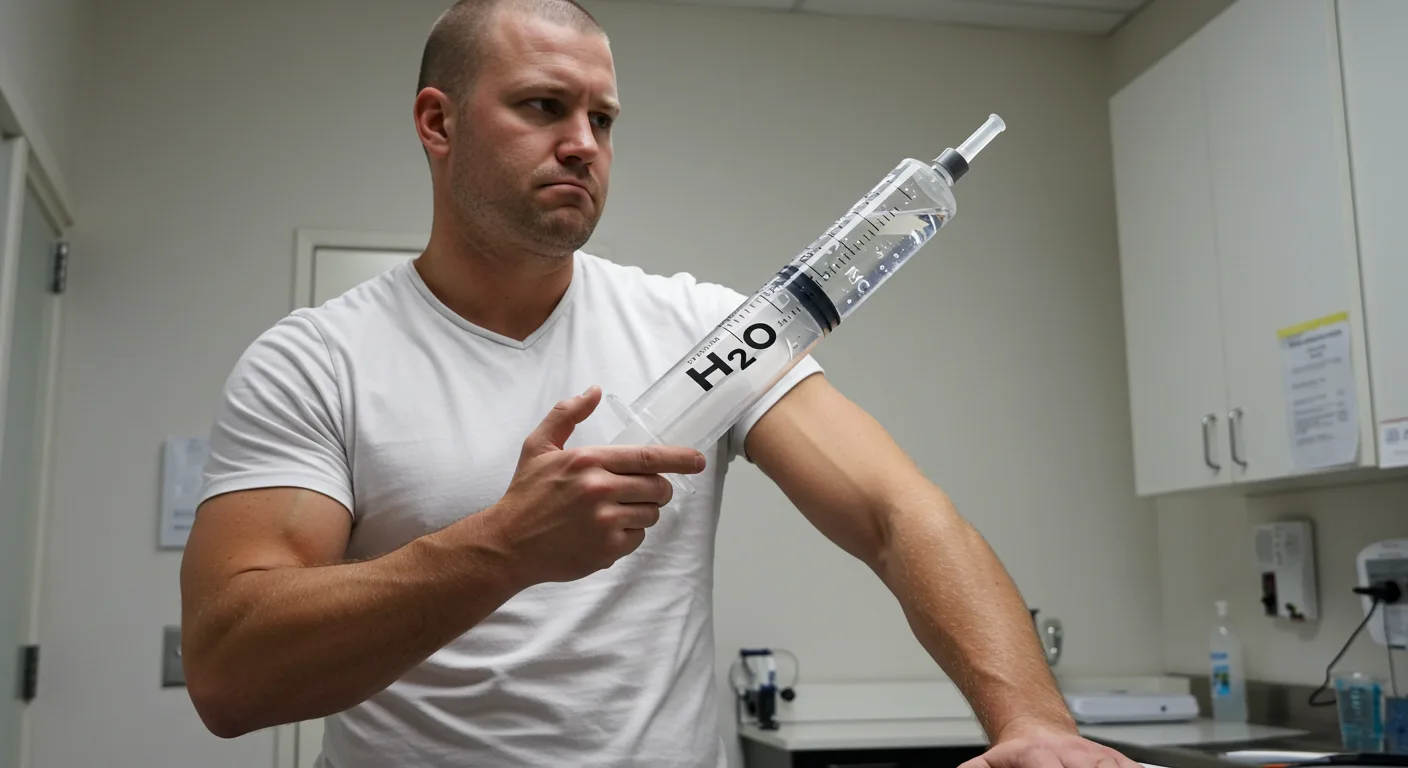
  • What Happens If You Inject Yourself With Water?

    What Happens If You Inject Yourself With Water?

    Spoiler: It’s a Very Bad Idea.

    You might think that just because your body is made up of 70% water, randomly injecting yourself with water has no complication. You might be totally wrong. Keep in mind that this is something you should never try at home. In fact, health professionals strongly advise against that.

    Maybe out of curiosity you just want to see what would happen if you did. So you picked a syringe, pumped water in, and injected it straight into your body thinking nothing would happen to you.

    In this blog post, we are going to answer the question: What would happen if you randomly injected yourself with water?

    Read Also: Gari vs Rice: Which is the better alternative when trying lose weight.

    Why Injecting Water is a Terrible Idea

    What Happens If You Inject Yourself With Water?

    At first glance, water seems harmless—it’s in every cell of your body. But injecting plain water (especially tap or non-sterile water) directly into your bloodstream, muscles, or under your skin can cause serious and even fatal health problems.

    Unlike drinking water, which is processed by your digestive system, injecting water bypasses all of your body’s natural filters. It goes straight into your tissues or blood vessels, and that’s where the danger begins.

    The Right Way to Introduce Water into the Body

    What Happens If You Inject Yourself With Water?
    What Happens If You Inject Yourself With Water?

    Your body is designed to absorb water through the digestive system, primarily by drinking it. If someone is dehydrated and cannot drink, medical professionals use IV fluids, which are carefully formulated saline or glucose solutions designed to match the salt content of human blood.

    These intravenous fluids are not just plain water—they’re balanced with electrolytes to prevent shock, hemolysis, or organ failure. They are also sterile and administered in a controlled environment by trained professionals.

    What Happens If You Inject Plain Water?

    1. Hemolysis (Destruction of Red Blood Cells)
      Plain water is hypotonic, meaning it has fewer dissolved salts than your blood. Injecting it can cause red blood cells to absorb the excess water, swell, and burst. This is called hemolysis, and it can lead to:
    What Happens If You Inject Yourself With Water?
    1. Infection Risk
      If the water isn’t sterile, you could inject bacteria or other pathogens into your bloodstream, leading to sepsis, a life-threatening infection that spreads rapidly.
    1. Air Embolism
      Improper injection techniques might introduce air bubbles into your vein, which can block blood vessels and cause an embolism. This can result in a stroke, heart attack, or sudden death.

    1. Tissue Damage and Necrosis
      Injecting water into the muscle or under the skin can cause severe pain, swelling, and necrosis (death of tissue). You could end up losing part of your limb if the damage is bad enough.

    Real-Life Cases of Water Injection Gone Wrong

    Case 1: Curious Teenager Ends Up in ICU
    In 2018, a teenager in Eastern Europe reportedly injected tap water into his arm as part of a social media challenge. He was rushed to the hospital after collapsing. Doctors diagnosed him with acute hemolysis and sepsis, and he spent two weeks in intensive care.

    Case 2: DIY Detox Gone Wrong
    A woman in the U.S. attempted a home “detox” by injecting herself with distilled water daily. Within a few days, she developed renal failure and had to undergo dialysis. Doctors confirmed that the water had caused red blood cell destruction and a severe electrolyte imbalance.

    Case 3: Prison Incident
    A 27-year-old inmate reportedly injected toilet water in an attempt to fake illness and get out of his cell. The water contained bacteria, and he developed a bloodstream infection. He recovered after a long hospital stay, but doctors warned he was lucky to be alive.

    Bottom Line: Don’t Do It

    There are zero benefits and huge risks to injecting plain water into your body. Curiosity is natural, but some questions are better answered through research—not reckless experimentation.

    If you ever feel tempted or know someone who is considering such a thing, seek help or speak to a medical professional. Your body works hard to keep itself balanced. Don’t sabotage it with dangerous choices.

    Water is life—when used correctly. Your body needs it daily, but only through safe and natural methods like drinking or medically-approved IVs. Injecting plain water isn’t just a bad idea—it’s a decision that can end in disaster.

    Have questions about safe hydration or want to learn more about how IV fluids work? Drop them in the comments or reach out—we’re here to help you stay safe and informed.

    Follow me on Facebook Here

  • “Bodze” and the Myth of Delayed Childbirth: What Science Really Says

    “Bodze” and the Myth of Delayed Childbirth: What Science Really Says

    Introduction

    “Bↄdze” and the Myth of Delayed Childbirth -In many Ghanaian communities and beyond, there’s a persistent belief that women who do not give birth early in life are more likely to experience a sharp, sudden pain in the lower abdomen—commonly known as “bodze.” This pain often occurs when a person, especially a woman rises from a seated position or stands abruptly. Some even say the pain is nature’s way of “reminding” women to give birth early. But how true is this? Does science support this claim, or is it just another myth passed down through generations?

    In this post, we break down what “bodze” really is, what causes it medically, and whether delayed childbirth has anything to do with it.

    Read Also: Relieve Lower Back Pain with these simple remedies

    What Is “Bodze” Pain?
    Though not a medical term, bodze describes a sharp, often stabbing pain in the lower abdomen or pelvis. It’s usually momentary but can be intense enough to stop someone in their tracks. It’s most commonly reported by women, especially during their reproductive years.

    In medical language, this type of pain can fall under several conditions:

    • Round Ligament Pain: Usually associated with pregnancy but not exclusive to it. It occurs when the ligaments that support the uterus stretch or contract suddenly.
    • Mittelschmerz: A German word meaning “middle pain,” this refers to the sharp pain some women experience during ovulation, around the middle of their menstrual cycle.
    • Pelvic Girdle Pain: Often experienced during pregnancy but can occur due to muscle strain or misalignment in non-pregnant women.
    • Musculoskeletal Pain: Caused by poor posture, core weakness, or sudden movements.
    • Other Causes: Conditions like ovarian cysts, endometriosis, or even urinary tract infections can cause similar pain.

    The Myth: Delayed Childbirth Causes “Bodze”

    "Bↄdze" and the Myth of Delayed Childbirth
    “Bↄdze” and the Myth of Delayed Childbirth

    There is a widely held belief that women who do not have children early are more likely to suffer this type of pain. The theory is that the body “suffers” from not fulfilling its natural reproductive role.

    Read Also: Five (5) signs you have too much salt in your system.

    But here’s the truth:

    There is no scientific or medical evidence to support the idea that delaying childbirth causes or increases the likelihood of experiencing pelvic pain like “bodze.” However, it’s also fair to acknowledge that delaying childbirth may come with certain biological considerations.

    Fertility naturally declines with age, especially after age 35, which can make conception more difficult for some women. There is also a slightly increased risk of pregnancy-related complications such as high blood pressure, gestational diabetes, or cesarean delivery. With proper healthcare, many women have healthy pregnancies and babies later in life.

    The decision of when to have children is deeply personal and influenced by many factors—emotional readiness, career goals, financial stability, and overall health. What matters most is that women are supported, informed, and free to choose the timing that’s right for them without judgment or fear.

    What the Research Shows

    1. Pelvic pain is common in women of all reproductive ages—whether or not they have had children. According to a study published in The Lancet, chronic pelvic pain affects up to 20% of women worldwide.
    2. Round ligament pain and other types of pelvic discomfort can occur in women who have never been pregnant. It’s not exclusive to mothers.
    3. Hormonal fluctuations, especially around ovulation and menstruation, are known to cause pelvic discomfort in many women. This has nothing to do with childbirth status.
    4. Age of first childbirth has not been medically linked to muscle or ligament-related pelvic pain. There is no physiological mechanism that supports this myth.

    Why the Myth Persists

    In the absence of scientific understanding, many cultures fill the knowledge gap with anecdotal explanations. A young woman complaining of bodze pain may be told she’s “waiting too long” to have children, leading her to believe the pain is a punishment or warning. Over time, these stories are repeated until they become accepted as truth.

    The Real Message: Listen to Your Body, Not Myths
    Experiencing pelvic pain is not a sign you’ve done something wrong or delayed childbirth. It’s a common symptom that can have various natural or medical causes. If the pain is frequent, intense, or concerning, consult a healthcare professional. Early diagnosis can help manage conditions like endometriosis, fibroids, or ovarian cysts—real causes that deserve attention, not shame.

    Healthy Habits to Help Limit “Bodze”.

    "Bↄdze" and the Myth of Delayed Childbirth
    “Bↄdze” and the Myth of Delayed Childbirth

    While some pelvic pain is natural, certain lifestyle choices can help reduce how often it occurs. Staying active with gentle exercises like stretching or walking, maintaining good posture, and avoiding sudden movements can ease pressure on pelvic muscles and ligaments. Drinking plenty of water, managing stress, and tracking your menstrual cycle also support hormonal balance and pain management. If the pain becomes frequent or severe, it’s always best to seek medical advice.

    Conclusion

    “Bodze” is not a curse or consequence of choosing to delay childbirth. It’s a physical symptom that may be linked to natural body processes or underlying health issues. Let’s replace harmful myths with real knowledge, support women with empathy, and encourage open conversations about reproductive and pelvic health.

    Have you experienced bodze pain before? What were you told about it? Share your story in the comments or message us—let’s break the myth together.

    Follow My Facebook Here : Infohealthgh