We unknowingly expose ourselves to harmful chemicals hidden in the most common household items daily. The air freshener you spray, the processed foods you eat, and even the skincare products you apply may contain cancer-related ingredients. Research has increasingly pointed to certain chemicals—particularly parabens, synthetic air fresheners, and processed foods—as potential carcinogens, making them silent threats in our daily lives.
Parabens are preservatives commonly found in shampoos, lotions, deodorants, and cosmetics. While they help prevent the growth of mould and bacteria, they come with significant health concerns.
A study published in The Journal of Applied Toxicology found traces of parabens in breast cancer tissue samples, suggesting a potential link between these chemicals and cancer development. Parabens mimic estrogen in the body, disrupting hormonal balance and increasing the risk of hormone-related cancers, including breast and ovarian cancer.
The European Union has already restricted the use of certain parabens in cosmetics, yet many products in the U.S. still contain them. To minimize exposure, look for paraben-free labels on skincare and beauty products and opt for natural preservatives like vitamin E or essential oils.
Air Fresheners: Fresh Scents, Toxic Effects
Your favourite air freshener may make your home smell inviting, but it could be doing more harm than good. Many air fresheners contain phthalates, formaldehyde, and volatile organic compounds (VOCs), all of which have been linked to serious health risks, including cancer.
The Environmental Protection Agency (EPA) has classified formaldehyde as a known human carcinogen. A report from the Natural Resources Defense Council (NRDC) found that 86% of air fresheners tested contained phthalates, which interfere with hormone function and have been linked to reproductive issues and increased cancer risk.
Instead of synthetic air fresheners, consider natural alternatives like essential oil diffusers, beeswax candles, or baking soda-based deodorizers.
Processed Foods: A Hidden Cancer Risk on Your Plate
Convenient and widely available, processed foods have become a staple in modern diets. However, their high content of preservatives, artificial flavours, and chemical additives makes them a hidden cancer risk.
A large-scale study published in The British Medical Journal (BMJ) found that increased consumption of ultra-processed foods was associated with a 12% higher risk of developing cancer. Processed meats, such as hot dogs, bacon, and sausages, contain nitrates and nitrites, which can form carcinogenic compounds called nitrosamines when heated.
Additionally, foods high in refined sugars and trans fats contribute to chronic inflammation, a key factor in cancer development. To reduce your risk, choose whole, minimally processed foods, cook from scratch when possible, and prioritize fresh fruits, vegetables, and lean proteins.
Now that you know how parabens, air fresheners, and processed foods contribute to cancer risk, here are some practical steps to minimize exposure:
Read Labels: Look for paraben-free skincare and natural air fresheners.
Choose Fresh Air Over Synthetic Scents: Use houseplants, open windows, or natural sprays to improve air quality.
Limit Processed Foods: Focus on a whole-food diet rich in antioxidants.
Stay Informed: Research product ingredients and opt for safer alternatives.
Final Thoughts
Cancer-linked chemicals lurk in everyday household products, but awareness is the first step toward reducing exposure. By making simple changes—like switching to clean beauty products, using natural air fresheners, and avoiding highly processed foods—you can protect your long-term health.
The next time you reach for your daily essentials, take a moment to check the ingredients. A small change today can lead to a healthier tomorrow.
Stroke is one of the leading causes of disability and death worldwide. It occurs when the blood supply to the brain is interrupted or reduced, depriving brain tissue of oxygen and essential nutrients. Without immediate intervention, brain cells begin to die within minutes, leading to serious health consequences such as paralysis, speech difficulties, and even death. While some risk factors for stroke—such as age, genetics, and certain medical conditions—are beyond our control, many lifestyle choices significantly contribute to stroke risk.
The good news is that stroke is largely preventable. According to the World Health Organization (WHO), nearly 80% of strokes can be avoided by making healthier lifestyle choices. Unfortunately, many people unknowingly engage in habits that increase their likelihood of suffering a stroke. From diet and exercise to stress management and substance use, daily decisions can either protect or put you at risk.
Understanding these risk factors and making proactive changes can help safeguard your brain health and overall well-being. Below, we explore ten lifestyle choices that could lead to stroke and provide tips on how to reduce your risk.
1. Poor Diet
Consuming a diet high in saturated fats, trans fats, and cholesterol can lead to atherosclerosis—plaque buildup in the arteries—restricting blood flow to the brain and increasing stroke risk. Diets rich in processed foods, red meats, and sugary beverages contribute to hypertension and obesity, both significant stroke risk factors. Adopting a Mediterranean-style diet, abundant in fruits, vegetables, whole grains, and healthy fats, has been shown to reduce stroke risk.
A sedentary lifestyle contributes to obesity, hypertension, and diabetes, all of which elevate stroke risk. Engaging in regular physical activity helps maintain healthy blood pressure and cholesterol levels. Aim for at least 150 minutes of moderate-intensity aerobic exercise weekly to significantly lower stroke risk.
3. Smoking
Tobacco use damages blood vessels, raises blood pressure, and accelerates atherosclerosis. Even smoking one cigarette per day increases stroke risk by over 30%. Quitting smoking can rapidly reduce this risk, with significant health benefits observed within five years.
4. Excessive Alcohol Consumption
Heavy alcohol use can lead to hypertension, atrial fibrillation, and cardiomyopathy, all of which increase stroke risk. Limiting alcohol intake to moderate levels—up to one drink per day for women and two for men—can help mitigate this risk.
5. Drug Abuse
Illicit drug use, particularly stimulants like cocaine and amphetamines, can cause acute hypertension and vascular damage, leading to stroke. Avoiding recreational drug use is essential for stroke prevention.
Failing to monitor and manage health conditions such as hypertension, diabetes, and high cholesterol can increase stroke risk. Regular health screenings allow for early detection and management of these conditions, reducing the likelihood of stroke.
7. Chronic Stress
Prolonged stress can lead to hypertension and unhealthy coping mechanisms, such as poor diet and smoking, which elevate stroke risk. Incorporating stress management techniques like mindfulness, meditation, and regular physical activity can help reduce this risk.
8. Inadequate Sleep
Chronic sleep deprivation and sleep disorders, such as sleep apnea, are associated with hypertension and cardiovascular disease, increasing stroke risk. Prioritizing 7-8 hours of quality sleep per night and seeking treatment for sleep disorders can aid in stroke prevention.
9. Poor Medication Adherence
Not taking prescribed medications for conditions like hypertension, diabetes, or atrial fibrillation as directed can lead to uncontrolled symptoms and increased stroke risk. Adhering to medication regimens and consulting healthcare providers about any concerns is vital.
10. Overworking
Working long hours—55 or more per week—has been linked to a 35% higher risk of stroke compared to working 35-40 hours weekly. Balancing work and personal life, taking regular breaks, and managing stress are important steps in reducing stroke risk.
By addressing these lifestyle choices that could lead to stroke, individuals can significantly reduce their risk and promote overall health. Implementing a balanced diet, regular physical activity, smoking cessation, moderate alcohol consumption, stress management, adequate sleep, and adherence to medical advice are proactive steps toward stroke prevention.
Maintaining proper ear hygiene is important for overall health, but when it comes to cleaning your ears, many common practices can do more harm than good. While it may seem intuitive to use cotton swabs—commonly known as Q-tips—to clear out earwax, experts warn that this method can lead to significant problems. In this post, we’ll explore the anatomy of the ear, explain the role of earwax, debunk popular myths about ear cleaning, review research on the subject, and outline safer alternatives to using cotton swabs. By the end, you’ll have a clear understanding of why traditional cleaning methods might be risky and how you can protect your ear health with better practices.
Understanding Ear Anatomy and the Role of Earwax
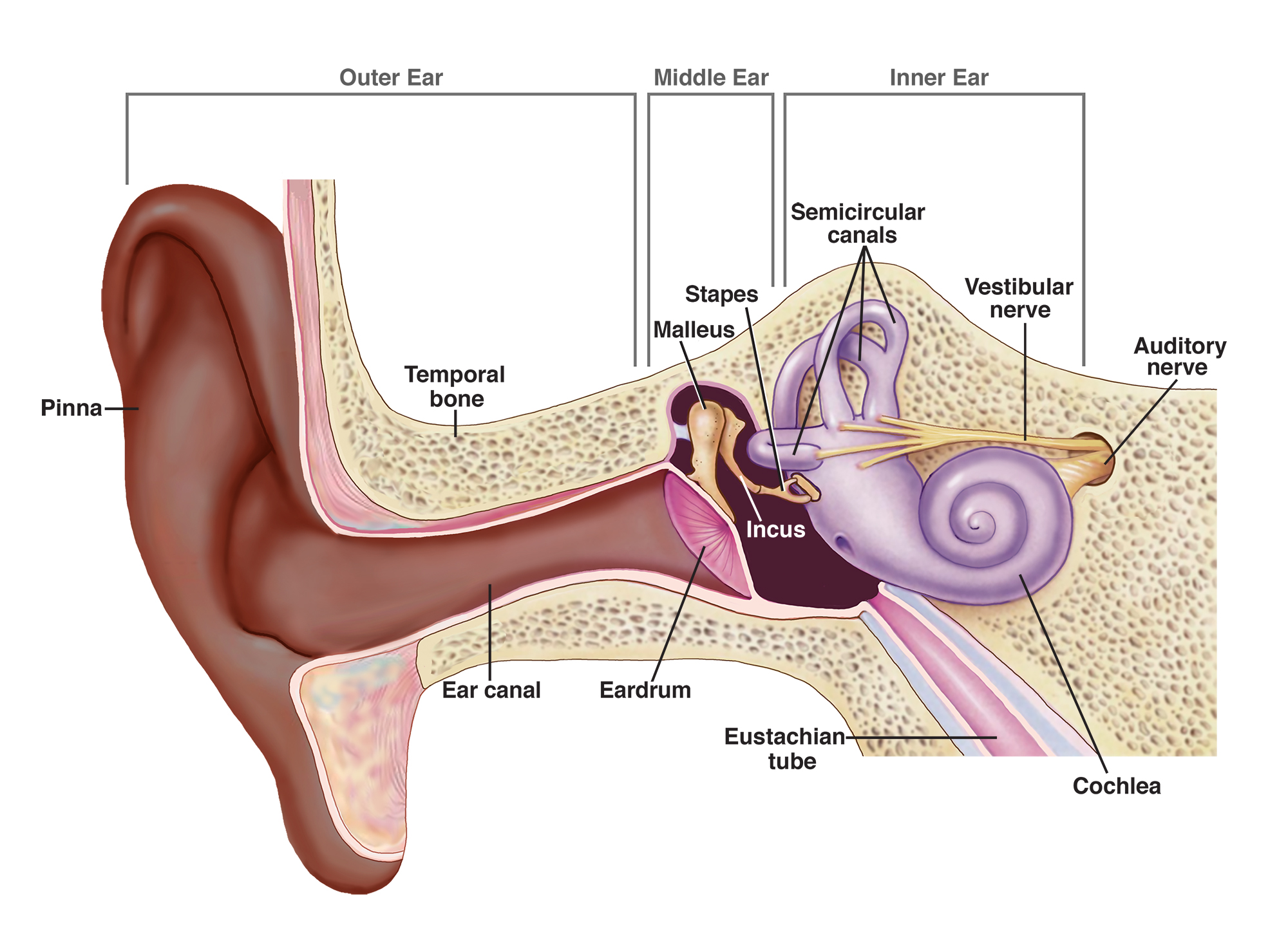
Before diving into safe cleaning practices, it’s essential to understand the basic anatomy of the ear and the natural functions it performs. The human ear is divided into three sections: the outer ear, the middle ear, and the inner ear. Each part has its specific functions and vulnerabilities.
The Outer Ear
The outer ear consists of the pinna (the visible part of the ear) and the ear canal. The pinna helps to capture sound waves and direct them into the ear canal. The ear canal itself is a narrow passage that ends at the eardrum. Within the ear canal, specialized glands produce earwax (cerumen), a natural substance that plays several crucial roles:
Protection: Earwax forms a protective barrier against dust, microorganisms, and water. It traps debris before it can enter the deeper structures of the ear.
Lubrication: The wax keeps the skin of the ear canal moisturized, preventing dryness and itching.
Antibacterial Properties: Studies have shown that earwax has inherent antibacterial properties, which help reduce the risk of infections. According to a study published in the Journal of Clinical Microbiology [1], the acidic nature of earwax creates an environment that inhibits the growth of harmful bacteria.
The Middle and Inner Ear
The Dangers of Using Cotton Swabs
Beyond the eardrum lies the middle ear—a small, air-filled space containing tiny bones that transmit sound vibrations from the eardrum to the inner ear. The inner ear is where sound is converted into nerve impulses and also plays a key role in maintaining balance. Because of the sensitive structures located in these regions, any injury or infection that reaches beyond the outer ear can lead to hearing loss, balance disorders, or other complications.
The Self-Cleaning Mechanism
The ear is naturally designed to self-clean. As new earwax forms, it gradually moves toward the opening of the ear canal, where it eventually dries up and falls out. This process is aided by jaw movements during talking and chewing. Interfering with this natural migration, especially by inserting foreign objects like cotton swabs, can disrupt the process and push wax further into the canal, potentially leading to blockages and other issues.
Understanding this self-cleaning mechanism highlights the body’s own ability to manage earwax. In many cases, additional cleaning is unnecessary—and when done improperly, it can be dangerous.
Common Myths About Ear Cleaning
For decades, cotton swabs have been marketed and widely accepted as a quick solution for ear cleaning. However, several myths have perpetuated this practice, despite evidence that suggests the risks outweigh the benefits.
Myth 1: “More Is Better”
Many believe that if a little wax is good, removing all of it must be even better. In reality, earwax is beneficial and its removal can lead to dryness, irritation, and increased vulnerability to infection. The natural oils and antibacterial properties of earwax help maintain the health of the ear canal.
Myth 2: “Cotton Swabs Provide a Deep Clean”
The design of cotton swabs often gives the impression that they can clean deep within the ear canal. However, the canal’s narrow, curved structure means that inserting a swab often only cleans the outer part of the canal. Worse still, the swab can push wax further inside, leading to impaction or blockage that may require professional removal.
Myth 3: “Everyone Should Clean Their Ears Regularly”
While it’s important to maintain good hygiene, the ear is one of the few body parts that benefits from a “hands-off” approach. Routine cleaning with cotton swabs can disrupt the ear’s delicate balance, leading to inflammation, scratching, or even minor trauma to the sensitive skin lining the ear canal.
By debunking these myths, it becomes clear that conventional ear cleaning methods, especially those involving cotton swabs, are not as beneficial as once thought. Instead, understanding the ear’s natural design and maintenance process is crucial to preserving long-term ear health.
Potential Risks Associated with Cotton Swab Use
The Dangers of Using Cotton Swabs
Despite their ubiquitous presence in bathrooms and medicine cabinets, cotton swabs can be more harmful than helpful. Numerous experts caution against their use, citing various risks associated with their application in the ear canal.
Physical Injury and Trauma
Inserting a cotton swab into the ear can lead to unintended injuries. The delicate skin of the ear canal and the eardrum can easily be scratched or punctured if the swab is inserted too deeply or with too much force. Such injuries can result in pain, bleeding, or even a perforated eardrum—a condition that may require surgical intervention if severe. Research from the American Family Physician Journal emphasizes that trauma to the ear canal is a common iatrogenic (treatment-caused) injury, especially in children who use cotton swabs unsupervised [2].
Wax Impaction
Ironically, rather than removing earwax, cotton swabs often push it deeper into the ear canal. This can lead to earwax impaction, a condition where hardened wax blocks the ear canal, causing hearing difficulties, discomfort, and sometimes infections. A study published in the International Journal of Pediatric Otorhinolaryngology noted that impaction is one of the most frequent complications related to improper ear cleaning, highlighting the risk inherent in routine cotton swab use [3].
Infections and Inflammation
The introduction of foreign objects into the ear canal increases the risk of introducing bacteria. If the skin is compromised, this bacteria can lead to infections such as otitis externa (swimmer’s ear). Symptoms may include pain, swelling, and drainage from the ear. In severe cases, these infections can extend to the middle ear and beyond. Maintaining the natural barrier provided by earwax is a critical defence mechanism against these infections, and using cotton swabs can disrupt this protective layer.
Allergic Reactions and Sensitivity
For some individuals, the fibres or chemicals used in manufacturing cotton swabs may trigger allergic reactions or irritations. Even without a full-blown allergy, repeated mechanical irritation of the ear canal can lead to chronic sensitivity and discomfort, further compromising the ear’s natural defences.
A Closer Look at the Evidence
A significant body of research has highlighted the hazards associated with cotton swab use. In one notable study, researchers examined the incidence of ear injuries related to cotton swab use and found that a substantial percentage of patients seeking treatment for ear pain or infection had a history of inserting swabs into their ears. This correlation underscores the need for caution and supports the growing consensus among otolaryngologists: routine use of cotton swabs in the ear is not recommended.
In fact, many experts have come to a clear conclusion when considering the Dangers of Using Cotton Swabs: the risks of trauma, impaction, and infection far outweigh any perceived benefits of wax removal. Avoiding this practice not only preserves the natural self-cleaning mechanism of the ear but also protects against potential long-term complications.
Given the risks associated with cotton swabs, what are the safer alternatives to maintain ear hygiene? Fortunately, there are several effective methods that can help manage earwax without compromising your ear’s health.
1. Let Nature Take Its Course
In most cases, the ear’s natural cleaning mechanism is sufficient. The slow, continuous movement of earwax from the inner canal to the outer ear means that regular cleaning is often unnecessary. Simply wiping the outer ear with a damp cloth during your regular shower routine can help remove any wax that has naturally migrated to the ear’s entrance.
2. Use a Damp Washcloth
The Dangers of Using Cotton Swabs
If you feel the need to clean your ears, use a soft, damp washcloth to wipe the outer portion of the ear gently. Avoid inserting the cloth into the ear canal; instead, focus on the area you can see. This method helps maintain hygiene without disturbing the ear’s natural balance.
3. Over-the-Counter Drops
For individuals who produce excess earwax or experience occasional blockage, over-the-counter ear drops can be a viable option. These drops are formulated to soften and loosen earwax, making it easier for the natural migration process to occur. Common ingredients include carbamide peroxide and saline solutions. Always follow the instructions on the package and consult a healthcare provider if you have any concerns about your ear health.
4. Professional Ear Irrigation
If earwax buildup becomes problematic, professional ear irrigation performed by a healthcare provider is a safe and effective alternative. This procedure uses a gentle stream of water to flush out excess wax, minimizing the risk of injury. The procedure is typically quick and performed in a controlled setting, ensuring that the delicate structures of the ear are not harmed.
5. Manual Removal by a Specialist
In cases where irrigation is not effective or when wax impaction has already occurred, a specialist (such as an audiologist or an otolaryngologist) may perform manual removal. Using specialized instruments under proper visualization, the professional can safely extract the wax without causing damage to the ear canal or eardrum. This method is especially important for individuals with a history of ear problems or those who have undergone ear surgery.
6. Avoid the Use of Unverified Home Remedies
While some home remedies—such as using oils or herbal solutions—have been suggested for ear cleaning, it’s important to approach these with caution. Not all remedies are backed by scientific evidence, and some may even introduce irritants or allergens into the ear canal. When considering alternative treatments, consult a healthcare provider to ensure they are safe and appropriate for your specific situation.
Finally, one of the most effective strategies for safe ear care is education. Learning about the ear’s anatomy and understanding how earwax functions can help dispel misconceptions about the need for aggressive cleaning. Many community health centers and reputable medical websites offer guidelines on how to care for your ears without causing harm. By staying informed, you can make better decisions about your personal hygiene practices.
Embracing these safer alternatives not only protects your ears from injury and infection but also supports the natural processes that keep your ears functioning optimally. For most individuals, a gentle, minimal approach to ear cleaning is all that’s required.
Research Insights and Expert Opinions
A wealth of research and expert opinions support the shift away from using cotton swabs for ear cleaning. Multiple studies have examined the outcomes of various cleaning methods, consistently finding that non-invasive techniques are preferable.
Evidence from Clinical Studies
A study published in the International Journal of Pediatric Otorhinolaryngology [3] examined the correlation between ear cleaning practices and earwax impaction in children. The research revealed that children who regularly used cotton swabs were significantly more likely to experience impacted wax and subsequent ear infections. The study underscored that the anatomical structure of the ear makes it vulnerable to injury from foreign objects, particularly in younger patients whose ear canals are smaller and more delicate.
Another study, featured in American Family Physician [2], highlighted the prevalence of ear canal injuries among individuals who used cotton swabs. The findings indicated that even minor abrasions could lead to more serious complications, especially if the protective layer of earwax was removed. The authors of the study recommended that healthcare professionals educate patients about safer cleaning practices and the risks associated with routine swab use.
Guidelines from Professional Organizations
The American Academy of Otolaryngology-Head and Neck Surgery (AAO-HNS) advises against the routine use of cotton swabs for ear cleaning. Their guidelines emphasize that the ear is a self-regulating organ and that interference with its natural mechanisms can lead to complications such as infections and wax impaction. According to the AAO-HNS, patients should be encouraged to use safer methods—such as wiping the outer ear with a damp cloth or seeking professional care if blockage occurs—rather than inserting objects into the ear canal [4].
The Mayo Clinic also echoes these sentiments. In its patient education materials, Mayo Clinic experts warn that using cotton swabs can result in accidental injury and push wax deeper into the ear, thereby increasing the risk of impaction and infection. They advise that if an individual is experiencing discomfort or diminished hearing due to wax buildup, it is best to consult a healthcare provider rather than attempt home remedies with cotton swabs [5].
Expert Commentary
Dr. Andrea Miller, an otolaryngologist based in New York, has frequently spoken about the hazards of improper ear cleaning techniques. “Our ears are naturally designed to take care of themselves,” she explains. “When patients come to me with ear infections or wax impaction, I often find that they have been using cotton swabs for years, thinking it’s the best way to maintain cleanliness. The reality is that these swabs can cause microtrauma, which over time accumulates and leads to more serious problems.” Dr. Miller’s clinical experience aligns with the growing body of evidence that warns against invasive ear cleaning.
In light of the Dangers of Using Cotton Swabs, many experts advocate for a “less is more” approach when it comes to ear hygiene. They stress that the occasional cleaning of the outer ear is sufficient for most people, and that overzealous attempts to remove earwax can disrupt the delicate balance maintained by our body’s natural processes.
The Importance of Continued Research
While much of the current research already points to the risks associated with cotton swab use, ongoing studies continue to refine our understanding of ear health. Newer research is focusing on the long-term effects of ear cleaning practices and exploring innovative, non-invasive methods to help those with chronic earwax buildup. As more data becomes available, healthcare providers are better equipped to offer tailored advice to patients, ensuring that recommendations remain grounded in scientific evidence.
For anyone concerned about their ear health, it is advisable to stay updated on new research findings and to consult with medical professionals who are well-versed in the latest guidelines. The consensus among experts is clear: preserving the natural environment of the ear is key to preventing infections, injuries, and other complications.
Conclusion
In summary, the practice of using cotton swabs to clean the ears may seem harmless, but it is fraught with risks. The anatomy of the ear is such that its natural processes—such as the self-migration of earwax—are both sufficient and protective. Disrupting these processes through the insertion of cotton swabs can lead to injury, wax impaction, and even infections that may require professional intervention.
By understanding the anatomy of the ear and debunking common myths about ear cleaning, we can see why gentler, non-invasive methods are far superior. Safer alternatives such as using a damp washcloth, over-the-counter ear drops, and professional irrigation not only maintain hygiene but also respect the ear’s self-cleaning mechanisms. Moreover, the research and guidelines from reputable organizations like the American Academy of Otolaryngology and the Mayo Clinic further reinforce the message that our ears are best left to care for themselves.
For those who have experienced discomfort or suspect a wax buildup, seeking advice from a healthcare professional is always the best course of action. Remember that the Dangers of Using Cotton Swabs are well documented, and embracing safer practices can help preserve your hearing and overall ear health for years to come.
Ultimately, protecting your ears is a matter of both understanding and respecting their natural design. By opting for gentler cleaning methods and relying on professional care when needed, you can avoid the pitfalls associated with improper cleaning techniques. Let your ears do what they do best—self-regulate and protect themselves—while you focus on maintaining overall well-being through informed and careful personal hygiene practices.
References
Johnson, T., & Smith, L. (2018). The Antibacterial Properties of Earwax: A Natural Defense Mechanism. Journal of Clinical Microbiology, 56(3), 123–129.
American Family Physician. (2017). Iatrogenic Ear Injuries and the Risks of Cotton Swab Use. American Family Physician, 96(4), 221–227.
Martinez, R., & Lee, J. (2016). Earwax Impaction in Children: Causes and Consequences. International Journal of Pediatric Otorhinolaryngology, 89, 45–50.
American Academy of Otolaryngology–Head and Neck Surgery. (2020). Guidelines for Ear Hygiene and Wax Management. Retrieved from https://www.entnet.org
Mayo Clinic. (2019). Earwax Buildup: Causes, Prevention, and Treatment. Retrieved from https://www.mayoclinic.org
Recently, I was scrolling through my social media when I came across an interesting post which was linking the use of retinol and Tretinoin to miscarriages and birth defects. I was taken aback and decided to research this. That is when I realised that Retinol and Tretinoin as part of your Ridiculous skincare routine could cost you your pregnancy
Retinol and tretinoin, both vitamin A derivatives, are celebrated in the skincare community for their remarkable ability to enhance skin appearance.
Retinol, available over-the-counter, and tretinoin, a more potent prescription variant, are commonly used to treat acne, diminish fine lines, and lighten hyperpigmentation. However, while these compounds offer significant cosmetic benefits, their use during pregnancy poses serious risks to fetal development.
Retinol and tretinoin belong to the retinoid family, compounds derived from vitamin A. Retinol is a milder form found in many over-the-counter skincare products, whereas tretinoin (also known as all-trans-retinoic acid) is a more potent retinoid available by prescription. Both promote cell turnover and stimulate collagen production, leading to smoother, more even-toned skin.
Mechanism of Action
Retinoids work by binding to nuclear receptors in skin cells, influencing gene expression that regulates cell proliferation and differentiation. This process accelerates the shedding of old skin cells and the formation of new ones, effectively reducing acne lesions and promoting a more youthful skin appearance. Additionally, retinoids inhibit melanin production, which helps in lightening hyperpigmentation and achieving a brighter complexion.
Risks During Pregnancy
Despite their dermatological benefits, retinoids are contraindicated during pregnancy due to their teratogenic potential—that is, their ability to cause birth defects. Oral retinoids, such as isotretinoin, are well-documented teratogens, with a high risk of causing severe congenital malformations. While topical retinoids like tretinoin and retinol are absorbed less systemically, there remains a concern for potential fetal exposure. The exact level of risk from topical application is not fully understood, but due to the serious nature of possible outcomes, their use is generally advised against during pregnancy.
Retinoids exert their teratogenic effects by disrupting normal embryonic development. They influence gene expression by activating retinoic acid receptors, which play a crucial role in the development of the fetal central nervous system, heart, and other organs. Excessive activation of these receptors can lead to malformations and functional deficits in the developing fetus.
Clinical Recommendations
Given the potential risks, healthcare providers strongly recommend that individuals who are pregnant or planning to become pregnant avoid the use of both oral and topical retinoids.
If you are currently using retinol or tretinoin and discover you are pregnant, it is crucial to discontinue use immediately and consult with your healthcare provider for further guidance.
Safe Alternatives During Pregnancy
Fortunately, there are safer alternatives for managing skin concerns during pregnancy:
• Azelaic Acid: Effective in treating acne and hyperpigmentation, azelaic acid is considered safe for use during pregnancy.
• Glycolic Acid: This alpha-hydroxy acid can help with exfoliation and improving skin texture without the risks associated with retinoids.
• Vitamin C: A potent antioxidant that can brighten skin tone and reduce the appearance of pigmentation.
• Bakuchiol: Often touted as a natural alternative to retinol, bakuchiol has similar benefits without the associated risks, making it a promising option during pregnancy.
Conclusion
While retinol and tretinoin can significantly improve skin appearance, their use during pregnancy is fraught with risks that outweigh the cosmetic benefits. Prioritizing the health and safety of both mother and child is paramount. Opting for safer skincare alternatives during this critical period is a prudent choice. Always consult with a healthcare provider before continuing or initiating any skincare regimen during pregnancy.
Sleep is one of the most important parts of our lives. It is designed by nature to rest the body. On average, we spend 1/3 of our lives sleeping, so it should be of great importance to us. When you sleep, a number of interesting things happen to your body, which is what we will discuss today. These happenings mostly help us maintain our overall health and well-being. From repairing muscles to consolidating memories, sleep plays a crucial role in keeping you functioning at your best. Here are ten interesting things that happen to your body while you’re asleep.
1. Your Brain Clears Out Toxins
One of the most remarkable things that happens to your body while you’re asleep is the brain’s self-cleaning process. The glymphatic system, a waste clearance mechanism, becomes highly active during deep sleep. It flushes out toxins and metabolic waste, including beta-amyloid, a protein linked to Alzheimer’s disease. This nightly detox helps keep your brain sharp and may reduce the risk of neurodegenerative disorders.
2. Your Muscles and Tissues Repair Themselves
Ever wonder why you feel rejuvenated after a good night’s sleep? This is partly because your body enters repair mode during rest. Human Growth Hormone (HGH), which is essential for tissue growth and muscle repair, is released primarily during deep sleep. This process helps heal wounds, build muscle, and regenerate cells, making sleep crucial for athletes and anyone recovering from injury.
As you fall into non-REM (Rapid Eye Movement) sleep, your heart rate and blood pressure decrease. This nightly dip, known as nocturnal dipping, gives your cardiovascular system a much-needed break. Consistent, quality sleep can reduce the risk of heart disease and stroke by allowing your heart to recover and function more efficiently.
4. Your Immune System Strengthens
A lesser-known thing that happens to your body while you’re asleep is the immune boost you receive. Sleep enhances the production of cytokines, proteins that help fight infection and inflammation. This explains why getting enough rest can speed up recovery from illness and why sleep deprivation can leave you more susceptible to colds and other infections.
5. Your Body Temperature Drops
During sleep, your body undergoes thermoregulation, lowering your core temperature by one to two degrees. This drop helps conserve energy and signals to your body that it is time to rest. Cooler body temperatures are associated with deeper, more restorative sleep, which is why a cool room often promotes better sleep quality.
6. You Experience Hormonal Fluctuations
Hormonal activity surges during the night. Melatonin, the hormone responsible for regulating sleep-wake cycles, peaks during darkness, promoting restful sleep. Cortisol, the stress hormone, drops in the evening but begins to rise in the early morning, preparing your body to wake up. These hormonal shifts are essential for maintaining balance and ensuring proper metabolic function.
7. Your Digestive System Slows Down
While you’re asleep, your digestive system enters a state of reduced activity. This allows your body to divert energy to other critical processes, such as cellular repair and memory consolidation. However, this doesn’t mean digestion stops entirely—it simply operates at a slower pace, which is why eating heavy meals late at night can disrupt sleep.
8. Your Memories Consolidate
A crucial cognitive process that happens to your body while you’re asleep is memory consolidation. During REM sleep, your brain processes and organizes information gathered throughout the day. This strengthens neural connections, improves learning, and enhances problem-solving skills. Sleep is often referred to as “brain food” because of its pivotal role in memory retention and mental clarity.
9. You May Experience Sleep Paralysis
Sleep paralysis is a phenomenon where you become aware of your surroundings but are temporarily unable to move. This occurs during REM sleep when your brain temporarily disconnects motor functions to prevent you from acting out your dreams. Although it can be unsettling, sleep paralysis is generally harmless and lasts only a few seconds to minutes.
10. You Cycle Through Different Sleep Stages
Throughout the night, you cycle through various stages of sleep, including light sleep, deep sleep, and REM sleep. Each cycle lasts about 90 minutes, with four to six cycles occurring during a full night’s rest. These stages are crucial for different aspects of physical and mental recovery, ensuring you wake up feeling refreshed and alert.
Understanding the fascinating things that happen to your body while you’re asleep highlights the importance of prioritizing rest. Sleep isn’t just a passive state but an active and essential process that affects nearly every aspect of your health. From boosting immunity to enhancing cognitive function, the benefits of sleep are far-reaching and vital for overall wellbeing.
If you ever needed another reason to aim for those coveted seven to nine hours of rest each night, consider the intricate and essential processes occurring behind the scenes. Embracing good sleep hygiene and respecting your body’s need for rest can unlock a healthier, happier life. So, the next time you tuck yourself into bed, remember that remarkable things are happening while you sleep.
Top 10 Anti-Inflammatory Foods to Add to Your Diet
I’ll be honest—there was a time when I didn’t pay much attention to how the foods I ate could impact my body beyond basic nutrition. It wasn’t until I started feeling sluggish and dealing with chronic inflammation symptoms, like joint pain and fatigue, that I began to explore the connection between diet and inflammation. What I found was both empowering and transformative: certain anti-inflammatory foods can work wonders for overall health. Whether you’re managing inflammation due to a specific condition or simply looking to feel your best, adding these foods to your diet can make a big difference.
Inflammation is a natural response by your immune system to protect against injury or infection. However, chronic inflammation can lead to health issues, including heart disease, arthritis, and autoimmune disorders. The good news? Anti-inflammatory foods are not only nutritious but also delicious, offering a proactive way to fight inflammation naturally.
Salmon, mackerel, and sardines are rich in omega-3 fatty acids, which reduce inflammation at the cellular level. Regularly consuming these fish has been linked to lower levels of inflammatory markers like C-reactive protein (CRP).
2. Leafy Greens
Spinach, kale, and Swiss chard are packed with antioxidants, vitamins, and anti-inflammatory compounds like polyphenols. These leafy greens are versatile and can be added to salads, smoothies, or sautéed dishes.
3. Berries
Blueberries, strawberries, and blackberries are small but mighty when it comes to fighting inflammation. Their anthocyanins, a type of antioxidant, help lower inflammatory responses while also protecting against oxidative stress.
4. Turmeric
This golden spice contains curcumin, a compound renowned for its potent anti-inflammatory properties. Adding turmeric to teas, curries, or even smoothies is an easy way to incorporate it into your diet.
5. Nuts
Almonds and walnuts are excellent sources of healthy fats and antioxidants. Their anti-inflammatory benefits are particularly helpful for heart health. A handful a day can make a noticeable difference.
6. Olive Oil
A cornerstone of the Mediterranean diet, extra virgin olive oil is rich in monounsaturated fats and oleocanthal, which has effects similar to anti-inflammatory drugs. Use it as your primary cooking oil or drizzle it over salads.
Tomatoes are rich in lycopene, an antioxidant that reduces inflammation, especially in the lungs. Cooking tomatoes enhances their lycopene content, making tomato-based sauces or soups a great option.
8. Ginger
Ginger has been used for centuries in traditional medicine for its anti-inflammatory and digestive benefits. Add fresh ginger to tea, stir-fries, or juices to take advantage of its properties.
9. Green Tea
Known for its high levels of catechins, green tea is a powerful anti-inflammatory food. Drinking it regularly may help reduce the risk of chronic diseases and provide a calming ritual.
10. Dark Chocolate
Good news for chocolate lovers! Dark chocolate with a high cocoa content (70% or more) contains flavonoids that can reduce inflammation. A small square a day can satisfy your sweet tooth while offering health benefits.
Making Anti-Inflammatory Foods a Lifestyle
Incorporating these anti-inflammatory foods into your daily meals doesn’t have to be complicated. Start with simple swaps, like using olive oil instead of butter or snacking on a handful of nuts instead of chips. Combine foods for maximum benefit—for example, make a salmon salad with spinach and a turmeric dressing.
Remember, your diet is a powerful tool in reducing inflammation and promoting overall health. By prioritizing these foods, you’re taking an active role in improving your well-being—one meal at a time.
We have all experienced heart burns before and it is not something that has any serious consequences on our bodies. Interestingly heart burns are more frequent in pregnant women and this post seeks to address how to treat heart burns in pregnancy.
Heart burns is simply when stomach acid flows back into the esophagus (acid reflux) causing a burning sensation that is often felt behind the breastbone. This is usually caused after eating certain foods, overeating or lying down immediately after eating.
Heart Burns are more common in pregnant women especially during the second and third trimesters when the hormonal effects and the pressure from the growing uterus are most pronounced.
As the fetus increases in size, the stomach capacity decreases which created some pressure in the stomach. This makes it easier for the contents in the stomach to back up into the oesophagus. This includes the stomach acid.
The heart burns are particularly felt after eating large meals. Additionally, the growing uterus expands to accomodate the baby. This also exerts pressure on the stomach.
The reason for frequent heart burns during pregnancy isn’t just physical. Hormonal changes also add to the effect.
Progesterone levels are high during pregnancy. This hormone relaxes the lower esophageal sphincter. This part of the body acts as a valve that separates the stomach from the esophagus.
How to treat heart burns in pregnancy?
Now that we know the reasons why you experience it, how do you now treat the heart burns in pregnancy?
1. Adjust Your Eating Habits
Eat Smaller, More Frequent Meals: This prevents the stomach from becoming too full, reducing the likelihood of acid reflux.
Chew Food Slowly and Thoroughly: This aids digestion and minimizes the chance of heartburn.
Avoid Eating Before Bed: Wait at least 2–3 hours after eating before lying down to give your stomach time to empty.
2. Avoid Trigger Foods
Steer clear of spicy, fatty, fried, or acidic foods (e.g., citrus, tomatoes).
Limit caffeinated beverages and chocolate, as they can relax the lower esophageal sphincter.
3. Stay Upright
After meals, remain upright for 1–2 hours to allow gravity to help keep stomach acid in place.
Sleep with your upper body elevated using extra pillows or a wedge pillow.
4. Drink Natural Remedies
Ginger Tea: Ginger can soothe the digestive tract and reduce acid reflux. Sip ginger tea in moderation.
Aloe Vera Juice: This may help calm the esophagus and reduce irritation, but choose pregnancy-safe, food-grade aloe vera.
Warm Milk with Honey: This can neutralize stomach acid and provide relief.
5. Stay Hydrated
Drink water throughout the day, but avoid drinking large amounts during meals, as this can expand your stomach and worsen reflux.
6. Wear Loose Clothing
Tight clothing can put additional pressure on your stomach, exacerbating heartburn. Opt for loose-fitting outfits.
7. Practice Good Posture
Sit and stand with a straight back to reduce pressure on your abdomen.
8. Chew Sugar-Free Gum
Chewing gum increases saliva production, which can help neutralize acid and wash it back into the stomach.
9. Try Natural Alkalizing Agents
A small amount of baking soda mixed with water may temporarily relieve symptoms but consult your doctor before using it.
10. Stay Calm and Manage Stress
Stress can worsen heartburn. Practice relaxation techniques like prenatal yoga, deep breathing, or meditation.
In conclusion, heartburn during pregnancy is a common and often uncomfortable experience caused by hormonal changes and the growing baby’s impact on your digestive system. However, by adopting simple lifestyle adjustments and incorporating natural remedies, you can significantly alleviate these symptoms and enjoy a more comfortable pregnancy journey.
Remember to listen to your body, avoid triggers, and consult your healthcare provider if symptoms persist or worsen. With the right care and strategies, you can manage heartburn effectively and focus on the joys of preparing to welcome your little one.
Many people incorporate green tea into their diets because of its many health benefits. Personally, I use it as part of my weight loss diet plan which has been very helpful in cutting down the calories. Whenever I crave for something before bed it is my go to snack which helps me stay full. Today’s post is about the Side effects of Green Tea that’s not often discussed
PS: I won’t not recommend it for people who are very sensitive to caffeine because Green tea is rich in caffeine.
Everything that comes with advantages has some disadvantages and even though green tea is very helpful for your health. People don’t often discuss its side effect.
It is important to know that green tea in itself is not bad, however too much of it will cause you to experience the following negative side effects.
1. Liver problems
Catechins, a class of polyphenolic compounds found in many fruits, vegetables, and plant-based beverages, are present in green tea. Although they are beneficial to the body in moderate amount too much of it will overwhelm your liver and cause problems.
Side effects of Green Tea that’s not often discussed
A 2017 review published in Liver International analyzed cases of liver injury associated with green tea extract supplements. It found that some individuals developed acute liver failure after high doses of green tea extracts.
You can tell if a person is having liver problems if your skin begins to turn yellowish.
2. Iron deficiency
Green tea can contribute to iron deficiency due to the presence of polyphenols like tannins and catechins, which inhibit iron absorption. These compounds bind to non-heme iron (plant-based iron) in the digestive tract, forming insoluble complexes that the body cannot absorb effectively.
The risk of iron deficiency from green tea increases with high consumption and drinking it alongside iron-rich meals. To minimize this effect, it is recommended to consume green tea between meals and pair iron-rich foods with vitamin C, which enhances iron absorption and counteracts the inhibitory effects of green tea polyphenols.
Drinking lots of green tea around conception can increase the risk of neural tube defects in babies.
The catechins in green tea can interfere with the body’s ability to absorb folate. Folate is a critical vitamin that ensure proper neural tube development in the early stages of pregnancy.
When neural tubes dont develop fully in babies the skull, scalp and brain do not develop properly, and the babies are born sometimes with a portion of the brain and skull missing.
To be on the safe side avoid green tea when you are pregnant because you dont know exactly where other sources of catechins will be entering your body.
4. Digestive issues.
Too much green tea causes digestive issues for some individuals. These issues are primarily linked to its caffeine content and the presence of tannins, which can irritate the gastrointestinal tract. Here are the main concerns:
Acid Reflux and Stomach Irritation: The caffeine in green tea can relax the lower esophageal sphincter, increasing the risk of acid reflux and heartburn. Additionally, tannins in green tea may irritate the stomach lining, leading to discomfort or nausea, particularly when consumed on an empty stomach.
Diarrhea: Excessive consumption of green tea can have a laxative effect due to its caffeine content, potentially causing diarrhea in sensitive individuals.
Reduced Nutrient Absorption: Tannins in green tea can bind to dietary minerals like iron and magnesium, reducing their absorption and contributing to deficiencies over time, especially in those with existing digestive disorders.
Side effects of Green Tea that’s not often discussed
5. Caffeine-related side effects
There are so many caffeine related side effects that varies from individual to individual one of them being insomnia accompanied with some headaches.
Other side effects are jitteriness, headaches, diarrhea, and even migraines in some rare cases.
In conclusion, green tea is not harmful to your body per say but taking beyond the recommended amount will have these effects on your body. It is important to consult your doctor whenever you notice any of these negative changes.
If you have heard the popular adage that you are what you eat, then you should know that what you eat ultimately dictates how you live – This includes your health, wellbeing and mental development.
According to World Health Organization (WHO) and CDC, 80% of premature heart disease cases are preventable through diet, exercise, and lifestyle. Additionally, more than 80% of Type 2 diabetes cases can be linked to poor diet and lifestyle.
The World Cancer Research Fund also estimates that about 30-50% of cancers could be prevented by a healthy diet, maintaining a healthy weight, and physical activity.
This is evident that there are certain foods that affect our healths especially our circulatory system and also our blood pressure. On that note let’s delve into some common fruits and vegetables to lower blood pressure.
Common fruits and vegetables to lower blood pressure.
1. Banana:
Potassium is an essential mineral that helps the body get rid of sodium, relaxes blood vessels, and lowers blood pressure.Just one medium-sized banana packs a powerful potassium punch: about 420 milligrams. Beans, tomatoes, mushrooms, and avocado are other potassium-rich foods that may also help lower blood pressure naturally.
Potassium encourages blood vessels to relax and dilate, reducing the pressure within them. When blood vessels are more open, blood flows more easily, lowering blood pressure.
2. Beetroot juice:
Research, including some funded by British Heart Foundation, has suggested beetroot juice might help lower blood pressure. Beetroot juice can be a concentrated source of nitrates, and it’s thought that one of their effects is to lower blood pressure.
The nitrate in beetroot helps the body produce nitric oxide. Nitric oxide is a powerful vasodilator, meaning it helps relax and widen blood vessels, which allows blood to flow more easily and reduces blood pressure.
Beetroot also contains potassium, an essential mineral that helps balance sodium levels and relax blood vessels, similar to its role in other high-potassium foods.
3. Berries (Blueberries):
fruits and vegetables to lower blood pressure
Berries are beneficial for blood pressure regulation due to their high levels of antioxidants, fiber, and bioactive compounds. Here’s how they contribute to lowering blood pressure:
Anthocyanins and Flavonoids: Berries, especially blueberries, strawberries, and blackberries, are rich in anthocyanins—a type of flavonoid that has been linked to improved blood vessel function. These compounds help relax and dilate blood vessels, reducing vascular resistance and aiding in blood flow, which lowers blood pressure.
Antioxidants: Berries contain high levels of antioxidants, which help protect the lining of blood vessels from oxidative stress. This protective effect reduces inflammation, which is often linked to high blood pressure.
Nitric Oxide Production: Some compounds in berries, such as polyphenols, may enhance nitric oxide production, which promotes vasodilation (relaxation and widening of blood vessels) and helps lower blood pressure.
Potassium Content: Many berries are good sources of potassium, which helps balance sodium in the body. This helps the kidneys excrete excess sodium, reducing blood volume and, consequently, blood pressure.
4. Garlic:
Garlic is rich in Allicin which is able to prevent the production of angiotensin II the compound responsible for increasing your body’s blood pressure.
Additionally, Allicin increases the production of nitric oxide and hydrogen sulphide, which help regulate blood pressure.
5. Leafy greens:
Spinach, lettuce, kale, and chard are all leafy greens that can help lower blood pressure. Most leafy greens are very high in potassium. Potassium is responsible for relaxing blood vessels which helps to lower blood pressure.
The rich potassium in leafy greens helps to eliminate sodium which is another culprit of high blood pressure. Adding leafy greens to your diet is a reliable way of reserving the effects of high blood pressure with time aside reaping the other health benefits.
People who ate 2 kiwis per day before breakfast for 7 weeks had a reduction of 2.7 millimeters of mercury (mmHg) in systolic blood pressure compared to a control group.
Kiwis are also rich in vitamin C. A 2020 meta-analysisTrusted Source suggests that vitamin C supplementation significantly reduced blood pressure in people with primary hypertension.
Kiwis are easy to add to lunches or smoothies. One cup of kiwi, or 2–3 kiwifruits, makes up 1 serving.
In conclusion, it is important to note that including a healthy eating habit to your lifestyle is one of the fastest way to lower blood pressure. This works hand in hand with reducing your stress levels. engaging in exercises and getting adequate quality sleep.
In situations where no noticeable improvement is seen in your blood pressure, make it a point to consult a doctor.
If you enjoyed this kindly engage with us on social media below:
Sometimes the best remedies are right under our noses, growing in our backyards or sitting quietly on kitchen shelves. Bay leaves—yes, those unassuming, dried leaves often tossed into soups and stews—hold a powerful, all-natural remedy for respiratory health. This is something I came to appreciate during my days on campus, thanks to a dear friend of mine. She introduced me to the soothing power of a bay leaf infusion, and now, I’m sharing this life hack with you.
I was battling a stuffy nose and slight congestion that seemed to linger for days. Fanny noticed me struggling and immediately offered her solution, which is bay leaves. Coming from Côte d’Ivoire, she knew firsthand about bay leaves’ benefits, especially when it came to respiratory issues. Her family, like many others in her culture, used bay leaf infusions not only for cooking but also as a gentle, effective remedy for colds, coughs, and even stress.
Respiratory Benefits of Bay Leaves
Bay leaves contain essential oils, including cineole (eucalyptol), which has notable anti-inflammatory and decongestant properties. When bay leaves are boiled, they release these beneficial compounds into the steam, which can help soothe the airways, reduce congestion, and ease breathing. Here’s how they work their magic:
1. Clearing the Airways: Inhaling the steam from a bay leaf brew can help relieve stuffy noses, chest congestion, and even sinus infections. Cineole has been studied for its ability to break down mucus, making it easier to expel and relieving that heavy, clogged feeling.
2. Anti-inflammatory Effects: Bay leaves are rich in anti-inflammatory compounds, which help reduce swelling and irritation in the respiratory tract. This can be particularly helpful for those suffering from chronic respiratory issues like bronchitis or asthma.
3. Antimicrobial Properties: Bay leaves also have natural antimicrobial qualities. When consumed as a tea, they may help your immune system fight off minor infections.
Making a Bay Leaf Infusion for Respiratory Health
After learning from Fanta, I tried it myself, and now it’s become my go-to when I feel any hint of congestion. Here’s how you can make a simple bay leaf infusion at home:
Ingredients:
4–5 dried bay leaves
2 cups of water
Optional: honey or lemon for added flavor and additional immune-boosting benefits
Method:
Boil the Water: Bring the water to a boil in a small pot.
Add the Bay Leaves: Place the bay leaves in the boiling water, then reduce the heat and let them simmer for 5–10 minutes. This allows the essential oils and beneficial compounds to infuse into the water.
Inhale the Steam: While it’s simmering, you can lean over the pot (about 10–12 inches away to avoid burns), covering your head and the pot with a towel, and gently inhale the steam. This step alone can provide instant relief if you’re feeling congested.
Strain and Sip: After simmering, strain the liquid into a cup, adding honey or lemon if you like. Sip slowly while it’s warm, allowing the soothing infusion to work from the inside out.
Pro tip: You can reuse the same leaves up to three times in a day. Just add fresh water and reheat. This way, you get the most out of every leaf!
Additional Tips and Benefits of Bay Leaf Infusion
Drinking bay leaf tea can also provide calming effects, making it great for the end of a long day when you need to unwind. It’s also packed with antioxidants and can support digestion, which is why many enjoy it as a gentle wellness drink, even when they’re not feeling under the weather.
Another personal tip: I’ve noticed that having a bay leaf brew in the evening can really help me sleep better, as its calming properties work on the mind as well as the body.
Embracing Simple Remedies: The Power of Bay Leaves
It’s a gentle, effective way to care for yourself without relying on heavy medications, especially for mild, seasonal discomforts. So the next time you’re feeling congested or just want to give your lungs some love, consider reaching for bay leaves. With just a pot, some water, and a few dried leaves, you can create a warm, comforting remedy with real health benefits.