Category: Health Tips

Health • Diet • Exercise • Healthy Living • Mental Health

  • Five (5) signs you have too much salt in your system.

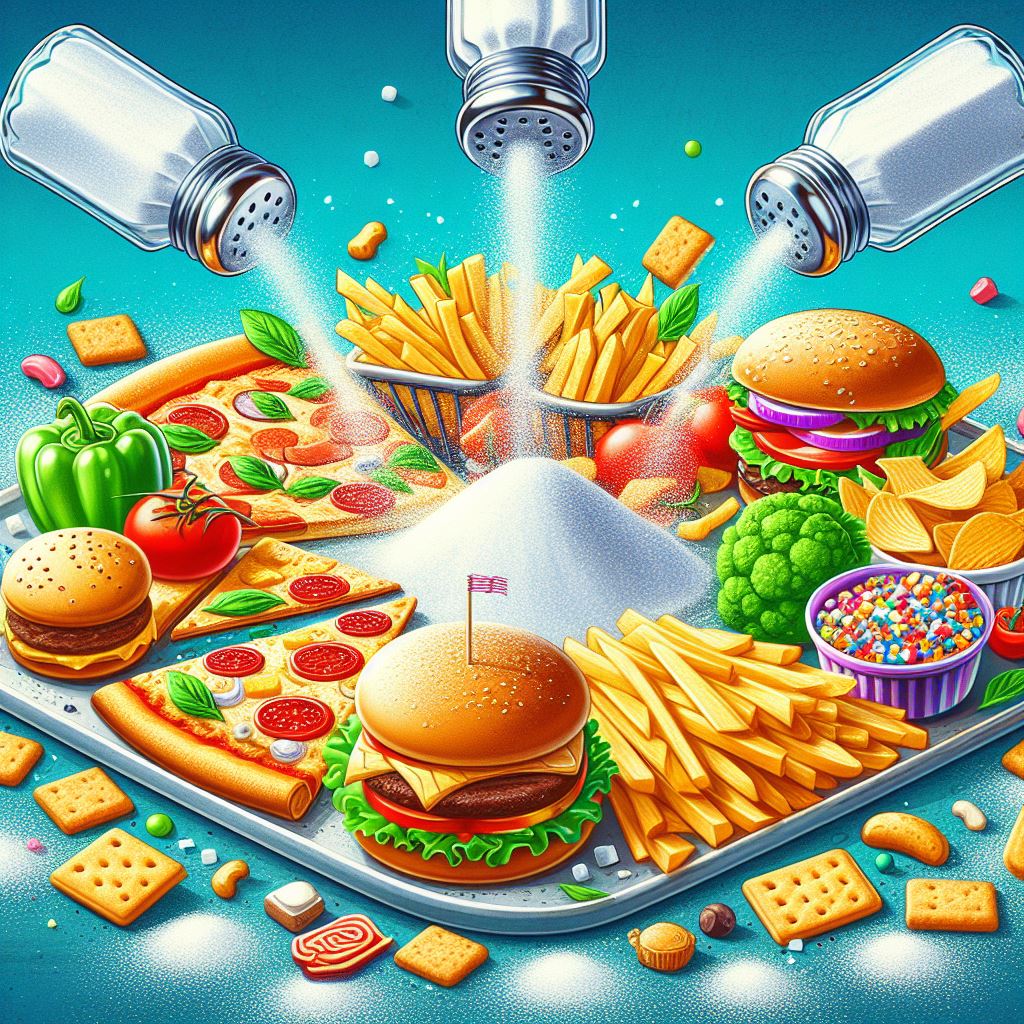
    Five (5) signs you have too much salt in your system.

    Many of us are accustomed to the taste of salt in our food, but having too much salt in your system can have adverse effects on our health.

    While sodium is an essential nutrient for muscle and nerve function, as well as fluid balance in the body, overindulging in salt can lead to various signs and symptoms indicating excessive intake.

    Often, the effects of consuming too much salt are not felt until it’s too late; however, some subtle signs will indicate that your system has an excess of salt.

    Read Also: What happens if you eat onions every day?

    You have too much salt in your system when you notice these changes in your body.

    1. Increased Thirst: If you find yourself feeling thirsty after consuming salty foods and constantly need to drink more water to balance out your fluid levels, it could be a sign of excessive salt intake.

    Dehydration, often caused by excessive sodium consumption, can lead to symptoms such as muscle twitches, confusion, and even seizures.

    too much salt in your system

    2. Feeling Bloated: Sodium plays a crucial role in regulating fluid balance, and excess salt intake can result in water retention, leading to bloating.

    Research indicates that a high-sodium diet increases bloating compared to a low-sodium diet. To combat this, focus on incorporating more vegetables and whole grains into your diet, as these fiber-rich foods can help reduce bloating.

    3. Headaches: Excessive salt consumption can disrupt fluid balance, contributing to headaches. Studies suggest that reducing sodium intake while increasing consumption of fruits, vegetables, and low-fat dairy products can help alleviate headaches associated with sodium intake.

    Staying hydrated by drinking plenty of water is also essential to maintain fluid balance and prevent dehydration-related headaches.

    too much salt in your system

    4. High Blood Pressure: Excess salt intake is a known risk factor for high blood pressure. Monitoring your sodium intake is crucial if you have hypertension, as sodium helps regulate fluid levels in the blood.

    Imbalances caused by excessive salt consumption can damage blood vessel linings, increase the risk of blood clot formation, and elevate the likelihood of experiencing a heart attack or stroke.

    To promote heart health, focus on consuming a diet rich in fiber and low in saturated fats.

    5. Stomach Issues: Excessive salt intake can also contribute to stomach inflammation, increasing the risk of conditions such as ulcers and stomach cancers.

    If you experience symptoms such as stomach pain or discomfort, consider adopting a low-sodium diet to support digestive health and overall well-being.

    It’s essential to seek professional medical advice if you experience any concerning symptoms associated with excessive salt intake.

    Making dietary adjustments and prioritizing hydration can help mitigate the effects of overindulging in salt and promote a healthier lifestyle in the long run

    Kindly Follow us on Facebook

  • Relieve Lower Back Pain with these simple remedies

    Relieve Lower Back Pain with these simple remedies

    Are you tired of constantly battling lower back pain? You’re not alone. Lower back pain is a prevalent issue affecting millions of people worldwide. Whether it’s due to poor posture, muscle strain, or underlying medical conditions, the discomfort can be debilitating. The good news is that there are simple remedies you can incorporate into your daily routine to alleviate this pain and improve your quality of life.

    Here are some simple health tips to relieve lower back pain:

    relieve lower back pain

    1. Stay Active: One of the most effective ways to relieve lower back pain is by staying active. Engaging in low-impact exercises like walking, swimming, or yoga can help strengthen your back muscles and improve flexibility, reducing the risk of pain flare-ups.

    2. Maintain Proper Posture: Poor posture is a common culprit behind lower back pain. Make a conscious effort to sit and stand up straight, keeping your shoulders back and your spine aligned. Investing in ergonomic furniture and taking regular breaks to stretch can also help alleviate strain on your back.

    3. Apply Heat or Ice: Applying heat or ice packs to the affected area can provide immediate relief from lower back pain. Heat helps relax tight muscles, while ice reduces inflammation and numbs the area. Experiment with both to see which works best for you.

    Read Also: What happens if you eat onions every day?

    4. Practice Mindfulness: Stress and anxiety can exacerbate lower back pain. Incorporating mindfulness techniques such as deep breathing, meditation, or progressive muscle relaxation can help alleviate tension and promote relaxation, reducing the intensity of your pain.

    5. Seek Professional Help: If your lower back pain persists despite trying these remedies, it’s essential to seek professional help. A chiropractor, physical therapist, or orthopedic specialist can assess your condition and recommend personalized treatment options, such as spinal adjustments, therapeutic exercises, or medication.

    Incorporating these simple remedies into your daily routine can help relieve lower back pain and improve your overall well-being. Remember to stay consistent and listen to your body’s signals. By taking proactive steps to address your pain, you can enjoy a more comfortable and active lifestyle. Relieve lower back pain today and reclaim control of your life.

    Follow us on Facebook

  • What happens if you eat onions every day?

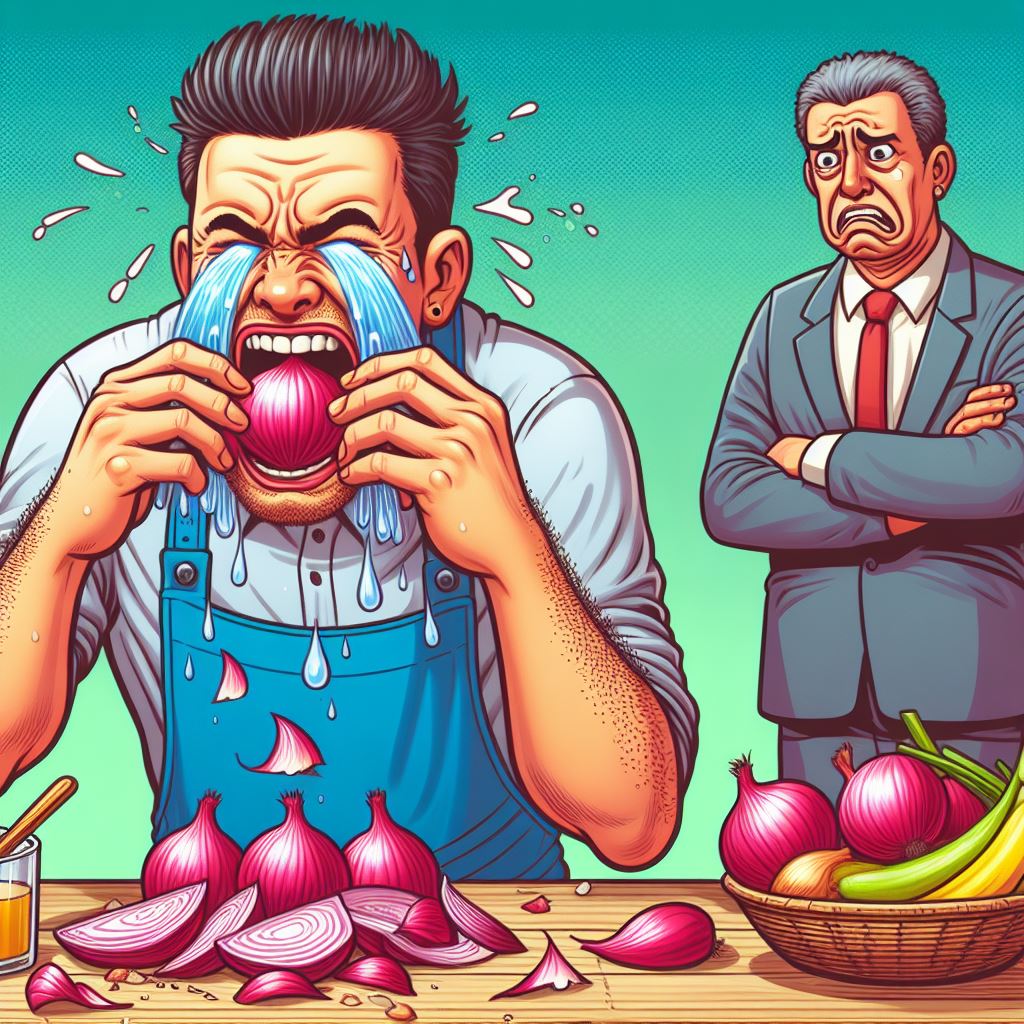
    What happens if you eat onions every day?

    Onions may have a pungent smell when raw, but they add great flavor to your dishes and possess several health benefits. They belong to the genus Allium and are consumed worldwide. There are several varieties of these vegetables, each having excellent nutritional value. There are many benefits you will gain when you eat onions every day.

    1. If you incorporate onions into your everyday meals, your risk of developing cancer will reduce significantly. This is because onions have abundant chemicals that possess cancer-fighting qualities. They are rich in a nutrient called quercetin, which fights the formation or proliferation of cancer cells. Quercetin is also linked with a lower risk of lung cancer.

    2. Regular onion consumption also lowers your risk of developing stroke and cardiovascular diseases. These vegetables are a rich source of sulfur compounds, which lower your cholesterol levels and reduce the risk of blood clot formation, which can lead to cardiac issues and stroke. These sulfur compounds are also responsible for giving onions their unique odor.

    Read Also: Seven (7) things they won’t tell you about growing up

    3. Consuming onions can benefit your health. If you have diabetes, onions are rich in quercetin and sulfur, which aid in insulin production and can be helpful in blood sugar management. Onions are also a rich source of calcium, according to the US Department of Agriculture, containing around twenty-five point three milligrams of calcium. Calcium is essential for strong and healthy bones, so consuming onions daily can help you meet your calcium needs and keep your bones healthy and in good shape.

    4. These vegetables are loaded with antioxidants that help to improve immunity. Onions are loaded with free radical-fighting compounds, allowing them to lower inflammation, slow down the aging signs, and boost your body’s defense mechanisms against infections and diseases. Having onions every day may also be beneficial for those who suffer from allergies; often, onions possess anti-allergen properties, saving you from respiratory issues. According to studies, regular consumption of onions can benefit patients with asthma because it relaxes the muscles of the trachea, allowing for better breathing.

    5. Though cutting a raw onion can make you tear up quickly and irritate your eyes for a short time, these vegetables are quite beneficial to your vision. Onions are also rich in selenium, which helps in vitamin E production, keeping eye issues like conjunctivitis away. These vegetables are also full of other vitamins like vitamins A, C, and K, which can work wonders for your skin and hair. Vitamin C boosts collagen production and helps prevent Wrinkles and fine lines. It also boosts immunity and keeps your gums healthy.

    The vitamin A Content protects your skin from sun damage And prevents collagen breakdown. Additionally, vitamin K also promotes elasticity and provides anti-aging benefits.