Category: Health Tips

Health โ€ข Diet โ€ข Exercise โ€ข Healthy Living โ€ข Mental Health

  • 10 Foods Your Doctor Will Tell You to Avoid If You Have High Blood Pressure and Why

    10 Foods Your Doctor Will Tell You to Avoid If You Have High Blood Pressure and Why

    High blood pressure also known as hypertension is one of the worldโ€™s leading causes of heart disease and stroke. It silently damages your arteries, heart, and kidneys over time, often without warning signs. What you eat plays a crucial role in either controlling or worsening it. Doctors and nutrition experts agree that simple lifestyle changes, especially in your diet, can significantly lower your risk.

    Hereโ€™s a deep dive into 10 foods your doctor would tell you to avoid if you have high blood pressure and why. Understanding these triggers will help you make smarter meal choices and protect your heart for the long term.

    1. Salt and Sodium-Rich Foods

    When doctors talk about managing high blood pressure, the first word that comes up is salt. The reason? Salt contains sodium, a mineral that directly affects fluid balance in your body. Too much sodium causes your body to retain water, increasing the volume of blood flowing through your arteries and therefore, your blood pressure.

    The American Heart Association (AHA) recommends limiting sodium intake to less than 1,500 mg per day for people with hypertension. However, most processed and restaurant foods contain hidden salt levels far beyond that. Canned soups, packaged snacks, and fast food meals can contain an entire dayโ€™s worth of sodium in one serving.

    To protect your heart, avoid over-salting your meals, and instead use herbs, spices, garlic, and lemon juice to flavor your food naturally. Your doctor will likely remind you that cutting back on salt is one of the fastest ways to bring high blood pressure under control.

    Read Also: Heart rate vs. blood pressure; How they relate to your health.

    2. Processed Foods and Packaged Snacks

    Many people underestimate how much sodium, sugar, and saturated fats lurk inside processed foods. From instant noodles and sausages to chips and canned meats, processed foods are loaded with additives that increase shelf life but wreak havoc on your cardiovascular system.

    High consumption of processed foods is strongly linked to hypertension and heart disease. They often combine high salt, hidden sugar, and unhealthy oils, creating a triple threat. Replacing them with home-cooked meals made from fresh ingredients is one of the best lifestyle changes for controlling high blood pressure.

    Your doctor would also advise checking food labels carefully. Anything listing more than 200 mg of sodium per serving should be consumed in moderation or avoided altogether.

    โ€ŽFollow the InfoHealthGh channel on WhatsApp: https://whatsapp.com/channel/0029Va7j1SgGE56e8pagc22u

    3. Sugary Drinks and Desserts

    Sugary Drinks and Hair Loss

    Excess sugar can be just as harmful as salt when it comes to high blood pressure. Sugary beverages like soda, sweetened teas, and energy drinks spike your insulin levels and promote weight gain, which contributes to hypertension. Studies show that people who consume high amounts of sugar particularly fructose, the main component of table sugar and high-fructose corn syrup are more likely to develop high blood pressure.

    The American Heart Association (AHA) suggests keeping sugar intake below 24 grams per day for women and 36 grams for men. Reducing sugary foods like pastries, cakes, and candy helps stabilize blood pressure and lowers your risk of heart disease.

    Instead of sugary drinks, go for water infused with fruit like lemon, cucumber, or berries. Small changes like this can make a big difference over time.

    4. Red Meat and Fatty Cuts

    While red meat is rich in protein and iron, eating too much of it especially fatty or processed varieties can increase your high blood pressure risk. Red meat contains saturated fats that raise LDL cholesterol levels, narrowing arteries and making the heart work harder. Over time, this can lead to heart disease and even stroke.

    Your doctor may recommend replacing red meat with lean meats such as skinless poultry or fish, which are lower in saturated fats. Try limiting red meat to occasional servings, and when you do eat it, choose grilled or baked methods instead of frying.

    Including whole grains, vegetables, and fruit alongside smaller portions of red meat creates a more balanced diet that supports heart health and helps control hypertension.

    5. Saturated Fats and Fried Foods

    Foods high in saturated fats โ€” like fried chicken, butter, cheese, and pastries contribute to arterial plaque buildup. This buildup restricts blood flow, leading to high blood pressure and heart disease. People who consume large amounts of saturated fats are also more likely to develop obesity and insulin resistance, which aggravates hypertension.

    Replacing saturated fats with healthy fats from sources like olive oil, avocado, nuts, and seeds is an easy win for your heart. The American Heart Association (AHA) strongly encourages limiting saturated fats to less than 6% of your total daily calories.

    If you frequently eat fried or fast foods, cutting back can lower your high blood pressure readings within weeks. Talk to your doctor about crafting a heart-friendly meal plan that supports a long-term balanced diet.

    Read Also: Six (6) Common fruits and vegetables to lower blood pressure.

    6. Alcohol and High Blood Pressure

    Excessive alcohol consumption directly raises blood pressure and damages the lining of your arteries. Even moderate drinkers can experience spikes in high blood pressure if they drink regularly. Over time, alcohol weakens the heart muscle, reduces the effectiveness of medications, and increases your risk of stroke and heart disease.

    Your doctor will likely advise limiting alcohol to no more than one drink per day for women and two for men. Cutting down on alcohol also helps with weight management and sleep quality two factors that influence hypertension.

    If you enjoy social drinking, try mocktails made from fruit and sparkling water as a refreshing, low-calorie alternative.

    7. Caffeine and Energy Drinks

    For many, coffee is part of daily life. However, for people with high blood pressure, too much caffeine can temporarily increase blood pressure levels by constricting blood vessels. Energy drinks are especially risky because they combine caffeine with high sugar content, which can trigger severe spikes in hypertension.

    Moderation is key. Limiting caffeine to less than 300 mg per day (about two cups of coffee) can help you stay safe. The American Heart Association (AHA) notes that individuals sensitive to caffeine should monitor how their blood pressure reacts after consumption.

    Switching to herbal teas, water, or fruit smoothies can be a gentle yet energizing way to cut back on caffeine while maintaining focus and hydration.

    Read Also: Fatty Liver Disease: What You Need to Know and How to Take Care of Your Liver

    8. Sugary Condiments and Sauces

    Many people overlook condiments as hidden sources of salt, sugar, and sodium. Ketchup, barbecue sauce, soy sauce, and salad dressings can add hundreds of milligrams of sodium and several teaspoons of sugar to your meals without you realizing it.

    If youโ€™re managing high blood pressure, read labels carefully and choose low-sodium or sugar-free options. Alternatively, make homemade condiments using fresh vegetables, herbs, and spices.

    Your doctor may suggest limiting condiments altogether if your diet already includes processed or packaged items high in salt and sugar. Making small tweaks here can go a long way toward maintaining a healthy, balanced diet.

    9. Processed Meats and Fast Foods

    Hot dogs, bacon, sausages, and deli meats fall under processed foods that are often preserved with sodium nitrates. These additives increase sodium levels drastically and raise your risk of hypertension and heart disease. Moreover, processed foods contain both salt and saturated fats, making them a double threat to your cardiovascular system.

    Switch to lean meats like chicken or turkey, and try baking or grilling instead of frying. Pairing lean meats with vegetables and whole grains supports a balanced diet that keeps high blood pressure in check.

    Doctors recommend minimizing fast-food consumption, as even one meal can exceed the daily limit for sodium, sugar, and unhealthy fats.

    Read Also: Chest Pains and Early Warning Signs of Heart Disease You Shouldnโ€™t Ignore

    10. Sugary Breakfast Cereals and Baked Goods

    Starting your day with a bowl of sugary cereal, muffins, or pastries may seem harmless, but it sets off a chain reaction. The quick surge in blood sugar increases insulin, which can stiffen arteries and elevate high blood pressure over time. Many breakfast cereals also contain high levels of sodium and fructose, making them even more problematic.

    Opt instead for whole grains like oats or quinoa topped with fruit. These choices stabilize your energy levels, lower hypertension risk, and help maintain a balanced diet.

    Your doctor might recommend reducing sugar in the morning, as itโ€™s one of the simplest lifestyle changes to start improving cardiovascular health.

    How These Foods Affect Your Body

    Each of these foods impacts high blood pressure in specific ways โ€” through excess sodium, saturated fats, or sugar. Over time, these compounds harden and narrow arteries, increase blood volume, and make your heart pump harder. The result? A greater likelihood of complications such as heart disease, stroke, and kidney problems.

    By understanding what these foods do inside your body, youโ€™re better equipped to take control. Contacting a doctor or a registered dietitian can help you design a meal plan tailored to your needs and medical history.

    Smarter Alternatives for a Balanced Diet

    Avoiding these foods doesnโ€™t mean giving up flavor or satisfaction. A heart-healthy diet focuses on:

    • Vegetables: Eat a colorful variety daily โ€” spinach, carrots, peppers, and broccoli provide fiber and potassium to help lower high blood pressure.
    • Fruits: Enjoy fresh fruits like bananas, oranges, and apples. Their antioxidants counter the effects of sodium and reduce hypertension.
    • Whole grains: Brown rice, oatmeal, and quinoa support a healthy weight and steady blood sugar levels.
    • Lean meats and fish: Opt for grilled lean meats, salmon, or sardines for protein and omega-3s.
    • Low-fat dairy: Milk and yogurt provide calcium, which helps regulate blood pressure.

    Maintaining a balanced diet built on these food groups, along with proper hydration and portion control, gives you a natural defense against high blood pressure.

    Lifestyle Changes That Support Healthy Blood Pressure

    Beyond what you eat, small lifestyle changes amplify the benefits of a healthy diet:

    1. Exercise regularly: Aim for at least 30 minutes of moderate activity most days.
    2. Maintain a healthy weight: Even modest weight loss can lower hypertension readings.
    3. Limit alcohol and caffeine: Keep both within safe limits recommended by your doctor.
    4. Manage stress: Meditation, sleep, and relaxation techniques are powerful tools.
    5. Avoid smoking: Nicotine constricts blood vessels and worsens high blood pressure.

    These habits, when combined with a well-planned meal plan, help your body naturally regulate blood flow and prevent long-term complications.

    When to Contact a Doctor

    If you have high blood pressure, contacting a doctor is essential before making drastic diet changes. Some medications interact with foods high in sodium, caffeine, or alcohol, so professional guidance ensures safety and success.

    Your doctor can help monitor your progress, adjust prescriptions, and design a plan that suits your medical condition and goals. Remember: self-diagnosing or ignoring symptoms of hypertension can lead to severe outcomes like heart disease or stroke. Early intervention saves lives.

    Final Thoughts

    Managing high blood pressure doesnโ€™t mean giving up your favorite meals โ€” it means making smarter choices. Limiting salt, sugar, saturated fats, alcohol, and processed foods protects your arteries and heart from long-term damage.

    With a little awareness and consistent effort, you can maintain normal blood pressure levels, enjoy a satisfying diet, and live a full, healthy life. Always remember: consult your doctor regularly, stick to your balanced diet, and embrace lifestyle changes that support your well-being.
  • 21 Brain-Boosting Foods That Sharpen Focus, Memory & Mental Clarity

    21 Brain-Boosting Foods That Sharpen Focus, Memory & Mental Clarity

    Introduction: Feed Your Brain Right

    Your brain is your control centerโ€”it runs everything from focus and memory to creativity and decision-making. But just like a high-performance engine, it needs the right fuel. The best foods for brain health provide the nutrients, fats, and antioxidants your mind needs to stay sharp, focused, and resilient. The 21 Brain-Boosting Foods That Sharpen Focus are not just limited to just fruits and vegetables but even some snacks can help improve brain function.

    In this post, weโ€™ll explore 21 brain-boosting foods and how you can include them in your daily cognitive function diet to improve mental clarity, memory, and focus.


    1. Fatty Fish: The Omega-3 Powerhouse

    21 Brain-Boosting Foods That Sharpen Focus
    21 Brain-Boosting Foods That Sharpen Focus

    Fatty fish like salmon, mackerel, sardines, and trout are loaded with omega-3 rich foods essential for brain function. Omega-3 fatty acids (EPA and DHA) form the building blocks of brain cells and improve communication between neurons.

    Benefits:

    • Enhances focus and attention span.
    • Supports memory retention.
    • May reduce cognitive decline with age.

    Pro Tip: Aim for two servings of fatty fish per week.

    Sustain Energy & Mood: How Dehydration Impacts Brain Function


    2. Blueberries: Tiny Antioxidant Powerhouses

    Blueberries are among the most potent antioxidants for brain health. Their flavonoids improve communication between brain cells, delay brain aging, and boost memory.

    Benefits:

    • Protects against oxidative stress.
    • Improves learning and memory.
    • Supports long-term cognitive health.

    Add to your diet: Mix blueberries into yogurt, oatmeal, or smoothies.

    How to Stop Sugar Cravings Naturally at Night: 7 Proven Strategies


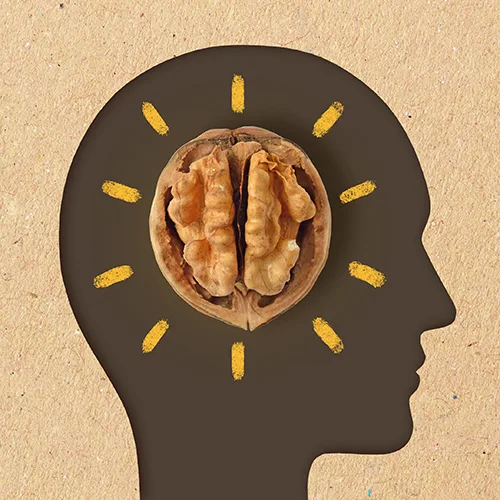
    3. Walnuts: The Ultimate Brain-Shaped Snack

    Man head silhouette with walnut – Walnuts are good for brain

    Walnuts are rich in DHA, vitamin E, and antioxidants, making them perfect for nuts and brain performance.

    Benefits:

    • Improves mental alertness.
    • Enhances processing speed.
    • Supports brain longevity.

    Tip: Snack on a handful daily or sprinkle on salads.

    6 Healthy Snacks to Eat While on Your Weight Loss Journey


    4. Avocados: Healthy Fats for Mental Flow

    Avocados provide healthy fats for brain function, supporting blood flow and oxygen delivery to the brain.

    Benefits:

    • Enhances concentration.
    • Reduces mental fatigue.
    • Supports memory formation.

    Eat it: Spread on toast or add to smoothies.


    5. Dark Chocolate: A Delicious Brain Booster

    Dark chocolate (70% cacao or higher) is rich in flavonoids, caffeine, and antioxidants.

    Benefits:

    • Boosts focus and motivation.
    • Enhances memory and blood flow.
    • Supports mood regulation.

    Tip: One small square a day is plenty.


    6. Broccoli: Green Power for Cognitive Function

    Broccoli is full of antioxidants and vitamin K, which are vital for Leafy greens and cognition.

    Benefits:

    • Protects brain cells.
    • Strengthens memory.
    • Supports neurotransmitter function.

    How to Boost Your Immune System Naturally (Ghanaian Food Edition)


    7. Eggs: The Choline Connection

    Eggs contain choline, a nutrient key for creating acetylcholineโ€”a neurotransmitter that supports memory and learning.

    Benefits:

    • Boosts focus.
    • Enhances learning ability.
    • Supports brain cell structure.

    8. Pumpkin Seeds: Tiny But Mighty

    Pumpkin seeds are rich in zinc, magnesium, and copperโ€”essential for your cognitive function diet.

    Benefits:

    • Improves memory.
    • Reduces anxiety.
    • Enhances reasoning.

    6 Healthy Snacks to Eat While on Your Weight Loss Journey


    9. Oranges: Vitamin C for Brain Defense

    A single orange gives your full daily dose of vitamin Cโ€”a top antioxidant for brain health.

    Benefits:

    • Protects against mental decline.
    • Strengthens brain immunity.

    10. Green Tea: Calm Focus in a Cup

    Green teaโ€™s caffeine and L-theanine blend improve focus without jitters.

    Benefits:

    • Promotes alertness.
    • Calms the mind.
    • Protects brain cells.

    (Internal link: Add link to mindfulness or productivity tips post.)


    11. Turmeric: The Golden Spice for Brain Power

    Curcumin in turmeric boosts serotonin, dopamine, and memory.

    Benefits:

    • Reduces inflammation.
    • Improves mood.
    • Enhances neuroplasticity.

    12. Spinach: Leafy Green Brain Fuel

    Rich in folate and beta carotene, spinach enhances Leafy greens and cognition.

    Benefits:

    • Slows mental decline.
    • Enhances memory.
    • Boosts focus.

    13. Coffee: A Mental Ignition Switch

    Caffeine in coffee increases alertness and memory recall.

    Benefits:

    • Sharpens focus.
    • Elevates mood.
    • Improves performance.

    14. Whole Grains: Steady Energy for Mental Endurance

    Whole grains provide slow-release glucoseโ€”perfect for sustained mental energy.

    Benefits:

    • Prevents fatigue.
    • Stabilizes mood.
    • Improves focus.

    15. Beets: Brain Blood Flow Boosters

    Beets increase blood flow and oxygen to the brain.

    Benefits:

    • Boosts concentration.
    • Improves mental performance.

    16. Almonds: Snack Smart for Brain Power

    Almonds contain vitamin E and magnesiumโ€”excellent foods for mental clarity.

    Benefits:

    • Supports focus.
    • Protects against oxidative stress.

    17. Berries (All Kinds): Natureโ€™s Brain Candy

    Berries are full of anthocyanins that protect brain cells.

    Benefits:

    • Enhances memory.
    • Improves coordination.
    • Reduces inflammation.

    18. Tomatoes: Lycopene for Cognitive Protection

    Tomatoes help prevent brain cell damage and boost memory.

    Benefits:

    • Prevents decline.
    • Supports mental performance.

    19. Water: The Overlooked Brain Fuel

    Hydration directly affects hydration and mental focus.

    Benefits:

    • Prevents brain fog.
    • Supports energy.

    Early Signs of Iron Deficiency in Women: Symptoms, Causes, and What You Need to Know


    20. Greek Yogurt: Protein and Probiotics for the Mind

    Greek yogurt supports gut healthโ€”which influences brain health.

    Benefits:

    • Enhances mood.
    • Supports focus.

    21. Dark Leafy Greens: Cognitive Champions

    Dark leafy greens like kale and chard provide vitamins for memory and overall cognition.

    Benefits:

    • Improves processing speed.
    • Protects against memory loss.

    Building Your Cognitive Function Diet

    To maximize brain power, combine these brain-boosting foods into daily meals. Focus on:

    • Regular intake of omega-3 rich foods.
    • Plenty of antioxidants for brain health.
    • Healthy fats for brain function (olive oil, avocado, nuts).
    • Staying hydrated and avoiding processed sugar.

    Mindful Eating for Weight Loss: How to Start


    Nourish to Flourish

    Your mind runs on what you eat. These focus-enhancing foods and foods that improve memory can transform how you think, learn, and perform. With the right brain power nutrition, youโ€™ll boost creativity, clarity, and long-term mental resilience.

    โ€ŽFollow the InfoHealthGh channel on WhatsApp: https://whatsapp.com/channel/0029Va7j1SgGE56e8pagc22u
  • Acid Reflux vs Ulcer: Symptoms You Shouldn’t Ignore

    Acid Reflux vs Ulcer: Symptoms You Shouldn’t Ignore

    Introduction
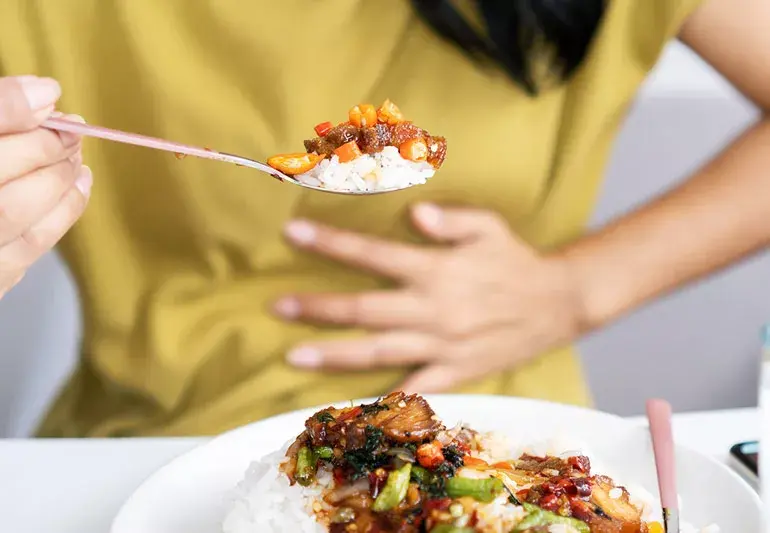
    It is very common to experience a little stomach discomfort which persist longer than it should. Most at times we quickly misattribute it to a simple case of heartburnโ€”but what if itโ€™s more serious? In this post, comparing acid reflux vs ulcer, weโ€™ll spotlight how to distinguish these two common but often confused conditions. Knowing the difference and recognizing warning signs can make all the difference in getting timely care and preventing complications.

    Acid Reflux vs Ulcer

    To distinguish between the two we need to look at the following:

    1. What Is Acid Reflux?
    2. Key Symptoms
    3. What Is a Stomach Ulcer?
    4. Serious Complications to Watch For
    5. Acid Reflux vs. Ulcer: How to Tell the Difference
    6. When to Seek Medical Help
    7. Treatment Options & Lifestyle Tips

    Understanding Acid Reflux (GERD)

    What Is Acid Reflux?
    Acid reflux occurs when stomach acid flows backward into the esophagus due to a weakened lower esophageal sphincter (LES), resulting in a burning sensation behind the breastbone and sour regurgitation (German Medical Center, Wikipedia).

    Key Symptoms

    • Heartburn: burning in chest or throat, often after meals or when lying down (German Medical Center)
    • Sour or bitter taste in mouth from regurgitated acid (German Medical Center)
    • Chronic cough, hoarseness, throat irritation or difficulty swallowing (The Sun)
    • Bloating, belching, fullness, and sometimes nausea (Cleveland Clinic)

    Why It Matters
    Left untreated, chronic acid reflux (GERD) may lead to complications such as esophagitis, strictures, Barrettโ€™s esophagus, and even esophageal ulcers or cancer (Wikipedia).

    Understanding Peptic Ulcers

    What Is a Stomach Ulcer?

    Acid Reflux vs Ulcer

    A stomach ulcer (or gastric/duodenal ulcer) is a crater-like sore in the stomach or upper small intestine lining, caused most often by Helicobacter pylori infection or long-term NSAID use (Wikipedia).

    Key Symptoms

    Serious Complications to Watch For
    Bleeding, perforation (a hole through the wall of the stomach), obstructionโ€”especially sharp, sudden worsening pain or faintingโ€”are medical emergencies (Wikipedia).

    Acid Reflux vs. Ulcer: How to Tell the Difference

    FeatureAcid Reflux / GERDPeptic Ulcer
    Location of discomfortChest, throatMid-upper abdomen
    Relation to mealsWorse after eating or lying downWorse on empty stomach; eating may relieve duodenal ulcers, worsen gastric
    Other symptomsRegurgitation, cough, hoarsenessNausea/vomiting, dark stool, weight loss or gain, early satiety
    Pain typeBurning, radiating upwardGnawing, dull ache
    Complication riskEsophagitis, strictures, Barrettโ€™sBleeding, perforation, obstruction

    Both conditions share symptoms like nausea, bloating, and heartburnโ€”but the context, timing, and severity often differ. Ulcers may cause heartburn themselves, but heartburn alone doesnโ€™t always mean an ulcer (Wikipedia, German Medical Center, Healthline).

    When to Seek Medical Help

    ๐Ÿšจ Immediate Attention Required If If You Have:

    ๐Ÿ’ก See a Doctor If You Experience:

    • Frequent heartburn (โ‰ฅ2 days/week), regurgitation, persistent cough, or hoarseness
    • Upper abdominal pain that persists, especially at night or on an empty stomach
    • Nausea or vomiting without an obvious cause, unintentional weight loss
    • Unresolved bloating, early fullness, or loss of appetite (Medical News Today, Wikipedia)

    Your healthcare provider may order tests such as endoscopy, H. pylori testing (breath, blood, stool), esophageal pH monitoring, or upper GI imaging to confirm the diagnosis (German Medical Center).

    Treatment Options & Lifestyle Tips

    Acid Reflux vs Ulcer

    For Acid Reflux / GERD

    • Lifestyle: smaller meals, avoid trigger foods/drinks (spicy, fatty, caffeine, alcohol), avoid lying down after eating, elevate head of bed, stop smoking, lose weight if overweight (Wikipedia, EatingWell)
    • Medications: antacids, Hโ‚‚ blockers, protonโ€‘pump inhibitors (PPIs)
    • In severe or refractory cases: surgical options like fundoplication or transoral procedures (Wikipedia, German Medical Center)

    For Stomach Ulcers

    • Eradicate underlying cause: antibiotics for H. pylori; stop NSAIDs or switch medications
    • Acidโ€‘reducing therapy: PPIs or Hโ‚‚ blockers; cytoprotective agents if needed (e.g. sucralfate) (Cleveland Clinic)
    • Lifestyle: avoid alcohol, smoking, and NSAIDs; manage stress and make dietary adjustments as needed (German Medical Center, Wikipedia)
    • Followโ€‘up: repeat testing or endoscopy if symptoms persist or bleeding occurred

    Understanding โ€œAcid Reflux vs. Ulcer: Symptoms You Shouldn’t Ignoreโ€ helps you spot the key differences between two conditions that share some overlapping signsโ€”but require different treatments. If your heartburn or abdominal discomfort lingers, intensifies at night, or includes worrying signs like blood or weight loss, don’t selfโ€‘treat only with antacids. Seek evaluation from a healthcare provider to ensure the right diagnosis and timely treatment.

    Taking timely action can prevent complications and promote healing. Always err on the side of cautionโ€”persistent or severe symptoms deserve professional attention.

  • Early Signs of Iron Deficiency in Women: Symptoms, Causes, and What You Need to Know

    Early Signs of Iron Deficiency in Women: Symptoms, Causes, and What You Need to Know

    Iron is one of the most essential minerals in the body, especially for women. From supporting healthy blood production to ensuring that oxygen is efficiently transported throughout the body, iron plays a critical role in overall health and well-being. Yet, iron deficiency is one of the most common nutritional deficiencies in women worldwide. Recognising the early signs of iron deficiency in women is vital for preventing more serious health problems like iron-deficiency anaemia.
    Early Signs of Iron Deficiency in Women

    In this post, we will walk you through the common signs and symptoms, answer key health questions (such as whether anaemia can cause vertigo, swelling, or even diarrhoea), and highlight why maintaining healthy iron levels is crucial for women.

    Read Also: How to Stop Sugar Cravings Naturally at Night: 7 Proven Strategies

    Why Women Are More Prone to Iron Deficiency

    Women are at a higher risk of iron deficiency than men due to several factors:

    • Menstruation โ€“ Monthly blood loss can significantly deplete iron stores, especially if periods are heavy.
    • Pregnancy โ€“ The body needs more iron to support both the mother and the developing baby.
    • Dietary gaps โ€“ Women who avoid red meat or follow vegetarian/vegan diets may not get enough absorbable iron.
    • Postpartum demands โ€“ After childbirth, iron needs remain high to replenish lost stores.

    This makes it even more important for women to know the early signs of low iron levels.

    How Do You Know If You Have Low Iron as a Woman?

    Early Signs of Iron Deficiency in Women

    The early signs can sometimes be subtle and easily mistaken for stress or fatigue. However, these symptoms should not be ignored:

    1. Persistent Fatigue and Weakness โ€“ Feeling constantly drained, even after rest, is a hallmark symptom.
    2. Pale or Sallow Skin โ€“ A noticeable paleness, especially in the face, lips, and inside of the eyelids, can indicate reduced haemoglobin.
    3. Shortness of Breath โ€“ You may feel winded during simple activities like climbing stairs.
    4. Unusual Cravings (Pica) โ€“ Craving ice, dirt, or chalk can be linked to iron deficiency.
    5. Hair Loss and Brittle Nails โ€“ Iron deficiency can weaken hair and nails.
    6. Headaches and Dizziness โ€“ Reduced oxygen delivery to the brain can trigger frequent headaches.
    7. Cold Hands and Feet โ€“ Poor circulation is another red flag.

    ๐Ÿ‘‰ If you are experiencing several of these symptoms, itโ€™s important to speak with a healthcare provider for a simple blood test to check your iron levels.

    Can Anaemia Cause Vertigo?

    Early Signs of Iron Deficiency in Women

    Yes. Iron-deficiency anemia can cause dizziness and vertigo. This happens because when hemoglobin levels drop, less oxygen reaches the brain. The brain responds to this lack of oxygen by making you feel lightheaded, dizzy, or in some cases, like the room is spinning. Women with low iron often report:

    • Frequent dizzy spells
    • Difficulty concentrating
    • Feeling faint after standing up quickly

    This is one of the most overlooked but significant early signs.

    Can Anaemia Cause Swelling?

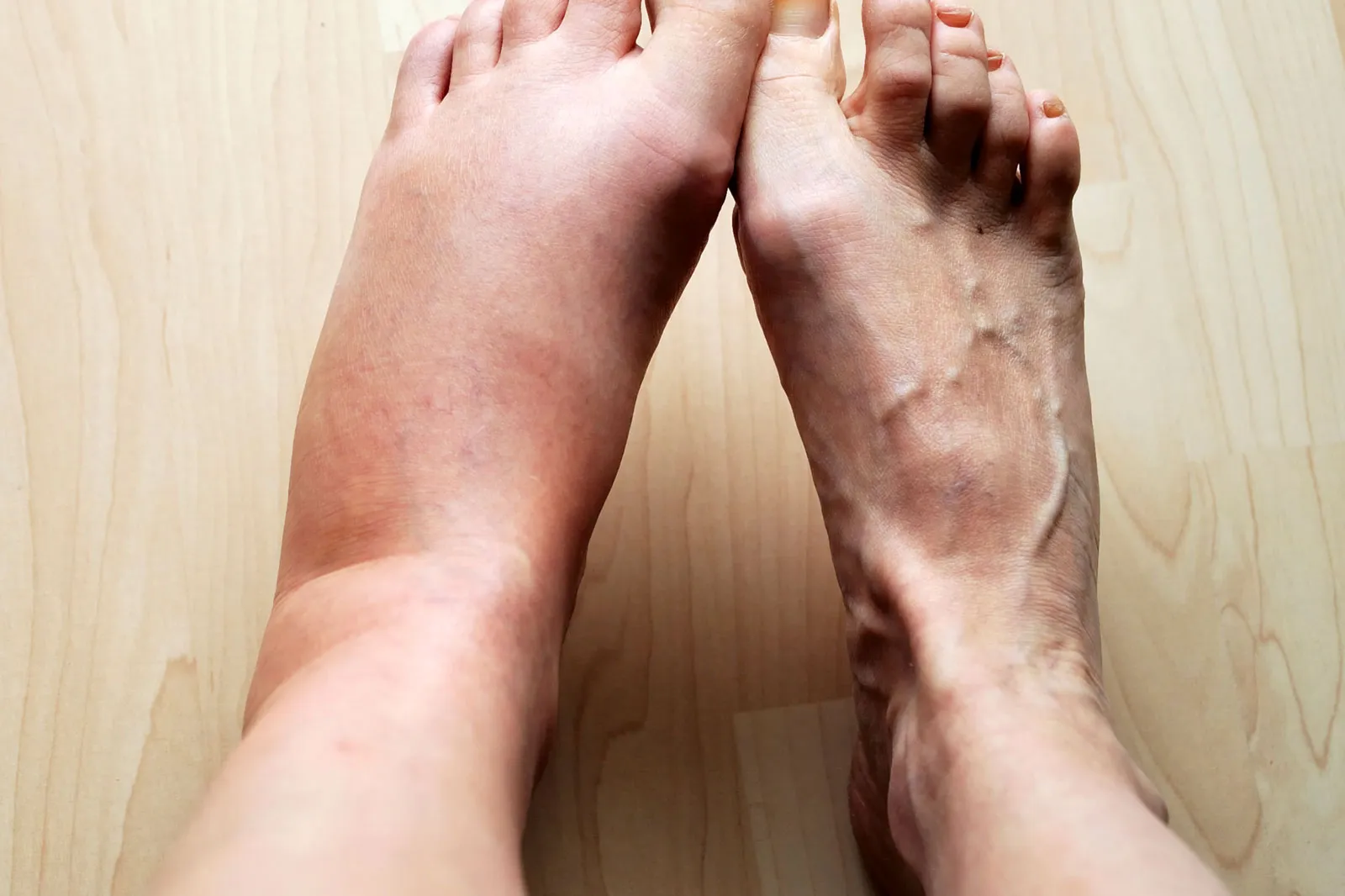
    Yes, but indirectly. Iron-deficiency anaemia can sometimes lead to swelling in the hands, ankles, or feet. This swelling is known as oedema and can happen when low oxygen levels strain the heart, causing fluid buildup. Additionally, iron deficiency may cause swelling or soreness of the tongue (glossitis) and cracks at the corners of the mouth.

    While swelling is not the most common symptom, it can still occur in women with more advanced iron deficiency.

    Can Low Iron Cause Diarrhoea?

    This is less straightforward. Iron deficiency itself does not directly cause diarrhea. However, there are two important links:

    1. Underlying conditions โ€“ Some medical conditions that cause diarrhoea (such as celiac disease, Crohnโ€™s disease, or heavy intestinal infections) can also impair iron absorption, leading to deficiency.
    2. Iron supplements โ€“ When women start taking iron pills to treat a deficiency, some may experience digestive side effects, including constipation, nausea, or diarrhoea.

    So while iron deficiency isnโ€™t typically the cause of diarrhoea, the relationship is often indirect. If diarrhoea persists alongside other deficiency symptoms, itโ€™s worth seeking medical advice.

    Read Also: Feeling Burnt Out? Take This Work-Related Stress Test

    Why Iron Is So Important for Women

    Iron does much more than just prevent fatigue. Hereโ€™s why maintaining healthy levels is critical for women:

    • Supports Reproductive Health โ€“ Adequate iron reduces the risk of complications during pregnancy and postpartum.
    • Boosts Energy and Performance โ€“ Women with normal iron levels tend to have better focus, higher stamina, and improved mood.
    • Protects the Brain โ€“ Oxygen-rich blood nourishes the brain, reducing the risk of memory and concentration issues.
    • Strengthens Immunity โ€“ Iron is necessary for the immune system to fight off infections effectively.

    When to See a Doctor

    Early Signs of Iron Deficiency in Women

    If you suspect iron deficiency, donโ€™t just rely on self-diagnosis. See your healthcare provider if you:

    • Feel persistently tired despite resting
    • Notice unusual dizziness or vertigo
    • Experience swelling in your extremities
    • Develop unexplained headaches or paleness

    A simple ferritin test or hemoglobin test can confirm whether your iron stores are low.

    Recognising the early signs of iron deficiency in women can make all the difference in preventing long-term complications. From fatigue and dizziness to swelling and digestive issues, these symptoms should not be ignored. While anaemia can indeed cause vertigo and sometimes swelling, low iron rarely causes diarrhoea on its own.

    For women, keeping iron levels balanced is not just about avoiding tirednessโ€”itโ€™s about supporting reproductive health, brain function, and overall vitality. If you notice several of these signs, the best step forward is to consult your doctor and get tested.

  • How the Soap You Use Could Be Harming Your Skin โ€” And What to Use Instead

    How the Soap You Use Could Be Harming Your Skin โ€” And What to Use Instead

    Growing up, I had a skin condition that caused my body to itch whenever I took my bath. This was something I dealt with well into my adulthood, and oftentimes, people would suggest changing the soap I used. So, for as long as I can remember, I had been digging through the internet to find the best soap for healthy skin.

    I did come across some soaps that did wonders for me, and by wonders, I mean less to zero itching. It turned out the problem was a result of two things, the soap I used and the way I bath. So the effect of your choice of soap cannot be underestimated as far as your skin is concerned.

    When it comes to skincare, many people focus on serums, moisturisers, or expensive creamsโ€”yet overlook a basic essential: soap. The truth is, using the best soap for healthy skin can be the key to maintaining a radiant, clear complexion. On the other hand, the wrong soap can disrupt your skin’s natural barrier, cause dryness, irritation, and even trigger long-term skin issues.

    Letโ€™s dive into how your soap affects your skin and how to choose the right one based on science and expert recommendations.

    โ€ŽFollow the InfoHealthGh channel on WhatsApp: https://whatsapp.com/channel/0029Va7j1SgGE56e8pagc22u

    Read Also: Relieve Itchy Skin After Shower Naturally: Proven Remedies That Actually Work

    Why Your Soap Choice Matters

    Your skin is your bodyโ€™s largest organ and your first line of defence against bacteria, pollutants, and environmental damage. The skin also has a natural layer of oils and a delicate balance of bacteria (called the microbiome) that help protect it.

    When you use soap dailyโ€”especially those loaded with harsh chemicals or fragrances- you risk stripping away these natural defences. As someone who experimented with lots of soaps just to find what worked for me, I can assure you there are certain soaps that are on the market that would harm your skin so badly. At times, you even wonder if they passed proper accreditation. The bad disruptions you may experience are as follows:

    • Dryness or flakiness
    • Increased sensitivity
    • Breakouts or acne
    • Eczema and dermatitis flares

    That’s why understanding the soap and skin health connection is crucial for anyone serious about skincare.

    Read Also: Your Skin Reflects Your Health: What Acne, Dryness, and Discoloration Could Mean

    ๐Ÿงช The pH Factor: What Science Says About Soap and Your Skin

    Your skin has a slightly acidic pH of around 5.5, which helps it maintain moisture and ward off harmful microbes. However, many commercial soaps are alkaline (with a pH of 9 or 10). These high-pH soaps can damage your skinโ€™s acid mantleโ€”its natural barrierโ€”leading to irritation and dryness.

    Using a pH-balanced soap helps preserve your skinโ€™s natural barrier and supports long-term skin health. If you’ve been dealing with unexplained irritation, itchiness, or dullness, your soap’s pH level might be to blame.

    Hidden Dangers in Commercial Soaps

    Some store-bought soaps contain ingredients that can harm your skin over time. Here are a few to watch out for:

    1. Fragrances and Dyes

    They may smell nice, but synthetic fragrances are one of the most common skin allergens. Artificial dyes can also trigger skin irritation and allergic reactions, especially for those with sensitive skin.

    2. Sulfates (SLS and SLES)

    These are harsh detergents that make soap lather but are known to strip natural oils from your skin. This is especially problematic for those with dry or sensitive skin.

    3. Parabens and Preservatives

    Though often used to extend shelf life, parabens have raised health concerns due to their potential hormone-disrupting properties. While the science isnโ€™t settled, many prefer to avoid them altogether.

    4. Triclosan in Antibacterial Soaps

    Once popular, antibacterial soap risks are now well-documented. Triclosan can kill good bacteria, contribute to antibiotic resistance, and even interfere with hormone function.

    Natural vs. Commercial Soaps: Which One Wins?

    The battle between natural vs. commercial soaps is heating upโ€”and for good reason.

    โœ… Natural Soaps

    • Made with plant-based oils (like coconut, olive, or shea butter)
    • Often contain glycerin, a natural moisturizer
    • Gentle and biodegradable
    • Usually free from artificial chemicals and fragrances

    Natural soaps are generally a safer bet for those seeking the best soap for healthy skinโ€”especially if you want to avoid irritation and promote hydration.

    โŒ Commercial Soaps

    • May contain synthetic ingredients, preservatives, and fragrances
    • Often remove glycerin during manufacturing (making the soap less moisturizing)
    • Can dry out or irritate skin with regular use

    Read Also: Ways to Protect Yourself from Contacting Monkey pox in Ghana

    Choosing the Best Soap for Your Skin Type

    Selecting the right soap depends on your skinโ€™s specific needs. Hereโ€™s a quick guide:

    1. Soap for Dry Skin

    Look for soaps rich in oils and natural moisturizers. Ingredients like shea butter, coconut oil, olive oil, and glycerin are especially beneficial. Avoid anything labeled โ€œantibacterialโ€ or containing alcohol.

    2. Soap for Sensitive Skin

    Choose fragrance-free and dye-free options. Go for hypoallergenic and pH-balanced soap designed specifically for delicate skin. Goat milk soaps are also a good choice due to their soothing properties.

    3. Soap for Oily or Acne-Prone Skin

    Use soaps with tea tree oil, charcoal, or salicylic acid. These ingredients help control excess oil without over-drying the skin. However, use sparingly to avoid damaging your skin barrier.

    4. Soap for Combination Skin

    Opt for a mild, balanced soap that doesnโ€™t over-cleanse. Glycerin-based soaps or those with natural exfoliants like oatmeal can help keep your skin smooth without irritation.

    Soap and Your Daily Routine: Less Is More

    Even if you’re using the right soap, overwashing can still harm your skin. Here are a few practical tips:

    • Limit face washing to twice a dayโ€”morning and night
    • Use lukewarm water instead of hot, which strips oils faster
    • Pat dry with a soft towel, donโ€™t rub
    • Moisturize immediately after washing to lock in hydration

    These small steps make a big difference, especially when paired with the best soap for healthy skin.

    Read Also: Your Toothpaste Might Be Slowly Poisoning You โ€“ Hereโ€™s Why

    Your Skin Deserves Better

    Your skin reflects your overall health and well-being. Choosing the right soap is not just about staying cleanโ€”it’s about protecting, nourishing, and respecting your skin. Ditch the harsh, overly perfumed commercial bars and switch to a gentle, pH-balanced or natural formula that suits your skin type.

    Whether youโ€™re struggling with dry skin, sensitive skin, or frequent breakouts, the fix might be as simple as changing your soap. Don’t let this everyday essential be the silent saboteur of your skinโ€™s health.

    Start by checking your soapโ€™s ingredients today. Your future self (and your skin) will thank you.

  • Understanding the Health Risks of Too Much Cloves: What You Need to Know

    Understanding the Health Risks of Too Much Cloves: What You Need to Know

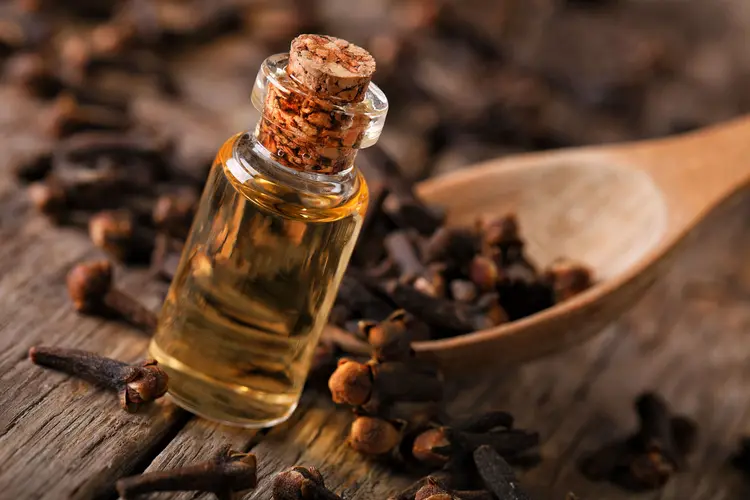
    Cloves are beloved for their rich flavor, warming aroma, and potential medicinal benefitsโ€”but like many spices and supplements, health risks of too much cloves can emerge when consumed in excess.

    I know this isnt waht you expected considering there is so many material and vidos on tiktok praising cloves as the magical spice to boost your health. Just like all other things good, too much of it becomes bad for its intended use.

    In this post, weโ€™ll explore how overconsumption of cloves or clove oil can negatively impact your liver, digestion, blood sugar, blood clotting, and more, while also sharing safe ways to enjoy them.

    What Are Cloves and Why Do People Use Them?

    health risks of too much cloves

    Cloves are dried flower buds from the tree Syzygium aromaticum, native to Indonesiaโ€™s Maluku Islands (Facebook, Health). Theyโ€™re packed with eugenol, a compound that gives cloves their potent aroma and some impressive health effectsโ€”including antioxidant, anti-inflammatory, and antimicrobial properties (Health, Dr. Handa’s Ayurveda). In cooking and traditional medicine, cloves are also linked to pain relief (especially dental), digestive support, and blood sugar control (Netmeds, Verywell Health).

    The Dangers of Overuse

    Even though small, culinary amounts are safe for most people, larger dosesโ€”especially clove oilโ€”can bring significant risks, including:

    1. Liver & Kidney Damage

    Clove oil contains concentrated eugenol, which can overwhelm the liver and kidneys in high amounts. There are reported cases of acute liver injury, seizures, and even comasโ€”particularly in childrenโ€”after excessive clove oil ingestion (PharmEasy).

    2. Stomach Upset & GI Irritation

    Consuming too many cloves (around 1โ€“3โ€ฏg/day) may lead to stomach irritation, heartburn, diarrhea, nausea, or vomiting (Netmeds).

    3. Excessive Blood Thinning

    Eugenol has anticoagulant properties. Overconsumption can increase bleeding risk, especially in those on blood thinners like warfarin or aspirin. Cloves should be avoided at least two weeks prior to surgery (MedlinePlus).

    4. Dangerous Hypoglycemia

    Cloves help lower blood sugarโ€”beneficial for manyโ€”but in large amounts, they can cause blood sugar to dip too far, especially for those already taking diabetes meds (WebMD).

    5. Allergic Reactions & Mucosal Damage

    Some people have allergies to eugenol, leading to mouth sores, skin rash, or respiratory irritation from inhaled dust (Netmeds).

    6. Toxicity from Essential Oils

    Clove essential oil is much more concentrated and can be cytotoxicโ€”causing tissue damage, seizures, coma, or respiratory problems if ingested or used improperly (STYLECRAZE, PharmEasy, Dr. Handa’s Ayurveda).

    Safe Use and Best Practices

    ๐Ÿฝ๏ธStick to Culinary Amounts

    Using whole cloves in meals or teas is normally safe. The World Health Organization suggests a max of ~2.5โ€ฏmg/kg body weight per day (aboutโ€ฏ150โ€ฏmg for a 60โ€ฏkg adult) (Health). Thatโ€™s roughly 1โ€“2 cloves daily.

    Use Diluted Clove Oil with Caution

    Only apply diluted clove oil topically. Never ingest straight clove oil, especially at doses above culinary usage.

    ๐Ÿ•’ Avoid Combining Forms

    Donโ€™t mix multiple clove supplements (e.g. tea + oil + capsules) without medical adviceโ€”this increases overdose risk (Drugs.com, MedlinePlus).

    Pause Before Surgery or if on Blood Thinners

    Stop all clove products at least 2 weeks before surgery or dental work due to bleeding risk (Drugs.com).

    ๐Ÿฉป Monitor Blood Sugar

    If youโ€™re diabetic or on glucoseโ€‘lowering meds, watch blood sugar closely when consuming cloves, as they can cause low readings (STYLECRAZE).

    Avoid Use in Young Children

    Clove oil is especially risky in children under 3โ€”there are documented cases of serious, even lethal reactions (Verywell Health).

    Health Risks of Too Much Clovesโ€”Key Takeaways

    • Moderation is essential. Cloves offer benefits but can cause real harm when overused.
    • Be cautious with supplements and oils, as they concentrate active compounds like eugenol.
    • Always consider your health contextโ€”medications, blood sugar, surgery needs, and age.
    • Consult your healthcare provider before adding clove supplements to your routine.

    When Might Cloves Be Beneficial?

    That said, moderate use of cloves can support:

    • Dental careโ€”clove gels or diluted oil can relieve toothache (The Times of India, Verywell Health).
    • Gastrointestinal comfortโ€”small amounts after meals may ease digestion and gas (The Times of India).
    • Metabolic supportโ€”preliminary studies show improved post-meal blood sugar control at ~1โ€“3โ€ฏg/day (Netmeds, Health).
    • Antimicrobial effectsโ€”clove mouthwash might help reduce harmful bacteria in dental settings (Health, Verywell Health).

    However, none of these benefits justify excessive intake.

    Practical Tips for Safe Clove Enjoyment

    health risks of too much cloves
    1. Limit your intakeโ€”use 1โ€“2 whole cloves per day in teas or meals.
    2. Dilute essential oilโ€”only topical use, never ingest. Mix 1 drop in a teaspoon of carrier oil.
    3. Rotate spicesโ€”donโ€™t rely solely on cloves; vary with cinnamon, turmeric, etc.
    4. Watch for signsโ€”bleeding, low blood sugar, GI distress, allergic responses.
    5. Talk to your doctor if youโ€™re on meds, pregnant, breastfeeding, or have liver/bleeding issues.

    Conclusion

    Cloves beautifully bridge flavor and traditional wellness, but health risks of too much cloves are realโ€”woven into their very potency. Responsible use means enjoying them as a spice, not a medicine, and being mindful of their concentrated effects in oils or supplements. With thoughtful moderation and medical guidance when needed, you can safely enjoy the benefits of this aromatic spiceโ€”without inviting harm.

    Key takeaways at a glance

    • Safe culinary use: โœ”๏ธ
    • Clove oil ingestion: ๐Ÿšซ
    • Risk factors: liver, bleeding, hypoglycemia, allergy, GI upset
    • At-risk individuals: children, pregnant women, surgery patients, medication users

    Enjoy clovesโ€”just handle them with care and respect their strength.

  • The Anti-Inflammatory Food Guide: What to Eat, What to Avoid, and How to Flush Inflammation Fast

    The Anti-Inflammatory Food Guide: What to Eat, What to Avoid, and How to Flush Inflammation Fast

    Picture this: You’re in the kitchen, sipping your morning coffee, and wondering why your joints feel stiff, your tummy is bloated, or maybe you’re just feeling โ€œoff.โ€ Could it be inflammation? Youโ€™re not alone.

    Inflammation is your bodyโ€™s natural defenseโ€”but when it sticks around too long, it starts acting like the annoying friend who never leaves. Luckily, with the right anti-inflammatory food guide, you can take back control. Let’s explore the foods that fuel inflammation, the ones that soothe it, and the most effective ways to flush it fastโ€”all in a way that fits your real life.

    What Are the Worst Foods for Inflammation?

    Anti-inflammatory food guide

    Some everyday foods silently fan the fire of inflammation. Research clearly warns against these culprits:

    • Refined carbs like white bread, pastries, and riceโ€”linked to inflammatory molecules that harm your body .
    • Added sugars and sugary drinks, which drive chronic inflammation and metabolic issues .
    • Processed meats and red meat, rich in saturated fats and linked to inflammatory markers .
    • Fried foods and trans fats, which contain harmful compounds and increase inflammation risk .
    • Excess omegaโ€‘6 oils (like corn, soybean, safflower) that tip your body into inflammatory mode (Arthritis Foundation).
    • Alcohol, which disturbs gut balance and escalates inflammation .

    To feel your best, this anti-inflammatory food guide starts with excluding these frequently overlooked triggers.

    Which Food Reduces Inflammation?

    Anti-inflammatory food guide

    Thankfully, nature offers a bounty of choices that soothe your body’s inflammation:

    • Leafy greens and colorful vegetablesโ€”spinach, kale, broccoli are rich in antioxidants .
    • Berries and deeply pigmented fruits (blueberries, grapes) packed with phenolic compounds (EatingWell).
    • Fatty fish like salmon and sardinesโ€”loaded with omegaโ€‘3s that lower inflammatory markers .
    • Nuts, seeds, and healthy oils (olive oil, walnuts, flaxseed) providing monounsaturated and omegaโ€‘3 fats .
    • Spices and herbsโ€”turmeric, ginger, garlic, cinnamon offer potent anti-inflammatory benefits .
    • Green tea and coffee, both rich in antioxidants that combat inflammation .
    • Whole grains and legumesโ€”high in fiber and aid gut health, reducing inflammation .

    Incorporating these into your meals is central to this comprehensive anti-inflammatory food guide.

    Is Egg Inflammatory?

    Good newsโ€”eggs aren’t inflammatory for most people. Containing high-quality protein and beneficial nutrients like choline, eggs fit well in anti-inflammatory diets. However, if you’re sensitive to dietary cholesterol or have an autoimmune condition, monitor your symptoms. For others, eggs serve as an excellent source of nutritionโ€”just pair them with vegetables and healthy fats.

    Anti-inflammatory food guide

    Read Also: Chest Pain vs Heart Attack: Know the Difference

    What Is the Fastest Way to Flush Inflammation?

    You’ll see the best results when combining diet with these lifestyle strategies:

    1. Hydrate with water and herbal/green teaโ€”flushes toxins and supports gut health .
    2. Opt for anti-inflammatory mealsโ€”think colorful salads, fish, nuts, and spices.
    3. Move your body dailyโ€”even light exercise lowers inflammation markers .
    4. Manage stressโ€”meditation or walking reduce cortisol, which fuels inflammation .
    5. Sleep well (7โ€“9 hrs)โ€”sleep deficits raise inflammatory chemicals (Real Simple).

    Including this in your personal journey amplifies the power of this anti-inflammatory food guide.

    Sample Daily Anti-Inflammation Plan

    MealFoods
    BreakfastOatmeal with berries, walnuts, cinnamon; green tea
    SnackCarrot sticks with hummus
    LunchQuinoa salad with spinach, chickpeas, olive oil, turmeric Salmon
    SnackGreek yogurt with flaxseed or an apple + nut butter
    DinnerGrilled fish, steamed broccoli with garlic & ginger, sweet potato mash
    After-dinnerWarm turmeric ginger tea

    Beyond Food: Lifestyle Habits That Matter

    • Stay active: Walk, stretch, danceโ€”30 mins daily improves gut and immune health.
    • Choose whole foods over ultra-processed: If it has 10+ ingredients, skip it .
    • Ditch smoking and limit alcoholโ€”both worsen inflammation .
    • Prioritize quality sleepโ€”your body repairs itself at night.
    • Manage stress wiselyโ€”mental calm supports physical calm.

    Read Also: Subtle Signs Your Liver Is Damaged (Before Itโ€™s Too Late)

    Conclusion

    This anti-inflammatory food guide is more than adviceโ€”itโ€™s an invitation: invest in your health with daily choices that soothe, nourish, and empower your body. Replace the bad, embrace the good, and feel results in your joints, skin, energy, moodโ€”and life.

    Start today: enjoy that berry oatmeal, sip green tea, skip the fries, and take a deep breath. Small changes add up to big impact.

  • Chest Pain vs Heart Attack: Know the Difference

    Chest Pain vs Heart Attack: Know the Difference

    Youโ€™re sitting at your desk, minding your own business, when a sharp pain hits your chest. Is it something you ate? Stress? Or the warning sign of a heart attack? It might surprise you to know that not many people can tell the difference between Chest Pain vs Heart Attack

    This is a commonโ€”and potentially life-savingโ€”question. Chest pain is one of the top reasons people head to the ER. But not all chest pain is created equal. Some types are benign. Others demand immediate emergency care.

    Understanding the difference between everyday chest discomfort and a true heart attack could save your lifeโ€”or someone elseโ€™s.

    โ€ŽFollow the InfoHealthGh channel on WhatsApp: https://whatsapp.com/channel/0029Va7j1SgGE56e8pagc22u

    Read Also: Broken Heart Syndrome: Can You Really Die of a Broken Heart?

    What Causes Chest Pain?

    Chest pain can be caused by a wide range of conditions. Here are the most common:

    • Muscle strain: Lifting heavy objects or poor posture can stress chest muscles.
    • Heartburn or acid reflux: A burning sensation behind the breastbone, often after eating.
    • Anxiety or panic attacks: Sharp pain, racing heart, and shortness of breath.
    • Costochondritis: Inflammation in the cartilage of the ribs, often painful to the touch.
    • Pulmonary issues: Like a blood clot or pneumonia, which can cause pain when breathing.

    These can be uncomfortableโ€”even scaryโ€”but theyโ€™re not typically life-threatening. A heart attack, however, is another story.

    What Happens During a Heart Attack?

    Chest Pain vs Heart Attack

    A heart attack occurs when blood flow to part of the heart muscle is blocked, often by a clot or narrowed artery. Without oxygen-rich blood, that part of the heart starts to die.

    The symptoms can be sudden or build gradually over minutes. Either way, the key to survival is fast action. The sooner a heart attack is treated, the better the chances of recovery.

    How to Tell the Difference

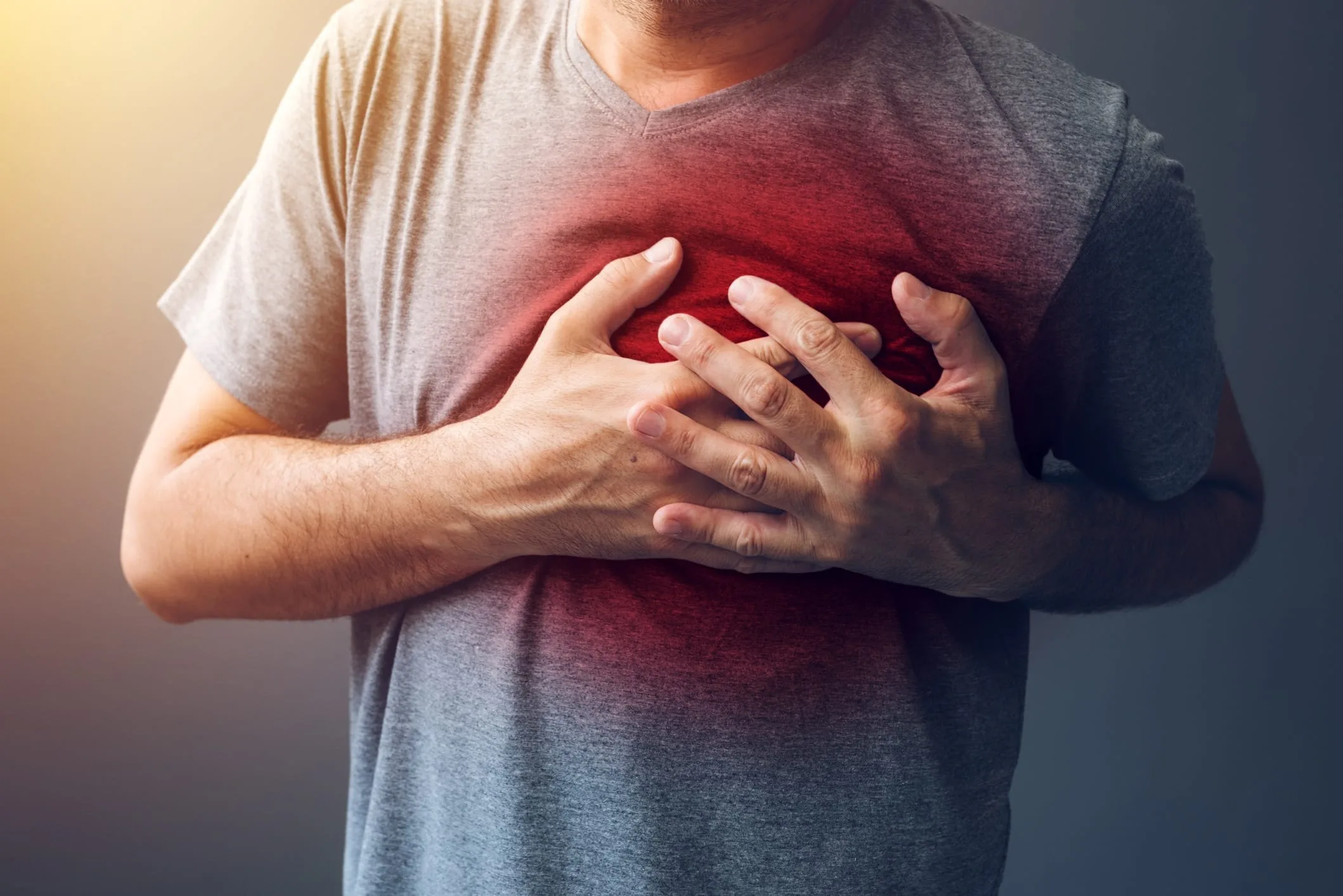
    Here’s where it gets tricky. Heart attacks donโ€™t always present as crushing chest pain. Some feel like indigestion. Others come with vague discomfort or fatigueโ€”especially in women and older adults.

    Letโ€™s break it down.

    SymptomTypical Chest PainHeart Attack
    Pain qualitySharp, stabbing, burningPressure, squeezing, fullness
    LocationLocalized, worsens with movementCenter or left side of chest, radiating
    DurationSeconds to minutesMore than 5 minutes, gets worse
    TriggersStress, movement, foodPhysical exertion or at rest
    Other symptomsRareNausea, cold sweats, shortness of breath, pain in arm/jaw/back

    The key is this: if your chest pain comes with other symptoms like breathlessness, nausea, or a sense of doom, call emergency services immediately. Donโ€™t wait. Donโ€™t self-diagnose. Donโ€™t Google it.

    When to Call for Help

    Here are the red flags that mean you should get help right now:

    • Chest pressure, squeezing, or fullness that lasts more than a few minutes
    • Pain that spreads to the arm, back, neck, or jaw
    • Lightheadedness or fainting
    • Shortness of breath, sweating, or nausea
    • A sudden sense of panic or dread (especially in women)

    Even if it turns out not to be a heart attack, itโ€™s better to be safe. Emergency physicians would rather rule out a false alarm than miss the real thing.

    Read Also: Chest Pains and Early Warning Signs of Heart Disease You Shouldnโ€™t Ignore

    The Silent Symptoms (Especially in Women)

    Women are more likely than men to experience non-classic heart attack symptoms. These include:

    • Unusual fatigue
    • Lightheadedness
    • Nausea
    • Shortness of breath
    • Mild pressure in the chestโ€”not pain

    This makes early recognition harderโ€”and delays treatment. If youโ€™re a woman and feel โ€œoffโ€ in a way thatโ€™s hard to describe, trust your instincts. Many women survive because they listened to that inner voice and sought help.

    What Happens If You Ignore a Heart Attack?

    Chest Pain vs Heart Attack

    Delaying treatment can mean:

    • Permanent heart damage
    • Heart failure
    • Dangerous arrhythmias
    • Death

    More than 800,000 Americans have heart attacks each year. One in five is silent, meaning the person didnโ€™t know it was happening. Knowing the signsโ€”and acting fastโ€”can make the difference between life and death.

    Chest Pain vs Heart Attack: The Bottom Line

    Itโ€™s not always easy to know what your body is telling you. But it helps to understand that chest pain is a symptom, not a diagnosis.

    Sometimes, itโ€™s heartburn. Other times, itโ€™s a ticking time bomb.

    Read Also: Understanding Broken Heart Syndrome: Temporary Heart Attack.

    If thereโ€™s ever a doubt, donโ€™t play the guessing game. Get checked. The risk of ignoring a heart attack far outweighs the embarrassment of a false alarm.

  • Fatty Liver Disease: What You Need to Know and How to Take Care of Your Liver

    Fatty Liver Disease: What You Need to Know and How to Take Care of Your Liver

    Have you ever gone for a routine medical check-up, feeling perfectly fine, only to be told that your liver shows signs of โ€œfatty changesโ€? Itโ€™s one of those moments when your heart skips a beatโ€”you think, โ€œBut I donโ€™t even drink that much alcohol!โ€ Youโ€™re not alone. Many people discover they have fatty liver disease by accident, and the diagnosis often leaves them confused, anxious, and wondering what went wrong.

    Hereโ€™s the surprising truth: fatty liver disease is now one of the most common liver conditions worldwide. In fact, it affects about 1 in 4 adults globally, and in some countries, itโ€™s even more widespread. Whatโ€™s more shocking? You donโ€™t have to drink alcohol to get it.

    So letโ€™s pause for a moment. If youโ€™re reading this, ask yourself:

    • Do you often feel tired for no obvious reason?
    • Have you gained weight around your belly over the years?
    • Do you have high cholesterol, diabetes, or high blood pressure?

    If you answered โ€œyesโ€ to any of these, you might be at higher risk of fatty liver diseaseโ€”even if you feel otherwise healthy. But donโ€™t panic. Understanding the condition is the first step toward taking back control of your health, and thatโ€™s exactly what weโ€™re going to do in this article.

    What Exactly Is Fatty Liver Disease?

    How to Reverse Fatty Liver Naturally

    In simple terms, fatty liver disease happens when too much fat builds up in your liver cells. Your liver normally has a little fat, but when fat makes up more than 5โ€“10% of the liverโ€™s weight, doctors call it โ€œfatty liver.โ€

    There are two main types:

    • Alcoholic fatty liver disease (AFLD): caused by heavy drinking.
    • Non-alcoholic fatty liver disease (NAFLD): develops in people who drink little to no alcohol, often linked to obesity, type 2 diabetes, and metabolic syndrome.

    Over time, fatty liver can progress. The stages include:

    1. Simple fatty liver (steatosis): fat in the liver but little or no damage.
    2. Non-alcoholic steatohepatitis (NASH): fat plus inflammation and liver cell damage.
    3. Fibrosis: scar tissue starts to form.
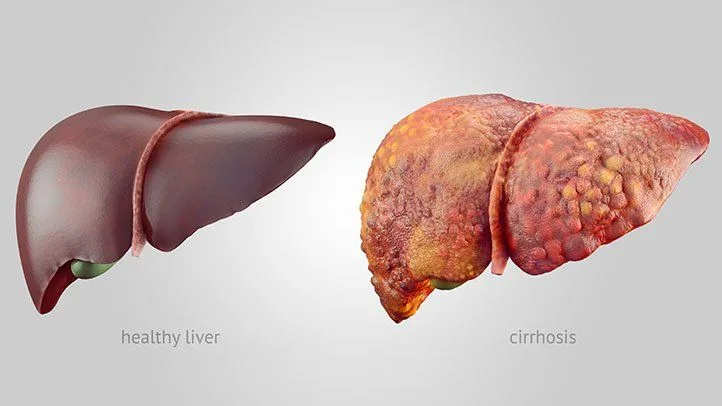
    4. Cirrhosis: severe scarring that can lead to liver failure or cancer.

    The good news? With the right lifestyle changes, fatty liverโ€”especially in the early stagesโ€”can often be reversed.

    Why Should You Care About Fatty Liver Disease?

    Because itโ€™s sneaky. Most people donโ€™t feel symptoms until the disease has progressed. Thatโ€™s why itโ€™s sometimes called a โ€œsilentโ€ condition. When symptoms do appear, they may include:

    • Constant fatigue
    • Unexplained weight gain or difficulty losing weight
    • Abdominal discomfort or bloating
    • Yellowing of the skin or eyes (in advanced cases)

    Hereโ€™s another eye-opener: fatty liver disease is closely tied to other health issues like heart disease, kidney problems, and even certain cancers. So taking care of your liver is really about taking care of your whole body.

    What Puts You at Risk?

    Several lifestyle and genetic factors can increase your chances of developing fatty liver disease. These include:

    • Being overweight, especially with belly fat
    • Type 2 diabetes or insulin resistance
    • High cholesterol or triglycerides
    • A diet high in processed foods, sugar, and unhealthy fats
    • Sedentary lifestyle (sitting more than moving)
    • Certain medications or genetic conditions

    Itโ€™s not always about weight, though. Even people who look slim can have fatty liver if they eat poorly, rarely exercise, or have metabolic risk factors.h

    Lifestyle Changes That Make a Difference

    How to Reverse Fatty Liver Naturally

    The best part about catching fatty liver early is that itโ€™s often reversible with lifestyle adjustments. Hereโ€™s what really works:

    1. Clean Up Your Diet

    • Cut back on sugar and refined carbs. Sugary drinks, white bread, pastries, and candy are tough on your liver.
    • Eat more whole foods. Think vegetables, fruits, whole grains, legumes, nuts, and seeds.
    • Choose healthy fats. Olive oil, avocados, and fatty fish (like salmon or sardines) can actually help your liver.
    • Limit alcohol. Even moderate drinking can worsen fatty liver.

    2. Move Your Body Regularly

    Exercise is one of the most powerful ways to reduce liver fat. Aim for at least:

    • 150 minutes of moderate activity (like brisk walking, cycling, or dancing) each week, or
    • 75 minutes of vigorous activity (like jogging or HIIT).
      Strength training 2โ€“3 times a week is also great for improving insulin sensitivity and reducing fat.

    3. Watch Your Weight

    Even a 5โ€“10% weight loss can significantly reduce liver fat and inflammation. Focus on sustainable changes rather than crash diets.

    4. Prioritize Sleep and Stress Management

    Poor sleep and chronic stress can worsen insulin resistance and inflammation. Simple habits like keeping a consistent sleep schedule, practicing deep breathing, or even a short evening walk can help.

    5. Stay Hydrated

    Your liver loves water. Staying well-hydrated supports detoxification and helps regulate metabolism.

    Can Supplements Help?

    Some studies suggest that certain nutrients may support liver health, such as:

    • Vitamin E: may reduce inflammation in some people with fatty liver (though itโ€™s not for everyone).
    • Omega-3 fatty acids: found in fish oil, may help lower liver fat and triglycerides.
    • Coffee (yes, coffee!): moderate consumption has been linked to better liver health.

    However, supplements should never replace lifestyle changes, and itโ€™s always best to talk to your doctor before starting anything new.

    Getting Checked: When to See a Doctor

    Because fatty liver disease often has no obvious symptoms, screening is important if youโ€™re at risk. Your doctor may recommend:

    • Blood tests: to check liver enzymes.
    • Ultrasound or MRI scans: to detect fat buildup.
    • Fibroscan or biopsy: in more advanced or unclear cases.

    Donโ€™t ignore regular check-ups, especially if you already have diabetes, obesity, or high cholesterol.

    Taking Care of Your Liver Is Taking Care of Your Life

    Your liver is a powerhouse organโ€”it processes nutrients, detoxifies harmful substances, and keeps your metabolism running smoothly. Imagine it as your bodyโ€™s hardworking filter. When itโ€™s clogged with fat, everything else suffers.

    The empowering truth is this: you can prevent, manage, and even reverse fatty liver disease. Every small choice you makeโ€”what you eat for breakfast, whether you take a 20-minute walk, how much sleep you getโ€”adds up to either healing or harming your liver.

    Donโ€™t Wait to Take Action

    If youโ€™ve read this far, you probably care about your healthโ€”and thatโ€™s the first step toward change. Fatty liver disease may be common, but itโ€™s not inevitable. By making mindful choices about diet, exercise, and overall lifestyle, you can protect your liver and feel more energetic, focused, and alive.

    So, hereโ€™s your challenge: pick one habit from this article and start today. Maybe itโ€™s swapping soda for water, going for a brisk walk after dinner, or adding more veggies to your plate. Your liverโ€”and your future selfโ€”will thank you.

    Remember, your health journey doesnโ€™t need to be perfect. It just needs to start.

    โœจ Your turn: Have you or someone you know dealt with fatty liver disease? What lifestyle change made the biggest difference? Share your thoughts in the commentsโ€”Iโ€™d love to hear from you.

  • Subtle Signs Your Liver Is Damaged (Before Itโ€™s Too Late)

    Subtle Signs Your Liver Is Damaged (Before Itโ€™s Too Late)

    Your liver works silently behind the scenesโ€”detoxifying, regulating metabolism, producing bile, and supporting immunity. So, when it starts faltering, symptoms are often mild and easy to ignore. But paying attention to subtle signs your liver is damaged can help you take control early, before things worsen.

    As adults in your 30s and beyond, our responsibilities and stress levels increaseโ€”so itโ€™s crucial to listen to the whispers from our bodies. Here are 10 often overlooked signs that your liver might be struggling, and what they reveal.

    Read Also: Cortisol Detox by Chronotype: A Personalized Approach to Reducing Stress and Boosting Health

    1. Persistent Fatigue & Weakness

    subtle signs your liver is damaged

    Feeling tired even after a full night’s rest? Early liver damage symptoms often include chronic fatigue, because a fatigued liver struggles to remove toxins and generate energy.

    โ€ŽFollow the InfoHealthGh channel on WhatsApp: https://whatsapp.com/channel/0029Va7j1SgGE56e8pagc22u
    โ€ŽFollow the InfoHealthGh channel on WhatsApp

    2. Unexplained Abdominal Discomfort

    A dull ache or full feeling under your right rib cageโ€”especially after mealsโ€”could signal liver inflammation or fatty changes .

    subtle signs your liver is damaged

    3. Dark Urine, Light Stools

    Your liver helps process bilirubin. Bilirubin is a waste product produced by the breakdown of red blood cells. Bilirubin is the end-product of heme metabolism; the liver is the site for bilirubin metabolism. If disrupted, urine may turn dark brown and stools paleโ€”classic early liver damage symptoms bswhealth.com.

    Read Also: โ€œBodzeโ€ and the Myth of Delayed Childbirth: What Science Really Says

    4. Occasional Nausea or Loss of Appetite

    If mealtime now brings mild queasiness or reduced hunger, your digestion may be affected by a sluggish liver.

    5. Itchy Skin or Rashes

    subtle signs your liver is damaged

    Persistent itchiness without rash can stem from bile salt deposits in the skinโ€”a warning your liver needs checking.

    6. Swelling in Legs or Abdomen

    Fluid retention (edema, ascites) signals impaired liver function and early-stage liver damage

    7. Easy Bruising or Bleeding

    Your liver makes clotting proteins which helps your blood clot naturally. If you notice bruises or nosebleeds that appear too easy may suggest hidden liver dysfunction.

    8. Memory Fog & Mood Changes

    Your liver is responsible for removing toxins from your body. Toxin build-up can impair brain function, causing confusion, forgetfulness, or subtle cognitive shifts .

    9. A Round Belly or Weight Fluctuations

    subtle signs your liver is damaged

    Unexplained weight lossโ€”or gainโ€”impaired digestion, and bloating can stem from early liver fat accumulation eatingwell.com.

    10. Subtle Skin Changes

    Look out for spider-like blood vessels on your chest or palms (spider angiomas), pale palms, or nail changesโ€”quiet signals your liver is struggling .

    Why Catching These Subtle Signs Matters

    Because the liver regenerates, catching damage early is powerful. Whether itโ€™s due to fatty liver, medications, alcohol, or infections, acting on subtle signs your liver is damaged allows for lifestyle changes, medical checks, and reversals. Donโ€™t wait until jaundice or pain strikes.

    Trust Your Body

    These symptoms are your liver’s early โ€œwhispers,โ€ not loud alarms. They may be mild, but if they persistโ€”especially in combinationโ€”they warrant a doctorโ€™s visit.

    Read Also: Your Skin Reflects Your Health: What Acne, Dryness, and Discoloration Could Mean

    What You Can Do Right Now

    1. Get a Liver Health Check: Ask for blood tests like ALT, AST, bilirubin.
    2. Cut Back on Alcohol: Even moderate intake can worsen fatty liver.
    3. Eat Liver-Friendly Foods: Leafy greens, berries, healthy fats (omegaโ€‘3s), turmeric.
    4. Exercise Regularly: Aim for 30 minutes, 5 times a week.
    5. Monitor Meds & Supplements: Avoid overuse of painkillers like paracetamol.
    6. Stay Hydrated: Proper hydration helps flush toxins.
    7. Maintain a Healthy Weight: Especially if you have diabetes or metabolic syndrome.

    Your liver doesnโ€™t shout when itโ€™s failingโ€”it sends subtle signs your liver is damaged through fatigue, digestion issues, skin changes, and more. As grown-ups in our 30s+, itโ€™s vital we tune in before these hints become full-blown crises.

    Take a moment todayโ€”how do you really feel? If any of these ten signals ring true, schedule that check-up. Your liverโ€™s quiet resilience deserves proactive care.