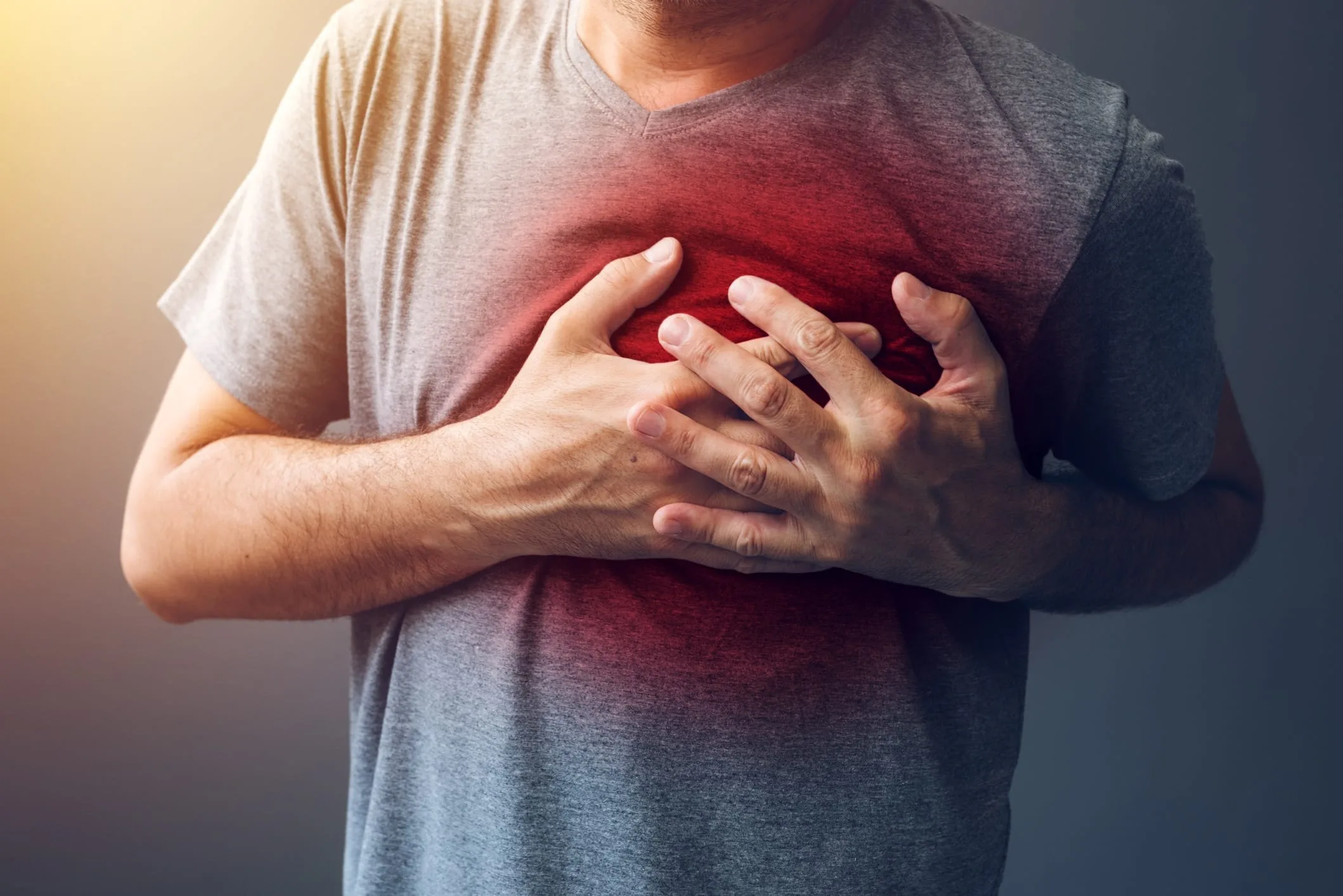
You’re sitting at your desk, minding your own business, when a sharp pain hits your chest. Is it something you ate? Stress? Or the warning sign of a heart attack? It might surprise you to know that not many people can tell the difference between Chest Pain vs Heart Attack
This is a common—and potentially life-saving—question. Chest pain is one of the top reasons people head to the ER. But not all chest pain is created equal. Some types are benign. Others demand immediate emergency care.
Understanding the difference between everyday chest discomfort and a true heart attack could save your life—or someone else’s.

Read Also: Broken Heart Syndrome: Can You Really Die of a Broken Heart?
What Causes Chest Pain?
Chest pain can be caused by a wide range of conditions. Here are the most common:
- Muscle strain: Lifting heavy objects or poor posture can stress chest muscles.
- Heartburn or acid reflux: A burning sensation behind the breastbone, often after eating.
- Anxiety or panic attacks: Sharp pain, racing heart, and shortness of breath.
- Costochondritis: Inflammation in the cartilage of the ribs, often painful to the touch.
- Pulmonary issues: Like a blood clot or pneumonia, which can cause pain when breathing.
These can be uncomfortable—even scary—but they’re not typically life-threatening. A heart attack, however, is another story.
What Happens During a Heart Attack?

A heart attack occurs when blood flow to part of the heart muscle is blocked, often by a clot or narrowed artery. Without oxygen-rich blood, that part of the heart starts to die.
The symptoms can be sudden or build gradually over minutes. Either way, the key to survival is fast action. The sooner a heart attack is treated, the better the chances of recovery.
How to Tell the Difference
Here’s where it gets tricky. Heart attacks don’t always present as crushing chest pain. Some feel like indigestion. Others come with vague discomfort or fatigue—especially in women and older adults.
Let’s break it down.
| Symptom | Typical Chest Pain | Heart Attack |
|---|---|---|
| Pain quality | Sharp, stabbing, burning | Pressure, squeezing, fullness |
| Location | Localized, worsens with movement | Center or left side of chest, radiating |
| Duration | Seconds to minutes | More than 5 minutes, gets worse |
| Triggers | Stress, movement, food | Physical exertion or at rest |
| Other symptoms | Rare | Nausea, cold sweats, shortness of breath, pain in arm/jaw/back |
The key is this: if your chest pain comes with other symptoms like breathlessness, nausea, or a sense of doom, call emergency services immediately. Don’t wait. Don’t self-diagnose. Don’t Google it.
When to Call for Help
Here are the red flags that mean you should get help right now:
- Chest pressure, squeezing, or fullness that lasts more than a few minutes
- Pain that spreads to the arm, back, neck, or jaw
- Lightheadedness or fainting
- Shortness of breath, sweating, or nausea
- A sudden sense of panic or dread (especially in women)
Even if it turns out not to be a heart attack, it’s better to be safe. Emergency physicians would rather rule out a false alarm than miss the real thing.
Read Also: Chest Pains and Early Warning Signs of Heart Disease You Shouldn’t Ignore
The Silent Symptoms (Especially in Women)
Women are more likely than men to experience non-classic heart attack symptoms. These include:
- Unusual fatigue
- Lightheadedness
- Nausea
- Shortness of breath
- Mild pressure in the chest—not pain
This makes early recognition harder—and delays treatment. If you’re a woman and feel “off” in a way that’s hard to describe, trust your instincts. Many women survive because they listened to that inner voice and sought help.
What Happens If You Ignore a Heart Attack?

Delaying treatment can mean:
- Permanent heart damage
- Heart failure
- Dangerous arrhythmias
- Death
More than 800,000 Americans have heart attacks each year. One in five is silent, meaning the person didn’t know it was happening. Knowing the signs—and acting fast—can make the difference between life and death.
Chest Pain vs Heart Attack: The Bottom Line
It’s not always easy to know what your body is telling you. But it helps to understand that chest pain is a symptom, not a diagnosis.
Sometimes, it’s heartburn. Other times, it’s a ticking time bomb.
Read Also: Understanding Broken Heart Syndrome: Temporary Heart Attack.
If there’s ever a doubt, don’t play the guessing game. Get checked. The risk of ignoring a heart attack far outweighs the embarrassment of a false alarm.