Tag: Exercise

  • Five (5) Exercises not recommended for 30-plus year-olds.

    Five (5) Exercises not recommended for 30-plus year-olds.

    Engaging in regular exercise is an important component of a healthy lifestyle. Still, as we age, we must be mindful of the types of exercises we choose, their intensity, and duration. There are certain groups of Exercises not recommended for 30-plus year-olds.

    This is because once you hit that age, the efficiency of your body begins to decline hence any form of permanent injury becomes a huge risk.

    This article delves into the list of exercises not recommended for 30-plus, along with suggestions on how to prevent injury.

    1. High-Impact Plyometrics:

    Plyometric exercises involving explosive movements, such as box jumps and burpees, can place excessive stress on joints, particularly when done excessively or incorrectly.

    With age, joints become more vulnerable to injuries like sprains, strains, and stress fractures. Low-impact alternatives like stationary cycling, swimming, or elliptical training offer cardiovascular benefits without subjecting joints to excessive stress.

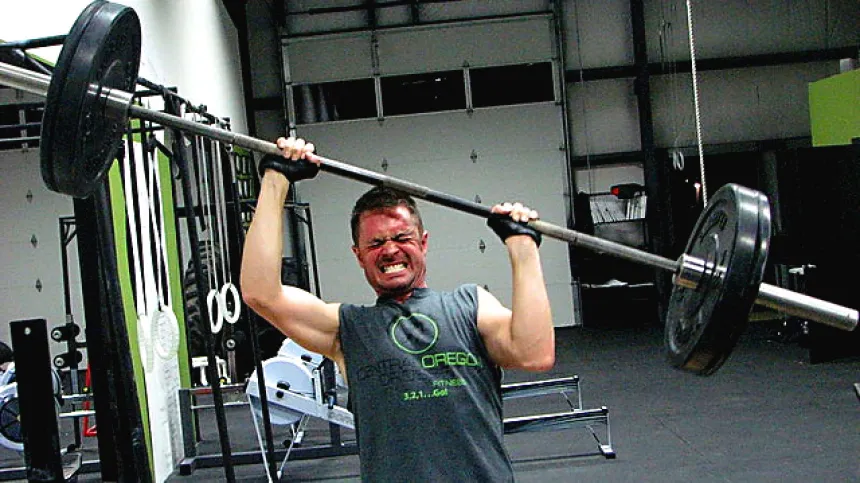
    2. Heavy Weightlifting with Poor Form:

    Lifting heavy weights without proper form can strain joints, ligaments, and muscles, especially as our bodies become less resilient with age.

    Exercises like deadlifts, squats, or overhead presses with excessive weight and compromised technique can lead to significant damage.

    If you plan to include heavy lifts in your workout routine then it might be the best time to talk to a specialist. After the proper examination, your doctor may be able to recommend the appropriate exercises.

    Additionally, opting for functional strength training, which includes bodyweight exercises, resistance bands, and lighter weights, can enhance stability, flexibility, and endurance without causing undue strain.

    3. High-Intensity Interval Training (HIIT):

    Although this is one of the best and most effective weight loss types of exercise, it is a class of Exercises not recommended for 30-plus.

    Overdoing HIIT can result in chronic fatigue, increased cortisol levels, and a higher risk of overuse injuries. Incorporating moderate-intensity cardio exercises with short bursts of higher intensity can provide cardiovascular benefits while reducing the risk of excessive stress on the body.

    Read Also: How to deal with sore muscles after an intense workout.

    4. Competitive Contact Sports:

    Exercises not recommended for 30+

    Participating in competitive contact sports like football or rugby after the age of 30 can significantly increase the risk of severe injuries such as fractures or concussions.

    Non-contact sports like tennis or golf offer exercise benefits with reduced risk of injury. Alternatively, joining recreational leagues with modified rules and lower intensity can provide the social and competitive aspects of team sports without compromising safety.

    5. Extreme Flexibility Training:

    While maintaining flexibility is essential as we age, extreme flexibility training can lead to injuries like strains, tears, or dislocations.

    Dynamic stretching techniques like yoga or Pilates promote flexibility while emphasizing stability and proper alignment, reducing the risk of injury associated with extreme flexibility training.

    Making the right choice when it comes to exercising should start now. Your body may not be healing as fast as it used to be when you were younger so it is up to you to know the types of exercises not recommended for 30-plus so you can protect yourself.

    Prioritizing safety and listening to your body can help maintain an active lifestyle that promotes overall health and well-being beyond the age of 30. Consulting with healthcare professionals or certified personal trainers can assist in creating personalized exercise plans tailored to individual needs and limitations.

    Read More About Workout Routines For Older People Here

  • Quick fat-blasting weight loss plan to lose weight by end of 2026.

    Quick fat-blasting weight loss plan to lose weight by end of 2026.

    It is the beginning of a new year and few days left to end the month of January but lots of people people have given up on their weight loss goala alrey.

    You are not alone. Let’s discover a quick fat-blasting weight loss plan that promises to make you see and experience the positive change in your body.

    Losing weight comes with a lot of benefits. Aside from helping you prevent underlying health risks like heart attack, diabetes, and cancer, it also boosts your strength to live a quality life.

    You may have lost your way on the weight loss goal and journey you set for yourself but it’s not too late to turn things around.

    A lot of progress can be made if you turn things around now and by December, you should see a lot of difference.

    Here is a detailed fat-blasting weight loss plan to lose weight by the end of 2026

    1. Exercise: The Power of Movement

    Exercise is key in any fat-loss journey. Here’s a detailed look at the types of exercises you can incorporate into your routine to burn fat effectively:

    A. High-Intensity Interval Training (HIIT)

    Quick fat-blasting weight loss plan to lose weight by end of 2024.

    HIIT workouts alternate between intense bursts of activity and short rest periods. These short, intense sessions can elevate your heart rate, improve cardiovascular health, and burn more fat in less time. HIIT can include exercises like:

    • Sprints: Short bursts of running or cycling at maximum effort.
    • Burpees: Combining push-ups, squats, and jumps for a full-body workout.
    • Jumping jacks and mountain climbers: Great for burning calories quickly.

    HIIT sessions should last between 20 to 30 minutes, 3–4 times a week. Rest on non-HIIT days to allow your body to recover.

    B. Strength Training

    Building muscle is crucial for fat loss because muscle burns more calories at rest than fat. The more muscle mass you have, the higher your metabolism. Focus on compound exercises that engage multiple muscle groups:

    • Squats: Targets your legs, glutes, and core.
    • Deadlifts: Strengthens your back, glutes, and legs.
    • Push-ups and pull-ups: Work your chest, back, shoulders, and arms.
    • Lunges: A killer for your legs and glutes.

    Read Also: The major role sleep plays in weight loss.

    Perform strength training 2–3 times a week, focusing on progressively increasing weight or resistance to challenge your muscles.

    C. Low-Impact Cardio

    On your “off” days or when you need a break from intense workouts, low-impact cardio can help keep the fat-burning going. Opt for activities like:

    • Brisk walking or light jogging
    • Cycling
    • Swimming

    These exercises can be done for 30–45 minutes, 4–5 times a week, to help you stay active without over-stressing your body.


    2. Diet: Fuel Your Body Right

    Quick fat-blasting weight loss plan to lose weight by end of 2024.
    Quick fat-blasting weight loss plan to lose weight by end of 2024.

    Your diet will play the most crucial role in fat loss. The best approach is to focus on a balanced, whole-foods-based diet with controlled portions. Here’s a breakdown of what your daily meal plan should look like:

    A. Protein-Rich Foods

    Protein helps in muscle recovery and keeps you full for longer, reducing cravings. Aim to include:

    • Lean meats: Chicken breast, turkey, and lean beef.
    • Fish: Salmon, tuna, and other fatty fish rich in omega-3s.
    • Plant-based proteins: Lentils, chickpeas, tofu, and quinoa.
    • Eggs: A great source of high-quality protein and healthy fats.

    B. Healthy Fats

    Contrary to popular belief, fats can be your friend—when they’re the right kinds. Healthy fats can promote fat loss by keeping you full and stabilizing blood sugar levels. Include:

    • Avocados
    • Nuts and seeds: Almonds, chia seeds, flaxseeds.
    • Olive oil and coconut oil
    • Fatty fish: Salmon, sardines, and mackerel.

    C. Fiber-Rich Carbs

    Carbohydrates should be consumed in moderation, and it’s important to focus on high-fiber, nutrient-dense options. These help with digestion and keep you satiated. Opt for:

    • Vegetables: Leafy greens (spinach, kale), broccoli, cauliflower.
    • Whole grains: Brown rice, quinoa, oats.
    • Fruits: Berries, apples, and pears are low in sugar but high in fiber.

    D. Foods to Avoid

    Certain foods can sabotage your weight loss efforts. Here’s what to give up:

    • Sugary snacks and drinks: Soda, candy, baked goods, and processed sweets.
    • Refined carbs: White bread, pastries, and pasta.
    • Trans fats: Found in fried and processed foods like fast food, margarine, and packaged snacks.
    • Alcohol: Alcohol can add unnecessary calories and disrupt metabolism.

    Read Also: Five (5) “healthy” foods with surprisingly high sugar levels.


    3. Intermittent Fasting: A Strategic Tool

    Intermittent fasting (IF) has become a popular weight-loss strategy for good reason—it can help reduce calorie intake and improve fat burning. There are several methods, but two of the most effective for fat loss include:

    A. 16/8 Method

    This method involves fasting for 16 hours and eating during an 8-hour window. For example, you might eat from 12 PM to 8 PM and fast until the next day. This approach allows your body to enter a fat-burning state without the need for extreme calorie cutting.

    B. 5:2 Diet

    In this variation, you eat normally for five days and reduce your calorie intake to about 500–600 calories for two non-consecutive days of the week. This helps you maintain a calorie deficit while giving your body recovery days.

    When incorporating intermittent fasting, be mindful of what you eat during your feeding windows. Focus on nutrient-dense meals that align with your weight loss goals.


    4. Consistency and Patience: Keys to Success

    While this fat-blasting weight loss plan is designed to help you achieve your goals by the end of 2024, results will depend on consistency. Commit to the process, track your progress, and be patient. Consider these tips for staying on track:

    • Meal prep: Prepare your meals in advance to avoid impulsive eating.
    • Stay hydrated: Drink plenty of water throughout the day to support digestion and metabolism.
    • Get enough sleep: Aim for 7–8 hours of quality sleep per night to aid recovery and fat loss.
    • Track your progress: Keep a journal or use apps to monitor your weight, workouts, and meals.
  • How to deal with sore muscles after an intense workout.

    How to deal with sore muscles after an intense workout.

    We have all had to experience sore muscles after an intense workout. The soreness seems to be amplified especially in the morning, leaving you either stuck in bed or disorganized throughout your daily routine.

    What do you do in such a situation and why does it even happen? It is often assumed that continuing your intense workout routine despite the sore muscles is a better way to deal with it but how true is that?

    In this post, we will explore Why we experience sore muscles after an intense workout, what implications it has on your body, and how to deal with it.

    WHY DO I EXPERIENCE SORE MUSCLES AFTER AN INTENSE WORKOUT?

    When you engage in strenuous physical activity, especially if it’s an exercise routine that your body isn’t accustomed to, you subject your muscles to stress and strain beyond their usual level of exertion. This leads to microscopic damage to the muscle fibers and connective tissues.

    Dr. William O. Roberts, a professor in the Department of Family Medicine and Community Health at the University of Minnesota, explains: “DOMS is thought to be a result of microscopic damage to muscle fibers, most likely due to eccentric exercise, which is when the muscle lengthens as it contracts. This type of loading is common in strength training but also occurs in endurance exercises like running downhill.”

    During exercise, particularly during eccentric movements (lengthening of the muscle under tension), such as the lowering phase of a squat or the extension phase of a bicep curl, your muscle fibers develop small tears. This damage triggers an inflammatory response as your body works to repair and rebuild these fibers. This inflammation is a normal part of the muscle repair process.

    What are the Implications of prolonged sore muscles after every intense Workout?

    Experiencing prolonged sore muscles after an intense workout routine has a positive side and a negative side to it. the positive side to having sore muscles are as follows.

    • Increased Muscle Strength and Size: Intense workouts that lead to muscle soreness may stimulate muscle growth and strength gains over time as the muscles adapt to the stress.
    • Improved Endurance: Endurance athletes often experience soreness after intense training sessions, which can lead to adaptations that improve their ability to sustain prolonged activity.
    • Mental Toughness: Regularly pushing through discomfort and soreness can help build mental resilience and discipline, which are valuable attributes in achieving fitness goals.

    READ ALSO: The major role sleep plays in weight loss.

    The negative side to prolonged sore muscles are :

    • Risk of Overtraining: Prolonged soreness after every workout may indicate that the body isn’t fully recovering between sessions. Overtraining can lead to decreased performance, increased risk of injury, and other negative health outcomes.
    • Impaired Daily Functioning: Severe muscle soreness can interfere with daily activities, making it difficult to move comfortably, sit, stand, or perform tasks effectively.
    • Increased Risk of Injury: Sore muscles are more susceptible to injury, especially if proper recovery protocols are not followed. Continuing to train intensely without adequate rest can lead to overuse injuries.
    • Psychological Burnout: Constant soreness without adequate recovery may lead to mental fatigue, demotivation, and burnout, diminishing the enjoyment and sustainability of an exercise routine.

    Persistent pain could also be a sign of an underlying health issue such as insufficient nutrition and hydration or a lack of sleep and rest.

    DEALING WITH SORE MUSCLES AFTER EVERY INTENSE WORKOUT

    To alleviate muscle soreness after an intense workout, there are several strategies you can implement to promote recovery and reduce discomfort. Here’s a detailed guide:

    Rest and Recovery:

    • Allow your body sufficient time to rest and recover between intense workouts. Overtraining can exacerbate muscle soreness and increase the risk of injury.
    • Aim for 7-9 hours of quality sleep per night to support muscle repair and overall recovery.

    Hydration:

    • Drink plenty of water before, during, and after exercise to stay hydrated. Proper hydration supports optimal muscle function and aids in the removal of metabolic waste products from the muscles.
    • Consider electrolyte-replenishing drinks or coconut water to replace lost electrolytes during intense workouts.

    Nutrition:

    • Consume a balanced diet rich in protein, carbohydrates, and healthy fats to support muscle repair and recovery.
    • Include high-quality protein sources such as lean meats, fish, eggs, dairy, legumes, and plant-based protein sources to provide essential amino acids necessary for muscle repair.
    • Eat carbohydrate-rich foods to replenish glycogen stores and provide energy for muscle recovery and repair.
    • Incorporate anti-inflammatory foods such as fruits, vegetables, nuts, seeds, and fatty fish to help reduce inflammation and promote recovery.

    Active Recovery:

    • Engage in light, low-impact activities such as walking, swimming, cycling, or yoga to promote blood flow and aid in the removal of metabolic waste products from the muscles.
    • Active recovery can help alleviate muscle soreness by stimulating circulation and promoting muscle relaxation.

    Stretching and Mobility Exercises:

    • Perform gentle stretching exercises targeting the muscles worked during your workout. Focus on static stretches held for 15-30 seconds to improve flexibility and reduce muscle tension.
    • Incorporate dynamic mobility exercises such as arm circles, leg swings, and hip circles to increase blood flow and range of motion in the joints.

    Foam Rolling and Self-Massage:

    • Use a foam roller or massage roller to perform self-myofascial release (SMR) on tight or sore muscles. Roll slowly and deliberately over tender areas, pausing for 20-30 seconds on trigger points.
    • Foam rolling helps break up adhesions in the muscle fascia, improves circulation, and reduces muscle stiffness and soreness.

    Cold Therapy:

    • Apply cold packs or ice baths to sore muscles to reduce inflammation and numb pain. Cold therapy constricts blood vessels, which can help alleviate swelling and discomfort.
    • Limit cold therapy sessions to 10-20 minutes at a time to avoid tissue damage, and always use a barrier (such as a towel) between the ice pack and your skin to prevent frostbite.

    Warm-Up and Cool-Down:

    • Prioritize a thorough warm-up before your workout to prepare your muscles for activity and reduce the risk of injury. Incorporate dynamic stretches and light aerobic exercises to increase blood flow and elevate muscle temperature.
    • After your workout, cool down with gentle cardiovascular exercise and static stretching to gradually lower your heart rate and promote muscle relaxation.

    READ MORE ABOUT FITNESS