Tag: Fitness

  • How Long Does It Take to See Results From Working Out? (Realistic Timelines Explained)

    How Long Does It Take to See Results From Working Out? (Realistic Timelines Explained)

    If you have just started working out or you are thinking about it, you are probably asking yourself one question: “How long will it take before I see results?”

    The honest answer is this: results do not happen overnight, but they do happen with consistency and also if you train correctly and stay patient. Most people quit too early, not because their workouts are ineffective, but because they expect visible changes faster than human physiology allows.

    What may surprise you, however, is that your body and mind begin changing long before you see in the mirror.

    Health Goals for 2026: Why do People Give up on Goals they set.

    This guide breaks down realistic timelines for:

    • Strength training and muscle growth
    • Running and endurance fitness
    • General cardio conditioning
    • Regaining fitness after a break

    All timelines are based on exercise physiology principles and long-term training observations, not hype.

    How Long Does It Take to Get Fit?

    Before asking how long, you must define what “results” mean to you. To some people, results mean noticing a physical change in their appearance and to others, a change in their energy levels and generally their mood.

    Do you want to:

    • Feel stronger and more energetic?
    • Lose fat or change body shape?
    • Build visible muscle?
    • Improve endurance or cardiovascular health?

    Your results will depend entirely on whether your training style matches your goal. For example, running alone will not build upper-body muscle, just as lifting weights alone will not maximise cardiovascular endurance.

    It is also important to understand that fitness progress is highly individual. Genetics, age, training history, sleep, stress levels, and nutrition all influence how fast results appear. Comparing yourself to others often leads to frustration rather than progress.

    General Timeline (What Most People Experience)

    • 1–2 weeks: Improved mood, energy, and sleep
    • 4–6 weeks: Measurable strength or endurance gains
    • 8–12 weeks: Visible physical changes for most people

    If you have just started working out or planning to, then keep this in mind: the feeling of progress always comes before the look of progress.

    How Long Does It Take to Build Muscle?

    3 Proven Tips to Shed Fat Without Losing Muscle
    3 Proven Tips to Shed Fat Without Losing Muscle

    Building muscle is a slow, structured biological process. Despite what social media suggests, noticeable muscle growth takes months and not weeks. Even for the most favoured person, genetically, it takes time.

    Muscle Growth Timeline

    Weeks 1–4: Neural Adaptation Phase

    • Rapid strength improvements
    • Better muscle coordination
    • Minimal visible size increase

    These gains occur because your nervous system becomes more efficient at activating muscle fibres—not because the muscles have grown yet.

    Months 2–3: Visible Muscle Changes

    • Muscles begin to look fuller and firmer
    • Strength increases become noticeable
    • Clothing fit may start to change

    This is when true hypertrophy (muscle growth) begins, provided you apply progressive overload and eat adequately.

    Months 4–6: Solid Muscle Foundation

    • Clear increases in muscle size and strength
    • Improved endurance and training tolerance
    • More consistent physical definition

    Consistency becomes more important than intensity during this stage. Once you givve up or slow down youre going back to month 2 to 3.

    6+ Months: Long-Term Development

    • Significant physique changes
    • Slower but steady progress
    • Training must be more strategic to avoid plateaus

    At this point, results compound over time rather than appear rapidly.

    Key muscle-building requirements:

    • Progressive resistance training
    • Sufficient protein intake could be eggs, fish, and meat.
    • Quality sleep and recovery. At least 8 hours of sleep is recommended, and if possible, include supplements such as magnesium-rich foods in your diet.

    Read Also: Health and Fitness Goals for 2026: Why do People Give up on Goals they set.

    Running primarily improves cardiovascular efficiency, endurance, and metabolic health. Results appear faster than muscle growth but still follow predictable stages.

    Running Fitness Timeline

    Weeks 1–2

    • Improved mood and energy
    • Slight endurance improvements
    • Better sleep quality

    Your heart and lungs begin adapting almost immediately. Keep in mind to assume the right posture and not overload your body when engaging in that.

    Weeks 3–6

    • Increased running distance or pace
    • Reduced breathlessness
    • Stronger lower-body endurance

    This phase establishes your aerobic base. That is how efficiently your body uses oxygen during exercise. Think of it as building the “engine” that powers endurance. Without a strong aerobic base, it’s harder to progress to more intense or longer workouts.

    Months 2–3

    • Noticeable cardiovascular improvement
    • Possible fat loss and muscle toning
    • Faster recovery between runs

    Months 3–6

    • Comfortable long-distance running
    • Improved speed and efficiency
    • Higher motivation due to visible progress

    6+ Months

    • Advanced endurance and performance
    • Ability to train for races or long distances

    Structured programs dramatically improve long-term outcomes.

    Read Also: Unlock Your Manhood: How to Supercharge Testosterone Without Pills

    Cardio training improves heart health, lung capacity, stamina, and metabolic efficiency. Unlike muscle growth, cardiovascular adaptations happen relatively quickly.

    Cardio Fitness Timeline

    Weeks 1–2

    • Increased energy
    • Improved mood and sleep
    • Better circulation

    Weeks 3–6

    • Improved stamina and endurance
    • Ability to sustain higher intensity
    • Reduced fatigue during daily activities

    Months 2–3

    • Lower resting heart rate
    • Faster recovery after workouts
    • Noticeable fat loss (with proper diet)

    6+ Months

    • Strong cardiovascular efficiency
    • Reduced risk of heart disease and hypertension
    • Long-term fitness sustainability

    Read Also: 7 Surprising Everyday Habits That Trigger Joint Pain—and Natural Fixes You Can Start Today

    How Long Does It Take to Regain Fitness After a Break?

    If you previously trained but stopped due to injury, illness, or life demands, the good news is this:

    Fitness returns faster than it was built—if you are patient. This phenomenon is often referred to as muscle memory.

    What to Expect When Restarting

    • Short breaks (1–2 weeks): Minimal fitness loss
    • Moderate breaks (1–3 months): Partial detraining
    • Long breaks (6+ months): Return to near-baseline

    Most people regain strength and endurance within weeks, not months, when they restart gradually.

    Best practice:

    • Begin at ~50% of previous intensity
    • Increase load or duration gradually
    • Prioritise how your body feels over rigid schedules

    Rushing increases injury risk and delays progress.

    When Will You See Results From Working Out?

    • You will feel better within 1–2 weeks
    • You will perform better within 4–6 weeks
    • You will look different within 8–12 weeks
    • You will transform long-term with consistency

    No shortcut replaces patience, effort, and recovery. But if you keep showing up, your results are inevitable. Also, keep in mind that a lot of changes happen internally that you do not see. Your sugar levels stabilise as insulin sensitivity improves, including other hormones in your body that balance.

  • 10 Foods Your Doctor Will Tell You to Avoid If You Have High Blood Pressure and Why

    10 Foods Your Doctor Will Tell You to Avoid If You Have High Blood Pressure and Why

    High blood pressure also known as hypertension is one of the world’s leading causes of heart disease and stroke. It silently damages your arteries, heart, and kidneys over time, often without warning signs. What you eat plays a crucial role in either controlling or worsening it. Doctors and nutrition experts agree that simple lifestyle changes, especially in your diet, can significantly lower your risk.

    Here’s a deep dive into 10 foods your doctor would tell you to avoid if you have high blood pressure and why. Understanding these triggers will help you make smarter meal choices and protect your heart for the long term.

    1. Salt and Sodium-Rich Foods

    When doctors talk about managing high blood pressure, the first word that comes up is salt. The reason? Salt contains sodium, a mineral that directly affects fluid balance in your body. Too much sodium causes your body to retain water, increasing the volume of blood flowing through your arteries and therefore, your blood pressure.

    The American Heart Association (AHA) recommends limiting sodium intake to less than 1,500 mg per day for people with hypertension. However, most processed and restaurant foods contain hidden salt levels far beyond that. Canned soups, packaged snacks, and fast food meals can contain an entire day’s worth of sodium in one serving.

    To protect your heart, avoid over-salting your meals, and instead use herbs, spices, garlic, and lemon juice to flavor your food naturally. Your doctor will likely remind you that cutting back on salt is one of the fastest ways to bring high blood pressure under control.

    Read Also: Heart rate vs. blood pressure; How they relate to your health.

    2. Processed Foods and Packaged Snacks

    Many people underestimate how much sodium, sugar, and saturated fats lurk inside processed foods. From instant noodles and sausages to chips and canned meats, processed foods are loaded with additives that increase shelf life but wreak havoc on your cardiovascular system.

    High consumption of processed foods is strongly linked to hypertension and heart disease. They often combine high salt, hidden sugar, and unhealthy oils, creating a triple threat. Replacing them with home-cooked meals made from fresh ingredients is one of the best lifestyle changes for controlling high blood pressure.

    Your doctor would also advise checking food labels carefully. Anything listing more than 200 mg of sodium per serving should be consumed in moderation or avoided altogether.

    ‎Follow the InfoHealthGh channel on WhatsApp: https://whatsapp.com/channel/0029Va7j1SgGE56e8pagc22u

    3. Sugary Drinks and Desserts

    Sugary Drinks and Hair Loss

    Excess sugar can be just as harmful as salt when it comes to high blood pressure. Sugary beverages like soda, sweetened teas, and energy drinks spike your insulin levels and promote weight gain, which contributes to hypertension. Studies show that people who consume high amounts of sugar particularly fructose, the main component of table sugar and high-fructose corn syrup are more likely to develop high blood pressure.

    The American Heart Association (AHA) suggests keeping sugar intake below 24 grams per day for women and 36 grams for men. Reducing sugary foods like pastries, cakes, and candy helps stabilize blood pressure and lowers your risk of heart disease.

    Instead of sugary drinks, go for water infused with fruit like lemon, cucumber, or berries. Small changes like this can make a big difference over time.

    4. Red Meat and Fatty Cuts

    While red meat is rich in protein and iron, eating too much of it especially fatty or processed varieties can increase your high blood pressure risk. Red meat contains saturated fats that raise LDL cholesterol levels, narrowing arteries and making the heart work harder. Over time, this can lead to heart disease and even stroke.

    Your doctor may recommend replacing red meat with lean meats such as skinless poultry or fish, which are lower in saturated fats. Try limiting red meat to occasional servings, and when you do eat it, choose grilled or baked methods instead of frying.

    Including whole grains, vegetables, and fruit alongside smaller portions of red meat creates a more balanced diet that supports heart health and helps control hypertension.

    5. Saturated Fats and Fried Foods

    Foods high in saturated fats — like fried chicken, butter, cheese, and pastries contribute to arterial plaque buildup. This buildup restricts blood flow, leading to high blood pressure and heart disease. People who consume large amounts of saturated fats are also more likely to develop obesity and insulin resistance, which aggravates hypertension.

    Replacing saturated fats with healthy fats from sources like olive oil, avocado, nuts, and seeds is an easy win for your heart. The American Heart Association (AHA) strongly encourages limiting saturated fats to less than 6% of your total daily calories.

    If you frequently eat fried or fast foods, cutting back can lower your high blood pressure readings within weeks. Talk to your doctor about crafting a heart-friendly meal plan that supports a long-term balanced diet.

    Read Also: Six (6) Common fruits and vegetables to lower blood pressure.

    6. Alcohol and High Blood Pressure

    Excessive alcohol consumption directly raises blood pressure and damages the lining of your arteries. Even moderate drinkers can experience spikes in high blood pressure if they drink regularly. Over time, alcohol weakens the heart muscle, reduces the effectiveness of medications, and increases your risk of stroke and heart disease.

    Your doctor will likely advise limiting alcohol to no more than one drink per day for women and two for men. Cutting down on alcohol also helps with weight management and sleep quality two factors that influence hypertension.

    If you enjoy social drinking, try mocktails made from fruit and sparkling water as a refreshing, low-calorie alternative.

    7. Caffeine and Energy Drinks

    For many, coffee is part of daily life. However, for people with high blood pressure, too much caffeine can temporarily increase blood pressure levels by constricting blood vessels. Energy drinks are especially risky because they combine caffeine with high sugar content, which can trigger severe spikes in hypertension.

    Moderation is key. Limiting caffeine to less than 300 mg per day (about two cups of coffee) can help you stay safe. The American Heart Association (AHA) notes that individuals sensitive to caffeine should monitor how their blood pressure reacts after consumption.

    Switching to herbal teas, water, or fruit smoothies can be a gentle yet energizing way to cut back on caffeine while maintaining focus and hydration.

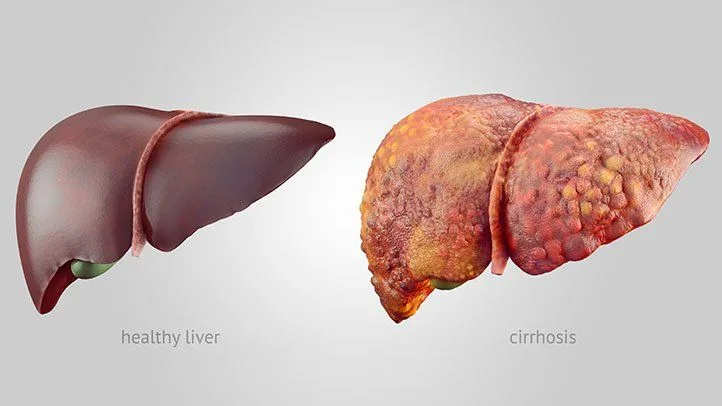
    Read Also: Fatty Liver Disease: What You Need to Know and How to Take Care of Your Liver

    8. Sugary Condiments and Sauces

    Many people overlook condiments as hidden sources of salt, sugar, and sodium. Ketchup, barbecue sauce, soy sauce, and salad dressings can add hundreds of milligrams of sodium and several teaspoons of sugar to your meals without you realizing it.

    If you’re managing high blood pressure, read labels carefully and choose low-sodium or sugar-free options. Alternatively, make homemade condiments using fresh vegetables, herbs, and spices.

    Your doctor may suggest limiting condiments altogether if your diet already includes processed or packaged items high in salt and sugar. Making small tweaks here can go a long way toward maintaining a healthy, balanced diet.

    9. Processed Meats and Fast Foods

    Hot dogs, bacon, sausages, and deli meats fall under processed foods that are often preserved with sodium nitrates. These additives increase sodium levels drastically and raise your risk of hypertension and heart disease. Moreover, processed foods contain both salt and saturated fats, making them a double threat to your cardiovascular system.

    Switch to lean meats like chicken or turkey, and try baking or grilling instead of frying. Pairing lean meats with vegetables and whole grains supports a balanced diet that keeps high blood pressure in check.

    Doctors recommend minimizing fast-food consumption, as even one meal can exceed the daily limit for sodium, sugar, and unhealthy fats.

    Read Also: Chest Pains and Early Warning Signs of Heart Disease You Shouldn’t Ignore

    10. Sugary Breakfast Cereals and Baked Goods

    Starting your day with a bowl of sugary cereal, muffins, or pastries may seem harmless, but it sets off a chain reaction. The quick surge in blood sugar increases insulin, which can stiffen arteries and elevate high blood pressure over time. Many breakfast cereals also contain high levels of sodium and fructose, making them even more problematic.

    Opt instead for whole grains like oats or quinoa topped with fruit. These choices stabilize your energy levels, lower hypertension risk, and help maintain a balanced diet.

    Your doctor might recommend reducing sugar in the morning, as it’s one of the simplest lifestyle changes to start improving cardiovascular health.

    How These Foods Affect Your Body

    Each of these foods impacts high blood pressure in specific ways — through excess sodium, saturated fats, or sugar. Over time, these compounds harden and narrow arteries, increase blood volume, and make your heart pump harder. The result? A greater likelihood of complications such as heart disease, stroke, and kidney problems.

    By understanding what these foods do inside your body, you’re better equipped to take control. Contacting a doctor or a registered dietitian can help you design a meal plan tailored to your needs and medical history.

    Smarter Alternatives for a Balanced Diet

    Avoiding these foods doesn’t mean giving up flavor or satisfaction. A heart-healthy diet focuses on:

    • Vegetables: Eat a colorful variety daily — spinach, carrots, peppers, and broccoli provide fiber and potassium to help lower high blood pressure.
    • Fruits: Enjoy fresh fruits like bananas, oranges, and apples. Their antioxidants counter the effects of sodium and reduce hypertension.
    • Whole grains: Brown rice, oatmeal, and quinoa support a healthy weight and steady blood sugar levels.
    • Lean meats and fish: Opt for grilled lean meats, salmon, or sardines for protein and omega-3s.
    • Low-fat dairy: Milk and yogurt provide calcium, which helps regulate blood pressure.

    Maintaining a balanced diet built on these food groups, along with proper hydration and portion control, gives you a natural defense against high blood pressure.

    Lifestyle Changes That Support Healthy Blood Pressure

    Beyond what you eat, small lifestyle changes amplify the benefits of a healthy diet:

    1. Exercise regularly: Aim for at least 30 minutes of moderate activity most days.
    2. Maintain a healthy weight: Even modest weight loss can lower hypertension readings.
    3. Limit alcohol and caffeine: Keep both within safe limits recommended by your doctor.
    4. Manage stress: Meditation, sleep, and relaxation techniques are powerful tools.
    5. Avoid smoking: Nicotine constricts blood vessels and worsens high blood pressure.

    These habits, when combined with a well-planned meal plan, help your body naturally regulate blood flow and prevent long-term complications.

    When to Contact a Doctor

    If you have high blood pressure, contacting a doctor is essential before making drastic diet changes. Some medications interact with foods high in sodium, caffeine, or alcohol, so professional guidance ensures safety and success.

    Your doctor can help monitor your progress, adjust prescriptions, and design a plan that suits your medical condition and goals. Remember: self-diagnosing or ignoring symptoms of hypertension can lead to severe outcomes like heart disease or stroke. Early intervention saves lives.

    Final Thoughts

    Managing high blood pressure doesn’t mean giving up your favorite meals — it means making smarter choices. Limiting salt, sugar, saturated fats, alcohol, and processed foods protects your arteries and heart from long-term damage.

    With a little awareness and consistent effort, you can maintain normal blood pressure levels, enjoy a satisfying diet, and live a full, healthy life. Always remember: consult your doctor regularly, stick to your balanced diet, and embrace lifestyle changes that support your well-being.

  • Unlock Your Manhood: How to Supercharge Testosterone Without Pills

    Unlock Your Manhood: How to Supercharge Testosterone Without Pills

    Feeling tired, sluggish, and not quite yourself? Learn How to Supercharge Testosterone Without Pills

    If your energy, strength, or drive has taken a dip, your testosterone might be to blame. Low testosterone isn’t just about age—it’s a growing issue fueled by stress, poor sleep, environmental toxins, and unhealthy habits. The scary part? Many men don’t even realize their testosterone levels are quietly dropping.

    Here’s the truth: You don’t need expensive supplements or risky injections to reclaim your manhood. Science shows there are natural, safe, and fast ways to supercharge testosterone without pills. By making the right changes in your lifestyle, diet, and habits, you can revive your energy, sharpen your focus, and reignite your vitality.

    Backed by research, this guide will reveal the top natural testosterone boosters every man should know. Ready to fire up your hormones and feel like yourself again? Let’s dive in.

    Read Also: How to deal with sore muscles after an intense workout.

    What Is Testosterone and Why Does It Matter?

    How to Supercharge Testosterone Without Pills

    Testosterone is the key male hormone that fuels strength, muscle growth, fat burning, libido, and even mental clarity. Think of it as your body’s power switch. When it drops, so does your energy, confidence, and performance.

    Low testosterone symptoms often include:

    • Constant fatigue
    • Loss of muscle and strength
    • Mood swings or brain fog
    • Reduced libido
    • Increased belly fat

    The good news? You can naturally increase testosterone by making smart lifestyle tweaks.

    1. Strength Training: The Fastest Natural Testosterone Booster

    Supercharge Testosterone Without Pills

    Nothing spikes testosterone like resistance training. Compound exercises—think squats, deadlifts, bench presses, and pull-ups—activate multiple muscle groups and trigger the biggest hormonal response.

    ✅ Tip: Focus on 3–4 strength workouts per week with heavy weights and low reps. High-intensity interval training (HIIT) is another excellent testosterone booster that burns fat while keeping hormones balanced.

    2. Sleep: The Secret Weapon for High Testosterone

    Supercharge Testosterone Without Pills

    Skipping sleep is a testosterone killer. Studies show men who sleep less than 6 hours a night can have 15–20% lower testosterone than those who sleep 7–8 hours.

    During deep sleep, your body produces the majority of testosterone and growth hormone. Without it, recovery, muscle building, and energy all take a hit.

    ✅ Tip: Aim for 7–9 hours of quality sleep. Keep your room cool, dark, and screen-free for maximum hormonal repair.

    Read Also: 10 Natural Ways to Sleep Better at Night (Without Pills or Melatonin)

    3. Nutrition: Eat to Fuel Your Hormones

    Supercharge Testosterone Without Pills

    Food isn’t just fuel—it’s information for your hormones. The wrong diet can crash testosterone, while the right foods can send it soaring.

    Best Testosterone Booster Foods:

    • Eggs & lean meats → rich in protein and cholesterol, key for hormone production
    • Fatty fish (salmon, tuna, sardines) → loaded with omega-3s for hormone health
    • Nuts & seeds → healthy fats and zinc support testosterone
    • Cruciferous veggies (broccoli, cauliflower, kale) → help regulate estrogen levels
    • Avocados & olive oil → monounsaturated fats proven to aid hormone balance

    ✅ Tip: Avoid excess sugar and processed foods—they spike insulin and lower testosterone.

    4. Vitamin D: The “Sunshine Hormone” That Fuels Testosterone

    Vitamin D isn’t just about bone health—it’s one of the most powerful natural testosterone boosters. In fact, research shows men with higher vitamin D levels often have higher testosterone.

    ✅ Tip: Spend 20 minutes in the sun daily, or supplement with 3,000–5,000 IU of Vitamin D3 if sunlight isn’t an option.

    5. Stress Control: Stop Cortisol From Killing Your T Levels

    Chronic stress releases cortisol—the hormone that directly blocks testosterone production. High stress means low T, no matter how much you work out or eat right.

    ✅ Tip: Practice stress-reducing habits daily deep breathing, meditation, yoga, or even a simple 20-minute walk outdoors.

    6. Cut Out Testosterone Killers

    Certain lifestyle choices silently sabotage testosterone.

    ❌ Alcohol → lowers testosterone and raises estrogen.
    ❌ Processed foods & trans fats → disrupt hormones.
    ❌ Plastics (BPA in bottles & containers) → mimic estrogen in the body.

    ✅ Tip: Drink from glass or stainless-steel bottles, and eat whole, unprocessed foods whenever possible.

    7. Bonus Hack: Herbal Testosterone Boosters

    Certain herbs have been shown to naturally support testosterone production.

    • Ashwagandha → reduces stress and boosts testosterone levels.
    • Fenugreek → improves strength and libido.
    • Ginger → long used as a natural hormone booster.

    ✅ Tip: These herbs aren’t magic pills, but when combined with training, nutrition, and sleep, they can give your testosterone an extra push.

    Read Also: 5 Working Hacks to Shed Fat Fast: Skip if you can’t be disciplined and consistent.

    Reclaim Your Energy, Strength, and Drive

    Low testosterone doesn’t have to steal your vitality. By combining strength training, quality sleep, a testosterone-friendly diet, vitamin D, stress control, and smart lifestyle choices, you can naturally boost testosterone—fast and without pills.

    Remember: testosterone is the ultimate driver of male health. When you take care of it, everything from your energy and focus to your confidence and manhood improves.

    🚀 Start today. Make one change—hit the gym, fix your sleep, or swap your food—and watch your testosterone (and life) transform.

  • Sustain Energy & Mood: How Dehydration Impacts Brain Function

    Sustain Energy & Mood: How Dehydration Impacts Brain Function

    Have you ever felt irritable, sluggish, or unable to focus—only to realize later you hadn’t had enough water all day? You’re not alone. Many adults especially those above 30 maybe suffering from mild dehydration unknowingly, which can silently sabotage your brainpower, emotional balance, and energy levels. In a fast-paced world, espescially in humid weather conditions, it’s easy to underestimate how water—or the lack of it—can affect your entire being.

    What you think might be a cause for alarm to make a quick stop at the hospital might actually be caused by something as simple as dehydration.

    In this article, we’ll unpack how dehydration directly impacts your brain, alters your mood, and drains your energy—and show you how to bounce back with smart, simple hydration strategies tailored for your everyday lifestyle.

    What Happens If You Inject Yourself With Water?

    How Dehydration Affects the Brain

    Water makes up about 75% of the brain, so it’s no surprise that even a 1-2% drop in hydration can reduce brain function significantly. Research shows that mild dehydration:

    • Shrinks brain tissue temporarily
    • Decreases cerebral blood flow
    • Slows down neural communication

    This leads to brain fog, forgetfulness, difficulty concentrating, and slower reaction times. If you’ve ever stared blankly at your screen or struggled to recall something simple, dehydration might be the sneaky culprit.

    🧠 Supporting keyword used: dehydration and brain fog

    Scientific Backing:
    A 2012 study in the Journal of Nutrition found that mild dehydration reduced memory and increased tension and anxiety in young women. Another in Frontiers in Human Neuroscience showed lower cognitive performance in dehydrated individuals, especially under heat stress—common in tropical climates like Ghana’s.

    ‎Follow the InfoHealthGh channel on WhatsApp: https://whatsapp.com/channel/0029Va7j1SgGE56e8pagc22u

    Dehydration and Mood Swings

    Did you know that not drinking enough water can literally ruin your mood?

    Dehydration raises cortisol, the stress hormone, and disrupts serotonin and dopamine production—two key chemicals that help stabilize your emotions.

    Signs include:

    • Increased irritability or impatience
    • Feeling anxious without knowing why
    • Being emotionally reactive or overly sensitive

    Mood swings dehydration is not just a buzzword; it’s a real and preventable issue. Adults juggling work, family, and stress often mislabel emotional lows as burnout, when the issue may simply be poor hydration.

    Supporting keyword used: mood swings dehydration

    💡 Tip: Pair water intake with mood check-ins. If you’re feeling off, try a glass of water before reacting or overthinking.

    The Energy Connection: Why You Feel Tired Without Water

    Fatigue is one of the first signs of mild dehydration. Your body uses water to transport nutrients and oxygen to cells. Without enough fluid, your blood becomes thicker and harder to circulate—forcing your heart to work harder and leaving you feeling drained.

    ⚡ Signs of low energy dehydration:

    • Midday crashes
    • Sluggish mornings despite full sleep
    • Lack of motivation or drive

    Even your mitochondria—your body’s energy factories—slow down without adequate fluid balance. This means you’re not just tired—you’re under-fueled on a cellular level.

    Spot the Signs of Mild Dehydration Earl

    It’s easy to overlook dehydration when it doesn’t show up as extreme thirst. Watch out for these subtle signs of mild dehydration:

    • Dry lips or tongue
    • Headaches
    • Lightheadedness
    • Trouble focusing
    • Dark yellow urine

    🌡️ Hot Tip: In warm or humid climates like what we have in Ghana, you may sweat more and lose fluids without realizing it. Hydrate even if you don’t feel thirsty.

    How to Prevent Dehydration Fatigue: Practical Daily Tips

    1. Start Your Day with Water: Before coffee or tea, drink a glass of water with lemon or a pinch of sea salt to kickstart fluid balance.
    2. Use the 8×8 Rule: Aim for 8 glasses of 8 oz water a day, adjusting based on your activity level and weather conditions.
    3. Snack Smart: Eat hydrating foods like watermelon, cucumber, and oranges. They contribute to total fluid intake.
    4. Set Reminders: Use phone alarms or hydration apps like WaterMinder to track and remind you to drink throughout the day.
    5. Customize for Climate: On dry harmattan days or when working outdoors, up your intake by at least 2–3 more cups.

    DIY Electrolyte Drink Recipes to Restore Balance

    Sometimes, plain water isn’t enough—especially after sweating, exercising, or being under the sun. Here’s a simple homemade electrolyte drink to restore balance and boost your energy:

    Ginger Citrus Hydration Mix

    • 1 cup coconut water
    • Juice of ½ lemon
    • Pinch of sea salt
    • 1 tsp grated ginger
    • ½ tsp honey (optional)

    Mix and chill. Great for morning pick-me-ups or post-exercise recovery.

    Bonus: Tailoring Hydration to Your Lifestyle in Ghana

    Living in Ghana? Here’s how to optimize hydration locally:

    • Office workers: Keep a bottle on your desk and flavor it with mint or fruit slices. Sip during meetings or Zoom calls.
    • Field workers: Carry sachet water or reuse large bottles. Coolers with ice are essential for long shifts outdoors.
    • Older adults: The thirst reflex weakens with age. Make hydration a habit rather than a response to thirst.

    Hydrate for a Sharper, Happier You

    Dehydration doesn’t just dry out your body—it dulls your mind, hijacks your emotions, and saps your energy. By recognizing the early signs and incorporating daily hydration habits, you can restore your brain clarity, emotional stability, and overall vitality.

    Make it part of your routine—your future self will thank you.

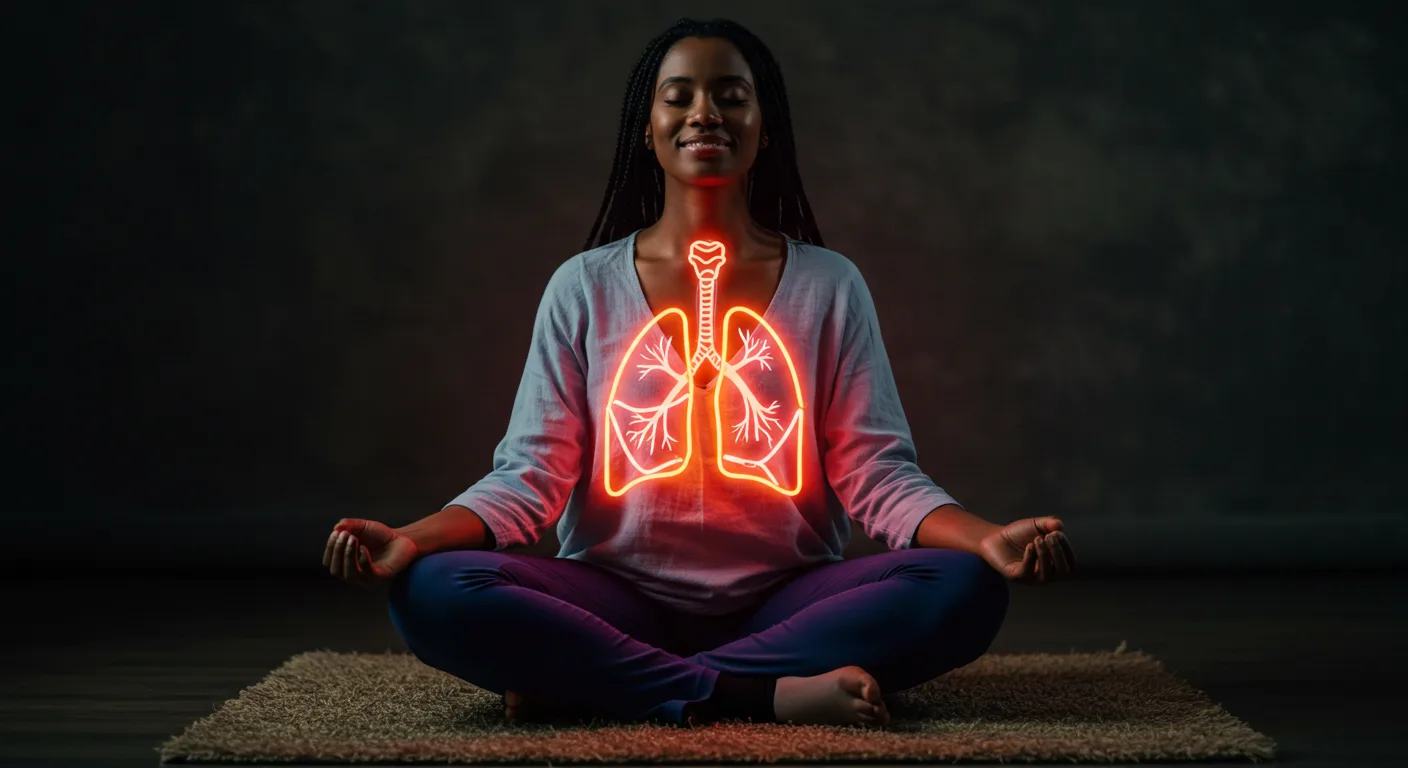
  • How to Strengthen and Heal Your Lungs Naturally: Foods, Drinks, and Breathing Tips

    How to Strengthen and Heal Your Lungs Naturally: Foods, Drinks, and Breathing Tips

    Do you ever find yourself winded climbing stairs? Or that deep sigh after a full day at work feels more like a gasping gulp? You’re not alone. For many of us—especially those over 30 juggling busy lives—lung health can slip under the radar until we suddenly feel it slipping away. Fortunately, whether you’re recovering from illness or simply want your lungs to work at their best, there are proven ways how to strengthen lungs naturally that actually fit into a real lifestyle.

    In this post, we’ll dive into everyday strategies you can start using today to heal weak lungs, get them working super efficiently, and give them the nourishment they truly need.

    ‎Follow the InfoHealthGh channel on WhatsApp: https://whatsapp.com/channel/0029Va7j1SgGE56e8pagc22u

    Read Also: Fatty Liver Diet: How to Reverse Fatty Liver Naturally and Reclaim Your Health

    1. What Heals Lungs Faster?

    How to strengthen lungs naturally

    Embrace Antioxidant-Rich Foods

    Your lungs do heavy lifting every day—filtering air, fighting pollution, and repairing tissue. Antioxidants from colorful fruits and leafy greens help reduce inflammation and support recovery. Foods high in vitamins C and E—like oranges, bell peppers, strawberries, spinach, and broccoli—are great natural helpers.

    Real-life tip: I keep a bowl of carrots, red peppers, and oranges on my kitchen counter. When I snack between Zoom calls, I just grab one—easy and nutritious.

    Stay Hydrated Every Hour

    Hydration is critical for lung function. The lining of your airways is made up of mucus that traps particles and keeps the lungs lubricated. Drink water consistently—aim for 8–10 glasses a day, or herbal teas if plain water bores you.

    Schedule Recovery Breathing Time

    You don’t need fancy equipment—just your breath. Controlled deep breathing stimulates the diaphragm, increasing oxygen exchange and lung volume.

    How to start: Sit upright, inhale slowly through your nose for a count of 4, hold for 2, exhale through pursed lips for 6. Repeat 5–10 times, twice daily. You’ll feel calmer, deeper breaths, and your lungs getting some extra TLC.

    2. How to Repair Weak Lungs?

    How to strengthen lungs naturally

    Gradual Cardio Builds Strength

    Whether it’s walking, cycling, or swimming—aim for 20–30 minutes of moderate activity most days. The increased breathing effort strengthens your lung capacity over time.

    Personal insight: After my flu last year, I began with 10-minute walks, gradually adding stretching and gentle jogging. Before I knew it, I had twice the stamina on my morning strolls.

    Reduce Inflammation with Turmeric & Ginger

    Anti-inflammatory spices like turmeric and ginger help soothe lung tissue, especially after infections or seasonal allergies. Turmeric’s curcumin compound has been studied for its ability to reduce respiratory inflammation.

    Try adding turmeric to soups or ginger in your tea.

    Avoid Irritants and Toxins

    Indoor air quality matters just as much as going smoke-free. Dust, chemicals, or pet dander can worsen lung weakness. Open windows, use an air purifier if you can, and keep fragrant cleaning products out of your kitchen or laundry area.

    Read Also: Why Am I Always Tired? 10 Hidden Health Causes You Might Be Ignoring

    3. How Do I Make My Lungs Super Strong?

    How to strengthen lungs naturally

    Functional Exercises for Breath Support

    Strengthening your core (abs, lower back) gives your diaphragm better support during deep breaths. Planks, gentle Pilates moves, and yoga strengthen these muscles. A stronger core equals stronger lungs.

    Practice Pursed-Lip and Diaphragmatic Breathing

    These techniques help control breathing and enhance oxygen intake:

    • Pursed-lip: Inhale through your nose, exhale slowly through pursed lips—this releases stale air and makes inhaling easier.
    • Diaphragmatic breathing: Lie down, place a hand on your belly, and breathe so your belly rises more than your chest—this activates deeper lungs.

    Clear the Air: No Smoking, No Matter What

    If you’re a smoker, quitting is hands-down the single most effective lifestyle change you can make. Your lungs begin healing within weeks. If you’re around smokers often, respectfully ask them to—at least—avoid smoking indoors.

    4. What Can I Drink to Improve My Lungs?

    Green Tea & Herbal Brews

    Green tea is full of antioxidants like catechins, which have been shown to reduce inflammation. Herbal teas—like peppermint, chamomile, or eucalyptus—can help open airways and soothe your respiratory passages.

    Warm Honey, Lemon & Ginger Drink

    How to strengthen lungs naturally

    This homemade tonic has been a staple in my home during the rainy season. Honey coats the throat, ginger brings anti-inflammatory benefits, and lemon provides vitamin C—together, they support clear breathing and comfort.

    Fresh Smoothies

    Blend spinach (rich in vitamin C and chlorophyll) with berries, pineapple, and yogurt for a lung-loving drink. You’re hydrating while packing in natural antioxidants, fiber, and probiotics.

    Read Also: What Your Tongue Reveals About Your Health

    Bonus Daily Habits to Strengthen Lungs Naturally

    Beyond foods and exercise, these lifestyle tips are essential:

    • Maintain a healthy weight: Extra pounds make breathing harder.
    • Sleep upright or with gentle elevation: Helps air move more easily, especially if you’re recovering from sickness.
    • Practice good posture: Slouching compresses your lungs.
    • Mind stress levels: Cortisol spikes can worsen breathing; practice mindfulness or journaling to stay calm.

    So, how do you strengthen lungs naturally? It’s about repairing first, then building stamina with every breath. Treat your lungs daily by eating smart, breathing deliberately, and moving gently. These habits add up—and soon, you’ll feel less breathless, more energized, and walking around confident in every inhale and exhale.

    The real secret? Consistency. Just a few minutes of mindful breathing, plus lung-nourishing meals and regular movement, can turn a tired, weak set of lungs into resilient, capable companions well beyond your 30s.

    Take Action Today

    1. Drink that ginger-lemon tea.
    2. Try a 5-minute breathing session now.
    3. Take a short walk after your next meal.
  • Subtle Signs Your Liver Is Damaged (Before It’s Too Late)

    Subtle Signs Your Liver Is Damaged (Before It’s Too Late)

    Your liver works silently behind the scenes—detoxifying, regulating metabolism, producing bile, and supporting immunity. So, when it starts faltering, symptoms are often mild and easy to ignore. But paying attention to subtle signs your liver is damaged can help you take control early, before things worsen.

    As adults in your 30s and beyond, our responsibilities and stress levels increase—so it’s crucial to listen to the whispers from our bodies. Here are 10 often overlooked signs that your liver might be struggling, and what they reveal.

    Read Also: Cortisol Detox by Chronotype: A Personalized Approach to Reducing Stress and Boosting Health

    1. Persistent Fatigue & Weakness

    subtle signs your liver is damaged

    Feeling tired even after a full night’s rest? Early liver damage symptoms often include chronic fatigue, because a fatigued liver struggles to remove toxins and generate energy.

    ‎Follow the InfoHealthGh channel on WhatsApp: https://whatsapp.com/channel/0029Va7j1SgGE56e8pagc22u
    ‎Follow the InfoHealthGh channel on WhatsApp

    2. Unexplained Abdominal Discomfort

    A dull ache or full feeling under your right rib cage—especially after meals—could signal liver inflammation or fatty changes .

    subtle signs your liver is damaged

    3. Dark Urine, Light Stools

    Your liver helps process bilirubin. Bilirubin is a waste product produced by the breakdown of red blood cells. Bilirubin is the end-product of heme metabolism; the liver is the site for bilirubin metabolism. If disrupted, urine may turn dark brown and stools pale—classic early liver damage symptoms bswhealth.com.

    Read Also: “Bodze” and the Myth of Delayed Childbirth: What Science Really Says

    4. Occasional Nausea or Loss of Appetite

    If mealtime now brings mild queasiness or reduced hunger, your digestion may be affected by a sluggish liver.

    5. Itchy Skin or Rashes

    subtle signs your liver is damaged

    Persistent itchiness without rash can stem from bile salt deposits in the skin—a warning your liver needs checking.

    6. Swelling in Legs or Abdomen

    Fluid retention (edema, ascites) signals impaired liver function and early-stage liver damage

    7. Easy Bruising or Bleeding

    Your liver makes clotting proteins which helps your blood clot naturally. If you notice bruises or nosebleeds that appear too easy may suggest hidden liver dysfunction.

    8. Memory Fog & Mood Changes

    Your liver is responsible for removing toxins from your body. Toxin build-up can impair brain function, causing confusion, forgetfulness, or subtle cognitive shifts .

    9. A Round Belly or Weight Fluctuations

    subtle signs your liver is damaged

    Unexplained weight loss—or gain—impaired digestion, and bloating can stem from early liver fat accumulation eatingwell.com.

    10. Subtle Skin Changes

    Look out for spider-like blood vessels on your chest or palms (spider angiomas), pale palms, or nail changes—quiet signals your liver is struggling .

    Why Catching These Subtle Signs Matters

    Because the liver regenerates, catching damage early is powerful. Whether it’s due to fatty liver, medications, alcohol, or infections, acting on subtle signs your liver is damaged allows for lifestyle changes, medical checks, and reversals. Don’t wait until jaundice or pain strikes.

    Trust Your Body

    These symptoms are your liver’s early “whispers,” not loud alarms. They may be mild, but if they persist—especially in combination—they warrant a doctor’s visit.

    Read Also: Your Skin Reflects Your Health: What Acne, Dryness, and Discoloration Could Mean

    What You Can Do Right Now

    1. Get a Liver Health Check: Ask for blood tests like ALT, AST, bilirubin.
    2. Cut Back on Alcohol: Even moderate intake can worsen fatty liver.
    3. Eat Liver-Friendly Foods: Leafy greens, berries, healthy fats (omega‑3s), turmeric.
    4. Exercise Regularly: Aim for 30 minutes, 5 times a week.
    5. Monitor Meds & Supplements: Avoid overuse of painkillers like paracetamol.
    6. Stay Hydrated: Proper hydration helps flush toxins.
    7. Maintain a Healthy Weight: Especially if you have diabetes or metabolic syndrome.

    Your liver doesn’t shout when it’s failing—it sends subtle signs your liver is damaged through fatigue, digestion issues, skin changes, and more. As grown-ups in our 30s+, it’s vital we tune in before these hints become full-blown crises.

    Take a moment today—how do you really feel? If any of these ten signals ring true, schedule that check-up. Your liver’s quiet resilience deserves proactive care.

  • Why Am I Always Tired? 10 Hidden Health Causes You Might Be Ignoring

    Why Am I Always Tired? 10 Hidden Health Causes You Might Be Ignoring

    Have you ever woken up feeling just as tired as when you went to bed? Or found yourself yawning all day, even after a weekend of rest? You’re not alone. One of the most searched health concerns today is, “Why am I always tired?” Fatigue can creep into your life quietly, turning daily tasks into major hurdles. And while lack of sleep is the obvious suspect, persistent tiredness may be a sign of deeper health issues.

    If you’re constantly asking yourself “why am I always tired,” it’s time to go beyond sleep and explore the hidden health causes that could be draining your energy.

    Read Also: Five (5) signs you have too much salt in your system.

    1. Iron Deficiency (Anemia)

    Iron helps carry oxygen through your bloodstream. When your iron levels are low, your muscles and tissues don’t get enough oxygen to function efficiently, leading to chronic fatigue.

    Signs: Pale skin, shortness of breath, cold hands and feet, dizziness.
    Fix: Add iron-rich foods like beans, spinach, and red meat to your diet. A blood test can confirm deficiency, and iron supplements may be recommended.

    Please follow My Whatsapp Channel if You’d Like to Read More Health Related Stuff

    ‎Follow the InfoHealthGh channel on WhatsApp: https://whatsapp.com/channel/0029Va7j1SgGE56e8pagc22u

    2. Vitamin B12 Deficiency

    B12 plays a key role in producing red blood cells and maintaining a healthy nervous system. A lack of it can lead to extreme fatigue, weakness, and even memory problems.

    Why am I always tired

    Signs: Tingling in the hands/feet, pale tongue, mood swings.
    Fix: Include eggs, dairy, meat, or fortified cereals in your meals. Vegans may need supplements or B12 injections.

    Read Also: Healthy Fat Weight Loss with Intermittent Fasting and Exercise: My Journey

    3. Thyroid Problems

    An underactive thyroid (hypothyroidism) slows down your metabolism, making you feel sluggish, cold, and tired—no matter how much rest you get.

    Signs: Weight gain, dry skin, depression, and feeling cold all the time.
    Fix: A thyroid blood test will confirm the issue. Treatment usually involves hormone replacement therapy.

    4. Dehydration

    Even mild dehydration can make you feel drained, foggy-headed, and irritable. Your body needs water to transport nutrients and eliminate waste effectively.

    Signs: Headaches, dry mouth, dark urine, light-headedness.
    Fix: Aim for 6–8 glasses of water per day. Add coconut water or natural fruit-infused water for variety.

    Read Also: How to Boost Your Immune System Naturally (Ghanaian Food Edition)

    5. Hidden Infections

    Sometimes fatigue is your body’s way of fighting a hidden infection. Conditions like urinary tract infections (UTIs), hepatitis, or even dental infections can cause chronic tiredness without other noticeable symptoms.

    Fix: If you’ve been feeling unwell for a while without a clear reason, it’s worth seeing a doctor for a full checkup.

    ‎Follow the InfoHealthGh channel on WhatsApp: https://whatsapp.com/channel/0029Va7j1SgGE56e8pagc22u
    https://whatsapp.com/channel/0029Va7j1SgGE56e8pagc22u

    6. Poor Sleep Quality

    You might be spending 7–8 hours in bed, but if the quality of your sleep is poor, you’ll still wake up tired. Sleep apnea, frequent wake-ups, or even scrolling your phone late at night can prevent deep, restful sleep.

    Why am I always tired
    Why am I always tired

    Fix: Maintain a consistent bedtime, reduce screen time before bed, and avoid caffeine late in the day. If snoring or gasping is involved, consult a sleep specialist.

    7. Depression or Anxiety

    Mental health conditions can manifest as physical symptoms—including fatigue. The emotional toll of stress, anxiety, or depression often shows up as low energy, difficulty concentrating, or even body aches.

    Fix: If you suspect your fatigue is emotional or mental, seek help. Therapy, lifestyle changes, and support can make a huge difference.

    Read Also: What Your Tongue Reveals About Your Health

    8. Uncontrolled Blood Sugar

    Frequent spikes and drops in blood sugar levels can leave you feeling exhausted. Diabetics and even people with insulin resistance often experience unexplained fatigue.

    Signs: Frequent urination, intense hunger, blurry vision.
    Fix: Eat balanced meals with complex carbs, protein, and fiber. Get your blood sugar tested if fatigue is ongoing.

    9. Lack of Physical Activity

    Ironically, not moving your body enough can make you feel more tired. Exercise boosts energy levels by improving circulation and releasing endorphins.

    Fix: Start with light activity—like walking for 20 minutes a day—and gradually build up. It helps more than you might expect.

    10. Food Intolerance or Poor Nutrition

    What you eat directly affects your energy. Consuming highly processed foods, excessive sugar, or foods your body is intolerant to (like gluten or dairy for some) can leave you feeling bloated, sluggish, and sleepy.

    Fix: Track your meals and note when fatigue worsens. Switch to whole, nutrient-rich foods and consult a nutritionist if needed.

    When to See a Doctor

    If your tiredness persists for weeks and interferes with your daily life, it’s more than just a “lazy phase.” Chronic fatigue could be a symptom of an underlying health condition that requires medical attention.

    Practical Tips to Reclaim Your Energy

    • Hydrate early in the day and regularly.
    • Eat breakfast with protein and fiber.
    • Move your body—even short walks help.
    • Prioritize sleep—get into a bedtime routine.
    • Limit screen time before bed.
    • Watch your stress levels—journal, meditate, or talk to someone.
    • Listen to your body—it’s always giving clues.

    If you’ve been silently asking “why am I always tired” and brushing it off, maybe it’s time to listen to your body more carefully. Fatigue is not something to ignore—it’s a signal. Whether it’s a deficiency, hormone imbalance, stress, or poor lifestyle choices, uncovering the root cause can help you restore your energy, health, and zest for life.

    Stop normalizing constant tiredness. You deserve to feel alive, alert, and well. Take the first step today.

  • How Your Smartphone is Secretly Damaging Your Brain.

    How Your Smartphone is Secretly Damaging Your Brain.

    In today’s digital age, smartphones have become an essential part of our daily lives. We rely on them for communication, work, entertainment, and even education. However, while these devices offer convenience, they also come with hidden dangers that can severely impact our brain health. From the effects of blue light and radiation to the constant bombardment of notifications, your smartphone is secretly damaging your brain in ways you may not even realize.

    The worst part is that these negative effects can be so subtle that you often wouldn’t notice it. For children, it is even worse and hinders their cognitive development. Let us delve into the effects and tips that helped me to break this cycle.

    1. The Effects of Blue Light on Your Brain

    One of the biggest culprits behind smartphone-induced brain damage is blue light exposure. Smartphones emit a significant amount of blue light, which interferes with the body’s natural sleep-wake cycle. The brain produces melatonin, a hormone responsible for regulating sleep, but excessive blue light exposure, especially at night, suppresses melatonin production.

    A study by Harvard Medical School found that blue light exposure before bedtime reduces melatonin production by 50%, leading to difficulty falling asleep and poor sleep quality. Chronic sleep deprivation has been linked to cognitive decline, memory problems, and an increased risk of neurodegenerative diseases like Alzheimer’s. If you find yourself scrolling through your phone late at night, you might unknowingly be sabotaging your brain’s ability to function optimally.

    Read Also: Clear Nasal Congestion with Bay Leaves: The Power of Bay Leaves

    2. Radiation and Its Impact on Brain Health

    Another concerning factor is the radiation emitted by smartphones. While the debate on the long-term effects of smartphone radiation is ongoing, several studies have raised alarms about potential health risks. Smartphones emit electromagnetic radiation (EMR), and while the levels are considered safe by regulatory bodies, prolonged exposure may have negative consequences.

    A study published in the International Journal of Environmental Research and Public Health highlighted that long-term exposure to EMR from smartphones could lead to changes in brain activity and even increase the risk of certain types of brain tumors. Additionally, some researchers suggest that smartphone radiation could contribute to oxidative stress in the brain, which accelerates aging and cognitive decline.

    3. Constant Notifications and Mental Health Decline

    Do you ever feel anxious when your phone vibrates or hear a notification sound? You’re not alone. The constant influx of messages, emails, and social media updates triggers the brain’s reward system, releasing dopamine—the same chemical associated with addiction.

    Frequent interruptions from notifications significantly reduce attention span and increase stress levels. When your brain is constantly switching tasks due to smartphone notifications, it struggles to focus, leading to decreased productivity and mental fatigue. Additionally, excessive smartphone use has been linked to increased anxiety, depression, and feelings of social isolation.

    How I Broke the Habit and Noticed a Change

    During my school days, I was glued to my smartphone. From late-night social media scrolling to constantly checking messages, my phone controlled my life. I struggled with sleep issues, found it difficult to concentrate on my studies, and often felt mentally drained.

    One day, I decided to make a change. I started by setting strict screen time limits, especially before bed. I also began using blue light filters on my devices and made a conscious effort to engage in real-world activities like reading, exercising, and spending time with family and friends. Over time, I noticed significant improvements—better sleep, increased focus, and an overall sense of mental clarity. The transition was challenging, but it was one of the best decisions I ever made for my brain health.

    READ ALSO: Six (6) Signs a Loved One Is On The verge of a Mental Breakdown.

    Ways to Reduce Smartphone-Related Brain Damage

    If you suspect that your smartphone is secretly damaging your brain, it’s time to take action. Here are some practical steps to reduce the negative impact:

    1. Limit Screen Time Before Bed

    Reduce blue light exposure by avoiding screens at least an hour before bedtime. Consider using a blue light filter or wearing blue light-blocking glasses. These days most smartphones come in built with features that you can enable to reduce blue light.

    2. Turn Off Unnecessary Notifications

    Reduce digital distractions by turning off non-essential notifications. This will help you stay focused and minimize stress.

    3. Use Airplane Mode When Not in Use

    Reduce exposure to smartphone radiation by switching to airplane mode when you don’t need your phone, especially when sleeping.

    4. Take Regular Breaks

    Follow the 20-20-20 rule: every 20 minutes, look away from your screen for 20 seconds and focus on something 20 feet away.

    5. Engage in Offline Activities

    Replace excessive screen time with activities that promote brain health, such as reading, exercising, or spending time with loved ones.

    READ ALSO = The Health Benefits of Guava Leaves: My Journey into Nature’s Pharmacy

    Conclusion

    While smartphones are undeniably useful, they come with hidden dangers that can significantly impact brain health. From blue light-induced sleep disturbances to radiation exposure and constant digital interruptions, your smartphone is secretly damaging your brain. The good news is that by adopting healthier smartphone habits, you can protect your mental well-being and improve cognitive function. If I could break the habit and see noticeable changes, so can you. It’s time to take control and use technology in a way that benefits, rather than harms, your brain.

  • 5 Ultimate Stretches You Should Do Every Morning

    5 Ultimate Stretches You Should Do Every Morning

    I used to think morning stretches were only necessary for athletes or fitness enthusiasts. But after months of waking up feeling stiff and sluggish, I decided to give it a try—and the results were life-changing. Stretching in the morning doesn’t just loosen tight muscles; it also improves circulation, boosts energy, and sets the tone for a productive day. Whether you’re easing into a workout or simply want to feel more limber, there are a few stretches you should do every morning to kick-start your body and mind.

    Morning stretches are particularly effective because your muscles are at their tightest after hours of inactivity. Taking just 5-10 minutes to stretch can make a world of difference in how your body feels throughout the day.

    Read Also: 15 Insanely Effective Home Workouts That’ll Get You Fit Without a Gym (Try #5 Today!)

    Here are five must-try stretches that are simple, quick, and effective.

    1. Cat-Cow Stretch

    This gentle flow between two yoga poses helps awaken your spine and improve flexibility. Start on your hands and knees, alternating between arching your back (Cow) and rounding it upward (Cat). This movement relieves neck and lower back tension, making it one of the best stretches you should do every morning.

    2. Standing Forward Fold

    Stand tall, then hinge at your hips to fold forward, letting your arms dangle toward the ground. This stretch targets your hamstrings, calves, and lower back. It’s perfect for relieving stiffness and encouraging blood flow to the upper body. It might not be easy on your first try but put in some effort and with consistency, you will see results.

    3. Side Body Stretch

    While standing or sitting, raise one arm overhead and lean to the opposite side. Hold for 20-30 seconds, then switch sides. This simple stretch lengthens your obliques and helps you feel taller and more aligned—ideal for counteracting the compression caused by sleeping in one position.

    4. Seated Spinal Twist

    Sit cross-legged or on the edge of your bed, place one hand on your opposite knee, and twist gently to look over your shoulder. This movement improves spinal mobility and supports a healthy back. A seated spinal twist is a perfect addition to the stretches you should do every morning, especially if you spend long hours sitting during the day.

    5. Downward Dog

    This classic yoga pose stretches your shoulders, hamstrings, and calves while strengthening your core. Push your hips up and back from a plank position to create an inverted “V” shape. Hold the pose for 30 seconds to feel a full-body stretch and increased circulation.

    Why These Stretches Work

    Each stretch targets common tightness areas, such as the lower back, hamstrings, and shoulders. Regularly incorporating them into your morning routine reduces stiffness, enhances your range of motion, and prepares your body for the day ahead.

    Final Thoughts

    Adding these stretches you should do every morning to your routine is a small but impactful habit. The physical and mental benefits are undeniable—you’ll feel more relaxed, energized, and ready to tackle whatever comes your way. So, tomorrow morning, take a few minutes to try these stretches. Your body will thank you!

    Read Also: Intermittent Fasting Meal Plan

  • 15 Insanely Effective Home Workouts That’ll Get You Fit Without a Gym (Try #5 Today!)

    15 Insanely Effective Home Workouts That’ll Get You Fit Without a Gym (Try #5 Today!)

    Are you ready to transform your fitness routine without stepping foot in a gym?

    These 15 home workouts are designed for busy individuals who want to stay fit using quick routines that require no equipment.

    Whether you’re a beginner or an experienced fitness enthusiast, you’ll find something here that suits your needs.

    Let’s dive into these energizing workouts and start your journey towards a healthier lifestyle today!

    1. Bodyweight Squats

    15 Insanely Effective Home Workouts That'll Get You Fit Without a Gym (Try #5 Today!) - 1. Bodyweight Squats

    Squats are a powerhouse exercise that targets your quads, hamstrings, and glutes, making them a must-include in your workout routine.

    Perform them anywhere, anytime – no equipment needed!

    To get started, stand with your feet shoulder-width apart, lower your body as if sitting back into a chair, and rise back up.

    Aim for three sets of 15-20 reps for maximum effect, and feel the burn in your lower body while improving your overall strength.

    2. Plank Variations

    15 Insanely Effective Home Workouts That'll Get You Fit Without a Gym (Try #5 Today!) - 2. Plank Variations

    The plank is an incredible full-body exercise that strengthens your core while also engaging your shoulders, arms, and legs.

    Experiment with various plank variations, such as side planks and plank jacks, for an added challenge.

    Hold each plank for 30 seconds to a minute, resting as needed.

    These routines not only build endurance but also improve posture and stability, making them a perfect addition to any home workout regimen.

    3. High Knees

    15 Insanely Effective Home Workouts That'll Get You Fit Without a Gym (Try #5 Today!) - 3. High Knees

    High knees are an excellent cardio workout that gets your heart rate up and engages your core, legs, and glutes.

    This quick routine can be done in 30-second bursts, followed by a 15-second rest.

    Incorporate high knees into your interval training for a fun and effective way to boost your endurance while having a blast!

    They’re perfect for those busy days when you need a quick workout.

    4. Mountain Climbers

    15 Insanely Effective Home Workouts That'll Get You Fit Without a Gym (Try #5 Today!) - 4. Mountain Climbers

    Mountain climbers are a fantastic full-body workout that targets your core, shoulders, and legs while also providing a cardio challenge.

    Start in a plank position and quickly drive your knees towards your chest, alternating legs.

    Aim for 30 seconds of intense movement followed by a 15-second rest.

    This exercise not only enhances your strength but also improves agility and coordination.

    5. Jumping Jacks (Try #5 Today!)

    15 Insanely Effective Home Workouts That'll Get You Fit Without a Gym (Try #5 Today!) - 5. Jumping Jacks (Try #5 Today!)

    Jumping jacks are a classic and effective way to get your blood pumping while working multiple muscle groups.

    This simple yet powerful exercise can be done anywhere and only requires a bit of space.

    Aim for three sets of 30 seconds, resting for 15 seconds in between.

    They’re perfect for warming up or adding to your circuit training for an extra cardio boost!

    6. Lunges

    15 Insanely Effective Home Workouts That'll Get You Fit Without a Gym (Try #5 Today!) - 6. Lunges

    Lunges are an effective lower body exercise that helps to tone your thighs and glutes while improving balance and stability.

    You can perform forward lunges, reverse lunges, or lateral lunges to keep your routine fresh.

    Try three sets of 10-15 reps on each leg, and feel the strength build in your legs and core.

    This versatile exercise can be done in any space, making it perfect for home workouts.

    7. Burpees

    15 Insanely Effective Home Workouts That'll Get You Fit Without a Gym (Try #5 Today!) - 7. Burpees

    Burpees are a high-intensity exercise that combines strength training with cardio, making them a fantastic full-body workout.

    Begin in a standing position, drop into a squat, kick your legs back into a plank, return to the squat, and jump up.

    Start with 5-10 burpees and increase as you build strength.

    They are perfect for burning calories and building endurance, all in one move!

    8. Glute Bridges

    15 Insanely Effective Home Workouts That'll Get You Fit Without a Gym (Try #5 Today!) - 8. Glute Bridges

    Glute bridges are a fantastic exercise for strengthening your glutes and hamstrings while also improving core stability.

    Lying on your back with your knees bent, lift your hips towards the ceiling and squeeze at the top.

    Aim for three sets of 15-20 reps for a complete lower body workout.

    This exercise can be easily incorporated into any routine and is perfect for those looking to tone their backside.

    9. Bicycle Crunches

    15 Insanely Effective Home Workouts That'll Get You Fit Without a Gym (Try #5 Today!) - 9. Bicycle Crunches

    Bicycle crunches are one of the best moves for targeting your obliques and upper abs, providing a great core workout.

    Lie on your back, lift your legs, and alternate bringing your elbows to the opposite knee as you pedal.

    Try for three sets of 15-20 reps on each side for a comprehensive core challenge.

    This exercise is perfect for tightening your waist and enhancing overall core strength.

    10. Skaters

    15 Insanely Effective Home Workouts That'll Get You Fit Without a Gym (Try #5 Today!) - 10. Skaters

    Skaters are an excellent way to improve your lateral movement and enhance coordination while providing a great cardio workout.

    Hop from side to side, landing softly on one leg and bringing the other leg behind you.

    This dynamic movement can be done for 30 seconds, followed by a 15-second rest.

    Skaters not only get your heart rate up but also work your legs and glutes effectively.

    11. Shadow Boxing

    15 Insanely Effective Home Workouts That'll Get You Fit Without a Gym (Try #5 Today!) - 11. Shadow Boxing

    Shadow boxing is a fantastic way to get your heart racing while improving your coordination and agility.

    All you need is a little space and a desire to move!

    Throw punches in the air while incorporating footwork and head movement for a fun cardio workout.

    Try 3-minute rounds with a minute of rest in between for a complete workout that will leave you feeling empowered.

    12. Wall Sit

    15 Insanely Effective Home Workouts That'll Get You Fit Without a Gym (Try #5 Today!) - 12. Wall Sit

    Wall sits are a simple yet effective way to build endurance in your legs and core.

    Simply lean against a wall and slide down until your thighs are parallel to the ground, holding the position.

    Aim for 30 seconds to a minute, resting as needed.

    This exercise can be done anywhere and is perfect for those looking to challenge themselves without any equipment.

    13. Step-Ups

    15 Insanely Effective Home Workouts That'll Get You Fit Without a Gym (Try #5 Today!) - 13. Step-Ups

    Step-ups are a functional exercise that targets your legs and glutes, easily performed using a sturdy chair or step.

    Step up with one leg, bringing the other knee up, and alternate legs for a complete workout.

    Aim for three sets of 10-15 reps on each leg for strength and stability.

    This exercise is perfect for building lower body strength and improving balance.

    14. Stretching Routine

    15 Insanely Effective Home Workouts That'll Get You Fit Without a Gym (Try #5 Today!) - 14. Stretching Routine

    Don’t forget the importance of stretching! Incorporating a thorough stretching routine can improve flexibility and prevent injuries.

    Focus on major muscle groups, holding each stretch for 15-30 seconds.

    This routine can be done at the beginning or end of your workouts.

    Regular stretching enhances your mobility and aids in recovery, making it an essential part of your fitness journey.

    15. Cool Down and Meditation

    15 Insanely Effective Home Workouts That'll Get You Fit Without a Gym (Try #5 Today!) - 15. Cool Down and Meditation

    After your workout, taking time to cool down and meditate is crucial for recovery and mental clarity.

    Incorporate deep breathing exercises and gentle stretches to relax your body.

    Spend a few minutes in a quiet space, focusing on your breath and letting go of tension.

    This practice not only aids in recovery but also enhances your overall well-being.

    Conclusion

    15 Insanely Effective Home Workouts That'll Get You Fit Without a Gym (Try #5 Today!) - Conclusion

    With these 15 effective home workouts, getting fit without a gym is not only possible but enjoyable!

    Each exercise is designed to fit seamlessly into your busy lifestyle, requiring no equipment and minimal time.

    So, why wait? Start today and embrace the journey to a healthier you!