Tag: Ghana Health News

  • Ways to Protect Yourself from Contacting Monkey pox in Ghana

    Ways to Protect Yourself from Contacting Monkey pox in Ghana

    Mpox also known as monkeypox is a re-emerging viral disease that has made its presence known in parts of Africa, including Ghana. Although the number of confirmed cases in Ghana remains low, the virus’s ability to spread through close contact makes it a public health concern. It’s important to take deliberate steps to protect yourself from contacting Mpox, especially as surveillance continues to detect isolated cases across the country.

    Read Also: Ghana Confirms Two Cases of Mpox in Accra: What You Need to Know

    What is Mpox?

    Ghana Confirms Two Cases of Mpox in Accra: What You Need to Know

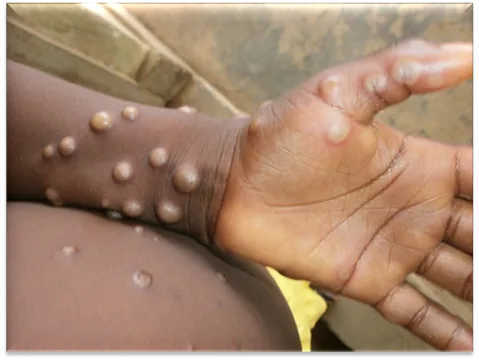
    Mpox is a zoonotic disease caused by the monkeypox virus, which is closely related to the virus that causes smallpox. It is less deadly than smallpox but can still cause serious illness. Mpox is transmitted from animals to humans and from person to person through direct contact with bodily fluids, lesions, or respiratory droplets.

    Symptoms of Mpox include:

    • Fever
    • Rash (that progresses through various stages)
    • Headache
    • Muscle aches
    • Swollen lymph nodes
    • Chills and fatigue

    The illness usually lasts between 2 to 4 weeks.

    ‎Follow the InfoHealthGh channel on WhatsApp: https://whatsapp.com/channel/0029Va7j1SgGE56e8pagc22u
    ‎Follow the InfoHealthGh channel on WhatsApp: https://whatsapp.com/channel/0029Va7j1SgGE56e8pagc22u

    Mpox Mortality Rate

    Mpox has two main strains: the Central African (Congo Basin) clade and the West African clade. The strain most commonly seen in West Africa, including Ghana, typically has a lower fatality rate — around 1% to 3%. However, the Congo Basin strain can have a mortality rate as high as 10%, particularly in children and immunocompromised individuals.

    Although no deaths have been reported in Ghana in recent cases, the global re-emergence of Mpox underscores the importance of awareness and preventive action.

    Current Situation in Ghana

    As of October 2024, Ghana reported two confirmed Mpox cases — a 15-year-old male from the Western North Region and his mother. Both were treated and recovered fully. Health authorities identified and are monitoring over 30 close contacts. The Ghana Health Service (GHS) has since heightened disease surveillance, particularly at border points and international airports.

    Read Also: Ministry of Health Launches Enhanced Mobile App for Health Training Admission Forms

    How to Protect Yourself from Contacting Mpox

    To protect yourself from contacting Mpox, here are proven strategies:

    1. Limit Close Contact with Infected Individuals

    Mpox spreads through direct physical contact. Avoid touching skin rashes, lesions, or bodily fluids of individuals showing symptoms. Do not share personal items such as clothing, towels, or bedding with anyone suspected of having Mpox.

    2. Practice Proper Hand Hygiene

    Wash your hands regularly with soap and water or use alcohol-based sanitizers, especially after being in public places or after contact with possibly contaminated surfaces.

    3. Avoid Wild Animals and Undercooked Meat

    Mpox can also be contracted from animals, particularly wild rodents and primates. Avoid hunting, handling, or eating bushmeat. Ensure all meat products are properly cooked.

    4. Disinfect Surfaces and Wear Protection

    If you live with or are caring for someone with Mpox, disinfect commonly touched surfaces and wear protective equipment like gloves and masks. Healthcare workers should use full PPE when attending to suspected cases.

    5. Stay Informed and Seek Early Medical Attention

    Public health authorities continue to monitor and respond to Mpox outbreaks. Stay up to date through official sources like the Ghana Health Service or WHO. If you notice symptoms, especially after exposure, report to a health facility immediately.

    Ghana may have only a few confirmed cases, but that doesn’t mean we should let our guard down. With a potential mortality rate of up to 3% for the West African strain, prevention remains better than cure. Staying informed, maintaining hygiene, and avoiding high-risk contact are your best defenses.

    By following these guidelines, you’re not only protecting yourself but also helping curb the spread of the virus in your community. Let’s all do our part to protect yourself from contacting Mpox and keep Ghana safe.
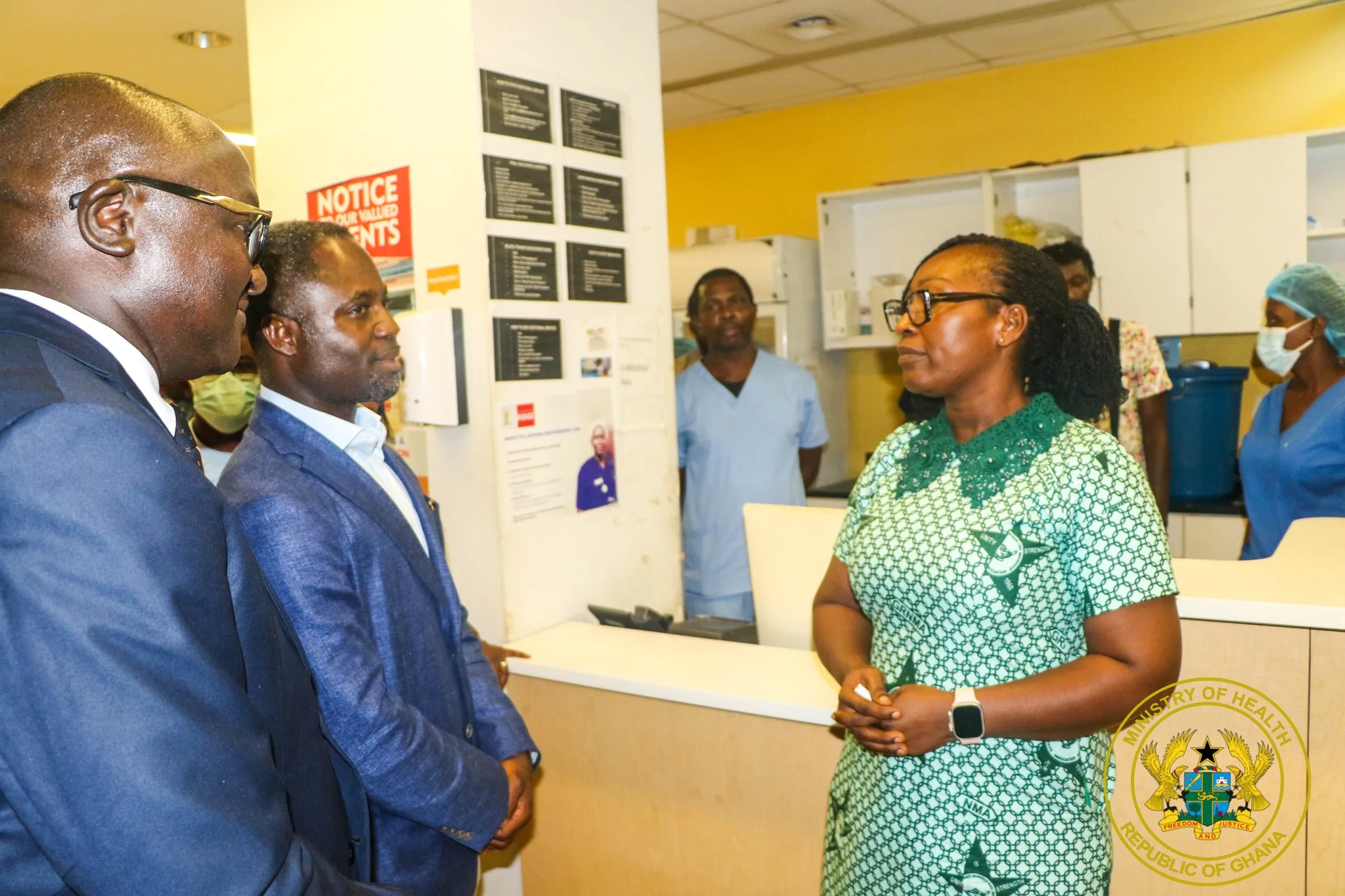
  • 📰 Health Minister Appeals to Striking Nurses and Midwives to Return to Work

    📰 Health Minister Appeals to Striking Nurses and Midwives to Return to Work

    Accra, Ghana – The Minister of Health, Hon. Kwabena Mintah Akandoh, has made a passionate plea to members of the Ghana Registered Nurses and Midwives Association (GRNMA) to end their ongoing industrial strike and resume duties in order to protect the health and well-being of Ghanaians.

    Health Minister Appeals to Striking Nurses and Midwives to Return to Work
    Health Minister Appeals to Striking Nurses and Midwives to Return to Work

    Speaking during a press briefing on Wednesday, the minister emphasized the crucial role nurses and midwives play in delivering healthcare across the country. “We understand the concerns raised by our health professionals, but I am appealing to their sense of duty and compassion for patients, especially vulnerable groups like pregnant women, children, and the elderly,” he said.

    Read Also: Ghana Confirms Two Cases of Mpox in Accra: What You Need to Know

    The strike, which began earlier this week, stems from grievances related to delayed implementation of negotiated conditions of service, including better allowances and improved working conditions. GRNMA leadership maintains that repeated engagements with government officials have failed to yield concrete results, leaving them with no choice but to withdraw their services.

    Hospitals and clinics nationwide have already reported disruptions to healthcare delivery, with some facilities forced to scale down operations due to the absence of key staff. Patients seeking care have been turned away in many districts, heightening public anxiety.

    Read Also: President Mahama Launches ‘MahamaCares’ to Support Ghanaians with Chronic Illnesses

    Health Minister Appeals to Striking Nurses and Midwives to Return to Work

    Hon. Akandoh assured the striking health workers that the government is actively working to resolve their issues through dialogue and collaboration with relevant agencies, including the Ministry of Finance and the Fair Wages and Salaries Commission. He reiterated the government’s commitment to honoring its obligations and urged the GRNMA to return to the negotiation table.

    “I am confident that with open dialogue and goodwill on both sides, we can reach a solution that satisfies everyone without compromising the health of our people,” the minister added.

    Meanwhile, health advocacy groups and civil society organizations have also called for a swift resolution to the impasse, stressing the need to avoid a public health crisis amid ongoing pressures on Ghana’s healthcare system.

  • Ghana Confirms Two Cases of Mpox in Accra: What You Need to Know

    Ghana Confirms Two Cases of Mpox in Accra: What You Need to Know

    On May 15, 2025, the Ghana Health Service (GHS) confirmed two cases of Mpox in the Accra Metropolitan Area. While this news has stirred concern among some residents, the Ministry of Health and the GHS have assured the public that swift containment measures are already in place to prevent further spread.

    What is Mpox?

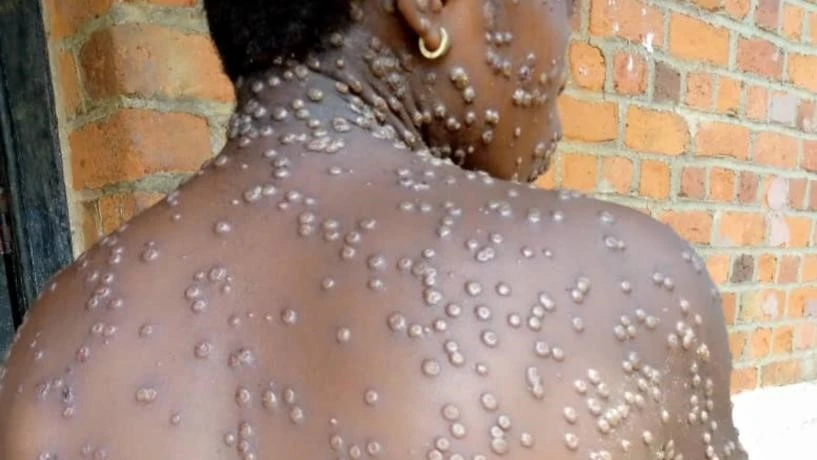
    Mpox, formerly known as monkeypox, is a viral disease transmitted to humans through close contact with an infected person, animal, or contaminated materials. It presents with symptoms such as:

    • Fever
    • Rash
    • Headache
    • Muscle aches
    • Back pain
    • Swollen lymph nodes
    • Fatigue

    The infection, while uncomfortable, is typically self-limiting in most cases. However, early detection and prompt treatment are crucial in managing and controlling the spread.

    Steps Taken by the Ghana Health Service

    Following the confirmation of the two cases:

    • Contact tracing has begun to identify and monitor individuals who may have been exposed.
    • Enhanced surveillance is underway in both health facilities and communities to identify and investigate any additional suspected cases.
    • Public awareness campaigns are being intensified to educate citizens about the disease, its symptoms, how it spreads, and preventive measures.

    What You Can Do

    To protect yourself and others:

    • Practice good hand hygiene by washing with soap and water or using alcohol-based hand sanitizers.
    • Avoid close contact with anyone showing symptoms such as rashes or fever.
    • Report suspected cases to the nearest health facility for prompt diagnosis and care.
    • Stay informed through official updates from the Ghana Health Service or Ministry of Health.

    No Cause for Panic

    According to Prof. Samuel Kaba Akoriyea, the Acting Director-General of the Ghana Health Service, there is no need for widespread alarm. Ghana’s health systems are prepared and well-equipped to manage and contain the disease.

    This swift response highlights Ghana’s readiness and resilience in the face of public health challenges. While we remain vigilant, it’s important not to spread misinformation or stigma. Instead, let’s all play our part by staying informed and taking necessary precautions.

    Ghana Confirms Two Cases of Mpox in Accra: What You Need to Know

    For official updates and health advice, follow the Ghana Health Service on Facebook or visit their website.

    Stay safe, stay informed.

    — InfoHealthGH.com
    Your trusted source for health tips and news in Ghana.

  • President Mahama Launches ‘MahamaCares’ to Support Ghanaians with Chronic Illnesses

    President Mahama Launches ‘MahamaCares’ to Support Ghanaians with Chronic Illnesses

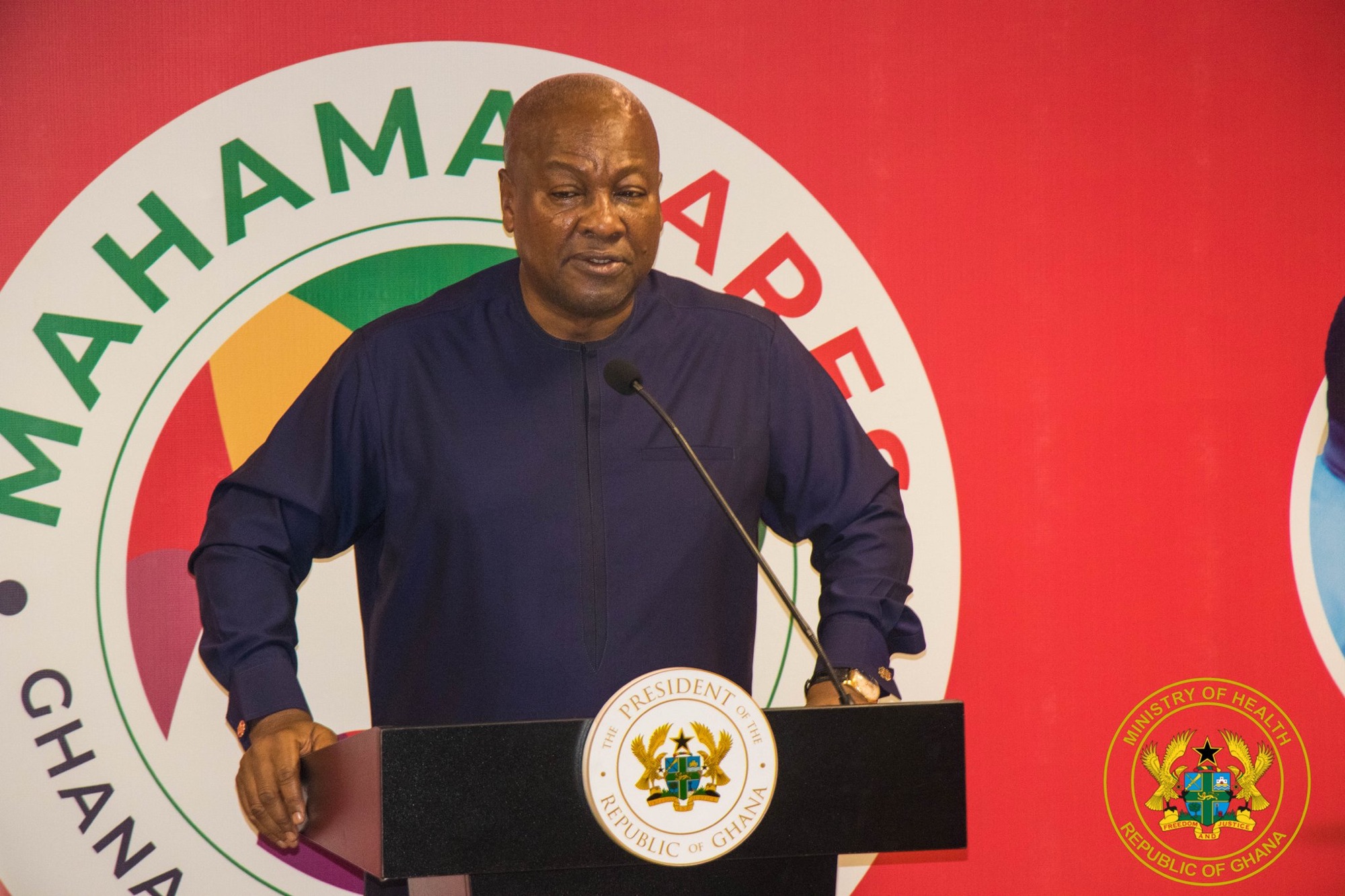
    President John Dramani Mahama has officially launched the Ghana Medical Trust Fund, popularly known as “MahamaCares,” a groundbreaking initiative aimed at providing financial assistance to individuals living with chronic diseases across the country. The launch event took place on Tuesday, April 29, at the University of Ghana Medical Centre (UGMC) in Accra.

    The fund is designed to cover the cost of care and medication for Non-Communicable Diseases (NCDs) not currently included under the National Health Insurance Scheme (NHIS), thereby complementing it by supporting critical aspects of these conditions. Targeted illnesses include cancer, diabetes, cardiovascular diseases, chronic kidney failure, stroke, and others. The initiative particularly aims to support specialist-level treatment for a wide range of chronic illnesses, including cancers, diabetes, cardiovascular diseases, chronic kidney failure, stroke, and others. 

    Weight Loss Success Stories: What worked and Didn’t

    In his address, President Mahama emphasized the fund’s role in promoting health equity, stating, “This is hope for a future where the quality of life is not determined by one’s ability to pay for essential treatment.”  He also shared personal experiences, noting that he had lost his father, mother, friends, and employees to chronic illnesses, underscoring the need for urgent national support systems. 

    Demonstrating personal commitment, President Mahama pledged to donate six months of his salary to the fund. He appealed to the corporate sector and other stakeholders to contribute to the fund to ensure that individuals battling chronic diseases can access the support they need. 

    Health Minister Kwabena Mintah Akandoh also announced his personal commitment by donating three months of his salary to the fund. He highlighted the inspiring response from the public, including a generous contribution from a pensioner, as evidence of the wide-reaching impact and public goodwill surrounding the initiative. 

    The Ghana Medical Trust Fund represents a significant step towards a more inclusive healthcare system in Ghana, aiming to alleviate the financial burden of chronic diseases and ensure that no Ghanaian is left behind due to financial constraints. 

    Photos from the Event

    H. E. John Dramani Mahama address at the Launch
  • Ministry of Health Announces Reduction in the cost of Application Forms for admission into Health Training Institutions

    Ministry of Health Announces Reduction in the cost of Application Forms for admission into Health Training Institutions

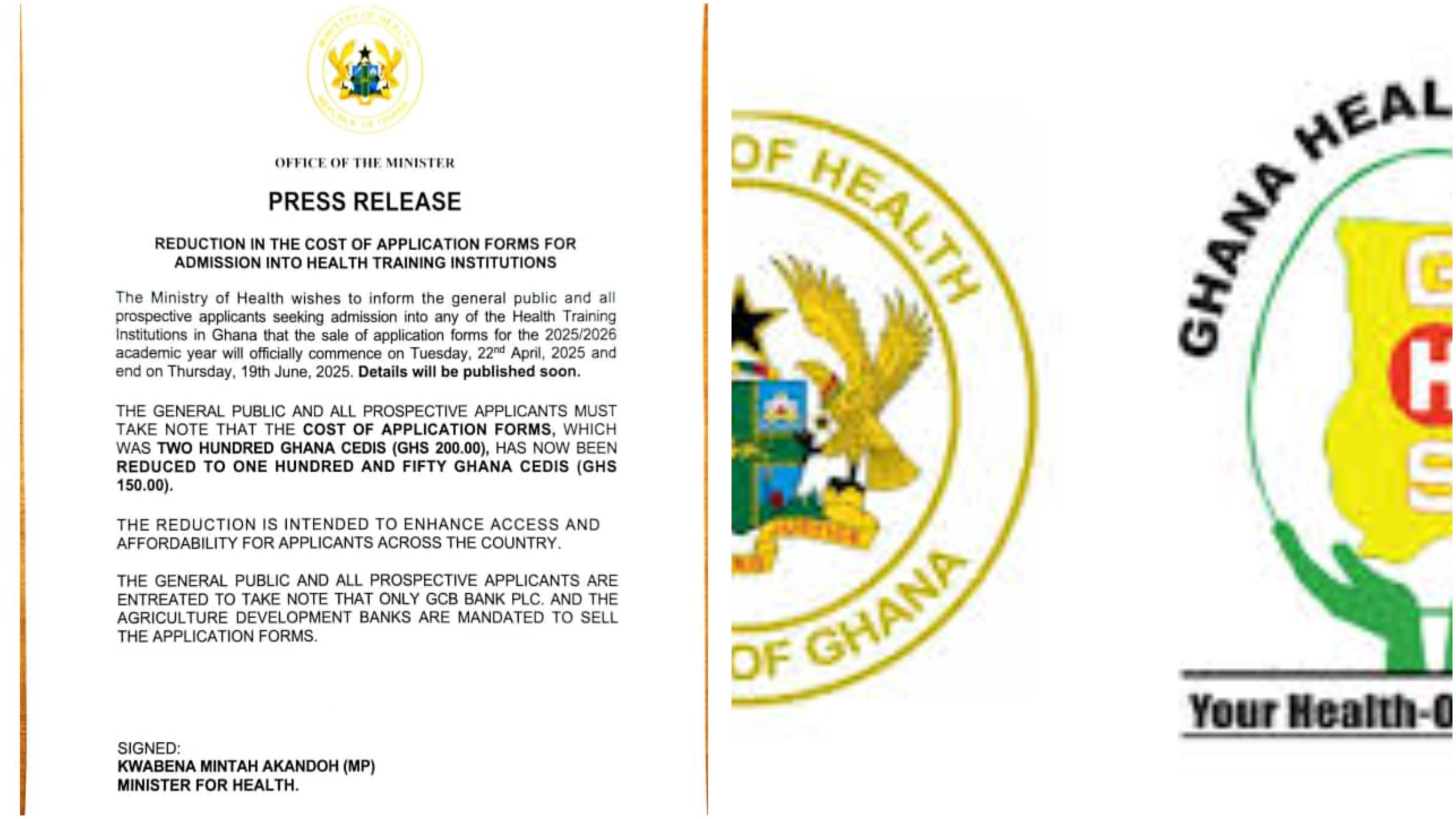
    Ministry of Health Announces Reduction in the cost of Application Forms– The Ministry of Health (MOH) through a written communique that was shared via their social media page has announced a reduction in the cost of application fees to its health training institutions effective 22nd April 2025.

    Read Also: Plastic in Your Blood? Scientists Just Found It in Humans!

    According to MOH, “THE REDUCTION IS INTENDED TO ENHANCE ACCESS AND AFFORDABILITY FOR APPLICANTS ACROSS THE COUNTRY.”

    The applicant fees which was previously GHC 200 has now been reduced to GHC 150.

    By the Press release issued, the general public are also informed that the sale of application forms for the 2025/2026 academic year will officially commence on Tuesday, 22nd April, 2025 and end on Thursday, 19th June, 2025.

    The Ministry added in their letter that only two banks namely GCB PLC and Agricultural Development Bank are mandated to sell their application forms.

    You may find the letter below

    Ministry of Health Announces Reduction in the cost of Application Forms
    Ministry of Health Announces Reduction in the cost of Application Forms

    Follow My Facebook Page Here

  • New Study Confirms cancer-causing chemicals in meats singed with burnt car tyres

    New Study Confirms cancer-causing chemicals in meats singed with burnt car tyres

    A joint study by the African Centre of Excellence in Public Health and Toxicological Research (ACEPUTOR), University of Port Harcourt, Nigeria, and the Kwame Nkrumah University of Science and Technology (KNUST), Kumasi, has revealed alarming levels of cancer-causing chemicals in meats singed using tyres.

    Published in the journal Environmental Health Insights, the study found that meats singed with tyres contain high levels of polycyclic aromatic hydrocarbons (PAHs), particularly a harmful chemical called Benzo[a]pyrene, which is known to increase the risk of cancer.

    Read Also: 11 Inherited Traits That Come from Your African Mom and Dad

    Highest risk from tyre-singed meats

    Led by Prosper Manu Abdulai from ACEPUTOR, the research involved testing meats singed with tyres, firewood, and liquefied petroleum gas (LPG) in Ghana’s five largest cities: Kumasi, Accra, Koforidua, Tamale, and Ho.

    The researchers collected 180 samples of cattle and goat meat and found that meats singed with tyres contained the highest levels of PAHs, with some exceeding regulatory limits set by the European Food Safety Authority (EFSA).

    “We did a health risk assessment, and we realised that kids and adults who take this meat, whether singed with firewood or tyres, are at serious risk of getting cancer,” Abdulai warned.

    Children and older adults were identified as the most vulnerable groups exposed to these harmful substances.

    Recommendations for safer alternatives

    The study recommends the use of safer alternatives, such as LPG gas, for singeing meat. Among the tested fuel types, LPG demonstrated the lowest levels of PAHs, making it the preferred option for reducing the risk of exposure to these harmful chemicals.

    The researchers also emphasised the urgent need for stricter regulations to prevent the use of tyres for meat singeing. “The stakeholders should have something to do at the abattoirs so that all of them will use the LPG,” Abdulai urged.

    Study Links Childhood Maltreatment to Alcohol Abuse in Adults.

    Call for Action

    The study calls for:

    Stricter regulations: Authorities are urged to impose heavy penalties for using tyres in meat preparation to protect public health.

    Awareness campaigns: Educating stakeholders and the general public on the health risks associated with tyre-singed meats.

    Promoting LPG usage: Encouraging the adoption of LPG as a safer singeing alternative to traditional methods like firewood and tyres.

    A collaborative effort

    The KNUST co-author of the study, Prof. Caleb Kesse Firempong, highlighted the importance of collaborative research in addressing public health concerns and urged policymakers to act swiftly to mitigate the risks posed by PAHs.

    This ground-breaking study sheds light on a critical issue affecting public health and underscores the need for immediate interventions to safeguard consumers from exposure to dangerous chemicals in singed meats.

    Source: Graphic Online

  • West Africa Pharma and Healthcare Expo 2024 opened

    West Africa Pharma and Healthcare Expo 2024 opened

    The third West Africa Pharma and Healthcare Expo commenced in Accra, Ghana, with the government expressing its commitment to making Ghana a pharmaceutical hub in Africa.

    Dr. Benard Okoe Boye, the minister-designate of health, inaugurated the event on behalf of President Nana Addo Dankwa Akuffo Addo, highlighting the government’s focus on leveraging e-pharmacy and digital health for healthcare transformation.

    Read Also: Director of Health Services has urged Ghanaians to Vaccinate against Covid-19

    The Expo aimed to explore the potential of e-pharmacy and digital health delivery in West Africa, with a particular emphasis on leveraging digital platforms to improve healthcare access and delivery.

    Dr. Okoe Boye emphasized the importance of embracing e-pharmacy within the pharmaceutical industry to enhance efficiency, accessibility, and affordability in healthcare systems.

    Ghana’s National Electronic Pharmacy Platform ecosystem had 226 operational electronic pharmacies as of August 2023, indicating progress in adopting digital health solutions. Concerns regarding data privacy in e-health were raised, with reports suggesting that only forty percent of healthcare businesses have strong data security mechanisms.

    Read Also: Study Links Childhood Maltreatment to Alcohol Abuse in Adults.

    Mr. Harrison Abutiate, CEO of Ghana National Chamber of Pharmacy, highlighted the chamber’s commitment to advancing e-health services in Ghana and beyond.

    Exhibitors from various countries, including India, Ghana, Turkey, Pakistan, USA, and Italy, participated in the exhibition, providing an opportunity for collaboration and investment in the pharmaceutical industry.

    Source : GNA

  • Director of Health Services has urged Ghanaians to Vaccinate against Covid-19

    Director of Health Services has urged Ghanaians to Vaccinate against Covid-19

    The director of Health Services has urged Ghanaians to Vaccinate against Covid-19. – Mr. Eric Nana Takyi, the Director of Health Services for the Kadjebi District, has urged Ghanaians especially those in Kadjebi District, to take the COVID-19 vaccination seriously.

    He emphasized the importance of the upcoming National Vaccination Day against COVID-19 scheduled from May 4 to 9.

    Advising individuals above 18, he pleaded with them to seize the opportunity to get vaccinated.

    Read Also: Study Links Childhood Maltreatment to Alcohol Abuse in Adults.

    Takyi revealed that only 28,682 individuals in the Kadjebi District have completed their vaccination regimen. This leaves approximately 21,200 people in the district vulnerable to COVID-19.

    Takyi addressed concerns about recent increases in COVID-19 cases, attributing this trend to individuals who have either refused to get vaccinated or are only partially vaccinated. He underscored the severity of the disease and urged everyone to get vaccinated without delay.

    These remarks were made during a meeting of the Risk Communication Committee held in Kadjebi, Oti Region. Takyi reiterated the importance of completing the vaccination regimen. He emphasized the need for individuals to receive their second dose and booster shots for full protection against COVID-19.

    Highlighting the role of the Risk Communication Committee, Takyi explained its responsibility to provide accurate and timely information to the public, thereby preventing the spread of misinformation, minimizing fear, and promoting informed decision-making regarding health issues.

    Mrs. Mabel Amankwa-Amoah, the Health Promotion Officer for the Kadjebi District, acknowledged the challenges of behavior change and urged committee members to communicate effectively on current issues.

    Read Also: How to deal with sore muscles after an intense workout.

    Mr. David Naboare, a Mental Health Officer, emphasized the importance of mental well-being in effective communication, citing statistics indicating mental health challenges among Ghanaians.

    The Risk Communication Committee comprises various units and agencies. They are; the National Commission for Civic Education (NCCE), Ghana Education Service (GES), media outlets, Environmental Health, Disease Surveillance, Health Promotion, Mental Health, Ghana Police Service, Muslim Representatives, and Civil Society Organizations (CSOs).