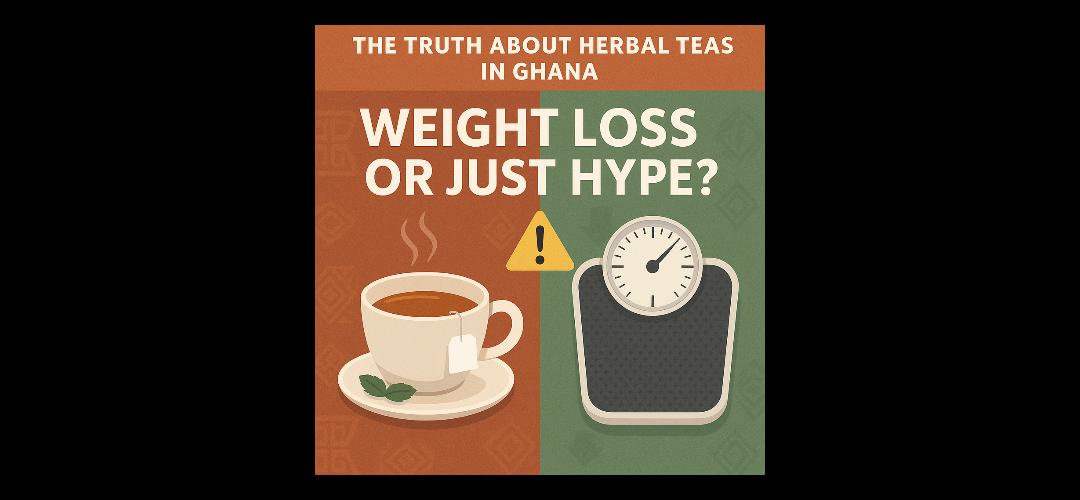
Truth about Herbal Teas in Ghana: There are so many products out there in the market that promise to make you lose weight, and most of these herbal teas are dubbed “slimming tea” because that is what they claim to do. The truth is that using such products may reduce your weight in the short term, but they don’t make you burn fat. At best, they help condition your body into fat-burning mode by lowering sugar levels, hence insulin.

The truth is, if I’m not exaggerating, 90% of these products will make you visit the loo more than 20 times a day. You will notice a drop in your weight when you step on the scale and think it’s working, but what you don’t know is that you are actually losing water weight due to the frequent passing of watery stool.
Some of these herbal teas contain ingredients like senna, a natural laxative, which can cause serious health problems, including dehydration, electrolyte imbalances and, in worst-case scenarios, life-threatening conditions.
In the case of Ghana, there are so many vendors online with products they claim work wonders when taken. Most of these are in a tea that you have to dip in hot water and drink. These herbal teas have lots of positive reviews, or at least according to the vendors, but personally, I am yet to try one or meet someone who lost even a kilo from drinking them.
Let’s uncover the Truth about Herbal Teas in Ghana and look at the role they play in weight loss.
Read Also: Healthy Ghanaian Breakfasts to Lose Weight: Smart Choices for Sustainable Results
What Are Herbal Teas and How Are They Marketed in Ghana?

Herbal teas are beverages made from the infusion or decoction of herbs, spices, or other plant materials in hot water. Unlike traditional teas (green, black, oolong), herbal teas do not typically contain actual tea leaves from the Camellia sinensis plant. In Ghana, the most popular slimming teas are sold as mixtures of local herbs, roots, or imported blends packaged to look professional and appealing.
They are marketed aggressively online—on Facebook, Instagram, TikTok, and WhatsApp. Vendors promise quick weight loss, flatter stomachs, and detoxification within days. Unfortunately, most consumers take these claims at face value without questioning what’s actually in the product or how it works.
The Most Common Ingredients Found in “Slimming Teas”
Many of these teas share a common ingredient: senna. Senna is a natural laxative that stimulates bowel movements. It’s often promoted as a detoxifier, but in truth, it just makes you poop a lot—removing water and waste from your system. Other ingredients may include:
- Dandelion root (diuretic – makes you urinate more)
- Green tea extract (may have mild fat-burning effects)
- Peppermint or ginger (used for digestion, not fat loss)
- Lemongrass, guava leaves, or neem (local herbs with various traditional uses)
While these may sound harmless or even healthy, their effects can be harsh if taken daily in large amounts.
Do Herbal Teas Burn Fat or Just Flush Water Weight?

Here’s the honest answer: they do not burn fat. The weight you lose after taking these teas is mostly water and waste from your digestive tract. That’s why you see a drop on the scale—it’s not real fat loss.
True fat burning requires a calorie deficit—your body has to burn more calories than you consume. Herbal teas might suppress your appetite slightly or make you avoid food because you’re always in the toilet, but that’s not sustainable or healthy.
Health Risks of Overusing Herbal Teas for Weight Loss
Overreliance on slimming teas can lead to:
- Dehydration: Constant diarrhoea or urination strips your body of water.
- Electrolyte imbalance: Loss of sodium, potassium, and magnesium can lead to muscle cramps, weakness, or heart issues.
- Dependence on laxatives: Your gut may become lazy and rely on laxatives to move waste.
- Malabsorption: Constant flushing can reduce your body’s ability to absorb nutrients.
Worst of all, many users don’t know what they’re consuming, since some products don’t disclose ingredients clearly or honestly.
Why So Many People Still Buy Herbal Slimming Teas in Ghana
Let’s face it—quick fixes sell. In a society where being slim is admired and weight loss is seen as a ticket to confidence, many people turn to easy solutions. Combine that with the high cost of gym memberships, lack of time for workouts, and poor nutrition education, and you’ll understand why slimming teas are so popular.
Also, many people trust herbal products because they believe they’re “natural” and therefore safe. But remember, even poison ivy is natural—it doesn’t mean it’s good for you.
What Actually Works for Sustainable Weight Loss?
Here’s what truly helps when trying to lose weight—and no, it’s not magical or instant:
- Balanced meals with whole foods (especially high in protein and fibre)
- Regular physical activity (walking, skipping, dancing, or any consistent movement)
- Portion control and reducing sugary and high-fat foods
- Proper sleep and stress management
- Professional guidance from a dietitian or healthcare provider if needed
Supplements or herbal teas may support your efforts only if used wisely and combined with the above, not as a replacement. There are some home made remedies that could replace these herbal teas being marketed aggressively online. For example, soursop leaves are one of the herbal ingredients used traditionally, and recent research shows benefits related to inflammation, blood pressure, and immune support — see Soursop Leaves: The Magical Underrated Benefits
Read Also: Gari vs Rice: Which is the better alternative when trying lose weight.
Final Thoughts: Are Herbal Teas in Ghana Worth It for Weight Loss?
Herbal teas in Ghana may offer temporary weight reduction, but not real fat loss. They often work by flushing out water from your system, which can make you feel lighter but may also harm your health if abused.
Before you buy into the hype, ask yourself: “Do I want to lose water weight for a few days, or do I want to feel and look better long-term?”
If it’s the latter, skip the detox gimmicks. Focus on eating better, moving more, and treating your body with care. That’s the truth herbal tea vendors won’t tell you—but now, you know.
Follow My Facebook Page: Here