Introduction
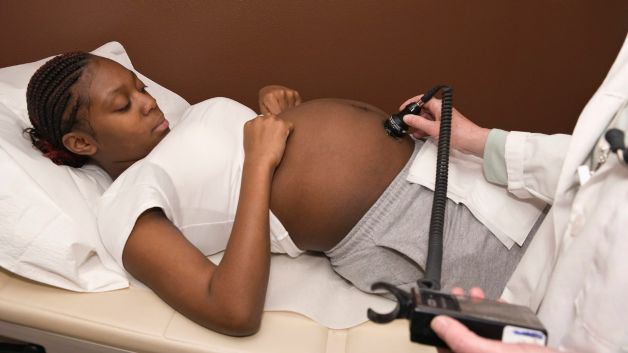
“Bↄdze” and the Myth of Delayed Childbirth -In many Ghanaian communities and beyond, there’s a persistent belief that women who do not give birth early in life are more likely to experience a sharp, sudden pain in the lower abdomen—commonly known as “bodze.” This pain often occurs when a person, especially a woman rises from a seated position or stands abruptly. Some even say the pain is nature’s way of “reminding” women to give birth early. But how true is this? Does science support this claim, or is it just another myth passed down through generations?
In this post, we break down what “bodze” really is, what causes it medically, and whether delayed childbirth has anything to do with it.
Read Also: Relieve Lower Back Pain with these simple remedies
What Is “Bodze” Pain?
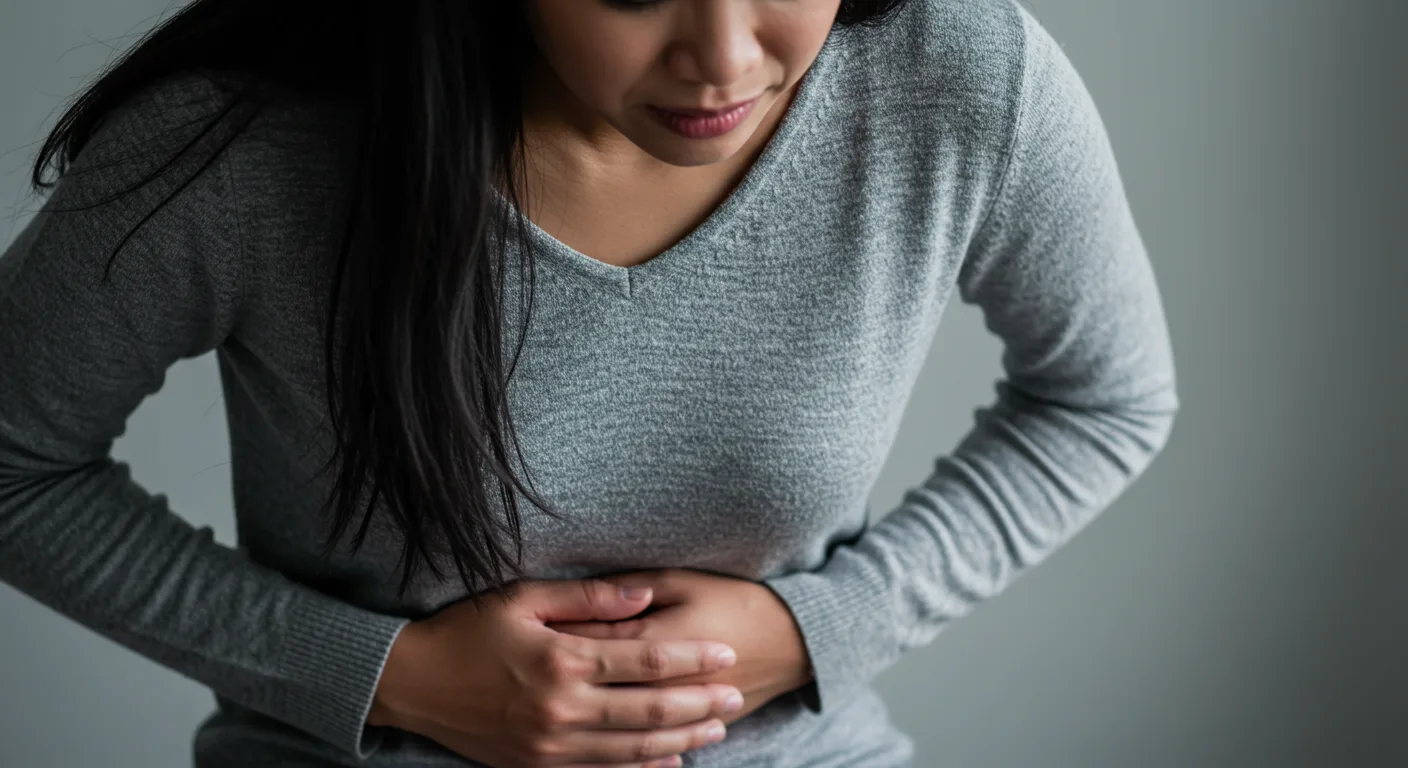
Though not a medical term, bodze describes a sharp, often stabbing pain in the lower abdomen or pelvis. It’s usually momentary but can be intense enough to stop someone in their tracks. It’s most commonly reported by women, especially during their reproductive years.
In medical language, this type of pain can fall under several conditions:
- Round Ligament Pain: Usually associated with pregnancy but not exclusive to it. It occurs when the ligaments that support the uterus stretch or contract suddenly.
- Mittelschmerz: A German word meaning “middle pain,” this refers to the sharp pain some women experience during ovulation, around the middle of their menstrual cycle.
- Pelvic Girdle Pain: Often experienced during pregnancy but can occur due to muscle strain or misalignment in non-pregnant women.
- Musculoskeletal Pain: Caused by poor posture, core weakness, or sudden movements.
- Other Causes: Conditions like ovarian cysts, endometriosis, or even urinary tract infections can cause similar pain.
The Myth: Delayed Childbirth Causes “Bodze”

There is a widely held belief that women who do not have children early are more likely to suffer this type of pain. The theory is that the body “suffers” from not fulfilling its natural reproductive role.
Read Also: Five (5) signs you have too much salt in your system.
But here’s the truth:
There is no scientific or medical evidence to support the idea that delaying childbirth causes or increases the likelihood of experiencing pelvic pain like “bodze.” However, it’s also fair to acknowledge that delaying childbirth may come with certain biological considerations.
Fertility naturally declines with age, especially after age 35, which can make conception more difficult for some women. There is also a slightly increased risk of pregnancy-related complications such as high blood pressure, gestational diabetes, or cesarean delivery. With proper healthcare, many women have healthy pregnancies and babies later in life.
The decision of when to have children is deeply personal and influenced by many factors—emotional readiness, career goals, financial stability, and overall health. What matters most is that women are supported, informed, and free to choose the timing that’s right for them without judgment or fear.
What the Research Shows
- Pelvic pain is common in women of all reproductive ages—whether or not they have had children. According to a study published in The Lancet, chronic pelvic pain affects up to 20% of women worldwide.
- Round ligament pain and other types of pelvic discomfort can occur in women who have never been pregnant. It’s not exclusive to mothers.
- Hormonal fluctuations, especially around ovulation and menstruation, are known to cause pelvic discomfort in many women. This has nothing to do with childbirth status.
- Age of first childbirth has not been medically linked to muscle or ligament-related pelvic pain. There is no physiological mechanism that supports this myth.
Why the Myth Persists
In the absence of scientific understanding, many cultures fill the knowledge gap with anecdotal explanations. A young woman complaining of bodze pain may be told she’s “waiting too long” to have children, leading her to believe the pain is a punishment or warning. Over time, these stories are repeated until they become accepted as truth.
The Real Message: Listen to Your Body, Not Myths
Experiencing pelvic pain is not a sign you’ve done something wrong or delayed childbirth. It’s a common symptom that can have various natural or medical causes. If the pain is frequent, intense, or concerning, consult a healthcare professional. Early diagnosis can help manage conditions like endometriosis, fibroids, or ovarian cysts—real causes that deserve attention, not shame.
Healthy Habits to Help Limit “Bodze”.

While some pelvic pain is natural, certain lifestyle choices can help reduce how often it occurs. Staying active with gentle exercises like stretching or walking, maintaining good posture, and avoiding sudden movements can ease pressure on pelvic muscles and ligaments. Drinking plenty of water, managing stress, and tracking your menstrual cycle also support hormonal balance and pain management. If the pain becomes frequent or severe, it’s always best to seek medical advice.
Conclusion
“Bodze” is not a curse or consequence of choosing to delay childbirth. It’s a physical symptom that may be linked to natural body processes or underlying health issues. Let’s replace harmful myths with real knowledge, support women with empathy, and encourage open conversations about reproductive and pelvic health.
Have you experienced bodze pain before? What were you told about it? Share your story in the comments or message us—let’s break the myth together.
Follow My Facebook Here : Infohealthgh