Author: kwamebrew

  • Blocked Nose for a Month with Clear Mucus: Should You Be Concerned?

    Blocked Nose for a Month with Clear Mucus: Should You Be Concerned?

    Person holding a tissue to their face, experiencing a blocked nose for a month with clear mucus

    A blocked nose that lasts for a few days is usually nothing to worry about. But what if you have had a blocked nose for a month with clear mucus?

    You blow your nose repeatedly, yet the congestion returns within minutes. Sometimes, your left nostril opens while the right blocks, and then they switch. Furthermore, you might even feel clear fluid slowly dripping down the back of your throat. If this sounds familiar, you are certainly not alone.

    Although persistent nasal congestion is frustrating, it rarely means you have a bacterial infection. In fact, the problem is usually ongoing inflammation inside the nose rather than an excess of mucus.

    In this guide, we will explore the most likely causes, highlight what treatments actually work, and explain exactly when you should seek medical attention.

    Why Does My Nose Stay Blocked Even After Blowing It?

    Many people assume their nose is blocked because it is packed with mucus. In reality, that is often not the case.

    The inside of your nose contains structures called turbinates. These tissues help warm, humidify, and filter the air you breathe. During a cold or after exposure to an irritant, these tissues become swollen and inflamed. Consequently, even after you blow your nose, the swollen tissues continue to narrow your airway. This causes the blocked feeling to return almost immediately.

    If you only expel a small amount of clear liquid despite forceful blowing, swelling—not mucus—is likely the main culprit.

    Is It Normal for One Nostril to Block at a Time?

    Person holding a tissue to their face, experiencing a blocked nose for a month with clear mucus
    Person holding a tissue to their face, experiencing a blocked nose for a month with clear mucus

    Yes, it is entirely normal.

    The body naturally follows a process called the “nasal cycle.” During this cycle, one nostril becomes slightly more congested while the other opens wider. Every few hours, they switch sides.

    When the lining of your nose is inflamed, this normal cycle becomes highly noticeable. As a result, you may experience:

    • Your left nostril blocking while the right is open.
    • The opposite happening a few hours later.
    • A sensation where both nostrils rarely feel completely clear at the same time.

    This alternating pattern is a classic sign of prolonged nasal inflammation.

    5 Causes of a Blocked Nose for a Month with Clear Mucus

    If you are struggling with a constantly blocked nose, one of the following five conditions is likely responsible.

    1. Post-Viral Rhinitis

    This is one of the most common reasons for a long-term blocked nose. Even after a cold virus has completely cleared your system, inflammation inside your nasal passages can linger for several weeks. Symptoms typically include clear mucus, alternating blocked nostrils, and postnasal drip, but no fever.

    Side Effects of Air Fresheners: Hidden Health Risks and Natural Local Alternatives for a Fresh-Smelling Home

    2. Chronic Rhinitis

    Rhinitis simply translates to inflammation of the nasal lining. It often develops after viral infections or exposure to irritants like smoke, dust, strong perfumes, or air pollution. Unlike allergies, non-allergic chronic rhinitis occurs without itchy eyes or frequent sneezing.

    3. Allergic Rhinitis

    While allergies frequently cause clear mucus, they usually arrive with a specific set of extra symptoms. These include frequent sneezing, an itchy nose, and watery eyes. If your symptoms worsen around dust, pollen, or pets, allergies are likely the cause.

    4. Chronic Sinusitis

    Chronic sinus inflammation can easily cause prolonged congestion. However, people with this condition usually experience additional symptoms. Look out for facial pressure, a reduced sense of smell, and persistent discomfort around your cheeks or forehead.

    Cold remedies: What works, what doesn’t, what can’t hurt – Mayo Clinic

    5. Structural Problems

    Sometimes, persistent congestion results from physical issues inside the nose. Enlarged turbinates, a deviated nasal septum, or nasal polyps can physically block airflow. These conditions require an examination by a healthcare professional to be properly diagnosed.

    Why Does Clear Mucus Drip Down My Throat?

    Many people notice mucus running into the throat instead of coming out through the nostrils. Doctors refer to this as postnasal drip.

    Common signs of postnasal drip include:

    • Feeling fluid slowly trickling down your throat.
    • Frequently needing to clear your throat.
    • Spitting up clear phlegm.
    • A sensation that something is stuck behind your nose.

    While not everyone develops a cough, the constant dripping sensation can be highly irritating, especially at night.

    Do I Need Antibiotics?

    For most people experiencing a blocked nose for a month with clear mucus, antibiotics will not help.

    Antibiotics only destroy bacterial infections. Therefore, they are entirely useless against viral colds, post-viral inflammation, and both allergic and non-allergic rhinitis. Taking antibiotics unnecessarily exposes you to side effects and contributes to global antibiotic resistance.

    Your doctor will only consider antibiotics if you display signs of a bacterial sinus infection, such as thick yellow or green discharge paired with significant facial pain and a high fever.

    Effective Home Remedies for Persistent Congestion

    If ongoing inflammation is causing your symptoms, these simple home treatments can provide significant relief:

    • Saline Nasal Sprays: Saline helps wash away irritants, thin out secretions, and reduce dryness. Using a saline rinse once or twice daily can drastically improve your comfort.
    • Stay Hydrated: Drinking plenty of water keeps your mucus thin and easier to drain.
    • Avoid Forceful Blowing: Repeatedly blowing your nose hard will irritate the nasal lining and worsen the swelling. Instead, gently clear one nostril at a time.
    • Use Warm Steam: Inhaling steam from a warm shower temporarily opens up congested airways.
    • Elevate Your Head: Sleeping with an extra pillow keeps your head raised, improving nasal drainage throughout the night.

    When Should You See a Doctor?

    While home remedies are helpful, you should arrange a medical evaluation if:

    • Your nasal congestion lasts longer than three to four weeks.
    • Over-the-counter treatments provide zero relief.
    • You experience persistent and bothersome postnasal drip.
    • One side of your nose remains permanently blocked.
    • You frequently wake up at night unable to breathe through your nose.

    An ear, nose, and throat (ENT) specialist can examine your nasal passages and prescribe targeted treatments, such as a corticosteroid nasal spray.

    Seek Urgent Medical Care If You Develop:

    Get immediate medical attention if your blocked nose is accompanied by a high fever, swelling around the eyes, severe facial pain, vision changes, confusion, heavy nosebleeds, or difficulty breathing.

    Frequently Asked Questions

    Can a blocked nose really last for a month?

    Yes. After certain viral infections, inflammation inside the nasal passages can easily persist for four weeks or more, even after all your other cold symptoms have vanished.

    Why does my nose block again right after I blow it?

    Blowing removes fluid but does not reduce the swelling of your nasal tissues. Because inflammation is the root cause of the blockage, the congested feeling usually returns within minutes.

    Is postnasal drip dangerous?

    Usually, no. It is a very common symptom of rhinitis and sinus inflammation. However, if your postnasal drip persists for several weeks, you should have it evaluated by a doctor.

    Key Takeaways

    Having a blocked nose for a month with clear mucus is rarely a sign of a severe bacterial infection. Instead, swollen nasal tissues and lingering inflammation—not excess mucus—are usually responsible for your prolonged congestion and postnasal drip.

    While home remedies like saline rinses and proper hydration offer great relief, symptoms lasting four weeks or longer warrant a proper medical evaluation. Most importantly, skip the antibiotics unless a doctor specifically prescribes them for a confirmed bacterial issue.

  • 11 Household Items Giving Negative Energy and Disrupting Your Positive Energy

    11 Household Items Giving Negative Energy and Disrupting Your Positive Energy

    Have you ever walked into your home and instantly felt drained, restless, or unusually anxious for no obvious reason? Maybe you’ve been feeling stressed despite having nothing particularly stressful happening in your life. Or perhaps you’ve noticed that your home doesn’t feel as peaceful as it once did.

    While factors such as sleep, mental health, and physical health play a major role in how we feel, many cultures and spiritual traditions also believe that the environment around us influences our emotional and mental well-being. Whether you see it as spiritual energy, psychological influence, or simply the effect of clutter and surroundings on your mind, certain household items giving negative energy may be affecting the atmosphere in your home more than you realise.

    Some objects remind us of painful memories. Others create visual clutter, while a few simply make a room feel heavy or neglected. On the other hand, a clean, organised, and meaningful living space often promotes peace, creativity, and relaxation.

    In this article, we’ll explore 11 household items giving negative energy according to common spiritual beliefs, feng shui principles, and practical psychology—and what you can do about them.

    Read Also: 5 Places You Should Stop Wasting Your Energy Before It Drains Your Spirit.

    1. Broken or Damaged Items

    Cracked mugs, broken clocks, chipped plates, damaged electronics, and furniture waiting “to be fixed someday” do more than occupy space. Every time you see them, they silently remind you of unfinished tasks and neglect.

    Many traditions associate broken items with blocked energy, stagnation, and missed opportunities.

    If an item can be repaired, repair it. If it cannot, let it go. Removing broken possessions often creates an immediate sense of relief and freshness.

    2. Mirrors Placed in the Wrong Location

    Mirrors brighten rooms and make spaces appear larger, but where you place them matters.

    Many feng shui practitioners advise against placing mirrors directly opposite the bed because they are believed to disturb restful sleep by reflecting energy throughout the night. Mirrors reflecting clutter or dark corners may also amplify the feeling of disorder.

    Instead, position mirrors where they reflect natural light, beautiful views, or clean spaces.

    What’s Your True Temperament? Take This Quick Self-Test to Find Out!

    3. Photos That Bring Painful Memories

    Photographs preserve memories, but not every memory deserves a permanent place on your wall.

    Pictures associated with family conflicts, broken friendships, painful relationships, or traumatic events can subconsciously keep those emotions alive.

    This doesn’t mean you should erase your past. Rather, display photos that remind you of love, joy, achievement, and hope.

    4. Mattresses from Past Relationships

    Your mattress is where you spend nearly one-third of your life resting and recovering.

    Many spiritual traditions believe mattresses absorb emotional energy over time. If a mattress carries memories of a painful breakup, abuse, or constant conflict, some people feel emotionally lighter after replacing it.

    Even from a practical perspective, old mattresses can affect sleep quality, which directly impacts mood, stress levels, and mental health.

    If replacing the mattress isn’t possible, giving it a deep cleaning and refreshing your bedroom can still help create a new beginning.

    5. Shoes Stored Under the Bed

    Shoes carry dirt, dust, bacteria, and the energy of everywhere you’ve walked.

    Keeping them under your bed may not only create clutter but can also affect the peaceful atmosphere of your sleeping space.

    Many people report sleeping better after clearing everything from beneath the bed, allowing air and energy to circulate more freely.

    6. Unwanted Gifts You Feel Obligated to Keep

    Not every gift deserves permanent storage.

    Sometimes a gift reminds you of someone who manipulated, hurt, or controlled you. Other times you simply don’t like it but keep it out of guilt.

    Every time you look at it, you’re reminded of emotions you’d rather leave behind.

    If an item doesn’t serve you or bring you happiness, consider donating it to someone who will appreciate it more.

    Read Also: The Role of Water in Weight Loss: What You Need to Know

    7. Dark or Depressing Artwork

    Art shapes the mood of a room.

    Images of loneliness, violence, sadness, storms, abandoned buildings, or suffering may create a gloomy atmosphere over time.

    Choose artwork that inspires peace, hope, gratitude, beauty, or positive memories instead. Your walls should make you feel welcomed, not emotionally weighed down.

    8. Old Artificial Flowers and Dead Decorative Plants

    Artificial flowers covered in dust or faded with age can make a home feel lifeless.

    Although they require little maintenance, worn-out fake plants often symbolize stagnation rather than growth.

    If you enjoy artificial plants, keep them clean and replace them once they begin looking old or damaged.

    9. Dying or Neglected Houseplants

    Living plants often symbolize growth, health, and renewal.

    When plants are constantly dying, yellowing, or neglected, they may contribute to an atmosphere of neglect within the home.

    If you struggle to keep plants alive, choose low-maintenance varieties like snake plants or pothos, or simply remove unhealthy plants before they become an eyesore.

    10. Antiques with Uncomfortable Histories

    Many antique pieces are beautiful and completely harmless. However, some people feel uneasy bringing objects with unknown histories into their homes.

    Whether or not you believe objects retain emotional energy, it’s worth paying attention to how an item makes you feel.

    If an antique consistently creates discomfort, anxiety, or unease, trust your instincts and consider replacing it with something that brings you peace.

    11. Excessive Clutter and Items You Never Use

    Perhaps the biggest source of negative energy isn’t mysterious at all—it’s clutter.

    Closets overflowing with unused clothes, boxes of forgotten belongings, overflowing drawers, and crowded countertops can make a home feel mentally exhausting.

    Research has shown that clutter can increase stress, reduce focus, and contribute to feelings of anxiety.

    Ask yourself one simple question:

    “Does this item add value to my life today?”

    If the answer is no, it may be time to donate, recycle, or discard it.

    ‎Follow the InfoHealthGh channel on WhatsApp: https://whatsapp.com/channel/0029Va7j1SgGE56e8pagc22u

    Can Household Items Really Affect Energy?

    Whether you believe in spiritual energy, feng shui, or simply the psychology of your surroundings, your environment influences how you think and feel.

    Clean spaces tend to promote calmness.

    Natural light often improves mood.

    Meaningful decorations inspire positive emotions.

    Removing clutter reduces mental overload.

    Sometimes what people describe as “negative energy” is simply the emotional weight attached to certain possessions or an environment that no longer supports your well-being.

    Read Also: How to Stop Sugar Cravings Naturally at Night: 7 Proven Strategies

    Conclusion

    Not every object in your home is secretly working against you, but some household items giving negative energy can subtly affect your mood, productivity, and sense of peace. Broken belongings, clutter, painful reminders, neglected plants, and other emotionally draining objects may keep you connected to stress without you even realizing it.

    Take a slow walk through your home this week. Look at each room with fresh eyes and ask yourself whether every item contributes to the kind of life you want to live.

    Sometimes creating a more peaceful home isn’t about buying something new—it’s about letting go of what no longer belongs there.

    Disclaimer: There is limited scientific evidence that household objects emit “negative energy” in a spiritual sense. Many of the ideas discussed above come from cultural beliefs, feng shui practices, and observations about how our surroundings influence our emotions and behavior. If persistent feelings of sadness, anxiety, or stress continue despite changes to your environment, consider speaking with a qualified healthcare or mental health professional.

  • The Silver Paradox: Why Your Grey Hair is Actually Your Fastest-Growing Hair

    The Silver Paradox: Why Your Grey Hair is Actually Your Fastest-Growing Hair

    Key Takeaways

    • Grey hair can actually grow faster than your normal hair. Studies suggest grey hairs may grow about 10% faster than pigmented hairs.
    • Grey hairs are usually thicker. That’s why they often feel coarse, wiry, or harder to manage.
    • Your hair follicles are still healthy. Going grey doesn’t mean your hair is dying—it simply means it has stopped making its natural color (melanin).
    • Grey hair stays in the growth phase longer. This allows individual grey hairs to grow longer before they eventually fall out.
    • Grey hair is more likely to stick out. Because it’s thicker and loses moisture more quickly, it can become frizzy, dry, and difficult to style.
    • Too much stress inside the hair follicle may cause greying. As the follicle works hard to grow hair, it produces harmful molecules called free radicals, which can damage the cells that give hair its color.
    • The follicle survives, but the color doesn’t. Even after the pigment-producing cells die, the follicle keeps making new hair—just without the color.
    • Not everyone is half grey by age 50. The old saying that “50% of people have 50% grey hair by age 50” isn’t true for most people. The actual number is much lower.

    Read Also: Onion Juice for Hair Growth: Evidence, How It Works, Step-by-Step Guide, Benefits & Risks

    For decades, we have viewed the arrival of grey hair as a biological “winding down”—a sign that our hair follicles are losing their vitality as we age. However, recent dermatological research has uncovered a fascinating biological contradiction known as the Silver Paradox. Far from being a sign of follicular exhaustion, unpigmented (white or grey) hair is often more physically active, thicker, and faster-growing than the pigmented hair it replaces.

    Read Also: The Bitter Truth: Sugary Drinks and Hair Loss in Men

    Faster, Longer, and Stronger

    Scientific observations have consistently shown that white hair follicles do not follow the expected trajectory of age-related decline. Clinical studies indicate that the growth rate of unpigmented hair is significantly higher—approximately 10% faster—than that of pigmented hair. This phenomenon is often most visible in male eyebrows, where the longest, most prominent hairs are frequently those that have lost their pigment.

    This “supercharged” growth isn’t just about speed; it is also about volume. Measurements of hair shaft diameter reveal that white hairs are significantly thicker and coarser than their pigmented counterparts. While we often perceive grey hair as “thinning,” the individual silver strands are actually more robust in terms of cross-sectional area.

    The Molecular “Gas Pedal”

    What is happening inside the follicle to cause this surge in activity? The answer lies in the upregulation of specific genes and proteins related to hair structure and growth.

    Microarray and RT-PCR analyses have shown that white hair follicles significantly increase the production of keratins and Keratin-Associated Proteins (KRTAPs). These proteins are the primary structural components of the hair shaft, and their upregulation suggests that grey hair is in a state of active, and even excessive, growth.

    Furthermore, the balance of growth factors—the chemical signals that tell hair when to grow and when to stop—shifts dramatically in unpigmented hair. Researchers found that white hair follicles show:

    • Upregulation of FGF7: A growth promoter (also known as Keratinocyte Growth Factor) that stimulates cell proliferation.
    • Downregulation of FGF5: A growth inhibitor that typically signals the hair to stop growing and enter the “shedding” phase.

    By essentially “stepping on the gas” with FGF7 and “releasing the brake” with FGF5, the white hair follicle remains in the active growth phase (anagen) longer and more intensely than pigmented follicles.

    Why Grey Hair Feels “Unruly”

    This hyperactivity explains the common beauty complaint that grey hair is “wild” or difficult to manage. Because white hair has a higher concentration of KRTAPs and a thicker diameter, it possesses a higher bending modulus and greater stiffness. It also exhibits different moisture kinetics; unpigmented hair tends to lose water faster, which can cause individual strands to “pop out” from the rest of the hair array as they dry and return to their natural curl.

    Read Also: 10 Foods Your Doctor Will Tell You to Avoid If You Have High Blood Pressure and Why

    The Cost of Speed: A Toxic Environment for Colour

    The most intriguing part of the Silver Paradox is that this very hyperactivity may be what kills the hair’s colour in the first place. Producing hair at such a high rate requires an immense amount of energy, which generates Reactive Oxygen Species (ROS), such as hydrogen peroxide (H2O2).

    While the hair follicle cells themselves remain viable and grow well under these conditions, the melanocytes—the delicate cells responsible for pigment—are highly sensitive to oxidative stress. The high levels of ROS created by “overdrive” growth eventually lead to melanocyte apoptosis (cell death), leaving the follicle healthy enough to grow hair, but too “toxic” to color it.

    Beyond the 50/50/50 Myth

    Despite the prevalence of greying, it is less common at age 50 than previously thought. The old “rule of thumb” stating that 50% of the population has 50% grey hair at age 50 is an oversimplification. Real-world surveys show that only 6% to 23% of people actually reach that level of coverage by age 50, depending on their ethnic origin and natural hair colour.

    In summary, your grey hair isn’t a sign that your follicles are giving up. Instead, they are running a biological marathon—growing faster and thicker than ever, even if they had to sacrifice their colour to maintain the pace.

  • 11 Hidden Signs of Low Testosterone Most Men Ignore (According to Urologist Dr Rena Malik)

    11 Hidden Signs of Low Testosterone Most Men Ignore (According to Urologist Dr Rena Malik)

    Testosterone Isn’t Just About Sex—It’s Your Body’s Master Regulator

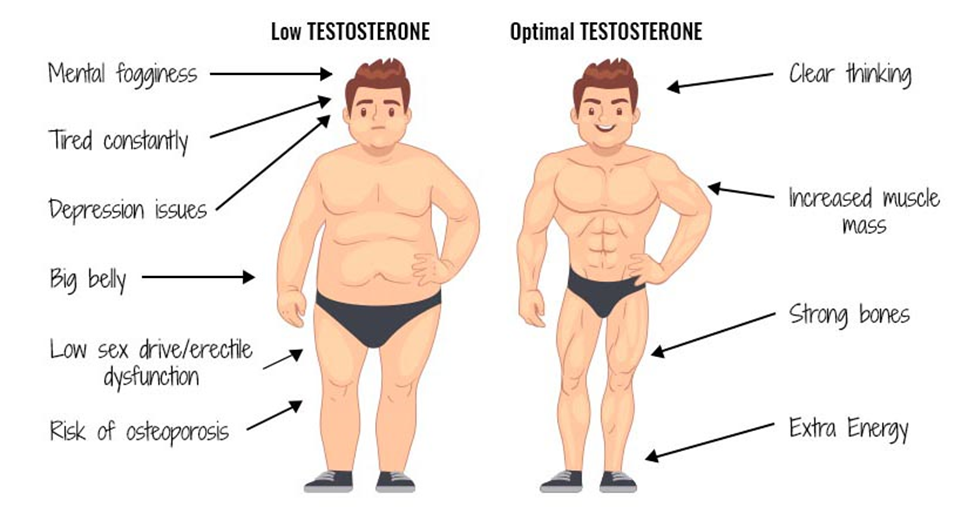
    low testosterone symptoms

    When most people hear the word testosterone, they immediately think about sex drive, muscle growth, or masculinity. But according to urologist and sexual medicine expert Dr Rena Malik, testosterone plays a much larger role in men’s health than many realise.

    In fact, testosterone acts as a master regulator that influences nearly every major system in the male body. From energy levels and mood to bone strength, cognitive performance, and metabolic health, this hormone helps keep countless processes functioning properly.

    The problem is that many men experience low testosterone without recognising the symptoms. Instead, they blame ageing, stress, poor sleep, or a busy lifestyle. As a result, testosterone deficiency often goes undiagnosed for years.

    Here are the hidden signs of low testosterone that every man should know.

    What Is Testosterone and Why Is It So Important?

    low testosterone symptoms

    Testosterone is the primary male sex hormone produced mainly in the testicles. While it is essential during puberty for developing male characteristics, its importance doesn’t disappear in adulthood.

    Healthy testosterone levels help maintain:

    • Muscle mass and strength
    • Bone density
    • Energy production
    • Mood stability
    • Cognitive performance
    • Red blood cell production
    • Healthy libido and sexual function
    • Body fat regulation

    When testosterone levels begin to decline, multiple systems throughout the body can be affected simultaneously.

    Who Is Most at Risk for Low Testosterone?

    A gradual decline in testosterone is a normal part of ageing. Research suggests testosterone levels decrease by approximately 1% per year after age 30.

    However, certain groups face a significantly higher risk:

    Men Over 45

    Studies indicate that nearly 38% of men over the age of 45 have testosterone levels that fall below the normal range.

    Men With Type 2 Diabetes

    Insulin resistance and hormonal imbalances often occur together. Around 40% of men with type 2 diabetes may experience low testosterone.

    Men Living With Obesity

    Approximately half of obese men may have low testosterone levels. Excess body fat, particularly abdominal fat, contributes significantly to hormonal disruption.

    Read Also: Five (5) Exercises not recommended for 30-plus year-olds.

    1. A Persistent Drop in Sex Drive

    One of the earliest and most recognised signs of low testosterone is a noticeable decline in libido.

    This isn’t about occasional fluctuations caused by stress, relationship issues, or exhaustion. Instead, it’s a persistent reduction in sexual interest that continues for weeks or months.

    Many men describe it as feeling disconnected from sexual desire in a way that feels unusual for them.

    2. Loss of Morning Erections

    Morning erections are often an overlooked indicator of hormonal health.

    While occasional changes are normal, a significant decline in spontaneous morning erections may signal falling testosterone levels.

    Dr. Malik notes that these changes can sometimes occur even before testosterone levels drop below the commonly used clinical threshold of 300 ng/dL.

    3. Constant Fatigue That Rest Doesn’t Fix

    low testosterone symptoms

    Everyone feels tired occasionally. Low testosterone fatigue is different.

    Men often describe it as a constant baseline exhaustion that doesn’t improve even after adequate sleep or rest.

    Common complaints include:

    • Low energy throughout the day
    • Difficulty completing routine tasks
    • Reduced exercise capacity
    • Feeling physically drained without a clear reason

    If you’re sleeping well but still feel chronically exhausted, testosterone deficiency may be worth investigating.

    4. Loss of Muscle Despite Regular Exercise

    3 Proven Tips to Shed Fat Without Losing Muscle
    3 Proven Tips to Shed Fat Without Losing Muscle

    Testosterone plays a critical role in muscle protein synthesis and recovery.

    When levels decline, men may notice:

    • Decreased muscle mass
    • Reduced strength
    • Slower recovery from workouts
    • Difficulty building muscle despite consistent training

    If your workouts remain consistent but your results continue moving backwards, hormonal changes may be contributing to the problem.

    5. Unexplained Weight Gain and Belly Fat

    One of the most frustrating symptoms of low testosterone is increased abdominal fat.

    Low testosterone creates a metabolic environment that promotes fat storage, particularly around the midsection.

    Read Also: Early Signs of Iron Deficiency in Women: Symptoms, Causes, and What You Need to Know

    The Vicious Cycle of Low Testosterone and Weight Gain

    Dr. Malik describes a dangerous cycle:

    1. Testosterone levels decrease.
    2. Insulin sensitivity worsens.
    3. Abdominal fat increases.
    4. Fat tissue produces more aromatase enzyme.
    5. Aromatase converts testosterone into estrogen.
    6. Testosterone levels drop even further.

    This cycle can make losing weight increasingly difficult over time.

    6. Depression, Irritability, and Mood Changes

    Low testosterone affects more than physical health—it also impacts emotional well-being.

    Research has shown that men with testosterone deficiency are significantly more likely to experience symptoms of depression.

    Common emotional symptoms include:

    • Persistent sadness
    • Increased irritability
    • Lack of motivation
    • Reduced enthusiasm for activities
    • Emotional flatness

    Because these symptoms overlap with mental health disorders, low testosterone is frequently overlooked as a contributing factor.

    7. Brain Fog and Difficulty Concentrating

    Have you ever walked into a room and forgotten why?

    Do conversations feel mentally exhausting?

    Many men with low testosterone report cognitive symptoms commonly referred to as “brain fog.”

    These may include:

    • Poor concentration
    • Memory lapses
    • Difficulty finding words
    • Reduced mental sharpness
    • Slower information processing

    Since testosterone influences brain function, declining levels can affect both focus and cognitive performance.

    8. Enlarged Breast Tissue (Gynecomastia)

    low testosterone symptoms

    When testosterone levels fall and estrogen levels become relatively higher, some men develop gynecomastia.

    Symptoms may include:

    • Enlarged breast tissue
    • Breast tenderness
    • Swelling around the nipples
    • A firm lump beneath the nipple area

    This condition can cause significant emotional distress and may indicate an underlying hormonal imbalance.

    9. Weak Bones and Increased Fracture Risk

    Most people associate osteoporosis with women, but men can develop it too.

    Testosterone helps maintain bone density throughout life.

    Chronically low testosterone may increase the risk of:

    • Osteopenia
    • Osteoporosis
    • Bone fractures
    • Hip fractures in older age

    Hip fractures are particularly concerning because they are associated with serious complications and increased mortality in elderly men.

    10. Unexplained Anaemia

    One lesser-known function of testosterone is stimulating red blood cell production.

    When testosterone levels fall, some men develop anaemia.

    Symptoms may include:

    • Dizziness
    • Shortness of breath
    • Weakness
    • Fatigue
    • Rapid heartbeat

    If anaemia cannot be explained by nutritional deficiencies or blood loss, hormonal testing may be appropriate.

    11. Thinning Body Hair and Hot Flashes

    Low testosterone can also produce physical signs that many men never connect to their hormones.

    These include:

    Reduced Facial and Body Hair

    Men may notice slower beard growth or thinning hair on the chest, arms, and legs.

    Hot Flashes and Night Sweats

    Although commonly associated with menopause, men with significantly low testosterone can also experience sudden feelings of heat and excessive sweating.

    How Is Low Testosterone Diagnosed?

    Recognising symptoms is only the first step.

    A proper diagnosis requires laboratory testing because symptoms alone cannot confirm testosterone deficiency.

    Why Two Tests Are Necessary

    Testosterone levels fluctuate throughout the day and are usually highest in the morning.

    For this reason, experts generally recommend:

    • Two separate early-morning testosterone tests
    • Testing on different days
    • Evaluating symptoms alongside laboratory results

    Additional Hormones That Should Be Checked

    A comprehensive evaluation often includes:

    • Free testosterone
    • SHBG (Sex Hormone Binding Globulin)
    • LH (Luteinizing Hormone)
    • FSH (Follicle-Stimulating Hormone)
    • Estradiol
    • Prolactin
    • TSH (Thyroid-Stimulating Hormone)

    These tests help identify the root cause of hormonal imbalances and guide appropriate treatment.

    When Should You Talk to a Doctor?

    If you recognise three or more of the symptoms discussed above, it may be time to schedule a medical evaluation.

    Many men assume these changes are simply part of getting older. However, persistent fatigue, depression, muscle loss, sexual dysfunction, and cognitive decline should not be ignored.

    Early diagnosis can help identify underlying health issues and potentially improve quality of life.

    Read Also: Ovulation Calculator for Ghanaian Women: Track Your Fertile Days Easily With Our Free Tool

    Final Thoughts

    Low testosterone is much more than a sexual health issue. It affects energy, mood, metabolism, cognition, bone strength, body composition, and overall vitality.

    Because symptoms often develop gradually, many men fail to recognise that a hormonal imbalance may be affecting their health.

    If you’ve been experiencing unexplained fatigue, brain fog, loss of motivation, increased belly fat, declining strength, or sexual changes, consider discussing testosterone testing with your healthcare provider.

    Understanding the signs early may help you take proactive steps toward better long-term health.

  • What Is the Most Effective Way to Sustainably Lose 2Kg Monthly? (Methods That Actually Work)

    What Is the Most Effective Way to Sustainably Lose 2Kg Monthly? (Methods That Actually Work)

    Introduction: Why Fast Weight Loss Fails Long-Term

    My journey with weight loss didn’t start with sustainability in mind. Like many people, I initially focused on rapid results. I combined fasting with intense cardio routines and saw quick drops in weight. However, what followed was a frustrating cycle — I would regain the weight just as quickly once I stopped the extreme routines.

    That pattern repeated itself: lose weight fast, gain it back even faster.

    Over time, I realised that the real problem wasn’t effort — it was unsustainability. My body was being pushed into routines I could not maintain long-term, and that led to exhaustion, dehydration, and burnout.

    The turning point came when I shifted my focus from speed to consistency.

    Read Also: For 7 days, I skipped breakfast, and what happened shocked me!

    The Turning Point: Why I Changed My Approach

    "Bↄdze" and the Myth of Delayed Childbirth

    The change began when I started noticing physical warning signs. I often woke up tired, experienced joint pain, and struggled with fatigue when climbing stairs despite being tall and relatively active.
    There were also subtle but concerning symptoms like occasional dizziness when waking up and numbness in my legs after sitting for long periods.

    At the same time, I had a clear mental image of how I wanted to look. That vision — not perfection in the mirror — became my motivation to pursue a more sustainable approach.

    The System That Worked: My Sustainable Weight Loss Approach

    Instead of extreme routines, I built a system that fit my lifestyle and time constraints.

    1. Nutrition Approach: Simplicity Over Perfection

    I didn’t follow a complicated diet. My lifestyle didn’t allow for constant meal preparation or strict food exclusion.

    Instead, I focused on:

    • Moderate intermittent fasting (not extreme fasting)
    • Avoiding sugary drinks
    • Reducing deep-fried foods and fast foods like KFC
    • Limiting junk food overall
    • Using green tea at night to manage hunger
    • Drinking water before and after meals
    • Reducing portion sizes rather than over-restricting food types

    Later, I introduced calorie tracking using MyFitnessPal to ensure I stayed in a controlled deficit — about 600 calories below maintenance.

    2. Exercise Approach: Practical and Sustainable Movement

    My workouts were structured around what I could realistically maintain after work.

    • Evening cardio sessions
    • 1,000 jump ropes per session (when possible)
    • Stair climbing (10-step flight repeated ~100 times)
    • Weekly 6km walk from work to home (when schedule allowed)
    • Light weight training
    • 3–5 workout sessions per week

    The key was consistency, not intensity every day.

    3. Lifestyle Adjustments That Made the Difference

    Some of the most powerful changes had nothing to do with formal exercise:

    • Sleeping early to avoid midnight cravings
    • Avoiding late-night calls or activities that disrupted sleep
    • Managing social outings carefully, especially around alcohol consumption
    • Increasing daily movement when structured workouts weren’t possible

    These small adjustments helped reduce impulsive eating and cravings.

    Read Also: How to Stop Sugar Cravings Naturally at Night: 7 Proven Strategies

    The Results Beyond the Scale (Non-Scale Victories)

    How cutting out sugar accelerates weight loss and improves overall health
    How cutting out sugar accelerates weight loss and improves overall health

    The changes I experienced went far beyond weight loss:

    • Significant boost in confidence
    • Reduced cravings for unhealthy foods
    • Clothes started fitting loosely
    • Joint pain disappeared over time
    • No more numbness in legs after sitting
    • No more dizziness when waking up
    • Overall improvement in energy and comfort

    These were the changes that made the process feel real and sustainable.

    The Biggest Challenges I Faced

    My biggest mistakes came from being too aggressive:

    • Over-fasting, which often led to binge eating afterward
    • Poor sleep habits, which triggered late-night cravings
    • Social events involving alcohol, which disrupted progress

    These issues taught me that discipline without structure eventually breaks down.

    How I Fixed Those Problems

    Instead of pushing harder, I adjusted:

    • Reduced fasting duration
    • Focused on hydration before and after meals
    • Controlled portion sizes instead of extreme restriction
    • Used calorie tracking to maintain a consistent deficit (~600 calories below maintenance)

    This shift made weight loss predictable rather than chaotic.

    My Simple System for Losing 2Kg Per Month

    If I had to reduce everything into a simple framework:

    • Intermittent fasting (16:8, but flexible)
    • Cardio and light strength training 3–5 times weekly
    • At least 10,000 steps weekly (or as schedule allows)
    • Avoid sugary drinks, deep-fried foods, and alcohol
    • Maintain a consistent calorie deficit (not extreme)
    • Prioritise sleep to control cravings

    How to Lose Belly Fat with Common Ghanaian Ingredients

    What Most People Get Wrong About Weight Loss

    The biggest misconception is thinking weight loss is about short-term intensity.

    In reality, consistency beats perfection.

    If you are eating more calories than your body needs, you will not lose weight — no matter how many “fat-burning hacks” you try.

    Another major mistake is relying too heavily on online advice and trends instead of building something that fits your actual lifestyle.

    Finally, accountability matters. Having someone to check in with can make a huge difference, especially on days when motivation is low.

    Effective Way to Sustainably Lose 2Kg Monthly

    Final Thoughts

    Sustainable weight loss is not about suffering — it is about building a system you can live with.

    For me, losing weight became easier once I stopped trying to be perfect and started focusing on consistency, structure, and realistic habits.

    The goal was never just to lose weight quickly — it was to never have to restart the journey again.

    ‎Follow the InfoHealthGh channel on WhatsApp: https://whatsapp.com/channel/0029Va7j1SgGE56e8pagc22u
  • 10 Ghanaian Home Remedies for Pimples and Oily Skin That Actually Work

    10 Ghanaian Home Remedies for Pimples and Oily Skin That Actually Work

    When it comes to medications for treating pimples and oily skin, there are limited options in Ghana. However, some Ghanaian home remedies for pimples and oily skin are worth discussing.

    In this blog post, we will look at some of the options available to the average Ghanaian who is looking for natural treatment for oily skin and other skin conditions.

    ‎Follow the InfoHealthGh channel on WhatsApp: https://whatsapp.com/channel/0029Va7j1SgGE56e8pagc22u

    Ghanaian remedy for oily skin

    Ghanaian home remedies for pimples and oily skin

    1. Papaya (Pawpaw) Face Mask

    Papaya is a powerhouse for oily and acne-prone skin primarily because of an enzyme called papain. Unlike physical scrubs (like sugar or walnut shells) that manually scrape off dead skin, papain provides enzymatic exfoliation.

    • How it Works: Papain acts like a biological Pac-Man. It breaks down the proteins (keratin) that bind dead skin cells together on the surface of your face. By dissolving these bonds, the dead skin cells easily wash away without any harsh scrubbing.
    • Unclogging Pores & Sebum Control: Because it effectively removes the top layer of dead skin, it prevents those cells from falling into your pores, mixing with sebum (oil), and creating blackheads or pimples.
    • Brightening Effect: Papaya is rich in Vitamins A, C, and E. Vitamin C is a well-known brightening agent that inhibits melanin production (which causes dark spots). Over time, the constant removal of dead, dull skin cells combined with these vitamins reveals a fresher, brighter complexion and helps fade acne scars.

    Read Also: Your Skin Reflects Your Health: What Acne, Dryness, and Discoloration Could Mean

    2. Clay (Calabash Chalk / Kaolin)

    Ghanaian home remedies for pimples and oily skin

    Clays, particularly Kaolin and local variations like Calabash chalk, are celebrated for their ability to deeply purify the skin through a process called adsorption (different from absorption).

    • The “Magnet” Effect: Clay particles have a negative electrical charge, while toxins, excess sebum, and impurities in your pores naturally have a positive charge. When applied wet, the clay acts like a magnet, drawing out and binding these impurities to itself.
    • Why You Let it Dry: As the water in the clay mask evaporates, it creates a capillary action that literally pulls excess oil from deep within the pores to the surface.
    • Frequency (1–2 times a week): This is a crucial instruction. Because clay is so effective at removing oil, using it too often will strip your skin of its natural moisture barrier. When the skin gets too dry, it panics and overcompensates by producing even more oil, defeating the purpose of the mask.

    3. Aloe Vera Gel

    The Science of Healing and Hydration:

    Aloe Vera is composed of over 90% water, but the remaining percentage is packed with active compounds like vitamins, enzymes, minerals, and salicylic acid naturally found in the plant.

    • Mattifying and Moisturizing: Because it is water-based rather than oil-based, it provides essential hydration without clogging pores (it is highly non-comedogenic). It absorbs quickly, leaving a natural matte finish, making it a perfect lightweight moisturiser for oily skin.
    • Anti-Inflammatory & Antibacterial: Aloe contains compounds called aloin and emodin, which act as analgesics, soothing the pain and redness of active acne. It also contains trace amounts of salicylic acid, which is a known acne-fighting ingredient that cleans out the inside of the pore and kills acne-causing bacteria.
    • Speeds up Healing: Aloe vera stimulates fibroblast activity—the cells responsible for producing collagen. This means it helps the skin repair itself faster after a breakout, minimising the chance of pitting or severe scarring.

    4. Tomato & Sugar Scrub

    This remedy combines two types of exfoliation: chemical (from the tomato) and physical (from the sugar).

    A Gentle Warning: Because sugar crystals can have jagged edges, it is vital to scrub gently in circles. Scrubbing too hard can create micro-tears in the skin, which can lead to irritation and accelerated ageing. The tomato juice provides a great slip to help the sugar glide smoothly.

    Chemical Exfoliation (Tomato): Tomatoes are slightly acidic and contain natural enzymes and acids (like citric acid). These mild acids help dissolve the “glue” holding dead skin cells together. Tomatoes are also rich in lycopene, a powerful antioxidant that protects the skin from environmental damage and has natural astringent properties. Astringents cause the skin tissues to contract, which helps temporarily shrink the appearance of enlarged pores and reduces oil secretion.

    Physical Exfoliation (Sugar): Sugar crystals physically buff away the dead skin cells that the tomato acids have loosened. Sugar is also a natural humectant, meaning it draws moisture from the environment into the skin, preventing the scrub from being too drying.

    Home remedies for pimples and dark spots in Ghana

    Ghanaian home remedies for pimples and oily skin

    5. Neem (Nimtree) Leaves

    Neem is one of the most potent antibacterial plants growing right in our backyards. Its leaves contain compounds like nimbin and nimbidin that naturally fight the bacteria responsible for acne while calming inflammation.

    For oily skin, neem is a godsend because it helps regulate sebum production without stripping the skin’s natural barrier.

    The simplest way to use it is as a toner:

    1. Bring a handful of fresh neem leaves to a boil in two cups of water, let it simmer for ten minutes, then cool completely.
    2. Strain and store the liquid in a clean bottle in the fridge. Every morning and night, splash or swipe this neem water over your cleansed face—it acts like a gentle astringent that tightens pores and keeps oil at bay.
    3. For stubborn pimples, crush a few fresh leaves into a smooth paste (a mortar and pestle works beautifully) and dab it directly onto the spots. Leave it on overnight like a targeted mask. By morning you’ll often see the pimple flattened and less angry. Just remember to patch-test first; neem is powerful, and sensitive skin may need a little dilution with plain water.

    Read Also: How the Soap You Use Could Be Harming Your Skin — And What to Use Instead

    6. Turmeric & Honey Mask

    Turmeric powder—bright, earthy, and straight from the local spice seller—contains curcumin, a compound celebrated in both traditional Ghanaian healing and modern science for its ability to reduce inflammation and kill acne-causing bacteria.

    Paired with raw local honey (the darker, thicker Ghanaian variety from the forest regions is ideal), the mask becomes a perfect balance: honey’s natural humectants pull moisture into the skin while its antibacterial enzymes keep pores clean.

    1. Mix half a teaspoon of turmeric with enough raw honey to form a spreadable paste—usually about a tablespoon.
    2. Apply it to clean, damp skin, focusing on the T-zone where oil tends to collect. Leave it for 15 to 20 minutes; you’ll feel a pleasant tightening as it works.
    3. Rinse with lukewarm water and pat dry. Use this two to three times a week and you’ll notice fewer breakouts, calmer skin, and a subtle glow that no synthetic product can replicate. The honey also prevents the turmeric from drying you out, making this an excellent choice for combination or oily skin that still needs hydration.

    7. Lime / Lemon Juice

    Sometimes the simplest remedies are the most effective. Fresh lime or lemon juice, squeezed straight from fruit you can pick up at any roadside stand, is packed with citric acid and vitamin C.

    These natural acids gently exfoliate, kill surface bacteria, and help fade the dark marks that often linger after pimples heal—especially common on melanin-rich Ghanaian skin.

    1. Dip a clean cotton ball in freshly squeezed juice and dab it precisely on active pimples or oily patches.
    2. Let it sit for about ten minutes (you’ll feel a mild tingle—that’s the acids at work), then rinse thoroughly. Because citrus can make skin photosensitive, always follow up with sunscreen or avoid direct sunlight for a few hours afterwards.
    3. I like to use this as a spot treatment in the evening so my skin has the whole night to recover. Over time, consistent use helps control excess oil and brightens the complexion without the harshness of chemical toners.

    8. African Black Soap (Alata Samina)

    Ghanaian home remedies for pimples and oily skin

    If there’s one product that deserves to be called Ghana’s gold standard for acne, it’s authentic alata samina—our beloved African Black Soap.

    This soap is rich in natural glycerin and antioxidants. Unlike commercial cleansers that can leave oily skin even oilier or painfully tight, alata samina deep-cleanses pores, balances oil production, and fights bacteria while preserving the skin’s moisture barrier.

    Use it as you would any face wash: wet your hands and the soap, work up a creamy lather, and massage it gently over your face for one full minute. The slightly gritty texture from the plantain ash provides a mild exfoliation that lifts dead cells and trapped sebum.

    Rinse well with cool water to close pores. Many of my friends and colleagues report clearer skin within two weeks of daily use. Look for the real thing—dark, soft, and slightly aromatic—sold in markets anywhere in Ghana. Avoid versions with added perfumes or colours; the simplest bars are the most effective.

    Read Also: Best Facial Cleanser for Oily Acne-Prone Skin (Dermatologist-Backed Guide)

    9. Shea Butter (Nkuto)

    Raw, unrefined shea butter — especially the kind from Northern Ghana — is rich in vitamins A and E. It heals post-acne marks, reduces scarring, and balances skin without clogging pores. Use a small amount at night.

    10. Cucumber & Rosewater Toner

    Ghanaian home remedies for pimples and oily skin

    Blend the cucumber, strain the juice, and mix with a little rosewater. Apply with a cotton pad after washing your face. It cools the skin, tightens pores, and reduces redness.

    Conclusion

    Your skin is your body’s largest organ—and often, it’s the first to signal that something deeper might be wrong. That is why you must pay attention to it and take good care of it by not just applying any form of medication to it.

    For natural acne treatment for oily skin in Ghana, you cannot be wrong about the remedies discussed in this blog post because everything is natural. You must note, however, that too much of everything is bad.

  • For 7 days, I skipped breakfast, and what happened shocked me!

    For 7 days, I skipped breakfast, and what happened shocked me!

    Skipping breakfast every day is part of my daily routine, but for some time now, I have been slacking until I locked in again. For 7 days, I skipped breakfast, and what happened shocked me. There are some benefits of skipping breakfast, and for me, it forms part of my intermittent fasting routine for weight loss. The results were great. I dropped by 10 Kg in the first three months.

    Skipping breakfast and losing weight isn’t just one of the benefits you will gain from skipping breakfast but there are some changes I noticed as well which we will discuss in this blog post.

    1. Feeling Lighter

    One of the first things I noticed was how light my body felt, especially in the mornings. Starting wasn’t easy, but the rewarding feeling after getting past the night cravings was worth it.

    When you skip breakfast, your body remains fasted, meaning insulin levels stay low. This encourages the body to shift toward fat oxidation (burning stored fat for energy instead of glucose).

    This metabolic switch is part of what’s known as Intermittent fasting, where the body transitions from using glycogen (stored carbs) to fat as its primary fuel source.

    Lower insulin levels also reduce water retention, which can make you feel less bloated and physically lighter.

    Read Also: Intermittent Fasting Meal Plan 16:8: A Comprehensive Guide to Getting Started

    2. Improved Mental Clarity

    The next thing I realised was that I felt more focused and mentally sharp in the mornings. I needed this to carry me throught the morning to midday.

    What happens is that during fasting, the body produces ketones, which are alternative energy molecules derived from fat. Ketones are known to be an efficient fuel for the brain.

    Fasting also increases levels of Norepinephrine, a hormone that enhances alertness and focus.

    Additionally, fasting may stimulate brain-derived neurotrophic factor (BDNF), a protein linked to improved brain function and neuroplasticity.

    3. Reduced Joint and Knee Pain

    This was unexpected. I noticed less discomfort in my knees and joints during movement.

    Fasting has been associated with reduced systemic inflammation, which is a key contributor to joint pain.

    Lower insulin and reduced intake of processed foods can decrease inflammatory markers in the body. Chronic inflammation is linked to conditions like Osteoarthritis, so even small reductions can improve how your joints feel.

    4. Increased Energy Levels

    You’d think skipping meals would make you tired, but I actually felt more energetic.

    When your body adapts to fasting, it becomes more efficient at switching between energy sources. This is called metabolic flexibility.

    Instead of experiencing energy crashes from blood sugar spikes and drops, your body maintains more stable energy by relying on fat stores.

    Also, fasting can increase adrenaline levels slightly, which helps keep energy levels up.

    5. Improved Gut Health

    My digestion felt smoother, and I experienced less bloating. Before embarking on this journey, I used to experience frequent diarrhoea, but all of that stopped.

    Skipping breakfast gives your digestive system a longer rest period, which can support gut repair processes.

    This aligns with the migrating motor complex (MMC)—a natural cleansing wave in the digestive tract that occurs during fasting and helps clear out residual food and bacteria.

    Giving your gut time to rest may also positively influence your microbiome balance.

    6. Dropped a Few Pounds

    By the end of the week, I noticed a slight drop in weight.

    Weight loss from skipping breakfast typically comes from:

    • Reduced overall calorie intake
    • Increased fat burning due to lower insulin
    • Mild loss of water weight

    Over time, consistent fasting can contribute to fat loss, especially when combined with a calorie-controlled diet.

    However, it’s important to note that sustainable weight loss depends on overall lifestyle and not just skipping breakfast.

    Read Also: Is it safe to combine HIIT training with Fasting to Lose Weight?

    7. Reduced Cravings for Junk and Sweets

    I found myself craving sugary snacks less than usual.

    Frequent eating, especially high-carb meals, can cause repeated spikes in blood sugar, leading to cravings when levels drop.

    By skipping breakfast, insulin levels remain more stable, which reduces the cycle of spikes and crashes.

    This helps regulate hunger hormones like Ghrelin, making you feel less driven to snack impulsively.

    💰 Bonus: I Saved Money

    Not eating breakfast daily naturally reduced how much I spent on food, simple but effective when you look at it in the long term

    ⚠Important Note: If you want to skip breakfast

    Skipping breakfast isn’t for everyone.

    It may not be suitable for:

    • People with **Diabetes
    • Individuals with a history of eating disorders
    • Pregnant or breastfeeding women

    Also, what you eat during your eating window still matters. Skipping breakfast doesn’t cancel out unhealthy food choices later in the day.

    Read Also: Healthy Fat Weight Loss with Intermittent Fasting and Exercise: My Journey

    CONCLUSION

    Skipping breakfast for 7 days helped me reset my routine and better understand how my body responds to fasting.

    While I experienced benefits like improved focus, reduced cravings, and feeling lighter, the key takeaway is this:

    It’s not just about skipping meals—it’s about how your body adapts metabolically.

    If done correctly, intermittent fasting can be a powerful tool. But like any health strategy, it should be approached with awareness and balance.

    In my case, I limited taking my first meal to 12 pm and gradually improved it to 2 pm.

  • 12 Fascinating Facts About the Human Eye (Backed by Science)

    12 Fascinating Facts About the Human Eye (Backed by Science)

    The human eye is one of the most advanced and delicate organs in the body. It allows us to interpret the world through light, colour, movement, and depth. But beyond basic vision, the eye is part of a highly sophisticated system that works closely with the brain to create the images we see every day.

    From detecting millions of colours to processing images in milliseconds, the eye performs tasks that rival even the most advanced cameras. Yet, many people take their eyesight for granted—until problems arise.

    In this article, we’ll explore 12 fascinating facts about the human eye, backed by science, while also explaining how your eyes work and how to keep them healthy.

    Read Also: Top 5 Worst Sleeping Positions for Your Spine According to Experts (And How to Fix Them)

    1. The Human Eye Can See Millions of Colours

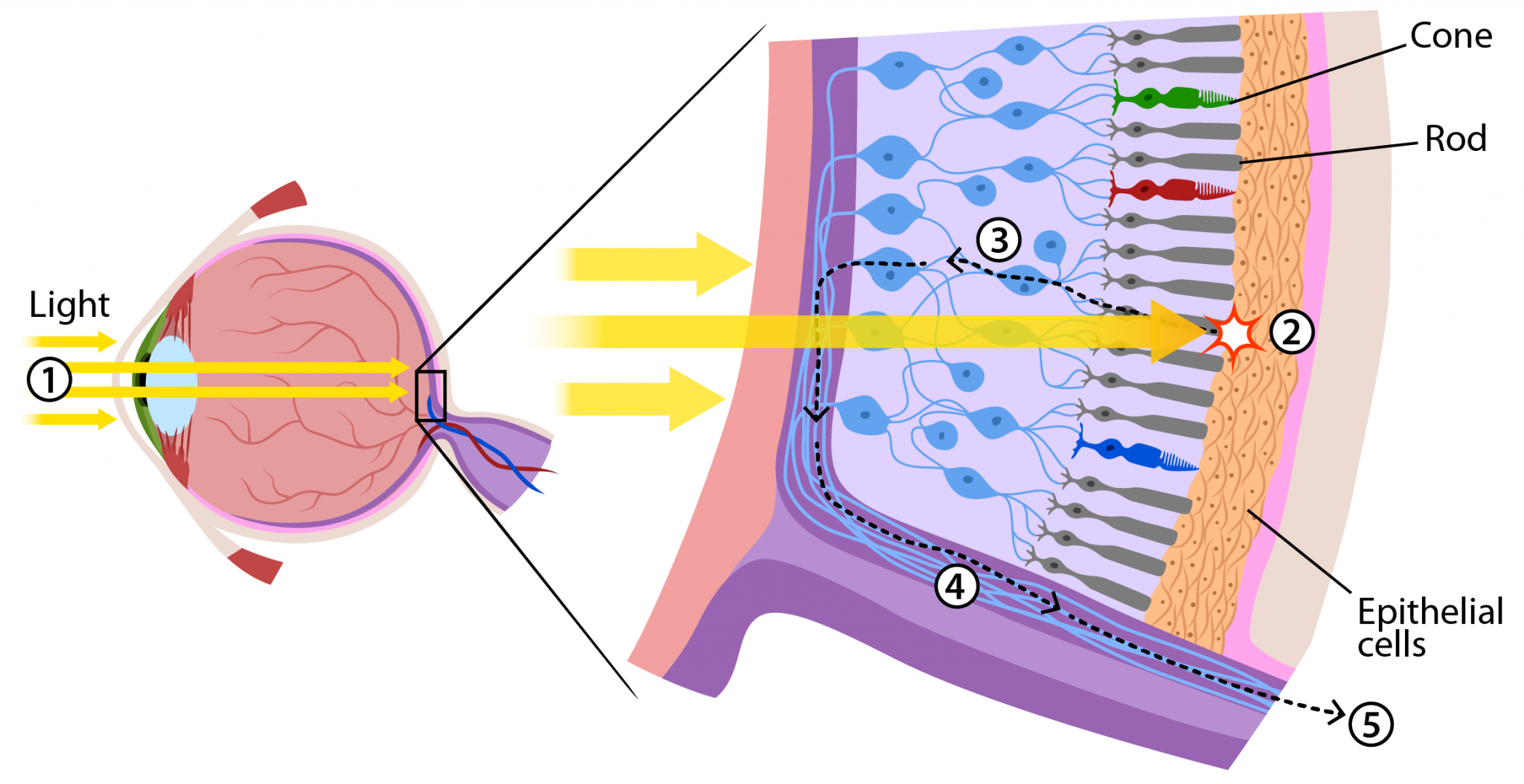
    The human eye can distinguish approximately 10 million different colours. This incredible ability comes from specialised photoreceptor cells in the retina known as cones.

    There are three types of cones:

    • Red-sensitive cones
    • Green-sensitive cones
    • Blue-sensitive cones

    These cells work together to interpret different wavelengths of light, allowing you to perceive a vast spectrum of colours.

    Some individuals, particularly women, may even have a fourth type of cone—a condition known as tetrachromacy—which allows them to see even more colour variations than the average person.

    Read Also: Your Daily Routine Is Either Making You or Breaking You – The Choice Is Yours.

    ‎Follow the InfoHealthGh channel on WhatsApp: https://whatsapp.com/channel/0029Va7j1SgGE56e8pagc22u

    2. Vision Is Mostly Controlled by the Brain

    Many people assume that the eyes do all the work when it comes to seeing. In reality, the eyes simply capture light and send signals to the brain.

    The visual cortex, located in the occipital lobe, processes these signals and turns them into recognisable images.

    This explains why:

    • You can recognise faces instantly
    • Your brain fills in missing visual information
    • Optical illusions can trick your perception

    In essence, your eyes are like cameras—but your brain is the true “viewer.”

    3. The Eye Processes Information Extremely Fast

    The human visual system can process images in as little as 13 milliseconds.

    To put this into perspective:

    • A blink takes about 100–150 milliseconds
    • Your eye processes images nearly 10 times faster than a blink

    This speed is essential for:

    • Detecting danger
    • Coordinating movement
    • Tracking fast-moving objects

    4. Rod Cells Help You See in the Dark

    The retina contains two main types of photoreceptors:

    • Rods (for low light)
    • Cones (for color and detail)

    Rods are highly sensitive to light but do not detect color. This is why your night vision appears in shades of grey.

    Interestingly, rods are more concentrated around the edges of your retina. That’s why you can sometimes see faint objects better out of the corner of your eye in the dark.

    Read Also: Is Potash(Kaun) in Beans and Wakye Slowly Damaging Your Liver and Kidneys?

    5. Every Eye Has a Blind Spot

    Each eye has a natural blind spot where the optic nerve exits the retina. This area contains no photoreceptor cells, meaning it cannot detect light.

    However, you don’t notice this blind spot because your brain automatically fills in the missing information using surrounding visual data.

    This phenomenon demonstrates just how powerful and adaptive your brain is.

    6. Tears Are Complex and Essential for Eye Health

    Tears are not just water—they are made up of three layers:

    • Oil layer (prevents evaporation)
    • Water layer (hydrates and nourishes)
    • Mucus layer (helps spread tears evenly)

    Tears serve several important functions:

    • Protecting against infections
    • Washing away debris
    • Keeping the eye surface smooth

    There are even different types of tears:

    • Basal tears (constant lubrication)
    • Reflex tears (response to irritants)
    • Emotional tears (linked to feelings)

    7. Your Iris Is Unique Like a Fingerprint

    The iris is the colored part of your eye, and its pattern is completely unique to you.

    No two people have identical iris patterns—not even identical twins.

    Because of this uniqueness, iris recognition technology is widely used in:

    • Security systems
    • Smartphones
    • Border control systems

    8. Your Eyes Are Always Moving

    Even when you’re staring at a fixed object, your eyes are constantly making tiny movements called microsaccades.

    These movements:

    • Prevent visual fading
    • Enhance detail perception
    • Help maintain focus

    Without microsaccades, your vision would actually fade when looking at a stationary object.

    9. Babies Don’t Produce Tears Immediately

    Newborn babies cry, but they often don’t produce visible tears until they are a few weeks old.

    This is because their tear glands are not fully developed at birth.

    As the glands mature, tear production increases, allowing proper lubrication and protection of the eyes.

    Read Also: Is Soursop Good for Fatty Liver? Benefits, Risks & Expert Insights

    10. The Cornea Gets Oxygen Directly from the Air

    The cornea is the transparent front layer of the eye. Unlike most tissues in the body, it has no blood vessels.

    Instead, it receives oxygen directly from the air.

    This is why:

    • Proper blinking is essential
    • Contact lenses must allow oxygen flow
    • Extended lens use can cause discomfort

    11. You Blink Thousands of Times a Day

    On average, a person blinks 15–20 times per minute. That adds up to over 20,000 blinks per day.

    Blinking helps:

    • Spread tears evenly
    • Remove dust and particles
    • Prevent dryness

    Interestingly, screen use (phones, laptops) reduces blinking rate, which can lead to dry eyes and discomfort.

    12. Your Brain Flips Images Automatically

    When light enters your eye, the image formed on the retina is actually upside down.

    However, your brain automatically flips the image so you perceive it correctly.

    This process happens instantly and unconsciously, showing just how advanced your visual system is.

    How to Keep Your Eyes Healthy

    Understanding these facts is important—but protecting your vision is even more critical.

    Eat Eye-Friendly Foods

    Include:

    • Carrots (rich in vitamin A)
    • Leafy greens (lutein and zeaxanthin)
    • Fish (omega-3 fatty acids)

    Follow the 20-20-20 Rule

    Every 20 minutes:

    • Look at something 20 feet away
    • For at least 20 seconds

    This reduces eye strain from screens.

    Protect Your Eyes from UV Light

    Wear sunglasses when outdoors to prevent long-term damage.

    Stay Hydrated

    Proper hydration supports tear production and prevents dry eyes.

    Get Regular Eye Checkups

    Early detection of problems like glaucoma or refractive errors can prevent vision loss.

    Read Also: Soursop Leaves: The Magical Underrated Benefits.

    Conclusion

    The human eye is a remarkable organ that combines biology, physics, and neuroscience into one seamless system. From detecting millions of colours to working closely with the brain to interpret images, your eyes are constantly performing complex tasks without you even realising it.

    By understanding how your eyes work and taking steps to protect them, you can maintain healthy vision for years to come.

  • Is Potash(Kaun) in Beans and Wakye Slowly Damaging Your Liver and Kidneys?

    Is Potash(Kaun) in Beans and Wakye Slowly Damaging Your Liver and Kidneys?

    Introduction

    ‎Follow the InfoHealthGh channel on WhatsApp: https://whatsapp.com/channel/0029Va7j1SgGE56e8pagc22u

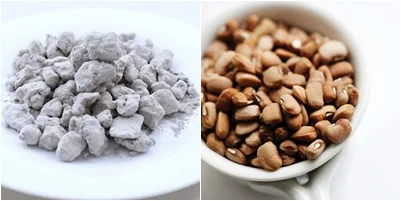
    Potash in beans health risks Ghana -For many Ghanaians, meals like beans and gari (gobɛ) or wakye are more than just food, they’re cultural staples and everyday comfort dishes. Whether bought from a trusted street vendor or prepared at home, these meals are affordable, filling, and widely loved.

    However, there is a lesser-known aspect of how some of these meals are prepared that deserves closer attention. To speed up cooking and achieve a softer texture, some vendors and home cooks add a substance locally known as kaun or akanwu, commonly referred to as potash.

    While this practice is not new, increasing health awareness has raised important questions: Could frequent consumption of potash-treated foods have long-term effects on the body particularly the liver, kidneys, and digestive system?

    Read Also: Why Your Headache Keeps Coming Back — And When It Could Be Linked to Kidney Disease

    Understanding this issue is especially important in regions like Ghana, where beans are consumed multiple times per week.

    What Is Potash (Kaun/Akanwu)?

    potash in beans health risks Ghana

    Potash is a general term used to describe a group of potassium-based alkaline compounds, most commonly potassium carbonate. In traditional African cooking, it is valued for its ability to:

    • Soften tough foods quickly
    • Reduce cooking time significantly
    • Improve texture in legumes and vegetables

    Its effectiveness comes from its high alkalinity, which breaks down structural components of plant cells—specifically pectin and cellulose making foods like beans cook faster and become very soft.

    However, this same chemical property that makes potash useful in cooking also raises concerns when consumed regularly.

    How It’s Used in Ghanaian Cooking

    In Ghana, potash is commonly added during the boiling of beans, especially in the preparation of:

    • Gobɛ (beans and gari)
    • Wakye (rice and beans)
    • Certain vegetable dishes

    For food vendors, the appeal is clear:

    • Faster cooking means reduced fuel costs
    • Softer beans improve customer preference
    • Higher turnover increases profit margins

    But from a health perspective, this introduces an unregulated alkaline substance into daily meals, often without the consumer’s awareness.

    Read Also: Ten kidney-damaging Habits You Need to stop right now!

    Health Risks of Potash in Food

    1. High Alkalinity and Digestive Irritation

    Potash is strongly alkaline, meaning it can alter the natural acidic environment of the stomach. The stomach relies on acid (primarily hydrochloric acid) for proper digestion and defense against pathogens.

    When highly alkaline substances are consumed frequently:

    • The stomach lining may become irritated
    • Digestive processes may be disrupted
    • Symptoms like bloating, nausea, and abdominal discomfort may occur

    Over time, this imbalance could contribute to chronic digestive issues, especially in individuals with sensitive gastrointestinal systems.

    2. Elevated Sodium Content and Systemic Effects

    Some forms of potash contain significant amounts of sodium. High sodium intake is a well-established risk factor for:

    • Hypertension (high blood pressure)
    • Fluid retention
    • Increased cardiovascular strain

    Beyond the heart, excess sodium also places additional burden on the kidneys, which are responsible for filtering excess salts from the bloodstream.

    For individuals already consuming processed or salty foods, potash-treated meals may quietly increase total sodium intake beyond safe limits.

    3. Potential Liver Stress

    The liver plays a central role in detoxification and metabolic regulation. Although direct large-scale human studies on potash consumption are limited, experimental and observational findings suggest:

    • Chronic exposure to certain alkaline salts may induce biochemical stress in liver tissues
    • Elevated liver enzymes (a marker of liver strain) have been observed in some animal studies

    While occasional consumption is unlikely to cause harm, regular ingestion over time may contribute to cumulative liver stress, particularly in individuals with pre-existing liver conditions.

    Read More: Benefits of Parsley: Why This Simple Green Herb Deserves a Place in Your Daily Diet

    4. Kidney Stress and Electrolyte Imbalance

    The kidneys maintain the body’s delicate balance of electrolytes, including sodium and potassium. Excessive intake of potash may disrupt this balance, leading to:

    • Electrolyte imbalances
    • Increased risk of kidney strain
    • Possible contribution to kidney stone formation

    This is especially concerning for individuals with:

    • Chronic kidney disease
    • Hypertension
    • Diabetes

    In such cases, even moderate dietary imbalances can have amplified effects.

    5. Possible Nutrient Loss

    An often overlooked issue is that the high alkalinity of potash may also affect the nutritional quality of food. Some studies suggest that alkaline cooking conditions can:

    • Reduce certain water-soluble vitamins (like B vitamins)
    • Alter mineral availability

    This means that while beans are naturally nutrient-rich, improper preparation methods may reduce their overall health benefits.

    What This Means for Ghanaian Food Lovers

    Beans are an excellent source of:

    • Plant-based protein
    • Dietary fiber
    • Essential minerals like iron and magnesium

    The issue is not the beans themselves but how they are prepared.

    Here’s what to keep in mind:

    • Occasional consumption of potash-treated food is unlikely to cause immediate harm
    • Frequent consumption (multiple times weekly) may increase long-term health risks
    • Individuals with liver, kidney, or blood pressure conditions should be especially cautious

    Given how common street food consumption is in urban Ghana, awareness becomes critical.

    Safer Alternatives and Practical Tips

    You don’t have to give up your favorite meals, you just to be more intentional about preparation and sourcing.

    1. Soak Beans Before Cooking

    Soaking beans for 8–12 hours:

    • Reduces cooking time naturally
    • Improves digestibility
    • Preserves nutrients

    2. Use Natural Tenderizing Methods

    Instead of potash, consider:

    • Longer simmering at moderate heat
    • Pressure cooking (if available)

    3. Ask Questions When Buying Food

    When buying from vendors:

    • Politely ask if potash is used
    • Choose vendors who avoid chemical additives

    4. Limit Frequency

    If avoiding potash completely isn’t practical:

    • Reduce how often you consume such meals
    • Balance with fresh, minimally processed foods

    5. Stay Hydrated

    Adequate water intake helps the kidneys:

    • Flush out excess salts
    • Maintain electrolyte balance

    Conclusion

    potash in beans health risks Ghana

    Potash (kaun/akanwu) remains a part of traditional cooking practices across West Africa, valued for its efficiency and convenience. However, as dietary habits evolve and health awareness grows, it’s important to critically evaluate such practices.

    The evidence does not suggest that potash is immediately dangerous in small amounts. But habitual consumption—especially in frequently eaten foods like beans and wakye—may contribute to long-term stress on the digestive system, liver, and kidneys.

    Making informed choices doesn’t mean abandoning cultural foods. It simply means preparing and consuming them in ways that support long-term health.

    If you experience persistent digestive issues or have existing liver or kidney concerns, it’s advisable to consult a qualified healthcare professional.


    SEO Add-ons (for your blog)

    Focus Keyphrase:

    Alternative Keyphrases:

    • kaun in food side effects
    • akanwu health effects
    • is potash safe in cooking
    • wakye potash health risks

    Meta Description (Yoast-optimized):

  • Best Facial Cleanser for Oily Acne-Prone Skin (Dermatologist-Backed Guide)

    Best Facial Cleanser for Oily Acne-Prone Skin (Dermatologist-Backed Guide)

    If you struggle with oily, acne-prone skin, choosing the right cleanser can feel frustrating. Many products promise to remove oil and prevent breakouts, yet they often leave the skin feeling tight, dry, and irritated.

    Ironically, this dryness can make acne worse.

    When the skin barrier is stripped of natural oils, it responds by producing even more sebum, which can clog pores and trigger new breakouts. This is why dermatologists increasingly recommend gentle, barrier-friendly cleansers rather than harsh oil-stripping ones.

    ‎Follow the InfoHealthGh channel on WhatsApp: https://whatsapp.com/channel/0029Va7j1SgGE56e8pagc22u

    In this guide, we’ll explore:

    • What dermatologists say about cleansing oily acne-prone skin
    • Ingredients proven to help reduce breakouts
    • Common cleansing mistakes that worsen acne
    • Some of the best gentle cleansers recommended by users and dermatologists

    By the end, you’ll understand how to choose the best facial cleanser for oily acne-prone skin without damaging your skin barrier.

    Read Also: Retinol and Tretoin Use – Your excessive skincare routine jeopardize your Pregnancy

    Understanding Oily Acne-Prone Skin

    Oily skin occurs when the sebaceous glands produce excessive amounts of sebum, the natural oil that protects and moisturizes the skin.

    Sebum itself is not harmful. In fact, it plays an important role in maintaining healthy skin. Problems arise when excess oil mixes with:

    • Dead skin cells
    • Dirt and pollutants
    • Acne-causing bacteria

    This mixture can clog pores and create the perfect environment for acne formation.

    The most common forms of acne associated with oily skin include:

    • Whiteheads
    • Blackheads
    • Inflamed pimples
    • Cystic acne

    Because oil production is naturally higher, people with oily skin often feel the need to cleanse frequently. However, over-cleansing or using harsh cleansers can actually worsen acne.

    Why Gentle Cleansers Are Better for Acne-Prone Skin

    For years, skincare marketing suggested that oily skin needed strong foaming cleansers that remove all oil. But modern dermatology research suggests otherwise.

    The skin barrier is made up of lipids, proteins, and natural moisturizing factors that protect against environmental damage and bacteria. When harsh cleansers remove too much oil, they damage this protective barrier.

    Once the barrier is compromised, several problems can occur:

    • Increased inflammation
    • Greater sensitivity
    • More oil production
    • Higher risk of breakouts

    A gentle cleanser removes excess oil and impurities without stripping the skin.

    Dermatologists typically recommend cleansers that are:

    • pH-balanced
    • Non-comedogenic
    • Fragrance-free (if sensitive)
    • Sulfate-free

    These formulas cleanse effectively while maintaining the skin’s natural balance.

    Read Also: Relieve Itchy Skin After Shower Naturally: Proven Remedies That Actually Work

    Key Ingredients to Look for in a Cleanser

    When searching for the best cleanser for oily acne-prone skin, it helps to understand which ingredients actually support skin health.

    Salicylic Acid

    Salicylic acid is one of the most widely recommended ingredients for acne-prone skin.

    It works by:

    • Penetrating deep into pores
    • Dissolving excess oil
    • Removing dead skin cells

    Because it is oil-soluble, salicylic acid can reach clogged pores more effectively than many other ingredients.

    However, it should be used carefully because excessive use can cause dryness.

    Niacinamide

    Niacinamide (vitamin B3) is another powerful ingredient commonly found in acne-friendly cleansers and serums.

    Research shows it can:

    • Reduce sebum production
    • Calm inflammation
    • Strengthen the skin barrier
    • Improve uneven skin tone

    It is particularly useful for people who experience both oiliness and redness.

    Ceramides

    Ceramides are lipids that naturally occur in the skin barrier.

    They help:

    • Retain moisture
    • Protect against environmental stress
    • Prevent dryness and irritation

    Cleansers containing ceramides can help maintain skin health while still removing excess oil.

    Hyaluronic Acid

    Hyaluronic acid is a humectant that attracts water to the skin.

    Even people with oily skin can experience dehydration, which can trigger more oil production.

    Hydrating ingredients like hyaluronic acid help maintain balance without clogging pores.

    Zinc

    Zinc has natural anti-inflammatory and oil-regulating properties.

    Some cleansers include zinc to help reduce shine and calm acne-prone skin.


    Best Facial Cleansers for Oily Acne-Prone Skin

    Based on dermatology recommendations and user experiences, the following cleansers are widely regarded as effective for oily, acne-prone skin.

    Cetaphil Gentle Skin Cleanser

    This cleanser is frequently recommended by dermatologists for sensitive or acne-prone skin.

    Why people like it

    • Soap-free formula
    • Non-irritating
    • Helps maintain the skin barrier

    Although it doesn’t produce heavy foam, many people with oily skin find it surprisingly effective at preventing irritation and breakouts. You can order this on Jumia Here: Shop Cetaphil Gentle Skin Cleanser – Sensitive Skin 500ml Online | Jumia Ghana


    Bioderma Sensibio Gel Cleanser

    This gentle gel cleanser is designed for sensitive skin but works well for acne-prone individuals.

    Key benefits

    • Respects the skin’s natural pH
    • Cleanses without stripping
    • Suitable for daily use

    It is often recommended for people whose skin reacts badly to strong foaming cleansers.


    CeraVe Hydrating Facial Cleanser

    Despite being marketed toward normal-to-dry skin, many people with oily skin prefer this formula because it prevents the tight, dry feeling associated with harsh cleansers.

    Key ingredients

    • Ceramides
    • Hyaluronic acid
    • Glycerin

    Maintaining hydration can help regulate oil production over time.


    Paula’s Choice Ultra Gentle Cleanser

    best facial cleanser for oily acne prone skin

    This cleanser is formulated specifically for sensitive and acne-prone skin.

    Benefits

    • Lightweight gel texture
    • Non-irritating ingredients
    • Supports the skin barrier

    It’s often used by people who also use active acne treatments.


    Aveeno Oat Cleanser

    Aveeno products often contain colloidal oatmeal, which has soothing and anti-inflammatory properties.

    Why it works

    • Helps calm irritated skin
    • Supports barrier repair
    • Suitable for sensitive acne-prone skin

    This can be especially helpful if you use strong acne treatments like retinoids.


    Kiehl’s Ultra Facial Cleanser

    This cleanser removes dirt and oil effectively without stripping the skin.

    Key advantages

    • Gentle foaming formula
    • Suitable for daily use
    • A small amount goes a long way

    Many users find that it cleans thoroughly while maintaining skin comfort.


    Read Also: How the Soap You Use Could Be Harming Your Skin — And What to Use Instead

    Should You Cleanse Your Face Twice a Day?

    Dermatologists generally recommend washing your face twice daily if you have oily or acne-prone skin.

    Morning cleansing removes:

    • Overnight oil buildup
    • Sweat
    • Bacteria from pillows

    Night cleansing removes:

    • Sunscreen
    • Pollution
    • Makeup
    • Excess sebum

    However, if your skin feels tight or irritated, try:

    • Using a smaller amount of cleanser
    • Cleansing for a shorter time (20–30 seconds)
    • Switching to a gentler formula

    Is Double Cleansing Helpful for Oily Skin?

    best facial cleanser for oily acne prone skin

    Double cleansing involves using two cleansers:

    1. An oil-based cleanser
    2. A water-based cleanser

    This method originated in Korean skincare routines and has become popular for removing sunscreen and makeup.

    For oily skin, double cleansing can help remove:

    • Excess sebum
    • Sunscreen residue
    • Pore-clogging impurities

    However, it’s not necessary for everyone. If you don’t wear heavy sunscreen or makeup, a single gentle cleanser may be enough.


    What to Apply After Cleansing

    Cleansing is only the first step in managing oily acne-prone skin.

    After washing your face, applying targeted skincare products can improve results.

    Niacinamide Serum

    Helps regulate oil production and calm redness.

    Hyaluronic Acid Serum

    Hydrates the skin without clogging pores.

    Azelaic Acid

    Helps treat acne and reduce dark spots.

    Adapalene (Differin)

    A topical retinoid that helps prevent clogged pores and future breakouts.

    Always follow these treatments with a lightweight moisturizer.


    Common Cleansing Mistakes That Make Acne Worse

    Many people unknowingly worsen their acne through poor cleansing habits.

    Over-washing the face

    Cleansing more than twice daily can irritate the skin.

    Using harsh scrubs

    Physical exfoliants can damage the skin barrier.

    Using very hot water

    Hot water strips natural oils and causes dryness.

    Skipping moisturizer

    Even oily skin needs hydration.

    Choosing alcohol-heavy cleansers

    These can trigger excessive oil production.


    Lifestyle Tips That Help Control Oily Skin

    Skincare products alone cannot fully control acne.

    Lifestyle factors also play an important role.

    Maintain a balanced diet

    Some studies suggest high glycemic foods may worsen acne.

    Manage stress

    Stress hormones can increase oil production.

    Wash pillowcases regularly

    Bacteria and oil can accumulate on bedding.

    Avoid touching your face frequently

    This spreads bacteria and dirt.


    Final Thoughts

    Finding the best facial cleanser for oily acne-prone skin often requires balancing oil control with skin barrier protection.

    While strong foaming cleansers may seem effective, they often cause irritation that worsens acne.

    Instead, look for gentle, non-comedogenic cleansers that remove oil without stripping the skin.

    Combining the right cleanser with hydrating ingredients and targeted acne treatments can dramatically improve skin health over time.