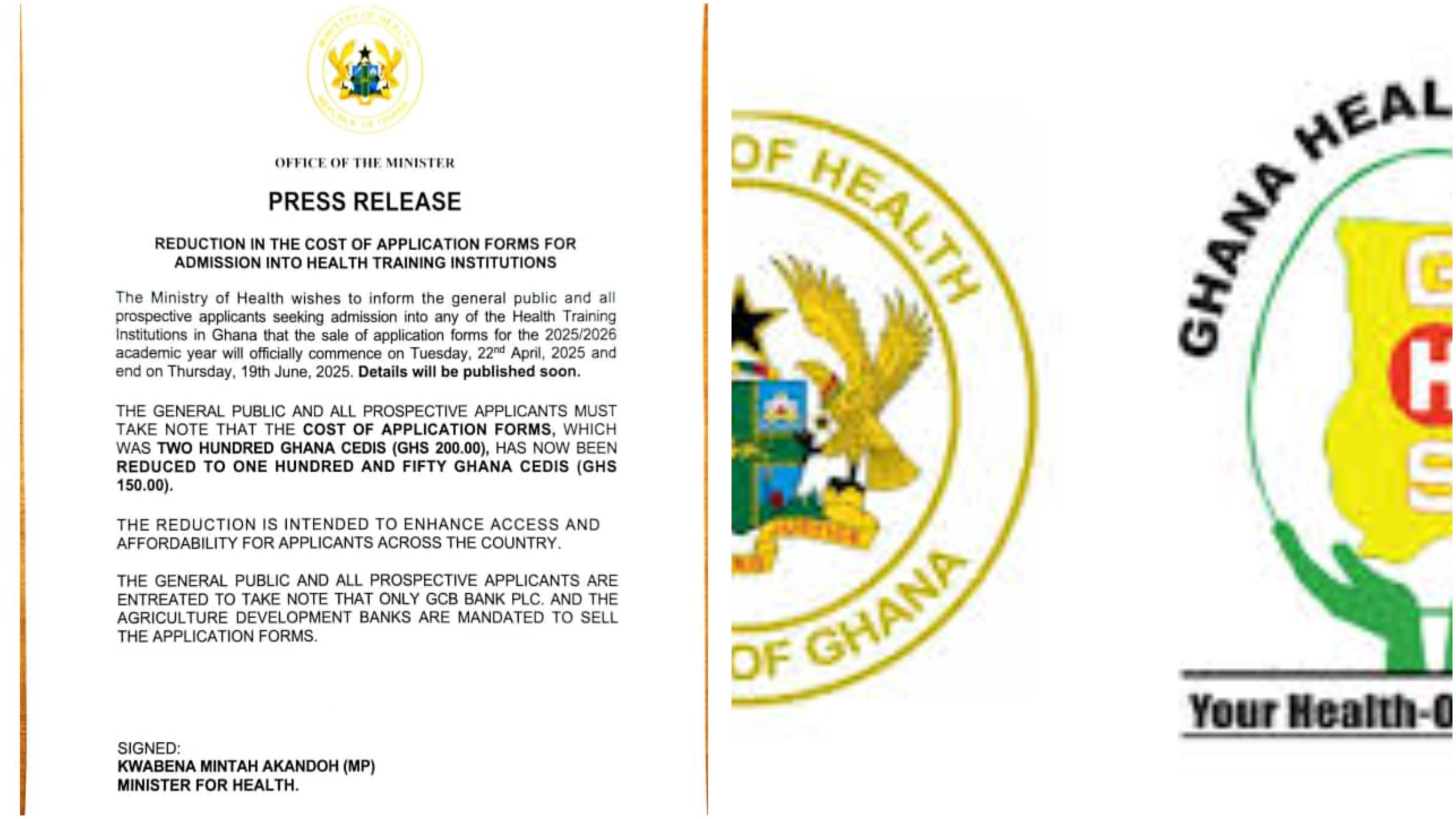
Ministry of Health Announces Reduction in the cost of Application Forms– The Ministry of Health (MOH) through a written communique that was shared via their social media page has announced a reduction in the cost of application fees to its health training institutions effective 22nd April 2025.
According to MOH, “THE REDUCTION IS INTENDED TO ENHANCE ACCESS AND AFFORDABILITY FOR APPLICANTS ACROSS THE COUNTRY.”
The applicant fees which was previously GHC 200 has now been reduced to GHC 150.
By the Press release issued, the general public are also informed that the sale of application forms for the 2025/2026 academic year will officially commence on Tuesday, 22nd April, 2025 and end on Thursday, 19th June, 2025.
The Ministry added in their letter that only two banks namely GCB PLC and Agricultural Development Bank are mandated to sell their application forms.
You may find the letter below
Ministry of Health Announces Reduction in the cost of Application Forms
Ashton Hall is famed for his popular morning routine of dipping his face in ice-cold, expensive water followed by an intense workout. Many have called him out for this “unrealistic” routine. This has sparked a trend on social media, leading many to engage in dipping their face in ice-cold water.
The rising popularity of this trend begs the question, “Is there any benefit to dipping your face in ice water first thing in the morning?”
This simple ritual offers a multitude of benefits for both your skin and overall well-being. Let’s explore the advantages of incorporating this refreshing technique into your morning routine.
1. Enhances Skin Radiance
Immersing your face in ice-cold water stimulates blood circulation. The sudden exposure to cold causes blood vessels to constrict and then dilate, promoting increased blood flow to the skin. This process delivers essential oxygen and nutrients, resulting in a healthy, radiant complexion. Regular practice can lead to a natural glow, making your skin appear more vibrant and youthful.
Cold water immersion is highly effective in minimizing facial puffiness, especially around the eyes. The cold temperature causes blood vessels to constrict, which helps reduce swelling and inflammation. This can be particularly beneficial after a night of inadequate sleep or excessive salt intake, both of which can lead to fluid retention and puffiness. By incorporating this practice into your morning routine, you can achieve a more refreshed and alert appearance.
3. Tightens Pores and Improves Skin Texture
Dipping your face in cold ice water can lead to the tightening of skin pores. The cold temperature causes the skin to contract, reducing the appearance of enlarged pores and resulting in a smoother complexion. This effect not only enhances the skin’s appearance but also helps in reducing the accumulation of dirt and oil, which can lead to acne and blemishes.
4. Alleviates Acne and Prevents Breakouts
The anti-inflammatory properties of cold water can be beneficial for individuals dealing with acne. By reducing redness and swelling, cold water immersion can soothe inflamed skin and decrease the size of acne lesions. Additionally, the constriction of blood vessels helps in reducing the production of excess sebum, a key contributor to acne formation.
5. Provides a Natural Energy Boost
The shock of cold water on your face can serve as a natural stimulant, increasing alertness and energy levels. This invigorating effect is due to the release of adrenaline triggered by the sudden cold exposure, helping you feel more awake and prepared to tackle the day ahead.
6. Enhances Product Absorption
Incorporating cold water immersion into your skincare routine can improve the absorption of topical products. After the cold exposure, as the skin warms up, blood vessels dilate, facilitating better penetration of serums and moisturizers. This can enhance the efficacy of your skincare regimen, allowing active ingredients to work more effectively.
7. Soothes Skin Irritations
Cold water immersion can provide relief from various skin irritations, including sunburns and allergic reactions. The cooling effect helps to calm the skin, reduce redness, and alleviate discomfort associated with these conditions. It’s a simple and natural method to soothe irritated skin without the need for additional products.
How to Perform the Cold Ice Water Face Dip
To incorporate this practice into your morning routine:
1. Prepare the Ice Water: Fill a bowl with cold water and add a generous amount of ice cubes to achieve a chilly temperature.
2. Cleanse Your Face: Begin with a clean face by using a gentle cleanser to remove any impurities.
3. Immerse Your Face: Submerge your face into the ice water for intervals of 10 to 30 seconds. Repeat this process a few times, depending on your comfort level.
4. Pat Dry: Gently pat your face dry with a soft towel. Avoid rubbing, as the skin may be sensitive after the cold exposure.
5. Moisturize: Apply a hydrating moisturizer to lock in moisture and protect the skin barrier.
While dipping your face in cold ice water offers numerous benefits, it’s important to exercise caution:
• Limit Exposure: Avoid prolonged exposure to prevent skin irritation or frostbite. Short intervals are sufficient to reap the benefits.
• Monitor Skin Response: If you experience excessive redness, discomfort, or adverse reactions, discontinue the practice and consult a dermatologist.
• Individual Sensitivities: Individuals with certain skin conditions, such as rosacea or hypersensitivity, should consult with a healthcare professional before incorporating this practice.
Incorporating the practice of dipping your face in cold ice water into your morning routine can serve as a revitalizing ritual, offering a range of benefits from enhanced skin appearance to increased alertness. As with any skincare practice, it’s essential to listen to your body and adjust accordingly to ensure a safe and enjoyable experience.
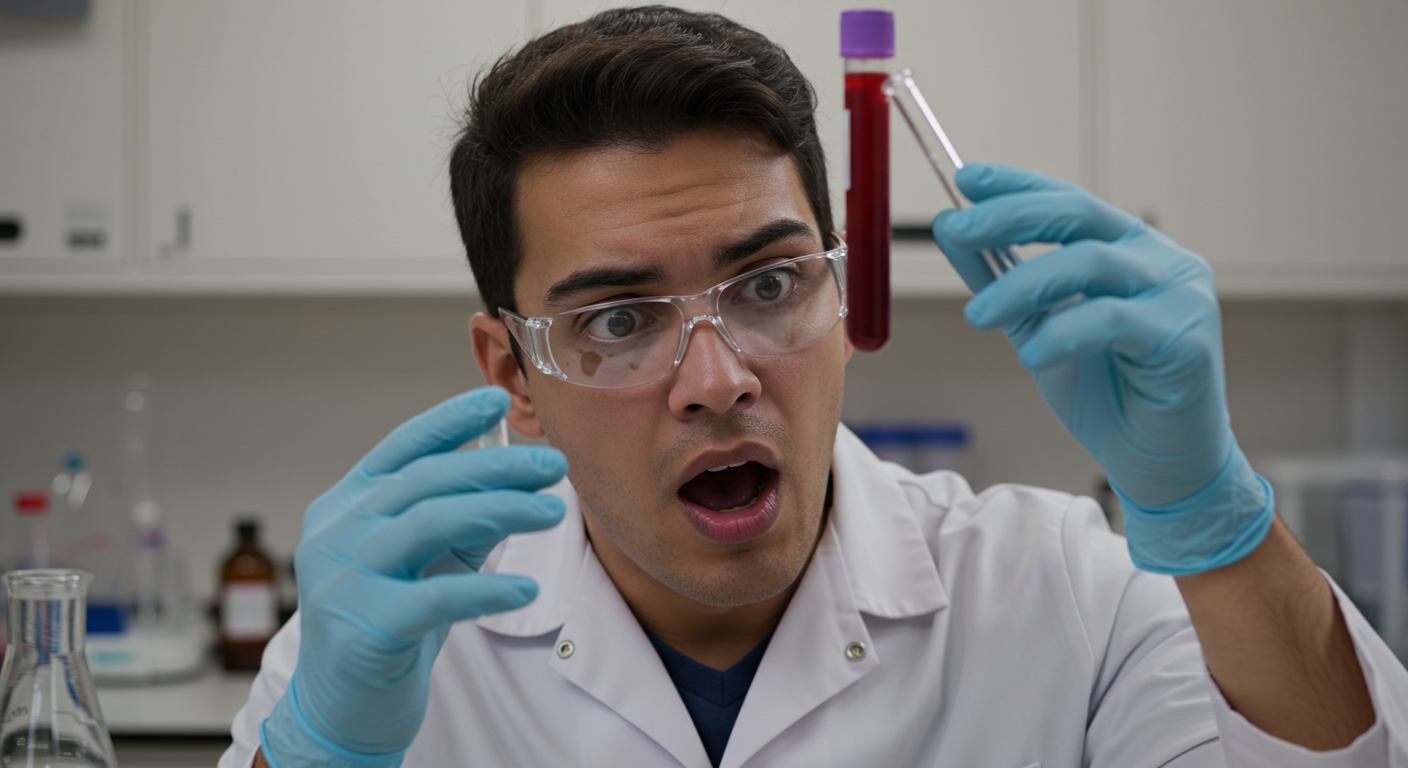
The presence of microplastics in our environment has long been a concern, but new research has revealed something even more alarming—plastic is now circulating in our bloodstream. A groundbreaking study has provided the first direct evidence of microplastics in human blood, raising urgent questions about potential health risks and long-term consequences.
What Are Microplastics and How Do They Enter the Bloodstream?
Microplastics are tiny plastic particles, often less than five millimeters in size, that result from the breakdown of larger plastic waste or are intentionally manufactured for use in cosmetics, clothing, and packaging. These particles are now widespread in our food, water, and even the air we breathe.
A 2022 study conducted by Dutch researchers at Vrije Universiteit Amsterdam found microplastics in nearly 80% of blood samples tested. The study, published in Environment International, detected polyethylene terephthalate (PET), polystyrene, and polyethylene—the same plastics used in water bottles, food packaging, and shopping bags (Leslie et al., 2022).
How Do Microplastics Enter the Blood?
Consumption: Bottled water, seafood, and processed foods often contain microplastics.
Inhalation: Airborne microplastics from synthetic textiles and industrial pollution can be inhaled and absorbed into the bloodstream.
Skin Absorption: Though less common, certain personal care products contain microplastics that can penetrate the skin.
While research is ongoing, scientists have raised serious concerns about the impact of microplastics on human health. Some of the key risks include:
1. Inflammation and Cellular Damage
Microplastics can trigger immune system responses, leading to chronic inflammation. A study in Frontiers in Endocrinology suggests that when immune cells attempt to break down plastic particles, they release harmful oxidative stress molecules, which can contribute to tissue damage and diseases like cancer.
2. Hormonal Disruption
Many plastics contain endocrine-disrupting chemicals (EDCs) such as bisphenol A (BPA) and phthalates, which interfere with hormone function. According to research in The Journal of Clinical Endocrinology & Metabolism, EDC exposure is linked to reproductive issues, obesity, and metabolic disorders (Gore et al., 2015).
3. Cardiovascular and Neurological Effects
Particles small enough to enter the bloodstream may travel to organs such as the heart and brain. A 2023 review in Environmental Science & Technology indicates that microplastics may contribute to heart disease, neurodegenerative disorders, and even cognitive decline (Yong et al., 2023).
4. Potential Cancer Risks
Although no direct link between microplastics and cancer in humans has been established, animal studies suggest that prolonged exposure to certain plastics may promote tumor growth. Researchers from Duke University found that nanoplastics can alter cell DNA, a hallmark of cancer development (Vethaak & Legler, 2021).
While microplastics are nearly impossible to avoid entirely, there are steps individuals can take to minimize exposure:
Drink Filtered Water: Studies show that bottled water contains twice as many microplastics as tap water (Mason et al., 2018). Use a high-quality filter to remove contaminants.
Limit Plastic Use: Reduce reliance on single-use plastics, especially food containers and utensils.
Choose Natural Fibers: Synthetic clothing sheds microplastics into the air and water. Opt for organic cotton, wool, or bamboo.
Support Regulations: Advocate for stricter policies on plastic production and waste management to curb environmental pollution.
The discovery of plastic in human blood is a wake-up call about the pervasiveness of microplastic pollution. While the full health implications are still being studied, early evidence suggests that prolonged exposure could have serious consequences. By staying informed, making conscious choices, and pushing for systemic change, we can reduce our risk and limit further damage to our health and environment.
Pork is widely consumed but linked to cancer concerns in studies.
WHO classifies processed pork as a carcinogen, increasing colorectal cancer risk.
Processed pork contains nitrates that form carcinogenic nitrosamines in the body.
Red meat, including pork, is a probable cancer cause, especially colorectal cancer.
High-heat cooking of pork creates cancer-causing compounds like HCAs and PAHs.
Excess heme iron in pork can trigger oxidative stress, promoting cancer growth.
Studies show processed pork increases colorectal cancer risk by 18%.
Unprocessed pork also raises risks, particularly for colorectal and pancreatic cancer.
Grilling, smoking, and frying pork increase carcinogenic compound formation.
Boiling or steaming pork reduces harmful compound production.
Limiting processed pork and choosing lean cuts can lower cancer risks.
The Link Between Pork and Cancer: What Science Says
Link between Pork and Cancer
Pork is one of the most widely consumed meats in the world. From bacon and ham to sausages and pork chops, this red meat is a staple in many diets. However, concerns about its health effects, particularly regarding cancer risk, have been growing. Several studies have examined the potential dangers of pork consumption, particularly processed pork, in relation to cancer. In this article, we will explore the scientific evidence behind the claim that pork may increase cancer risk, the mechanisms involved, and how to make healthier dietary choices.
Understanding the Cancer Risk from Pork Consumption
The World Health Organization (WHO) and the International Agency for Research on Cancer (IARC) have classified processed meats, including pork products like bacon and sausages, as Group 1 carcinogens. This means there is sufficient evidence that they cause cancer, particularly colorectal cancer. Additionally, red meat, which includes pork, is classified as a Group 2A carcinogen, indicating that it is a probable cause of cancer (IARC, 2015).
One of the primary reasons pork has been linked to cancer in studies is its processing and preparation methods. Processed pork refers to meats that have been preserved by smoking, curing, salting, or adding chemical preservatives. Examples include:
Bacon
Sausages
Ham
Salami
Hot dogs
These processed meats contain nitrates and nitrites, which are used as preservatives. In the body, they can form nitrosamines, which are known carcinogens. Research has shown that frequent consumption of processed pork significantly increases the risk of colorectal, pancreatic, and stomach cancer.
A meta-analysis published in BMC Medicine found that individuals who consumed 50 grams of processed meat per day had an 18% higher risk of colorectal cancer compared to those who ate little to no processed meat (Zeraatkar et al., 2019). These findings strongly support the claim that pork linked to cancer in studies is not an exaggeration but a serious public health concern.
Red Meat, Including Pork, and Cancer Risk
While processed pork poses a clear risk, even unprocessed pork is classified as red meat, which has been associated with cancer risk. Studies suggest that excessive consumption of red meat, including fresh pork, may increase the likelihood of developing cancers such as:
Colorectal cancer
Pancreatic cancer
Prostate cancer
The mechanism behind this risk involves the presence of heme iron, which is abundant in red meat. Heme iron can lead to oxidative stress in the body, promoting cell damage and increasing the likelihood of cancer development. Additionally, cooking pork at high temperatures, such as grilling or frying, can create harmful compounds known as heterocyclic amines (HCAs) and polycyclic aromatic hydrocarbons (PAHs). These compounds have been shown to cause DNA mutations, which can trigger cancerous growths (Cross et al., 2010).
A study published in the Journal of the American Medical Association (JAMA) found that individuals who consumed large amounts of red meat had a 20-30% higher risk of colorectal cancer (Chan et al., 2011). This further strengthens the argument that pork linked to cancer in studies should not be ignored.
How Cooking Methods Impact Cancer Risk
The way pork is cooked plays a crucial role in determining its health effects. Studies show that high-temperature cooking methods can produce cancer-causing chemicals, increasing the risk of disease. These methods include:
Grilling
Barbecuing
Pan-frying
Smoking
When meat is exposed to extreme heat, chemical reactions occur, leading to the formation of HCAs and PAHs. These compounds have been classified as potential carcinogens by health organizations. Boiling, steaming, or slow-cooking pork at lower temperatures can help reduce the production of these harmful substances (Sugimura, 2000).
Many experts agree that moderation is key when it comes to pork consumption. Completely avoiding processed pork is highly recommended, but occasional consumption of unprocessed pork in moderate amounts may not pose significant risks if combined with a healthy lifestyle.
Ways to Reduce Cancer Risk While Consuming Pork
If you still want to include pork in your diet, consider the following tips to minimize risk:
Limit Processed Pork – Reduce or eliminate bacon, sausages, and deli meats from your diet.
Choose Lean Cuts – Opt for leaner parts of pork like tenderloin or loin chops.
Use Healthier Cooking Methods – Bake, steam, or slow-cook pork instead of frying or grilling.
Increase Fiber Intake – Eating fiber-rich foods like vegetables, whole grains, and legumes can help counteract harmful effects.
Balance Your Diet – Incorporate plenty of plant-based proteins like beans, lentils, nuts, and seeds.
Stay Active – Regular physical activity can help reduce cancer risk and maintain overall health.
Alternative Protein Sources to Consider
Link between Pork and Cancer
If you’re looking for safer alternatives to pork, consider the following protein-rich foods:
Fish: Salmon, mackerel, and sardines provide healthy omega-3 fats and lower cancer risk.
Poultry: Chicken and turkey are leaner options with lower carcinogenic risks.
Legumes: Beans, lentils, and chickpeas are excellent sources of plant-based protein.
Nuts and Seeds: Almonds, walnuts, and chia seeds provide protein and beneficial fats.
Tofu and Tempeh: Great plant-based alternatives rich in protein and nutrients.
Scientific evidence strongly suggests that processed pork is carcinogenic, while excessive consumption of red meat, including pork, is a probable cause of cancer. The mechanisms behind this risk include nitrosamines, heme iron, and high-temperature cooking byproducts.
However, adopting healthier dietary habits, moderating pork intake, and choosing better cooking methods can significantly reduce potential risks. Individuals concerned about cancer should prioritize a balanced diet rich in plant-based foods and lean proteins while limiting their intake of processed and red meats.
As more studies emerge, it is crucial to stay informed and make dietary choices that promote long-term health. Pork linked to cancer in studies is a growing concern, and taking preventive steps today can lead to better health outcomes in the future.
Back in the day, our ancestors used to rely on using chewing sticks and wood sponges to maintain their oral health but modernisation brought about new inventions and improved ways of keeping our mouth and breadth fresh and healthy.
Toothpaste is something we use every day, trusting it to keep our teeth clean and our breath fresh. However, what if the very product designed to protect our oral health contained harmful chemicals? Your toothpaste might be slowly poisoning you due to toxic ingredients found in many popular brands. Scientific studies have revealed that some toothpaste components can have long-term health effects, raising concerns about their safety.
I today’s post we will talk about your toothpaste and how it is killing you slowly. Yes, you read that right. We will delve into the topic and discuss science-based studies conducted on the common ingredients that we find is most toothpastes in the market.
The Hidden Dangers in Your Toothpaste
Many commercial toothpastes contain chemicals that, when used over time, may pose risks to your overall health. While the amounts per use may seem small, daily exposure over the years can accumulate, leading to potential harm. Here are some of the most concerning ingredients:
1. Fluoride – Friend or Foe?
Fluoride has been praised for its role in preventing cavities, but excessive exposure has been linked to serious health concerns. A 2019 study published in JAMA Pediatrics found that high fluoride intake during pregnancy was associated with lower IQ scores in children. Furthermore, a report from the National Research Council (NRC) concluded that long-term fluoride consumption could contribute to thyroid dysfunction and skeletal fluorosis, a condition that weakens bones.
While fluoride is effective at strengthening enamel, swallowing too much—especially by children—can lead to toxicity. Your toothpaste might be slowly poisoning you if you are unknowingly ingesting fluoride beyond safe levels.
2. Triclosan – Banned in Soaps, Still in Toothpaste
Triclosan, an antibacterial agent, was banned from soaps by the FDA in 2016 due to concerns over antibiotic resistance and endocrine disruption. However, it is still found in some toothpastes. A study published in Environmental Science & Technology revealed that triclosan can accumulate in the body, affecting hormone balance and potentially increasing the risk of breast cancer.
If this ingredient was deemed too dangerous for hand soap, why is it still allowed in toothpaste? The long-term effects of triclosan exposure raise serious questions about its safety.
3. Sodium Lauryl Sulfate (SLS) – The Foaming Toxin
SLS is responsible for the foaming action in toothpaste, but it has been linked to oral irritation and mouth ulcers. A study in the Journal of Clinical Periodontology found that individuals who used SLS-free toothpaste experienced fewer canker sores. Additionally, SLS is a known skin irritant and can disrupt the delicate tissues inside the mouth.
4. Artificial Sweeteners and Dyes – More Than Just a Cosmetic Issue
Many toothpastes contain artificial sweeteners like saccharin and aspartame, which have been linked to metabolic disorders. Research in Food and Chemical Toxicology suggests that artificial sweeteners can interfere with gut bacteria, potentially leading to digestive and immune system issues.
Similarly, artificial dyes like Blue 1 and Red 40 have been associated with hyperactivity in children and potential carcinogenic effects. These additives serve no functional purpose in dental health but may contribute to health risks.
5. Titanium Dioxide – A Potential Carcinogen?
Titanium dioxide (TiO2) is used in toothpaste to give it a bright white appearance. However, in 2021, the European Food Safety Authority (EFSA) declared TiO2 unsafe as a food additive due to its potential DNA-damaging effects. While its absorption through toothpaste remains under debate, the concerns about its long-term safety cannot be ignored.
Are Natural Toothpaste Safer?
With growing awareness of these risks, many people are switching to natural or fluoride-free toothpaste alternatives. Brands that use safer ingredients like calcium carbonate, xylitol, baking soda, and herbal extracts provide effective cleaning without the risks associated with harmful chemicals.
A study published in Caries Research found that xylitol-based toothpaste were effective in reducing cavity-causing bacteria. Additionally, baking soda-based toothpaste has been shown to whiten teeth naturally and neutralize harmful acids in the mouth.
If you want to avoid potentially toxic ingredients in toothpaste, here are some tips:
Check the ingredient list – Avoid fluoride if you are already getting it from other sources like water.
Go SLS-free – This can help prevent mouth irritation and ulcers.
Choose natural antibacterial agents – Look for ingredients like tea tree oil and neem instead of triclosan.
Avoid artificial sweeteners and dyes – They provide no real benefit and come with health risks.
Consider remineralizing toothpaste – Some natural options contain hydroxyapatite, a safe alternative to fluoride.
Final Thoughts
Brushing your teeth is essential for maintaining good oral hygiene, but it’s equally important to be mindful of what’s in your toothpaste. Your toothpaste might be slowly poisoning you if it contains harmful chemicals that build up in your system over time. By making informed choices and opting for safer alternatives, you can protect both your oral health and overall well-being.
Switching to a healthier toothpaste might seem like a small change, but it can have a big impact in the long run. The next time you pick up a tube of toothpaste, take a closer look at the label—because what you don’t know might just be harming you.
A joint study by the African Centre of Excellence in Public Health and Toxicological Research (ACEPUTOR), University of Port Harcourt, Nigeria, and the Kwame Nkrumah University of Science and Technology (KNUST), Kumasi, has revealed alarming levels of cancer-causing chemicals in meats singed using tyres.
Published in the journal Environmental Health Insights, the study found that meats singed with tyres contain high levels of polycyclic aromatic hydrocarbons (PAHs), particularly a harmful chemical called Benzo[a]pyrene, which is known to increase the risk of cancer.
Led by Prosper Manu Abdulai from ACEPUTOR, the research involved testing meats singed with tyres, firewood, and liquefied petroleum gas (LPG) in Ghana’s five largest cities: Kumasi, Accra, Koforidua, Tamale, and Ho.
The researchers collected 180 samples of cattle and goat meat and found that meats singed with tyres contained the highest levels of PAHs, with some exceeding regulatory limits set by the European Food Safety Authority (EFSA).
“We did a health risk assessment, and we realised that kids and adults who take this meat, whether singed with firewood or tyres, are at serious risk of getting cancer,” Abdulai warned.
Children and older adults were identified as the most vulnerable groups exposed to these harmful substances.
Recommendations for safer alternatives
The study recommends the use of safer alternatives, such as LPG gas, for singeing meat. Among the tested fuel types, LPG demonstrated the lowest levels of PAHs, making it the preferred option for reducing the risk of exposure to these harmful chemicals.
The researchers also emphasised the urgent need for stricter regulations to prevent the use of tyres for meat singeing. “The stakeholders should have something to do at the abattoirs so that all of them will use the LPG,” Abdulai urged.
Stricter regulations: Authorities are urged to impose heavy penalties for using tyres in meat preparation to protect public health.
Awareness campaigns: Educating stakeholders and the general public on the health risks associated with tyre-singed meats.
Promoting LPG usage: Encouraging the adoption of LPG as a safer singeing alternative to traditional methods like firewood and tyres.
A collaborative effort
The KNUST co-author of the study, Prof. Caleb Kesse Firempong, highlighted the importance of collaborative research in addressing public health concerns and urged policymakers to act swiftly to mitigate the risks posed by PAHs.
This ground-breaking study sheds light on a critical issue affecting public health and underscores the need for immediate interventions to safeguard consumers from exposure to dangerous chemicals in singed meats.
Engaging in regular exercise is an important component of a healthy lifestyle. Still, as we age, we must be mindful of the types of exercises we choose, their intensity, and duration. There are certain groups of Exercises not recommended for 30-plus year-olds.
This is because once you hit that age, the efficiency of your body begins to decline hence any form of permanent injury becomes a huge risk.
This article delves into the list of exercises not recommended for 30-plus, along with suggestions on how to prevent injury.
1. High-Impact Plyometrics:
Plyometric exercises involving explosive movements, such as box jumps and burpees, can place excessive stress on joints, particularly when done excessively or incorrectly.
With age, joints become more vulnerable to injuries like sprains, strains, and stress fractures. Low-impact alternatives like stationary cycling, swimming, or elliptical training offer cardiovascular benefits without subjecting joints to excessive stress.
2. Heavy Weightlifting with Poor Form:
Lifting heavy weights without proper form can strain joints, ligaments, and muscles, especially as our bodies become less resilient with age.
Exercises like deadlifts, squats, or overhead presses with excessive weight and compromised technique can lead to significant damage.
If you plan to include heavy lifts in your workout routine then it might be the best time to talk to a specialist. After the proper examination, your doctor may be able to recommend the appropriate exercises.
Additionally, opting for functional strength training, which includes bodyweight exercises, resistance bands, and lighter weights, can enhance stability, flexibility, and endurance without causing undue strain.
3. High-Intensity Interval Training (HIIT):
Although this is one of the best and most effective weight loss types of exercise, it is a class of Exercises not recommended for 30-plus.
Overdoing HIIT can result in chronic fatigue, increased cortisol levels, and a higher risk of overuse injuries. Incorporating moderate-intensity cardio exercises with short bursts of higher intensity can provide cardiovascular benefits while reducing the risk of excessive stress on the body.
Participating in competitive contact sports like football or rugby after the age of 30 can significantly increase the risk of severe injuries such as fractures or concussions.
Non-contact sports like tennis or golf offer exercise benefits with reduced risk of injury. Alternatively, joining recreational leagues with modified rules and lower intensity can provide the social and competitive aspects of team sports without compromising safety.
5. Extreme Flexibility Training:
While maintaining flexibility is essential as we age, extreme flexibility training can lead to injuries like strains, tears, or dislocations.
Dynamic stretching techniques like yoga or Pilates promote flexibility while emphasizing stability and proper alignment, reducing the risk of injury associated with extreme flexibility training.
Making the right choice when it comes to exercising should start now. Your body may not be healing as fast as it used to be when you were younger so it is up to you to know the types of exercises not recommended for 30-plus so you can protect yourself.
Prioritizing safety and listening to your body can help maintain an active lifestyle that promotes overall health and well-being beyond the age of 30. Consulting with healthcare professionals or certified personal trainers can assist in creating personalized exercise plans tailored to individual needs and limitations.
Read More About Workout Routines For Older People Here
Have you ever looked in the mirror and realised you share a striking resemblance to your mom but then you bear your dad’s height? This is because you inherited such traits from either of your parents.
The science behind inheriting certain trait from your african mom and dad can be a bit complicated because even your hairline, dimples and intelligence is affected by what your parents passed down to you genitically.
According Heather Hampel, a genetics counselor at the city of Hope Cancer Center in Duarte, there are 20,000 genes that make up your body and half of this number comes from both parents.
This doesn’t make your genes your destiny because only a small percentage of the genes are penetrant. For this small fraction, they will 100% of the time express itself, according to Hampel and Taylor Sabato.
Which Genetic Traits are then Inherited from your mom and Dad?
According to Sabato, you can inherit traits from your parents in several ways. One way is through a dominant gene. If you inherit a dominant gene, that trait will typically be expressed.
For example, brown eyes are a dominant trait, so if one of your parents has brown eyes, you are likely to have brown eyes as well. Another way is through a recessive gene. For a recessive trait to appear, both parents must carry and pass on the recessive gene.
Blue eyes, for instance, require both parents to carry the gene for blue eyes, even if their own eye color is not blue.
The dominant inheritance occurs when a single gene variant from either your mom or dad determines whether you will express a specific trait. In contrast, recessive inheritance requires a gene variant from both parents for the trait to appear.
Up next, we will explore these traits That Come from Your African Mom and Dad below:
1. Intelligence: Inherited from Mom
Traits That Come from Your African Mom and Dad
Yes, intelligence is inherited and there has been countless research to confirm that it is inherited from the mother. This is because the gene responsible for intelligence is in the X chromosome and women carry two X chromosomes while men carry just one X chromosome.
The reasonable conclusion to these facts is that women are twice as likely to pass on their intelligence to their offsprings.
It is important however to note that only 40% of intelligence is hereditary according to work in the International Encyclopedia of the Social & Behavioral Sciences, with the other 60% impacted by environmental factors and nongenetic influence.
2. Risk for Certain Cancer Types: Inherited from Both Parents.
According to Heather Hampel, who is an internationally recognized cancer genetic counselor and researcher, if there is a single mistake in the genes from either side of your parents then you have a 50 -50 chance of inheriting that cancer gene or not inheriting it.
One of the most common is Lynch syndrome, which involves a mutation in the MLH1, MSH2, MSH6, PMS2 or EPCAM genes. It may mean an elevated risk for colorectal cancer, endometrial cancer, ovarian cancer and other related cancers. The BRCA genes can increase risk for breast and ovarian cancer as well.
Here’s the surprising part: you don’t need to have the organ to inherit the gene, says Hampel. For instance, you can inherit the ovarian cancer gene from your dad, just as you can inherit the breast cancer gene. Additionally, men with a BRCA1 or BRCA2 gene mutation face a higher risk of developing prostate cancer and other cancers.
3. Sleeping Patterns: Inherited from Mother
If you are having difficulties sleeping, then its most likely that your mom had similar issues. Research in the November 2023 issue of the Journal of Child Psychology and Psychiatry showed a genetic predisposition to the development of insomnia in kids was associated with insomnia-like symptoms reported by their moms.
4. Your ability to focus: Inherited from Mother.
According to a study published in JAMA Psychiatry, children born to mothers with lower-than-normal serotonin levels were 1.5 to 2.5 times more likely to develop attention-deficit hyperactivity disorder (ADHD) later in life compared to those whose mothers had normal serotonin levels.
5. Your high cholesterol: Inherited from Both Parents
You follow a low-fat diet and exercise regularly, yet your cholesterol remains high—what’s going on? According to Hampel, genetics could be the culprit. Certain genes inherited from both parents, such as those linked to familial hypercholesterolemia, can cause high cholesterol.
This condition, affecting about 1 in 250 people, significantly raises the risk of early heart disease. It’s caused by mutations in the LDLR, APOB, and PCSK9 genes, which influence how your body regulates and removes cholesterol from the bloodstream, explains Hampel. Genetic testing is available to detect these mutations. If you’ve inherited high cholesterol, it’s important to consult your doctor about proactive steps to protect your heart health.
6. Your diminishing hairline: Inherited from Mom…
Traits That Come from Your African Mom and Dad
You might have heard that a man’s hair loss is inherited from his mother’s side, but a study published in PLoS Genetics suggests this may be a myth.
The study, which analyzed over 55,000 men, identified 287 independent genetic signals linked to male-pattern hair loss. While 40 of these were found on the X chromosome and inherited from the maternal side, the majority were spread across DNA inherited from both parents.
These finding challenges common assumptions about inherited traits and highlights how complex the genetic landscape is—including other Inherited Traits That Come from Your African Mom and Dad. Interestingly, some of the genes associated with hair loss are also linked to a higher risk of heart disease in men.
7. Fertility: Inherited from Father
According to a study published in Science, a woman’s fertility might be influenced by a gene inherited from her father. Normally, during the development of an egg cell, centrioles—a part of the cell—are eliminated as part of the natural process.
However, if the centrioles are not eliminated, often due to a genetic dysfunction passed down from her dad, it can result in sterility, researchers explain.
8. Chances of Hitting Puberty Early: Inherited from Dad
Puberty, with its milestones like acne, voice changes, or starting your period, is a rite of passage—and, it turns out, partially an inherited trait.
Both parents’ genetics influence when puberty begins, but starting early—before age 8 in girls and 9 in boys—may be linked to a gene inherited from your father, according to a study in the New England Journal of Medicine.
Researchers identified a genetic mutation that causes premature puberty, meaning if you inherit it, you may experience these changes earlier than your peers.
9. Your ability to lose or gain weight: Inherited from Both Parents
Your body has two types of fat: brown fat, which boosts metabolism and helps maintain a healthy weight, and white fat, the “bad” fat linked to obesity and disease. While everyone has both types, the amount of brown fat you have—and your metabolic rate—might be inherited from your mom, according to a study published in Nature.
On the other hand, your dad may influence how much white fat you store, particularly around your organs, as the same study found that fat storage is partially linked to genes passed down from fathers.
But it’s not all about genetics, explains Sabato. “There isn’t one gene that determines weight loss ability. Environmental and genetic factors, as well as medical conditions like diabetes or polycystic ovarian syndrome (PCOS), play a role in weight management.” From a genetics perspective, multiple gene variants may increase the risk for conditions that affect weight regulation.
10. Memory: Inherited from Mother
A family history of Alzheimer’s disease has long been associated with a higher risk of developing the illness, but a new study published in Biological Psychiatry reveals that the genetic risk may primarily come from your mother.
As the leading cause of dementia later in life, Alzheimer’s affects nearly 6 million people in the United States. Understanding the factors that contribute to your risk—including your mother’s medical history—can help you take proactive steps to protect your brain health, the researchers emphasized.
Several vision-limiting conditions, such as Stargardt disease, Usher syndrome, and retinitis pigmentosa (RP), can be inherited from your parents.
While there is currently no way to reverse the risks associated with inheriting gene variants linked to these conditions, consulting an ophthalmologist or genetic counselor can be helpful.
Sabato recommends seeking guidance if these conditions run in your family or if you have been diagnosed with one of them.
The third West Africa Pharma and Healthcare Expo commenced in Accra, Ghana, with the government expressing its commitment to making Ghana a pharmaceutical hub in Africa.
Dr. Benard Okoe Boye, the minister-designate of health, inaugurated the event on behalf of President Nana Addo Dankwa Akuffo Addo, highlighting the government’s focus on leveraging e-pharmacy and digital health for healthcare transformation.
The Expo aimed to explore the potential of e-pharmacy and digital health delivery in West Africa, with a particular emphasis on leveraging digital platforms to improve healthcare access and delivery.
Dr. Okoe Boye emphasized the importance of embracing e-pharmacy within the pharmaceutical industry to enhance efficiency, accessibility, and affordability in healthcare systems.
Ghana’s National Electronic Pharmacy Platform ecosystem had 226 operational electronic pharmacies as of August 2023, indicating progress in adopting digital health solutions. Concerns regarding data privacy in e-health were raised, with reports suggesting that only forty percent of healthcare businesses have strong data security mechanisms.
Mr. Harrison Abutiate, CEO of Ghana National Chamber of Pharmacy, highlighted the chamber’s commitment to advancing e-health services in Ghana and beyond.
Exhibitors from various countries, including India, Ghana, Turkey, Pakistan, USA, and Italy, participated in the exhibition, providing an opportunity for collaboration and investment in the pharmaceutical industry.
The director of Health Services has urged Ghanaians to Vaccinate against Covid-19. – Mr. Eric Nana Takyi, the Director of Health Services for the Kadjebi District, has urged Ghanaians especially those in Kadjebi District, to take the COVID-19 vaccination seriously.
He emphasized the importance of the upcoming National Vaccination Day against COVID-19 scheduled from May 4 to 9.
Advising individuals above 18, he pleaded with them to seize the opportunity to get vaccinated.
Takyi revealed that only 28,682 individuals in the Kadjebi District have completed their vaccination regimen. This leaves approximately 21,200 people in the district vulnerable to COVID-19.
Takyi addressed concerns about recent increases in COVID-19 cases, attributing this trend to individuals who have either refused to get vaccinated or are only partially vaccinated. He underscored the severity of the disease and urged everyone to get vaccinated without delay.
These remarks were made during a meeting of the Risk Communication Committee held in Kadjebi, Oti Region. Takyi reiterated the importance of completing the vaccination regimen. He emphasized the need for individuals to receive their second dose and booster shots for full protection against COVID-19.
Highlighting the role of the Risk Communication Committee, Takyi explained its responsibility to provide accurate and timely information to the public, thereby preventing the spread of misinformation, minimizing fear, and promoting informed decision-making regarding health issues.
Mrs. Mabel Amankwa-Amoah, the Health Promotion Officer for the Kadjebi District, acknowledged the challenges of behavior change and urged committee members to communicate effectively on current issues.
Mr. David Naboare, a Mental Health Officer, emphasized the importance of mental well-being in effective communication, citing statistics indicating mental health challenges among Ghanaians.
The Risk Communication Committee comprises various units and agencies. They are; the National Commission for Civic Education (NCCE), Ghana Education Service (GES), media outlets, Environmental Health, Disease Surveillance, Health Promotion, Mental Health, Ghana Police Service, Muslim Representatives, and Civil Society Organizations (CSOs).