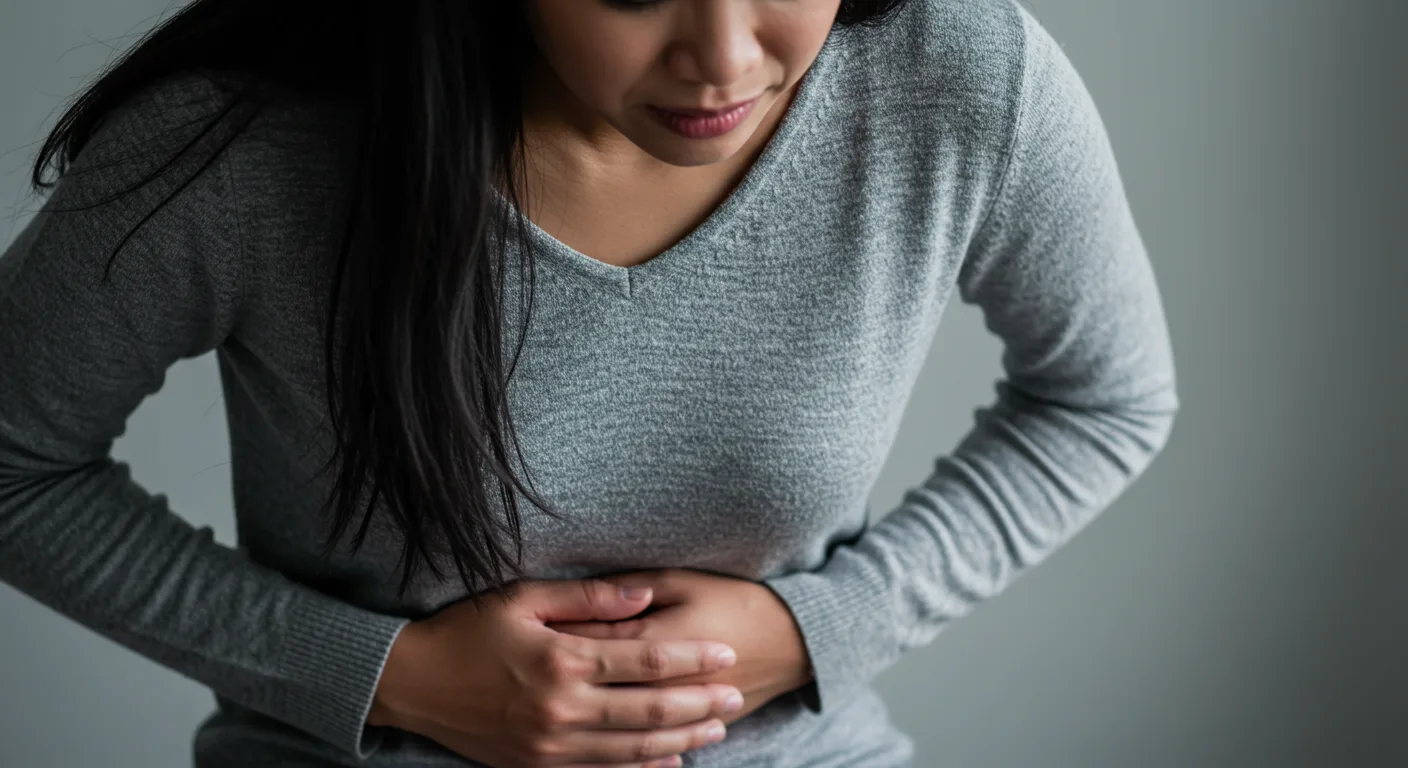
Tag: Body pains

  • “Bodze” and the Myth of Delayed Childbirth: What Science Really Says

    “Bodze” and the Myth of Delayed Childbirth: What Science Really Says

    Introduction

    “Bↄdze” and the Myth of Delayed Childbirth -In many Ghanaian communities and beyond, there’s a persistent belief that women who do not give birth early in life are more likely to experience a sharp, sudden pain in the lower abdomen—commonly known as “bodze.” This pain often occurs when a person, especially a woman rises from a seated position or stands abruptly. Some even say the pain is nature’s way of “reminding” women to give birth early. But how true is this? Does science support this claim, or is it just another myth passed down through generations?

    In this post, we break down what “bodze” really is, what causes it medically, and whether delayed childbirth has anything to do with it.

    Read Also: Relieve Lower Back Pain with these simple remedies

    What Is “Bodze” Pain?
    Though not a medical term, bodze describes a sharp, often stabbing pain in the lower abdomen or pelvis. It’s usually momentary but can be intense enough to stop someone in their tracks. It’s most commonly reported by women, especially during their reproductive years.

    In medical language, this type of pain can fall under several conditions:

    • Round Ligament Pain: Usually associated with pregnancy but not exclusive to it. It occurs when the ligaments that support the uterus stretch or contract suddenly.
    • Mittelschmerz: A German word meaning “middle pain,” this refers to the sharp pain some women experience during ovulation, around the middle of their menstrual cycle.
    • Pelvic Girdle Pain: Often experienced during pregnancy but can occur due to muscle strain or misalignment in non-pregnant women.
    • Musculoskeletal Pain: Caused by poor posture, core weakness, or sudden movements.
    • Other Causes: Conditions like ovarian cysts, endometriosis, or even urinary tract infections can cause similar pain.

    The Myth: Delayed Childbirth Causes “Bodze”

    "Bↄdze" and the Myth of Delayed Childbirth
    “Bↄdze” and the Myth of Delayed Childbirth

    There is a widely held belief that women who do not have children early are more likely to suffer this type of pain. The theory is that the body “suffers” from not fulfilling its natural reproductive role.

    Read Also: Five (5) signs you have too much salt in your system.

    But here’s the truth:

    There is no scientific or medical evidence to support the idea that delaying childbirth causes or increases the likelihood of experiencing pelvic pain like “bodze.” However, it’s also fair to acknowledge that delaying childbirth may come with certain biological considerations.

    Fertility naturally declines with age, especially after age 35, which can make conception more difficult for some women. There is also a slightly increased risk of pregnancy-related complications such as high blood pressure, gestational diabetes, or cesarean delivery. With proper healthcare, many women have healthy pregnancies and babies later in life.

    The decision of when to have children is deeply personal and influenced by many factors—emotional readiness, career goals, financial stability, and overall health. What matters most is that women are supported, informed, and free to choose the timing that’s right for them without judgment or fear.

    What the Research Shows

    1. Pelvic pain is common in women of all reproductive ages—whether or not they have had children. According to a study published in The Lancet, chronic pelvic pain affects up to 20% of women worldwide.
    2. Round ligament pain and other types of pelvic discomfort can occur in women who have never been pregnant. It’s not exclusive to mothers.
    3. Hormonal fluctuations, especially around ovulation and menstruation, are known to cause pelvic discomfort in many women. This has nothing to do with childbirth status.
    4. Age of first childbirth has not been medically linked to muscle or ligament-related pelvic pain. There is no physiological mechanism that supports this myth.

    Why the Myth Persists

    In the absence of scientific understanding, many cultures fill the knowledge gap with anecdotal explanations. A young woman complaining of bodze pain may be told she’s “waiting too long” to have children, leading her to believe the pain is a punishment or warning. Over time, these stories are repeated until they become accepted as truth.

    The Real Message: Listen to Your Body, Not Myths
    Experiencing pelvic pain is not a sign you’ve done something wrong or delayed childbirth. It’s a common symptom that can have various natural or medical causes. If the pain is frequent, intense, or concerning, consult a healthcare professional. Early diagnosis can help manage conditions like endometriosis, fibroids, or ovarian cysts—real causes that deserve attention, not shame.

    Healthy Habits to Help Limit “Bodze”.

    "Bↄdze" and the Myth of Delayed Childbirth
    “Bↄdze” and the Myth of Delayed Childbirth

    While some pelvic pain is natural, certain lifestyle choices can help reduce how often it occurs. Staying active with gentle exercises like stretching or walking, maintaining good posture, and avoiding sudden movements can ease pressure on pelvic muscles and ligaments. Drinking plenty of water, managing stress, and tracking your menstrual cycle also support hormonal balance and pain management. If the pain becomes frequent or severe, it’s always best to seek medical advice.

    Conclusion

    “Bodze” is not a curse or consequence of choosing to delay childbirth. It’s a physical symptom that may be linked to natural body processes or underlying health issues. Let’s replace harmful myths with real knowledge, support women with empathy, and encourage open conversations about reproductive and pelvic health.

    Have you experienced bodze pain before? What were you told about it? Share your story in the comments or message us—let’s break the myth together.

    Follow My Facebook Here : Infohealthgh

  • Reasons why you are waking up from bed with body pains Why and How to Fix It”

    Reasons why you are waking up from bed with body pains Why and How to Fix It”

    Have you ever woken up in the morning and instantly felt pains all over your body like you just completed a 20Km marathon? You are not alone because waking up with body pains affect one in five people according to the american sleep foundation.

    You can easily finger where the body pains are coming from when you know you were involved in strenuous physical activities. Unfortunately, this can even happen to you when there hasn’t been any intensive physical activity the previous day.

    Personally, I am not new to this and i can confirm that it is not a pleasant experience especially when you have a busy schedule ahead of you that requires your energy and focus.

    In today’s post we are going to discuss why this happens and what you can do to fix this situation without breaking the bank.

    Common Reasons You’re Waking Up with Body Pains

    1. Poor Sleeping Posture

    Not adopting a proper sleeping position can cause severe body pains in the mornings and this is one of the things we often get wrong when it comes to sleep quality.

    Sleeping with a poor posture exerts excessive pressure on some specific parts of the body. In a situation where the spine is not properly aligned, there is tension formed in the muscle which can sometimes lead to an irritation of the nerves. This is one of the reasons why you wake up with pains in the neck, shoulders, lower back and hips.

    For instance, sleeping on your stomach forces your neck to twist to one side, straining neck muscles, while sleeping on your side with no support between your knees can put stress on the hip joint

    Reasons You’re Waking Up with Body Pains

    Read Also: Healthy Fat Weight Loss with Intermittent Fasting and Exercise: My Journey

    Tips for Good Sleeping Posture:

    • Maintaining the natural curve of your spine and keeping your ears, shoulders, and hips aligned is the ideal sleep position.
    • Keep in mind that sleeping on your back or side is better than sleeping on your stomach

    2. Unsuitable Mattress or Pillow

    Getting a good quality and suitable mattress is the second step to correcting your morning body pains. Be sure not to go in for a too soft mattress, too hard or too old mattress because that contributes significantly to your body pains.

    Too old mattress means it has sagged and lost its firmness which will cause your body to sink into uneven positions. This puts a lot of stress on your spine and joints. This effect is similar for a mattress that maybe too soft.

    A mattress that is too hard creates pressure points on sensitive areas like the shoulders, hips, and tailbone, causing discomfort and pain during sleep. Additionally, Excessive pressure on joints from a hard mattress can contribute to joint pain, especially for people with existing joint conditions.

    Reasons You’re Waking Up with Body Pains
    Reasons You’re Waking Up with Body Pains

    Also, a pillow that’s too soft or too firm often leads to neck pain. For example, if you sleep on your side with a soft pillow that doesn’t provide enough support under your neck, your head has to extend sideways to meet the pillow and in the opposite direction your neck will not align with your spine if the pillow is too hard and elevated.

    Helpful Tips:

    • It is important to go in for a firm mattress with a soft surface. You can even cover your mattress with Natural Talalay Latex.
    • Replace old mattress as soon as possible to minimize risks of developing chronic body pains.

    3. Muscle Tension and Stress

    We often ignore the effects our mental health and wellbeing has on our physical health and sleep quality, but it is very important. According to the American Psychological Association, Muscle tension is almost a reflex reaction to stress, that is the body’s way of guarding against injury and pain.

    Reasons You’re Waking Up with Body Pains
    Reasons You’re Waking Up with Body Pains

    When stressed, your muscles tend to tighten up and not fully relax, resulting in discomfort and disrupted sleep patterns. It is also one of the reasons why you wake up in the morning with body pains and the one you are most likely to ignore.

    4. Physical Activity (or Lack of It) Before Bed

    Working out on a normal day pushes your muscles and joints to their limit which is healthy because then your body builds a resistance over time. So, it is perfectly normal to experience body pains that should go away over few hours if you had done an intensive workout the previous days.

    There is a type of body pain one feels also when they lack any form of physical activity. Because of the lack of activity, there is a high possibility to accumulate fat which adds up to your weight and strains your joints over time.

    Tip: If you are one who frequently experiences body pains then this might be the best time to start working out or being more active.

    Read Also: Six (6) Common fruits and vegetables to lower blood pressure.

    Dehydration and Nutrient Deficiencies

    signs of early diabetes

    Proper hydration and adequate mineral intake are fundamental to maintaining healthy muscle function. Water, along with essential minerals like magnesium and potassium, ensures your muscles contract and relax smoothly.

    A lack of these vital components can lead to muscle cramps, fatigue, and impaired performance.

    In conclusion, the source of your body pains whenever you wake up may not be as a result of one thing but could be because of many other factors. It is important however to note that while these points may not instantly solve all your body ache problems, it will go a long way to help you live a healthy life.

    The reasons You’re Waking Up with Body Pain might not even be directly related to your bed, pillow or sleep posture but could only be a symptom for an underlying health condition.

    Read More Health Tips