Tag: DIet

  • Is Potash(Kaun) in Beans and Wakye Slowly Damaging Your Liver and Kidneys?

    Is Potash(Kaun) in Beans and Wakye Slowly Damaging Your Liver and Kidneys?

    Introduction

    ‎Follow the InfoHealthGh channel on WhatsApp: https://whatsapp.com/channel/0029Va7j1SgGE56e8pagc22u

    Potash in beans health risks Ghana -For many Ghanaians, meals like beans and gari (gobɛ) or wakye are more than just food, they’re cultural staples and everyday comfort dishes. Whether bought from a trusted street vendor or prepared at home, these meals are affordable, filling, and widely loved.

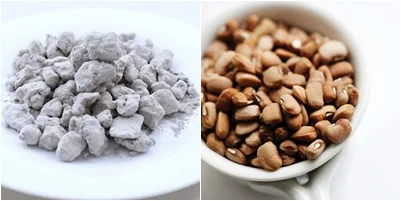
    However, there is a lesser-known aspect of how some of these meals are prepared that deserves closer attention. To speed up cooking and achieve a softer texture, some vendors and home cooks add a substance locally known as kaun or akanwu, commonly referred to as potash.

    While this practice is not new, increasing health awareness has raised important questions: Could frequent consumption of potash-treated foods have long-term effects on the body particularly the liver, kidneys, and digestive system?

    Read Also: Why Your Headache Keeps Coming Back — And When It Could Be Linked to Kidney Disease

    Understanding this issue is especially important in regions like Ghana, where beans are consumed multiple times per week.

    What Is Potash (Kaun/Akanwu)?

    potash in beans health risks Ghana

    Potash is a general term used to describe a group of potassium-based alkaline compounds, most commonly potassium carbonate. In traditional African cooking, it is valued for its ability to:

    • Soften tough foods quickly
    • Reduce cooking time significantly
    • Improve texture in legumes and vegetables

    Its effectiveness comes from its high alkalinity, which breaks down structural components of plant cells—specifically pectin and cellulose making foods like beans cook faster and become very soft.

    However, this same chemical property that makes potash useful in cooking also raises concerns when consumed regularly.

    How It’s Used in Ghanaian Cooking

    In Ghana, potash is commonly added during the boiling of beans, especially in the preparation of:

    • Gobɛ (beans and gari)
    • Wakye (rice and beans)
    • Certain vegetable dishes

    For food vendors, the appeal is clear:

    • Faster cooking means reduced fuel costs
    • Softer beans improve customer preference
    • Higher turnover increases profit margins

    But from a health perspective, this introduces an unregulated alkaline substance into daily meals, often without the consumer’s awareness.

    Read Also: Ten kidney-damaging Habits You Need to stop right now!

    Health Risks of Potash in Food

    1. High Alkalinity and Digestive Irritation

    Potash is strongly alkaline, meaning it can alter the natural acidic environment of the stomach. The stomach relies on acid (primarily hydrochloric acid) for proper digestion and defense against pathogens.

    When highly alkaline substances are consumed frequently:

    • The stomach lining may become irritated
    • Digestive processes may be disrupted
    • Symptoms like bloating, nausea, and abdominal discomfort may occur

    Over time, this imbalance could contribute to chronic digestive issues, especially in individuals with sensitive gastrointestinal systems.

    2. Elevated Sodium Content and Systemic Effects

    Some forms of potash contain significant amounts of sodium. High sodium intake is a well-established risk factor for:

    • Hypertension (high blood pressure)
    • Fluid retention
    • Increased cardiovascular strain

    Beyond the heart, excess sodium also places additional burden on the kidneys, which are responsible for filtering excess salts from the bloodstream.

    For individuals already consuming processed or salty foods, potash-treated meals may quietly increase total sodium intake beyond safe limits.

    3. Potential Liver Stress

    The liver plays a central role in detoxification and metabolic regulation. Although direct large-scale human studies on potash consumption are limited, experimental and observational findings suggest:

    • Chronic exposure to certain alkaline salts may induce biochemical stress in liver tissues
    • Elevated liver enzymes (a marker of liver strain) have been observed in some animal studies

    While occasional consumption is unlikely to cause harm, regular ingestion over time may contribute to cumulative liver stress, particularly in individuals with pre-existing liver conditions.

    Read More: Benefits of Parsley: Why This Simple Green Herb Deserves a Place in Your Daily Diet

    4. Kidney Stress and Electrolyte Imbalance

    The kidneys maintain the body’s delicate balance of electrolytes, including sodium and potassium. Excessive intake of potash may disrupt this balance, leading to:

    • Electrolyte imbalances
    • Increased risk of kidney strain
    • Possible contribution to kidney stone formation

    This is especially concerning for individuals with:

    • Chronic kidney disease
    • Hypertension
    • Diabetes

    In such cases, even moderate dietary imbalances can have amplified effects.

    5. Possible Nutrient Loss

    An often overlooked issue is that the high alkalinity of potash may also affect the nutritional quality of food. Some studies suggest that alkaline cooking conditions can:

    • Reduce certain water-soluble vitamins (like B vitamins)
    • Alter mineral availability

    This means that while beans are naturally nutrient-rich, improper preparation methods may reduce their overall health benefits.

    What This Means for Ghanaian Food Lovers

    Beans are an excellent source of:

    • Plant-based protein
    • Dietary fiber
    • Essential minerals like iron and magnesium

    The issue is not the beans themselves but how they are prepared.

    Here’s what to keep in mind:

    • Occasional consumption of potash-treated food is unlikely to cause immediate harm
    • Frequent consumption (multiple times weekly) may increase long-term health risks
    • Individuals with liver, kidney, or blood pressure conditions should be especially cautious

    Given how common street food consumption is in urban Ghana, awareness becomes critical.

    Safer Alternatives and Practical Tips

    You don’t have to give up your favorite meals, you just to be more intentional about preparation and sourcing.

    1. Soak Beans Before Cooking

    Soaking beans for 8–12 hours:

    • Reduces cooking time naturally
    • Improves digestibility
    • Preserves nutrients

    2. Use Natural Tenderizing Methods

    Instead of potash, consider:

    • Longer simmering at moderate heat
    • Pressure cooking (if available)

    3. Ask Questions When Buying Food

    When buying from vendors:

    • Politely ask if potash is used
    • Choose vendors who avoid chemical additives

    4. Limit Frequency

    If avoiding potash completely isn’t practical:

    • Reduce how often you consume such meals
    • Balance with fresh, minimally processed foods

    5. Stay Hydrated

    Adequate water intake helps the kidneys:

    • Flush out excess salts
    • Maintain electrolyte balance

    Conclusion

    potash in beans health risks Ghana

    Potash (kaun/akanwu) remains a part of traditional cooking practices across West Africa, valued for its efficiency and convenience. However, as dietary habits evolve and health awareness grows, it’s important to critically evaluate such practices.

    The evidence does not suggest that potash is immediately dangerous in small amounts. But habitual consumption—especially in frequently eaten foods like beans and wakye—may contribute to long-term stress on the digestive system, liver, and kidneys.

    Making informed choices doesn’t mean abandoning cultural foods. It simply means preparing and consuming them in ways that support long-term health.

    If you experience persistent digestive issues or have existing liver or kidney concerns, it’s advisable to consult a qualified healthcare professional.


    SEO Add-ons (for your blog)

    Focus Keyphrase:

    Alternative Keyphrases:

    • kaun in food side effects
    • akanwu health effects
    • is potash safe in cooking
    • wakye potash health risks

    Meta Description (Yoast-optimized):

  • Deworming in Adults: Symptoms, Timing, and What to Expect

    Deworming in Adults: Symptoms, Timing, and What to Expect

    Most people associate intestinal worms with children, but adults are also at risk. In many parts of the world, especially tropical regions, parasitic worm infections remain common due to sanitation challenges, contaminated food, and exposure to soil.

    Intestinal worms can quietly live inside the digestive tract for months or even years, sometimes causing symptoms that people mistakenly blame on stress, diet, or fatigue. Fortunately, deworming medications are effective and widely available.

    In this guide, we explain the signs you may need to deworm, the best time to take deworming tablets, what happens after treatment, and how to use these medicines safely.

    Read Also: Diet Coke vs Regular Coke: Which Is Healthier for Weight Loss, Blood Sugar, and Long-Term Health?

    Signs You Need to Deworm

    Many worm infections develop slowly, which means the symptoms can be subtle at first. However, the body often gives warning signs when parasites begin affecting digestion and nutrient absorption.

    Here are some common symptoms that may indicate a worm infection.

    Anal Itching

    Persistent itching around the anus—especially at night—is one of the most recognizable symptoms of a worm infection. This often happens when pinworms lay eggs around the anal area, causing irritation and intense itching.

    If the itching worsens at night and interferes with sleep, it may be a sign that deworming treatment is needed.

    Digestive Distress

    Worms live in the digestive system, so many of the symptoms appear in the stomach and intestines.

    Common digestive symptoms include:

    • Abdominal cramps
    • Bloating
    • Nausea
    • Diarrhea
    • Gas
    • Irregular bowel movements

    These symptoms occur because worms irritate the intestinal lining and interfere with digestion.

    Appetite Changes

    Parasitic worms feed on nutrients from the food you eat. This can lead to unusual appetite patterns such as:

    • Increased hunger
    • Sudden loss of appetite
    • Food cravings

    Some people also experience unexplained weight changes as a result.

    Fatigue and Weakness

    When worms consume nutrients in the body, it can lead to nutritional deficiencies. As a result, infected individuals may feel:

    • Constant tiredness
    • Weakness
    • Difficulty concentrating
    • Low energy levels

    This fatigue can persist even after getting enough rest.

    Read Also: Top 5 Worst Sleeping Positions for Your Spine According to Experts (And How to Fix Them)

    Visible Worms in Stool

    In certain cases, worms or worm segments may appear in stool. These may look like small white threads or rice-like particles.

    Although this symptom can be alarming, it is a clear indication that treatment is necessary.

    Child-Specific Symptoms

    Children are especially vulnerable to worm infections. Some symptoms in children include:

    • Irritability
    • Restlessness at night
    • Poor appetite
    • Slow growth
    • Frequent stomach pain

    Parents who notice these signs may want to consult a healthcare professional about deworming treatment.

    When to Take Deworming Tablets for Adults

    The timing and frequency of deworming depend on lifestyle, environment, and exposure risk.

    Optimal Timing

    In areas where intestinal worms are common, many health experts recommend deworming once or twice a year as a preventive measure.

    In high-risk environments—such as tropical regions with limited sanitation—some people may benefit from deworming every six months.

    Risk Factors That Increase Infection

    Adults may have a higher risk of worm infection if they:

    • Live in tropical or subtropical regions
    • Frequently work with soil (farmers, gardeners)
    • Consume undercooked meat or contaminated food
    • Drink untreated water
    • Travel to areas with poor sanitation
    • Have close contact with infected individuals

    People exposed to these risk factors may consider regular screening or preventive deworming.

    What Happens After Deworming in Humans

    Many people are curious about what happens after taking deworming medication.

    How Long It Takes to Work

    Most deworming medicines begin affecting parasites within a few hours of taking the tablet. However, it may take several days for the body to completely eliminate the worms.

    Some medications paralyze the worms, allowing them to pass naturally through the stool.

    Common Side Effects

    Deworming medications are generally safe, but some individuals may experience mild side effects such as:

    • Stomach discomfort
    • Nausea
    • Diarrhea
    • Headache
    • Temporary dizziness

    These side effects usually disappear within a short period.

    Signs the Medicine Is Working

    After taking the medication, you may notice:

    • Worms passing in stool
    • Reduced itching around the anus
    • Improved digestion
    • Increased energy levels

    For many people, symptoms start improving within a few days to a week.

    How to Take Deworming Tablets Safely

    Using deworming medications correctly ensures they work effectively and minimizes side effects.

    Follow the Recommended Dosage

    Different deworming medications require different dosages depending on:

    • The type of parasite
    • Age
    • Body weight

    Always follow the instructions on the medication label or the advice of a healthcare professional.

    Precautions for Pregnant or Breastfeeding Women

    Some deworming drugs may not be suitable during pregnancy—especially during the first trimester.

    Pregnant or breastfeeding women should consult a doctor before taking any deworming medication.

    Read Also: Top Causes of Belly Fat After 30 (and How to Fight Back)

    Treat the Whole Household

    Certain infections—such as pinworms—spread easily among family members.

    In these situations, healthcare providers may recommend treating everyone in the household simultaneously to prevent reinfection.

    Maintain Good Hygiene

    Good hygiene practices are essential for preventing future infections.

    Important preventive steps include:

    • Washing hands thoroughly before meals
    • Keeping fingernails clean and trimmed
    • Washing fruits and vegetables well
    • Cooking meat thoroughly
    • Cleaning bedding and clothing regularly

    How to Know if Dewormer Is Working in Humans

    deworming in adults symptoms timing and what to expect

    After treatment, there are several ways to determine if the medication has been effective.

    Read Also: The Role of Water in Weight Loss: What You Need to Know

    Improvement in Symptoms

    One of the first signs is relief from symptoms such as:

    • Reduced itching
    • Improved appetite
    • Better digestion
    • Increased energy

    These improvements usually occur within days after treatment.

    Worms Passing in Stool

    In some cases, dead worms may be visible in stool as the body expels them.

    This is normal and indicates that the medication is working.

    Gradual Recovery

    As the body recovers from the infection, nutrient absorption improves, which can help restore strength and energy levels.

    When to Seek Medical Advice

    You should consult a doctor if:

    • Symptoms continue after treatment
    • Severe abdominal pain develops
    • There is blood in stool
    • Symptoms return shortly after treatment

    A stool test may be required to confirm whether the infection has been completely cleared.

    Is It Safe to Take Worming Tablets If You Don’t Have Worms?

    Some people take deworming tablets as a preventive measure, especially in areas where infections are common. However, taking medication without a confirmed infection may not always be necessary.

    Risks of Unnecessary Medication

    While there is no serious risk to taking dewormers too often, taking deworming drugs when they are not needed can lead to:

    • Unnecessary side effects
    • Potential medication resistance
    • Overlooking other health conditions causing similar symptoms

    For this reason, medical advice is recommended before routine treatment.

    Best Practices for Prevention

    Preventing worm infections is often easier than treating them.

    Helpful prevention tips include:

    • Washing hands regularly
    • Drinking safe, clean water
    • Properly washing fruits and vegetables
    • Avoiding raw or undercooked meat
    • Wearing footwear outdoors
    • Maintaining clean living environments

    These habits significantly reduce the risk of infection.

    Conclusion

    deworming in adults symptoms timing and what to expect

    Intestinal worms can affect adults just as easily as children, particularly in regions where sanitation challenges exist. While the symptoms may sometimes be mild, untreated infections can affect digestion, energy levels, and overall health.

    Recognizing the signs of infection, knowing when to take deworming tablets, and following safe treatment practices can help you stay healthy and prevent reinfection.

    If you suspect a worm infection or experience persistent symptoms, it is always best to seek medical advice for proper diagnosis and treatment.

  • Diet Coke vs Regular Coke: Which Is Healthier for Weight Loss, Blood Sugar, and Long-Term Health?

    Diet Coke vs Regular Coke: Which Is Healthier for Weight Loss, Blood Sugar, and Long-Term Health?

    Is Diet Coke actually healthier than regular Coke? Or are they both harmful in different ways?

    This question appears simple, but the answer depends on what “healthier” means. Are we talking about calories? Blood sugar control? Cancer risk? Weight gain? Long-term metabolic health?

    In this comprehensive Diet Coke vs Regular Coke health comparison, we break down the scientific evidence and explain exactly how these two beverages affect your body. Instead of relying on sensational headlines or social media opinions, this guide focuses on what research actually shows.

    If you want a clear, balanced, evidence-based answer, this article will give you one.

    Quick Answer: Is Diet Coke Healthier Than Regular Coke?

    Yes — in most metabolic contexts, Diet Coke is healthier than regular Coke because it contains zero sugar and zero calories.

    However, neither beverage is healthier than water.

    If someone drinks regular Coke daily and switches to Diet Coke, they reduce sugar intake, lower calorie consumption, and decrease blood sugar spikes. But if someone already drinks water regularly, switching to Diet Coke offers no measurable health advantage.

    The key factor is what the drink is replacing.

    Read Also: How Cutting Out Sugar Speeds Up Weight Loss: The Science, Benefits, and Sustainable Tips for Beginners

    Diet Coke vs Regular Coke: Nutrition Comparison

    Here is a direct comparison per 12 oz (355 ml) can:

    NutrientRegular CokeDiet Coke
    Calories~1400
    Sugar~39 grams0 grams
    Carbohydrates39g0g
    Caffeine~34mg~46mg
    Artificial SweetenersNoYes (Aspartame, Acesulfame-K)
    Glycemic ImpactHighMinimal

    The most striking difference is sugar content.

    A single can of regular Coke contains about 39 grams of sugar — roughly 9–10 teaspoons. That amount exceeds the daily added sugar limit recommended by many health authorities for some individuals.

    Diet Coke contains no sugar at all. Instead, it uses artificial sweeteners to provide sweetness without calories.

    This single difference — sugar versus no sugar — drives most of the health contrast between the two beverages.

    Read Also: Gari vs Rice: Which is the better alternative when trying lose weight.

    Blood Sugar and Diabetes Risk

    One of the most important aspects of this Diet Coke vs Regular Coke health comparison is how each drink affects blood glucose and insulin levels.

    Regular Coke and Blood Sugar

    Regular Coke delivers a rapid dose of liquid sugar into the bloodstream. Because it contains no fibre or protein to slow absorption, blood glucose rises quickly.

    This triggers:

    • A sharp insulin response
    • Increased fat storage signals
    • Greater liver fat production when consumed frequently

    Over time, frequent consumption of sugar-sweetened beverages has been strongly associated with:

    • Type 2 diabetes
    • Insulin resistance
    • Metabolic syndrome
    • Central obesity

    Liquid sugar is particularly problematic because it does not create the same feeling of fullness as solid food. This makes it easier to consume excess calories without realising it.

    Diet Coke and Blood Sugar

    Diet Coke contains no sugar and does not significantly raise blood glucose levels.

    In most individuals:

    • There is minimal to no glycemic spike
    • The insulin response is far lower than with sugar
    • Total calorie load is zero

    For people managing diabetes or prediabetes, this difference is clinically meaningful.

    From a blood sugar standpoint, Diet Coke is clearly the safer option.

    Weight Gain and Weight Loss: What Does the Evidence Show?

    Few topics generate as much confusion as the relationship between diet soda and weight gain.

    Observational Studies

    Some long-term observational studies have found that people who drink diet soda are more likely to be overweight.

    However, this does not prove that diet soda causes weight gain.

    Many individuals who are already overweight switch to diet drinks in an attempt to lose weight. This creates a statistical illusion called reverse causation.

    Randomised Controlled Trials

    When participants replace regular soda with diet soda:

    • Calorie intake decreases
    • Weight loss often occurs
    • Weight gain does not increase

    In controlled settings, replacing sugar-sweetened beverages with diet beverages generally supports weight control.

    So in a real-world context:

    • Replacing regular Coke with Diet Coke can help reduce calorie intake.
    • Replacing water with Diet Coke offers no weight advantage.

    The comparison always depends on what you are replacing.

    Artificial Sweeteners: Should You Be Concerned?

    Diet Coke uses artificial sweeteners such as aspartame and acesulfame potassium.

    Concerns often include:

    • Cancer risk
    • Hormonal disruption
    • Gut microbiome imbalance

    Read Also: 5 Working Hacks to Shed Fat Fast: Skip if you can’t be disciplined and consistent.

    Cancer Risk

    Aspartame has been studied extensively for decades.

    Major regulatory agencies have established an Acceptable Daily Intake (ADI), which represents the amount that can be consumed daily over a lifetime without significant risk.

    To approach this limit, a person would typically need to drink multiple cans daily for an extended period.

    Current evidence does not demonstrate meaningful cancer risk at moderate consumption levels.

    Gut Microbiome Effects

    Emerging research suggests artificial sweeteners may influence gut bacteria composition in some individuals.

    However:

    • Effects vary widely between people
    • Dosage matters
    • Human data remains inconsistent

    There is currently no strong evidence that moderate Diet Coke consumption causes significant or predictable microbiome harm.

    This area remains under active investigation.

    Dental Health and Bone Considerations

    Both Diet Coke and regular Coke are acidic beverages.

    Dental Impact

    Regular Coke increases cavity risk because:

    • Sugar feeds oral bacteria
    • Acid erodes enamel

    Diet Coke does not contain sugar, but it is still acidic. Over time, frequent exposure may contribute to enamel erosion.

    Neither beverage supports dental health.

    Is Diet Coke Better for Diabetics?

    For individuals with diabetes, the difference is substantial.

    Regular Coke significantly raises blood glucose levels and may complicate glycemic control.

    Diet Coke does not produce the same glucose spike.

    While water remains the best choice, Diet Coke is generally a safer alternative to sugar-sweetened soda for blood sugar management.

    When Diet Coke Is a Better Choice

    Diet Coke may be beneficial if:

    • You are reducing added sugar intake
    • You are transitioning away from regular soda
    • You are managing calorie consumption
    • You want carbonation without sugar

    In these situations, Diet Coke can serve as a lower-risk substitute.

    Read Also: How to Stop Sugar Cravings Naturally at Night: 7 Proven Strategies

    When Neither Is Ideal

    Neither beverage is optimal for:

    • Daily hydration
    • Athletic recovery
    • Long-term preventive health

    For sustained health benefits, prioritise:

    • Water
    • Unsweetened tea
    • Sparkling water without sweeteners
    • Moderately consumed black coffee

    These options provide hydration without added metabolic concerns.

    Final Verdict: Diet Coke vs Regular Coke

    Let’s conclude this Diet Coke vs Regular Coke health comparison clearly and precisely.

    If you drink regular Coke daily, switching to Diet Coke reduces sugar exposure, lowers calorie intake, and improves blood sugar stability.

    If you already drink water, switching to Diet Coke does not improve your health.

    Regular Coke has stronger evidence linking it to obesity, type 2 diabetes, and metabolic disease.

    Diet Coke is not a healthy beverage, but metabolically, it is less harmful than regular Coke.

    The healthiest option remains water.

    Read Also: Top Causes of Belly Fat After 30 (and How to Fight Back)


    Frequently Asked Questions

    Is Diet Coke good for weight loss?

    It can help reduce calorie intake when replacing sugary drinks. It does not directly cause weight loss on its own.

    Does Diet Coke raise insulin?

    In most people, it causes minimal insulin response compared to sugar.

    Is Coke Zero healthier than Diet Coke?

    Nutritionally, they are very similar. Differences are mainly flavour-based.

    Can you drink Diet Coke every day?

    Moderate consumption is generally considered safe, but water should remain your primary beverage.

    CONCLUSION

    The real question is not whether Diet Coke is “healthy.”

    The real question is: compared to what?

    In this Diet Coke vs Regular Coke health comparison, Diet Coke is the metabolically safer choice when replacing sugary soda. However, it is not superior to water and should not replace healthier hydration habits.

    In my opinion, opt for Diet Coke if sugar sweetened coke has become more of an addiction

    Making small, consistent improvements, such as reducing added sugar intake, can have meaningful long-term health benefits.

  • Common Ghanaian Medicinal Plant Lemongrass; Benefits, Use and Recipe.

    Common Ghanaian Medicinal Plant Lemongrass; Benefits, Use and Recipe.

    There is something deeply comforting about the smell of lemongrass. For many Ghanaians, it brings back memories of early mornings, steaming cups of herbal tea, and advice passed down from grandparents who trusted nature long before pharmacies became common.

    Lemongrass is not just a plant that grows quietly in the corner of the compound. It is a trusted companion in everyday health and wellness, woven into our food, culture, and traditional medicine.
    In recent years, people are returning to natural remedies, not out of nostalgia, but because they work.

    As lifestyle-related health concerns rise, more attention is being given to plants that have served African communities for generations. One of the most talked-about plants today is lemongrass, known locally by various names and valued for its refreshing taste and healing properties.

    Read Also: Do you know the Benefits of Fluted pumpkin leave, also called Krobonko in Ghana?

    Common Ghanaian Medicinal Plant Lemongrass Benefits

    The Common Ghanaian Medicinal Plant Lemongrass Benefits are now being explored not only in homes but also in wellness conversations around the world. What makes lemongrass truly special is its simplicity. It does not require complicated preparation, expensive processing, or foreign supplements.

    A few fresh stalks, clean water, and patience are often enough. Yet behind this humble appearance lies a powerful combination of nutrients that support the body in more ways than many people realise.

    Understanding the Common Ghanaian Medicinal Plant Lemongrass Benefits helps us appreciate why this plant has stood the test of time.

    Read Also: Onion Juice for Hair Growth: Evidence, How It Works, Step-by-Step Guide, Benefits & Risks

    Lemongrass as a Traditional Healing Plant in Ghana

    Lemongrass has long been part of Ghanaian folk medicine. It is commonly used in homes to prepare herbal teas for

    1. Fever
    2. Stomach discomfort
    3. General body weakness.

    It is often recommended when someone is feeling run-down or stressed. This long history is not accidental. Lemon grass is a source of beneficial phytochemicals and specialised nutrients that support overall wellness and help the body maintain balance.

    Traditionally, lemongrass is boiled to make tea, sometimes combined with other herbs. The warm infusion is believed to cleanse the system and restore strength. Over time, science has begun to support what traditional knowledge already understood. Many of the compounds found in lemongrass have anti-inflammatory, antibacterial, and antioxidant properties.

    Step-by-Step Process on How to Use Lemongrass at Home

    One of the reasons lemongrass remains popular is how easy it is to prepare and use. Below is a simple step-by-step method commonly used in Ghanaian homes.

    Step 1: Harvest or Purchase Fresh Lemongrass
    Choose fresh green stalks with a strong lemon scent. Avoid dry or yellowing stalks.
    Step 2: Wash Thoroughly
    Rinse the stalks well under clean running water to remove dirt and debris.
    Step 3: Cut into Smaller Pieces
    Slice the stalks into smaller sections to help release their natural oils and nutrients.
    Step 4: Boil with Clean Water
    Add the chopped lemongrass to a pot of water and boil for 10 to 15 minutes until the water changes colour
    and aroma.
    Step 5: Strain and Serve
    Strain the tea into a cup. It can be taken warm or allowed to cool. Some people add honey or ginger for taste.

    Read Also: Benefits of Parsley: Why This Simple Green Herb Deserves a Place in Your Daily Diet

    This tea can be taken once or twice daily, depending on the intended purpose.

    Supporting Digestion and Gut Health

    Digestive discomfort is a common issue, especially with modern diets. One of the most valued Common Ghanaian Medicinal Plant Lemongrass Benefits is its positive effect on digestion.

    Intake of lemon grass tea can help promote healthy digestion by easing bloating, reducing gas, and supporting proper bowel movement. This is why it is often taken after meals or during periods of stomach upset.
    Lemongrass helps relax the muscles of the digestive tract, allowing food to move smoothly. It also supports the growth of good gut bacteria, which play a key role in nutrient absorption and immune health.

    Relief for Women’s Health and Menstrual Comfort

    In many Ghanaian homes, lemongrass is recommended to women during their menstrual period. It is considered a Natural Remedy for Menstrual Cramps, helping to ease pain and reduce discomfort. The calming properties of lemongrass help relax uterine muscles and improve blood flow.
    Beyond pain relief, lemongrass tea also helps reduce fatigue and irritability that sometimes accompany menstruation.

    Heart Health and Blood Pressure Support

    High blood pressure is becoming more common even amongst children, and traditional remedies are being revisited for prevention and support. Lemongrass is a herb used in folk medicine for the treatment of hypertension, especially when combined with lifestyle changes such as reduced salt intake and regular physical activity.

    Lemongrass helps promote healthy circulation and may assist in relaxing blood vessels. While it should not replace prescribed medication, it can be a supportive addition to a healthy routine.

    Boosting Immunity, Skin Health, and Body Comfort

    Another reason lemongrass is so valued is its ability to strengthen the immune system. One of the key Common Ghanaian Medicinal Plant Lemongrass Benefits is its role in helping the body fight infections. The health benefits of lemongrass include its ability to soothe sore muscles, reduce fever, and boost oral health.

    It also supports improving skin’s vitality by helping cleanse the body from within and supporting clearer skin when used consistently.

    Read Also: Increased Risk of Cancer Amongst Younger People

    Conclusion

    Lemongrass is more than just a fragrant plant growing in Ghanaian backyards. It is a symbol of natural healing, cultural wisdom, and accessible wellness. From digestion and immunity to heart health and skin care, the Common Ghanaian Medicinal Plant Lemongrass Benefits continue to make it a valuable part of everyday life.
    By understanding how to prepare and use lemongrass properly, we preserve a powerful tradition that supports health naturally and sustainably.

    ‎Follow the InfoHealthGh channel on WhatsApp: https://whatsapp.com/channel/0029Va7j1SgGE56e8pagc22u
  • Benefits of Parsley: Why This Simple Green Herb Deserves a Place in Your Daily Diet

    Benefits of Parsley: Why This Simple Green Herb Deserves a Place in Your Daily Diet

    Parsley is often treated as nothing more than a decorative garnish, casually sprinkled on meals and pushed aside on the plate. Yet behind its bright green leaves lies a medicinal herb with remarkable health-boosting potential. What many people overlook is that parsley has been valued for centuries not just for flavor, but for its ability to support hydration, digestion, immunity, and overall wellness.

    In traditional medicine and modern nutrition alike, parsley is increasingly recognized as a functional food. Its high water content, rich vitamin profile, and powerful antioxidants make it far more than a culinary accessory. Whether consumed fresh, blended into smoothies, or infused as tea, parsley quietly delivers a range of physiological benefits that support the body from the inside out.

    Understanding the Benefits of parsley can change the way you view this humble herb. Instead of ignoring it, you may start seeking ways to intentionally include parsley in your meals, knowing that each bite contributes meaningfully to your health. Below, we explore the key benefits highlighted in the image and explain why parsley deserves consistent attention in a healthy diet.

    1. Extremely Hydrating

    One of the most underrated qualities of parsley is its exceptional hydration capacity. Parsley contains a high percentage of water, which helps replenish body fluids and supports cellular function. Proper hydration is essential for circulation, temperature regulation, digestion, and detoxification, and parsley contributes naturally to these processes.

    Consuming water-rich foods like parsley can be especially helpful for individuals who struggle to drink enough fluids throughout the day. Adding parsley to soups, salads, or juices provides hydration while also delivering nutrients. This hydration effect supports kidney function and helps the body flush out metabolic waste more efficiently.

    Among the many Benefits of parsley, its ability to assist hydration makes it particularly useful in warm climates, after physical activity, or during periods of illness when fluid balance is critical.

    2. Rich in Vitamins K and C

    Parsley is an excellent natural source of vitamins K and C, two essential nutrients with powerful roles in human health. Vitamin K is crucial for proper blood clotting and plays a significant role in maintaining strong, healthy bones. Without adequate vitamin K, the risk of bone weakness and excessive bleeding increases.

    Vitamin C, on the other hand, is well known for its immune-boosting properties. It helps the body fight infections, supports wound healing, and enhances iron absorption from plant-based foods. Parsley delivers vitamin C in a natural, bioavailable form that supports immune resilience and skin health.

    When discussing the Benefits of parsley, its vitamin density stands out as one of its strongest attributes. Even small servings can meaningfully contribute to daily micronutrient needs.

    3. Contains Powerful Antioxidants

    Parsley contains a variety of antioxidants that help protect the body from oxidative stress. Oxidative stress occurs when free radicals damage cells, contributing to aging and the development of chronic diseases. Antioxidants neutralize these free radicals, reducing inflammation and cellular damage.

    Regular intake of antioxidant-rich herbs like parsley supports long-term health by protecting tissues, organs, and blood vessels. This protective effect is particularly valuable in modern lifestyles where pollution, processed foods, and stress increase oxidative burden.

    The Benefits of parsley include this silent protective role, helping the body maintain balance and resilience at the cellular level over time.

    4. Reduces Inflammation

    Chronic inflammation is linked to many health conditions, including heart disease, arthritis, and metabolic disorders. Parsley contains bioactive compounds that help reduce inflammatory responses in the body. By calming inflammation, parsley supports joint health, cardiovascular function, and overall comfort.

    Anti-inflammatory food guide

    Incorporating parsley into meals may help reduce mild inflammatory symptoms such as bloating, joint stiffness, or digestive discomfort. While it is not a replacement for medical treatment, parsley can serve as a supportive dietary element in inflammation management.

    One of the notable Benefits of parsley is its natural anti-inflammatory action, making it a valuable addition to diets focused on long-term wellness and disease prevention.

    Read Also: Ovulation Calculator for Ghanaian Women: Track Your Fertile Days Easily With Our Free Tool

    5. Supports Digestive Health

    Parsley has long been associated with digestive support. It helps stimulate digestion, reduce gas, and promote smoother bowel movements. The herb supports the production of digestive enzymes and bile, both of which are essential for breaking down food efficiently.

    For individuals experiencing occasional bloating or indigestion, parsley can offer gentle relief. It is commonly consumed after meals in some cultures specifically to aid digestion and freshen the breath, reflecting its dual internal and external benefits.

    Supporting digestion is among the core Benefits of parsley, particularly when consumed regularly in fresh form.

    6. Promotes Bone Health

    Bone health depends on a steady supply of nutrients that support bone density and strength. Parsley’s high vitamin K content directly contributes to bone mineralization and helps prevent calcium loss from bones. This is especially important as people age and become more susceptible to fractures and bone weakening.

    Including parsley in meals is a simple way to support skeletal health without relying solely on supplements. When combined with a balanced diet and physical activity, parsley contributes to long-term bone integrity and mobility.

    How to Incorporate Parsley Into Your Diet

    Parsley is versatile and easy to include in everyday meals. It can be chopped fresh into salads, stews, and sauces, blended into green smoothies, or brewed into herbal tea. Fresh parsley offers the highest nutritional value, so minimal cooking is recommended when possible.

    Consistency is key. Rather than using parsley occasionally as a garnish, treat it as a functional ingredient. Even small daily amounts can deliver cumulative health benefits over time.

    Final Thoughts

    Parsley may appear simple, but its health-supporting properties are anything but ordinary. From hydration and vitamin support to antioxidant protection and digestive health, parsley delivers wide-ranging benefits in a compact, affordable form. Recognizing and applying the Benefits of parsley can transform how you approach this common herb, turning it into a deliberate tool for better health rather than an afterthought on the plate.

    By making parsley a regular part of your diet, you embrace a natural, accessible way to support overall wellness—one green leaf at a time.

    Read : Top 5 Worst Sleeping Positions for Your Spine According to Experts (And How to Fix Them)

  • Foods You Should Avoid Reheating (They Can Turn Harmful)

    Foods You Should Avoid Reheating (They Can Turn Harmful)

    When it comes to what you put in your mouth as food, it is essential to ensure that it is wholesome because there is a thin line between poison and food. Reheating food might look like something normal. In fact, it is. However, there are certain foods that you should avoid reheating.

    Our world is fast-paced, and there is little time to do the very things that are of the utmost importance to us. It makes sense to reheat certain foods as a matter of convenience. Because we won’t always get time to prepare a fresh meal whenever we want to eat. Personally, I like to prepare my stews and soups over the weekend to serve me throughout the week. I do this because it is easy and fits well into my schedule.

    For many of us, this is our routine, and it isn’t bad at all. However, there are some factors we need to consider and precautionary measures necessary to be taken. On that note, let us delve into

    ‎Follow the InfoHealthGh channel on WhatsApp: https://whatsapp.com/channel/0029Va7j1SgGE56e8pagc22u

    Foods You Should Avoid Reheating

    1. Rice

    I know you didn’t expect this, but heating rice improperly, especially when it retains too much moisture, can cause Bacillus cereus, a bacterium that survives cooking and grows when rice sits out too long.

    Maybe you cooked more than you could eat and thought it best to heat it and leave it on the kitchen counter, and continue tomorrow. This is a bad idea because Bacillus cereus thrives best in temperatures ranging from 20–40 °C (room temperature to warm conditions).

    Read Also: The Anti-Inflammatory Food Guide: What to Eat, What to Avoid, and How to Flush Inflammation Fast

    These bacterial pores multiply so fast that leaving the rice to cool just for a few hours poses such risks, even if you freeze it after. You might think refrigeration might be the solution; unfortunately, it only slows growth, but inadequate cooling or reheating can still pose risks. You know your rice is contaminated when you experience Severe vomiting, Diarrhoea, and “Fried Rice Syndrome”

    The best thing you can do is to eat what you cook hot. This is how Bacillus cereus looks under a microscope.

    2. Chicken

    Chicken is one of those foods that tastes even better the next day, but reheating it carelessly can turn it into a digestive nightmare. This isn’t to scare you — it’s simply the reality of how chicken behaves when it cools and gets reheated over and over again.

    Chicken contains dense proteins that change structure when exposed to fluctuating temperatures. When you heat it, cool it, and heat it again, these proteins harden in a way that makes the chicken difficult to digest. This explains why sometimes after eating leftover chicken, you feel bloated, uncomfortable, or strangely full even when you didn’t eat much.

    The more concerning issue, however, is bacteria growth. Maybe you cooked chicken in the evening, ate some, and left the rest on the table because you were tired. By the time you wake up, bacteria such as Salmonella or Campylobacter may have already multiplied. And no — reheating to “very hot” doesn’t always fix the problem. Some toxins remain active even after heating.

    Read Also: 21 Brain-Boosting Foods That Sharpen Focus, Memory & Mental Clarity

    If you experience stomach cramps, diarrhoea, or nausea after eating reheated chicken, your body is simply reacting to the changes the chicken has undergone or the bacteria it picked up while cooling.

    The safest approach? Eat your chicken fresh or refrigerate it immediately after cooling. And if you must reheat it, do it only once and make sure it’s steaming hot all the way through.

    3. Eggs

    This one surprises a lot of people because eggs are widely considered safe, simple, and harmless. But reheating eggs , especially boiled or fried eggs can introduce more problems than you might imagine.

    Eggs are rich in delicate proteins that react quickly to heat. When eggs are reheated, these proteins can break down into compounds that are harder for the stomach to handle. This is why leftover egg stew or that boiled egg you try to warm up in the microwave can sometimes result in bloating or a strange discomfort in your stomach.

    The bigger issue is bacteria growth. Once eggs are cooked and left out, their moisture content and nutrient richness make them a perfect environment for bacteria to multiply. By the time you reheat it, the damage might already be done — and no amount of extra microwaving will reverse bacterial toxins.

    If you’ve ever had reheated eggs and ended up with a sour stomach or loose stool shortly after, now you know why. The safest option is to eat eggs fresh and avoid reheating them entirely.

    4. Kontomire (Spinach)

    If you are Ghanaian, kontomire is a household favourite. Whether it’s stew, yams and kontomire, or abom, it’s part of our culture. But reheating kontomire repeatedly is something you should avoid, and here’s why.

    Read Also: 10 Foods Your Doctor Will Tell You to Avoid If You Have High Blood Pressure and Why

    Leafy greens such as spinach and kontomire contain naturally occurring compounds called nitrates. These compounds are harmless in their fresh state, but when exposed to heat multiple times, they convert into nitrites, and then into nitrosamine substances linked to harmful health effects over long-term exposure.

    To put it simply, that kontomire stew you keep warming every day may not be as harmless as you think.

    A second issue is oxidation. Kontomire is often cooked with palm oil, tomatoes, and spices. Reheating these oils repeatedly causes them to break down into free radicals, which stress your body at the cellular level.

    You might not notice anything immediately, but over time, this can contribute to inflammation and digestive discomfort.

    If you want to enjoy kontomire safely, cook what you can finish, or store it properly and warm it only once. Also, you can portion the stew into smaller sizes and keep it in the freezer such that you only heat the small quantity you need and finish it.

    5. Potatoes

    Potatoes may seem harmless. After all, they’re just carbs, right? But they behave differently from other foods when they cool down and are reheated.

    Cooked potatoes left at room temperature for too long can develop Clostridium botulinum, the same bacteria responsible for botulism. Even though rare, it’s something worth paying attention to because the effects are severe.

    This usually happens when you cook potatoes, leave them to cool on the stove, forget about them, and then warm them the next day. Even if you don’t get sick immediately, some people experience nausea, vomiting, or dizziness after reheating poorly stored potatoes.

    Potatoes also lose their texture and nutritional quality when reheated, becoming mushy, heavy, or oddly sweet.

    To be safe, refrigerate potatoes shortly after cooking and avoid reheating them multiple times.

    6. Oily Stews (Palm Oil Stew, Shito, and Groundnut Soup)

    Now, this one hits home because most Ghanaian households love their stews. But reheating oily stews over and over again is something we rarely think twice about — even though it comes with hidden risks.

    When oils such as palm oil, vegetable oil, or groundnut paste are reheated repeatedly, they oxidise and form harmful compounds known as free radicals. These compounds place unnecessary stress on your organs and can affect your digestive system.

    Read Also: 10 Best Foods to Boost Nitric Oxide Naturally for Better Circulation & Heart Health

    If you’ve ever noticed that reheated stew tastes slightly more acidic or gives you mild heartburn, it is often because the oil has changed composition after multiple heat cycles.

    This doesn’t mean you shouldn’t enjoy your stews; it simply means you should warm only what you need and avoid heating the entire pot every time.

    7. Fish (Especially Oily Fish Like Mackerel, Tuna, or Salmon)

    Functional Foods

    Fish is a fantastic source of healthy fats and proteins, but reheating oily fish too many times destroys its quality and introduces problems most people never think about.

    Oily fish contain omega-3 fatty acids — healthy when fresh, but when reheated repeatedly, these fats break down into oxidised compounds that may trigger inflammation.

    If you’ve ever eaten reheated fish and felt a headache, bloating, or slight nausea afterwards, it’s not in your head. It’s your body responding to the altered fats.

    Fish is also extremely sensitive to bacteria, especially when left out after cooking. Reheating might make it hot, but it won’t eliminate the toxins that form when it has been stored poorly.

    For best results, store fish properly, and if you must reheat it, do it only once.

    Now you know the Foods You Should Avoid Reheating. This isn’t meant to scare you away from eating your favourite meals, but to enlighten you to take precautions when preserving them or handling them. Infohealthgh, being Ghana’s biggest health and lifestyle blog, will keep you updated with more health tips.

    Kindly Join My WhatsApp channel if you enjoyed this post.

    ‎Follow the InfoHealthGh channel on WhatsApp: https://whatsapp.com/channel/0029Va7j1SgGE56e8pagc22u

  • 10 Best Foods to Boost Nitric Oxide Naturally for Better Circulation & Heart Health

    10 Best Foods to Boost Nitric Oxide Naturally for Better Circulation & Heart Health

    What Is Nitric Oxide and Why Does It Matter

    Nitric oxide (NO) is a molecule your body produces to help blood vessels relax and widen. This simple chemical reaction has powerful effects, improving circulation, lowering blood pressure, and enhancing exercise performance.

    Your body makes nitric oxide (NO) in two main ways. The first method involves the L-arginine pathway. In this process, an enzyme called nitric oxide synthase (NOS) converts the amino acid L-arginine into NO. The second is the nitrate pathway. Nitrates from foods like leafy greens are turned into nitrites by bacteria in your mouth. These nitrites are then converted into NO in your stomach or bloodstream. Exercise and nasal breathing also boost NO production by helping your blood vessels relax and improving overall circulation.

    Read Also: Why Your Headache Keeps Coming Back — And When It Could Be Linked to Kidney Disease

    As we age, nitric oxide levels naturally decline, leading to stiffer arteries and reduced oxygen delivery. Nitric oxide helps with blood circulation. A deficiency can expose your body to high blood pressure and erectile dysfunction. Other detrimental effects include lowered concentration and even memory loss.

    Before you start panicking, there is good news. You can boost nitric oxide naturally through certain foods that support your body’s own production process.

    Here are the 10 best foods to boost nitric oxide and keep your heart and blood flow in top shape.

    1. Beets

    Beets are one of the most potent natural sources of nitric oxide. They’re rich in nitrates, which convert into nitric oxide in your body. There have been studies conducted to establish the link between drinking beet juice and improved workout performance. The results are exceptional.

    What are the benefits of consuming beet?

    • Improves blood flow and oxygen delivery
    • Lowers blood pressure
    • Enhances stamina and endurance during workouts

    2. Garlic

    Garlic contains compounds like allicin that activate nitric oxide synthase, the enzyme responsible for producing nitric oxide. To see the maximum results, it is recommended that you consume it raw as a dressing, sauce or roasted veggies.

    Benefits:

    • Supports healthy blood pressure
    • Improves artery flexibility
    • Boosts immune health

    Read Also: Medical and Natural Remedies to Get Rid of Stretch Marks.

    3. Lean Meats & CoQ10-Rich Foods

    Beef, chicken, and fatty fish contain Coenzyme Q10 (CoQ10), a compound that supports nitric oxide preservation and mitochondrial energy. Choose grass-fed or wild-caught sources for cleaner nutrition.

    Benefits:

    • Helps maintain nitric oxide levels
    • Supports heart function and energy metabolism
    • Reduces oxidative stress in blood vessels

    4. Dark Chocolate

    Dark chocolate (70% cocoa or higher) contains flavanols that stimulate nitric oxide production in the endothelium (the lining of blood vessels).

    Benefits:

    • Enhances blood flow to the heart and brain
    • Supports cognitive function
    • Satisfies sweet cravings healthily

    A small square or two per day is enough, but remember to keep it in moderation.

    Read Also: Increased Risk of Cancer Amongst Younger People

    5. Leafy Greens

    Spinach, kale, arugula, and Swiss chard are packed with nitrates, magnesium, and antioxidants that boost nitric oxide naturally.

    Benefits:

    • Promotes healthy circulation
    • Helps maintain balanced blood pressure
    • Supports energy and oxygen use during exercise

    These greens are most potent when eaten raw or lightly steamed.

    6. Citrus Fruits

    Oranges, lemons, and grapefruits are rich in vitamin C, which protects nitric oxide molecules from breakdown.

    Benefits:

    • Prolongs nitric oxide activity in the body
    • Strengthens capillary walls
    • Enhances skin and immune health

    Try citrus water or a fresh fruit salad to get your daily dose.

    7. Pomegranate

    Pomegranates increase nitric oxide by reducing oxidative stress and protecting NO from damage. This fruit is not just for boosting nitric oxide levels; it also promotes heart health, has anti-inflammatory properties, and may protect against certain cancers and age-related cognitive decline.

    Benefits:

    • Improves artery flexibility
    • Supports blood flow to the heart and muscles
    • Boosts recovery after exercise

    Enjoy fresh pomegranate seeds or pure juice (without added sugar).

    8. Nuts & Seeds

    Almonds, walnuts, flaxseeds, and chia seeds are high in arginine, an amino acid your body uses to create nitric oxide. Next time you prepare a bowl of salad, oatmeal, or smoothies, make sure to sprinkle some of these seeds on it to boost your health and well being.

    9. Watermelon

    Watermelon contains L-citrulline, a precursor that converts to arginine, fueling nitric oxide production.

    Benefits:

    • Enhances blood vessel function
    • Supports athletic endurance
    • Helps maintain healthy blood pressure

    Fresh watermelon juice is a great pre- or post-workout drink.

    Read Also: How to deal with sore muscles after an intense workout.

    10. Red Wine (in Moderation)

    Red wine’s polyphenols, particularly resveratrol, stimulate nitric oxide synthesis and protect against arterial damage. Remember to take in moderation because too much alcohol will definitely kill you.

    Benefits of Taking Red Wine in Moderation:

    • Promotes circulation and vascular health
    • May support longevity when consumed moderately
    • Adds antioxidants that protect the heart

    Limit to one glass per day for women, two for men — moderation is key.

    Summary: Boost Nitric Oxide Naturally for Lasting Health

    Nitric oxide is essential for circulation, heart health, and energy. These foods help your body produce it naturally with no supplements required.

    By eating a variety of nitrate-rich vegetables, antioxidant-dense fruits, and healthy fats, you can improve blood flow, lower blood pressure, and enhance exercise performance safely and effectively.

    Start adding these foods to your meals today for better circulation, heart health, and energy.

    ‎Follow the InfoHealthGh channel on WhatsApp: https://whatsapp.com/channel/0029Va7j1SgGE56e8pagc22u
  • The Surprising Link Between Gut Health and Anxiety: How Your Digestive System Affects Your Mind

    The Surprising Link Between Gut Health and Anxiety: How Your Digestive System Affects Your Mind

    In recent years, science has revealed sothing fascinating: your gut and your brain are more closely connected than we ever imagined. Researchers now refer to the gut as the “second brain” because of how strongly it influences mood, stress, and even mental health conditions like anxiety. This connection—known as the gut-brain axis—helps explain the surprising link between gut health and anxiety.

    If you’ve ever had “butterflies” in your stomach before a big event, or digestive issues when feeling stressed, you’ve already experienced this connection firsthand. But how deep does it go? Can improving gut health reduce anxiety? And what practical steps can you take to heal this brain-gut relationship? Let’s dive in.

    Read Also: Five (5) signs you have too much salt in your system.

    the surprising link between gut health and anxiety

    How Does Gut Health Relate to Anxiety?

    Your gut is home to trillions of microbes collectively known as the gut microbiome. These bacteria, fungi, and other microorganisms aren’t just responsible for digestion—they play a major role in producing neurotransmitters like serotonin, dopamine, and GABA, which regulate mood and anxiety levels.

    • Serotonin: About 90% of your body’s serotonin (the “feel-good” chemical) is produced in the gut. Imbalances in gut bacteria can interfere with its production, potentially worsening anxiety.
    • Inflammation: An unhealthy gut can lead to chronic inflammation, which has been linked to anxiety and depression.
    • Stress response: The gut communicates directly with the brain through the vagus nerve, influencing the body’s stress response system. A disrupted gut may send “danger signals” to the brain, triggering anxiety-like symptoms.

    In short, when your gut microbiome is imbalanced, your brain can feel the impact—leading to higher stress, mood swings, and anxiety.

    How to Heal the Brain-Gut Connection

    Fortunately, the brain-gut connection isn’t a one-way street. You can support both your gut and your mental health through lifestyle and dietary changes. Here are evidence-based strategies:

    1. Eat a Fiber-Rich, Plant-Based Diet
      • Whole grains, fruits, vegetables, legumes, and nuts feed the beneficial gut bacteria that help regulate mood.
      • Fermented foods like yogurt, kefir, sauerkraut, and kimchi provide probiotics that restore microbial balance.
    2. Consider Prebiotics and Probiotics
      • Probiotics add beneficial bacteria to your gut.
      • Prebiotics (found in garlic, onions, bananas, asparagus) feed those good bacteria.
      • Together, they improve the diversity and resilience of your gut microbiome.
    3. Manage Stress Levels
      • Practices like meditation, yoga, deep breathing, and mindfulness directly reduce stress signals that travel between gut and brain.
      • Chronic stress weakens gut health by altering its microbial balance, so stress management is vital.
    4. Exercise Regularly
      • Moderate activity improves digestion, lowers stress hormones, and supports microbial diversity—all of which reduce anxiety.
    5. Sleep Well
      • Poor sleep disrupts both gut microbiota and brain chemistry. Aim for 7–9 hours of quality rest.
    6. Limit Gut Disruptors
      • Minimize processed foods, excess sugar, alcohol, and unnecessary antibiotics, as these can wipe out healthy bacteria and promote imbalance.

    By consistently applying these steps, you can gradually heal the brain-gut connection and experience less anxiety over time.

    Read Also: How to Lose Belly Fat with Common Ghanaian Ingredients

    How Do You Know If Your Gut Is Clean?

    A “clean” gut doesn’t mean sterile—it means balanced. The goal isn’t to eliminate microbes but to ensure your gut microbiome is diverse and functioning properly. Signs of a healthy gut include:

    • Regular bowel movements (neither too frequent nor too infrequent)
    • Minimal bloating or gas
    • Clear skin (since gut imbalances often show up as acne or rashes)
    • Stable energy levels throughout the day
    • Improved mood and reduced anxiety
    • Stronger immunity (you don’t fall sick as easily)

    If you often feel bloated, fatigued, moody, or struggle with digestion, your gut may be imbalanced and in need of a reset.

    What Is the 7-Day Gut Reset?

    the surprising link between gut health and anxiety

    The 7-Day Gut Reset is a structured short-term plan designed to restore balance to your gut microbiome. While results vary, many people find it reduces bloating, improves digestion, and helps stabilize mood. Here’s a simplified outline:

    Day 1–2: Remove

    • Eliminate processed foods, sugar, fried foods, alcohol, and artificial additives.
    • Focus on hydration—drink at least 8–10 glasses of water daily.

    Day 3–4: Replace

    • Add gut-healing foods: leafy greens, berries, lean protein, bone broth, and omega-3-rich foods (like salmon or flaxseeds).
    • Include natural prebiotic foods (onions, garlic, leeks).

    Day 5–6: Reinoculate

    • Add probiotics through yogurt, kefir, kimchi, sauerkraut, or supplements.
    • Eat fiber-rich foods to “feed” the probiotics.

    Day 7: Restore

    • Support long-term balance with mindful eating, stress management, and sleep hygiene.
    • Practice mindful eating—slow down, chew thoroughly, and avoid late-night heavy meals.

    The 7-Day Gut Reset is not a “quick fix” but a kickstart toward healthier habits that improve both digestion and mood.

    Read Also: What Happens If You Inject Yourself With Water?

    Your gut is more than just a digestive organ—it’s a powerful partner in your mental well-being. The surprising link between gut health and anxiety shows us that healing the mind starts with nurturing the body. By eating nutrient-rich foods, managing stress, sleeping well, and supporting your gut microbiome, you can strengthen the gut-brain connection and reduce anxiety naturally.

    If you’ve been struggling with stress, mood swings, or digestive issues, consider starting with small changes—like adding more fiber, trying probiotics, or committing to mindful stress management. Over time, these steps don’t just improve gut health; they help create a calmer, clearer, and more resilient mind.

  • Early Signs of Iron Deficiency in Women: Symptoms, Causes, and What You Need to Know

    Early Signs of Iron Deficiency in Women: Symptoms, Causes, and What You Need to Know

    Iron is one of the most essential minerals in the body, especially for women. From supporting healthy blood production to ensuring that oxygen is efficiently transported throughout the body, iron plays a critical role in overall health and well-being. Yet, iron deficiency is one of the most common nutritional deficiencies in women worldwide. Recognising the early signs of iron deficiency in women is vital for preventing more serious health problems like iron-deficiency anaemia.

    Early Signs of Iron Deficiency in Women

    In this post, we will walk you through the common signs and symptoms, answer key health questions (such as whether anaemia can cause vertigo, swelling, or even diarrhoea), and highlight why maintaining healthy iron levels is crucial for women.

    Read Also: How to Stop Sugar Cravings Naturally at Night: 7 Proven Strategies

    Why Women Are More Prone to Iron Deficiency

    Women are at a higher risk of iron deficiency than men due to several factors:

    • Menstruation – Monthly blood loss can significantly deplete iron stores, especially if periods are heavy.
    • Pregnancy – The body needs more iron to support both the mother and the developing baby.
    • Dietary gaps – Women who avoid red meat or follow vegetarian/vegan diets may not get enough absorbable iron.
    • Postpartum demands – After childbirth, iron needs remain high to replenish lost stores.

    This makes it even more important for women to know the early signs of low iron levels.

    How Do You Know If You Have Low Iron as a Woman?

    Early Signs of Iron Deficiency in Women

    The early signs can sometimes be subtle and easily mistaken for stress or fatigue. However, these symptoms should not be ignored:

    1. Persistent Fatigue and Weakness – Feeling constantly drained, even after rest, is a hallmark symptom.
    2. Pale or Sallow Skin – A noticeable paleness, especially in the face, lips, and inside of the eyelids, can indicate reduced haemoglobin.
    3. Shortness of Breath – You may feel winded during simple activities like climbing stairs.
    4. Unusual Cravings (Pica) – Craving ice, dirt, or chalk can be linked to iron deficiency.
    5. Hair Loss and Brittle Nails – Iron deficiency can weaken hair and nails.
    6. Headaches and Dizziness – Reduced oxygen delivery to the brain can trigger frequent headaches.
    7. Cold Hands and Feet – Poor circulation is another red flag.

    👉 If you are experiencing several of these symptoms, it’s important to speak with a healthcare provider for a simple blood test to check your iron levels.

    Can Anaemia Cause Vertigo?

    Early Signs of Iron Deficiency in Women

    Yes. Iron-deficiency anemia can cause dizziness and vertigo. This happens because when hemoglobin levels drop, less oxygen reaches the brain. The brain responds to this lack of oxygen by making you feel lightheaded, dizzy, or in some cases, like the room is spinning. Women with low iron often report:

    • Frequent dizzy spells
    • Difficulty concentrating
    • Feeling faint after standing up quickly

    This is one of the most overlooked but significant early signs.

    Can Anaemia Cause Swelling?

    Yes, but indirectly. Iron-deficiency anaemia can sometimes lead to swelling in the hands, ankles, or feet. This swelling is known as oedema and can happen when low oxygen levels strain the heart, causing fluid buildup. Additionally, iron deficiency may cause swelling or soreness of the tongue (glossitis) and cracks at the corners of the mouth.

    While swelling is not the most common symptom, it can still occur in women with more advanced iron deficiency.

    Can Low Iron Cause Diarrhoea?

    This is less straightforward. Iron deficiency itself does not directly cause diarrhea. However, there are two important links:

    1. Underlying conditions – Some medical conditions that cause diarrhoea (such as celiac disease, Crohn’s disease, or heavy intestinal infections) can also impair iron absorption, leading to deficiency.
    2. Iron supplements – When women start taking iron pills to treat a deficiency, some may experience digestive side effects, including constipation, nausea, or diarrhoea.

    So while iron deficiency isn’t typically the cause of diarrhoea, the relationship is often indirect. If diarrhoea persists alongside other deficiency symptoms, it’s worth seeking medical advice.

    Read Also: Feeling Burnt Out? Take This Work-Related Stress Test

    Why Iron Is So Important for Women

    Iron does much more than just prevent fatigue. Here’s why maintaining healthy levels is critical for women:

    • Supports Reproductive Health – Adequate iron reduces the risk of complications during pregnancy and postpartum.
    • Boosts Energy and Performance – Women with normal iron levels tend to have better focus, higher stamina, and improved mood.
    • Protects the Brain – Oxygen-rich blood nourishes the brain, reducing the risk of memory and concentration issues.
    • Strengthens Immunity – Iron is necessary for the immune system to fight off infections effectively.

    When to See a Doctor

    Early Signs of Iron Deficiency in Women

    If you suspect iron deficiency, don’t just rely on self-diagnosis. See your healthcare provider if you:

    • Feel persistently tired despite resting
    • Notice unusual dizziness or vertigo
    • Experience swelling in your extremities
    • Develop unexplained headaches or paleness

    A simple ferritin test or hemoglobin test can confirm whether your iron stores are low.

    Recognising the early signs of iron deficiency in women can make all the difference in preventing long-term complications. From fatigue and dizziness to swelling and digestive issues, these symptoms should not be ignored. While anaemia can indeed cause vertigo and sometimes swelling, low iron rarely causes diarrhoea on its own.

    For women, keeping iron levels balanced is not just about avoiding tiredness—it’s about supporting reproductive health, brain function, and overall vitality. If you notice several of these signs, the best step forward is to consult your doctor and get tested.

  • How to Stop Sugar Cravings Naturally at Night: 7 Proven Strategies

    How to Stop Sugar Cravings Naturally at Night: 7 Proven Strategies

    🍭 Sugar Craving Self-Test

    Why You Want Sugar at Night

    You promised yourself to eat healthy by cutting down on sugar as much as possible to stay fit and avoid certain chronic diseases. Still, that challenge looks impossible because you keep craving sugary foods and keep falling into temptation like a lustful desire. If you deep down wish to stop Sugar Cravings Naturally, then this blog post is for you.

    You’re not alone. Nighttime sugar cravings are a common struggle, especially for those trying to lose weight or manage blood sugar. But there’s more going on than just a lack of willpower.

    The science shows it’s part biology, part habit. And yes, you can fight back — naturally.

    Let’s break it down.

    Why Sugar Cravings Hit at Night

    1. Blood Sugar Dips

    During the day, especially after a carb-heavy lunch or dinner, your blood sugar can spike and then crash. That dip can trigger your body to crave fast fuel — sugar.

    2. Emotional Eating

    Stress, boredom, and exhaustion often creep in during the evening. Your brain associates sugary foods with comfort and pleasure. It’s your internal reward system asking for a dopamine hit. Surprisingly after taking in that needed dose of sugar you feel great.

    3. Unbalanced Meals

    Not enough protein or fibre throughout the day? You’re setting yourself up for cravings later on. If your meals don’t keep you full, your body will demand a quick fix.

    4. Sleep Deprivation

    Lack of sleep increases ghrelin (the hunger hormone) and decreases leptin (the satiety hormone). The result: intense sugar cravings late at night when you should be winding down.

    7 Natural Ways to Stop Sugar Cravings at Night

    Here are seven proven, natural strategies to kick late-night sugar cravings without relying on willpower alone.

    1. Prioritise Protein Early in the Day

    A high-protein breakfast (think eggs, Greek yogurt, protein smoothie) can help regulate your blood sugar and reduce cravings later. Protein keeps you full longer and stabilizes hunger hormones.

    Try this:
    Breakfast idea – 2 eggs + avocado + a slice of whole grain toast. Or a protein smoothie with chia seeds and spinach.

    Studies show that people who eat a protein-rich breakfast reduce nighttime snacking by up to 60%.

    2. Get Enough Magnesium

    Magnesium plays a key role in regulating blood sugar and calming the nervous system. If you're low on magnesium, your body may crave chocolate — a common source.

    Food sources:

    • Pumpkin seeds
    • Spinach
    • Dark chocolate (80%+)
    • Almonds

    Or: Consider a magnesium glycinate supplement before bed (check with your doctor first).

    🧠 Bonus: Magnesium can also help you sleep better, which further reduces cravings.

    3. Herbal Teas as a Craving Stopper

    A warm mug of cinnamon tea, peppermint tea, or licorice root tea can help soothe sugar cravings. They calm your stomach, signal the end of eating, and give your brain a sense of “treat.”

    Pro tip:
    Use a sweet-tasting herbal tea (like rooibos or cinnamon vanilla) — it feels indulgent without any sugar.

    4. Eat a Fibre-Rich Dinner

    Fibre slows digestion and keeps you full into the night. Think roasted veggies, legumes, and whole grains.

    Meal idea:
    Grilled chicken + roasted sweet potato + sautéed greens + lentils.

    High-fibre diets are linked to better blood sugar control and fewer nighttime food urges.

    5. Create a “Cut-Off” Ritual

    Your brain needs closure. Set a specific time (e.g., 8 PM) as your food cut-off, and reinforce it with a ritual: make herbal tea, brush your teeth, stretch, journal.

    This tells your body: “We’re done eating for the day.”

    Structure builds discipline. Ritual builds habit.

    6. Distract + Delay the Urge

    When the craving hits, pause. Cravings are like waves — they rise and fade. Distract yourself for 10 minutes:

    • Go for a walk
    • Read
    • Call a friend
    • Do a 2-minute breathwork video

    Often, the urge will pass without giving in.

    📽️ Try this calming 2-minute video: Box Breathing for Craving Control

    7. Keep Sweet but Healthy Alternatives Handy

    When you do want something sweet, have better options ready:

    • Frozen banana slices with peanut butter
    • A few dates and almonds
    • Plain Greek yogurt with cinnamon
    • Dark chocolate square (80%+)

    This way, you’re still satisfying your sweet tooth — but without the sugar bomb.

    Bonus Tip: Go Deeper on Sugar Detox

    Want to make bigger progress? Check out our full guide on Cutting Sugar for Weight Loss — it walks you through a sustainable plan to reset your sugar tolerance, improve energy, and shed stubborn pounds.

    Build a Better Nighttime Routine

    Stop Sugar Cravings Naturally

    Sugar cravings at night aren’t just about discipline. They’re the result of a daily pattern — how you eat, sleep, and handle stress.

    To stop cravings naturally, focus on:

    • Stable blood sugar
    • Better sleep
    • Whole, balanced meals
    • Healthy habits and boundaries

    You don’t have to be perfect. You just need to be consistent. Build your routine, stock smart snacks, and stay hydrated. Your cravings will start to fade.

    And remember — this is about more than just saying no to cookies. It’s about reclaiming control over your health, one night at a time.

    Suggested Night Routine to Curb Cravings:

    1. Eat dinner by 7 PM
    2. Sip cinnamon tea
    3. Brush teeth
    4. 10-minute stretch or meditation
    5. Lights out by 10:30 PM

    🔗 Share this post with someone who needs to kick the sugar habit — and let us know which tip works best for you!

    Want personalised help cutting sugar or crafting your routine? Drop your questions in the comments 👇