Tag: Healthy Living

  • 10 Interesting Things That Happen to Your Body While You’re Asleep

    10 Interesting Things That Happen to Your Body While You’re Asleep

    Sleep is one of the most important parts of our lives. It is designed by nature to rest the body. On average, we spend 1/3 of our lives sleeping, so it should be of great importance to us. When you sleep, a number of interesting things happen to your body, which is what we will discuss today. These happenings mostly help us maintain our overall health and well-being. From repairing muscles to consolidating memories, sleep plays a crucial role in keeping you functioning at your best. Here are ten interesting things that happen to your body while you’re asleep.

    1. Your Brain Clears Out Toxins

    Things that happen to your body while you're asleep

    One of the most remarkable things that happens to your body while you’re asleep is the brain’s self-cleaning process. The glymphatic system, a waste clearance mechanism, becomes highly active during deep sleep. It flushes out toxins and metabolic waste, including beta-amyloid, a protein linked to Alzheimer’s disease. This nightly detox helps keep your brain sharp and may reduce the risk of neurodegenerative disorders.

    2. Your Muscles and Tissues Repair Themselves

    Ever wonder why you feel rejuvenated after a good night’s sleep? This is partly because your body enters repair mode during rest. Human Growth Hormone (HGH), which is essential for tissue growth and muscle repair, is released primarily during deep sleep. This process helps heal wounds, build muscle, and regenerate cells, making sleep crucial for athletes and anyone recovering from injury.

    Read Also: 5 Ultimate Stretches You Should Do Every Morning

    3. Your Heart Rate and Blood Pressure Drop

    As you fall into non-REM (Rapid Eye Movement) sleep, your heart rate and blood pressure decrease. This nightly dip, known as nocturnal dipping, gives your cardiovascular system a much-needed break. Consistent, quality sleep can reduce the risk of heart disease and stroke by allowing your heart to recover and function more efficiently.

    4. Your Immune System Strengthens

    A lesser-known thing that happens to your body while you’re asleep is the immune boost you receive. Sleep enhances the production of cytokines, proteins that help fight infection and inflammation. This explains why getting enough rest can speed up recovery from illness and why sleep deprivation can leave you more susceptible to colds and other infections.

    5. Your Body Temperature Drops

    During sleep, your body undergoes thermoregulation, lowering your core temperature by one to two degrees. This drop helps conserve energy and signals to your body that it is time to rest. Cooler body temperatures are associated with deeper, more restorative sleep, which is why a cool room often promotes better sleep quality.

    6. You Experience Hormonal Fluctuations

    Hormonal activity surges during the night. Melatonin, the hormone responsible for regulating sleep-wake cycles, peaks during darkness, promoting restful sleep. Cortisol, the stress hormone, drops in the evening but begins to rise in the early morning, preparing your body to wake up. These hormonal shifts are essential for maintaining balance and ensuring proper metabolic function.

    7. Your Digestive System Slows Down

    While you’re asleep, your digestive system enters a state of reduced activity. This allows your body to divert energy to other critical processes, such as cellular repair and memory consolidation. However, this doesn’t mean digestion stops entirely—it simply operates at a slower pace, which is why eating heavy meals late at night can disrupt sleep.

    8. Your Memories Consolidate

    A crucial cognitive process that happens to your body while you’re asleep is memory consolidation. During REM sleep, your brain processes and organizes information gathered throughout the day. This strengthens neural connections, improves learning, and enhances problem-solving skills. Sleep is often referred to as “brain food” because of its pivotal role in memory retention and mental clarity.

    9. You May Experience Sleep Paralysis

    Sleep paralysis is a phenomenon where you become aware of your surroundings but are temporarily unable to move. This occurs during REM sleep when your brain temporarily disconnects motor functions to prevent you from acting out your dreams. Although it can be unsettling, sleep paralysis is generally harmless and lasts only a few seconds to minutes.

    10. You Cycle Through Different Sleep Stages

    Throughout the night, you cycle through various stages of sleep, including light sleep, deep sleep, and REM sleep. Each cycle lasts about 90 minutes, with four to six cycles occurring during a full night’s rest. These stages are crucial for different aspects of physical and mental recovery, ensuring you wake up feeling refreshed and alert.

    Read Also: 5 Benefits of Rinsing Your Face with Cold Water in the Morning

    Why Understanding Sleep Matters

    Understanding the fascinating things that happen to your body while you’re asleep highlights the importance of prioritizing rest. Sleep isn’t just a passive state but an active and essential process that affects nearly every aspect of your health. From boosting immunity to enhancing cognitive function, the benefits of sleep are far-reaching and vital for overall wellbeing.

    If you ever needed another reason to aim for those coveted seven to nine hours of rest each night, consider the intricate and essential processes occurring behind the scenes. Embracing good sleep hygiene and respecting your body’s need for rest can unlock a healthier, happier life. So, the next time you tuck yourself into bed, remember that remarkable things are happening while you sleep.

    Read More ABout Sleep Here : Are You Sure You Have to Sleep for 8 Hours? 10 Facts About Sleep that You Did Not Know

    Kindly Follow My Social Media Pages:

    Facebook : @Infohealthgh

    Twitter: @Infhealth

  • 5 Side effects of Green Tea that’s not often discussed

    5 Side effects of Green Tea that’s not often discussed

    Many people incorporate green tea into their diets because of its many health benefits. Personally, I use it as part of my weight loss diet plan which has been very helpful in cutting down the calories. Whenever I crave for something before bed it is my go to snack which helps me stay full. Today’s post is about the Side effects of Green Tea that’s not often discussed

    PS: I won’t not recommend it for people who are very sensitive to caffeine because Green tea is rich in caffeine. 

    Everything that comes with advantages has some disadvantages and even though green tea is very helpful for your health. People don’t often discuss its side effect.

    It is important to know that green tea in itself is not bad, however too much of it will cause you to experience the following negative side effects.

    1. Liver problems

    Catechins, a class of polyphenolic compounds found in many fruits, vegetables, and plant-based beverages, are present in green tea. Although they are beneficial to the body in moderate amount too much of it will overwhelm your liver and cause problems.

    Side effects of Green Tea that’s not often discussed

    A 2017 review published in Liver International analyzed cases of liver injury associated with green tea extract supplements. It found that some individuals developed acute liver failure after high doses of green tea extracts.

    You can tell if a person is having liver problems if your skin begins to turn yellowish.

      2. Iron deficiency

      Green tea can contribute to iron deficiency due to the presence of polyphenols like tannins and catechins, which inhibit iron absorption. These compounds bind to non-heme iron (plant-based iron) in the digestive tract, forming insoluble complexes that the body cannot absorb effectively.

      The risk of iron deficiency from green tea increases with high consumption and drinking it alongside iron-rich meals. To minimize this effect, it is recommended to consume green tea between meals and pair iron-rich foods with vitamin C, which enhances iron absorption and counteracts the inhibitory effects of green tea polyphenols.

      Read Also: Six (6) Common fruits and vegetables to lower blood pressure.

      3. Pregnancy complications

      Drinking lots of green tea around conception can increase the risk of neural tube defects in babies.

      The catechins in green tea can interfere with the body’s ability to absorb folate. Folate is a critical vitamin that ensure proper neural tube development in the early stages of pregnancy.

      When neural tubes dont develop fully in babies the skull, scalp and brain do not develop properly, and the babies are born sometimes with a portion of the brain and skull missing.

      To be on the safe side avoid green tea when you are pregnant because you dont know exactly where other sources of catechins will be entering your body.

      Side effects of Green Tea that’s not often discussed

      4. Digestive issues.

      Too much green tea causes digestive issues for some individuals. These issues are primarily linked to its caffeine content and the presence of tannins, which can irritate the gastrointestinal tract. Here are the main concerns:

      1. Acid Reflux and Stomach Irritation: The caffeine in green tea can relax the lower esophageal sphincter, increasing the risk of acid reflux and heartburn. Additionally, tannins in green tea may irritate the stomach lining, leading to discomfort or nausea, particularly when consumed on an empty stomach.
      2. Diarrhea: Excessive consumption of green tea can have a laxative effect due to its caffeine content, potentially causing diarrhea in sensitive individuals.
      3. Reduced Nutrient Absorption: Tannins in green tea can bind to dietary minerals like iron and magnesium, reducing their absorption and contributing to deficiencies over time, especially in those with existing digestive disorders.
      Side effects of Green Tea that’s not often discussed

      5. Caffeine-related side effects

      There are so many caffeine related side effects that varies from individual to individual one of them being insomnia accompanied with some headaches.

      Other side effects are jitteriness, headaches, diarrhea, and even migraines in some rare cases.

      Read Also: Clear Nasal Congestion with Bay Leaves: The Power of Bay Leaves

      In conclusion, green tea is not harmful to your body per say but taking beyond the recommended amount will have these effects on your body. It is important to consult your doctor whenever you notice any of these negative changes.

      Kindly Follow My Social Media Pages:

      Facebook : @Infohealthgh

      Twitter: @Infhealth

    1. Seven 21st-Century Unhealthy Lifestyle Habits Killing You

      Seven 21st-Century Unhealthy Lifestyle Habits Killing You

      It is easy to get caught up in unhealthy habits that can have a significant impact on our overall well-being. The 21st century has brought about many conveniences and technological advancements, but it has also led to a rise in sedentary lifestyles, poor eating habits, and other unhealthy behaviors. Here are seven 21st-century unhealthy lifestyle habits that could be killing you:

      • Sedentary Behavior

      Sitting for extended periods can lead to a range of health problems, including obesity, diabetes, and cardiovascular disease.

      With the rise of remote work and streaming services, it’s easy to spend hours on end sitting in front of a screen.

      Make a conscious effort to get up and move around every hour, and aim for at least 30 minutes of physical activity per day.

      Read Also: How Lack of Sleep is Ruining Your Mental Health

      • Poor Eating Habits

      The 21st century has seen a significant increase in processed and fast food consumption. These foods are high in salt, sugar, and unhealthy fats, which can lead to a range of health problems, including obesity, heart disease, and certain types of cancer.

      Aim to eat a balanced diet that includes plenty of fruits, vegetables, whole grains, and lean protein sources.

      • Lack of Sleep

      Getting enough sleep is essential for physical and mental health. However, with the rise of smartphones and social media, it’s easy to get caught up in the 24-hour news cycle and sacrifice sleep for screen time.

      According to studies a lack of sleep disrupts body circulation and affects the cognitive and emotional abilities of individuals.

      Other studies have also revealed that sleep deprivation impairs response inhibition.

      Aim for 7-9 hours of sleep per night, and establish a relaxing bedtime routine to help you wind down.

      • Excessive Alcohol Consumption

      The average human born in the 21st century faces more pressure compared to those born in previous centuries. These pressures often lead people to consume alcohol to relieve stress or forget about their problems.

      While moderate alcohol consumption can have some health benefits, excessive drinking can lead to a range of health problems. These health problems are liver disease, heart disease, and certain types of cancer.

      If you choose to drink, do so in moderation, and be aware of the risks associated with excessive alcohol consumption.

      • Smoking and Vaping

      Smoking and vaping are two of the most significant risk factors for lung cancer and other respiratory diseases.

      Despite the known risks, many people continue to smoke and vape, putting their health at risk. If you’re a smoker or vaper, consider quitting, and seek support from healthcare professionals or support groups.

      • Chronic Stress

      Chronic stress can lead to a range of health problems, including anxiety, depression, and cardiovascular disease.

      In today’s fast-paced world, it’s easy to get caught up in stress. It is essential to find healthy ways to manage it, such as through exercise, meditation, or therapy.

      • Social Isolation

      Social isolation can have a significant impact on mental and physical health, particularly in older adults. With the rise of social media, it’s easy to feel connected to others without actually interacting with them in person. This has reduced the need to step out and interact with others and nature.

      Make an effort to stay connected with friends and family and seek out opportunities to meet new people and build meaningful relationships.

      Read Also: The Scientifically Proven Ways to Lower Bad Cholesterol

      Conclusion

      The 21st century has brought about many conveniences and technological advancements, but it has also led to a rise in 21st-century unhealthy lifestyle habits.

      By being aware of these habits and consciously changing them, we can reduce our risk of chronic diseases and improve our overall health and well-being. Remember, it’s never too late to make a change and start living a healthier lifestyle.

      21st-century unhealthy lifestyle habits can be challenging to change, but by starting with small steps and seeking support from healthcare professionals and loved ones, we can make a positive impact on our health and well-being.

      By avoiding these 21st-century unhealthy lifestyle habits, we can reduce our risk of chronic diseases and improve our overall health and well-being, leading to a happier, healthier life.

    2. Heavy Makeup Use; Four (4) health risks.

      Heavy Makeup Use; Four (4) health risks.

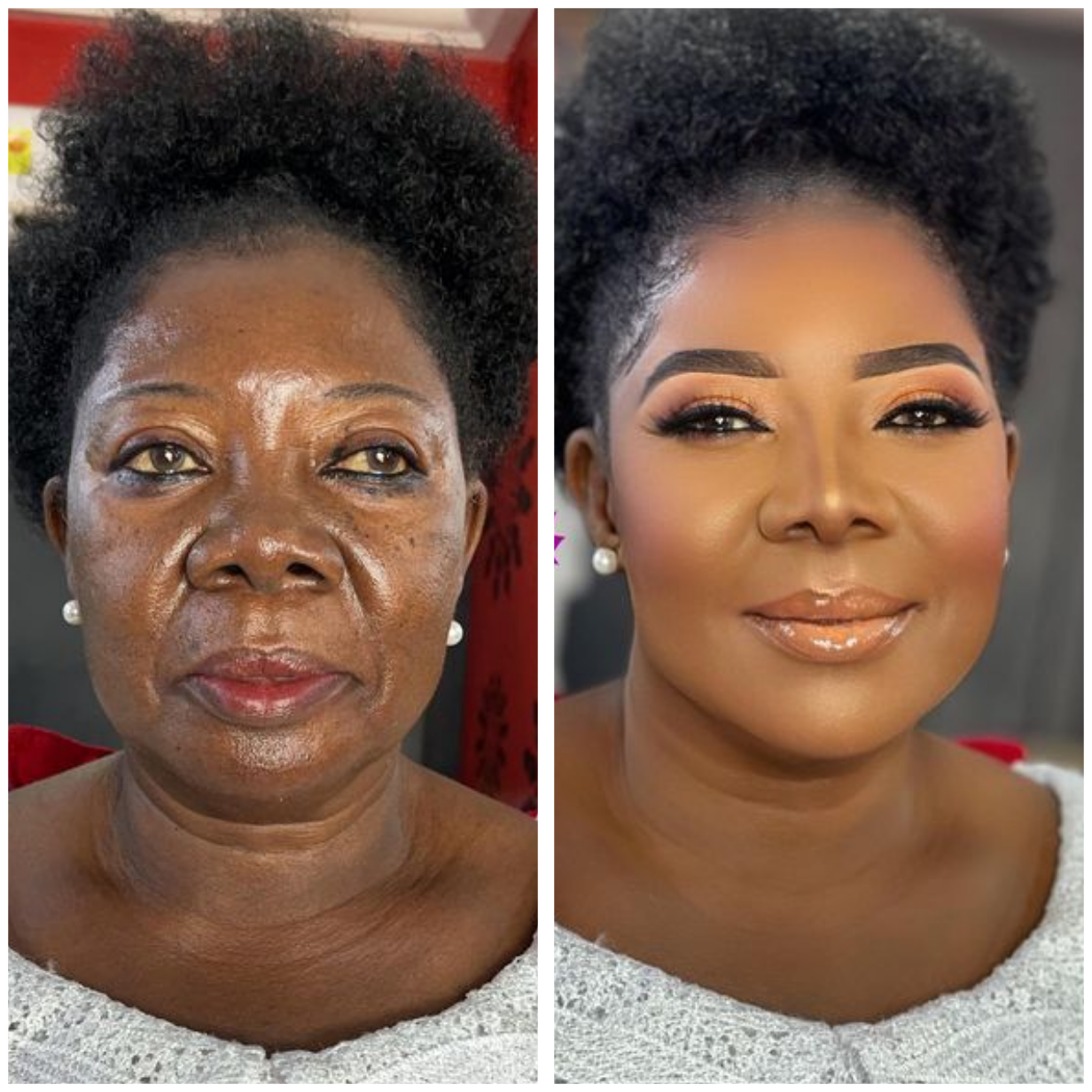
      Today’s woman believes that without heavy makeup Use, she isn’t pretty enough to step out of the house.

      In my personal opinion, it’s like a drug that creates a temporary illusion of beauty, the reason why some people are almost addicted.

      While others prefer to wear their natural look, some simply cannot go a day without it.

      If you are one of such people then you might want to read on to find out what the implications of heavy makeup use are.

      Here are some health risks associated with Heavy Makeup Use

      1. CLOGGED FACIAL SKIN PORES

      The tiny pores on your face are meant to help your skin to breathe. Applying heavy water or oil-based foundations and concealers will block these pores. Over a long time, you’ll be left with oxygen-deprived skin.

      In some cases, it can even lead to the formation of acne because your skin will try to remove the blockage in the pores by excreting more oils

      The discomfort you feel under your skin after downloading heavy makeup on your face is your body’s way of warning you.

      2. RISK OF SKIN CANCER

      Not much research has been conducted on the effects of heavy makeup use on the skin making it even riskier because little is known about it.

      There are however instances where certain carcinogenic compounds have been found in makeup. Compounds such as arsenic and formaldehyde are found in most low-grade makeup kits.

      According to the American Cancer Society, skin cancers are one of the most common types of cancers which affect one in five people.

      Before you purchase any product for your make up make sure you know what it’s made of.

      3. PREMATURE AGING 

      The makeup industry is worth USD 374.18 billion and is rapidly growing. This should tell you that a lot goes into it. To make sure this industry thrives demand is often created.

      Applying the makeup clogs your skin, causing dryness and irritation to make you look older than your age. You’re then forced to buy some so-called “upgraded new formula” that promises to make you look even better but is making you look a lot older.

      You’ll end up requiring more and more makeup to conceal the wrinkles and fine lines you have caused yourself.

      Applying makeup daily will minimize the number of times you apply your sunscreen. Most products do not have enough sun protection, meaning the skin on your face is under direct UVB and UVA rays from the sun.

      Ditch your makeup and apply sunscreen when you need to. If you do not apply sun protection for over thirty days you are definitely going to age faster.

      4. EYE INFECTIONS

      Today's woman believes that without heavy makeup Use, she isn't pretty enough to step out of the house.

      The areas around your eyes are very sensitive and hence you should be careful when applying makeup like mascara. When not properly applied it can get into the eyes and harden beneath the eyelids.

      Over time it acts like an abrasive as you close and open your eyes. This scratches your cornea and over a long period could lead to blindness or eye infection.

      Although rare, there has been an instance involving a woman who had been applying mascara for over 25 years. In her case, she often went to bed with her makeup on. pieces of the mascara accumulated behind her eyelids.

      The area around your eyes and your eyelid is thin and delicate. This is also where you use makeup like foundation, concealer, eyeshadow, eyeliner, and mascara. Any kind of irritant in your eye makeup can cause severe harm to your eyes. It can even lead to an eye infection.

      Read Also: Increased Risk of Cancer Amongst Younger People

      In conclusion, makeup is something that doesn’t improve your health in any way therefore care must be taken if applying one. You are at liberty to apply if moderately.

      The industry is also such that it seeks to exploit people’s self-image, most especially women who believe they need to use heavy makeup to look beautiful.

      You’ll end up needing more to maintain your “beauty”.