Tag: Skin Care

  • 10 Ghanaian Home Remedies for Pimples and Oily Skin That Actually Work

    10 Ghanaian Home Remedies for Pimples and Oily Skin That Actually Work

    When it comes to medications for treating pimples and oily skin, there are limited options in Ghana. However, some Ghanaian home remedies for pimples and oily skin are worth discussing.

    In this blog post, we will look at some of the options available to the average Ghanaian who is looking for natural treatment for oily skin and other skin conditions.

    ‎Follow the InfoHealthGh channel on WhatsApp: https://whatsapp.com/channel/0029Va7j1SgGE56e8pagc22u

    Ghanaian remedy for oily skin

    Ghanaian home remedies for pimples and oily skin

    1. Papaya (Pawpaw) Face Mask

    Papaya is a powerhouse for oily and acne-prone skin primarily because of an enzyme called papain. Unlike physical scrubs (like sugar or walnut shells) that manually scrape off dead skin, papain provides enzymatic exfoliation.

    • How it Works: Papain acts like a biological Pac-Man. It breaks down the proteins (keratin) that bind dead skin cells together on the surface of your face. By dissolving these bonds, the dead skin cells easily wash away without any harsh scrubbing.
    • Unclogging Pores & Sebum Control: Because it effectively removes the top layer of dead skin, it prevents those cells from falling into your pores, mixing with sebum (oil), and creating blackheads or pimples.
    • Brightening Effect: Papaya is rich in Vitamins A, C, and E. Vitamin C is a well-known brightening agent that inhibits melanin production (which causes dark spots). Over time, the constant removal of dead, dull skin cells combined with these vitamins reveals a fresher, brighter complexion and helps fade acne scars.

    Read Also: Your Skin Reflects Your Health: What Acne, Dryness, and Discoloration Could Mean

    2. Clay (Calabash Chalk / Kaolin)

    Ghanaian home remedies for pimples and oily skin

    Clays, particularly Kaolin and local variations like Calabash chalk, are celebrated for their ability to deeply purify the skin through a process called adsorption (different from absorption).

    • The “Magnet” Effect: Clay particles have a negative electrical charge, while toxins, excess sebum, and impurities in your pores naturally have a positive charge. When applied wet, the clay acts like a magnet, drawing out and binding these impurities to itself.
    • Why You Let it Dry: As the water in the clay mask evaporates, it creates a capillary action that literally pulls excess oil from deep within the pores to the surface.
    • Frequency (1–2 times a week): This is a crucial instruction. Because clay is so effective at removing oil, using it too often will strip your skin of its natural moisture barrier. When the skin gets too dry, it panics and overcompensates by producing even more oil, defeating the purpose of the mask.

    3. Aloe Vera Gel

    The Science of Healing and Hydration:

    Aloe Vera is composed of over 90% water, but the remaining percentage is packed with active compounds like vitamins, enzymes, minerals, and salicylic acid naturally found in the plant.

    • Mattifying and Moisturizing: Because it is water-based rather than oil-based, it provides essential hydration without clogging pores (it is highly non-comedogenic). It absorbs quickly, leaving a natural matte finish, making it a perfect lightweight moisturiser for oily skin.
    • Anti-Inflammatory & Antibacterial: Aloe contains compounds called aloin and emodin, which act as analgesics, soothing the pain and redness of active acne. It also contains trace amounts of salicylic acid, which is a known acne-fighting ingredient that cleans out the inside of the pore and kills acne-causing bacteria.
    • Speeds up Healing: Aloe vera stimulates fibroblast activity—the cells responsible for producing collagen. This means it helps the skin repair itself faster after a breakout, minimising the chance of pitting or severe scarring.

    4. Tomato & Sugar Scrub

    This remedy combines two types of exfoliation: chemical (from the tomato) and physical (from the sugar).

    A Gentle Warning: Because sugar crystals can have jagged edges, it is vital to scrub gently in circles. Scrubbing too hard can create micro-tears in the skin, which can lead to irritation and accelerated ageing. The tomato juice provides a great slip to help the sugar glide smoothly.

    Chemical Exfoliation (Tomato): Tomatoes are slightly acidic and contain natural enzymes and acids (like citric acid). These mild acids help dissolve the “glue” holding dead skin cells together. Tomatoes are also rich in lycopene, a powerful antioxidant that protects the skin from environmental damage and has natural astringent properties. Astringents cause the skin tissues to contract, which helps temporarily shrink the appearance of enlarged pores and reduces oil secretion.

    Physical Exfoliation (Sugar): Sugar crystals physically buff away the dead skin cells that the tomato acids have loosened. Sugar is also a natural humectant, meaning it draws moisture from the environment into the skin, preventing the scrub from being too drying.

    Home remedies for pimples and dark spots in Ghana

    Ghanaian home remedies for pimples and oily skin

    5. Neem (Nimtree) Leaves

    Neem is one of the most potent antibacterial plants growing right in our backyards. Its leaves contain compounds like nimbin and nimbidin that naturally fight the bacteria responsible for acne while calming inflammation.

    For oily skin, neem is a godsend because it helps regulate sebum production without stripping the skin’s natural barrier.

    The simplest way to use it is as a toner:

    1. Bring a handful of fresh neem leaves to a boil in two cups of water, let it simmer for ten minutes, then cool completely.
    2. Strain and store the liquid in a clean bottle in the fridge. Every morning and night, splash or swipe this neem water over your cleansed face—it acts like a gentle astringent that tightens pores and keeps oil at bay.
    3. For stubborn pimples, crush a few fresh leaves into a smooth paste (a mortar and pestle works beautifully) and dab it directly onto the spots. Leave it on overnight like a targeted mask. By morning you’ll often see the pimple flattened and less angry. Just remember to patch-test first; neem is powerful, and sensitive skin may need a little dilution with plain water.

    Read Also: How the Soap You Use Could Be Harming Your Skin — And What to Use Instead

    6. Turmeric & Honey Mask

    Turmeric powder—bright, earthy, and straight from the local spice seller—contains curcumin, a compound celebrated in both traditional Ghanaian healing and modern science for its ability to reduce inflammation and kill acne-causing bacteria.

    Paired with raw local honey (the darker, thicker Ghanaian variety from the forest regions is ideal), the mask becomes a perfect balance: honey’s natural humectants pull moisture into the skin while its antibacterial enzymes keep pores clean.

    1. Mix half a teaspoon of turmeric with enough raw honey to form a spreadable paste—usually about a tablespoon.
    2. Apply it to clean, damp skin, focusing on the T-zone where oil tends to collect. Leave it for 15 to 20 minutes; you’ll feel a pleasant tightening as it works.
    3. Rinse with lukewarm water and pat dry. Use this two to three times a week and you’ll notice fewer breakouts, calmer skin, and a subtle glow that no synthetic product can replicate. The honey also prevents the turmeric from drying you out, making this an excellent choice for combination or oily skin that still needs hydration.

    7. Lime / Lemon Juice

    Sometimes the simplest remedies are the most effective. Fresh lime or lemon juice, squeezed straight from fruit you can pick up at any roadside stand, is packed with citric acid and vitamin C.

    These natural acids gently exfoliate, kill surface bacteria, and help fade the dark marks that often linger after pimples heal—especially common on melanin-rich Ghanaian skin.

    1. Dip a clean cotton ball in freshly squeezed juice and dab it precisely on active pimples or oily patches.
    2. Let it sit for about ten minutes (you’ll feel a mild tingle—that’s the acids at work), then rinse thoroughly. Because citrus can make skin photosensitive, always follow up with sunscreen or avoid direct sunlight for a few hours afterwards.
    3. I like to use this as a spot treatment in the evening so my skin has the whole night to recover. Over time, consistent use helps control excess oil and brightens the complexion without the harshness of chemical toners.

    8. African Black Soap (Alata Samina)

    Ghanaian home remedies for pimples and oily skin

    If there’s one product that deserves to be called Ghana’s gold standard for acne, it’s authentic alata samina—our beloved African Black Soap.

    This soap is rich in natural glycerin and antioxidants. Unlike commercial cleansers that can leave oily skin even oilier or painfully tight, alata samina deep-cleanses pores, balances oil production, and fights bacteria while preserving the skin’s moisture barrier.

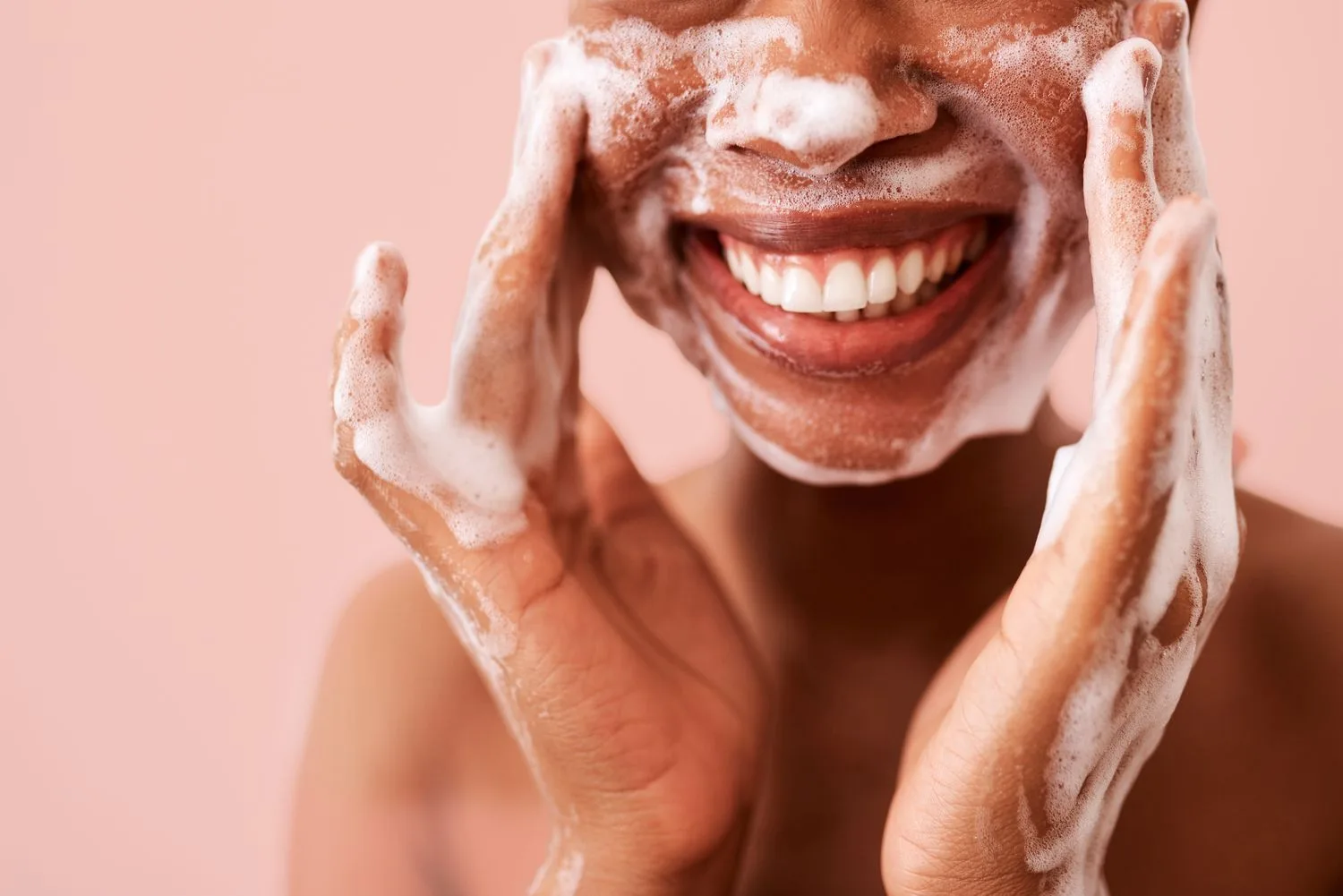
    Use it as you would any face wash: wet your hands and the soap, work up a creamy lather, and massage it gently over your face for one full minute. The slightly gritty texture from the plantain ash provides a mild exfoliation that lifts dead cells and trapped sebum.

    Rinse well with cool water to close pores. Many of my friends and colleagues report clearer skin within two weeks of daily use. Look for the real thing—dark, soft, and slightly aromatic—sold in markets anywhere in Ghana. Avoid versions with added perfumes or colours; the simplest bars are the most effective.

    Read Also: Best Facial Cleanser for Oily Acne-Prone Skin (Dermatologist-Backed Guide)

    9. Shea Butter (Nkuto)

    Raw, unrefined shea butter — especially the kind from Northern Ghana — is rich in vitamins A and E. It heals post-acne marks, reduces scarring, and balances skin without clogging pores. Use a small amount at night.

    10. Cucumber & Rosewater Toner

    Ghanaian home remedies for pimples and oily skin

    Blend the cucumber, strain the juice, and mix with a little rosewater. Apply with a cotton pad after washing your face. It cools the skin, tightens pores, and reduces redness.

    Conclusion

    Your skin is your body’s largest organ—and often, it’s the first to signal that something deeper might be wrong. That is why you must pay attention to it and take good care of it by not just applying any form of medication to it.

    For natural acne treatment for oily skin in Ghana, you cannot be wrong about the remedies discussed in this blog post because everything is natural. You must note, however, that too much of everything is bad.
  • Best Facial Cleanser for Oily Acne-Prone Skin (Dermatologist-Backed Guide)

    Best Facial Cleanser for Oily Acne-Prone Skin (Dermatologist-Backed Guide)

    If you struggle with oily, acne-prone skin, choosing the right cleanser can feel frustrating. Many products promise to remove oil and prevent breakouts, yet they often leave the skin feeling tight, dry, and irritated.

    Ironically, this dryness can make acne worse.

    When the skin barrier is stripped of natural oils, it responds by producing even more sebum, which can clog pores and trigger new breakouts. This is why dermatologists increasingly recommend gentle, barrier-friendly cleansers rather than harsh oil-stripping ones.

    ‎Follow the InfoHealthGh channel on WhatsApp: https://whatsapp.com/channel/0029Va7j1SgGE56e8pagc22u

    In this guide, we’ll explore:

    • What dermatologists say about cleansing oily acne-prone skin
    • Ingredients proven to help reduce breakouts
    • Common cleansing mistakes that worsen acne
    • Some of the best gentle cleansers recommended by users and dermatologists

    By the end, you’ll understand how to choose the best facial cleanser for oily acne-prone skin without damaging your skin barrier.

    Read Also: Retinol and Tretoin Use – Your excessive skincare routine jeopardize your Pregnancy

    Understanding Oily Acne-Prone Skin

    Oily skin occurs when the sebaceous glands produce excessive amounts of sebum, the natural oil that protects and moisturizes the skin.

    Sebum itself is not harmful. In fact, it plays an important role in maintaining healthy skin. Problems arise when excess oil mixes with:

    • Dead skin cells
    • Dirt and pollutants
    • Acne-causing bacteria

    This mixture can clog pores and create the perfect environment for acne formation.

    The most common forms of acne associated with oily skin include:

    • Whiteheads
    • Blackheads
    • Inflamed pimples
    • Cystic acne

    Because oil production is naturally higher, people with oily skin often feel the need to cleanse frequently. However, over-cleansing or using harsh cleansers can actually worsen acne.

    Why Gentle Cleansers Are Better for Acne-Prone Skin

    For years, skincare marketing suggested that oily skin needed strong foaming cleansers that remove all oil. But modern dermatology research suggests otherwise.

    The skin barrier is made up of lipids, proteins, and natural moisturizing factors that protect against environmental damage and bacteria. When harsh cleansers remove too much oil, they damage this protective barrier.

    Once the barrier is compromised, several problems can occur:

    • Increased inflammation
    • Greater sensitivity
    • More oil production
    • Higher risk of breakouts

    A gentle cleanser removes excess oil and impurities without stripping the skin.

    Dermatologists typically recommend cleansers that are:

    • pH-balanced
    • Non-comedogenic
    • Fragrance-free (if sensitive)
    • Sulfate-free

    These formulas cleanse effectively while maintaining the skin’s natural balance.

    Read Also: Relieve Itchy Skin After Shower Naturally: Proven Remedies That Actually Work

    Key Ingredients to Look for in a Cleanser

    When searching for the best cleanser for oily acne-prone skin, it helps to understand which ingredients actually support skin health.

    Salicylic Acid

    Salicylic acid is one of the most widely recommended ingredients for acne-prone skin.

    It works by:

    • Penetrating deep into pores
    • Dissolving excess oil
    • Removing dead skin cells

    Because it is oil-soluble, salicylic acid can reach clogged pores more effectively than many other ingredients.

    However, it should be used carefully because excessive use can cause dryness.

    Niacinamide

    Niacinamide (vitamin B3) is another powerful ingredient commonly found in acne-friendly cleansers and serums.

    Research shows it can:

    • Reduce sebum production
    • Calm inflammation
    • Strengthen the skin barrier
    • Improve uneven skin tone

    It is particularly useful for people who experience both oiliness and redness.

    Ceramides

    Ceramides are lipids that naturally occur in the skin barrier.

    They help:

    • Retain moisture
    • Protect against environmental stress
    • Prevent dryness and irritation

    Cleansers containing ceramides can help maintain skin health while still removing excess oil.

    Hyaluronic Acid

    Hyaluronic acid is a humectant that attracts water to the skin.

    Even people with oily skin can experience dehydration, which can trigger more oil production.

    Hydrating ingredients like hyaluronic acid help maintain balance without clogging pores.

    Zinc

    Zinc has natural anti-inflammatory and oil-regulating properties.

    Some cleansers include zinc to help reduce shine and calm acne-prone skin.


    Best Facial Cleansers for Oily Acne-Prone Skin

    Based on dermatology recommendations and user experiences, the following cleansers are widely regarded as effective for oily, acne-prone skin.

    Cetaphil Gentle Skin Cleanser

    This cleanser is frequently recommended by dermatologists for sensitive or acne-prone skin.

    Why people like it

    • Soap-free formula
    • Non-irritating
    • Helps maintain the skin barrier

    Although it doesn’t produce heavy foam, many people with oily skin find it surprisingly effective at preventing irritation and breakouts. You can order this on Jumia Here: Shop Cetaphil Gentle Skin Cleanser – Sensitive Skin 500ml Online | Jumia Ghana


    Bioderma Sensibio Gel Cleanser

    This gentle gel cleanser is designed for sensitive skin but works well for acne-prone individuals.

    Key benefits

    • Respects the skin’s natural pH
    • Cleanses without stripping
    • Suitable for daily use

    It is often recommended for people whose skin reacts badly to strong foaming cleansers.


    CeraVe Hydrating Facial Cleanser

    Despite being marketed toward normal-to-dry skin, many people with oily skin prefer this formula because it prevents the tight, dry feeling associated with harsh cleansers.

    Key ingredients

    • Ceramides
    • Hyaluronic acid
    • Glycerin

    Maintaining hydration can help regulate oil production over time.


    Paula’s Choice Ultra Gentle Cleanser

    best facial cleanser for oily acne prone skin

    This cleanser is formulated specifically for sensitive and acne-prone skin.

    Benefits

    • Lightweight gel texture
    • Non-irritating ingredients
    • Supports the skin barrier

    It’s often used by people who also use active acne treatments.


    Aveeno Oat Cleanser

    Aveeno products often contain colloidal oatmeal, which has soothing and anti-inflammatory properties.

    Why it works

    • Helps calm irritated skin
    • Supports barrier repair
    • Suitable for sensitive acne-prone skin

    This can be especially helpful if you use strong acne treatments like retinoids.


    Kiehl’s Ultra Facial Cleanser

    This cleanser removes dirt and oil effectively without stripping the skin.

    Key advantages

    • Gentle foaming formula
    • Suitable for daily use
    • A small amount goes a long way

    Many users find that it cleans thoroughly while maintaining skin comfort.


    Read Also: How the Soap You Use Could Be Harming Your Skin — And What to Use Instead

    Should You Cleanse Your Face Twice a Day?

    Dermatologists generally recommend washing your face twice daily if you have oily or acne-prone skin.

    Morning cleansing removes:

    • Overnight oil buildup
    • Sweat
    • Bacteria from pillows

    Night cleansing removes:

    • Sunscreen
    • Pollution
    • Makeup
    • Excess sebum

    However, if your skin feels tight or irritated, try:

    • Using a smaller amount of cleanser
    • Cleansing for a shorter time (20–30 seconds)
    • Switching to a gentler formula

    Is Double Cleansing Helpful for Oily Skin?

    best facial cleanser for oily acne prone skin

    Double cleansing involves using two cleansers:

    1. An oil-based cleanser
    2. A water-based cleanser

    This method originated in Korean skincare routines and has become popular for removing sunscreen and makeup.

    For oily skin, double cleansing can help remove:

    • Excess sebum
    • Sunscreen residue
    • Pore-clogging impurities

    However, it’s not necessary for everyone. If you don’t wear heavy sunscreen or makeup, a single gentle cleanser may be enough.


    What to Apply After Cleansing

    Cleansing is only the first step in managing oily acne-prone skin.

    After washing your face, applying targeted skincare products can improve results.

    Niacinamide Serum

    Helps regulate oil production and calm redness.

    Hyaluronic Acid Serum

    Hydrates the skin without clogging pores.

    Azelaic Acid

    Helps treat acne and reduce dark spots.

    Adapalene (Differin)

    A topical retinoid that helps prevent clogged pores and future breakouts.

    Always follow these treatments with a lightweight moisturizer.


    Common Cleansing Mistakes That Make Acne Worse

    Many people unknowingly worsen their acne through poor cleansing habits.

    Over-washing the face

    Cleansing more than twice daily can irritate the skin.

    Using harsh scrubs

    Physical exfoliants can damage the skin barrier.

    Using very hot water

    Hot water strips natural oils and causes dryness.

    Skipping moisturizer

    Even oily skin needs hydration.

    Choosing alcohol-heavy cleansers

    These can trigger excessive oil production.


    Lifestyle Tips That Help Control Oily Skin

    Skincare products alone cannot fully control acne.

    Lifestyle factors also play an important role.

    Maintain a balanced diet

    Some studies suggest high glycemic foods may worsen acne.

    Manage stress

    Stress hormones can increase oil production.

    Wash pillowcases regularly

    Bacteria and oil can accumulate on bedding.

    Avoid touching your face frequently

    This spreads bacteria and dirt.


    Final Thoughts

    Finding the best facial cleanser for oily acne-prone skin often requires balancing oil control with skin barrier protection.

    While strong foaming cleansers may seem effective, they often cause irritation that worsens acne.

    Instead, look for gentle, non-comedogenic cleansers that remove oil without stripping the skin.

    Combining the right cleanser with hydrating ingredients and targeted acne treatments can dramatically improve skin health over time.

  • 10 Common Sunscreen Mistakes (And How to Fix Them)

    10 Common Sunscreen Mistakes (And How to Fix Them)

    Sunscreen is one of the most powerful tools for preventing premature aging, skin cancer, and sunburn. Yet even the most health-conscious people make common sunscreen mistakes that reduce its effectiveness without realizing it. Dermatologists consistently warn that improper sunscreen use is leaving millions of people underprotected—even if they apply SPF daily. The good news? Each mistake has a simple solution that can dramatically improve your skin’s defense against UV damage.

    common sunscreen mistakes

    1. Applying Too Little Sunscreen

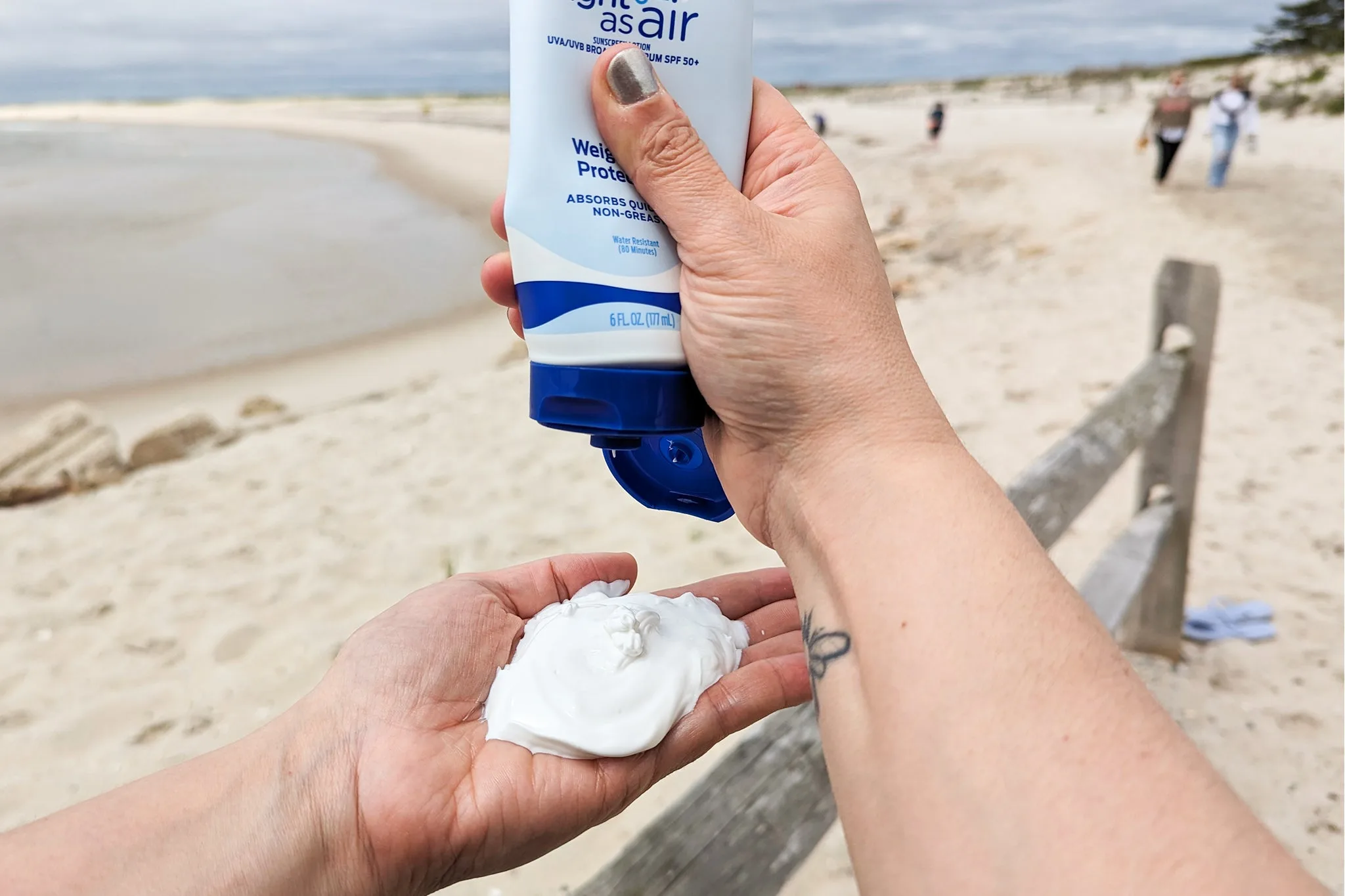
    Most people use less than half the recommended amount of sunscreen. According to the American Academy of Dermatology (AAD), you need about 1 ounce (a shot-glass full) for the body and at least 1 teaspoon for the face. Anything less reduces SPF protection drastically.

    Fix: Measure your sunscreen before applying and recheck how much you use. More is better when it comes to SPF coverage.

    ‎Follow the InfoHealthGh channel on WhatsApp: https://whatsapp.com/channel/0029Va7j1SgGE56e8pagc22u

    2. Forgetting to Reapply

    Sunscreen is not “one and done.” UV filters degrade after about two hours, faster if you swim or sweat. Failing to reapply leaves your skin as vulnerable as if you never put it on.

    Fix: Reapply every two hours, and immediately after swimming, sweating, or towel-drying—even if your sunscreen claims to be water resistant.

    common sunscreen mistakes

    3. Only Wearing Sunscreen on Sunny Days

    Up to 80% of UV rays penetrate through clouds and windows. UVA rays in particular are responsible for skin aging and pass through untreated glass. Skipping sunscreen on overcast or indoor days still puts you at risk.

    Fix: Make sunscreen a daily habit, regardless of weather or whether you’re indoors near windows.

    Read Also: Retinol and Tretoin Use – Your excessive skincare routine jeopardize your Pregnancy

    4. Missing Key Areas

    Dermatologists frequently see sun damage on ears, scalp, lips, eyelids, and the tops of feet—all areas people forget to cover. These are also common sites for skin cancer.

    Fix: Apply sunscreen evenly, including overlooked spots. Use SPF lip balm and spray or powder sunscreen for scalp protection.

    5. Using Expired Sunscreen

    Expired products lose stability, meaning the SPF value on the label no longer reflects reality. Using them creates a false sense of protection.

    Fix: Check the expiration date before each use. If none is listed, label the bottle with the purchase date and discard after three years—or sooner if it has changed in smell, texture, or consistency.

    common sunscreen mistakes

    6. Trusting Makeup or Moisturizer SPF Alone

    Cosmetics and moisturizers with SPF often don’t contain enough sunscreen to provide full protection. Worse, most people apply them too thinly to meet the advertised SPF rating.

    Fix: Treat SPF in makeup as a bonus, not a replacement. Always layer a broad-spectrum sunscreen (SPF 30 or higher) underneath.

    Read Also: Your Skin Reflects Your Health: What Acne, Dryness, and Discoloration Could Mean

    7. Applying Sunscreen Too Late

    Sunscreen takes about 15 minutes to bind properly to your skin. Applying it just before or after going outdoors leaves you exposed during the window when UV radiation is strongest.

    Fix: Apply sunscreen at least 15 minutes before stepping outside.

    8. Believing High SPF Means Unlimited Protection

    SPF 30 blocks about 97% of UVB rays, while SPF 50 blocks roughly 98%. The difference is marginal, and higher SPF does not last longer. Application technique matters far more.

    Fix: Choose SPF 30 or higher and apply correctly in sufficient amounts. Focus on reapplication instead of chasing higher numbers.

    Read Also: Relieve Itchy Skin After Shower Naturally: Proven Remedies That Actually Work

    9. Ignoring Sunscreen Ingredients

    Chemical filters like oxybenzone and avobenzone can degrade quickly in sunlight, while mineral sunscreens with zinc oxide and titanium dioxide tend to be more photostable and reef-safe. Choosing the wrong formula may mean less reliable coverage.

    Fix: Look for “broad-spectrum” on the label. If you have sensitive skin or care about reef safety, select mineral sunscreens.

    10. Not Complementing Sunscreen With Other Protection

    Sunscreen is essential but not bulletproof. Heat, visible light, and infrared radiation can also accelerate skin aging—a process dermatologists call heat aging. Relying only on SPF ignores these other stressors.

    Fix: Combine sunscreen with shade, wide-brimmed hats, sunglasses, and antioxidant skincare. Together, they provide more complete protection.

    Read Also: How the Soap You Use Could Be Harming Your Skin — And What to Use Instead

    Sunscreen works—when used correctly. By avoiding these common sunscreen mistakes, you maximize your skin’s defense against UV radiation and reduce long-term risks like wrinkles, dark spots, and skin cancer. The science is clear: consistent, proper sunscreen use is one of the simplest and most effective steps you can take for lifelong skin health.

  • How the Soap You Use Could Be Harming Your Skin — And What to Use Instead

    How the Soap You Use Could Be Harming Your Skin — And What to Use Instead

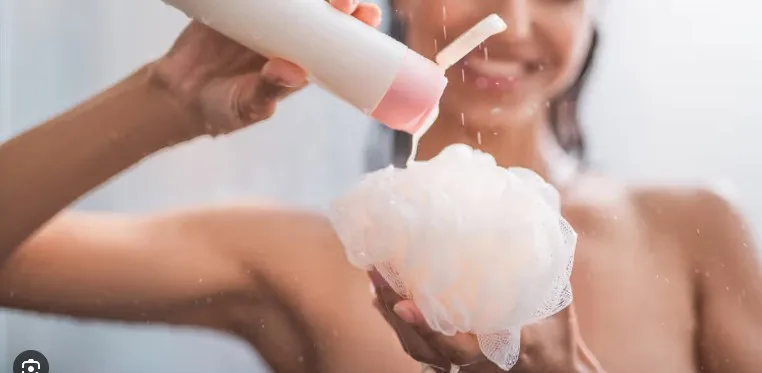
    Growing up, I had a skin condition that caused my body to itch whenever I took my bath. This was something I dealt with well into my adulthood, and oftentimes, people would suggest changing the soap I used. So, for as long as I can remember, I had been digging through the internet to find the best soap for healthy skin.

    I did come across some soaps that did wonders for me, and by wonders, I mean less to zero itching. It turned out the problem was a result of two things, the soap I used and the way I bath. So the effect of your choice of soap cannot be underestimated as far as your skin is concerned.

    When it comes to skincare, many people focus on serums, moisturisers, or expensive creams—yet overlook a basic essential: soap. The truth is, using the best soap for healthy skin can be the key to maintaining a radiant, clear complexion. On the other hand, the wrong soap can disrupt your skin’s natural barrier, cause dryness, irritation, and even trigger long-term skin issues.

    Let’s dive into how your soap affects your skin and how to choose the right one based on science and expert recommendations.

    ‎Follow the InfoHealthGh channel on WhatsApp: https://whatsapp.com/channel/0029Va7j1SgGE56e8pagc22u

    Read Also: Relieve Itchy Skin After Shower Naturally: Proven Remedies That Actually Work

    Why Your Soap Choice Matters

    Your skin is your body’s largest organ and your first line of defence against bacteria, pollutants, and environmental damage. The skin also has a natural layer of oils and a delicate balance of bacteria (called the microbiome) that help protect it.

    When you use soap daily—especially those loaded with harsh chemicals or fragrances- you risk stripping away these natural defences. As someone who experimented with lots of soaps just to find what worked for me, I can assure you there are certain soaps that are on the market that would harm your skin so badly. At times, you even wonder if they passed proper accreditation. The bad disruptions you may experience are as follows:

    • Dryness or flakiness
    • Increased sensitivity
    • Breakouts or acne
    • Eczema and dermatitis flares

    That’s why understanding the soap and skin health connection is crucial for anyone serious about skincare.

    Read Also: Your Skin Reflects Your Health: What Acne, Dryness, and Discoloration Could Mean

    🧪 The pH Factor: What Science Says About Soap and Your Skin

    Your skin has a slightly acidic pH of around 5.5, which helps it maintain moisture and ward off harmful microbes. However, many commercial soaps are alkaline (with a pH of 9 or 10). These high-pH soaps can damage your skin’s acid mantle—its natural barrier—leading to irritation and dryness.

    Using a pH-balanced soap helps preserve your skin’s natural barrier and supports long-term skin health. If you’ve been dealing with unexplained irritation, itchiness, or dullness, your soap’s pH level might be to blame.

    Hidden Dangers in Commercial Soaps

    Some store-bought soaps contain ingredients that can harm your skin over time. Here are a few to watch out for:

    1. Fragrances and Dyes

    They may smell nice, but synthetic fragrances are one of the most common skin allergens. Artificial dyes can also trigger skin irritation and allergic reactions, especially for those with sensitive skin.

    2. Sulfates (SLS and SLES)

    These are harsh detergents that make soap lather but are known to strip natural oils from your skin. This is especially problematic for those with dry or sensitive skin.

    3. Parabens and Preservatives

    Though often used to extend shelf life, parabens have raised health concerns due to their potential hormone-disrupting properties. While the science isn’t settled, many prefer to avoid them altogether.

    4. Triclosan in Antibacterial Soaps

    Once popular, antibacterial soap risks are now well-documented. Triclosan can kill good bacteria, contribute to antibiotic resistance, and even interfere with hormone function.

    Natural vs. Commercial Soaps: Which One Wins?

    The battle between natural vs. commercial soaps is heating up—and for good reason.

    ✅ Natural Soaps

    • Made with plant-based oils (like coconut, olive, or shea butter)
    • Often contain glycerin, a natural moisturizer
    • Gentle and biodegradable
    • Usually free from artificial chemicals and fragrances

    Natural soaps are generally a safer bet for those seeking the best soap for healthy skin—especially if you want to avoid irritation and promote hydration.

    ❌ Commercial Soaps

    • May contain synthetic ingredients, preservatives, and fragrances
    • Often remove glycerin during manufacturing (making the soap less moisturizing)
    • Can dry out or irritate skin with regular use

    Read Also: Ways to Protect Yourself from Contacting Monkey pox in Ghana

    Choosing the Best Soap for Your Skin Type

    Selecting the right soap depends on your skin’s specific needs. Here’s a quick guide:

    1. Soap for Dry Skin

    Look for soaps rich in oils and natural moisturizers. Ingredients like shea butter, coconut oil, olive oil, and glycerin are especially beneficial. Avoid anything labeled “antibacterial” or containing alcohol.

    2. Soap for Sensitive Skin

    Choose fragrance-free and dye-free options. Go for hypoallergenic and pH-balanced soap designed specifically for delicate skin. Goat milk soaps are also a good choice due to their soothing properties.

    3. Soap for Oily or Acne-Prone Skin

    Use soaps with tea tree oil, charcoal, or salicylic acid. These ingredients help control excess oil without over-drying the skin. However, use sparingly to avoid damaging your skin barrier.

    4. Soap for Combination Skin

    Opt for a mild, balanced soap that doesn’t over-cleanse. Glycerin-based soaps or those with natural exfoliants like oatmeal can help keep your skin smooth without irritation.

    Soap and Your Daily Routine: Less Is More

    Even if you’re using the right soap, overwashing can still harm your skin. Here are a few practical tips:

    • Limit face washing to twice a day—morning and night
    • Use lukewarm water instead of hot, which strips oils faster
    • Pat dry with a soft towel, don’t rub
    • Moisturize immediately after washing to lock in hydration

    These small steps make a big difference, especially when paired with the best soap for healthy skin.

    Read Also: Your Toothpaste Might Be Slowly Poisoning You – Here’s Why

    Your Skin Deserves Better

    Your skin reflects your overall health and well-being. Choosing the right soap is not just about staying clean—it’s about protecting, nourishing, and respecting your skin. Ditch the harsh, overly perfumed commercial bars and switch to a gentle, pH-balanced or natural formula that suits your skin type.

    Whether you’re struggling with dry skin, sensitive skin, or frequent breakouts, the fix might be as simple as changing your soap. Don’t let this everyday essential be the silent saboteur of your skin’s health.

    Start by checking your soap’s ingredients today. Your future self (and your skin) will thank you.

  • Heavy Makeup Use; Four (4) health risks.

    Heavy Makeup Use; Four (4) health risks.

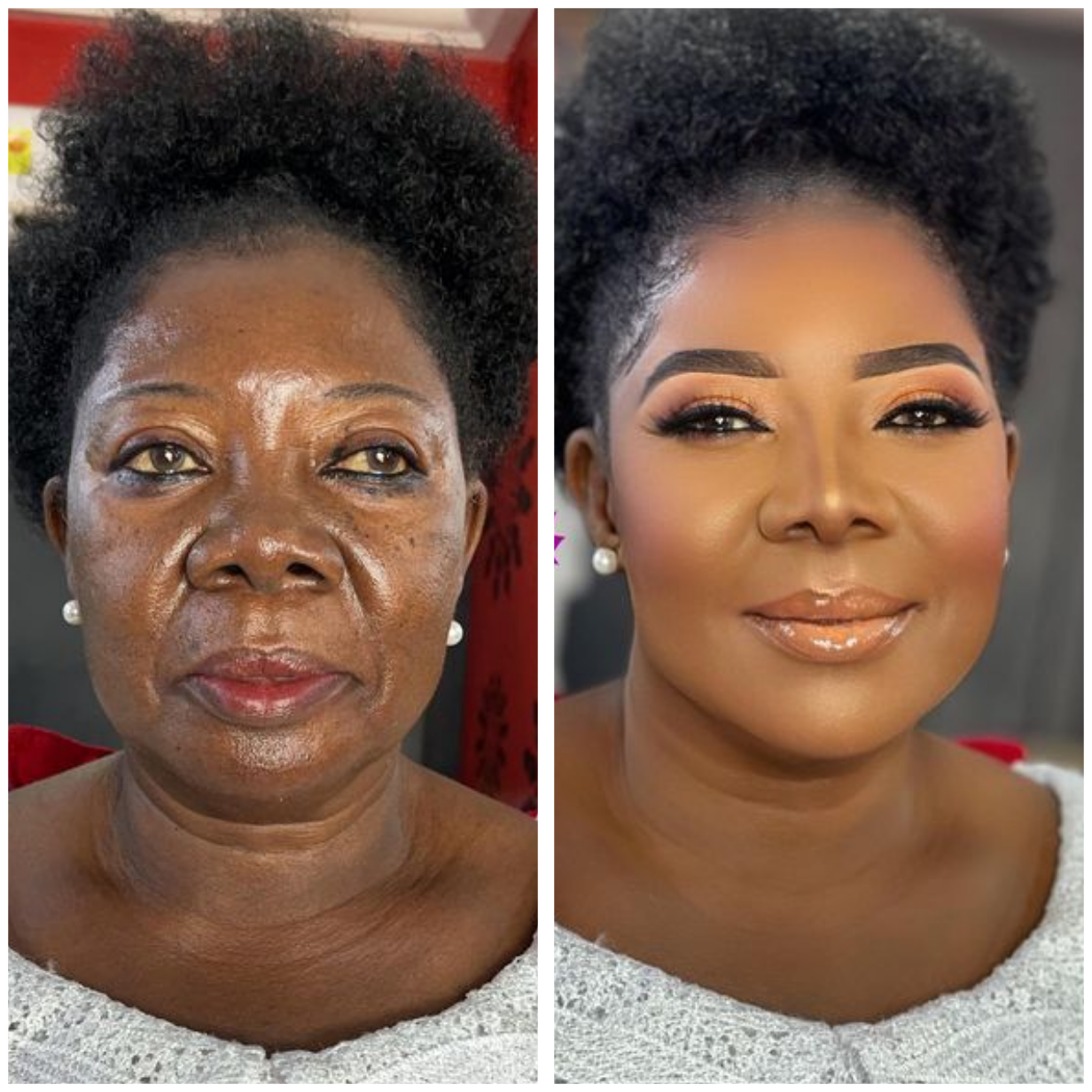
    Today’s woman believes that without heavy makeup Use, she isn’t pretty enough to step out of the house.

    In my personal opinion, it’s like a drug that creates a temporary illusion of beauty, the reason why some people are almost addicted.

    While others prefer to wear their natural look, some simply cannot go a day without it.

    If you are one of such people then you might want to read on to find out what the implications of heavy makeup use are.

    Here are some health risks associated with Heavy Makeup Use

    1. CLOGGED FACIAL SKIN PORES

    The tiny pores on your face are meant to help your skin to breathe. Applying heavy water or oil-based foundations and concealers will block these pores. Over a long time, you’ll be left with oxygen-deprived skin.

    In some cases, it can even lead to the formation of acne because your skin will try to remove the blockage in the pores by excreting more oils

    The discomfort you feel under your skin after downloading heavy makeup on your face is your body’s way of warning you.

    2. RISK OF SKIN CANCER

    Not much research has been conducted on the effects of heavy makeup use on the skin making it even riskier because little is known about it.

    There are however instances where certain carcinogenic compounds have been found in makeup. Compounds such as arsenic and formaldehyde are found in most low-grade makeup kits.

    According to the American Cancer Society, skin cancers are one of the most common types of cancers which affect one in five people.

    Before you purchase any product for your make up make sure you know what it’s made of.

    3. PREMATURE AGING 

    The makeup industry is worth USD 374.18 billion and is rapidly growing. This should tell you that a lot goes into it. To make sure this industry thrives demand is often created.

    Applying the makeup clogs your skin, causing dryness and irritation to make you look older than your age. You’re then forced to buy some so-called “upgraded new formula” that promises to make you look even better but is making you look a lot older.

    You’ll end up requiring more and more makeup to conceal the wrinkles and fine lines you have caused yourself.

    Applying makeup daily will minimize the number of times you apply your sunscreen. Most products do not have enough sun protection, meaning the skin on your face is under direct UVB and UVA rays from the sun.

    Ditch your makeup and apply sunscreen when you need to. If you do not apply sun protection for over thirty days you are definitely going to age faster.

    4. EYE INFECTIONS

    Today's woman believes that without heavy makeup Use, she isn't pretty enough to step out of the house.

    The areas around your eyes are very sensitive and hence you should be careful when applying makeup like mascara. When not properly applied it can get into the eyes and harden beneath the eyelids.

    Over time it acts like an abrasive as you close and open your eyes. This scratches your cornea and over a long period could lead to blindness or eye infection.

    Although rare, there has been an instance involving a woman who had been applying mascara for over 25 years. In her case, she often went to bed with her makeup on. pieces of the mascara accumulated behind her eyelids.

    The area around your eyes and your eyelid is thin and delicate. This is also where you use makeup like foundation, concealer, eyeshadow, eyeliner, and mascara. Any kind of irritant in your eye makeup can cause severe harm to your eyes. It can even lead to an eye infection.

    Read Also: Increased Risk of Cancer Amongst Younger People

    In conclusion, makeup is something that doesn’t improve your health in any way therefore care must be taken if applying one. You are at liberty to apply if moderately.

    The industry is also such that it seeks to exploit people’s self-image, most especially women who believe they need to use heavy makeup to look beautiful.

    You’ll end up needing more to maintain your “beauty”.