
Introduction

Potash in beans health risks Ghana -For many Ghanaians, meals like beans and gari (gobɛ) or wakye are more than just food, they’re cultural staples and everyday comfort dishes. Whether bought from a trusted street vendor or prepared at home, these meals are affordable, filling, and widely loved.
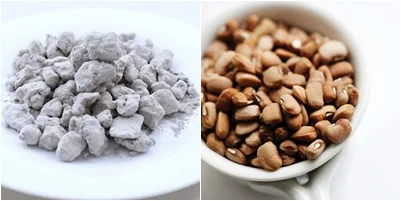
However, there is a lesser-known aspect of how some of these meals are prepared that deserves closer attention. To speed up cooking and achieve a softer texture, some vendors and home cooks add a substance locally known as kaun or akanwu, commonly referred to as potash.
While this practice is not new, increasing health awareness has raised important questions: Could frequent consumption of potash-treated foods have long-term effects on the body particularly the liver, kidneys, and digestive system?
Read Also: Why Your Headache Keeps Coming Back — And When It Could Be Linked to Kidney Disease
Understanding this issue is especially important in regions like Ghana, where beans are consumed multiple times per week.
What Is Potash (Kaun/Akanwu)?

Potash is a general term used to describe a group of potassium-based alkaline compounds, most commonly potassium carbonate. In traditional African cooking, it is valued for its ability to:
- Soften tough foods quickly
- Reduce cooking time significantly
- Improve texture in legumes and vegetables
Its effectiveness comes from its high alkalinity, which breaks down structural components of plant cells—specifically pectin and cellulose making foods like beans cook faster and become very soft.
However, this same chemical property that makes potash useful in cooking also raises concerns when consumed regularly.
How It’s Used in Ghanaian Cooking
In Ghana, potash is commonly added during the boiling of beans, especially in the preparation of:
- Gobɛ (beans and gari)
- Wakye (rice and beans)
- Certain vegetable dishes
For food vendors, the appeal is clear:
- Faster cooking means reduced fuel costs
- Softer beans improve customer preference
- Higher turnover increases profit margins
But from a health perspective, this introduces an unregulated alkaline substance into daily meals, often without the consumer’s awareness.
Read Also: Ten kidney-damaging Habits You Need to stop right now!
Health Risks of Potash in Food
1. High Alkalinity and Digestive Irritation
Potash is strongly alkaline, meaning it can alter the natural acidic environment of the stomach. The stomach relies on acid (primarily hydrochloric acid) for proper digestion and defense against pathogens.
When highly alkaline substances are consumed frequently:
- The stomach lining may become irritated
- Digestive processes may be disrupted
- Symptoms like bloating, nausea, and abdominal discomfort may occur
Over time, this imbalance could contribute to chronic digestive issues, especially in individuals with sensitive gastrointestinal systems.
2. Elevated Sodium Content and Systemic Effects

Some forms of potash contain significant amounts of sodium. High sodium intake is a well-established risk factor for:
- Hypertension (high blood pressure)
- Fluid retention
- Increased cardiovascular strain
Beyond the heart, excess sodium also places additional burden on the kidneys, which are responsible for filtering excess salts from the bloodstream.
For individuals already consuming processed or salty foods, potash-treated meals may quietly increase total sodium intake beyond safe limits.
3. Potential Liver Stress
The liver plays a central role in detoxification and metabolic regulation. Although direct large-scale human studies on potash consumption are limited, experimental and observational findings suggest:
- Chronic exposure to certain alkaline salts may induce biochemical stress in liver tissues
- Elevated liver enzymes (a marker of liver strain) have been observed in some animal studies
While occasional consumption is unlikely to cause harm, regular ingestion over time may contribute to cumulative liver stress, particularly in individuals with pre-existing liver conditions.
Read More: Benefits of Parsley: Why This Simple Green Herb Deserves a Place in Your Daily Diet
4. Kidney Stress and Electrolyte Imbalance
The kidneys maintain the body’s delicate balance of electrolytes, including sodium and potassium. Excessive intake of potash may disrupt this balance, leading to:
- Electrolyte imbalances
- Increased risk of kidney strain
- Possible contribution to kidney stone formation
This is especially concerning for individuals with:
- Chronic kidney disease
- Hypertension
- Diabetes
In such cases, even moderate dietary imbalances can have amplified effects.
5. Possible Nutrient Loss
An often overlooked issue is that the high alkalinity of potash may also affect the nutritional quality of food. Some studies suggest that alkaline cooking conditions can:
- Reduce certain water-soluble vitamins (like B vitamins)
- Alter mineral availability
This means that while beans are naturally nutrient-rich, improper preparation methods may reduce their overall health benefits.
What This Means for Ghanaian Food Lovers

Beans are an excellent source of:
- Plant-based protein
- Dietary fiber
- Essential minerals like iron and magnesium
The issue is not the beans themselves but how they are prepared.
Here’s what to keep in mind:
- Occasional consumption of potash-treated food is unlikely to cause immediate harm
- Frequent consumption (multiple times weekly) may increase long-term health risks
- Individuals with liver, kidney, or blood pressure conditions should be especially cautious
Given how common street food consumption is in urban Ghana, awareness becomes critical.
Safer Alternatives and Practical Tips
You don’t have to give up your favorite meals, you just to be more intentional about preparation and sourcing.
1. Soak Beans Before Cooking
Soaking beans for 8–12 hours:
- Reduces cooking time naturally
- Improves digestibility
- Preserves nutrients
2. Use Natural Tenderizing Methods
Instead of potash, consider:
- Longer simmering at moderate heat
- Pressure cooking (if available)
3. Ask Questions When Buying Food
When buying from vendors:
- Politely ask if potash is used
- Choose vendors who avoid chemical additives
4. Limit Frequency
If avoiding potash completely isn’t practical:
- Reduce how often you consume such meals
- Balance with fresh, minimally processed foods
5. Stay Hydrated
Adequate water intake helps the kidneys:
- Flush out excess salts
- Maintain electrolyte balance
Conclusion
Potash (kaun/akanwu) remains a part of traditional cooking practices across West Africa, valued for its efficiency and convenience. However, as dietary habits evolve and health awareness grows, it’s important to critically evaluate such practices.
The evidence does not suggest that potash is immediately dangerous in small amounts. But habitual consumption—especially in frequently eaten foods like beans and wakye—may contribute to long-term stress on the digestive system, liver, and kidneys.
Making informed choices doesn’t mean abandoning cultural foods. It simply means preparing and consuming them in ways that support long-term health.
If you experience persistent digestive issues or have existing liver or kidney concerns, it’s advisable to consult a qualified healthcare professional.
SEO Add-ons (for your blog)
Focus Keyphrase:
Alternative Keyphrases:
- kaun in food side effects
- akanwu health effects
- is potash safe in cooking
- wakye potash health risks
Meta Description (Yoast-optimized):