
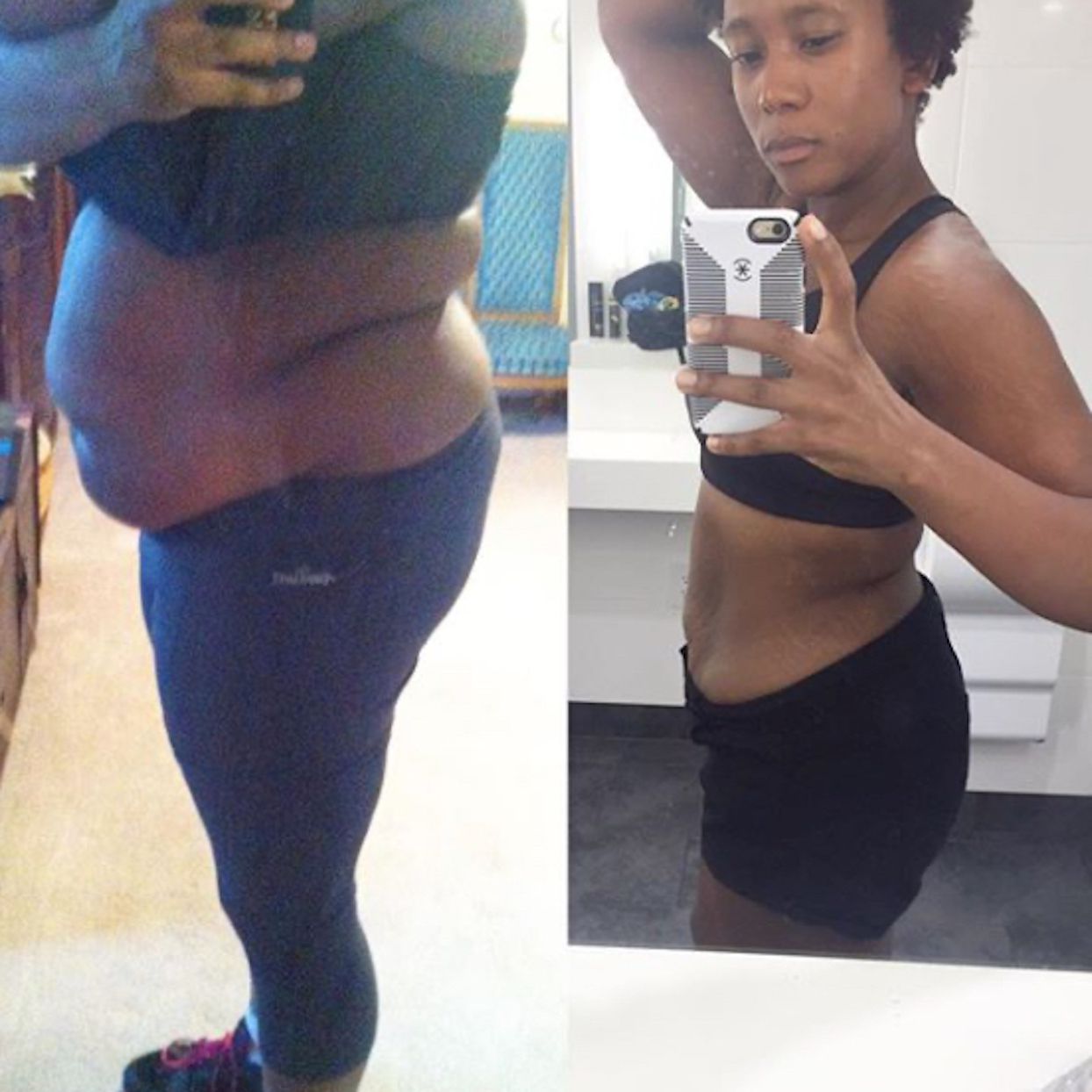
Introduction: Why Fast Weight Loss Fails Long-Term
My journey with weight loss didn’t start with sustainability in mind. Like many people, I initially focused on rapid results. I combined fasting with intense cardio routines and saw quick drops in weight. However, what followed was a frustrating cycle — I would regain the weight just as quickly once I stopped the extreme routines.
That pattern repeated itself: lose weight fast, gain it back even faster.
Over time, I realised that the real problem wasn’t effort — it was unsustainability. My body was being pushed into routines I could not maintain long-term, and that led to exhaustion, dehydration, and burnout.
The turning point came when I shifted my focus from speed to consistency.
Read Also: For 7 days, I skipped breakfast, and what happened shocked me!
The Turning Point: Why I Changed My Approach

The change began when I started noticing physical warning signs. I often woke up tired, experienced joint pain, and struggled with fatigue when climbing stairs despite being tall and relatively active.
There were also subtle but concerning symptoms like occasional dizziness when waking up and numbness in my legs after sitting for long periods.
At the same time, I had a clear mental image of how I wanted to look. That vision — not perfection in the mirror — became my motivation to pursue a more sustainable approach.
The System That Worked: My Sustainable Weight Loss Approach
Instead of extreme routines, I built a system that fit my lifestyle and time constraints.
1. Nutrition Approach: Simplicity Over Perfection
I didn’t follow a complicated diet. My lifestyle didn’t allow for constant meal preparation or strict food exclusion.
Instead, I focused on:
- Moderate intermittent fasting (not extreme fasting)
- Avoiding sugary drinks
- Reducing deep-fried foods and fast foods like KFC
- Limiting junk food overall
- Using green tea at night to manage hunger
- Drinking water before and after meals
- Reducing portion sizes rather than over-restricting food types
Later, I introduced calorie tracking using MyFitnessPal to ensure I stayed in a controlled deficit — about 600 calories below maintenance.
2. Exercise Approach: Practical and Sustainable Movement
My workouts were structured around what I could realistically maintain after work.
- Evening cardio sessions
- 1,000 jump ropes per session (when possible)
- Stair climbing (10-step flight repeated ~100 times)
- Weekly 6km walk from work to home (when schedule allowed)
- Light weight training
- 3–5 workout sessions per week
The key was consistency, not intensity every day.
3. Lifestyle Adjustments That Made the Difference
Some of the most powerful changes had nothing to do with formal exercise:
- Sleeping early to avoid midnight cravings
- Avoiding late-night calls or activities that disrupted sleep
- Managing social outings carefully, especially around alcohol consumption
- Increasing daily movement when structured workouts weren’t possible
These small adjustments helped reduce impulsive eating and cravings.
Read Also: How to Stop Sugar Cravings Naturally at Night: 7 Proven Strategies
The Results Beyond the Scale (Non-Scale Victories)

The changes I experienced went far beyond weight loss:
- Significant boost in confidence
- Reduced cravings for unhealthy foods
- Clothes started fitting loosely
- Joint pain disappeared over time
- No more numbness in legs after sitting
- No more dizziness when waking up
- Overall improvement in energy and comfort
These were the changes that made the process feel real and sustainable.
The Biggest Challenges I Faced
My biggest mistakes came from being too aggressive:
- Over-fasting, which often led to binge eating afterward
- Poor sleep habits, which triggered late-night cravings
- Social events involving alcohol, which disrupted progress
These issues taught me that discipline without structure eventually breaks down.
How I Fixed Those Problems
Instead of pushing harder, I adjusted:
- Reduced fasting duration
- Focused on hydration before and after meals
- Controlled portion sizes instead of extreme restriction
- Used calorie tracking to maintain a consistent deficit (~600 calories below maintenance)
This shift made weight loss predictable rather than chaotic.
My Simple System for Losing 2Kg Per Month
If I had to reduce everything into a simple framework:
- Intermittent fasting (16:8, but flexible)
- Cardio and light strength training 3–5 times weekly
- At least 10,000 steps weekly (or as schedule allows)
- Avoid sugary drinks, deep-fried foods, and alcohol
- Maintain a consistent calorie deficit (not extreme)
- Prioritise sleep to control cravings
How to Lose Belly Fat with Common Ghanaian Ingredients
What Most People Get Wrong About Weight Loss
The biggest misconception is thinking weight loss is about short-term intensity.
In reality, consistency beats perfection.
If you are eating more calories than your body needs, you will not lose weight — no matter how many “fat-burning hacks” you try.
Another major mistake is relying too heavily on online advice and trends instead of building something that fits your actual lifestyle.
Finally, accountability matters. Having someone to check in with can make a huge difference, especially on days when motivation is low.

Final Thoughts
Sustainable weight loss is not about suffering — it is about building a system you can live with.
For me, losing weight became easier once I stopped trying to be perfect and started focusing on consistency, structure, and realistic habits.
The goal was never just to lose weight quickly — it was to never have to restart the journey again.
