
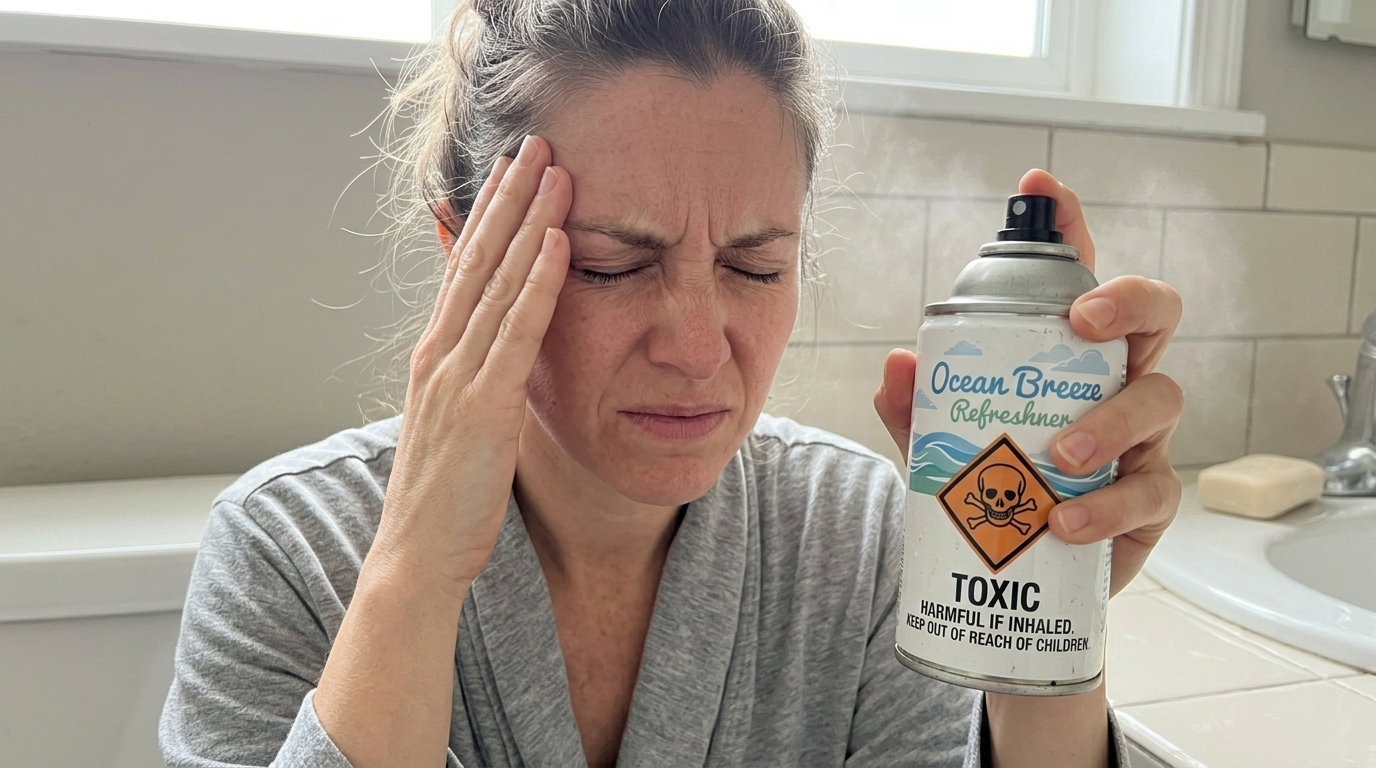
Side Effects of Air Fresheners: What Most People Don’t Know

A pleasant-smelling room feels comforting. That is why millions of people use sprays, plug-ins, scented candles, gels, and diffusers daily. But behind those “fresh” scents may be hidden chemicals linked to headaches, breathing problems, hormone disruption, and poor indoor air quality.
Many commercial air fresheners do not actually clean the air. Instead, they mask odours by releasing chemical fragrances into the environment.
If you have ever experienced sneezing, headaches, dizziness, or irritation after using an air freshener, your body may already be reacting to the chemicals inside it.

In this article, we will explore:
- The hidden side effects of air fresheners
- Chemicals commonly found in scented products
- Scientific evidence about health concerns
- Why some “natural” products may still be harmful
- Safer and affordable local alternatives you can use at home
What Chemicals Are Found in Air Fresheners?
Many air fresheners release volatile organic compounds (VOCs)—chemicals that readily evaporate into the air. Although they are designed to make indoor spaces smell pleasant, they can contribute to indoor air pollution and may affect air quality, particularly in poorly ventilated rooms.
Some of the most common chemicals found in air fresheners include:
1. Phthalates
Phthalates are used to help fragrances last longer. Research has linked exposure to certain phthalates with hormone disruption, reduced fertility, and developmental problems in children.
2. Formaldehyde
Formaldehyde is a known human carcinogen. Even at low levels, it can irritate the eyes, nose, throat, and respiratory system, especially with repeated exposure.
3. Benzene
Benzene is another chemical of concern. Long-term exposure has been associated with blood disorders, including an increased risk of certain cancers such as leukemia.
4. Synthetic Fragrances
The term “fragrance” on a product label may represent a proprietary blend of dozens—or even hundreds—of chemicals that manufacturers are not always required to disclose individually. Some of these ingredients may trigger allergies, headaches, or respiratory irritation in sensitive individuals.
5. Aerosol Propellants
Many spray air fresheners use propellants such as propane, butane, or isobutane. These compounds can increase indoor levels of VOCs and contribute to poor indoor air quality.
Studies have found that many scented consumer products emit a mixture of VOCs, some of which are classified as hazardous air pollutants. The health risk depends on factors such as the specific chemicals released, their concentration, the amount of ventilation, and how frequently the products are used.se hazardous pollutants even when labelled “green” or “natural.”
10 Side Effects of Air Fresheners
1. Headaches and Migraines

Artificial fragrances can trigger headaches in sensitive individuals. Strong scents may overstimulate the nervous system, especially in poorly ventilated rooms.
Common symptoms include:
- Dizziness
- Brain fog
- Nausea
- Eye irritation
2. Respiratory Problems
Air fresheners can irritate the lungs and worsen:
- Asthma
- Allergies
- Sinus issues
- Chronic coughing
Children and elderly individuals are especially vulnerable.
People who already struggle with breathing conditions may notice symptoms immediately after exposure.
3. Indoor Air Pollution
Ironically, products marketed to “freshen” the air often pollute it.
Studies suggest indoor air can sometimes be more polluted than outdoor air because of:
- Scented sprays
- Cleaning products
- Candles
- Poor ventilation
4. Hormonal Disruption
Certain chemicals, like phthalates, may interfere with the endocrine system.
Researchers have linked long-term exposure to possible:
- Reproductive issues
- Hormonal imbalance
- Developmental concerns in children
5. Skin Irritation
Some people experience:
- Itching
- Rashes
- Redness
- Allergic reactions
This is especially common with direct contact from gel fresheners or scented oils.
6. Eye, Nose, and Throat Irritation
Strong fragrances may irritate sensitive tissues, leading to:
- Watery eyes
- Sore throat
- Sneezing
- Burning sensations
7. Triggered Asthma Attacks
Scented aerosols and plug-ins may trigger asthma attacks in susceptible individuals.
Children exposed regularly to heavily fragranced environments may also face increased respiratory sensitivity over time.
8. Poor Sleep Quality

Strong artificial scents may overstimulate the brain rather than relax it.
Some users report:
- Restlessness
- Difficulty sleeping
- Nighttime headaches
9. Effects on Pets
Dogs, cats, and birds are often more sensitive to airborne chemicals than humans.
Certain essential oils and fragrance compounds may irritate pets or cause breathing discomfort.
10. They Only Mask Odors
Most air fresheners do not remove the source of bad smells.
If your home smells unpleasant, the real issue could be:
- Mold
- Dampness
- Trash buildup
- Poor ventilation
- Dirty fabrics
- Blocked drains
Masking odours may delay fixing the actual problem.
Read Also: What Is the Most Effective Way to Sustainably Lose 2Kg Monthly? (Methods That Actually Work)
Are “Natural” Air Fresheners Always Safe?
Not necessarily.
Some products marketed as:
- organic,
- eco-friendly,
- green,
- or natural
may still release VOCs or undisclosed fragrance chemicals.
Even essential oils should be used carefully, especially around:
- babies,
- pets,
- pregnant women,
- or people with asthma.
The safest approach is moderation and proper ventilation.
15 Natural and Local Alternatives to Air Fresheners

Instead of masking odours with chemicals, these alternatives help freshen your home naturally.
1. Open Your Windows
Fresh air remains one of the most effective and free solutions.
2. Baking Soda
Absorbs odours naturally.
Place small bowls in:
- bathrooms
- kitchens
- refrigerators
- shoe racks
3. Boiled Citrus Peels
Boil orange, lemon, or lime peels with cinnamon for a natural fragrance.
4. Activated Charcoal
Excellent for absorbing moisture and odours.
5. Coffee Grounds
Used coffee grounds can neutralize unpleasant smells naturally.
6. Lemongrass
A popular local option with a clean, refreshing scent.
7. Neem Leaves
Traditionally used in many homes for freshness and insect control.
8. Scented Indoor Plants
Plants can improve indoor air quality while adding natural fragrance.
Examples include:
- lavender
- mint
- basil
- jasmine
9. White Vinegar
Helps absorb strong cooking odors.
10. Simmer Pots
Boil herbs, cloves, cinnamon, and fruit slices together.
11. Proper Cleaning
The best-smelling homes are usually the cleanest homes.
Wash:
- curtains
- rugs
- bedding
- upholstery regularly
12. Sun-Dry Fabrics
Sunlight naturally removes musty smells from clothes and bedding.
13. Natural Reed Diffusers
Use diluted essential oils carefully in well-ventilated spaces.
14. Improve Ventilation
Use exhaust fans and keep airflow moving.
15. Remove the Source of Odours
Do not cover odours. Find the cause and fix it.
Who Should Be Extra Careful Around Air Fresheners?
The following groups may be more sensitive:
- Children
- Pregnant women
- Asthmatics
- Elderly individuals
- People with allergies
- Pets
Reducing exposure can help create a healthier indoor environment.
How to Choose a Safer Air Freshener
Benefits of Parsley: Why This Simple Green Herb Deserves a Place in Your Daily Diet
If you still want to use scented products:
Choose products that:
- disclose ingredients clearly
- are phthalate-free
- avoid aerosol sprays
- contain fewer synthetic fragrances
- are used occasionally instead of constantly
Also:
- keep rooms ventilated
- avoid overuse
- never spray directly onto fabrics or skin
Final Thoughts
A fresh-smelling home should not come at the cost of your health.
Many commercial air fresheners contain chemicals that may contribute to headaches, respiratory irritation, indoor pollution, and hormone-related concerns.
The good news is that you do not need harsh chemicals to make your home smell good.
Simple local solutions like fresh air, citrus peels, lemongrass, baking soda, and proper cleaning can help create a naturally pleasant environment safely and affordably.
Sometimes the healthiest home fragrance is simply a clean and well-ventilated home.
Frequently Asked Questions (FAQs)
Are air fresheners harmful to health?
Some air fresheners contain VOCs, phthalates, and synthetic fragrances that may contribute to respiratory irritation, headaches, and indoor air pollution.
Can air fresheners cause asthma?
Yes. Scented sprays and plug-ins may trigger asthma symptoms in sensitive individuals.
What is the safest alternative to air fresheners?
Natural ventilation, baking soda, citrus peels, and proper cleaning are among the safest alternatives.
Are plug-in air fresheners bad?
Continuous exposure to plug-ins may increase indoor chemical exposure over time.
How do I make my home smell fresh naturally?
Open windows regularly, clean fabrics often, use citrus peels, indoor plants, baking soda, and improve ventilation.