
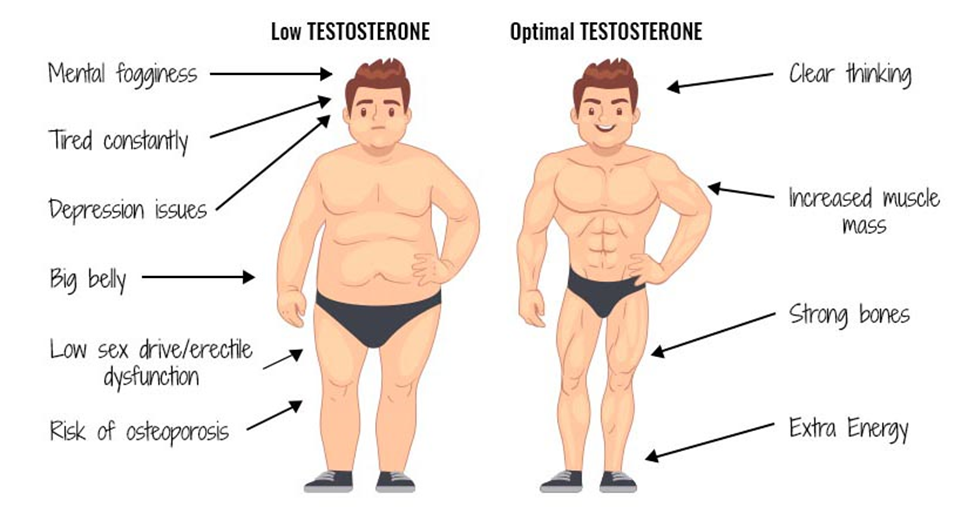
Testosterone Isn’t Just About Sex—It’s Your Body’s Master Regulator

When most people hear the word testosterone, they immediately think about sex drive, muscle growth, or masculinity. But according to urologist and sexual medicine expert Dr Rena Malik, testosterone plays a much larger role in men’s health than many realise.
In fact, testosterone acts as a master regulator that influences nearly every major system in the male body. From energy levels and mood to bone strength, cognitive performance, and metabolic health, this hormone helps keep countless processes functioning properly.
The problem is that many men experience low testosterone without recognising the symptoms. Instead, they blame ageing, stress, poor sleep, or a busy lifestyle. As a result, testosterone deficiency often goes undiagnosed for years.
Here are the hidden signs of low testosterone that every man should know.
What Is Testosterone and Why Is It So Important?

Testosterone is the primary male sex hormone produced mainly in the testicles. While it is essential during puberty for developing male characteristics, its importance doesn’t disappear in adulthood.
Healthy testosterone levels help maintain:
- Muscle mass and strength
- Bone density
- Energy production
- Mood stability
- Cognitive performance
- Red blood cell production
- Healthy libido and sexual function
- Body fat regulation
When testosterone levels begin to decline, multiple systems throughout the body can be affected simultaneously.
Who Is Most at Risk for Low Testosterone?
A gradual decline in testosterone is a normal part of ageing. Research suggests testosterone levels decrease by approximately 1% per year after age 30.
However, certain groups face a significantly higher risk:
Men Over 45
Studies indicate that nearly 38% of men over the age of 45 have testosterone levels that fall below the normal range.
Men With Type 2 Diabetes
Insulin resistance and hormonal imbalances often occur together. Around 40% of men with type 2 diabetes may experience low testosterone.
Men Living With Obesity
Approximately half of obese men may have low testosterone levels. Excess body fat, particularly abdominal fat, contributes significantly to hormonal disruption.
Read Also: Five (5) Exercises not recommended for 30-plus year-olds.
1. A Persistent Drop in Sex Drive
One of the earliest and most recognised signs of low testosterone is a noticeable decline in libido.
This isn’t about occasional fluctuations caused by stress, relationship issues, or exhaustion. Instead, it’s a persistent reduction in sexual interest that continues for weeks or months.
Many men describe it as feeling disconnected from sexual desire in a way that feels unusual for them.
2. Loss of Morning Erections
Morning erections are often an overlooked indicator of hormonal health.
While occasional changes are normal, a significant decline in spontaneous morning erections may signal falling testosterone levels.
Dr. Malik notes that these changes can sometimes occur even before testosterone levels drop below the commonly used clinical threshold of 300 ng/dL.
3. Constant Fatigue That Rest Doesn’t Fix

Everyone feels tired occasionally. Low testosterone fatigue is different.
Men often describe it as a constant baseline exhaustion that doesn’t improve even after adequate sleep or rest.
Common complaints include:
- Low energy throughout the day
- Difficulty completing routine tasks
- Reduced exercise capacity
- Feeling physically drained without a clear reason
If you’re sleeping well but still feel chronically exhausted, testosterone deficiency may be worth investigating.
4. Loss of Muscle Despite Regular Exercise

Testosterone plays a critical role in muscle protein synthesis and recovery.
When levels decline, men may notice:
- Decreased muscle mass
- Reduced strength
- Slower recovery from workouts
- Difficulty building muscle despite consistent training
If your workouts remain consistent but your results continue moving backwards, hormonal changes may be contributing to the problem.
5. Unexplained Weight Gain and Belly Fat
One of the most frustrating symptoms of low testosterone is increased abdominal fat.
Low testosterone creates a metabolic environment that promotes fat storage, particularly around the midsection.
Read Also: Early Signs of Iron Deficiency in Women: Symptoms, Causes, and What You Need to Know
The Vicious Cycle of Low Testosterone and Weight Gain
Dr. Malik describes a dangerous cycle:
- Testosterone levels decrease.
- Insulin sensitivity worsens.
- Abdominal fat increases.
- Fat tissue produces more aromatase enzyme.
- Aromatase converts testosterone into estrogen.
- Testosterone levels drop even further.
This cycle can make losing weight increasingly difficult over time.
6. Depression, Irritability, and Mood Changes
Low testosterone affects more than physical health—it also impacts emotional well-being.
Research has shown that men with testosterone deficiency are significantly more likely to experience symptoms of depression.
Common emotional symptoms include:
- Persistent sadness
- Increased irritability
- Lack of motivation
- Reduced enthusiasm for activities
- Emotional flatness
Because these symptoms overlap with mental health disorders, low testosterone is frequently overlooked as a contributing factor.
7. Brain Fog and Difficulty Concentrating
Have you ever walked into a room and forgotten why?
Do conversations feel mentally exhausting?
Many men with low testosterone report cognitive symptoms commonly referred to as “brain fog.”
These may include:
- Poor concentration
- Memory lapses
- Difficulty finding words
- Reduced mental sharpness
- Slower information processing
Since testosterone influences brain function, declining levels can affect both focus and cognitive performance.
8. Enlarged Breast Tissue (Gynecomastia)
When testosterone levels fall and estrogen levels become relatively higher, some men develop gynecomastia.
Symptoms may include:
- Enlarged breast tissue
- Breast tenderness
- Swelling around the nipples
- A firm lump beneath the nipple area
This condition can cause significant emotional distress and may indicate an underlying hormonal imbalance.
9. Weak Bones and Increased Fracture Risk
Most people associate osteoporosis with women, but men can develop it too.
Testosterone helps maintain bone density throughout life.
Chronically low testosterone may increase the risk of:
- Osteopenia
- Osteoporosis
- Bone fractures
- Hip fractures in older age
Hip fractures are particularly concerning because they are associated with serious complications and increased mortality in elderly men.
10. Unexplained Anaemia
One lesser-known function of testosterone is stimulating red blood cell production.
When testosterone levels fall, some men develop anaemia.
Symptoms may include:
- Dizziness
- Shortness of breath
- Weakness
- Fatigue
- Rapid heartbeat
If anaemia cannot be explained by nutritional deficiencies or blood loss, hormonal testing may be appropriate.
11. Thinning Body Hair and Hot Flashes
Low testosterone can also produce physical signs that many men never connect to their hormones.
These include:
Reduced Facial and Body Hair
Men may notice slower beard growth or thinning hair on the chest, arms, and legs.
Hot Flashes and Night Sweats
Although commonly associated with menopause, men with significantly low testosterone can also experience sudden feelings of heat and excessive sweating.
How Is Low Testosterone Diagnosed?
Recognising symptoms is only the first step.
A proper diagnosis requires laboratory testing because symptoms alone cannot confirm testosterone deficiency.
Why Two Tests Are Necessary
Testosterone levels fluctuate throughout the day and are usually highest in the morning.
For this reason, experts generally recommend:
- Two separate early-morning testosterone tests
- Testing on different days
- Evaluating symptoms alongside laboratory results
Additional Hormones That Should Be Checked
A comprehensive evaluation often includes:
- Free testosterone
- SHBG (Sex Hormone Binding Globulin)
- LH (Luteinizing Hormone)
- FSH (Follicle-Stimulating Hormone)
- Estradiol
- Prolactin
- TSH (Thyroid-Stimulating Hormone)
These tests help identify the root cause of hormonal imbalances and guide appropriate treatment.
When Should You Talk to a Doctor?
If you recognise three or more of the symptoms discussed above, it may be time to schedule a medical evaluation.
Many men assume these changes are simply part of getting older. However, persistent fatigue, depression, muscle loss, sexual dysfunction, and cognitive decline should not be ignored.
Early diagnosis can help identify underlying health issues and potentially improve quality of life.
Read Also: Ovulation Calculator for Ghanaian Women: Track Your Fertile Days Easily With Our Free Tool
Final Thoughts
Low testosterone is much more than a sexual health issue. It affects energy, mood, metabolism, cognition, bone strength, body composition, and overall vitality.
Because symptoms often develop gradually, many men fail to recognise that a hormonal imbalance may be affecting their health.
If you’ve been experiencing unexplained fatigue, brain fog, loss of motivation, increased belly fat, declining strength, or sexual changes, consider discussing testosterone testing with your healthcare provider.
Understanding the signs early may help you take proactive steps toward better long-term health.