



The picturesque island nation of Seychelles, known for its pristine beaches and luxury resorts, is currently facing a chikungunya virus outbreak that has prompted health authorities to issue travel guidance for visitors in early 2026.
On February 5, 2026, the U.S. Centres for Disease Control and Prevention (CDC) announced a Level 2 Travel Health Advisory for Seychelles due to the ongoing chikungunya virus outbreak. This means travellers should “practice enhanced precautions” — especially regarding mosquito bite prevention — though travel is not restricted or banned.
This advisory places Seychelles alongside other affected destinations with elevated chikungunya risks, including countries in South America and parts of Asia.
Read Also: Hidden Gum Plastic: How Packaging May Contaminate Natural Chewing Gums
What Is Chikungunya? A Quick Overview
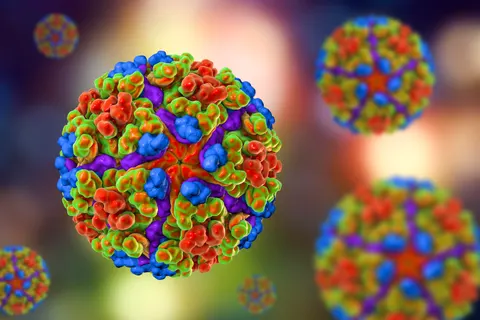
Chikungunya is a mosquito-borne viral disease caused by the chikungunya virus (CHIKV) and transmitted primarily by Aedes aegypti and Aedes albopictus mosquitoes — the same mosquitoes that spread dengue and Zika.
Key points about chikungunya:
- It’s not spread directly from person to person; transmission occurs only through infected mosquito bites.
- No specific antiviral treatment exists, and treatment focuses on supportive care for symptoms.
- Vaccines exist but are not yet widely available or in global use.
Common Symptoms
Symptoms typically appear 3–7 days after an infected mosquito bite and can include:
- High fever
- Severe joint pain (which can be debilitating)
- Headache
- Muscle pain
- Rash
- Fatigue and nausea
While most people recover fully within a week, joint pain and fatigue may last for weeks or months in some cases — especially in older adults or those with preexisting conditions.
Why the Outbreak Matters for Travellers
The CDC’s Level 2 advisory does not prohibit travel, but it signals that travellers should be well-informed and proactive about health precautions before and during a trip to the Seychelles.
Important travel considerations:
- The outbreak coincides with peak mosquito activity — increasing transmission risk.
- Mosquito bites are most frequent during daylight hours when Aedes mosquitoes are active.
- Tourism in Seychelles remains open, with visitors continuing to land at international airports and explore islands, beaches, and UNESCO World Heritage sites.
Is It Safe to Travel to Seychelles Right Now?

Yes — but you need to be cautious.
A Level 2 advisory means health officials believe travellers can still go, but should take enhanced precautions to reduce risk.
Who should reconsider or take extra care?
- Pregnant women and individuals with weakened immune systems
- Travellers with chronic health issues
- Infants and older adults with higher vulnerability to complications
WHO Sounds Alarm on Hepatitis D’s Cancer Risk as World Marks Hepatitis Day
Top Tips to Reduce Risk of Infection
Even in areas with outbreaks, you can significantly lower your risk by doing the following:
🦟 Prevent Mosquito Bites
- Use insect repellent with DEET, picaridin, or oil of lemon eucalyptus
- Wear long-sleeved clothing and pants, especially at dawn and dusk
- Stay in accommodations with screens or air conditioning
🪤 Eliminate Breeding Sites
- Avoid standing water where mosquitoes can lay eggs
- Keep bathrooms, balconies, and outdoor areas dry and clean
💉 Consider Vaccination
Where available, ask a travel clinic about vaccines that protect against chikungunya before you depart — especially if you’re at higher risk.
🧑⚕️ Seek Medical Care if Symptoms Appear
If you begin to feel unwell during or after your trip, seek medical help as soon as possible — particularly if symptoms include high fever or joint pain.
Ways to Protect Yourself from Contacting Monkey pox in Ghana
Final Takeaway: Travel Smart and Stay Informed
The 2026 Seychelles chikungunya virus outbreak has put a spotlight on travel health and mosquito-borne risk, but it does not require travellers to cancel plans outright. Classifying the situation as a Level 2 advisory means you can still enjoy the islands — as long as you take smart health precautions and understand the risks.
Keeping informed with updates from authoritative health bodies like the CDC, WHO, and local Seychelles health authorities will help you make the safest travel decisions possible in a changing outbreak landscape.