Recently, I was scrolling through my social media when I came across an interesting post which was linking the use of retinol and Tretinoin to miscarriages and birth defects. I was taken aback and decided to research this. That is when I realised that Retinol and Tretinoin as part of your Ridiculous skincare routine could cost you your pregnancy
Retinol and tretinoin, both vitamin A derivatives, are celebrated in the skincare community for their remarkable ability to enhance skin appearance.
Retinol, available over-the-counter, and tretinoin, a more potent prescription variant, are commonly used to treat acne, diminish fine lines, and lighten hyperpigmentation. However, while these compounds offer significant cosmetic benefits, their use during pregnancy poses serious risks to fetal development.
Retinol and tretinoin belong to the retinoid family, compounds derived from vitamin A. Retinol is a milder form found in many over-the-counter skincare products, whereas tretinoin (also known as all-trans-retinoic acid) is a more potent retinoid available by prescription. Both promote cell turnover and stimulate collagen production, leading to smoother, more even-toned skin.
Mechanism of Action
Retinoids work by binding to nuclear receptors in skin cells, influencing gene expression that regulates cell proliferation and differentiation. This process accelerates the shedding of old skin cells and the formation of new ones, effectively reducing acne lesions and promoting a more youthful skin appearance. Additionally, retinoids inhibit melanin production, which helps in lightening hyperpigmentation and achieving a brighter complexion.
Risks During Pregnancy
Despite their dermatological benefits, retinoids are contraindicated during pregnancy due to their teratogenic potential—that is, their ability to cause birth defects. Oral retinoids, such as isotretinoin, are well-documented teratogens, with a high risk of causing severe congenital malformations. While topical retinoids like tretinoin and retinol are absorbed less systemically, there remains a concern for potential fetal exposure. The exact level of risk from topical application is not fully understood, but due to the serious nature of possible outcomes, their use is generally advised against during pregnancy.
Retinoids exert their teratogenic effects by disrupting normal embryonic development. They influence gene expression by activating retinoic acid receptors, which play a crucial role in the development of the fetal central nervous system, heart, and other organs. Excessive activation of these receptors can lead to malformations and functional deficits in the developing fetus.
Clinical Recommendations
Given the potential risks, healthcare providers strongly recommend that individuals who are pregnant or planning to become pregnant avoid the use of both oral and topical retinoids.
If you are currently using retinol or tretinoin and discover you are pregnant, it is crucial to discontinue use immediately and consult with your healthcare provider for further guidance.
Safe Alternatives During Pregnancy
Fortunately, there are safer alternatives for managing skin concerns during pregnancy:
• Azelaic Acid: Effective in treating acne and hyperpigmentation, azelaic acid is considered safe for use during pregnancy.
• Glycolic Acid: This alpha-hydroxy acid can help with exfoliation and improving skin texture without the risks associated with retinoids.
• Vitamin C: A potent antioxidant that can brighten skin tone and reduce the appearance of pigmentation.
• Bakuchiol: Often touted as a natural alternative to retinol, bakuchiol has similar benefits without the associated risks, making it a promising option during pregnancy.
Conclusion
While retinol and tretinoin can significantly improve skin appearance, their use during pregnancy is fraught with risks that outweigh the cosmetic benefits. Prioritizing the health and safety of both mother and child is paramount. Opting for safer skincare alternatives during this critical period is a prudent choice. Always consult with a healthcare provider before continuing or initiating any skincare regimen during pregnancy.
Sleep is one of the most important parts of our lives. It is designed by nature to rest the body. On average, we spend 1/3 of our lives sleeping, so it should be of great importance to us. When you sleep, a number of interesting things happen to your body, which is what we will discuss today. These happenings mostly help us maintain our overall health and well-being. From repairing muscles to consolidating memories, sleep plays a crucial role in keeping you functioning at your best. Here are ten interesting things that happen to your body while you’re asleep.
1. Your Brain Clears Out Toxins
One of the most remarkable things that happens to your body while you’re asleep is the brain’s self-cleaning process. The glymphatic system, a waste clearance mechanism, becomes highly active during deep sleep. It flushes out toxins and metabolic waste, including beta-amyloid, a protein linked to Alzheimer’s disease. This nightly detox helps keep your brain sharp and may reduce the risk of neurodegenerative disorders.
2. Your Muscles and Tissues Repair Themselves
Ever wonder why you feel rejuvenated after a good night’s sleep? This is partly because your body enters repair mode during rest. Human Growth Hormone (HGH), which is essential for tissue growth and muscle repair, is released primarily during deep sleep. This process helps heal wounds, build muscle, and regenerate cells, making sleep crucial for athletes and anyone recovering from injury.
As you fall into non-REM (Rapid Eye Movement) sleep, your heart rate and blood pressure decrease. This nightly dip, known as nocturnal dipping, gives your cardiovascular system a much-needed break. Consistent, quality sleep can reduce the risk of heart disease and stroke by allowing your heart to recover and function more efficiently.
4. Your Immune System Strengthens
A lesser-known thing that happens to your body while you’re asleep is the immune boost you receive. Sleep enhances the production of cytokines, proteins that help fight infection and inflammation. This explains why getting enough rest can speed up recovery from illness and why sleep deprivation can leave you more susceptible to colds and other infections.
5. Your Body Temperature Drops
During sleep, your body undergoes thermoregulation, lowering your core temperature by one to two degrees. This drop helps conserve energy and signals to your body that it is time to rest. Cooler body temperatures are associated with deeper, more restorative sleep, which is why a cool room often promotes better sleep quality.
6. You Experience Hormonal Fluctuations
Hormonal activity surges during the night. Melatonin, the hormone responsible for regulating sleep-wake cycles, peaks during darkness, promoting restful sleep. Cortisol, the stress hormone, drops in the evening but begins to rise in the early morning, preparing your body to wake up. These hormonal shifts are essential for maintaining balance and ensuring proper metabolic function.
7. Your Digestive System Slows Down
While you’re asleep, your digestive system enters a state of reduced activity. This allows your body to divert energy to other critical processes, such as cellular repair and memory consolidation. However, this doesn’t mean digestion stops entirely—it simply operates at a slower pace, which is why eating heavy meals late at night can disrupt sleep.
8. Your Memories Consolidate
A crucial cognitive process that happens to your body while you’re asleep is memory consolidation. During REM sleep, your brain processes and organizes information gathered throughout the day. This strengthens neural connections, improves learning, and enhances problem-solving skills. Sleep is often referred to as “brain food” because of its pivotal role in memory retention and mental clarity.
9. You May Experience Sleep Paralysis
Sleep paralysis is a phenomenon where you become aware of your surroundings but are temporarily unable to move. This occurs during REM sleep when your brain temporarily disconnects motor functions to prevent you from acting out your dreams. Although it can be unsettling, sleep paralysis is generally harmless and lasts only a few seconds to minutes.
10. You Cycle Through Different Sleep Stages
Throughout the night, you cycle through various stages of sleep, including light sleep, deep sleep, and REM sleep. Each cycle lasts about 90 minutes, with four to six cycles occurring during a full night’s rest. These stages are crucial for different aspects of physical and mental recovery, ensuring you wake up feeling refreshed and alert.
Understanding the fascinating things that happen to your body while you’re asleep highlights the importance of prioritizing rest. Sleep isn’t just a passive state but an active and essential process that affects nearly every aspect of your health. From boosting immunity to enhancing cognitive function, the benefits of sleep are far-reaching and vital for overall wellbeing.
If you ever needed another reason to aim for those coveted seven to nine hours of rest each night, consider the intricate and essential processes occurring behind the scenes. Embracing good sleep hygiene and respecting your body’s need for rest can unlock a healthier, happier life. So, the next time you tuck yourself into bed, remember that remarkable things are happening while you sleep.
Engaging in regular exercise is an important component of a healthy lifestyle. Still, as we age, we must be mindful of the types of exercises we choose, their intensity, and duration. There are certain groups of Exercises not recommended for 30-plus year-olds.
This is because once you hit that age, the efficiency of your body begins to decline hence any form of permanent injury becomes a huge risk.
This article delves into the list of exercises not recommended for 30-plus, along with suggestions on how to prevent injury.
1. High-Impact Plyometrics:
Plyometric exercises involving explosive movements, such as box jumps and burpees, can place excessive stress on joints, particularly when done excessively or incorrectly.
With age, joints become more vulnerable to injuries like sprains, strains, and stress fractures. Low-impact alternatives like stationary cycling, swimming, or elliptical training offer cardiovascular benefits without subjecting joints to excessive stress.
2. Heavy Weightlifting with Poor Form:
Lifting heavy weights without proper form can strain joints, ligaments, and muscles, especially as our bodies become less resilient with age.
Exercises like deadlifts, squats, or overhead presses with excessive weight and compromised technique can lead to significant damage.
If you plan to include heavy lifts in your workout routine then it might be the best time to talk to a specialist. After the proper examination, your doctor may be able to recommend the appropriate exercises.
Additionally, opting for functional strength training, which includes bodyweight exercises, resistance bands, and lighter weights, can enhance stability, flexibility, and endurance without causing undue strain.
3. High-Intensity Interval Training (HIIT):
Although this is one of the best and most effective weight loss types of exercise, it is a class of Exercises not recommended for 30-plus.
Overdoing HIIT can result in chronic fatigue, increased cortisol levels, and a higher risk of overuse injuries. Incorporating moderate-intensity cardio exercises with short bursts of higher intensity can provide cardiovascular benefits while reducing the risk of excessive stress on the body.
Participating in competitive contact sports like football or rugby after the age of 30 can significantly increase the risk of severe injuries such as fractures or concussions.
Non-contact sports like tennis or golf offer exercise benefits with reduced risk of injury. Alternatively, joining recreational leagues with modified rules and lower intensity can provide the social and competitive aspects of team sports without compromising safety.
5. Extreme Flexibility Training:
While maintaining flexibility is essential as we age, extreme flexibility training can lead to injuries like strains, tears, or dislocations.
Dynamic stretching techniques like yoga or Pilates promote flexibility while emphasizing stability and proper alignment, reducing the risk of injury associated with extreme flexibility training.
Making the right choice when it comes to exercising should start now. Your body may not be healing as fast as it used to be when you were younger so it is up to you to know the types of exercises not recommended for 30-plus so you can protect yourself.
Prioritizing safety and listening to your body can help maintain an active lifestyle that promotes overall health and well-being beyond the age of 30. Consulting with healthcare professionals or certified personal trainers can assist in creating personalized exercise plans tailored to individual needs and limitations.
Read More About Workout Routines For Older People Here
Have you ever looked in the mirror and realised you share a striking resemblance to your mom but then you bear your dad’s height? This is because you inherited such traits from either of your parents.
The science behind inheriting certain trait from your african mom and dad can be a bit complicated because even your hairline, dimples and intelligence is affected by what your parents passed down to you genitically.
According Heather Hampel, a genetics counselor at the city of Hope Cancer Center in Duarte, there are 20,000 genes that make up your body and half of this number comes from both parents.
This doesn’t make your genes your destiny because only a small percentage of the genes are penetrant. For this small fraction, they will 100% of the time express itself, according to Hampel and Taylor Sabato.
Which Genetic Traits are then Inherited from your mom and Dad?
According to Sabato, you can inherit traits from your parents in several ways. One way is through a dominant gene. If you inherit a dominant gene, that trait will typically be expressed.
For example, brown eyes are a dominant trait, so if one of your parents has brown eyes, you are likely to have brown eyes as well. Another way is through a recessive gene. For a recessive trait to appear, both parents must carry and pass on the recessive gene.
Blue eyes, for instance, require both parents to carry the gene for blue eyes, even if their own eye color is not blue.
The dominant inheritance occurs when a single gene variant from either your mom or dad determines whether you will express a specific trait. In contrast, recessive inheritance requires a gene variant from both parents for the trait to appear.
Up next, we will explore these traits That Come from Your African Mom and Dad below:
1. Intelligence: Inherited from Mom
Traits That Come from Your African Mom and Dad
Yes, intelligence is inherited and there has been countless research to confirm that it is inherited from the mother. This is because the gene responsible for intelligence is in the X chromosome and women carry two X chromosomes while men carry just one X chromosome.
The reasonable conclusion to these facts is that women are twice as likely to pass on their intelligence to their offsprings.
It is important however to note that only 40% of intelligence is hereditary according to work in the International Encyclopedia of the Social & Behavioral Sciences, with the other 60% impacted by environmental factors and nongenetic influence.
2. Risk for Certain Cancer Types: Inherited from Both Parents.
According to Heather Hampel, who is an internationally recognized cancer genetic counselor and researcher, if there is a single mistake in the genes from either side of your parents then you have a 50 -50 chance of inheriting that cancer gene or not inheriting it.
One of the most common is Lynch syndrome, which involves a mutation in the MLH1, MSH2, MSH6, PMS2 or EPCAM genes. It may mean an elevated risk for colorectal cancer, endometrial cancer, ovarian cancer and other related cancers. The BRCA genes can increase risk for breast and ovarian cancer as well.
Here’s the surprising part: you don’t need to have the organ to inherit the gene, says Hampel. For instance, you can inherit the ovarian cancer gene from your dad, just as you can inherit the breast cancer gene. Additionally, men with a BRCA1 or BRCA2 gene mutation face a higher risk of developing prostate cancer and other cancers.
3. Sleeping Patterns: Inherited from Mother
If you are having difficulties sleeping, then its most likely that your mom had similar issues. Research in the November 2023 issue of the Journal of Child Psychology and Psychiatry showed a genetic predisposition to the development of insomnia in kids was associated with insomnia-like symptoms reported by their moms.
4. Your ability to focus: Inherited from Mother.
According to a study published in JAMA Psychiatry, children born to mothers with lower-than-normal serotonin levels were 1.5 to 2.5 times more likely to develop attention-deficit hyperactivity disorder (ADHD) later in life compared to those whose mothers had normal serotonin levels.
5. Your high cholesterol: Inherited from Both Parents
You follow a low-fat diet and exercise regularly, yet your cholesterol remains high—what’s going on? According to Hampel, genetics could be the culprit. Certain genes inherited from both parents, such as those linked to familial hypercholesterolemia, can cause high cholesterol.
This condition, affecting about 1 in 250 people, significantly raises the risk of early heart disease. It’s caused by mutations in the LDLR, APOB, and PCSK9 genes, which influence how your body regulates and removes cholesterol from the bloodstream, explains Hampel. Genetic testing is available to detect these mutations. If you’ve inherited high cholesterol, it’s important to consult your doctor about proactive steps to protect your heart health.
6. Your diminishing hairline: Inherited from Mom…
Traits That Come from Your African Mom and Dad
You might have heard that a man’s hair loss is inherited from his mother’s side, but a study published in PLoS Genetics suggests this may be a myth.
The study, which analyzed over 55,000 men, identified 287 independent genetic signals linked to male-pattern hair loss. While 40 of these were found on the X chromosome and inherited from the maternal side, the majority were spread across DNA inherited from both parents.
These finding challenges common assumptions about inherited traits and highlights how complex the genetic landscape is—including other Inherited Traits That Come from Your African Mom and Dad. Interestingly, some of the genes associated with hair loss are also linked to a higher risk of heart disease in men.
7. Fertility: Inherited from Father
According to a study published in Science, a woman’s fertility might be influenced by a gene inherited from her father. Normally, during the development of an egg cell, centrioles—a part of the cell—are eliminated as part of the natural process.
However, if the centrioles are not eliminated, often due to a genetic dysfunction passed down from her dad, it can result in sterility, researchers explain.
8. Chances of Hitting Puberty Early: Inherited from Dad
Puberty, with its milestones like acne, voice changes, or starting your period, is a rite of passage—and, it turns out, partially an inherited trait.
Both parents’ genetics influence when puberty begins, but starting early—before age 8 in girls and 9 in boys—may be linked to a gene inherited from your father, according to a study in the New England Journal of Medicine.
Researchers identified a genetic mutation that causes premature puberty, meaning if you inherit it, you may experience these changes earlier than your peers.
9. Your ability to lose or gain weight: Inherited from Both Parents
Your body has two types of fat: brown fat, which boosts metabolism and helps maintain a healthy weight, and white fat, the “bad” fat linked to obesity and disease. While everyone has both types, the amount of brown fat you have—and your metabolic rate—might be inherited from your mom, according to a study published in Nature.
On the other hand, your dad may influence how much white fat you store, particularly around your organs, as the same study found that fat storage is partially linked to genes passed down from fathers.
But it’s not all about genetics, explains Sabato. “There isn’t one gene that determines weight loss ability. Environmental and genetic factors, as well as medical conditions like diabetes or polycystic ovarian syndrome (PCOS), play a role in weight management.” From a genetics perspective, multiple gene variants may increase the risk for conditions that affect weight regulation.
10. Memory: Inherited from Mother
A family history of Alzheimer’s disease has long been associated with a higher risk of developing the illness, but a new study published in Biological Psychiatry reveals that the genetic risk may primarily come from your mother.
As the leading cause of dementia later in life, Alzheimer’s affects nearly 6 million people in the United States. Understanding the factors that contribute to your risk—including your mother’s medical history—can help you take proactive steps to protect your brain health, the researchers emphasized.
Several vision-limiting conditions, such as Stargardt disease, Usher syndrome, and retinitis pigmentosa (RP), can be inherited from your parents.
While there is currently no way to reverse the risks associated with inheriting gene variants linked to these conditions, consulting an ophthalmologist or genetic counselor can be helpful.
Sabato recommends seeking guidance if these conditions run in your family or if you have been diagnosed with one of them.
We have all experienced heart burns before and it is not something that has any serious consequences on our bodies. Interestingly heart burns are more frequent in pregnant women and this post seeks to address how to treat heart burns in pregnancy.
Heart burns is simply when stomach acid flows back into the esophagus (acid reflux) causing a burning sensation that is often felt behind the breastbone. This is usually caused after eating certain foods, overeating or lying down immediately after eating.
Heart Burns are more common in pregnant women especially during the second and third trimesters when the hormonal effects and the pressure from the growing uterus are most pronounced.
As the fetus increases in size, the stomach capacity decreases which created some pressure in the stomach. This makes it easier for the contents in the stomach to back up into the oesophagus. This includes the stomach acid.
The heart burns are particularly felt after eating large meals. Additionally, the growing uterus expands to accomodate the baby. This also exerts pressure on the stomach.
The reason for frequent heart burns during pregnancy isn’t just physical. Hormonal changes also add to the effect.
Progesterone levels are high during pregnancy. This hormone relaxes the lower esophageal sphincter. This part of the body acts as a valve that separates the stomach from the esophagus.
How to treat heart burns in pregnancy?
Now that we know the reasons why you experience it, how do you now treat the heart burns in pregnancy?
1. Adjust Your Eating Habits
Eat Smaller, More Frequent Meals: This prevents the stomach from becoming too full, reducing the likelihood of acid reflux.
Chew Food Slowly and Thoroughly: This aids digestion and minimizes the chance of heartburn.
Avoid Eating Before Bed: Wait at least 2–3 hours after eating before lying down to give your stomach time to empty.
2. Avoid Trigger Foods
Steer clear of spicy, fatty, fried, or acidic foods (e.g., citrus, tomatoes).
Limit caffeinated beverages and chocolate, as they can relax the lower esophageal sphincter.
3. Stay Upright
After meals, remain upright for 1–2 hours to allow gravity to help keep stomach acid in place.
Sleep with your upper body elevated using extra pillows or a wedge pillow.
4. Drink Natural Remedies
Ginger Tea: Ginger can soothe the digestive tract and reduce acid reflux. Sip ginger tea in moderation.
Aloe Vera Juice: This may help calm the esophagus and reduce irritation, but choose pregnancy-safe, food-grade aloe vera.
Warm Milk with Honey: This can neutralize stomach acid and provide relief.
5. Stay Hydrated
Drink water throughout the day, but avoid drinking large amounts during meals, as this can expand your stomach and worsen reflux.
6. Wear Loose Clothing
Tight clothing can put additional pressure on your stomach, exacerbating heartburn. Opt for loose-fitting outfits.
7. Practice Good Posture
Sit and stand with a straight back to reduce pressure on your abdomen.
8. Chew Sugar-Free Gum
Chewing gum increases saliva production, which can help neutralize acid and wash it back into the stomach.
9. Try Natural Alkalizing Agents
A small amount of baking soda mixed with water may temporarily relieve symptoms but consult your doctor before using it.
10. Stay Calm and Manage Stress
Stress can worsen heartburn. Practice relaxation techniques like prenatal yoga, deep breathing, or meditation.
In conclusion, heartburn during pregnancy is a common and often uncomfortable experience caused by hormonal changes and the growing baby’s impact on your digestive system. However, by adopting simple lifestyle adjustments and incorporating natural remedies, you can significantly alleviate these symptoms and enjoy a more comfortable pregnancy journey.
Remember to listen to your body, avoid triggers, and consult your healthcare provider if symptoms persist or worsen. With the right care and strategies, you can manage heartburn effectively and focus on the joys of preparing to welcome your little one.
Sometimes the best remedies are right under our noses, growing in our backyards or sitting quietly on kitchen shelves. Bay leaves—yes, those unassuming, dried leaves often tossed into soups and stews—hold a powerful, all-natural remedy for respiratory health. This is something I came to appreciate during my days on campus, thanks to a dear friend of mine. She introduced me to the soothing power of a bay leaf infusion, and now, I’m sharing this life hack with you.
I was battling a stuffy nose and slight congestion that seemed to linger for days. Fanny noticed me struggling and immediately offered her solution, which is bay leaves. Coming from Côte d’Ivoire, she knew firsthand about bay leaves’ benefits, especially when it came to respiratory issues. Her family, like many others in her culture, used bay leaf infusions not only for cooking but also as a gentle, effective remedy for colds, coughs, and even stress.
Respiratory Benefits of Bay Leaves
Bay leaves contain essential oils, including cineole (eucalyptol), which has notable anti-inflammatory and decongestant properties. When bay leaves are boiled, they release these beneficial compounds into the steam, which can help soothe the airways, reduce congestion, and ease breathing. Here’s how they work their magic:
1. Clearing the Airways: Inhaling the steam from a bay leaf brew can help relieve stuffy noses, chest congestion, and even sinus infections. Cineole has been studied for its ability to break down mucus, making it easier to expel and relieving that heavy, clogged feeling.
2. Anti-inflammatory Effects: Bay leaves are rich in anti-inflammatory compounds, which help reduce swelling and irritation in the respiratory tract. This can be particularly helpful for those suffering from chronic respiratory issues like bronchitis or asthma.
3. Antimicrobial Properties: Bay leaves also have natural antimicrobial qualities. When consumed as a tea, they may help your immune system fight off minor infections.
Making a Bay Leaf Infusion for Respiratory Health
After learning from Fanta, I tried it myself, and now it’s become my go-to when I feel any hint of congestion. Here’s how you can make a simple bay leaf infusion at home:
Ingredients:
4–5 dried bay leaves
2 cups of water
Optional: honey or lemon for added flavor and additional immune-boosting benefits
Method:
Boil the Water: Bring the water to a boil in a small pot.
Add the Bay Leaves: Place the bay leaves in the boiling water, then reduce the heat and let them simmer for 5–10 minutes. This allows the essential oils and beneficial compounds to infuse into the water.
Inhale the Steam: While it’s simmering, you can lean over the pot (about 10–12 inches away to avoid burns), covering your head and the pot with a towel, and gently inhale the steam. This step alone can provide instant relief if you’re feeling congested.
Strain and Sip: After simmering, strain the liquid into a cup, adding honey or lemon if you like. Sip slowly while it’s warm, allowing the soothing infusion to work from the inside out.
Pro tip: You can reuse the same leaves up to three times in a day. Just add fresh water and reheat. This way, you get the most out of every leaf!
Additional Tips and Benefits of Bay Leaf Infusion
Drinking bay leaf tea can also provide calming effects, making it great for the end of a long day when you need to unwind. It’s also packed with antioxidants and can support digestion, which is why many enjoy it as a gentle wellness drink, even when they’re not feeling under the weather.
Another personal tip: I’ve noticed that having a bay leaf brew in the evening can really help me sleep better, as its calming properties work on the mind as well as the body.
Embracing Simple Remedies: The Power of Bay Leaves
It’s a gentle, effective way to care for yourself without relying on heavy medications, especially for mild, seasonal discomforts. So the next time you’re feeling congested or just want to give your lungs some love, consider reaching for bay leaves. With just a pot, some water, and a few dried leaves, you can create a warm, comforting remedy with real health benefits.
The Power of Ginger Lemon Honey Tea: Health Benefits and Easy Recipes
Over the years, I’ve found myself turning to natural remedies to maintain my health, especially when the seasons change or I feel a cold coming on. One of my go-to remedies is a warm cup of ginger lemon honey tea. It’s soothing, delicious, and packed with benefits. I’m not the only one in my circle who swears by it; my family and friends have all found this simple drink to be a game-changer. Let me share why ginger lemon tea is worth a try, along with some easy recipes.
1. Immune System Booster Whenever I feel a bit run down, a steaming mug of ginger lemon honey tea is my first defense. Ginger is known for its anti-inflammatory properties, helping to ward off illness. Lemon adds a hefty dose of vitamin C, which is great for boosting immunity, while honey soothes sore throats and adds a natural sweetness. A friend of mine, Rachel, shared that she drinks this tea every time she feels a tickle in her throat, and it helps keep colds at bay. She says, “Since I started drinking ginger lemon tea, I rarely get sick during the colder months.”
2. Digestive Aid If you’ve ever felt bloated or had an upset stomach, ginger lemon tea could be just the thing. Ginger is well-known for aiding digestion and easing nausea, making it perfect for a post-meal beverage. My cousin Emma once had a rough time with indigestion after dinner, and after trying a cup of ginger lemon honey tea, she said it worked like magic. “It’s so soothing,” she said, “I felt relief almost immediately.”
3. Natural Stress Relief In our fast-paced lives, finding ways to unwind can be tough. Ginger lemon tea offers a moment of calm, especially with the added comfort of honey. Honey isn’t just a natural sweetener—it has calming properties that can help relax your mind and body. My mom, who is always juggling multiple tasks, swears by this tea as a way to unwind after a long day. “It’s like a little hug in a mug,” she often says, “I feel the stress melt away with every sip.”
Now that you know the benefits, let me share how easy it is to whip up this tea at home. There’s no complicated process—just simple, wholesome ingredients you likely already have in your kitchen.
Basic Recipe:
Ingredients:
1-inch piece of fresh ginger, sliced or grated
1/2 a lemon, juiced
1 tablespoon of honey (more or less to taste)
2 cups of water
Instructions:
Boil the water and add the ginger. Let it simmer for about 5-10 minutes, depending on how strong you like the ginger flavor.
Remove from heat and strain out the ginger.
Add the fresh lemon juice and honey. Stir well.
Pour into your favorite mug and enjoy the warmth.
Turmeric Twist:
For an extra anti-inflammatory boost, you can add a pinch of turmeric to your ginger lemon tea. It gives the tea a golden glow and enhances its healing powers.
Iced Ginger Lemon Honey Tea:
For those hot summer days, you can make an iced version! Brew the tea as you would normally, let it cool, and pour it over ice. My friend John prefers this version during warmer weather, saying, “It’s refreshing and still has all the great benefits.”
When to Enjoy Ginger Lemon Honey Tea
The beauty of ginger lemon tea is that it can be enjoyed any time of day. I personally like to have it first thing in the morning to kickstart my digestion and give my immune system a boost. However, it’s also perfect as a night-time drink to help wind down and relax. My sister, who struggles with occasional insomnia, drinks it before bed and finds it helps her sleep better.
Final Thoughts
Ginger lemon honey tea has been a staple in my home for years, and for good reason. It’s easy to make, has incredible health benefits, and, most importantly, tastes amazing. Whether you’re trying to strengthen your immune system, soothe your digestion, or simply relax, a cup of ginger lemon tea might be just what you need. I hope these easy recipes and testimonials from my family and friends inspire you to give it a try.
Do you have a favorite version of ginger lemon honey tea? Let me know in the comments—I’d love to hear your thoughts!
I used to toss and turn for hours at night, chasing sleep like a dream that was always out of reach. Over time, I realized that what I consumed before bed significantly impacted my sleep quality. That’s when I discovered the soothing world of natural teas to help me Sleep Longer and Better. Unlike the quick fixes that over-the-counter pills offer, these herbal teas nourish the body and mind, gently inviting you into a deep, restorative slumber.
Chamomile: The Classic Bedtime Companion
Chamomile tea is perhaps the most famous bedtime brew—and for good reason. It’s been used for centuries to promote relaxation and alleviate anxiety. I remember when I first sipped on a warm cup of chamomile, the floral aroma alone seemed to calm my racing mind. A study published in the Journal of Advanced Nursing found that drinking chamomile tea led to significant improvements in sleep quality among participants who had trouble sleeping. Rich in apigenin, a compound that binds to brain receptors promoting relaxation, chamomile tea feels like a cozy blanket for your nervous system.
Magnolia Bark: Ancient Sleep Tonic
Magnolia bark is another gem, especially if stress is what’s keeping you awake. I was skeptical at first—I mean, who drinks bark tea? But after reading about its history in traditional Chinese medicine as a remedy for anxiety, I gave it a try. Magnolia bark contains honokiol and magnolol, compounds that may increase sleep duration and reduce nighttime waking. A study in Phytotherapy Research confirmed these effects, noting improvements in sleep latency and overall sleep quality. For me, it’s like a subtle but effective nudge toward peace at night.
You wouldn’t think to boil a banana and call it tea, but banana tea, made by simmering a whole banana (peel included), is surprisingly effective. Rich in potassium and magnesium, it helps relax muscles and soothe the nervous system. I found that a cup of banana tea an hour before bed significantly reduced leg cramps, a sneaky culprit behind my sleepless nights. While there isn’t as much formal research on this tea, its natural calming effect makes it a simple and sweet sleep aid worth trying.
Passionflower: Nature’s Stress Reliever
Passionflower tea was a game-changer for me on particularly stressful days. Known for its calming properties, it boosts levels of gamma-aminobutyric acid (GABA) in the brain, which reduces brain activity and makes it easier to drift off. In a study from Phytomedicine, participants who consumed passionflower tea reported improved sleep quality compared to those who didn’t. It’s a tea that quiets the mind, especially if racing thoughts tend to follow you to bed. Read More
Lemon Balm: Citrus Calm
Lemon balm tea is perfect if you want something light yet effective. The citrusy aroma immediately puts me in a relaxed mood.
Additionally, studies have shown that lemon balm can reduce symptoms of insomnia and anxiety, promoting longer and better sleep. The Mediterranean Journal of Nutrition and Metabolism also highlighted its ability to improve sleep quality, making it a favorite in my nightly routine.
Lavender isn’t just a relaxing scent for your pillow; it’s also a great tea for winding down. The calming properties of lavender are well documented, and drinking it as a tea can be even more effective. I often sip on it when I’m feeling overwhelmed. One study published in the Journal of Evidence-Based Integrative Medicine found that lavender tea can improve sleep quality, especially for those with mild insomnia. The soothing floral notes make each sip feel like a little act of self-care.
Valerian Root: The Sleep Powerhouse
Valarian Roots: Teas to Help You Sleep Longer
If you’re struggling with serious insomnia, valerian root tea might be your best bet. This pungent-smelling root is powerful, though it’s an acquired taste. Research published in The American Journal of Medicine shows valerian root can significantly improve sleep latency, allowing you to fall asleep faster and stay asleep longer. For me, valerian was like that final puzzle piece, helping me achieve deep, uninterrupted sleep. Read More
Conclusion: A Natural Path to Better Sleep
Finding the right natural tea for sleep is a personal journey, but with so many options, there’s something for everyone. These teas don’t just help you fall asleep—they improve the quality of your sleep, making your mornings brighter and your nights more peaceful. Give them a try, and you might find yourself drifting off more easily than you ever thought possible.
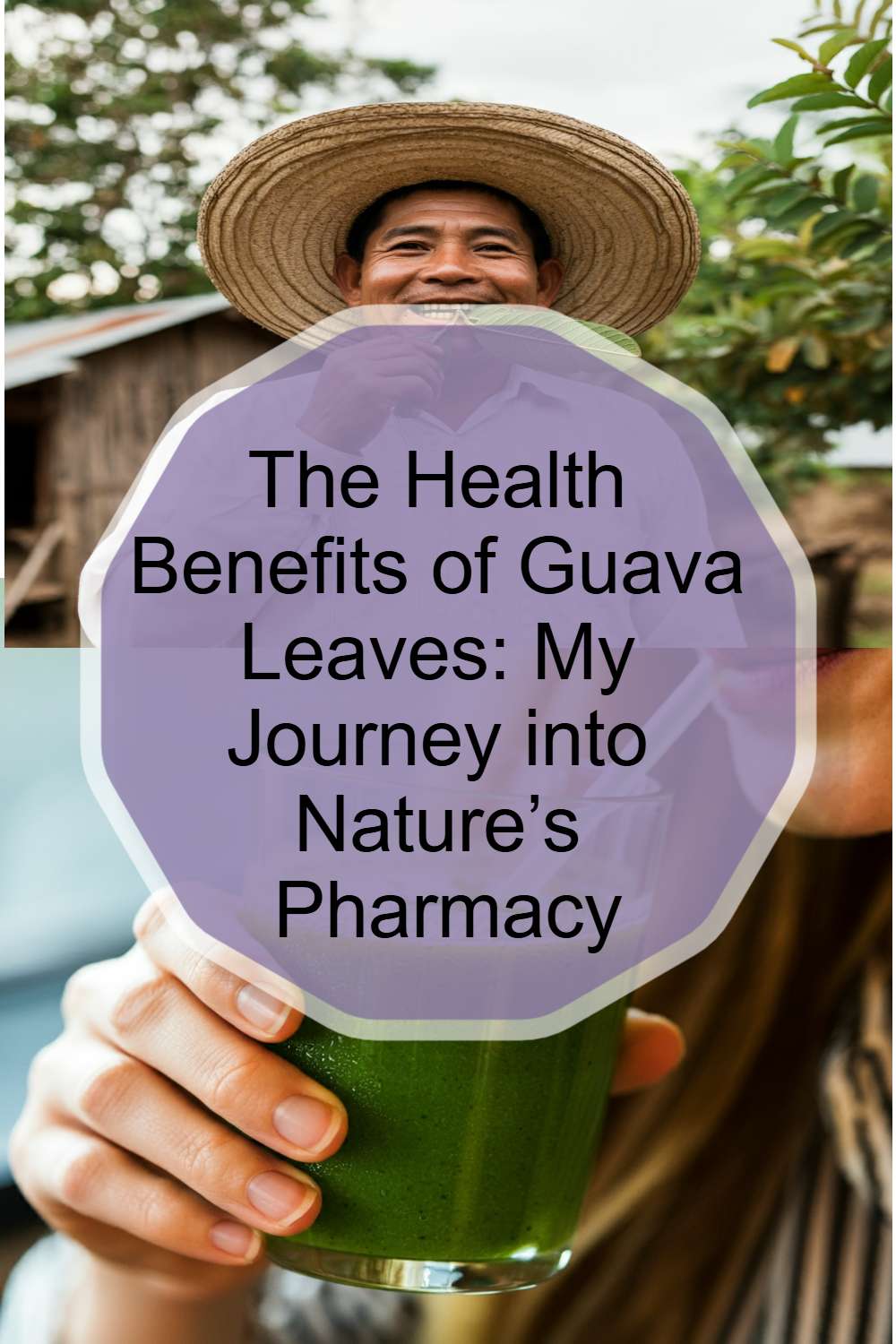
Health Benefits of Guava Leaves: I still remember the first time my grandmother handed me a warm cup of guava leaf tea. I had a terrible cold, and she swore by its healing powers. Skeptical but curious, I took a sip, and I must admit, I felt better by the end of the day. As I grew older, I became more interested in natural remedies, and that experience with guava leaves stuck with me. Now, after learning more about its numerous benefits, guava leaves are a regular part of my wellness routine.
When we think of guava, we often imagine the sweet, tropical fruit bursting with flavor. But what many people don’t realize is that the leaves of the guava plant are a hidden gem of health benefits. These unassuming leaves contain antioxidants, anti-inflammatory agents, and antibacterial compounds that can help with various health issues.
Research shows that guava leaves are rich in flavonoids, especially quercetin, which has strong anti-inflammatory properties. This is why guava leaves have been used in traditional medicine to treat illnesses like diarrhea, infections, and even diabetes. Let me take you on a journey through the many health benefits of these leaves and how to safely prepare and consume them.
1. Improves Digestion
One of the most common uses for guava leaves is as a digestive aid. Whether it’s indigestion, diarrhea, or a bloated stomach, guava leaf tea can help soothe the digestive system. The antibacterial properties of the leaves help neutralize harmful bacteria in the gut, preventing diarrhea and promoting healthy bowel movements.
Personally, I’ve found it particularly helpful after a heavy meal. It helps reduce bloating and makes me feel lighter.
2. Helps Control Blood Sugar Levels
For those managing diabetes or pre-diabetes, guava leaves can be a natural way to help control blood sugar. The compounds in guava leaves slow down the absorption of sugar in the blood, which helps prevent spikes in glucose levels. Scientific studies have shown that guava leaf extract can lower blood sugar levels and improve insulin resistance.
I recommended this remedy to a family friend who was struggling to control her blood sugar levels. She found it incredibly helpful, although I always remind people to consult their doctor before adding any new treatment to their routine.
3. Promotes Healthy Skin
Guava leaves are packed with antioxidants that combat free radicals, the culprits behind aging and skin damage. The antibacterial properties also help prevent and reduce acne. Applying guava leaf extract or tea to the skin can reduce inflammation, clear up acne, and improve the overall texture of your skin.
I’ve tried this myself, using cooled guava leaf tea as a toner, and it leaves my skin feeling fresh and clean.
4. Aids in Weight Loss
One of the surprising benefits I learned about is how guava leaves can aid in weight loss. The leaves inhibit the conversion of complex carbohydrates into sugars, which the body tends to store as fat. Drinking guava leaf tea regularly can help with weight management by promoting fat burning and preventing excess weight gain.
Guava leaf tea is incredibly easy to prepare, and I enjoy making it in the mornings or after meals. Here’s how you can do it:
Ingredients:
Fresh or dried guava leaves (about 10-15 leaves)
1 liter of water
Honey or lemon (optional)
Instructions:
Wash the guava leaves thoroughly to remove any dirt or debris.
Bring the water to a boil.
Add the guava leaves to the boiling water.
Let the leaves simmer in the water for about 10-15 minutes.
Strain the tea into a cup, and if you like, add honey or lemon for extra flavor.
Drink the tea once or twice daily for best results.
Safe Dosage and Precautions
As with any natural remedy, it’s important to use guava leaves in moderation. Drinking one to two cups of guava leaf tea per day is considered safe for most people. However, it’s always a good idea to start slowly, especially if you’ve never tried it before.
For those who are pregnant or breastfeeding, it’s recommended to consult a healthcare provider before using guava leaves. Similarly, if you have underlying health conditions or are taking medication, make sure to discuss with your doctor before incorporating guava leaves into your health regimen.
My Personal Takeaway
Over the years, guava leaves have become a staple in my natural remedy toolkit. From helping with digestion to promoting glowing skin, the benefits are endless. However, the most important lesson I’ve learned is that nature often holds the answers we need for a healthier life. Whether you’re looking to improve your gut health, manage your blood sugar, or just enjoy a soothing cup of tea, guava leaves might just be the herbal treasure you’ve been looking for.
So next time you see a guava tree, remember: the fruit isn’t the only part worth appreciating!
Soursop, also known as Graviola or by its scientific name Annona muricata, is a tropical fruit native to the Caribbean, Central, and South America. Though its delicious, custard-like fruit is widely known for its tangy flavor and nutrient-packed content, the leaves of the soursop tree are an often-overlooked gem in traditional medicine. For centuries, soursop leaves have been utilized in various cultures for their potential medicinal properties. Recent research and scientific interest have begun validating some of these claims, bringing attention to the health benefits hidden in these leaves.
Research and Scientific Insights on Soursop Leaves
In recent years, the potential therapeutic benefits of soursop leaves have been examined through various studies. Research suggests that these leaves contain bioactive compounds, including acetogenins, alkaloids, flavonoids, and other antioxidants, which contribute to their anti-inflammatory, antiviral, and anticancer properties.
One of the most promising studies was conducted by the University of Nebraska Medical Center, which showed that certain compounds extracted from soursop leaves had the potential to inhibit cancer cell growth. Particularly, acetogenins—natural compounds found in soursop leaves—were shown to selectively target cancer cells without harming healthy ones. Additional studies in Southeast Asia and South America have revealed the potential of soursop leaves in managing infections, reducing inflammation, and supporting digestive health.
This post explores the wide-ranging health benefits of soursop leaves, focusing on their potential to treat diseases, their safety when consumed daily, their preparation methods, and possible side effects.
Soursop leaves are renowned for their versatility in treating a variety of ailments, both in traditional and alternative medicine. Here’s a look at some of the conditions that soursop leaves are believed to treat:
1. Cancer
One of the most talked-about benefits of soursop leaves is their potential to combat cancer. Acetogenins, potent compounds found in soursop leaves, have been studied for their anticancer activity. Research suggests these compounds may inhibit the growth of cancer cells and selectively target them without affecting normal cells. While more clinical trials are needed to confirm these effects on humans, early studies and anecdotal evidence indicate that soursop leaves may help in the management of certain types of cancer, including breast, lung, and colon cancer.
2. Diabetes
Soursop leaves may help regulate blood sugar levels, making them useful for individuals with diabetes. In traditional medicine, soursop leaf tea is consumed to lower blood glucose levels. Some studies indicate that compounds in the leaves can enhance insulin sensitivity, leading to better blood sugar control.
3. High Blood Pressure (Hypertension)
Soursop leaves are also used to manage hypertension. Their high antioxidant content helps in relaxing blood vessels, improving circulation, and lowering blood pressure. The leaves are often consumed as tea by those seeking a natural remedy for high blood pressure.
The antimicrobial and antiviral properties of soursop leaves are well-known in traditional medicine. They have been used to treat bacterial and viral infections such as colds, flu, and even herpes. The leaves contain compounds that may inhibit the growth of harmful microorganisms and boost the immune system.
5. Inflammation and Pain Relief
Soursop leaves are used for their anti-inflammatory effects, making them beneficial for individuals suffering from arthritis, gout, or general inflammation. The leaves have been traditionally used to relieve pain in conditions such as back pain, joint pain, and headaches. The analgesic properties of soursop leaves are attributed to their ability to reduce inflammation and soothe nerves.
Soursop leaves are known for their calming and sedative properties, making them a natural remedy for insomnia and anxiety. Consuming soursop tea before bed may help relax the mind and body, promoting restful sleep.
Can I Drink Soursop Leaves Every Day?
Drinking soursop leaf tea daily may offer several health benefits, but moderation is essential. For most people, consuming soursop leaves regularly in small amounts, such as in a tea, is safe. A cup of soursop tea can provide antioxidant support, aid in digestion, and help with inflammation. It’s often recommended for those dealing with chronic conditions like arthritis, diabetes, or high blood pressure.
However, long-term daily use is not yet fully studied, and there is limited clinical evidence to support the safety of high doses over extended periods. It’s best to consult a healthcare provider before making it a part of your daily routine, particularly if you have underlying health conditions or are taking medications.
What Are the Side Effects of Drinking Soursop Leaves?
Although soursop leaves are generally considered safe for consumption, they do have some potential side effects, especially when consumed in large amounts. Here are a few possible side effects:
1. Neurotoxicity
Some studies suggest that prolonged and excessive consumption of soursop leaves may lead to neurotoxicity, which can damage the nervous system. This is primarily due to the presence of certain alkaloids that may affect the brain’s function when consumed in high quantities. Symptoms of neurotoxicity include tremors, muscle weakness, and difficulty in movement.
2. Low Blood Pressure
Soursop leaves can lower blood pressure, which is beneficial for individuals with hypertension. However, for those who already have low blood pressure, consuming soursop leaves might lead to dizziness, fainting, or light-headedness.
3. Digestive Issues
In rare cases, soursop leaves may cause digestive discomfort, including nausea, vomiting, or diarrhea. It’s essential to start with small amounts to see how your body responds.
4. Pregnancy Concerns
Pregnant and breastfeeding women are generally advised to avoid soursop leaves due to the lack of sufficient research on its safety during pregnancy. Some experts caution that the powerful bioactive compounds may cause uterine contractions, potentially leading to complications.
How Long Should I Boil Soursop Leaves?
The process of boiling soursop leaves to prepare tea is simple and can be adjusted depending on taste preference and the potency desired. Generally, the leaves should be boiled for 10–20 minutes. Here’s a step-by-step guide:
Take 5–10 fresh or dried soursop leaves.
Rinse the leaves thoroughly to remove any dust or dirt.
Boil about 3 cups of water in a pot.
Add the soursop leaves to the boiling water.
Reduce the heat and let the leaves simmer for 10–20 minutes.
Strain the tea and allow it to cool before drinking.
For a milder flavor, boil the leaves for 10 minutes. For a stronger infusion, you can let them simmer for up to 20 minutes. Adding honey, ginger, or lemon can enhance the flavor and provide additional health benefits.
Conclusion
Soursop leaves are an underrated and powerful natural remedy with numerous health benefits. From potential anticancer properties to managing diabetes, inflammation, and high blood pressure, these leaves offer promising solutions to many ailments. While drinking soursop leaf tea can be a beneficial addition to a healthy lifestyle, it’s important to be mindful of the potential side effects and consult with a healthcare provider before making it a daily habit.
As more research unfolds, the full potential of soursop leaves may soon be unlocked, allowing more people to tap into their hidden benefits. Until then, using soursop leaves in moderation can be a step toward a more balanced and natural approach to wellness.