


The human eye is one of the most advanced and delicate organs in the body. It allows us to interpret the world through light, colour, movement, and depth. But beyond basic vision, the eye is part of a highly sophisticated system that works closely with the brain to create the images we see every day.
From detecting millions of colours to processing images in milliseconds, the eye performs tasks that rival even the most advanced cameras. Yet, many people take their eyesight for granted—until problems arise.
In this article, we’ll explore 12 fascinating facts about the human eye, backed by science, while also explaining how your eyes work and how to keep them healthy.
Read Also: Top 5 Worst Sleeping Positions for Your Spine According to Experts (And How to Fix Them)
1. The Human Eye Can See Millions of Colours

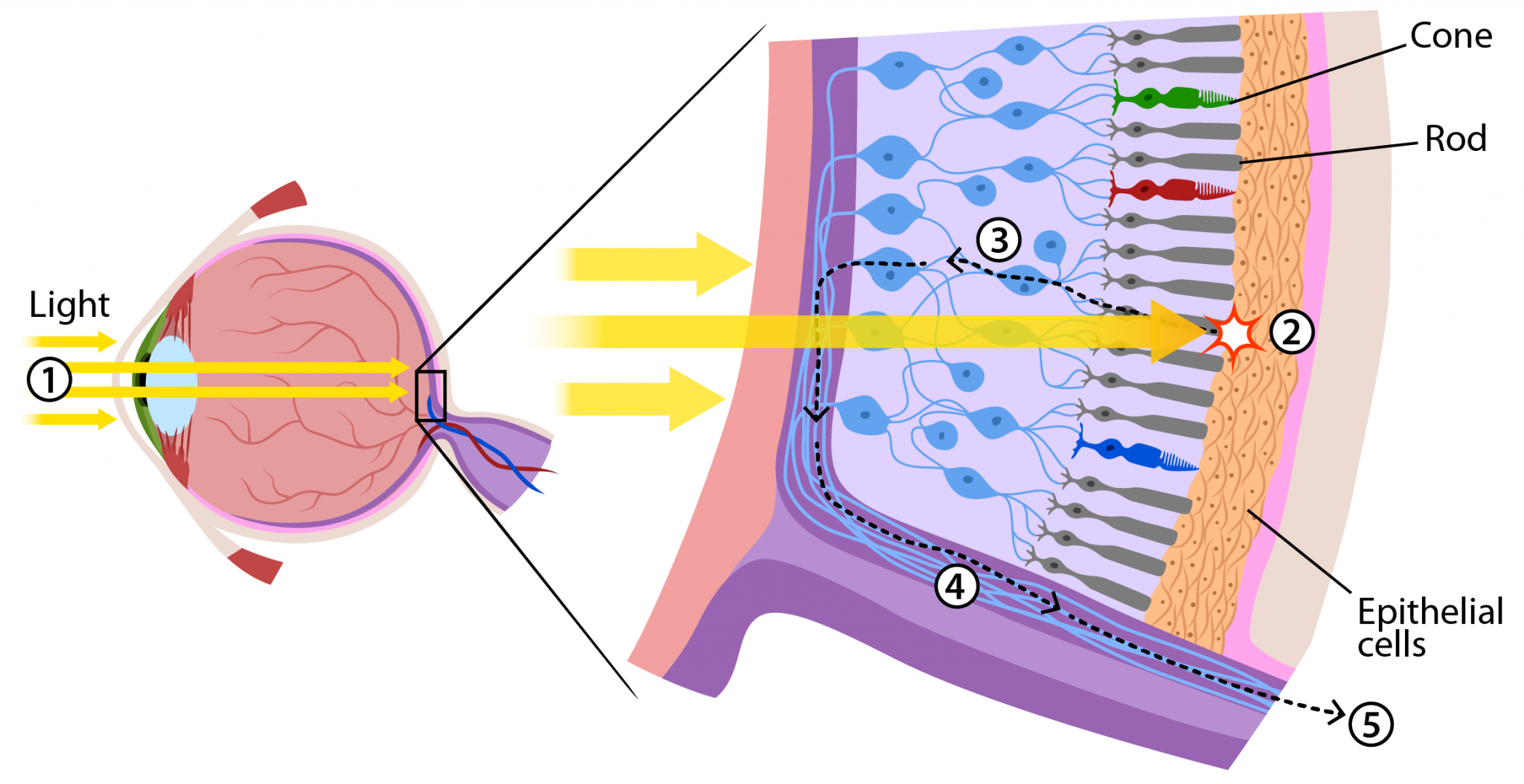
The human eye can distinguish approximately 10 million different colours. This incredible ability comes from specialised photoreceptor cells in the retina known as cones.
There are three types of cones:
- Red-sensitive cones
- Green-sensitive cones
- Blue-sensitive cones
These cells work together to interpret different wavelengths of light, allowing you to perceive a vast spectrum of colours.
Some individuals, particularly women, may even have a fourth type of cone—a condition known as tetrachromacy—which allows them to see even more colour variations than the average person.
Read Also: Your Daily Routine Is Either Making You or Breaking You – The Choice Is Yours.

2. Vision Is Mostly Controlled by the Brain

Many people assume that the eyes do all the work when it comes to seeing. In reality, the eyes simply capture light and send signals to the brain.
The visual cortex, located in the occipital lobe, processes these signals and turns them into recognisable images.
This explains why:
- You can recognise faces instantly
- Your brain fills in missing visual information
- Optical illusions can trick your perception
In essence, your eyes are like cameras—but your brain is the true “viewer.”
3. The Eye Processes Information Extremely Fast
The human visual system can process images in as little as 13 milliseconds.
To put this into perspective:
- A blink takes about 100–150 milliseconds
- Your eye processes images nearly 10 times faster than a blink
This speed is essential for:
- Detecting danger
- Coordinating movement
- Tracking fast-moving objects
4. Rod Cells Help You See in the Dark

The retina contains two main types of photoreceptors:
- Rods (for low light)
- Cones (for color and detail)
Rods are highly sensitive to light but do not detect color. This is why your night vision appears in shades of grey.
Interestingly, rods are more concentrated around the edges of your retina. That’s why you can sometimes see faint objects better out of the corner of your eye in the dark.
Read Also: Is Potash(Kaun) in Beans and Wakye Slowly Damaging Your Liver and Kidneys?
5. Every Eye Has a Blind Spot
Each eye has a natural blind spot where the optic nerve exits the retina. This area contains no photoreceptor cells, meaning it cannot detect light.
However, you don’t notice this blind spot because your brain automatically fills in the missing information using surrounding visual data.
This phenomenon demonstrates just how powerful and adaptive your brain is.
6. Tears Are Complex and Essential for Eye Health
Tears are not just water—they are made up of three layers:
- Oil layer (prevents evaporation)
- Water layer (hydrates and nourishes)
- Mucus layer (helps spread tears evenly)
Tears serve several important functions:
- Protecting against infections
- Washing away debris
- Keeping the eye surface smooth
There are even different types of tears:
- Basal tears (constant lubrication)
- Reflex tears (response to irritants)
- Emotional tears (linked to feelings)
7. Your Iris Is Unique Like a Fingerprint

The iris is the colored part of your eye, and its pattern is completely unique to you.
No two people have identical iris patterns—not even identical twins.
Because of this uniqueness, iris recognition technology is widely used in:
- Security systems
- Smartphones
- Border control systems
8. Your Eyes Are Always Moving
Even when you’re staring at a fixed object, your eyes are constantly making tiny movements called microsaccades.
These movements:
- Prevent visual fading
- Enhance detail perception
- Help maintain focus
Without microsaccades, your vision would actually fade when looking at a stationary object.
9. Babies Don’t Produce Tears Immediately
Newborn babies cry, but they often don’t produce visible tears until they are a few weeks old.
This is because their tear glands are not fully developed at birth.
As the glands mature, tear production increases, allowing proper lubrication and protection of the eyes.
Read Also: Is Soursop Good for Fatty Liver? Benefits, Risks & Expert Insights
10. The Cornea Gets Oxygen Directly from the Air
The cornea is the transparent front layer of the eye. Unlike most tissues in the body, it has no blood vessels.
Instead, it receives oxygen directly from the air.
This is why:
- Proper blinking is essential
- Contact lenses must allow oxygen flow
- Extended lens use can cause discomfort
11. You Blink Thousands of Times a Day
On average, a person blinks 15–20 times per minute. That adds up to over 20,000 blinks per day.
Blinking helps:
- Spread tears evenly
- Remove dust and particles
- Prevent dryness
Interestingly, screen use (phones, laptops) reduces blinking rate, which can lead to dry eyes and discomfort.
12. Your Brain Flips Images Automatically
When light enters your eye, the image formed on the retina is actually upside down.
However, your brain automatically flips the image so you perceive it correctly.
This process happens instantly and unconsciously, showing just how advanced your visual system is.
How to Keep Your Eyes Healthy
Understanding these facts is important—but protecting your vision is even more critical.
Eat Eye-Friendly Foods

Include:
- Carrots (rich in vitamin A)
- Leafy greens (lutein and zeaxanthin)
- Fish (omega-3 fatty acids)
Follow the 20-20-20 Rule
Every 20 minutes:
- Look at something 20 feet away
- For at least 20 seconds
This reduces eye strain from screens.
Protect Your Eyes from UV Light
Wear sunglasses when outdoors to prevent long-term damage.
Stay Hydrated
Proper hydration supports tear production and prevents dry eyes.
Get Regular Eye Checkups
Early detection of problems like glaucoma or refractive errors can prevent vision loss.
Read Also: Soursop Leaves: The Magical Underrated Benefits.
Conclusion
The human eye is a remarkable organ that combines biology, physics, and neuroscience into one seamless system. From detecting millions of colours to working closely with the brain to interpret images, your eyes are constantly performing complex tasks without you even realising it.
By understanding how your eyes work and taking steps to protect them, you can maintain healthy vision for years to come.