Author: kwamebrew

  • How Stress is Making You Grow and Look Older Than Your Age

    How Stress is Making You Grow and Look Older Than Your Age

    Stress is Making You Grow and Look Older– Ever looked in the mirror and thought, Why do I look older than I actually am? The answer might not be in your skincare routine or genetics—it could be stress. Chronic stress doesn’t just make you feel exhausted; it accelerates aging, making you look and feel older than you should.

    Read Also: The major role sleep plays in weight loss.

    The Science Behind Stress and Aging

    Stress is your body’s natural response to challenges. In small doses, it helps you stay alert and focused. However, when stress becomes chronic—whether from work, relationships, financial struggles, or daily responsibilities—it starts to take a toll on your physical and mental well-being.

    Your body responds to stress by releasing cortisol, the so-called stress hormone. While cortisol is useful in short bursts, prolonged exposure can damage cells, break down collagen (which keeps your skin firm and youthful), and cause premature aging.

    1. Stress Wreaks Havoc on Your Skin

    Stress is Making You Grow and Look Older

    Your skin is one of the first places stress manifests. Have you ever noticed breakouts or dull skin after a stressful period? That’s because stress weakens the skin’s barrier, making it more prone to dryness, wrinkles, and acne.

    • Collagen Breakdown: Collagen is the protein that keeps your skin smooth and firm. Chronic stress increases inflammation, leading to collagen degradation and the appearance of fine lines and sagging skin.
    • Increased Oil Production: Stress triggers an overproduction of oil, leading to acne, clogged pores, and a tired-looking complexion.
    • Dark Circles and Eye Bags: Lack of sleep due to stress results in fluid retention and poor circulation, leading to puffy eyes and dark circles.

    2. Stress Causes Hair Thinning and Greying

    Your hair can also suffer due to chronic stress. High levels of cortisol disrupt the natural growth cycle, leading to excessive shedding, thinning, and even early greying.

    • Telogen Effluvium: This condition occurs when stress pushes hair follicles into a resting phase, causing noticeable hair loss.
    • Premature Greying: Stress affects melanocytes, the cells responsible for hair pigment, leading to early greying.

    3. Stress Makes You Gain Weight and Lose Muscle Tone

    Have you noticed how stress makes you crave sugary and high-calorie foods? That’s because stress hormones drive you to eat more, leading to weight gain, especially around the midsection. Stress also reduces muscle tone, making your body look less firm and youthful.

    • Belly Fat Accumulation: High cortisol levels encourage fat storage around the abdomen, increasing the risk of metabolic diseases.
    • Muscle Breakdown: Chronic stress decreases protein synthesis, leading to muscle loss and a weaker body structure.

    4. Stress Affects Your Posture and Energy Levels

    When you’re stressed, you may hunch over more, whether at your desk or while using your phone. Over time, poor posture can lead to back pain, a stooped stance, and an overall older appearance.

    • Slouched Posture: Makes you look tired and older.
    • Fatigue: Constant stress drains your energy, making you feel sluggish and affecting your overall vitality.

    5. Stress Accelerates Internal Aging

    Beyond what you see in the mirror, stress also accelerates aging at a cellular level. Studies show that chronic stress shortens telomeres—the protective caps on the ends of DNA strands. Shortened telomeres are linked to a shorter lifespan and increased risks of diseases like diabetes, heart disease, and dementia.

    Read Also: Your Toothpaste Might Be Slowly Poisoning You – Here’s Why

    How to Slow Down Stress-Induced Aging

    Stress is Making You Grow and Look Older

    The good news? You can reverse some of the damage stress has caused by making intentional lifestyle changes.

    • Prioritize Sleep: Aim for at least 7–9 hours of quality sleep each night to allow your body to repair itself.
    • Practice Mindfulness: Engage in meditation, deep breathing, or yoga to reduce stress levels.
    • Stay Active: Exercise releases endorphins, which counteract stress and keep you looking and feeling younger.
    • Eat a Healthy Diet: Focus on antioxidant-rich foods like fruits, vegetables, nuts, and fish to combat inflammation and promote skin health.
    • Stay Hydrated: Dehydration can make your skin look tired and aged, so drink plenty of water daily.
    • Take Breaks and Set Boundaries: Avoid burnout by setting limits at work and taking time for relaxation.
    • Laugh More: Laughter reduces stress hormones and helps you maintain a youthful glow.

    Aging is natural, but stress can make it happen faster than it should. If you’ve been feeling and looking older than your actual age, take a step back and evaluate how stress is affecting your life. By making small, consistent changes, you can slow down stress-induced aging and reclaim your youthful glow—inside and out.

    8 Ways That Stress Shows On Your Face: The Aging Effects Of Anxiety
  • Functional Foods: How to Incorporate Them into Your Diet for Optimal Health

    Functional Foods: How to Incorporate Them into Your Diet for Optimal Health

    What Are Functional Foods?

    Functional foods are foods that offer health benefits beyond basic nutrition. They contain bioactive compounds, vitamins, minerals, and other nutrients that promote overall well-being and may help reduce the risk of chronic diseases. These foods can be naturally occurring, such as fruits and vegetables, or fortified with additional nutrients, like calcium-enriched orange juice.

    Health Benefits of Functional Foods

    Functional foods contribute to better health in multiple ways. Some of their key benefits include:

    1. Boosting Immunity – Foods like garlic, ginger, and yogurt contain antioxidants and probiotics that enhance immune function.
    2. Supporting Heart Health – Omega-3-rich foods such as salmon, flaxseeds, and walnuts help lower cholesterol and reduce the risk of heart disease.
    3. Improving Gut Health – Probiotics and prebiotics found in fermented foods like kimchi, kefir, and yogurt promote a balanced gut microbiome.
    4. Enhancing Brain Function – Foods like blueberries, dark chocolate, and fatty fish contain nutrients that improve cognitive function and memory.
    5. Regulating Blood Sugar Levels – High-fiber foods like whole grains, legumes, and leafy greens help maintain stable blood sugar levels and support metabolic health.
    6. Reducing Inflammation – Turmeric, green tea, and nuts contain anti-inflammatory compounds that help prevent chronic conditions like arthritis and diabetes.

    Read Also: The Science Behind Déjà Vu: Unlocking the Mystery of the Mind

    How to Incorporate Functional Foods into Your Diet

    Adding functional foods to your meals is simple and can be done in various creative ways. Here’s how you can seamlessly integrate them into your diet:

    1. Start Your Day with a Nutrient-Packed Breakfast

    • Smoothies: Blend spinach, bananas, Greek yogurt, and chia seeds for a nutritious start.
    • Oatmeal: Add flaxseeds, nuts, and berries to boost fiber and antioxidants.
    • Eggs: Pair with avocado and whole-grain toast for a balanced meal rich in healthy fats and protein.

    2. Choose Functional Foods for Snacks

    • Nuts and Seeds: Almonds, walnuts, and sunflower seeds provide healthy fats and antioxidants.
    • Greek Yogurt with Honey: Rich in probiotics, this snack supports digestion and gut health.
    • Dark Chocolate (70% Cocoa or Higher): Contains flavonoids that improve heart health.

    3. Incorporate Functional Foods into Lunch and Dinner

    Functional Foods
    • Salads: Toss in leafy greens, quinoa, nuts, and seeds for added nutrients.
    • Soups and Stews: Include beans, lentils, and turmeric to enhance fiber and anti-inflammatory benefits.
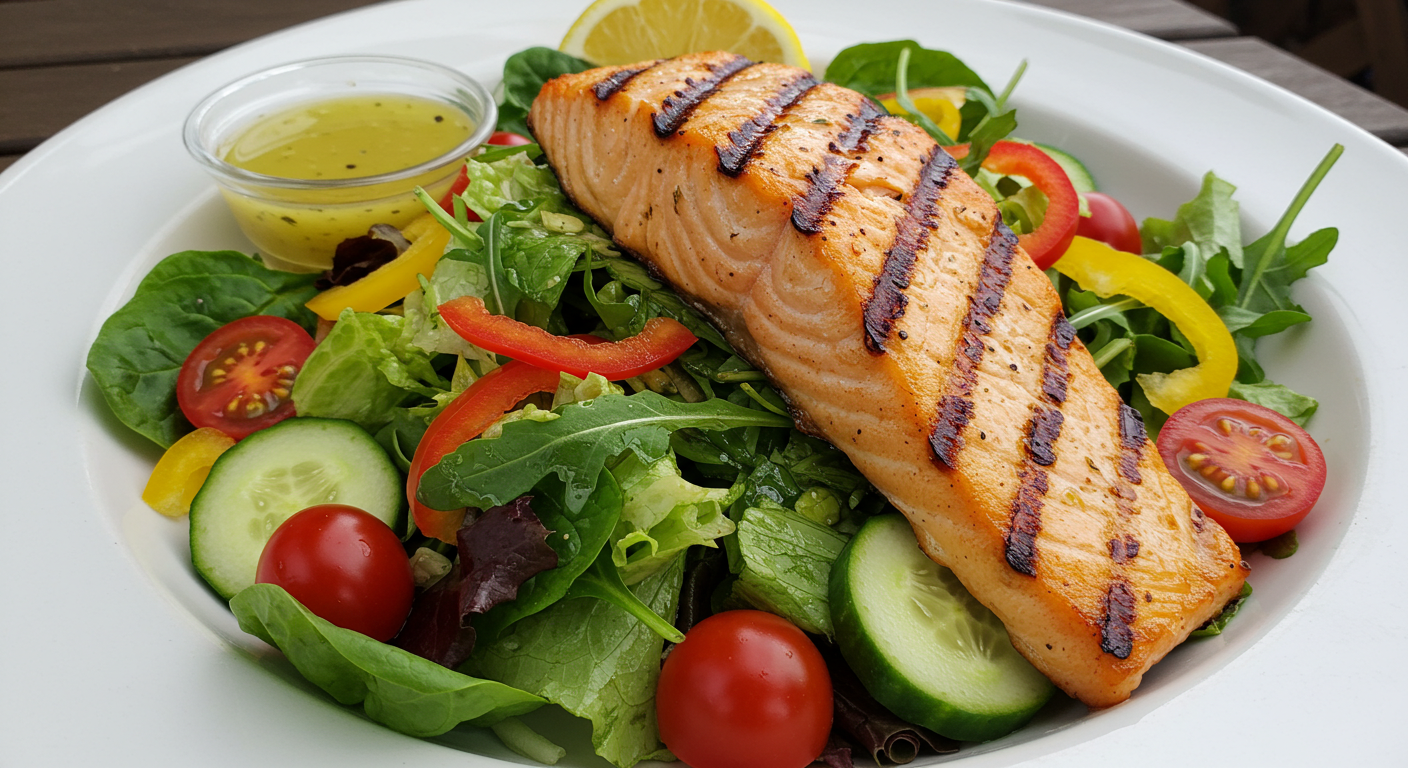
    • Grilled Fish: Choose salmon or mackerel for their high omega-3 content.

    4. Replace Processed Foods with Whole, Functional Foods

    • Swap white rice for quinoa or brown rice to increase fiber intake.
    • Replace sugary drinks with green tea or infused water for antioxidant benefits.
    • Choose whole-grain bread over refined white bread for improved digestion and heart health.

    5. Use Herbs and Spices for Added Health Benefits

    • Add turmeric to curries or golden milk for its anti-inflammatory properties.
    • Use garlic and ginger in cooking to boost immune function.
    • Sprinkle cinnamon over oatmeal or coffee to help regulate blood sugar levels.

    Read Also: The Okra & Water Trend: What Science Says About Its Health Benefits

    Conclusion

    Incorporating functional foods into your daily diet is an effective way to support overall health and prevent chronic diseases. Whether through small changes like adding flaxseeds to your breakfast or replacing processed snacks with nutrient-rich alternatives, these simple adjustments can have a lasting impact on your well-being. Start making conscious food choices today and experience the benefits of functional foods for a healthier future.

    Follow My Facebook Page: infohealthgh

  • According to Health Experts, Here Are a Number of Ways to Manage Stress

    According to Health Experts, Here Are a Number of Ways to Manage Stress

    Ways to Manage Stress– Stress is an inevitable part of life. Whether it stems from work, relationships, financial struggles, or health concerns, stress can take a significant toll on our physical and mental well-being. While short-term stress can be a motivating factor, chronic stress has been linked to various health issues, including high blood pressure, heart disease, anxiety, and weakened immunity.

    Fortunately, health experts emphasize that managing stress effectively can reduce its negative impact and improve overall well-being. Below are research-backed strategies to help you handle stress and maintain a balanced, healthy life.

    1. Practice Mindfulness and Meditation

    Mindfulness and meditation have gained widespread recognition for their ability to reduce stress. A study published in JAMA Internal Medicine found that mindfulness meditation programs significantly reduced anxiety, depression, and stress in participants.

    • How to practice mindfulness: Focus on the present moment without judgment. This can be done through deep breathing, guided meditation, or simply observing your thoughts.
    • Benefits: Lowers cortisol (the stress hormone), improves emotional regulation, and enhances overall mental clarity.

    2. Exercise Regularly

    Ways to Manage Stress
    Ways to Manage Stress

    Physical activity is one of the most effective ways of managing stress. Exercise releases endorphins, which are natural mood boosters, and helps lower cortisol levels.

    • Best exercises for stress relief:
      • Aerobic exercises (running, swimming, cycling)
      • Yoga (combines physical movement with breath control and relaxation)
      • Strength training (helps build resilience and mental toughness)

    A study published in the American Journal of Psychiatry found that even 30 minutes of moderate exercise five times a week significantly reduces stress and anxiety symptoms.

    3. Maintain a Healthy Diet

    Ways to Manage Stress
    Ways to Manage Stress

    What you eat plays a crucial role in how your body responds to stress. Foods high in sugar and processed carbohydrates can cause spikes in blood sugar, leading to mood swings and increased anxiety.

    • Stress-reducing foods:
      • Fatty fish (rich in omega-3 fatty acids, which reduce inflammation)
      • Dark chocolate (contains antioxidants that lower stress hormones)
      • Nuts and seeds (provide magnesium, a mineral linked to reduced stress)
      • Herbal teas (chamomile and green tea have calming effects)

    According to a study in Psychosomatic Medicine, omega-3-rich foods can reduce the body’s stress response and improve mood.

    4. Prioritize Sleep

    Ways to Manage Stress
    Ways to Manage Stress

    Poor sleep increases stress levels and affects overall health. Chronic sleep deprivation can elevate cortisol levels and lead to fatigue, irritability, and reduced cognitive function.

    • Tips for better sleep:
      • Stick to a consistent sleep schedule.
      • Avoid screens (TV, phones, tablets) at least an hour before bedtime.
      • Create a relaxing bedtime routine (reading, meditation, or light stretching).

    The National Sleep Foundation recommends 7–9 hours of quality sleep per night for adults to help with managing stress and overall health.

    5. Practice Deep Breathing and Relaxation Techniques

    Deep breathing exercises help activate the parasympathetic nervous system, which counteracts the body’s stress response.

    • Techniques to try:
      • 4-7-8 breathing: Inhale for 4 seconds, hold for 7 seconds, and exhale for 8 seconds.
      • Progressive muscle relaxation: Tense and relax different muscle groups to release physical tension.

    Studies in the Journal of Behavioral Medicine show that deep breathing can reduce blood pressure and heart rate, helping the body enter a relaxed state.

    6. Stay Connected and Seek Support

    Social support plays a crucial role in stress management. Talking to friends, family, or a therapist can provide emotional support and a fresh perspective on stressful situations.

    • Ways to stay connected:
      • Join a support group or engage in community activities.
      • Schedule regular catch-ups with loved ones.
      • Consider professional counseling if stress becomes overwhelming.

    Research from Harvard Medical School shows that strong social connections can lower cortisol levels and improve resilience to stress.

    Read Also: Increased Risk of Cancer Amongst Younger People

    7. Manage Time Effectively

    Feeling overwhelmed by responsibilities is a common stressor. Poor time management can lead to frustration, anxiety, and burnout.

    • Time management tips:
      • Prioritize tasks using the Eisenhower Matrix (urgent vs. important tasks).
      • Break big projects into smaller, manageable steps.
      • Use productivity tools (to-do lists, calendar apps, or time-blocking techniques).

    A study in the Journal of Applied Psychology found that individuals who practiced effective time management reported lower stress levels and higher job satisfaction.

    8. Engage in Hobbies and Leisure Activities

    Taking time for enjoyable activities is essential for relaxation and mental health. Engaging in hobbies reduces stress and provides a sense of accomplishment.

    • Relaxing hobbies to try:
      • Painting, drawing, or writing
      • Gardening or spending time in nature
      • Playing a musical instrument
      • Cooking or baking

    A study in The Journal of Positive Psychology found that people who regularly engage in hobbies experience higher levels of positive emotions and lower levels of stress.

    9. Limit Caffeine and Alcohol Consumption

    While caffeine can provide a temporary energy boost, excessive consumption can lead to heightened stress and anxiety. Similarly, alcohol may seem like a stress reliever, but it can disrupt sleep and increase cortisol levels over time.

    • Healthier alternatives:
      • Herbal teas or decaffeinated coffee
      • Water or natural fruit juices
      • Adaptogenic herbs like ashwagandha, known to help reduce stress

    The Journal of Clinical Nutrition reported that excessive caffeine intake can interfere with the body’s ability to regulate stress hormones effectively.

    Read Also: How Your Smartphone is Secretly Damaging Your Brain.

    10. Adopt a Positive Mindset

    Cultivating a positive mindset can significantly affect how you respond to stress. Practicing gratitude and reframing negative thoughts can shift your perspective.

    • Ways to foster positivity:
      • Keep a gratitude journal and list things you’re thankful for daily.
      • Replace negative thoughts with constructive ones.
      • Surround yourself with supportive and optimistic people.

    A study from The Journal of Behavioral Medicine found that individuals who practiced gratitude had lower stress levels and better overall mental health.

    Coclusion

    Stress is unavoidable, but how we respond to it makes all the difference. By implementing these expert-backed strategies, you can develop resilience and maintain a healthier, more balanced life. Remember, managing stress is an ongoing process that requires consistent effort and self-awareness. Whether it’s through mindfulness, exercise, healthy eating, or social support, finding what works best for you will lead to a happier and healthier life.

    By taking proactive steps to reduce stress, you are investing in your long-term well-being and improving your quality of life. Start small, be consistent, and prioritize your mental and physical health every day.

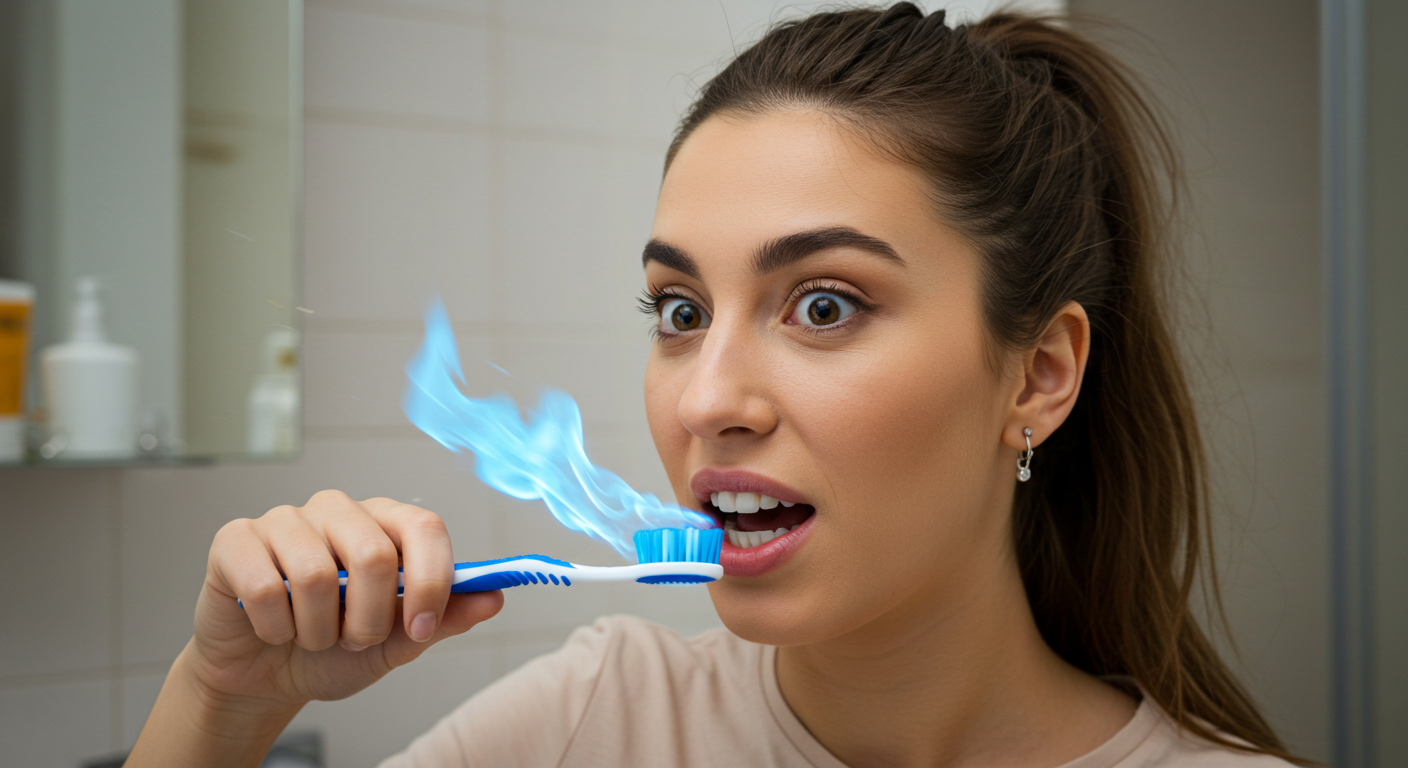
  • Your Toothpaste Might Be Slowly Poisoning You – Here’s Why

    Your Toothpaste Might Be Slowly Poisoning You – Here’s Why

    Back in the day, our ancestors used to rely on using chewing sticks and wood sponges to maintain their oral health but modernisation brought about new inventions and improved ways of keeping our mouth and breadth fresh and healthy.

    Toothpaste is something we use every day, trusting it to keep our teeth clean and our breath fresh. However, what if the very product designed to protect our oral health contained harmful chemicals? Your toothpaste might be slowly poisoning you due to toxic ingredients found in many popular brands. Scientific studies have revealed that some toothpaste components can have long-term health effects, raising concerns about their safety.

    I today’s post we will talk about your toothpaste and how it is killing you slowly. Yes, you read that right. We will delve into the topic and discuss science-based studies conducted on the common ingredients that we find is most toothpastes in the market.

    The Hidden Dangers in Your Toothpaste

    Many commercial toothpastes contain chemicals that, when used over time, may pose risks to your overall health. While the amounts per use may seem small, daily exposure over the years can accumulate, leading to potential harm. Here are some of the most concerning ingredients:

    1. Fluoride – Friend or Foe?

    Your Toothpaste Might Be Slowly Poisoning You

    Fluoride has been praised for its role in preventing cavities, but excessive exposure has been linked to serious health concerns. A 2019 study published in JAMA Pediatrics found that high fluoride intake during pregnancy was associated with lower IQ scores in children. Furthermore, a report from the National Research Council (NRC) concluded that long-term fluoride consumption could contribute to thyroid dysfunction and skeletal fluorosis, a condition that weakens bones.

    While fluoride is effective at strengthening enamel, swallowing too much—especially by children—can lead to toxicity. Your toothpaste might be slowly poisoning you if you are unknowingly ingesting fluoride beyond safe levels.

    Read Also: Doctors Won’t Tell You This, But Sitting is Worse Than Smoking!

    2. Triclosan – Banned in Soaps, Still in Toothpaste

    Your Toothpaste Might Be Slowly Poisoning You

    Triclosan, an antibacterial agent, was banned from soaps by the FDA in 2016 due to concerns over antibiotic resistance and endocrine disruption. However, it is still found in some toothpastes. A study published in Environmental Science & Technology revealed that triclosan can accumulate in the body, affecting hormone balance and potentially increasing the risk of breast cancer.

    If this ingredient was deemed too dangerous for hand soap, why is it still allowed in toothpaste? The long-term effects of triclosan exposure raise serious questions about its safety.

    3. Sodium Lauryl Sulfate (SLS) – The Foaming Toxin

    SLS is responsible for the foaming action in toothpaste, but it has been linked to oral irritation and mouth ulcers. A study in the Journal of Clinical Periodontology found that individuals who used SLS-free toothpaste experienced fewer canker sores. Additionally, SLS is a known skin irritant and can disrupt the delicate tissues inside the mouth.

    4. Artificial Sweeteners and Dyes – More Than Just a Cosmetic Issue

    Many toothpastes contain artificial sweeteners like saccharin and aspartame, which have been linked to metabolic disorders. Research in Food and Chemical Toxicology suggests that artificial sweeteners can interfere with gut bacteria, potentially leading to digestive and immune system issues.

    Similarly, artificial dyes like Blue 1 and Red 40 have been associated with hyperactivity in children and potential carcinogenic effects. These additives serve no functional purpose in dental health but may contribute to health risks.

    5. Titanium Dioxide – A Potential Carcinogen?

    Your Toothpaste Might Be Slowly Poisoning You

    Titanium dioxide (TiO2) is used in toothpaste to give it a bright white appearance. However, in 2021, the European Food Safety Authority (EFSA) declared TiO2 unsafe as a food additive due to its potential DNA-damaging effects. While its absorption through toothpaste remains under debate, the concerns about its long-term safety cannot be ignored.

    Are Natural Toothpaste Safer?

    With growing awareness of these risks, many people are switching to natural or fluoride-free toothpaste alternatives. Brands that use safer ingredients like calcium carbonate, xylitol, baking soda, and herbal extracts provide effective cleaning without the risks associated with harmful chemicals.

    A study published in Caries Research found that xylitol-based toothpaste were effective in reducing cavity-causing bacteria. Additionally, baking soda-based toothpaste has been shown to whiten teeth naturally and neutralize harmful acids in the mouth.

    Read Also: The Science Behind Déjà Vu: Unlocking the Mystery of the Mind

    How to Choose a Safer Toothpaste

    If you want to avoid potentially toxic ingredients in toothpaste, here are some tips:

    • Check the ingredient list – Avoid fluoride if you are already getting it from other sources like water.
    • Go SLS-free – This can help prevent mouth irritation and ulcers.
    • Choose natural antibacterial agents – Look for ingredients like tea tree oil and neem instead of triclosan.
    • Avoid artificial sweeteners and dyes – They provide no real benefit and come with health risks.
    • Consider remineralizing toothpaste – Some natural options contain hydroxyapatite, a safe alternative to fluoride.

    Final Thoughts

    Brushing your teeth is essential for maintaining good oral hygiene, but it’s equally important to be mindful of what’s in your toothpaste. Your toothpaste might be slowly poisoning you if it contains harmful chemicals that build up in your system over time. By making informed choices and opting for safer alternatives, you can protect both your oral health and overall well-being.

    Switching to a healthier toothpaste might seem like a small change, but it can have a big impact in the long run. The next time you pick up a tube of toothpaste, take a closer look at the label—because what you don’t know might just be harming you.

  • How Your Smartphone is Secretly Damaging Your Brain.

    How Your Smartphone is Secretly Damaging Your Brain.

    In today’s digital age, smartphones have become an essential part of our daily lives. We rely on them for communication, work, entertainment, and even education. However, while these devices offer convenience, they also come with hidden dangers that can severely impact our brain health. From the effects of blue light and radiation to the constant bombardment of notifications, your smartphone is secretly damaging your brain in ways you may not even realize.

    The worst part is that these negative effects can be so subtle that you often wouldn’t notice it. For children, it is even worse and hinders their cognitive development. Let us delve into the effects and tips that helped me to break this cycle.

    1. The Effects of Blue Light on Your Brain

    One of the biggest culprits behind smartphone-induced brain damage is blue light exposure. Smartphones emit a significant amount of blue light, which interferes with the body’s natural sleep-wake cycle. The brain produces melatonin, a hormone responsible for regulating sleep, but excessive blue light exposure, especially at night, suppresses melatonin production.

    A study by Harvard Medical School found that blue light exposure before bedtime reduces melatonin production by 50%, leading to difficulty falling asleep and poor sleep quality. Chronic sleep deprivation has been linked to cognitive decline, memory problems, and an increased risk of neurodegenerative diseases like Alzheimer’s. If you find yourself scrolling through your phone late at night, you might unknowingly be sabotaging your brain’s ability to function optimally.

    Read Also: Clear Nasal Congestion with Bay Leaves: The Power of Bay Leaves

    2. Radiation and Its Impact on Brain Health

    Another concerning factor is the radiation emitted by smartphones. While the debate on the long-term effects of smartphone radiation is ongoing, several studies have raised alarms about potential health risks. Smartphones emit electromagnetic radiation (EMR), and while the levels are considered safe by regulatory bodies, prolonged exposure may have negative consequences.

    A study published in the International Journal of Environmental Research and Public Health highlighted that long-term exposure to EMR from smartphones could lead to changes in brain activity and even increase the risk of certain types of brain tumors. Additionally, some researchers suggest that smartphone radiation could contribute to oxidative stress in the brain, which accelerates aging and cognitive decline.

    3. Constant Notifications and Mental Health Decline

    Do you ever feel anxious when your phone vibrates or hear a notification sound? You’re not alone. The constant influx of messages, emails, and social media updates triggers the brain’s reward system, releasing dopamine—the same chemical associated with addiction.

    Frequent interruptions from notifications significantly reduce attention span and increase stress levels. When your brain is constantly switching tasks due to smartphone notifications, it struggles to focus, leading to decreased productivity and mental fatigue. Additionally, excessive smartphone use has been linked to increased anxiety, depression, and feelings of social isolation.

    How I Broke the Habit and Noticed a Change

    During my school days, I was glued to my smartphone. From late-night social media scrolling to constantly checking messages, my phone controlled my life. I struggled with sleep issues, found it difficult to concentrate on my studies, and often felt mentally drained.

    One day, I decided to make a change. I started by setting strict screen time limits, especially before bed. I also began using blue light filters on my devices and made a conscious effort to engage in real-world activities like reading, exercising, and spending time with family and friends. Over time, I noticed significant improvements—better sleep, increased focus, and an overall sense of mental clarity. The transition was challenging, but it was one of the best decisions I ever made for my brain health.

    READ ALSO: Six (6) Signs a Loved One Is On The verge of a Mental Breakdown.

    Ways to Reduce Smartphone-Related Brain Damage

    If you suspect that your smartphone is secretly damaging your brain, it’s time to take action. Here are some practical steps to reduce the negative impact:

    1. Limit Screen Time Before Bed

    Reduce blue light exposure by avoiding screens at least an hour before bedtime. Consider using a blue light filter or wearing blue light-blocking glasses. These days most smartphones come in built with features that you can enable to reduce blue light.

    2. Turn Off Unnecessary Notifications

    Reduce digital distractions by turning off non-essential notifications. This will help you stay focused and minimize stress.

    3. Use Airplane Mode When Not in Use

    Reduce exposure to smartphone radiation by switching to airplane mode when you don’t need your phone, especially when sleeping.

    4. Take Regular Breaks

    Follow the 20-20-20 rule: every 20 minutes, look away from your screen for 20 seconds and focus on something 20 feet away.

    5. Engage in Offline Activities

    Replace excessive screen time with activities that promote brain health, such as reading, exercising, or spending time with loved ones.

    READ ALSO = The Health Benefits of Guava Leaves: My Journey into Nature’s Pharmacy

    Conclusion

    While smartphones are undeniably useful, they come with hidden dangers that can significantly impact brain health. From blue light-induced sleep disturbances to radiation exposure and constant digital interruptions, your smartphone is secretly damaging your brain. The good news is that by adopting healthier smartphone habits, you can protect your mental well-being and improve cognitive function. If I could break the habit and see noticeable changes, so can you. It’s time to take control and use technology in a way that benefits, rather than harms, your brain.

  • This Common Household Item is Linked to Cancer – And You Use It Daily

    This Common Household Item is Linked to Cancer – And You Use It Daily

    We unknowingly expose ourselves to harmful chemicals hidden in the most common household items daily. The air freshener you spray, the processed foods you eat, and even the skincare products you apply may contain cancer-related ingredients. Research has increasingly pointed to certain chemicals—particularly parabens, synthetic air fresheners, and processed foods—as potential carcinogens, making them silent threats in our daily lives.

    Read Also: Doctors Won’t Tell You This, But Sitting is Worse Than Smoking!

    Parabens: The Silent Intruder in Your Skincare

    Household Item is Linked to Cancer

    Parabens are preservatives commonly found in shampoos, lotions, deodorants, and cosmetics. While they help prevent the growth of mould and bacteria, they come with significant health concerns.

    A study published in The Journal of Applied Toxicology found traces of parabens in breast cancer tissue samples, suggesting a potential link between these chemicals and cancer development. Parabens mimic estrogen in the body, disrupting hormonal balance and increasing the risk of hormone-related cancers, including breast and ovarian cancer.

    The European Union has already restricted the use of certain parabens in cosmetics, yet many products in the U.S. still contain them. To minimize exposure, look for paraben-free labels on skincare and beauty products and opt for natural preservatives like vitamin E or essential oils.

    Air Fresheners: Fresh Scents, Toxic Effects

    Your favourite air freshener may make your home smell inviting, but it could be doing more harm than good. Many air fresheners contain phthalates, formaldehyde, and volatile organic compounds (VOCs), all of which have been linked to serious health risks, including cancer.

    The Environmental Protection Agency (EPA) has classified formaldehyde as a known human carcinogen. A report from the Natural Resources Defense Council (NRDC) found that 86% of air fresheners tested contained phthalates, which interfere with hormone function and have been linked to reproductive issues and increased cancer risk.

    Instead of synthetic air fresheners, consider natural alternatives like essential oil diffusers, beeswax candles, or baking soda-based deodorizers.

    Processed Foods: A Hidden Cancer Risk on Your Plate

    Household Item is Linked to Cancer

    Convenient and widely available, processed foods have become a staple in modern diets. However, their high content of preservatives, artificial flavours, and chemical additives makes them a hidden cancer risk.

    A large-scale study published in The British Medical Journal (BMJ) found that increased consumption of ultra-processed foods was associated with a 12% higher risk of developing cancer. Processed meats, such as hot dogs, bacon, and sausages, contain nitrates and nitrites, which can form carcinogenic compounds called nitrosamines when heated.

    Additionally, foods high in refined sugars and trans fats contribute to chronic inflammation, a key factor in cancer development. To reduce your risk, choose whole, minimally processed foods, cook from scratch when possible, and prioritize fresh fruits, vegetables, and lean proteins.

    Read Also: The Science Behind Déjà Vu: Unlocking the Mystery of the Mind

    How to Protect Yourself

    Now that you know how parabens, air fresheners, and processed foods contribute to cancer risk, here are some practical steps to minimize exposure:

    • Read Labels: Look for paraben-free skincare and natural air fresheners.
    • Choose Fresh Air Over Synthetic Scents: Use houseplants, open windows, or natural sprays to improve air quality.
    • Limit Processed Foods: Focus on a whole-food diet rich in antioxidants.
    • Stay Informed: Research product ingredients and opt for safer alternatives.

    Final Thoughts

    Cancer-linked chemicals lurk in everyday household products, but awareness is the first step toward reducing exposure. By making simple changes—like switching to clean beauty products, using natural air fresheners, and avoiding highly processed foods—you can protect your long-term health.

    The next time you reach for your daily essentials, take a moment to check the ingredients. A small change today can lead to a healthier tomorrow.

    Follow Me on Facebook: Papa Brew

  • Doctors Won’t Tell You This, But Sitting is Worse Than Smoking!

    Doctors Won’t Tell You This, But Sitting is Worse Than Smoking!

    In Summary

    ✅ Sitting is worse than smoking – Prolonged sitting increases the risk of early death, just like smoking.

    ✅ Higher risk of heart disease – Sitting too long increases cardiovascular disease risk by 147% (American Heart Association).

    ✅ Reduces metabolism – Leads to weight gain, insulin resistance, and slower digestion.

    ✅ Can shorten life expectancy – Cutting sitting time to under 3 hours per day could add 2 years to your life (BMJ Open study).

    ✅ Increases risk of diabetes – Long sitting hours contribute to insulin resistance and type 2 diabetes (Diabetologia study).

    ✅ Raises cholesterol & blood pressure – Sitting slows blood circulation, leading to fatty buildup in arteries.

    ✅ Linked to cancer – Higher risks of colon, lung, and endometrial cancers due to prolonged inactivity.

    ✅ Weaker muscles & bones – Sitting too much causes muscle atrophy and increases osteoporosis risk.

    Read Also: Increased Risk of Cancer Amongst Younger People

    In today’s modern world, most of us spend hours sitting—whether at work, during our daily commute, or while watching TV. But what if we told you that your chair might be harming you more than cigarettes? Research now shows that prolonged sitting is worse than smoking when it comes to long-term health risks. From slowing down metabolism to increasing the risk of heart disease and reducing life expectancy, the dangers of a sedentary lifestyle cannot be ignored.

    The Science Behind “Sitting is Worse Than Smoking”

    A groundbreaking study conducted by Dr. James Levine, a researcher at the Mayo Clinic, coined the phrase “sitting is the new smoking.” According to his research, sitting for extended periods has been linked to obesity, diabetes, cardiovascular diseases, and even premature death. In fact, a 2018 study published in The American Journal of Epidemiology found that individuals who sat for more than six hours a day had a 19% higher risk of dying earlier compared to those who sat for fewer than three hours a day.

    How Sitting Affects Your Metabolism

    When you sit for prolonged periods, your body enters a state of low energy expenditure. This can lead to:

    • Reduced calorie burning – Compared to standing or walking, sitting burns far fewer calories, leading to weight gain over time.
    • Insulin resistance – Studies have shown that sitting for too long can make cells more resistant to insulin, increasing the risk of type 2 diabetes.
    • Slower digestion – Sitting after meals slows down digestion, leading to bloating, heartburn, and even gastrointestinal issues.

    A study published in Diabetologia (2016) found that breaking up long sitting periods with short bursts of movement significantly improved blood sugar levels and insulin sensitivity. This means that simply standing or walking for a few minutes every hour can help counteract some of the harmful effects of sitting.

    Sitting and Heart Health: A Dangerous Connection

    One of the most alarming consequences of prolonged sitting is its impact on heart health. Research from the American Heart Association suggests that excessive sitting is linked to a 147% increase in the risk of cardiovascular diseases. This happens because:

    • Blood flow slows down – When we sit, circulation decreases, leading to a buildup of fatty acids in the blood vessels.
    • Increased risk of high blood pressure – Lack of movement can cause blood pressure to rise, straining the heart over time.
    • Higher cholesterol levels – Prolonged sitting has been associated with lower levels of good (HDL) cholesterol and higher levels of bad (LDL) cholesterol.

    A long-term study published in Circulation (2011) followed over 8,000 adults and found that those who sat for more than four hours a day watching TV had a 50% higher risk of heart-related diseases compared to those who sat for less than two hours.

    Read Also: A new study establishes a link between sanitizers and brain development.

    How Sitting Reduces Life Expectancy

    A study published in BMJ Open (2012) found that reducing sitting time to fewer than three hours per day could add two years to a person’s life expectancy. Sitting too much has been linked to:

    • Increased risk of cancer – Studies have found that prolonged sitting increases the risk of colon, endometrial, and lung cancer.
    • Weaker muscles and bones – Sitting for long periods leads to muscle atrophy and weaker bones, increasing the risk of osteoporosis and falls in older adults.
    • Higher risk of early death – A study in The Lancet (2016) concluded that those who sit for over eight hours a day without regular physical activity have a mortality risk similar to that of smokers.

    Breaking the Cycle: What Can You Do?

    If you spend most of your day sitting, don’t worry—there are simple ways to counteract its harmful effects:

    1. Take movement breaks – Stand up and stretch every 30 minutes.
    2. Use a standing desk – If possible, switch between sitting and standing throughout the day.
    3. Walk more – Aim for at least 10,000 steps per day to improve circulation and metabolism.
    4. Do desk exercises – Simple leg lifts, seated marches, or stretching can keep blood flowing.
    5. Replace sitting activities – Swap some of your TV time for a walk or an active hobby like dancing or yoga.

    Final Thoughts

    It’s time to rethink our daily habits. The evidence is clear: sitting is worse than smoking when it comes to long-term health risks. While we can’t eliminate sitting completely, making small changes like moving more throughout the day can have a significant impact on our well-being. Remember, every step counts. As you go through your day today, remember that reducing sedentary time could add years to your life. Don’t let your chair take away your health—get moving.

  • The Science Behind Déjà Vu: Unlocking the Mystery of the Mind

    The Science Behind Déjà Vu: Unlocking the Mystery of the Mind

    Introduction

    Have you ever walked into a place you’ve never been before and felt an uncanny sense of familiarity? Or perhaps you’ve had a conversation with someone and suddenly felt like you’ve experienced the exact moment before. This mysterious phenomenon is called déjà vu, a French term meaning “already seen.”

    Science Behind Déjà Vu
    Science Behind Déjà Vu

    While it may feel eerie or supernatural, déjà vu has a basis in neuroscience and psychology. Scientists have spent years attempting to unravel the cause of this sensation, and while no single explanation has been definitively proven, several compelling theories offer insight into why it happens.

    In this blog post, we will explore the science behind déjà vu, examining how memory, brain function, and perception work together to create this fascinating experience.

    What Is Déjà Vu?

    Déjà vu is a psychological phenomenon in which a person experiences a strong feeling that they have encountered a particular situation before, even when they logically know they haven’t. This experience is usually fleeting, lasting only a few seconds, and occurs randomly. Despite being widely reported, déjà vu remains one of the least understood cognitive experiences, making it a subject of great interest for neuroscientists and psychologists alike.

    Research suggests that 60-80% of people experience déjà vu at some point in their lives. It is more commonly reported by young adults, particularly between the ages of 15 and 25. While déjà vu is generally harmless, it has been linked to specific neurological conditions such as epilepsy, indicating that it may have roots in the brain’s memory and perception systems.

    Science Behind Déjà Vu
    Science Behind Déjà Vu

    Read Also: The Okra & Water Trend: What Science Says About Its Health Benefits

    Scientific Theories Explaining Déjà Vu

    Scientists have developed multiple theories to explain why déjà vu occurs. While no single explanation has been universally accepted, several compelling hypotheses offer valuable insights.

    1. Memory Processing Error (Dual Processing Theory)

    One of the most widely accepted theories about déjà vu suggests that it results from a temporary glitch in the brain’s memory system. The brain processes information through two primary pathways:

    • Familiarity (Recognition Memory): This system helps us recognize places, people, and experiences without remembering specific details.
    • Recollection (Explicit Memory): This system retrieves detailed memories of past experiences.

    In a déjà vu experience, the brain mistakenly triggers the familiarity system before the recollection system catches up. This causes the brain to recognize a situation as familiar, even though no actual memory is associated with it.

    2. Temporal Lobe Activity and the Brain’s Role

    The temporal lobe, particularly the hippocampus and medial temporal cortex, plays a crucial role in memory formation and retrieval. Neuroscientific studies have found that déjà vu is closely related to abnormal electrical activity in these areas.

    People with temporal lobe epilepsy often experience déjà vu as part of their seizure episodes. Researchers believe that similar, but much milder, electrical misfirings could happen in the brains of people without epilepsy, leading to brief déjà vu experiences.

    Brain imaging studies have also shown that déjà vu involves prefrontal cortex activity, which suggests that the brain may be checking memories for consistency and mistakenly flagging a new experience as a past memory.

    3. Hologram Theory: Partial Memory Recall

    The hologram theory of memory suggests that our brain stores memories in a fragmented, non-linear way. Even a small piece of a memory can be enough to recreate the sensation of familiarity.

    For example, imagine visiting a new café that smells like your childhood home or has furniture similar to a place you once visited. Your brain might retrieve a partial memory and incorrectly associate it with your present experience, creating the illusion that you have been in the café before when you actually haven’t.

    Science Behind Déjà Vu

    4. Delayed Neural Transmission (Processing Delay Theory)

    Another theory suggests that déjà vu occurs when the brain processes incoming information at slightly different speeds. Normally, information from our senses (sight, sound, touch, etc.) is processed simultaneously. However, if one part of the brain processes the data a fraction of a second slower than another, the brain might interpret the second transmission as a memory instead of real-time information.

    For example, if one eye sends visual information to the brain slightly before the other, the brain may register the second transmission as something familiar rather than new.

    5. Dream Theory: Forgotten Memories Resurfacing

    Some researchers propose that déjà vu is connected to forgotten dreams. Our brains process vast amounts of information, and sometimes, dreams are stored in memory without us consciously remembering them. If a real-life situation closely resembles a forgotten dream, the brain might mistake it for a memory, creating a strong sense of familiarity.

    Read Also: New Study Confirms cancer-causing chemicals in meats singed with burnt car tyres

    How Often Does Déjà Vu Happen?

    The frequency of déjà vu varies from person to person. Studies suggest that younger individuals, particularly those who travel frequently, experience it more often. This could be because younger brains are still developing memory networks, and frequent exposure to new environments increases the likelihood of partial memory triggers.

    Interestingly, déjà vu tends to decrease with age. This may be due to a decline in neural flexibility, meaning older adults have fewer gaps or glitches in their memory systems.

    Can Déjà Vu Be a Sign of a Medical Condition?

    In most cases, déjà vu is a harmless, everyday phenomenon. However, suppose someone experiences it frequently, especially in combination with symptoms like blackouts, loss of awareness, or confusion. In that case, it may be a sign of an underlying neurological issue, such as temporal lobe epilepsy.

    Science Behind Déjà Vu

    If déjà vu is accompanied by:

    • Frequent migraines
    • Unusual visual disturbances
    • Loss of consciousness

    It’s advisable to consult a doctor to rule out any serious conditions.

    The Future of Déjà Vu Research

    While déjà vu remains a scientific mystery, advancements in neuroscience and brain imaging are helping researchers understand it better. Future studies may provide deeper insights into how memory is processed and why these brief glitches occur. Understanding déjà vu could also have broader implications for treating memory disorders like Alzheimer’s disease or understanding how the brain distinguishes real memories from false ones.

    Conclusion

    Déjà vu is one of the most intriguing cognitive phenomena, bridging the gap between memory, perception, and consciousness. While multiple theories attempt to explain it, the most widely accepted explanations involve memory processing errors, brain electrical activity, and fragmented memory recall. Although it often remains a fleeting experience, déjà vu offers a glimpse into the brain’s complex mechanisms for recognizing and storing information.

    So, the next time you experience déjà vu, you can appreciate it as a fascinating quirk of your brain rather than an eerie premonition or glitch in the matrix. The science behind déjà vu may still be unfolding, but one thing is certain: the human brain is an incredibly intricate and mysterious organ.

    If you enjoyed this, kindly engage with us on social media below:

    Facebook: @Infohealthgh

    Twitter: @Infhealth

  • The Okra & Water Trend: What Science Says About Its Health Benefits

    The Okra & Water Trend: What Science Says About Its Health Benefits

    The Okra and Water Trend: What Science Says About Its Health Benefits

    I remember scrolling through my social media feed one evening when I stumbled upon a post raving about the so-called “Okra and Water Trend.” The claims were fascinating—people swore by drinking okra-infused water first thing in the morning for better digestion, lower blood sugar levels, and even glowing skin. I grew up eating okra in stews and soups, but I had never considered soaking it in water overnight and drinking the slimy mixture the next day. Naturally, my curiosity got the best of me, and I had to find out if there was any science behind these health claims. So, let’s dive deep into the Okra and Water Trend and see what research has to say.

    Read Also: New Study Confirms cancer-causing chemicals in meats singed with burnt car tyres

    What is the Okra and Water Trend?

    Okra and Water Trend

    The Okra and Water Trend involves soaking sliced or whole okra pods in water overnight and drinking the infused water the next morning. Some variations suggest blending okra with water for a thicker consistency. The belief is that by doing this, you can extract the beneficial nutrients from the vegetable, making them easier for the body to absorb. Proponents claim this simple practice can regulate blood sugar levels, improve digestion, and promote heart health.

    The Nutritional Profile of Okra

    Before we examine the scientific evidence behind this trend, let’s take a look at what okra brings to the table nutritionally:

    • Rich in Fiber: Okra is packed with soluble fiber, which is known to aid digestion and regulate blood sugar levels.
    • Loaded with Antioxidants: It contains compounds like flavonoids, polyphenols, and vitamin C, which help reduce oxidative stress in the body.
    • High in Vitamins and Minerals: Okra is a good source of folate, magnesium, and vitamin K, all of which play important roles in maintaining good health.
    • Contains Mucilage: The slimy texture of okra comes from mucilage, a gel-like substance that is believed to support gut health and digestion.

    Does Science Support the Health Claims of the Okra and Water Trend?

    Okra and Water Trend

    1. Okra and Blood Sugar Control

    One of the most talked-about benefits of the Okra and Water Trend is its potential to regulate blood sugar levels. Several studies support this claim:

    • A 2011 study published in ISRN Pharmaceutics found that diabetic rats that consumed okra extract showed lower blood sugar levels compared to those that didn’t.
    • The soluble fiber in okra slows down digestion and sugar absorption, helping to prevent blood sugar spikes.
    • Another study in the Journal of Pharmacy and Bioallied Sciences suggested that okra seeds and peel might have an anti-diabetic effect due to their ability to enhance insulin sensitivity.

    While these findings are promising, more human studies are needed to confirm whether drinking okra water has the same effects as eating okra as part of a balanced diet.

    2. Okra and Digestive Health

    The mucilage found in okra is believed to have benefits for digestion. It acts as a natural lubricant for the intestines, which may help prevent constipation and promote healthy gut bacteria. Additionally, the fiber in okra supports regular bowel movements and overall gut health. While drinking okra water might provide some of these benefits, eating whole okra ensures you get the full spectrum of fiber and nutrients.

    3. Okra and Heart Health

    Okra contains antioxidants like polyphenols, which have been linked to reduced inflammation and better heart health. A study published in Nutrients found that polyphenols can help lower the risk of heart disease by reducing oxidative stress. Furthermore, the fiber in okra has been associated with lower cholesterol levels, which is beneficial for cardiovascular health. However, there’s limited research on whether okra water alone provides these benefits.

    Read Also: Five (5) Exercises not recommended for 30-plus year-olds.

    4. Okra and Weight Loss

    Many people trying to lose weight have embraced the Okra and Water Trend due to its low-calorie content and potential to increase satiety. Since okra is rich in fiber, it can help keep you full for longer, reducing unnecessary snacking. However, simply drinking okra-infused water without making other dietary adjustments is unlikely to result in significant weight loss.

    Should You Try the Okra and Water Trend?

    Based on the available scientific evidence, okra does offer several health benefits, but there’s no conclusive proof that drinking okra water is more effective than consuming the vegetable in its natural form. That said, if you enjoy the practice and find that it makes you feel good, there’s no harm in continuing. Just remember that a well-balanced diet and overall healthy lifestyle matter more than any single food trend.

    How to Make Okra Water

    If you’re interested in trying it out for yourself, here’s a simple way to make okra water:

    1. Take 2-3 fresh okra pods and wash them thoroughly.
    2. Slice them in half or cut them into small pieces.
    3. Soak the pieces in a glass of water overnight.
    4. In the morning, stir the water and drink it on an empty stomach.

    You can experiment with adding lemon or honey for flavor, but keep in mind that the consistency may be slightly slimy due to the mucilage.

    Final Thoughts

    The Okra and Water Trend is an interesting health craze with some scientific backing, particularly regarding blood sugar control and digestive health. However, the best way to reap okra’s full benefits is to include it in your meals rather than solely relying on okra water. If you enjoy the trend and feel it works for you, go ahead and make it part of your routine—but remember, no single food or drink can replace a well-rounded diet and healthy lifestyle.

    Follow My Facebook Page:Infohealthgh

  • SImple Trick to Lock and Hide Files on Your Windows PC Without 3rd Party Software

    SImple Trick to Lock and Hide Files on Your Windows PC Without 3rd Party Software

    Trick to Lock and Hide Files on Your PC– Download the Txt File: New Text Document

    Download

    Locking and securing files on your shared Windows PC has never been this easier. Follow this Tutorial to the end to do this for your self.

    Requirements:

    1. Windows PC
    2. Notepad

    Open Notepad and paste this code or Click Download Below:

    Replace YourPassword with your desired password.

    Save as locker.bat and double-click it

    .A Private folder will appear—store your files there and. Run locker.bat again, type Y, and the folder disappears.

    Run locker.bat, enter the password, and it unlocks.

    1. Watch the Full Video Here

    Kindly Subscribe to My Channel Here: ThePlanetofTech

    Read Also: SImple Trick to Lock and Hide Files on Your Windows PC Without 3rd Party Software

    5G in Ghana: Which 3 Cities Have It as of November 2024?

    Stop These 5 Battery-Damaging Habits to Prolong Battery Health.

    Five (5) Possible Ways Hackers Can Use Your Bluetooth to Hack Your Phone.

    Seven (7) of my favorite Windows 10/11 shortcuts to navigate your PC quickly.