
Author: kwamebrew

  • Deworming in Adults: Symptoms, Timing, and What to Expect

    Deworming in Adults: Symptoms, Timing, and What to Expect

    Most people associate intestinal worms with children, but adults are also at risk. In many parts of the world, especially tropical regions, parasitic worm infections remain common due to sanitation challenges, contaminated food, and exposure to soil.

    Intestinal worms can quietly live inside the digestive tract for months or even years, sometimes causing symptoms that people mistakenly blame on stress, diet, or fatigue. Fortunately, deworming medications are effective and widely available.

    In this guide, we explain the signs you may need to deworm, the best time to take deworming tablets, what happens after treatment, and how to use these medicines safely.

    Read Also: Diet Coke vs Regular Coke: Which Is Healthier for Weight Loss, Blood Sugar, and Long-Term Health?

    Signs You Need to Deworm

    Many worm infections develop slowly, which means the symptoms can be subtle at first. However, the body often gives warning signs when parasites begin affecting digestion and nutrient absorption.

    Here are some common symptoms that may indicate a worm infection.

    Anal Itching

    Persistent itching around the anus—especially at night—is one of the most recognizable symptoms of a worm infection. This often happens when pinworms lay eggs around the anal area, causing irritation and intense itching.

    If the itching worsens at night and interferes with sleep, it may be a sign that deworming treatment is needed.

    Digestive Distress

    Worms live in the digestive system, so many of the symptoms appear in the stomach and intestines.

    Common digestive symptoms include:

    • Abdominal cramps
    • Bloating
    • Nausea
    • Diarrhea
    • Gas
    • Irregular bowel movements

    These symptoms occur because worms irritate the intestinal lining and interfere with digestion.

    Appetite Changes

    Parasitic worms feed on nutrients from the food you eat. This can lead to unusual appetite patterns such as:

    • Increased hunger
    • Sudden loss of appetite
    • Food cravings

    Some people also experience unexplained weight changes as a result.

    Fatigue and Weakness

    When worms consume nutrients in the body, it can lead to nutritional deficiencies. As a result, infected individuals may feel:

    • Constant tiredness
    • Weakness
    • Difficulty concentrating
    • Low energy levels

    This fatigue can persist even after getting enough rest.

    Read Also: Top 5 Worst Sleeping Positions for Your Spine According to Experts (And How to Fix Them)

    Visible Worms in Stool

    In certain cases, worms or worm segments may appear in stool. These may look like small white threads or rice-like particles.

    Although this symptom can be alarming, it is a clear indication that treatment is necessary.

    Child-Specific Symptoms

    Children are especially vulnerable to worm infections. Some symptoms in children include:

    • Irritability
    • Restlessness at night
    • Poor appetite
    • Slow growth
    • Frequent stomach pain

    Parents who notice these signs may want to consult a healthcare professional about deworming treatment.

    When to Take Deworming Tablets for Adults

    The timing and frequency of deworming depend on lifestyle, environment, and exposure risk.

    Optimal Timing

    In areas where intestinal worms are common, many health experts recommend deworming once or twice a year as a preventive measure.

    In high-risk environments—such as tropical regions with limited sanitation—some people may benefit from deworming every six months.

    Risk Factors That Increase Infection

    Adults may have a higher risk of worm infection if they:

    • Live in tropical or subtropical regions
    • Frequently work with soil (farmers, gardeners)
    • Consume undercooked meat or contaminated food
    • Drink untreated water
    • Travel to areas with poor sanitation
    • Have close contact with infected individuals

    People exposed to these risk factors may consider regular screening or preventive deworming.

    What Happens After Deworming in Humans

    Many people are curious about what happens after taking deworming medication.

    How Long It Takes to Work

    Most deworming medicines begin affecting parasites within a few hours of taking the tablet. However, it may take several days for the body to completely eliminate the worms.

    Some medications paralyze the worms, allowing them to pass naturally through the stool.

    Common Side Effects

    Deworming medications are generally safe, but some individuals may experience mild side effects such as:

    • Stomach discomfort
    • Nausea
    • Diarrhea
    • Headache
    • Temporary dizziness

    These side effects usually disappear within a short period.

    Signs the Medicine Is Working

    After taking the medication, you may notice:

    • Worms passing in stool
    • Reduced itching around the anus
    • Improved digestion
    • Increased energy levels

    For many people, symptoms start improving within a few days to a week.

    How to Take Deworming Tablets Safely

    Using deworming medications correctly ensures they work effectively and minimizes side effects.

    Follow the Recommended Dosage

    Different deworming medications require different dosages depending on:

    • The type of parasite
    • Age
    • Body weight

    Always follow the instructions on the medication label or the advice of a healthcare professional.

    Precautions for Pregnant or Breastfeeding Women

    Some deworming drugs may not be suitable during pregnancy—especially during the first trimester.

    Pregnant or breastfeeding women should consult a doctor before taking any deworming medication.

    Read Also: Top Causes of Belly Fat After 30 (and How to Fight Back)

    Treat the Whole Household

    Certain infections—such as pinworms—spread easily among family members.

    In these situations, healthcare providers may recommend treating everyone in the household simultaneously to prevent reinfection.

    Maintain Good Hygiene

    Good hygiene practices are essential for preventing future infections.

    Important preventive steps include:

    • Washing hands thoroughly before meals
    • Keeping fingernails clean and trimmed
    • Washing fruits and vegetables well
    • Cooking meat thoroughly
    • Cleaning bedding and clothing regularly

    How to Know if Dewormer Is Working in Humans

    deworming in adults symptoms timing and what to expect

    After treatment, there are several ways to determine if the medication has been effective.

    Read Also: The Role of Water in Weight Loss: What You Need to Know

    Improvement in Symptoms

    One of the first signs is relief from symptoms such as:

    • Reduced itching
    • Improved appetite
    • Better digestion
    • Increased energy

    These improvements usually occur within days after treatment.

    Worms Passing in Stool

    In some cases, dead worms may be visible in stool as the body expels them.

    This is normal and indicates that the medication is working.

    Gradual Recovery

    As the body recovers from the infection, nutrient absorption improves, which can help restore strength and energy levels.

    When to Seek Medical Advice

    You should consult a doctor if:

    • Symptoms continue after treatment
    • Severe abdominal pain develops
    • There is blood in stool
    • Symptoms return shortly after treatment

    A stool test may be required to confirm whether the infection has been completely cleared.

    Is It Safe to Take Worming Tablets If You Don’t Have Worms?

    Some people take deworming tablets as a preventive measure, especially in areas where infections are common. However, taking medication without a confirmed infection may not always be necessary.

    Risks of Unnecessary Medication

    While there is no serious risk to taking dewormers too often, taking deworming drugs when they are not needed can lead to:

    • Unnecessary side effects
    • Potential medication resistance
    • Overlooking other health conditions causing similar symptoms

    For this reason, medical advice is recommended before routine treatment.

    Best Practices for Prevention

    Preventing worm infections is often easier than treating them.

    Helpful prevention tips include:

    • Washing hands regularly
    • Drinking safe, clean water
    • Properly washing fruits and vegetables
    • Avoiding raw or undercooked meat
    • Wearing footwear outdoors
    • Maintaining clean living environments

    These habits significantly reduce the risk of infection.

    Conclusion

    deworming in adults symptoms timing and what to expect

    Intestinal worms can affect adults just as easily as children, particularly in regions where sanitation challenges exist. While the symptoms may sometimes be mild, untreated infections can affect digestion, energy levels, and overall health.

    Recognizing the signs of infection, knowing when to take deworming tablets, and following safe treatment practices can help you stay healthy and prevent reinfection.

    If you suspect a worm infection or experience persistent symptoms, it is always best to seek medical advice for proper diagnosis and treatment.
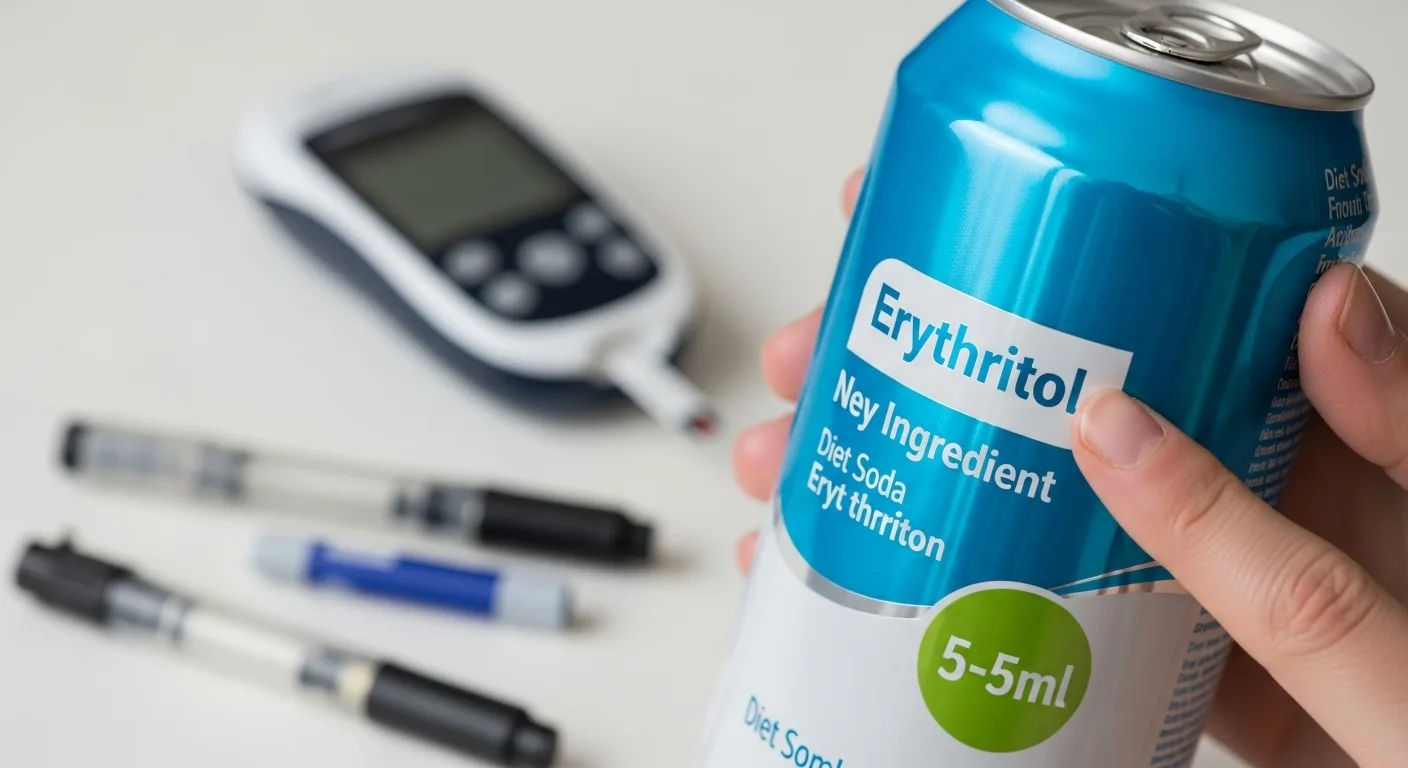
  • Popular Sweetener Erythritol Linked to Brain Blood-Barrier Damage and Stroke Risk — Is Your ‘Sugar-Free’ Diet Putting You at Risk?

    Popular Sweetener Erythritol Linked to Brain Blood-Barrier Damage and Stroke Risk — Is Your ‘Sugar-Free’ Diet Putting You at Risk?

    Introduction — The “Sweet” Truth Behind Popular Diet Foods

    Sweetener Erythritol Linked to Brain Blood-Barrier Damage and Stroke Risk

    Sugar substitutes like erythritol are everywhere — in diet sodas, sugar-free snacks, keto products, and “healthier” treats. But a recent study has reignited controversy about whether this seemingly safe sweetener may have hidden risks for brain and cardiovascular health.

    For years, erythritol has been marketed as a calorie-free alternative to sugar that doesn’t spike blood glucose — a boon for people trying to lose weight or manage diabetes. But new evidence is suggesting the story is not so simple.

    Read Also: How Long Does It Take to See Results From Working Out? (Realistic Timelines Explained)

    1. What Scientists Are Finding About Erythritol

    Researchers at the University of Colorado recently published lab findings that erythritol may damage the cells that make up the brain’s protective blood-brain barrier — a critical defense that controls what enters and exits the brain.

    In these experiments, erythritol exposure caused:

    • Oxidative stress in blood vessel cells, which means harmful free radicals badly damaged the cells.
    • A disruption of nitric oxide production, which normally helps blood vessels relax.
    • Increased levels of endothelin-1, a molecule that tightens blood vessel walls and can reduce blood flow.

    These changes resemble factors known to raise the risk of ischemic stroke, where a blood vessel blockage cuts off oxygen to the brain.

    Read Also: Diet Coke vs Regular Coke: Which Is Healthier for Weight Loss, Blood Sugar, and Long-Term Health?

    2. Does This Mean Sweeteners Are Dangerous?

    Not automatically.

    • Many current findings come from cell-based laboratory studies, not large randomised clinical trials in humans. Scientists emphasise that lab work shows possible mechanisms, not definitive proof that erythritol causes strokes in people.
    • However, observational human studies have linked higher blood levels of erythritol to increased rates of cardiovascular events — like stroke and heart attack — in some populations.

    In one large multicenter observational study, people with the highest erythritol levels in their blood were more likely to suffer major adverse cardiac events compared to those with lower levels.

    3. What the Research Says About Stroke Risk Beyond Sweeteners

    Erythritol is not the only diet food ingredient under scrutiny. Earlier long-term cohort studies have shown that people who consume larger quantities of artificially-sweetened beverages tend to have higher risks of stroke and cardiovascular issues compared with those who drink fewer such products.

    While these studies cannot prove artificial sweeteners are the direct cause, they underscore a growing concern: replacing sugar with artificial options doesn’t automatically eliminate health risks.

    Read Also: How Lack of Sleep is Ruining Your Mental Health

    4. Practical Tips: What You Can Do

    Sweetener Erythritol Linked to Brain Blood-Barrier Damage and Stroke Risk

    Here’s how to make more informed choices based on current science:

    👉 1. Reconsider frequent consumption of zero-calorie sweetened drinks
    Even though these drinks may help with weight control, consistent intake may be linked to altered vascular health.

    👉 2. Choose natural, whole foods when possible
    Fresh fruits contain natural sugars paired with fibre and micronutrients — unlike processed diet foods.

    👉 3. Monitor your overall carbohydrate quality, not just sugar content
    Studies continue to show that balanced eating patterns (like Mediterranean-style diets) are associated with lower stroke and heart disease risk overall.

    👉 4. Talk with a healthcare professional
    If you have risk factors like heart disease, diabetes, or a family history of stroke, discuss what your sweetener choices mean for your health.

    5. The Bottom Line

    Erythritol and other artificial sweeteners may still have a place in dieting, especially for short-term sugar reduction or blood sugar management, but emerging research suggests these substitutes are not risk-free.

    Before assuming a “sugar-free” label means “safe,” consider the broader picture: quality, quantity, and individual health context matter most.

    Read Also: The Hidden Health Risk of Wearing Your Smartwatch 24/7: Cancer Concerns Explained

    Frequently Asked Questions About Erythritol and Stroke Risk

    Read Also: Health and Fitness Goals for 2026: Why do People Give up on Goals they set.

    ❓ Does erythritol increase the risk of stroke?

    Emerging research suggests a possible link between high blood levels of erythritol and an increased risk of stroke. Laboratory studies indicate erythritol may impair blood vessel function and increase oxidative stress. Additionally, some observational studies have found higher cardiovascular event rates among individuals with elevated erythritol levels.

    However, researchers caution that current evidence does not prove direct causation. More large-scale human trials are needed to confirm long-term stroke risk.

    ❓ How does erythritol affect the blood-brain barrier?

    Recent cell-based research suggests erythritol may damage endothelial cells that form the blood-brain barrier. Scientists observed:

    • Increased oxidative stress
    • Reduced nitric oxide production
    • Elevated endothelin-1 levels

    These changes may impair blood vessel dilation and circulation, potentially increasing the risk of ischemic stroke.

    ❓ Is erythritol safer than sugar?

    Erythritol does not raise blood sugar or insulin levels like regular sugar, making it popular for people with diabetes or those following low-carb diets.

    However, “safer” depends on context:

    • For blood sugar control → it may be beneficial
    • For long-term cardiovascular health → research is still ongoing

    Moderation remains key.

    ❓ Are diet drinks linked to stroke?

    Some large observational studies have found that people who frequently consume artificially sweetened beverages may have a higher risk of stroke and heart disease.

    It’s important to note these studies show association, not direct cause-and-effect. Lifestyle factors such as obesity, diabetes, and metabolic syndrome may also influence outcomes.

    Read Also: Onion Juice for Hair Growth: Evidence, How It Works, Step-by-Step Guide, Benefits & Risks

    ❓ Who should avoid erythritol?

    You may want to limit erythritol intake if you:

    • Have existing cardiovascular disease
    • Have a history of stroke
    • Have multiple metabolic risk factors
    • Frequently consume sugar-free processed foods

    People with sensitive digestive systems may also experience bloating or gastrointestinal discomfort from high intake.

  • Seychelles Chikungunya Virus Outbreak 2026: CDC Level 2 Travel Advisory, Symptoms & Is It Safe to Travel?

    Seychelles Chikungunya Virus Outbreak 2026: CDC Level 2 Travel Advisory, Symptoms & Is It Safe to Travel?

    The picturesque island nation of Seychelles, known for its pristine beaches and luxury resorts, is currently facing a chikungunya virus outbreak that has prompted health authorities to issue travel guidance for visitors in early 2026.

    On February 5, 2026, the U.S. Centres for Disease Control and Prevention (CDC) announced a Level 2 Travel Health Advisory for Seychelles due to the ongoing chikungunya virus outbreak. This means travellers should “practice enhanced precautions” — especially regarding mosquito bite prevention — though travel is not restricted or banned.

    This advisory places Seychelles alongside other affected destinations with elevated chikungunya risks, including countries in South America and parts of Asia.

    Read Also: Hidden Gum Plastic: How Packaging May Contaminate Natural Chewing Gums

    What Is Chikungunya? A Quick Overview

    Chikungunya is a mosquito-borne viral disease caused by the chikungunya virus (CHIKV) and transmitted primarily by Aedes aegypti and Aedes albopictus mosquitoes — the same mosquitoes that spread dengue and Zika.

    Key points about chikungunya:

    • It’s not spread directly from person to person; transmission occurs only through infected mosquito bites.
    • No specific antiviral treatment exists, and treatment focuses on supportive care for symptoms.
    • Vaccines exist but are not yet widely available or in global use.

    Common Symptoms

    Symptoms typically appear 3–7 days after an infected mosquito bite and can include:

    • High fever
    • Severe joint pain (which can be debilitating)
    • Headache
    • Muscle pain
    • Rash
    • Fatigue and nausea

    While most people recover fully within a week, joint pain and fatigue may last for weeks or months in some cases — especially in older adults or those with preexisting conditions.

    Why the Outbreak Matters for Travellers

    The CDC’s Level 2 advisory does not prohibit travel, but it signals that travellers should be well-informed and proactive about health precautions before and during a trip to the Seychelles.

    Important travel considerations:

    • The outbreak coincides with peak mosquito activity — increasing transmission risk.
    • Mosquito bites are most frequent during daylight hours when Aedes mosquitoes are active.
    • Tourism in Seychelles remains open, with visitors continuing to land at international airports and explore islands, beaches, and UNESCO World Heritage sites.

    Is It Safe to Travel to Seychelles Right Now?

    Yes — but you need to be cautious.
    A Level 2 advisory means health officials believe travellers can still go, but should take enhanced precautions to reduce risk.

    Who should reconsider or take extra care?

    • Pregnant women and individuals with weakened immune systems
    • Travellers with chronic health issues
    • Infants and older adults with higher vulnerability to complications

    WHO Sounds Alarm on Hepatitis D’s Cancer Risk as World Marks Hepatitis Day

    Top Tips to Reduce Risk of Infection

    Even in areas with outbreaks, you can significantly lower your risk by doing the following:

    🦟 Prevent Mosquito Bites

    • Use insect repellent with DEET, picaridin, or oil of lemon eucalyptus
    • Wear long-sleeved clothing and pants, especially at dawn and dusk
    • Stay in accommodations with screens or air conditioning

    🪤 Eliminate Breeding Sites

    • Avoid standing water where mosquitoes can lay eggs
    • Keep bathrooms, balconies, and outdoor areas dry and clean

    💉 Consider Vaccination

    Where available, ask a travel clinic about vaccines that protect against chikungunya before you depart — especially if you’re at higher risk.

    🧑‍⚕️ Seek Medical Care if Symptoms Appear

    If you begin to feel unwell during or after your trip, seek medical help as soon as possible — particularly if symptoms include high fever or joint pain.

    Ways to Protect Yourself from Contacting Monkey pox in Ghana

    Final Takeaway: Travel Smart and Stay Informed

    The 2026 Seychelles chikungunya virus outbreak has put a spotlight on travel health and mosquito-borne risk, but it does not require travellers to cancel plans outright. Classifying the situation as a Level 2 advisory means you can still enjoy the islands — as long as you take smart health precautions and understand the risks.

    Keeping informed with updates from authoritative health bodies like the CDC, WHO, and local Seychelles health authorities will help you make the safest travel decisions possible in a changing outbreak landscape.

  • Diet Coke vs Regular Coke: Which Is Healthier for Weight Loss, Blood Sugar, and Long-Term Health?

    Diet Coke vs Regular Coke: Which Is Healthier for Weight Loss, Blood Sugar, and Long-Term Health?

    Is Diet Coke actually healthier than regular Coke? Or are they both harmful in different ways?

    This question appears simple, but the answer depends on what “healthier” means. Are we talking about calories? Blood sugar control? Cancer risk? Weight gain? Long-term metabolic health?

    In this comprehensive Diet Coke vs Regular Coke health comparison, we break down the scientific evidence and explain exactly how these two beverages affect your body. Instead of relying on sensational headlines or social media opinions, this guide focuses on what research actually shows.

    If you want a clear, balanced, evidence-based answer, this article will give you one.

    Quick Answer: Is Diet Coke Healthier Than Regular Coke?

    Yes — in most metabolic contexts, Diet Coke is healthier than regular Coke because it contains zero sugar and zero calories.

    However, neither beverage is healthier than water.

    If someone drinks regular Coke daily and switches to Diet Coke, they reduce sugar intake, lower calorie consumption, and decrease blood sugar spikes. But if someone already drinks water regularly, switching to Diet Coke offers no measurable health advantage.

    The key factor is what the drink is replacing.

    Read Also: How Cutting Out Sugar Speeds Up Weight Loss: The Science, Benefits, and Sustainable Tips for Beginners

    Diet Coke vs Regular Coke: Nutrition Comparison

    Here is a direct comparison per 12 oz (355 ml) can:

    NutrientRegular CokeDiet Coke
    Calories~1400
    Sugar~39 grams0 grams
    Carbohydrates39g0g
    Caffeine~34mg~46mg
    Artificial SweetenersNoYes (Aspartame, Acesulfame-K)
    Glycemic ImpactHighMinimal

    The most striking difference is sugar content.

    A single can of regular Coke contains about 39 grams of sugar — roughly 9–10 teaspoons. That amount exceeds the daily added sugar limit recommended by many health authorities for some individuals.

    Diet Coke contains no sugar at all. Instead, it uses artificial sweeteners to provide sweetness without calories.

    This single difference — sugar versus no sugar — drives most of the health contrast between the two beverages.

    Read Also: Gari vs Rice: Which is the better alternative when trying lose weight.

    Blood Sugar and Diabetes Risk

    One of the most important aspects of this Diet Coke vs Regular Coke health comparison is how each drink affects blood glucose and insulin levels.

    Regular Coke and Blood Sugar

    Regular Coke delivers a rapid dose of liquid sugar into the bloodstream. Because it contains no fibre or protein to slow absorption, blood glucose rises quickly.

    This triggers:

    • A sharp insulin response
    • Increased fat storage signals
    • Greater liver fat production when consumed frequently

    Over time, frequent consumption of sugar-sweetened beverages has been strongly associated with:

    • Type 2 diabetes
    • Insulin resistance
    • Metabolic syndrome
    • Central obesity

    Liquid sugar is particularly problematic because it does not create the same feeling of fullness as solid food. This makes it easier to consume excess calories without realising it.

    Diet Coke and Blood Sugar

    Diet Coke contains no sugar and does not significantly raise blood glucose levels.

    In most individuals:

    • There is minimal to no glycemic spike
    • The insulin response is far lower than with sugar
    • Total calorie load is zero

    For people managing diabetes or prediabetes, this difference is clinically meaningful.

    From a blood sugar standpoint, Diet Coke is clearly the safer option.

    Weight Gain and Weight Loss: What Does the Evidence Show?

    Few topics generate as much confusion as the relationship between diet soda and weight gain.

    Observational Studies

    Some long-term observational studies have found that people who drink diet soda are more likely to be overweight.

    However, this does not prove that diet soda causes weight gain.

    Many individuals who are already overweight switch to diet drinks in an attempt to lose weight. This creates a statistical illusion called reverse causation.

    Randomised Controlled Trials

    When participants replace regular soda with diet soda:

    • Calorie intake decreases
    • Weight loss often occurs
    • Weight gain does not increase

    In controlled settings, replacing sugar-sweetened beverages with diet beverages generally supports weight control.

    So in a real-world context:

    • Replacing regular Coke with Diet Coke can help reduce calorie intake.
    • Replacing water with Diet Coke offers no weight advantage.

    The comparison always depends on what you are replacing.

    Artificial Sweeteners: Should You Be Concerned?

    Diet Coke uses artificial sweeteners such as aspartame and acesulfame potassium.

    Concerns often include:

    • Cancer risk
    • Hormonal disruption
    • Gut microbiome imbalance

    Read Also: 5 Working Hacks to Shed Fat Fast: Skip if you can’t be disciplined and consistent.

    Cancer Risk

    Aspartame has been studied extensively for decades.

    Major regulatory agencies have established an Acceptable Daily Intake (ADI), which represents the amount that can be consumed daily over a lifetime without significant risk.

    To approach this limit, a person would typically need to drink multiple cans daily for an extended period.

    Current evidence does not demonstrate meaningful cancer risk at moderate consumption levels.

    Gut Microbiome Effects

    Emerging research suggests artificial sweeteners may influence gut bacteria composition in some individuals.

    However:

    • Effects vary widely between people
    • Dosage matters
    • Human data remains inconsistent

    There is currently no strong evidence that moderate Diet Coke consumption causes significant or predictable microbiome harm.

    This area remains under active investigation.

    Dental Health and Bone Considerations

    Both Diet Coke and regular Coke are acidic beverages.

    Dental Impact

    Regular Coke increases cavity risk because:

    • Sugar feeds oral bacteria
    • Acid erodes enamel

    Diet Coke does not contain sugar, but it is still acidic. Over time, frequent exposure may contribute to enamel erosion.

    Neither beverage supports dental health.

    Is Diet Coke Better for Diabetics?

    For individuals with diabetes, the difference is substantial.

    Regular Coke significantly raises blood glucose levels and may complicate glycemic control.

    Diet Coke does not produce the same glucose spike.

    While water remains the best choice, Diet Coke is generally a safer alternative to sugar-sweetened soda for blood sugar management.

    When Diet Coke Is a Better Choice

    Diet Coke may be beneficial if:

    • You are reducing added sugar intake
    • You are transitioning away from regular soda
    • You are managing calorie consumption
    • You want carbonation without sugar

    In these situations, Diet Coke can serve as a lower-risk substitute.

    Read Also: How to Stop Sugar Cravings Naturally at Night: 7 Proven Strategies

    When Neither Is Ideal

    Neither beverage is optimal for:

    • Daily hydration
    • Athletic recovery
    • Long-term preventive health

    For sustained health benefits, prioritise:

    • Water
    • Unsweetened tea
    • Sparkling water without sweeteners
    • Moderately consumed black coffee

    These options provide hydration without added metabolic concerns.

    Final Verdict: Diet Coke vs Regular Coke

    Let’s conclude this Diet Coke vs Regular Coke health comparison clearly and precisely.

    If you drink regular Coke daily, switching to Diet Coke reduces sugar exposure, lowers calorie intake, and improves blood sugar stability.

    If you already drink water, switching to Diet Coke does not improve your health.

    Regular Coke has stronger evidence linking it to obesity, type 2 diabetes, and metabolic disease.

    Diet Coke is not a healthy beverage, but metabolically, it is less harmful than regular Coke.

    The healthiest option remains water.

    Read Also: Top Causes of Belly Fat After 30 (and How to Fight Back)


    Frequently Asked Questions

    Is Diet Coke good for weight loss?

    It can help reduce calorie intake when replacing sugary drinks. It does not directly cause weight loss on its own.

    Does Diet Coke raise insulin?

    In most people, it causes minimal insulin response compared to sugar.

    Is Coke Zero healthier than Diet Coke?

    Nutritionally, they are very similar. Differences are mainly flavour-based.

    Can you drink Diet Coke every day?

    Moderate consumption is generally considered safe, but water should remain your primary beverage.

    CONCLUSION

    The real question is not whether Diet Coke is “healthy.”

    The real question is: compared to what?

    In this Diet Coke vs Regular Coke health comparison, Diet Coke is the metabolically safer choice when replacing sugary soda. However, it is not superior to water and should not replace healthier hydration habits.

    In my opinion, opt for Diet Coke if sugar sweetened coke has become more of an addiction

    Making small, consistent improvements, such as reducing added sugar intake, can have meaningful long-term health benefits.

  • How to Get Rid of Stretch Marks Naturally and Medically: Effective Treatments That Work

    How to Get Rid of Stretch Marks Naturally and Medically: Effective Treatments That Work

    Stretch marks—medically known as striae—are a common skin condition that develops when the skin stretches rapidly due to changes such as pregnancy, puberty, rapid weight gain, or intense bodybuilding. These changes cause the collagen and elastin fibres in the skin to tear, leading to visible streaks on the surface.

    Stretch marks commonly appear on areas such as the abdomen, thighs, hips, breasts, buttocks, and upper arms. Although they may be cosmetically concerning, they are not harmful or painful. However, for many people, stretch marks can negatively affect self-confidence and body image.

    The good news is that while stretch marks are permanent scars, they often fade significantly over time and may become barely noticeable. With the right approach, their appearance can be reduced even further.

    How to Get Rid of Stretch Marks Naturally and Medically

    Read Also: How the Soap You Use Could Be Harming Your Skin — And What to Use Instead

    Medical Treatments for Stretch Marks

    In their early stages, stretch marks may appear red, purple, pink, or dark brown, depending on skin tone. Over time, they usually lighten and sink slightly beneath the skin’s surface.

    For individuals seeking faster or more noticeable results, medical treatments may help reduce their visibility.

    1. Retinoid Creams

    Topical retinoids derived from vitamin A—such as tretinoin—can help rebuild collagen and improve skin texture, particularly for stretch marks that are less than a few months old. Consistent use may reduce their appearance over time.

    Important note: Retinoid products may cause skin irritation and are not recommended during pregnancy or breastfeeding. Always consult a healthcare provider before use.

    2. Laser and Light Therapy

    Laser and light-based treatments work by stimulating collagen production and improving skin elasticity. Different techniques are available depending on skin type and stretch mark severity, and a dermatologist can recommend the most suitable option.

    3. Microneedling

    Microneedling uses fine needles to create micro-injuries in the skin, triggering natural collagen production. It is often preferred for darker skin tones because it carries a lower risk of pigmentation changes compared to laser treatments.
    (Source: Mayo Clinic)

    Read Also: Relieve Itchy Skin After Shower Naturally: Proven Remedies That Actually Work

    Natural Remedies to Reduce Stretch Marks

    If you prefer non-medical options, several natural remedies may help improve skin elasticity and gradually reduce the appearance of stretch marks.

    Aloe Vera

    How to Get Rid of Stretch Marks Naturally and Medically

    Aloe vera is widely known for its soothing and healing properties. It helps moisturise the skin and may support collagen production. Studies published in dermatology journals suggest that regular application of aloe vera gel can improve the appearance of stretch marks over time.

    Coconut Oil

    Rich in fatty acids and antioxidants, coconut oil deeply moisturises the skin and supports its natural barrier. While scientific evidence is limited, consistent use may improve skin elasticity and reduce dryness associated with stretch marks.

    Almond Oil

    Almond oil contains vitamin E and essential fatty acids that nourish the skin. Research published in the Journal of Cosmetic Dermatology suggests that regular application—especially during pregnancy—may help reduce the development and severity of stretch marks.

    Cocoa Butter

    Cocoa butter is commonly used to improve skin hydration and elasticity. Although research findings are mixed, some studies indicate it may help reduce stretch mark severity when used consistently.

    Hyaluronic Acid

    Hyaluronic acid occurs naturally in the skin and plays a key role in moisture retention and collagen support. Using creams or serums containing hyaluronic acid may help plump the skin and reduce the appearance of stretch marks, especially in their early stages.

    Read Also: Your Skin Reflects Your Health: What Acne, Dryness, and Discoloration Could Mean

    Key Takeaways

    • Stretch marks are harmless and extremely common.
    • Medical options such as retinoid creams, laser therapy, and microneedling can help reduce their appearance.
    • Natural remedies like aloe vera, cocoa butter, almond oil, and hyaluronic acid may improve skin elasticity over time.
    • Results vary depending on skin type, age of stretch marks, and consistency of treatment.

    If you are unsure which option is best for you, consult a qualified healthcare provider or dermatologist before starting any treatment.

    Understanding how to get rid of stretch marks naturally and medically allows you to make informed decisions that suit your skin, lifestyle, and personal preferences.

    Read Also: Retinol and Tretoin Use – Your excessive skincare routine jeopardize your Pregnancy

    ‎Follow the InfoHealthGh channel on WhatsApp: https://whatsapp.com/channel/0029Va7j1SgGE56e8pagc22u
  • Common Ghanaian Medicinal Plant Lemongrass; Benefits, Use and Recipe.

    Common Ghanaian Medicinal Plant Lemongrass; Benefits, Use and Recipe.

    There is something deeply comforting about the smell of lemongrass. For many Ghanaians, it brings back memories of early mornings, steaming cups of herbal tea, and advice passed down from grandparents who trusted nature long before pharmacies became common.

    Lemongrass is not just a plant that grows quietly in the corner of the compound. It is a trusted companion in everyday health and wellness, woven into our food, culture, and traditional medicine.
    In recent years, people are returning to natural remedies, not out of nostalgia, but because they work.

    As lifestyle-related health concerns rise, more attention is being given to plants that have served African communities for generations. One of the most talked-about plants today is lemongrass, known locally by various names and valued for its refreshing taste and healing properties.

    Read Also: Do you know the Benefits of Fluted pumpkin leave, also called Krobonko in Ghana?

    Common Ghanaian Medicinal Plant Lemongrass Benefits

    The Common Ghanaian Medicinal Plant Lemongrass Benefits are now being explored not only in homes but also in wellness conversations around the world. What makes lemongrass truly special is its simplicity. It does not require complicated preparation, expensive processing, or foreign supplements.

    A few fresh stalks, clean water, and patience are often enough. Yet behind this humble appearance lies a powerful combination of nutrients that support the body in more ways than many people realise.

    Understanding the Common Ghanaian Medicinal Plant Lemongrass Benefits helps us appreciate why this plant has stood the test of time.

    Read Also: Onion Juice for Hair Growth: Evidence, How It Works, Step-by-Step Guide, Benefits & Risks

    Lemongrass as a Traditional Healing Plant in Ghana

    Lemongrass has long been part of Ghanaian folk medicine. It is commonly used in homes to prepare herbal teas for

    1. Fever
    2. Stomach discomfort
    3. General body weakness.

    It is often recommended when someone is feeling run-down or stressed. This long history is not accidental. Lemon grass is a source of beneficial phytochemicals and specialised nutrients that support overall wellness and help the body maintain balance.

    Traditionally, lemongrass is boiled to make tea, sometimes combined with other herbs. The warm infusion is believed to cleanse the system and restore strength. Over time, science has begun to support what traditional knowledge already understood. Many of the compounds found in lemongrass have anti-inflammatory, antibacterial, and antioxidant properties.

    Step-by-Step Process on How to Use Lemongrass at Home

    One of the reasons lemongrass remains popular is how easy it is to prepare and use. Below is a simple step-by-step method commonly used in Ghanaian homes.

    Step 1: Harvest or Purchase Fresh Lemongrass
    Choose fresh green stalks with a strong lemon scent. Avoid dry or yellowing stalks.
    Step 2: Wash Thoroughly
    Rinse the stalks well under clean running water to remove dirt and debris.
    Step 3: Cut into Smaller Pieces
    Slice the stalks into smaller sections to help release their natural oils and nutrients.
    Step 4: Boil with Clean Water
    Add the chopped lemongrass to a pot of water and boil for 10 to 15 minutes until the water changes colour
    and aroma.
    Step 5: Strain and Serve
    Strain the tea into a cup. It can be taken warm or allowed to cool. Some people add honey or ginger for taste.

    Read Also: Benefits of Parsley: Why This Simple Green Herb Deserves a Place in Your Daily Diet

    This tea can be taken once or twice daily, depending on the intended purpose.

    Supporting Digestion and Gut Health

    Digestive discomfort is a common issue, especially with modern diets. One of the most valued Common Ghanaian Medicinal Plant Lemongrass Benefits is its positive effect on digestion.

    Intake of lemon grass tea can help promote healthy digestion by easing bloating, reducing gas, and supporting proper bowel movement. This is why it is often taken after meals or during periods of stomach upset.
    Lemongrass helps relax the muscles of the digestive tract, allowing food to move smoothly. It also supports the growth of good gut bacteria, which play a key role in nutrient absorption and immune health.

    Relief for Women’s Health and Menstrual Comfort

    In many Ghanaian homes, lemongrass is recommended to women during their menstrual period. It is considered a Natural Remedy for Menstrual Cramps, helping to ease pain and reduce discomfort. The calming properties of lemongrass help relax uterine muscles and improve blood flow.
    Beyond pain relief, lemongrass tea also helps reduce fatigue and irritability that sometimes accompany menstruation.

    Heart Health and Blood Pressure Support

    High blood pressure is becoming more common even amongst children, and traditional remedies are being revisited for prevention and support. Lemongrass is a herb used in folk medicine for the treatment of hypertension, especially when combined with lifestyle changes such as reduced salt intake and regular physical activity.

    Lemongrass helps promote healthy circulation and may assist in relaxing blood vessels. While it should not replace prescribed medication, it can be a supportive addition to a healthy routine.

    Boosting Immunity, Skin Health, and Body Comfort

    Another reason lemongrass is so valued is its ability to strengthen the immune system. One of the key Common Ghanaian Medicinal Plant Lemongrass Benefits is its role in helping the body fight infections. The health benefits of lemongrass include its ability to soothe sore muscles, reduce fever, and boost oral health.

    It also supports improving skin’s vitality by helping cleanse the body from within and supporting clearer skin when used consistently.

    Read Also: Increased Risk of Cancer Amongst Younger People

    Conclusion

    Lemongrass is more than just a fragrant plant growing in Ghanaian backyards. It is a symbol of natural healing, cultural wisdom, and accessible wellness. From digestion and immunity to heart health and skin care, the Common Ghanaian Medicinal Plant Lemongrass Benefits continue to make it a valuable part of everyday life.
    By understanding how to prepare and use lemongrass properly, we preserve a powerful tradition that supports health naturally and sustainably.

    ‎Follow the InfoHealthGh channel on WhatsApp: https://whatsapp.com/channel/0029Va7j1SgGE56e8pagc22u
  • Health and Fitness Goals for 2026: Why do People Give up on Goals they set.

    Health and Fitness Goals for 2026: Why do People Give up on Goals they set.

    What are your health Goals for 2026? It’s the beginning of the year, and lots of people are going to troop into the gym for one purpose: To transform their bodies and improve their overall health.

    Statistically, a significant number of people who join a gym at the beginning of the year GIVE UP on their health Goals and stop their gym membership.

    Health and Fitness Goals for 2026

    By mid-February, attendance drops dramatically, with some studies suggesting that as many as 80% of new January members quit within five months. To see a significant transformation in your body, you need to be consistent for 8 to 12 weeks to see a complete transformation of your body. That’s just 3 months. So if you start today, expect to get much closer to your goals by March.

    In this post, we will explore why people give up on their health Goals within the first and second quarter of the year and look at some helpful tips to help you stay consistent.

    Read Also: Is Soursop Good for Fatty Liver? Benefits, Risks & Expert Insights

    Why do People Give up on Their Health and Fitness Goals for 2026?

    Health and Fitness Goals for 2026

    Giving up on your fitness goals often feels easy—almost harmless in the moment—but the consequences quietly add up over time. Most people don’t quit because they are incapable; they quit because they are unclear, unprepared, or unrealistic. When you don’t truly understand why you started, quitting becomes the most convenient option.

    1. No Proper Preparation
    One major reason people give up is jumping in too aggressively without conditioning the body or the mind. Sudden, intense workouts lead to extreme soreness, fatigue, and sometimes injury. That discomfort becomes an excuse to stop. Preparing yourself—by doing light workouts at home, stretching regularly, or easing into gym sessions—helps your body adapt and reduces the shock that often breaks consistency early on. Preparation is not weakness; it is strategy.

    2. Expecting Instant Results
    Many people walk into the gym expecting visible results within two weeks. When the scale does not move, or muscles don’t appear fast enough, frustration sets in. The truth is that fat loss, muscle growth, and conditioning take time. Progress often happens internally first—improved endurance, better sleep, increased strength—before it shows externally. Quitting early usually means stopping just before results would have started to appear.

    3. Failure to Break Goals into Smaller Tasks and Timelines
    Saying “I want to lose 20 kilos” or “I want a six-pack” without a clear roadmap can feel overwhelming. Big goals without structure lead to burnout. Smaller, measurable targets—such as working out three times a week, losing 1–2 kilos per month, or reducing sugar intake—create momentum. Each small win reinforces commitment and keeps motivation alive.

    4. Lack of Discipline (Especially With Food)
    Discipline is built long before you step into the gym. Your relationship with food plays a bigger role than most people realise. You cannot out-train a poor diet. If you lack control in the grocery store or supermarket, it will eventually show at home and in your results. Real discipline is choosing foods that align with your goals, even when no one is watching. This is where many people fail silently.

    Read Also: Exercising Safely with a Hernia: What to Avoid and What to Do Instead

    Tips to Keep Your Head in the Game and Not Give Up on Your Health and Fitness Goals for 2026

    Health and Fitness Goals for 2026

    1. Start With Workouts You Enjoy
    Enjoyment drives consistency. If you hate running, forcing yourself to run every day is a fast track to quitting. Choose activities you genuinely like—walking, cycling, skipping, dancing, or weight training. When exercise feels less like punishment and more like a routine, results follow naturally. This approach is far more sustainable for Health and Fitness Goals for 2026.

    2. Aim for Consistency, Not a Streak
    Chasing streaks can be dangerous. Once a streak is broken, many people feel defeated and quit altogether. Instead, focus on showing up regularly over time. Missing one workout is not failure; quitting completely is. Consistency over months will always beat short-lived perfection.

    3. Build a Strong Music Playlist
    Music is not just entertainment—it is a performance tool. Research shows that music distracts the brain from pain and fatigue, making workouts feel easier and more enjoyable. The right playlist can push you through tough sessions and improve overall endurance.

    4. Get an Accountability Group
    Working out alone requires high self-discipline. Having an accountability partner or group—friends, gym buddies, or even an online community—creates social pressure to stay consistent. When others expect you to show up, quitting becomes harder.

    5. Plan for Setbacks Before They Happen
    Setbacks are inevitable. Life will interfere—work stress, sickness, travel, or family responsibilities. Plan for these disruptions instead of pretending they won’t happen.

    • Monthly Reassessments: Every 30 days, review your progress and adjust your plan. If a goal feels too hard, scale it back rather than quitting.
    • The “Never Miss Twice” Rule: Missing one workout is a lapse. Missing two in a row is the start of a new habit of not exercising. Always focus on returning immediately.

    Read Also: 7 Surprising Everyday Habits That Trigger Joint Pain—and Natural Fixes You Can Start Today

    Conclusion

    Achieving lasting fitness results is not about motivation alone—it is about preparation, discipline, realistic expectations, and consistency. Most people don’t fail because they are weak; they fail because they underestimate the process and overestimate how quickly results should come. When you prepare properly, break goals into manageable steps, stay disciplined with food, and plan for setbacks, quitting becomes less likely.

    As you reflect on your Health and Fitness Goals for 2026, remember this: transformation does not require perfection—it requires persistence. Show up consistently, adjust when necessary, and commit to the long game. If you can stay consistent for just 8 to 12 weeks, you will already be far ahead of the majority who gave up too soon.

  • How Lack of Sleep is Ruining Your Mental Health

    How Lack of Sleep is Ruining Your Mental Health


    Lack of Sleep is Ruining Your Mental Health

    We often underestimate the important role that sleep plays in our mental health. We are so busy and caught up in the web of balancing work life, family and relationships that we do not realize that the Lack of Sleep is Ruining our Mental Health.

    The effects of not sleeping adequately does not only affect our health and stress level it also deteriorates our mental health in a subtle way that it could be too late to realize the irreversible damage caused.

    Read Also: How to deal with sore muscles after an intense workout.

    We have compiled four ways in which lack of sleep is ruining your mental health.

    Mood Swings and Irritability:

    Lack of Sleep is Ruining Your Mental Health

    Have you noticed how you get easily annoyed with something a colleague or partner says especially after a sleepless night? That feeling isn’t just in your head. It is because you haven’t had enough sleep.

    Sleep deprivation disrupts our emotional regulation, leading to increased irritability, mood swings, and even depression.

    When you don’t get enough sleep you put your brain in a situation that makes it difficult to process certain emotions effectively, making us more prone to snapping at loved ones or feeling overwhelmed by minor setbacks.

    It forces you into a position where you easily react impulsively to situations that require you to think extensively.

    Impaired Cognitive Function:

    Sleep is essential for cognitive function and memory consolidation. When you deprive your body of sleep, you are unable to concentrate on important tasks at hand, solve basic problems and ultimately make the right decisions.

    Sleep deprivation makes one forgetful and sometimes causes you to be less observant. You tend to become forgetful and easily distracted. This state of being is a recipe for disaster in both personal and professional settings.

    Chronic sleep deprivation can even contribute to long-term cognitive decline and an increased risk of neurodegenerative diseases like Alzheimer’s disease. How sleep deprivation can harm the brain

    Heightened Stress Response:

    Lack of sleep sends our stress hormones, such as cortisol, into overdrive. This heightened stress response not only exacerbates feelings of anxiety but also weakens our immune system, leaving us more susceptible to illness.

    Moreover, chronic stress due to sleep deprivation can contribute to the development of anxiety disorders and exacerbate existing mental health conditions. This is why people with diagnosed mental problems are often encouraged to get sufficient rest.

    Decreased Emotional Resilience:

    Adequate sleep is crucial for maintaining emotional resilience—the ability to bounce back from adversity. Without it, we’re more likely to perceive challenges as insurmountable obstacles, leading to feelings of helplessness and despair.

    Over time, this can spiral into a cycle of negativity, further compromising our mental health.

    Read Also: Increased Risk of Cancer Amongst Younger People

    It’s time to prioritize rest and make sleep a non-negotiable aspect of self-care.

    By recognizing the profound effects of lack of sleep and taking steps to improve our sleep hygiene, we can safeguard our mental well-being and lead happier, healthier lives. Remember, a good night’s sleep isn’t just a luxury—it’s a necessity for thriving in today’s demanding world.

    If this was educative kindly follow our Facebook page Info Health GH

  • Onion Juice for Hair Growth: Evidence, How It Works, Step-by-Step Guide, Benefits & Risks

    Onion Juice for Hair Growth: Evidence, How It Works, Step-by-Step Guide, Benefits & Risks

    Introduction

    Onion juice has re-emerged as one of the most talked-about natural hair remedies, with claims ranging from stimulating hair regrowth to treating scalp infections. Unlike trend-based articles, this guide explains what the research actually shows, how to prepare and use onion juice safely, and who may benefit most.

    What Science Says About Onion Juice and Hair Growth

    Clinical Evidence

    A controlled clinical trial compared topical onion juice versus tap water in patients with alopecia areata. Participants applied onion juice twice daily for eight weeks. By week six, 86.9% of the onion juice group experienced visible regrowth of terminal (coarse) hair, compared to 13% in the control group. PubMed

    Onion Juice for Hair Growth

    What happens if you eat onions every day? – InfoHealthGH

    Important Context

    • The study was small (38 participants).
    • It targeted alopecia areata, an autoimmune patchy hair loss condition, not genetic pattern baldness.
    • Results cannot be generalised to all hair loss types without more research.

    How Onion Juice May Support Hair Health (Mechanisms)

    1. Sulfur for Keratin and Collagen
      • Onions are rich in sulfur, a building block of keratin, the primary protein in hair.
      • Sulfur may also support collagen synthesis, nourishing follicles. Healthline
    2. Antioxidants (e.g., Quercetin)
      • Onions contain antioxidants that help reduce oxidative stress and may improve scalp environment. Apollo 24|7
    3. Antimicrobial & Anti-Inflammatory Action
      • Their antimicrobial properties can help control yeast and fungal organisms that contribute to dandruff and scalp irritation. Apollo 24|7
    4. Potential Blood Circulation Boost
      • Massaging onion juice may temporarily increase circulation to hair follicles, possibly enhancing nutrient delivery.

    Onion Juice vs Other Hair Loss Types

    Hair Loss TypeOnion Juice EvidenceBest Approach
    Alopecia AreataSmall but positive trial evidenceCan be part of regimen with dermatology guidance
    Pattern Baldness (Male/Female)Limited evidenceUse medically proven options (minoxidil, etc.)
    Dandruff/Scalp IrritationPossible benefit due to antimicrobial effectsGood for maintenance, not a cure
    General ThinningAnecdotal, not provenBalanced diet + medical care

    Step-By-Step: How to Prepare and Apply Onion Juice

    Onion Juice for Hair Growth

    What You Need

    • 2–3 fresh onions (yellow for sulfur, red for antioxidants)
    • Blender or grater
    • Fine sieve or cheesecloth
    • Cotton balls

    Preparation

    1. Chop onions and blend into a pulp.
    2. Strain juice through cheesecloth into a bowl.
    3. Optional: Mix with carrier oils (coconut or castor) to reduce irritation.

    Application

    1. Do a patch test on inner arm before scalp use.
    2. Apply juice directly to the scalp, avoiding eyes.
    3. Gently massage for 3–5 minutes.
    4. Leave on for 20–30 minutes.
    5. Rinse with mild shampoo.

    Frequency

    • DO this 2–3 times per week for best results.

    Tips to Reduce Smell

    If you don’t want to go around smelling like an onion, take these two extra steps.

    • Add a few drops of lemon juice or rose water.
    • Rinse with diluted apple cider vinegar.

    Benefits Backed by Research & Expert Opinion

    Well-Supported or Potential Benefits

    • Supports scalp health and follicle nourishment
    • May help in patchy alopecia areata when used consistently
    • Antimicrobial effects may reduce mild dandruff
    • May enhance hair shine and strength through improved protein building blocks

    Benefits with Limited Evidence

    • Reversing greying hair
    • Major regrowth in male/female pattern baldness

    Safety, Side Effects & Who Should Avoid It

    Possible Irritation

    • Onion juice can cause redness, stinging, itchiness, or dermatitis in sensitive skin. Healthline

    Precautions

    • Avoid contact with eyes.
    • Do a patch test before full application.
    • Consider diluting with aloe vera or carrier oil to reduce irritation.
    • Not recommended for people with onion allergy.

    Frequently Asked Questions

    1. Does onion juice really make hair grow?
    There is only limited clinical evidence showing benefits for certain types of hair loss like alopecia areata. It’s not a proven universal hair growth cure.

    2. How long will it take to see results?
    A study reported visible regrowth after 4–6 weeks of consistent twice-daily application. Individual results vary.

    3. Can onion juice stop male pattern baldness?
    There’s no strong evidence for that. Clinically proven options (e.g., minoxidil) are recommended for pattern baldness.

    4. Is onion juice safe for everyone?
    Mostly safe, but patch testing is recommended to avoid irritation.

    Conclusion

    Onion Juice for Hair Growth

    Onion juice may offer real benefits for scalp health and certain types of hair loss, particularly in autoimmune-related conditions such as alopecia areata. However, it is not a guaranteed hair growth remedy, especially for genetic hair thinning or male pattern baldness. Combining its use with proper nutrition, scalp care, and, if needed, medical treatments provides the most balanced approach.

  • Benefits of Parsley: Why This Simple Green Herb Deserves a Place in Your Daily Diet

    Benefits of Parsley: Why This Simple Green Herb Deserves a Place in Your Daily Diet

    Parsley is often treated as nothing more than a decorative garnish, casually sprinkled on meals and pushed aside on the plate. Yet behind its bright green leaves lies a medicinal herb with remarkable health-boosting potential. What many people overlook is that parsley has been valued for centuries not just for flavor, but for its ability to support hydration, digestion, immunity, and overall wellness.

    In traditional medicine and modern nutrition alike, parsley is increasingly recognized as a functional food. Its high water content, rich vitamin profile, and powerful antioxidants make it far more than a culinary accessory. Whether consumed fresh, blended into smoothies, or infused as tea, parsley quietly delivers a range of physiological benefits that support the body from the inside out.

    Understanding the Benefits of parsley can change the way you view this humble herb. Instead of ignoring it, you may start seeking ways to intentionally include parsley in your meals, knowing that each bite contributes meaningfully to your health. Below, we explore the key benefits highlighted in the image and explain why parsley deserves consistent attention in a healthy diet.

    1. Extremely Hydrating

    One of the most underrated qualities of parsley is its exceptional hydration capacity. Parsley contains a high percentage of water, which helps replenish body fluids and supports cellular function. Proper hydration is essential for circulation, temperature regulation, digestion, and detoxification, and parsley contributes naturally to these processes.

    Consuming water-rich foods like parsley can be especially helpful for individuals who struggle to drink enough fluids throughout the day. Adding parsley to soups, salads, or juices provides hydration while also delivering nutrients. This hydration effect supports kidney function and helps the body flush out metabolic waste more efficiently.

    Among the many Benefits of parsley, its ability to assist hydration makes it particularly useful in warm climates, after physical activity, or during periods of illness when fluid balance is critical.

    2. Rich in Vitamins K and C

    Parsley is an excellent natural source of vitamins K and C, two essential nutrients with powerful roles in human health. Vitamin K is crucial for proper blood clotting and plays a significant role in maintaining strong, healthy bones. Without adequate vitamin K, the risk of bone weakness and excessive bleeding increases.

    Vitamin C, on the other hand, is well known for its immune-boosting properties. It helps the body fight infections, supports wound healing, and enhances iron absorption from plant-based foods. Parsley delivers vitamin C in a natural, bioavailable form that supports immune resilience and skin health.

    When discussing the Benefits of parsley, its vitamin density stands out as one of its strongest attributes. Even small servings can meaningfully contribute to daily micronutrient needs.

    3. Contains Powerful Antioxidants

    Parsley contains a variety of antioxidants that help protect the body from oxidative stress. Oxidative stress occurs when free radicals damage cells, contributing to aging and the development of chronic diseases. Antioxidants neutralize these free radicals, reducing inflammation and cellular damage.

    Regular intake of antioxidant-rich herbs like parsley supports long-term health by protecting tissues, organs, and blood vessels. This protective effect is particularly valuable in modern lifestyles where pollution, processed foods, and stress increase oxidative burden.

    The Benefits of parsley include this silent protective role, helping the body maintain balance and resilience at the cellular level over time.

    4. Reduces Inflammation

    Chronic inflammation is linked to many health conditions, including heart disease, arthritis, and metabolic disorders. Parsley contains bioactive compounds that help reduce inflammatory responses in the body. By calming inflammation, parsley supports joint health, cardiovascular function, and overall comfort.

    Anti-inflammatory food guide

    Incorporating parsley into meals may help reduce mild inflammatory symptoms such as bloating, joint stiffness, or digestive discomfort. While it is not a replacement for medical treatment, parsley can serve as a supportive dietary element in inflammation management.

    One of the notable Benefits of parsley is its natural anti-inflammatory action, making it a valuable addition to diets focused on long-term wellness and disease prevention.

    Read Also: Ovulation Calculator for Ghanaian Women: Track Your Fertile Days Easily With Our Free Tool

    5. Supports Digestive Health

    Parsley has long been associated with digestive support. It helps stimulate digestion, reduce gas, and promote smoother bowel movements. The herb supports the production of digestive enzymes and bile, both of which are essential for breaking down food efficiently.

    For individuals experiencing occasional bloating or indigestion, parsley can offer gentle relief. It is commonly consumed after meals in some cultures specifically to aid digestion and freshen the breath, reflecting its dual internal and external benefits.

    Supporting digestion is among the core Benefits of parsley, particularly when consumed regularly in fresh form.

    6. Promotes Bone Health

    Bone health depends on a steady supply of nutrients that support bone density and strength. Parsley’s high vitamin K content directly contributes to bone mineralization and helps prevent calcium loss from bones. This is especially important as people age and become more susceptible to fractures and bone weakening.

    Including parsley in meals is a simple way to support skeletal health without relying solely on supplements. When combined with a balanced diet and physical activity, parsley contributes to long-term bone integrity and mobility.

    How to Incorporate Parsley Into Your Diet

    Parsley is versatile and easy to include in everyday meals. It can be chopped fresh into salads, stews, and sauces, blended into green smoothies, or brewed into herbal tea. Fresh parsley offers the highest nutritional value, so minimal cooking is recommended when possible.

    Consistency is key. Rather than using parsley occasionally as a garnish, treat it as a functional ingredient. Even small daily amounts can deliver cumulative health benefits over time.

    Final Thoughts

    Parsley may appear simple, but its health-supporting properties are anything but ordinary. From hydration and vitamin support to antioxidant protection and digestive health, parsley delivers wide-ranging benefits in a compact, affordable form. Recognizing and applying the Benefits of parsley can transform how you approach this common herb, turning it into a deliberate tool for better health rather than an afterthought on the plate.

    By making parsley a regular part of your diet, you embrace a natural, accessible way to support overall wellness—one green leaf at a time.

    Read : Top 5 Worst Sleeping Positions for Your Spine According to Experts (And How to Fix Them)