Author: kwamebrew

  • Exercising Safely with a Hernia: What to Avoid and What to Do Instead

    Exercising Safely with a Hernia: What to Avoid and What to Do Instead

    Best exercises for hernia: Why Exercising Smart with a Hernia Matters

    If youโ€™ve been diagnosed with an inguinal or abdominal hernia, youโ€™ve probably heard the same advice again and again: โ€œStay active but be careful.โ€ Easier said than done, right?

    For many people, the fear of worsening the hernia can make them give up on fitness entirely. Yet, avoiding movement can lead to weakened muscles, poor posture, and slower recovery. On the other hand, exercising incorrectly can put too much pressure on the hernia and cause further complications.

    Best exercises for hernia

    The solution lies in understanding how to move safely.
    With the right strategy, you can build strength, stay mobile, and protect your body all without risking more damage. This guide breaks down what exercises to avoid, how to train smarter, and what are some Best exercises for hernia

    Understanding Hernias and Exercise Risk

    A hernia occurs when an internal organ, usually part of the intestine, pushes through a weak spot in the abdominal wall or groin. Contrary to what many believe, itโ€™s rarely caused by a single heavy lift or sudden strain. Instead, it develops over time due to a combination of genetic factors, connective tissue weakness, and repeated pressure on the abdomen.

    โ€ŽFollow the InfoHealthGh channel on WhatsApp: https://whatsapp.com/channel/0029Va7j1SgGE56e8pagc22u

    Once a hernia exists, any movement that increases intra-abdominal pressure (the pressure inside your belly) can worsen symptoms. This is why choosing your exercises carefully is critical.

    โš ๏ธ Note: If you feel pain, a bulge, or discomfort during any workout, stop immediately and consult a medical professional.

    High-Risk Exercises to Avoid

    Certain exercises are notorious for aggravating hernias because they directly stress the abdominal wall. While these are often promoted for โ€œcore strength,โ€ they can do more harm than good if you have a hernia.

    1. Direct Abdominal Stressors

    Avoid movements that focus on the superficial abdominal muscles and create intense pressure in the midsection:

    • Sit-ups and crunches
    • Ab roller exercises
    • Straight leg raises
    • Planks and V-sits
    • Russian twists
    • Hanging knee raises

    Tip: These exercises may return to your routine only after full recovery or surgical repair and with professional clearance.

    Unlock Your Manhood: How to Supercharge Testosterone Without Pills

    2. Overstretching Exercises

    Best exercises for hernia
    Best exercises for hernia

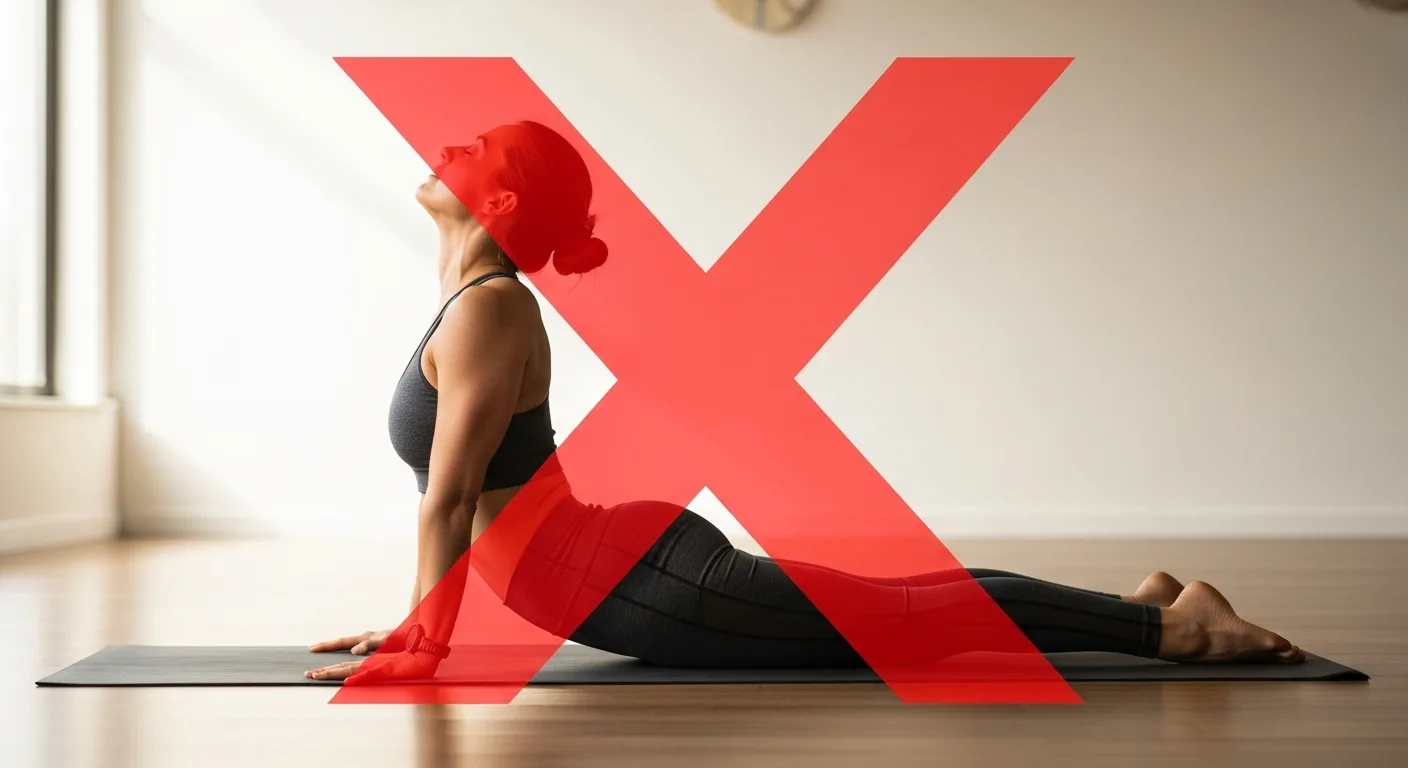
    Deep stretches that extend your lower back and abdomen can widen the tear in the fascia, worsening the hernia.

    High-risk stretches include:

    • Cobra pose (yoga)
    • Bridge pose
    • Hanging on a bar
    • Quad stretches that arch the lower back

    Safety Key: Maintain your spineโ€™s natural curve and avoid excessive backward bending or forward pelvic tilts that push your stomach outward.

    โš–๏ธ Poor Form, Imbalance, and Heavy Lifting Risks

    Even if an exercise seems safe, poor technique can make it dangerous for a hernia. Movements that twist the pelvis, rotate the spine, or overload the lower back should be done with extreme caution.

    Common Mistakes to Avoid:

    • Using poor form during single-arm rows
    • Balancing on one leg while twisting the spine
    • Overloading weights, especially during presses or squats

    If your lower back arches excessively or your pelvis rotates, reduce the load immediately. The goal isnโ€™t to lift heavier โ€” itโ€™s to lift better.

    ๐Ÿ’จ The Importance of Breathing Correctly

    Breathing might seem simple, but when dealing with a hernia, itโ€™s one of the most critical factors in preventing pressure buildup.

    Holding your breath (known as the Valsalva maneuver) increases intra-abdominal pressure dramatically โ€” something you should avoid at all costs.

    Try This Instead:

    • Exhale during the effort phase (when you lift or push).
    • Inhale during the release or relaxation phase.

    Controlled breathing protects the hernia and helps stabilize your core naturally without overloading the abdominal wall.

    7 Surprising Everyday Habits That Trigger Joint Painโ€”and Natural Fixes You Can Start Today

    โœ… Safe and Effective Alternatives

    Best exercises for hernia

    You donโ€™t have to give up exercise entirely. Instead, focus on deep core and pelvic floor strengthening, which enhances internal support and reduces stress on the hernia.

    1. Deep Core Contractions

    These exercises activate your deep abdominal muscles without creating harmful pressure.

    • Stomach Vacuum:
      Pull your belly button gently inward and upward, like youโ€™re zipping into tight pants. Hold for 10 seconds, then release.
    • Pelvic Floor Contraction:
      While performing the stomach vacuum, engage the muscles youโ€™d use to stop urinating. Hold for 10 seconds, then relax.

    Do 2โ€“3 sets daily, lying on your back or seated, ensuring you feel no strain or bulging.

    2. Gentle Core & Mobility Work

    These moves improve mobility, posture, and core engagement safely:

    • Lying pelvic rotations
    • Side-lying clamshells
    • Lying single-leg openers
    • Small glute bridges

    Each should be performed slowly, with attention to alignment and controlled breathing. Stop if you feel pressure or pain in the groin or abdomen.

    ๐Ÿฉบ Expert Tips for Staying Active with a Hernia

    • Listen to your body: Pain, discomfort, or swelling is your cue to stop.
    • Donโ€™t hold your breath: Always breathe through exertion.
    • Focus on alignment: Keep your pelvis and spine neutral.
    • Start small: Gradually build endurance and stability over time.
    • Consult professionals: Work with a physiotherapist or sports medicine expert familiar with hernia-safe routines.

    Train Smart, Not Hard

    To Conclude Living with a hernia doesnโ€™t mean giving up your active lifestyle โ€” it means learning to move intelligently. By avoiding high-pressure exercises and focusing on deep, stabilizing movements, you can strengthen your body safely and prevent further complications.

    Remember: your core is more than your abs โ€” itโ€™s the foundation of your movement, balance, and strength. Protect it, train it wisely, and it will protect you in return.
  • 21 Brain-Boosting Foods That Sharpen Focus, Memory & Mental Clarity

    21 Brain-Boosting Foods That Sharpen Focus, Memory & Mental Clarity

    Introduction: Feed Your Brain Right

    Your brain is your control centerโ€”it runs everything from focus and memory to creativity and decision-making. But just like a high-performance engine, it needs the right fuel. The best foods for brain health provide the nutrients, fats, and antioxidants your mind needs to stay sharp, focused, and resilient. The 21 Brain-Boosting Foods That Sharpen Focus are not just limited to just fruits and vegetables but even some snacks can help improve brain function.

    In this post, weโ€™ll explore 21 brain-boosting foods and how you can include them in your daily cognitive function diet to improve mental clarity, memory, and focus.


    1. Fatty Fish: The Omega-3 Powerhouse

    21 Brain-Boosting Foods That Sharpen Focus
    21 Brain-Boosting Foods That Sharpen Focus

    Fatty fish like salmon, mackerel, sardines, and trout are loaded with omega-3 rich foods essential for brain function. Omega-3 fatty acids (EPA and DHA) form the building blocks of brain cells and improve communication between neurons.

    Benefits:

    • Enhances focus and attention span.
    • Supports memory retention.
    • May reduce cognitive decline with age.

    Pro Tip: Aim for two servings of fatty fish per week.

    Sustain Energy & Mood: How Dehydration Impacts Brain Function


    2. Blueberries: Tiny Antioxidant Powerhouses

    Blueberries are among the most potent antioxidants for brain health. Their flavonoids improve communication between brain cells, delay brain aging, and boost memory.

    Benefits:

    • Protects against oxidative stress.
    • Improves learning and memory.
    • Supports long-term cognitive health.

    Add to your diet: Mix blueberries into yogurt, oatmeal, or smoothies.

    How to Stop Sugar Cravings Naturally at Night: 7 Proven Strategies


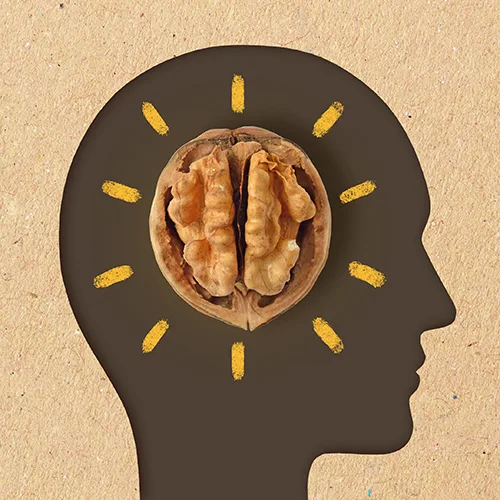
    3. Walnuts: The Ultimate Brain-Shaped Snack

    Man head silhouette with walnut – Walnuts are good for brain

    Walnuts are rich in DHA, vitamin E, and antioxidants, making them perfect for nuts and brain performance.

    Benefits:

    • Improves mental alertness.
    • Enhances processing speed.
    • Supports brain longevity.

    Tip: Snack on a handful daily or sprinkle on salads.

    6 Healthy Snacks to Eat While on Your Weight Loss Journey


    4. Avocados: Healthy Fats for Mental Flow

    Avocados provide healthy fats for brain function, supporting blood flow and oxygen delivery to the brain.

    Benefits:

    • Enhances concentration.
    • Reduces mental fatigue.
    • Supports memory formation.

    Eat it: Spread on toast or add to smoothies.


    5. Dark Chocolate: A Delicious Brain Booster

    Dark chocolate (70% cacao or higher) is rich in flavonoids, caffeine, and antioxidants.

    Benefits:

    • Boosts focus and motivation.
    • Enhances memory and blood flow.
    • Supports mood regulation.

    Tip: One small square a day is plenty.


    6. Broccoli: Green Power for Cognitive Function

    Broccoli is full of antioxidants and vitamin K, which are vital for Leafy greens and cognition.

    Benefits:

    • Protects brain cells.
    • Strengthens memory.
    • Supports neurotransmitter function.

    How to Boost Your Immune System Naturally (Ghanaian Food Edition)


    7. Eggs: The Choline Connection

    Eggs contain choline, a nutrient key for creating acetylcholineโ€”a neurotransmitter that supports memory and learning.

    Benefits:

    • Boosts focus.
    • Enhances learning ability.
    • Supports brain cell structure.

    8. Pumpkin Seeds: Tiny But Mighty

    Pumpkin seeds are rich in zinc, magnesium, and copperโ€”essential for your cognitive function diet.

    Benefits:

    • Improves memory.
    • Reduces anxiety.
    • Enhances reasoning.

    6 Healthy Snacks to Eat While on Your Weight Loss Journey


    9. Oranges: Vitamin C for Brain Defense

    A single orange gives your full daily dose of vitamin Cโ€”a top antioxidant for brain health.

    Benefits:

    • Protects against mental decline.
    • Strengthens brain immunity.

    10. Green Tea: Calm Focus in a Cup

    Green teaโ€™s caffeine and L-theanine blend improve focus without jitters.

    Benefits:

    • Promotes alertness.
    • Calms the mind.
    • Protects brain cells.

    (Internal link: Add link to mindfulness or productivity tips post.)


    11. Turmeric: The Golden Spice for Brain Power

    Curcumin in turmeric boosts serotonin, dopamine, and memory.

    Benefits:

    • Reduces inflammation.
    • Improves mood.
    • Enhances neuroplasticity.

    12. Spinach: Leafy Green Brain Fuel

    Rich in folate and beta carotene, spinach enhances Leafy greens and cognition.

    Benefits:

    • Slows mental decline.
    • Enhances memory.
    • Boosts focus.

    13. Coffee: A Mental Ignition Switch

    Caffeine in coffee increases alertness and memory recall.

    Benefits:

    • Sharpens focus.
    • Elevates mood.
    • Improves performance.

    14. Whole Grains: Steady Energy for Mental Endurance

    Whole grains provide slow-release glucoseโ€”perfect for sustained mental energy.

    Benefits:

    • Prevents fatigue.
    • Stabilizes mood.
    • Improves focus.

    15. Beets: Brain Blood Flow Boosters

    Beets increase blood flow and oxygen to the brain.

    Benefits:

    • Boosts concentration.
    • Improves mental performance.

    16. Almonds: Snack Smart for Brain Power

    Almonds contain vitamin E and magnesiumโ€”excellent foods for mental clarity.

    Benefits:

    • Supports focus.
    • Protects against oxidative stress.

    17. Berries (All Kinds): Natureโ€™s Brain Candy

    Berries are full of anthocyanins that protect brain cells.

    Benefits:

    • Enhances memory.
    • Improves coordination.
    • Reduces inflammation.

    18. Tomatoes: Lycopene for Cognitive Protection

    Tomatoes help prevent brain cell damage and boost memory.

    Benefits:

    • Prevents decline.
    • Supports mental performance.

    19. Water: The Overlooked Brain Fuel

    Hydration directly affects hydration and mental focus.

    Benefits:

    • Prevents brain fog.
    • Supports energy.

    Early Signs of Iron Deficiency in Women: Symptoms, Causes, and What You Need to Know


    20. Greek Yogurt: Protein and Probiotics for the Mind

    Greek yogurt supports gut healthโ€”which influences brain health.

    Benefits:

    • Enhances mood.
    • Supports focus.

    21. Dark Leafy Greens: Cognitive Champions

    Dark leafy greens like kale and chard provide vitamins for memory and overall cognition.

    Benefits:

    • Improves processing speed.
    • Protects against memory loss.

    Building Your Cognitive Function Diet

    To maximize brain power, combine these brain-boosting foods into daily meals. Focus on:

    • Regular intake of omega-3 rich foods.
    • Plenty of antioxidants for brain health.
    • Healthy fats for brain function (olive oil, avocado, nuts).
    • Staying hydrated and avoiding processed sugar.

    Mindful Eating for Weight Loss: How to Start


    Nourish to Flourish

    Your mind runs on what you eat. These focus-enhancing foods and foods that improve memory can transform how you think, learn, and perform. With the right brain power nutrition, youโ€™ll boost creativity, clarity, and long-term mental resilience.

    โ€ŽFollow the InfoHealthGh channel on WhatsApp: https://whatsapp.com/channel/0029Va7j1SgGE56e8pagc22u
  • Top Causes of Belly Fat After 30 (and How to Fight Back)

    Top Causes of Belly Fat After 30 (and How to Fight Back)

    7 Key Takeaways

    1. Hormones shift after 30 causing fat storage around the belly.
    2. Slower metabolism & muscle loss make fat loss harder.
    3. Stress & poor sleep increase cortisol and hunger hormones.
    4. Sedentary lifestyle and less movement accelerate belly fat.
    5. Unhealthy eating & alcohol contribute to visceral fat buildup.
    6. Genetics play a role, but lifestyle changes still matter.
    7. The best defense: strength training, balanced diet, stress management, and quality sleep.

    Introduction: Why Does Belly Fat Sneak Up After 30?

    You wake up one morning, glance in the mirror, and notice itโ€”your waistline isnโ€™t as flat as it used to be. Clothes fit differently, and that stubborn pouch around your midsection seems harder to get rid of than ever before. If this sounds familiar, youโ€™re not alone. Belly fat after 30 is one of the most common health struggles people face, even if they were slim in their 20s.

    The truth is, your body changes with age. Hormones shift, metabolism slows, stress piles up, and life responsibilities often leave less time for exercise and healthy eating. This creates the perfect storm for extra fat to settle around the abdomen. But hereโ€™s the good news: while it may be more challenging, itโ€™s absolutely possible to reverse the trend with the right strategies.

    In this article, weโ€™ll break down the top causes of belly fat after 30โ€”from hormonal changes and stress to sleep and lifestyle habits. More importantly, weโ€™ll explore practical, science-backed solutions you can start applying today to take control of your health and reclaim your waistline.

    Read Also: The Role of Water in Weight Loss: What You Need to Know

    Why Belly Fat After 30 Is Different

    Before diving into the causes, letโ€™s clarify why belly fat after 30 feels so different. Belly fat isnโ€™t just a cosmetic concernโ€”itโ€™s linked to visceral fat, the type of fat that surrounds your internal organs. Unlike subcutaneous fat (just under the skin), visceral fat is metabolically active and can increase your risk of type 2 diabetes, heart disease, and inflammation.

    Thatโ€™s why addressing belly fat isnโ€™t just about looking goodโ€”itโ€™s about protecting your long-term health.

    Top Causes of Belly Fat After 30

    1. Hormonal Shifts and Imbalances

    One of the biggest culprits is hormonal change. After 30, both men and women experience shifts in hormones that affect fat storage.

    • In women: Declining estrogen levels in the years leading to menopause cause fat to redistribute from hips and thighs to the abdomen.
    • In men: Testosterone levels naturally drop, reducing muscle mass and slowing metabolism, which makes it easier to gain fat in the belly.

    FIX:

    Include foods that support estrogen balance, such as flaxseeds and leafy greens. For men focus on Strength training as this can help preserve testosterone levels and muscle mass. Also, avoid processed foods and added sugars that disrupt hormonal balance.

    2. Slower Metabolism

    After age 30, metabolism slows by about 1โ€“2% per decade due to loss of muscle mass and changes in energy needs. This means you burn fewer calories at rest than you used to.

    How to Fight Back:

    Prioritize strength training to preserve and build lean muscle. Additionally, add small amounts of high-intensity interval training (HIIT) for calorie burn. Focus on protein-rich foods to maintain satiety and muscle repair.

    3. Stress and Cortisol Overload

    Life after 30 often comes with more responsibilitiesโ€”career pressures, financial stress, family obligations. Chronic stress raises cortisol levels, a hormone strongly linked to fat accumulation in the abdominal area.

    How to Fight Back:

    • Practice stress-reducing activities like meditation, deep breathing, or walking in nature.
    • Limit caffeine and alcohol, which elevate cortisol.
    • Ensure downtime and sleep to regulate stress hormones.

    4. Poor Sleep Habits

    Kidney damaging habits

    Lack of quality sleep is a hidden cause of belly fat. Studies show that adults who get fewer than 7 hours of sleep per night are more likely to accumulate visceral fat. Sleep deprivation also disrupts hunger hormones (ghrelin and leptin), making you crave unhealthy foods.

    How to Fight Back:

    • Aim for 7โ€“9 hours of quality sleep.
    • Establish a consistent bedtime routine (dim lights, no screens 1 hour before bed).
    • Avoid heavy meals and caffeine close to bedtime.

    5. Sedentary Lifestyle

    Sitting for long hoursโ€”whether at a desk job or watching TVโ€”slows calorie burn and reduces fat metabolism. Without consistent movement, belly fat builds up quickly.

    How to Fight Back:

    • Take a 5-minute walk every hour if you sit at work.
    • Use standing desks or walk during phone calls.
    • Add daily movement beyond the gym (house chores, cycling, stairs).

    6. Unhealthy Eating Patterns

    Processed foods, sugary snacks, late-night meals, and oversized portionsโ€”all contribute to belly fat. After 30, your body doesnโ€™t tolerate junk food as well as it once did, and insulin resistance becomes more likely.

    How to Fight Back:

    • Focus on whole foods: lean proteins, vegetables, whole grains, and healthy fats.
    • Cut back on refined carbs and added sugars.
    • Try intermittent fasting (16:8) if it fits your lifestyleโ€”it can help reduce visceral fat.

    Read Also: 5 Working Hacks to Shed Fat Fast: Skip if you canโ€™t be disciplined and consistent.

    7. Alcohol Consumption

    Alcohol, especially beer and cocktails, adds empty calories and promotes fat storage in the abdominal area. The term โ€œbeer bellyโ€ isnโ€™t just a mythโ€”itโ€™s physiology.

    How to Fight Back:

    • Limit alcohol to moderate levels (1 drink/day for women, 2 for men).
    • Choose lower-calorie options like wine or spirits mixed with soda water.
    • Have alcohol-free days each week.

    8. Age-Related Muscle Loss

    Muscle naturally declines after 30, which reduces calorie-burning capacity. Less muscle = slower metabolism = more belly fat.

    How to Fight Back:

    • Lift weights at least 2โ€“3 times per week.
    • Include bodyweight exercises (push-ups, squats, planks).
    • Donโ€™t neglect protein intakeโ€”muscles need fuel to grow.

    9. Genetics and Family History

    If belly fat runs in your family, you may be genetically predisposed to carry fat in your midsection. While you canโ€™t change genetics, you can change how you manage lifestyle risk factors.

    How to Fight Back:

    • Be proactive about lifestyle habits early.
    • Monitor waist circumference as a health marker.
    • Focus on habits you can controlโ€”exercise, diet, sleep, and stress.

    10. Decline in Physical Activity with Age

    After 30, many people become busier with work and family, leaving less time for physical activity. The gradual decline in energy expenditure plays a huge role in belly fat.

    How to Fight Back:

    • Schedule workouts as appointments.
    • Incorporate movement into daily life.
    • Start with small, consistent habits instead of extreme changes.

    Foods That Help Fight Belly Fat After 30

    Supercharge Testosterone Without Pills
    • Lean protein: chicken, fish, legumes
    • Fiber-rich foods: oats, beans, vegetables
    • Healthy fats: avocados, nuts, olive oil
    • Anti-inflammatory foods: turmeric, green tea, berries
    • Hydrating foods: cucumbers, watermelon

    Lifestyle Strategies That Work

    1. Combine cardio + strength training
    2. Manage stress & sleep consistently
    3. Eat balanced meals and practice mindful eating
    4. Stay hydrated (water helps reduce bloating and appetite)
    5. Track progress using waist circumference, not just the scale

    Conclusion

    Belly fat after 30 may feel like an unavoidable reality, but science shows itโ€™s not inevitable. By addressing hormonal changes, lifestyle habits, stress, and nutrition, you can prevent and reduce abdominal fat. Remember, small daily choices add upโ€”choose movement, eat whole foods, prioritize rest, and manage stress.

    With consistency, not only can you reclaim your waistline, but youโ€™ll also reduce your risk of chronic diseases and feel more energetic in your 30s, 40s, and beyond.

  • The Role of Water in Weight Loss: What You Need to Know

    The Role of Water in Weight Loss: What You Need to Know

    Losing weight comes very easy to some people while others struggle to shed even a single pound of fat. This is because we are different in our own way and what works for you might not necessarily work for someone else. What I know is that the two things that all success stories have in common are diet and exercis. However there is one often-overlooked factor that can make a big difference โ€” water. The role of water in weight loss is powerful, yet many underestimate just how much impact staying hydrated can have.

    From boosting metabolism to improving exercise performance, water can help with weight loss in a variety of ways that go beyond simply quenching your thirst. In today’s blog post, Infohealthgh– Ghana’s Biggest Health Blog will delve into The role of water in weight loss

    How does water help weight loss?

    role of water in weight loss
    role of water in weight loss

    Water supports weight loss in several important ways and these are just a few of them:

    1. Boosts metabolism โ€“ Drinking water can stimulate your body to break down fat and slightly increase calorie burning through a process called thermogenesis. Even small boosts add up over time.
    2. Reduces appetite โ€“ Sometimes, feelings of hunger are actually signs of dehydration. Having a glass of water before meals can help you feel fuller and naturally reduce calorie intake.
    3. Improves digestion and detoxification โ€“ Adequate hydration helps flush out waste, supports healthy digestion, and keeps your system running efficiently.
    4. Enhances workouts โ€“ Being well-hydrated improves exercise capacity, which means youโ€™ll be able to train harder, longer, and more effectively burn calories.

    Evidently, I would always recommend drinking plenty of water as part weight loss regimens .It may not be as pleasant and as popping a bottle of soda However, it directly influences multiple pathways related to fat loss and energy balance.

    Can lack of water affect weight loss?

    Now that we have established the important role that water plays in losing weight, let us look at how a lack of it in your weight loss journey could significantly slow down your progress.

    • Your metabolism will slow down, making it harder to burn calories efficiently.
    • You may mistake thirst for hunger, leading to overeating. This is very common because thirst can feel like hunger sometimes.
    • Exercise performance declines, meaning you burn fewer calories during workouts.

    In short, not drinking enough water will put unnecessary roadblocks on your weight loss journey.

    How much water do you need daily to lose weight?

    Thereโ€™s no universal โ€œone-size-fits-allโ€ number since water needs depend on age, weight, activity level, and climate so feel free to drink as much as you can if all health conditions are right. If you dont know how to incorporate regular hydration into your lifestyle practical approach to follow and stay disciplined:

    • 8โ€“10 cups (about 2โ€“2.5 liters) per day for most adults.
    • More if you exercise regularly or live in a hot environment.

    You are able to tell if your body is getting enough water or not so here is a useful tip to follow. Check your urine color: pale yellow usually means youโ€™re well-hydrated, while darker shades may signal dehydration.

    What is the 30/30/30 rule for weight loss?

    Since we are discussing weight loss on Ghana’s biggest health blog we might as well chip in the 30/30/30 rule. Dont’ get it twisted as it is simply a guideline designed to support fat loss and energy control:

    • 30 grams of protein within 30 minutes of waking up
    • 30 minutes of exercise in the morning

    Adding water to this strategy can further improve results. For example, drinking a glass of water right after waking up helps kickstart your metabolism, rehydrates your body, and supports fat breakdown when paired with protein and movement.

    Conclusion

    The role of water in weight loss goes far beyond just filling your stomach. By boosting metabolism, reducing cravings, enhancing workouts, and supporting digestion, hydration is one of the simplest yet most effective tools in your wellness toolkit. Incorporating more water into your daily routine might be the easiest first step you can take toward lasting weight loss.

  • Unlock Your Manhood: How to Supercharge Testosterone Without Pills

    Unlock Your Manhood: How to Supercharge Testosterone Without Pills

    Feeling tired, sluggish, and not quite yourself? Learn How to Supercharge Testosterone Without Pills

    If your energy, strength, or drive has taken a dip, your testosterone might be to blame. Low testosterone isnโ€™t just about ageโ€”itโ€™s a growing issue fueled by stress, poor sleep, environmental toxins, and unhealthy habits. The scary part? Many men donโ€™t even realize their testosterone levels are quietly dropping.

    Hereโ€™s the truth: You donโ€™t need expensive supplements or risky injections to reclaim your manhood. Science shows there are natural, safe, and fast ways to supercharge testosterone without pills. By making the right changes in your lifestyle, diet, and habits, you can revive your energy, sharpen your focus, and reignite your vitality.

    Backed by research, this guide will reveal the top natural testosterone boosters every man should know. Ready to fire up your hormones and feel like yourself again? Letโ€™s dive in.

    Read Also: How to deal with sore muscles after an intense workout.

    What Is Testosterone and Why Does It Matter?

    How to Supercharge Testosterone Without Pills

    Testosterone is the key male hormone that fuels strength, muscle growth, fat burning, libido, and even mental clarity. Think of it as your bodyโ€™s power switch. When it drops, so does your energy, confidence, and performance.

    Low testosterone symptoms often include:

    • Constant fatigue
    • Loss of muscle and strength
    • Mood swings or brain fog
    • Reduced libido
    • Increased belly fat

    The good news? You can naturally increase testosterone by making smart lifestyle tweaks.

    1. Strength Training: The Fastest Natural Testosterone Booster

    Supercharge Testosterone Without Pills

    Nothing spikes testosterone like resistance training. Compound exercisesโ€”think squats, deadlifts, bench presses, and pull-upsโ€”activate multiple muscle groups and trigger the biggest hormonal response.

    โœ… Tip: Focus on 3โ€“4 strength workouts per week with heavy weights and low reps. High-intensity interval training (HIIT) is another excellent testosterone booster that burns fat while keeping hormones balanced.

    2. Sleep: The Secret Weapon for High Testosterone

    Supercharge Testosterone Without Pills

    Skipping sleep is a testosterone killer. Studies show men who sleep less than 6 hours a night can have 15โ€“20% lower testosterone than those who sleep 7โ€“8 hours.

    During deep sleep, your body produces the majority of testosterone and growth hormone. Without it, recovery, muscle building, and energy all take a hit.

    โœ… Tip: Aim for 7โ€“9 hours of quality sleep. Keep your room cool, dark, and screen-free for maximum hormonal repair.

    Read Also: 10 Natural Ways to Sleep Better at Night (Without Pills or Melatonin)

    3. Nutrition: Eat to Fuel Your Hormones

    Supercharge Testosterone Without Pills

    Food isnโ€™t just fuelโ€”itโ€™s information for your hormones. The wrong diet can crash testosterone, while the right foods can send it soaring.

    Best Testosterone Booster Foods:

    • Eggs & lean meats โ†’ rich in protein and cholesterol, key for hormone production
    • Fatty fish (salmon, tuna, sardines) โ†’ loaded with omega-3s for hormone health
    • Nuts & seeds โ†’ healthy fats and zinc support testosterone
    • Cruciferous veggies (broccoli, cauliflower, kale) โ†’ help regulate estrogen levels
    • Avocados & olive oil โ†’ monounsaturated fats proven to aid hormone balance

    โœ… Tip: Avoid excess sugar and processed foodsโ€”they spike insulin and lower testosterone.

    4. Vitamin D: The โ€œSunshine Hormoneโ€ That Fuels Testosterone

    Vitamin D isnโ€™t just about bone healthโ€”itโ€™s one of the most powerful natural testosterone boosters. In fact, research shows men with higher vitamin D levels often have higher testosterone.

    โœ… Tip: Spend 20 minutes in the sun daily, or supplement with 3,000โ€“5,000 IU of Vitamin D3 if sunlight isnโ€™t an option.

    5. Stress Control: Stop Cortisol From Killing Your T Levels

    Chronic stress releases cortisolโ€”the hormone that directly blocks testosterone production. High stress means low T, no matter how much you work out or eat right.

    โœ… Tip: Practice stress-reducing habits daily deep breathing, meditation, yoga, or even a simple 20-minute walk outdoors.

    6. Cut Out Testosterone Killers

    Certain lifestyle choices silently sabotage testosterone.

    โŒ Alcohol โ†’ lowers testosterone and raises estrogen.
    โŒ Processed foods & trans fats โ†’ disrupt hormones.
    โŒ Plastics (BPA in bottles & containers) โ†’ mimic estrogen in the body.

    โœ… Tip: Drink from glass or stainless-steel bottles, and eat whole, unprocessed foods whenever possible.

    7. Bonus Hack: Herbal Testosterone Boosters

    Certain herbs have been shown to naturally support testosterone production.

    • Ashwagandha โ†’ reduces stress and boosts testosterone levels.
    • Fenugreek โ†’ improves strength and libido.
    • Ginger โ†’ long used as a natural hormone booster.

    โœ… Tip: These herbs arenโ€™t magic pills, but when combined with training, nutrition, and sleep, they can give your testosterone an extra push.

    Read Also: 5 Working Hacks to Shed Fat Fast: Skip if you canโ€™t be disciplined and consistent.

    Reclaim Your Energy, Strength, and Drive

    Low testosterone doesnโ€™t have to steal your vitality. By combining strength training, quality sleep, a testosterone-friendly diet, vitamin D, stress control, and smart lifestyle choices, you can naturally boost testosteroneโ€”fast and without pills.

    Remember: testosterone is the ultimate driver of male health. When you take care of it, everything from your energy and focus to your confidence and manhood improves.

    ๐Ÿš€ Start today. Make one changeโ€”hit the gym, fix your sleep, or swap your foodโ€”and watch your testosterone (and life) transform.

  • 7 Surprising Everyday Habits That Trigger Joint Painโ€”and Natural Fixes You Can Start Today

    7 Surprising Everyday Habits That Trigger Joint Painโ€”and Natural Fixes You Can Start Today

    Surprising Everyday Habits That Trigger Joint Pain:- Most people blame aging or past injuries when their knees ache or their shoulders feel stiff. But hereโ€™s the truth: everyday habits you barely notice could be quietly triggering your joint pain. The good news? With a few simple shifts, you can protect your joints and find relief without relying solely on medications.

    In this post, weโ€™ll uncover the hidden causes of joint pain that sneak into your daily routineโ€”and give you natural, easy fixes you can start using today.

    1. Sitting Too Long at Your Desk

    Surprising Everyday Habits That Trigger Joint Pain
    Surprising Everyday Habits That Trigger Joint Pain

    Why it hurts: Hours of sitting locks your joints in one position, tightening muscles and weakening stabilizers. Over time, this strain increases stiffness and pain, especially in hips and knees.

    Natural Fix: Try the โ€œ20-8-2โ€ rule: every 20 minutes, sit for 20, stand for 8, and move for 2. Add gentle stretches like hip openers or shoulder rolls into your workday. A standing desk can also make a huge difference.

    2. Skipping Your Morning Stretch

    Surprising Everyday Habits That Trigger Joint Pain
    Surprising Everyday Habits That Trigger Joint Pain

    Why it hurts: Rolling out of bed and diving straight into your day may leave your joints stiff and inflamed. Movement helps circulate synovial fluidโ€”the โ€œjoint oilโ€ that keeps things gliding smoothly.

    Natural Fix: Build an anti-inflammatory morning routine with 5 minutes of stretching, deep breathing, and a warm glass of lemon water. Yoga poses like Cat-Cow or gentle spinal twists reduce stiffness and improve circulation.

    3. Wearing Unsupportive Shoes

    Why it hurts: Flat sandals, worn-out sneakers, or high heels donโ€™t provide the arch support your joints need. Poor footwear throws off alignment, stressing ankles, knees, and hips.

    Natural Fix: Invest in supportive shoes with cushioning and arch support. Consider insoles if you need extra stabilization. Barefoot walking on grass or sand for a few minutes daily can also strengthen foot muscles naturally.

    4. Eating โ€œHealthyโ€ Foods That Arenโ€™t So Healthy

    Surprising Everyday Habits That Trigger Joint Pain

    Why it hurts: Some foods marketed as healthyโ€”like flavored yogurt, granola, or energy barsโ€”are loaded with hidden sugars and refined oils. These are foods that secretly cause inflammation, which worsens joint pain.

    Natural Fix: Swap out processed snacks for whole foods: berries, nuts, leafy greens, and omega-3-rich fish. These naturally fight inflammation and support joint health.

    5. Carrying Your Bag on One Shoulder

    Why it hurts: Lopsided weight distribution strains the spine and shoulder joints. Over time, it can even affect your posture, leading to more widespread pain.

    Natural Fix: Switch to a backpack or evenly distribute weight between both hands. If you carry a purse, switch shoulders frequently. Lighten your loadโ€”your joints will thank you.

    6. Ignoring Stress and Sleep

    Surprising Everyday Habits That Trigger Joint Pain
    Surprising Everyday Habits That Trigger Joint Pain

    Why it hurts: Chronic stress floods the body with cortisol, a hormone that increases inflammation. Pair that with poor sleep, and your body never gets the chance to repair joint tissue.

    Natural Fix: Prioritize deep, restorative sleep with a calming bedtime ritualโ€”think herbal tea, meditation, or stretching. Manage stress with mindfulness, journaling, or simply a daily walk in nature.

    7. Poor Posture Throughout the Day

    Why it hurts: Slouching at your desk or standing with your hips tilted forward shifts pressure onto your joints. Over time, bad alignment can lead to chronic pain.

    Natural Fix: Practice posture resets. Every hour, check that your ears, shoulders, and hips line up. Core-strengthening exercises like planks and bridges help you maintain good posture naturally.

    Your Next Step: Small Shifts, Big Relief

    Joint pain doesnโ€™t have to control your life. Start smallโ€”pick one fix today and see how your body responds. Whether itโ€™s upgrading your shoes, adding morning stretches, or improving your posture, every change adds up.

    ๐Ÿ‘‰ Want more natural wellness tips? Follow our Whatsapp Channel and get weekly strategies for living pain-free, energized, and strong.

    โ€ŽFollow the InfoHealthGh channel on WhatsApp: https://whatsapp.com/channel/0029Va7j1SgGE56e8pagc22u
  • 10 Common Sunscreen Mistakes (And How to Fix Them)

    10 Common Sunscreen Mistakes (And How to Fix Them)

    Sunscreen is one of the most powerful tools for preventing premature aging, skin cancer, and sunburn. Yet even the most health-conscious people make common sunscreen mistakes that reduce its effectiveness without realizing it. Dermatologists consistently warn that improper sunscreen use is leaving millions of people underprotectedโ€”even if they apply SPF daily. The good news? Each mistake has a simple solution that can dramatically improve your skinโ€™s defense against UV damage.

    common sunscreen mistakes

    1. Applying Too Little Sunscreen

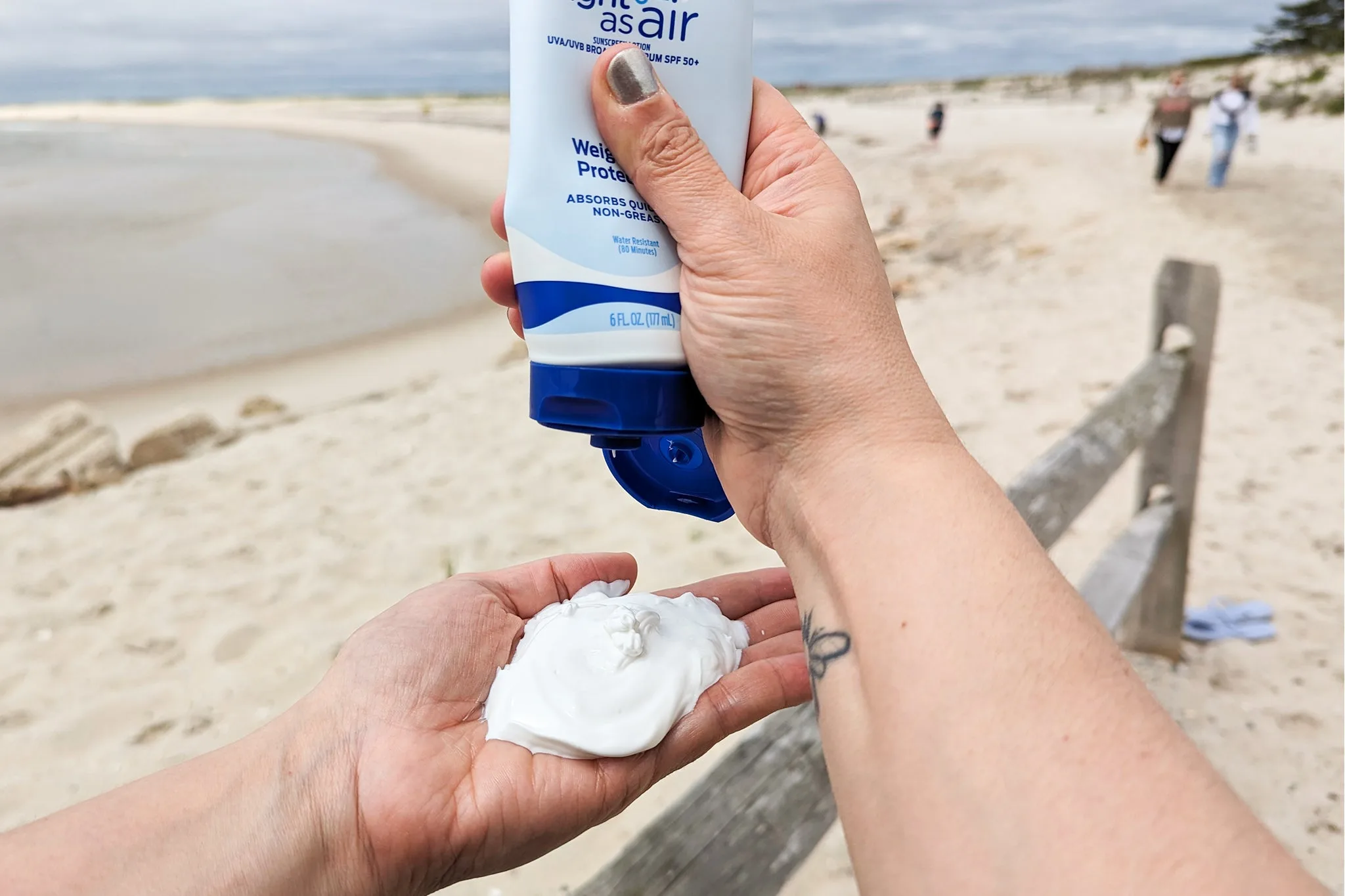
    Most people use less than half the recommended amount of sunscreen. According to the American Academy of Dermatology (AAD), you need about 1 ounce (a shot-glass full) for the body and at least 1 teaspoon for the face. Anything less reduces SPF protection drastically.

    Fix: Measure your sunscreen before applying and recheck how much you use. More is better when it comes to SPF coverage.

    โ€ŽFollow the InfoHealthGh channel on WhatsApp: https://whatsapp.com/channel/0029Va7j1SgGE56e8pagc22u

    2. Forgetting to Reapply

    Sunscreen is not โ€œone and done.โ€ UV filters degrade after about two hours, faster if you swim or sweat. Failing to reapply leaves your skin as vulnerable as if you never put it on.

    Fix: Reapply every two hours, and immediately after swimming, sweating, or towel-dryingโ€”even if your sunscreen claims to be water resistant.

    common sunscreen mistakes

    3. Only Wearing Sunscreen on Sunny Days

    Up to 80% of UV rays penetrate through clouds and windows. UVA rays in particular are responsible for skin aging and pass through untreated glass. Skipping sunscreen on overcast or indoor days still puts you at risk.

    Fix: Make sunscreen a daily habit, regardless of weather or whether youโ€™re indoors near windows.

    Read Also: Retinol and Tretoin Use โ€“ Your excessive skincare routine jeopardize your Pregnancy

    4. Missing Key Areas

    Dermatologists frequently see sun damage on ears, scalp, lips, eyelids, and the tops of feetโ€”all areas people forget to cover. These are also common sites for skin cancer.

    Fix: Apply sunscreen evenly, including overlooked spots. Use SPF lip balm and spray or powder sunscreen for scalp protection.

    5. Using Expired Sunscreen

    Expired products lose stability, meaning the SPF value on the label no longer reflects reality. Using them creates a false sense of protection.

    Fix: Check the expiration date before each use. If none is listed, label the bottle with the purchase date and discard after three yearsโ€”or sooner if it has changed in smell, texture, or consistency.

    common sunscreen mistakes

    6. Trusting Makeup or Moisturizer SPF Alone

    Cosmetics and moisturizers with SPF often donโ€™t contain enough sunscreen to provide full protection. Worse, most people apply them too thinly to meet the advertised SPF rating.

    Fix: Treat SPF in makeup as a bonus, not a replacement. Always layer a broad-spectrum sunscreen (SPF 30 or higher) underneath.

    Read Also: Your Skin Reflects Your Health: What Acne, Dryness, and Discoloration Could Mean

    7. Applying Sunscreen Too Late

    Sunscreen takes about 15 minutes to bind properly to your skin. Applying it just before or after going outdoors leaves you exposed during the window when UV radiation is strongest.

    Fix: Apply sunscreen at least 15 minutes before stepping outside.

    8. Believing High SPF Means Unlimited Protection

    SPF 30 blocks about 97% of UVB rays, while SPF 50 blocks roughly 98%. The difference is marginal, and higher SPF does not last longer. Application technique matters far more.

    Fix: Choose SPF 30 or higher and apply correctly in sufficient amounts. Focus on reapplication instead of chasing higher numbers.

    Read Also: Relieve Itchy Skin After Shower Naturally: Proven Remedies That Actually Work

    9. Ignoring Sunscreen Ingredients

    Chemical filters like oxybenzone and avobenzone can degrade quickly in sunlight, while mineral sunscreens with zinc oxide and titanium dioxide tend to be more photostable and reef-safe. Choosing the wrong formula may mean less reliable coverage.

    Fix: Look for โ€œbroad-spectrumโ€ on the label. If you have sensitive skin or care about reef safety, select mineral sunscreens.

    10. Not Complementing Sunscreen With Other Protection

    Sunscreen is essential but not bulletproof. Heat, visible light, and infrared radiation can also accelerate skin agingโ€”a process dermatologists call heat aging. Relying only on SPF ignores these other stressors.

    Fix: Combine sunscreen with shade, wide-brimmed hats, sunglasses, and antioxidant skincare. Together, they provide more complete protection.

    Read Also: How the Soap You Use Could Be Harming Your Skin โ€” And What to Use Instead

    Sunscreen worksโ€”when used correctly. By avoiding these common sunscreen mistakes, you maximize your skinโ€™s defense against UV radiation and reduce long-term risks like wrinkles, dark spots, and skin cancer. The science is clear: consistent, proper sunscreen use is one of the simplest and most effective steps you can take for lifelong skin health.

  • Is Drinking Water Before Bed Good or Bad?

    Is Drinking Water Before Bed Good or Bad?

    Is It Good to Drink Water Before Bed? What Science Says

    Is Drinking Water Before Bed Good or Bad

    Drinking enough water daily is essential for your body to function properly. But when it comes to drinking water right before bedtime, opinions differ. Some people sip a glass of water at night to stay hydrated, while others avoid it to prevent sleep disruptions. So, is drinking water before bed good or bad for your health? Letโ€™s break it down.

    Read Also: What Happens If You Inject Yourself With Water?

    The Downsides of Drinking Water Before Bed

    1. Interrupted Sleep Cycle
      Normally, your body reduces urine production at night, letting you rest for 6โ€“8 hours without interruption. Drinking a glass or two of water before bed can trigger frequent nighttime urination (nocturia), leading to broken sleep.
    2. Impact on Heart Health
      Sleep deprivation from waking up frequently can harm your heart. Research shows that adults who sleep fewer than 6 hours are at higher risk of high blood pressure, stroke, and heart disease.
    3. Age and Bladder Function
      As you age, conditions like diabetes, dementia, or prostate enlargement can make the bladder more sensitive. Drinking water right before bed increases the chance of waking up multiple times at night.

    Read Also: The Okra & Water Trend: What Science Says About Its Health Benefits

    Benefits of Drinking Water Before Bed

    Is Drinking Water Before Bed Good or Bad
    1. Improved Mood and Brain Function
      A 2014 study found that dehydration negatively affects mood and alertness. Staying hydrated before bed may help you feel calmer and more satisfied, which supports better sleep quality.
    2. A Gentle Detox
      Drinking warm water at night improves blood circulation, supports digestion, and helps the body flush out toxins through sweat and urine. Adding lemon can boost vitamin C intake and immunity.

    When Is the Best Time to Drink Water?

    The key is not to avoid water at night entirely but to time your hydration smartly:

    • Drink consistently throughout the day.
    • Have your last glass at least 1โ€“2 hours before bed.
    • Drink water before and after exercise.
    • Add water-rich foods (fruits, veggies) to your meals.
    • Watch your urine color โ€” pale yellow means youโ€™re hydrated.

    Read Also: Benefits of dipping face in cold ice water first thing in the morning

    Final Outlook

    Water is essential for good health, but drinking it too close to bedtime may disrupt your sleep and increase nighttime bathroom trips. To get the benefits of hydration without the downsides, aim to drink enough during the day and finish your last glass at least two hours before sleep.

    If you often wake up dehydrated or have bladder issues, consult your doctor for a hydration plan tailored to your needs.

  • Mindful Eating for Weight Loss: How to Start

    Mindful Eating for Weight Loss: How to Start

    Introduction: Why Mindless Eating Keeps You Stuck

    Have you ever reached the bottom of a snack bag only to realize you werenโ€™t even hungry? Or finished a meal while scrolling through your phone, barely tasting a single bite? This is the trap of mindless eating, and itโ€™s one of the biggest reasons weight loss feels so frustrating.

    Hereโ€™s the truth: most people donโ€™t struggle with knowing what to eatโ€”they struggle with how they eat. Thatโ€™s where mindful eating comes in. Unlike diets that rely on restrictions and rules, mindful eating is about slowing down, noticing your bodyโ€™s signals, and making food choices with awareness instead of impulse.

    And research agrees. Studies show mindful eating helps reduce overeating, emotional eating, and cravings, making it a sustainable tool for weight management. Best of all? You donโ€™t need to count calories or cut out your favorite foodsโ€”you just need to pay attention.

    Read Also: Early Signs of Iron Deficiency in Women: Symptoms, Causes, and What You Need to Know

    What Is Mindful Eating?

    Mindful eating is the practice of bringing full, non-judgmental awareness to the experience of eating. Instead of eating on autopilot, you learn to notice:

    • When youโ€™re truly hungry vs. emotionally triggered
    • How food tastes, smells, and feels
    • When your body is satisfied, not stuffed

    Think of it as retraining your brain and body to work togetherโ€”something diet culture often ignores.

    How Mindful Eating Aids Weight Loss

    Mindful eating supports weight management by focusing on behavior, not restriction. Hereโ€™s how it works:

    1. Improves Appetite Awareness

    • Learn to separate physical hunger (fuel) from emotional hunger (stress, boredom, sadness).
    • Pro tip: Many people mistake thirst for hungerโ€”try a glass of water first.

    2. Enhances Satiety Signals

    • Your brain needs about 20 minutes to register fullness. Eating slowly gives it time to catch up.
    • Try smaller bites, chopsticks, or a smaller plate to pace yourself.

    3. Reduces Cravings & Emotional Eating

    • Instead of fighting cravings, get curious: โ€œWhat do I really needโ€”food, comfort, or rest?โ€
    • Healthy alternatives: journaling, deep breathing, or a quick walk.

    4. Increases Meal Satisfaction

    • Savor flavors, textures, and aromas. When food feels like an experience, you need less of it.
    • Use the โ€œfirst-bite ruleโ€โ€”focus fully on the first few bites when flavors are strongest.

    How to Start Mindful Eating for Weight Loss

    You donโ€™t need to overhaul everything. Start smallโ€”practice mindful eating with one meal per day, then expand.

    Before You Eat

    • Check hunger level: Rate from 1โ€“10 (true hunger vs. emotional trigger).
    • Pause with gratitude: Reflect briefly on where your food came from.

    While You Eat

    • Eliminate distractions: No phone, TV, or laptop.
    • Engage all senses: Notice colors, textures, smells, and sounds.
    • Eat slowly: Chew each bite 20โ€“30 times.
    • Check fullness cues: Stop at โ€œcomfortably satisfied.โ€

    After You Eat

    • Reflect: Do you feel energized or sluggish?
    • Journal briefly: Note what you ate and how it made you feelโ€”patterns emerge over time.

    Read Also: How the Soap You Use Could Be Harming Your Skin โ€” And What to Use Instead

    Tips for Building Sustainable Mindful Eating Habits

    • Start with one mindful meal per day
    • Try new foods and notice how your body responds
    • Seek support from a dietitian or therapist if emotional eating feels overwhelming
    • Be patientโ€”like meditation, mindful eating is a practice. Slip-ups are part of learning.

    FAQs About Mindful Eating and Weight Loss

    Mindful Eating for Weight Loss

    1. Does mindful eating really help with weight loss?
    Yes. Research shows it can lower BMI, reduce binge eating, and promote sustainable habits.

    2. Do I have to give up my favorite foods?
    No! Mindful eating encourages enjoying all foods in moderation. The key is awareness, not restriction.

    3. How fast will I see results?
    Weight loss varies. Some notice reduced overeating within weeks, while others experience gradual changes over months. The real win is developing a healthier, long-term relationship with food.

    4. Is mindful eating good for emotional eaters?
    Absolutely. By pausing and exploring emotions, mindful eating helps break the automatic cycle of stress โ†’ food โ†’ guilt.

    Read Also: Understanding the Health Risks of Too Much Cloves: What You Need to Know

    Key Takeaway

    Mindful eating isnโ€™t about dietingโ€”itโ€™s about reconnecting with your body, enjoying food more, and naturally supporting weight loss. By slowing down, tuning into hunger cues, and practicing presence, youโ€™ll eat less without feeling deprived and finally break free from the cycle of dieting.

  • Acid Reflux vs Ulcer: Symptoms You Shouldn’t Ignore

    Acid Reflux vs Ulcer: Symptoms You Shouldn’t Ignore

    Introduction
    It is very common to experience a little stomach discomfort which persist longer than it should. Most at times we quickly misattribute it to a simple case of heartburnโ€”but what if itโ€™s more serious? In this post, comparing acid reflux vs ulcer, weโ€™ll spotlight how to distinguish these two common but often confused conditions. Knowing the difference and recognizing warning signs can make all the difference in getting timely care and preventing complications.

    Acid Reflux vs Ulcer

    To distinguish between the two we need to look at the following:

    1. What Is Acid Reflux?
    2. Key Symptoms
    3. What Is a Stomach Ulcer?
    4. Serious Complications to Watch For
    5. Acid Reflux vs. Ulcer: How to Tell the Difference
    6. When to Seek Medical Help
    7. Treatment Options & Lifestyle Tips

    Understanding Acid Reflux (GERD)

    What Is Acid Reflux?
    Acid reflux occurs when stomach acid flows backward into the esophagus due to a weakened lower esophageal sphincter (LES), resulting in a burning sensation behind the breastbone and sour regurgitation (German Medical Center, Wikipedia).

    Key Symptoms

    • Heartburn: burning in chest or throat, often after meals or when lying down (German Medical Center)
    • Sour or bitter taste in mouth from regurgitated acid (German Medical Center)
    • Chronic cough, hoarseness, throat irritation or difficulty swallowing (The Sun)
    • Bloating, belching, fullness, and sometimes nausea (Cleveland Clinic)

    Why It Matters
    Left untreated, chronic acid reflux (GERD) may lead to complications such as esophagitis, strictures, Barrettโ€™s esophagus, and even esophageal ulcers or cancer (Wikipedia).

    Understanding Peptic Ulcers

    What Is a Stomach Ulcer?

    Acid Reflux vs Ulcer

    A stomach ulcer (or gastric/duodenal ulcer) is a crater-like sore in the stomach or upper small intestine lining, caused most often by Helicobacter pylori infection or long-term NSAID use (Wikipedia).

    Key Symptoms

    Serious Complications to Watch For
    Bleeding, perforation (a hole through the wall of the stomach), obstructionโ€”especially sharp, sudden worsening pain or faintingโ€”are medical emergencies (Wikipedia).

    Acid Reflux vs. Ulcer: How to Tell the Difference

    FeatureAcid Reflux / GERDPeptic Ulcer
    Location of discomfortChest, throatMid-upper abdomen
    Relation to mealsWorse after eating or lying downWorse on empty stomach; eating may relieve duodenal ulcers, worsen gastric
    Other symptomsRegurgitation, cough, hoarsenessNausea/vomiting, dark stool, weight loss or gain, early satiety
    Pain typeBurning, radiating upwardGnawing, dull ache
    Complication riskEsophagitis, strictures, Barrettโ€™sBleeding, perforation, obstruction

    Both conditions share symptoms like nausea, bloating, and heartburnโ€”but the context, timing, and severity often differ. Ulcers may cause heartburn themselves, but heartburn alone doesnโ€™t always mean an ulcer (Wikipedia, German Medical Center, Healthline).

    When to Seek Medical Help

    ๐Ÿšจ Immediate Attention Required If If You Have:

    ๐Ÿ’ก See a Doctor If You Experience:

    • Frequent heartburn (โ‰ฅ2 days/week), regurgitation, persistent cough, or hoarseness
    • Upper abdominal pain that persists, especially at night or on an empty stomach
    • Nausea or vomiting without an obvious cause, unintentional weight loss
    • Unresolved bloating, early fullness, or loss of appetite (Medical News Today, Wikipedia)

    Your healthcare provider may order tests such as endoscopy, H. pylori testing (breath, blood, stool), esophageal pH monitoring, or upper GI imaging to confirm the diagnosis (German Medical Center).

    Treatment Options & Lifestyle Tips

    Acid Reflux vs Ulcer

    For Acid Reflux / GERD

    • Lifestyle: smaller meals, avoid trigger foods/drinks (spicy, fatty, caffeine, alcohol), avoid lying down after eating, elevate head of bed, stop smoking, lose weight if overweight (Wikipedia, EatingWell)
    • Medications: antacids, Hโ‚‚ blockers, protonโ€‘pump inhibitors (PPIs)
    • In severe or refractory cases: surgical options like fundoplication or transoral procedures (Wikipedia, German Medical Center)

    For Stomach Ulcers

    • Eradicate underlying cause: antibiotics for H. pylori; stop NSAIDs or switch medications
    • Acidโ€‘reducing therapy: PPIs or Hโ‚‚ blockers; cytoprotective agents if needed (e.g. sucralfate) (Cleveland Clinic)
    • Lifestyle: avoid alcohol, smoking, and NSAIDs; manage stress and make dietary adjustments as needed (German Medical Center, Wikipedia)
    • Followโ€‘up: repeat testing or endoscopy if symptoms persist or bleeding occurred

    Understanding โ€œAcid Reflux vs. Ulcer: Symptoms You Shouldn’t Ignoreโ€ helps you spot the key differences between two conditions that share some overlapping signsโ€”but require different treatments. If your heartburn or abdominal discomfort lingers, intensifies at night, or includes worrying signs like blood or weight loss, don’t selfโ€‘treat only with antacids. Seek evaluation from a healthcare provider to ensure the right diagnosis and timely treatment.

    Taking timely action can prevent complications and promote healing. Always err on the side of cautionโ€”persistent or severe symptoms deserve professional attention.