Author: kwamebrew

  • Hidden Gum Plastic: How Packaging May Contaminate Natural Chewing Gums

    Hidden Gum Plastic: How Packaging May Contaminate Natural Chewing Gums

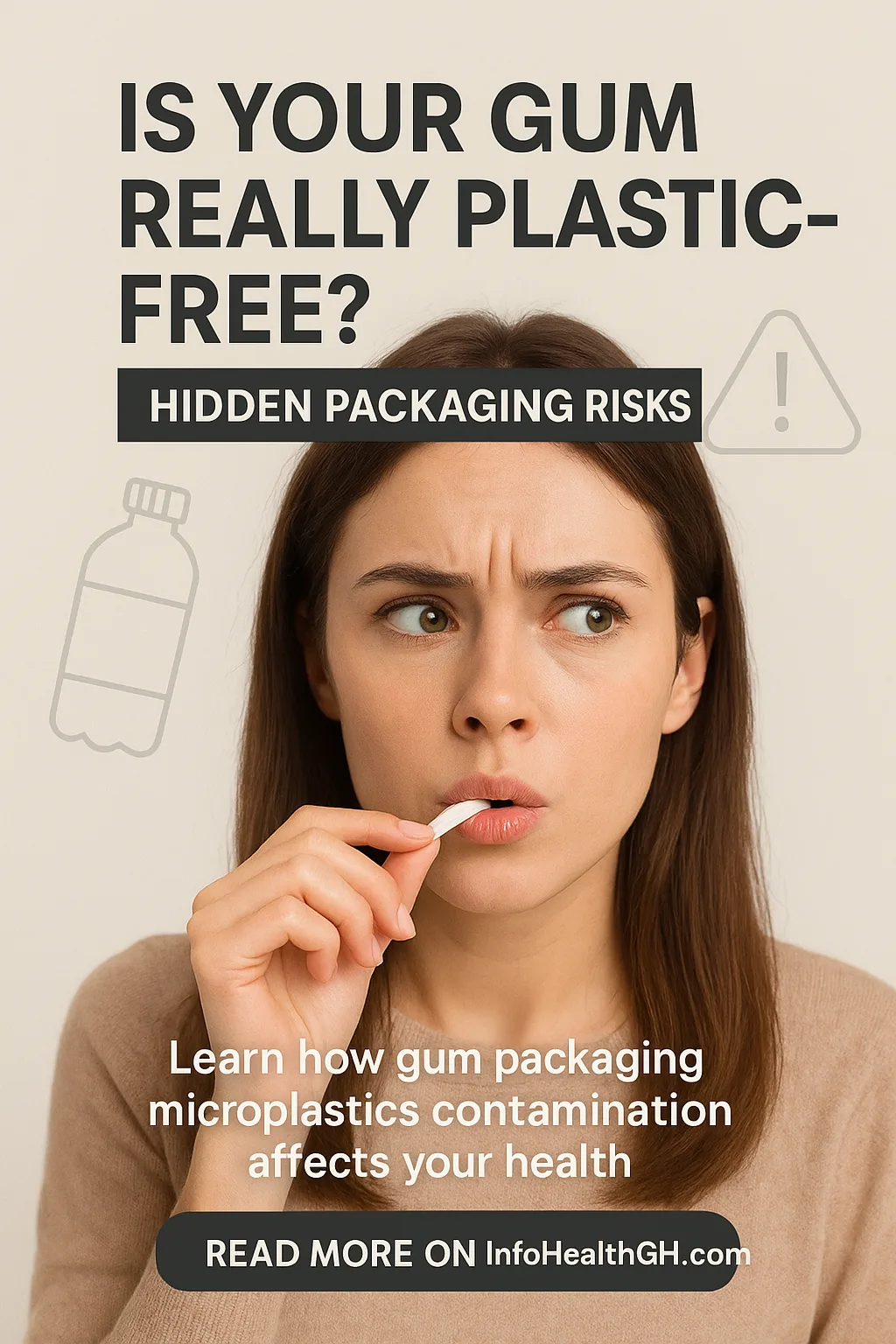
    Chewing gum has always been marketed as a harmless treat—sometimes even as a “natural” alternative for fresh breath or stress relief. But a surprising new health concern is emerging gum packaging microplastics contamination.

    While many studies focus on microplastics in synthetic gum bases, recent evidence shows that even so-called natural gums may not be as clean as they seem. The culprit? Plastic packaging and production methods that introduce tiny, invisible particles into the gum before it ever reaches your mouth.

    What Are Microplastics and Why Should You Care?

    Microplastics are tiny fragments of plastic less than 5mm in size. They can come from broken-down plastic bottles, food wrappers, cosmetics, or even the friction of synthetic fibers in clothing. These particles are small enough to enter human tissues, and studies have already detected them in blood, lungs, brain tissue, and the placenta.

    Health experts warn that long-term exposure may trigger inflammation, oxidative stress, and hormonal disruption. While scientists are still studying the full effects on human health, one thing is clear: reducing unnecessary microplastic exposure is a smart move.

    Read Also: The Surprising Link Between Gut Health and Anxiety: How Your Digestive System Affects Your Mind

    How Natural Gum Becomes Contaminated

    When people choose natural chewing gums—often made from tree resins like chicle—they assume they are avoiding synthetic plastics. Unfortunately, gum packaging microplastics contamination can undo that healthy choice.

    Here’s how it happens:

    • Plastic Wrappers – Most gums, even natural brands, are wrapped in thin plastic or foil-plastic composites that can shed particles into the gum.
    • Production Lines – Industrial conveyor belts, packaging seals, and cutting machines often use plastics that come into direct contact with gum.
    • Storage & Transport – Heat and friction during shipping can accelerate microplastic release into the gum before it’s even opened.

    In other words, even before you start chewing, your “plastic-free” gum may already be carrying microscopic fragments.

    Read Also: How to Stop Sugar Cravings Naturally at Night: 7 Proven Strategies

    Why Packaging Contamination Matters More Than You Think

    Recent studies suggest that both synthetic and natural gums release microplastics when chewed—but the surprising part is that natural gums aren’t necessarily safer. In some cases, gum packaging microplastics contamination accounts for just as much exposure as the gum base itself.

    That means switching to natural gum won’t completely eliminate your risk unless the brand also commits to plastic-free packaging. Consumers who chew gum daily could be swallowing tens of thousands of particles each year—without realizing it.

    Read Also: Early Signs of Iron Deficiency in Women: Symptoms, Causes, and What You Need to Know

    What You Can Do to Minimize Microplastic Exposure

    If you enjoy chewing gum, here are practical steps you can take:

    1. Choose brands with eco-friendly packaging – Look for gums sold in compostable wrappers, paper boxes, or glass jars instead of plastic blister packs.
    2. Chew fewer pieces – Instead of multiple sticks a day, chew one piece for longer periods.
    3. Support sustainable brands – Some gum makers are actively shifting toward biodegradable bases and non-plastic packaging.
    4. Dispose responsibly – Never spit gum on the street; when littered, it hardens and becomes a long-term plastic pollutant.

    FAQs About Chewing Gum and Microplastics

    1. Is chewing natural gum safe from plastics?
    Not entirely. Even if the gum base is natural, plastic packaging can contaminate it.

    2. Do all gums release microplastics?
    Most studies suggest both synthetic and natural gums release microplastics, but the levels vary.

    3. How can I avoid gum packaging microplastics contamination?
    Opt for brands with paper or compostable packaging, and limit gum chewing frequency.

    4. Are microplastics in gum harmful?
    Definitive human studies are still ongoing, but evidence from lab studies suggests potential health risks over time.

    Chewing gum may seem like an innocent daily habit, but research shows it could be a hidden source of plastic exposure. Gum packaging microplastics contamination means that even natural gums may not be as clean as they appear.

    The good news? Consumers have power. By choosing eco-friendly brands, reducing gum use, and demanding safer packaging, you can lower your exposure while supporting sustainable change in the food industry.
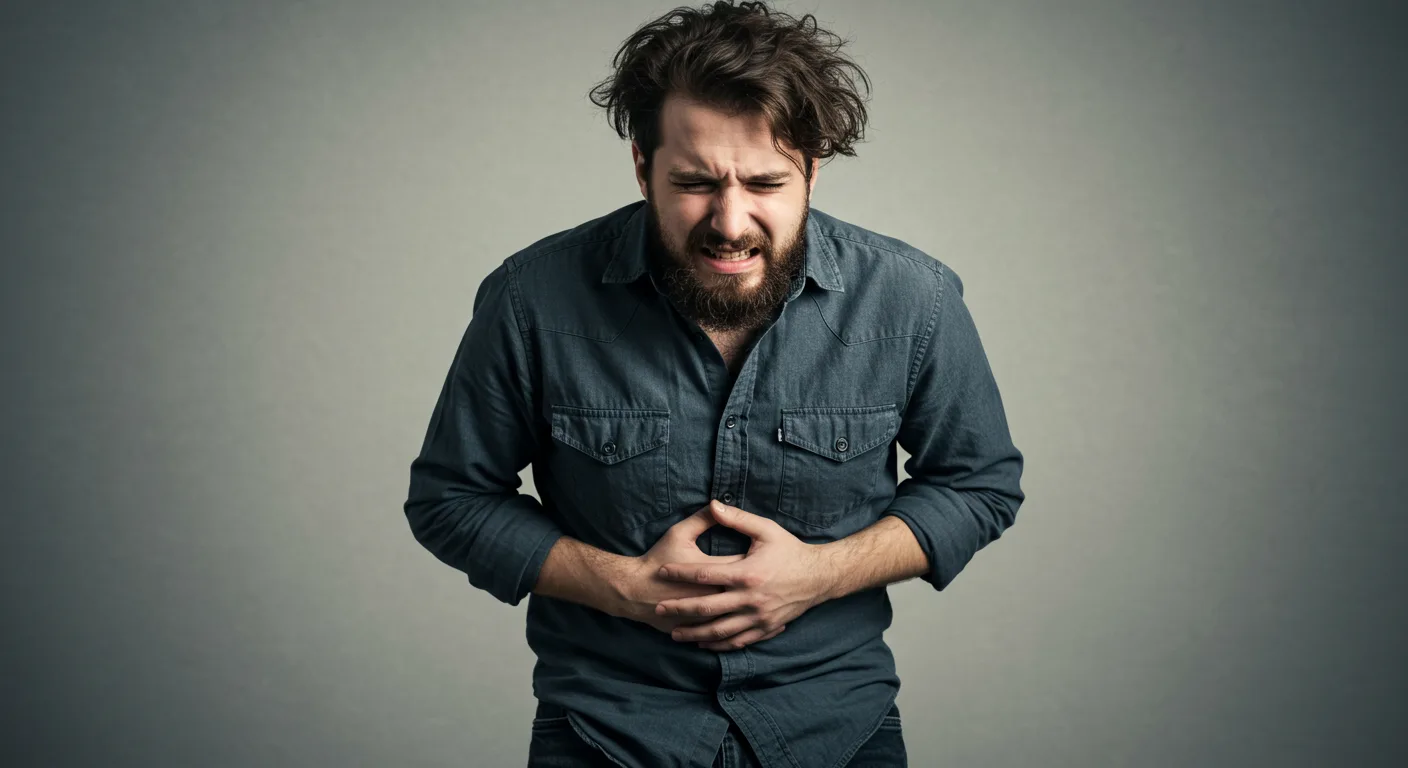
  • The Surprising Link Between Gut Health and Anxiety: How Your Digestive System Affects Your Mind

    The Surprising Link Between Gut Health and Anxiety: How Your Digestive System Affects Your Mind

    In recent years, science has revealed sothing fascinating: your gut and your brain are more closely connected than we ever imagined. Researchers now refer to the gut as the “second brain” because of how strongly it influences mood, stress, and even mental health conditions like anxiety. This connection—known as the gut-brain axis—helps explain the surprising link between gut health and anxiety.

    If you’ve ever had “butterflies” in your stomach before a big event, or digestive issues when feeling stressed, you’ve already experienced this connection firsthand. But how deep does it go? Can improving gut health reduce anxiety? And what practical steps can you take to heal this brain-gut relationship? Let’s dive in.

    Read Also: Five (5) signs you have too much salt in your system.

    the surprising link between gut health and anxiety

    How Does Gut Health Relate to Anxiety?

    Your gut is home to trillions of microbes collectively known as the gut microbiome. These bacteria, fungi, and other microorganisms aren’t just responsible for digestion—they play a major role in producing neurotransmitters like serotonin, dopamine, and GABA, which regulate mood and anxiety levels.

    • Serotonin: About 90% of your body’s serotonin (the “feel-good” chemical) is produced in the gut. Imbalances in gut bacteria can interfere with its production, potentially worsening anxiety.
    • Inflammation: An unhealthy gut can lead to chronic inflammation, which has been linked to anxiety and depression.
    • Stress response: The gut communicates directly with the brain through the vagus nerve, influencing the body’s stress response system. A disrupted gut may send “danger signals” to the brain, triggering anxiety-like symptoms.

    In short, when your gut microbiome is imbalanced, your brain can feel the impact—leading to higher stress, mood swings, and anxiety.

    How to Heal the Brain-Gut Connection

    Fortunately, the brain-gut connection isn’t a one-way street. You can support both your gut and your mental health through lifestyle and dietary changes. Here are evidence-based strategies:

    1. Eat a Fiber-Rich, Plant-Based Diet
      • Whole grains, fruits, vegetables, legumes, and nuts feed the beneficial gut bacteria that help regulate mood.
      • Fermented foods like yogurt, kefir, sauerkraut, and kimchi provide probiotics that restore microbial balance.
    2. Consider Prebiotics and Probiotics
      • Probiotics add beneficial bacteria to your gut.
      • Prebiotics (found in garlic, onions, bananas, asparagus) feed those good bacteria.
      • Together, they improve the diversity and resilience of your gut microbiome.
    3. Manage Stress Levels
      • Practices like meditation, yoga, deep breathing, and mindfulness directly reduce stress signals that travel between gut and brain.
      • Chronic stress weakens gut health by altering its microbial balance, so stress management is vital.
    4. Exercise Regularly
      • Moderate activity improves digestion, lowers stress hormones, and supports microbial diversity—all of which reduce anxiety.
    5. Sleep Well
      • Poor sleep disrupts both gut microbiota and brain chemistry. Aim for 7–9 hours of quality rest.
    6. Limit Gut Disruptors
      • Minimize processed foods, excess sugar, alcohol, and unnecessary antibiotics, as these can wipe out healthy bacteria and promote imbalance.

    By consistently applying these steps, you can gradually heal the brain-gut connection and experience less anxiety over time.

    Read Also: How to Lose Belly Fat with Common Ghanaian Ingredients

    How Do You Know If Your Gut Is Clean?

    A “clean” gut doesn’t mean sterile—it means balanced. The goal isn’t to eliminate microbes but to ensure your gut microbiome is diverse and functioning properly. Signs of a healthy gut include:

    • Regular bowel movements (neither too frequent nor too infrequent)
    • Minimal bloating or gas
    • Clear skin (since gut imbalances often show up as acne or rashes)
    • Stable energy levels throughout the day
    • Improved mood and reduced anxiety
    • Stronger immunity (you don’t fall sick as easily)

    If you often feel bloated, fatigued, moody, or struggle with digestion, your gut may be imbalanced and in need of a reset.

    What Is the 7-Day Gut Reset?

    the surprising link between gut health and anxiety

    The 7-Day Gut Reset is a structured short-term plan designed to restore balance to your gut microbiome. While results vary, many people find it reduces bloating, improves digestion, and helps stabilize mood. Here’s a simplified outline:

    Day 1–2: Remove

    • Eliminate processed foods, sugar, fried foods, alcohol, and artificial additives.
    • Focus on hydration—drink at least 8–10 glasses of water daily.

    Day 3–4: Replace

    • Add gut-healing foods: leafy greens, berries, lean protein, bone broth, and omega-3-rich foods (like salmon or flaxseeds).
    • Include natural prebiotic foods (onions, garlic, leeks).

    Day 5–6: Reinoculate

    • Add probiotics through yogurt, kefir, kimchi, sauerkraut, or supplements.
    • Eat fiber-rich foods to “feed” the probiotics.

    Day 7: Restore

    • Support long-term balance with mindful eating, stress management, and sleep hygiene.
    • Practice mindful eating—slow down, chew thoroughly, and avoid late-night heavy meals.

    The 7-Day Gut Reset is not a “quick fix” but a kickstart toward healthier habits that improve both digestion and mood.

    Read Also: What Happens If You Inject Yourself With Water?

    Your gut is more than just a digestive organ—it’s a powerful partner in your mental well-being. The surprising link between gut health and anxiety shows us that healing the mind starts with nurturing the body. By eating nutrient-rich foods, managing stress, sleeping well, and supporting your gut microbiome, you can strengthen the gut-brain connection and reduce anxiety naturally.

    If you’ve been struggling with stress, mood swings, or digestive issues, consider starting with small changes—like adding more fiber, trying probiotics, or committing to mindful stress management. Over time, these steps don’t just improve gut health; they help create a calmer, clearer, and more resilient mind.

  • Early Signs of Iron Deficiency in Women: Symptoms, Causes, and What You Need to Know

    Early Signs of Iron Deficiency in Women: Symptoms, Causes, and What You Need to Know

    Iron is one of the most essential minerals in the body, especially for women. From supporting healthy blood production to ensuring that oxygen is efficiently transported throughout the body, iron plays a critical role in overall health and well-being. Yet, iron deficiency is one of the most common nutritional deficiencies in women worldwide. Recognising the early signs of iron deficiency in women is vital for preventing more serious health problems like iron-deficiency anaemia.

    Early Signs of Iron Deficiency in Women

    In this post, we will walk you through the common signs and symptoms, answer key health questions (such as whether anaemia can cause vertigo, swelling, or even diarrhoea), and highlight why maintaining healthy iron levels is crucial for women.

    Read Also: How to Stop Sugar Cravings Naturally at Night: 7 Proven Strategies

    Why Women Are More Prone to Iron Deficiency

    Women are at a higher risk of iron deficiency than men due to several factors:

    • Menstruation – Monthly blood loss can significantly deplete iron stores, especially if periods are heavy.
    • Pregnancy – The body needs more iron to support both the mother and the developing baby.
    • Dietary gaps – Women who avoid red meat or follow vegetarian/vegan diets may not get enough absorbable iron.
    • Postpartum demands – After childbirth, iron needs remain high to replenish lost stores.

    This makes it even more important for women to know the early signs of low iron levels.

    How Do You Know If You Have Low Iron as a Woman?

    Early Signs of Iron Deficiency in Women

    The early signs can sometimes be subtle and easily mistaken for stress or fatigue. However, these symptoms should not be ignored:

    1. Persistent Fatigue and Weakness – Feeling constantly drained, even after rest, is a hallmark symptom.
    2. Pale or Sallow Skin – A noticeable paleness, especially in the face, lips, and inside of the eyelids, can indicate reduced haemoglobin.
    3. Shortness of Breath – You may feel winded during simple activities like climbing stairs.
    4. Unusual Cravings (Pica) – Craving ice, dirt, or chalk can be linked to iron deficiency.
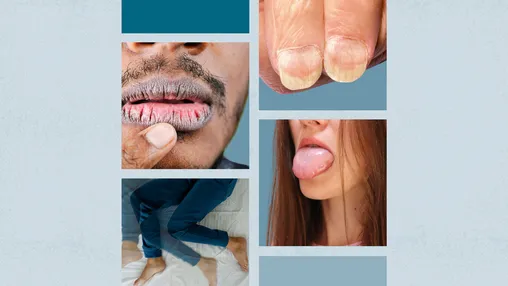
    5. Hair Loss and Brittle Nails – Iron deficiency can weaken hair and nails.
    6. Headaches and Dizziness – Reduced oxygen delivery to the brain can trigger frequent headaches.
    7. Cold Hands and Feet – Poor circulation is another red flag.

    👉 If you are experiencing several of these symptoms, it’s important to speak with a healthcare provider for a simple blood test to check your iron levels.

    Can Anaemia Cause Vertigo?

    Early Signs of Iron Deficiency in Women

    Yes. Iron-deficiency anemia can cause dizziness and vertigo. This happens because when hemoglobin levels drop, less oxygen reaches the brain. The brain responds to this lack of oxygen by making you feel lightheaded, dizzy, or in some cases, like the room is spinning. Women with low iron often report:

    • Frequent dizzy spells
    • Difficulty concentrating
    • Feeling faint after standing up quickly

    This is one of the most overlooked but significant early signs.

    Can Anaemia Cause Swelling?

    Yes, but indirectly. Iron-deficiency anaemia can sometimes lead to swelling in the hands, ankles, or feet. This swelling is known as oedema and can happen when low oxygen levels strain the heart, causing fluid buildup. Additionally, iron deficiency may cause swelling or soreness of the tongue (glossitis) and cracks at the corners of the mouth.

    While swelling is not the most common symptom, it can still occur in women with more advanced iron deficiency.

    Can Low Iron Cause Diarrhoea?

    This is less straightforward. Iron deficiency itself does not directly cause diarrhea. However, there are two important links:

    1. Underlying conditions – Some medical conditions that cause diarrhoea (such as celiac disease, Crohn’s disease, or heavy intestinal infections) can also impair iron absorption, leading to deficiency.
    2. Iron supplements – When women start taking iron pills to treat a deficiency, some may experience digestive side effects, including constipation, nausea, or diarrhoea.

    So while iron deficiency isn’t typically the cause of diarrhoea, the relationship is often indirect. If diarrhoea persists alongside other deficiency symptoms, it’s worth seeking medical advice.

    Read Also: Feeling Burnt Out? Take This Work-Related Stress Test

    Why Iron Is So Important for Women

    Iron does much more than just prevent fatigue. Here’s why maintaining healthy levels is critical for women:

    • Supports Reproductive Health – Adequate iron reduces the risk of complications during pregnancy and postpartum.
    • Boosts Energy and Performance – Women with normal iron levels tend to have better focus, higher stamina, and improved mood.
    • Protects the Brain – Oxygen-rich blood nourishes the brain, reducing the risk of memory and concentration issues.
    • Strengthens Immunity – Iron is necessary for the immune system to fight off infections effectively.

    When to See a Doctor

    Early Signs of Iron Deficiency in Women

    If you suspect iron deficiency, don’t just rely on self-diagnosis. See your healthcare provider if you:

    • Feel persistently tired despite resting
    • Notice unusual dizziness or vertigo
    • Experience swelling in your extremities
    • Develop unexplained headaches or paleness

    A simple ferritin test or hemoglobin test can confirm whether your iron stores are low.

    Recognising the early signs of iron deficiency in women can make all the difference in preventing long-term complications. From fatigue and dizziness to swelling and digestive issues, these symptoms should not be ignored. While anaemia can indeed cause vertigo and sometimes swelling, low iron rarely causes diarrhoea on its own.

    For women, keeping iron levels balanced is not just about avoiding tiredness—it’s about supporting reproductive health, brain function, and overall vitality. If you notice several of these signs, the best step forward is to consult your doctor and get tested.

  • How to Stop Sugar Cravings Naturally at Night: 7 Proven Strategies

    How to Stop Sugar Cravings Naturally at Night: 7 Proven Strategies

    🍭 Sugar Craving Self-Test

    Why You Want Sugar at Night

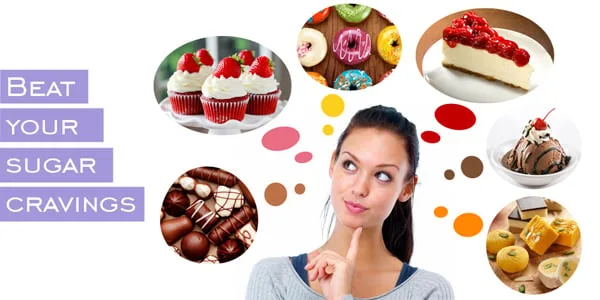
    You promised yourself to eat healthy by cutting down on sugar as much as possible to stay fit and avoid certain chronic diseases. Still, that challenge looks impossible because you keep craving sugary foods and keep falling into temptation like a lustful desire. If you deep down wish to stop Sugar Cravings Naturally, then this blog post is for you.

    You’re not alone. Nighttime sugar cravings are a common struggle, especially for those trying to lose weight or manage blood sugar. But there’s more going on than just a lack of willpower.

    The science shows it’s part biology, part habit. And yes, you can fight back — naturally.

    Let’s break it down.

    Why Sugar Cravings Hit at Night

    1. Blood Sugar Dips

    During the day, especially after a carb-heavy lunch or dinner, your blood sugar can spike and then crash. That dip can trigger your body to crave fast fuel — sugar.

    2. Emotional Eating

    Stress, boredom, and exhaustion often creep in during the evening. Your brain associates sugary foods with comfort and pleasure. It’s your internal reward system asking for a dopamine hit. Surprisingly after taking in that needed dose of sugar you feel great.

    3. Unbalanced Meals

    Not enough protein or fibre throughout the day? You’re setting yourself up for cravings later on. If your meals don’t keep you full, your body will demand a quick fix.

    4. Sleep Deprivation

    Lack of sleep increases ghrelin (the hunger hormone) and decreases leptin (the satiety hormone). The result: intense sugar cravings late at night when you should be winding down.

    7 Natural Ways to Stop Sugar Cravings at Night

    Here are seven proven, natural strategies to kick late-night sugar cravings without relying on willpower alone.

    1. Prioritise Protein Early in the Day

    A high-protein breakfast (think eggs, Greek yogurt, protein smoothie) can help regulate your blood sugar and reduce cravings later. Protein keeps you full longer and stabilizes hunger hormones.

    Try this:
    Breakfast idea – 2 eggs + avocado + a slice of whole grain toast. Or a protein smoothie with chia seeds and spinach.

    Studies show that people who eat a protein-rich breakfast reduce nighttime snacking by up to 60%.

    2. Get Enough Magnesium

    Magnesium plays a key role in regulating blood sugar and calming the nervous system. If you're low on magnesium, your body may crave chocolate — a common source.

    Food sources:

    • Pumpkin seeds
    • Spinach
    • Dark chocolate (80%+)
    • Almonds

    Or: Consider a magnesium glycinate supplement before bed (check with your doctor first).

    🧠 Bonus: Magnesium can also help you sleep better, which further reduces cravings.

    3. Herbal Teas as a Craving Stopper

    A warm mug of cinnamon tea, peppermint tea, or licorice root tea can help soothe sugar cravings. They calm your stomach, signal the end of eating, and give your brain a sense of “treat.”

    Pro tip:
    Use a sweet-tasting herbal tea (like rooibos or cinnamon vanilla) — it feels indulgent without any sugar.

    4. Eat a Fibre-Rich Dinner

    Fibre slows digestion and keeps you full into the night. Think roasted veggies, legumes, and whole grains.

    Meal idea:
    Grilled chicken + roasted sweet potato + sautéed greens + lentils.

    High-fibre diets are linked to better blood sugar control and fewer nighttime food urges.

    5. Create a “Cut-Off” Ritual

    Your brain needs closure. Set a specific time (e.g., 8 PM) as your food cut-off, and reinforce it with a ritual: make herbal tea, brush your teeth, stretch, journal.

    This tells your body: “We’re done eating for the day.”

    Structure builds discipline. Ritual builds habit.

    6. Distract + Delay the Urge

    When the craving hits, pause. Cravings are like waves — they rise and fade. Distract yourself for 10 minutes:

    • Go for a walk
    • Read
    • Call a friend
    • Do a 2-minute breathwork video

    Often, the urge will pass without giving in.

    📽️ Try this calming 2-minute video: Box Breathing for Craving Control

    7. Keep Sweet but Healthy Alternatives Handy

    When you do want something sweet, have better options ready:

    • Frozen banana slices with peanut butter
    • A few dates and almonds
    • Plain Greek yogurt with cinnamon
    • Dark chocolate square (80%+)

    This way, you’re still satisfying your sweet tooth — but without the sugar bomb.

    Bonus Tip: Go Deeper on Sugar Detox

    Want to make bigger progress? Check out our full guide on Cutting Sugar for Weight Loss — it walks you through a sustainable plan to reset your sugar tolerance, improve energy, and shed stubborn pounds.

    Build a Better Nighttime Routine

    Stop Sugar Cravings Naturally

    Sugar cravings at night aren’t just about discipline. They’re the result of a daily pattern — how you eat, sleep, and handle stress.

    To stop cravings naturally, focus on:

    • Stable blood sugar
    • Better sleep
    • Whole, balanced meals
    • Healthy habits and boundaries

    You don’t have to be perfect. You just need to be consistent. Build your routine, stock smart snacks, and stay hydrated. Your cravings will start to fade.

    And remember — this is about more than just saying no to cookies. It’s about reclaiming control over your health, one night at a time.

    Suggested Night Routine to Curb Cravings:

    1. Eat dinner by 7 PM
    2. Sip cinnamon tea
    3. Brush teeth
    4. 10-minute stretch or meditation
    5. Lights out by 10:30 PM

    🔗 Share this post with someone who needs to kick the sugar habit — and let us know which tip works best for you!

    Want personalised help cutting sugar or crafting your routine? Drop your questions in the comments 👇

  • Feeling Burnt Out? Take This Work-Related Stress Test

    Feeling Burnt Out? Take This Work-Related Stress Test

    The beginning of the month is here, you’re done with paying your bills from the previous month and have switched to full survival mode. Perhaps the thinking, tight schedule, and approaching deadlines are adding to your stress levels, and you don’t know what is happening. Well, in this blog post, we are going to discover through a simple test to try and quantify your work-related stress.

    Work-Related Stress Test
    Ways to Manage Stress

    From minimal work-related stress to severe work-related stress, the scoring system of this test seeks to only educate on your stress level and not to substitute an actual evaluation.

    This work-related stress test is designed to help you assess the amount of pressure you’re experiencing at work and whether it’s taking a toll on your well-being. Stress is a normal part of life, but when it becomes chronic or overwhelming, it’s time to take some action.

    🧠 Note: This test is for educational purposes only. If you’re experiencing serious symptoms, speak to a mental health professional.

    Read Also: What happens if you eat onions every day?

    🧪 Work-Related Stress Self-Test

    Instructions: For each statement below, rate how often you’ve felt this way in the past 30 days.

    Scale:

    • 0 – Never
    • 1 – Rarely
    • 2 – Sometimes
    • 3 – Often
    • 4 – Always

    Work-Related Stress Test

    This tool is for educational purposes only. If you’re struggling, please talk to a professional.


    1. I feel exhausted at the end of the workday.

    Do you often leave work physically or mentally drained?


    2. I have trouble sleeping because I’m thinking about work.

    Does work-related anxiety keep you up at night?


    3. I feel overwhelmed by the number of tasks I have to do.

    Do your daily duties feel unmanageable?


    4. I find it hard to concentrate or stay focused while working.

    Are you easily distracted or mentally checked out at work?


    5. I feel underappreciated or undervalued at work.

    Do you feel like your efforts go unnoticed or unrewarded?


    6. I have frequent headaches, stomach issues, or muscle tension.

    Are physical symptoms like tension or pain becoming common?


    7. I feel irritable, anxious, or moody due to work stress.

    Is your job affecting your emotions or how you treat others?


    8. I avoid or dread going to work.

    Do you feel a pit in your stomach just thinking about Monday?


    9. I find it difficult to enjoy time off because I’m thinking about work.

    Is your stress following you into evenings or weekends?


    10. I feel like I can’t talk to anyone at work about how I’m feeling.

    Do you feel isolated, unsupported, or afraid to speak up?


    Read Also: Relieve Lower Back Pain with these simple remedies

    ✅ How to Score Your Results

    For each question, assign points based on your answers:

    • Never = 0 points
    • Rarely = 1 point
    • Sometimes = 2 points
    • Often = 3 points
    • Always = 4 points

    Maximum Score: 40
    Minimum Score: 0
    Now add up your total score.

    📊 Stress Level Interpretation

    Total ScoreStress Level
    0–10Minimal work-related stress
    11–20Mild stress — manageable
    21–30Moderate stress — watch closely
    31–40Severe work-related stress — act now

    🧠 What Your Results Mean

    ✅ 0–10: Minimal Stress

    You’re handling your workload well and maintaining a good work-life balance. Keep up the healthy habits.

    ⚠️ 11–20: Mild Stress

    You’re under some pressure, but it’s still manageable. Now’s a great time to focus on self-care and boundaries.

    🟡 21–30: Moderate Stress

    Stress is starting to interfere with your well-being. Consider speaking to a supervisor, adjusting your workload, or getting support from HR or a counsellor.

    🔴 31–40: Severe Stress

    You may be experiencing burnout or chronic work-related anxiety. This is a clear sign to take action—seek help, take a break, or speak to a mental health expert.

    💼 Why This Work-Related Stress Test Matters

    Unchecked stress can lead to serious issues—chronic fatigue, depression, weakened immunity, and even heart problems. Taking a work-related stress test like this regularly can help you stay aware and proactive about your mental health.

    🗣️ Talk About It

    Open conversations about stress at work can reduce stigma and build a healthier culture. If you’re a manager, encourage your team to check in with themselves, too.

    🧘‍♀️ Practical Tips:

    • Take real lunch breaks away from your desk
    • Use your leave days without guilt
    • Practice mindfulness or deep breathing
    • Delegate when possible
    • Speak to someone—friend, therapist, or coach

    Work is part of life—but it shouldn’t cost your mental or physical health. If this work-related stress test revealed high levels of stress, don’t ignore it. Help is available, and taking small steps now can prevent bigger issues later.

    📌 Save this test, share it with a coworker, or revisit it monthly to stay in tune with your stress levels.

    Read Also: Seven (7) things they won’t tell you about growing up

  • How the Soap You Use Could Be Harming Your Skin — And What to Use Instead

    How the Soap You Use Could Be Harming Your Skin — And What to Use Instead

    Growing up, I had a skin condition that caused my body to itch whenever I took my bath. This was something I dealt with well into my adulthood, and oftentimes, people would suggest changing the soap I used. So, for as long as I can remember, I had been digging through the internet to find the best soap for healthy skin.

    I did come across some soaps that did wonders for me, and by wonders, I mean less to zero itching. It turned out the problem was a result of two things, the soap I used and the way I bath. So the effect of your choice of soap cannot be underestimated as far as your skin is concerned.

    When it comes to skincare, many people focus on serums, moisturisers, or expensive creams—yet overlook a basic essential: soap. The truth is, using the best soap for healthy skin can be the key to maintaining a radiant, clear complexion. On the other hand, the wrong soap can disrupt your skin’s natural barrier, cause dryness, irritation, and even trigger long-term skin issues.

    Let’s dive into how your soap affects your skin and how to choose the right one based on science and expert recommendations.

    ‎Follow the InfoHealthGh channel on WhatsApp: https://whatsapp.com/channel/0029Va7j1SgGE56e8pagc22u

    Read Also: Relieve Itchy Skin After Shower Naturally: Proven Remedies That Actually Work

    Why Your Soap Choice Matters

    Your skin is your body’s largest organ and your first line of defence against bacteria, pollutants, and environmental damage. The skin also has a natural layer of oils and a delicate balance of bacteria (called the microbiome) that help protect it.

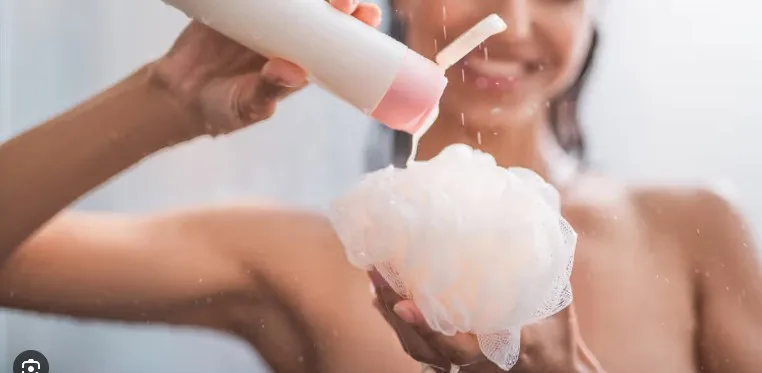
    When you use soap daily—especially those loaded with harsh chemicals or fragrances- you risk stripping away these natural defences. As someone who experimented with lots of soaps just to find what worked for me, I can assure you there are certain soaps that are on the market that would harm your skin so badly. At times, you even wonder if they passed proper accreditation. The bad disruptions you may experience are as follows:

    • Dryness or flakiness
    • Increased sensitivity
    • Breakouts or acne
    • Eczema and dermatitis flares

    That’s why understanding the soap and skin health connection is crucial for anyone serious about skincare.

    Read Also: Your Skin Reflects Your Health: What Acne, Dryness, and Discoloration Could Mean

    🧪 The pH Factor: What Science Says About Soap and Your Skin

    Your skin has a slightly acidic pH of around 5.5, which helps it maintain moisture and ward off harmful microbes. However, many commercial soaps are alkaline (with a pH of 9 or 10). These high-pH soaps can damage your skin’s acid mantle—its natural barrier—leading to irritation and dryness.

    Using a pH-balanced soap helps preserve your skin’s natural barrier and supports long-term skin health. If you’ve been dealing with unexplained irritation, itchiness, or dullness, your soap’s pH level might be to blame.

    Hidden Dangers in Commercial Soaps

    Some store-bought soaps contain ingredients that can harm your skin over time. Here are a few to watch out for:

    1. Fragrances and Dyes

    They may smell nice, but synthetic fragrances are one of the most common skin allergens. Artificial dyes can also trigger skin irritation and allergic reactions, especially for those with sensitive skin.

    2. Sulfates (SLS and SLES)

    These are harsh detergents that make soap lather but are known to strip natural oils from your skin. This is especially problematic for those with dry or sensitive skin.

    3. Parabens and Preservatives

    Though often used to extend shelf life, parabens have raised health concerns due to their potential hormone-disrupting properties. While the science isn’t settled, many prefer to avoid them altogether.

    4. Triclosan in Antibacterial Soaps

    Once popular, antibacterial soap risks are now well-documented. Triclosan can kill good bacteria, contribute to antibiotic resistance, and even interfere with hormone function.

    Natural vs. Commercial Soaps: Which One Wins?

    The battle between natural vs. commercial soaps is heating up—and for good reason.

    ✅ Natural Soaps

    • Made with plant-based oils (like coconut, olive, or shea butter)
    • Often contain glycerin, a natural moisturizer
    • Gentle and biodegradable
    • Usually free from artificial chemicals and fragrances

    Natural soaps are generally a safer bet for those seeking the best soap for healthy skin—especially if you want to avoid irritation and promote hydration.

    ❌ Commercial Soaps

    • May contain synthetic ingredients, preservatives, and fragrances
    • Often remove glycerin during manufacturing (making the soap less moisturizing)
    • Can dry out or irritate skin with regular use

    Read Also: Ways to Protect Yourself from Contacting Monkey pox in Ghana

    Choosing the Best Soap for Your Skin Type

    Selecting the right soap depends on your skin’s specific needs. Here’s a quick guide:

    1. Soap for Dry Skin

    Look for soaps rich in oils and natural moisturizers. Ingredients like shea butter, coconut oil, olive oil, and glycerin are especially beneficial. Avoid anything labeled “antibacterial” or containing alcohol.

    2. Soap for Sensitive Skin

    Choose fragrance-free and dye-free options. Go for hypoallergenic and pH-balanced soap designed specifically for delicate skin. Goat milk soaps are also a good choice due to their soothing properties.

    3. Soap for Oily or Acne-Prone Skin

    Use soaps with tea tree oil, charcoal, or salicylic acid. These ingredients help control excess oil without over-drying the skin. However, use sparingly to avoid damaging your skin barrier.

    4. Soap for Combination Skin

    Opt for a mild, balanced soap that doesn’t over-cleanse. Glycerin-based soaps or those with natural exfoliants like oatmeal can help keep your skin smooth without irritation.

    Soap and Your Daily Routine: Less Is More

    Even if you’re using the right soap, overwashing can still harm your skin. Here are a few practical tips:

    • Limit face washing to twice a day—morning and night
    • Use lukewarm water instead of hot, which strips oils faster
    • Pat dry with a soft towel, don’t rub
    • Moisturize immediately after washing to lock in hydration

    These small steps make a big difference, especially when paired with the best soap for healthy skin.

    Read Also: Your Toothpaste Might Be Slowly Poisoning You – Here’s Why

    Your Skin Deserves Better

    Your skin reflects your overall health and well-being. Choosing the right soap is not just about staying clean—it’s about protecting, nourishing, and respecting your skin. Ditch the harsh, overly perfumed commercial bars and switch to a gentle, pH-balanced or natural formula that suits your skin type.

    Whether you’re struggling with dry skin, sensitive skin, or frequent breakouts, the fix might be as simple as changing your soap. Don’t let this everyday essential be the silent saboteur of your skin’s health.

    Start by checking your soap’s ingredients today. Your future self (and your skin) will thank you.

  • WHO Sounds Alarm on Hepatitis D’s Cancer Risk as World Marks Hepatitis Day

    WHO Sounds Alarm on Hepatitis D’s Cancer Risk as World Marks Hepatitis Day

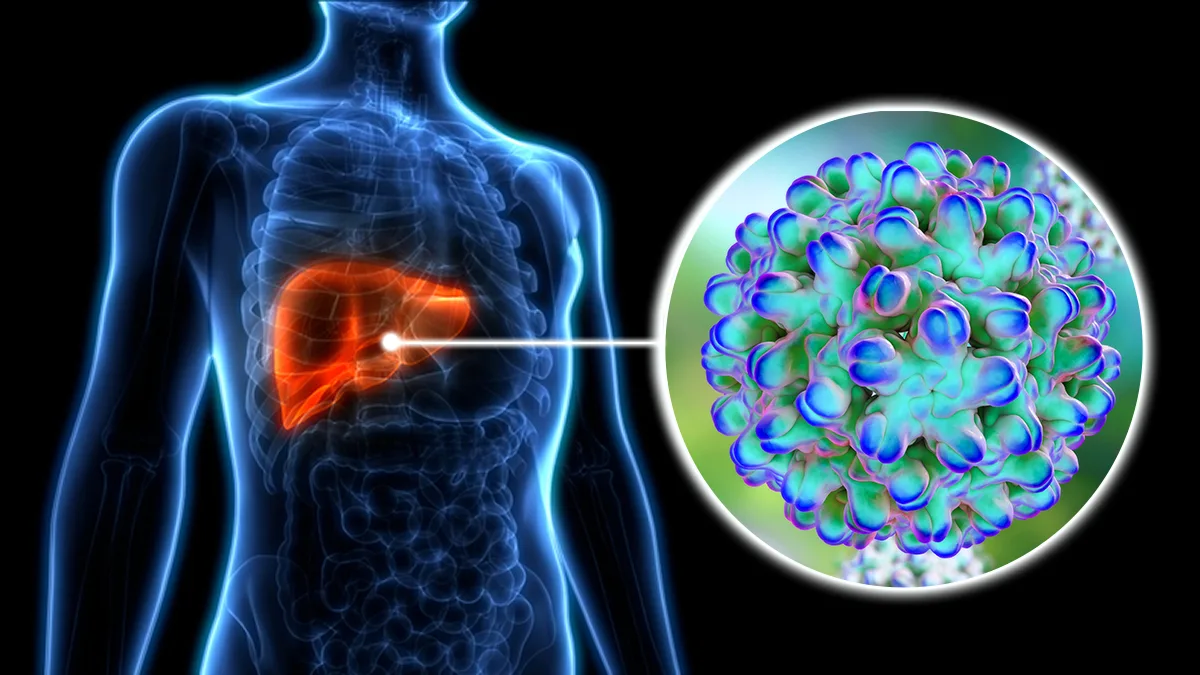
    Hepatitis D liver cancer risk is now drawing heightened global concern as the World Health Organisation (WHO) calls for urgent action to eliminate viral hepatitis and reduce deaths from liver diseases. The latest warning coincides with World Hepatitis Day, emphasising the pressing need for expanded testing, treatment access, and public awareness.

    “Every half-minute, a life is lost due to complications from hepatitis, yet we already have the knowledge and tools to reverse this trend,” stressed Dr. Tedros Adhanom Ghebreyesus, WHO Director-General.

    Read Also: The Hidden Health Risk of Wearing Your Smartwatch 24/7: Cancer Concerns Explained

    Viral Hepatitis: A Silent and Deadly Threat

    Five main types of viral hepatitis – A, B, C, D, and E – can cause liver inflammation, with types B, C, and D leading to chronic conditions that may result in cirrhosis or liver cancer. Despite the danger, millions of people remain unaware they are infected. More than 300 million individuals live with chronic hepatitis B, C, or D, with over 1.3 million fatalities recorded each year due to complications like liver cancer.

    Hepatitis D Officially Classified as Cancer-Causing

    A significant development in liver health came with the International Agency for Research on Cancer (IARC) designating hepatitis D as carcinogenic to humans. This new classification puts it on the same level as hepatitis B and C in terms of cancer risk. Hepatitis D only occurs in individuals already infected with hepatitis B and increases their risk of liver cancer by up to six times.

    In response, WHO has rolled out updated diagnostic guidelines for hepatitis B and D in 2024 and continues to assess innovative therapies for hepatitis D patients.

    Advances in Treatment and Prevention

    Effective medications already exist: hepatitis C can be cured within three months using oral treatments, while hepatitis B can be managed long-term with antiviral therapy. Promising therapies for hepatitis D are emerging, but full impact depends on integrating services like vaccination, screening, and harm reduction into national healthcare systems.

    Dr. Meg Doherty, WHO’s incoming Director of Science for Health, highlighted these developments, noting the urgent need to scale up coordinated care to curb liver-related deaths.

    Read Also: Plastic in Your Blood? Scientists Just Found It in Humans!

    Global Progress and Gaps

    Many low- and middle-income nations are making strides:

    • By 2025, 123 countries reported national strategies to combat hepatitis, up from 59.
    • The number of countries screening pregnant women for hepatitis B rose to 129, compared to 106 in 2024.
    • As of now, 147 nations have introduced the hepatitis B birth dose, compared to 138 in 2022.

    However, WHO’s 2024 Global Hepatitis Report reveals ongoing challenges:

    • Only 13% of people with hepatitis B and 36% with hepatitis C were diagnosed by 2022.
    • Just 3% of hepatitis B patients and 20% of those with hepatitis C received treatment—well below the 2025 goals of 60% diagnosed and 50% treated.
    • Service integration remains inconsistent: hepatitis programs are present in HIV services in 128 countries but are included in harm reduction centers in only 27.

    What Needs to Happen Next?

    Without accelerated efforts, the world risks missing WHO’s 2030 targets. Achieving these goals could prevent nearly 10 million new infections and save up to 2.8 million lives. WHO urges countries to invest in domestic programs, ensure medicine affordability, integrate hepatitis care with existing health services, and fight stigma.

    Strengthening Alliances for Action

    To drive momentum, WHO has joined forces with Rotary International and the World Hepatitis Alliance for this year’s campaign: “Hepatitis: Let’s Break It Down.” The initiative urges global stakeholders to tackle liver cancer head-on by addressing gaps in funding, testing, and stigma.

    Together, governments, civil society groups, and communities must act now to halt the growing burden of hepatitis and protect future generations.

  • Relieve Itchy Skin After Shower Naturally: Proven Remedies That Actually Work

    Relieve Itchy Skin After Shower Naturally: Proven Remedies That Actually Work

    Experiencing an itchy skin after bathing is something that is becoming pretty common these days and almost everyone, I have spoken to has experienced this before or still living with this nightmare. Let’s talk about ways to relieve itchy skin after shower naturally and additional tips to solve or make the situation better.

    Taking a shower these days is gradually becoming a fear you have to live with. If this is your situation then you are not alone. I have personally experienced this before and almost everything I tried on the internet didn’t work or even made matters worse. Some friends even suggested checking my water because the water distribution systems in Ghana isn’t always the best.

    Relieve itchy skin after shower naturally

    Many grown-ups also experience post-shower itchiness, and the solution isn’t always more lotion. In this guide, we’ll walk through why it happens, how to relieve itchy skin after shower naturally, and what habits you can adopt for long-term comfort.

    Read Also: Your Skin Reflects Your Health: What Acne, Dryness, and Discoloration Could Mean

    As a trusted voice on health and wellness, we’ve gathered expert-backed insights, peer-reviewed tips, and practical natural remedies that actually work — even in warm climates like Ghana where dryness and sweat can make skin irritation worse.

    🧐 Why Does Your Skin Itch After a Shower?

    Before we dive into natural solutions, it’s important to understand the “why.” Here are some common culprits:

    • Hot Water: Strips your skin of its natural oils.
    • Harsh Soaps & Body Washes: Contain chemicals that can dry out or irritate your skin.
    • Hard Water Minerals: Excess calcium or magnesium in tap water can lead to irritation.
    • Towel Rubbing: Rough towels or excessive rubbing can damage sensitive skin.
    • Underlying Skin Conditions: Eczema, dermatitis, or aquagenic pruritus may be triggered by water exposure.

    🌿 How to Relieve Itchy Skin After Shower Naturally

    Ready to ditch the discomfort? Here are tried-and-tested remedies and preventative tips.

    1. Switch to Lukewarm Water

    Why it matters: Hot water might feel soothing, but it’s harsh on your skin. It strips away the skin’s natural oils that act as a protective barrier. When those oils are gone, your skin dries out quickly, triggering that tight, itchy feeling right after bathing. Over time, this can even lead to chronic dryness or inflammation.

    What to do instead: Aim for lukewarm—not cold—water. It’s warm enough to relax you but gentle enough to keep your skin’s moisture intact. Especially in warmer climates like Ghana, your skin already faces extra dryness from sun exposure and air conditioning, so lukewarm showers help balance hydration.

    Retinol and Tretoin Use – Your excessive skincare routine jeopardize your Pregnancy

    2. Oatmeal Rinse or Bath

    Relieve itchy skin after shower naturally

    Why it works: Colloidal oatmeal (finely ground oatmeal suspended in liquid) is a natural anti-inflammatory. It contains compounds like avenanthramides and beta-glucans that soothe skin irritation, reduce itching, and help skin retain moisture. Research shows that oatmeal is effective for conditions like eczema, dry skin, and post-shower irritation.

    How to use it:

    • Mix 1 cup of colloidal oatmeal in a warm bath and soak for 10–15 minutes.
    • Alternatively, brew oatmeal water and pour it over your skin before your final rinse.

    It’s gentle, affordable, and safe for all skin types—especially helpful for sensitive or reactive skin that flares up after bathing.

    3. Use a Natural Moisturizer Immediately

    Apply within 2 minutes of leaving the shower:

    • Coconut oil (anti-inflammatory and hydrating)
    • Shea butter (rich in fatty acids and antioxidants)
    • Aloe vera gel (cooling and healing)

    Make sure your moisturizer is fragrance-free and natural. Synthetic scents often worsen irritation.

    ‎Follow the InfoHealthGh channel on WhatsApp: https://whatsapp.com/channel/0029Va7j1SgGE56e8pagc22u

    4. Try Apple Cider Vinegar Spray

    Dilute 1 tablespoon of ACV in 1 cup of water and spritz lightly after your shower. It restores pH balance and can help reduce bacterial inflammation.

    5. Pat Dry with a Soft Cotton Towel

    Avoid aggressive rubbing. Dab your skin gently to remove moisture while preserving your skin’s barrier.

    ✅ Preventive Skincare Tips That Help Long-Term

    To keep itchy skin away, consistency is key.

    • Gentle Soap Choices: Opt for castile soap or those labeled “for sensitive skin.”
    • Moisturize Twice Daily: Once after showering and once before bed.
    • Stay Hydrated: Drink water consistently—your skin needs it from the inside out.
    • Humidify Your Space: If indoor air is dry, use a bowl of water near your bed or a humidifier.
    • Monitor Your Diet: Omega-3-rich foods like flaxseeds, salmon, and avocados help nourish skin.

    Updated From : Six Reasons Why Your Body Itches After Bathing (And How to Stop It)

  • Sustain Energy & Mood: How Dehydration Impacts Brain Function

    Sustain Energy & Mood: How Dehydration Impacts Brain Function

    Have you ever felt irritable, sluggish, or unable to focus—only to realize later you hadn’t had enough water all day? You’re not alone. Many adults especially those above 30 maybe suffering from mild dehydration unknowingly, which can silently sabotage your brainpower, emotional balance, and energy levels. In a fast-paced world, espescially in humid weather conditions, it’s easy to underestimate how water—or the lack of it—can affect your entire being.

    What you think might be a cause for alarm to make a quick stop at the hospital might actually be caused by something as simple as dehydration.

    In this article, we’ll unpack how dehydration directly impacts your brain, alters your mood, and drains your energy—and show you how to bounce back with smart, simple hydration strategies tailored for your everyday lifestyle.

    What Happens If You Inject Yourself With Water?

    How Dehydration Affects the Brain

    Water makes up about 75% of the brain, so it’s no surprise that even a 1-2% drop in hydration can reduce brain function significantly. Research shows that mild dehydration:

    • Shrinks brain tissue temporarily
    • Decreases cerebral blood flow
    • Slows down neural communication

    This leads to brain fog, forgetfulness, difficulty concentrating, and slower reaction times. If you’ve ever stared blankly at your screen or struggled to recall something simple, dehydration might be the sneaky culprit.

    🧠 Supporting keyword used: dehydration and brain fog

    Scientific Backing:
    A 2012 study in the Journal of Nutrition found that mild dehydration reduced memory and increased tension and anxiety in young women. Another in Frontiers in Human Neuroscience showed lower cognitive performance in dehydrated individuals, especially under heat stress—common in tropical climates like Ghana’s.

    ‎Follow the InfoHealthGh channel on WhatsApp: https://whatsapp.com/channel/0029Va7j1SgGE56e8pagc22u

    Dehydration and Mood Swings

    Did you know that not drinking enough water can literally ruin your mood?

    Dehydration raises cortisol, the stress hormone, and disrupts serotonin and dopamine production—two key chemicals that help stabilize your emotions.

    Signs include:

    • Increased irritability or impatience
    • Feeling anxious without knowing why
    • Being emotionally reactive or overly sensitive

    Mood swings dehydration is not just a buzzword; it’s a real and preventable issue. Adults juggling work, family, and stress often mislabel emotional lows as burnout, when the issue may simply be poor hydration.

    Supporting keyword used: mood swings dehydration

    💡 Tip: Pair water intake with mood check-ins. If you’re feeling off, try a glass of water before reacting or overthinking.

    The Energy Connection: Why You Feel Tired Without Water

    Fatigue is one of the first signs of mild dehydration. Your body uses water to transport nutrients and oxygen to cells. Without enough fluid, your blood becomes thicker and harder to circulate—forcing your heart to work harder and leaving you feeling drained.

    ⚡ Signs of low energy dehydration:

    • Midday crashes
    • Sluggish mornings despite full sleep
    • Lack of motivation or drive

    Even your mitochondria—your body’s energy factories—slow down without adequate fluid balance. This means you’re not just tired—you’re under-fueled on a cellular level.

    Spot the Signs of Mild Dehydration Earl

    It’s easy to overlook dehydration when it doesn’t show up as extreme thirst. Watch out for these subtle signs of mild dehydration:

    • Dry lips or tongue
    • Headaches
    • Lightheadedness
    • Trouble focusing
    • Dark yellow urine

    🌡️ Hot Tip: In warm or humid climates like what we have in Ghana, you may sweat more and lose fluids without realizing it. Hydrate even if you don’t feel thirsty.

    How to Prevent Dehydration Fatigue: Practical Daily Tips

    1. Start Your Day with Water: Before coffee or tea, drink a glass of water with lemon or a pinch of sea salt to kickstart fluid balance.
    2. Use the 8×8 Rule: Aim for 8 glasses of 8 oz water a day, adjusting based on your activity level and weather conditions.
    3. Snack Smart: Eat hydrating foods like watermelon, cucumber, and oranges. They contribute to total fluid intake.
    4. Set Reminders: Use phone alarms or hydration apps like WaterMinder to track and remind you to drink throughout the day.
    5. Customize for Climate: On dry harmattan days or when working outdoors, up your intake by at least 2–3 more cups.

    DIY Electrolyte Drink Recipes to Restore Balance

    Sometimes, plain water isn’t enough—especially after sweating, exercising, or being under the sun. Here’s a simple homemade electrolyte drink to restore balance and boost your energy:

    Ginger Citrus Hydration Mix

    • 1 cup coconut water
    • Juice of ½ lemon
    • Pinch of sea salt
    • 1 tsp grated ginger
    • ½ tsp honey (optional)

    Mix and chill. Great for morning pick-me-ups or post-exercise recovery.

    Bonus: Tailoring Hydration to Your Lifestyle in Ghana

    Living in Ghana? Here’s how to optimize hydration locally:

    • Office workers: Keep a bottle on your desk and flavor it with mint or fruit slices. Sip during meetings or Zoom calls.
    • Field workers: Carry sachet water or reuse large bottles. Coolers with ice are essential for long shifts outdoors.
    • Older adults: The thirst reflex weakens with age. Make hydration a habit rather than a response to thirst.

    Hydrate for a Sharper, Happier You

    Dehydration doesn’t just dry out your body—it dulls your mind, hijacks your emotions, and saps your energy. By recognizing the early signs and incorporating daily hydration habits, you can restore your brain clarity, emotional stability, and overall vitality.

    Make it part of your routine—your future self will thank you.

  • Is Eating After 7PM Really Bad? What Science Says About Late-Night Meals

    Is Eating After 7PM Really Bad? What Science Says About Late-Night Meals

    Let’s face facts here—many of us, including me have reached for a snack at 8PM, or even 10PM. Whether it’s a piece of bread during your favorite show or reheated jollof rice after a long day, eating late has become part of modern life and something we are all guilty of. But with countless health advice flying around everywhere—especially the popular rule that says “Don’t eat after 7PM”—you may wonder:
    Is it actually bad to eat late at night?

    Let’s talk about this in this blog post and look at it from the science perspective.

    The Anti-Inflammatory Food Guide: What to Eat, What to Avoid, and How to Flush Inflammation Fast

    The Myth: Why 7PM Became the “Deadline”

    The idea behind the 7PM eating cutoff often comes from traditional weight-loss advice. The logic is that eating late leads to fat gain because your metabolism slows down at night.

    While that may sound reasonable, it’s not that simple. The truth is, your body still processes food at night—it doesn’t just shut down after sunset.

    In fact, what and how much you eat matters far more than when you eat.

    Is Eating After 7PM Bad for You?

    🍽️ What Science Says: Timing vs. Total Calories

    Studies show that late-night eating can be linked to weight gain, but mainly because people who eat late often:

    • Consume more total calories in a day
    • Make less healthy food choices (e.g., chips over salads)
    • Have irregular sleep schedules, which disrupt metabolism

    👉 So it’s not just the time—it’s the pattern.
    Eating late occasionally doesn’t ruin your health. But habitually snacking at night in an unstructured way might lead to weight gain and poor sleep.

    How to Strengthen and Heal Your Lungs Naturally: Foods, Drinks, and Breathing Tips

    🌙 How Late-Night Meals Affect Sleep

    Late-night eating can negatively affect your sleep, especially if the meal is heavy or spicy. Here’s how:

    • Digestive interference: Eating right before bed can delay digestion, causing discomfort, bloating, or acid reflux.
    • Hormone disruption: Late meals may affect melatonin production, your body’s sleep hormone.
    • Sleep quality: Poor digestion can prevent deep sleep, making you feel groggy in the morning.

    💡 Tip: If you must eat after 7PM, go for something light and easy to digest—like fruit, yogurt, or a boiled egg.

    🔥 Does Eating Late Slow Your Metabolism?

    One of the most common claims is that late-night eating slows metabolism. However, the evidence is mixed:

    • Some small studies suggest late eating may reduce calorie-burning overnight.
    • Others find no significant impact on metabolism as long as total calorie intake is controlled.

    In reality, your circadian rhythm (body clock) does affect how your body handles food. Eating too close to bedtime might throw off your metabolism slightly, but the effect is modest—unless it’s a frequent habit.

    ⚖️ Does Eating After 7PM Lead to Weight Gain?

    Yes—but not always directly.

    Weight gain typically results when:

    • You’re eating extra meals or snacks on top of your daily calorie needs.
    • You’re choosing high-sugar, high-fat foods late at night.
    • Your meal timing is inconsistent, affecting hunger hormones and impulse control.

    📌 Example:
    A banana at 8PM won’t cause weight gain. But a full meal of fried rice and meat at 10PM on top of dinner might tip your calorie balance.

    Read Also: 6 Healthy Snacks to Eat While on Your Weight Loss Journey

    🧂 What You Eat Matters More Than When

    Here’s a breakdown of better vs. worse late-night food options:

    Best Choices (Light & Healthy)Worst Choices (Heavy & Processed)
    Greek yogurt with honeyIce cream, pastries
    Herbal tea & nutsChips, pizza
    Banana or apple with peanut butterSugary cereal, fried snacks

    Avoiding refined carbs and heavy fats late at night can help your digestion, blood sugar, and even sleep quality.

    ⏰ Should You Set a Cutoff Time?

    If having a time limit like “7PM” helps you personally create better boundaries and routines, go for it.

    But remember:
    There’s no magic clock that turns food into fat after 7PM.

    Instead, focus on:

    • Eating balanced meals earlier in the day
    • Keeping portions moderate at night
    • Listening to your hunger cues, not just the clock

    🧃 What to Do If You’re Genuinely Hungry After 7PM

    Sometimes you’ve had a long day and missed dinner. Or maybe you’re just still hungry. In those cases:

    • Drink water first—thirst is often mistaken for hunger
    • Choose something light & protein-rich
    • Avoid heavy meals within 2 hours of bedtime

    🍵 A great late-night snack might be a slice of whole wheat bread with avocado, or a small bowl of oats.

    ✅ Key Takeaways

    • Eating after 7PM isn’t inherently bad—context matters.
    • Focus on what you eat, how much, and how often, not just when.
    • Late-night meals may disrupt sleep and digestion, especially if heavy.
    • Try to stop eating 2–3 hours before bed for best results.
    • Your daily eating pattern and calorie intake determine weight gain—not the clock.
    ‎Follow the InfoHealthGh channel on WhatsApp: https://whatsapp.com/channel/0029Va7j1SgGE56e8pagc22u

    Build a Healthy Eating Routine, Not Food Rules

    Instead of obsessing over a strict “no eating after 7” rule, try building habits that suit your lifestyle. Some people eat dinner at 8PM and stay lean and healthy. Others do better with early meals. It’s not one-size-fits-all.

    Listen to your body, eat mindfully, and create a routine that supports your goals—whether that’s weight loss, better sleep, or just feeling good.