Author: kwamebrew

  • Clear Nasal Congestion with Bay Leaves: The Power of Bay Leaves

    Clear Nasal Congestion with Bay Leaves: The Power of Bay Leaves

    The Power of Bay Leaves

    Sometimes the best remedies are right under our noses, growing in our backyards or sitting quietly on kitchen shelves. Bay leavesโ€”yes, those unassuming, dried leaves often tossed into soups and stewsโ€”hold a powerful, all-natural remedy for respiratory health. This is something I came to appreciate during my days on campus, thanks to a dear friend of mine. She introduced me to the soothing power of a bay leaf infusion, and now, Iโ€™m sharing this life hack with you.

    Read Also:ย Healthy Fat Weight Loss with Intermittent Fasting and Exercise: My Journey

    How I Discovered Bay Leaf Infusion for Health

    The Power of Bay Leaves

    I was battling a stuffy nose and slight congestion that seemed to linger for days. Fanny noticed me struggling and immediately offered her solution, which is bay leaves. Coming from Cรดte d’Ivoire, she knew firsthand about bay leavesโ€™ benefits, especially when it came to respiratory issues. Her family, like many others in her culture, used bay leaf infusions not only for cooking but also as a gentle, effective remedy for colds, coughs, and even stress.

    Respiratory Benefits of Bay Leaves

    Bay leaves contain essential oils, including cineole (eucalyptol), which has notable anti-inflammatory and decongestant properties. When bay leaves are boiled, they release these beneficial compounds into the steam, which can help soothe the airways, reduce congestion, and ease breathing. Hereโ€™s how they work their magic:

    1. Clearing the Airways: Inhaling the steam from a bay leaf brew can help relieve stuffy noses, chest congestion, and even sinus infections. Cineole has been studied for its ability to break down mucus, making it easier to expel and relieving that heavy, clogged feeling.

    2. Anti-inflammatory Effects: Bay leaves are rich in anti-inflammatory compounds, which help reduce swelling and irritation in the respiratory tract. This can be particularly helpful for those suffering from chronic respiratory issues like bronchitis or asthma.

    3. Antimicrobial Properties: Bay leaves also have natural antimicrobial qualities. When consumed as a tea, they may help your immune system fight off minor infections.

    Making a Bay Leaf Infusion for Respiratory Health

    After learning from Fanta, I tried it myself, and now itโ€™s become my go-to when I feel any hint of congestion. Hereโ€™s how you can make a simple bay leaf infusion at home:

    Ingredients:

    • 4โ€“5 dried bay leaves
    • 2 cups of water
    • Optional: honey or lemon for added flavor and additional immune-boosting benefits

    Method:

    1. Boil the Water: Bring the water to a boil in a small pot.
    2. Add the Bay Leaves: Place the bay leaves in the boiling water, then reduce the heat and let them simmer for 5โ€“10 minutes. This allows the essential oils and beneficial compounds to infuse into the water.
    3. Inhale the Steam: While itโ€™s simmering, you can lean over the pot (about 10โ€“12 inches away to avoid burns), covering your head and the pot with a towel, and gently inhale the steam. This step alone can provide instant relief if youโ€™re feeling congested.
    4. Strain and Sip: After simmering, strain the liquid into a cup, adding honey or lemon if you like. Sip slowly while itโ€™s warm, allowing the soothing infusion to work from the inside out.

    Pro tip: You can reuse the same leaves up to three times in a day. Just add fresh water and reheat. This way, you get the most out of every leaf!

    Additional Tips and Benefits of Bay Leaf Infusion

    Drinking bay leaf tea can also provide calming effects, making it great for the end of a long day when you need to unwind. Itโ€™s also packed with antioxidants and can support digestion, which is why many enjoy it as a gentle wellness drink, even when theyโ€™re not feeling under the weather.

    Another personal tip: Iโ€™ve noticed that having a bay leaf brew in the evening can really help me sleep better, as its calming properties work on the mind as well as the body.

    Embracing Simple Remedies: The Power of Bay Leaves

    Itโ€™s a gentle, effective way to care for yourself without relying on heavy medications, especially for mild, seasonal discomforts. So the next time youโ€™re feeling congested or just want to give your lungs some love, consider reaching for bay leaves. With just a pot, some water, and a few dried leaves, you can create a warm, comforting remedy with real health benefits.

    Kindly Follow My Social Media Pages:

    Facebook : @Infohealthgh

    Twitter: @Infhealth

    Read More: 6 Healthy Snacks to Eat While on Your Weight Loss Journey

  • Weight Loss Success Stories: What worked and Didn’t

    Weight Loss Success Stories: What worked and Didn’t

    When it comes to losing weight, there is no one way fix it all solution for everyone. What works for you might be different from what works for me and viceversa. Just one month into my journey I had lost between 7 to 10kg of fat. One question I often got asked was “How did you do it?”

    Friends I shared my tips with often complained that it doesn’t work for them. My approach to burning fat is simple (Intermittent fasting and healthy eating plus 2 to 3 times workout in a week).

    Read Also: Healthy Fat Weight Loss with Intermittent Fasting and Exercise: My Journey

    If it worked for me then why didn’t it work for them? Well, the simple answer is Metabolism. We all have that friend in our circle who eats so much but never gains even a gram of weight. This is because they have higher metabolism. Metabolism is how your body burns available food in your system to produce energy. Sadly, you dont have such a body that is why you are reading this post.

    In today’s post I want to share with you the success stories of those who tried different approaches and how it worked for them. Hopefully one of them would work for your body type and metabolism rate.

    1. Using My Fitness Pal.

      This was shared by a reddit user who suggested using an app to count the calories you consume. The name of the app is My fitness app and it can be downloaded from the play store or app store.

      Basically, you are monitoring your food intake to ensure you are not eating more calories than you are actually burning. This is to ensure that you stay in a calorie deficit.

      In addition to counting your calories you can add weight exercise to see effective and faster results. The app isn’t just limited to dieting but can also track your step count and calories burnt engaging in physical activities when pared with a fitness band or watch.

      2. Using a Smaller Plate.

      It may sound very simple but using a smaller plate really helps to minimize the quantity of food you eat. A smaller plate when full tricks the brain to believe you are eating a huge amount of food.

      SO you end up feeling fuller when you actually didn’t eat much. This works the same way as limiting your calorie in take and staying in a deficit.

      3. Walking

      This is something i practiced myself and saw tremendous improvement in my weight loss. Walking is often underestimated but compared to running I would always recommend walking for the following reasons:

      1. You dont get tired easily even though your heart rate is high just like how it would be if you were running.
      2. Because you dont get or feel tired quickly you are able to go at it for a longer period of time (between 45 to 1 hour)
      3. You feel less sore compared to running and it puts less strain on your knees and joints.
      4. It is very therapeutic especially when done during the early morning hours.

      When walking try to hit an hour or two session and as much as possible try to make it very brisk. Aim for 6 to 7 km.

      4. Cutting out any sugary drinks; soda, juice, gatorade, etc.

      Sugary drinks cause blood sugar spikes, which can make you feel hungry soon after drinking them. This leads to cravings and might make you reach for snacks or more sugary drinks to keep your energy up.

      By cutting out these drinks, your body avoids these energy spikes and dips, helping you feel more balanced and making it easier to eat only when youโ€™re actually hungry. Instead, drinking water, tea, or other low-calorie beverages can help keep you hydrated and satisfied without the extra calories.

      5. ย Eating slower and drinking water in between bites.

      Eating slower improves your digestion and also makes you feel fuller even after eating less. This goes a long way to help you consume less calories and lose weight.

      A 2017 study out of Kyushu University in Japan found that people who take time to chew slowly have better digestion and feel fuller, faster. Researchers also found that, on average, slower eaters had a smaller waist circumference and lower body mass index.

      6. CICO – Calorie In, Calorie Out.

      The only ‘diet’ that works is CICO. Calories In, Calories Out. You have to burn more calories than you eat.

      You can achieve that with any diet you want. It’s possible to be calorie deficient with a vegan, vegetarian, pescatarian, keto, paleo, carbs only, bacon only, or fast food only diet. It’s also possible to have a calorie surplus with any of those diets.

      Count your calories with myFitnessPal. Most people eat more calories than they think they are. Find a balance between calorie restriction and exercise that keeps you at a calorie deficit and is sustainable over the long term (think years, not weeks).

      There is no secret solution to weight loss. CICO!

      You can read more on this Reddit Thread.

      Conclusion

      Celebrate your small wins and let them motivate you to push yourself until you reach your goals. This is something we often ignore but burning even 1 pound a week is work celebrating because they are others who have to work ten times harder to achieve that result.

      It is also important to note that adapting a certain lifestyle to lose weight will not be sustainable if you do not intend to keep it up. After a few weeks you are likely going to gain back the weight you lost in three folds. Such approaches may help you see results faster, but they are not sustainable.

      Follow My Social Media Pages

      Facebook : @Infohealthgh

      Twitter: @Infhealth

    1. 6 Healthy Snacks to Eat While on Your Weight Loss Journey

      6 Healthy Snacks to Eat While on Your Weight Loss Journey

      Healthy Snacks to Eat While on Your Weight Loss Journey

      Embarking on a weight loss journey doesnโ€™t mean you have to give up snacking. In fact, finding the right snacks can help keep you on track by curbing cravings and preventing overeating at meals. Iโ€™ve personally found that having a variety of healthy, delicious snacks on hand makes the process not only easier but more enjoyable. Let me share some of my go-to snacks that have helped me stay focused on my goals while still indulging in something tasty.

      Read Also: Release Stress with the magical Ginger Lemon & Honey Tea: Benefits and Recipe.

      1. Greek Yogurt with Berries

      Greek yogurt has become a staple for me. It’s high in protein, which keeps me feeling full for longer, and when paired with a handful of fresh berries, it’s the perfect balance of sweet and satisfying. Berries like blueberries, raspberries, and strawberries are low in calories but packed with antioxidants and fiber. Sometimes, Iโ€™ll drizzle a bit of honey or sprinkle some chia seeds on top for extra flavor and nutrients.

      2. Nuts and Seeds

      Almonds, walnuts, and sunflower seeds are my all-time favorite snacks. Theyโ€™re nutrient-dense, rich in healthy fats, and provide a satisfying crunch. However, it’s easy to go overboard, so I always portion out a small handful instead of eating directly from the bag. What I love most is that theyโ€™re easy to carry around, making them perfect for on-the-go snacking.

      3. Veggies with Hummus

      I never thought Iโ€™d be someone who craved veggies, but pairing them with a delicious dip like hummus has changed that. Carrot sticks, cucumber slices, and bell peppers dipped in hummus are not only refreshing but also full of fiber and protein. The hummus adds flavor and creaminess without a ton of calories. This snack is especially great for when I need something savory but donโ€™t want to derail my progress.

      Read Also: Healthy Fat Weight Loss with Intermittent Fasting and Exercise: My Journey

      4. Apple Slices with Peanut Butter

      This is my go-to snack when I want something that feels a bit more indulgent. The combination of crisp apple slices and creamy peanut butter satisfies my sweet tooth and keeps me full. Peanut butter, though healthy, is calorie-dense, so Iโ€™m mindful of portion sizes. I usually stick to one or two tablespoons, which is just enough to complement the apple without overdoing it.

      5. Rice Cakes with Avocado

      I love rice cakes because theyโ€™re light and versatile. When I need something quick, I top them with mashed avocado, a sprinkle of salt, and a dash of red pepper flakes for a little kick. Avocado is full of heart-healthy fats, and this snack feels both filling and guilt-free. Sometimes, Iโ€™ll add a boiled egg or a slice of turkey for extra protein if I need more sustenance.

      6. Dark Chocolate

      Yes, chocolate can be part of a weight loss journey! In moderation, of course. I like to keep a small piece of dark chocolate (70% cocoa or higher) as an occasional treat. It’s rich and satisfying, so just a square or two is enough to curb my chocolate cravings without the sugar crash that comes with milk chocolate.

      Read Also: The Eight 8 Benefits of Drinking Boiled Cassava Leaves: A Hidden Superfood

      Final Thoughts

      What Iโ€™ve learned on my weight loss journey is that itโ€™s not about depriving yourself but rather making smarter choices. These healthy snacks have helped me stay on track while still enjoying food. Whether Iโ€™m craving something sweet, salty, or savory, thereโ€™s always a nutritious option available that doesnโ€™t make me feel like Iโ€™m missing out. I encourage you to experiment with different snacks to find what works best for your body and lifestyle.

      Engage with us on FACEBOOK

    2. Release Stress with the magical Ginger Lemon & Honey Tea: Benefits and Recipe.

      Release Stress with the magical Ginger Lemon & Honey Tea: Benefits and Recipe.

      The Power of Ginger Lemon Honey Tea: Health Benefits and Easy Recipes

      Over the years, I’ve found myself turning to natural remedies to maintain my health, especially when the seasons change or I feel a cold coming on. One of my go-to remedies is a warm cup of ginger lemon honey tea. Itโ€™s soothing, delicious, and packed with benefits. Iโ€™m not the only one in my circle who swears by it; my family and friends have all found this simple drink to be a game-changer. Let me share why ginger lemon tea is worth a try, along with some easy recipes.

      Read Also: Healthy Fat Weight Loss with Intermittent Fasting and Exercise: My Journey

      The Health Benefits of Ginger Lemon Honey Tea

      1. Immune System Booster
      Whenever I feel a bit run down, a steaming mug of ginger lemon honey tea is my first defense. Ginger is known for its anti-inflammatory properties, helping to ward off illness. Lemon adds a hefty dose of vitamin C, which is great for boosting immunity, while honey soothes sore throats and adds a natural sweetness. A friend of mine, Rachel, shared that she drinks this tea every time she feels a tickle in her throat, and it helps keep colds at bay. She says, “Since I started drinking ginger lemon tea, I rarely get sick during the colder months.”

      2. Digestive Aid
      If youโ€™ve ever felt bloated or had an upset stomach, ginger lemon tea could be just the thing. Ginger is well-known for aiding digestion and easing nausea, making it perfect for a post-meal beverage. My cousin Emma once had a rough time with indigestion after dinner, and after trying a cup of ginger lemon honey tea, she said it worked like magic. “Itโ€™s so soothing,” she said, “I felt relief almost immediately.”

      3. Natural Stress Relief
      In our fast-paced lives, finding ways to unwind can be tough. Ginger lemon tea offers a moment of calm, especially with the added comfort of honey. Honey isnโ€™t just a natural sweetenerโ€”it has calming properties that can help relax your mind and body. My mom, who is always juggling multiple tasks, swears by this tea as a way to unwind after a long day. “Itโ€™s like a little hug in a mug,” she often says, “I feel the stress melt away with every sip.”

      Read Also: 7 Natural Teas to Help You Sleep Longer and Better at Night

      Simple Recipes for Ginger Lemon Honey Tea

      Now that you know the benefits, let me share how easy it is to whip up this tea at home. Thereโ€™s no complicated processโ€”just simple, wholesome ingredients you likely already have in your kitchen.

      Basic Recipe:

      • Ingredients:
      • 1-inch piece of fresh ginger, sliced or grated
      • 1/2 a lemon, juiced
      • 1 tablespoon of honey (more or less to taste)
      • 2 cups of water
      • Instructions:
      1. Boil the water and add the ginger. Let it simmer for about 5-10 minutes, depending on how strong you like the ginger flavor.
      2. Remove from heat and strain out the ginger.
      3. Add the fresh lemon juice and honey. Stir well.
      4. Pour into your favorite mug and enjoy the warmth.

      Turmeric Twist:

      For an extra anti-inflammatory boost, you can add a pinch of turmeric to your ginger lemon tea. It gives the tea a golden glow and enhances its healing powers.

      Iced Ginger Lemon Honey Tea:

      For those hot summer days, you can make an iced version! Brew the tea as you would normally, let it cool, and pour it over ice. My friend John prefers this version during warmer weather, saying, “Itโ€™s refreshing and still has all the great benefits.”

      When to Enjoy Ginger Lemon Honey Tea

      The beauty of ginger lemon tea is that it can be enjoyed any time of day. I personally like to have it first thing in the morning to kickstart my digestion and give my immune system a boost. However, itโ€™s also perfect as a night-time drink to help wind down and relax. My sister, who struggles with occasional insomnia, drinks it before bed and finds it helps her sleep better.

      Final Thoughts

      Ginger lemon honey tea has been a staple in my home for years, and for good reason. Itโ€™s easy to make, has incredible health benefits, and, most importantly, tastes amazing. Whether you’re trying to strengthen your immune system, soothe your digestion, or simply relax, a cup of ginger lemon tea might be just what you need. I hope these easy recipes and testimonials from my family and friends inspire you to give it a try.

      Do you have a favorite version of ginger lemon honey tea? Let me know in the commentsโ€”Iโ€™d love to hear your thoughts!

      Follow on : FACEBOOK

    3. Healthy Fat Weight Loss with Intermittent Fasting and Exercise: My Journey

      Healthy Fat Weight Loss with Intermittent Fasting and Exercise: My Journey
      Combining Intermittent Fasting and Exercise to Lose Weight Fast: My Personal Journey

      Losing weight has always felt like an uphill battle for me. Iโ€™d tried different diets, joined fitness challenges, and even cut out all my favorite foods, but nothing seemed to stick. It wasnโ€™t until I discovered a powerful combinationโ€”intermittent fasting and exerciseโ€”that I started seeing real results, and more importantly, results that I could maintain.

      Let me walk you through my journey and how combining intermittent fasting with exercise helped me lose weight fast and keep it off in a healthy way.

      Read Also: The Health Benefits of Guava Leaves: My Journey into Natureโ€™s Pharmacy

      What is Intermittent Fasting?

      healthy fat weight loss

      I know intermittent fasting can sound a bit intimidating at firstโ€”because it did to me, too. Essentially, it’s not a diet but more of an eating pattern where you cycle between periods of eating and fasting. There are various ways to do it, but I started with the 16:8 method, which means fasting for 16 hours and eating during an 8-hour window.

      What I loved about this approach is that it didnโ€™t feel like I was depriving myself. I was still eating the foods I enjoyed, just within a specific time frame. This helped me cut down on unnecessary snacking and late-night eating, which had been my downfall for years. Plus, intermittent fasting is known to promote healthy fat weight loss because your body taps into fat stores for energy during the fasting period.

      Pairing Intermittent Fasting with Exercise

      When I added exercise into the mix, thatโ€™s when the magic really started to happen. I wasnโ€™t hitting the gym every day or spending hours on the treadmillโ€”just three to four days of focused workouts. I did a mix of strength training and cardio, which helped boost my metabolism and tone my body.

      Hereโ€™s the thing: when you combine intermittent fasting with exercise, your body becomes a fat-burning machine. Exercising in a fasted state, which I was initially skeptical about, actually worked wonders for me. When you work out while fasting, your body has no choice but to burn fat for fuel. This led to healthy fat weight loss without making me feel overly exhausted or starving all the time.

      Balancing Fasting and Energy Levels

      Iโ€™ll be honestโ€”there were days when it was tough. Especially in the beginning, I would feel hungry or sluggish during my workouts. But after the first two weeks, my body started to adjust, and I found that I had more energy during my fasting periods than I did before I started. Thatโ€™s when I knew I was on the right track.

      I also noticed that intermittent fasting made me more mindful of the food choices I was making during my eating window. I wasnโ€™t just eating to fill the timeโ€”I was fueling my body with nutritious, wholesome meals that supported my workouts. This is a key component to achieving healthy fat weight lossโ€”making sure that what you eat counts toward your goals.

      The Results

      After a couple of months, the results spoke for themselves. Not only did I shed the pounds, but I felt stronger, healthier, and more confident. My body was leaning out in all the right places, and I could finally see the definition in my muscles that Iโ€™d been working so hard to achieve.

      The best part? I didnโ€™t feel like I was on a restrictive diet or stuck in a never-ending workout routine. Intermittent fasting and exercise became a part of my lifestyle, and itโ€™s something that I still do today to maintain my weight and overall well-being.

      Tips for Getting Started

      healthy fat weight loss

      If youโ€™re thinking about combining intermittent fasting and exercise to lose weight fast, here are a few tips from my personal experience:

      1. Start slow โ€“ Donโ€™t jump into a strict fasting routine. Ease your body into it by shortening your eating window gradually.
      2. Choose workouts you enjoy โ€“ Whether itโ€™s strength training, yoga, or running, pick something that makes you feel good, not something you dread.
      3. Listen to your body โ€“ Some days you might need to adjust your fasting window or switch up your exercise routine, and thatโ€™s okay. Flexibility is key.
      4. Focus on quality nutrition โ€“ Make sure your meals during your eating window are balanced and support your health goals. This is crucial for achieving healthy fat weight loss.

      Read Also: 7 Natural Teas to Help You Sleep Longer and Better at Night

      Final Thoughts

      Combining intermittent fasting and exercise truly changed the game for me. It wasnโ€™t just about the weight loss, though I wonโ€™t deny how amazing it felt to watch the numbers on the scale go down. It was more about the shift in my mindset, how I approached food, and how I felt in my body. It wasnโ€™t a quick fix but a sustainable approach to healthy fat weight loss that worked for meโ€”and it can work for you, too.

      If youโ€™re struggling with weight loss and nothing seems to be working, this might be the method that finally clicks. Itโ€™s worth giving it a try, and who knows? It could be the lifestyle change youโ€™ve been looking for.

      Kindly Follow on my social media pages if you enjoyed this:

    4. 7 Natural Teas to Help You Sleep Longer and Better at Night

      7 Natural Teas to Help You Sleep Longer and Better at Night

      I used to toss and turn for hours at night, chasing sleep like a dream that was always out of reach. Over time, I realized that what I consumed before bed significantly impacted my sleep quality. That’s when I discovered the soothing world of natural teas to help me Sleep Longer and Better. Unlike the quick fixes that over-the-counter pills offer, these herbal teas nourish the body and mind, gently inviting you into a deep, restorative slumber.

      Chamomile: The Classic Bedtime Companion

      Chamomile tea is perhaps the most famous bedtime brewโ€”and for good reason. Itโ€™s been used for centuries to promote relaxation and alleviate anxiety. I remember when I first sipped on a warm cup of chamomile, the floral aroma alone seemed to calm my racing mind. A study published in the Journal of Advanced Nursing found that drinking chamomile tea led to significant improvements in sleep quality among participants who had trouble sleeping. Rich in apigenin, a compound that binds to brain receptors promoting relaxation, chamomile tea feels like a cozy blanket for your nervous system.

      Magnolia Bark: Ancient Sleep Tonic

      Magnolia bark is another gem, especially if stress is what’s keeping you awake. I was skeptical at firstโ€”I mean, who drinks bark tea? But after reading about its history in traditional Chinese medicine as a remedy for anxiety, I gave it a try. Magnolia bark contains honokiol and magnolol, compounds that may increase sleep duration and reduce nighttime waking. A study in Phytotherapy Research confirmed these effects, noting improvements in sleep latency and overall sleep quality. For me, itโ€™s like a subtle but effective nudge toward peace at night.

      Read Also: Six (6) Signs a Loved One Is On The verge of a Mental Breakdown.

      Banana Tea: The Sweet Surprise

      You wouldnโ€™t think to boil a banana and call it tea, but banana tea, made by simmering a whole banana (peel included), is surprisingly effective. Rich in potassium and magnesium, it helps relax muscles and soothe the nervous system. I found that a cup of banana tea an hour before bed significantly reduced leg cramps, a sneaky culprit behind my sleepless nights. While there isnโ€™t as much formal research on this tea, its natural calming effect makes it a simple and sweet sleep aid worth trying.

      Passionflower: Natureโ€™s Stress Reliever

      Passionflower tea was a game-changer for me on particularly stressful days. Known for its calming properties, it boosts levels of gamma-aminobutyric acid (GABA) in the brain, which reduces brain activity and makes it easier to drift off. In a study from Phytomedicine, participants who consumed passionflower tea reported improved sleep quality compared to those who didnโ€™t. Itโ€™s a tea that quiets the mind, especially if racing thoughts tend to follow you to bed. Read More

      Lemon Balm: Citrus Calm

      Lemon balm tea is perfect if you want something light yet effective. The citrusy aroma immediately puts me in a relaxed mood.

      Additionally, studies have shown that lemon balm can reduce symptoms of insomnia and anxiety, promoting longer and better sleep. The Mediterranean Journal of Nutrition and Metabolism also highlighted its ability to improve sleep quality, making it a favorite in my nightly routine.

      Read Also: The Health Benefits of Guava Leaves: My Journey into Natureโ€™s Pharmacy

      Lavender: The Scent of Serenity

      Lavender Tea : Teas to Help You Sleep Longer

      Lavender isnโ€™t just a relaxing scent for your pillow; itโ€™s also a great tea for winding down. The calming properties of lavender are well documented, and drinking it as a tea can be even more effective. I often sip on it when Iโ€™m feeling overwhelmed. One study published in the Journal of Evidence-Based Integrative Medicine found that lavender tea can improve sleep quality, especially for those with mild insomnia. The soothing floral notes make each sip feel like a little act of self-care.

      Valerian Root: The Sleep Powerhouse

      Valarian Roots: Teas to Help You Sleep Longer

      If youโ€™re struggling with serious insomnia, valerian root tea might be your best bet. This pungent-smelling root is powerful, though itโ€™s an acquired taste. Research published in The American Journal of Medicine shows valerian root can significantly improve sleep latency, allowing you to fall asleep faster and stay asleep longer. For me, valerian was like that final puzzle piece, helping me achieve deep, uninterrupted sleep. Read More

      Conclusion: A Natural Path to Better Sleep

      Finding the right natural tea for sleep is a personal journey, but with so many options, there’s something for everyone. These teas donโ€™t just help you fall asleepโ€”they improve the quality of your sleep, making your mornings brighter and your nights more peaceful. Give them a try, and you might find yourself drifting off more easily than you ever thought possible.

    5. Carrot Juice Health Benefits and How to Prepare It: A Personal Journey to Wellness

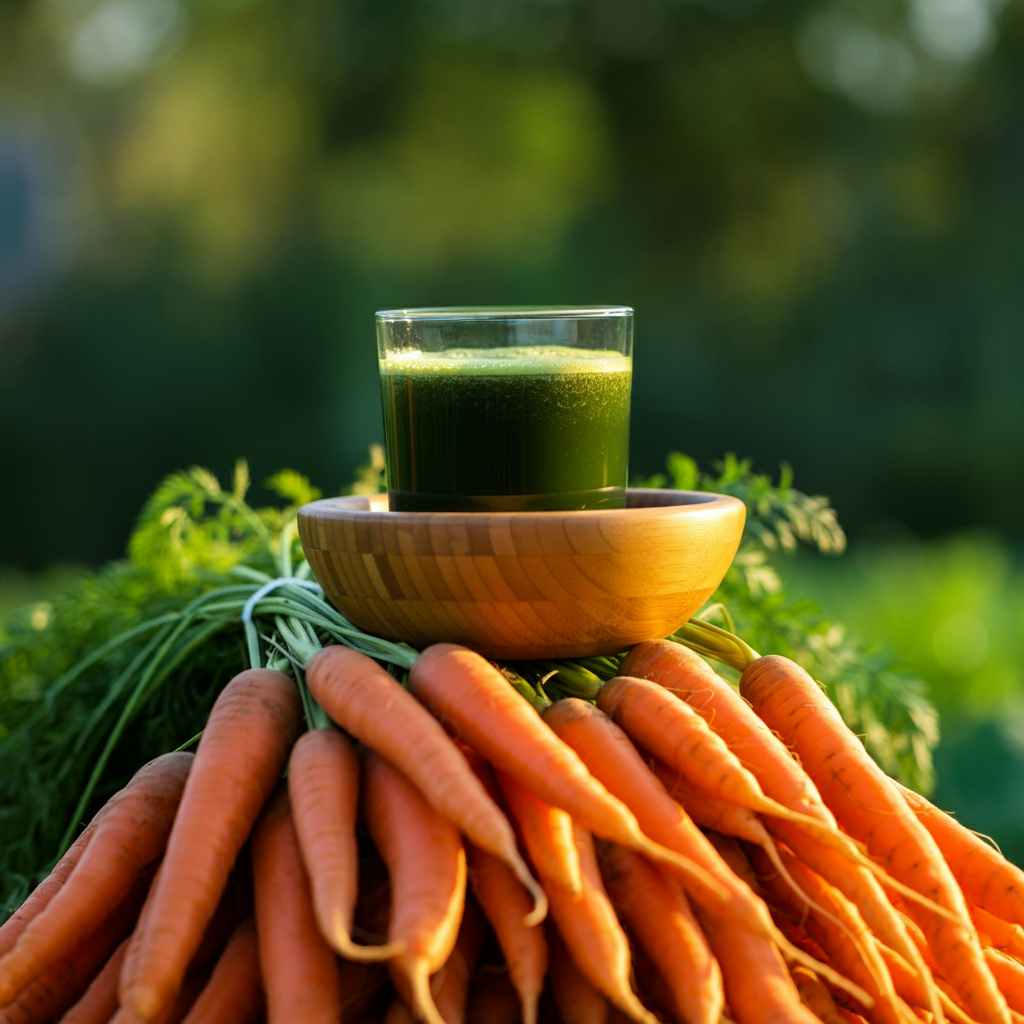
      Carrot Juice Health Benefits and How to Prepare It: A Personal Journey to Wellness

      Carrot Juice Health Benefits

      Thereโ€™s something magical about carrot juice, a simple yet vibrant elixir. My own journey with this golden-orange drink started a few years ago, when I was searching for a natural way to boost my health and well-being. Little did I know, I was about to discover not only a powerful health tonic but also a beverage that would become a staple in my daily routine.

      Let me take you through the benefits of carrot juice and show you how easy it is to make this delicious drink at home. By the end of this, I promise youโ€™ll want to sip on some of this goodness too!

      Read Also: The Health Benefits of Guava Leaves: My Journey into Natureโ€™s Pharmacy

      The Unexpected Introduction to Carrot Juice

      It all began when a friend, who always seemed to be glowing with vitality, introduced me to carrot juice. We were catching up over lunch one afternoon, and while I sipped on my usual iced tea, she was holding a bright orange drink that looked incredibly refreshing. I asked her about it, and she raved about how carrot juice had transformed her energy levels, skin, and overall health.

      At first, I was skeptical. How could something as humble as carrot juice offer such benefits? But her enthusiasm piqued my curiosity, so I decided to give it a try. Fast forward to today, and carrot juice is now a beloved part of my health regimen, providing me with countless benefits that I didnโ€™t anticipate.

      A Nutritional Powerhouse

      Carrots are often referred to as a “superfood,” and for good reason. Packed with vitamins, minerals, and antioxidants, these orange veggies offer a wide array of health benefits. When you drink carrot juice, you’re not just consuming a drink โ€“ you’re taking in a concentrated dose of goodness.

      Here are some key nutrients found in carrot juice:

      • Beta-Carotene: This powerful antioxidant, which gives carrots their vibrant orange color, converts into vitamin A in the body. Vitamin A is crucial for maintaining healthy vision, boosting the immune system, and promoting skin health.
      • Vitamin K: Helps with blood clotting and bone health.
      • Potassium: This essential mineral helps regulate blood pressure and supports heart health.
      • Vitamin B6: Important for brain health and supporting metabolism.
      • Antioxidants: Carrots are loaded with antioxidants that fight inflammation and protect the body from harmful free radicals.

      Health Benefits of Carrot Juice

      Now, letโ€™s dive into the specific health benefits Iโ€™ve personally experienced from carrot juice, as well as some others that have been backed by science.

      1. Boosts Eye Health

      Growing up, my parents would always tell me, “Eat your carrots, they’re good for your eyes!” Turns out, they were right. Carrot juice is rich in beta-carotene, which helps protect your eyes from age-related conditions like cataracts and macular degeneration. After a few months of regularly drinking carrot juice, I noticed a significant improvement in my night vision. I felt like my eyes werenโ€™t straining as much, especially after long hours working on the computer.

      2. Enhances Skin Glow

      Carrot Juice Health Benefits
      Carrot Juice Health Benefits

      One of the first changes I noticed after incorporating carrot juice into my diet was a new radiance to my skin. Carrot juice is high in vitamin A and antioxidants that help fight skin aging and damage caused by free radicals. It felt as if I had a natural glow, and even some of the blemishes I had struggled with for years started to fade. It wasnโ€™t a miracle cure, but consistent intake over time definitely helped me achieve clearer and brighter skin.

      3. Boosts Immunity

      Living in a fast-paced world, catching the occasional cold seemed almost inevitable. But once I started drinking carrot juice regularly, I noticed that I was falling sick less often. Carrot juice’s high concentration of vitamin C, along with antioxidants, supports a healthy immune system, giving your body the strength to fight off infections.

      4. Supports Digestive Health

      As someone who occasionally struggles with digestive issues, I was delighted to find that carrot juice was gentle on my stomach and helped improve my digestion. The natural fibers in carrots help regulate bowel movements, and the alkaline nature of carrot juice can balance out excess acidity in the stomach. Drinking carrot juice in the morning became a ritual that kept my gut happy.

      5. Promotes Heart Health

      Heart disease runs in my family, so Iโ€™m always on the lookout for natural ways to maintain heart health. Carrot juice contains potassium and antioxidants, which help reduce high blood pressure and lower cholesterol levels. These benefits, combined with its ability to reduce oxidative stress, can have a positive effect on overall cardiovascular health. While carrot juice isnโ€™t a magic solution, I like to think of it as one step towards keeping my heart healthy.

      Read Also: 5 Benefits of Rinsing Your Face with Cold Water in the Morning

      How to Prepare Carrot Juice at Home

      If youโ€™re ready to experience the benefits of carrot juice for yourself, itโ€™s time to make it at home! Donโ€™t worry, itโ€™s a lot easier than you think.

      Hereโ€™s how I prepare my favorite carrot juice recipe:

      Ingredients:

      • 5-6 medium-sized carrots (preferably organic)
      • 1 small apple (optional for sweetness)
      • A small piece of ginger (optional for a spicy kick)
      • Half a lemon (for a refreshing tang)
      • Water (if needed for blending)

      Instructions:

      1. Wash and Peel: Begin by thoroughly washing the carrots. If theyโ€™re organic, you can skip the peeling step, but I prefer to peel them to get a smoother juice.
      2. Chop: Cut the carrots into smaller chunks to make blending easier. If youโ€™re using an apple and ginger, chop those as well.
      3. Juicing Option 1 โ€“ Using a Juicer: If you have a juicer, simply feed the carrots, apple, and ginger through the machine. The juicer will separate the pulp from the juice, giving you a smooth drink.
      4. Juicing Option 2 โ€“ Using a Blender: If you donโ€™t have a juicer, donโ€™t worry! You can still make carrot juice with a blender. Add the chopped carrots, apple, and ginger to the blender, along with a little water to help with blending. Blend until smooth.
      5. Strain (Optional): Once blended, pour the mixture through a fine-mesh sieve or cheesecloth to remove the pulp. This step is optional, but it will give you a more traditional juice texture.
      6. Add Lemon Juice: Finally, squeeze in the juice of half a lemon for extra freshness and a vitamin C boost.
      7. Serve and Enjoy: Pour the juice into a glass, add a few ice cubes if desired, and enjoy immediately. Carrot juice is best consumed fresh to retain all its nutrients!

      Final Thoughts: A Simple Habit, Big Benefits

      Incorporating carrot juice into my routine was a small step that made a huge impact on my health. From clearer skin to better digestion and enhanced immunity, the benefits were undeniable. Plus, the vibrant color and refreshing taste make it a pleasure to drink.

      If youโ€™re looking for a natural way to boost your health, why not give carrot juice a try? Itโ€™s a simple, affordable, and delicious habit that could bring significant benefits to your overall well-being. Who knows, it might just become your new favorite wellness drink, just like it did for me!

      So, go ahead โ€“ grab some fresh carrots, dust off your juicer (or blender), and start reaping the rewards of this powerful orange elixir!

    6. The Health Benefits of Guava Leaves: My Journey into Natureโ€™s Pharmacy

      The Health Benefits of Guava Leaves: My Journey into Natureโ€™s Pharmacy

      The Health Benefits of Guava Leaves

      Health Benefits of Guava Leaves: I still remember the first time my grandmother handed me a warm cup of guava leaf tea. I had a terrible cold, and she swore by its healing powers. Skeptical but curious, I took a sip, and I must admit, I felt better by the end of the day. As I grew older, I became more interested in natural remedies, and that experience with guava leaves stuck with me. Now, after learning more about its numerous benefits, guava leaves are a regular part of my wellness routine.

      Read Also: Soursop Leaves: The Magical Underrated Benefits.

      The Hidden Gem in Your Backyard

      When we think of guava, we often imagine the sweet, tropical fruit bursting with flavor. But what many people donโ€™t realize is that the leaves of the guava plant are a hidden gem of health benefits. These unassuming leaves contain antioxidants, anti-inflammatory agents, and antibacterial compounds that can help with various health issues.

      Research shows that guava leaves are rich in flavonoids, especially quercetin, which has strong anti-inflammatory properties. This is why guava leaves have been used in traditional medicine to treat illnesses like diarrhea, infections, and even diabetes. Let me take you on a journey through the many health benefits of these leaves and how to safely prepare and consume them.

      1. Improves Digestion

      One of the most common uses for guava leaves is as a digestive aid. Whether itโ€™s indigestion, diarrhea, or a bloated stomach, guava leaf tea can help soothe the digestive system. The antibacterial properties of the leaves help neutralize harmful bacteria in the gut, preventing diarrhea and promoting healthy bowel movements.

      Personally, Iโ€™ve found it particularly helpful after a heavy meal. It helps reduce bloating and makes me feel lighter.

      2. Helps Control Blood Sugar Levels

      For those managing diabetes or pre-diabetes, guava leaves can be a natural way to help control blood sugar. The compounds in guava leaves slow down the absorption of sugar in the blood, which helps prevent spikes in glucose levels. Scientific studies have shown that guava leaf extract can lower blood sugar levels and improve insulin resistance.

      I recommended this remedy to a family friend who was struggling to control her blood sugar levels. She found it incredibly helpful, although I always remind people to consult their doctor before adding any new treatment to their routine.

      3. Promotes Healthy Skin

      The Health Benefits of Guava Leaves

      Guava leaves are packed with antioxidants that combat free radicals, the culprits behind aging and skin damage. The antibacterial properties also help prevent and reduce acne. Applying guava leaf extract or tea to the skin can reduce inflammation, clear up acne, and improve the overall texture of your skin.

      Iโ€™ve tried this myself, using cooled guava leaf tea as a toner, and it leaves my skin feeling fresh and clean.

      4. Aids in Weight Loss

      One of the surprising benefits I learned about is how guava leaves can aid in weight loss. The leaves inhibit the conversion of complex carbohydrates into sugars, which the body tends to store as fat. Drinking guava leaf tea regularly can help with weight management by promoting fat burning and preventing excess weight gain.

      Read Also: The Eight 8 Benefits of Drinking Boiled Cassava Leaves: A Hidden Superfood

      How to Prepare Guava Leaf Tea

      Guava leaf tea is incredibly easy to prepare, and I enjoy making it in the mornings or after meals. Hereโ€™s how you can do it:

      1. Ingredients:
        • Fresh or dried guava leaves (about 10-15 leaves)
        • 1 liter of water
        • Honey or lemon (optional)
      2. Instructions:
        • Wash the guava leaves thoroughly to remove any dirt or debris.
        • Bring the water to a boil.
        • Add the guava leaves to the boiling water.
        • Let the leaves simmer in the water for about 10-15 minutes.
        • Strain the tea into a cup, and if you like, add honey or lemon for extra flavor.

      Drink the tea once or twice daily for best results.

      Safe Dosage and Precautions

      As with any natural remedy, itโ€™s important to use guava leaves in moderation. Drinking one to two cups of guava leaf tea per day is considered safe for most people. However, itโ€™s always a good idea to start slowly, especially if youโ€™ve never tried it before.

      For those who are pregnant or breastfeeding, itโ€™s recommended to consult a healthcare provider before using guava leaves. Similarly, if you have underlying health conditions or are taking medication, make sure to discuss with your doctor before incorporating guava leaves into your health regimen.

      My Personal Takeaway

      Over the years, guava leaves have become a staple in my natural remedy toolkit. From helping with digestion to promoting glowing skin, the benefits are endless. However, the most important lesson Iโ€™ve learned is that nature often holds the answers we need for a healthier life. Whether youโ€™re looking to improve your gut health, manage your blood sugar, or just enjoy a soothing cup of tea, guava leaves might just be the herbal treasure youโ€™ve been looking for.

      So next time you see a guava tree, remember: the fruit isnโ€™t the only part worth appreciating!

      Facebook: Infohealthgh

    7. Soursop Leaves: The Magical Underrated Benefits.

      Soursop Leaves: The Magical Underrated Benefits.

      The Magical Underrated Benefits of Soursop Leaves

      Soursop, also known as Graviola or by its scientific name Annona muricata, is a tropical fruit native to the Caribbean, Central, and South America. Though its delicious, custard-like fruit is widely known for its tangy flavor and nutrient-packed content, the leaves of the soursop tree are an often-overlooked gem in traditional medicine. For centuries, soursop leaves have been utilized in various cultures for their potential medicinal properties. Recent research and scientific interest have begun validating some of these claims, bringing attention to the health benefits hidden in these leaves.

      Read Also: The Eight 8 Benefits of Drinking Boiled Cassava Leaves: A Hidden Superfood

      Research and Scientific Insights on Soursop Leaves

      In recent years, the potential therapeutic benefits of soursop leaves have been examined through various studies. Research suggests that these leaves contain bioactive compounds, including acetogenins, alkaloids, flavonoids, and other antioxidants, which contribute to their anti-inflammatory, antiviral, and anticancer properties.

      One of the most promising studies was conducted by the University of Nebraska Medical Center, which showed that certain compounds extracted from soursop leaves had the potential to inhibit cancer cell growth. Particularly, acetogeninsโ€”natural compounds found in soursop leavesโ€”were shown to selectively target cancer cells without harming healthy ones. Additional studies in Southeast Asia and South America have revealed the potential of soursop leaves in managing infections, reducing inflammation, and supporting digestive health.

      This post explores the wide-ranging health benefits of soursop leaves, focusing on their potential to treat diseases, their safety when consumed daily, their preparation methods, and possible side effects.

      What Diseases Can Be Treated with Soursop?

      Soursop leaves are renowned for their versatility in treating a variety of ailments, both in traditional and alternative medicine. Here’s a look at some of the conditions that soursop leaves are believed to treat:

      1. Cancer

      One of the most talked-about benefits of soursop leaves is their potential to combat cancer. Acetogenins, potent compounds found in soursop leaves, have been studied for their anticancer activity. Research suggests these compounds may inhibit the growth of cancer cells and selectively target them without affecting normal cells. While more clinical trials are needed to confirm these effects on humans, early studies and anecdotal evidence indicate that soursop leaves may help in the management of certain types of cancer, including breast, lung, and colon cancer.

      2. Diabetes

      Soursop leaves may help regulate blood sugar levels, making them useful for individuals with diabetes. In traditional medicine, soursop leaf tea is consumed to lower blood glucose levels. Some studies indicate that compounds in the leaves can enhance insulin sensitivity, leading to better blood sugar control.

      3. High Blood Pressure (Hypertension)

      Soursop leaves are also used to manage hypertension. Their high antioxidant content helps in relaxing blood vessels, improving circulation, and lowering blood pressure. The leaves are often consumed as tea by those seeking a natural remedy for high blood pressure.

      4. Infections

      The antimicrobial and antiviral properties of soursop leaves are well-known in traditional medicine. They have been used to treat bacterial and viral infections such as colds, flu, and even herpes. The leaves contain compounds that may inhibit the growth of harmful microorganisms and boost the immune system.

      5. Inflammation and Pain Relief

      Soursop leaves are used for their anti-inflammatory effects, making them beneficial for individuals suffering from arthritis, gout, or general inflammation. The leaves have been traditionally used to relieve pain in conditions such as back pain, joint pain, and headaches. The analgesic properties of soursop leaves are attributed to their ability to reduce inflammation and soothe nerves.

      Read Also: Unlock the Powerful Health Benefits of Mango Leaves: How to Prepare, Use, and Avoid Side Effects

      6. Insomnia

      Soursop leaves are known for their calming and sedative properties, making them a natural remedy for insomnia and anxiety. Consuming soursop tea before bed may help relax the mind and body, promoting restful sleep.

      Can I Drink Soursop Leaves Every Day?

      Drinking soursop leaf tea daily may offer several health benefits, but moderation is essential. For most people, consuming soursop leaves regularly in small amounts, such as in a tea, is safe. A cup of soursop tea can provide antioxidant support, aid in digestion, and help with inflammation. It’s often recommended for those dealing with chronic conditions like arthritis, diabetes, or high blood pressure.

      However, long-term daily use is not yet fully studied, and there is limited clinical evidence to support the safety of high doses over extended periods. It’s best to consult a healthcare provider before making it a part of your daily routine, particularly if you have underlying health conditions or are taking medications.

      What Are the Side Effects of Drinking Soursop Leaves?

      Although soursop leaves are generally considered safe for consumption, they do have some potential side effects, especially when consumed in large amounts. Here are a few possible side effects:

      1. Neurotoxicity

      Some studies suggest that prolonged and excessive consumption of soursop leaves may lead to neurotoxicity, which can damage the nervous system. This is primarily due to the presence of certain alkaloids that may affect the brain’s function when consumed in high quantities. Symptoms of neurotoxicity include tremors, muscle weakness, and difficulty in movement.

      2. Low Blood Pressure

      Soursop leaves can lower blood pressure, which is beneficial for individuals with hypertension. However, for those who already have low blood pressure, consuming soursop leaves might lead to dizziness, fainting, or light-headedness.

      3. Digestive Issues

      In rare cases, soursop leaves may cause digestive discomfort, including nausea, vomiting, or diarrhea. It’s essential to start with small amounts to see how your body responds.

      4. Pregnancy Concerns

      Pregnant and breastfeeding women are generally advised to avoid soursop leaves due to the lack of sufficient research on its safety during pregnancy. Some experts caution that the powerful bioactive compounds may cause uterine contractions, potentially leading to complications.

      How Long Should I Boil Soursop Leaves?

      The process of boiling soursop leaves to prepare tea is simple and can be adjusted depending on taste preference and the potency desired. Generally, the leaves should be boiled for 10โ€“20 minutes. Here’s a step-by-step guide:

      1. Take 5โ€“10 fresh or dried soursop leaves.
      2. Rinse the leaves thoroughly to remove any dust or dirt.
      3. Boil about 3 cups of water in a pot.
      4. Add the soursop leaves to the boiling water.
      5. Reduce the heat and let the leaves simmer for 10โ€“20 minutes.
      6. Strain the tea and allow it to cool before drinking.

      For a milder flavor, boil the leaves for 10 minutes. For a stronger infusion, you can let them simmer for up to 20 minutes. Adding honey, ginger, or lemon can enhance the flavor and provide additional health benefits.

      Conclusion

      Soursop leaves are an underrated and powerful natural remedy with numerous health benefits. From potential anticancer properties to managing diabetes, inflammation, and high blood pressure, these leaves offer promising solutions to many ailments. While drinking soursop leaf tea can be a beneficial addition to a healthy lifestyle, it’s important to be mindful of the potential side effects and consult with a healthcare provider before making it a daily habit.

      As more research unfolds, the full potential of soursop leaves may soon be unlocked, allowing more people to tap into their hidden benefits. Until then, using soursop leaves in moderation can be a step toward a more balanced and natural approach to wellness.

    8. Quick fat-blasting weight loss plan to lose weight by end of 2026.

      Quick fat-blasting weight loss plan to lose weight by end of 2026.

      It is the beginning of a new year and few days left to end the month of January but lots of people people have given up on their weight loss goala alrey.

      You are not alone. Let’s discover a quick fat-blasting weight loss plan that promises to make you see and experience the positive change in your body.

      Losing weight comes with a lot of benefits. Aside from helping you prevent underlying health risks like heart attack, diabetes, and cancer, it also boosts your strength to live a quality life.

      You may have lost your way on the weight loss goal and journey you set for yourself but it’s not too late to turn things around.

      A lot of progress can be made if you turn things around now and by December, you should see a lot of difference.

      Here is a detailed fat-blasting weight loss plan to lose weight by the end of 2026

      1. Exercise: The Power of Movement

      Exercise is key in any fat-loss journey. Hereโ€™s a detailed look at the types of exercises you can incorporate into your routine to burn fat effectively:

      A. High-Intensity Interval Training (HIIT)

      Quick fat-blasting weight loss plan to lose weight by end of 2024.

      HIIT workouts alternate between intense bursts of activity and short rest periods. These short, intense sessions can elevate your heart rate, improve cardiovascular health, and burn more fat in less time. HIIT can include exercises like:

      • Sprints: Short bursts of running or cycling at maximum effort.
      • Burpees: Combining push-ups, squats, and jumps for a full-body workout.
      • Jumping jacks and mountain climbers: Great for burning calories quickly.

      HIIT sessions should last between 20 to 30 minutes, 3โ€“4 times a week. Rest on non-HIIT days to allow your body to recover.

      B. Strength Training

      Building muscle is crucial for fat loss because muscle burns more calories at rest than fat. The more muscle mass you have, the higher your metabolism. Focus on compound exercises that engage multiple muscle groups:

      • Squats: Targets your legs, glutes, and core.
      • Deadlifts: Strengthens your back, glutes, and legs.
      • Push-ups and pull-ups: Work your chest, back, shoulders, and arms.
      • Lunges: A killer for your legs and glutes.

      Read Also: The major role sleep plays in weight loss.

      Perform strength training 2โ€“3 times a week, focusing on progressively increasing weight or resistance to challenge your muscles.

      C. Low-Impact Cardio

      On your “off” days or when you need a break from intense workouts, low-impact cardio can help keep the fat-burning going. Opt for activities like:

      • Brisk walking or light jogging
      • Cycling
      • Swimming

      These exercises can be done for 30โ€“45 minutes, 4โ€“5 times a week, to help you stay active without over-stressing your body.


      2. Diet: Fuel Your Body Right

      Quick fat-blasting weight loss plan to lose weight by end of 2024.
      Quick fat-blasting weight loss plan to lose weight by end of 2024.

      Your diet will play the most crucial role in fat loss. The best approach is to focus on a balanced, whole-foods-based diet with controlled portions. Hereโ€™s a breakdown of what your daily meal plan should look like:

      A. Protein-Rich Foods

      Protein helps in muscle recovery and keeps you full for longer, reducing cravings. Aim to include:

      • Lean meats: Chicken breast, turkey, and lean beef.
      • Fish: Salmon, tuna, and other fatty fish rich in omega-3s.
      • Plant-based proteins: Lentils, chickpeas, tofu, and quinoa.
      • Eggs: A great source of high-quality protein and healthy fats.

      B. Healthy Fats

      Contrary to popular belief, fats can be your friendโ€”when theyโ€™re the right kinds. Healthy fats can promote fat loss by keeping you full and stabilizing blood sugar levels. Include:

      • Avocados
      • Nuts and seeds: Almonds, chia seeds, flaxseeds.
      • Olive oil and coconut oil
      • Fatty fish: Salmon, sardines, and mackerel.

      C. Fiber-Rich Carbs

      Carbohydrates should be consumed in moderation, and itโ€™s important to focus on high-fiber, nutrient-dense options. These help with digestion and keep you satiated. Opt for:

      • Vegetables: Leafy greens (spinach, kale), broccoli, cauliflower.
      • Whole grains: Brown rice, quinoa, oats.
      • Fruits: Berries, apples, and pears are low in sugar but high in fiber.

      D. Foods to Avoid

      Certain foods can sabotage your weight loss efforts. Hereโ€™s what to give up:

      • Sugary snacks and drinks: Soda, candy, baked goods, and processed sweets.
      • Refined carbs: White bread, pastries, and pasta.
      • Trans fats: Found in fried and processed foods like fast food, margarine, and packaged snacks.
      • Alcohol: Alcohol can add unnecessary calories and disrupt metabolism.

      Read Also: Five (5) โ€œhealthyโ€ foods with surprisingly high sugar levels.


      3. Intermittent Fasting: A Strategic Tool

      Intermittent fasting (IF) has become a popular weight-loss strategy for good reasonโ€”it can help reduce calorie intake and improve fat burning. There are several methods, but two of the most effective for fat loss include:

      A. 16/8 Method

      This method involves fasting for 16 hours and eating during an 8-hour window. For example, you might eat from 12 PM to 8 PM and fast until the next day. This approach allows your body to enter a fat-burning state without the need for extreme calorie cutting.

      B. 5:2 Diet

      In this variation, you eat normally for five days and reduce your calorie intake to about 500โ€“600 calories for two non-consecutive days of the week. This helps you maintain a calorie deficit while giving your body recovery days.

      When incorporating intermittent fasting, be mindful of what you eat during your feeding windows. Focus on nutrient-dense meals that align with your weight loss goals.


      4. Consistency and Patience: Keys to Success

      While this fat-blasting weight loss plan is designed to help you achieve your goals by the end of 2024, results will depend on consistency. Commit to the process, track your progress, and be patient. Consider these tips for staying on track:

      • Meal prep: Prepare your meals in advance to avoid impulsive eating.
      • Stay hydrated: Drink plenty of water throughout the day to support digestion and metabolism.
      • Get enough sleep: Aim for 7โ€“8 hours of quality sleep per night to aid recovery and fat loss.
      • Track your progress: Keep a journal or use apps to monitor your weight, workouts, and meals.