Author: kwamebrew

  • Unlock the Powerful Health Benefits of Mango Leaves: How to Prepare, Use, and Avoid Side Effects

    Unlock the Powerful Health Benefits of Mango Leaves: How to Prepare, Use, and Avoid Side Effects

    Mango leaves, often overlooked in favor of the fruit they accompany, have been used in traditional medicine for centuries. These vibrant green leaves, packed with nutrients and bioactive compounds, offer a wealth of health benefits. In this blog post, we’ll explore the health benefits of mango leaves, how to prepare them, how to consume them, and the potential side effects of over-ingestion.


    Health Benefits of Mango Leaves

    1.1 Rich in Antioxidants

    Mango leaves are a powerhouse of antioxidants, particularly flavonoids and phenols. These compounds help combat oxidative stress by neutralizing free radicals, which are unstable molecules that can damage cells. Regular consumption of mango leaf tea or extracts can help reduce the risk of chronic diseases, including heart disease and cancer, by limiting the oxidative damage in the body.

    1.2 Regulating Blood Sugar Levels

    One of the most well-known benefits of mango leaves is their ability to regulate blood sugar levels. Studies have shown that the bioactive compounds in mango leaves, particularly mangiferin, have a positive effect on insulin production and glucose metabolism. For people with diabetes, drinking mango-leaf tea can help manage blood sugar levels, although it should not be considered a replacement for medication.

    1.3 Anti-inflammatory Properties

    Mango leaves contain anti-inflammatory agents such as polyphenols, which can help reduce inflammation in the body. Chronic inflammation is linked to a variety of health issues, including arthritis, heart disease, and autoimmune disorders. Consuming mango leaves can help reduce inflammatory markers, alleviating symptoms related to these conditions.

    1.4 Supports Digestive Health

    Mango leaves are also excellent for digestive health. The compounds in the leaves, particularly tannins, help in soothing the digestive tract, reducing acidity, and promoting the secretion of digestive enzymes. Drinking mango leaf tea after meals can help reduce bloating and indigestion, and even prevent constipation.

    1.5 Helps in Respiratory Health

    Mango leaves have traditionally been used to treat respiratory issues like bronchitis, asthma, and coughs. The leaves possess antimicrobial and anti-inflammatory properties, making them useful in clearing respiratory passages, reducing cough, and soothing the throat.

    1.6 Supports Weight Loss

    The compounds found in mango leaves are known to support weight loss by boosting metabolism and helping the body burn fat more efficiently. Drinking mango leaf tea or taking it in supplement form can be an excellent addition to a weight loss program.

    Also: Six (6) Signs a Loved One Is On The verge of a Mental Breakdown.

    1.7 Improves Skin Health

    The antioxidants and anti-inflammatory compounds found in mango leaves are beneficial for skin health as well. They can help reduce acne, blemishes, and skin inflammation. The leaves can either be consumed or used in topical applications to soothe irritated skin and improve overall skin tone.

    1.8 Promotes Healthy Hair

    Mango leaves are rich in nutrients like vitamins A and C, which promote healthy hair growth. The leaves help strengthen hair follicles, reduce dandruff, and prevent hair thinning. You can either ingest mango leaves in the form of tea or apply mango leaf extract to the scalp for best results.

    1.9 Enhances Heart Health

    The antioxidants and bioflavonoids present in mango leaves help improve heart health by lowering blood pressure, improving blood circulation, and reducing the risk of heart disease. Regular consumption of mango-leaf tea can help in maintaining a healthy cardiovascular system by keeping cholesterol levels in check.


    Section 2: How to Prepare Mango Leaves for Consumption

    Mango leaves can be consumed in various ways, depending on your preference and health goals. The most common methods are boiling the leaves to make tea, drying them to create a powder, or making an extract.

    2.1 Mango Leaf Tea

    Ingredients:

    • Fresh or dried mango leaves (about 10-15 leaves)
    • 2 cups of water
    • Honey or lemon (optional for taste)

    Instructions:

    1. Rinse the mango leaves thoroughly under running water to remove any dirt or debris.
    2. Boil two cups of water in a pot.
    3. Add the mango leaves to the boiling water and reduce the heat to a simmer.
    4. Allow the leaves to steep for about 10 minutes, letting the nutrients release into the water.
    5. Strain the tea into a cup, discarding the leaves.
    6. If desired, add honey or lemon for flavor.
    7. Drink the tea while it’s warm. It can be consumed 1-2 times daily.

    Mango leaf tea is one of the easiest and most effective ways to enjoy the benefits of mango leaves.

    2.2 Mango Leaf Powder

    Instructions:

    1. Pick fresh mango leaves and wash them thoroughly.
    2. Dry the leaves under direct sunlight for 2-3 days or until they become crispy.
    3. Once dried, grind the leaves into a fine powder using a mortar and pestle or a blender.
    4. Store the powder in an airtight container.

    How to Use:

    • Add a teaspoon of the powder to a glass of warm water or milk, and drink it once a day.
    • The powder can also be added to smoothies, soups, or sprinkled over salads.

    2.3 Mango Leaf Extract

    Ingredients:

    • Fresh mango leaves
    • Alcohol (such as vodka) or glycerin

    Instructions:

    1. Wash and chop fresh mango leaves into small pieces.
    2. Place the leaves in a glass jar and pour enough alcohol or glycerin to cover them completely.
    3. Seal the jar and store it in a cool, dark place for 2-3 weeks, shaking it occasionally.
    4. After the steeping period, strain the mixture and store the extract in a dark bottle.

    How to Use:

    • Add a few drops of the extract to a glass of water or tea and consume it once or twice daily.
    • It can also be used topically for skin applications.

    Section 3: How to Ingest Mango Leaves

    There are several ways to consume mango leaves, depending on your health goals and lifestyle.

    Health Benefits of Mango Leaves

    3.1 Drinking Mango Leaf Tea

    Mango leaf tea is one of the easiest and most popular ways to ingest mango leaves. Drinking a cup of mango-leaf tea in the morning or before bed can help with blood sugar control, digestion, and even relaxation.

    • For blood sugar control: Drink tea before meals to help regulate insulin levels and prevent blood sugar spikes.
    • For digestion: Sip the tea after meals to help soothe the digestive tract and reduce bloating.
    • For relaxation and sleep: Drinking a warm cup of mango leaf tea before bed can help calm the mind and body, promoting restful sleep.

    3.2 Mango Leaf Powder in Food

    Mango leaf powder can be added to a variety of foods, making it a versatile option for ingestion. It can be mixed into smoothies, soups, salads, or even taken with water or milk. One teaspoon per day is typically enough to reap the benefits of the powder.

    • For weight loss: Add a teaspoon of mango leaf powder to a glass of water or smoothie and drink it in the morning to boost metabolism.
    • For respiratory issues: Mix the powder with honey and consume it to soothe coughs and clear respiratory passages.

    Read Also: The Eight 8 Benefits of Drinking Boiled Cassava Leaves: A Hidden Superfood

    3.3 Using Mango Leaf Extract

    Mango leaf extract is a potent form of the leaves and can be taken in small amounts. Just a few drops of the extract in water or tea can provide the same benefits as tea or powder but in a more concentrated form. This method is particularly useful for people who need stronger doses of mango leaf compounds, such as those with diabetes or chronic inflammation.


    Section 4: Potential Side Effects of Overingestion

    While mango leaves are generally safe to consume, it’s important to note that overingestion can lead to adverse effects. Moderation is key to enjoying the health benefits without experiencing negative consequences.

    4.1 Hypoglycemia

    Mango leaves are known to lower blood sugar levels, which can be beneficial for people with diabetes. However, overconsumption of mango-leaf tea or extract can lead to hypoglycemia (low blood sugar). Symptoms of hypoglycemia include dizziness, confusion, sweating, and fatigue. People with diabetes should monitor their blood sugar levels carefully and consult with a healthcare provider before incorporating large amounts of mango leaves into their diet.

    4.2 Allergic Reactions

    Some individuals may experience allergic reactions to mango leaves, especially those who are sensitive to plants in the Anacardiaceae family (which includes mangoes). Symptoms of an allergic reaction may include itching, rashes, swelling, and difficulty breathing. If you experience any of these symptoms after consuming mango leaves, discontinue use immediately and seek medical attention.

    4.3 Gastrointestinal Issues

    While mango leaves are beneficial for digestion, overconsumption can have the opposite effect. Consuming too much mango leaf tea or powder can lead to gastrointestinal issues such as stomach cramps, diarrhea, or constipation. Stick to recommended doses to avoid these problems.

    4.4 Kidney Strain

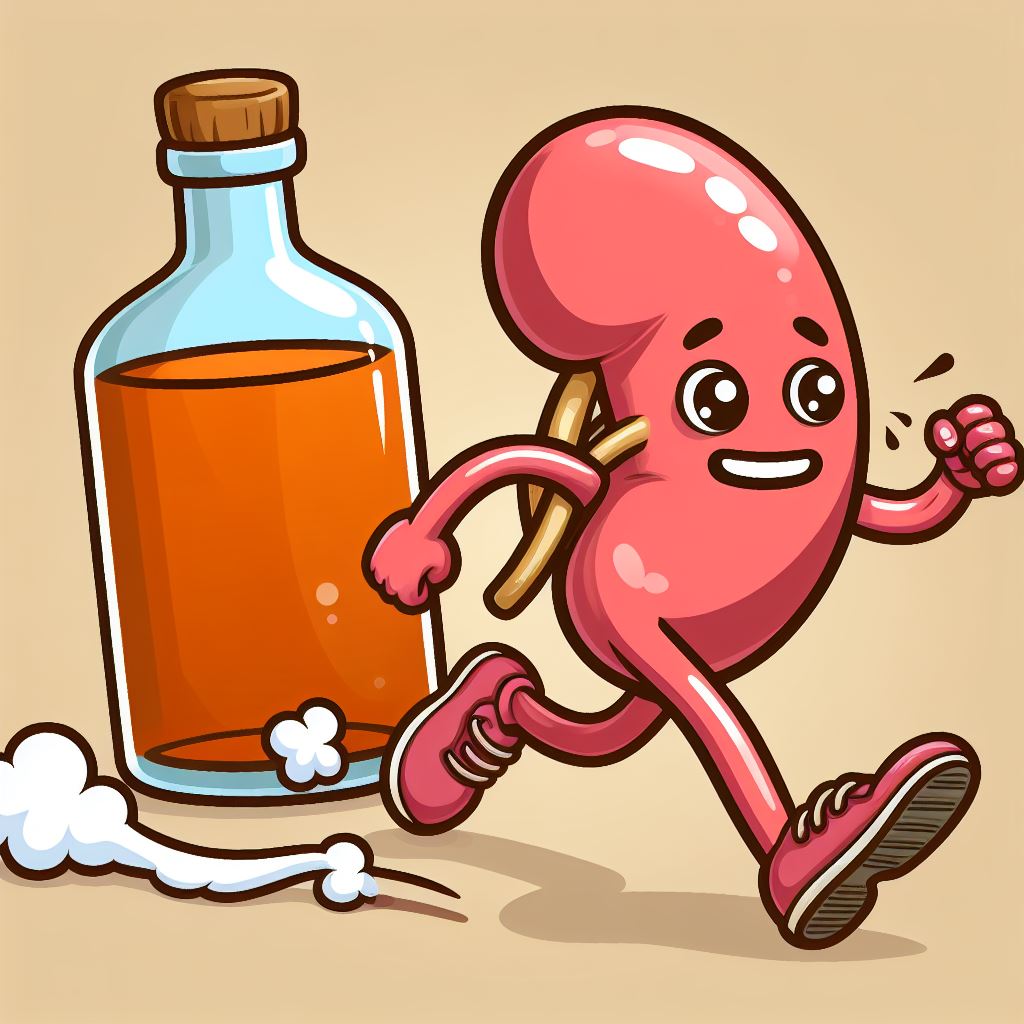
    Mango leaves contain high levels of tannins, which can put a strain on the kidneys if consumed in excessive amounts. Tannins are known to cause kidney-related issues, especially when taken in large quantities over an extended period. People with pre-existing kidney conditions should be cautious and consult with their healthcare provider before consuming mango leaves regularly.

    Facebook


    Conclusion

    Mango leaves are a hidden gem in the world of natural remedies, offering numerous health benefits ranging from blood sugar regulation to anti-inflammatory effects. Whether consumed as tea, powder, or extract, these leaves can be a valuable addition to your wellness routine. However, like all-natural remedies, they should be consumed in moderation to avoid potential side effects.

    Before adding mango leaves to your diet, especially if you have underlying health conditions such as diabetes or kidney issues, it’s important to consult with a healthcare provider. By doing so, you can safely enjoy the health benefits of this ancient remedy and support your overall well-being.

  • The Eight 8 Benefits of Drinking Boiled Cassava Leaves: A Hidden Superfood

    The Eight 8 Benefits of Drinking Boiled Cassava Leaves: A Hidden Superfood

    The Benefits of Drinking Boiled Cassava Leaves: A Hidden Superfood: When it comes to cassava many people in the tropics only think about the roots. Which is part of the staple meal for Ghanaians and other African countries. The root is also what is processed into gari which is enjoyed by many.

    What if I told you that the leaves of cassava also have exceptional benefits to the body when prepared and consumed right?

    Aside from helping you prevent some chronic diseases, it also supplements and improves certain normal bodily functions.

    Here’s a closer look at the remarkable benefits of drinking boiled cassava leaves and why you should consider incorporating them into your daily regimen.

    Read Also: Six (6) Signs a Loved One Is On The verge of a Mental Breakdown.

    1. Rich in Essential Nutrients

    Cassava leaves are a treasure trove of nutrients, often surpassing the nutritional content of the tubers themselves. They are particularly rich in protein, vitamins, and minerals, making them a nutritious addition to any diet. Here’s a breakdown of the key nutrients found in cassava leaves:

    • Protein: While the cassava root is known for its high carbohydrate content, the leaves are an excellent source of protein, providing all nine essential amino acids. This makes cassava leaves a great option for those who follow plant-based diets or need additional protein in their meals.
    • Vitamins: Cassava leaves are a great source of vitamins A, B1 (thiamine), B2 (riboflavin), and C. Vitamin A helps improve vision and skin health, while vitamins B1 and B2 play vital roles in energy production and maintaining proper brain function. Vitamin C boosts the immune system and acts as a potent antioxidant.
    • Minerals: Drinking boiled cassava leaves provides essential minerals such as calcium, magnesium, potassium, iron, and phosphorus. These minerals contribute to stronger bones, improved cardiovascular health, and better muscle function.

    2. Antioxidant Properties

    Cassava leaves are loaded with antioxidants, which are compounds that protect your body from oxidative stress and damage caused by free radicals. Free radicals are unstable molecules that can damage cells and contribute to the development of chronic diseases such as cancer, diabetes, and heart disease. The antioxidants in cassava leaves—such as flavonoids and phenolic compounds—help neutralize these free radicals, thus protecting the body from inflammation and oxidative stress.

    3. Improves Digestion

    Drinking boiled cassava leaves can help promote healthy digestion. The fiber content in the leaves aids in regulating bowel movements and prevents constipation. This fiber also encourages the growth of beneficial gut bacteria, promoting a healthier digestive system overall. By incorporating cassava leaves into your diet, you may reduce the risk of developing gastrointestinal disorders, such as irritable bowel syndrome (IBS) or bloating.

    4. Enhances Immune Function

    The high vitamin C content found in boiled cassava leaves plays a crucial role in strengthening the immune system. Vitamin C helps the body produce white blood cells, which are essential for fighting off infections and illnesses. In addition to boosting the immune system, vitamin C acts as an antioxidant, further protecting the body from harmful pathogens. By drinking boiled cassava leaves regularly, you can give your immune system the support it needs to keep you healthy.

    Read Also: Six (6) Signs a Loved One Is On The verge of a Mental Breakdown.

    5. Supports Eye Health

    The vitamin A in cassava leaves contributes significantly to maintaining good vision and overall eye health. Vitamin A helps protect the cornea and ensures that the surface of the eye is properly lubricated. Regular consumption of cassava leaves can reduce the risk of developing age-related eye conditions such as cataracts and macular degeneration. For those looking to improve or maintain their eyesight, boiled cassava leaves could be a natural and effective solution.

    6. Promotes Heart Health

    Benefits of Drinking Boiled Cassava Leaves

    Cassava leaves are rich in potassium, a mineral known for its heart health benefits. Potassium helps regulate blood pressure by counteracting the effects of sodium and promoting proper circulation. The magnesium in cassava leaves also aids in maintaining heart health by relaxing blood vessels and improving overall cardiovascular function. By incorporating boiled cassava leaves into your diet, you may lower your risk of heart disease and high blood pressure.

    7. Anti-inflammatory Effects

    Many of the compounds found in cassava leaves have anti-inflammatory properties, which can help alleviate symptoms of inflammatory diseases such as arthritis. These anti-inflammatory compounds work by reducing the production of inflammatory markers in the body, which can lead to a reduction in swelling, pain, and stiffness. Regular consumption of boiled cassava leaves may help manage chronic inflammation and promote joint health.

    8. Detoxification and Cleansing

    Cassava leaves also offer detoxification benefits. They help the liver and kidneys filter out toxins from the blood, improving overall organ function. The antioxidants present in the leaves support this detoxifying process by neutralizing harmful substances and promoting cellular repair.

    How to Prepare and Consume Boiled Cassava Leaves

    To enjoy the benefits of cassava leaves, it is essential to prepare them properly, as raw cassava leaves contain cyanogenic glycosides, which can be harmful when consumed in large amounts. Boiling the leaves for about 10-15 minutes helps break down these compounds, making them safe to eat or drink.

    After boiling, you can strain the liquid and consume it as a tea or broth. You can also blend the boiled leaves into smoothies or soups for added flavor and nutrition.

    Final Thoughts

    Cassava leaves, often overlooked in favor of the plant’s roots, offer a wide range of health benefits when prepared and consumed correctly. From boosting immune function to supporting heart health and improving digestion, the leaves are a valuable addition to a balanced diet. Drinking boiled cassava leaves not only helps protect against chronic diseases but also nourishes the body with essential vitamins, minerals, and antioxidants. If you’re looking for a natural, nutrient-rich way to enhance your well-being, consider incorporating boiled cassava leaves into your routine.

    Kindly Subscribe to My YouTube Channel: Planet of Tech

    Follow Me on Facebook

  • Six (6) Signs a Loved One Is On The verge of a Mental Breakdown.

    Six (6) Signs a Loved One Is On The verge of a Mental Breakdown.

    It is very hard to identify the signs that point to a loved one who is closer to a mental breakdown in our world today. This is because the mental state of an adult in the 21st century is deplorable compared to an adult in the 19th or 18th century.

    Our fast-paced world we live in makes it difficult to pay attention to other people’s behaviour or even notice a change in their behaviours.

    The pressure we face in society today’s world can sometimes lead to a mental breakdown—a period of intense mental distress that can affect a person’s ability to function. Recognizing the signs of a looming mental breakdown in someone close to you is crucial, as early intervention can make a significant difference. Here are six key indicators that someone might be on the verge of a mental breakdown.

    Read Also: Is it safe to combine HIIT training with Fasting to Lose Weight?

    1. Drastic Changes in Behavior

    Changes in behavior are one of the most visible signs that someone is dealing with hard times It might appear as them no longer wanting to partake in social activities they once did, more irritational behavior than normal, or a possible increase of mood swings. If your friend of normally outgoing and shows isolated behavior or a peaceful and calm person responds/aggressively, it is time to consider. These changes typically imply that something is internally wrong with the person and they might not have a way to deal with their feelings.

    2. Sleep Disturbances

    Sleep is a crucial component of mental health. When someone is on the verge of a breakdown, their sleep patterns often change. This could mean they’re struggling with insomnia, unable to fall or stay asleep, or experiencing the opposite—sleeping excessively. They might also report frequent nightmares or waking up feeling exhausted despite getting enough hours of sleep. Sleep disturbances can be both a cause and a symptom of mental distress, creating a vicious cycle that exacerbates the person’s condition.

    3. Physical Symptoms Without Clear Medical Cause

    Mental health issues often manifest physically. A person on the brink of a mental breakdown might experience a range of unexplained physical symptoms, such as frequent headaches, stomachaches, or chronic pain. They may also show signs of fatigue, even if they haven’t been exerting themselves physically. These symptoms can often be misleading, as they might be mistaken for a purely physical illness. However, when these physical issues occur alongside emotional and behavioral changes, it could indicate that the person’s mental health is deteriorating.

    4. Overwhelming Feelings of Hopelessness or Helplessness

    A common sign that someone is nearing a mental breakdown is a pervasive sense of hopelessness or helplessness. They may express feelings that nothing they do will make a difference or that their situation is beyond repair. This mindset can lead to a loss of interest in daily activities, neglect of personal responsibilities, and, in severe cases, thoughts of self-harm or suicide. It’s vital to take these expressions seriously and encourage the person to seek professional help immediately.

    5. Inability to Focus or Make Decisions

    When someone is overwhelmed by stress and emotional turmoil, it can become increasingly difficult for them to concentrate or make decisions, even about simple matters. They might find themselves easily distracted, forgetting things frequently, or taking an unusually long time to make choices. This cognitive fog can be frustrating and further diminish their sense of control over their lives, deepening their emotional distress. If you notice someone close to you struggling in this way, it could be a sign that they’re approaching a breaking point.

    Read Also: Stop These 5 Battery-Damaging Habits to Prolong Battery Health.

    6. Substance Abuse or Other Risky Behaviors

    Turning to substances like alcohol, and drugs, or engaging in other risky behaviors is a common but dangerous coping mechanism for those nearing a mental breakdown. These behaviors can provide temporary relief from their distress but ultimately lead to more significant problems, including addiction, legal issues, and further mental deterioration. If someone close to you suddenly starts drinking heavily, using drugs, or engaging in risky behaviors, it’s a red flag that they may be struggling to cope with their mental health.

    FB: Infohealth

    Conclusion

    Recognizing the signs of an impending mental breakdown in someone close to you is the first step toward helping them get the support they need. Mental health struggles are deeply personal and can be challenging to navigate, but early intervention can prevent the situation from worsening. If you notice any of these signs in someone you care about, it’s crucial to approach them with empathy and encourage them to seek professional help. Your support could make all the difference in their journey toward recovery.

  • Is it safe to combine HIIT training with Fasting to Lose Weight?

    HIIT training and Intermittent fasting have become two of the most popular and effective ways of losing weight.

    These two approaches have been endorsed by medical practitioners and scientists worldwide, and it shouldn’t be dangerous if all things are equal.

    The two methods work in weight loss when you are consistent therefore it makes sense to try to combine the two to lose the maximum weight in the shortest possible time.

    This blog post presents the facts and tries to conclude whether it is a good idea to combine the two. But before concluding let us first of all understand what HIIT training and intermittent fasting are and delve into their benefits and impacts on our body.

    Read Also: 5 Benefits of Rinsing Your Face with Cold Water in the Morning

    What is HIIT Training?

    Combine HIIT with fasting
    Combine HIIT with fasting

    High-Intensity Interval Training (HIIT) is a workout approach that combines short bursts of intense exercise with brief recovery periods.

    During a HIIT session, you alternate between pushing your body to its limits and allowing it to recover. This dynamic method elevates your heart rate, enhances endurance, and positively impacts metabolism.

    HIIT can be a quick sprint to raise your heart level instantly or if you are engaging in other types of workouts it should be intense.

    To reduce issues such as muscle cramps or strain, starting with a mild warm-up is best to set the body in the mood.

    Let’s go into detail, about the benefits of HIIT training.

    What are The benefits of HIIT Training?

    To understand what the benefits of this type of exercise gives your body we have to appreciate how HIIT training impacts your body.

    During High-Intensity Interval Training (HIIT), your body relies on both aerobic and anaerobic energy systems. Let’s break it down:

    Aerobic System: In the initial phase of HIIT, your aerobic system kicks in. It uses oxygen to break down stored carbohydrates (glycogen) and fats to produce energy. The body utilizes much oxygen for this process, and it’s why you can sustain moderate-intensity exercise for longer periods.

    Anaerobic System: In the anaerobic state which is where your body switches to the anaerobic system, your body stops relying on oxygen and starts using stored ATP (adenosine triphosphate) and creatine phosphate.

    It’s a rapid but limited source of energy, which is why you can’t sustain high-intensity efforts for long. Lactic acid buildup occurs during anaerobic metabolism, leading to muscle fatigue this is when many experience cramping and soreness during their workouts.

    EPOC (Excess Post-Exercise Oxygen Consumption): The incredible thing about HIIT training is that even when you are done, the body still burns calories at an elevated state. This is what we call EPOC.

    This phenomenon, known as EPOC, occurs because your body needs to restore oxygen levels, clear lactic acid, and repair tissues.

    Overall Benefits of HIIT Training:

    1. Improved Cardiovascular Fitness:
      • HIIT elevates your heart rate during intense intervals, enhancing cardiovascular endurance.
      • It improves oxygen uptake and overall heart health.
    2. Efficient Calorie Burn:
      • HIIT burns more calories in a shorter time compared to steady-state cardio.
      • The intense bursts increase metabolic rate, leading to post-workout calorie expenditure.
    3. Fat Loss and Muscle Preservation:
      • HIIT promotes fat loss while preserving lean muscle mass.
      • It triggers the release of growth hormones, aiding muscle development.
    4. Time-Efficient Workouts:
      • HIIT sessions are brief (usually 20-30 minutes), making them ideal for busy schedules.
      • You achieve significant results with less time investment.
    5. Enhanced Insulin Sensitivity:
      • HIIT improves insulin sensitivity, helping regulate blood sugar levels.
      • It’s beneficial for preventing or managing type 2 diabetes.
    6. Increased Metabolic Rate:
      • HIIT stimulates the metabolism, leading to continued calorie burn after exercise.
      • This effect persists even during rest (thanks to EPOC).

    Read Also: How Does Wireless Charging Affect Your Battery Health? – Vals Media 

    What Is Intermittent Fasting?

    combine HIIT training with Fasting
    combine HIIT training with Fasting

    Intermittent fasting (IF) is an eating pattern that cycles between periods of fasting and eating. Unlike a specific diet, intermittent fasting doesn’t dictate which foods to eat but focuses on when to eat them.

    One method that is popularly adopted in intermittent fasting is the 16/8 Method also known as the Leangains Protocol. For this method, you only eat in an 8-hour window and fast for 16 hours straight.

    There is also the Eat-Stop-Eat method where you fast 24 hours straight once or twice a week. This is best for those whose bodies have become accustomed to fasting for longer periods.

    This is an alternative to check yourself on a strict diet because it is also a form of fasting. you set a target to eat a certain amount of calories most of the days

    What are The Benefits of Intermittent Fasting?

    Fasting comes with lots of benefits. It is a way by which your body cleanses itself. Additionally, you stand to benefit from the following you include fasting in your lifestyle.

    Insulin Levels:  fasting increases insulin sensitivity, that is the ability for insulin to react quickly to elevated blood sugar levels. It also decreases the insulin level in your body.

    Human Growth Hormone (HGH): Fasting can lead to an increase in HGH levels. Studies have shown fasting can increase HGH secretion by 300% to 1200%. Insulin and HGH have an inverse relationship, meaning when one is high, the other is low.

    Cellular Repair: When you fast, your body experiences a lack of nutrients and energy. This nutrient deprivation triggers autophagy, as the body shifts to a state of conservation and recycling to maintain essential functions.

    Can I combine HIIT workouts and Fasting?

    Yes, you can but you must be guided. these two approaches are both effective in losing weight and building a healthy body.

    Should you decide to combine the two, you should be careful not to overstress your body. You can vary the intensity from low to high and better understand your body.

    Fasting and HIIT workouts both take energy from your body if you overdo them, you risk going into shock or passing out.

    While fasting, your body may break down muscle tissue for energy, especially if your protein intake is insufficient. HIIT, which is demanding on the muscles, could exacerbate this effect if not managed properly. Rapid loss of muscle mass could also affect your kidneys.

    Conclusion

    High-intensity interval Training (HIIT) and intermittent fasting are both powerful tools for enhancing fitness and health. When done correctly, HIIT can significantly improve cardiovascular fitness, burn calories efficiently, and promote fat loss while preserving muscle. Similarly, intermittent fasting can help regulate insulin levels, increase human growth hormone (HGH) secretion, and trigger cellular repair processes like autophagy.

    Combining these two approaches can amplify their benefits, but it’s crucial to do so with caution. Proper hydration, balanced nutrition, and careful monitoring of your body’s responses are essential to avoid potential risks such as energy deficiency, dehydration, hypoglycemia, and impaired recovery.

    By understanding the mechanisms and benefits of both HIIT and intermittent fasting, and by approaching their combination mindfully, you can achieve significant health and fitness gains while minimizing the associated risks. Always consult with a healthcare professional before starting any new fitness or dietary regimen, especially if you have underlying health conditions.

  • 5 Benefits of Rinsing Your Face with Cold Water in the Morning

    5 Benefits of Rinsing Your Face with Cold Water in the Morning

    Rinsing Your Face with Cold Water: Your face is the first thing people see when they meet you so it is no surprise that it is one of the means to identify a person. Our faces come in different shapes and sizes, different colours and textures so we must pay good attention to it.

    There are so many products on the market that promise to improve your skin and your face. Most of these products are pumped with chemicals that will only leave you desperate for more.

    One thing about water is that you can never get it wrong that is why we have researched and outlined some benefits of Rinsing Your Face with Cold Water in the Morning.

    Read Also: Six (6) Essential Online Tools for Productivity and Collaboration

    It is completely safe provided you aren’t freezing your face instead.

    1. Improved Circulation

    Rinsing your face with cold water causes the blood vessels on the surface of your skin to constrict. This constriction forces blood in the deeper tissues to circulate faster in an effort to maintain body temperature.

    The increased blood flow delivers essential nutrients and oxygen to skin cells, promoting a healthy glow and a more radiant complexion. Enhanced circulation can also aid in the removal of toxins and waste products from skin cells, contributing to overall skin health.

    2. Reduced Puffiness

    72c9675f56b61bf1d377b30af0

    Morning facial puffiness is often caused by fluid accumulation in the skin’s tissues. Cold water can help reduce this puffiness by causing blood vessels under the skin to constrict.

    This vasoconstriction reduces the flow of fluids to the skin’s surface, thereby decreasing swelling and making your face look more refreshed and awake.

    This effect can be particularly beneficial after a night of poor sleep or excessive salt intake, both of which can lead to increased facial puffiness.

    Read Also: International Space Station Achieves Breakthrough with First Metal 3D Printer

    3. Soothing Effect on Skin Conditions

    Rinsing Your Face with Cold Water in the Morning
    Rinsing Your Face with Cold Water in the Morning

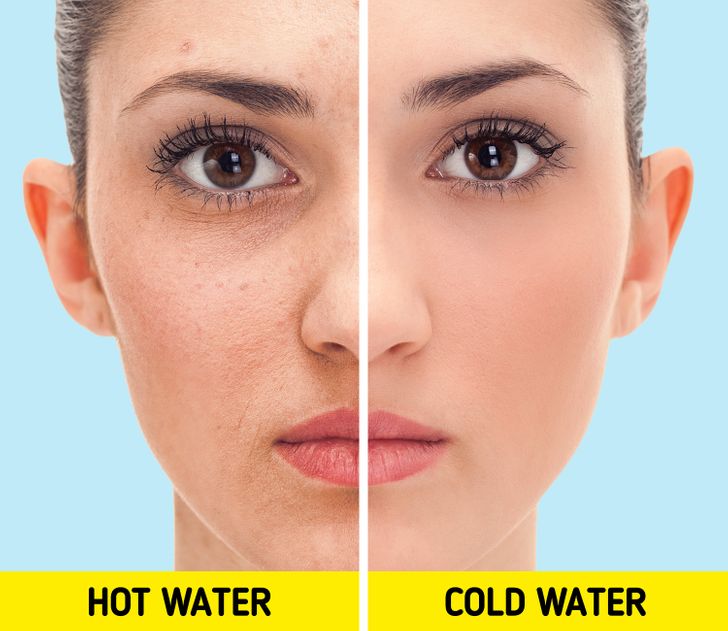
    Cold water has a soothing effect on various skin conditions, including acne and rosacea. The cooling sensation can help to calm inflamed skin and reduce redness. For acne-prone skin, cold water can help by constricting pores and reducing oil production, which can minimize the risk of clogged pores and breakouts.

    For those with rosacea, cold water can help to soothe irritation and reduce the appearance of flare-ups, providing a more even skin tone.

    4. Reduced Inflammation
    Inflammation is a common issue for those with sensitive or acne-prone skin. Cold water can help reduce inflammation by constricting blood vessels and reducing blood flow to the affected areas.

    This can alleviate the redness and swelling associated with inflammatory skin conditions. Consistent use of cold water can lead to a calmer, less reactive skin condition, making it easier to manage and treat underlying issues.

    5. Tightened Pores
    Cold water can temporarily tighten the appearance of pores, making the skin look smoother and more even. Large pores can make skin appear rough and uneven, but cold water helps to reduce their size by causing the skin to contract. This tightening effect can also make it more difficult for dirt and oil to enter the pores, potentially reducing the risk of acne and blackheads. Regularly rinsing your face with cold water can contribute to a clearer, more refined skin texture.

    Incorporating a simple step like rinsing your face with cold water into your morning routine can offer multiple skin benefits. It’s a quick and cost-effective way to boost your skin’s health and appearance, setting a positive tone for the rest of your day. Just make sure you are not freezing your face.

    Read Health Tips Here

  • Ten kidney-damaging Habits You Need to stop right now!

    Ten kidney-damaging Habits You Need to stop right now!

    In our daily lives, we’ve become accustomed to certain practices damaging our Kidney Health. Kidneys play a
    critical role in the overall well-being of our bodies.

    It acts as a filter to remove excess waste produced by metabolic reactions and maintain other functions. Therefore, it’s imperative that you recognize these damaging habits, and actively work to start afresh.

    1. High Blood Pressure

    Kidney Damaging habits

    The most common of these habits that is harming your kidneys is High blood pressure.

    High blood pressure can damage the blood vessels in the kidneys, making it difficult for them to function properly. This can lead to chronic kidney disease, which is when the kidneys can’t remove waste and extra fluid from the body.
    Furthermore, it also contributes to the formation of kidney stones, which are known to cause severe pain and nausea.

    Adopt a healthy diet and lifestyle to curb high blood pressure and seek medical help.

    Read Also: 10 Effective Strategies for Alleviating Back Pain

    2. Eating processed foods

    It may be relatively easier and tastier to eat processed foods than making a meal out of fresh produce. However, in the long run, high levels of sodium and phosphorus in processed foods severely increase the risk of kidney diseases.

    3. Not getting enough sleep

    Kidney damaging habits
    Kidney-damaging habits

    Lack of sufficient sleep during the night hours is closely linked to declining kidney health.

    Researchers find that the kidney’s function is coordinated with the sleep weight cycle. Therefore not getting enough. Sleep interrupts kidney functions damaging them in the long run.

    4. Smoking

    While smoking is closely linked with lung damage, It also speeds up the risk of getting certain kidney cancers.

    Furthermore, it causes damage to your heart and renal arteries leading to insufficient blood supply to the kidneys.

    5. Drinking too much alcohol.

    Enjoying a glass of wine every once in a while is acceptable to the body. However, heavy drinking poses many threats such as raising blood pressure and dehydrating the body.

    This leads to the kidney, being unable, to carry out its intended functions

    6. Lack of physical activity.

    A sedentary lifestyle harms your overall health, but it significantly increases the risk of diabetes, obesity, and high blood pressure.

    All these factors speed up kidney decline and damage the kidneys’ ability to function correctly.

    7. Overeating protein.

    Protein is essential for growth and repair. However, consuming too much animal protein causes kidney damage.

    Animal protein forms a lot of acid in the blood. So, the kidneys overwork themselves leaving them unable to maintain the body’s pH balance.

    8 Not drinking enough. Water.

    The kidney can only remove toxins and sodium from the body If enough water is consumed frequently.

    Drinking less than the required amount of water leads to dehydration, which may cause permanent kidney damage.

    9. Over using pain medication.

    Painkillers are an easy way to relieve any pain or discomfort, but using too many painkillers deteriorates kidney health.

    The overuse reduces the blood flow to the kidneys, compromising their ability to perform efficiently.

    10. Working out too much

    Exercises not recommended for 30-plus

    Even though exercise helps prevent several illnesses and increases the quality of life, overdoing it could cause severe damage.

    Generally, a resting period is suggested between workouts to allow the body to rejuvenate. If you work out
    too, often the muscle tissues break down very fast dumping waste substances for the kidney to filter.

    Read Also: Heart rate vs. blood pressure; How they relate to your health.

    Now that you know the ten kidney-damaging habits, you would be doing your body a huge favor by dropping the bad habits and adopting the good ones such as hydrating frequently and getting enough quality sleep.

    The secret to a long life is taking good care of your body. Thanks for your audience and feel free to engage on our social media platforms.

    Follow on Facebook @infohealthgh

  • Heart rate vs. blood pressure; How they relate to your health.

    Heart rate vs. blood pressure; How they relate to your health.

    Heart rate and blood pressure are indicators that measure how efficiently our bodies are functioning. These two can give you the idea that they are the same or related in a way because it has to deal with your heart.

    That is not entirely true.

    To some extent, they may be an indication of a common underlying health condition but that isn’t always the case. The fact that your heart rate is high doesn’t automatically translate into high blood pressure.

    Let’s delve into this: Heart rate vs. blood pressure

    Heart rate and blood pressure often increase or decrease together, but they don’t always rise and fall in sync. 

    For example, when faced with danger, both heart rate and blood pressure may increase at the same time. However, if your heart rate increases, it doesn’t necessarily mean your blood pressure will also increase. 

    If you’re dehydrated, bleeding, or have a severe infection, your blood pressure will usually decrease while your heart rate increases. 

    Read More: Heart Rate VS Blood Pressure

    In some cases, heart rate can directly affect blood pressure. For example, if your heart rate becomes dangerously high, like during an arrhythmia, your blood pressure will often drop. 

    This is because the heart rate is too high for the heart to pump blood effectively. On the other hand, if you experience shock, which is when your blood pressure is dangerously low, your heart rate will usually increase to try to compensate and provide blood flow to your body. 

    Read Also: How to deal with sore muscles after an intense workout.

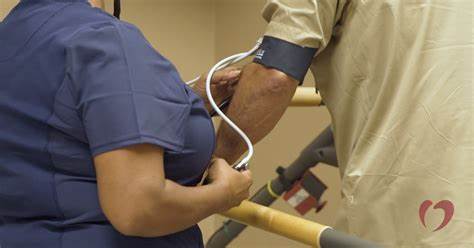
    Blood pressure measures the force of blood against your artery walls, while heart rate measures how many times your heart beats per minute. When heart rate and blood pressure move in opposite directions, it may indicate an underlying issue. 

    For example, high heart rate and low blood pressure can occur temporarily when blood pools in the veins of your legs and gut. This means less blood travels to your heart muscles, so your heart doesn’t have much to pump out. As a result, your nervous system will automatically increase your heart rate. 

    Can you have low blood pressure and high heart rate?

    Heart rate vs. blood pressure: The fact that your heart rate is high doesn't automatically translate into high blood pressure.

    Yes, it’s common to experience low blood pressure and a high heart rate at the same time. This can be caused by several conditions, including Dehydration, Low blood sugar, Anxiety, and Changing positions.

    When blood pressure is low, the heart has to work harder to pump enough oxygen-rich blood to the body’s organs, which can lead to a higher heart rate. This is called hypotension and tachycardia, where hypotension is low blood pressure (below 90/60 mmHg) and tachycardia is a rapid heart rate (above 100 beats per minute).

    Read Also: Smart Watches and Their Role in Fitness and Healthy Lifestyle

    A combination of low blood pressure and a high heart rate can be dangerous and indicate that the body isn’t getting enough oxygen. This can put the body at risk for shock, which requires immediate medical attention. Signs of shock include cold and sweaty skin, rapid breathing, blue skin tone, and weak and rapid pulse.

  • West Africa Pharma and Healthcare Expo 2024 opened

    West Africa Pharma and Healthcare Expo 2024 opened

    The third West Africa Pharma and Healthcare Expo commenced in Accra, Ghana, with the government expressing its commitment to making Ghana a pharmaceutical hub in Africa.

    Dr. Benard Okoe Boye, the minister-designate of health, inaugurated the event on behalf of President Nana Addo Dankwa Akuffo Addo, highlighting the government’s focus on leveraging e-pharmacy and digital health for healthcare transformation.

    Read Also: Director of Health Services has urged Ghanaians to Vaccinate against Covid-19

    The Expo aimed to explore the potential of e-pharmacy and digital health delivery in West Africa, with a particular emphasis on leveraging digital platforms to improve healthcare access and delivery.

    Dr. Okoe Boye emphasized the importance of embracing e-pharmacy within the pharmaceutical industry to enhance efficiency, accessibility, and affordability in healthcare systems.

    Ghana’s National Electronic Pharmacy Platform ecosystem had 226 operational electronic pharmacies as of August 2023, indicating progress in adopting digital health solutions. Concerns regarding data privacy in e-health were raised, with reports suggesting that only forty percent of healthcare businesses have strong data security mechanisms.

    Read Also: Study Links Childhood Maltreatment to Alcohol Abuse in Adults.

    Mr. Harrison Abutiate, CEO of Ghana National Chamber of Pharmacy, highlighted the chamber’s commitment to advancing e-health services in Ghana and beyond.

    Exhibitors from various countries, including India, Ghana, Turkey, Pakistan, USA, and Italy, participated in the exhibition, providing an opportunity for collaboration and investment in the pharmaceutical industry.

    Source : GNA

  • Five (5) “healthy” foods with surprisingly high sugar levels.

    Five (5) “healthy” foods with surprisingly high sugar levels.

    We all know that too much sugar in the system is bad for the body even though the complete absence of sugar can have some serious adverse effects on your body– “healthy” foods with surprisingly high sugar

    It is almost impossible to do without sugar because it is found in almost everything we consume. Certain foods have zero sugar if you are looking to walk the sugar-free path. There are such alternatives worth exploring.

    As a way to cut down on our sugar levels to the optimum, we make certain food choices that we believe can help us achieve our goals.

    Unfortunately, we fail to realize that those other food choices we make to curb our sugar intake contain the same amount of sugar or even more.

    The notion that such foods are healthy has led to many abusing them thinking that they are making the right dietary choices.

    We will delve into such food options below and explore why taking too much of it could be bad for our bodies.

    Read Also: Seven 21st-Century Unhealthy Lifestyle Habits Killing You

    1. Fruit juice:

    first on the list of sugar-rich “healthy” food options is fruit juice. Just because it is fruit juice doesn’t mean its content is 100% made of fruits.

    Fruit juice is bad for you because it’s high in sugar and calories, and lacks fiber. The fibers present in most fruits end up lost during fruit juice processing.

    To make it taste addictively pleasant, manufacturers mix it with different forms of sugar and other ingredients including harmful preservatives.

     This can lead to weight gain, which can cause other health issues like high blood pressure, stroke, and diabetes. 

    Juice can also cause blood sugar spikes, which can be dangerous for people with diabetes or insulin resistance

    2. Honey:

    Honey is a concentrated carbohydrate solution that contains a variety of simple and complex sugars, including Fructose (The main sugar in honey, and the sweetest of all sugars), Glucose, and Sucrose.

    Honey may be a better alternative to sugar but take it in moderation as you would take normal sugar because Honey has a high glycemic index.

    This means it can cause blood sugar levels to spike and then drop rapidly. This can be problematic for people with diabetes or insulin resistance

    3. Ketchup:

    Asking for extra ketchup is something we are all guilty of but what you don’t know is 1 tablespoon of ketchup could contain 7% or more of your Daily Value (DV) of sugar.

    If you love ketchup and have 4–5 Tablespoons with a single meal, you could consume 35% or more of the DV for sugar from the ketchup alone. Each 100 grams of ketchup contains 20g of sugar.

    Read Also: The Scientifically Proven Ways to Lower Bad Cholesterol

    4. Chocolate Milk

    Many commercial chocolate milk products contain added sugars to enhance flavor. These added sugars contribute to the overall sugar content of the beverage.

    Even with unsweetened cocoa, the bitterness has to be countered with lots of sugar to give it the pleasant taste you desire.

    While chocolate milk does provide some nutritional benefits, such as calcium and protein, it’s essential to be mindful of its sugar content and consume it in moderation as part of a balanced diet.

    Opting for unsweetened or lower-sugar varieties, or making your own with unsweetened cocoa powder and a natural sweetener, can help reduce the negative effects associated with high-sugar chocolate milk.

    5. Vegetables (carrots, potatoes and corn)

    starchy vegetables that taste sweet, like beets and peas, contain the most sugar and carbohydrates. They are relatively not bad for your health.

    This is just to tell you that they contain some amount of sugar therefore you should be mindful of how much you consume in the name of eating healthy.

    Below is a table of vegetables and the amount of sugar in them:

    Vegetable and Percentage of Sugar (%)
    Beet: Up to 8% sugar
    Sweet corn: Up to 6.3% sugar
    Green pea: Up to 5.9% sugar
    Sweet potato: Up to 5.5% sugar
    Onion: Up to 4.7% sugar
    Carrot: Up to 4.7% sugar
    Red bell pepper: Up to 4.4% sugar
    Rutabaga: Up to 4% sugar
    Shiitake Mushrooms: Up to 3.8% sugar
    Turnip: Up to 3.8% sugar
    Red cabbage: Up to 3.8% sugar
    Canned pumpkin: Up to 3.3% sugar
    Winter squash: Up to 3.3% sugar
    Summer squash: Up to 2.6% sugar
    Tomato: 2.5% sugar
    “healthy” foods with surprisingly high sugar

    6. Cereals

    Cereals are made mainly with children in mind. Therefore they are made to taste very sweet. The addition of extra sugar to cereals also helps to preserve it and give it that fresh and crunchy taste even when added to milk.

    Eating too much-refined cereal can cause blood sugar levels to spike, which can lead to diabetes over time. Cereals also often have a high glycemic index (GI). This means the body breaks them down quickly, causing blood sugar levels to rise quickly

    Conclusion

    It is important to note that everything we consume is made up of some sugars. This is because our body needs it, however, too much of it is bad for one’s health.

    We often make the mistake of thinking some of the above-mentioned foods are healthy because they are low in sugar.

    Even though they are a better alternative to processed sugar you wouldn’t be completely safe if you abuse such foods.

    Kindly Follow our Whatsapp Channel: Info Health GH

    Read More on Health Tips Here: Health Tips

  • Smart Watches and Their Role in Fitness and Healthy Lifestyle

    Smart Watches and Their Role in Fitness and Healthy Lifestyle

    What Role Do Smart Watches Play in Fitness and Healthy Lifestyle: Recently I bought a smartwatch just to experience the hype that comes with it.

    I’ve not been a fan of it because I don’t see why reading notifications from a tiny screen made sense.

    Was I disappointed? No. This is because Smart Watches of today aren’t just limited to reading notifications and answering calls.

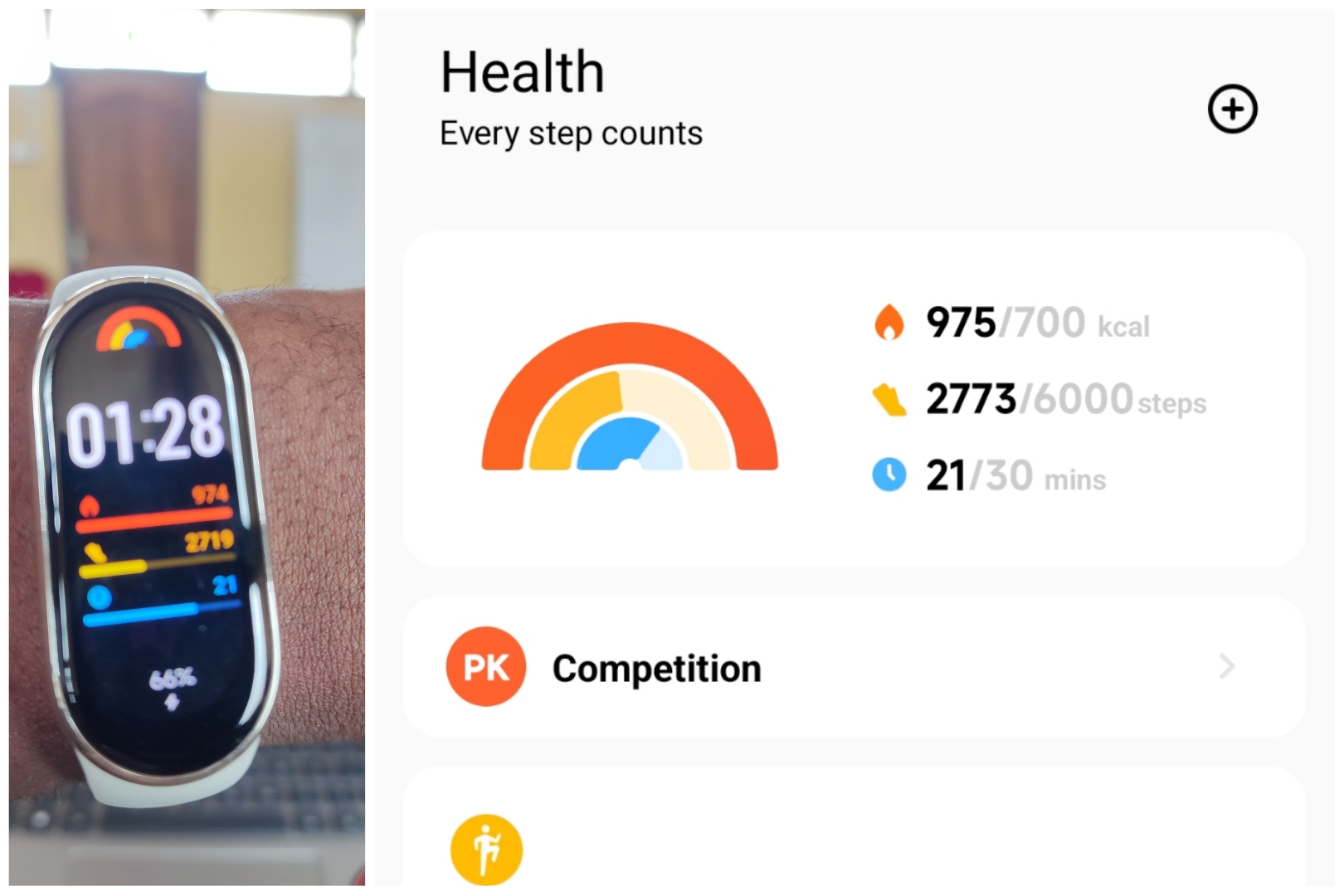
    It would surprise you to know that these small devices pack a ton of useful features. I am currently testing the Mi Fitness band 8 which has been instrumental in my weight loss and fitness journey.

    So Do You Need A Smart Watch?

    That all depends on you. If you have the money to spare then it’s worth getting one. Ever since I started experimenting with my fitness band I have become more conscious of certain health metrics I would often ignore.

    I am pushed to ensure I get quality sleep because the band can track that. Most bands have that functionality.

    Also, the pedometer built inside pushed me to achieve my daily step count target because I got to monitor it in real time.

    The feature to monitor heart rate and its corresponding calories burned is another useful feature that you can take advantage of to ensure your workouts are efficient.

    The above-mentioned features and more are present in most smart watches today so it doesn’t matter the brand. The accuracies of the metrics may be different. Some are more accurate than others.

    Just go with a trusted brand you are comfortable with.

    What Role Do Smart Watches Play in Fitness and Healthy Lifestyle

    signs of early diabetes

    Now that we have a fair idea of how using a smartwatch can help you to achieve your desired fitness results, let’s delve deep into the useful features you will benefit from a smartwatch.

    1. Activity Tracking: Smartwatches serve as personal fitness trackers, monitoring various metrics such as steps taken, distance traveled, and calories burned. This real-time feedback helps users stay accountable and motivated to reach their daily activity goals.

    Read Also: 10 Effective Strategies for Alleviating Back Pain

    2. Heart Rate Monitoring: Many smartwatches have heart rate sensors, allowing users to monitor their heart rate continuously throughout the day and during workouts. This feature is invaluable for gauging cardiovascular health and optimizing workout intensity.

    3. Workout Guidance: Smartwatches offer many workout modes tailored to different activities, from running and cycling to swimming and yoga. These devices provide real-time coaching and feedback to help users maintain proper form, optimize performance, and avoid injury.

    4. Sleep Tracking: Quality sleep is crucial for overall health and well-being. Smartwatches with sleep-tracking capabilities monitor sleep patterns, including duration, stages, and quality. By analyzing this data, users can identify factors affecting their sleep and make necessary adjustments to improve sleep hygiene.

    5. Stress Management: Some advanced smartwatches feature stress-tracking functionalities, utilizing heart rate variability (HRV) data to assess stress levels throughout the day. Users can learn to manage stress more effectively and promote mental well-being through guided breathing exercises and mindfulness prompts.

    Read Also: The Scientifically Proven Ways to Lower Bad Cholesterol

    6. Nutritional Insights: Integrating with companion mobile apps, smartwatches enable users to track their dietary intake and hydration levels. By logging meals and water intake, users gain insights into their nutritional habits and can make informed decisions to support their fitness and health goals.

    7. Motivational Features: Gamification elements such as badges, challenges, and leaderboards add an element of fun and competition to fitness tracking. Smartwatches celebrate milestones, encourage progress, and foster a sense of community among users, motivating them to stay active and committed to their goals.

    8. Integration with Ecosystems: Smartwatches seamlessly integrate with other health and fitness ecosystems, including fitness apps, health platforms, and wearable accessories. This interoperability enables users to consolidate data from various sources, gain deeper insights into their health metrics, and make holistic lifestyle changes.

    9. Remote Health Monitoring: With advancements in sensor technology, smartwatches are increasingly capable of monitoring vital signs and detecting anomalies indicative of health issues. This remote health monitoring functionality allows users to proactively manage their health and seek medical attention when necessary.

    10. Lifestyle Integration: Beyond fitness tracking, smartwatches offer a range of lifestyle features such as notifications, music control, navigation, and contactless payments. By seamlessly integrating these functionalities into daily life, smartwatches empower users to stay connected, organized, and focused on their well-being.

    The decision to use a smartwatch depends on you and depends on your budget.

    Some people can organize themselves to the point that they do not need one.

    I have adapted to it because it’s a new thing for me and I want to get abreast with technology. It has undeniably helped, and I would recommend anyone who struggles to motivate themselves or keep themselves accountable to their fitness journey to try and track these health metrics.

    Currently, it serves me best when tracking my sleep duration.