Author: kwamebrew

  • 15 Insanely Effective Home Workouts That’ll Get You Fit Without a Gym (Try #5 Today!)

    15 Insanely Effective Home Workouts That’ll Get You Fit Without a Gym (Try #5 Today!)

    Are you ready to transform your fitness routine without stepping foot in a gym?

    These 15 home workouts are designed for busy individuals who want to stay fit using quick routines that require no equipment.

    Whether you’re a beginner or an experienced fitness enthusiast, you’ll find something here that suits your needs.

    Let’s dive into these energizing workouts and start your journey towards a healthier lifestyle today!

    1. Bodyweight Squats

    15 Insanely Effective Home Workouts That'll Get You Fit Without a Gym (Try #5 Today!) - 1. Bodyweight Squats

    Squats are a powerhouse exercise that targets your quads, hamstrings, and glutes, making them a must-include in your workout routine.

    Perform them anywhere, anytime – no equipment needed!

    To get started, stand with your feet shoulder-width apart, lower your body as if sitting back into a chair, and rise back up.

    Aim for three sets of 15-20 reps for maximum effect, and feel the burn in your lower body while improving your overall strength.

    2. Plank Variations

    15 Insanely Effective Home Workouts That'll Get You Fit Without a Gym (Try #5 Today!) - 2. Plank Variations

    The plank is an incredible full-body exercise that strengthens your core while also engaging your shoulders, arms, and legs.

    Experiment with various plank variations, such as side planks and plank jacks, for an added challenge.

    Hold each plank for 30 seconds to a minute, resting as needed.

    These routines not only build endurance but also improve posture and stability, making them a perfect addition to any home workout regimen.

    3. High Knees

    15 Insanely Effective Home Workouts That'll Get You Fit Without a Gym (Try #5 Today!) - 3. High Knees

    High knees are an excellent cardio workout that gets your heart rate up and engages your core, legs, and glutes.

    This quick routine can be done in 30-second bursts, followed by a 15-second rest.

    Incorporate high knees into your interval training for a fun and effective way to boost your endurance while having a blast!

    They’re perfect for those busy days when you need a quick workout.

    4. Mountain Climbers

    15 Insanely Effective Home Workouts That'll Get You Fit Without a Gym (Try #5 Today!) - 4. Mountain Climbers

    Mountain climbers are a fantastic full-body workout that targets your core, shoulders, and legs while also providing a cardio challenge.

    Start in a plank position and quickly drive your knees towards your chest, alternating legs.

    Aim for 30 seconds of intense movement followed by a 15-second rest.

    This exercise not only enhances your strength but also improves agility and coordination.

    5. Jumping Jacks (Try #5 Today!)

    15 Insanely Effective Home Workouts That'll Get You Fit Without a Gym (Try #5 Today!) - 5. Jumping Jacks (Try #5 Today!)

    Jumping jacks are a classic and effective way to get your blood pumping while working multiple muscle groups.

    This simple yet powerful exercise can be done anywhere and only requires a bit of space.

    Aim for three sets of 30 seconds, resting for 15 seconds in between.

    They’re perfect for warming up or adding to your circuit training for an extra cardio boost!

    6. Lunges

    15 Insanely Effective Home Workouts That'll Get You Fit Without a Gym (Try #5 Today!) - 6. Lunges

    Lunges are an effective lower body exercise that helps to tone your thighs and glutes while improving balance and stability.

    You can perform forward lunges, reverse lunges, or lateral lunges to keep your routine fresh.

    Try three sets of 10-15 reps on each leg, and feel the strength build in your legs and core.

    This versatile exercise can be done in any space, making it perfect for home workouts.

    7. Burpees

    15 Insanely Effective Home Workouts That'll Get You Fit Without a Gym (Try #5 Today!) - 7. Burpees

    Burpees are a high-intensity exercise that combines strength training with cardio, making them a fantastic full-body workout.

    Begin in a standing position, drop into a squat, kick your legs back into a plank, return to the squat, and jump up.

    Start with 5-10 burpees and increase as you build strength.

    They are perfect for burning calories and building endurance, all in one move!

    8. Glute Bridges

    15 Insanely Effective Home Workouts That'll Get You Fit Without a Gym (Try #5 Today!) - 8. Glute Bridges

    Glute bridges are a fantastic exercise for strengthening your glutes and hamstrings while also improving core stability.

    Lying on your back with your knees bent, lift your hips towards the ceiling and squeeze at the top.

    Aim for three sets of 15-20 reps for a complete lower body workout.

    This exercise can be easily incorporated into any routine and is perfect for those looking to tone their backside.

    9. Bicycle Crunches

    15 Insanely Effective Home Workouts That'll Get You Fit Without a Gym (Try #5 Today!) - 9. Bicycle Crunches

    Bicycle crunches are one of the best moves for targeting your obliques and upper abs, providing a great core workout.

    Lie on your back, lift your legs, and alternate bringing your elbows to the opposite knee as you pedal.

    Try for three sets of 15-20 reps on each side for a comprehensive core challenge.

    This exercise is perfect for tightening your waist and enhancing overall core strength.

    10. Skaters

    15 Insanely Effective Home Workouts That'll Get You Fit Without a Gym (Try #5 Today!) - 10. Skaters

    Skaters are an excellent way to improve your lateral movement and enhance coordination while providing a great cardio workout.

    Hop from side to side, landing softly on one leg and bringing the other leg behind you.

    This dynamic movement can be done for 30 seconds, followed by a 15-second rest.

    Skaters not only get your heart rate up but also work your legs and glutes effectively.

    11. Shadow Boxing

    15 Insanely Effective Home Workouts That'll Get You Fit Without a Gym (Try #5 Today!) - 11. Shadow Boxing

    Shadow boxing is a fantastic way to get your heart racing while improving your coordination and agility.

    All you need is a little space and a desire to move!

    Throw punches in the air while incorporating footwork and head movement for a fun cardio workout.

    Try 3-minute rounds with a minute of rest in between for a complete workout that will leave you feeling empowered.

    12. Wall Sit

    15 Insanely Effective Home Workouts That'll Get You Fit Without a Gym (Try #5 Today!) - 12. Wall Sit

    Wall sits are a simple yet effective way to build endurance in your legs and core.

    Simply lean against a wall and slide down until your thighs are parallel to the ground, holding the position.

    Aim for 30 seconds to a minute, resting as needed.

    This exercise can be done anywhere and is perfect for those looking to challenge themselves without any equipment.

    13. Step-Ups

    15 Insanely Effective Home Workouts That'll Get You Fit Without a Gym (Try #5 Today!) - 13. Step-Ups

    Step-ups are a functional exercise that targets your legs and glutes, easily performed using a sturdy chair or step.

    Step up with one leg, bringing the other knee up, and alternate legs for a complete workout.

    Aim for three sets of 10-15 reps on each leg for strength and stability.

    This exercise is perfect for building lower body strength and improving balance.

    14. Stretching Routine

    15 Insanely Effective Home Workouts That'll Get You Fit Without a Gym (Try #5 Today!) - 14. Stretching Routine

    Don’t forget the importance of stretching! Incorporating a thorough stretching routine can improve flexibility and prevent injuries.

    Focus on major muscle groups, holding each stretch for 15-30 seconds.

    This routine can be done at the beginning or end of your workouts.

    Regular stretching enhances your mobility and aids in recovery, making it an essential part of your fitness journey.

    15. Cool Down and Meditation

    15 Insanely Effective Home Workouts That'll Get You Fit Without a Gym (Try #5 Today!) - 15. Cool Down and Meditation

    After your workout, taking time to cool down and meditate is crucial for recovery and mental clarity.

    Incorporate deep breathing exercises and gentle stretches to relax your body.

    Spend a few minutes in a quiet space, focusing on your breath and letting go of tension.

    This practice not only aids in recovery but also enhances your overall well-being.

    Conclusion

    15 Insanely Effective Home Workouts That'll Get You Fit Without a Gym (Try #5 Today!) - Conclusion

    With these 15 effective home workouts, getting fit without a gym is not only possible but enjoyable!

    Each exercise is designed to fit seamlessly into your busy lifestyle, requiring no equipment and minimal time.

    So, why wait? Start today and embrace the journey to a healthier you!

  • How Cutting Out Sugar Speeds Up Weight Loss: The Science, Benefits, and Sustainable Tips for Beginners

    How Cutting Out Sugar Speeds Up Weight Loss: The Science, Benefits, and Sustainable Tips for Beginners

    How cutting out sugar accelerates weight loss and improves overall health: – Losing weight requires a lot of discipline and consistency. It doesn’t come easy to some people because we all have different body types and different metabolic rates.

    One thing I often hear people complain about is the fact that they have done everything right yet cannot shed even a pound of fat. Upon listening carefully, the culprit in most situations is added sugar.

    Yes, your body needs sugar to function but excess of it will lead to obesity.

    Obesity, often resulting from excessive sugar consumption, is linked to numerous health problems, including heart disease, diabetes, and certain cancers, adding to the strain on our organs and affecting mobility. 

    Going forward we will discuss the science of sugar and weight gain, how cutting sugar impacts your metabolism and appetite and explore practical strategies for reducing added sugar.

    Read Also: 6 Healthy Snacks to Eat While on Your Weight Loss Journey

    The science of sugar and weight gain

    How cutting out sugar accelerates weight loss and improves overall health
    How cutting out sugar accelerates weight loss and improves overall health

    According to Dr. Juan Gallegos, a liver expert at the University of Utah Hospital, When you eat foods containing high amounts of sugar and it ends up in your bloodstream, the pancreas which is an organ responsible for controlling your sugar secretes insulin.

    The insulin in your bloodstream tries to store the excess sugar in certain cells like the liver, muscle and other cells so the body can use that sugar as energy.

    The problem if that sugar or glucose is not used up by the body, it is pushed by the body into fat cells or adipocytes.

    Additionally, sugar and sugary foods have low nutritional value but high calories. You will eat so much to be full and relatively would have consumed so much calories which you aren’t necessarily going to burn off.

    How cutting sugar impacts metabolism and appetite.

    Have you wondered how you eat so much yet do not feel full? That is another negative effect of sugar on your body because your body’s hormone, Leptin for controlling satiety is misfiring.

    Leptin plays a key role in regulating appetite. It signals the brain to eat, stop eating, and adjust metabolism speed. However, when doctors categorize you as having obesity and insulin resistance, your body resists leptin’s message that you are full.

    Properly managing your sugar and glucose levels can restore leptin regulation in the body, and removing added sugars is essential for achieving this.

    Practical strategies for reducing sugar

    Did you know? That cooking rice and freezing it before eating it cold reduce its glycemic index? When rice freezes below 4 degrees Celsius, the digestible starch converts to resistant starch, which is healthier for your body and helps control blood sugar levels.

    1. Sniffing cinnamon, Vanilla, cherry, almond, strawberry or banana before your meal can trick your mind into thinking your meal is 5 – 25% sweeter.

    How cutting out sugar accelerates weight loss and improves overall health

    This is backed by research conducted by experimental psychologist Qian Janice Wang, Ph.D.

    According to Dr Wang, when we smell something, the brain forms expectations, especially if the smell is strongly associated with sweetness.

    2. Roast Vegetables with Olive Oil before Eating.

    How cutting out sugar accelerates weight loss and improves overall health

    Skip steaming or sautéing vegetables and using dressings or sauces (which often have added sugars) to boost their flavour. Instead, toss them with a drizzle of olive oil and roast them in a 450°F oven.

    Sung Eun Choi, PhD, RDN, a sensory scientist, dietitian, and associate professor in the Department of Family, Nutrition, and Exercise Sciences at Queens College, New York, says roasting enhances their natural sugars, giving them a sweeter, more intense flavour.

    3. Avoid Stocking Sugary Foods and Drinks in your fridge.

    How cutting out sugar accelerates weight loss and improves overall health
    How cutting out sugar accelerates weight loss and improves overall health

    Having such things in your fridge can be a cool and nice idea for when visitors drop by or to avoid running to the shop, but packing your fridge with them will only tempt you to consume them at your convenience—until you realize you have diabetes.

    Even a bad idea when you stock up on processed fruit juice deceiving yourself that they are healthier options than soda. Because of this mindset you have you are most definitely going to abuse it. Replace soda and fruit juices in your fridge with actual fruits and veggies.

    4. Stay Hydrated. Sometimes, feeling thirsty is mistaken for hunger or cravings for sugary foods. Always ensure to drink enough water whenever you feel hungry first before eating anything else. This can be a practical way of reducing your sugar and calorie intake.

    For more Knowledge on Real-life success stories read this: Weight Loss Success Stories: What worked and Didn’t

    5. Practice Intermittent Fasting: Intermittent fasting is one of the ways to fix your blood sugar levels. This is because it repairs your insulin sensitivity (The Ability of your body to release insulin to regulate sugar levels). There are different types of fasting but the most recommended is the 16:8 approach. Where you can only eat within an 18-hour window and fast for 16 hours. Consult your doctor first before you embark on intermittent fasting or any type of fasting.

    In conclusion, Sugar is one of the reasons people struggle to lose weight and yet easily ignored. By following these practical ways of reducing your sugar levels you are bound to shed off those pounds.

    Remember to be patient because your body will need some time to fix itself once you start.

    Sources:

    How Sugar Converts to Fat – Health, University of UTAH

    What Happens to Your Body When You Cut Out Sugar – Eatingwell.com

  • Five (5) Exercises not recommended for 30-plus year-olds.

    Five (5) Exercises not recommended for 30-plus year-olds.

    Engaging in regular exercise is an important component of a healthy lifestyle. Still, as we age, we must be mindful of the types of exercises we choose, their intensity, and duration. There are certain groups of Exercises not recommended for 30-plus year-olds.

    This is because once you hit that age, the efficiency of your body begins to decline hence any form of permanent injury becomes a huge risk.

    This article delves into the list of exercises not recommended for 30-plus, along with suggestions on how to prevent injury.

    1. High-Impact Plyometrics:

    Plyometric exercises involving explosive movements, such as box jumps and burpees, can place excessive stress on joints, particularly when done excessively or incorrectly.

    With age, joints become more vulnerable to injuries like sprains, strains, and stress fractures. Low-impact alternatives like stationary cycling, swimming, or elliptical training offer cardiovascular benefits without subjecting joints to excessive stress.

    2. Heavy Weightlifting with Poor Form:

    Lifting heavy weights without proper form can strain joints, ligaments, and muscles, especially as our bodies become less resilient with age.

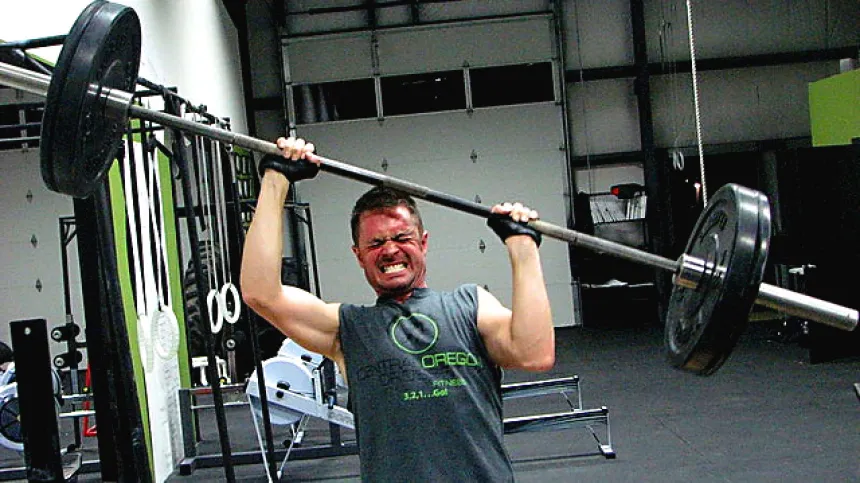
    Exercises like deadlifts, squats, or overhead presses with excessive weight and compromised technique can lead to significant damage.

    If you plan to include heavy lifts in your workout routine then it might be the best time to talk to a specialist. After the proper examination, your doctor may be able to recommend the appropriate exercises.

    Additionally, opting for functional strength training, which includes bodyweight exercises, resistance bands, and lighter weights, can enhance stability, flexibility, and endurance without causing undue strain.

    3. High-Intensity Interval Training (HIIT):

    Although this is one of the best and most effective weight loss types of exercise, it is a class of Exercises not recommended for 30-plus.

    Overdoing HIIT can result in chronic fatigue, increased cortisol levels, and a higher risk of overuse injuries. Incorporating moderate-intensity cardio exercises with short bursts of higher intensity can provide cardiovascular benefits while reducing the risk of excessive stress on the body.

    Read Also: How to deal with sore muscles after an intense workout.

    4. Competitive Contact Sports:

    Exercises not recommended for 30+

    Participating in competitive contact sports like football or rugby after the age of 30 can significantly increase the risk of severe injuries such as fractures or concussions.

    Non-contact sports like tennis or golf offer exercise benefits with reduced risk of injury. Alternatively, joining recreational leagues with modified rules and lower intensity can provide the social and competitive aspects of team sports without compromising safety.

    5. Extreme Flexibility Training:

    While maintaining flexibility is essential as we age, extreme flexibility training can lead to injuries like strains, tears, or dislocations.

    Dynamic stretching techniques like yoga or Pilates promote flexibility while emphasizing stability and proper alignment, reducing the risk of injury associated with extreme flexibility training.

    Making the right choice when it comes to exercising should start now. Your body may not be healing as fast as it used to be when you were younger so it is up to you to know the types of exercises not recommended for 30-plus so you can protect yourself.

    Prioritizing safety and listening to your body can help maintain an active lifestyle that promotes overall health and well-being beyond the age of 30. Consulting with healthcare professionals or certified personal trainers can assist in creating personalized exercise plans tailored to individual needs and limitations.

    Read More About Workout Routines For Older People Here

  • Push the Reset Button in your Life: ReStart Right.

    Push the Reset Button in your Life: ReStart Right.

    Healthy Fat Weight Loss with Intermittent Fasting and Exercise: My Journey
    Push the Reset Button in your Life and Restart Right

    Part of growing is making mistakes that will change your life and a change in your life is accompanied by picking up valuable lessons along the way or messing up.

    Believe it or not some choices we make will come at a cost which will be hard to pay and in such times we often end up losing focus on the things that matter the most. Like our goals, dreams and relationships with those who matter the most.

    We have all found ourselves at a crossroads not knowing where to turn to or questioning every decision we make thereafter, it is only reasonable to blame ourselves, but we cannot shoulder it all.

    Some external factors can alter the course of our lives. Even unresolved childhood traumatic experiences can add to your predicament.

    Sometimes things are just not your fault so take it easy and don’t beat yourself up because this post is about how you can push the reset button in your life and start afresh but this time you’ll start right, I promise.

    Read Also: 11 Inherited Traits That Come from Your African Mom and Dad

    Why and When do You need to Restart Right?

    Knowing why and when to restart or push the reset button in your life comes as a feeling. There are times when the feelings of regret will overshadow your sense of contentment. In such times there’s little or no desire to feel grateful for the positive things in your life. This is the first indicator that you need to take a pause and analyze yourself.

    Secondly, a persistent feeling of hopelessness. This comes in two folds. The first one is the actual loss of hope and the second is, losing the desire to find hope in messy situations.

    If you find yourself in this situation then it only means you are losing control even over the smallest things in your life, including your emotions and drive. When this feeling is accompanied by resentment especially when things don’t go your way then more than ever you need to reset your life.

    Another interesting sign that points to the need to reset your life is when you feel more and more attracted to things that are physically, mentally and emotionally unhealthy to you. That feeling of attraction to the unhealthy is only fueled by your desperation and need to fill a void.

    Read Also: 7 Natural Teas to Help You Sleep Longer and Better at Night

    That being said how do you now Push the Reset Button in your Life and Restart Right?

    The first thing to do is to start prioritizing your happiness. No matter your race, income or class in society happiness is a feeling that every human hopes for. We want to be happy because it is the very purpose of our existence and it’s a feeling that is linked to our sense of purpose that is the reason why we feel happy when we have achieved something good.

    Reclaiming your life and setting yourself up on the right course in life is gradual but you need to start by taking control over your life.

    1. Fix your relationship with your past.

    Push the Reset Button in your Life and Restart Right
    Push the Reset Button in your Life and Restart Right

    I am not asking you to forget about the past, but it is important that going into the future you do not encounter the surprises over unresolved past issues. This includes wrong decisions and certain bad relationships you may have cultivated which added no value to your life.

    If you must seek forgiveness from someone then do that. If you have to forgive then do so even if they do not ask for it because resetting will serve you better than. It will serve them.

    Understand that certain losses couldn’t have been prevented and those that could have been were meant to happen to shape you into who you are and who you’re about to become.

    Many times we feel desperate because of our past And being desperate makes us vulnerable to making even more mistakes. So breathe. Take a chill pill and let go of things that would hold you back. This is how you can fix your relationship with the past. 

    2. Define and differentiate the things you can control and those you can’t.

    Push the Reset Button in your Life and Restart Right
    Push the Reset Button in your Life and Restart Right

      Take a sheet of paper and write down the things that you can control as a human and the things that you cannot control. Cancel out those which you can’t control because that’s not your business.

      But for those that you can control rank them from the smallest to the highest. Here are some guided examples of things that you can control.

      1. Your emotions
      2. Your looks
      3. Your diet
      4. Your finances *
      5. Your confidence
      6. Your stress
      7. Etc

      You’ll be the best person to know them all. Now once you rank them from easiest to hardest you’re on the right path. Each step empowers you to be able to complete the next one before you know it. You have mastered the ability to control your life.

      3. Record your progress and celebrate yourself.

        You need to record your process because it will remind you of where you came from. This will help you not to give up along the way and to make sure that you carry it through to the very end.

        If at some point in the future, you forget how far you’ve come it is always helpful to look at the growth you have made from the point you started up to where you are now.

        Celebrate yourself because if you don’t, no one is going to do that for you. 

        4. Identify healthy and unhealthy habits and replace the bad ones.

          Take your time to identify habits that aren’t making you productive or bringing you lasting happiness. Alcohol, drugs and sex may bring you some sort of happiness but it doesn’t last and what’s worse is that it only widens the void in your heart that’s leading you to engage in such habits. Also, it’s important to keep in mind that moderation is key.

          In my experience, healthy habits are those which make you productive and bring you a sense of fulfilment. Sometimes even the smallest things like laying your bed, de-cluttering your space and repainting your room can inspire you to pursue healthy habits. Replace the time you spend scrolling through social media endlessly with reading a self-help book.

          Read Also: Healthy Fat Weight Loss with Intermittent Fasting and Exercise: My Journey

          5. Take time to reflect and practice Gratitude.

          Push the Reset Button in your Life and Restart Right
          Push the Reset Button in your Life and Restart Right

            Regardless of your religion, faith or belief gratitude is one most important things that you need to practice. By practising gratitude, you get to acknowledge the positive things in your life and by doing that you pay little or no attention to the negative things. You become what you feed your thoughts.

            Whenever you wake up in the morning, take time to count your blessings. Spend time in nature and wonder how everything around you exists for a purpose just like yourself. Make that call to that person who checks up on you often and appreciates them as well. This is another way to practice gratitude and reset your life.

            6. Plan your life and make room for errors.

              By doing all this, make sure that you put this in a comprehensive plan for your life and follow it. Be it your finances, your time or energy. You should always have a plan however, make room for errors because you cannot always control everything.

              Keep in mind that some plans will fail but that is fine. That makes you a human being.

              In conclusion, life has a lot to teach us so do not be in a hurry, and remember to take things gradually.

              Start with the little things you can control because that is how you’ll be able to control the bigger things.

              It may be difficult at times and it will not always make sense, but it is part of being human. Try and surround yourself with people who bring out the best in you. Anyone who repetitively reminds you of your past or brings you pain, that person should be out of your life.

              Do not feel apologetic and once in a while, be selfish with your feelings prioritizing your needs first before others.

              Many problems that we face in life are a result of trying to impress people who do not even care about us so make the effort to Push the Reset Button in your Life and Restart Right.

              Kindly Follow My Social Media Pages:

              Facebook : @Infohealthgh

              Twitter: @Infhealth

            1. 11 Inherited Traits That Come from Your African Mom and Dad

              11 Inherited Traits That Come from Your African Mom and Dad

              Have you ever looked in the mirror and realised you share a striking resemblance to your mom but then you bear your dad’s height? This is because you inherited such traits from either of your parents.

              The science behind inheriting certain trait from your african mom and dad can be a bit complicated because even your hairline, dimples and intelligence is affected by what your parents passed down to you genitically.

              According Heather Hampel, a genetics counselor at the city of Hope Cancer Center in Duarte, there are 20,000 genes that make up your body and half of this number comes from both parents.

              This doesn’t make your genes your destiny because only a small percentage of the genes are penetrant. For this small fraction, they will 100% of the time express itself, according to Hampel and Taylor Sabato.

              Which Genetic Traits are then Inherited from your mom and Dad?

              According to Sabato, you can inherit traits from your parents in several ways. One way is through a dominant gene. If you inherit a dominant gene, that trait will typically be expressed.

              For example, brown eyes are a dominant trait, so if one of your parents has brown eyes, you are likely to have brown eyes as well. Another way is through a recessive gene. For a recessive trait to appear, both parents must carry and pass on the recessive gene.

              Blue eyes, for instance, require both parents to carry the gene for blue eyes, even if their own eye color is not blue.

              The dominant inheritance occurs when a single gene variant from either your mom or dad determines whether you will express a specific trait. In contrast, recessive inheritance requires a gene variant from both parents for the trait to appear.

              Read Also: What is the recommended number of sit-ups you should do a day: The Classic Core Exercise Explained

              Up next, we will explore these traits That Come from Your African Mom and Dad below:

              1. Intelligence: Inherited from Mom

              Traits That Come from Your African Mom and Dad
              Traits That Come from Your African Mom and Dad

              Yes, intelligence is inherited and there has been countless research to confirm that it is inherited from the mother. This is because the gene responsible for intelligence is in the X chromosome and women carry two X chromosomes while men carry just one X chromosome.

              The reasonable conclusion to these facts is that women are twice as likely to pass on their intelligence to their offsprings.

              It is important however to note that only 40% of intelligence is hereditary according to work in the International Encyclopedia of the Social & Behavioral Sciences, with the other 60% impacted by environmental factors and nongenetic influence.

              2. Risk for Certain Cancer Types: Inherited from Both Parents.

              According to Heather Hampel, who is an internationally recognized cancer genetic counselor and researcher, if there is a single mistake in the genes from either side of your parents then you have a 50 -50 chance of inheriting that cancer gene or not inheriting it.

              One of the most common is Lynch syndrome, which involves a mutation in the MLH1, MSH2, MSH6, PMS2 or EPCAM genes. It may mean an elevated risk for colorectal cancer, endometrial cancer, ovarian cancer and other related cancers. The BRCA genes can increase risk for breast and ovarian cancer as well.

              Here’s the surprising part: you don’t need to have the organ to inherit the gene, says Hampel. For instance, you can inherit the ovarian cancer gene from your dad, just as you can inherit the breast cancer gene. Additionally, men with a BRCA1 or BRCA2 gene mutation face a higher risk of developing prostate cancer and other cancers.

              3. Sleeping Patterns: Inherited from Mother

              Traits That Come from Your African Mom and Dad

              If you are having difficulties sleeping, then its most likely that your mom had similar issues. Research in the November 2023 issue of the Journal of Child Psychology and Psychiatry showed a genetic predisposition to the development of insomnia in kids was associated with insomnia-like symptoms reported by their moms.

              4. Your ability to focus: Inherited from Mother.

              According to a study published in JAMA Psychiatry, children born to mothers with lower-than-normal serotonin levels were 1.5 to 2.5 times more likely to develop attention-deficit hyperactivity disorder (ADHD) later in life compared to those whose mothers had normal serotonin levels.

              Read Also: Seven (7) things they won’t tell you about growing up

              5. Your high cholesterol: Inherited from Both Parents

              You follow a low-fat diet and exercise regularly, yet your cholesterol remains high—what’s going on? According to Hampel, genetics could be the culprit. Certain genes inherited from both parents, such as those linked to familial hypercholesterolemia, can cause high cholesterol.

              This condition, affecting about 1 in 250 people, significantly raises the risk of early heart disease. It’s caused by mutations in the LDLR, APOB, and PCSK9 genes, which influence how your body regulates and removes cholesterol from the bloodstream, explains Hampel. Genetic testing is available to detect these mutations. If you’ve inherited high cholesterol, it’s important to consult your doctor about proactive steps to protect your heart health.

              6. Your diminishing hairline: Inherited from Mom…

              Traits That Come from Your African Mom and Dad
              Traits That Come from Your African Mom and Dad

              You might have heard that a man’s hair loss is inherited from his mother’s side, but a study published in PLoS Genetics suggests this may be a myth.

              The study, which analyzed over 55,000 men, identified 287 independent genetic signals linked to male-pattern hair loss. While 40 of these were found on the X chromosome and inherited from the maternal side, the majority were spread across DNA inherited from both parents.

              These finding challenges common assumptions about inherited traits and highlights how complex the genetic landscape is—including other Inherited Traits That Come from Your African Mom and Dad. Interestingly, some of the genes associated with hair loss are also linked to a higher risk of heart disease in men.

              7. Fertility: Inherited from Father

              According to a study published in Science, a woman’s fertility might be influenced by a gene inherited from her father. Normally, during the development of an egg cell, centrioles—a part of the cell—are eliminated as part of the natural process.

              However, if the centrioles are not eliminated, often due to a genetic dysfunction passed down from her dad, it can result in sterility, researchers explain.

              8. Chances of Hitting Puberty Early: Inherited from Dad

              Puberty, with its milestones like acne, voice changes, or starting your period, is a rite of passage—and, it turns out, partially an inherited trait.

              Both parents’ genetics influence when puberty begins, but starting early—before age 8 in girls and 9 in boys—may be linked to a gene inherited from your father, according to a study in the New England Journal of Medicine.

              Researchers identified a genetic mutation that causes premature puberty, meaning if you inherit it, you may experience these changes earlier than your peers.

              9. Your ability to lose or gain weight: Inherited from Both Parents

              Your body has two types of fat: brown fat, which boosts metabolism and helps maintain a healthy weight, and white fat, the “bad” fat linked to obesity and disease. While everyone has both types, the amount of brown fat you have—and your metabolic rate—might be inherited from your mom, according to a study published in Nature.

              On the other hand, your dad may influence how much white fat you store, particularly around your organs, as the same study found that fat storage is partially linked to genes passed down from fathers.

              But it’s not all about genetics, explains Sabato. “There isn’t one gene that determines weight loss ability. Environmental and genetic factors, as well as medical conditions like diabetes or polycystic ovarian syndrome (PCOS), play a role in weight management.” From a genetics perspective, multiple gene variants may increase the risk for conditions that affect weight regulation.

              10. Memory: Inherited from Mother

              A family history of Alzheimer’s disease has long been associated with a higher risk of developing the illness, but a new study published in Biological Psychiatry reveals that the genetic risk may primarily come from your mother.

              As the leading cause of dementia later in life, Alzheimer’s affects nearly 6 million people in the United States. Understanding the factors that contribute to your risk—including your mother’s medical history—can help you take proactive steps to protect your brain health, the researchers emphasized.

              Read Also: The Bitter Truth: Sugary Drinks and Hair Loss in Men

              11. Vision Problems: From Either or Both Parents

              Several vision-limiting conditions, such as Stargardt disease, Usher syndrome, and retinitis pigmentosa (RP), can be inherited from your parents.

              While there is currently no way to reverse the risks associated with inheriting gene variants linked to these conditions, consulting an ophthalmologist or genetic counselor can be helpful.

              Sabato recommends seeking guidance if these conditions run in your family or if you have been diagnosed with one of them.

            2. What is the recommended number of sit-ups you should do a day: The Classic Core Exercise Explained

              What is the recommended number of sit-ups you should do a day: The Classic Core Exercise Explained

              Wondering what is the recommended number of sit-ups you should do a day? Discover expert advice, proper form tips, and how to optimize.

              What is the recommended number of sit-ups you should do in one day?

              Sit-ups are one of the most well-known exercises for core strength. Whether you were introduced to them in gym class or inspired by iconic training montages, you’ve likely tried a few sets yourself. Their simplicity and convenience make them a go-to choice for many fitness enthusiasts. But how many sit-ups should you really be doing, and are they the best exercise for your abs? Let’s break it down.

              Setting Daily Sit-up Goals

              Everyone’s fitness journey is unique, so the ideal number of daily sit-ups varies. However, 40 sit-ups per day is a realistic target for most people, according to fitness experts like Ebenezer Samuel, C.S.C.S. This might seem modest, but it’s about maintaining proper form rather than chasing high numbers.

              Focusing on slow, controlled movements—especially on the way down—can maximize results. Rushing through dozens or even hundreds of reps often sacrifices form and can lead to injury or diminished effectiveness. As Kurt Ellis, C.S.C.S., notes, overdoing it can result in overuse injuries and movement compensations that undermine your efforts.

              READ MORE ABOUT FITNESS

              Perfecting Your Sit-up Form

              Wondering what is the recommended number of sit-ups you should do a day? Discover expert advice, proper form tips, and how to optimize.
              What is the recommended number of sit-ups you should do a day?

              To get the most out of situps, technique is key. Here’s how to perform them correctly:

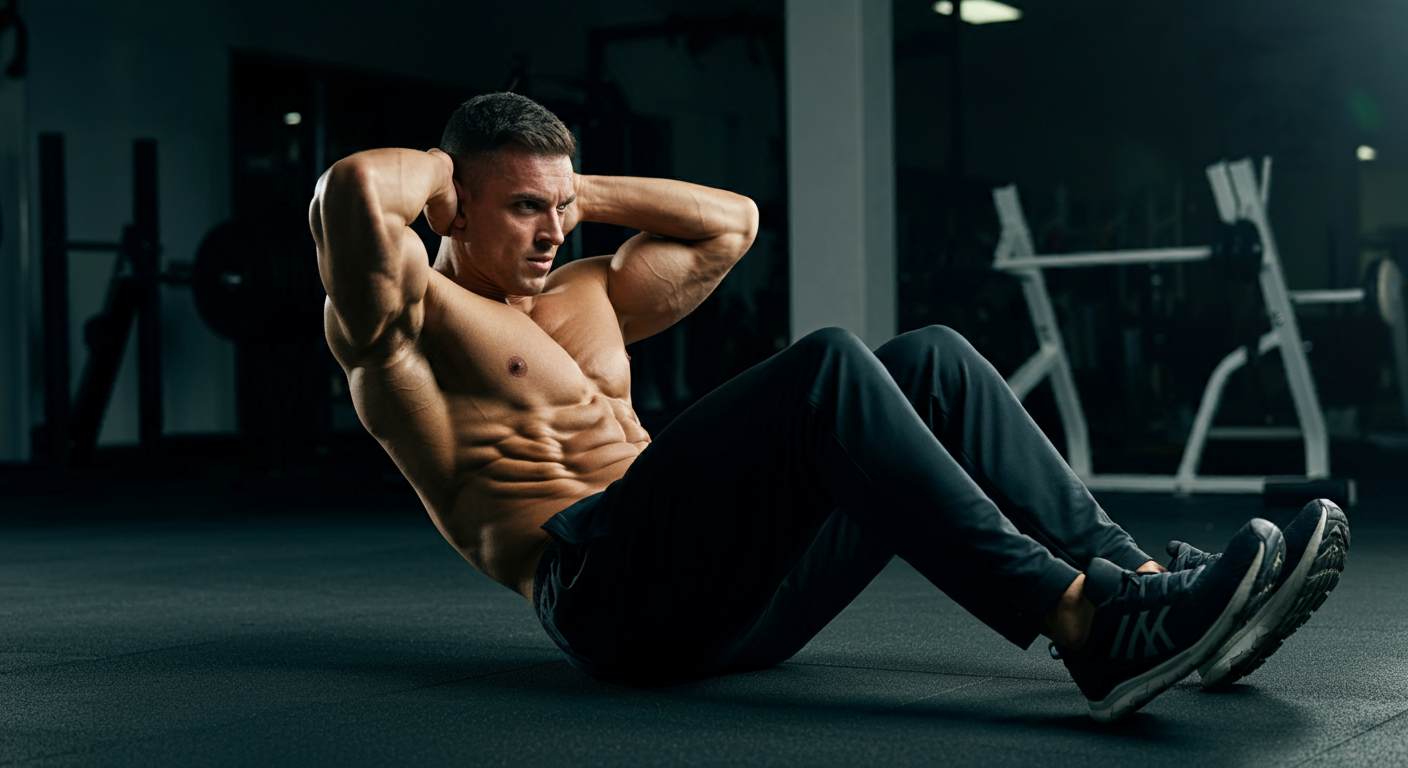
              1. Start Position: Lie on your back with knees bent and feet flat on the ground. Place your hands by your sides or across your chest to avoid straining your neck.
              2. Engage Your Core: As you exhale, lift your upper body toward your knees in a controlled motion.
              3. Lower Down Slowly: Inhale and return to the starting position with control, avoiding sudden drops.

              Tips for Proper Execution:

              • Avoid pulling on your neck.
              • Keep elbows wide if hands are behind your head.
              • Focus on curling one spinal segment at a time.
              • Don’t rush—quality over quantity matters.

              The Benefits of Situps

              Situps are a classic for a reason—they’re effective! Beyond sculpting your abs, they improve posture and strengthen muscles essential for everyday tasks like bending and lifting. They primarily target the rectus abdominis (your six-pack muscles), which are crucial for spinal flexion.

              However, sit-ups have limitations. They don’t fully engage other core muscles like the obliques or transverse abdominis, which are key for rotational and lateral stability. For a balanced core workout, include exercises that work your entire midsection.

              Should You Do Sit-ups Daily?

              While situps can be part of your daily routine, they shouldn’t dominate your workout plan. Over-reliance on situps may lead to repetitive strain. Instead, try varying your approach. Alternate between low-, moderate-, and high-rep days to challenge your muscles differently.

              For a more effective core routine, supplement sit-ups with other movements like hollow rocks or plank shoulder taps. These exercises engage your abs in lengthened positions and incorporate anti-rotation mechanics, helping you build a stronger, more balanced core.

              How to deal with sore muscles after an intense workout. – Info Health GH

              Beyond Sit-ups: A Holistic Approach to Core Training

              Wondering what is the recommended number of sit-ups you should do a day? Discover expert advice, proper form tips, and how to optimize.

              Sit-ups target specific aspects of your abs, but they’re just one piece of the puzzle. To develop a strong, functional core, focus on a mix of exercises that address spinal stability, rotation, and anti-extension. Incorporating variety into your routine ensures better results and reduces the risk of overtraining.

              For example:

              • Pair situps with planks for endurance.
              • Add side planks or Russian twists for oblique activation.
              • Include dynamic moves like hollow rocks to build strength in lengthened positions.

              By broadening your exercise repertoire, you’ll unlock your core’s full potential and see better progress over time.

              Final Thoughts

              Sit-ups remain a cornerstone of core workouts for a reason—they’re simple and effective when done correctly. However, balance is crucial. Don’t rely solely on sit-ups for your fitness goals; integrate a variety of core exercises to develop strength, stability, and endurance. Whether you’re chasing visible abs or building functional strength, a well-rounded approach will deliver the best results.

              Source: MSN Health

            3. How to treat heart burns in pregnancy?

              How to treat heart burns in pregnancy?

              We have all experienced heart burns before and it is not something that has any serious consequences on our bodies. Interestingly heart burns are more frequent in pregnant women and this post seeks to address how to treat heart burns in pregnancy.

              Heart burns is simply when stomach acid flows back into the esophagus (acid reflux) causing a burning sensation that is often felt behind the breastbone. This is usually caused after eating certain foods, overeating or lying down immediately after eating.

              Read Also: Reasons why you are waking up from bed with body pains Why and How to Fix It”

              Why are Heart Burns Frequent in Pregnant women?

              How to treat heart burns in pregnancy?
              How to treat heart burns in pregnancy?

              Heart Burns are more common in pregnant women especially during the second and third trimesters when the hormonal effects and the pressure from the growing uterus are most pronounced.

              As the fetus increases in size, the stomach capacity decreases which created some pressure in the stomach. This makes it easier for the contents in the stomach to back up into the oesophagus. This includes the stomach acid.

              The heart burns are particularly felt after eating large meals. Additionally, the growing uterus expands to accomodate the baby. This also exerts pressure on the stomach.

              The reason for frequent heart burns during pregnancy isn’t just physical. Hormonal changes also add to the effect.

              Progesterone levels are high during pregnancy. This hormone relaxes the lower esophageal sphincter. This part of the body acts as a valve that separates the stomach from the esophagus.

              How to treat heart burns in pregnancy?

              Now that we know the reasons why you experience it, how do you now treat the heart burns in pregnancy?

              1. Adjust Your Eating Habits

              • Eat Smaller, More Frequent Meals: This prevents the stomach from becoming too full, reducing the likelihood of acid reflux.
              • Chew Food Slowly and Thoroughly: This aids digestion and minimizes the chance of heartburn.
              • Avoid Eating Before Bed: Wait at least 2–3 hours after eating before lying down to give your stomach time to empty.

              2. Avoid Trigger Foods

              • Steer clear of spicy, fatty, fried, or acidic foods (e.g., citrus, tomatoes).
              • Limit caffeinated beverages and chocolate, as they can relax the lower esophageal sphincter.

              3. Stay Upright

              • After meals, remain upright for 1–2 hours to allow gravity to help keep stomach acid in place.
              • Sleep with your upper body elevated using extra pillows or a wedge pillow.

              4. Drink Natural Remedies

              • Ginger Tea: Ginger can soothe the digestive tract and reduce acid reflux. Sip ginger tea in moderation.
              • Aloe Vera Juice: This may help calm the esophagus and reduce irritation, but choose pregnancy-safe, food-grade aloe vera.
              • Warm Milk with Honey: This can neutralize stomach acid and provide relief.

              5. Stay Hydrated

              • Drink water throughout the day, but avoid drinking large amounts during meals, as this can expand your stomach and worsen reflux.

              6. Wear Loose Clothing

              • Tight clothing can put additional pressure on your stomach, exacerbating heartburn. Opt for loose-fitting outfits.

              7. Practice Good Posture

              • Sit and stand with a straight back to reduce pressure on your abdomen.

              8. Chew Sugar-Free Gum

              • Chewing gum increases saliva production, which can help neutralize acid and wash it back into the stomach.

              9. Try Natural Alkalizing Agents

              • A small amount of baking soda mixed with water may temporarily relieve symptoms but consult your doctor before using it.

              10. Stay Calm and Manage Stress

              • Stress can worsen heartburn. Practice relaxation techniques like prenatal yoga, deep breathing, or meditation.

              Read Also: 5 Benefits of Rinsing Your Face with Cold Water in the Morning

              In conclusion, heartburn during pregnancy is a common and often uncomfortable experience caused by hormonal changes and the growing baby’s impact on your digestive system. However, by adopting simple lifestyle adjustments and incorporating natural remedies, you can significantly alleviate these symptoms and enjoy a more comfortable pregnancy journey.

              Remember to listen to your body, avoid triggers, and consult your healthcare provider if symptoms persist or worsen. With the right care and strategies, you can manage heartburn effectively and focus on the joys of preparing to welcome your little one.

              Kindly Follow My Social Media Pages:

              Facebook : @Infohealthgh

              Twitter: @Infhealth

            4. 5 Side effects of Green Tea that’s not often discussed

              5 Side effects of Green Tea that’s not often discussed

              Many people incorporate green tea into their diets because of its many health benefits. Personally, I use it as part of my weight loss diet plan which has been very helpful in cutting down the calories. Whenever I crave for something before bed it is my go to snack which helps me stay full. Today’s post is about the Side effects of Green Tea that’s not often discussed

              PS: I won’t not recommend it for people who are very sensitive to caffeine because Green tea is rich in caffeine. 

              Everything that comes with advantages has some disadvantages and even though green tea is very helpful for your health. People don’t often discuss its side effect.

              It is important to know that green tea in itself is not bad, however too much of it will cause you to experience the following negative side effects.

              1. Liver problems

              Catechins, a class of polyphenolic compounds found in many fruits, vegetables, and plant-based beverages, are present in green tea. Although they are beneficial to the body in moderate amount too much of it will overwhelm your liver and cause problems.

              Side effects of Green Tea that’s not often discussed

              A 2017 review published in Liver International analyzed cases of liver injury associated with green tea extract supplements. It found that some individuals developed acute liver failure after high doses of green tea extracts.

              You can tell if a person is having liver problems if your skin begins to turn yellowish.

                2. Iron deficiency

                Green tea can contribute to iron deficiency due to the presence of polyphenols like tannins and catechins, which inhibit iron absorption. These compounds bind to non-heme iron (plant-based iron) in the digestive tract, forming insoluble complexes that the body cannot absorb effectively.

                The risk of iron deficiency from green tea increases with high consumption and drinking it alongside iron-rich meals. To minimize this effect, it is recommended to consume green tea between meals and pair iron-rich foods with vitamin C, which enhances iron absorption and counteracts the inhibitory effects of green tea polyphenols.

                Read Also: Six (6) Common fruits and vegetables to lower blood pressure.

                3. Pregnancy complications

                Drinking lots of green tea around conception can increase the risk of neural tube defects in babies.

                The catechins in green tea can interfere with the body’s ability to absorb folate. Folate is a critical vitamin that ensure proper neural tube development in the early stages of pregnancy.

                When neural tubes dont develop fully in babies the skull, scalp and brain do not develop properly, and the babies are born sometimes with a portion of the brain and skull missing.

                To be on the safe side avoid green tea when you are pregnant because you dont know exactly where other sources of catechins will be entering your body.

                Side effects of Green Tea that’s not often discussed

                4. Digestive issues.

                Too much green tea causes digestive issues for some individuals. These issues are primarily linked to its caffeine content and the presence of tannins, which can irritate the gastrointestinal tract. Here are the main concerns:

                1. Acid Reflux and Stomach Irritation: The caffeine in green tea can relax the lower esophageal sphincter, increasing the risk of acid reflux and heartburn. Additionally, tannins in green tea may irritate the stomach lining, leading to discomfort or nausea, particularly when consumed on an empty stomach.
                2. Diarrhea: Excessive consumption of green tea can have a laxative effect due to its caffeine content, potentially causing diarrhea in sensitive individuals.
                3. Reduced Nutrient Absorption: Tannins in green tea can bind to dietary minerals like iron and magnesium, reducing their absorption and contributing to deficiencies over time, especially in those with existing digestive disorders.
                Side effects of Green Tea that’s not often discussed

                5. Caffeine-related side effects

                There are so many caffeine related side effects that varies from individual to individual one of them being insomnia accompanied with some headaches.

                Other side effects are jitteriness, headaches, diarrhea, and even migraines in some rare cases.

                Read Also: Clear Nasal Congestion with Bay Leaves: The Power of Bay Leaves

                In conclusion, green tea is not harmful to your body per say but taking beyond the recommended amount will have these effects on your body. It is important to consult your doctor whenever you notice any of these negative changes.

                Kindly Follow My Social Media Pages:

                Facebook : @Infohealthgh

                Twitter: @Infhealth

              1. Reasons why you are waking up from bed with body pains Why and How to Fix It”

                Reasons why you are waking up from bed with body pains Why and How to Fix It”

                Have you ever woken up in the morning and instantly felt pains all over your body like you just completed a 20Km marathon? You are not alone because waking up with body pains affect one in five people according to the american sleep foundation.

                You can easily finger where the body pains are coming from when you know you were involved in strenuous physical activities. Unfortunately, this can even happen to you when there hasn’t been any intensive physical activity the previous day.

                Personally, I am not new to this and i can confirm that it is not a pleasant experience especially when you have a busy schedule ahead of you that requires your energy and focus.

                In today’s post we are going to discuss why this happens and what you can do to fix this situation without breaking the bank.

                Common Reasons You’re Waking Up with Body Pains

                1. Poor Sleeping Posture

                Not adopting a proper sleeping position can cause severe body pains in the mornings and this is one of the things we often get wrong when it comes to sleep quality.

                Sleeping with a poor posture exerts excessive pressure on some specific parts of the body. In a situation where the spine is not properly aligned, there is tension formed in the muscle which can sometimes lead to an irritation of the nerves. This is one of the reasons why you wake up with pains in the neck, shoulders, lower back and hips.

                For instance, sleeping on your stomach forces your neck to twist to one side, straining neck muscles, while sleeping on your side with no support between your knees can put stress on the hip joint

                Reasons You’re Waking Up with Body Pains

                Read Also: Healthy Fat Weight Loss with Intermittent Fasting and Exercise: My Journey

                Tips for Good Sleeping Posture:

                • Maintaining the natural curve of your spine and keeping your ears, shoulders, and hips aligned is the ideal sleep position.
                • Keep in mind that sleeping on your back or side is better than sleeping on your stomach

                2. Unsuitable Mattress or Pillow

                Getting a good quality and suitable mattress is the second step to correcting your morning body pains. Be sure not to go in for a too soft mattress, too hard or too old mattress because that contributes significantly to your body pains.

                Too old mattress means it has sagged and lost its firmness which will cause your body to sink into uneven positions. This puts a lot of stress on your spine and joints. This effect is similar for a mattress that maybe too soft.

                A mattress that is too hard creates pressure points on sensitive areas like the shoulders, hips, and tailbone, causing discomfort and pain during sleep. Additionally, Excessive pressure on joints from a hard mattress can contribute to joint pain, especially for people with existing joint conditions.

                Reasons You’re Waking Up with Body Pains
                Reasons You’re Waking Up with Body Pains

                Also, a pillow that’s too soft or too firm often leads to neck pain. For example, if you sleep on your side with a soft pillow that doesn’t provide enough support under your neck, your head has to extend sideways to meet the pillow and in the opposite direction your neck will not align with your spine if the pillow is too hard and elevated.

                Helpful Tips:

                • It is important to go in for a firm mattress with a soft surface. You can even cover your mattress with Natural Talalay Latex.
                • Replace old mattress as soon as possible to minimize risks of developing chronic body pains.

                3. Muscle Tension and Stress

                We often ignore the effects our mental health and wellbeing has on our physical health and sleep quality, but it is very important. According to the American Psychological Association, Muscle tension is almost a reflex reaction to stress, that is the body’s way of guarding against injury and pain.

                Reasons You’re Waking Up with Body Pains
                Reasons You’re Waking Up with Body Pains

                When stressed, your muscles tend to tighten up and not fully relax, resulting in discomfort and disrupted sleep patterns. It is also one of the reasons why you wake up in the morning with body pains and the one you are most likely to ignore.

                4. Physical Activity (or Lack of It) Before Bed

                Working out on a normal day pushes your muscles and joints to their limit which is healthy because then your body builds a resistance over time. So, it is perfectly normal to experience body pains that should go away over few hours if you had done an intensive workout the previous days.

                There is a type of body pain one feels also when they lack any form of physical activity. Because of the lack of activity, there is a high possibility to accumulate fat which adds up to your weight and strains your joints over time.

                Tip: If you are one who frequently experiences body pains then this might be the best time to start working out or being more active.

                Read Also: Six (6) Common fruits and vegetables to lower blood pressure.

                Dehydration and Nutrient Deficiencies

                signs of early diabetes

                Proper hydration and adequate mineral intake are fundamental to maintaining healthy muscle function. Water, along with essential minerals like magnesium and potassium, ensures your muscles contract and relax smoothly.

                A lack of these vital components can lead to muscle cramps, fatigue, and impaired performance.

                In conclusion, the source of your body pains whenever you wake up may not be as a result of one thing but could be because of many other factors. It is important however to note that while these points may not instantly solve all your body ache problems, it will go a long way to help you live a healthy life.

                The reasons You’re Waking Up with Body Pain might not even be directly related to your bed, pillow or sleep posture but could only be a symptom for an underlying health condition.

                Read More Health Tips

              2. Six (6) Common fruits and vegetables to lower blood pressure.

                Six (6) Common fruits and vegetables to lower blood pressure.

                If you have heard the popular adage that you are what you eat, then you should know that what you eat ultimately dictates how you live – This includes your health, wellbeing and mental development.

                According to World Health Organization (WHO) and CDC, 80% of premature heart disease cases are preventable through diet, exercise, and lifestyle. Additionally, more than 80% of Type 2 diabetes cases can be linked to poor diet and lifestyle.

                The World Cancer Research Fund also estimates that about 30-50% of cancers could be prevented by a healthy diet, maintaining a healthy weight, and physical activity.

                This is evident that there are certain foods that affect our healths especially our circulatory system and also our blood pressure. On that note let’s delve into some common fruits and vegetables to lower blood pressure.

                Healthy Fat Weight Loss with Intermittent Fasting and Exercise: My Journey

                Common fruits and vegetables to lower blood pressure.

                1. Banana: 

                Potassium is an essential mineral that helps the body get rid of sodium, relaxes blood vessels, and lowers blood pressure. Just one medium-sized banana packs a powerful potassium punch: about 420 milligrams. Beans, tomatoes, mushrooms, and avocado are other potassium-rich foods that may also help lower blood pressure naturally.

                Potassium encourages blood vessels to relax and dilate, reducing the pressure within them. When blood vessels are more open, blood flows more easily, lowering blood pressure.

                2. Beetroot juice:

                Research, including some funded by British Heart Foundation, has suggested beetroot juice might help lower blood pressure. Beetroot juice can be a concentrated source of nitrates, and it’s thought that one of their effects is to lower blood pressure. 

                The nitrate in beetroot helps the body produce nitric oxide. Nitric oxide is a powerful vasodilator, meaning it helps relax and widen blood vessels, which allows blood to flow more easily and reduces blood pressure.

                Beetroot also contains potassium, an essential mineral that helps balance sodium levels and relax blood vessels, similar to its role in other high-potassium foods.

                3. Berries (Blueberries):

                fruits and vegetables to lower blood pressure
                fruits and vegetables to lower blood pressure

                Berries are beneficial for blood pressure regulation due to their high levels of antioxidants, fiber, and bioactive compounds. Here’s how they contribute to lowering blood pressure:

                1. Anthocyanins and Flavonoids: Berries, especially blueberries, strawberries, and blackberries, are rich in anthocyanins—a type of flavonoid that has been linked to improved blood vessel function. These compounds help relax and dilate blood vessels, reducing vascular resistance and aiding in blood flow, which lowers blood pressure.
                2. Antioxidants: Berries contain high levels of antioxidants, which help protect the lining of blood vessels from oxidative stress. This protective effect reduces inflammation, which is often linked to high blood pressure.
                3. Nitric Oxide Production: Some compounds in berries, such as polyphenols, may enhance nitric oxide production, which promotes vasodilation (relaxation and widening of blood vessels) and helps lower blood pressure.
                4. Potassium Content: Many berries are good sources of potassium, which helps balance sodium in the body. This helps the kidneys excrete excess sodium, reducing blood volume and, consequently, blood pressure.

                4. Garlic:

                Garlic is rich in Allicin which is able to prevent the production of angiotensin II the compound responsible for increasing your body’s blood pressure.

                Additionally, Allicin increases the production of nitric oxide and hydrogen sulphide, which help regulate blood pressure.

                5. Leafy greens:

                Spinach, lettuce, kale, and chard are all leafy greens that can help lower blood pressure. Most leafy greens are very high in potassium. Potassium is responsible for relaxing blood vessels which helps to lower blood pressure.

                The rich potassium in leafy greens helps to eliminate sodium which is another culprit of high blood pressure. Adding leafy greens to your diet is a reliable way of reserving the effects of high blood pressure with time aside reaping the other health benefits.

                6. Kiwifruit

                :A daily serving of kiwi can reduce systolic blood pressure, among other benefits, according to a 2022 randomized control trialTrusted Source.

                People who ate 2 kiwis per day before breakfast for 7 weeks had a reduction of 2.7 millimeters of mercury (mmHg) in systolic blood pressure compared to a control group.

                Kiwis are also rich in vitamin C. A 2020 meta-analysisTrusted Source suggests that vitamin C supplementation significantly reduced blood pressure in people with primary hypertension.

                Kiwis are easy to add to lunches or smoothies. One cup of kiwi, or 2–3 kiwifruits, makes up 1 serving.

                In conclusion, it is important to note that including a healthy eating habit to your lifestyle is one of the fastest way to lower blood pressure. This works hand in hand with reducing your stress levels. engaging in exercises and getting adequate quality sleep.

                In situations where no noticeable improvement is seen in your blood pressure, make it a point to consult a doctor.

                If you enjoyed this kindly engage with us on social media below:

                Facebook : @Infohealthgh

                Twitter: @Infhealth

                Read More: 6 Healthy Snacks to Eat While on Your Weight Loss Journey