Author: kwamebrew

  • Understanding the Health Risks of Too Much Cloves: What You Need to Know

    Understanding the Health Risks of Too Much Cloves: What You Need to Know

    Cloves are beloved for their rich flavor, warming aroma, and potential medicinal benefits—but like many spices and supplements, health risks of too much cloves can emerge when consumed in excess.

    I know this isnt waht you expected considering there is so many material and vidos on tiktok praising cloves as the magical spice to boost your health. Just like all other things good, too much of it becomes bad for its intended use.

    In this post, we’ll explore how overconsumption of cloves or clove oil can negatively impact your liver, digestion, blood sugar, blood clotting, and more, while also sharing safe ways to enjoy them.

    What Are Cloves and Why Do People Use Them?

    health risks of too much cloves

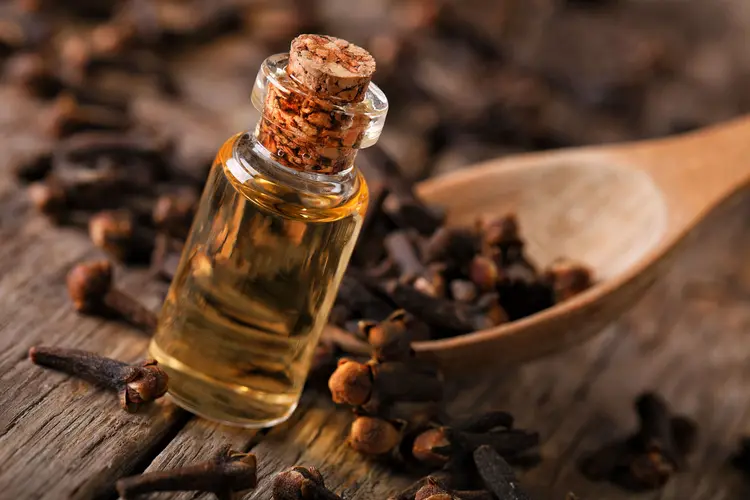
    Cloves are dried flower buds from the tree Syzygium aromaticum, native to Indonesia’s Maluku Islands (Facebook, Health). They’re packed with eugenol, a compound that gives cloves their potent aroma and some impressive health effects—including antioxidant, anti-inflammatory, and antimicrobial properties (Health, Dr. Handa’s Ayurveda). In cooking and traditional medicine, cloves are also linked to pain relief (especially dental), digestive support, and blood sugar control (Netmeds, Verywell Health).

    The Dangers of Overuse

    Even though small, culinary amounts are safe for most people, larger doses—especially clove oil—can bring significant risks, including:

    1. Liver & Kidney Damage

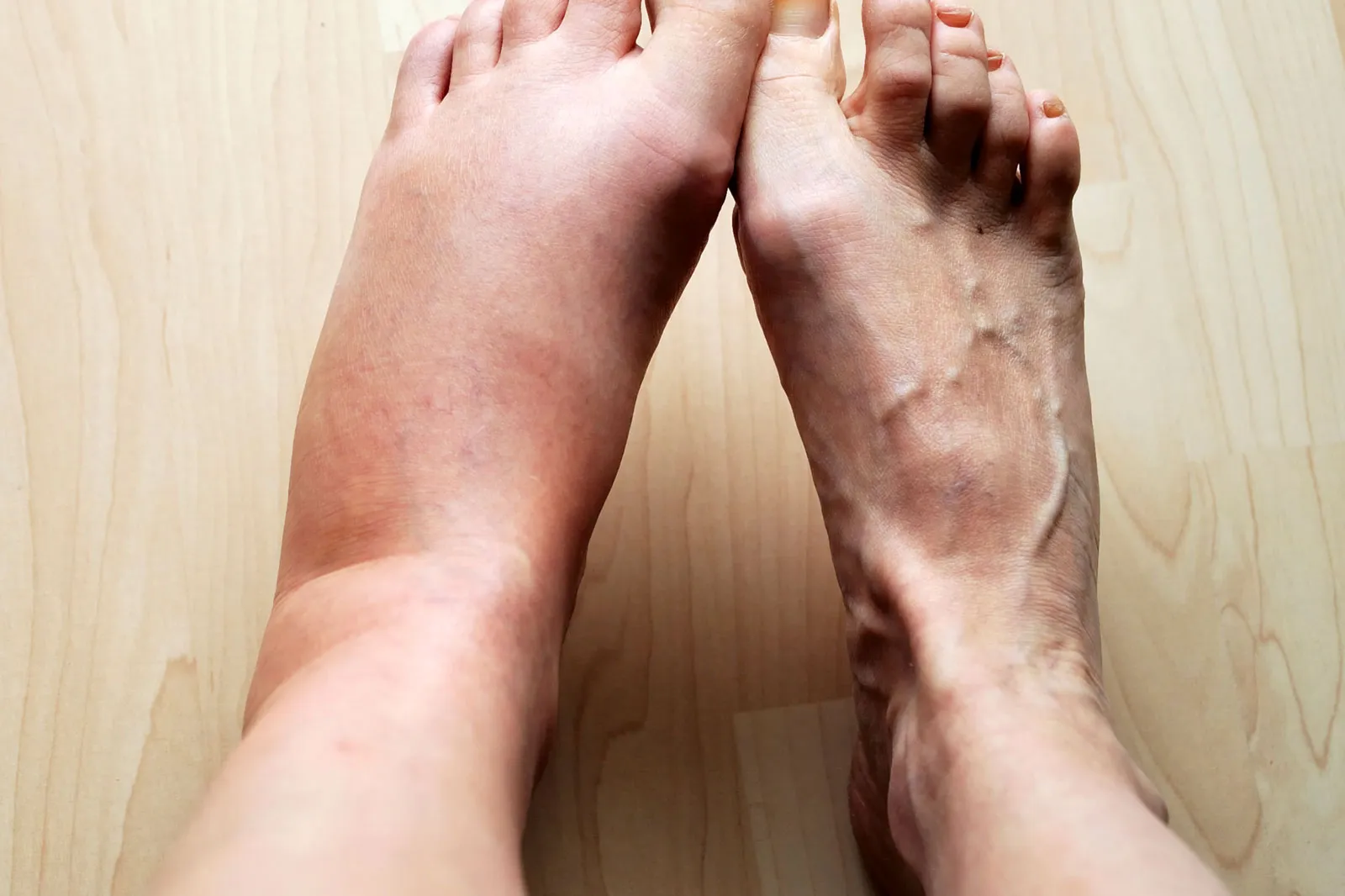
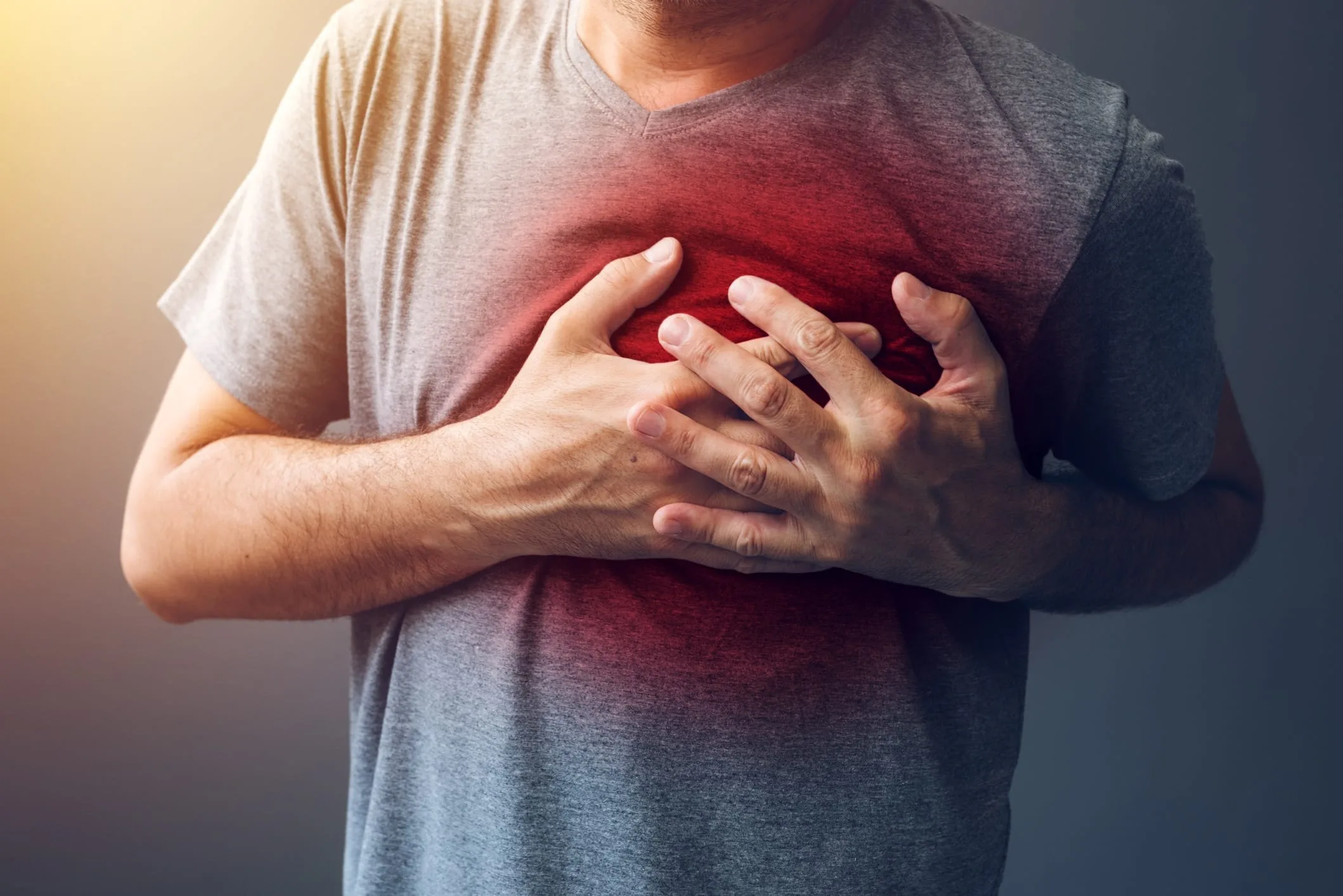
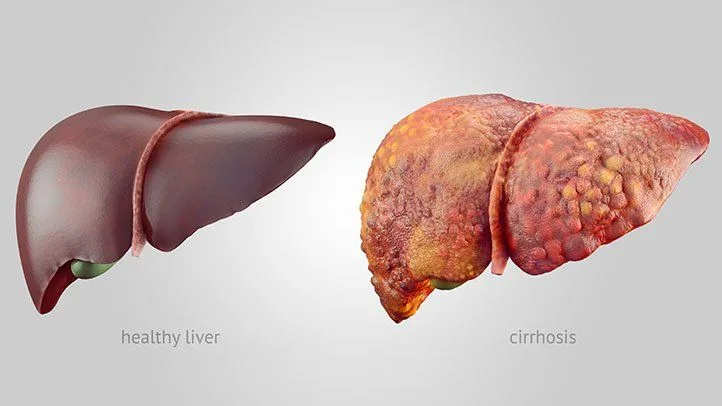
    Clove oil contains concentrated eugenol, which can overwhelm the liver and kidneys in high amounts. There are reported cases of acute liver injury, seizures, and even comas—particularly in children—after excessive clove oil ingestion (PharmEasy).

    2. Stomach Upset & GI Irritation

    Consuming too many cloves (around 1–3 g/day) may lead to stomach irritation, heartburn, diarrhea, nausea, or vomiting (Netmeds).

    3. Excessive Blood Thinning

    Eugenol has anticoagulant properties. Overconsumption can increase bleeding risk, especially in those on blood thinners like warfarin or aspirin. Cloves should be avoided at least two weeks prior to surgery (MedlinePlus).

    4. Dangerous Hypoglycemia

    Cloves help lower blood sugar—beneficial for many—but in large amounts, they can cause blood sugar to dip too far, especially for those already taking diabetes meds (WebMD).

    5. Allergic Reactions & Mucosal Damage

    Some people have allergies to eugenol, leading to mouth sores, skin rash, or respiratory irritation from inhaled dust (Netmeds).

    6. Toxicity from Essential Oils

    Clove essential oil is much more concentrated and can be cytotoxic—causing tissue damage, seizures, coma, or respiratory problems if ingested or used improperly (STYLECRAZE, PharmEasy, Dr. Handa’s Ayurveda).

    Safe Use and Best Practices

    🍽️Stick to Culinary Amounts

    Using whole cloves in meals or teas is normally safe. The World Health Organization suggests a max of ~2.5 mg/kg body weight per day (about 150 mg for a 60 kg adult) (Health). That’s roughly 1–2 cloves daily.

    Use Diluted Clove Oil with Caution

    Only apply diluted clove oil topically. Never ingest straight clove oil, especially at doses above culinary usage.

    🕒 Avoid Combining Forms

    Don’t mix multiple clove supplements (e.g. tea + oil + capsules) without medical advice—this increases overdose risk (Drugs.com, MedlinePlus).

    Pause Before Surgery or if on Blood Thinners

    Stop all clove products at least 2 weeks before surgery or dental work due to bleeding risk (Drugs.com).

    🩻 Monitor Blood Sugar

    If you’re diabetic or on glucose‑lowering meds, watch blood sugar closely when consuming cloves, as they can cause low readings (STYLECRAZE).

    Avoid Use in Young Children

    Clove oil is especially risky in children under 3—there are documented cases of serious, even lethal reactions (Verywell Health).

    Health Risks of Too Much Cloves—Key Takeaways

    • Moderation is essential. Cloves offer benefits but can cause real harm when overused.
    • Be cautious with supplements and oils, as they concentrate active compounds like eugenol.
    • Always consider your health context—medications, blood sugar, surgery needs, and age.
    • Consult your healthcare provider before adding clove supplements to your routine.

    When Might Cloves Be Beneficial?

    That said, moderate use of cloves can support:

    • Dental care—clove gels or diluted oil can relieve toothache (The Times of India, Verywell Health).
    • Gastrointestinal comfort—small amounts after meals may ease digestion and gas (The Times of India).
    • Metabolic support—preliminary studies show improved post-meal blood sugar control at ~1–3 g/day (Netmeds, Health).
    • Antimicrobial effects—clove mouthwash might help reduce harmful bacteria in dental settings (Health, Verywell Health).

    However, none of these benefits justify excessive intake.

    Practical Tips for Safe Clove Enjoyment

    health risks of too much cloves
    1. Limit your intake—use 1–2 whole cloves per day in teas or meals.
    2. Dilute essential oil—only topical use, never ingest. Mix 1 drop in a teaspoon of carrier oil.
    3. Rotate spices—don’t rely solely on cloves; vary with cinnamon, turmeric, etc.
    4. Watch for signs—bleeding, low blood sugar, GI distress, allergic responses.
    5. Talk to your doctor if you’re on meds, pregnant, breastfeeding, or have liver/bleeding issues.

    Conclusion

    Cloves beautifully bridge flavor and traditional wellness, but health risks of too much cloves are real—woven into their very potency. Responsible use means enjoying them as a spice, not a medicine, and being mindful of their concentrated effects in oils or supplements. With thoughtful moderation and medical guidance when needed, you can safely enjoy the benefits of this aromatic spice—without inviting harm.

    Key takeaways at a glance

    • Safe culinary use: ✔️
    • Clove oil ingestion: 🚫
    • Risk factors: liver, bleeding, hypoglycemia, allergy, GI upset
    • At-risk individuals: children, pregnant women, surgery patients, medication users

    Enjoy cloves—just handle them with care and respect their strength.

  • 10 Natural Ways to Sleep Better at Night (Without Pills or Melatonin)

    10 Natural Ways to Sleep Better at Night (Without Pills or Melatonin)

    If you struggle to fall asleep at night then this post is for you, keep in mind that you are not alone in this struggle. There are millions of people who find it difficult to wind down after long, stressful days—and instead of reaching for a sleeping tablets, many are now turning to more natural, sustainable approaches.

    The good news is that you can improve your sleep without medication. These 10 natural ways to sleep better at night are backed by research and recommended by sleep experts. Let’s explore how small, intentional changes can lead to deep, restorative sleep—naturally.

    🕒 1. Stick to a Consistent Sleep Schedule

    10 Natural Ways to Sleep Better at Night

    Your body has a built-in internal clock known as the circadian rhythm, which helps regulate your sleep-wake cycle. When you go to bed and wake up at the same time every day, you’re reinforcing this natural rhythm—making it easier to fall asleep at night and wake up feeling refreshed.

    Inconsistent sleep patterns, like staying up late on weekends or constantly shifting bedtimes, can confuse this rhythm. Research shows that people who stick to a regular sleep schedule experience deeper, higher-quality sleep. So even if it’s tempting to sleep in on Sunday, aim to keep your wake-up time within the same 30–60 minute window every day.

    ‎Follow the InfoHealthGh channel on WhatsApp: https://whatsapp.com/channel/0029Va7j1SgGE56e8pagc22u

    🛏️ 2. Create a Sleep-Friendly Environment

    The environment you sleep in has a significant impact on how easily you drift off—and how soundly you stay asleep. A dark, quiet, and cool room helps your brain associate the space with rest. It also signals your body to release melatonin, the hormone responsible for making you feel sleepy.

    Experts recommend setting your room temperature between 60–67°F (16–19°C). Blackout curtains, white noise machines, and clutter-free spaces can all help turn your bedroom into a true rest zone. Your bed should also feel comfortable and supportive—if your mattress or pillows are more than 7 years old, it might be time for an upgrade.

    📱 3. Limit Screen Time and Blue Light Exposure

    10 Natural Ways to Sleep Better at Night

    Scrolling through your phone or watching TV late into the night may seem harmless, but the blue light from screens can delay your body’s melatonin production. This light tricks your brain into thinking it’s still daytime, which can make it harder to fall asleep—even if you’re physically tired.

    To support your natural sleep cycle, try powering down electronics at least an hour before bed. If you need to wind down with a screen, use blue light filters or night shift settings. You can also switch to offline, relaxing activities like reading a physical book or listening to calm music.

    7 Natural Teas to Help You Sleep Longer and Better at Night

    ☕ 4. Cut Back on Caffeine and Late-Night Eating

    Caffeine is a powerful stimulant, and it can linger in your system for several hours. Even if you drink coffee in the early afternoon, it may still interfere with your sleep that night. Similarly, eating heavy or spicy meals too close to bedtime can cause discomfort, indigestion, and restless sleep.

    Experts suggest avoiding caffeine after 2 p.m. and finishing your last meal at least two to three hours before going to bed. Choose lighter evening snacks if needed—like bananas, almonds, or herbal tea—that support, rather than sabotage, your sleep.

    🧘 5. Try Deep Breathing or Meditation Before Bed

    A busy mind is one of the most common barriers to sleep. If you often find yourself overthinking or replaying your day when your head hits the pillow, calming practices like deep breathing, meditation, or mindfulness can help ease your thoughts and relax your body.

    One popular method is the 4-7-8 breathing technique, where you inhale for 4 seconds, hold for 7, and exhale for 8. This slows your heart rate and triggers the parasympathetic nervous system—your body’s natural “rest and digest” mode. Studies have shown that meditation improves sleep quality and can reduce insomnia symptoms over time.

    🍵 6. Sip Herbal Teas and Natural Sleep Aids

    Ginger Lemon & Honey Tea

    Nature has its own gentle sleep remedies. Herbal teas made from chamomile, valerian root, or lavender have calming effects that can help you relax before bed. Unlike melatonin pills or prescription sleep aids, these natural options carry a much lower risk of dependence or side effects.

    Chamomile, for example, contains apigenin—a compound that binds to receptors in your brain and encourages sleepiness. Sipping a warm cup about 30 minutes before bed can signal to your body that it’s time to wind down. Just be mindful of how your body responds, and check with a healthcare provider if you’re on medication or pregnant.

    How Lack of Sleep is Ruining Your Mental Health

    🏃 7. Get Regular Exercise (But Not Too Late)

    "Bↄdze" and the Myth of Delayed Childbirth

    Physical activity is one of the most powerful ways to improve sleep naturally. Exercise reduces stress hormones and increases serotonin, which boosts your mood during the day and promotes better rest at night. It also helps you fall asleep faster and spend more time in deep sleep.

    Aim for at least 30 minutes of moderate aerobic exercise most days of the week—walking, swimming, cycling, or dancing are all great options. But avoid intense workouts within two hours of bedtime, as this can temporarily spike your heart rate and make it harder to relax.

    ✨ 8. Build a Bedtime Routine to Wind Down

    Establishing a simple, calming pre-sleep routine trains your brain to associate certain actions with rest. This might include dimming the lights, brushing your teeth, taking a warm shower, journaling your thoughts, or doing gentle stretches.

    These rituals cue your body that it’s time to shift gears. By the time you’re in bed, your mind will already be halfway to dreamland. The key is consistency—when you do the same routine nightly, your brain begins to expect sleep at that time.

    💭 9. Address Stress and Mental Clutter

    Stress is a major sleep disruptor. If you often lie awake thinking about your to-do list or worrying about the future, managing stress can make a big difference in your sleep quality. Techniques like journaling, practicing gratitude, or writing down a “worry list” before bed can help offload mental clutter.

    Cognitive Behavioral Therapy for Insomnia (CBT-I) is a highly effective method used by sleep specialists to help people break the cycle of racing thoughts and poor sleep. You don’t have to see a therapist to start—there are great CBT-based apps and books that walk you through these techniques.

    Read Also: 10 Interesting Things That Happen to Your Body While You’re Asleep

    ☀️ 10. Get Sunlight in the Morning

    Getting sunlight exposure within the first hour of waking up is one of the most natural and overlooked sleep hacks. Sunlight tells your body it’s time to be awake and sets your internal clock to promote sleep at the right time later in the evening.

    Try stepping outside for a walk, opening your curtains wide, or drinking your morning tea in natural light. Just 15–30 minutes of exposure can help reset your circadian rhythm and support better sleep at night without any supplements or stimulants.

    Conclusion

    Getting quality sleep doesn’t have to come from a bottle. These natural ways to sleep better at night work because they align with your body’s own rhythms and responses. By making small changes in your daily habits—like keeping a consistent schedule, limiting screen time, and creating a calm bedtime routine—you can sleep better, feel more energized, and improve your overall health.

    If you try these tips and still struggle with sleep, don’t ignore it. Consult a sleep specialist to explore underlying causes like anxiety, sleep apnea, or chronic insomnia.

  • The Anti-Inflammatory Food Guide: What to Eat, What to Avoid, and How to Flush Inflammation Fast

    The Anti-Inflammatory Food Guide: What to Eat, What to Avoid, and How to Flush Inflammation Fast

    Picture this: You’re in the kitchen, sipping your morning coffee, and wondering why your joints feel stiff, your tummy is bloated, or maybe you’re just feeling “off.” Could it be inflammation? You’re not alone.

    Inflammation is your body’s natural defense—but when it sticks around too long, it starts acting like the annoying friend who never leaves. Luckily, with the right anti-inflammatory food guide, you can take back control. Let’s explore the foods that fuel inflammation, the ones that soothe it, and the most effective ways to flush it fast—all in a way that fits your real life.

    What Are the Worst Foods for Inflammation?

    Anti-inflammatory food guide

    Some everyday foods silently fan the fire of inflammation. Research clearly warns against these culprits:

    • Refined carbs like white bread, pastries, and rice—linked to inflammatory molecules that harm your body .
    • Added sugars and sugary drinks, which drive chronic inflammation and metabolic issues .
    • Processed meats and red meat, rich in saturated fats and linked to inflammatory markers .
    • Fried foods and trans fats, which contain harmful compounds and increase inflammation risk .
    • Excess omega‑6 oils (like corn, soybean, safflower) that tip your body into inflammatory mode (Arthritis Foundation).
    • Alcohol, which disturbs gut balance and escalates inflammation .

    To feel your best, this anti-inflammatory food guide starts with excluding these frequently overlooked triggers.

    Which Food Reduces Inflammation?

    Anti-inflammatory food guide

    Thankfully, nature offers a bounty of choices that soothe your body’s inflammation:

    • Leafy greens and colorful vegetables—spinach, kale, broccoli are rich in antioxidants .
    • Berries and deeply pigmented fruits (blueberries, grapes) packed with phenolic compounds (EatingWell).
    • Fatty fish like salmon and sardines—loaded with omega‑3s that lower inflammatory markers .
    • Nuts, seeds, and healthy oils (olive oil, walnuts, flaxseed) providing monounsaturated and omega‑3 fats .
    • Spices and herbs—turmeric, ginger, garlic, cinnamon offer potent anti-inflammatory benefits .
    • Green tea and coffee, both rich in antioxidants that combat inflammation .
    • Whole grains and legumes—high in fiber and aid gut health, reducing inflammation .

    Incorporating these into your meals is central to this comprehensive anti-inflammatory food guide.

    Is Egg Inflammatory?

    Good news—eggs aren’t inflammatory for most people. Containing high-quality protein and beneficial nutrients like choline, eggs fit well in anti-inflammatory diets. However, if you’re sensitive to dietary cholesterol or have an autoimmune condition, monitor your symptoms. For others, eggs serve as an excellent source of nutrition—just pair them with vegetables and healthy fats.

    Anti-inflammatory food guide

    Read Also: Chest Pain vs Heart Attack: Know the Difference

    What Is the Fastest Way to Flush Inflammation?

    You’ll see the best results when combining diet with these lifestyle strategies:

    1. Hydrate with water and herbal/green tea—flushes toxins and supports gut health .
    2. Opt for anti-inflammatory meals—think colorful salads, fish, nuts, and spices.
    3. Move your body daily—even light exercise lowers inflammation markers .
    4. Manage stress—meditation or walking reduce cortisol, which fuels inflammation .
    5. Sleep well (7–9 hrs)—sleep deficits raise inflammatory chemicals (Real Simple).

    Including this in your personal journey amplifies the power of this anti-inflammatory food guide.

    Sample Daily Anti-Inflammation Plan

    MealFoods
    BreakfastOatmeal with berries, walnuts, cinnamon; green tea
    SnackCarrot sticks with hummus
    LunchQuinoa salad with spinach, chickpeas, olive oil, turmeric Salmon
    SnackGreek yogurt with flaxseed or an apple + nut butter
    DinnerGrilled fish, steamed broccoli with garlic & ginger, sweet potato mash
    After-dinnerWarm turmeric ginger tea

    Beyond Food: Lifestyle Habits That Matter

    • Stay active: Walk, stretch, dance—30 mins daily improves gut and immune health.
    • Choose whole foods over ultra-processed: If it has 10+ ingredients, skip it .
    • Ditch smoking and limit alcohol—both worsen inflammation .
    • Prioritize quality sleep—your body repairs itself at night.
    • Manage stress wisely—mental calm supports physical calm.

    Read Also: Subtle Signs Your Liver Is Damaged (Before It’s Too Late)

    Conclusion

    This anti-inflammatory food guide is more than advice—it’s an invitation: invest in your health with daily choices that soothe, nourish, and empower your body. Replace the bad, embrace the good, and feel results in your joints, skin, energy, mood—and life.

    Start today: enjoy that berry oatmeal, sip green tea, skip the fries, and take a deep breath. Small changes add up to big impact.

  • How to Strengthen and Heal Your Lungs Naturally: Foods, Drinks, and Breathing Tips

    How to Strengthen and Heal Your Lungs Naturally: Foods, Drinks, and Breathing Tips

    Do you ever find yourself winded climbing stairs? Or that deep sigh after a full day at work feels more like a gasping gulp? You’re not alone. For many of us—especially those over 30 juggling busy lives—lung health can slip under the radar until we suddenly feel it slipping away. Fortunately, whether you’re recovering from illness or simply want your lungs to work at their best, there are proven ways how to strengthen lungs naturally that actually fit into a real lifestyle.

    In this post, we’ll dive into everyday strategies you can start using today to heal weak lungs, get them working super efficiently, and give them the nourishment they truly need.

    ‎Follow the InfoHealthGh channel on WhatsApp: https://whatsapp.com/channel/0029Va7j1SgGE56e8pagc22u

    Read Also: Fatty Liver Diet: How to Reverse Fatty Liver Naturally and Reclaim Your Health

    1. What Heals Lungs Faster?

    How to strengthen lungs naturally

    Embrace Antioxidant-Rich Foods

    Your lungs do heavy lifting every day—filtering air, fighting pollution, and repairing tissue. Antioxidants from colorful fruits and leafy greens help reduce inflammation and support recovery. Foods high in vitamins C and E—like oranges, bell peppers, strawberries, spinach, and broccoli—are great natural helpers.

    Real-life tip: I keep a bowl of carrots, red peppers, and oranges on my kitchen counter. When I snack between Zoom calls, I just grab one—easy and nutritious.

    Stay Hydrated Every Hour

    Hydration is critical for lung function. The lining of your airways is made up of mucus that traps particles and keeps the lungs lubricated. Drink water consistently—aim for 8–10 glasses a day, or herbal teas if plain water bores you.

    Schedule Recovery Breathing Time

    You don’t need fancy equipment—just your breath. Controlled deep breathing stimulates the diaphragm, increasing oxygen exchange and lung volume.

    How to start: Sit upright, inhale slowly through your nose for a count of 4, hold for 2, exhale through pursed lips for 6. Repeat 5–10 times, twice daily. You’ll feel calmer, deeper breaths, and your lungs getting some extra TLC.

    2. How to Repair Weak Lungs?

    How to strengthen lungs naturally

    Gradual Cardio Builds Strength

    Whether it’s walking, cycling, or swimming—aim for 20–30 minutes of moderate activity most days. The increased breathing effort strengthens your lung capacity over time.

    Personal insight: After my flu last year, I began with 10-minute walks, gradually adding stretching and gentle jogging. Before I knew it, I had twice the stamina on my morning strolls.

    Reduce Inflammation with Turmeric & Ginger

    Anti-inflammatory spices like turmeric and ginger help soothe lung tissue, especially after infections or seasonal allergies. Turmeric’s curcumin compound has been studied for its ability to reduce respiratory inflammation.

    Try adding turmeric to soups or ginger in your tea.

    Avoid Irritants and Toxins

    Indoor air quality matters just as much as going smoke-free. Dust, chemicals, or pet dander can worsen lung weakness. Open windows, use an air purifier if you can, and keep fragrant cleaning products out of your kitchen or laundry area.

    Read Also: Why Am I Always Tired? 10 Hidden Health Causes You Might Be Ignoring

    3. How Do I Make My Lungs Super Strong?

    How to strengthen lungs naturally

    Functional Exercises for Breath Support

    Strengthening your core (abs, lower back) gives your diaphragm better support during deep breaths. Planks, gentle Pilates moves, and yoga strengthen these muscles. A stronger core equals stronger lungs.

    Practice Pursed-Lip and Diaphragmatic Breathing

    These techniques help control breathing and enhance oxygen intake:

    • Pursed-lip: Inhale through your nose, exhale slowly through pursed lips—this releases stale air and makes inhaling easier.
    • Diaphragmatic breathing: Lie down, place a hand on your belly, and breathe so your belly rises more than your chest—this activates deeper lungs.

    Clear the Air: No Smoking, No Matter What

    If you’re a smoker, quitting is hands-down the single most effective lifestyle change you can make. Your lungs begin healing within weeks. If you’re around smokers often, respectfully ask them to—at least—avoid smoking indoors.

    4. What Can I Drink to Improve My Lungs?

    Green Tea & Herbal Brews

    Green tea is full of antioxidants like catechins, which have been shown to reduce inflammation. Herbal teas—like peppermint, chamomile, or eucalyptus—can help open airways and soothe your respiratory passages.

    Warm Honey, Lemon & Ginger Drink

    How to strengthen lungs naturally

    This homemade tonic has been a staple in my home during the rainy season. Honey coats the throat, ginger brings anti-inflammatory benefits, and lemon provides vitamin C—together, they support clear breathing and comfort.

    Fresh Smoothies

    Blend spinach (rich in vitamin C and chlorophyll) with berries, pineapple, and yogurt for a lung-loving drink. You’re hydrating while packing in natural antioxidants, fiber, and probiotics.

    Read Also: What Your Tongue Reveals About Your Health

    Bonus Daily Habits to Strengthen Lungs Naturally

    Beyond foods and exercise, these lifestyle tips are essential:

    • Maintain a healthy weight: Extra pounds make breathing harder.
    • Sleep upright or with gentle elevation: Helps air move more easily, especially if you’re recovering from sickness.
    • Practice good posture: Slouching compresses your lungs.
    • Mind stress levels: Cortisol spikes can worsen breathing; practice mindfulness or journaling to stay calm.

    So, how do you strengthen lungs naturally? It’s about repairing first, then building stamina with every breath. Treat your lungs daily by eating smart, breathing deliberately, and moving gently. These habits add up—and soon, you’ll feel less breathless, more energized, and walking around confident in every inhale and exhale.

    The real secret? Consistency. Just a few minutes of mindful breathing, plus lung-nourishing meals and regular movement, can turn a tired, weak set of lungs into resilient, capable companions well beyond your 30s.

    Take Action Today

    1. Drink that ginger-lemon tea.
    2. Try a 5-minute breathing session now.
    3. Take a short walk after your next meal.
  • Chest Pain vs Heart Attack: Know the Difference

    Chest Pain vs Heart Attack: Know the Difference

    You’re sitting at your desk, minding your own business, when a sharp pain hits your chest. Is it something you ate? Stress? Or the warning sign of a heart attack? It might surprise you to know that not many people can tell the difference between Chest Pain vs Heart Attack

    This is a common—and potentially life-saving—question. Chest pain is one of the top reasons people head to the ER. But not all chest pain is created equal. Some types are benign. Others demand immediate emergency care.

    Understanding the difference between everyday chest discomfort and a true heart attack could save your life—or someone else’s.

    ‎Follow the InfoHealthGh channel on WhatsApp: https://whatsapp.com/channel/0029Va7j1SgGE56e8pagc22u

    Read Also: Broken Heart Syndrome: Can You Really Die of a Broken Heart?

    What Causes Chest Pain?

    Chest pain can be caused by a wide range of conditions. Here are the most common:

    • Muscle strain: Lifting heavy objects or poor posture can stress chest muscles.
    • Heartburn or acid reflux: A burning sensation behind the breastbone, often after eating.
    • Anxiety or panic attacks: Sharp pain, racing heart, and shortness of breath.
    • Costochondritis: Inflammation in the cartilage of the ribs, often painful to the touch.
    • Pulmonary issues: Like a blood clot or pneumonia, which can cause pain when breathing.

    These can be uncomfortable—even scary—but they’re not typically life-threatening. A heart attack, however, is another story.

    What Happens During a Heart Attack?

    Chest Pain vs Heart Attack

    A heart attack occurs when blood flow to part of the heart muscle is blocked, often by a clot or narrowed artery. Without oxygen-rich blood, that part of the heart starts to die.

    The symptoms can be sudden or build gradually over minutes. Either way, the key to survival is fast action. The sooner a heart attack is treated, the better the chances of recovery.

    How to Tell the Difference

    Here’s where it gets tricky. Heart attacks don’t always present as crushing chest pain. Some feel like indigestion. Others come with vague discomfort or fatigue—especially in women and older adults.

    Let’s break it down.

    SymptomTypical Chest PainHeart Attack
    Pain qualitySharp, stabbing, burningPressure, squeezing, fullness
    LocationLocalized, worsens with movementCenter or left side of chest, radiating
    DurationSeconds to minutesMore than 5 minutes, gets worse
    TriggersStress, movement, foodPhysical exertion or at rest
    Other symptomsRareNausea, cold sweats, shortness of breath, pain in arm/jaw/back

    The key is this: if your chest pain comes with other symptoms like breathlessness, nausea, or a sense of doom, call emergency services immediately. Don’t wait. Don’t self-diagnose. Don’t Google it.

    When to Call for Help

    Here are the red flags that mean you should get help right now:

    • Chest pressure, squeezing, or fullness that lasts more than a few minutes
    • Pain that spreads to the arm, back, neck, or jaw
    • Lightheadedness or fainting
    • Shortness of breath, sweating, or nausea
    • A sudden sense of panic or dread (especially in women)

    Even if it turns out not to be a heart attack, it’s better to be safe. Emergency physicians would rather rule out a false alarm than miss the real thing.

    Read Also: Chest Pains and Early Warning Signs of Heart Disease You Shouldn’t Ignore

    The Silent Symptoms (Especially in Women)

    Women are more likely than men to experience non-classic heart attack symptoms. These include:

    • Unusual fatigue
    • Lightheadedness
    • Nausea
    • Shortness of breath
    • Mild pressure in the chest—not pain

    This makes early recognition harder—and delays treatment. If you’re a woman and feel “off” in a way that’s hard to describe, trust your instincts. Many women survive because they listened to that inner voice and sought help.

    What Happens If You Ignore a Heart Attack?

    Chest Pain vs Heart Attack

    Delaying treatment can mean:

    • Permanent heart damage
    • Heart failure
    • Dangerous arrhythmias
    • Death

    More than 800,000 Americans have heart attacks each year. One in five is silent, meaning the person didn’t know it was happening. Knowing the signs—and acting fast—can make the difference between life and death.

    Chest Pain vs Heart Attack: The Bottom Line

    It’s not always easy to know what your body is telling you. But it helps to understand that chest pain is a symptom, not a diagnosis.

    Sometimes, it’s heartburn. Other times, it’s a ticking time bomb.

    Read Also: Understanding Broken Heart Syndrome: Temporary Heart Attack.

    If there’s ever a doubt, don’t play the guessing game. Get checked. The risk of ignoring a heart attack far outweighs the embarrassment of a false alarm.

  • Broken Heart Syndrome: Can You Really Die of a Broken Heart?

    Broken Heart Syndrome: Can You Really Die of a Broken Heart?

    They say heartbreak can kill you—but is that literally true? Do you remember the last time you heard a terrible news or had a painful ordeal which was too hard to process or cope? What if i told you inched closer to a broken heart syndrome?

    Broken Heart Syndrome (aka takotsubo or stress cardiomyopathy) transforms emotional pain into shocking physical danger. This article cuts through the fluff, peeling back what science really says—and how to deal if it happens to you (or someone you love).

    What is Broken Heart Syndrome?

    Broken heart syndrome

    At its core, Broken Heart Syndrome is a temporary weakening of the left side of your heart triggered by intense emotional or physical stress. Imagine grief, a breakup, or even something “good” like surprise news—but your body reacts like it’s under attack. Stress hormones flood your system, “stunning” the heart muscle and making it balloon in that classic octopus-trap shape described by Japanese clinicians smh.com+5my.clevelandclinic.org+5en.wikipedia.org+5en.wikipedia.org.

    You might think it’s a heart attack—but routine tests during an attack-like episode show no clogged arteries, and most patients recover fully within days or weeks with proper care .

    ‎Follow the InfoHealthGh channel on WhatsApp: https://whatsapp.com/channel/0029Va7j1SgGE56e8pagc22u

    How Serious Is It—and Can You Die?

    Broken heart syndrome

    Short answer: yes, broken heart syndrome can sometimes be deadly—but that’s rare.

    So yes, its name may sound metaphorical—but the impacts and complications are very real.

    Who’s Most at Risk?

    • Women over 50, especially those in menopause, are the majority of cases—likely due to estrogen’s protective role .
    • People with anxiety, depression, neurological diseases, or chronic stress are also at increased risk mayoclinic.org+15my.clevelandclinic.org+15news.harvard.edu+15.
    • Men get fewer cases, but face higher mortality rates when they do—possibly due to less emotional support or more extreme stressors .

    What Triggers It?

    About 70–80% of cases follow a major stress event. Possible triggers include:

    • Emotional: loss of a loved one, divorce, job loss, betrayal—even “good” surprises like winning the lottery en.wikipedia.org.
    • Physical: surgeries, asthma attacks, strokes, seizures, severe illness .
    • One-third report no clear cause ncbi.nlm.nih.gov.

    New research also suggests that chronic stress and brain patterns—like elevated activity in the amygdala—can prime you to experience this condition later news.harvard.edu.

    Symptoms & Diagnosis

    Broken heart syndrome

    Symptoms mimic a heart attack: sudden chest pain, shortness of breath, lightheadedness, and palpitations pmc.ncbi.nlm.nih.gov+4smh.com+4mayoclinic.org+4.

    Doctors differentiate the conditions by combining:

    1. EKG and blood tests (showing stress-related enzyme elevation but not classic heart attack markers)
    2. Coronary angiography (to confirm arteries are clear)
    3. Imaging (echocardiogram or MRI – showing stunted, ballooned heart regions) newsroom.heart.org+9mayoclinic.org+9brownhealth.org+9en.wikipedia.org+1people.com+1honorhealth.com+1my.clevelandclinic.org+1.

    Treatment & Recovery

    There’s no single cure, but standard supportive measures include:

    • Medications: aspirin, beta-blockers, ACE inhibitors/ARBs, diuretics if fluid buildup is present my.clevelandclinic.org.
    • Monitoring: especially if your heart remains weak or at risk of complications.
    • Follow-up imaging after several weeks to confirm heart function is restored .
    • Stress management long-term: therapy, mindfulness, exercise—tailored to your situation news.harvard.edu+1verywellmind.com+1.

    Most people bounce back within days to weeks, though fatigue can linger for months . However, recurrence occurs in about 4–10% of cases .

    Relatable Takeaways

    • You’re not weak if your heart breaks—it’s a biological reaction to stress.
    • Common triggers include shock, grief, even tax returns, public speaking, or surgery.
    • If you experience intense heart symptoms, get emergency care—never assume it’s just stress unitypoint.org.
    • Recovery involves medical support and emotional resilience—therapy, meditation, or even regular check-ins with a friend.

    Bottom Line

    Can broken heart syndrome kill you? Yes—but it’s rare, and it’s very treatable. Your emotional pain is real—and your body can feel it. But with awareness, professional help, and resilience, recovery is absolutely possible. Take care of your mental and physical heart—they’re closer than you think.

  • Fatty Liver Disease: What You Need to Know and How to Take Care of Your Liver

    Fatty Liver Disease: What You Need to Know and How to Take Care of Your Liver

    Have you ever gone for a routine medical check-up, feeling perfectly fine, only to be told that your liver shows signs of “fatty changes”? It’s one of those moments when your heart skips a beat—you think, “But I don’t even drink that much alcohol!” You’re not alone. Many people discover they have fatty liver disease by accident, and the diagnosis often leaves them confused, anxious, and wondering what went wrong.

    Here’s the surprising truth: fatty liver disease is now one of the most common liver conditions worldwide. In fact, it affects about 1 in 4 adults globally, and in some countries, it’s even more widespread. What’s more shocking? You don’t have to drink alcohol to get it.

    So let’s pause for a moment. If you’re reading this, ask yourself:

    • Do you often feel tired for no obvious reason?
    • Have you gained weight around your belly over the years?
    • Do you have high cholesterol, diabetes, or high blood pressure?

    If you answered “yes” to any of these, you might be at higher risk of fatty liver disease—even if you feel otherwise healthy. But don’t panic. Understanding the condition is the first step toward taking back control of your health, and that’s exactly what we’re going to do in this article.

    What Exactly Is Fatty Liver Disease?

    How to Reverse Fatty Liver Naturally

    In simple terms, fatty liver disease happens when too much fat builds up in your liver cells. Your liver normally has a little fat, but when fat makes up more than 5–10% of the liver’s weight, doctors call it “fatty liver.”

    There are two main types:

    • Alcoholic fatty liver disease (AFLD): caused by heavy drinking.
    • Non-alcoholic fatty liver disease (NAFLD): develops in people who drink little to no alcohol, often linked to obesity, type 2 diabetes, and metabolic syndrome.

    Over time, fatty liver can progress. The stages include:

    1. Simple fatty liver (steatosis): fat in the liver but little or no damage.
    2. Non-alcoholic steatohepatitis (NASH): fat plus inflammation and liver cell damage.
    3. Fibrosis: scar tissue starts to form.
    4. Cirrhosis: severe scarring that can lead to liver failure or cancer.

    The good news? With the right lifestyle changes, fatty liver—especially in the early stages—can often be reversed.

    Why Should You Care About Fatty Liver Disease?

    Because it’s sneaky. Most people don’t feel symptoms until the disease has progressed. That’s why it’s sometimes called a “silent” condition. When symptoms do appear, they may include:

    • Constant fatigue
    • Unexplained weight gain or difficulty losing weight
    • Abdominal discomfort or bloating
    • Yellowing of the skin or eyes (in advanced cases)

    Here’s another eye-opener: fatty liver disease is closely tied to other health issues like heart disease, kidney problems, and even certain cancers. So taking care of your liver is really about taking care of your whole body.

    What Puts You at Risk?

    Several lifestyle and genetic factors can increase your chances of developing fatty liver disease. These include:

    • Being overweight, especially with belly fat
    • Type 2 diabetes or insulin resistance
    • High cholesterol or triglycerides
    • A diet high in processed foods, sugar, and unhealthy fats
    • Sedentary lifestyle (sitting more than moving)
    • Certain medications or genetic conditions

    It’s not always about weight, though. Even people who look slim can have fatty liver if they eat poorly, rarely exercise, or have metabolic risk factors.h

    Lifestyle Changes That Make a Difference

    How to Reverse Fatty Liver Naturally

    The best part about catching fatty liver early is that it’s often reversible with lifestyle adjustments. Here’s what really works:

    1. Clean Up Your Diet

    • Cut back on sugar and refined carbs. Sugary drinks, white bread, pastries, and candy are tough on your liver.
    • Eat more whole foods. Think vegetables, fruits, whole grains, legumes, nuts, and seeds.
    • Choose healthy fats. Olive oil, avocados, and fatty fish (like salmon or sardines) can actually help your liver.
    • Limit alcohol. Even moderate drinking can worsen fatty liver.

    2. Move Your Body Regularly

    Exercise is one of the most powerful ways to reduce liver fat. Aim for at least:

    • 150 minutes of moderate activity (like brisk walking, cycling, or dancing) each week, or
    • 75 minutes of vigorous activity (like jogging or HIIT).
      Strength training 2–3 times a week is also great for improving insulin sensitivity and reducing fat.

    3. Watch Your Weight

    Even a 5–10% weight loss can significantly reduce liver fat and inflammation. Focus on sustainable changes rather than crash diets.

    4. Prioritize Sleep and Stress Management

    Poor sleep and chronic stress can worsen insulin resistance and inflammation. Simple habits like keeping a consistent sleep schedule, practicing deep breathing, or even a short evening walk can help.

    5. Stay Hydrated

    Your liver loves water. Staying well-hydrated supports detoxification and helps regulate metabolism.

    Can Supplements Help?

    Some studies suggest that certain nutrients may support liver health, such as:

    • Vitamin E: may reduce inflammation in some people with fatty liver (though it’s not for everyone).
    • Omega-3 fatty acids: found in fish oil, may help lower liver fat and triglycerides.
    • Coffee (yes, coffee!): moderate consumption has been linked to better liver health.

    However, supplements should never replace lifestyle changes, and it’s always best to talk to your doctor before starting anything new.

    Getting Checked: When to See a Doctor

    Because fatty liver disease often has no obvious symptoms, screening is important if you’re at risk. Your doctor may recommend:

    • Blood tests: to check liver enzymes.
    • Ultrasound or MRI scans: to detect fat buildup.
    • Fibroscan or biopsy: in more advanced or unclear cases.

    Don’t ignore regular check-ups, especially if you already have diabetes, obesity, or high cholesterol.

    Taking Care of Your Liver Is Taking Care of Your Life

    Your liver is a powerhouse organ—it processes nutrients, detoxifies harmful substances, and keeps your metabolism running smoothly. Imagine it as your body’s hardworking filter. When it’s clogged with fat, everything else suffers.

    The empowering truth is this: you can prevent, manage, and even reverse fatty liver disease. Every small choice you make—what you eat for breakfast, whether you take a 20-minute walk, how much sleep you get—adds up to either healing or harming your liver.

    Don’t Wait to Take Action

    If you’ve read this far, you probably care about your health—and that’s the first step toward change. Fatty liver disease may be common, but it’s not inevitable. By making mindful choices about diet, exercise, and overall lifestyle, you can protect your liver and feel more energetic, focused, and alive.

    So, here’s your challenge: pick one habit from this article and start today. Maybe it’s swapping soda for water, going for a brisk walk after dinner, or adding more veggies to your plate. Your liver—and your future self—will thank you.

    Remember, your health journey doesn’t need to be perfect. It just needs to start.

    ✨ Your turn: Have you or someone you know dealt with fatty liver disease? What lifestyle change made the biggest difference? Share your thoughts in the comments—I’d love to hear from you.

  • Subtle Signs Your Liver Is Damaged (Before It’s Too Late)

    Subtle Signs Your Liver Is Damaged (Before It’s Too Late)

    Your liver works silently behind the scenes—detoxifying, regulating metabolism, producing bile, and supporting immunity. So, when it starts faltering, symptoms are often mild and easy to ignore. But paying attention to subtle signs your liver is damaged can help you take control early, before things worsen.

    As adults in your 30s and beyond, our responsibilities and stress levels increase—so it’s crucial to listen to the whispers from our bodies. Here are 10 often overlooked signs that your liver might be struggling, and what they reveal.

    Read Also: Cortisol Detox by Chronotype: A Personalized Approach to Reducing Stress and Boosting Health

    1. Persistent Fatigue & Weakness

    subtle signs your liver is damaged

    Feeling tired even after a full night’s rest? Early liver damage symptoms often include chronic fatigue, because a fatigued liver struggles to remove toxins and generate energy.

    ‎Follow the InfoHealthGh channel on WhatsApp: https://whatsapp.com/channel/0029Va7j1SgGE56e8pagc22u
    ‎Follow the InfoHealthGh channel on WhatsApp

    2. Unexplained Abdominal Discomfort

    A dull ache or full feeling under your right rib cage—especially after meals—could signal liver inflammation or fatty changes .

    subtle signs your liver is damaged

    3. Dark Urine, Light Stools

    Your liver helps process bilirubin. Bilirubin is a waste product produced by the breakdown of red blood cells. Bilirubin is the end-product of heme metabolism; the liver is the site for bilirubin metabolism. If disrupted, urine may turn dark brown and stools pale—classic early liver damage symptoms bswhealth.com.

    Read Also: “Bodze” and the Myth of Delayed Childbirth: What Science Really Says

    4. Occasional Nausea or Loss of Appetite

    If mealtime now brings mild queasiness or reduced hunger, your digestion may be affected by a sluggish liver.

    5. Itchy Skin or Rashes

    subtle signs your liver is damaged

    Persistent itchiness without rash can stem from bile salt deposits in the skin—a warning your liver needs checking.

    6. Swelling in Legs or Abdomen

    Fluid retention (edema, ascites) signals impaired liver function and early-stage liver damage

    7. Easy Bruising or Bleeding

    Your liver makes clotting proteins which helps your blood clot naturally. If you notice bruises or nosebleeds that appear too easy may suggest hidden liver dysfunction.

    8. Memory Fog & Mood Changes

    Your liver is responsible for removing toxins from your body. Toxin build-up can impair brain function, causing confusion, forgetfulness, or subtle cognitive shifts .

    9. A Round Belly or Weight Fluctuations

    subtle signs your liver is damaged

    Unexplained weight loss—or gain—impaired digestion, and bloating can stem from early liver fat accumulation eatingwell.com.

    10. Subtle Skin Changes

    Look out for spider-like blood vessels on your chest or palms (spider angiomas), pale palms, or nail changes—quiet signals your liver is struggling .

    Why Catching These Subtle Signs Matters

    Because the liver regenerates, catching damage early is powerful. Whether it’s due to fatty liver, medications, alcohol, or infections, acting on subtle signs your liver is damaged allows for lifestyle changes, medical checks, and reversals. Don’t wait until jaundice or pain strikes.

    Trust Your Body

    These symptoms are your liver’s early “whispers,” not loud alarms. They may be mild, but if they persist—especially in combination—they warrant a doctor’s visit.

    Read Also: Your Skin Reflects Your Health: What Acne, Dryness, and Discoloration Could Mean

    What You Can Do Right Now

    1. Get a Liver Health Check: Ask for blood tests like ALT, AST, bilirubin.
    2. Cut Back on Alcohol: Even moderate intake can worsen fatty liver.
    3. Eat Liver-Friendly Foods: Leafy greens, berries, healthy fats (omega‑3s), turmeric.
    4. Exercise Regularly: Aim for 30 minutes, 5 times a week.
    5. Monitor Meds & Supplements: Avoid overuse of painkillers like paracetamol.
    6. Stay Hydrated: Proper hydration helps flush toxins.
    7. Maintain a Healthy Weight: Especially if you have diabetes or metabolic syndrome.

    Your liver doesn’t shout when it’s failing—it sends subtle signs your liver is damaged through fatigue, digestion issues, skin changes, and more. As grown-ups in our 30s+, it’s vital we tune in before these hints become full-blown crises.

    Take a moment today—how do you really feel? If any of these ten signals ring true, schedule that check-up. Your liver’s quiet resilience deserves proactive care.

  • Why Am I Always Tired? 10 Hidden Health Causes You Might Be Ignoring

    Why Am I Always Tired? 10 Hidden Health Causes You Might Be Ignoring

    Have you ever woken up feeling just as tired as when you went to bed? Or found yourself yawning all day, even after a weekend of rest? You’re not alone. One of the most searched health concerns today is, “Why am I always tired?” Fatigue can creep into your life quietly, turning daily tasks into major hurdles. And while lack of sleep is the obvious suspect, persistent tiredness may be a sign of deeper health issues.

    If you’re constantly asking yourself “why am I always tired,” it’s time to go beyond sleep and explore the hidden health causes that could be draining your energy.

    Read Also: Five (5) signs you have too much salt in your system.

    1. Iron Deficiency (Anemia)

    Iron helps carry oxygen through your bloodstream. When your iron levels are low, your muscles and tissues don’t get enough oxygen to function efficiently, leading to chronic fatigue.

    Signs: Pale skin, shortness of breath, cold hands and feet, dizziness.
    Fix: Add iron-rich foods like beans, spinach, and red meat to your diet. A blood test can confirm deficiency, and iron supplements may be recommended.

    Please follow My Whatsapp Channel if You’d Like to Read More Health Related Stuff

    ‎Follow the InfoHealthGh channel on WhatsApp: https://whatsapp.com/channel/0029Va7j1SgGE56e8pagc22u

    2. Vitamin B12 Deficiency

    B12 plays a key role in producing red blood cells and maintaining a healthy nervous system. A lack of it can lead to extreme fatigue, weakness, and even memory problems.

    Why am I always tired

    Signs: Tingling in the hands/feet, pale tongue, mood swings.
    Fix: Include eggs, dairy, meat, or fortified cereals in your meals. Vegans may need supplements or B12 injections.

    Read Also: Healthy Fat Weight Loss with Intermittent Fasting and Exercise: My Journey

    3. Thyroid Problems

    An underactive thyroid (hypothyroidism) slows down your metabolism, making you feel sluggish, cold, and tired—no matter how much rest you get.

    Signs: Weight gain, dry skin, depression, and feeling cold all the time.
    Fix: A thyroid blood test will confirm the issue. Treatment usually involves hormone replacement therapy.

    4. Dehydration

    Even mild dehydration can make you feel drained, foggy-headed, and irritable. Your body needs water to transport nutrients and eliminate waste effectively.

    Signs: Headaches, dry mouth, dark urine, light-headedness.
    Fix: Aim for 6–8 glasses of water per day. Add coconut water or natural fruit-infused water for variety.

    Read Also: How to Boost Your Immune System Naturally (Ghanaian Food Edition)

    5. Hidden Infections

    Sometimes fatigue is your body’s way of fighting a hidden infection. Conditions like urinary tract infections (UTIs), hepatitis, or even dental infections can cause chronic tiredness without other noticeable symptoms.

    Fix: If you’ve been feeling unwell for a while without a clear reason, it’s worth seeing a doctor for a full checkup.

    ‎Follow the InfoHealthGh channel on WhatsApp: https://whatsapp.com/channel/0029Va7j1SgGE56e8pagc22u
    https://whatsapp.com/channel/0029Va7j1SgGE56e8pagc22u

    6. Poor Sleep Quality

    You might be spending 7–8 hours in bed, but if the quality of your sleep is poor, you’ll still wake up tired. Sleep apnea, frequent wake-ups, or even scrolling your phone late at night can prevent deep, restful sleep.

    Why am I always tired
    Why am I always tired

    Fix: Maintain a consistent bedtime, reduce screen time before bed, and avoid caffeine late in the day. If snoring or gasping is involved, consult a sleep specialist.

    7. Depression or Anxiety

    Mental health conditions can manifest as physical symptoms—including fatigue. The emotional toll of stress, anxiety, or depression often shows up as low energy, difficulty concentrating, or even body aches.

    Fix: If you suspect your fatigue is emotional or mental, seek help. Therapy, lifestyle changes, and support can make a huge difference.

    Read Also: What Your Tongue Reveals About Your Health

    8. Uncontrolled Blood Sugar

    Frequent spikes and drops in blood sugar levels can leave you feeling exhausted. Diabetics and even people with insulin resistance often experience unexplained fatigue.

    Signs: Frequent urination, intense hunger, blurry vision.
    Fix: Eat balanced meals with complex carbs, protein, and fiber. Get your blood sugar tested if fatigue is ongoing.

    9. Lack of Physical Activity

    Ironically, not moving your body enough can make you feel more tired. Exercise boosts energy levels by improving circulation and releasing endorphins.

    Fix: Start with light activity—like walking for 20 minutes a day—and gradually build up. It helps more than you might expect.

    10. Food Intolerance or Poor Nutrition

    What you eat directly affects your energy. Consuming highly processed foods, excessive sugar, or foods your body is intolerant to (like gluten or dairy for some) can leave you feeling bloated, sluggish, and sleepy.

    Fix: Track your meals and note when fatigue worsens. Switch to whole, nutrient-rich foods and consult a nutritionist if needed.

    When to See a Doctor

    If your tiredness persists for weeks and interferes with your daily life, it’s more than just a “lazy phase.” Chronic fatigue could be a symptom of an underlying health condition that requires medical attention.

    Practical Tips to Reclaim Your Energy

    • Hydrate early in the day and regularly.
    • Eat breakfast with protein and fiber.
    • Move your body—even short walks help.
    • Prioritize sleep—get into a bedtime routine.
    • Limit screen time before bed.
    • Watch your stress levels—journal, meditate, or talk to someone.
    • Listen to your body—it’s always giving clues.

    If you’ve been silently asking “why am I always tired” and brushing it off, maybe it’s time to listen to your body more carefully. Fatigue is not something to ignore—it’s a signal. Whether it’s a deficiency, hormone imbalance, stress, or poor lifestyle choices, uncovering the root cause can help you restore your energy, health, and zest for life.

    Stop normalizing constant tiredness. You deserve to feel alive, alert, and well. Take the first step today.

  • What Your Tongue Reveals About Your Health

    What Your Tongue Reveals About Your Health

    Your tongue is one of the most important part of your body. The average tongue is involved in thousands of actions a day, for some even more. It may not look the same all the time but it is important to know What your tongue says about your health.

    When was the last time you stuck your tongue out in front of a mirror and really looked at it? Probably not recently. But here’s the truth—your tongue can serve as a powerful indicator of your overall health. From its colour to texture and even how it feels in your mouth, your tongue may be sending subtle (or not-so-subtle) signals about what’s going on inside your body.

    I never fully appreciated the importance of checking your tongue in the mirror until I read about it some years ago. That was when I learned that the tongue is actually a mirror of your internal health.

    Medical experts agree: paying attention to changes in your tongue can help identify nutritional deficiencies, infections, and systemic illnesses before they worsen.

    Let’s break down what your tongue says about your health based on observable signs and scientific findings.

    Read Also: The major role sleep plays in weight loss.

    👅 What a Healthy Tongue Looks Like

    A healthy tongue is usually pinkish-red, slightly moist, and covered with small nodules called papillae that give it a slightly rough texture. It should not have significant discoloration, bumps, or pain.

    When your tongue deviates from this description, it might be trying to tell you something important.

    Tongue Colors and What They Mean

    What your tongue says about your health

    1. Pinkish-Red
    ✅ The Gold Standard – This is the ideal tongue color, indicating good circulation, hydration, and overall wellness.

    2. Bright Red
    🔴 A bright red tongue may signal a deficiency in folic acid, vitamin B12, or iron, all crucial for immune function and energy. This condition is sometimes referred to as a “glossy tongue.”

    3. Reddish-Purple
    ⚠️ This can indicate inflammation or infection, and may even hint at poor blood circulation or issues like high cholesterol.

    4. Pale Pink
    Often a sign of anemia or a weakened immune system. You may also feel more tired or cold than usual if this is your tongue color.

    5. White Coating
    A white, patchy coating can result from oral thrush, a fungal infection common in those with weakened immunity, diabetes, or after antibiotic use. It can also be a sign of dehydration or poor oral hygiene.Oral candidiasis (thrush) is common in individuals with suppressed immune systems, according to the Journal of Oral Microbiology (2010).

    6. Yellow
    Typically caused by bacterial overgrowth, smoking, or dry mouth. It’s often temporary but can also be an early sign of jaundice.

    What your tongue says about your health

    7. Black or Dark Brown
    Referred to as “black hairy tongue,” this alarming look is usually due to a build-up of dead skin cells, smoking, or antibiotic use. While harmless, it’s unhygienic and can cause bad breath.

    8. Blue or Purplish
    This may point to poor oxygen circulation, potentially from lung or heart problems. It’s a sign that should never be ignored.

    9. Gray
    Sometimes linked to eczema or digestive disorders. Although rare, it’s worth discussing with a healthcare provider.

    What your tongue says about your health

    Read Also: Heavy Makeup Use; Four (4) health risks.

    Texture and Other Warning Signs

    Beyond color, the texture and feel of your tongue are equally revealing.

    Smooth, Shiny Tongue

    This could indicate atrophic glossitis, where papillae are lost. It often points to nutrient deficiencies—particularly iron, folic acid, or B12.

    Bumps or Sores

    Occasional bumps are normal, especially after biting your tongue or eating spicy food. But persistent painful sores, especially those that don’t heal within two weeks, could signal infections or even oral cancer. Always get them checked.

    Cracked Corners of the Mouth

    Though technically outside the tongue, angular cheilitis is often a sign of vitamin B2 (riboflavin) deficiency. It may occur alongside a smooth or red tongue.

    Swollen or Enlarged Tongue

    A swollen tongue may point to allergies, hormonal imbalance, or even uncontrolled diabetes. You may notice speech or breathing difficulty along with this symptom.

    Fissures (Deep Grooves)

    Some people naturally have a fissured tongue, but food can get trapped in these grooves, leading to irritation or infection. It requires excellent oral hygiene to avoid complications.

    Burning Sensation or Soreness

    This could be caused by dry mouth, acid reflux, or a reaction to medications. It may also be seen in burning mouth syndrome, often affecting menopausal women.

    Changes in Taste

    Loss of taste or a metallic taste can result from zinc deficiency, viral infections, or even stress. A study in Clinical Oral Investigations linked taste changes with systemic health disorders like diabetes and kidney disease.

    Read Also: Relieve Lower Back Pain with these simple remedies

    Why You Should Pay Attention

    Ignoring your tongue’s changes could mean missing the early signs of serious conditions. As part of a holistic approach to health, your tongue offers a visible, daily snapshot of what’s happening inside your body.

    If you’re noticing recurring changes and wondering what your tongue says about your health, here’s your reminder: don’t self-diagnose everything on Google. Consult a healthcare provider—especially if symptoms are persistent, painful, or accompanied by other signs like fever, weight loss, or fatigue.

    ✅ Tips for a Healthy Tongue

    • Stay hydrated – Water helps keep bacteria in check.
    • Brush your tongue daily – Don’t just focus on teeth.
    • Eat a balanced diet – Include vitamin-rich foods like leafy greens, eggs, legumes, and lean meats.
    • Avoid smoking and excessive alcohol – Both can severely alter tongue health.
    • Visit your dentist – Regular oral checks can catch issues early.

    Your tongue does more than help you taste jollof or banku—it speaks volumes about your health. Recognizing the early signs of nutrient deficiencies, infections, or systemic illnesses can empower you to seek treatment early.

    So, the next time you feel off, take a moment and check your tongue. It might just be whispering to you the clues your body has been trying to share.

    If you’ve ever wondered what your tongue says about your health, now you know—it says more than you think.